Category Archives: Uncategorized

Help and Health in Capayque, Bolivia

This is post #4 in an ongoing series that started here.  This is what the trip was really all about.
_JD80759

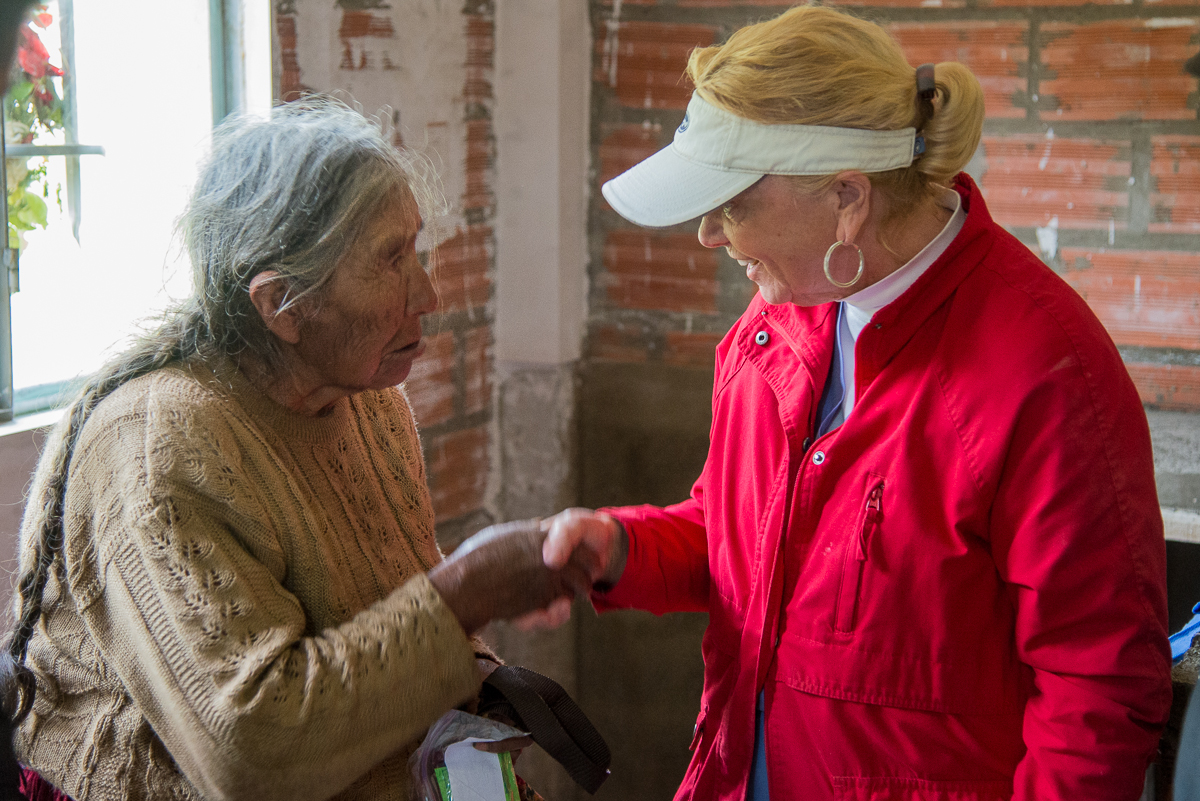
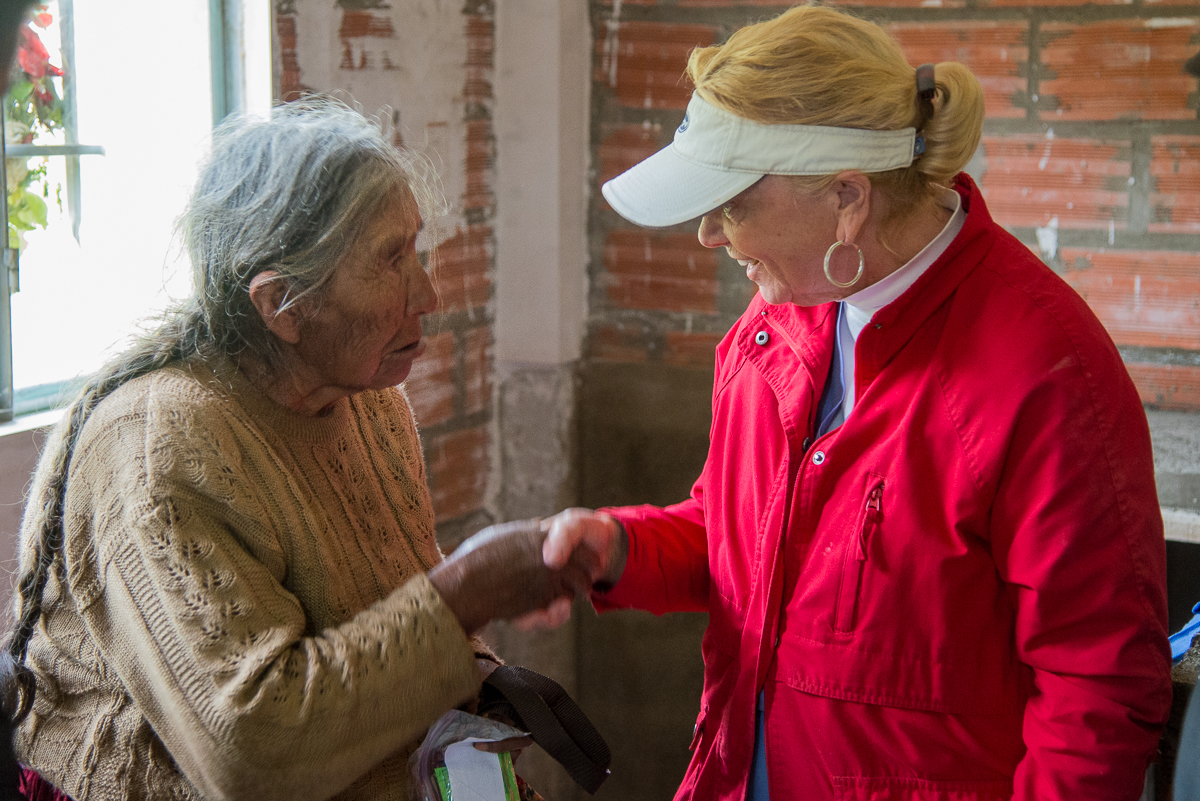
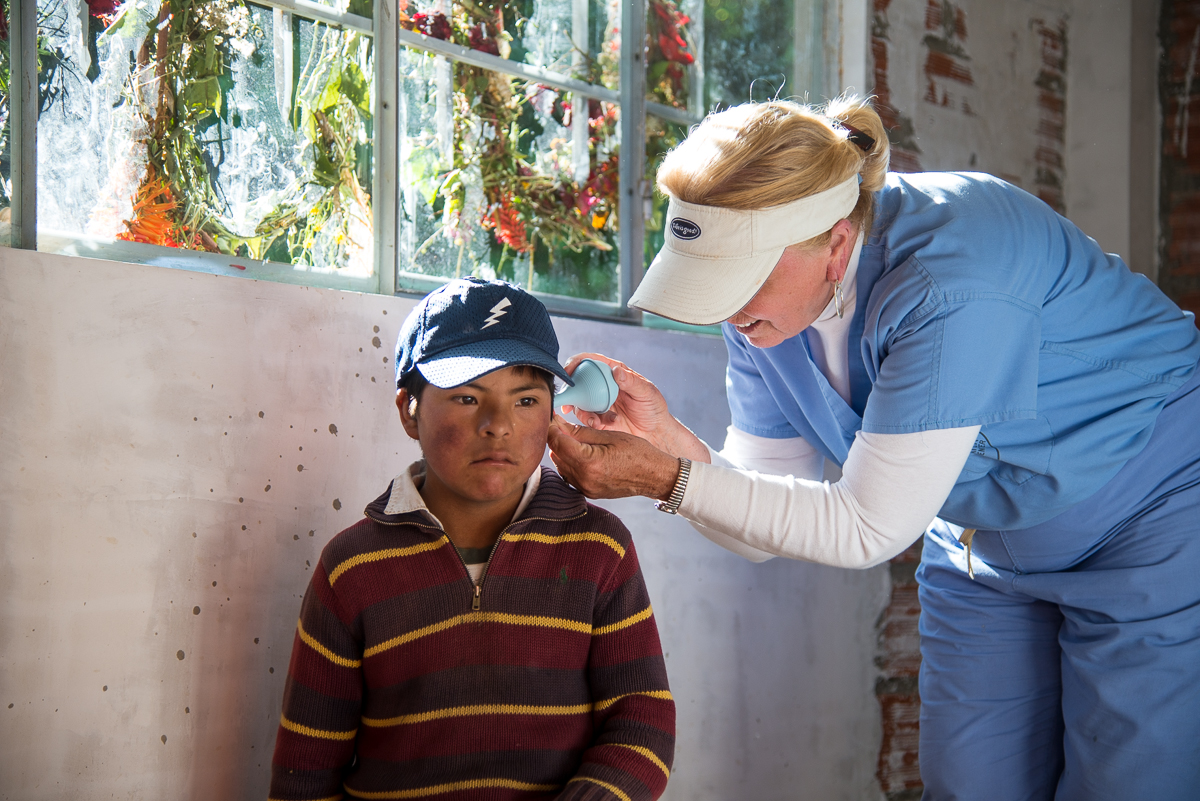
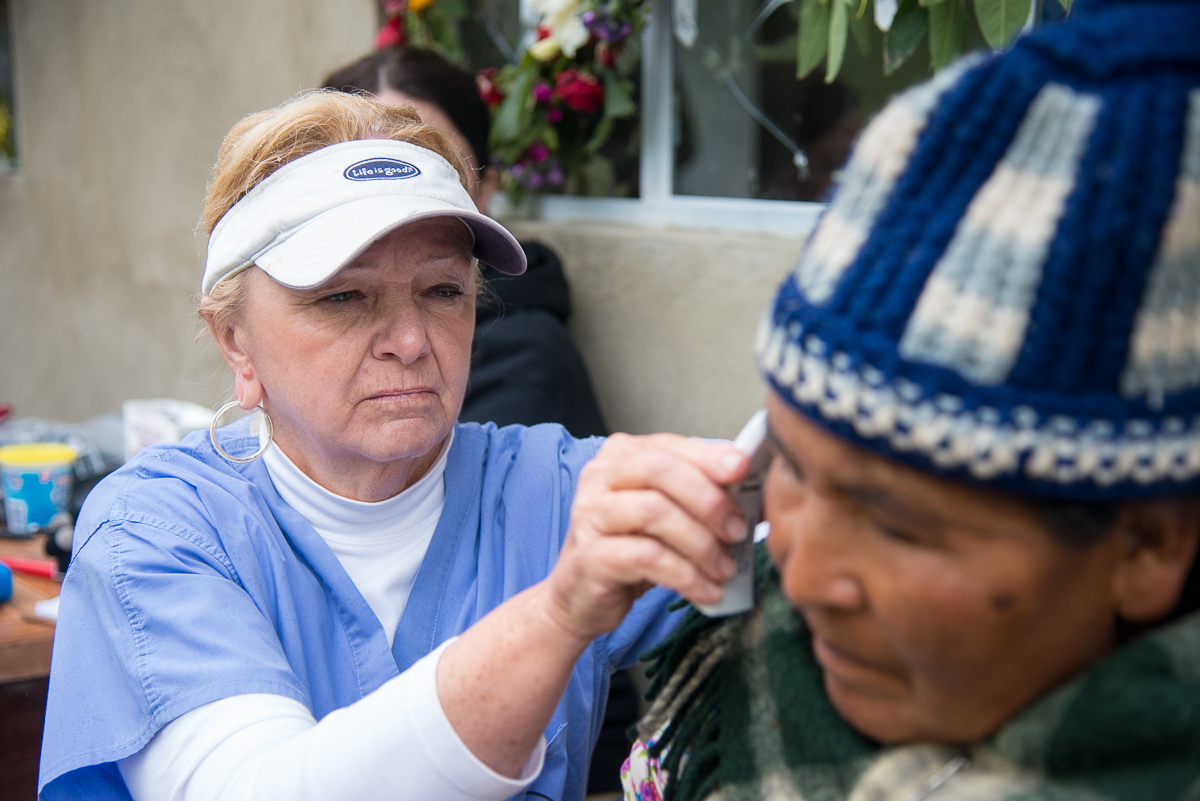
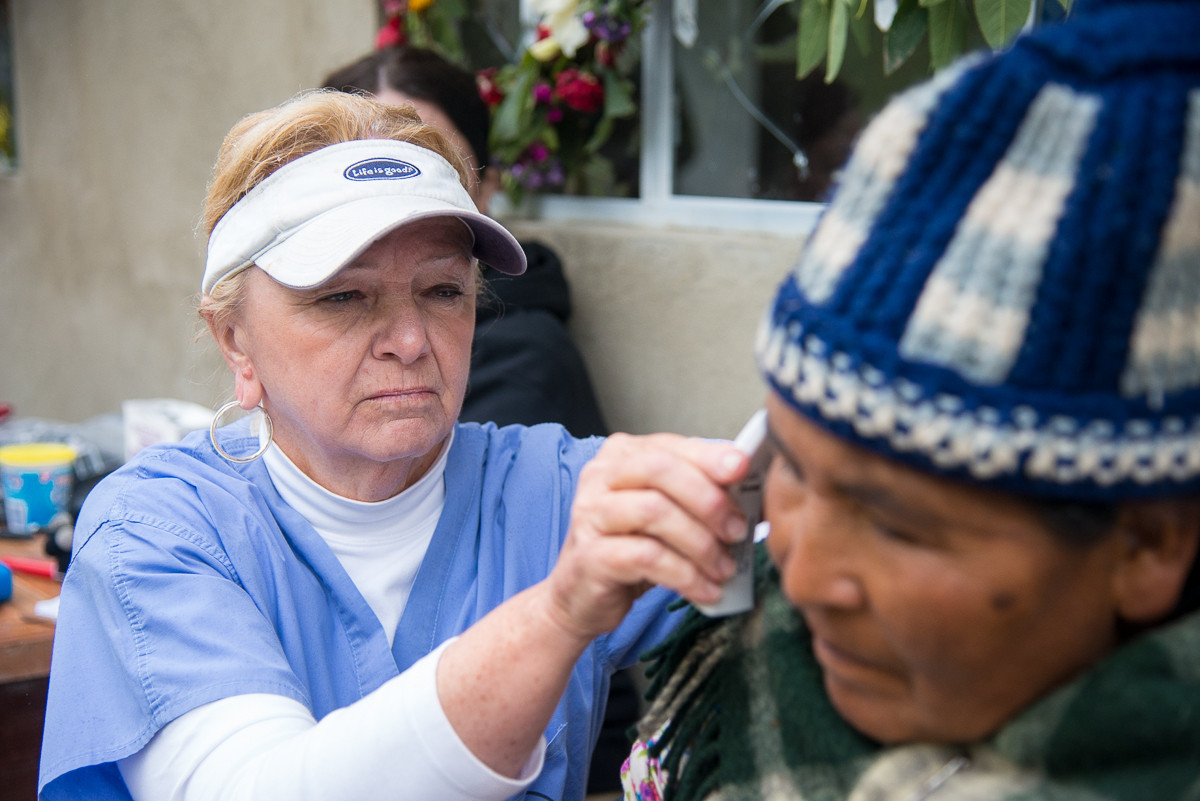
Carolyn Williams — my aunt — screening a patient outside the new Capayque medical clinic


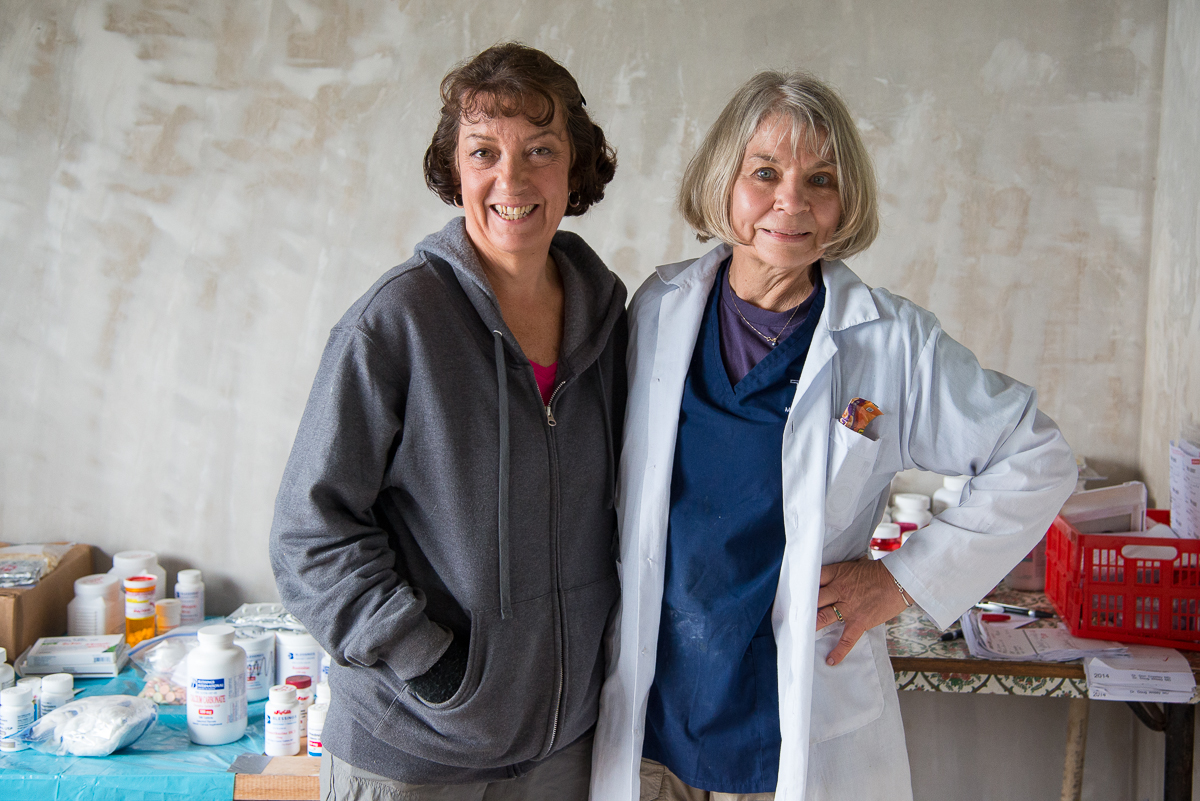
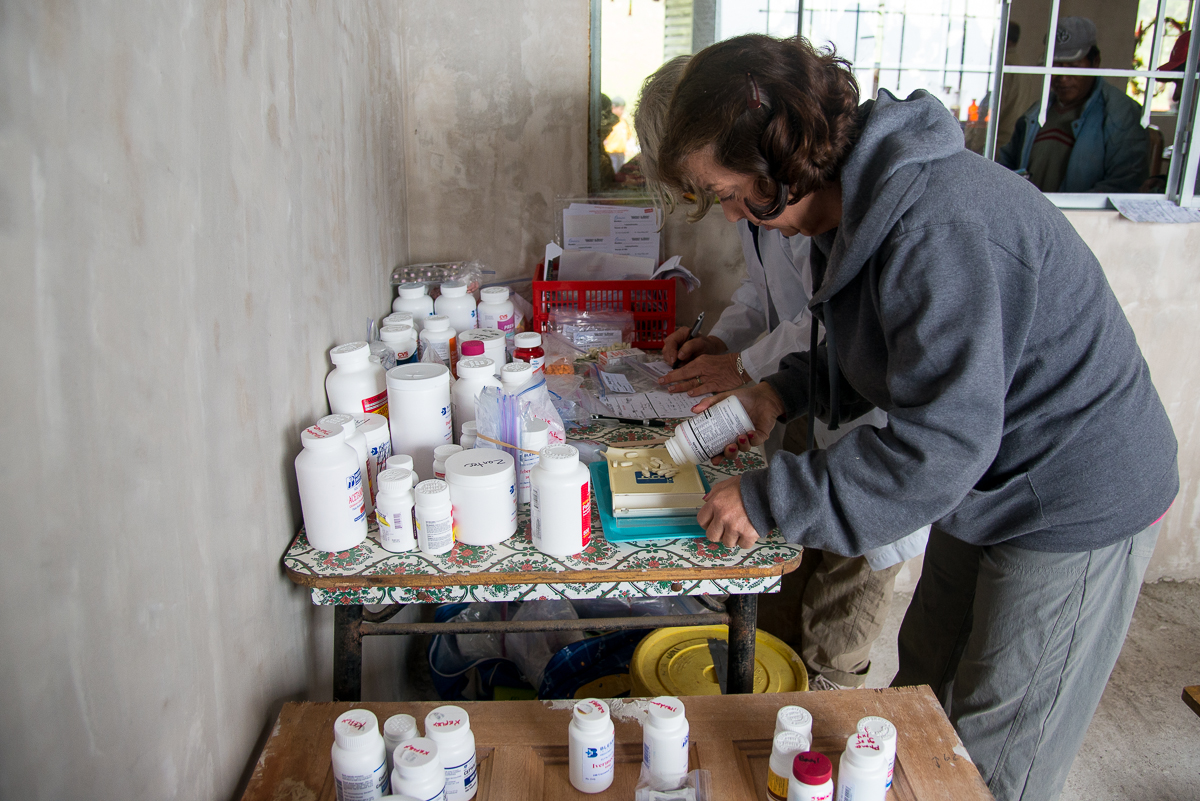
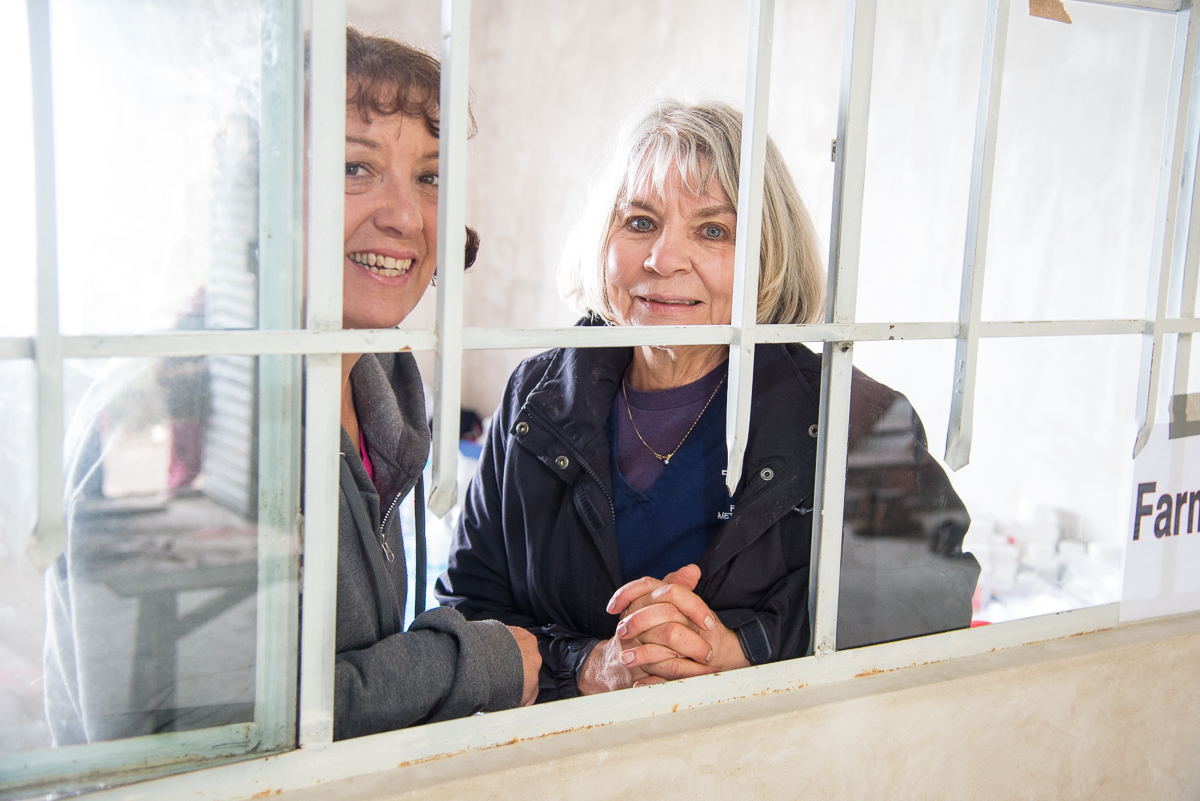
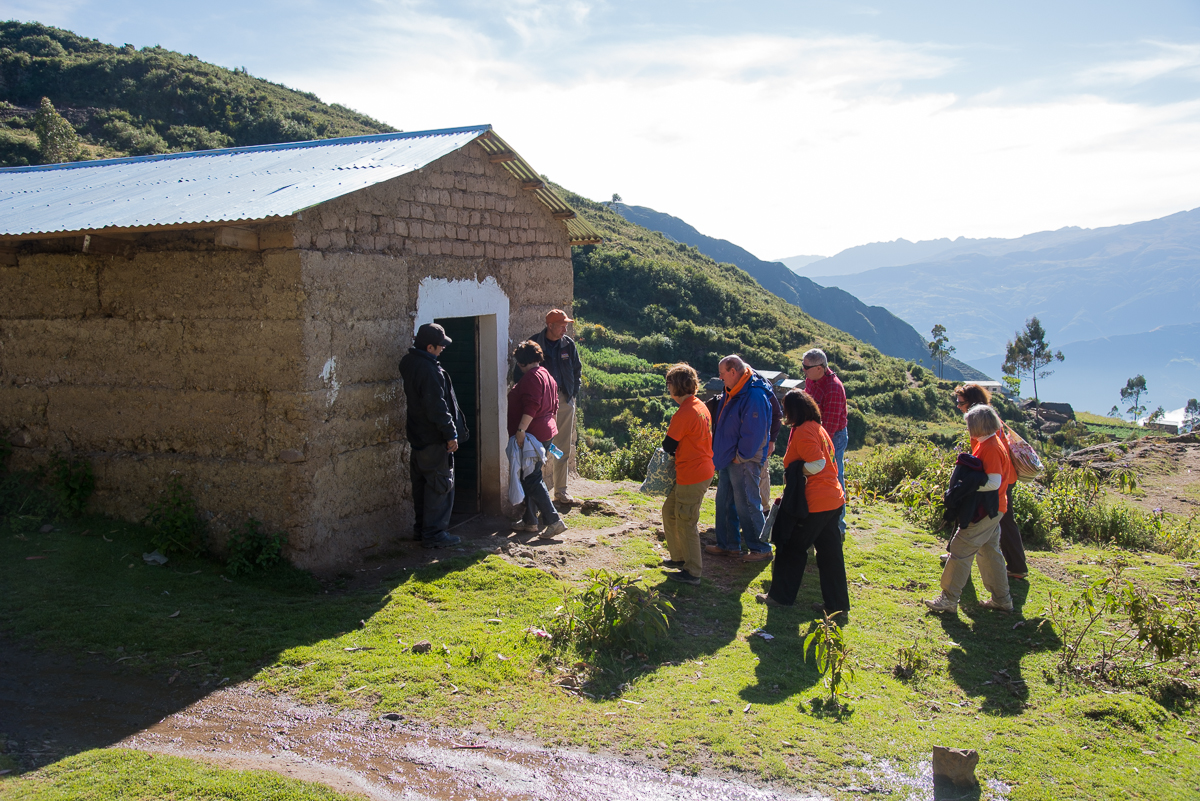
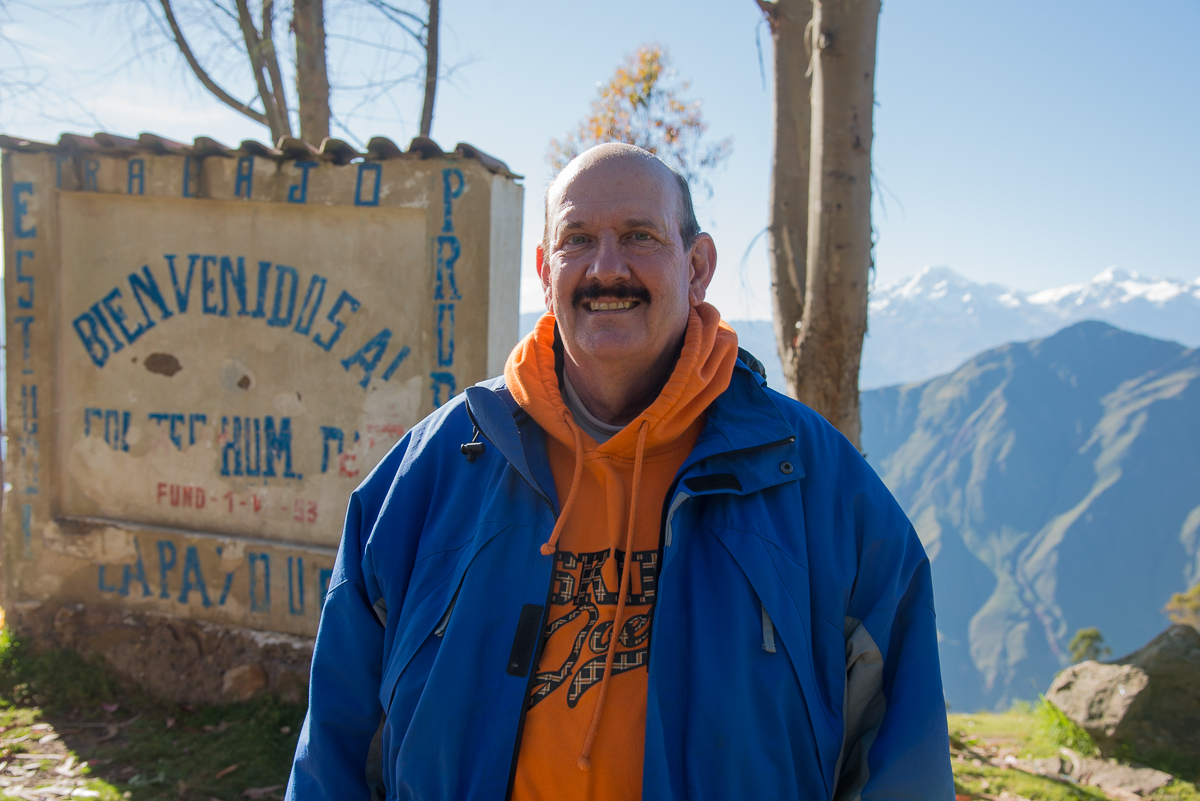
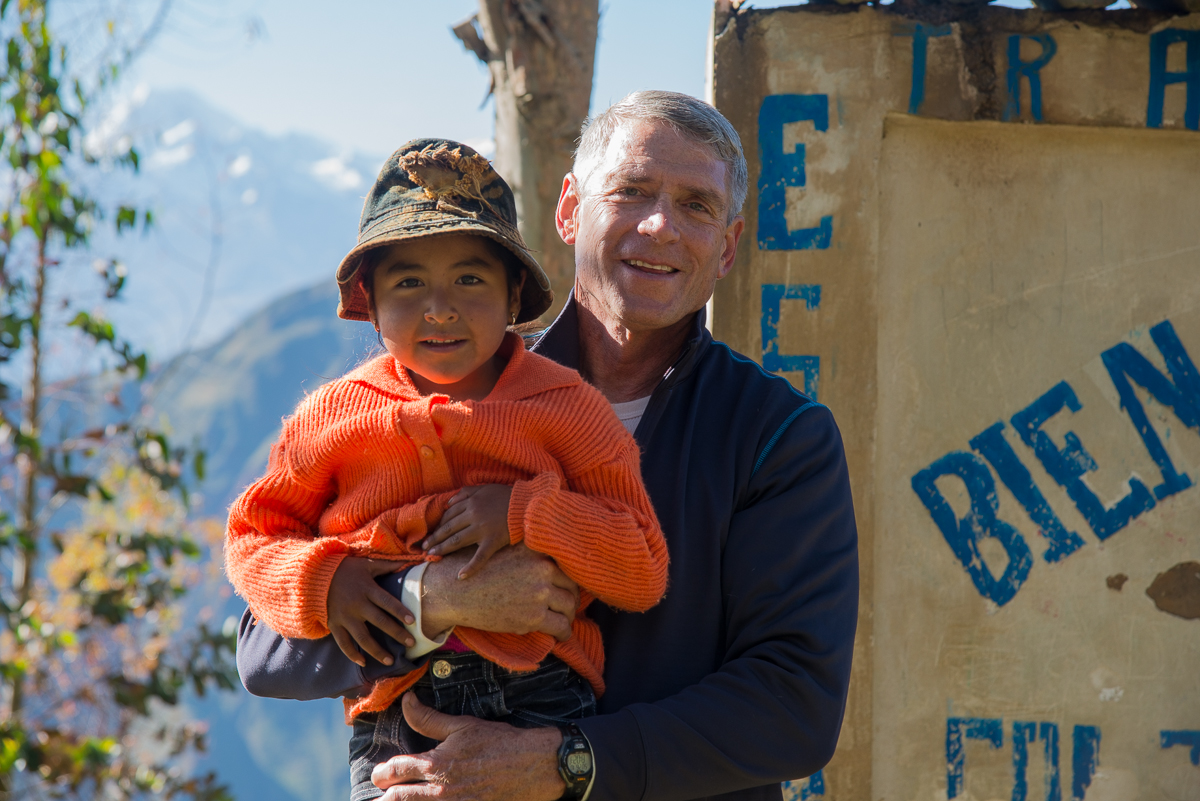
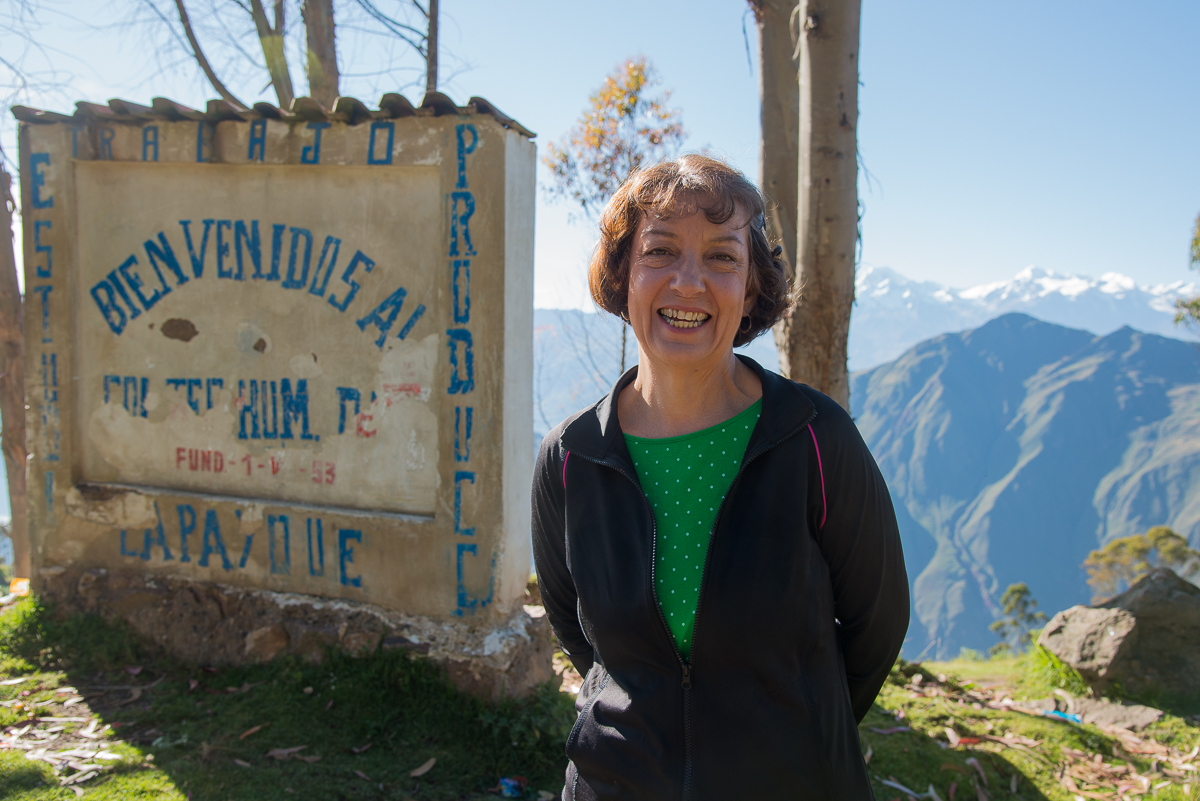
The First United Methodist Church of Stillwater, Oklahoma has – for many years – sent mission teams to South America to provide healthcare in remote, rural areas of Bolivia.  My aunt, Carolyn Williams – an R.N. (blond hair, visor and scrubs in these pictures) — has been a hero and mainstay of those teams for sixteen years.  This year, she invited me to come along to take pictures.  There were 14 of us from the U.S., assisted by a handful of Bolivians from La Paz and from Capayque itself.
_JD80813

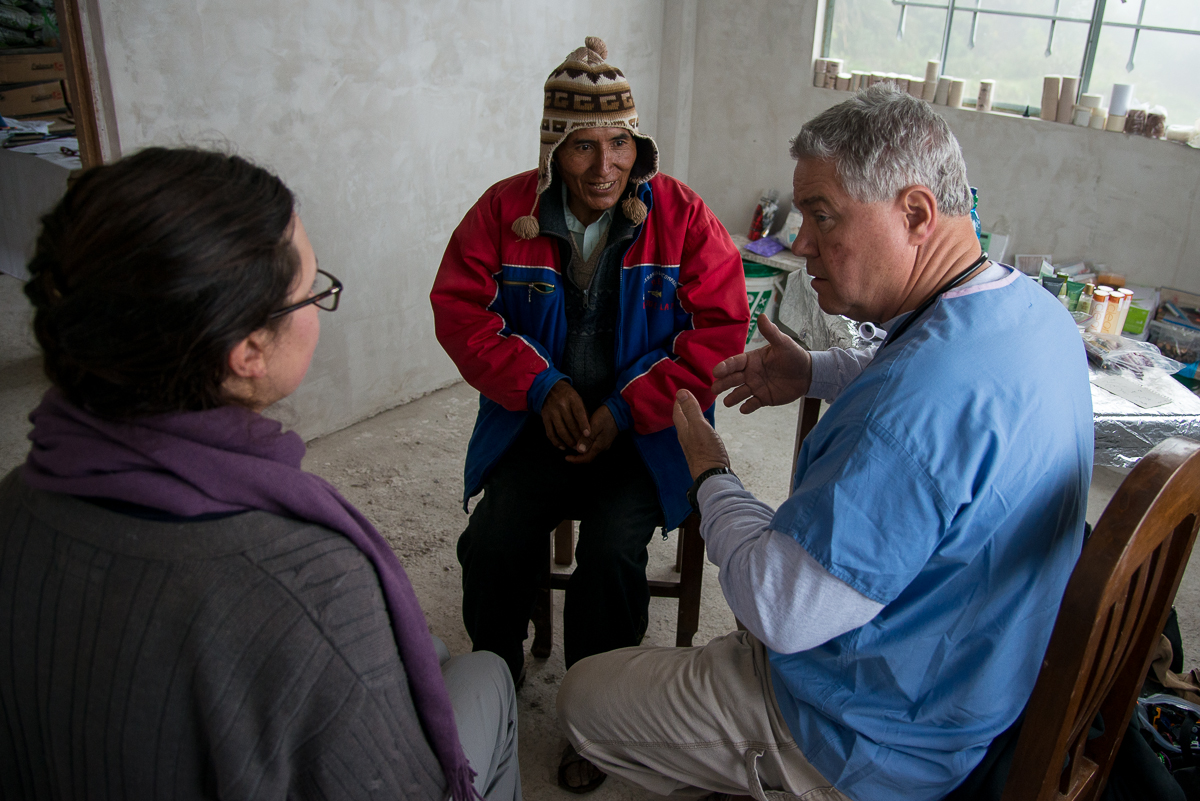
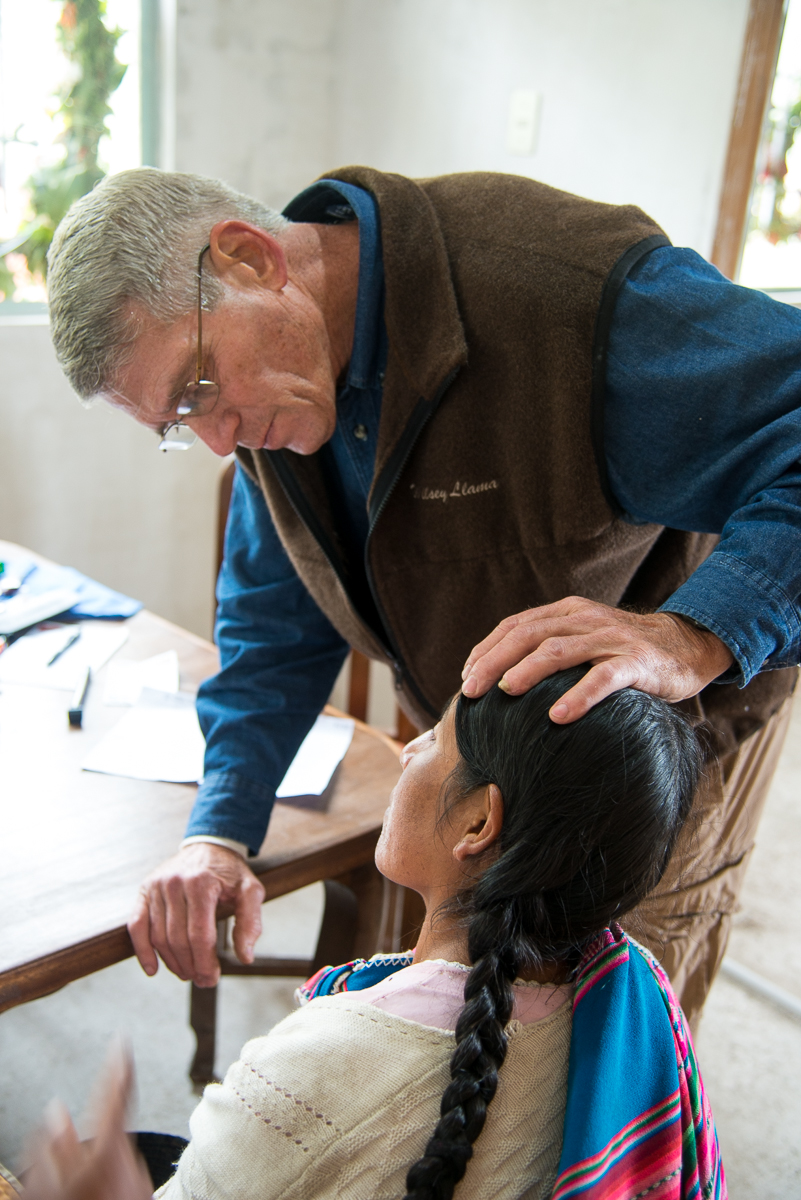
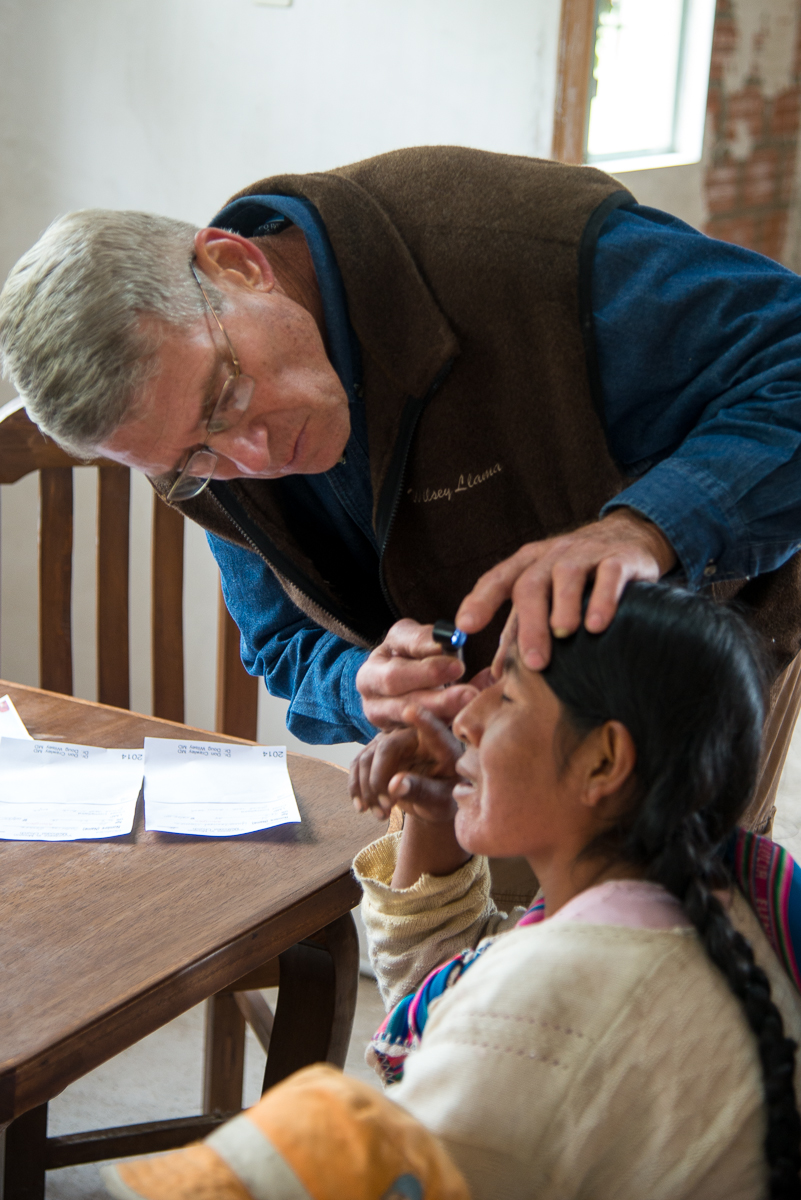
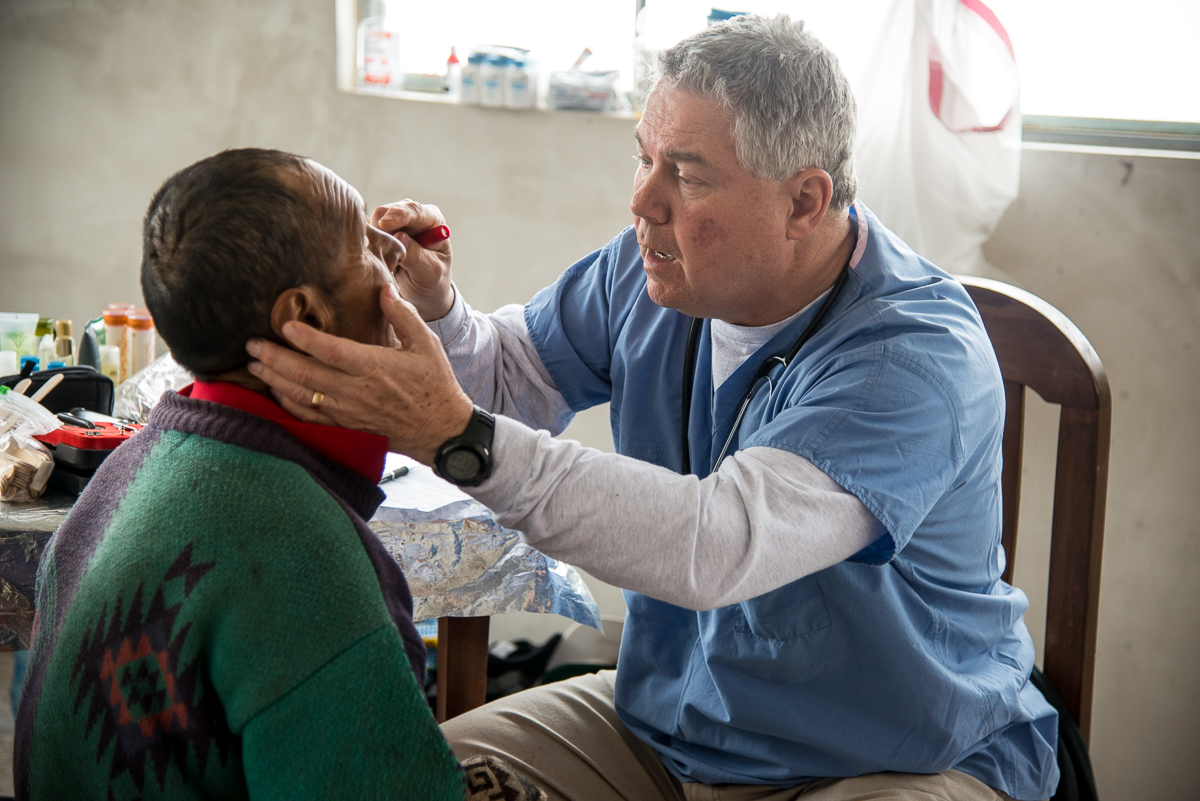
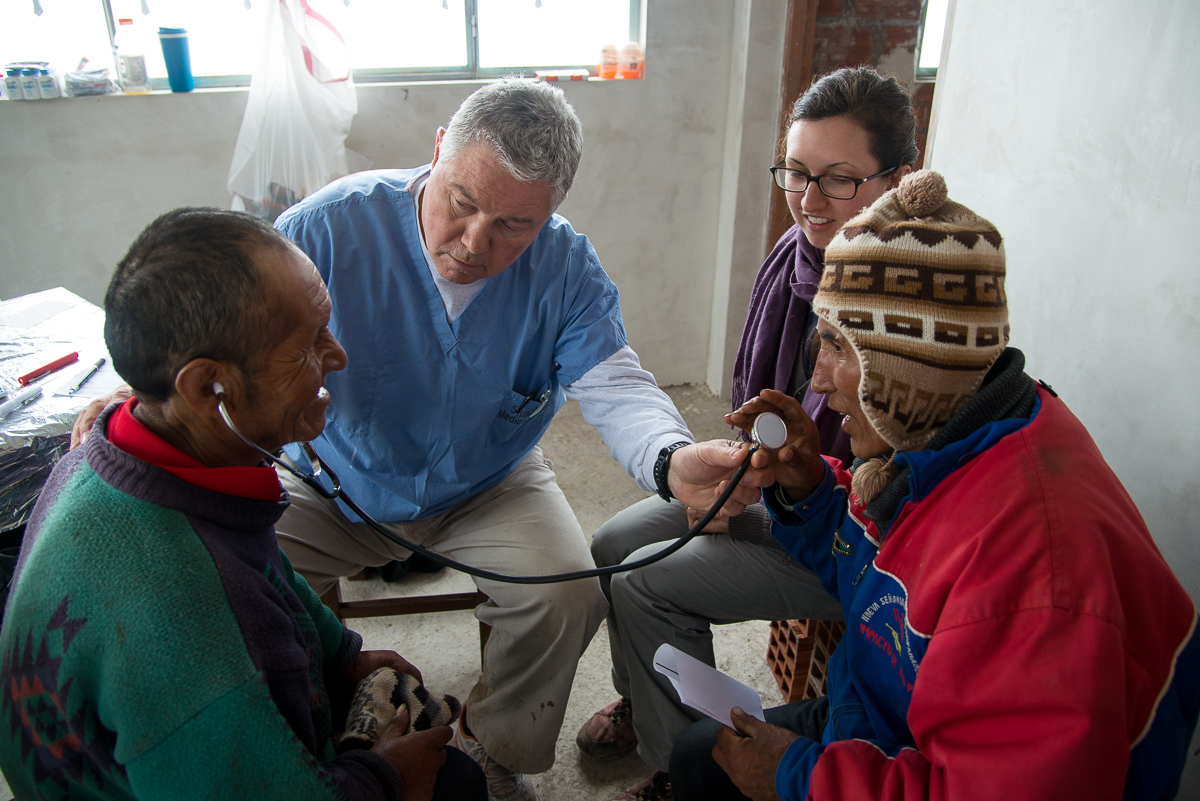
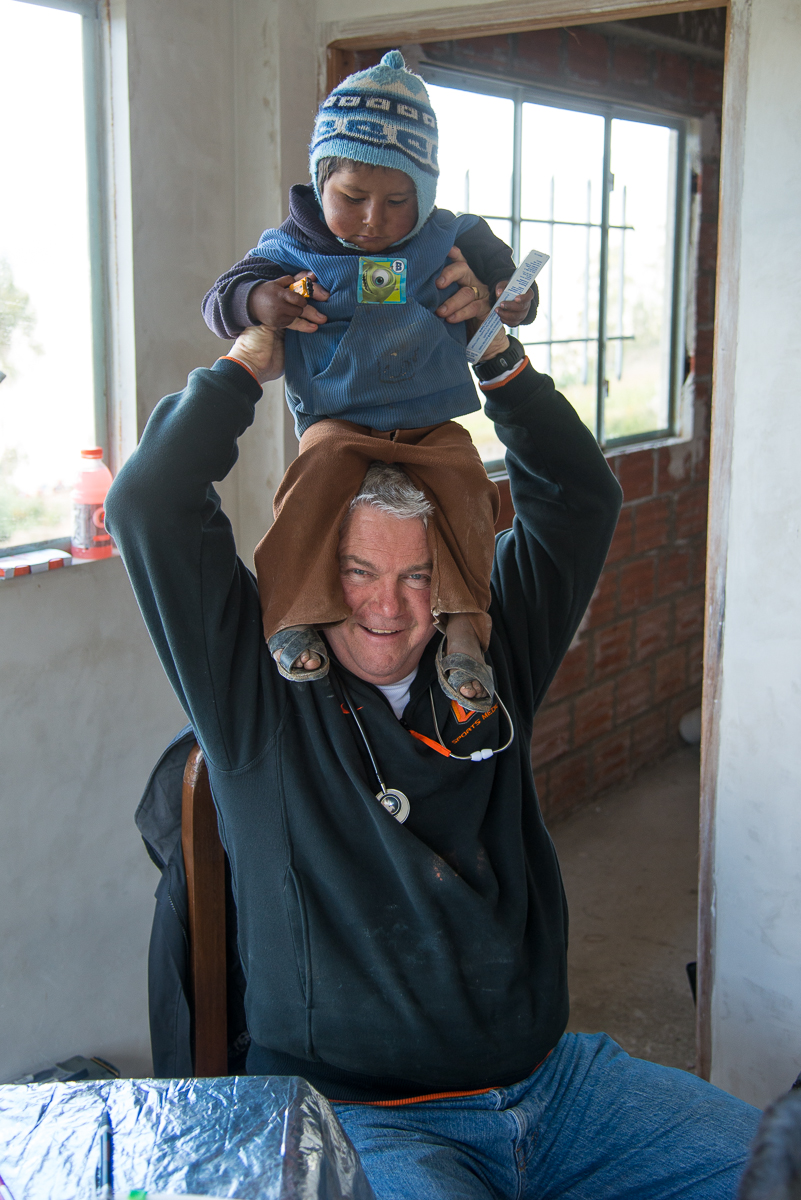
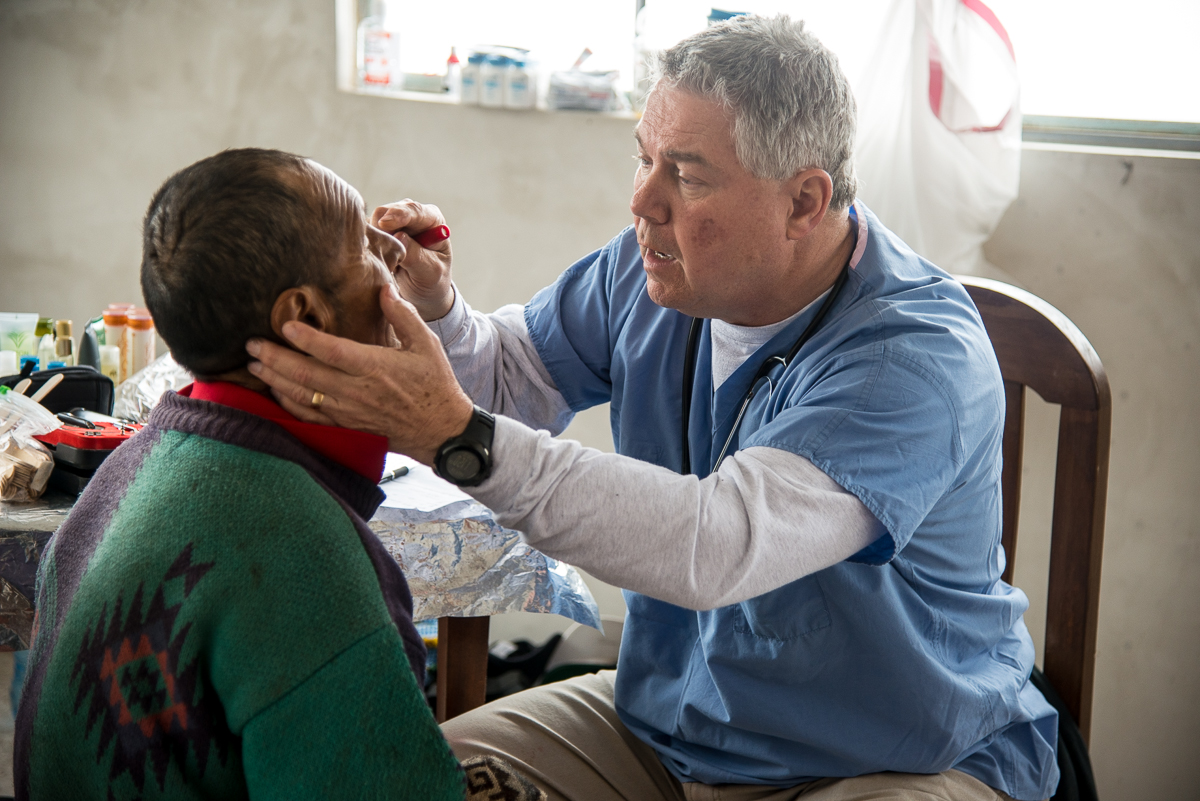
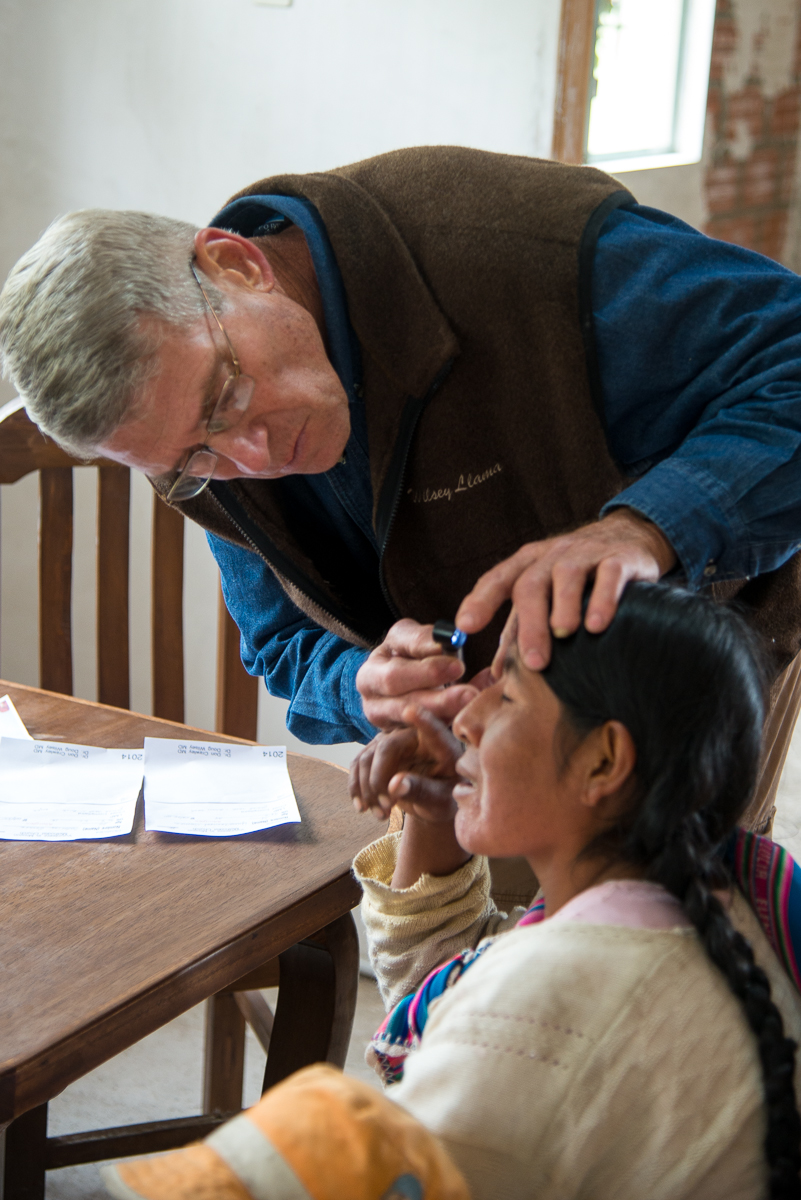
Dr. Don Crawley of Stillwater examines a patient in Capayque


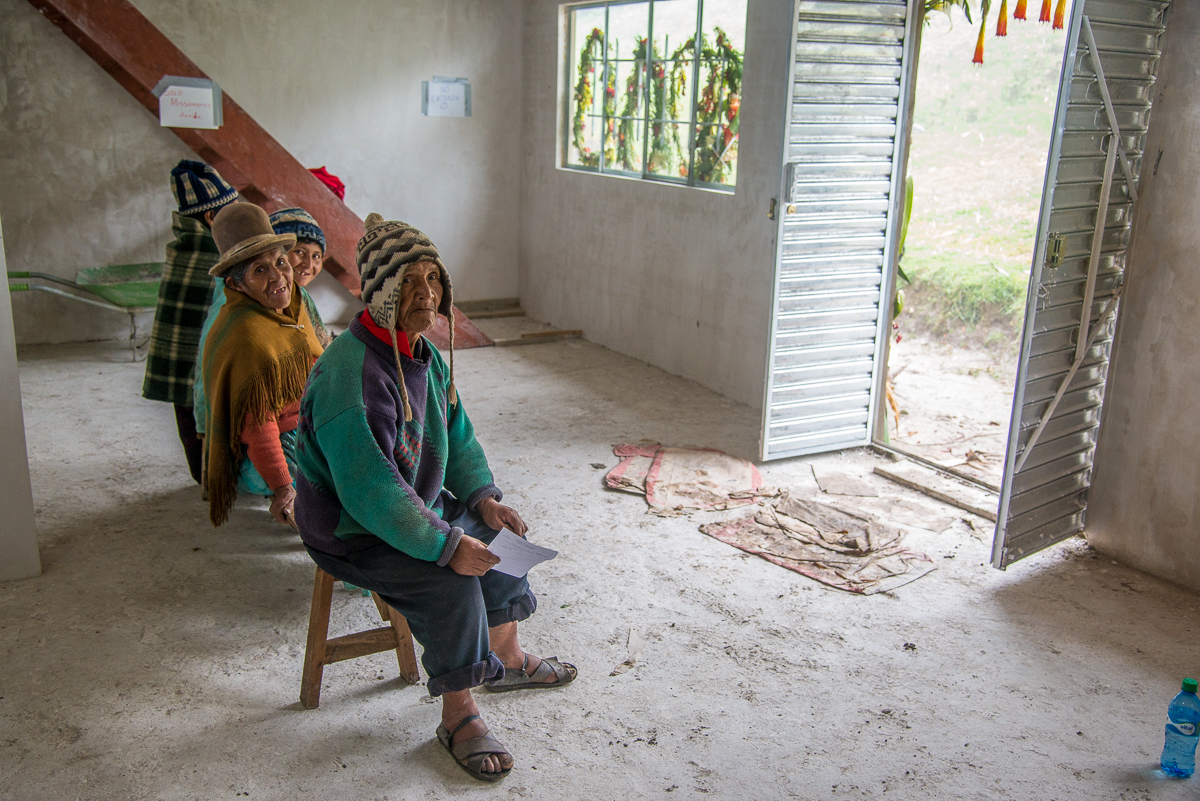
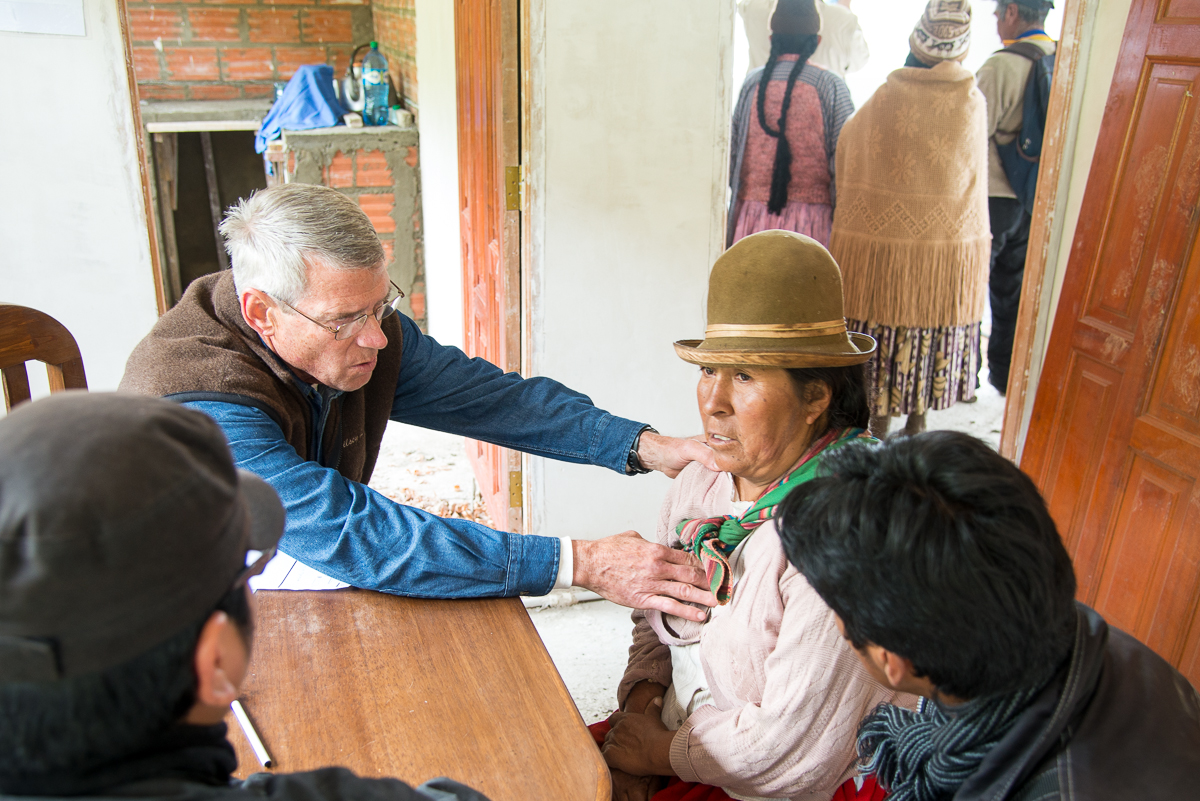
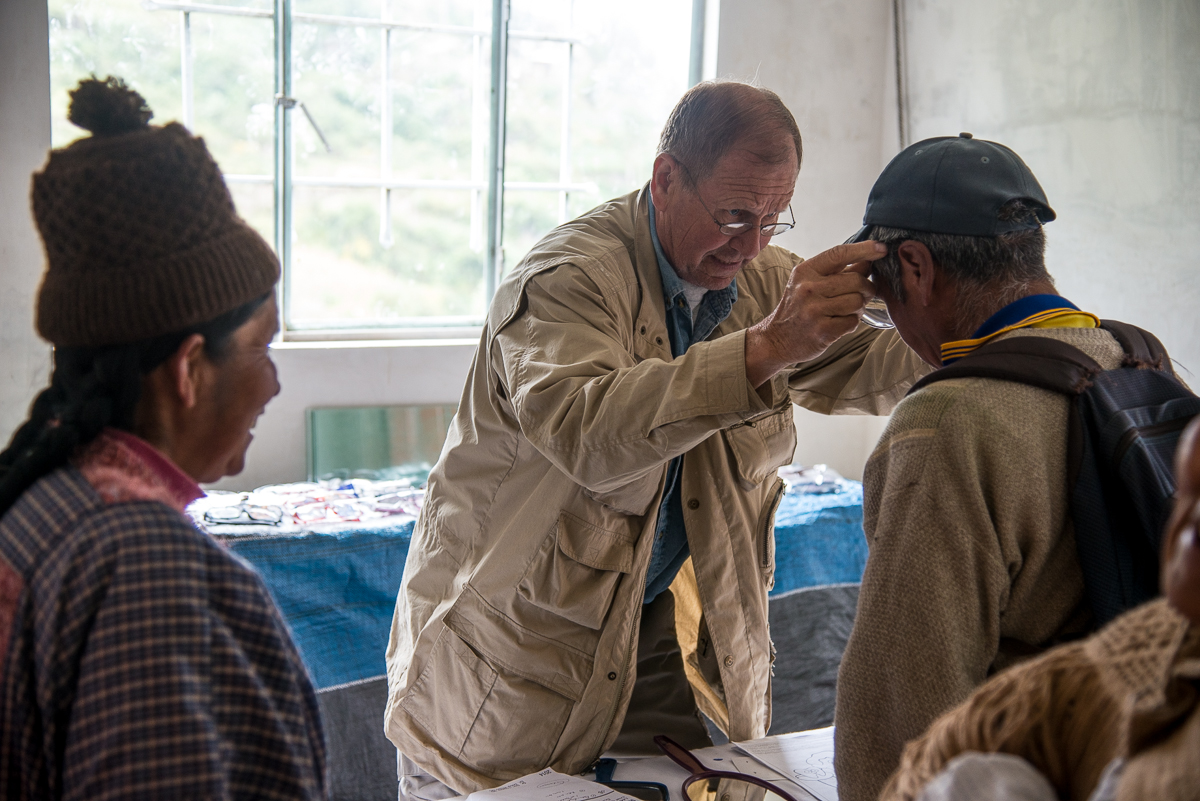
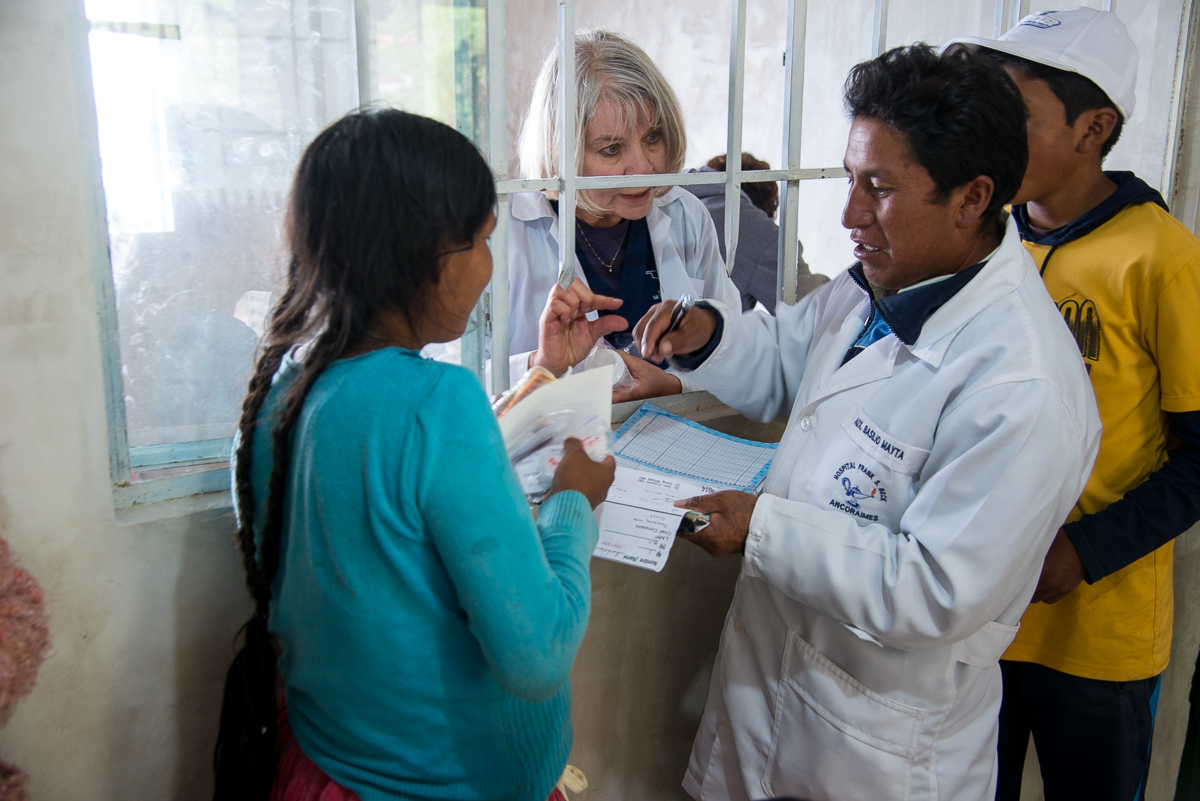
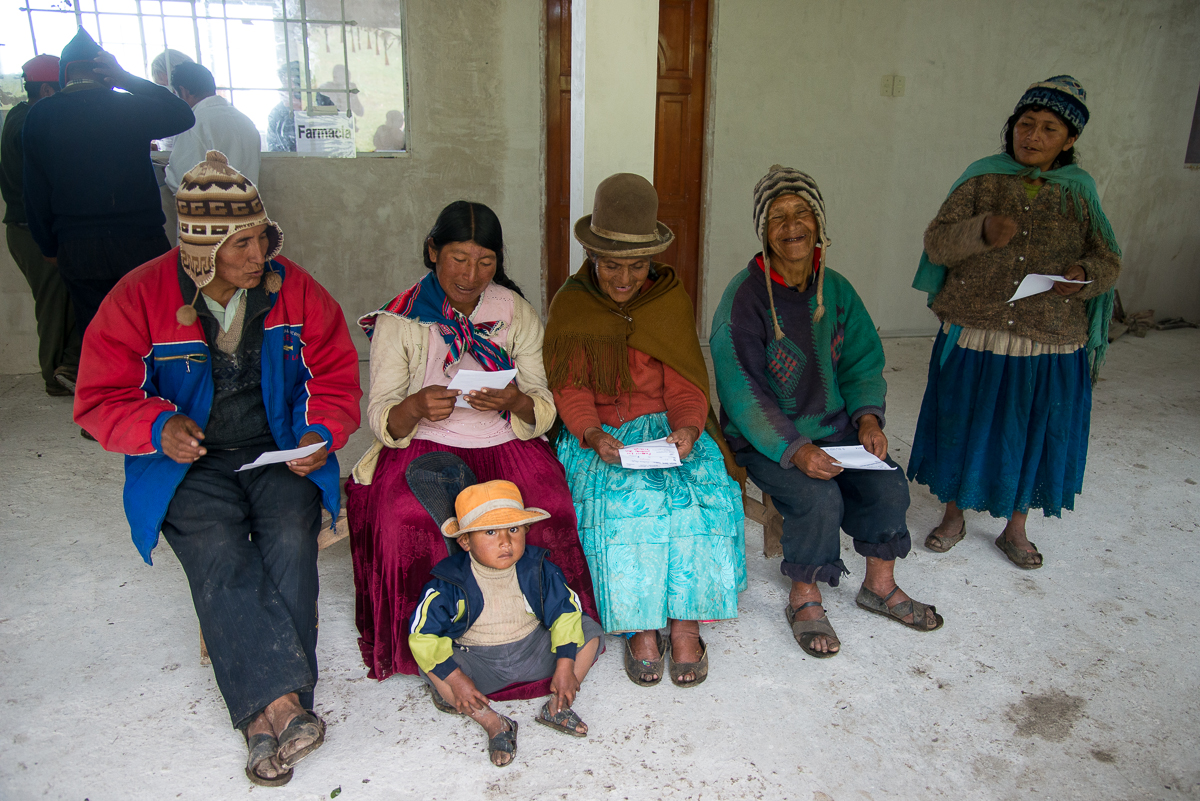
Over the course of five days, Carolyn and the two American doctors (Don Crawley and Doug Wilsey, both of Stillwater) saw about 300 patients from Capayque and surrounding communities.  It was surely the first time many had seen a doctor in their lives.  The doctors dealt with an array of conditions ranging from pregnancy to worms to earwax to virtual blindness, all the while trying to share preventive health tips like handwashing, tooth brushing, nutrition and water safety.
_JD80771

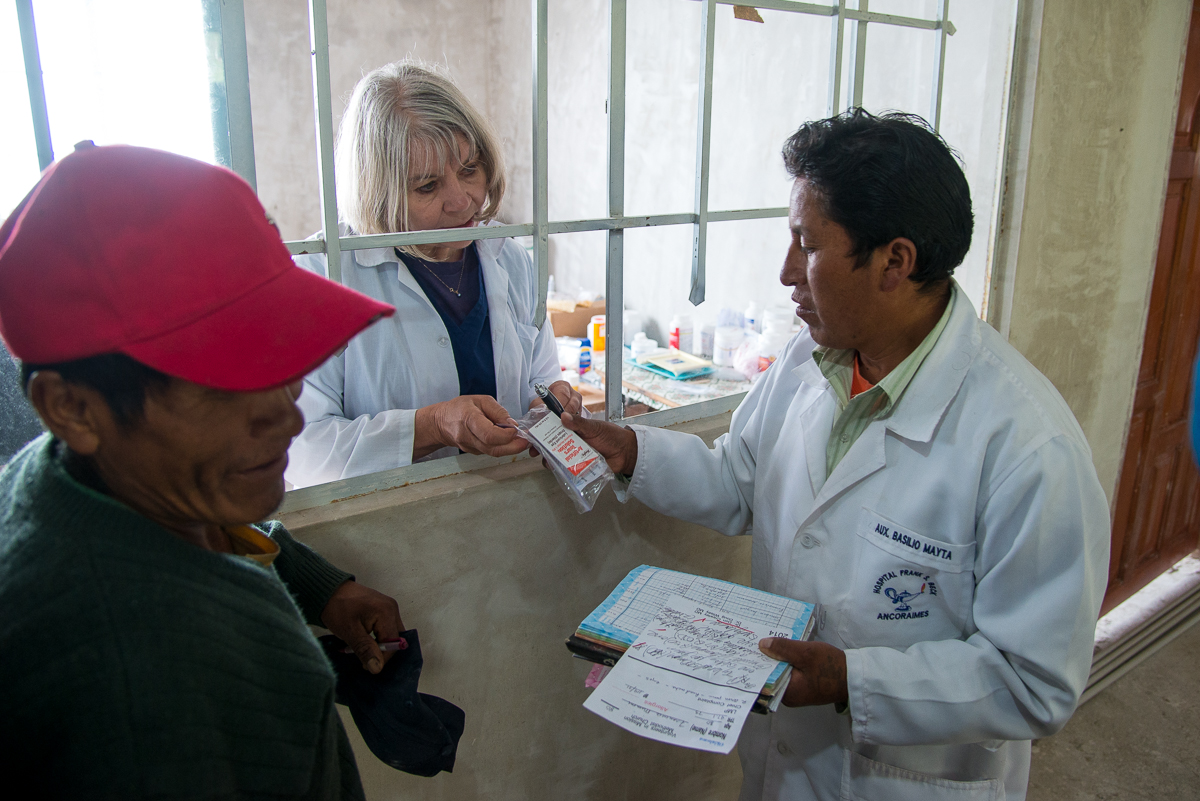
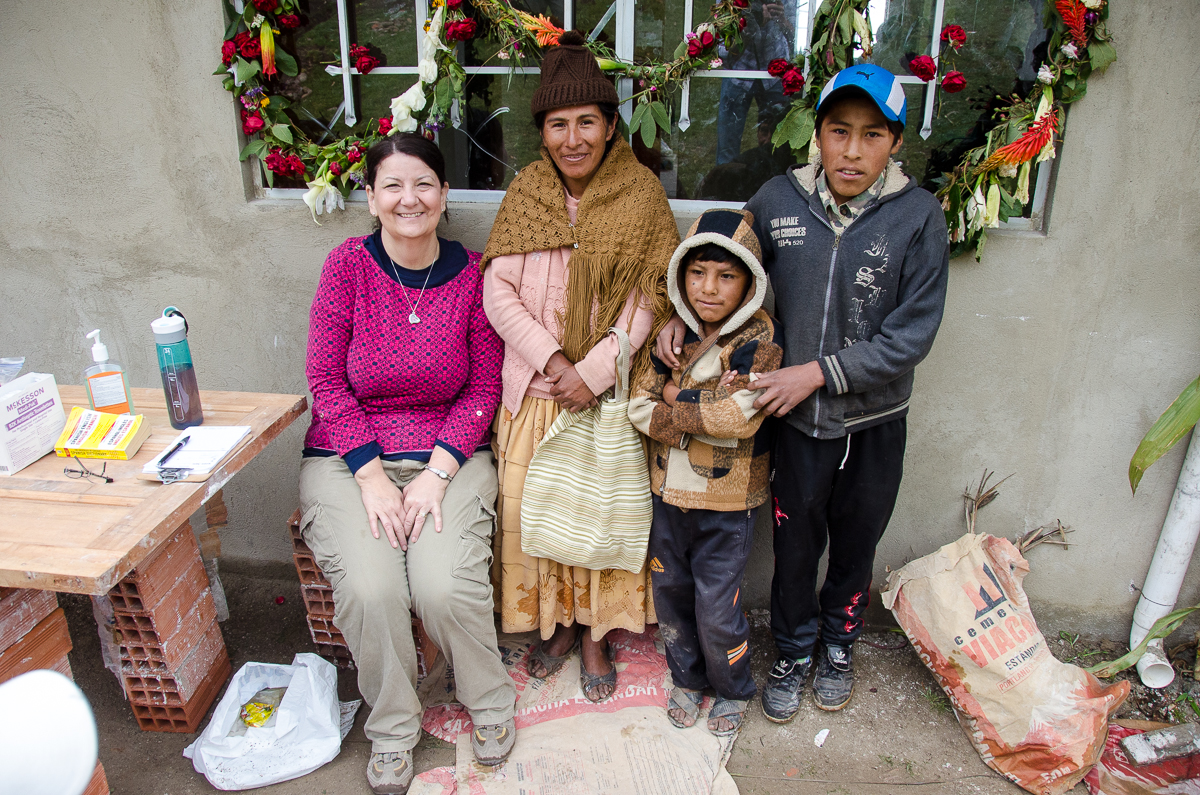
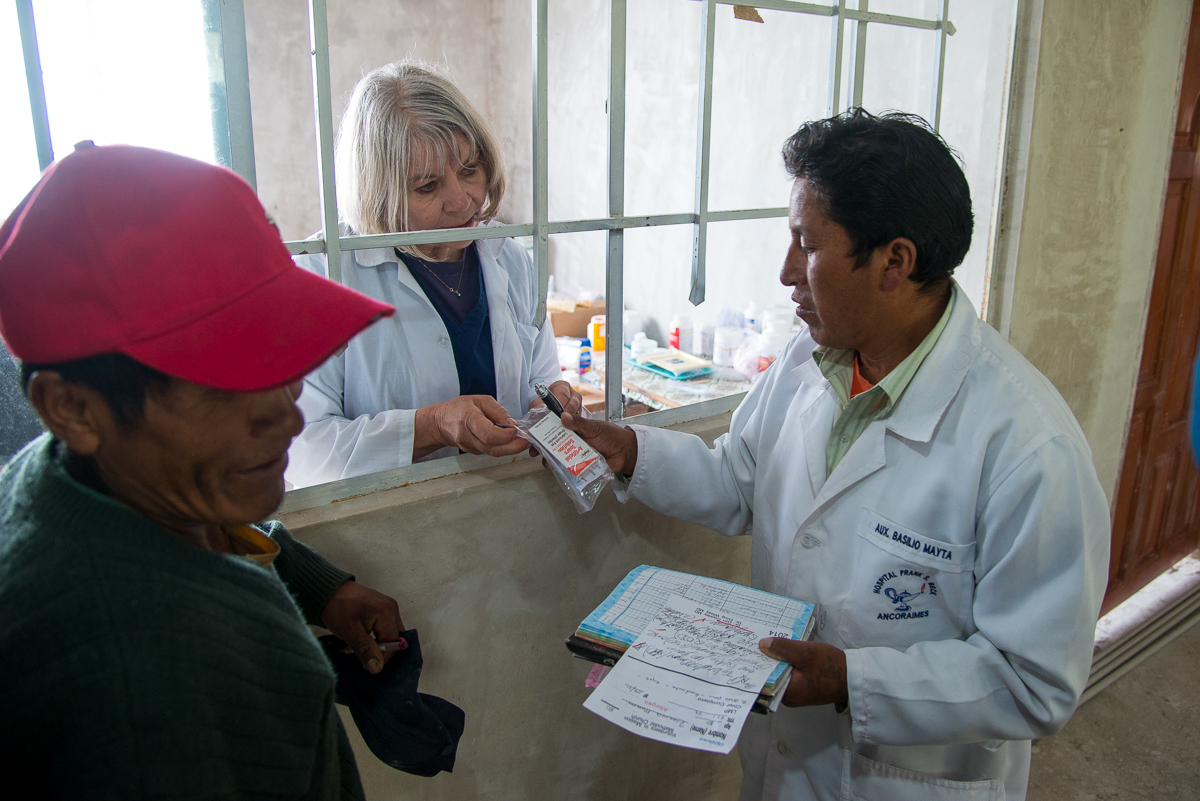
Linda Allen (center) was the group’s acting lead pharmacist
_JD80797

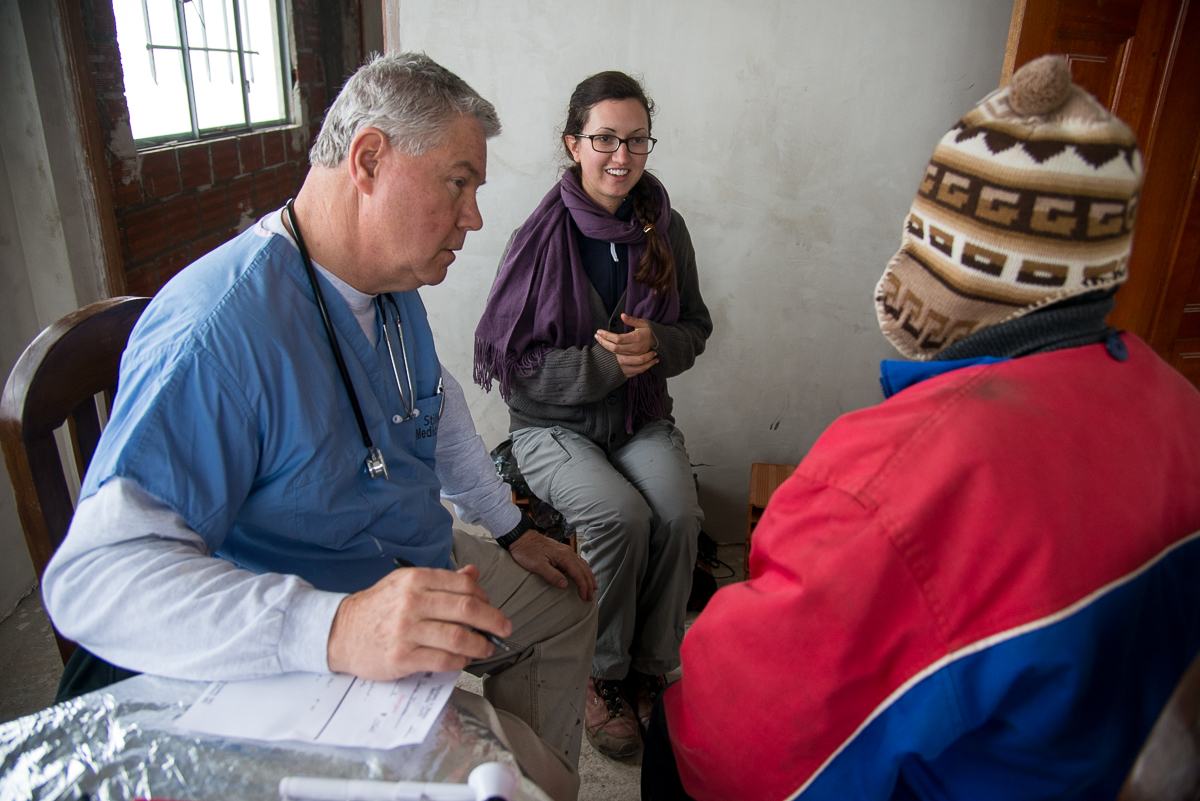
Dr. Don Wilsey

_JD81123

The challenges of interacting and helping the Capayque people were heightened by the fact that many of the locals speak only the indigenous people’s language of Aymara – not Spanish like they speak in La Paz.  So often a single doctor and a single patient required two translations – Aymara to Spanish, then Spanish to English.
_JD80759.jpg_JD80768.jpg_JD80771.jpg_JD80781.jpg_JD80786.jpg_JD80793.jpg_JD80797.jpg_JD80805.jpg_JD80813.jpg_JD80828.jpg_JD80829.jpg_JD80911.jpg_JD80912.jpg_JD81138.jpg_JD80775.jpg_JD80966.jpg_JD81075.jpg_JD81123.jpg_JD81947.jpg_JD82727.jpg_JJC9423.jpg_JJC9115.jpg

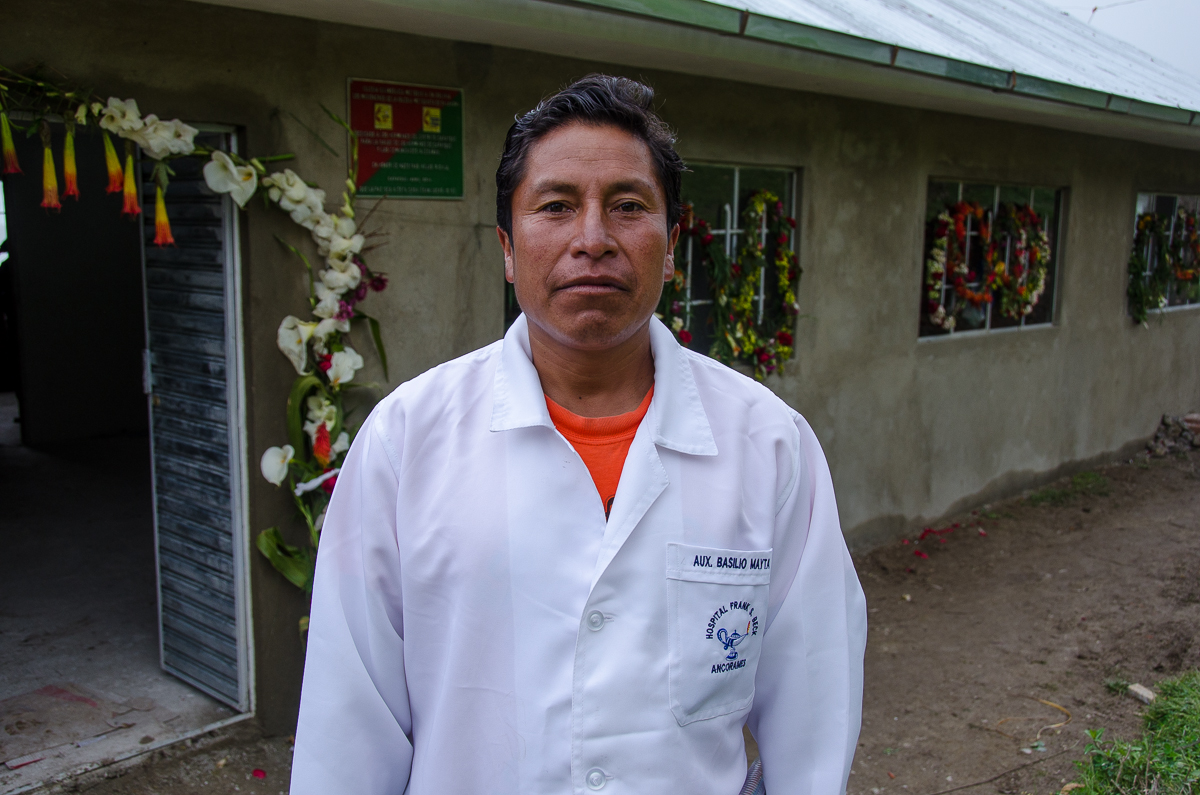
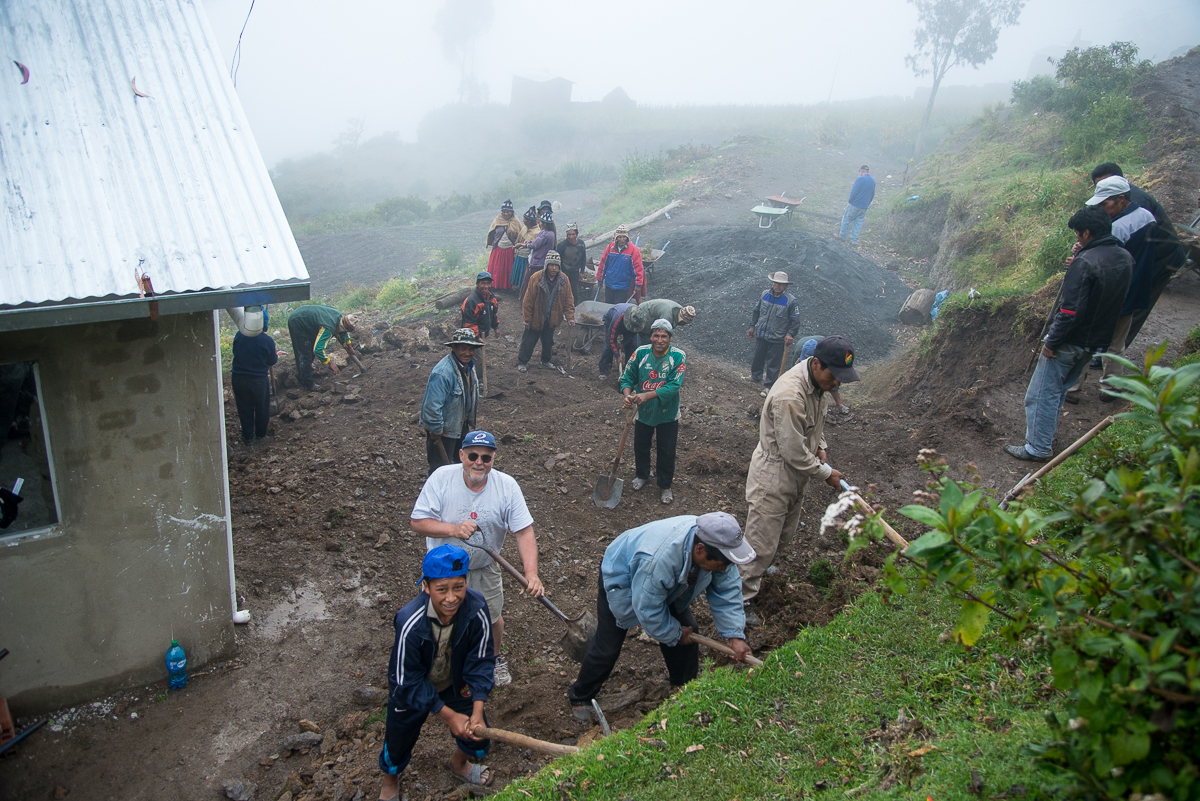
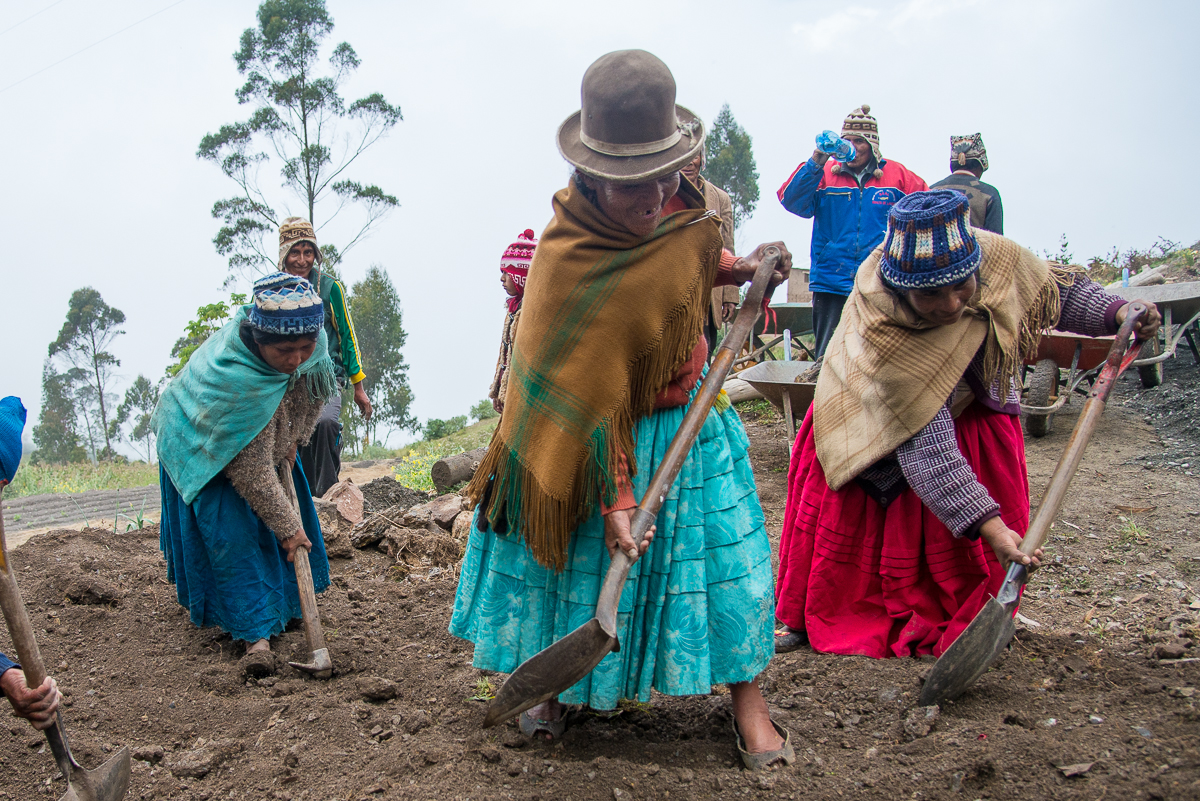
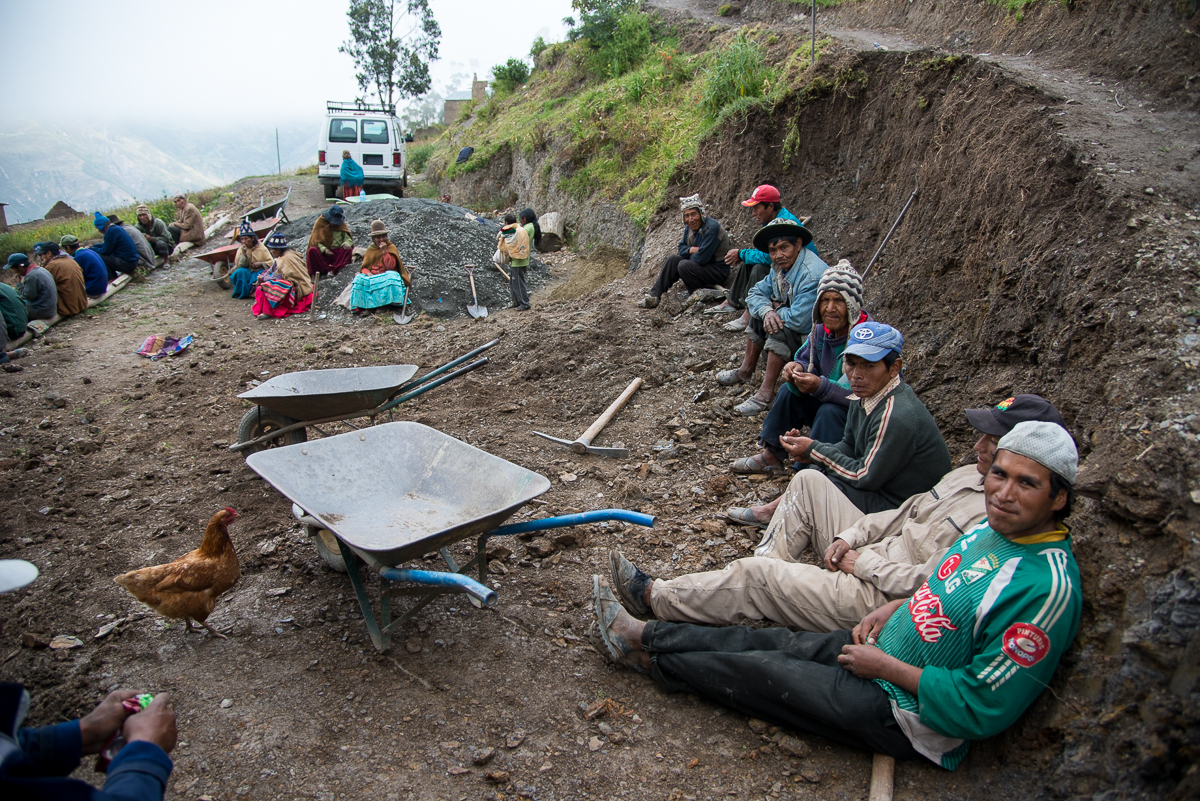
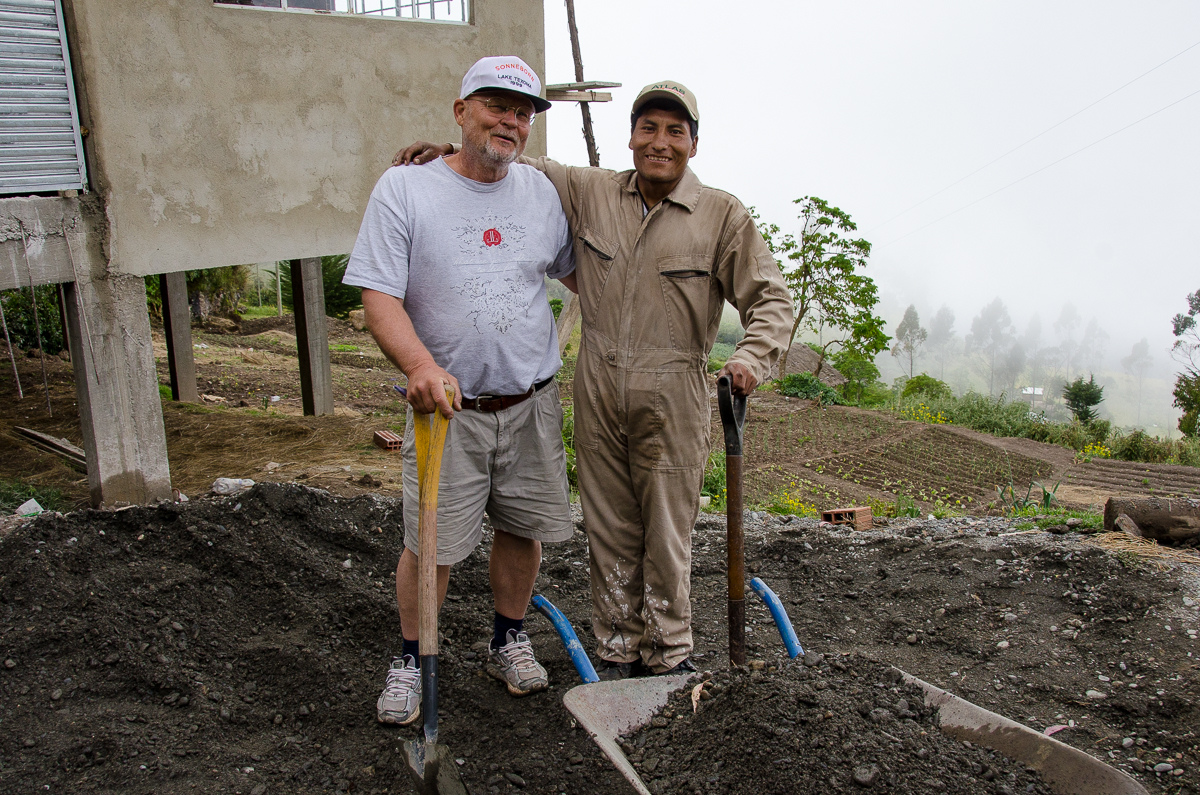
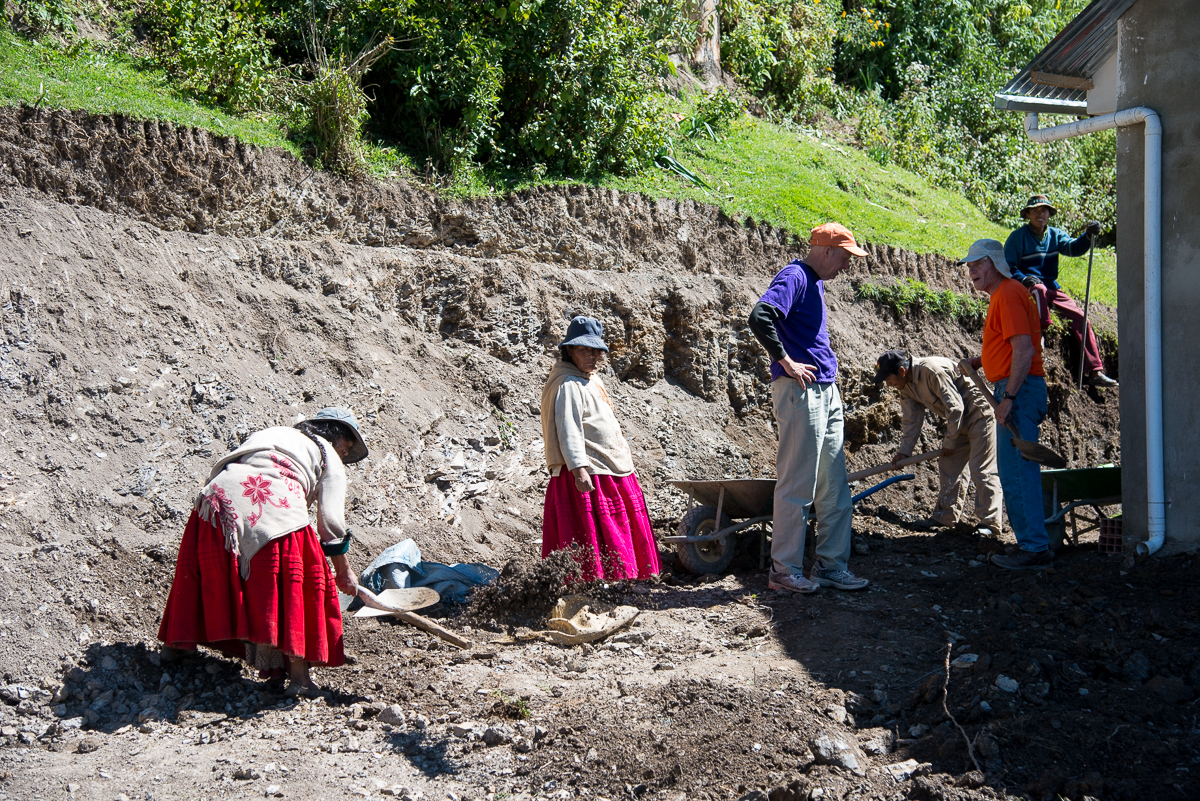
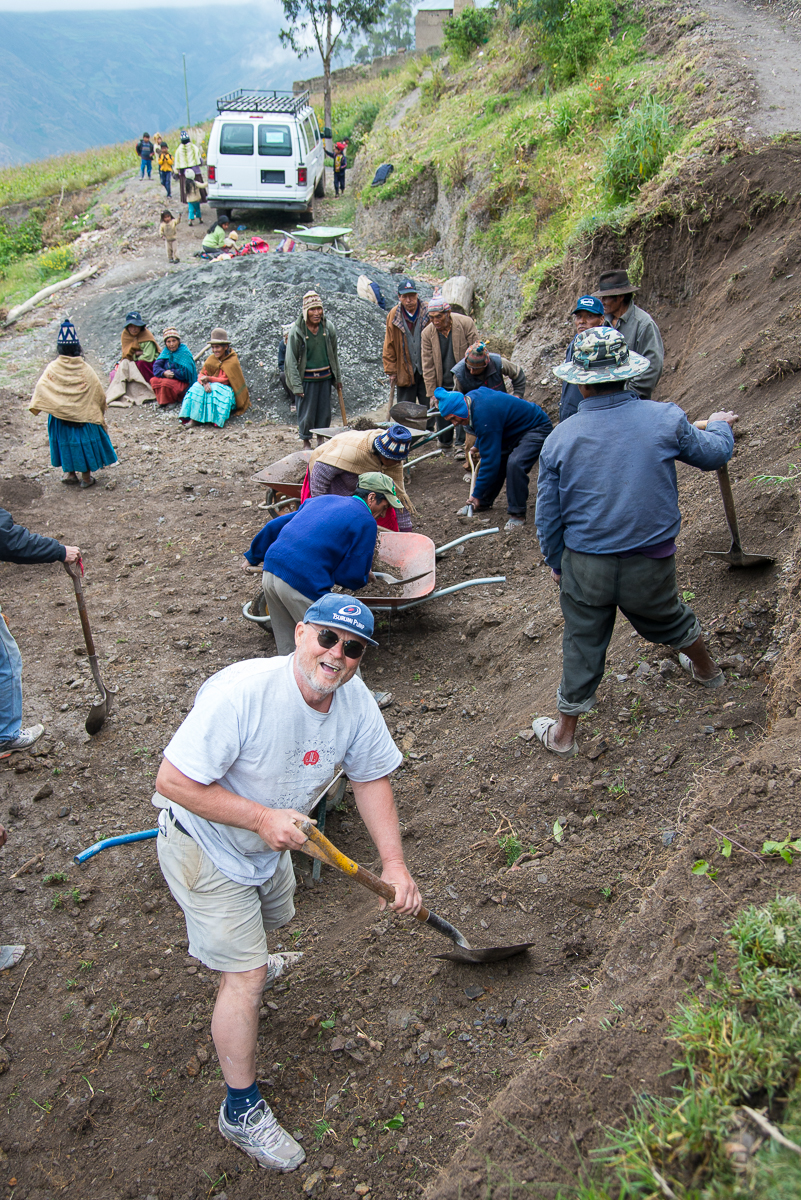
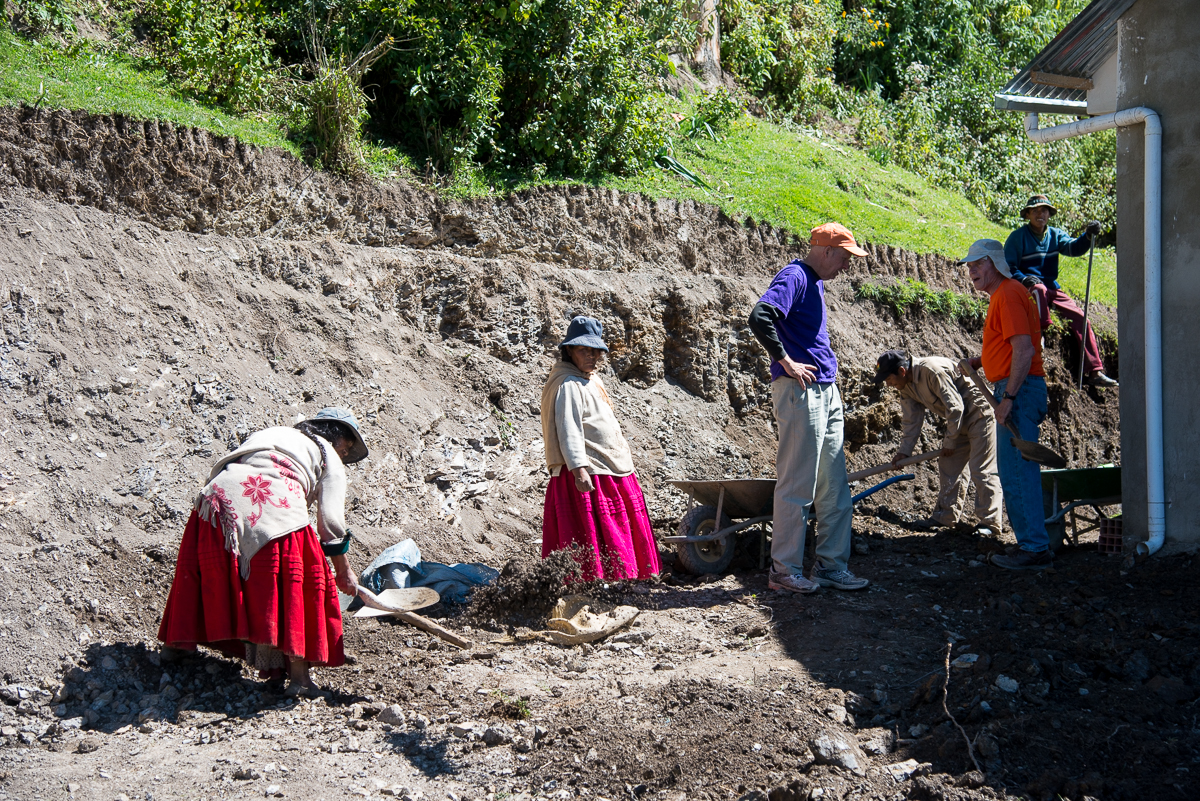
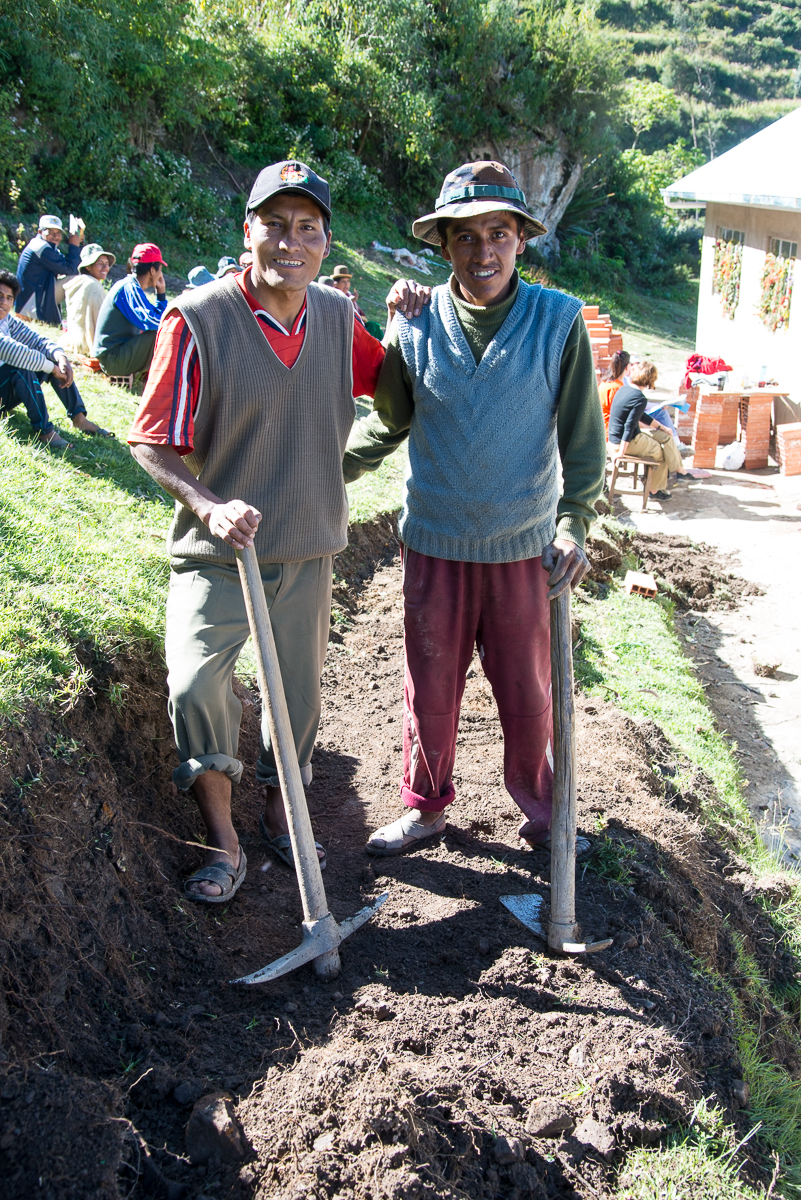
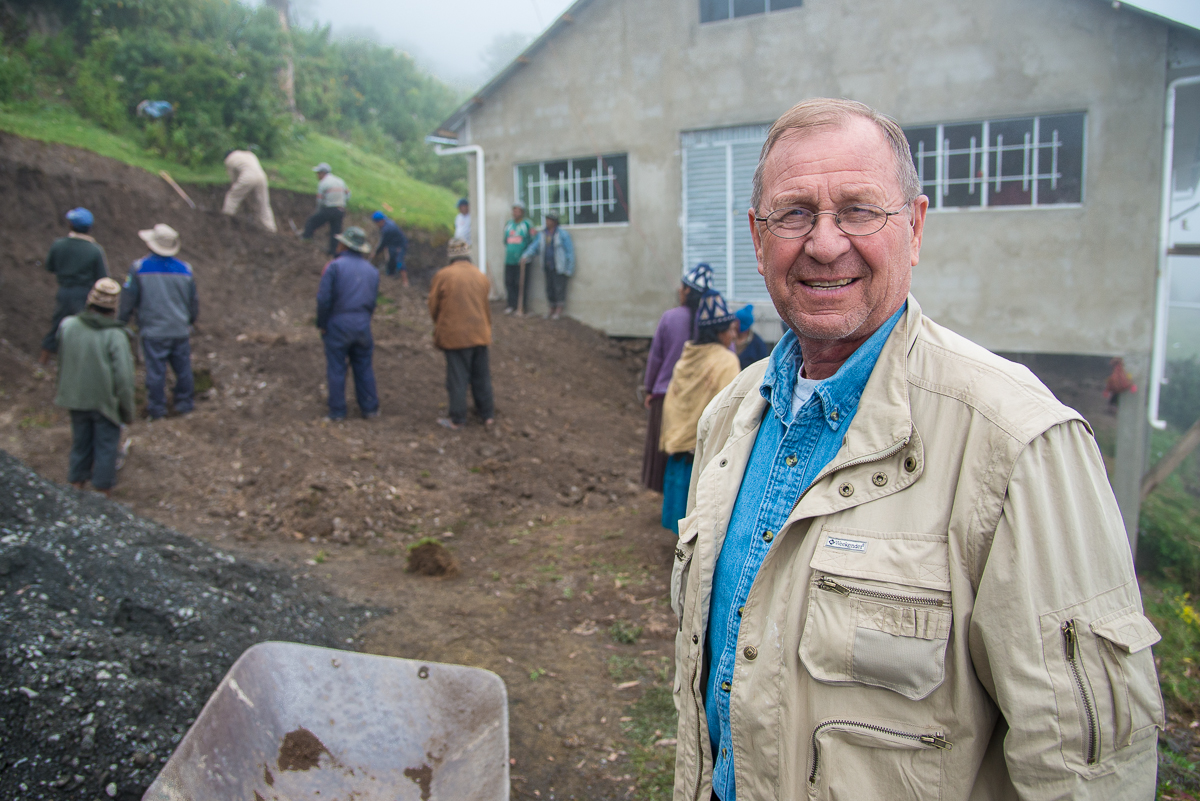
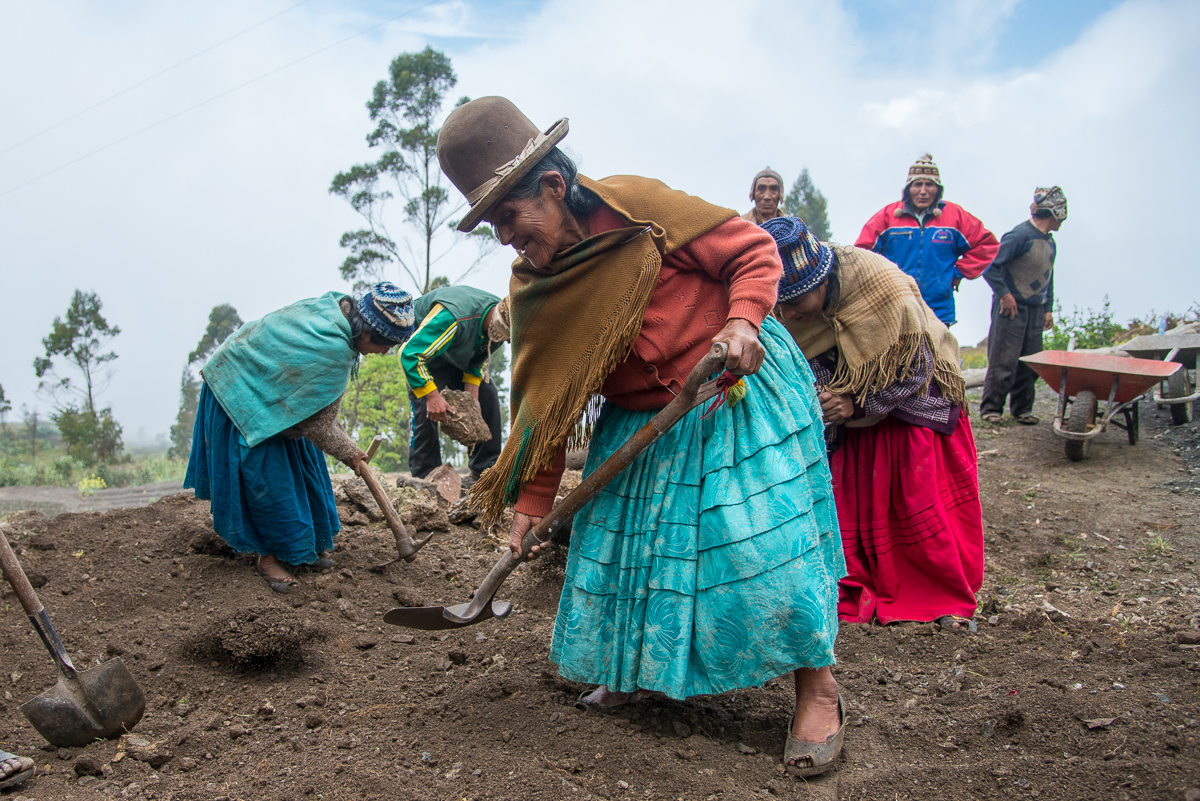
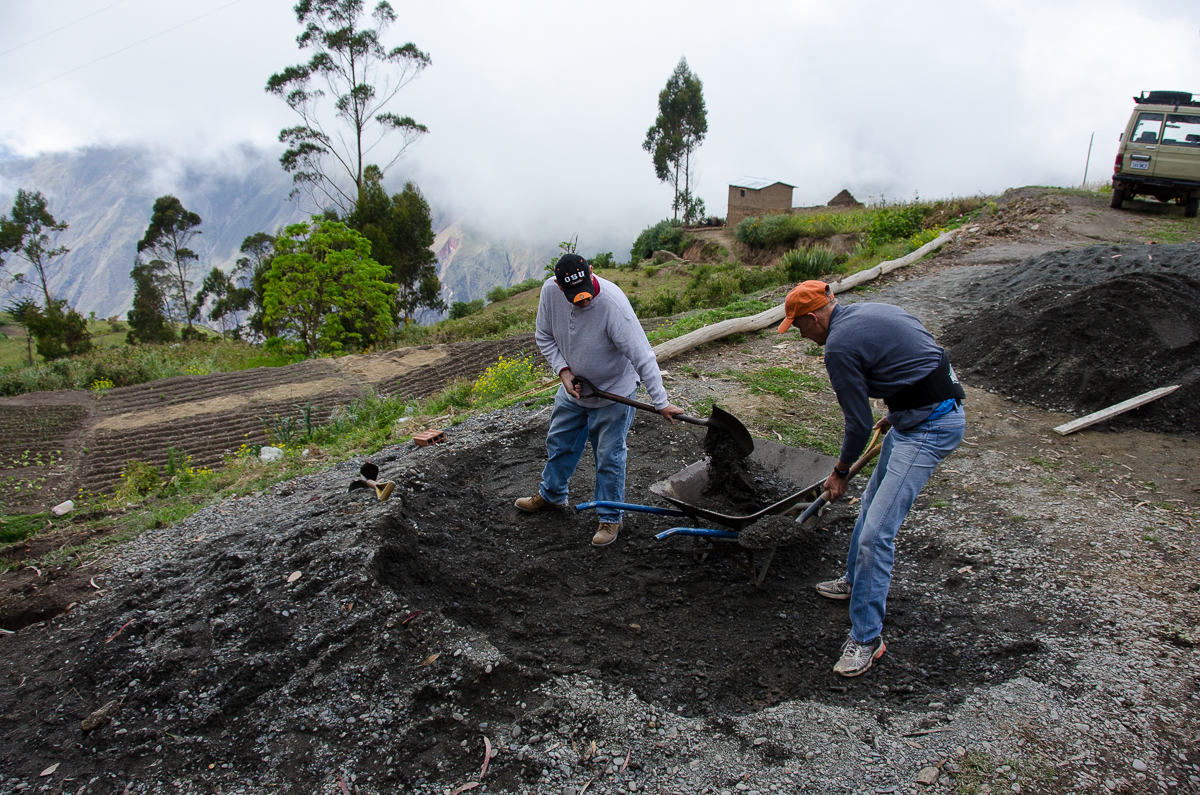
Meanwhile, team members put some of the finishing touches on the medical clinic the Methodist group started 3 years ago.  They did lots of shoveling and wheel barrow-ing, and they recruited help from dozens of townspeople.  Though my primary role was as the group’s photographer, I spent some time with a pick or shovel in my hands, too.  Even some of the little local ladies with the wacky hats joined in.  The new clinic will look pretty basic by U.S. standards, but it is far and away the nicest building in the town.  It will be staffed (funds permitting) year-round by a local Bolivian nurse (a great guy named Basilio), which will make it the finest healthcare facility for miles around.
_JD80863

Doug Valley has overseen the construction of the new clinic since its inception in 2012.
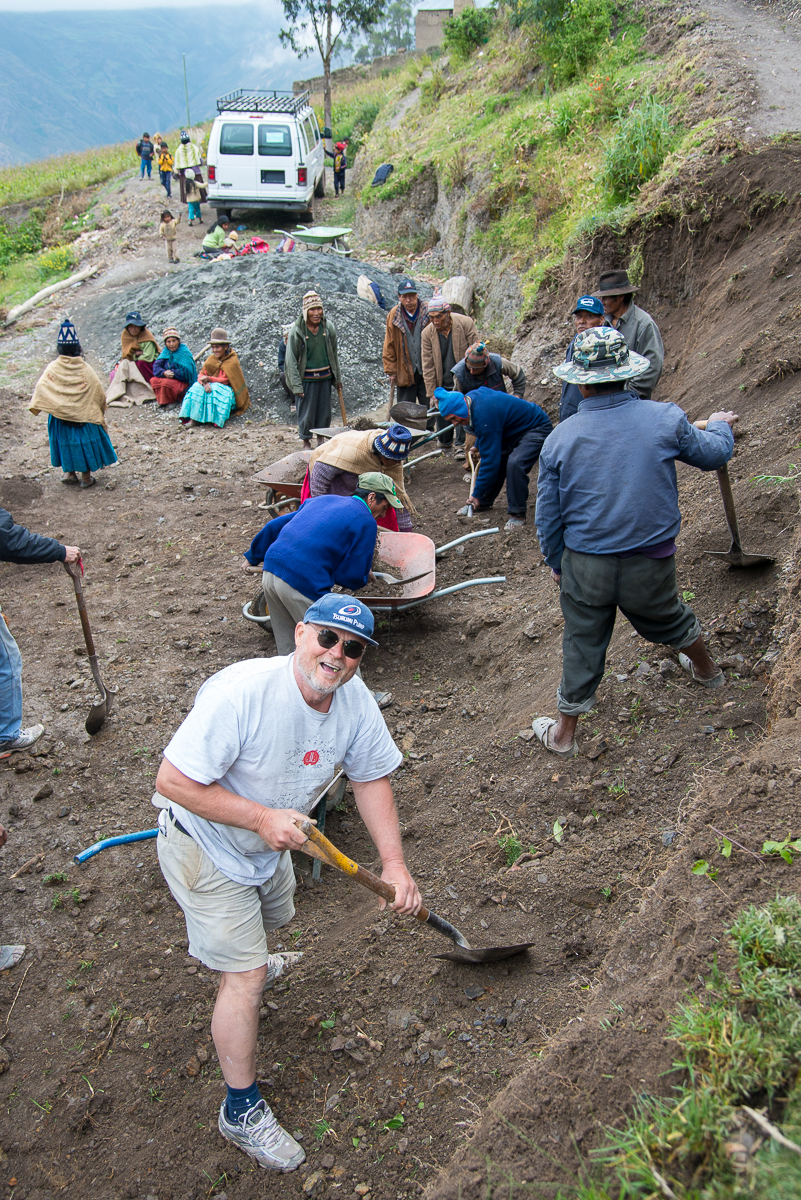
 

_JD81131

Ray Kinnunen recruited a small army of Capayque townspeople to help with a big construction project at the new clinic.
_JD80902.jpg_JJC9143.jpg_JD80845.jpg_JD80892.jpg_JD81062.jpg_JJC9155.jpgc15-_JD81868.jpg_JD81131.jpg_JD81868.jpg_JD81928.jpg_JD80412.jpg_JD80622.jpg_JD82013.jpg

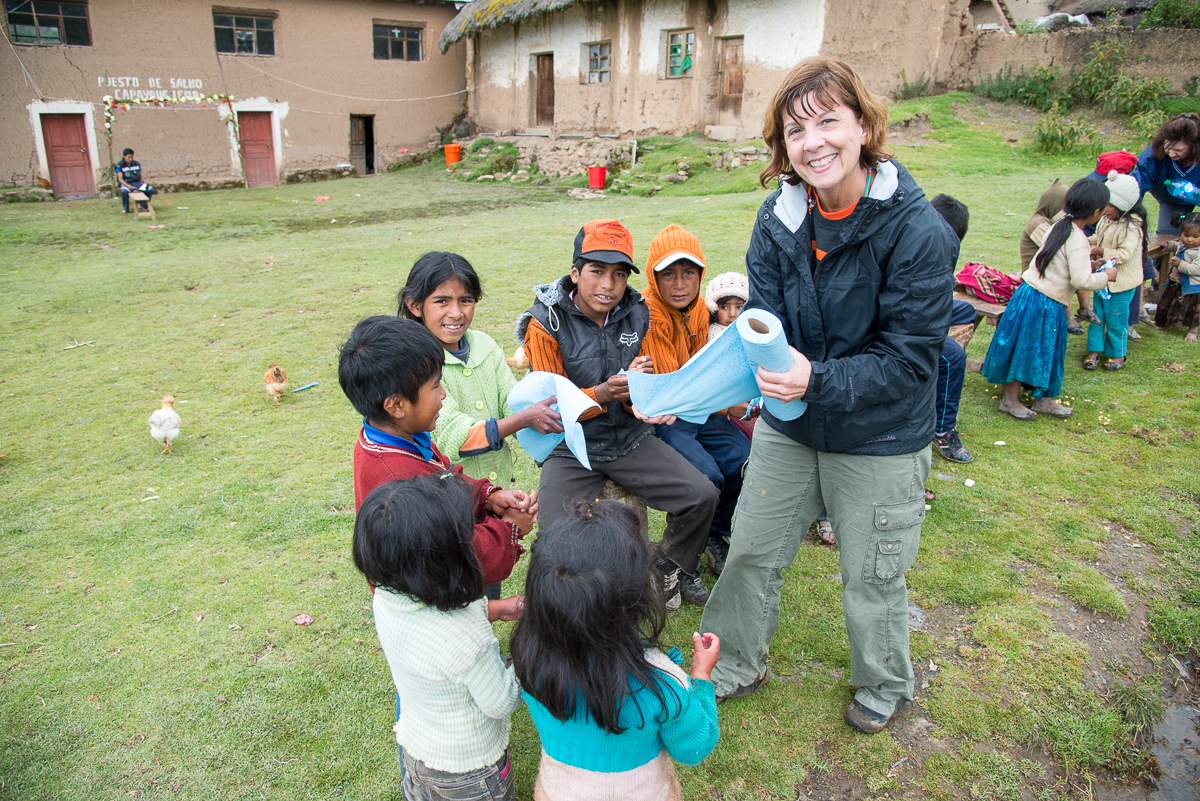
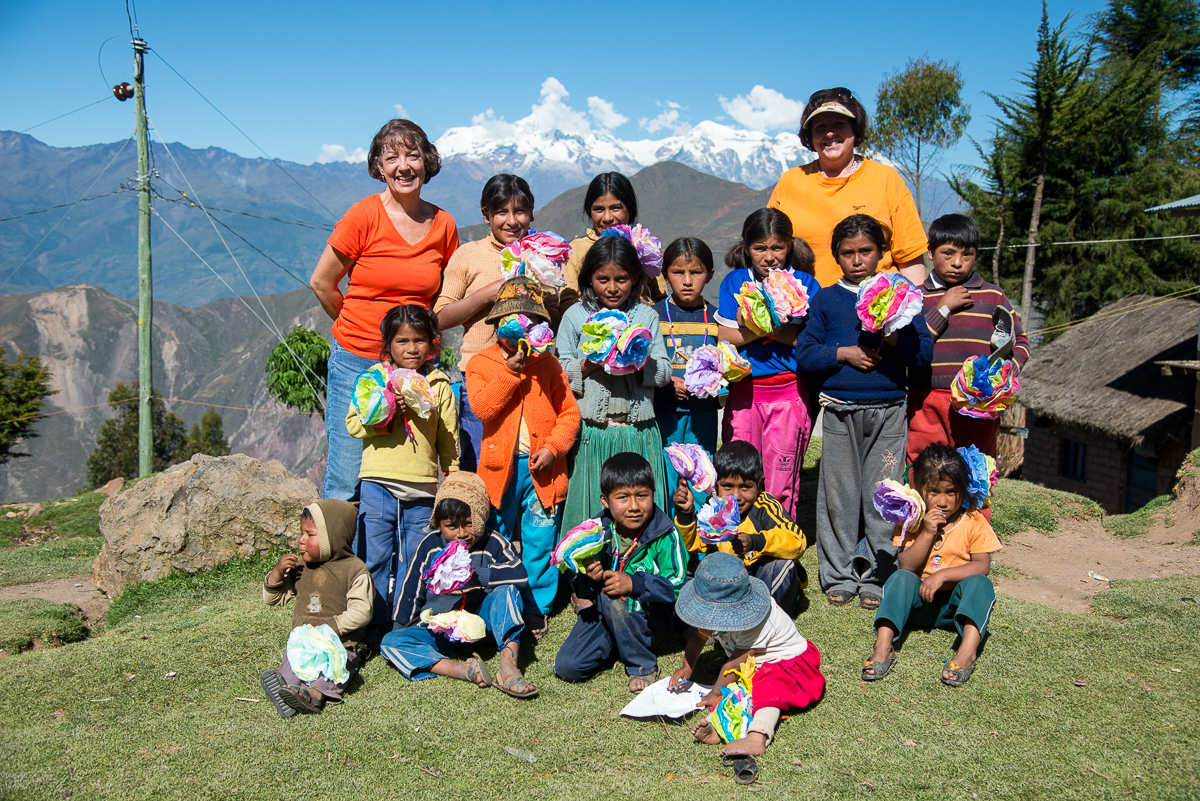
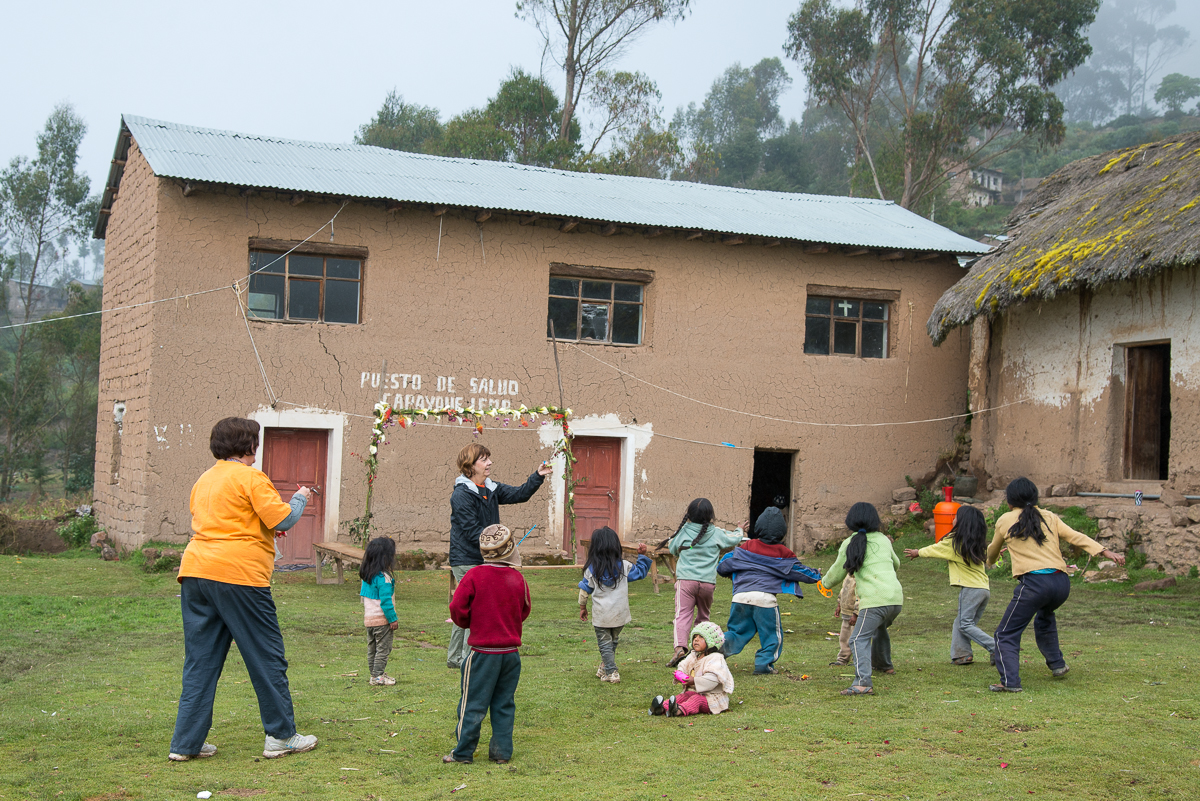
There were activities for local kids, too.  Some were just for fun and some — like the hand washing lessons — aimed to teach some basic, helpful lessons we Gringos tend to take for granted.  These pictures were taken with a smaller group, but attendance hit about 75 by the last day.
_JD80740.jpg_JD80991.jpg_JD81007.jpg_JD81870.jpg_JD81909.jpg_JJC9235.jpg

The team and its mission were one of several such mission teams coordinated by the Methodist Church in Bolivia.  I’m no Methodist — and my views on religion surely varied from the rest of the group — but that made little difference.  Perhaps the most basic belief underlying these efforts was simply that the folks of Capayque needed help  — and that good and decent Americans ought to try to do something for people whose typical standard of living is essentially unheard of in the U.S. (except perhaps among the homeless).  You don’t need any particular religious faith to have profound respect for what these teams are doing for fellow humans who need it badly.  It should restore your faith in humanity.

_JD81351

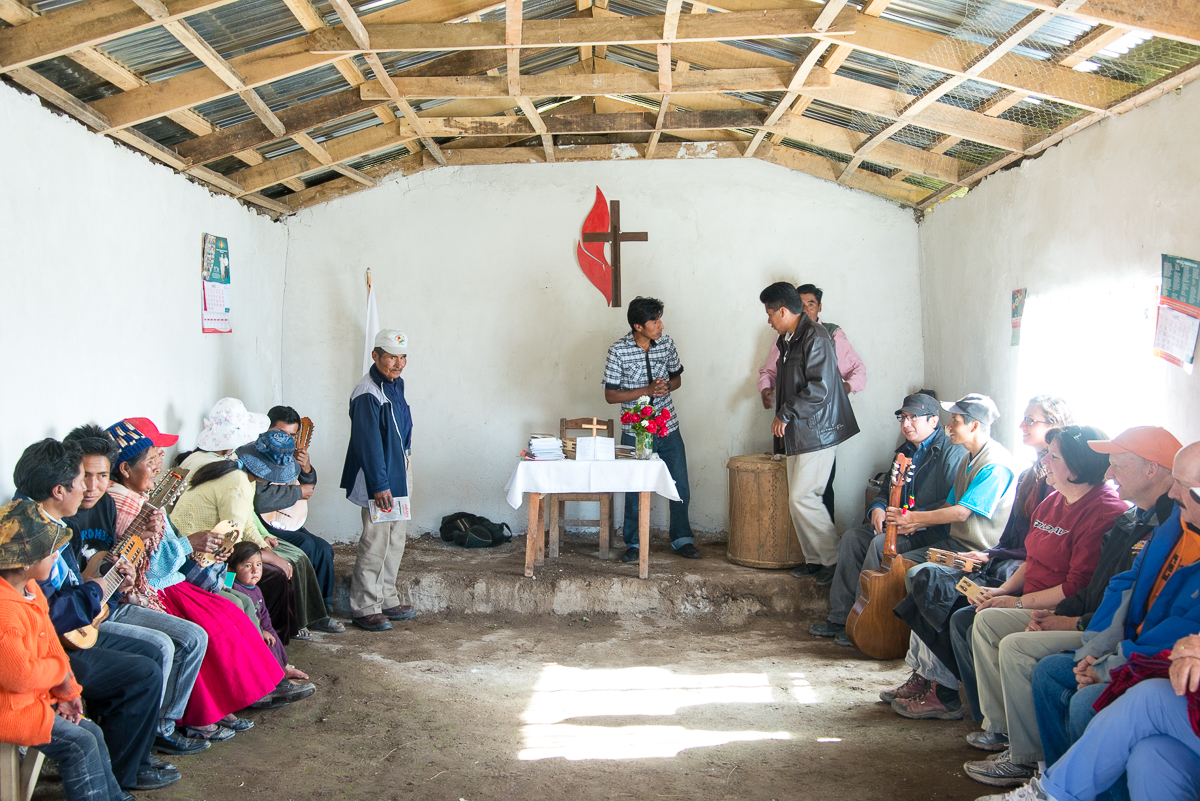
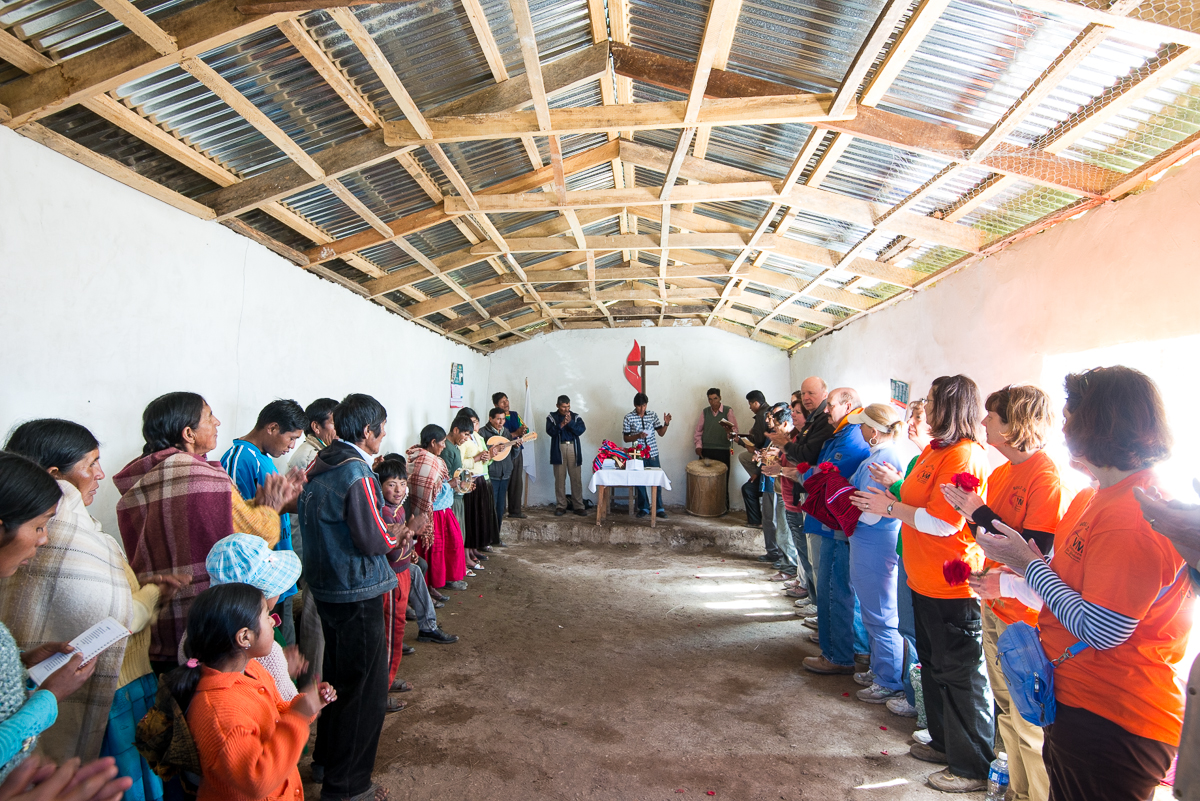
The Team met daily to eat, coordinate activities, and for some religious songs and talks. Above, Ken Morris of Stillwater sings a hymn in the dimly-lit dining and meeting room.
_JD81715.jpg_JD81731.jpg_JD81701.jpg_JD81638.jpg_JD81644.jpg_JD81646.jpg_JD81649.jpg_JD81653.jpg_JD81787.jpg_JD81815.jpg_JD82165.jpg

=========

I need to give a big thanks to a Houston-based charity that was a huge help.  Medical Bridges accumulates surplus and donated medical equipment and supplies, warehouses them, and distributes them to worthy international healthcare relief missions just like the Methodist teams in Bolivia.  Capayque got a generous load of supplies far better than anything it had had before.  Thanks to George and Dorothy and all the folks at Medical Bridges, and to my friend and Medical Bridges board member, Jeff Thomas, for making the connection.

And thanks again to my Aunt Carolyn, for suggesting that I come along.  The U.S. team consisted of Rev. Mike and Leanne Chaffin, Linda Allen, Carolyn Williams, me, Doug Valley, Dr. Don Crawley, Dr. Doug Wilsey, Ken Morris, Ray Kinnenun, and four Oklahoma sisters whose family played a big role in sponsoring the clinic:  Allyn Bigelow, Karen McKinney, Ora Morgan and Becky Szlichta.  Our heroic La Paz based translators/coordinators — Wilson Saucedo and Lauren — were untiring, unflappable and invaluable.

_JD81123

======

_JD81797

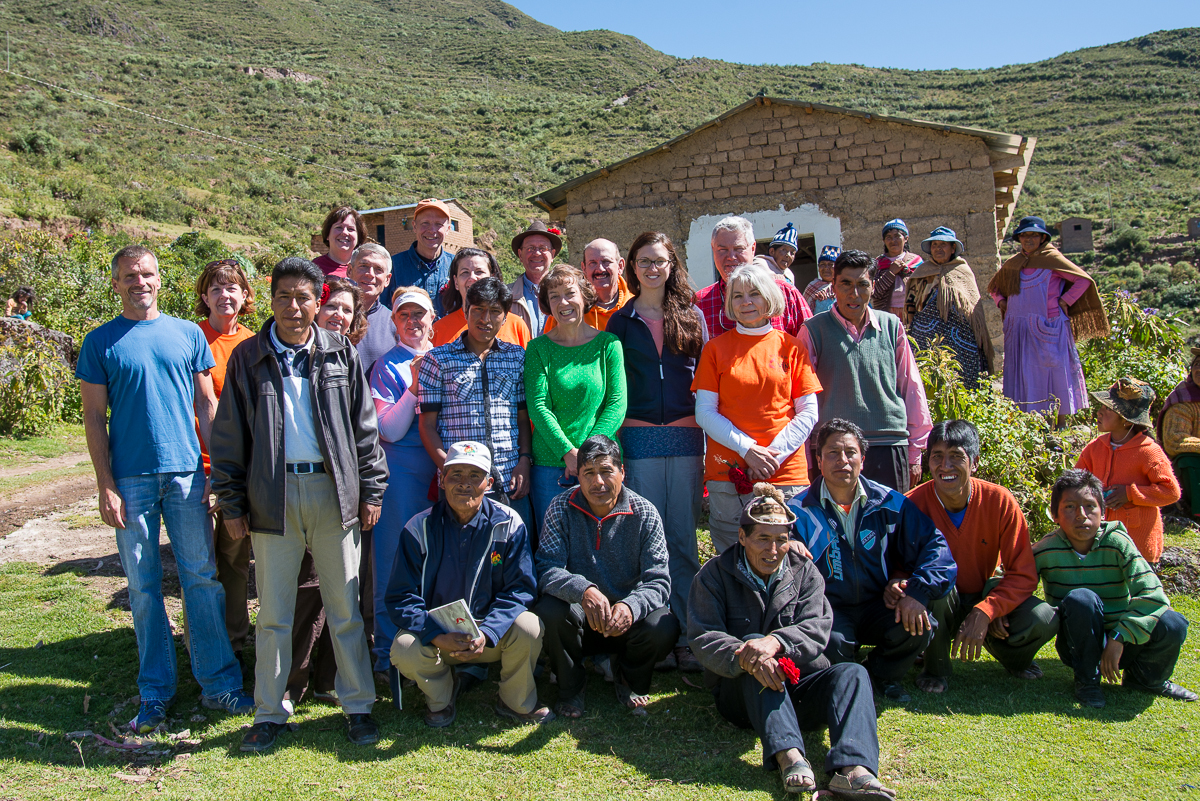
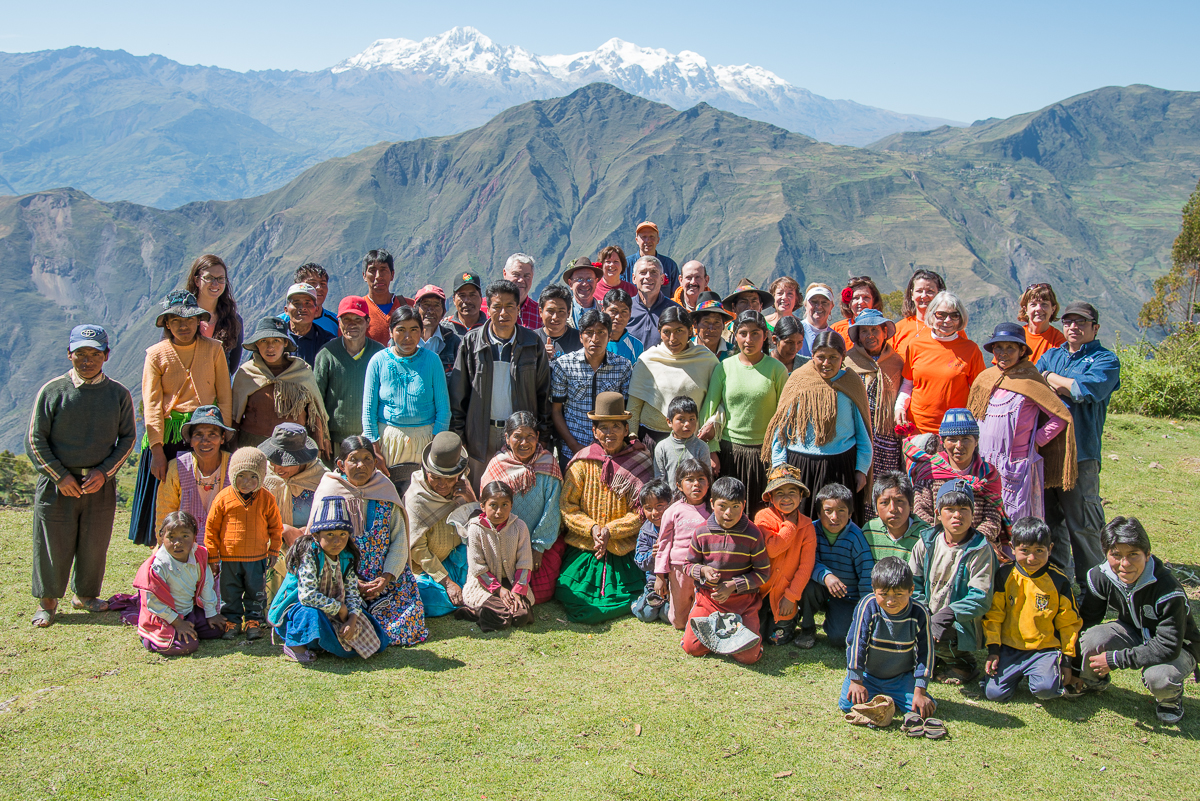
The Stillwater mission team poses with the crowd who showed up for church on Sunday.
Kiwi Springtime: Queenstown, New Zealand

New Zealanders refer to themselves as “Kiwis.”  And of course most Americans are aware of the brown, furry fruit of the same name.  But if you’re tracing the original source of the term “kiwi,” be aware that the chicken-sized bird came before that egg-sized fruit.

A Polynesian tribe known as the Maori are considered the aboriginal people of New Zealand.  Apparently, they arrived by seagoing canoes (from Tahiti, perhaps) around the year 1300 — about 350 years before Dutchman Abel Tasman first arrived on New Zealand shores.  “Kiwi” is the Maori name for a brown, round, furry-looking chicken-sized flightless bird that’s native to the islands and which has become the national symbol and namesake.   The fruit originally known as a Chinese Gooseberry first became a popular agricultural crop in New Zealand in the early 20th century, and was renamed “kiwi fruit” about 50 years ago.

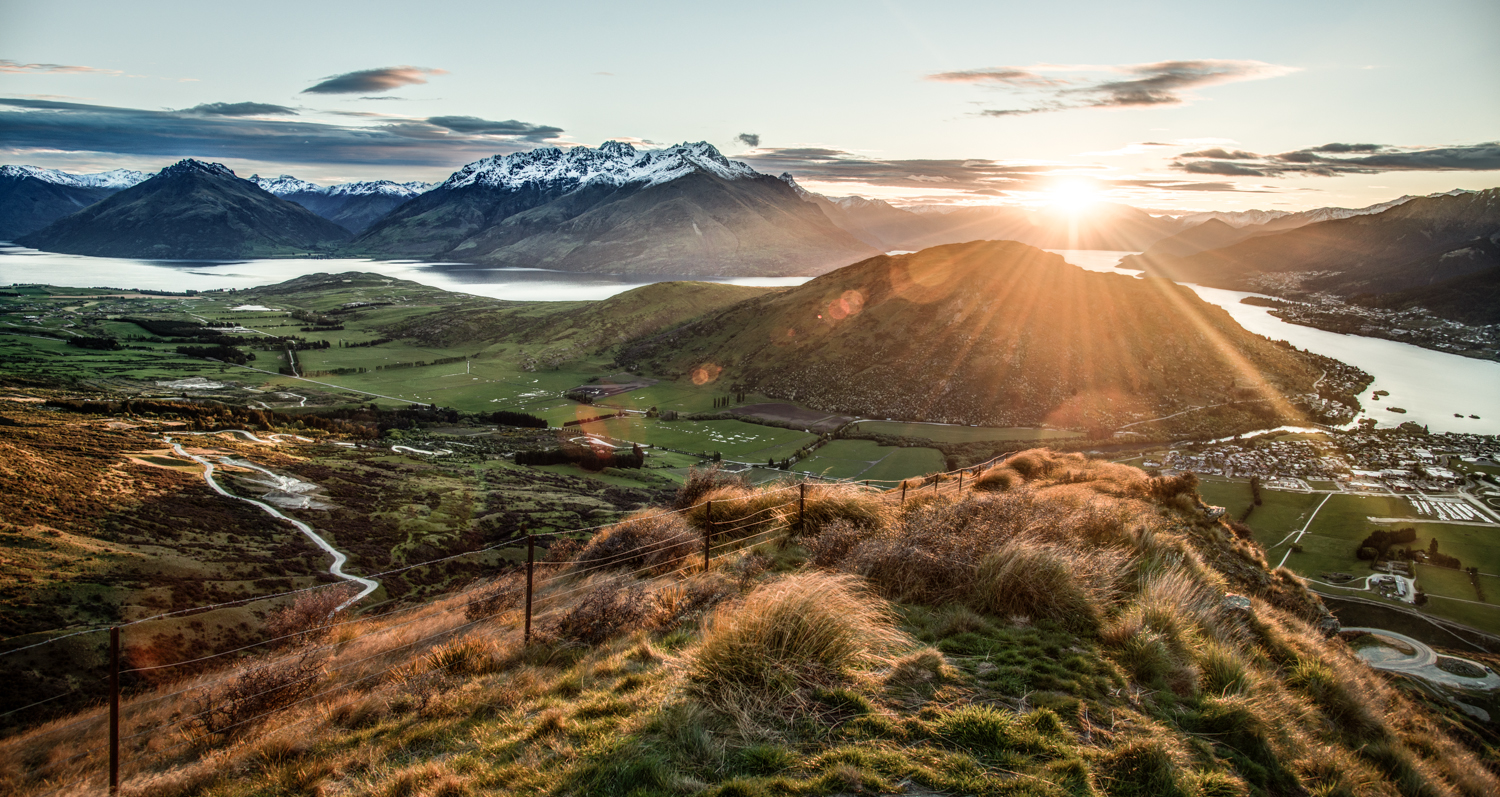
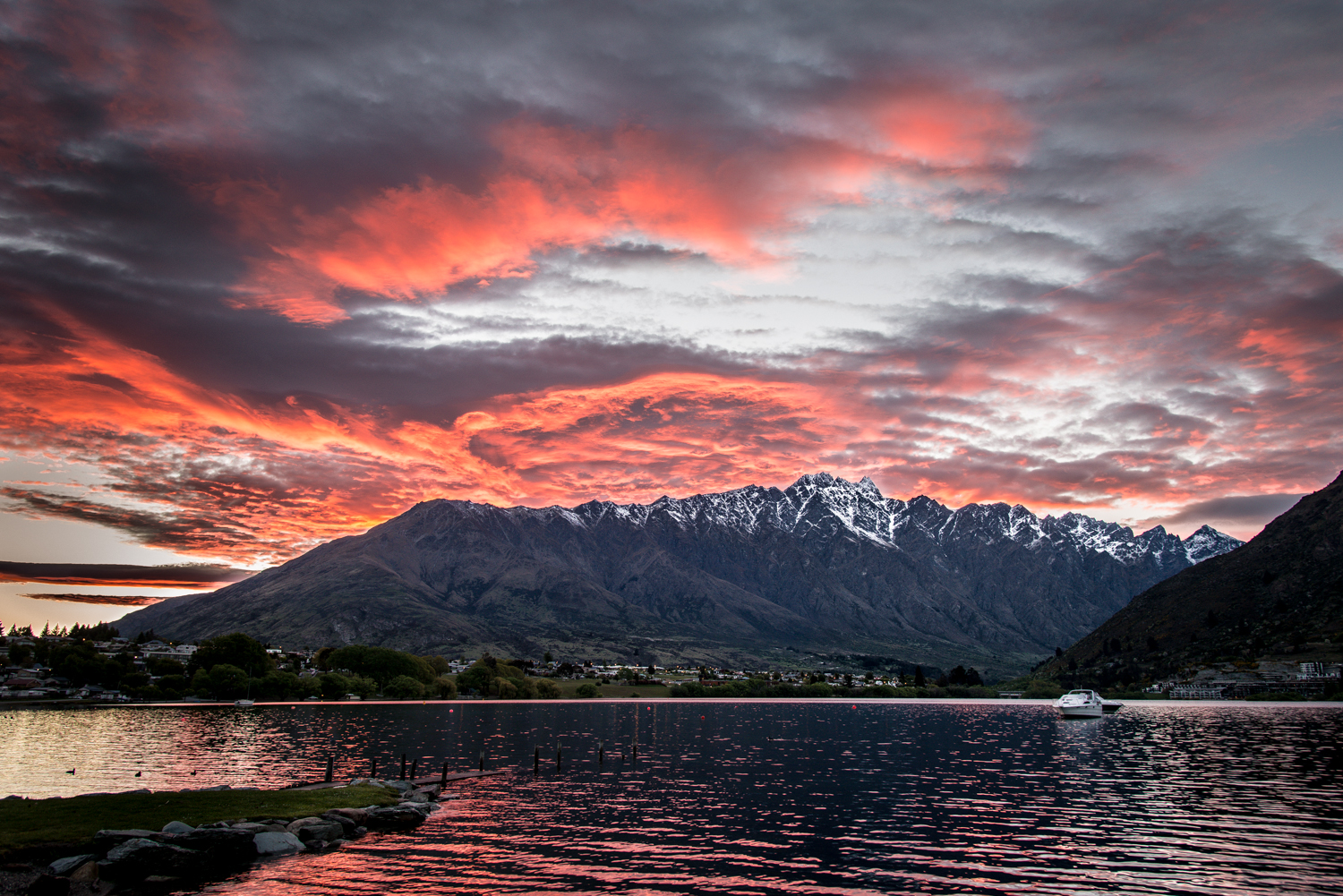
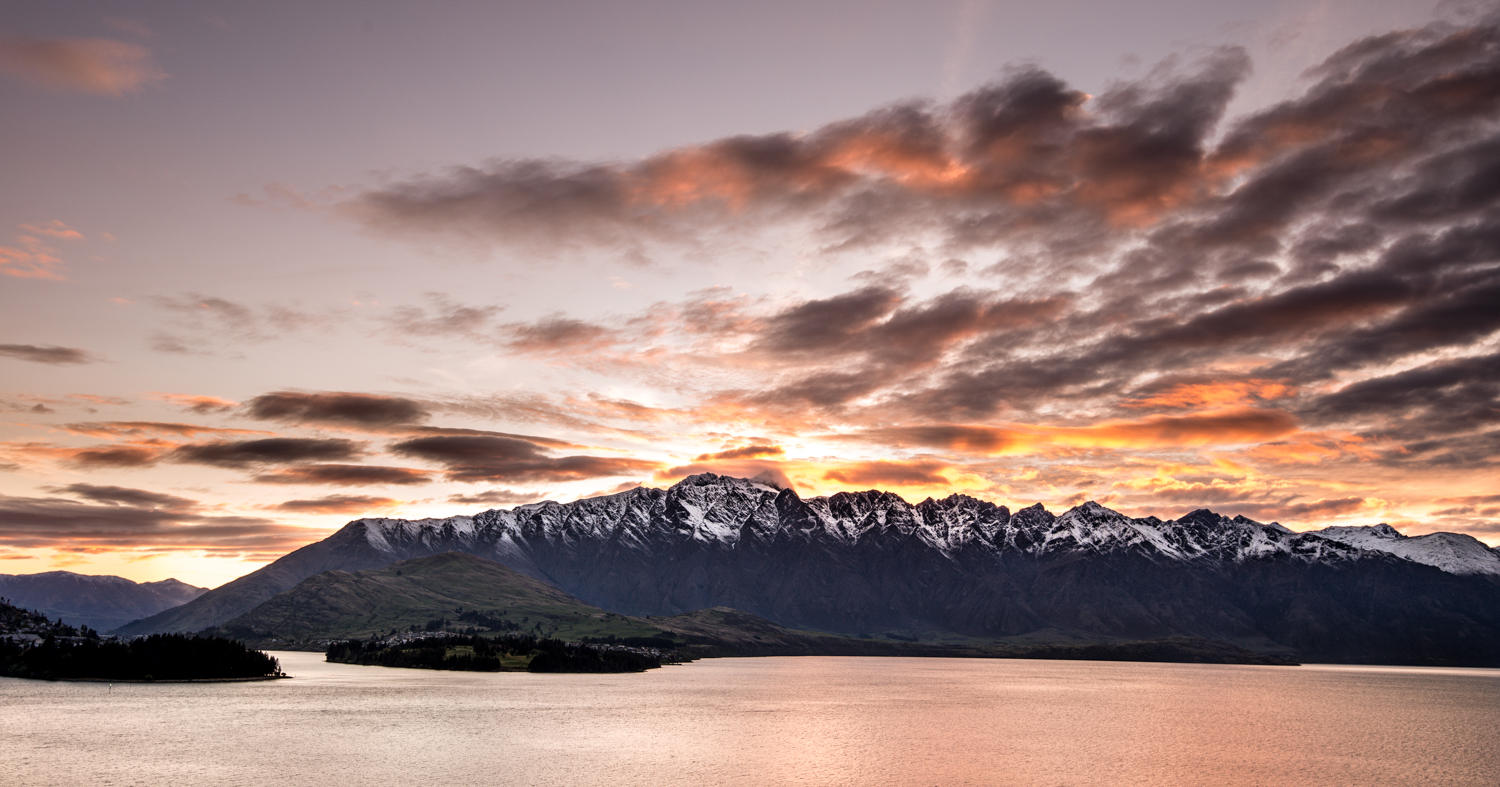
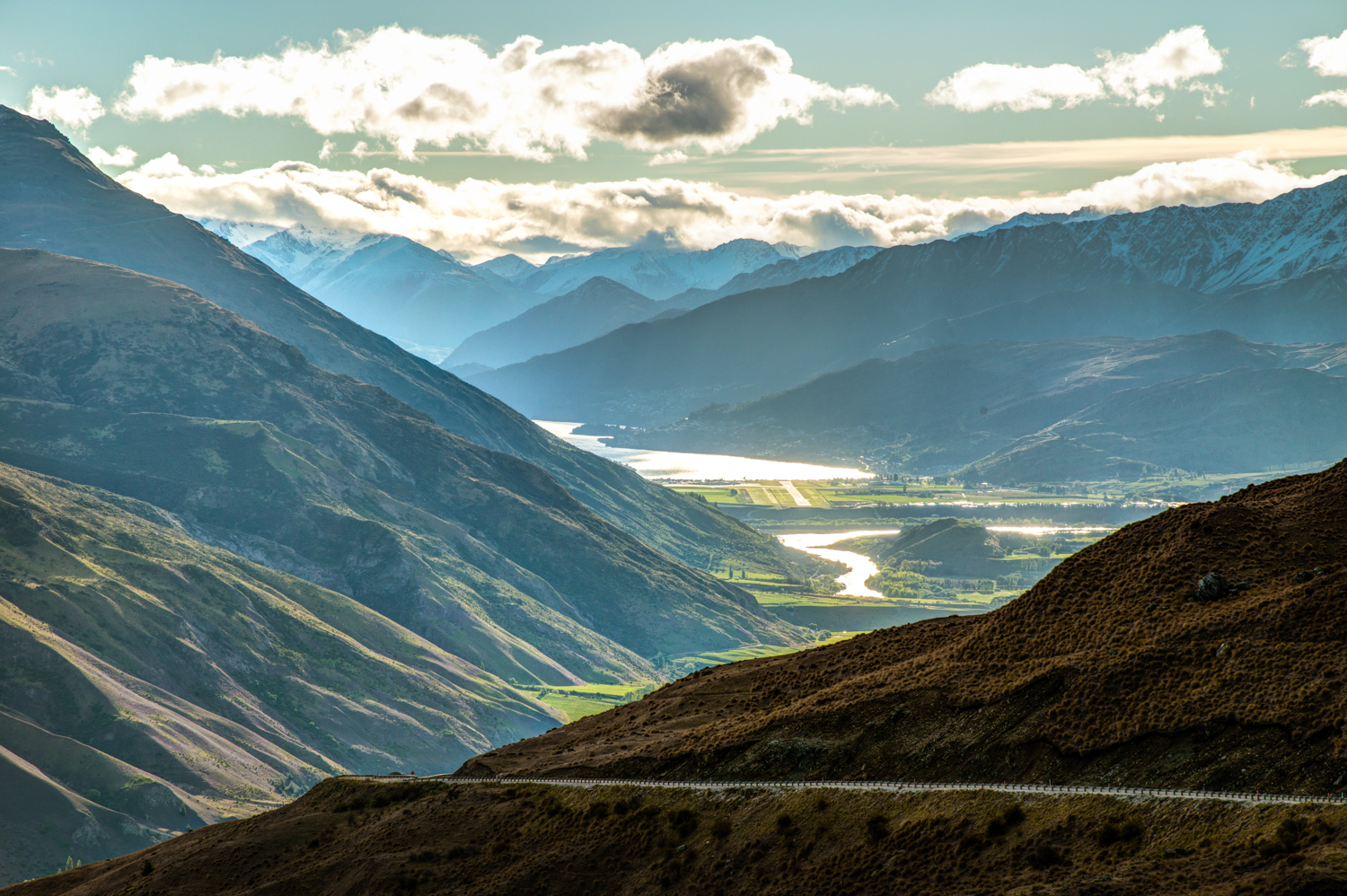
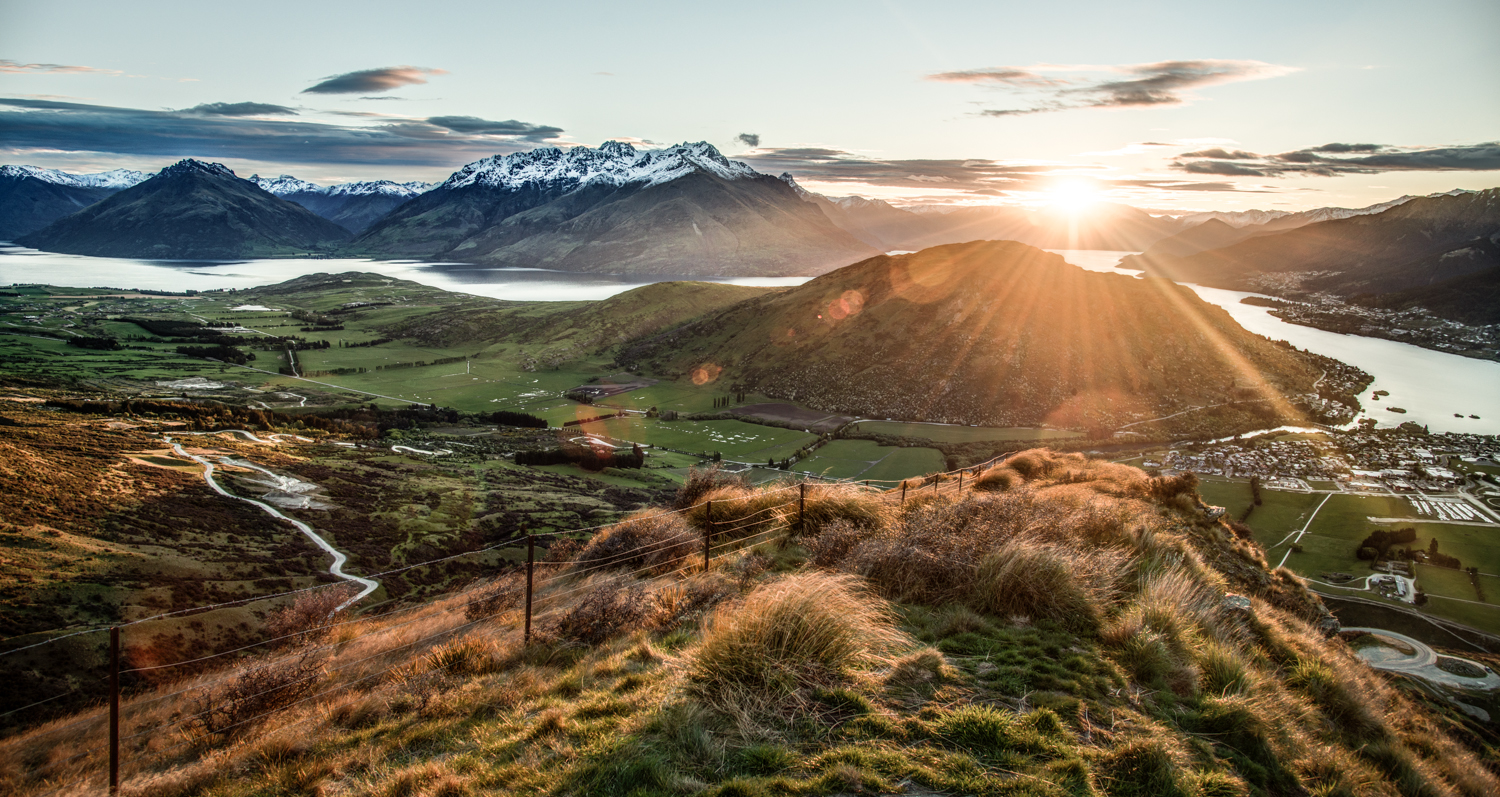
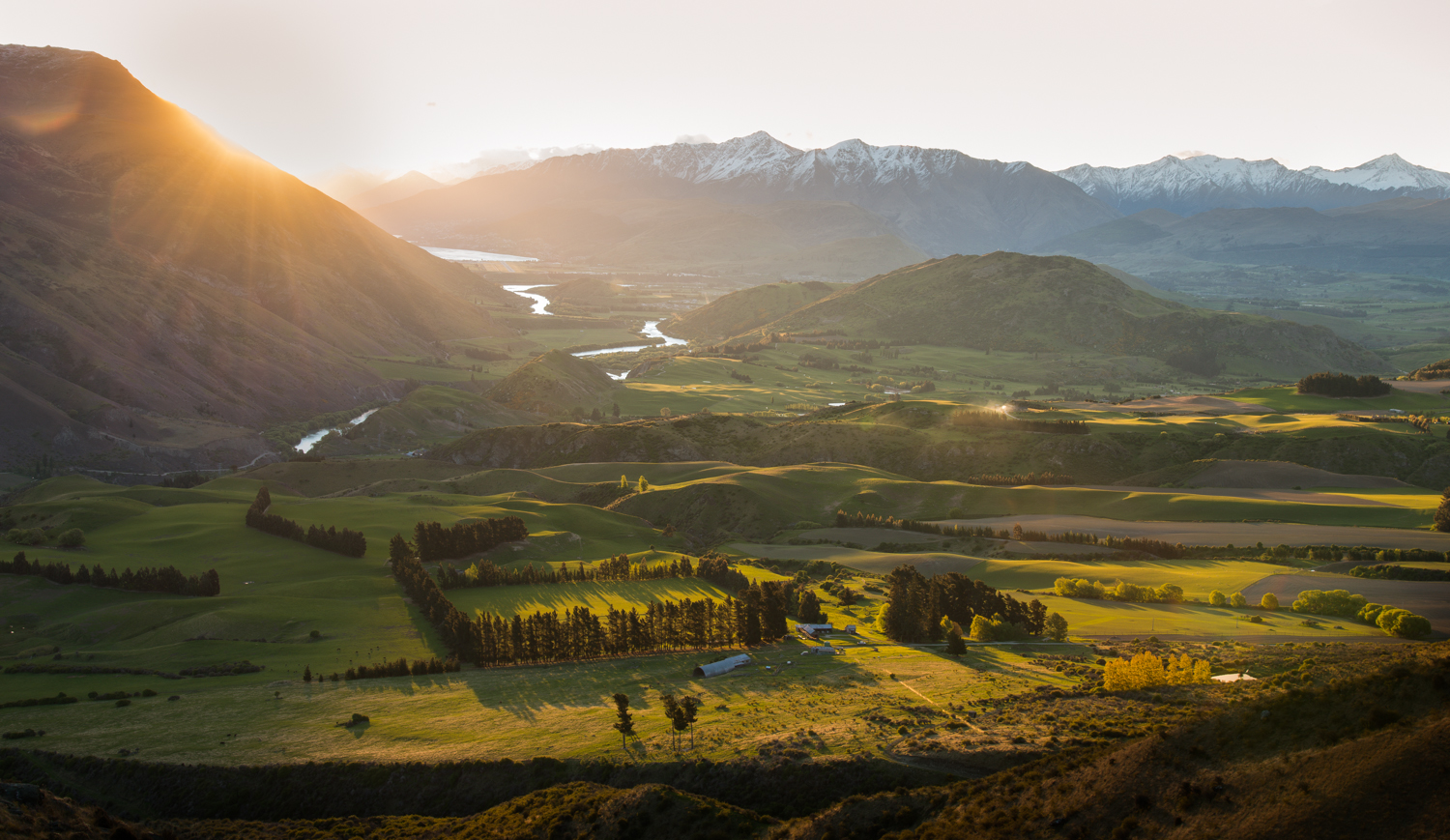
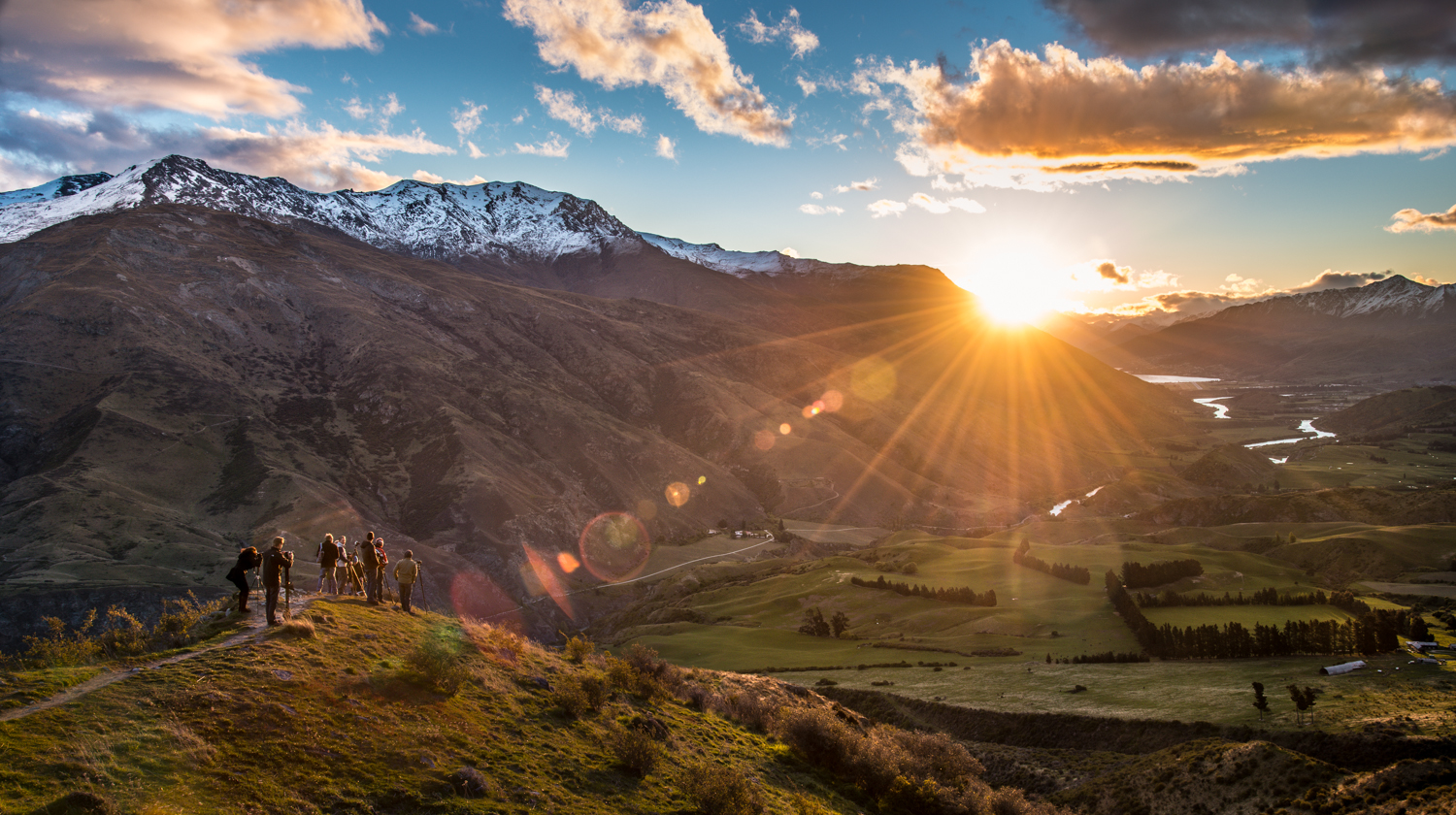
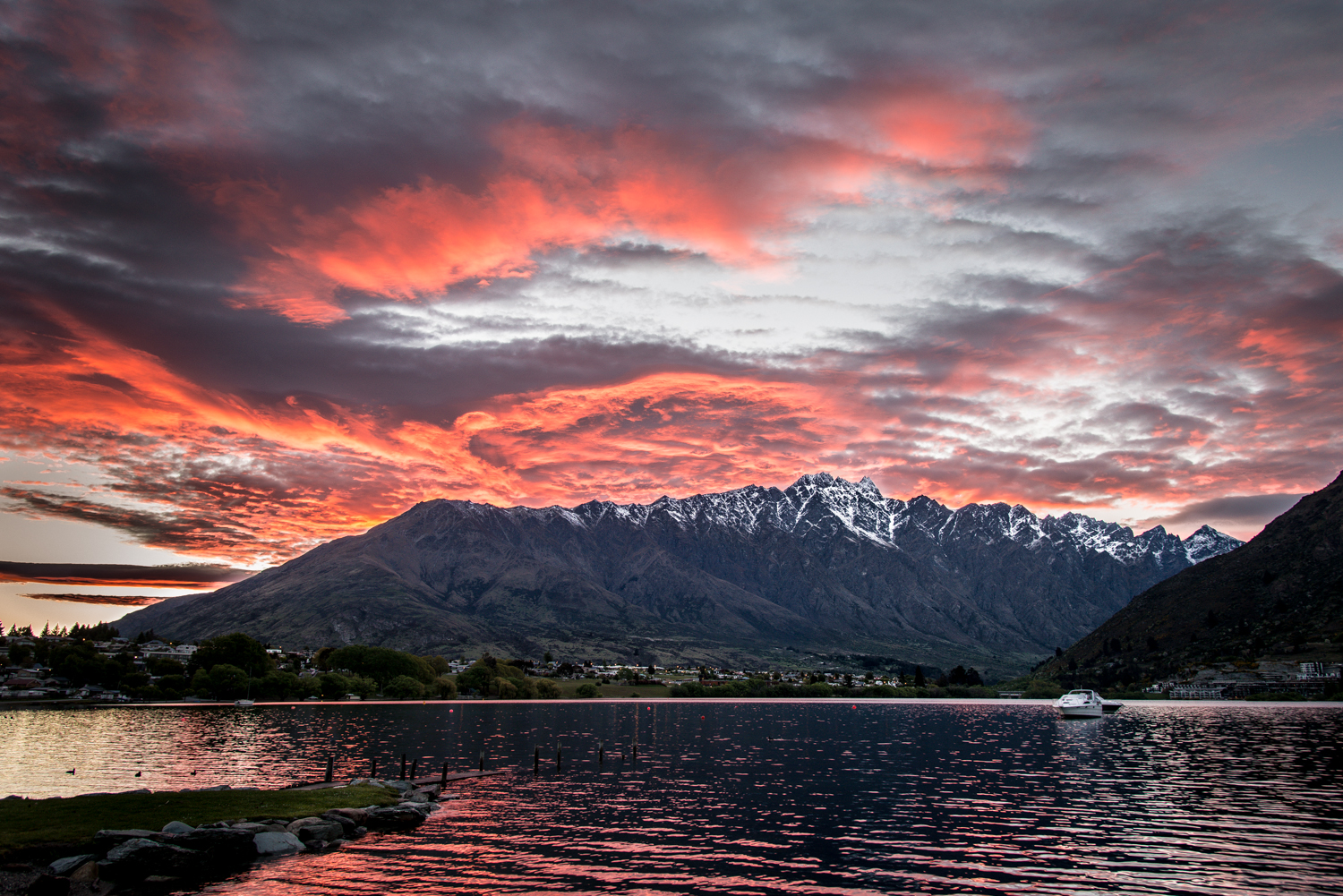
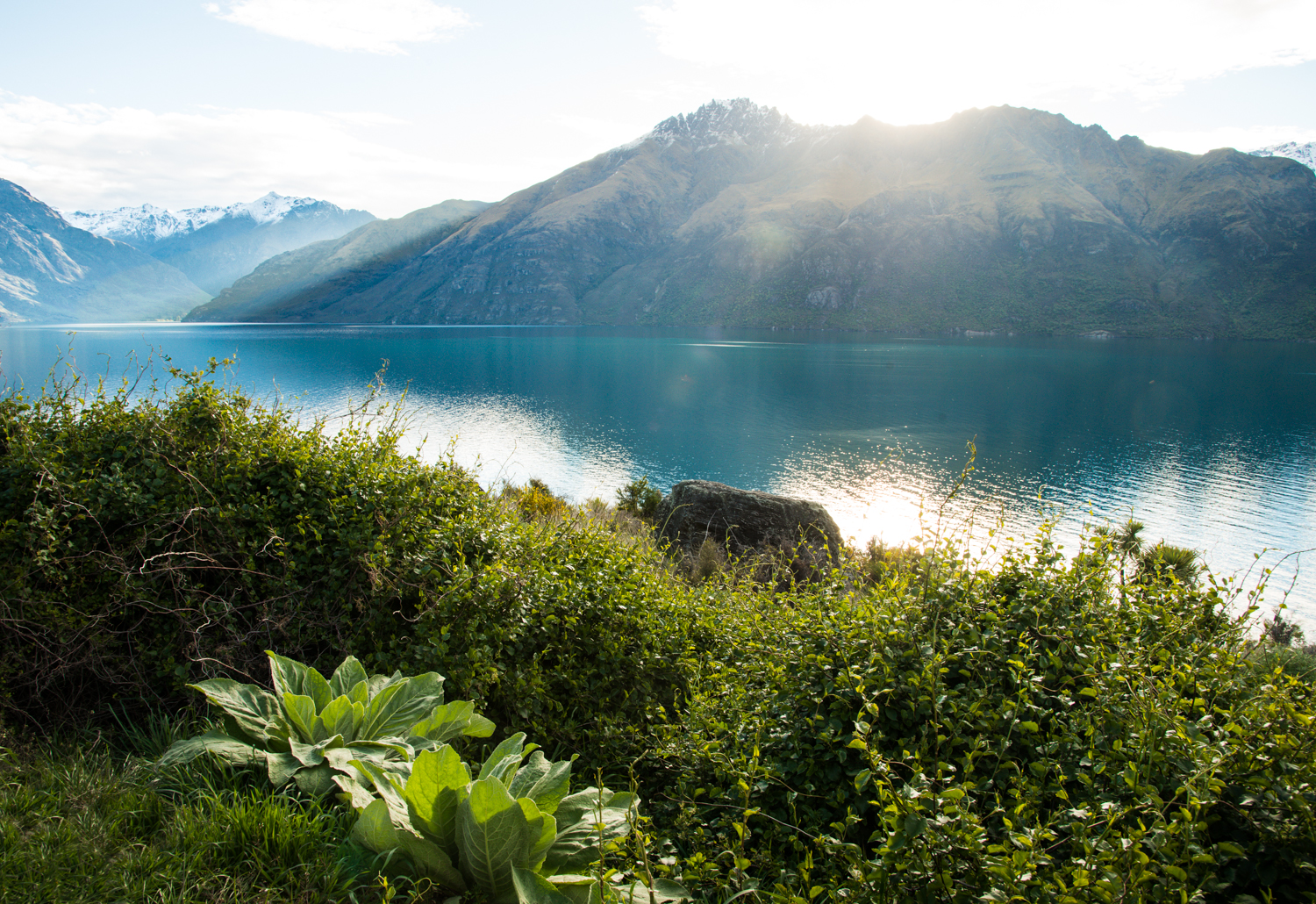
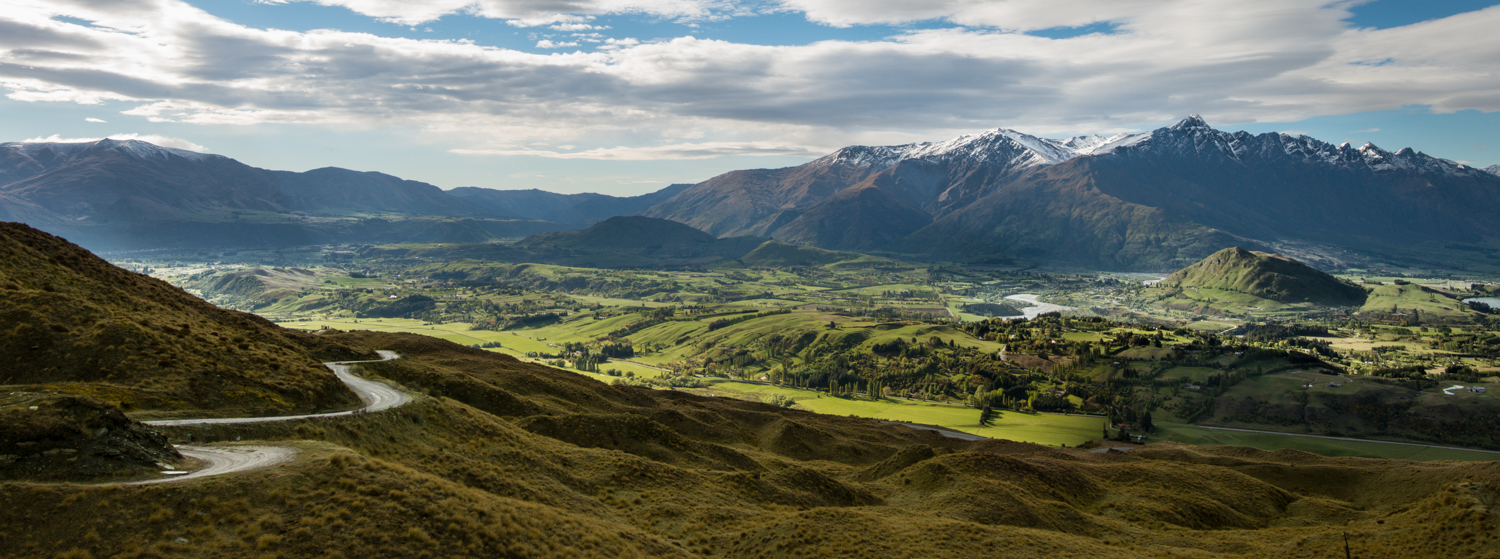
The first leg of my Kiwi adventure has centered around Queenstown — a smallish town on New Zealand’s larger, southern island.  The nearby mountains  (the ones beneath those pink sunrises) are aptly named The Remarkables; my late spring (October/November) arrival is too late for skiing.

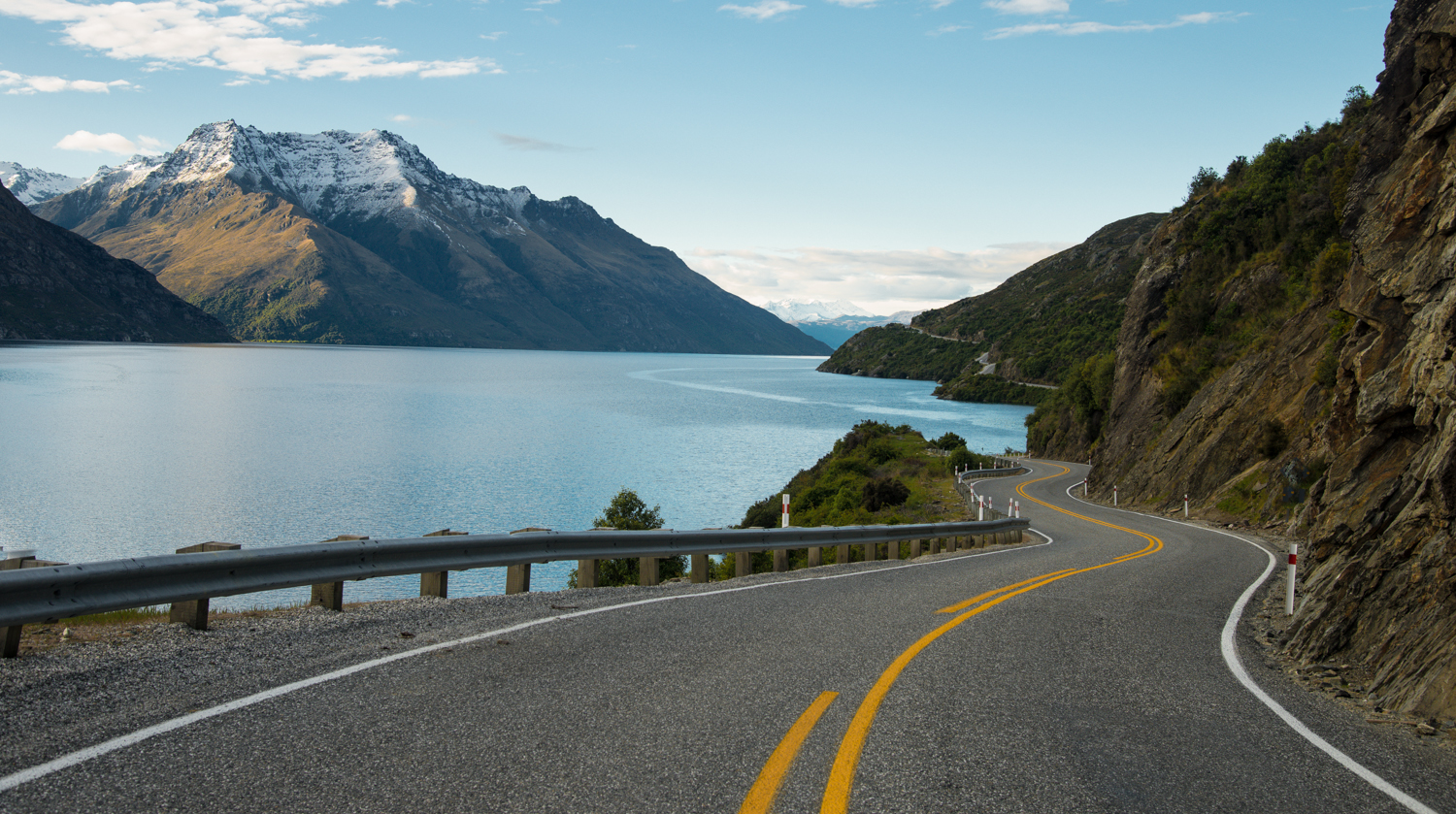
I know all too well that photographers can use Photoshop or similar tools to make some fairly ordinary scenes look spectacularly wacky.  That’s not what’s happened here — and not really my ‘thing’:  the light and the colors really do look this way.  I use some of the same tools to try to get a realistic image that does justice to this spectacular scenery.

Queenstown was my first stop in a country roughly the size of Colorado (if you stretched Colorado out and pulled it into two parts).  Onward.

.

.

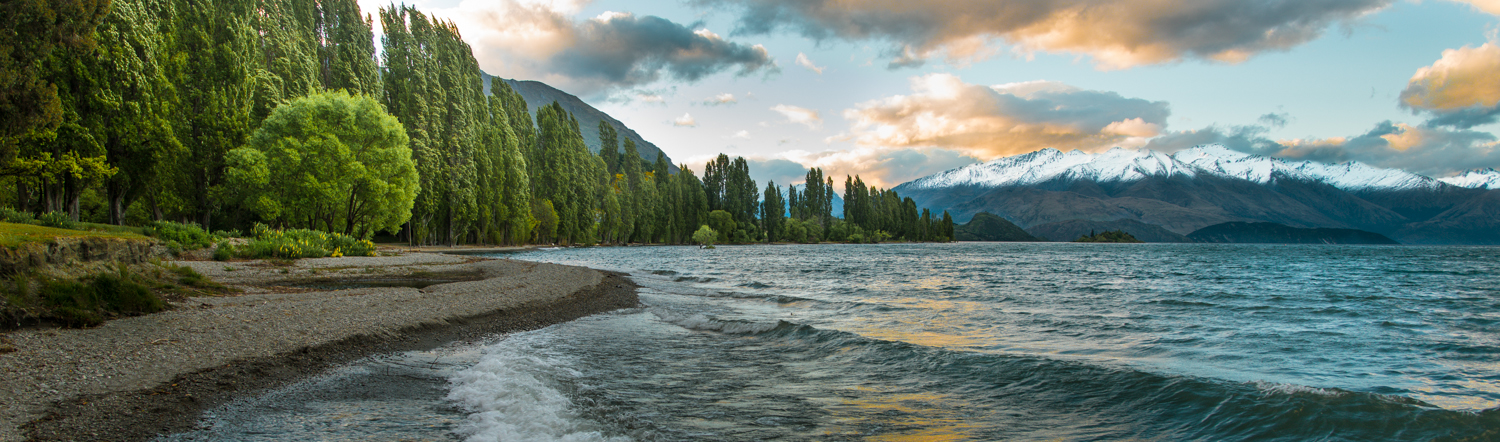
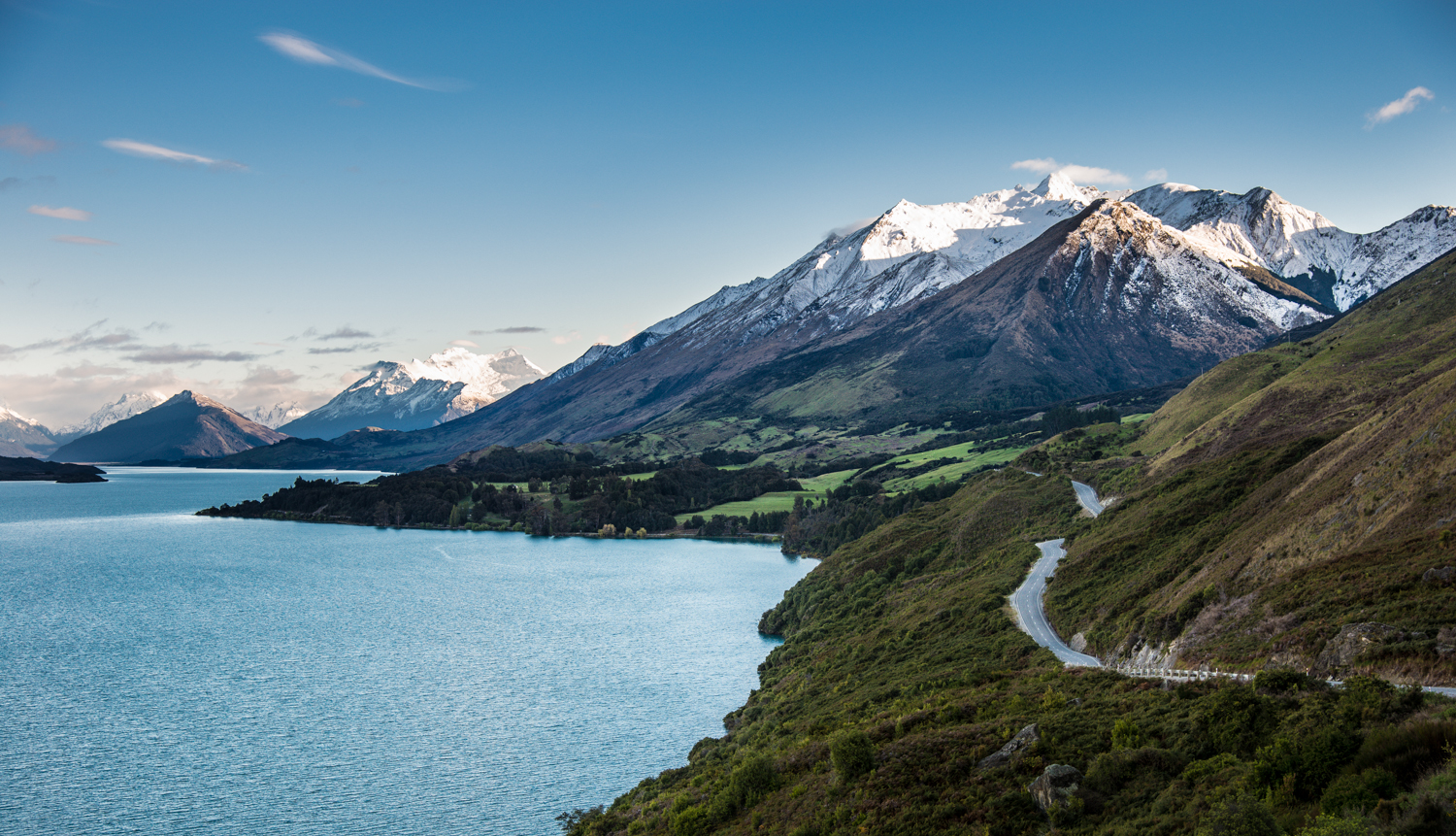
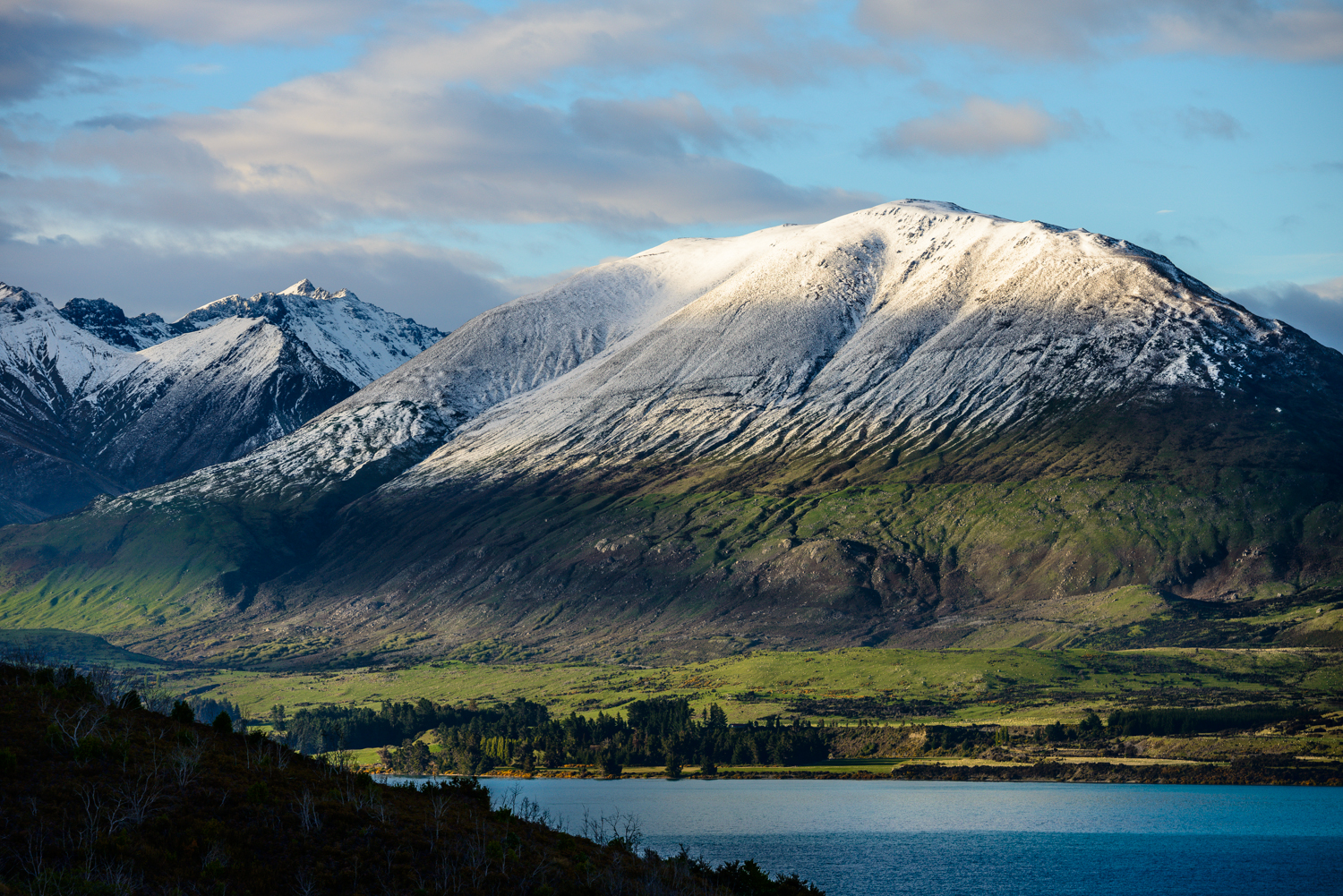
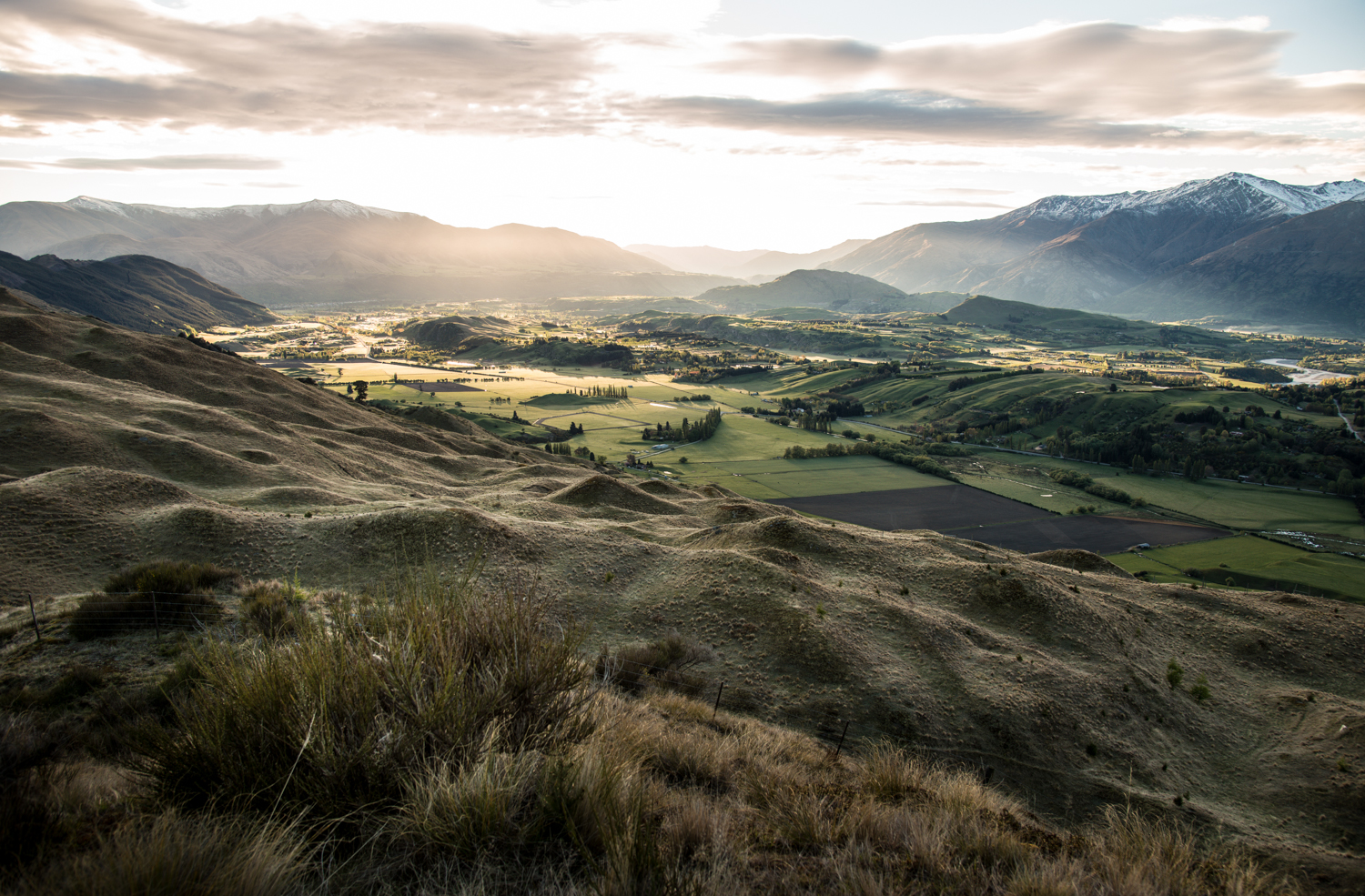
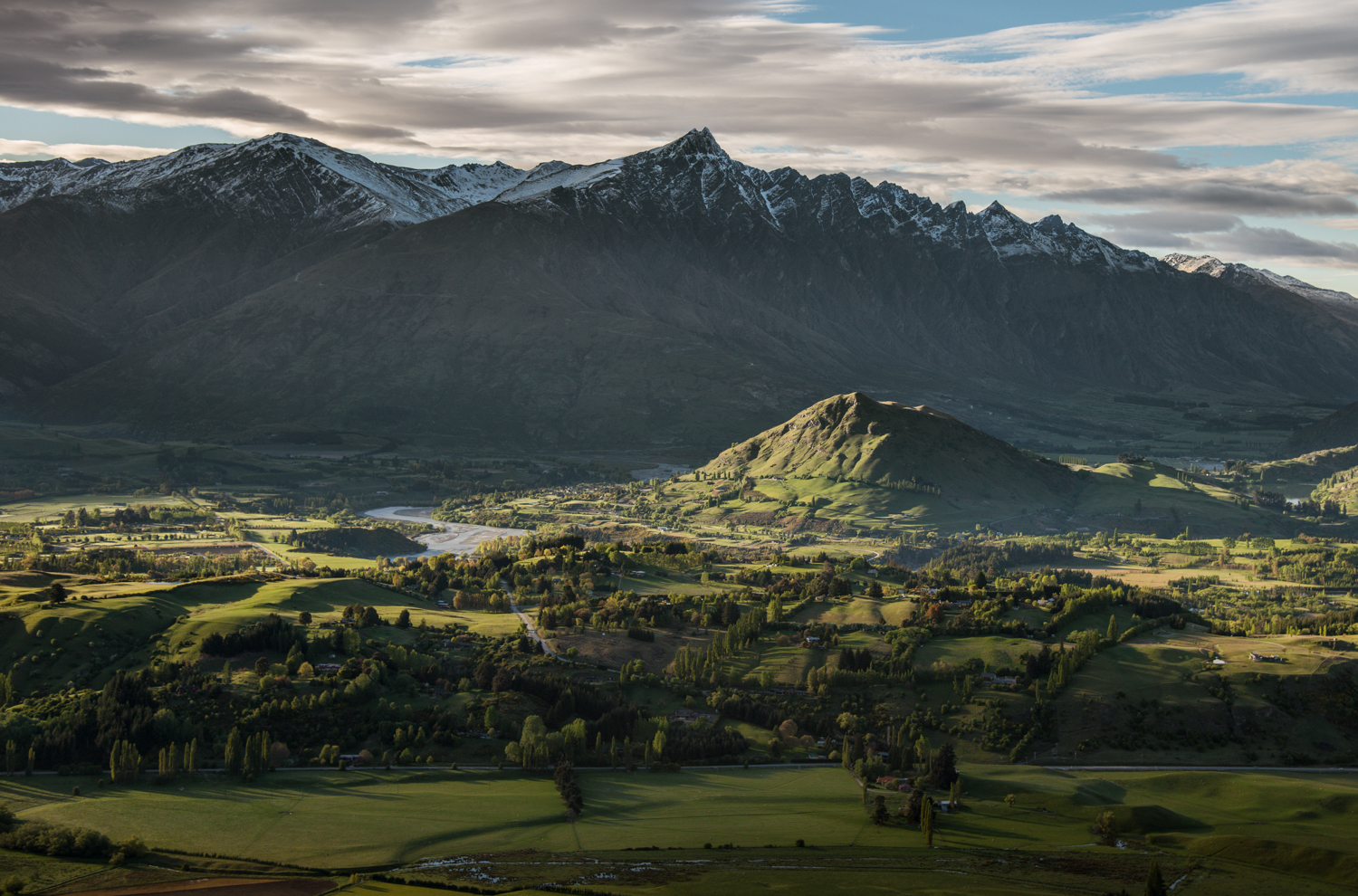
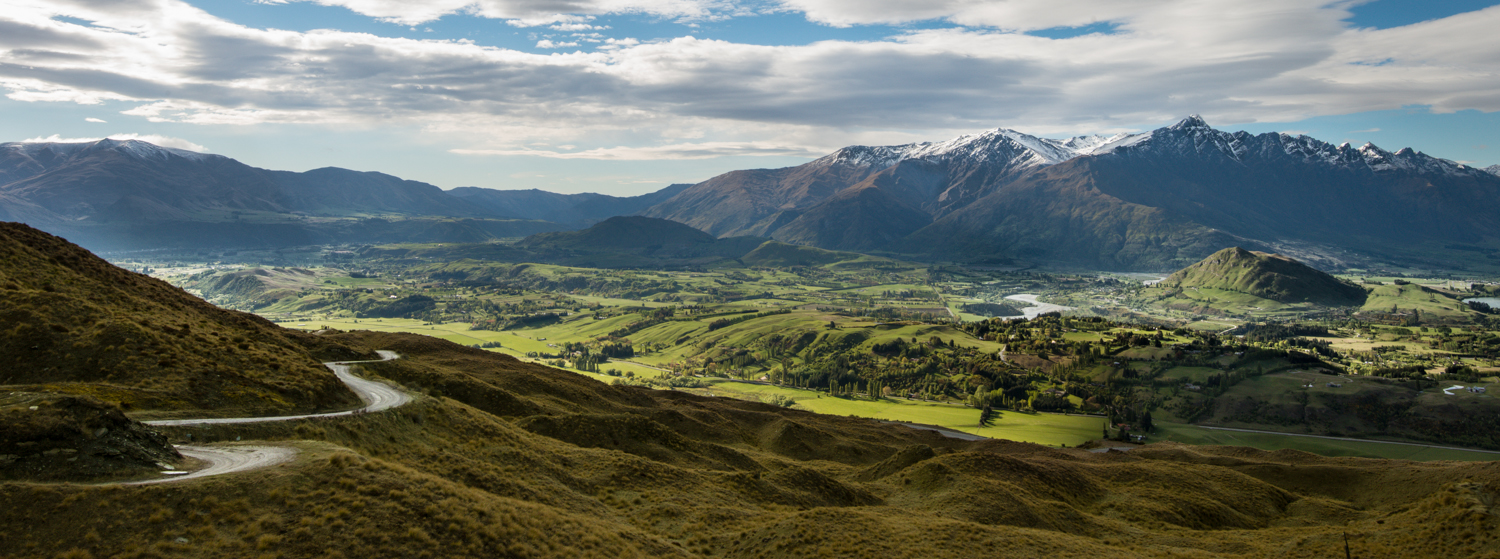
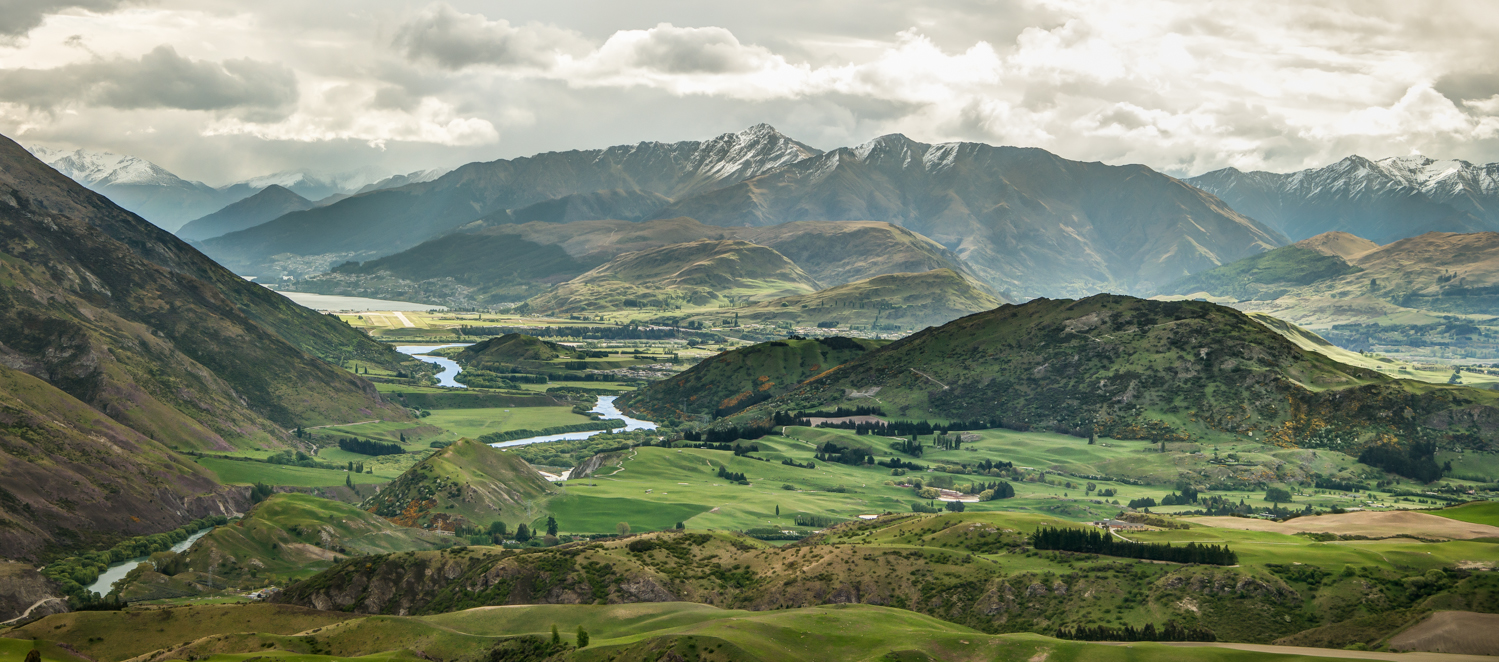
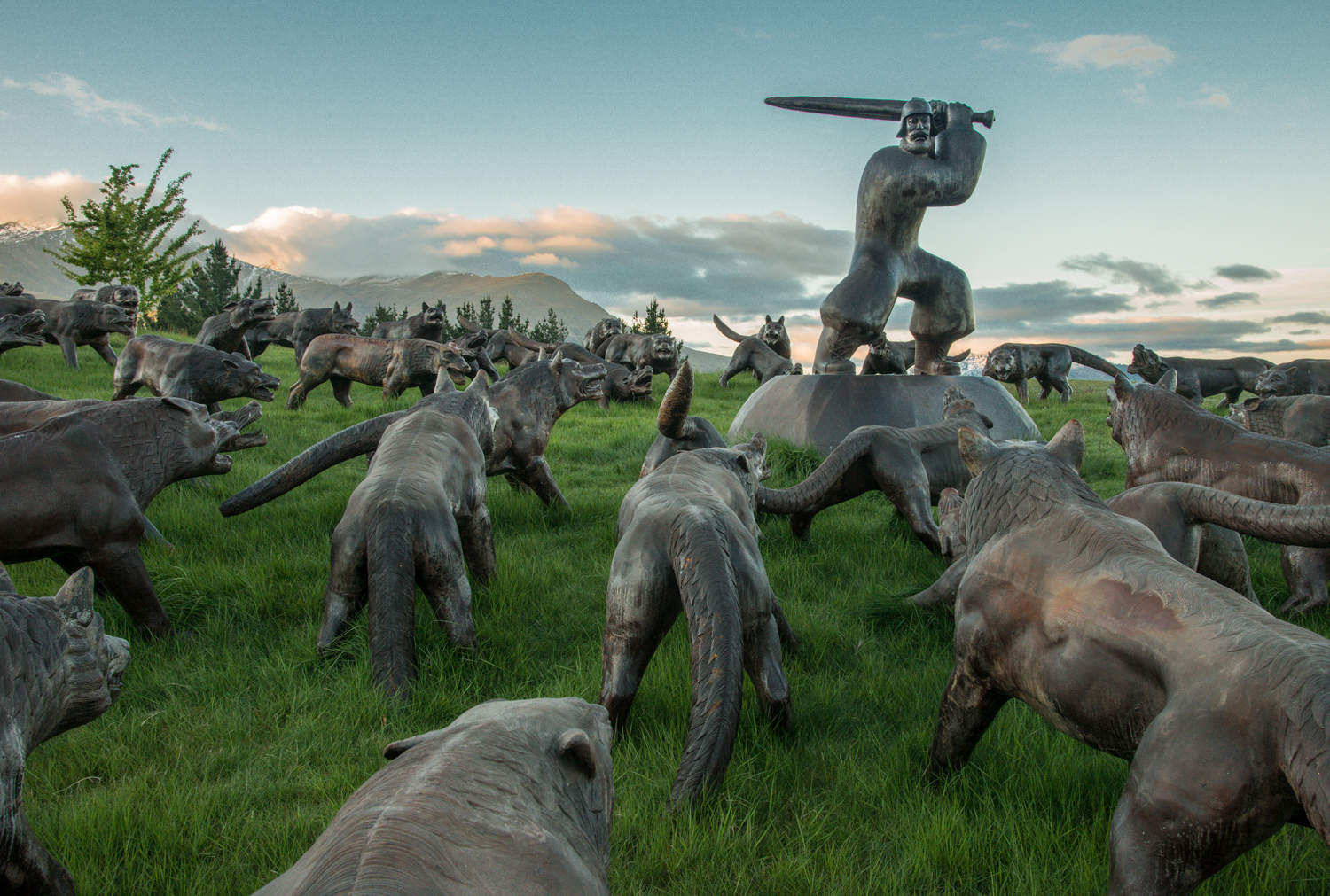
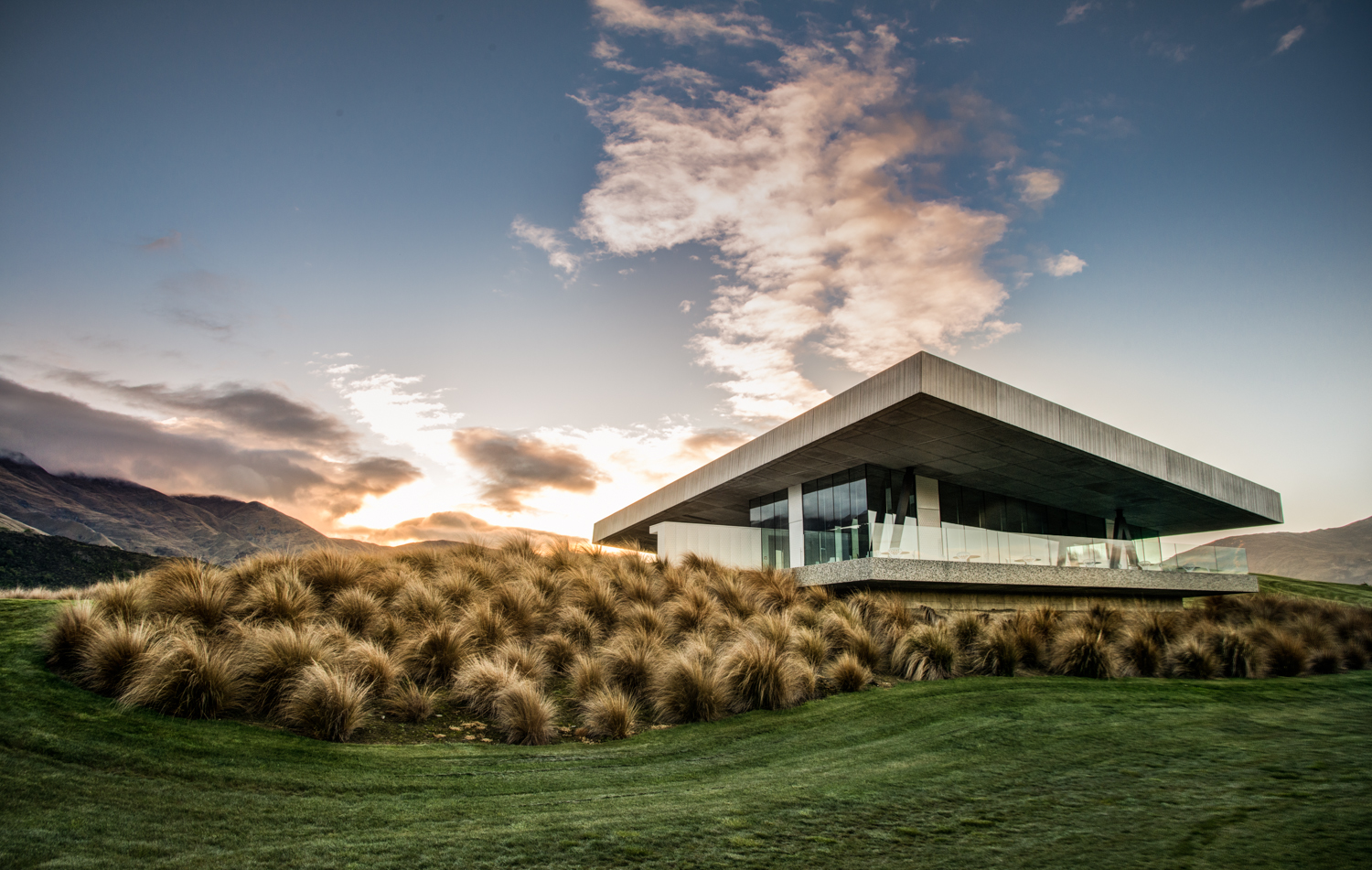
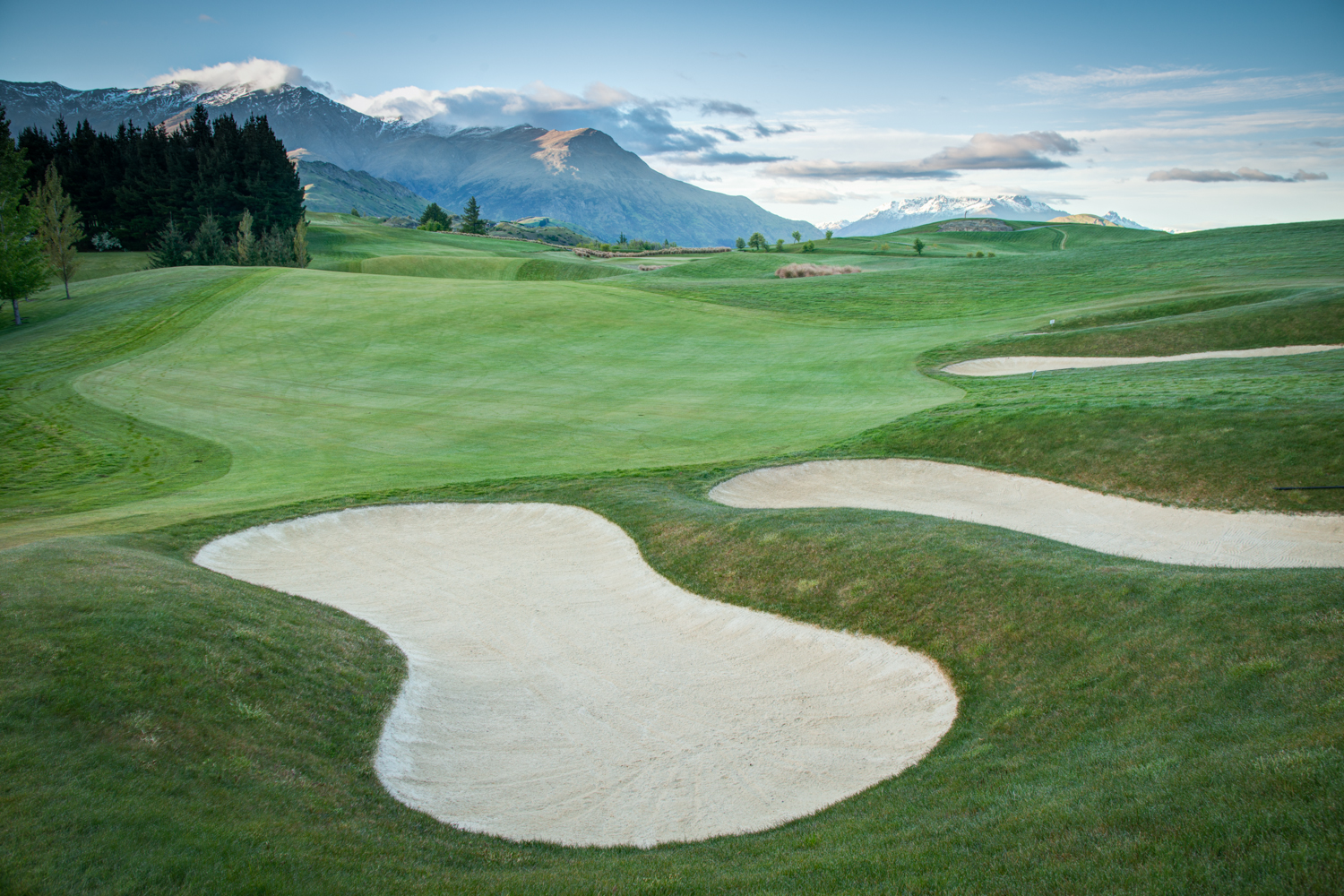
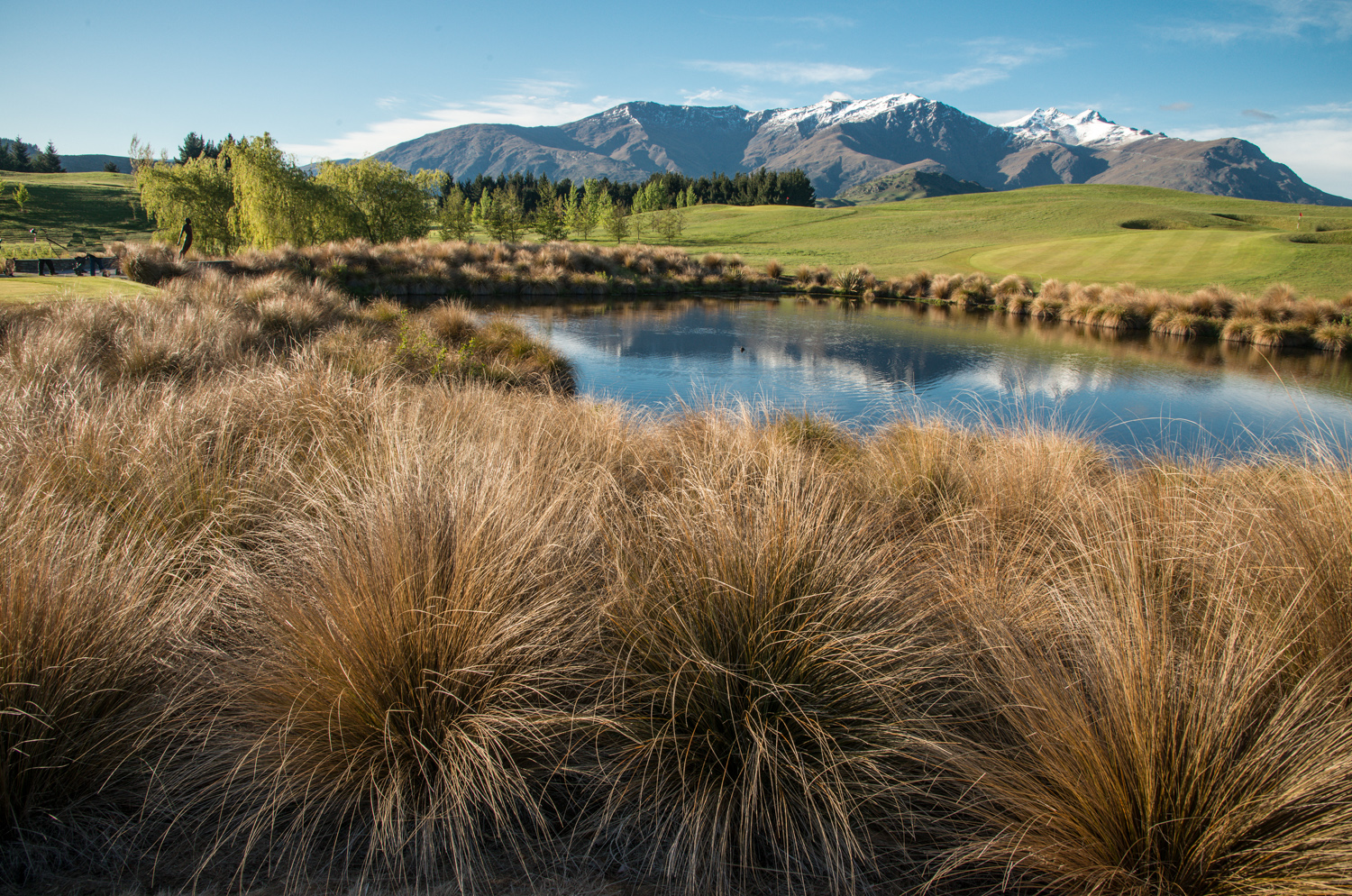
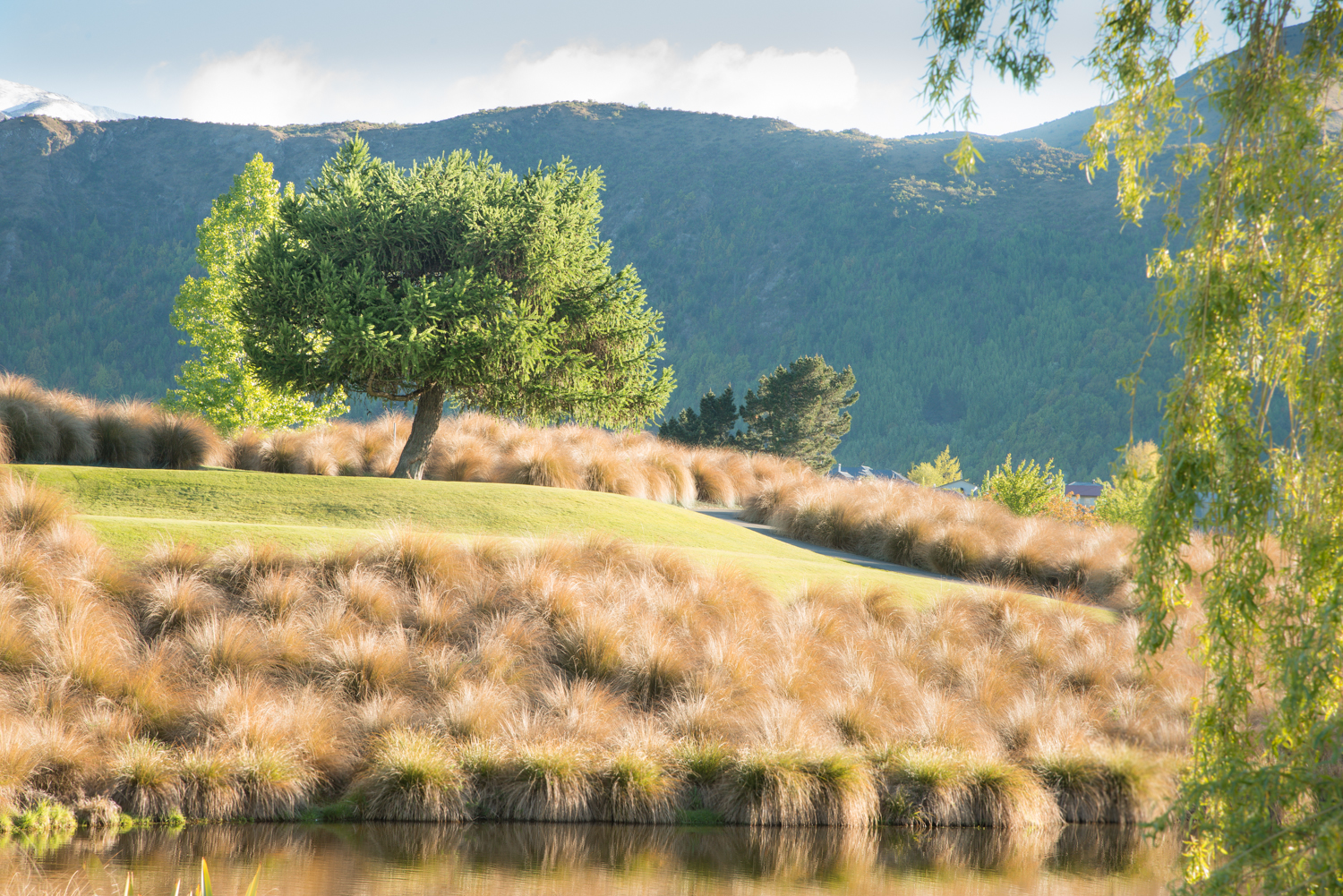
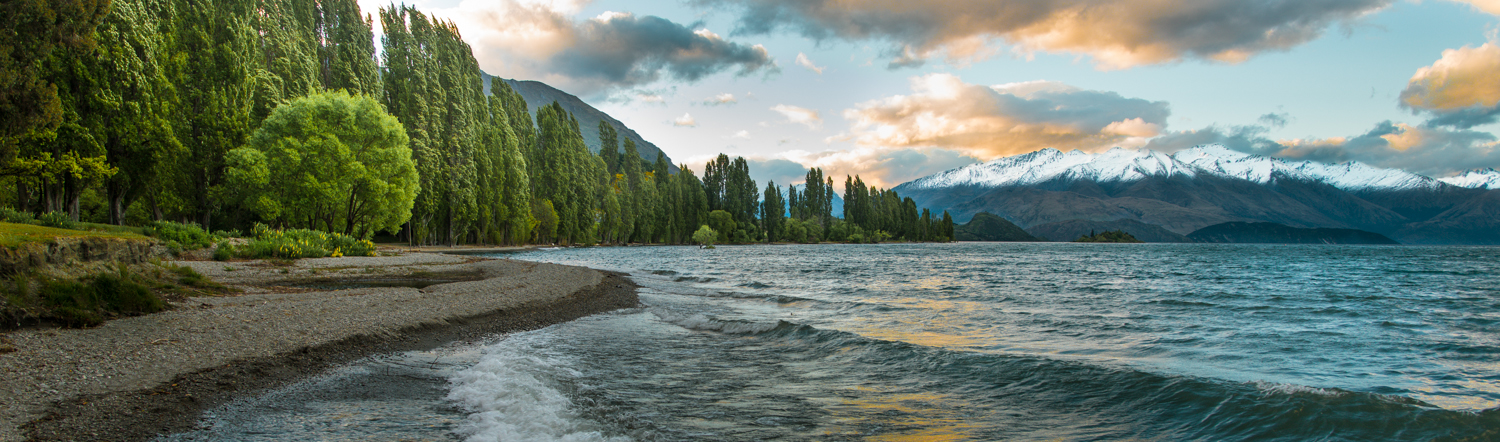
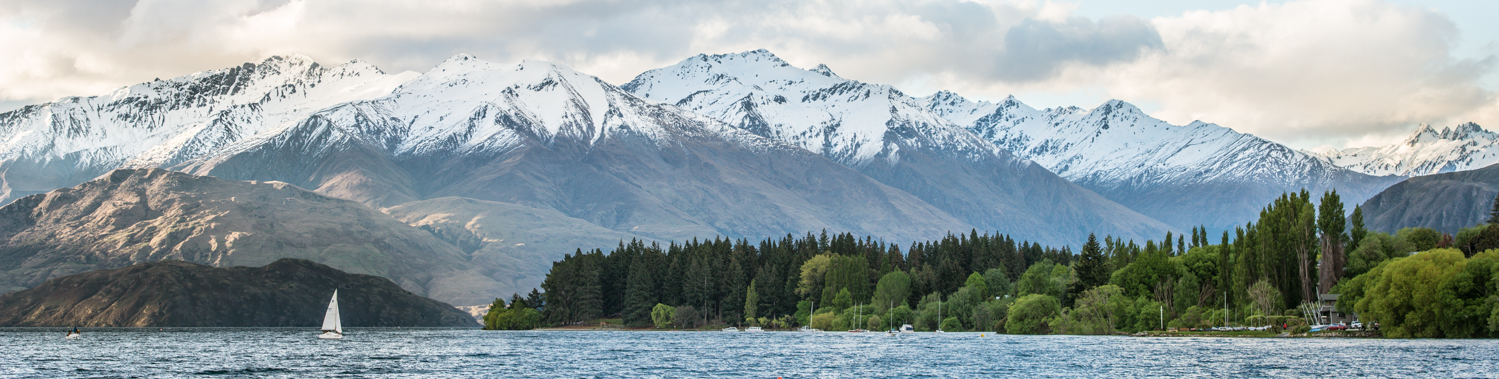
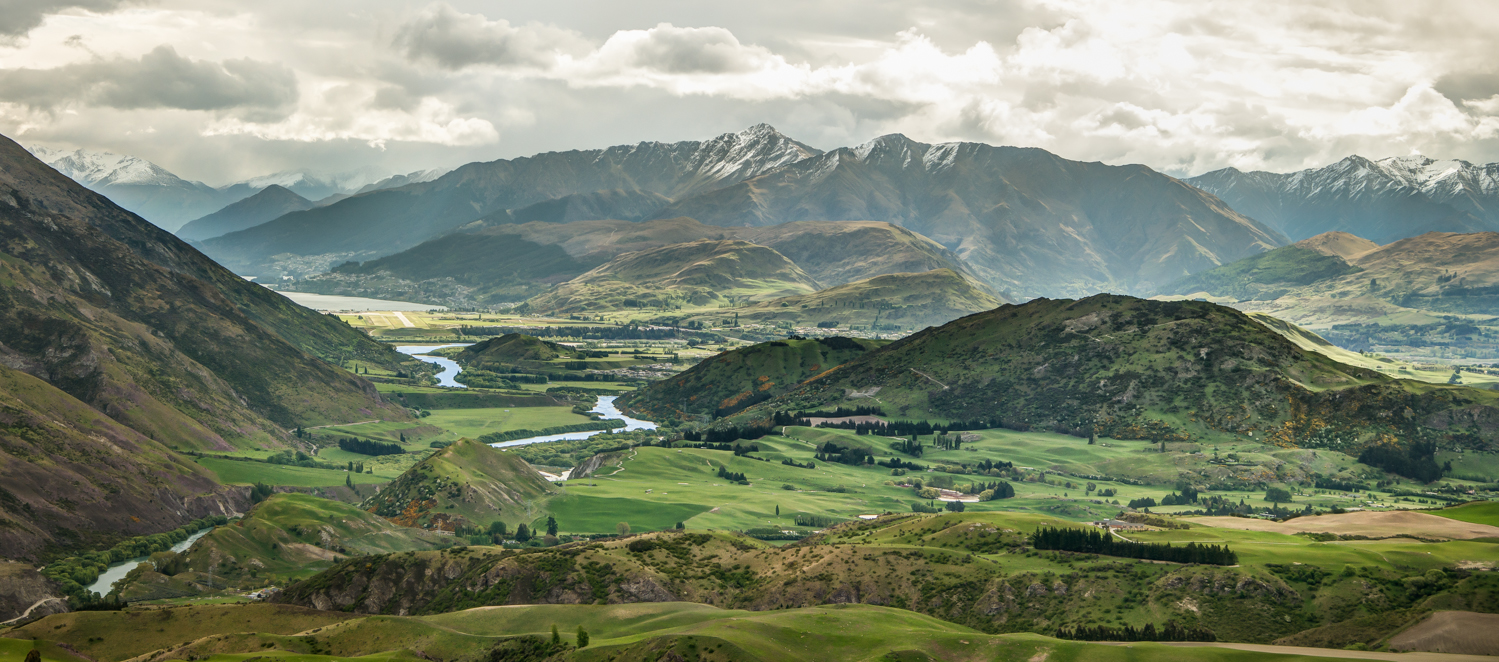
Most of these shots are around Queenstown and Lake Wakatipu — almost all in the early morning or late evening.  The ones that look like a golf course are a golf course called The Hills — apparently a famous one and one that’s covered with modern-ish art sculptures.  The two long skinny horizontal pictures with water in the foreground and the tree-in-water and sailboat pictures are at at Lake Wanaka — about an hour northeast of Queenstown.

_JCE0918.jpg_JCE1079.jpg_JCE1114.jpg_JCE1276_7_8a.jpg_JCE2158_60_62.jpg_JCE1463.jpg_JCE1482.jpg_JCE1558.jpg_JCE1635.jpg_JCE1748.jpg_JCE1936.jpg_JCE2014.jpg_JCE2042.jpg_JCE2718_19_20.jpg_JCE2346.jpg_JCE2369_70_71.jpg_JCE2387_8_9.jpg_JCE2577.jpg_JCE2591.jpg_JCE2859.jpg_JD89527.jpg


Photographers:  3 or 4 of these pictures are “HDR” shots that use 3-4 different images (same scene, different exposures) and crunch that down so you can see both the deep shadows and the bright skies and sun.  Hopefully you can’t tell which ones.   Mostly I get the same results with the D800 + Lightroom.  I tried to force myself to use a tripod, especially on scenes where I’m ‘bracketing’ multiple images for HDR.  But I hate it — it slows me down and cramps my (literal) style.  It’s amazing how well the software can align handheld shots.  I’m putting that damn tripod back in the suitcases.


Sydney: World Upside Down

Australian sundials are numbered backward.  If you want to navigate your way around Sydney, it might help if you understand why.


Since America is well up in the Northern Hemisphere, the sun’s daily path for us is mostly an arc through the southern skies.  As we face south and watch the sun move east to west, it moves from our left to our right.  If we’re looking at the sun, it’s moving left to right.  If the sun is in your face and it’s roughly the middle of the day, you’re looking south; left is east; right is west.  Unless you were literally bent over backward, every time you’ve ever looked at the sun in the northern hemisphere, it was moving left to right .  This is burned into my subconscious.  Left to right.

When I got to Australia, I was ready for cars driving on the wrong side of the road.  With a 20-hour trip crossing eight time zones, I was ready for jet lag.  I’ve been to the Southern Hemisphere before, so I was ready to hang precariously by my feet from the bottom of the globe and to see spring flowers in late October.  I can deal with hurricanes and toilet drains that swirl backward (though that last one is mostly a myth).  But what I cannot mentally process is that the sun moves from right to left.  It arcs across the northern sky.  It’s clearly moving right to left, so I’d swear it’s rising in the west and setting in the east.  (It’s not.)

I’m not the only one who’s noticed, of course.  On a northern hemisphere sundial, the numbers that indicate the time count up clockwise.  Southern hemisphere sundials reflect the left/right reversal of the sun’s apparent path, with the numbers ascending as you go counter-clockwise.  Your trusty northern sundial is no good down under.

For millenia, we humans have plotted our courses through the day and across the earth by keeping track of the relationship between the sun’s location in the sky and the actual time of day.  A great book called Longitude, by Dava Sobel, teaches this lesson in the context of 18th Century nautical navigation.
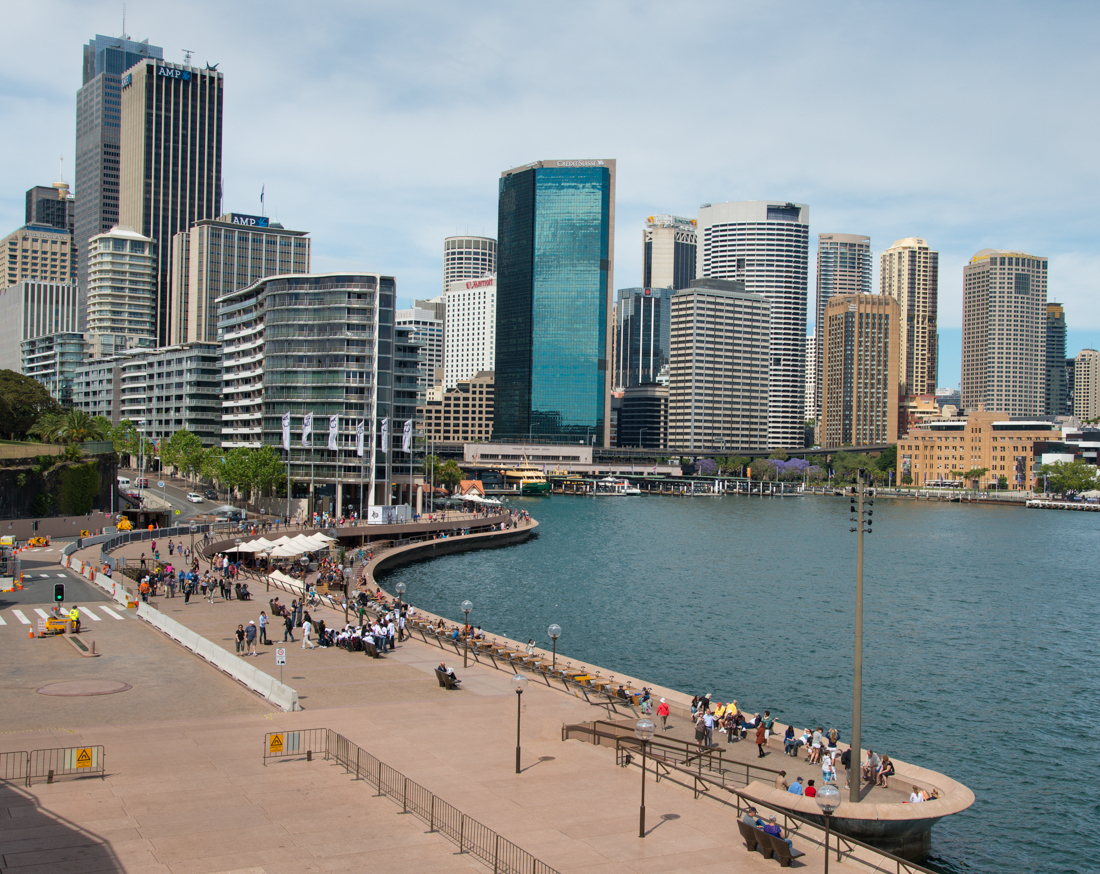
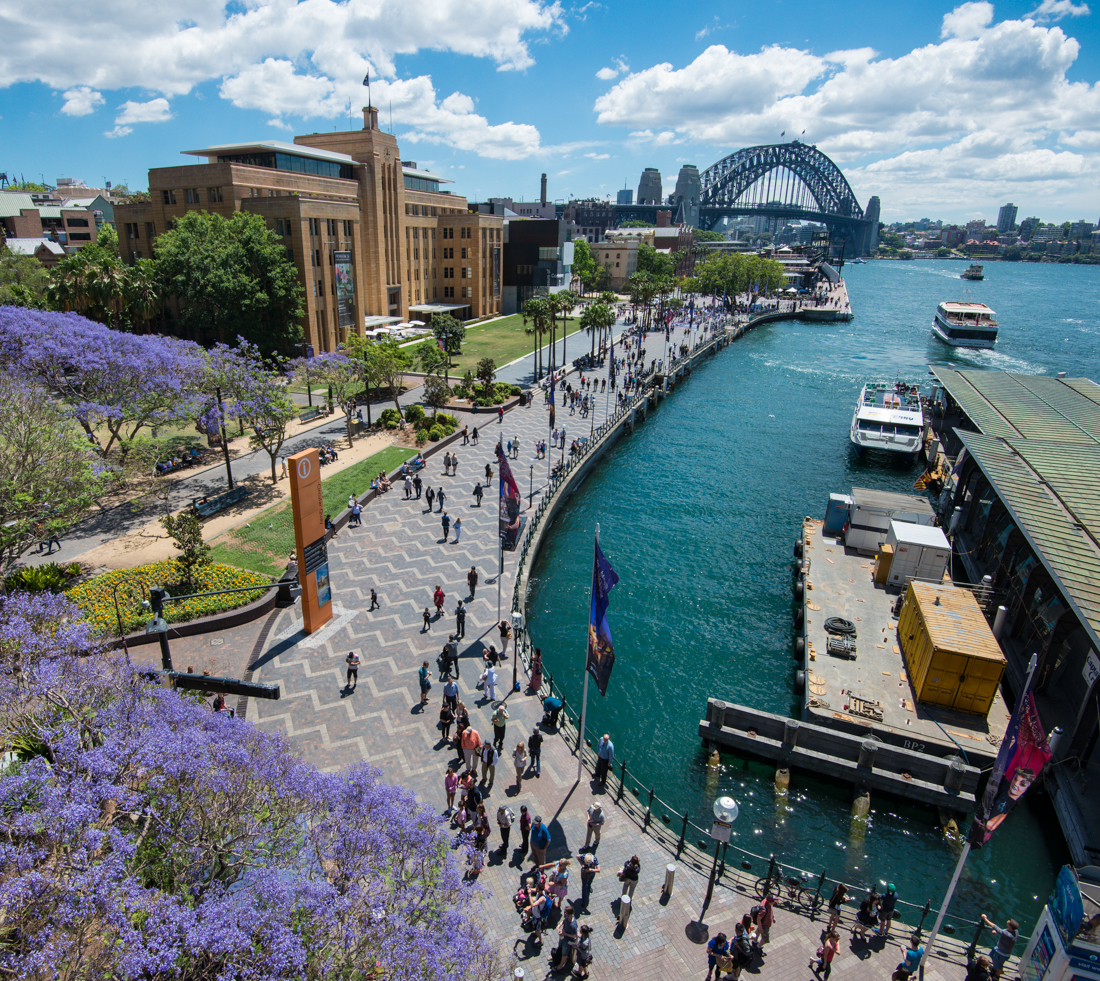
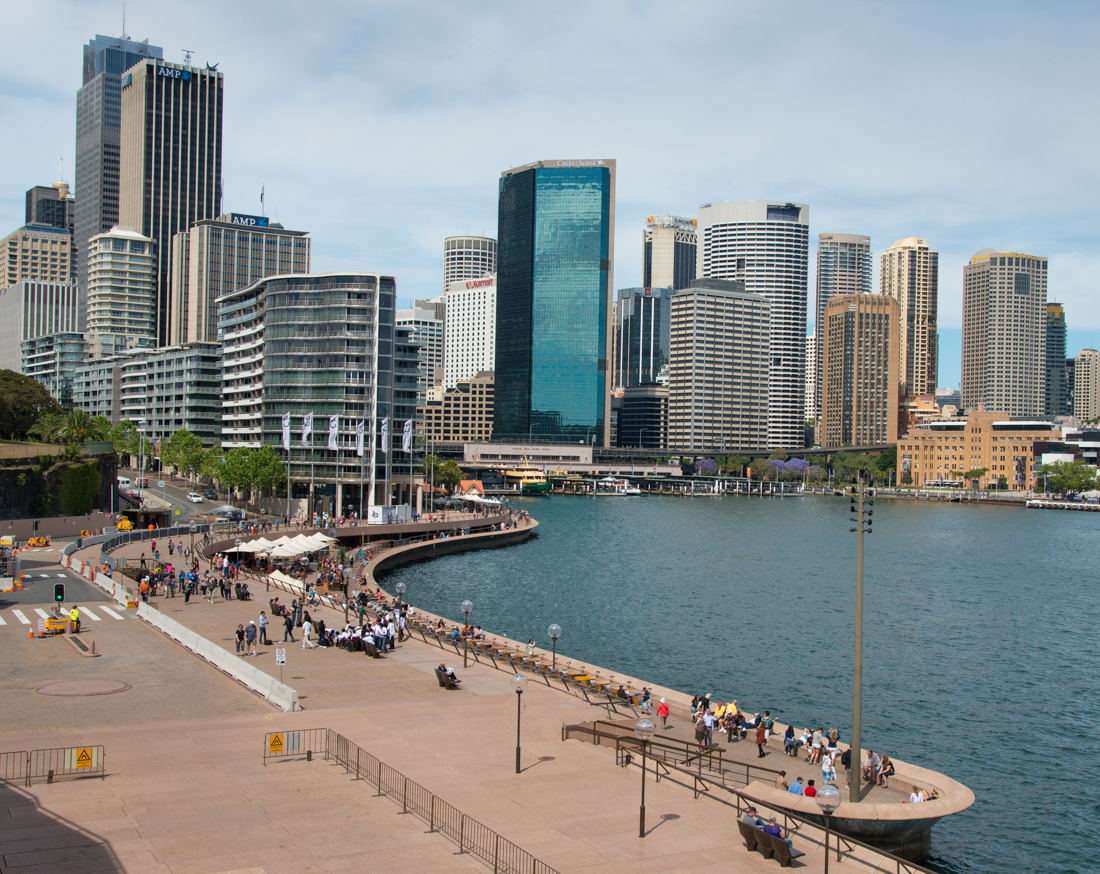
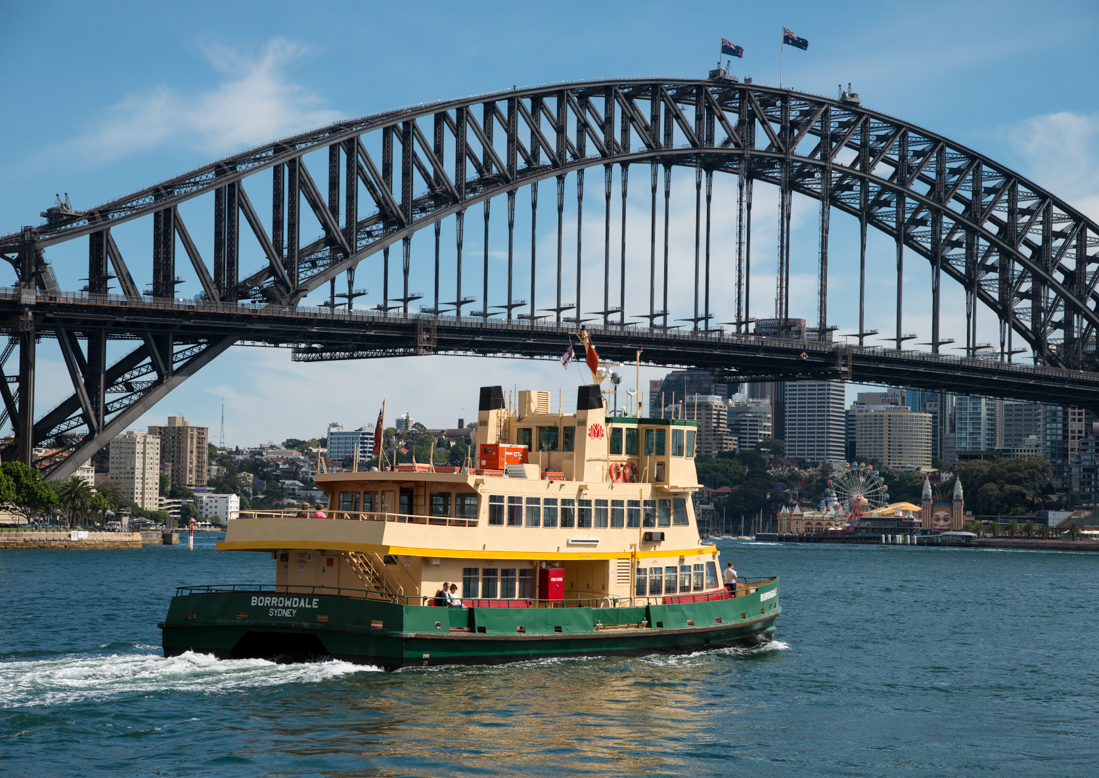
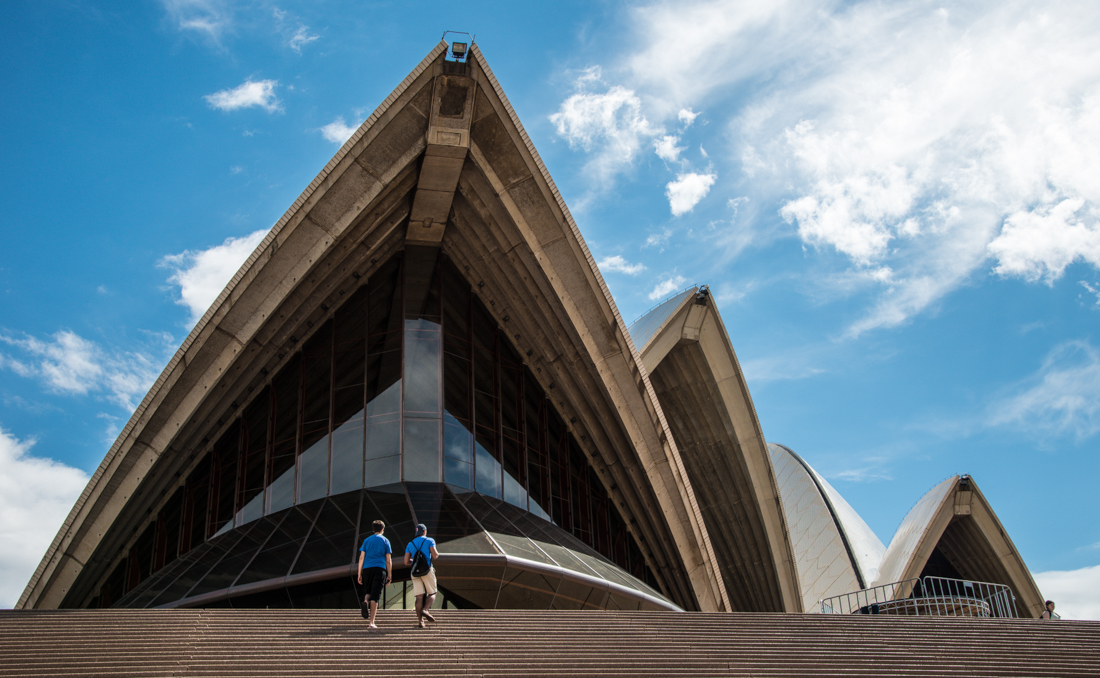
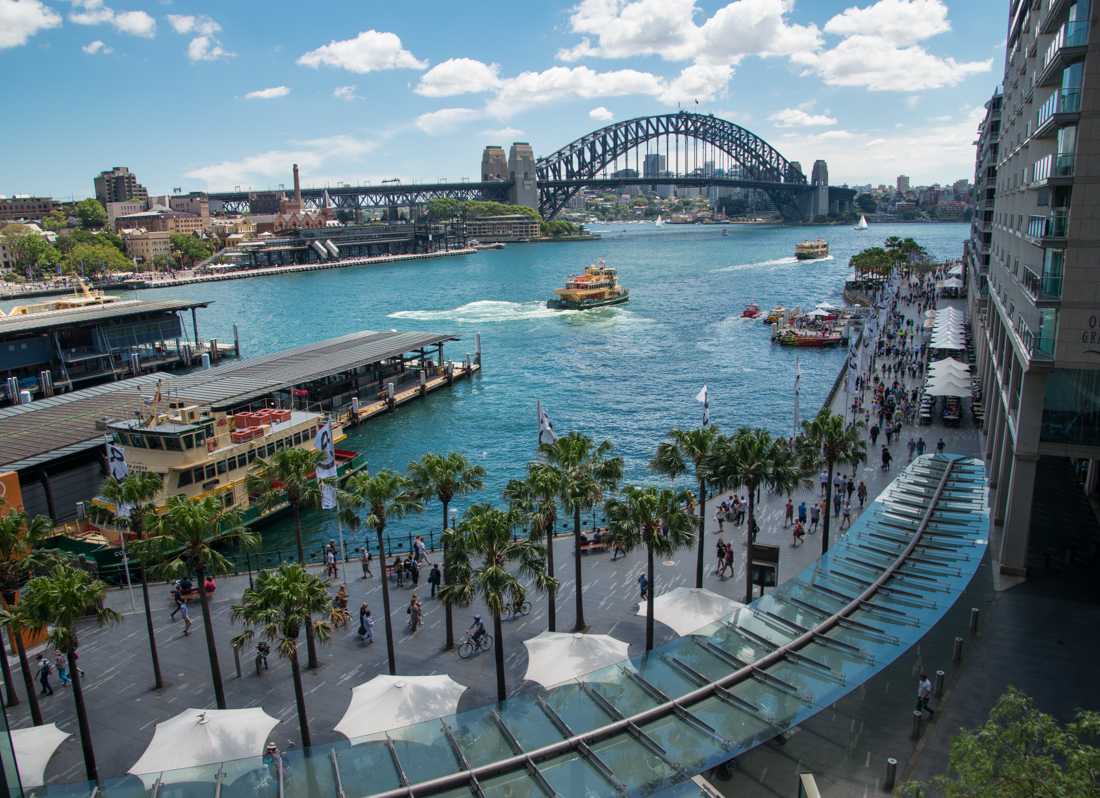
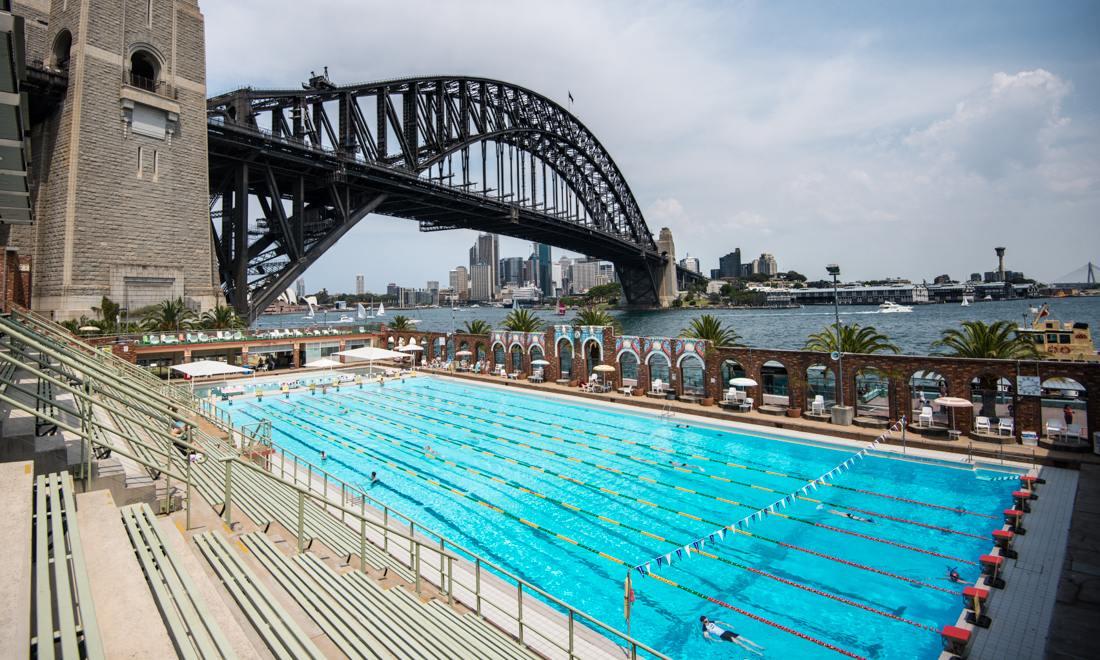
I’m usually a pretty good intuitive navigator, but it’s a cruel triple-whammy to jet-lag my body’s internal clock, capsize my brain’s intuitive internal sundial, and drop me in terra incognita.  So I guess I was a little dazed and confused during my two day layover in Sydney.  Fortunately, I was almost always in sight of at least one of the city’s two main iconic landmarks – the Sydney Harbour Bridge and the Sydney Opera House.  So while I was sometimes confused about where the sun would be coming from in my photographs, I never actually got lost.

* * *


_JCE0066.jpg_JCE0081.jpg_JCE0103.jpg_JCE0104.jpg_JCE0155.jpg_JCE0169.jpg_JCE0228.jpg_JCE0260.jpg_JCE0283.jpg_JCE0367.jpg_JCE0390.jpg_JCE0416.jpg_JCE0450.jpg_JCE0474.jpg_JCE0482.jpg_JCE0487.jpg_JCE0495.jpg_JCE0500.jpg_JCE0572.jpg_JCE0607.jpg_JCE0636.jpg_JD88677.jpg_JD88704.jpg_JD88718.jpg_JD88790.jpg_JD88812.jpg_JD88880.jpg_JD88908.jpg_JD88922.jpg_JD88976.jpg_JD89092.jpg_JD89119.jpg


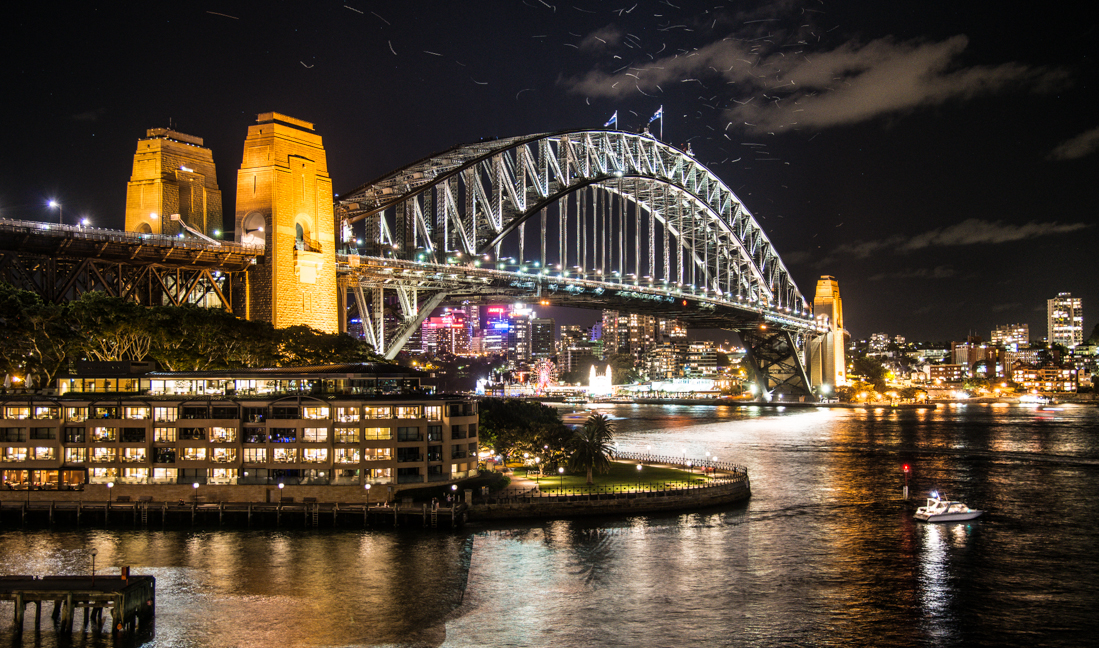
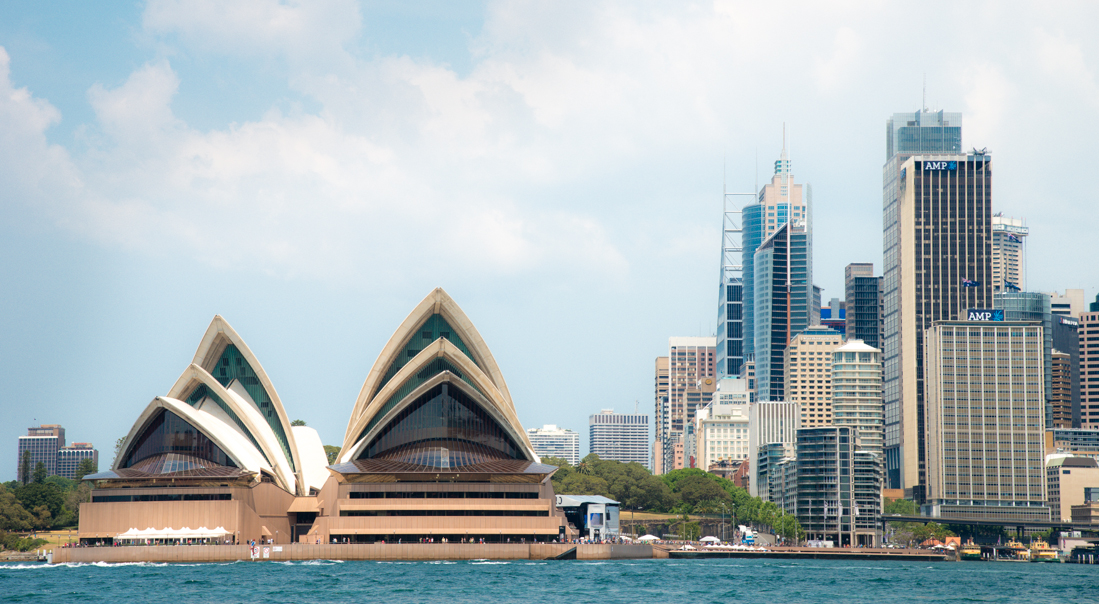
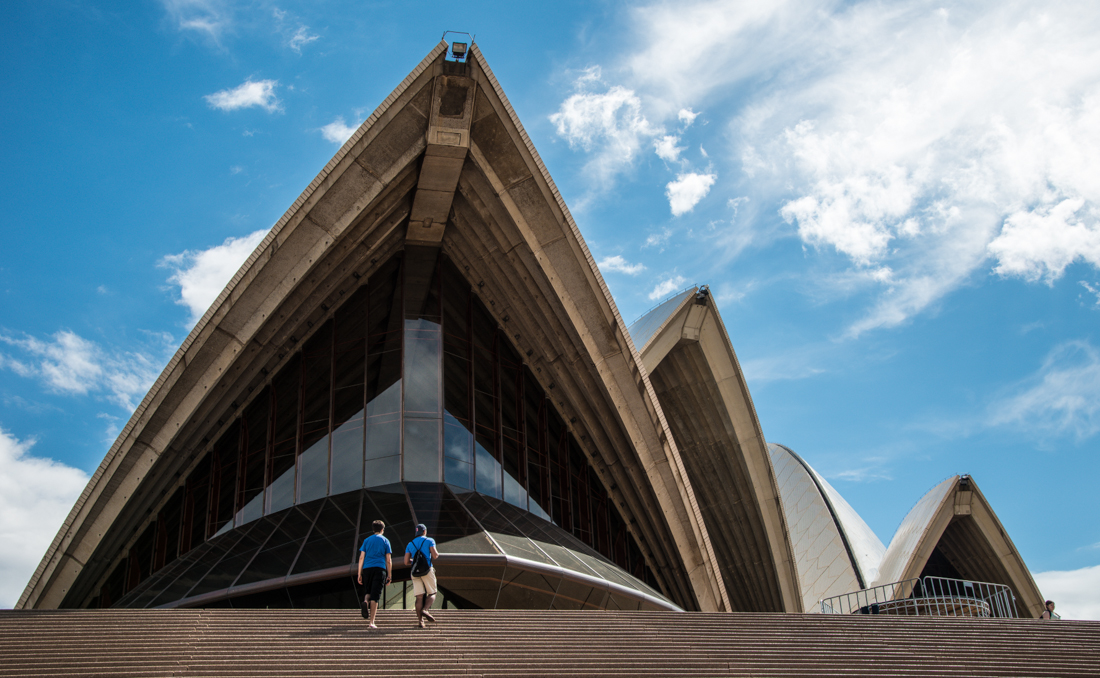
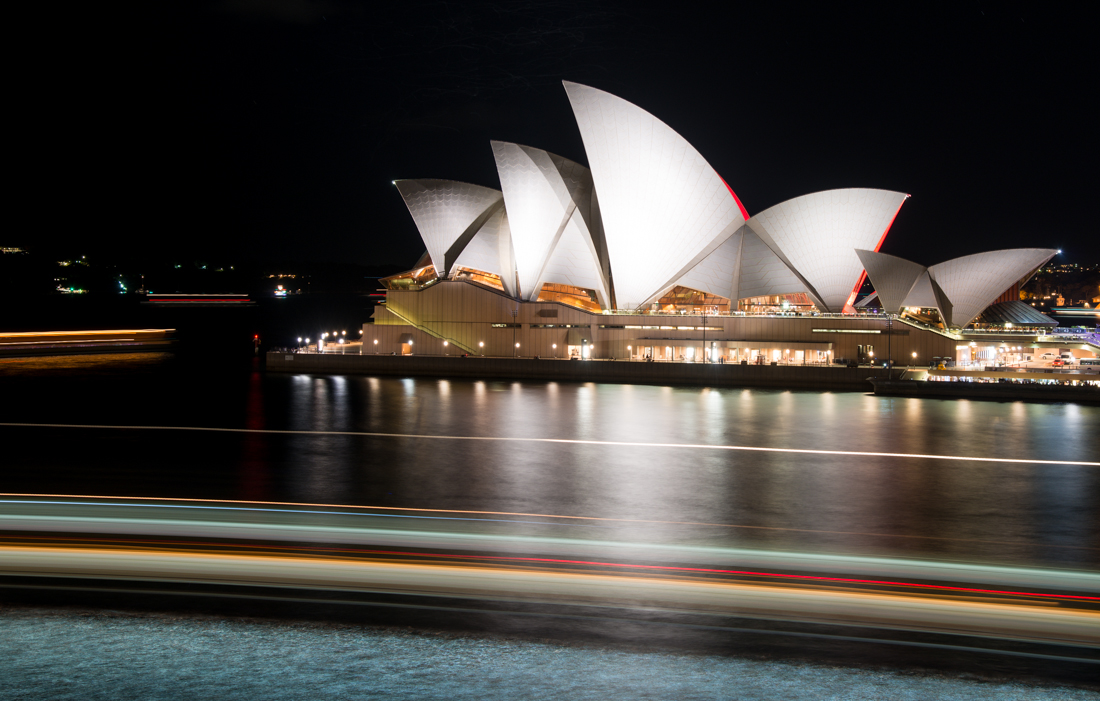
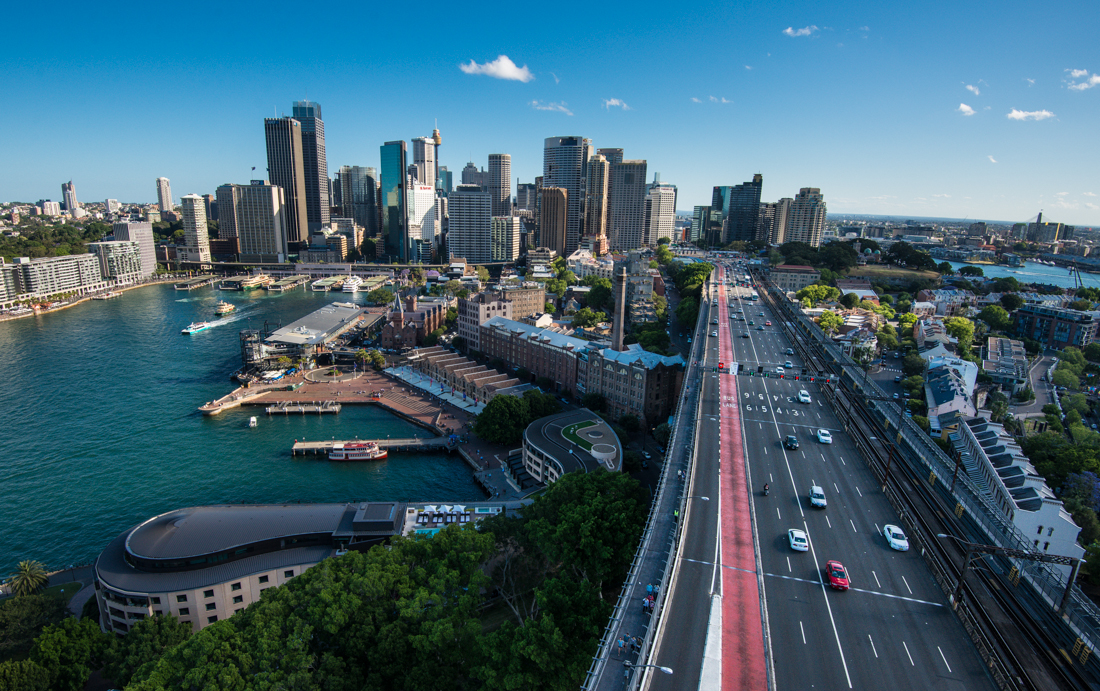
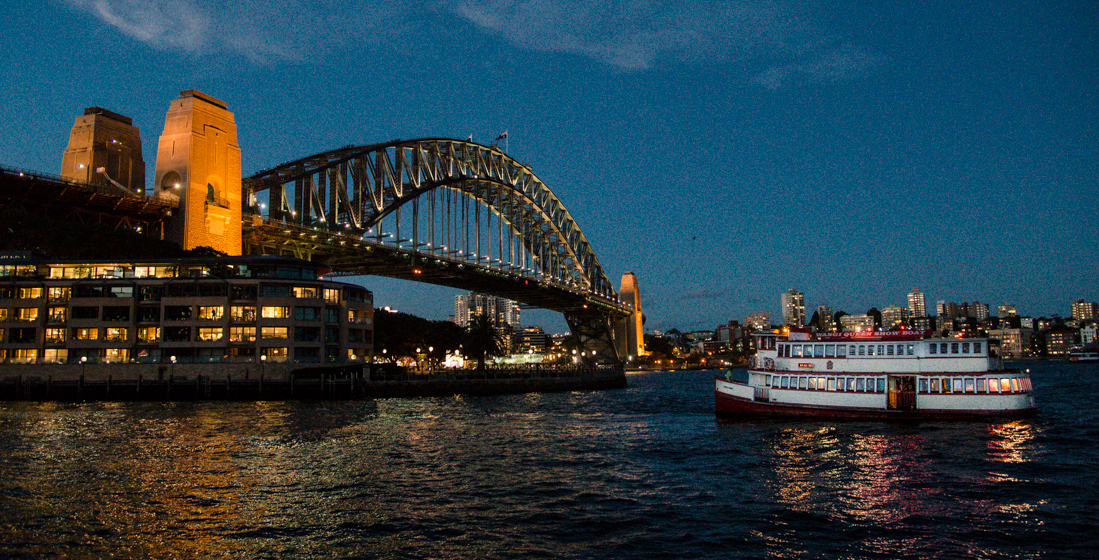
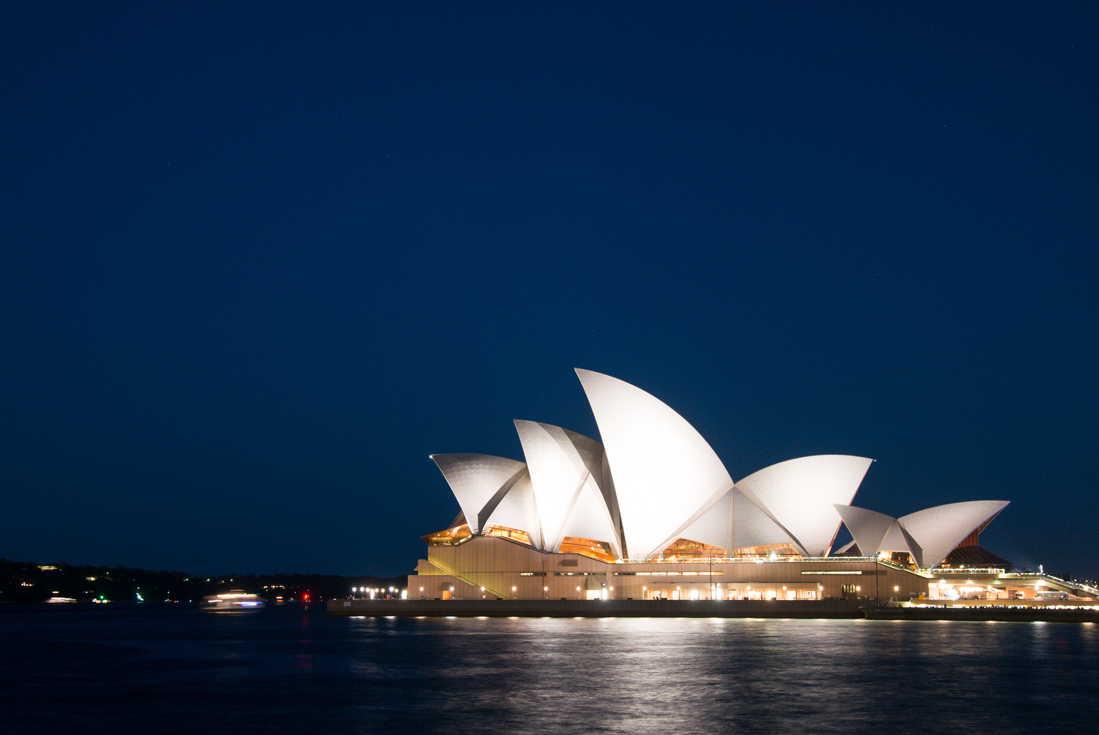
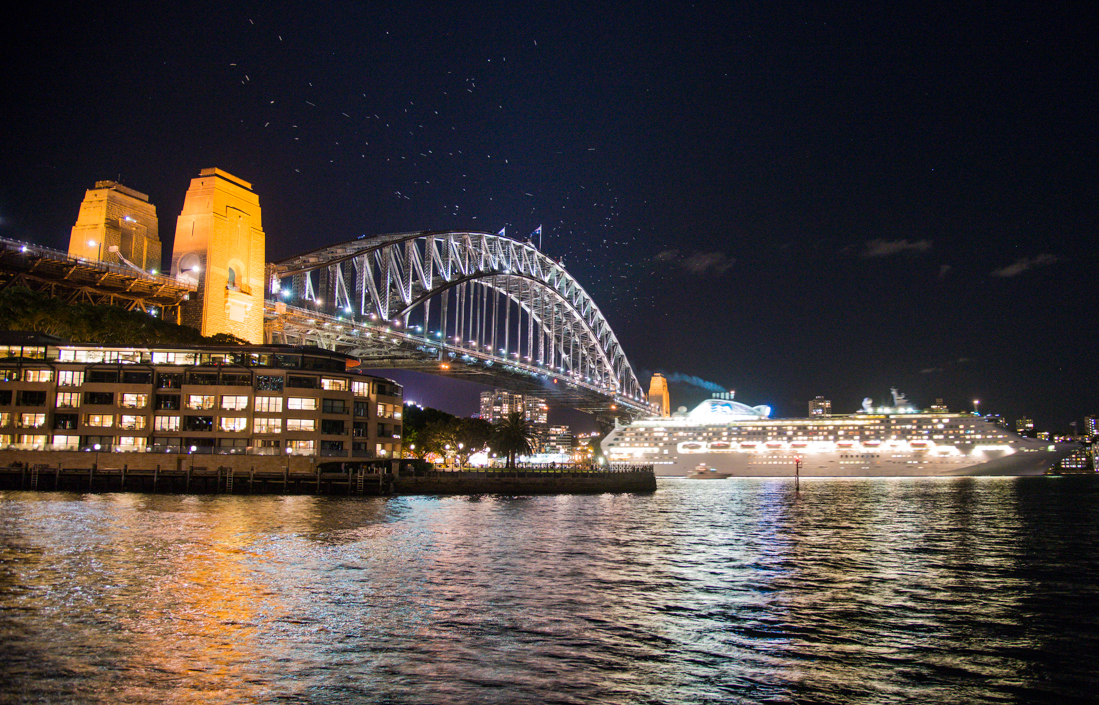
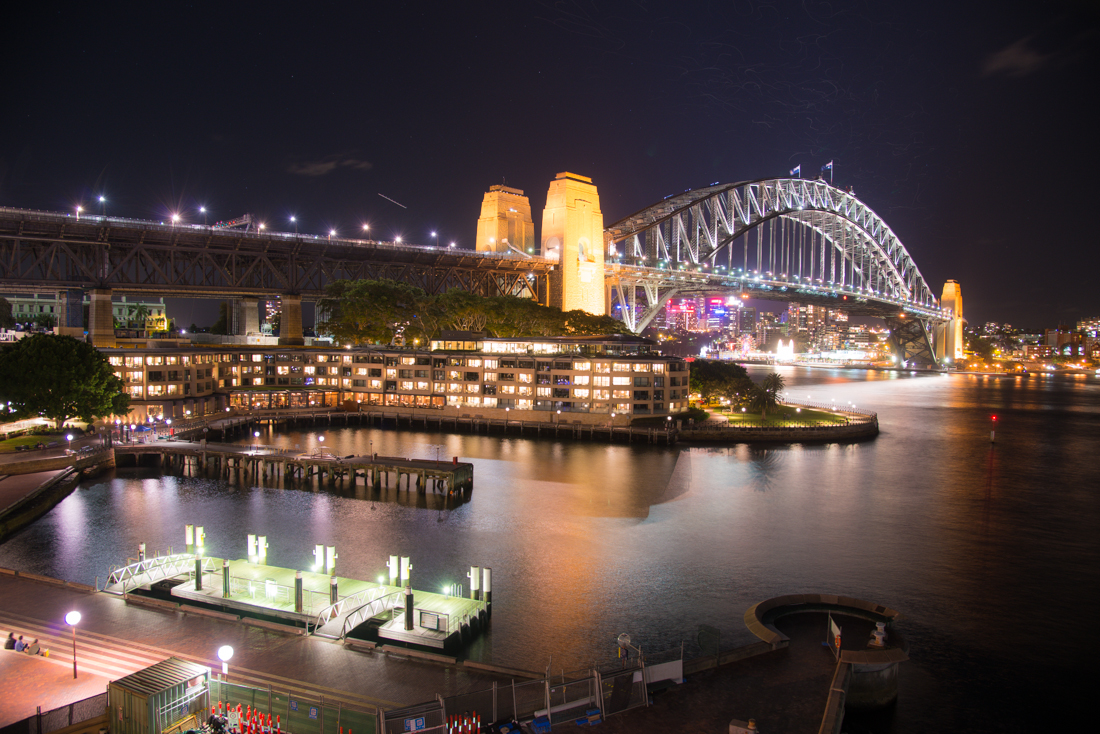
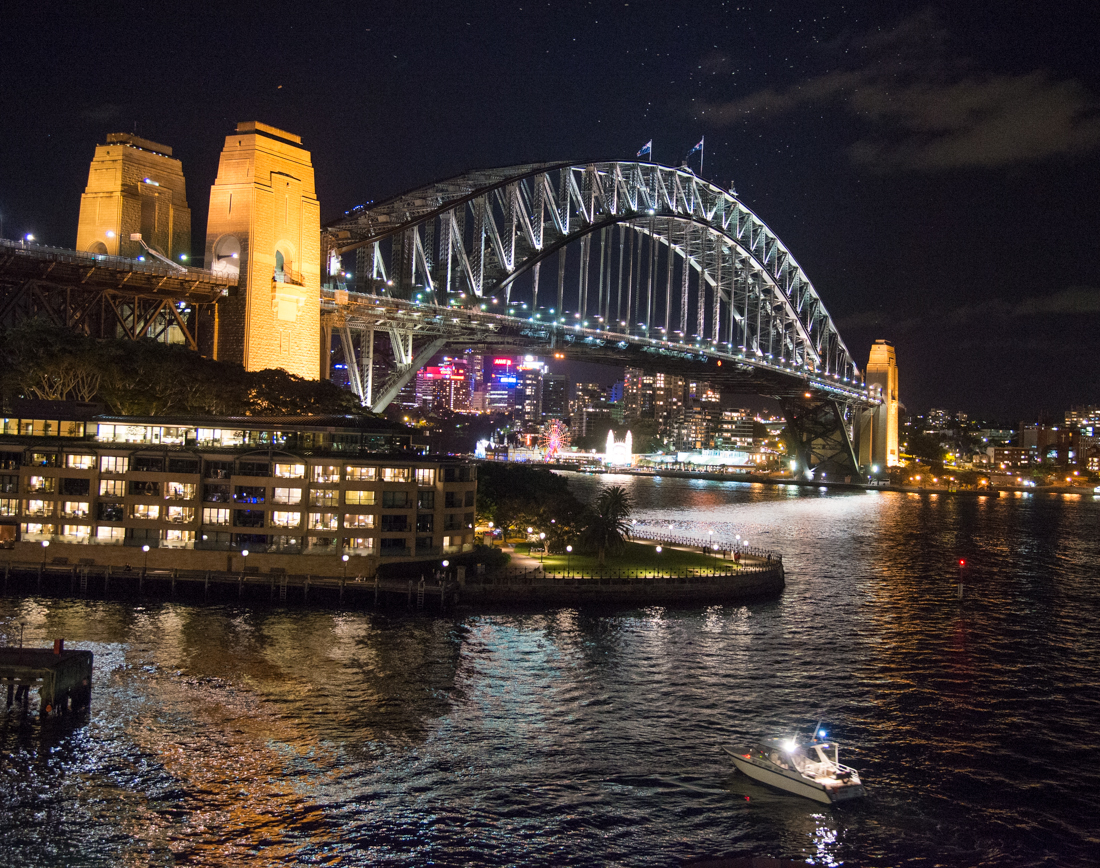
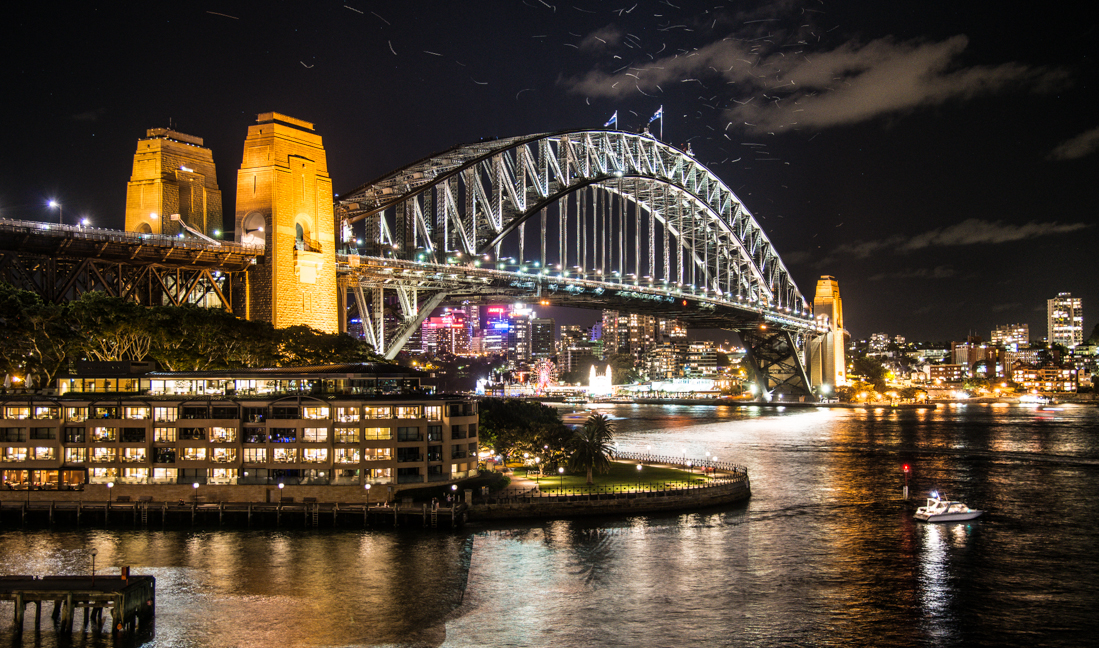
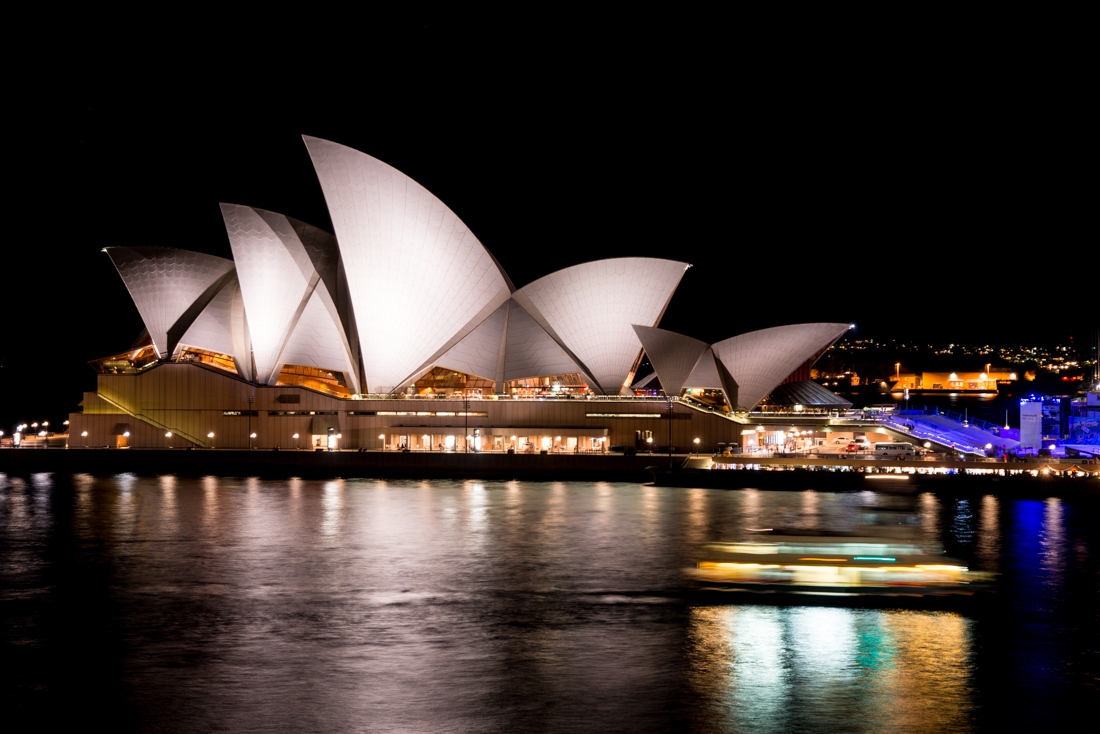
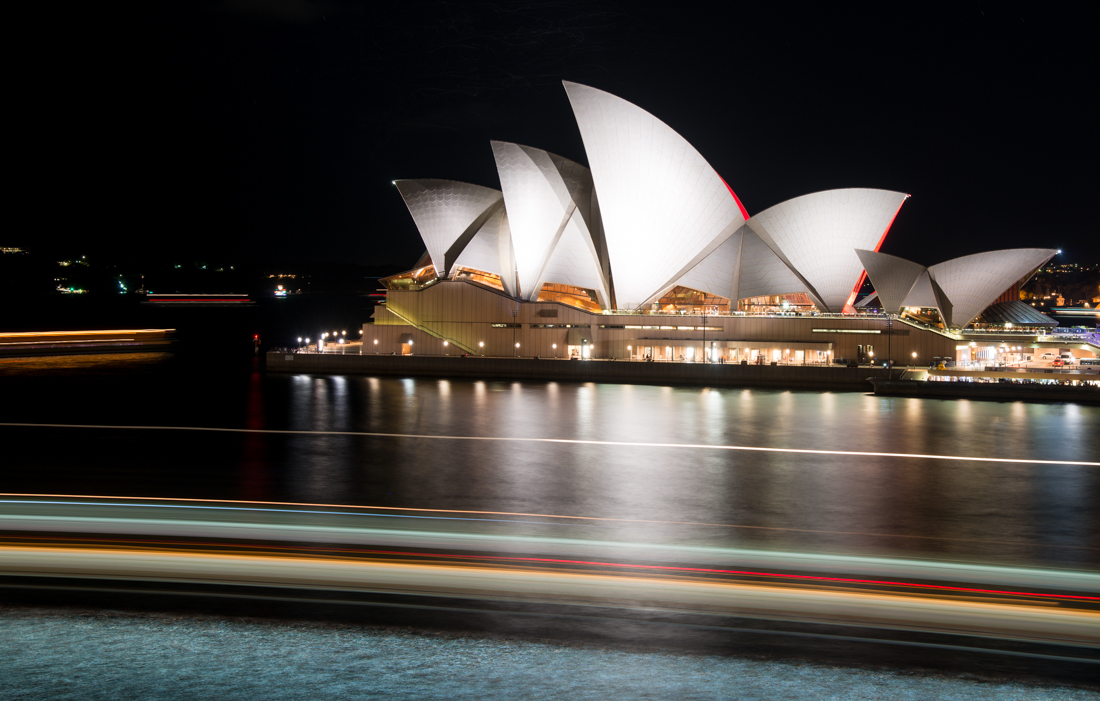
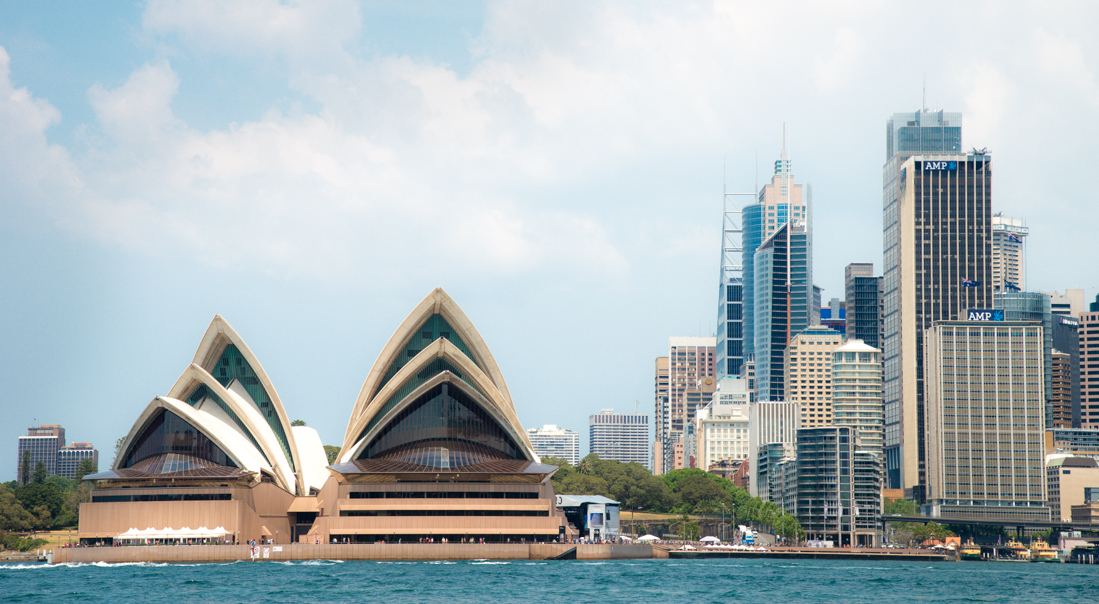
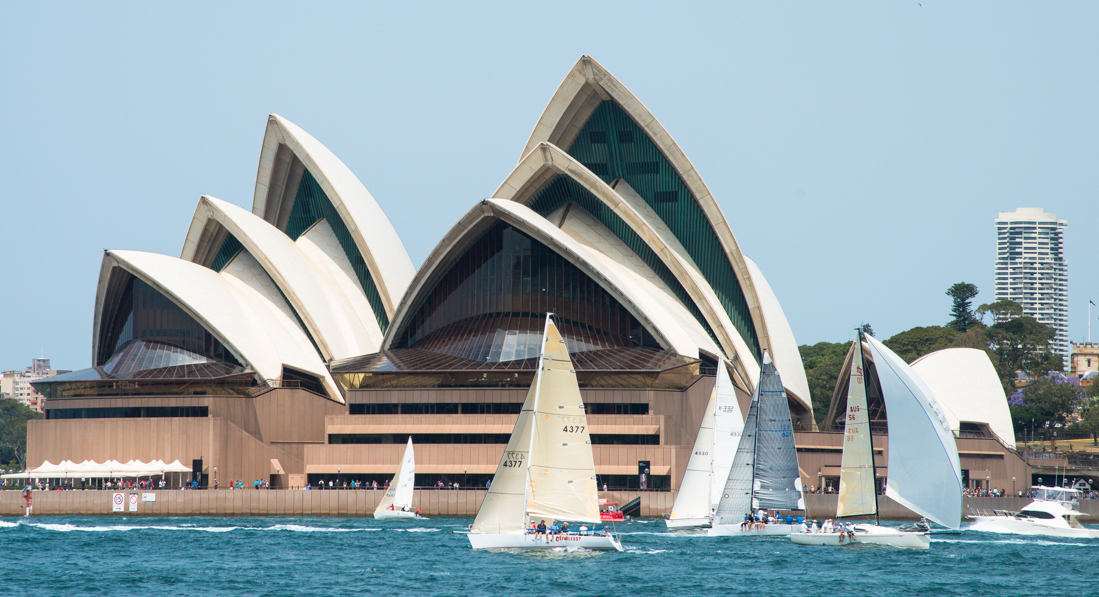
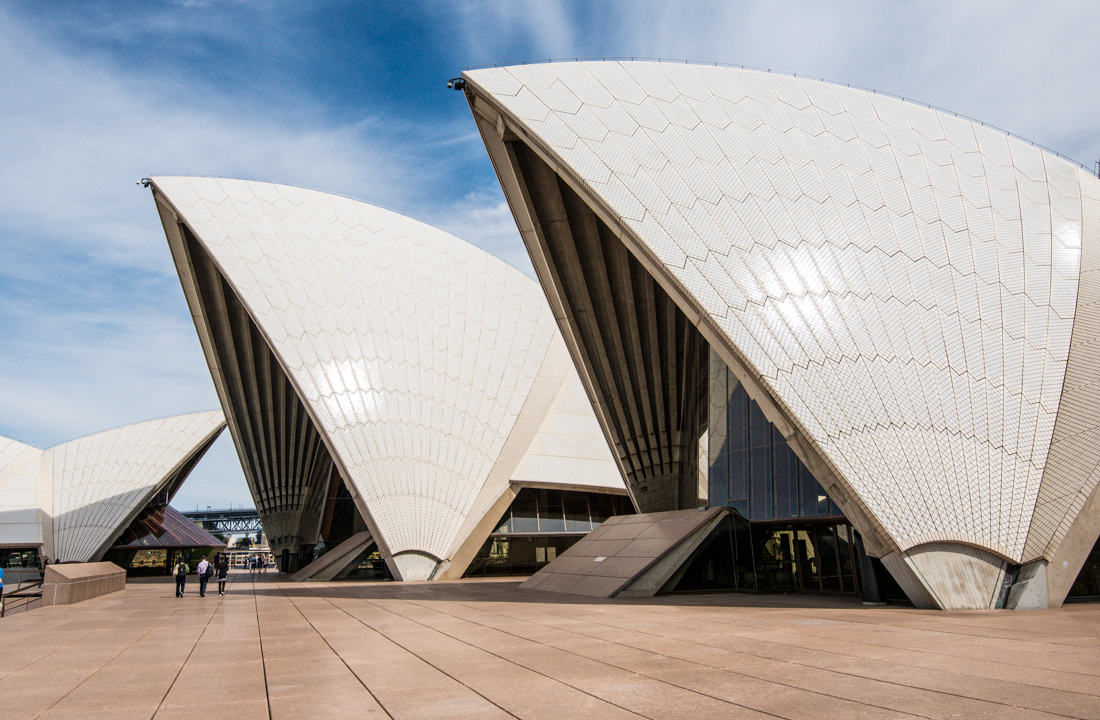
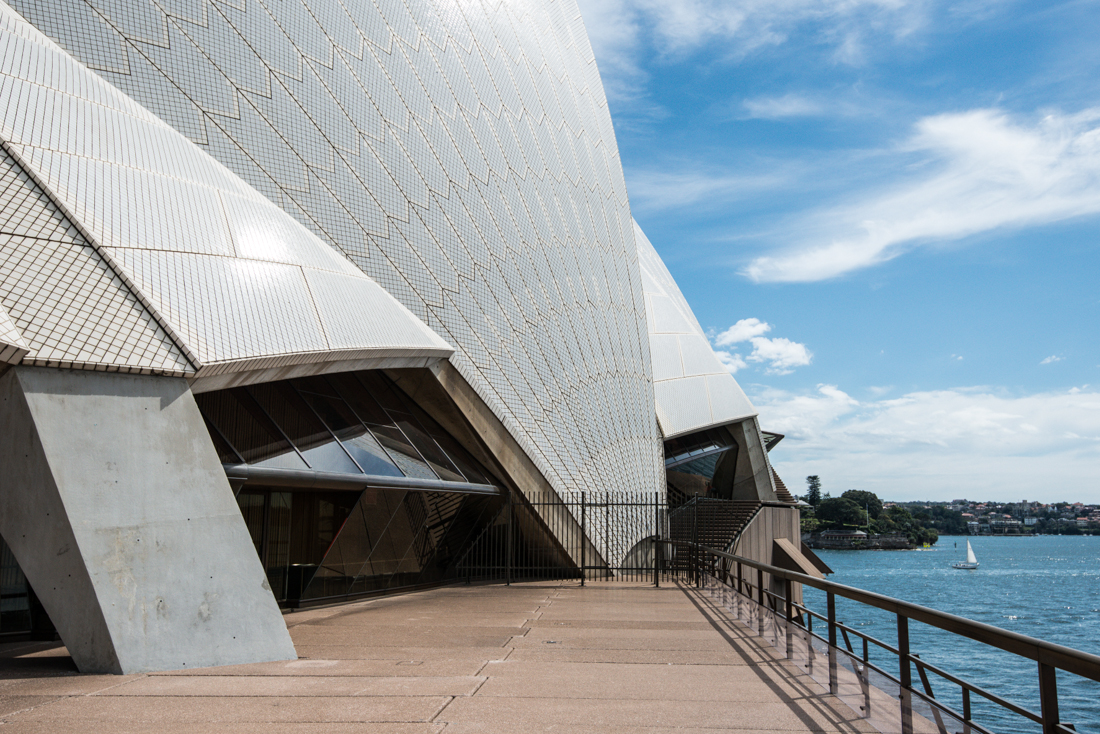
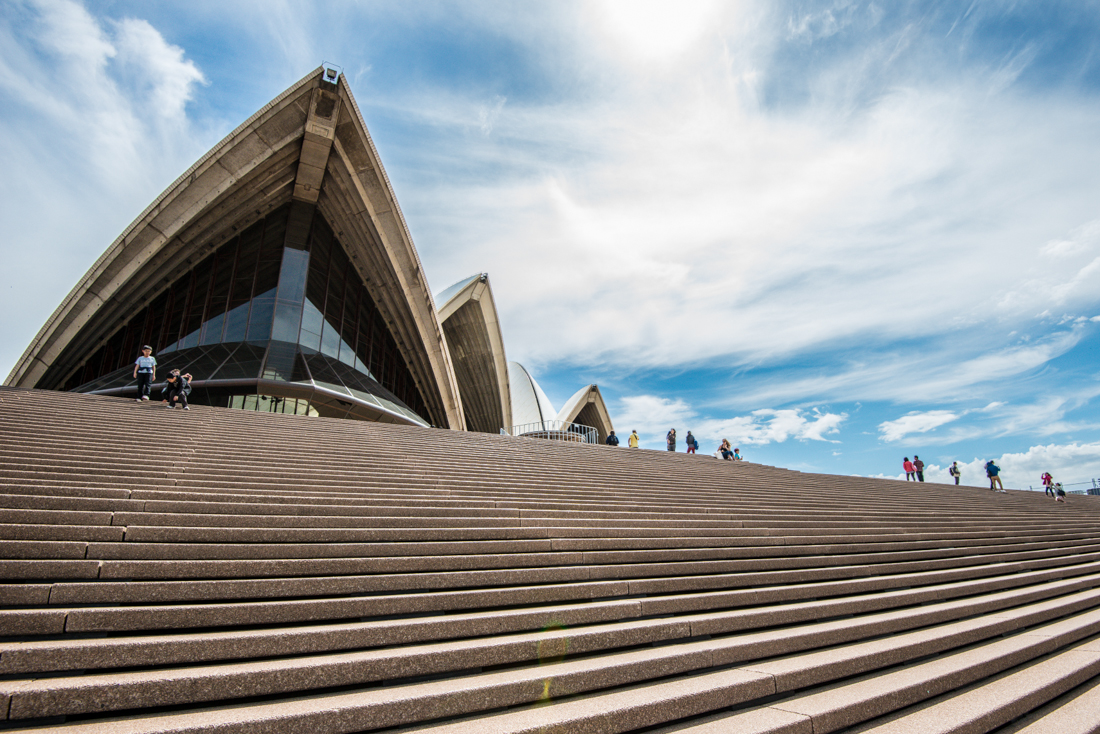
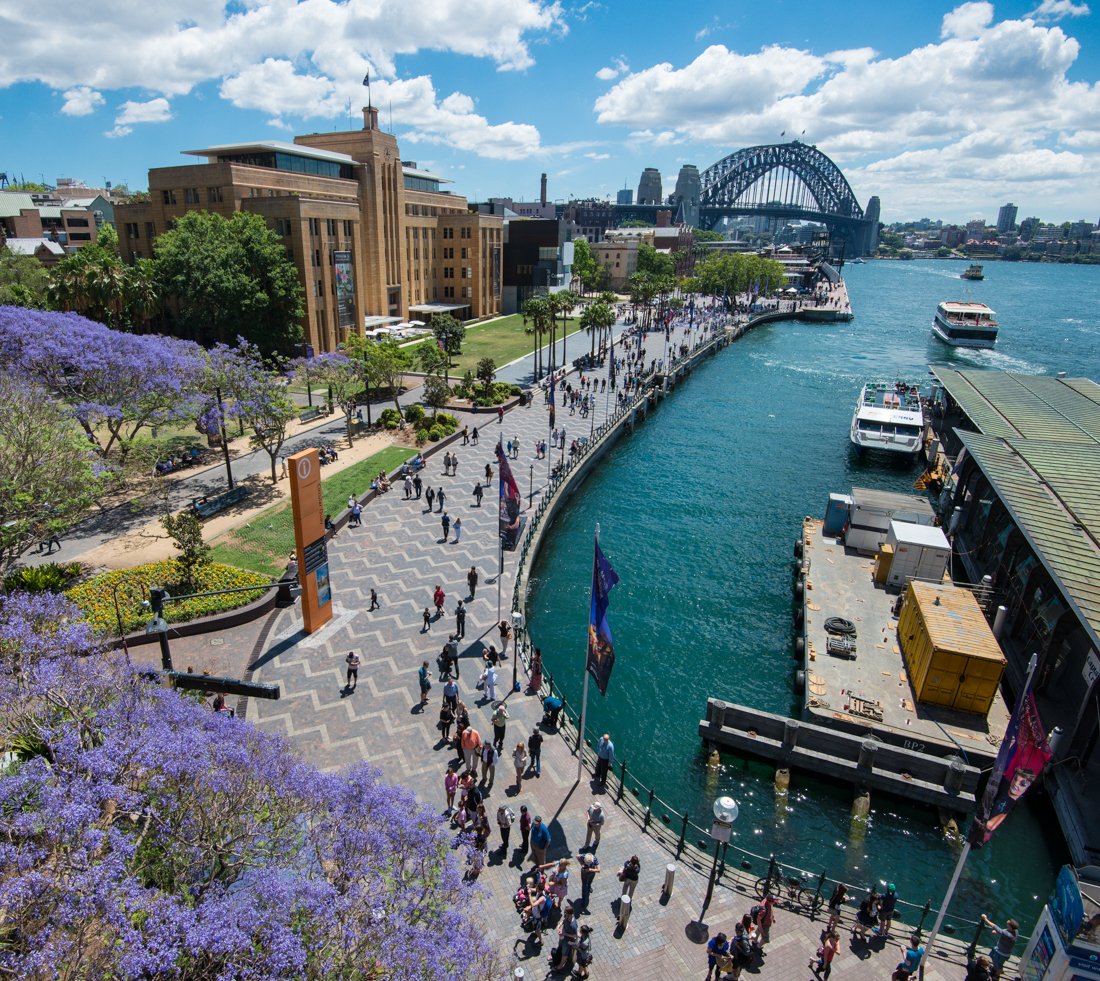
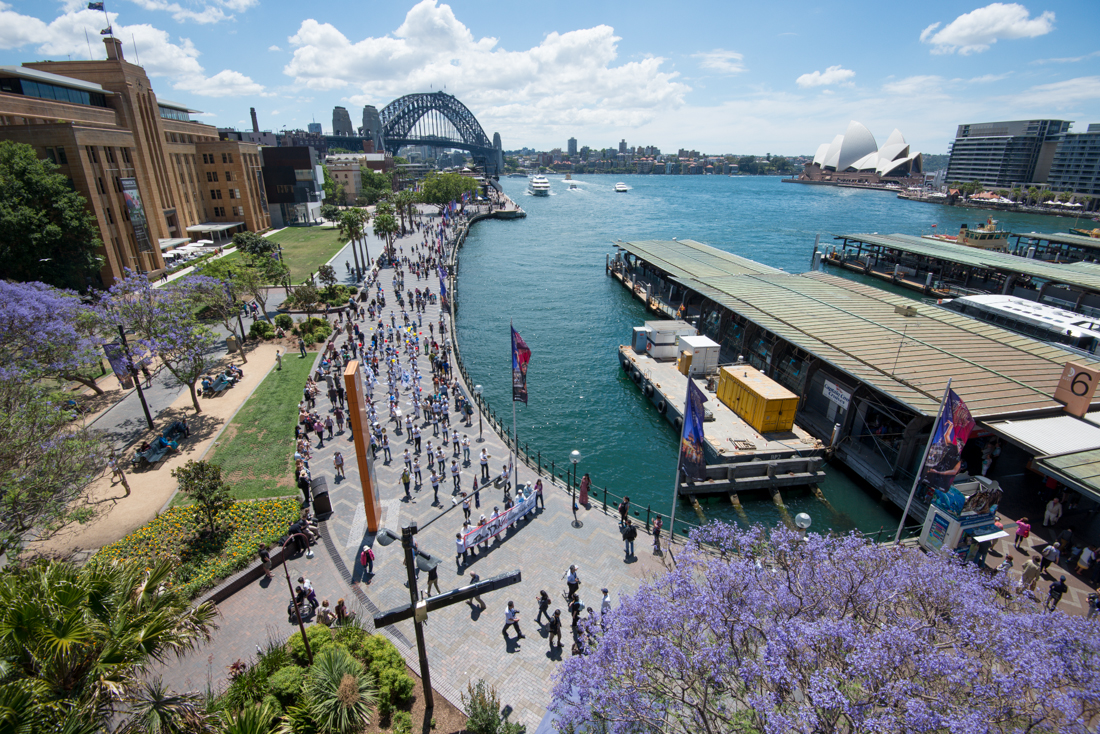
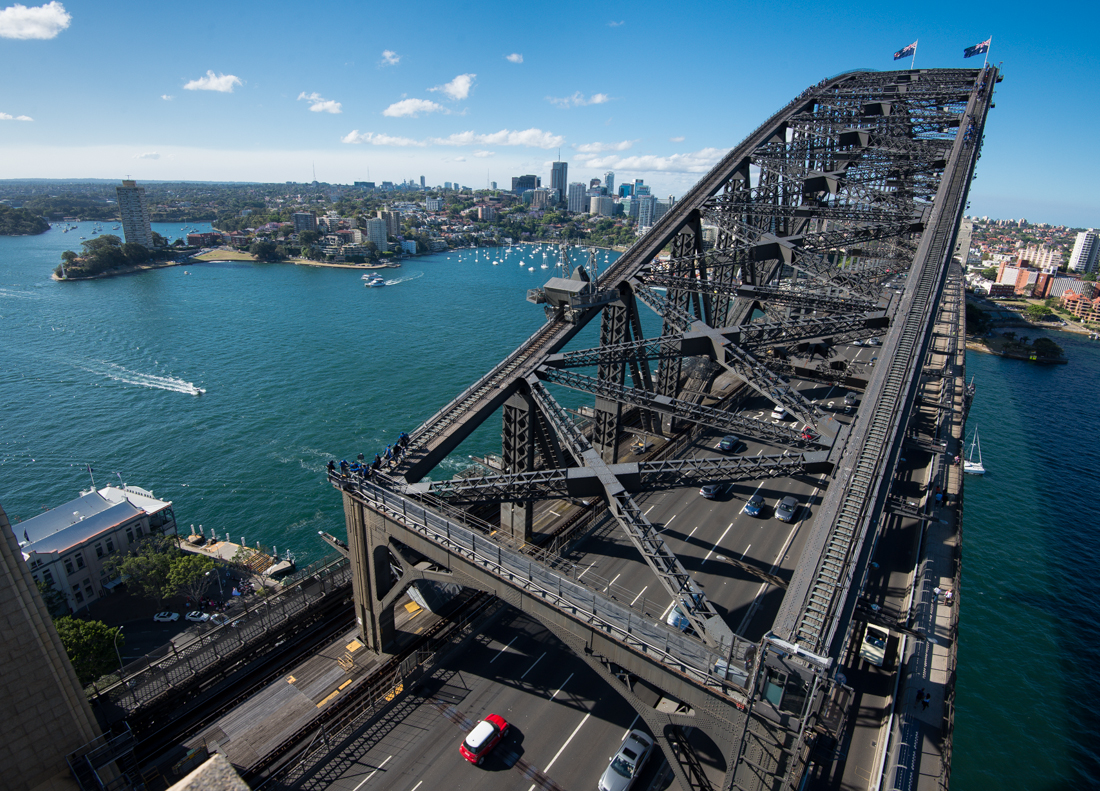
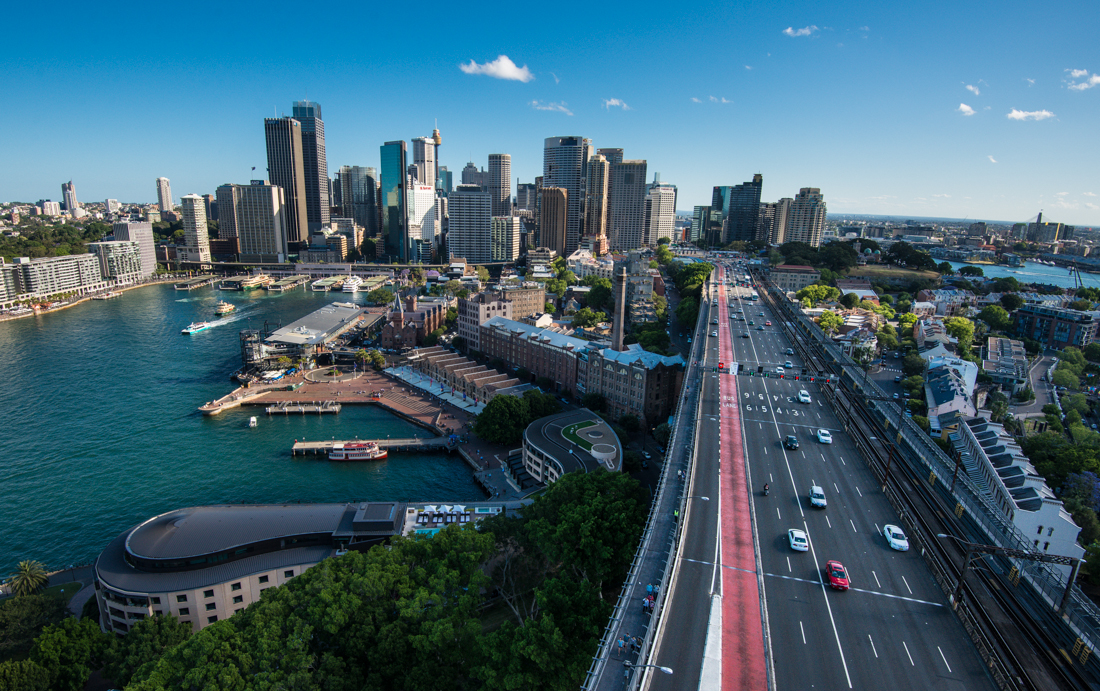
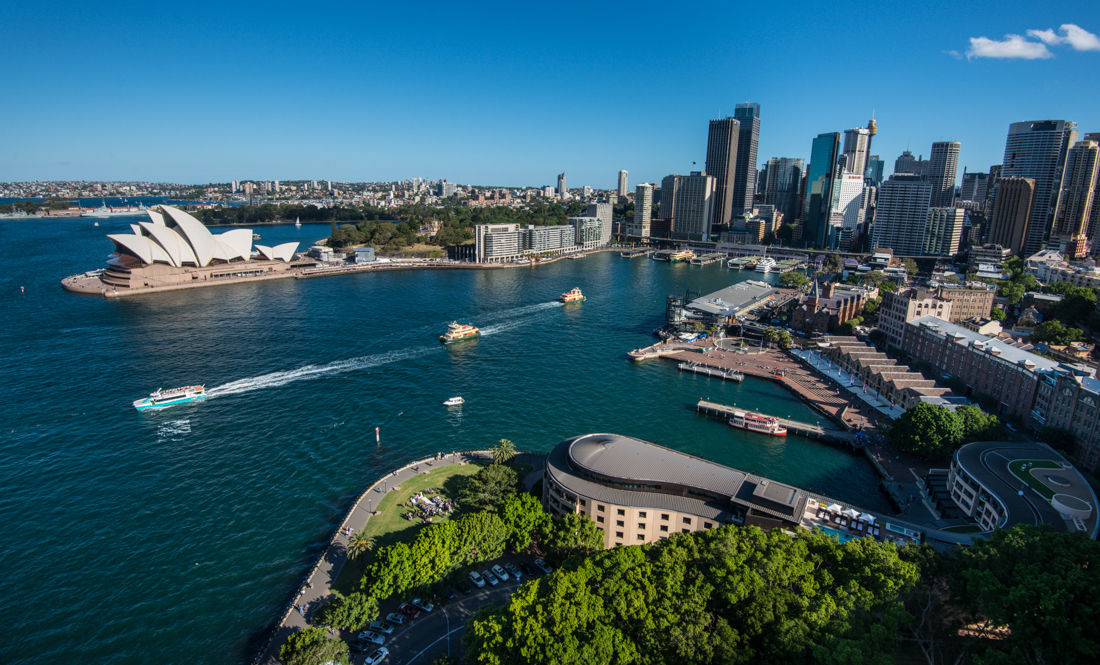
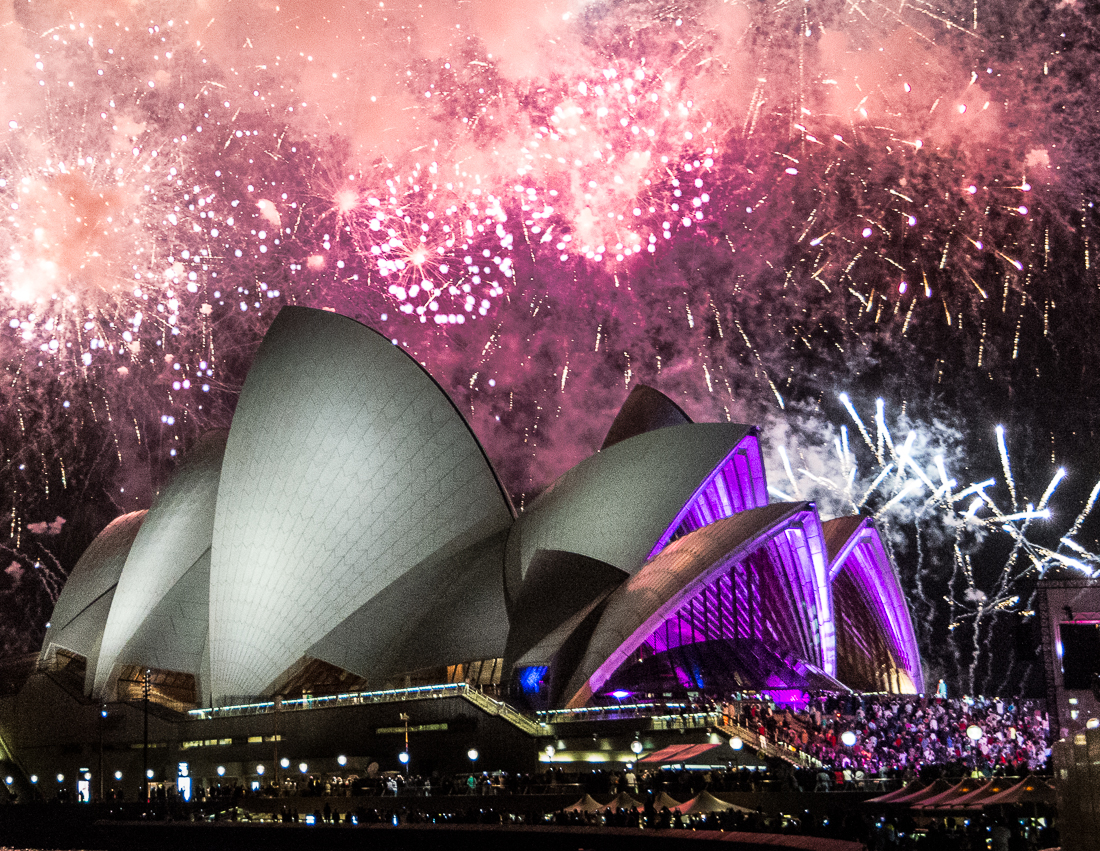
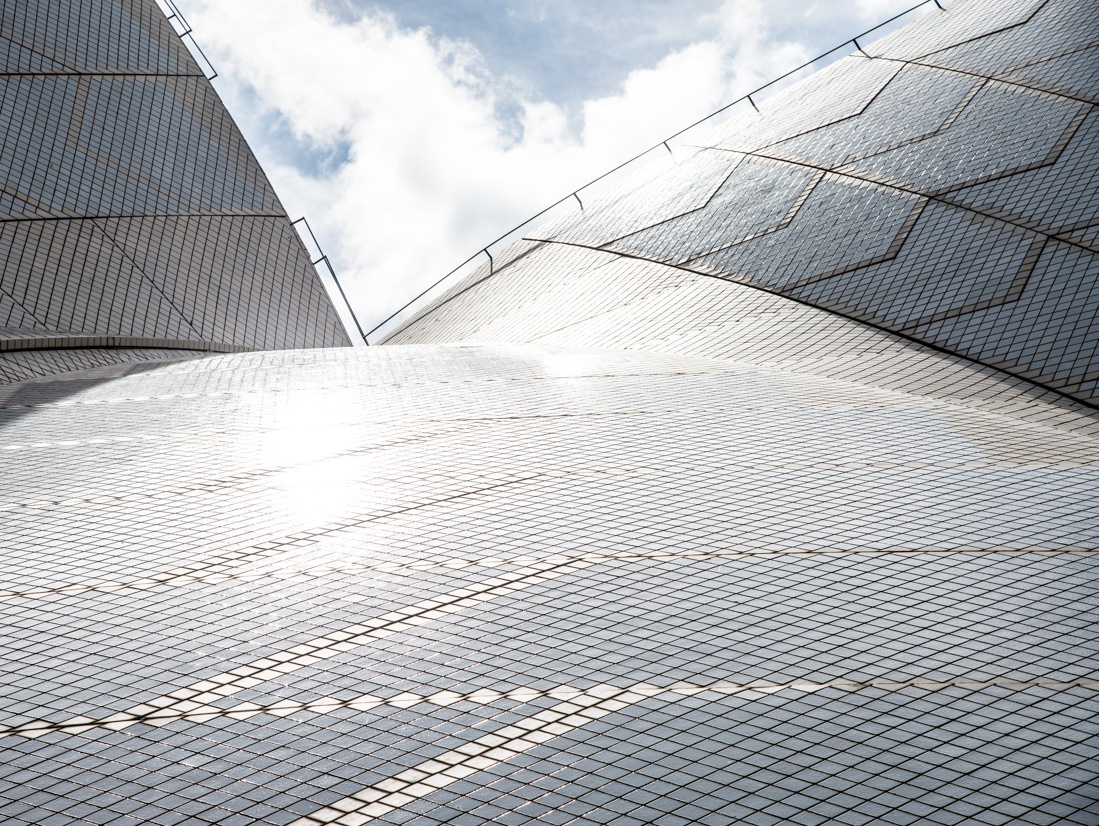
The Sydney Opera House was celebrating its 40th Anniversary the weekend I was there.  I wasn’t invited to the party, but I did get to overhear some of the big celebration concert (ironically held outdoors) and grab a couple of quick pictures of the unexpected 15-second fireworks display.  The shots that look like aerial photographs were taken from atop one of the granite “pylons” of the bridge.
Those weird swirls up above the bridge are birds (gulls) and bats (“flying foxes”).  They’re up there eating the moths that are attracted by the bright lights.  Because the  shutter speed on the camera is so slow at night, the bird/bat travels several feet while the shutter is open, leaving a trail of its path in the image.

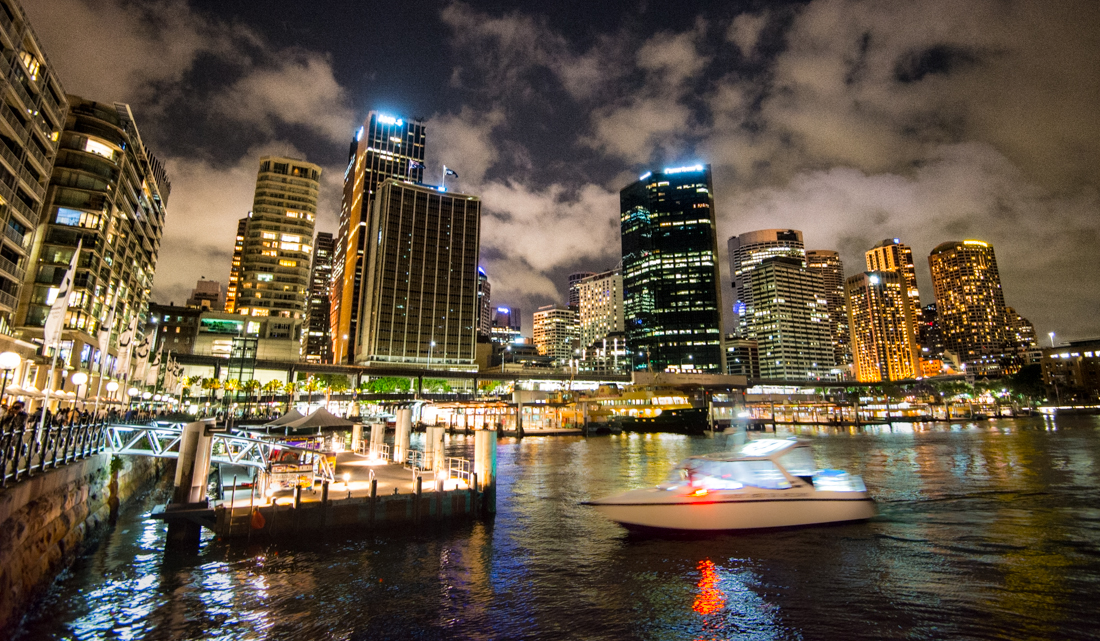
Photo friends:  Most of the night shots (except the fireworks) of the bridge and the opera house are on a solid tripod, using ISOs close to 100-400, playing with different shutter speeds (up to 30 seconds, triggered by the self-timer to avoid moving the camera) to get the different looks for the moving boats and waves.   The shot with mostly skyscrapers at night is handheld, with ISO 6400, f4, 1/6 sec.

Wichita FALLS: We’re Not in Kansas, Toto.

A company in Wichita Falls sells T-shirts reading :  “We’re Not In Kansas.  We Never Were.”  Apparently, a good chunk of the U.S. population doesn’t know which state they should look in (Answer:  “Texas”) to find the place.

For the tenth year in a row, some good friends and I were among the 14,000 or so riders in town for the Hottern’ Hell Hundred bike ride – the biggest 100-mile bike event in the country.  In the spirit of Hottern’ Hell Weekend, I was even more amused by another T-shirt option:  “Wichita Falls – A City in Heat,” but Dorothy’s “Not in Kansas” line from The Wizard of Oz won out as the more-fitting title here:  It doesn’t much resemble the Land of Oz, but Wichita Falls can feel like a very unusual place.
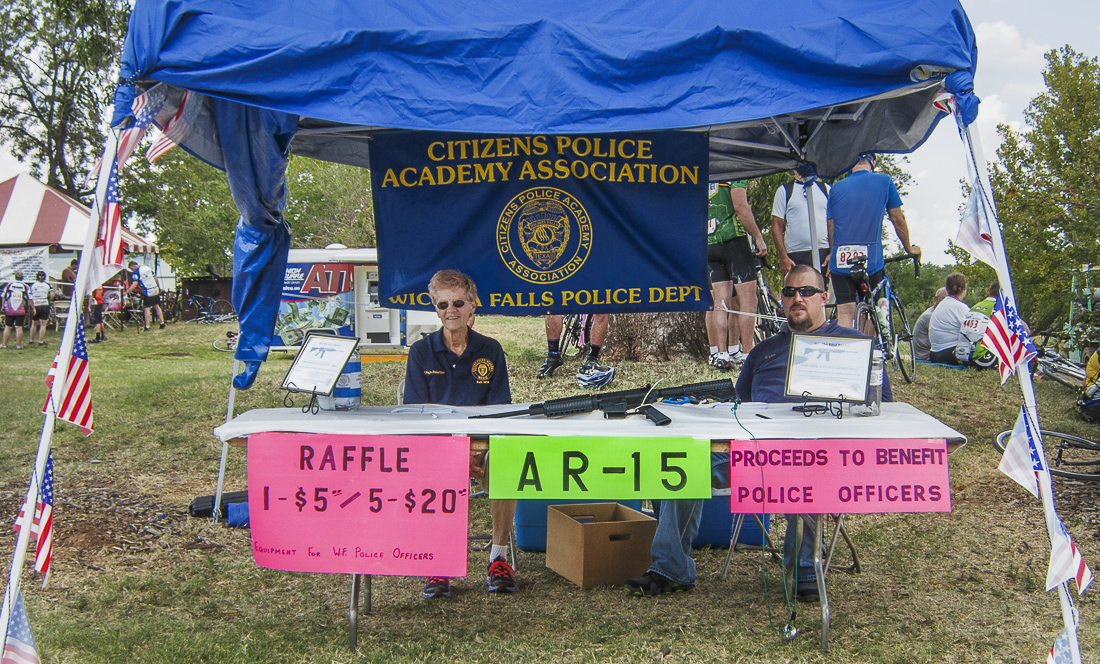
Near the finish line of the race, the local Wichita Falls Police auxiliary was holding a fundraiser — raffling off an AR-15 semi-automatic assault-style rifle.  Five bucks a ticket.  Need not be present to win.*  Proceeds benefit the Wichita Falls Police Department.  You won’t see THAT in your big fancy cities.

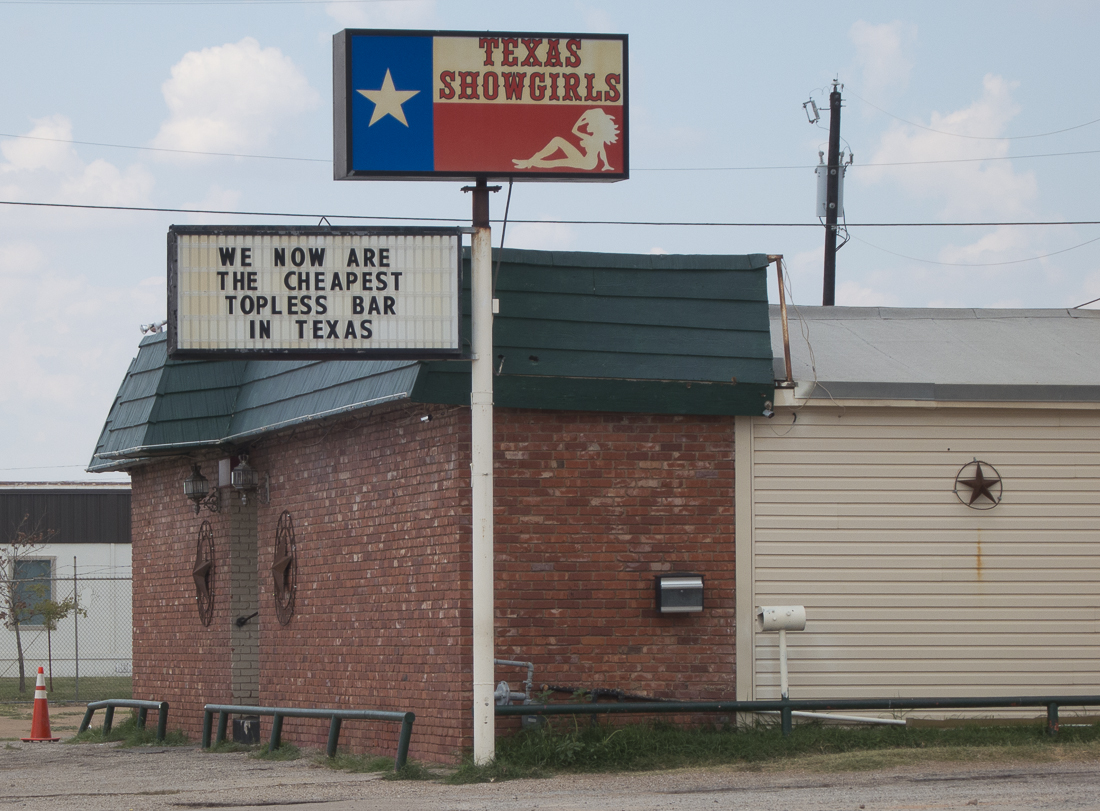
A few hundred yards away, on the side of the race course itself, was a nightclub (not open during the race) called Texas Playgirls, whose claim to fame is apparently that it is “now … the cheapest topless bar in Texas.”  I guess they know their target market.  This reminded me of a conversation with the desk clerk at our LaQuinta a few years ago:  Someone commented that Hottern’ Hell weekend (when 14,000 road bikers converge on the town from all over the country) must surely be the craziest, busiest time of the year in smallish Wichita Falls.  She disagreed, insisting that the ‘swingers’ convention earlier that month had been just as busy.  Who knew?!
A couple of years back, a Wichita Falls cab driver told us about her “Puke Fee” (charged mostly to intoxicated airmen from the local Air Force base):  “Fifty bucks; seventy-five if you get any on me.”  When I asked if she got much argument when people learned about the fee, she responded (emphatically), “Oh, they all know the Puke Fee!”  Of course they do.
IMG_1071.jpgIMG_1077.jpgIMG_1081.jpgIMG_1092.jpgIMG_1119.jpg

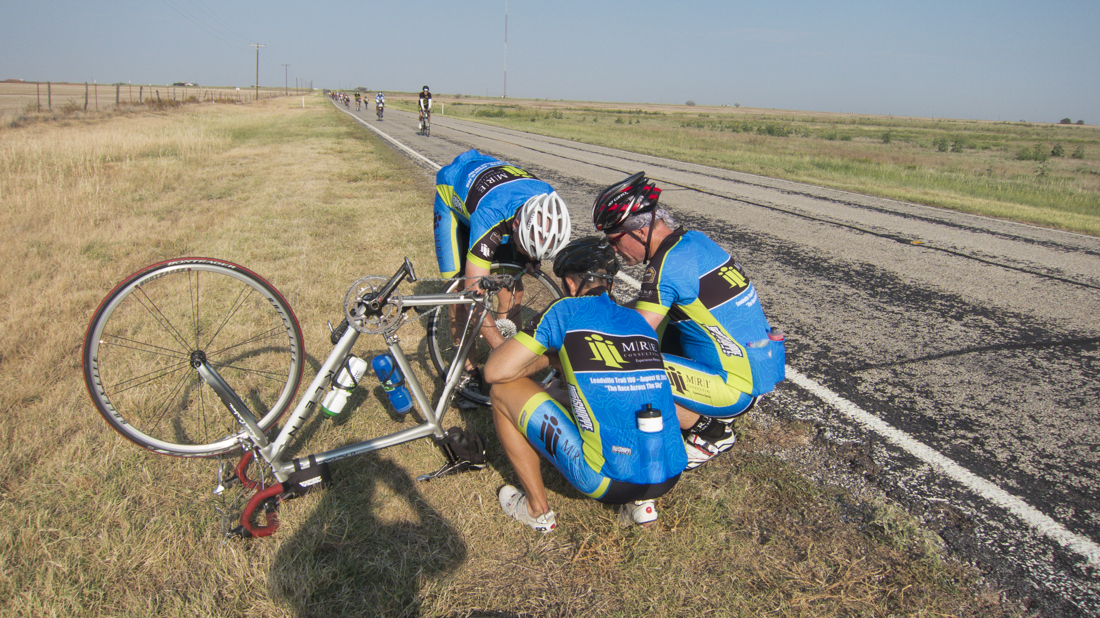
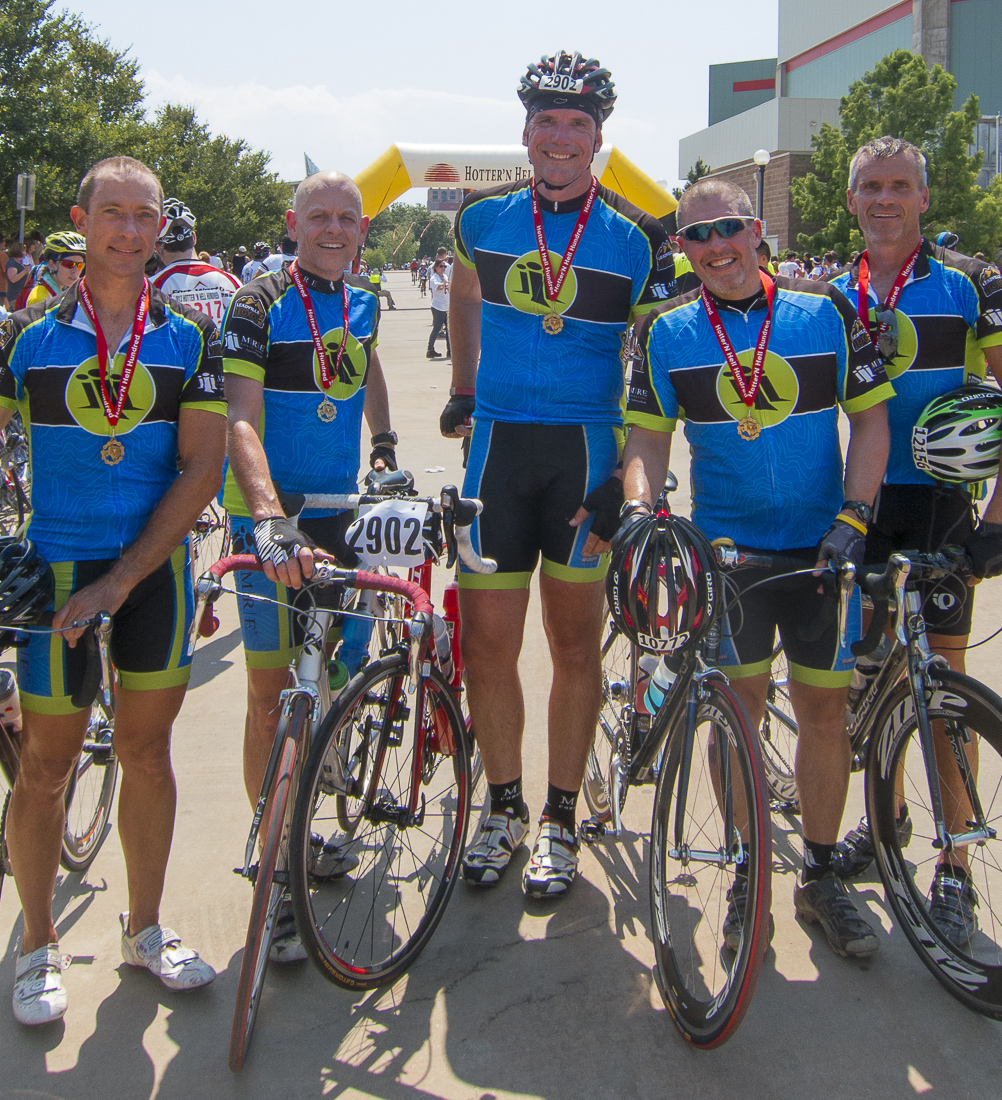
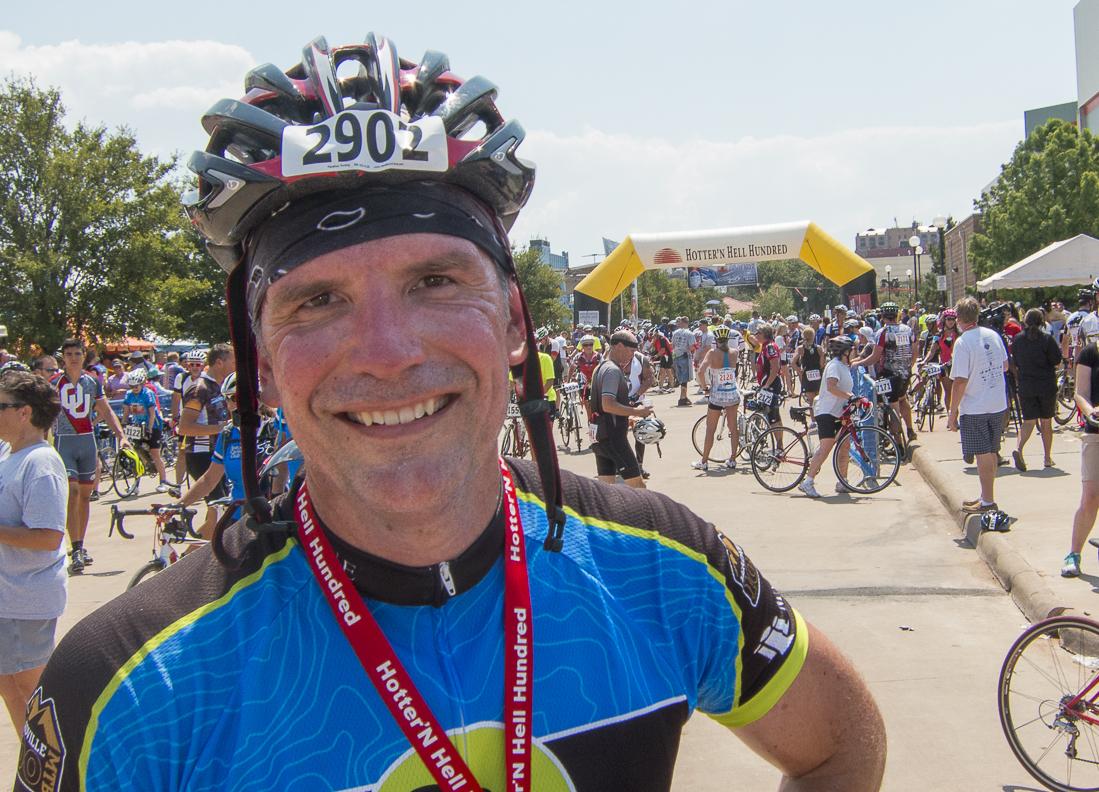
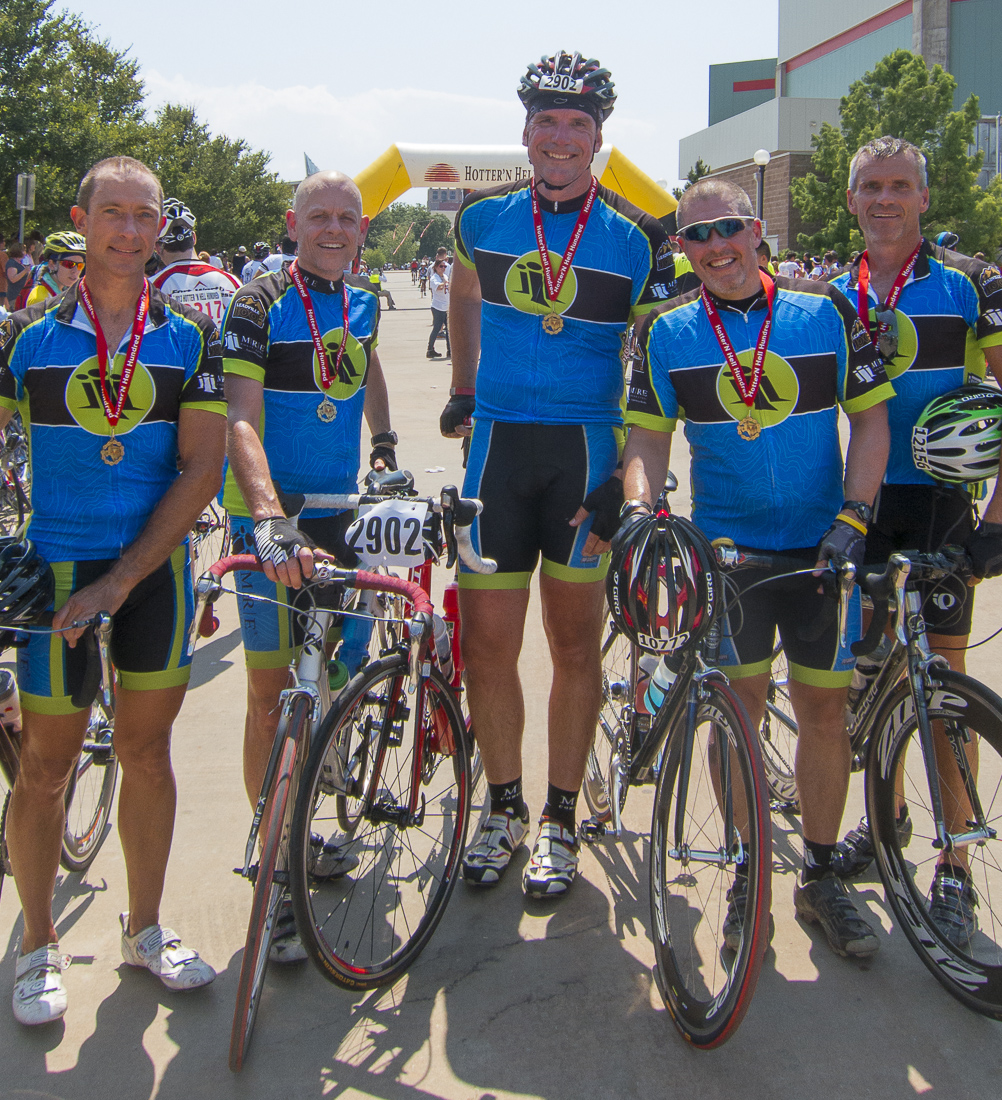
This year’s race was pretty run-of-the-mill for a Hottern Hell.  No mosquito attacks; no wrecks; no delusional riders.  It was hot (sometimes it isn’t!) but not crazy hot (sometimes it is!).  The biggest innovation this year was the addition of Bjorn Hegelman to our team.  Bjorn is a 6’7” German (now U.S. citizen).  Lest there be any doubt, that’s him in the middle of the picture below.  Bjorn is a former German pro basketball player.  It can be tough for  big guys to adapt in the cycling world, and Bjorn has only been riding for a year or so.  But apparently being strong as an ox has at least some advantages and gave him a pretty decent head start.  Our group had one of the fastest, strongest, most solid rides we’ve ever done – at least for the first 90 miles or so when the (metaphorical) wheels did start to come off just a little.  Funny how it’s always that last 10 miles or so that are the toughest.

Prior posts from Wichita Falls are here (2012) and here (2011).

*Yes, of course I bought a ticket.  The guy explained that I’d definitely want to get a scope for it if I won.  I really hope I do not win.

Leadville 100 MTB: Happy Trails, Happy Endings


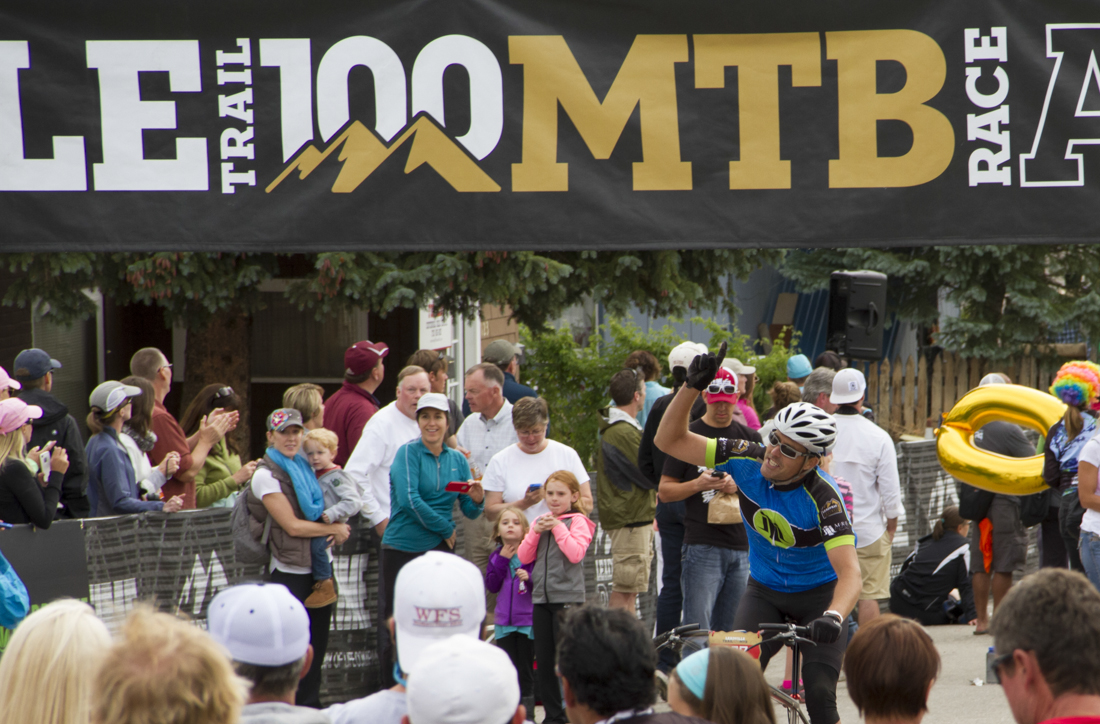
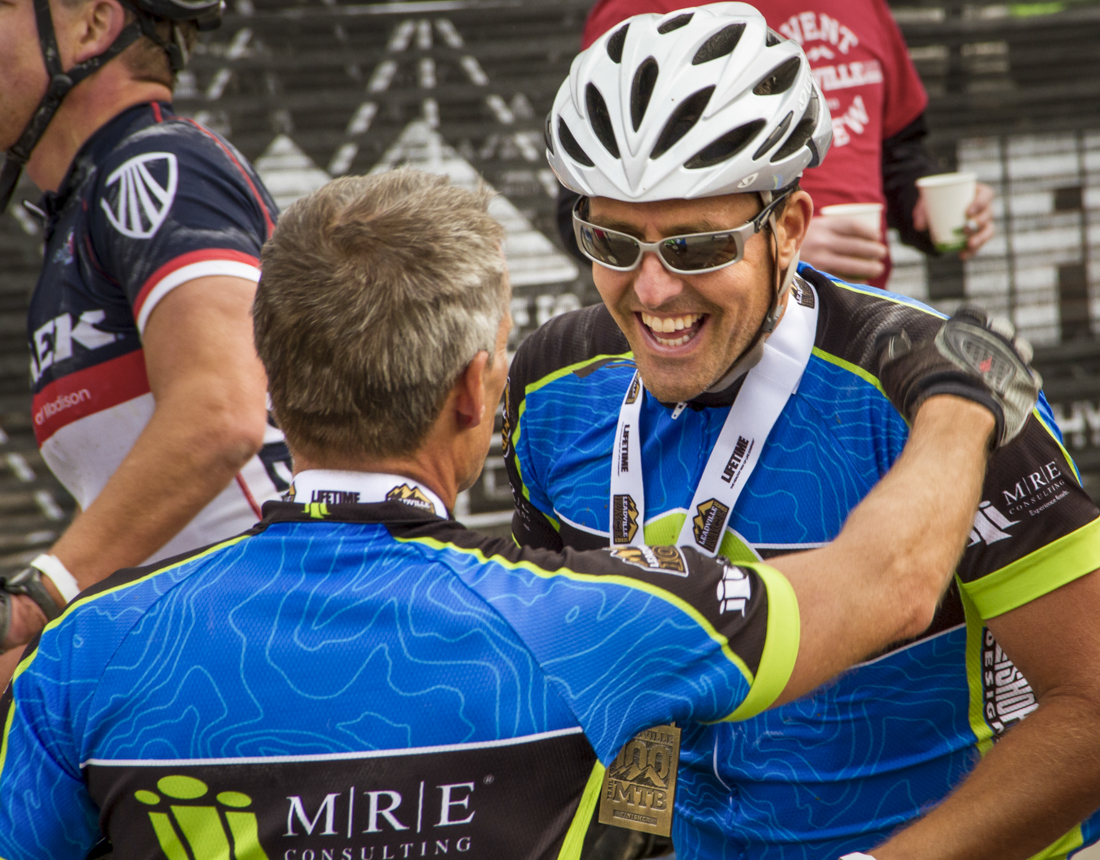
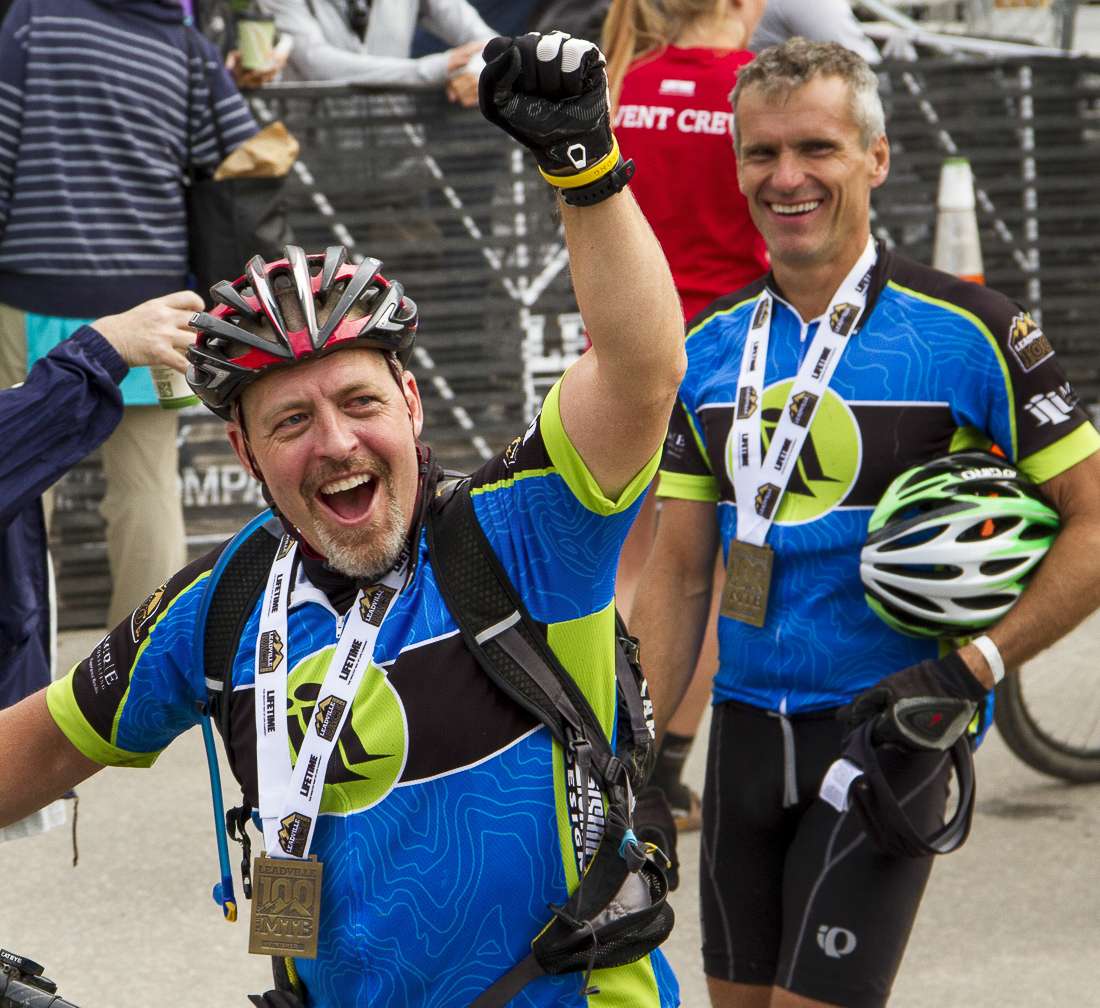
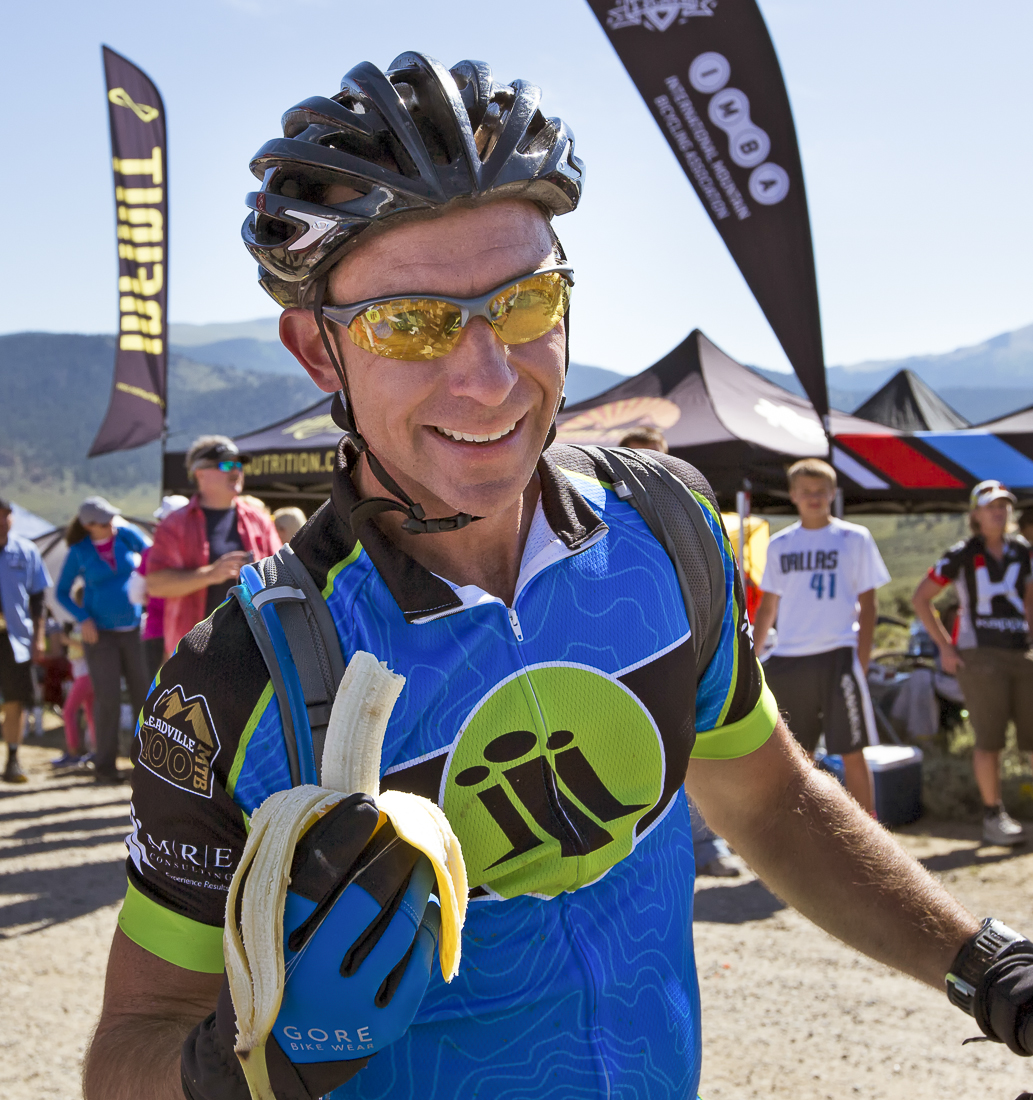
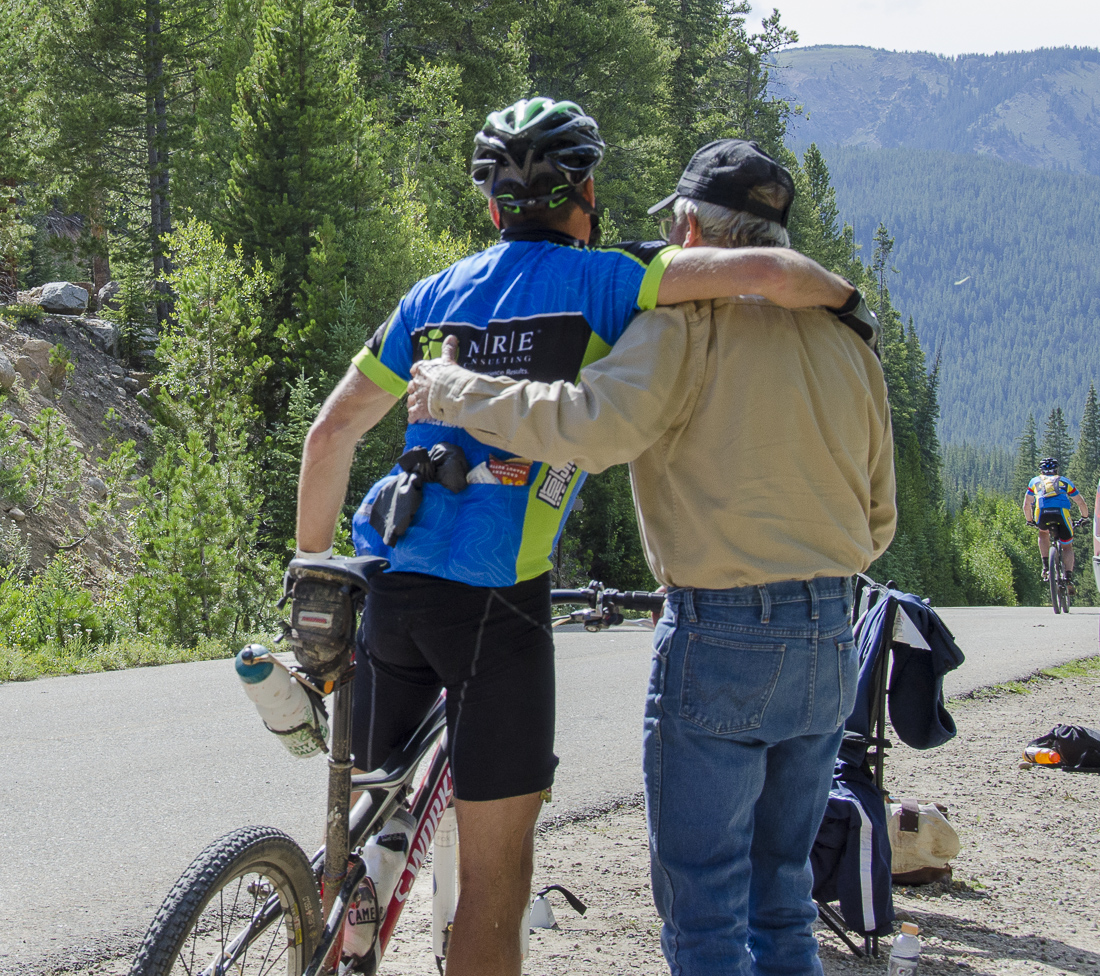
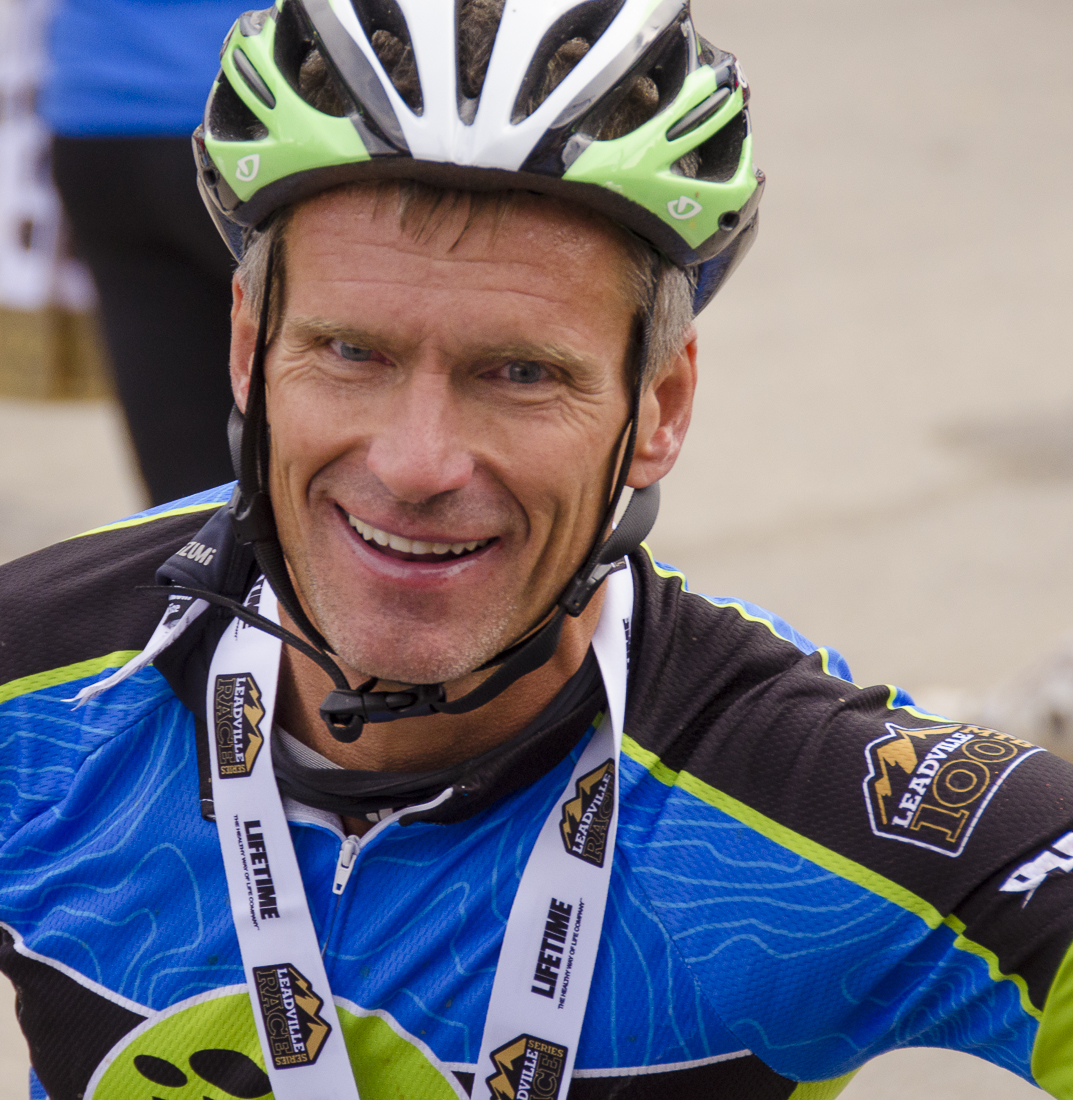
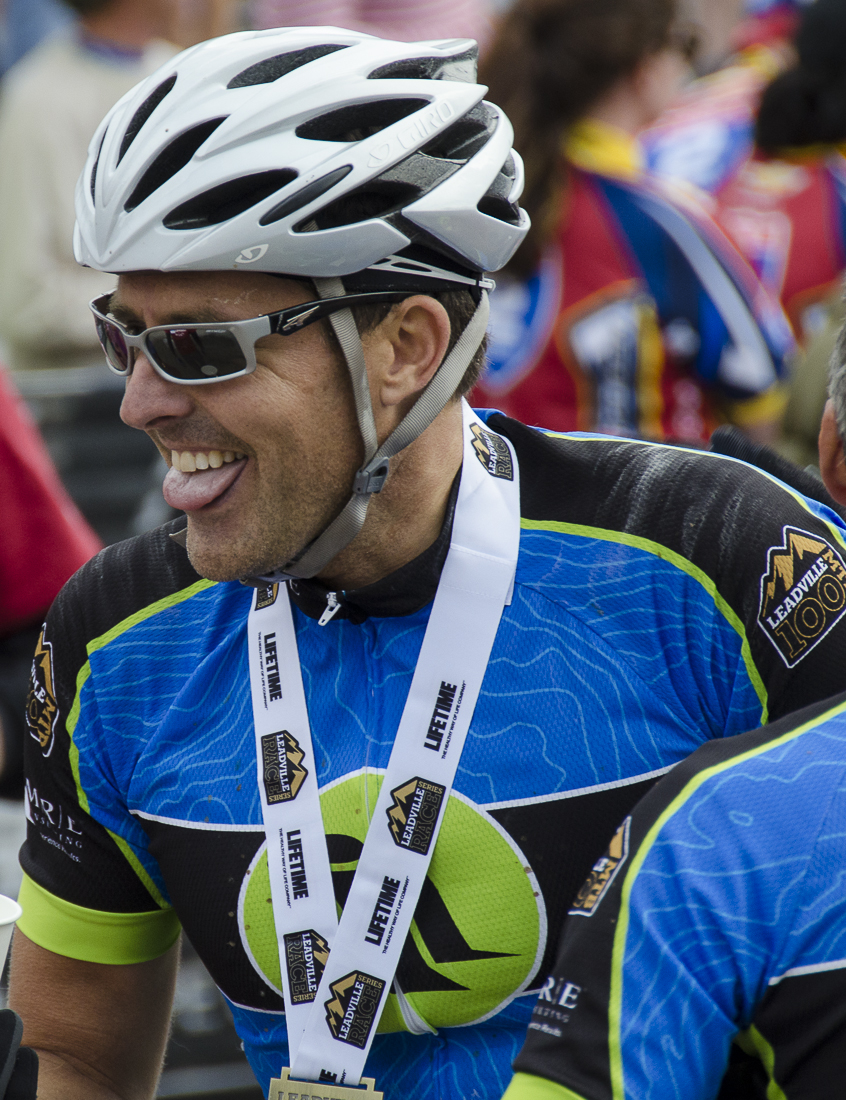
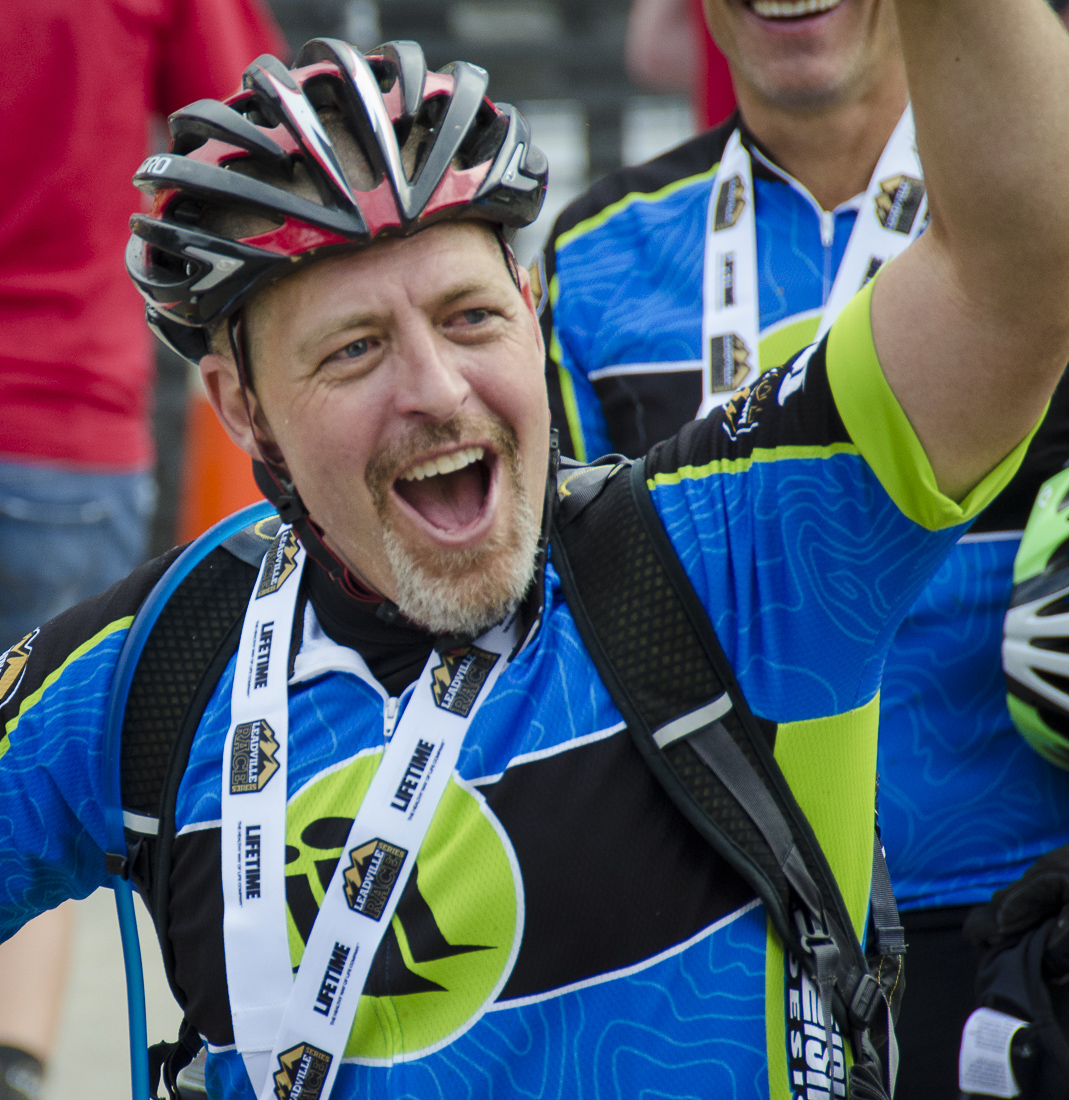
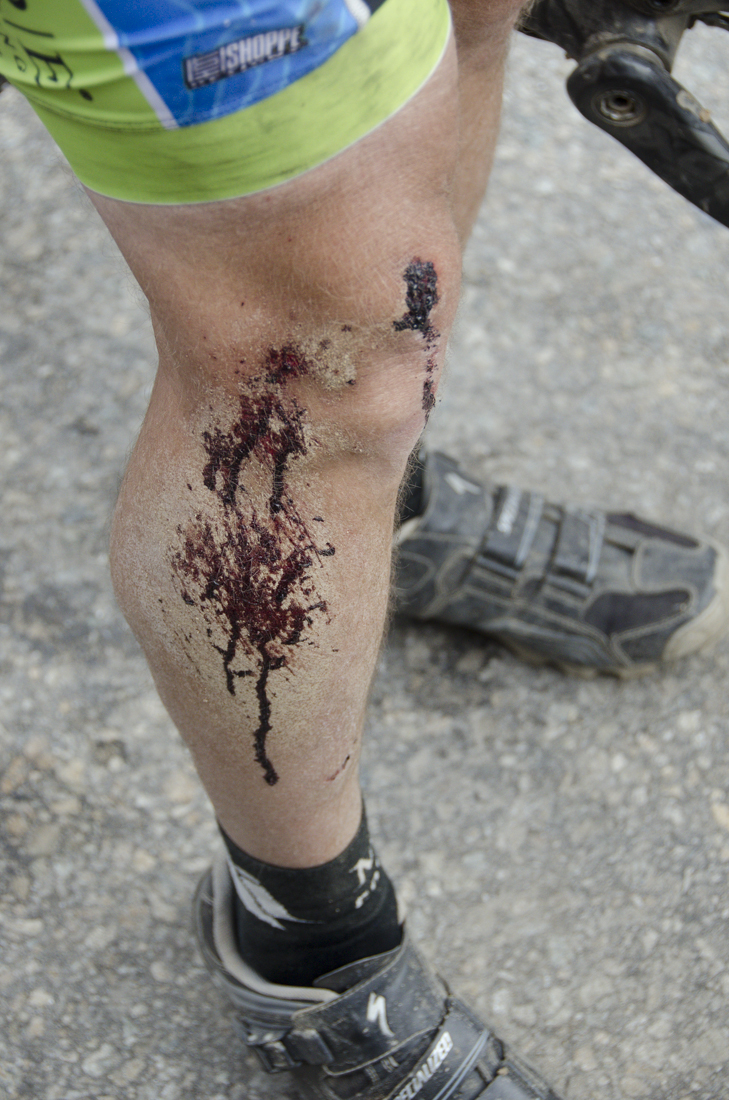
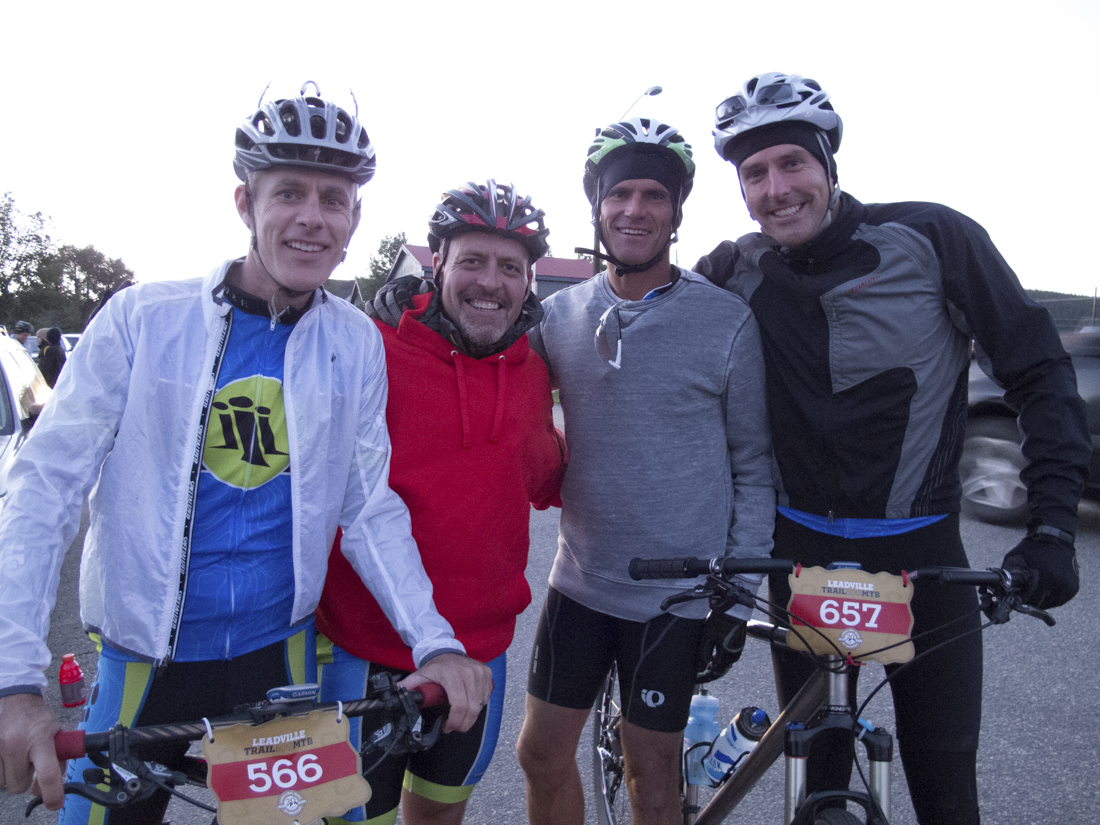
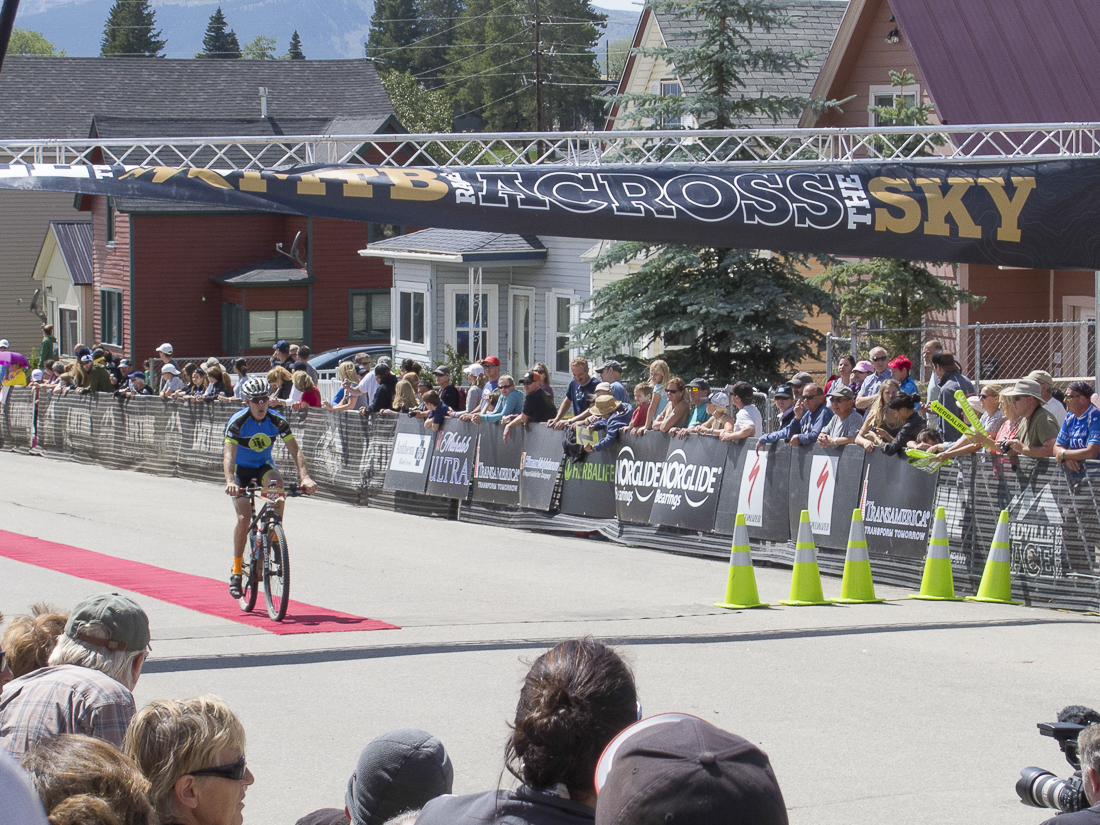
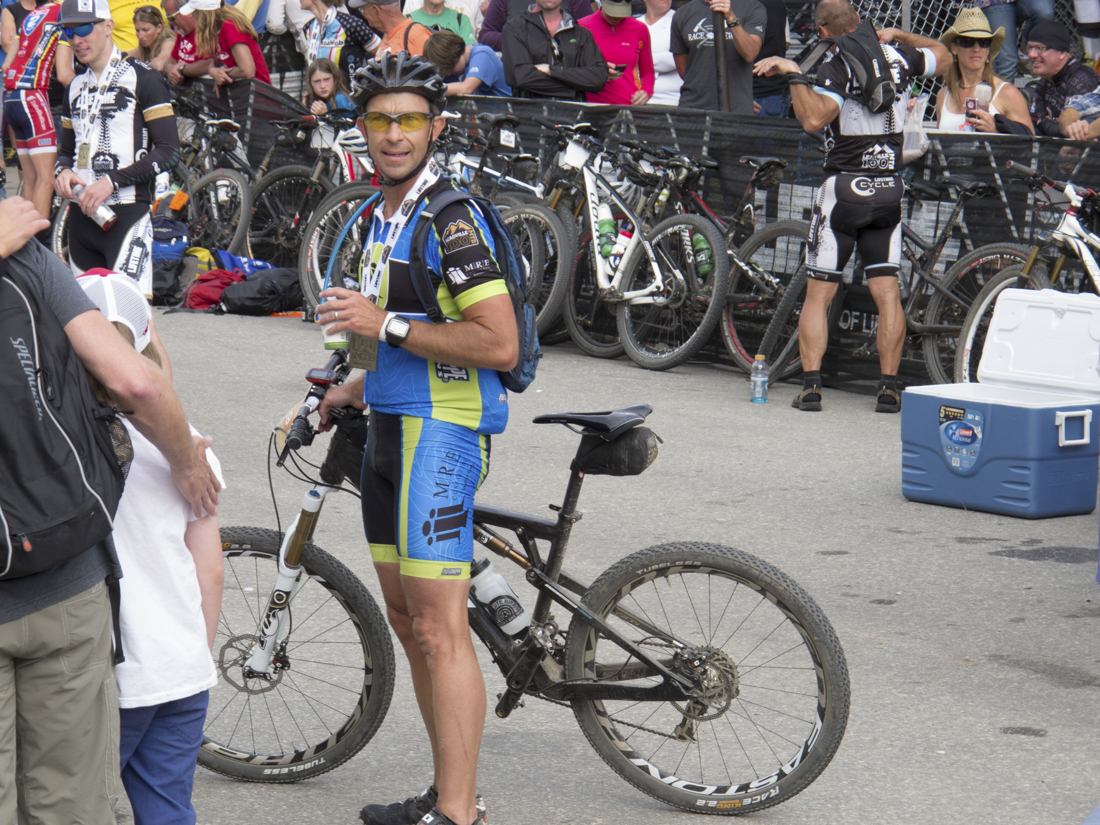
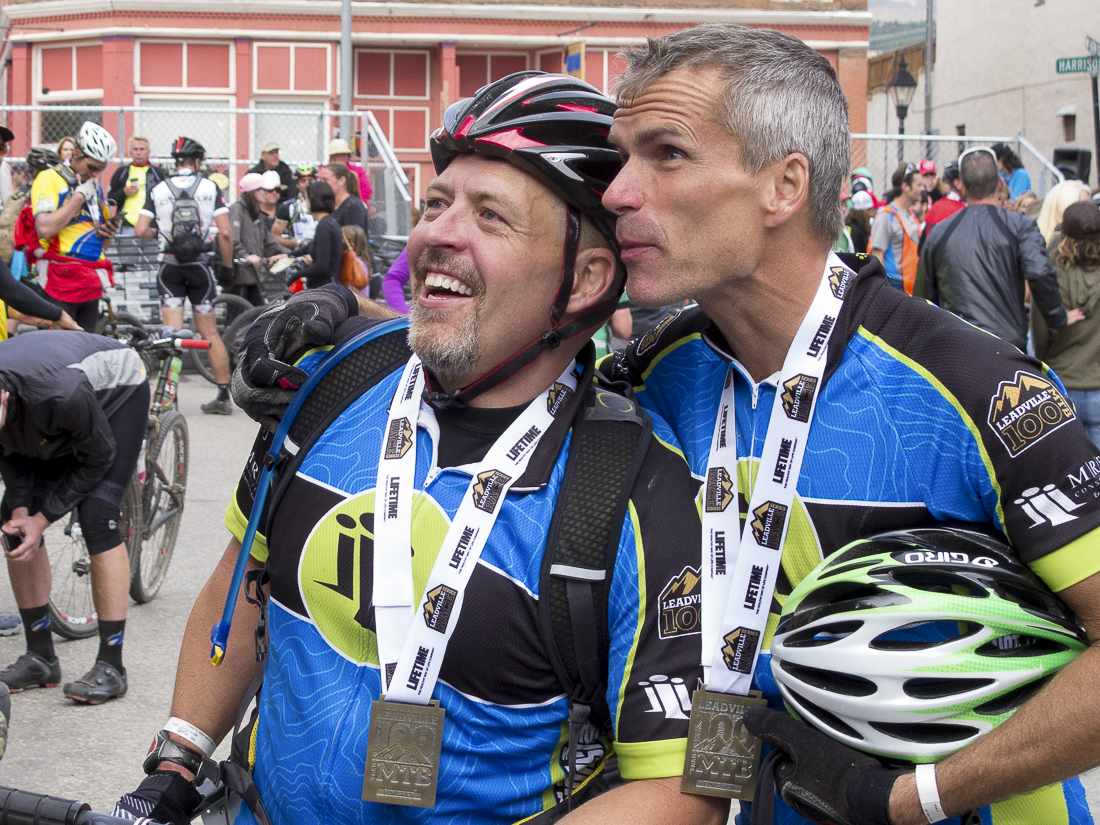
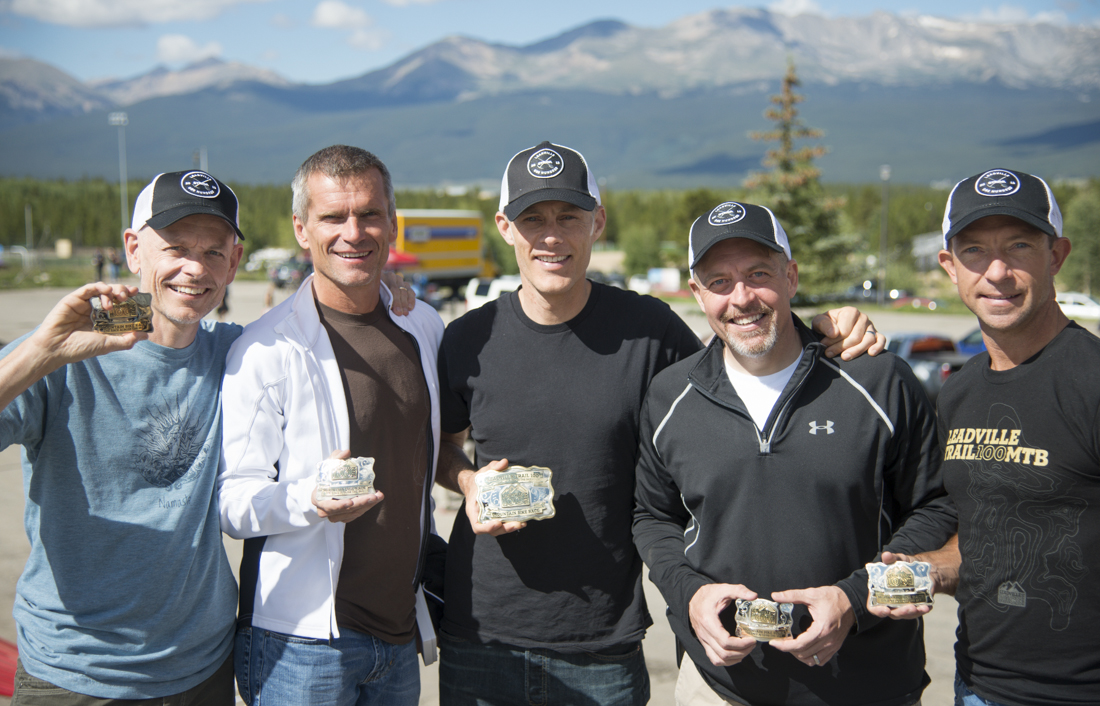
Our seven-man Leadville 100 MTB team had one rider who crashed early on a tough descent and couldn’t continue the race.  Another rider finished, but needed an overnight stay in the local E.R. as a result.  Somehow we view this as fun – and as a successful outcome!   A more obviously happy aspect:  you can make good friends fast in situations like this.  I met one new MRE teammate from San Diego on Thursday evening.  By Saturday night, I was the guy sitting with him in the E.R. at 1 a.m. after we’d finished.

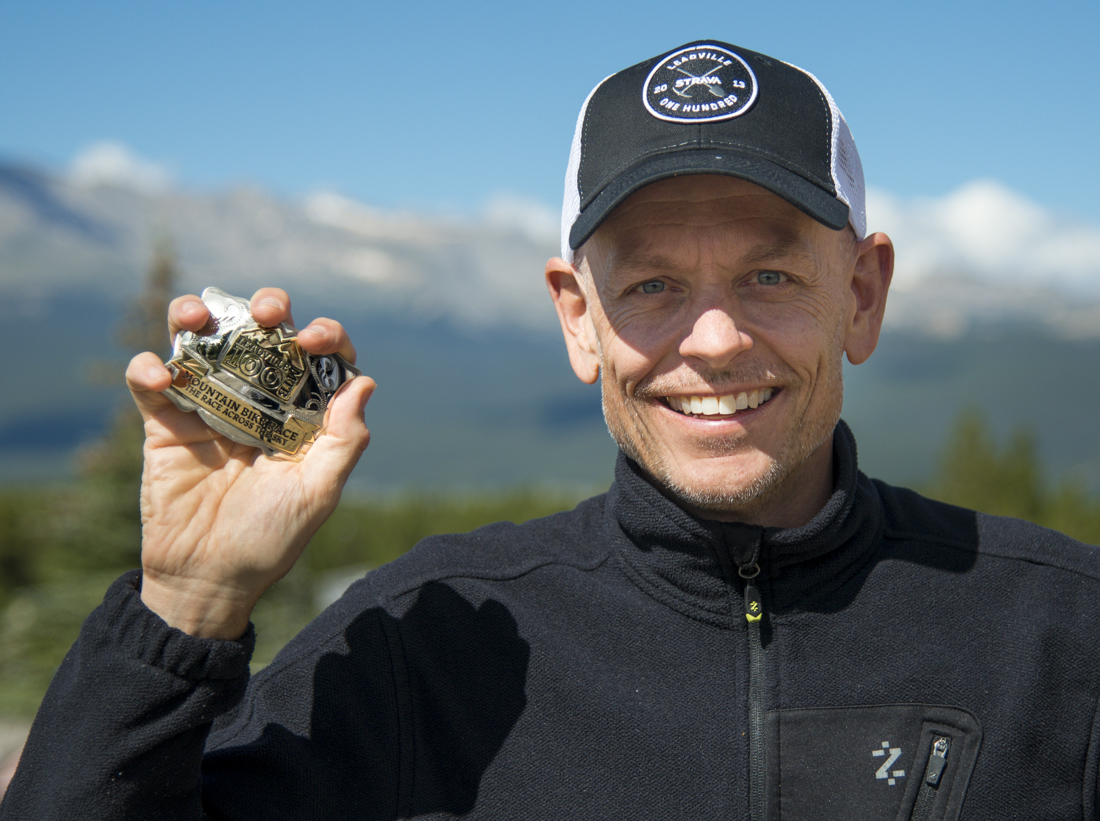
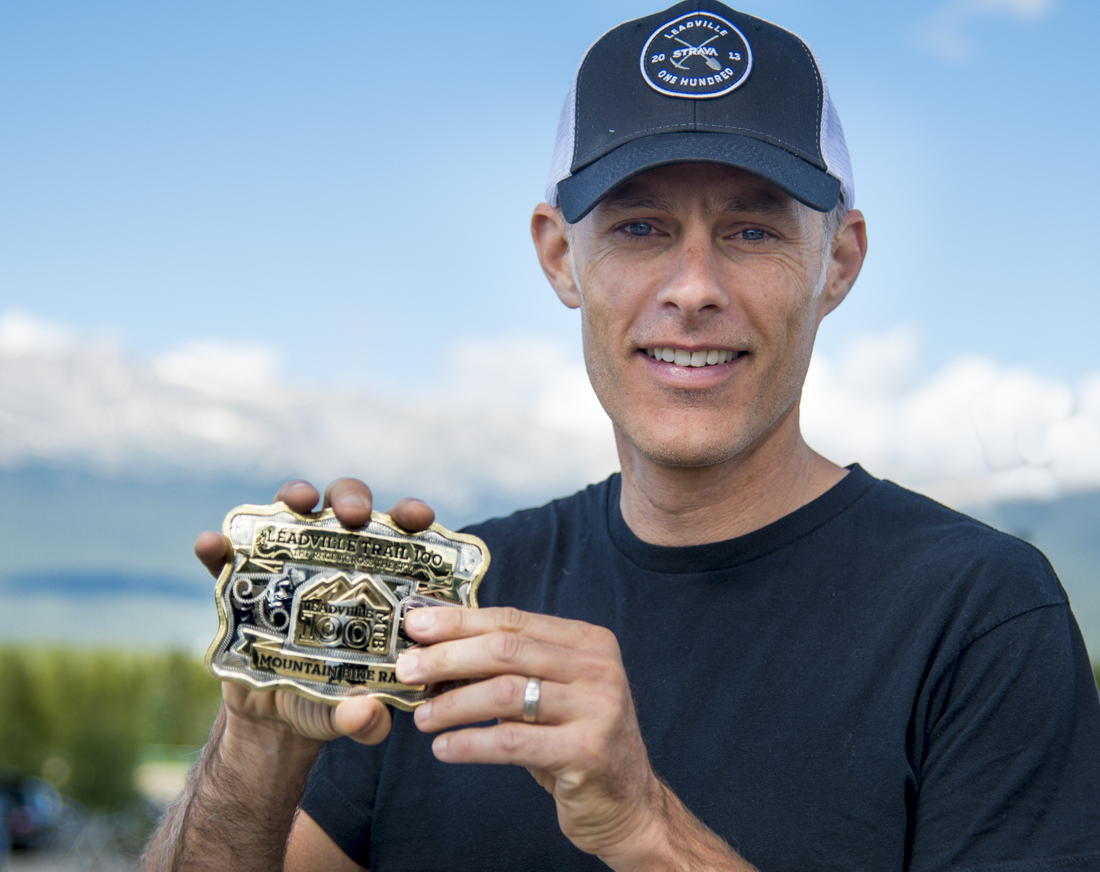
(Just above:  Mike Short with his newest fashion accessory.) 


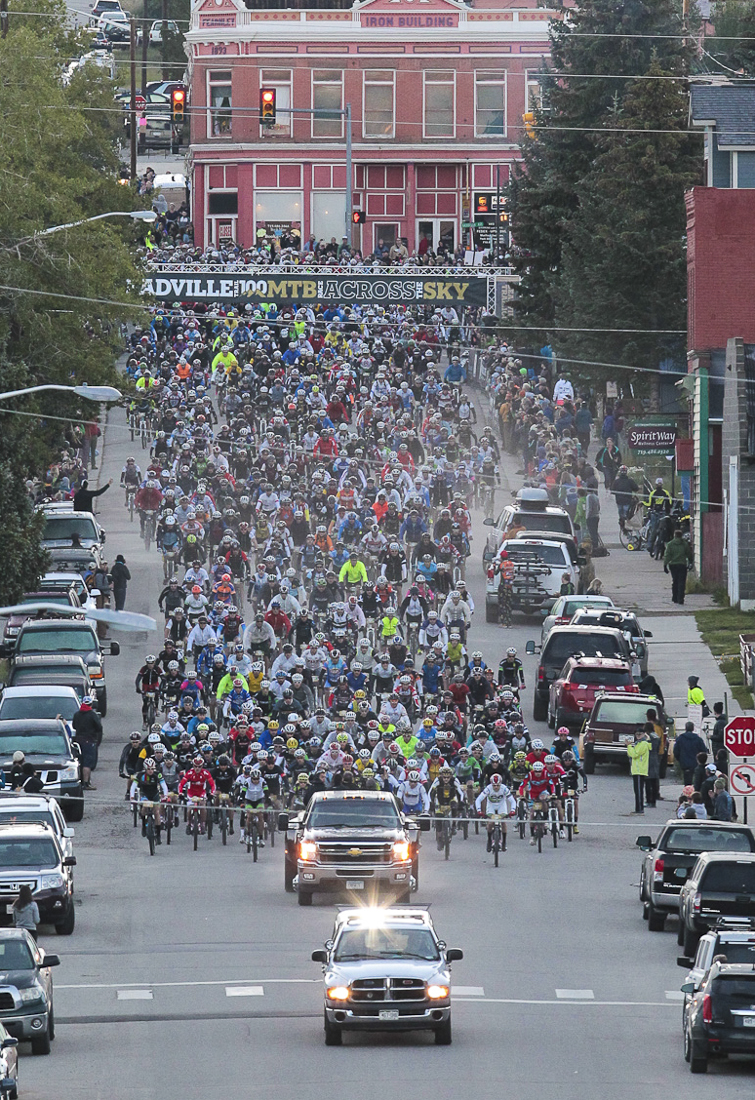
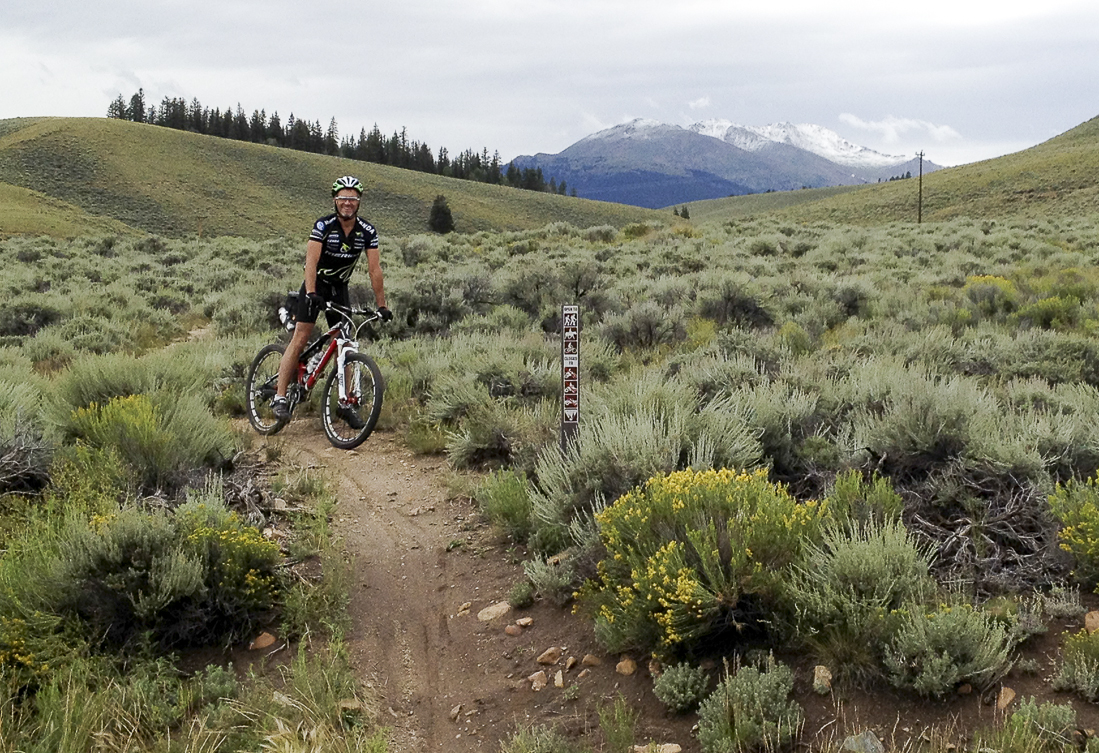
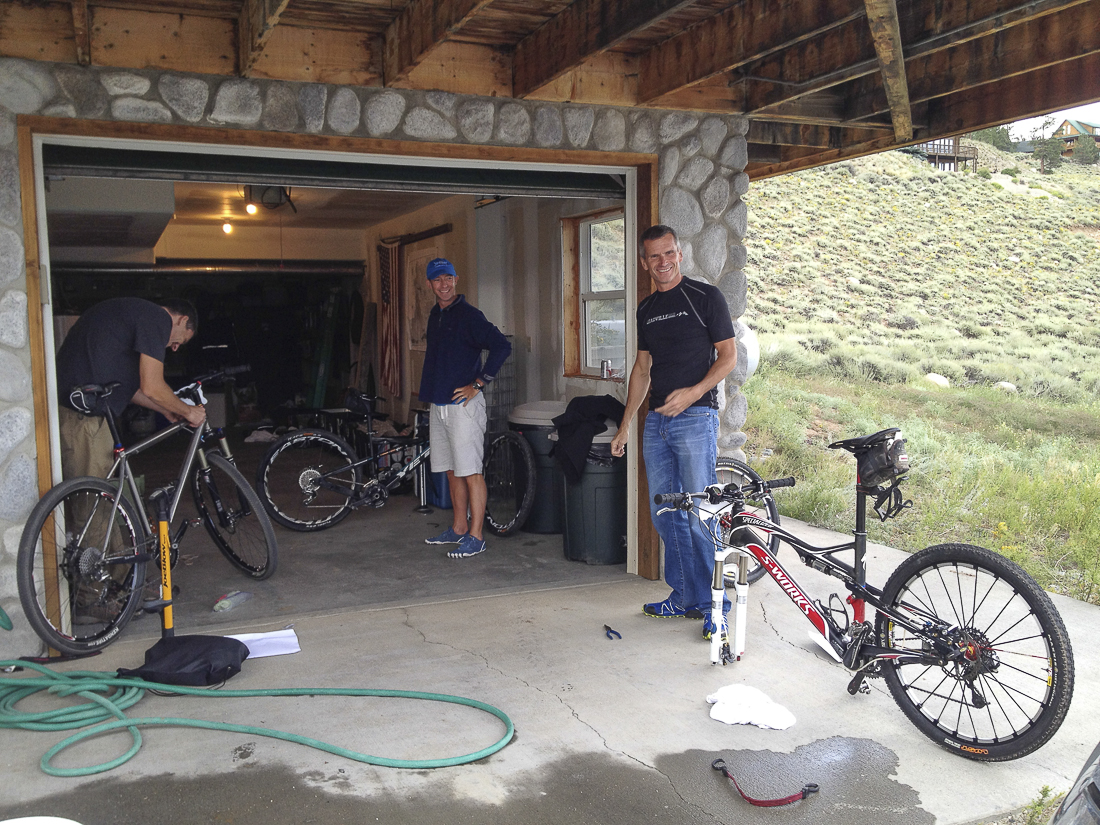
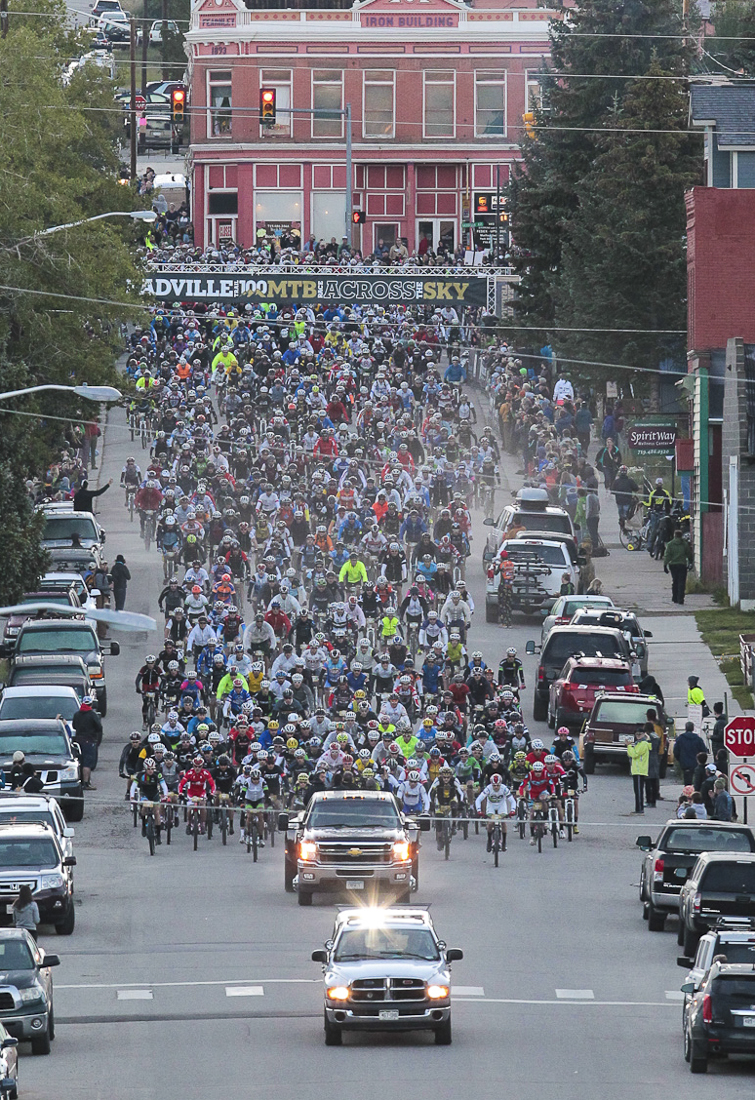
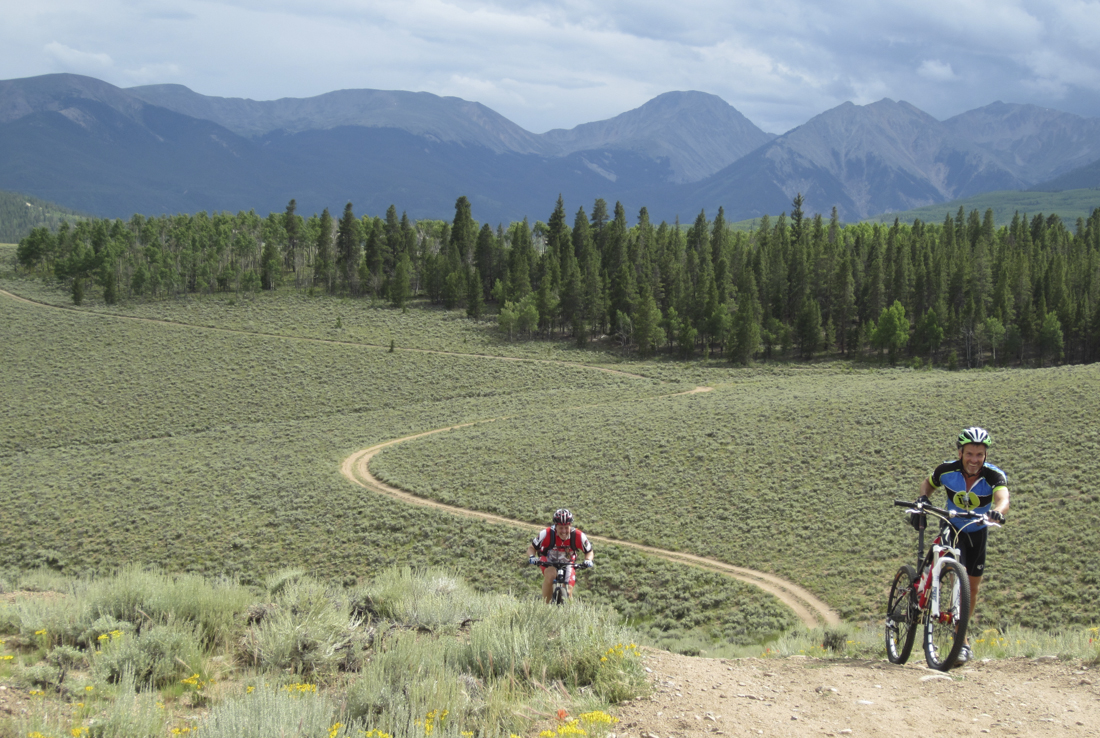
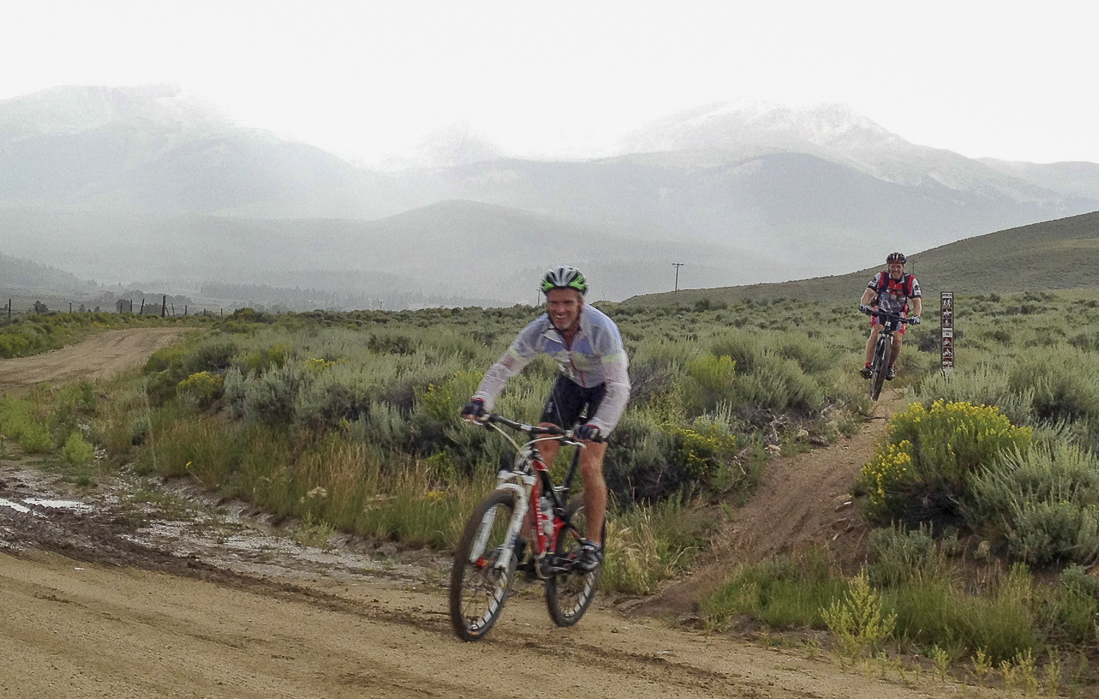
This was my second summer in a row spent mostly in Colorado.  The focus – again – was the Leadville Race.   The summer began with a three-week stint roaming Colorado and New Mexico with a Chevy Tahoe, an Airstream trailer, and a mountain bike.  After a detour through central Europe in July, it was back to Colorado for hard-core bike training.  Again, a great group of friends and families (around 20 of ‘us’ in all!) converged on Leadville in August for the race and the Leadville festivities.  My mom and dad were again on hand – reappearing here and there along the course all day long, and standing ready to give me a big hug at the finish.

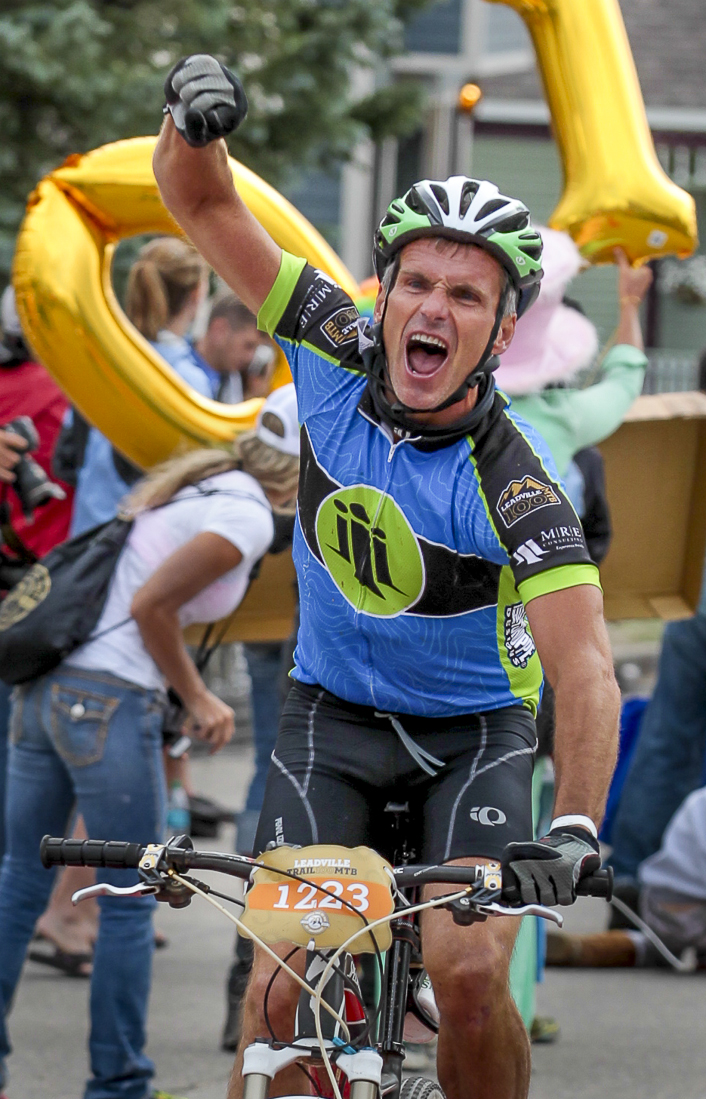
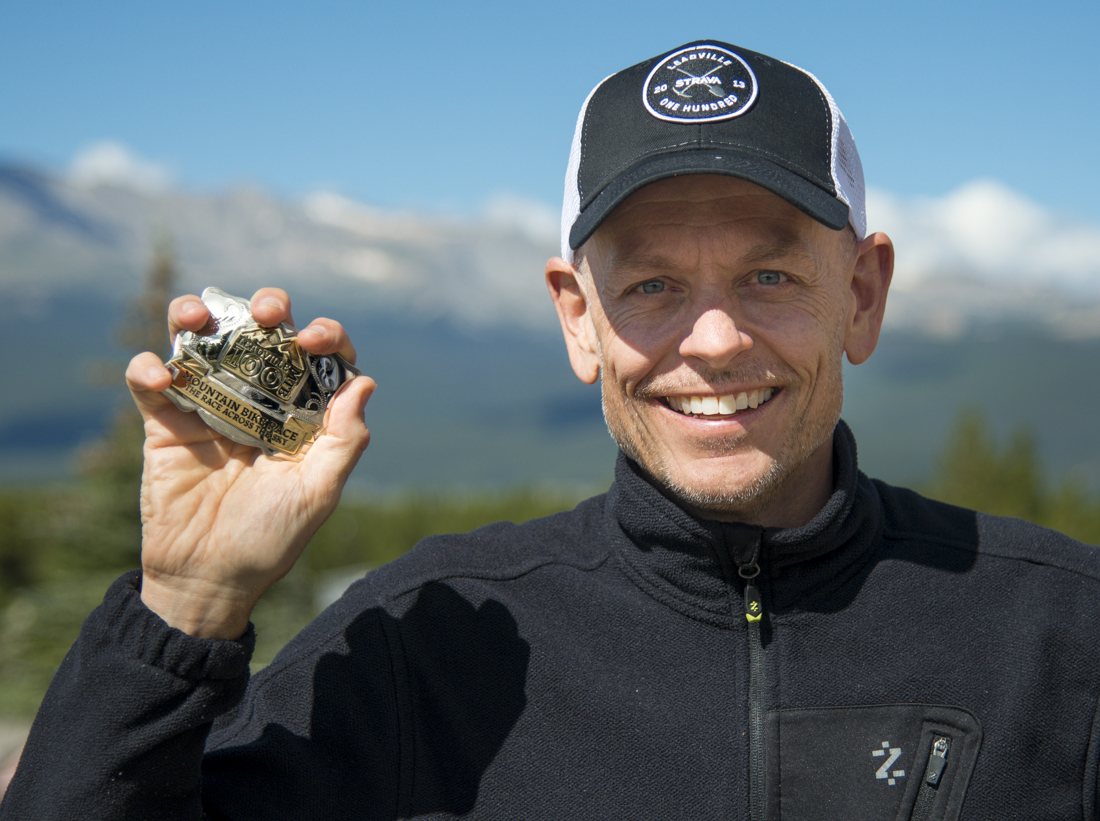
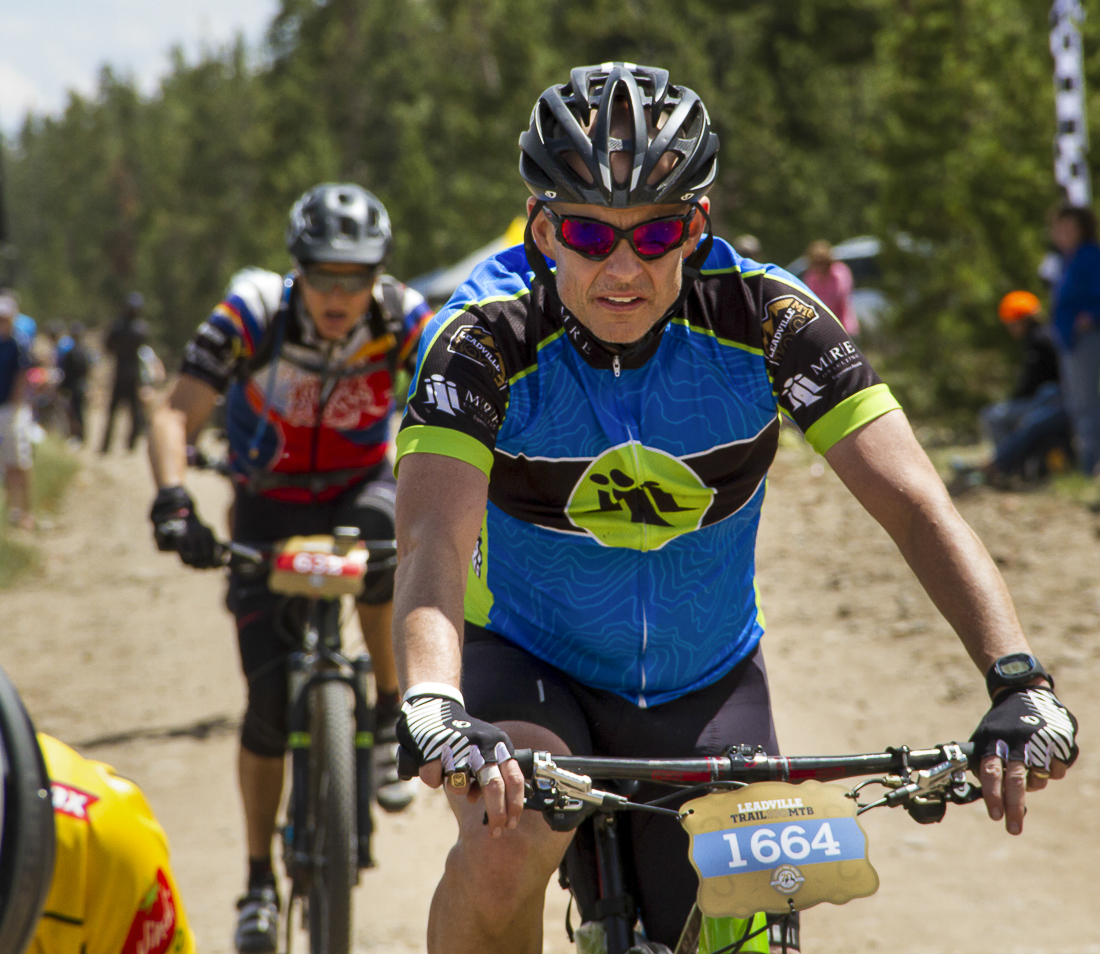
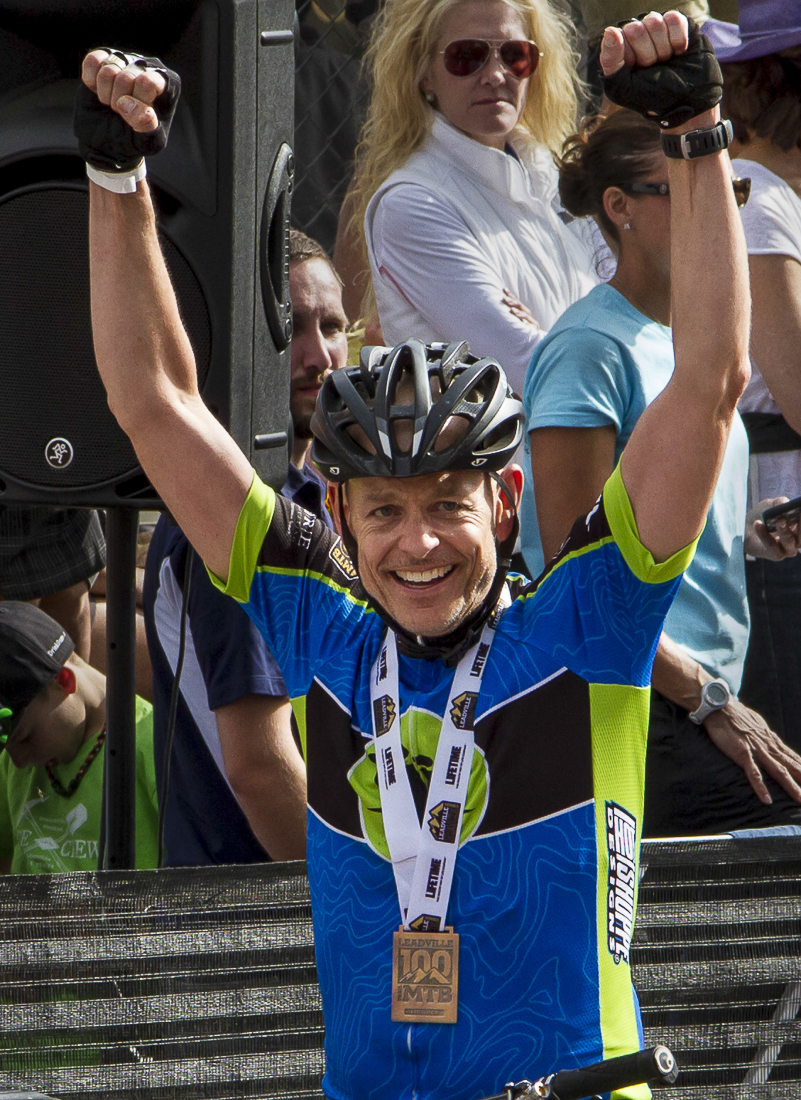
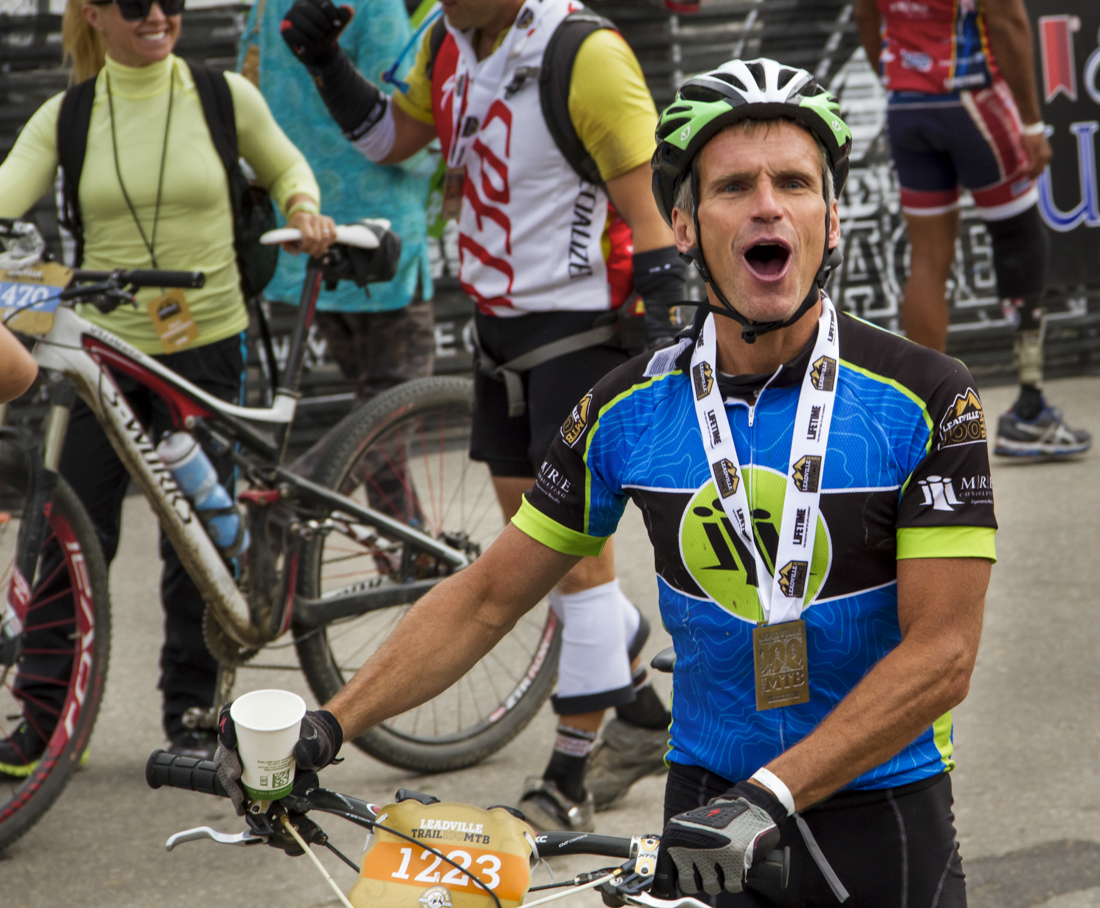
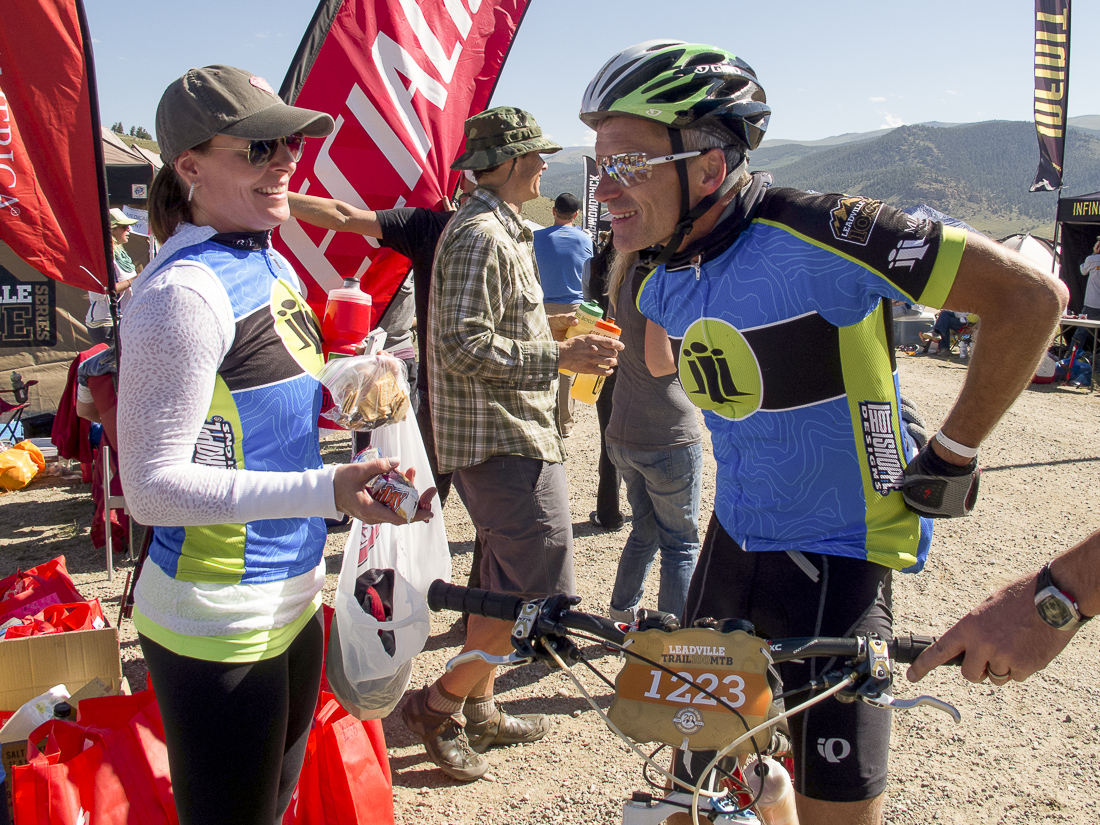
My race day pretty much repeated the great time I had in 2012 – almost down to the minute.  Others had much-improved times and/or much-improved experiences.  Mike Short, who struggled the most last year and came home without a 2012 buckle, shaved nearly 2 hours off his prior time and finished waaaaay ahead of me this time!  Shane Merz, who struggled for hours last year and finished with just 5 minutes to spare (on a 12-hour cutoff) got to experience the much happier situation of an “easy” never-in-doubt ride.   Team MRE again had two Californians – one of whom (Peter Thomsen) scored a sub-nine-hour extra-large buckle, while the other (Jason Zimmerman) scored a regular buckle and a trip to the hospital.  Scott Humphries had a snafu that delayed his start and put him 10 minutes behind the huge pack and – worse — without any water (or Gatorade) on his bike.  A serious problem.  He confessed to scavenging the race course for some mostly-full water bottles that had been dropped by other riders.  Desperate times.  Despite that craziness, he still beat me this year by several minutes!

–  –  –  –  –

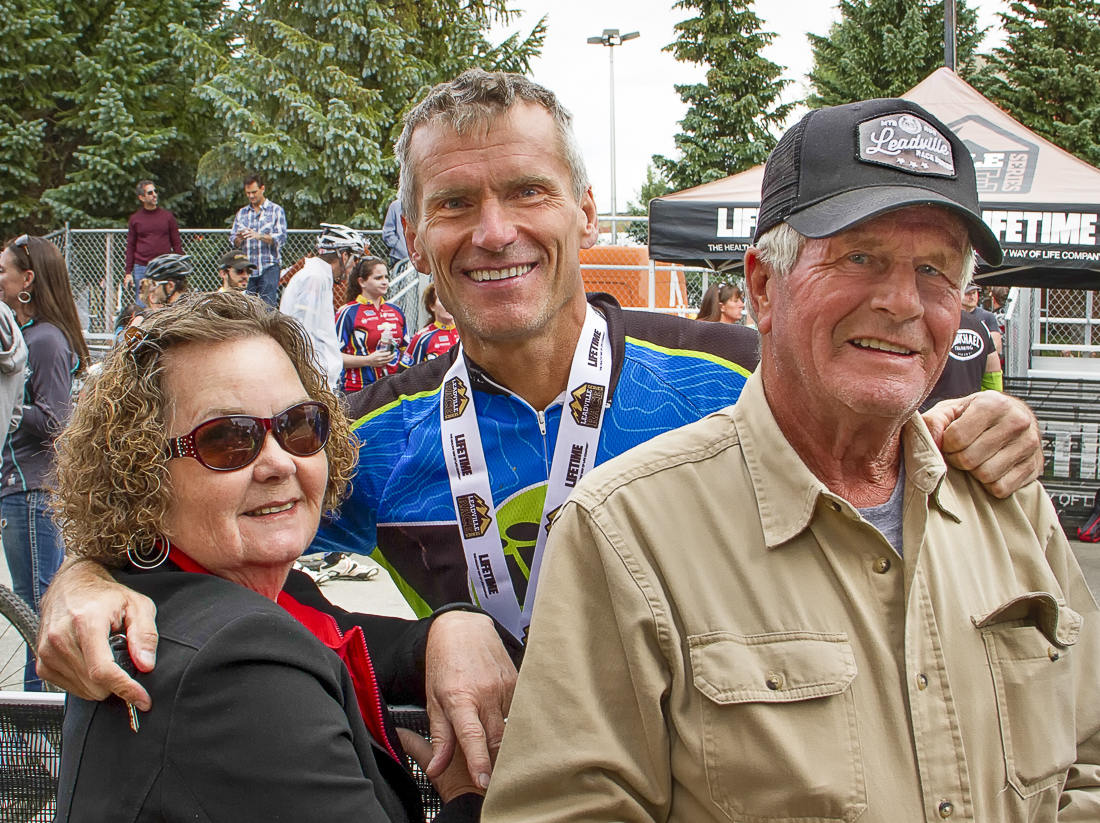
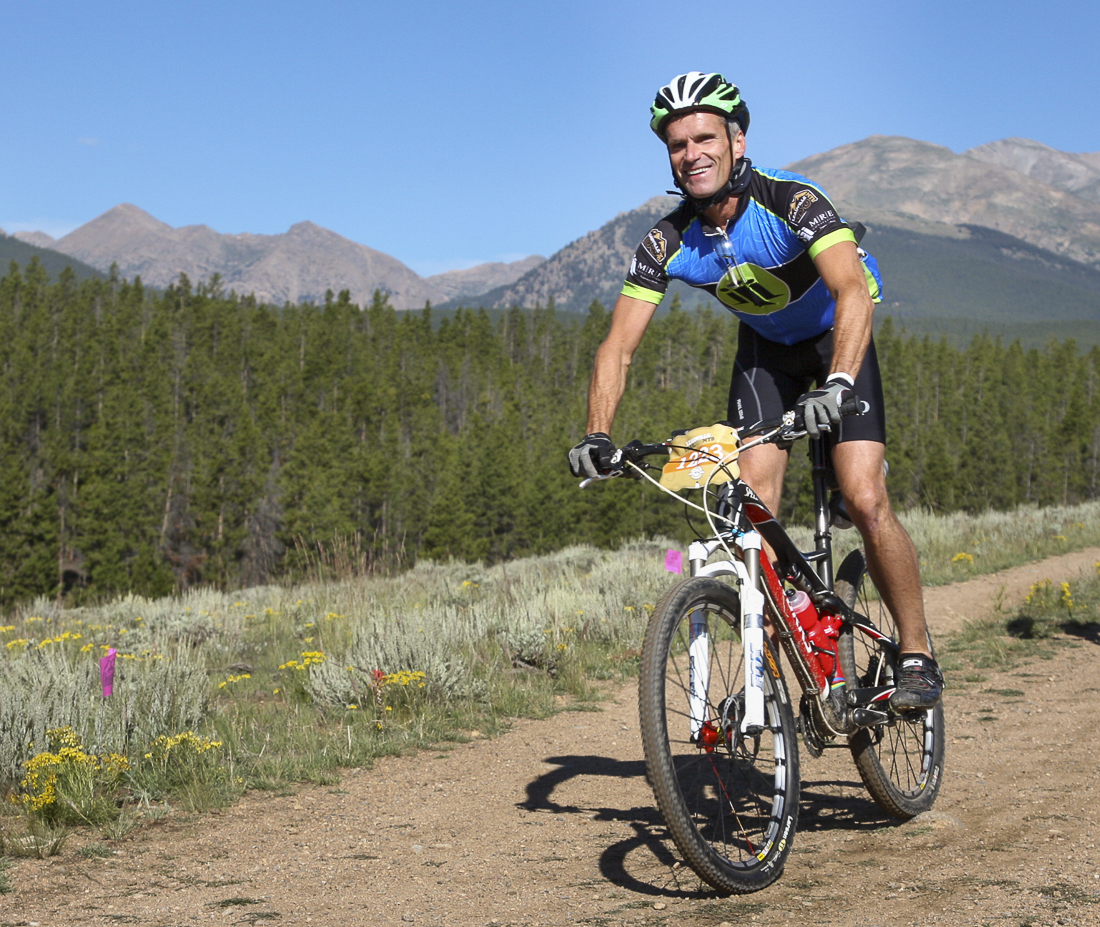
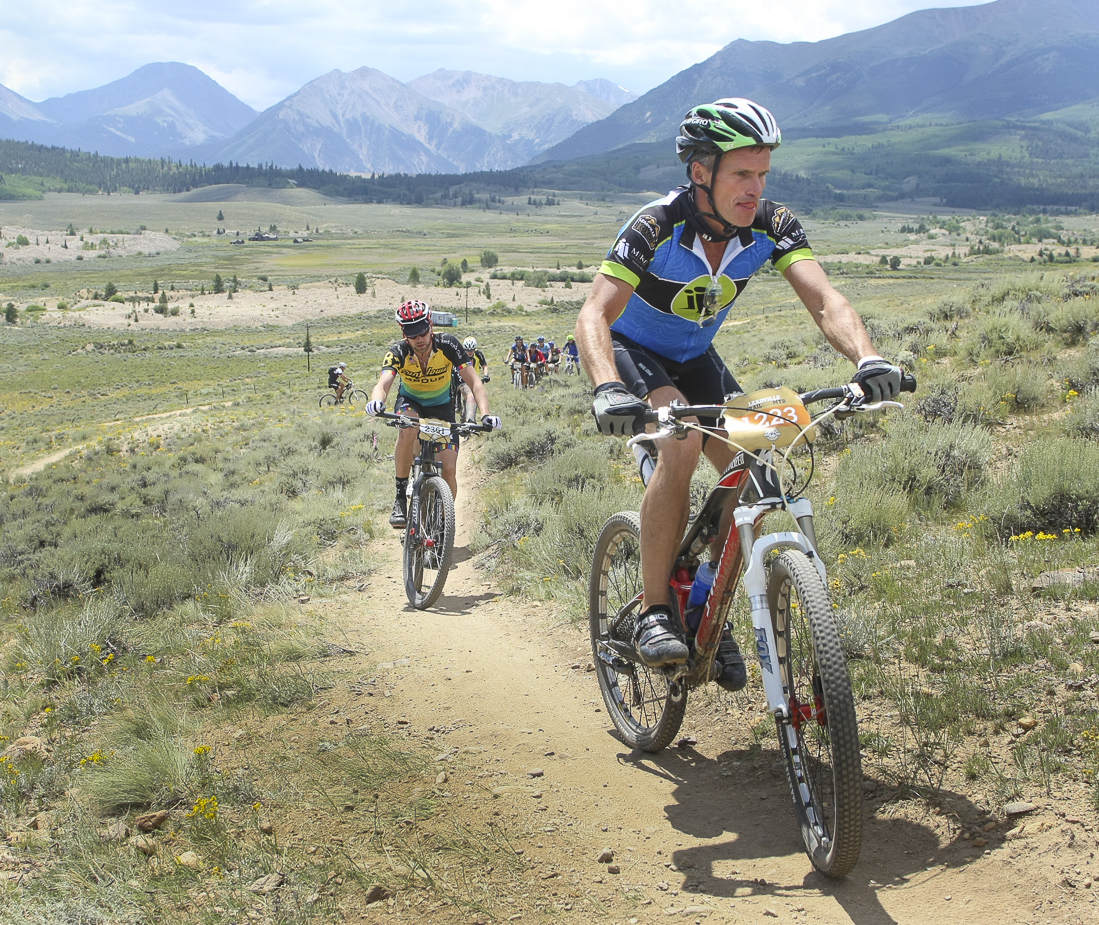
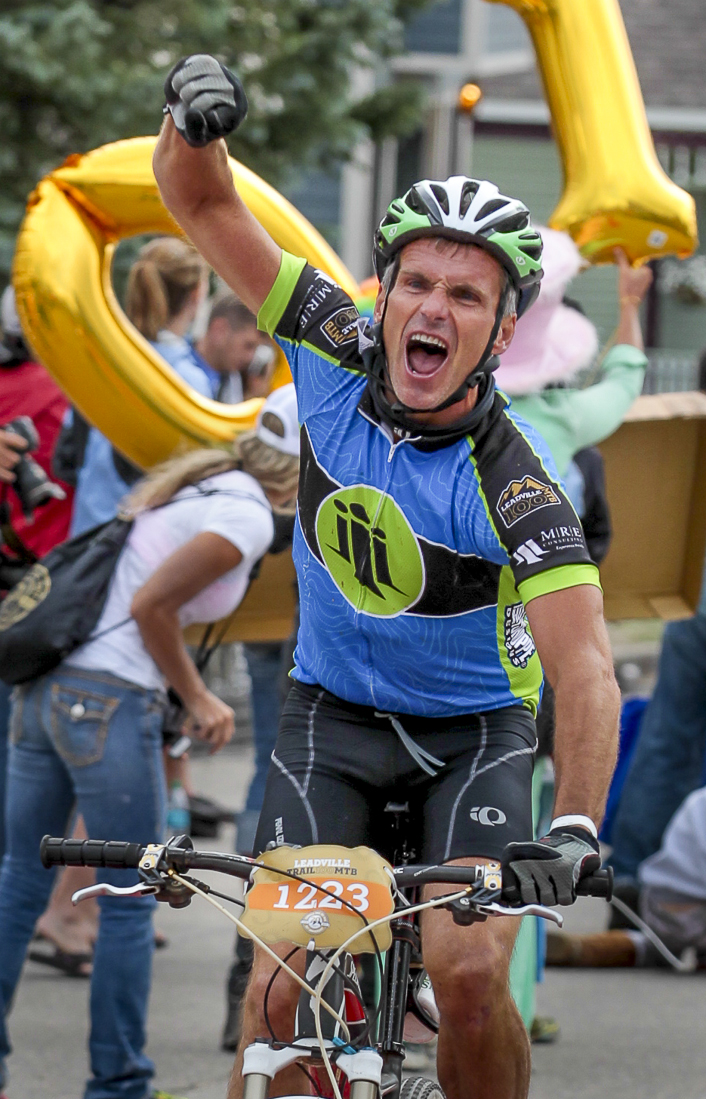
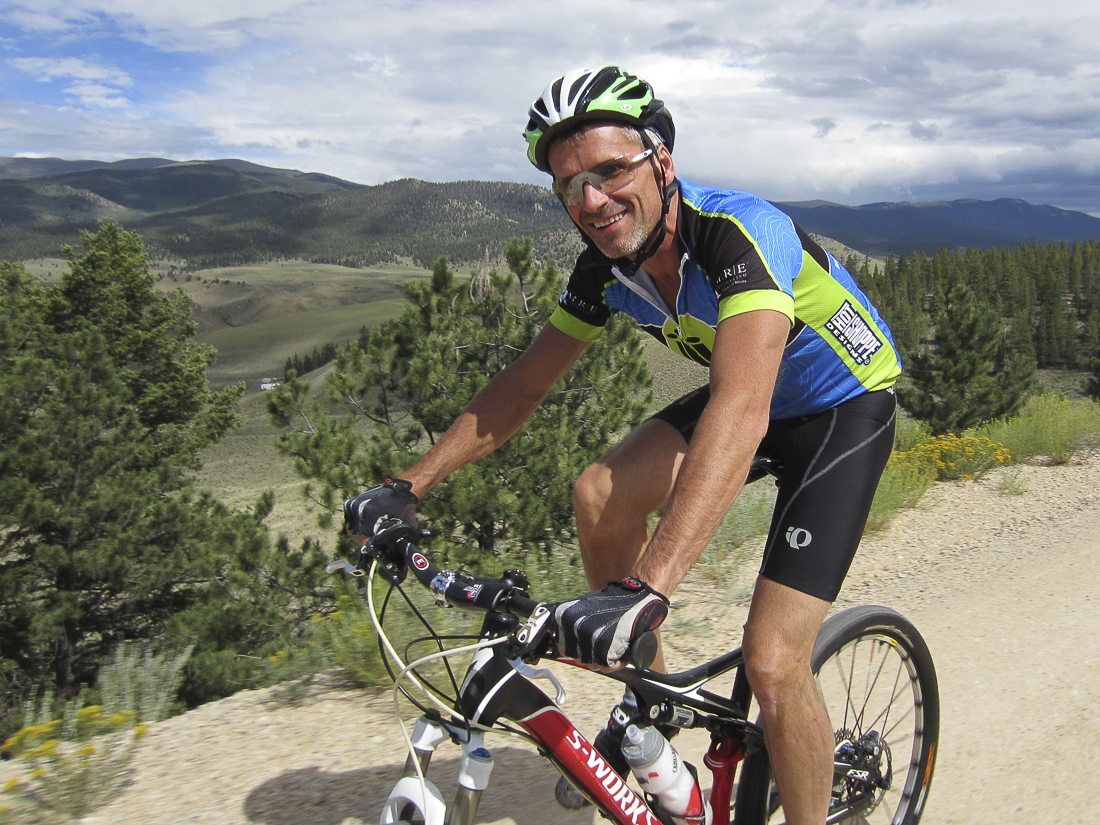
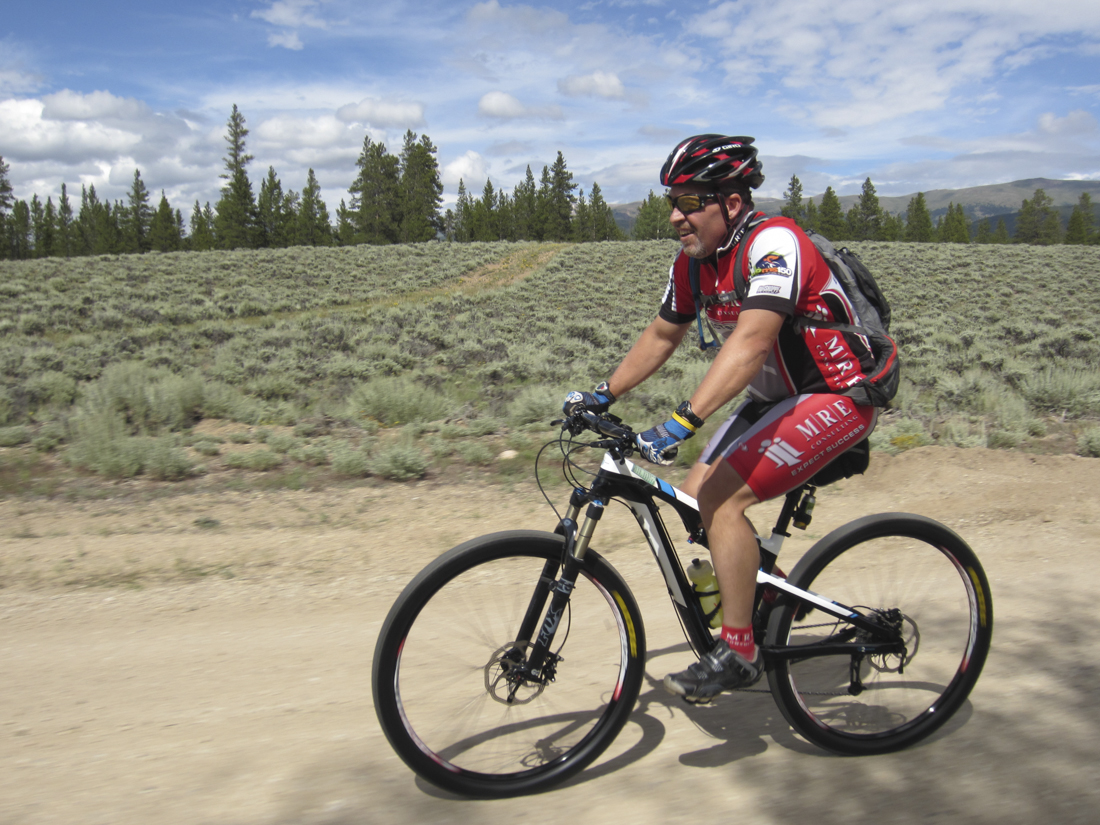
 I was on the bike, not behind the camera, so I didn’t take most of these pictures.  Big thanks to those who did!  I did take the one above, of Mike Short, who scored his first finisher’s buckle this year.  Mike Short’s mom, Dorothy (“Dot”) took the picture of me with my own mom and dad.  That was about 2 minutes after I finished an 11-hour bike ride:  I really look like hell, don’t I!?  At least Mom and Dad look good. 

More pics by Dot Short:

Leadville 1000_20130810_7099.jpgLeadville 1000_20130810_7125.jpgLeadville 1000_20130810_7185.jpgLeadville 1000_20130810_7198.jpgLeadville 1000_20130810_7205.jpgLeadville 1000_20130810_7237.jpgLeadville 1000-7037.jpg

A few by Michele Merz:

_JJC8679.jpg_JJC8739.jpg_JJC8754.jpg_JJC8761.jpg_JJC8777.jpg

Some shots (of me!) by the photo service, “Zazoosh”:

00809-01-0112.jpg00809-04-6090-2.jpg00809-05-3224.jpg00809-08-2703.jpg00809-11-4523.jpg

And some race week shots by Peter Thomsen, and race day shots by his wife, Jana: 

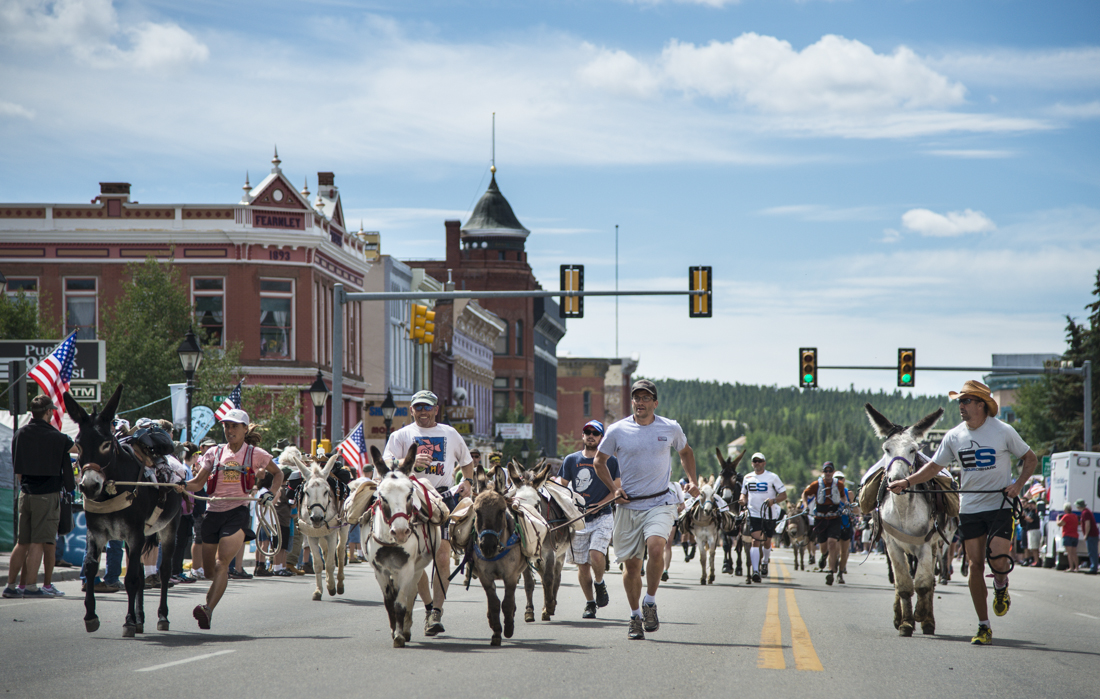
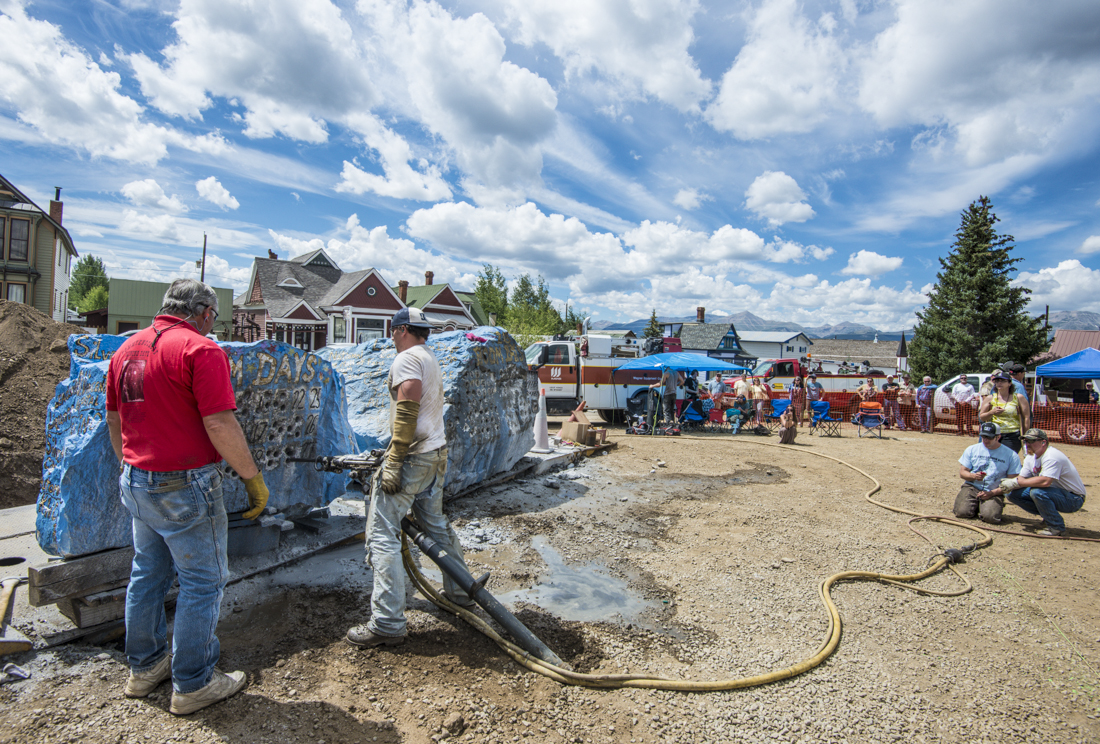
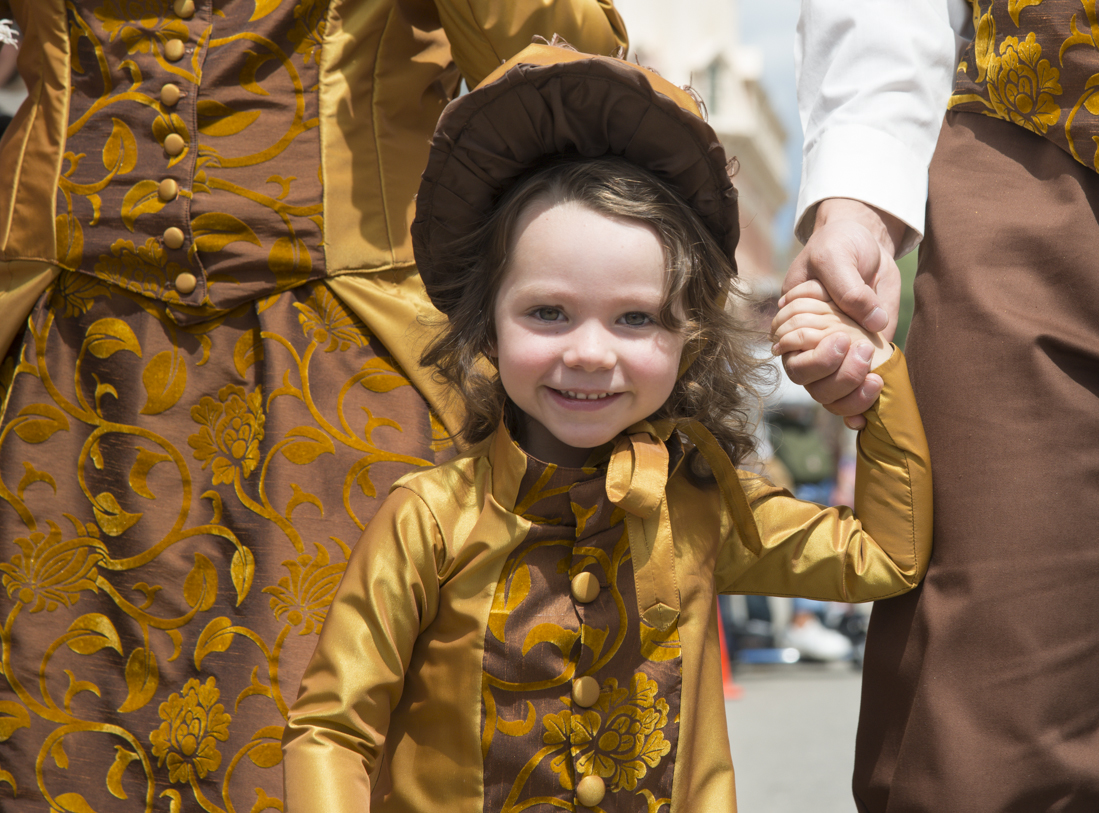
Finally:  A few more — including a few from the prior weekend’s Boom Days festivities (which were much better documented last year, thus the sparse coverage here).

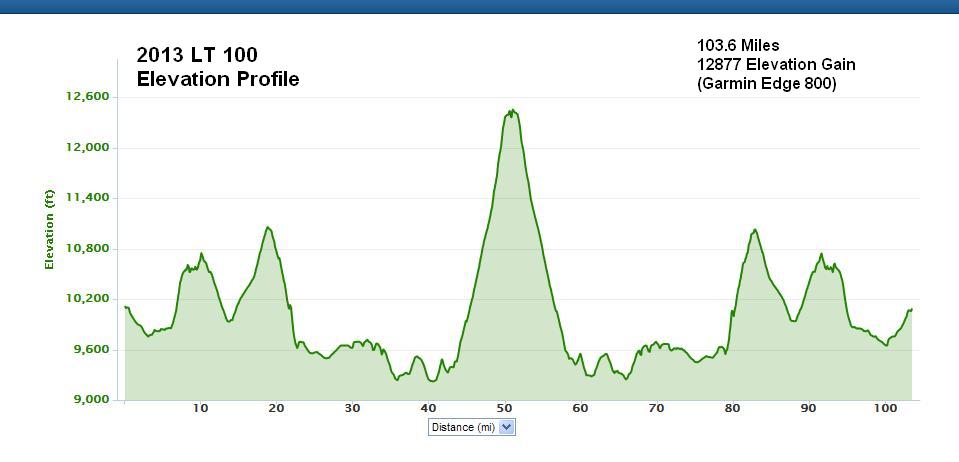
_JD82159.jpg_JD82269.jpg_JD82367.jpg_JD82544.jpg_JD82580.jpg_JD82597.jpg_JD82602.jpgLT100MTBProfile.jpg