Category Archives: Uncategorized

Tsomoriri, Ladakh: Nomads, Altitude and Yaks

I’ve been terribly delinquent at organizing my pictures from last fall’s trip to the Ladakh region of India. The trip was originally intended to include Kashmir, but last summer’s rioting and stonings convinced my group to stay east of there in Ladakh. The upside was a more in-depth tour of Ladakh.
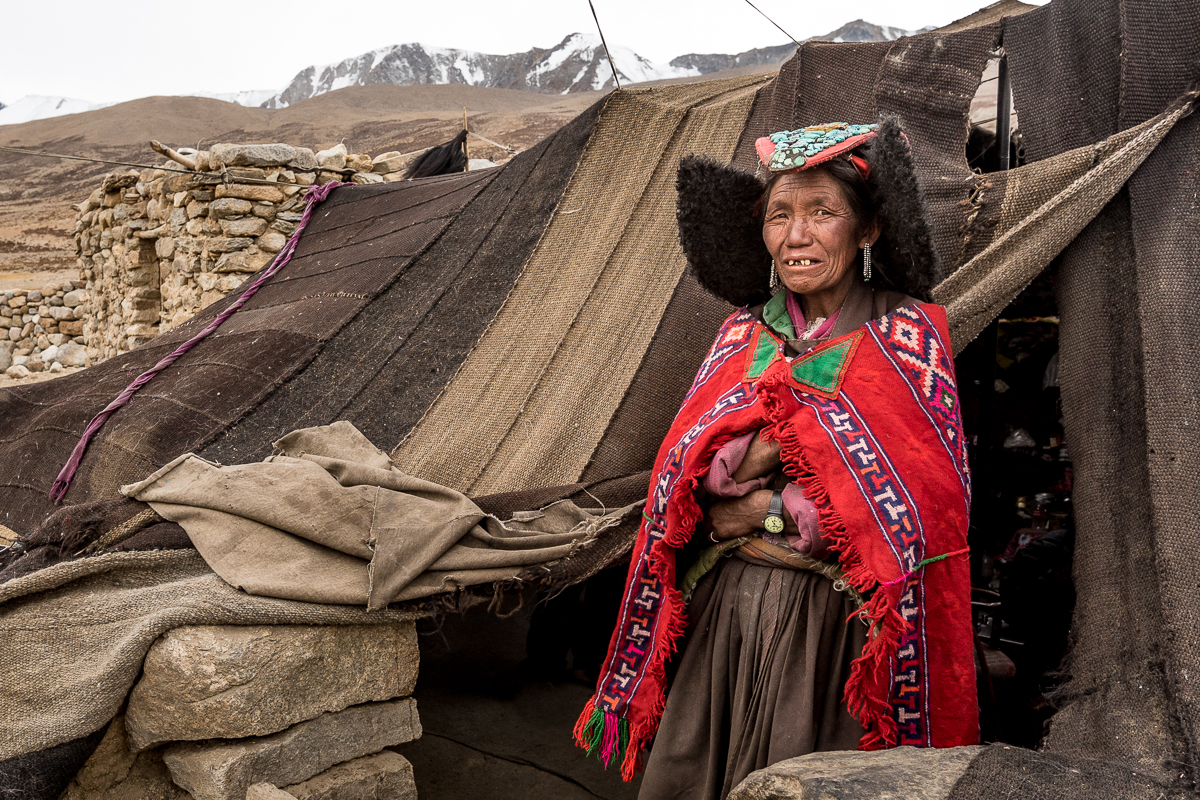
J75_9676

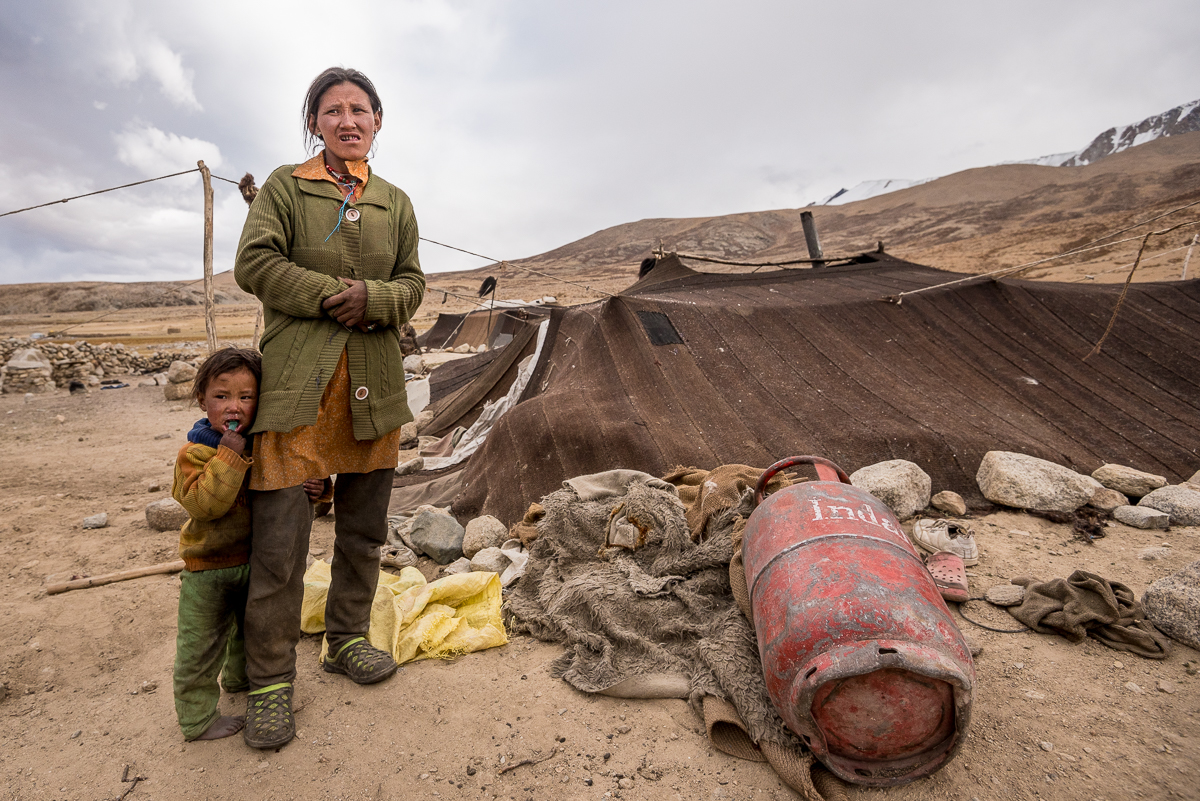
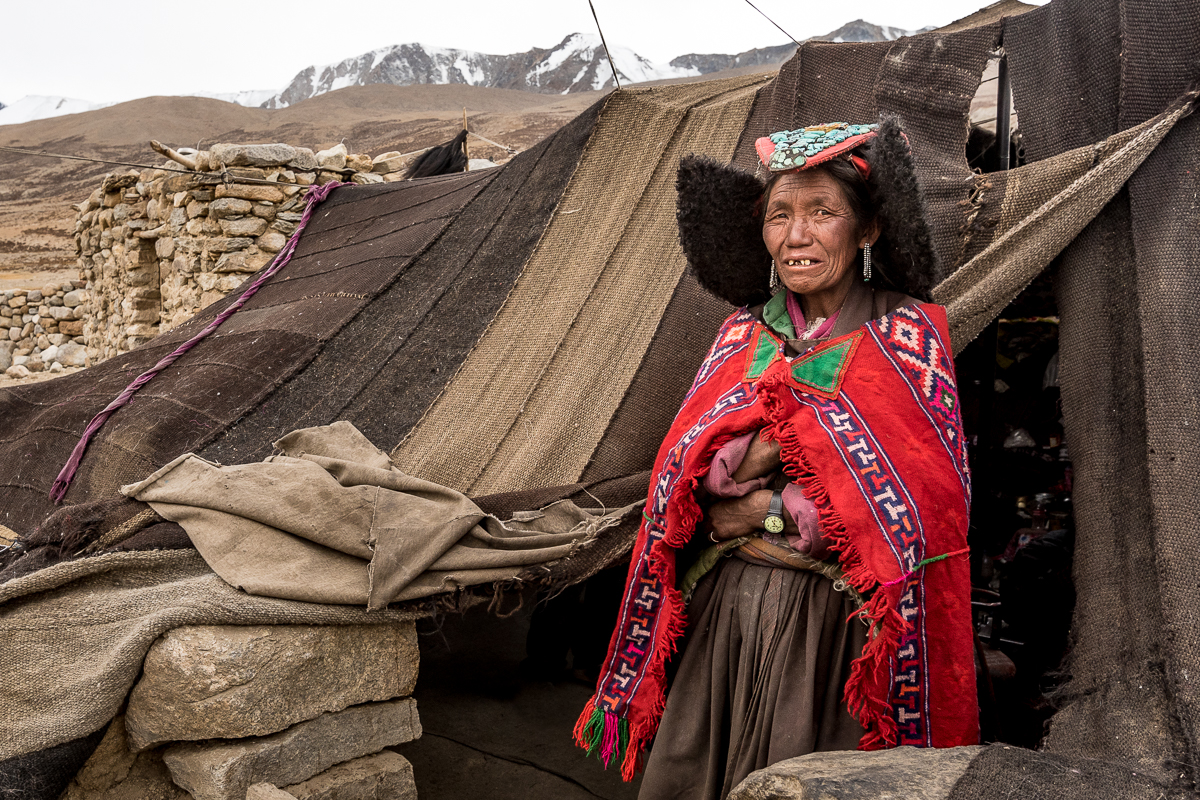
Our local driver convinced this nomad lady to put on her ceremonial formalwear for us to see. She wasn’t eager to have her picture taken, so she wouldn’t come fully out of her tent, and I only had a minute.


Compared with the U.S., India has 4 times as many people on 1/3 as many square miles.  But Ladakh — the very mountainous far-north region near the Pakistan border — is mostly isolated small towns and villages.  The mountains were bare and stark — not simply like mountains above a tree line, but like a mostly barren desert that happened to have 23,000 foot peaks.  I spent a few nights in tent camps at 13,000 to 15,000 feet.

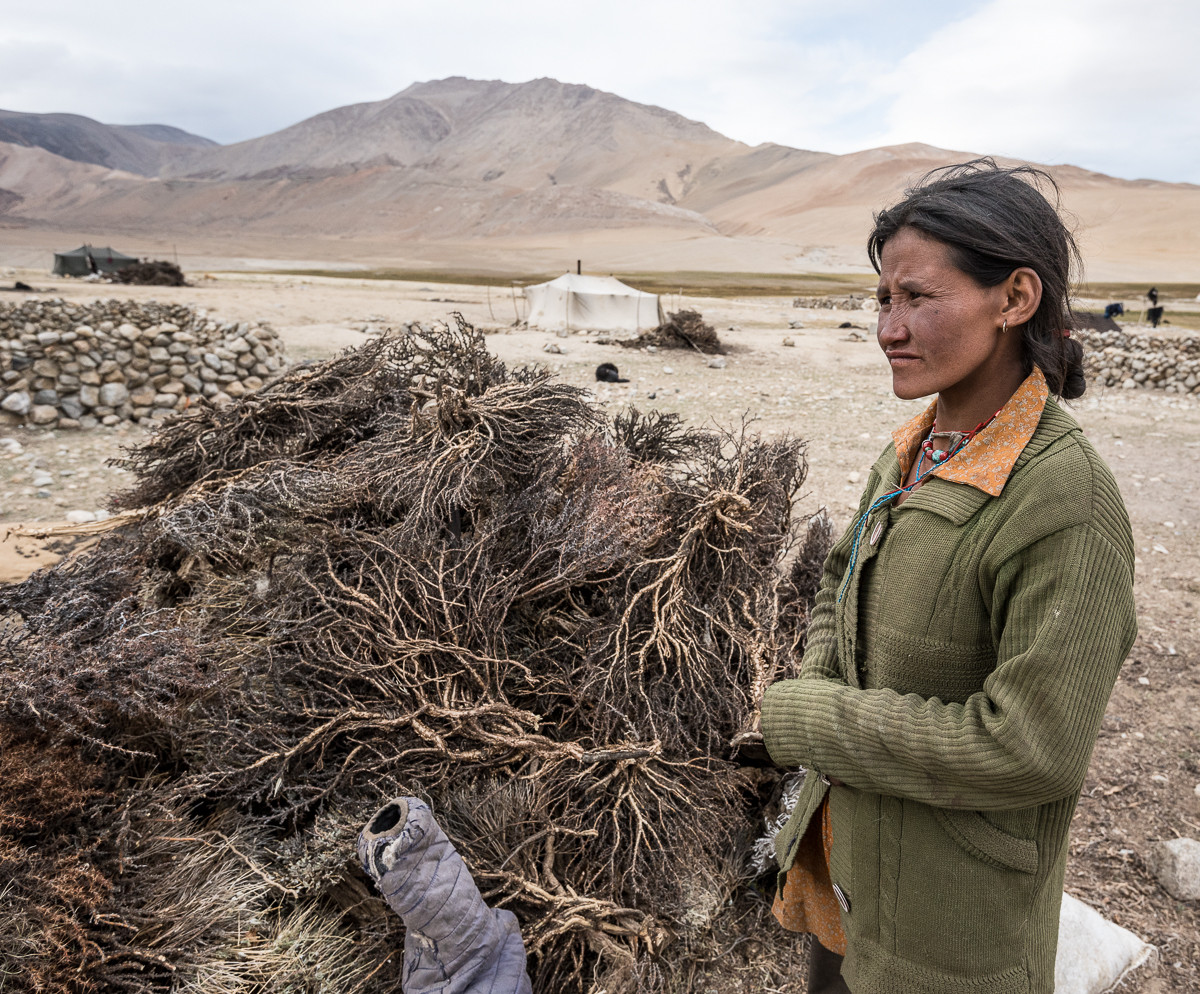
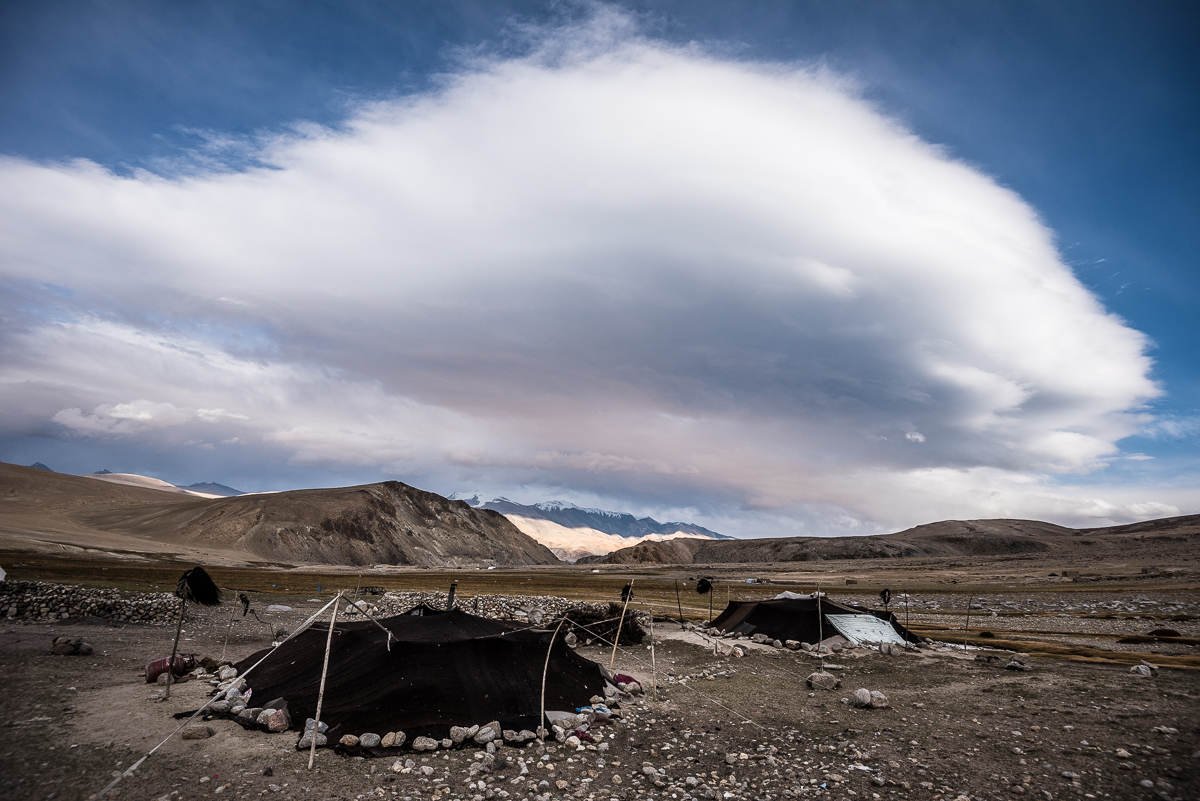
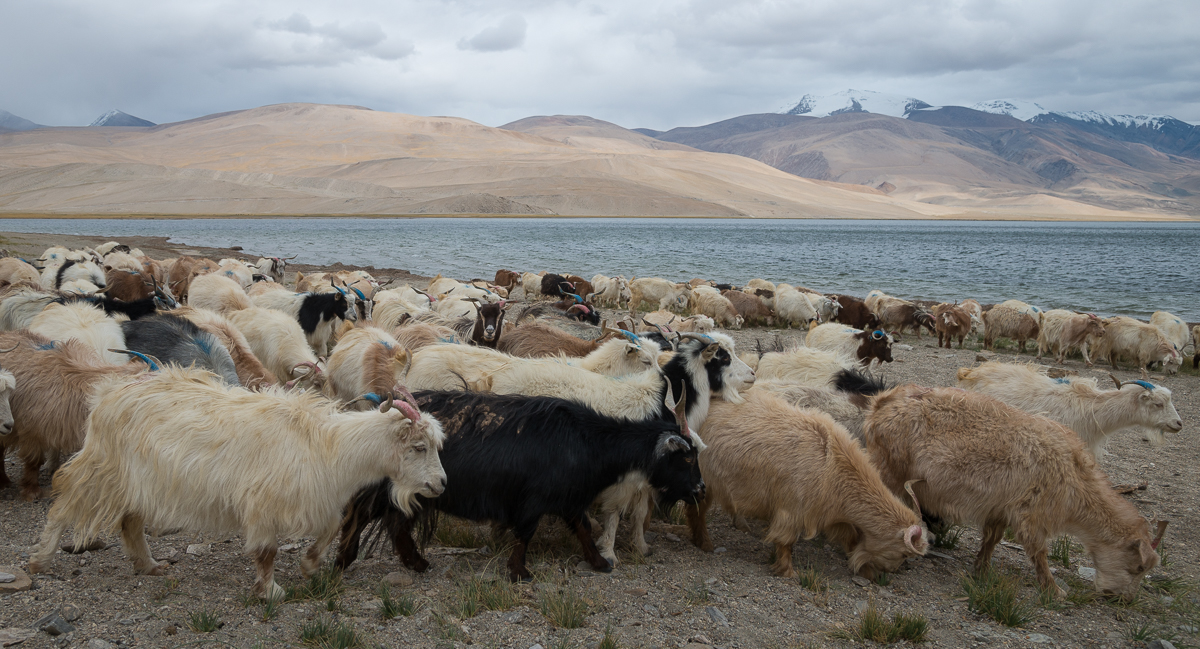
The sparse villages of the various areas within Ladakh have very distinctive and varied tribal cultures and ethnicities.  One of the more interesting stops visited a nomad camp near the remote village of Korzok on Lake Tsomoriri, a long day’s drive southeast of Leh. These nomadic people move a couple of times a year – taking their herds of sheep, goats, and yaks to better grazing   Their tent homes are made of yak-wool, and when it’s time to move, the yaks themselves carry the tents (and everything else).

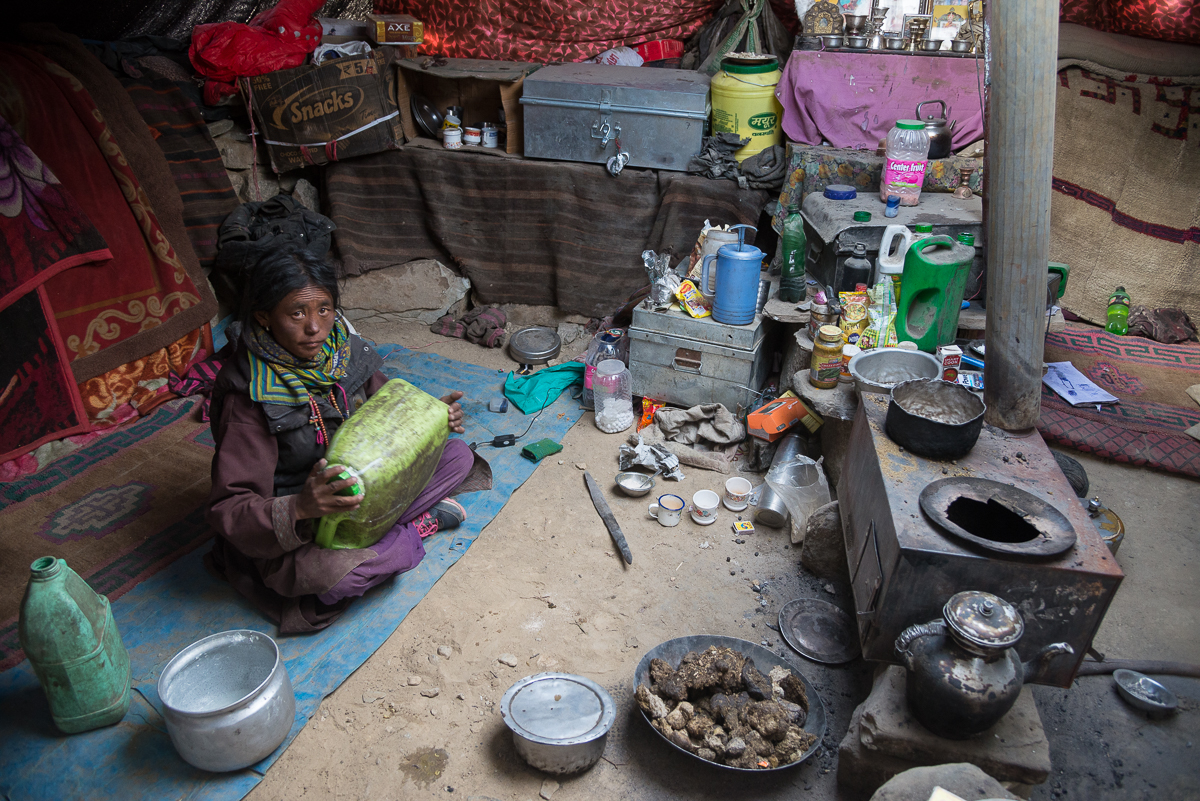
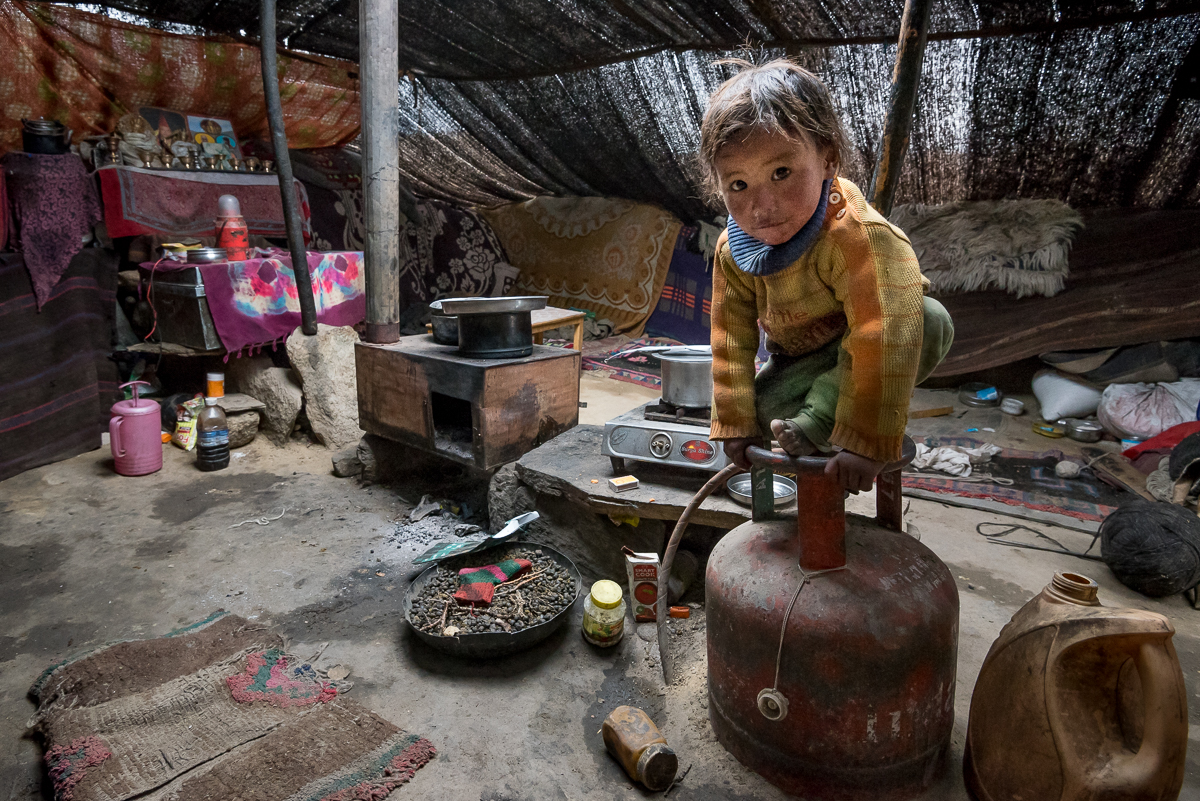
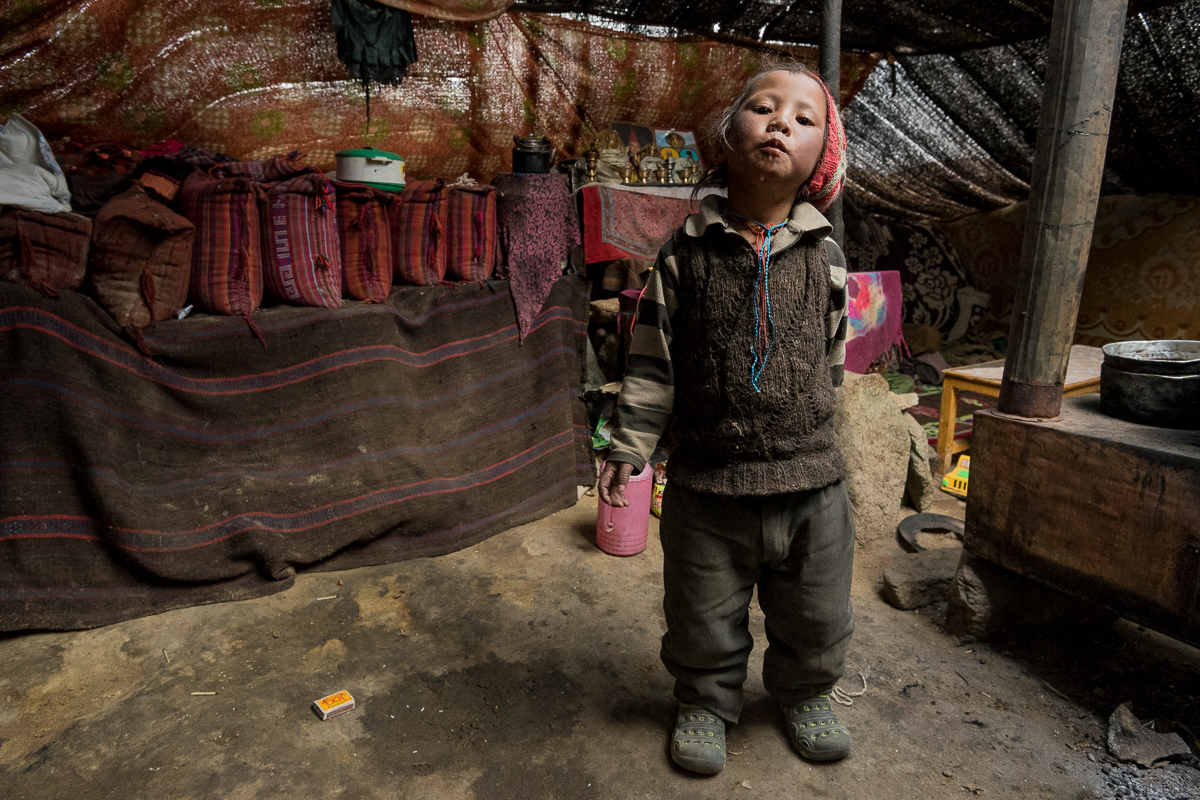
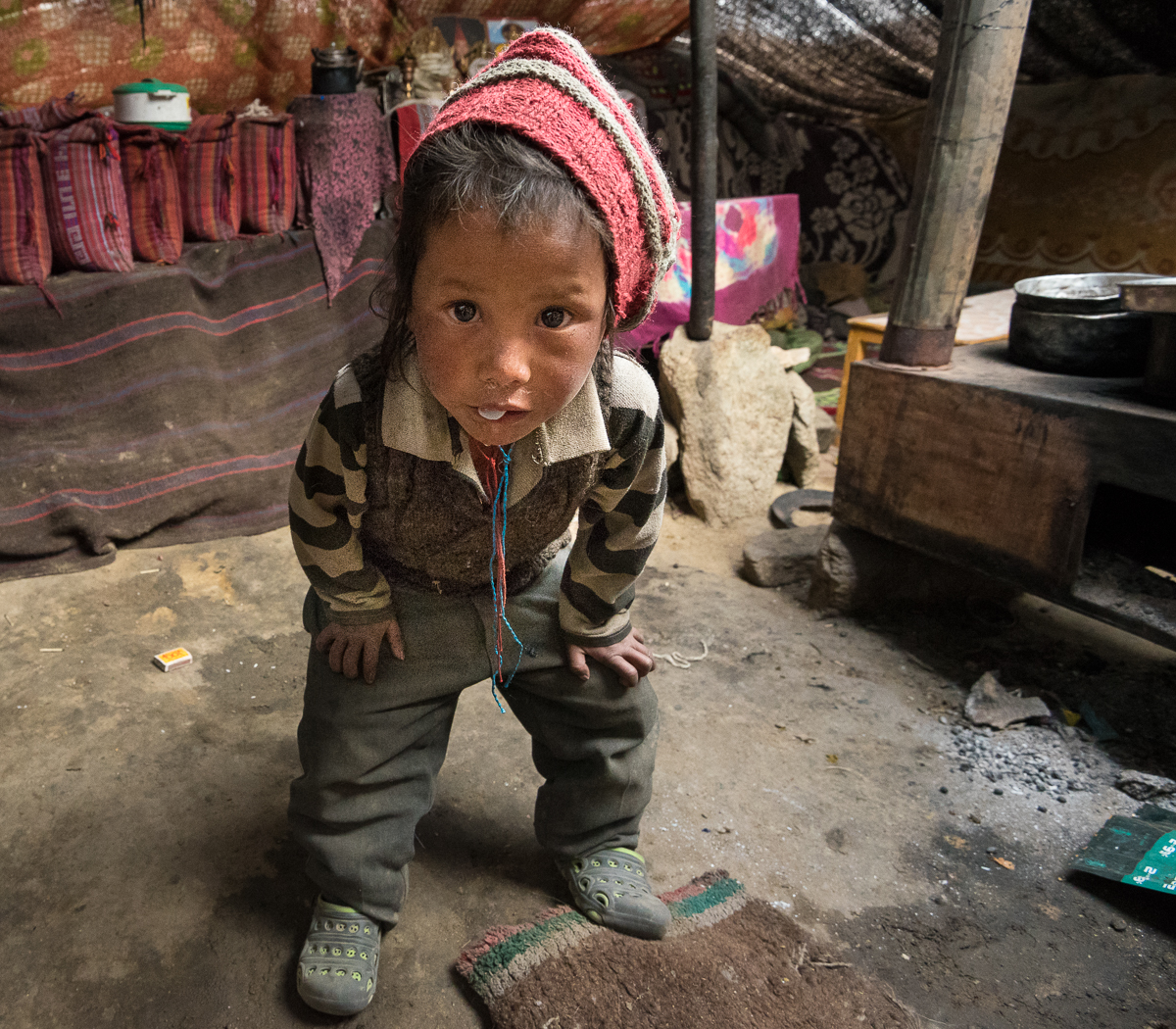
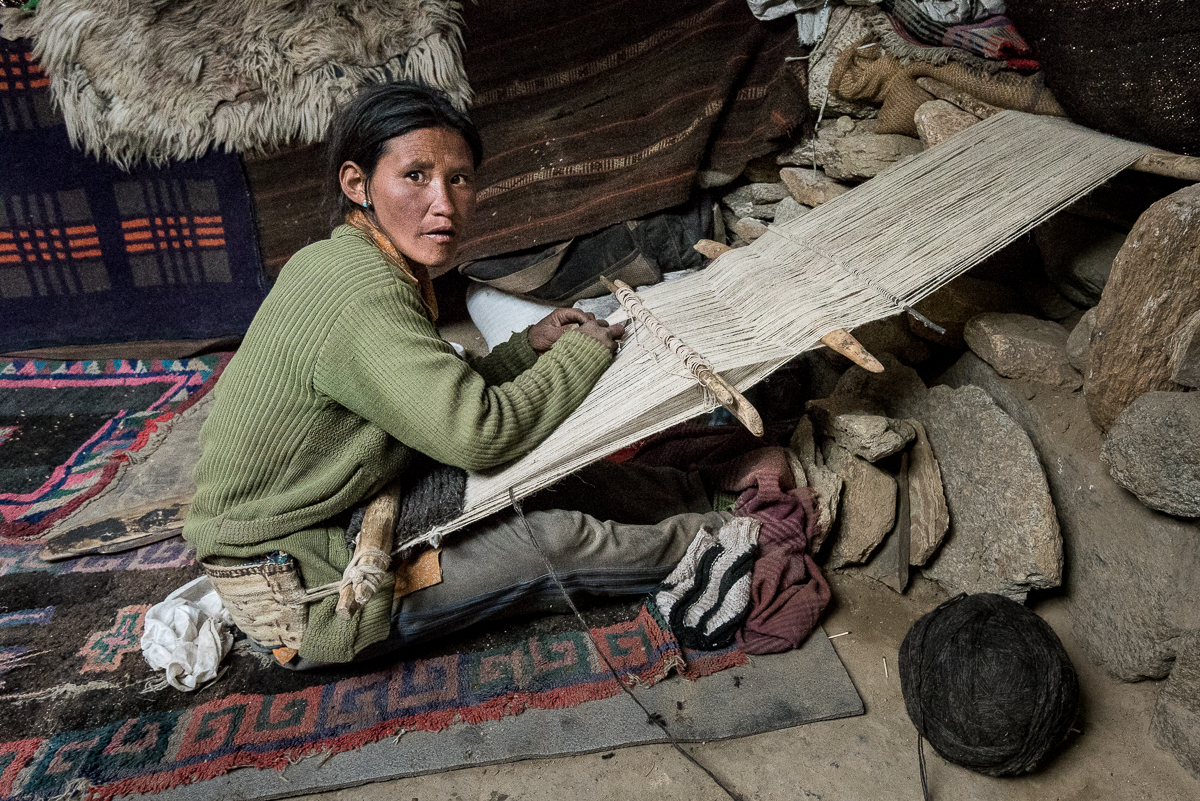
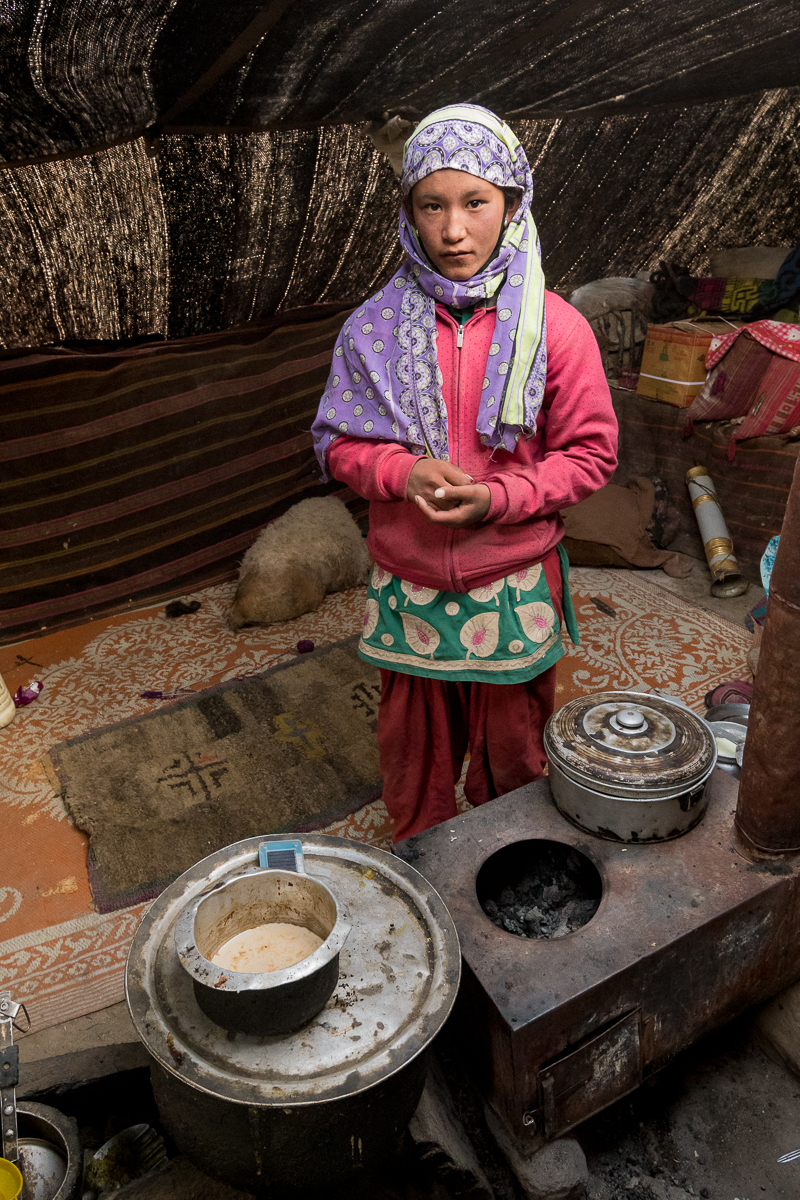
We camped just one night at the lake; it’s at 15,000 feet elevation and chilly even in the fancy tents they had set up for us. One of our drivers was from the area, so he knew their dialect and convinced them to let us into their tents to really see how they lived. They were surprisingly roomy and full of rugs. My brief curiosity about where the rugs came from was immediately satisfied when I saw one of the women patiently weaving a yak wool rug.
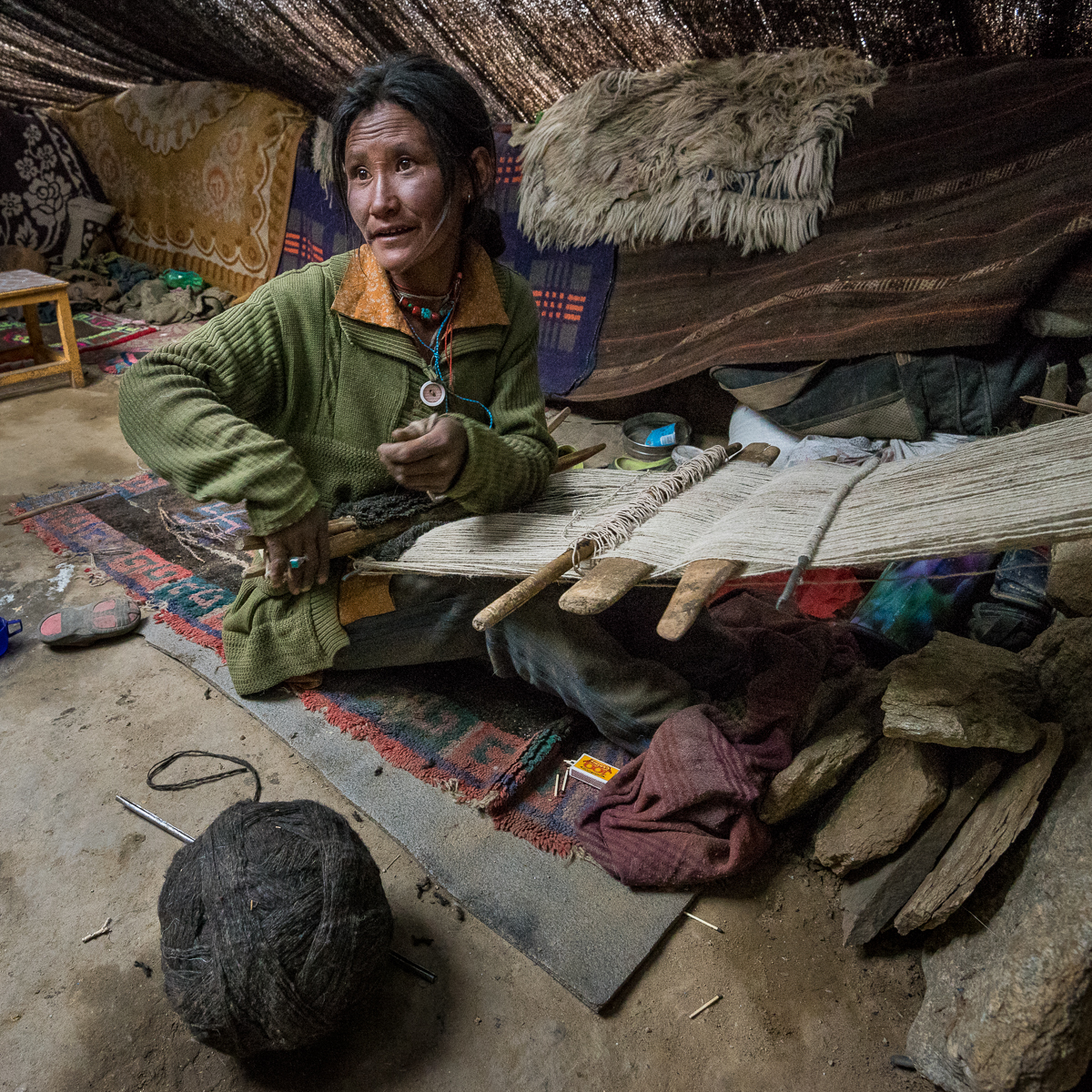
 

J75_9568

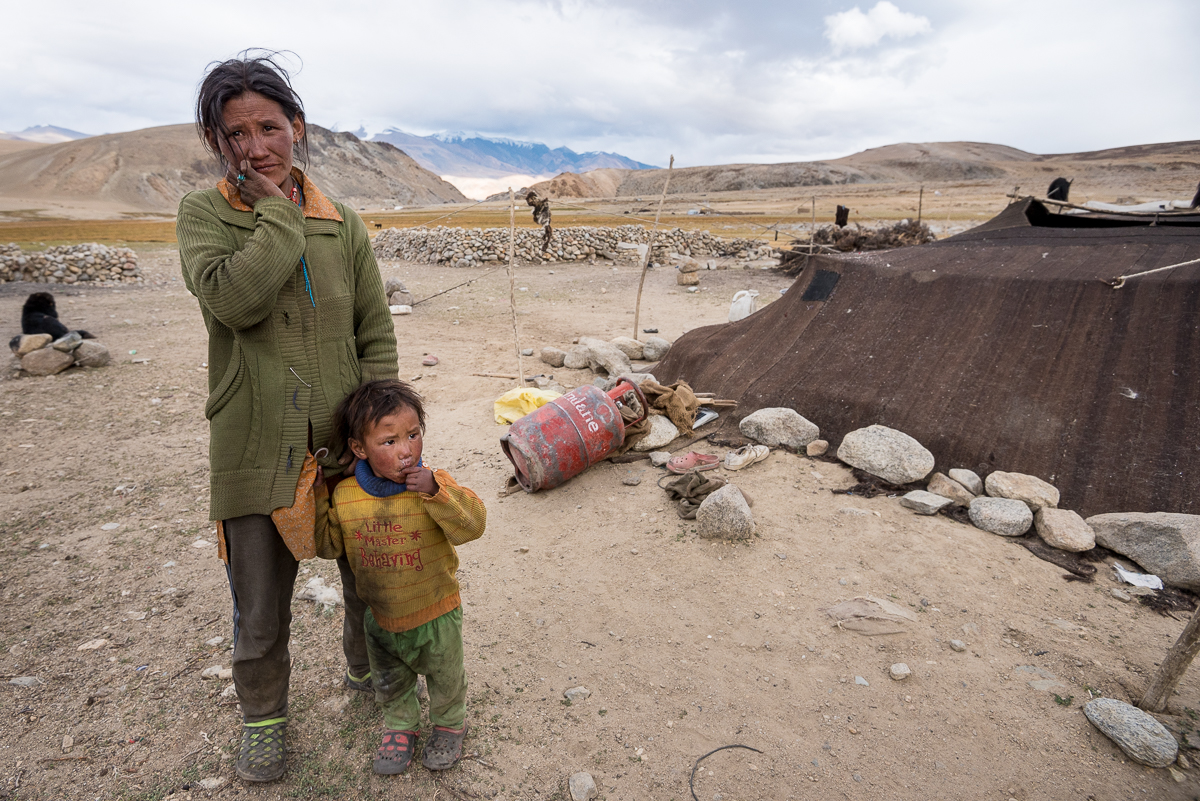
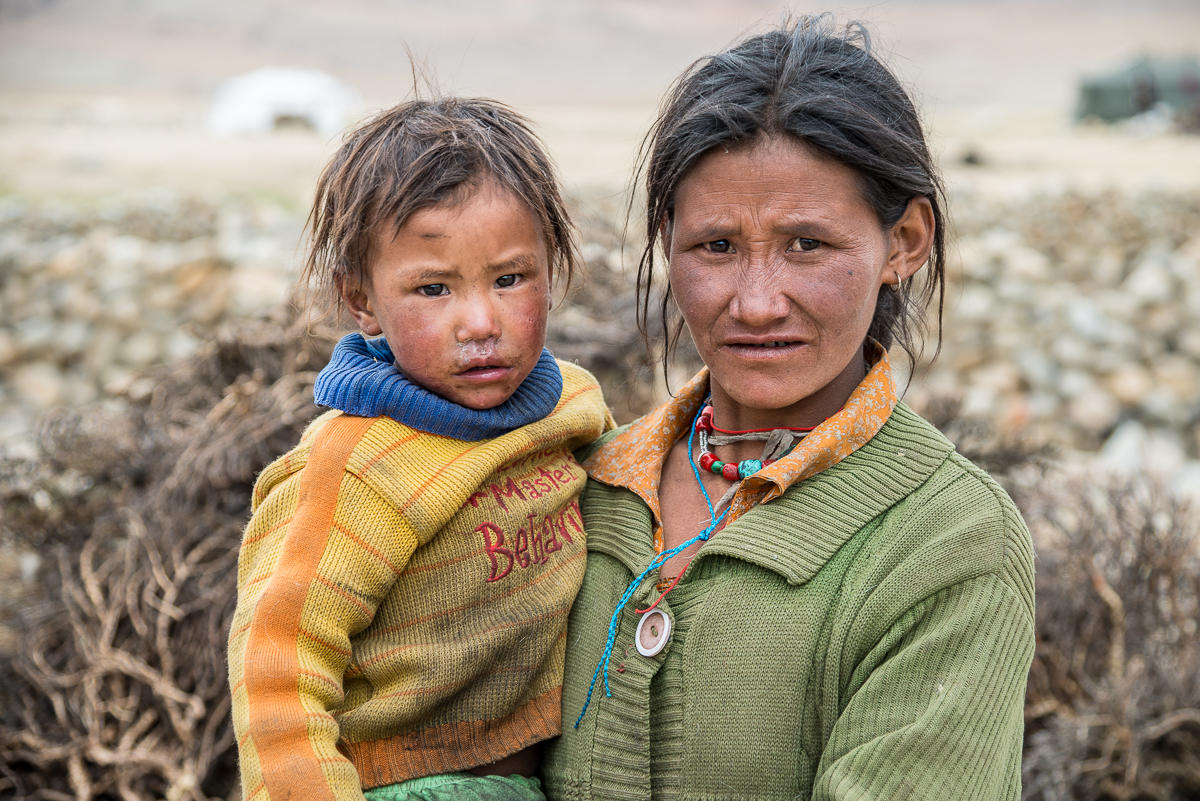
Those pictures of the young mother and her kids around their tent make me think of the Dorothea Lange iconic depression-era photograph of the “Migrant Mother,” Florence Thompson. Lange’s work was famous for showing the world the startling struggles of 1930s American nomads. The living conditions of these Ladakhis may appear to be surprisingly similar, but that’s probably deceptive. Lange photographed people in a crisis, but this is a way of life for the Ladakhi nomads, and they seem very capable of providing food and shelter much as their ancestors have for centuries.
 

_JCE5190


_JCE5055.jpg_JCE5273.jpgJ75_9497.jpgJ75_9504.jpgJ75_9530.jpgJ75_9544.jpgJ75_9608.jpgJ75_9616.jpgJ75_9653.jpgJ75_9676.jpgJ75_9761.jpgJ75_9779.jpg

Ladakh, India: Buddha on the Indus

Most of my September trip to India was in the Ladakh region of Jammu & Kashmir, in far north India near the Pakistan border.  Everything there — the people, the terrain, and the religion — looks more like Tibet than India.

_jce8173

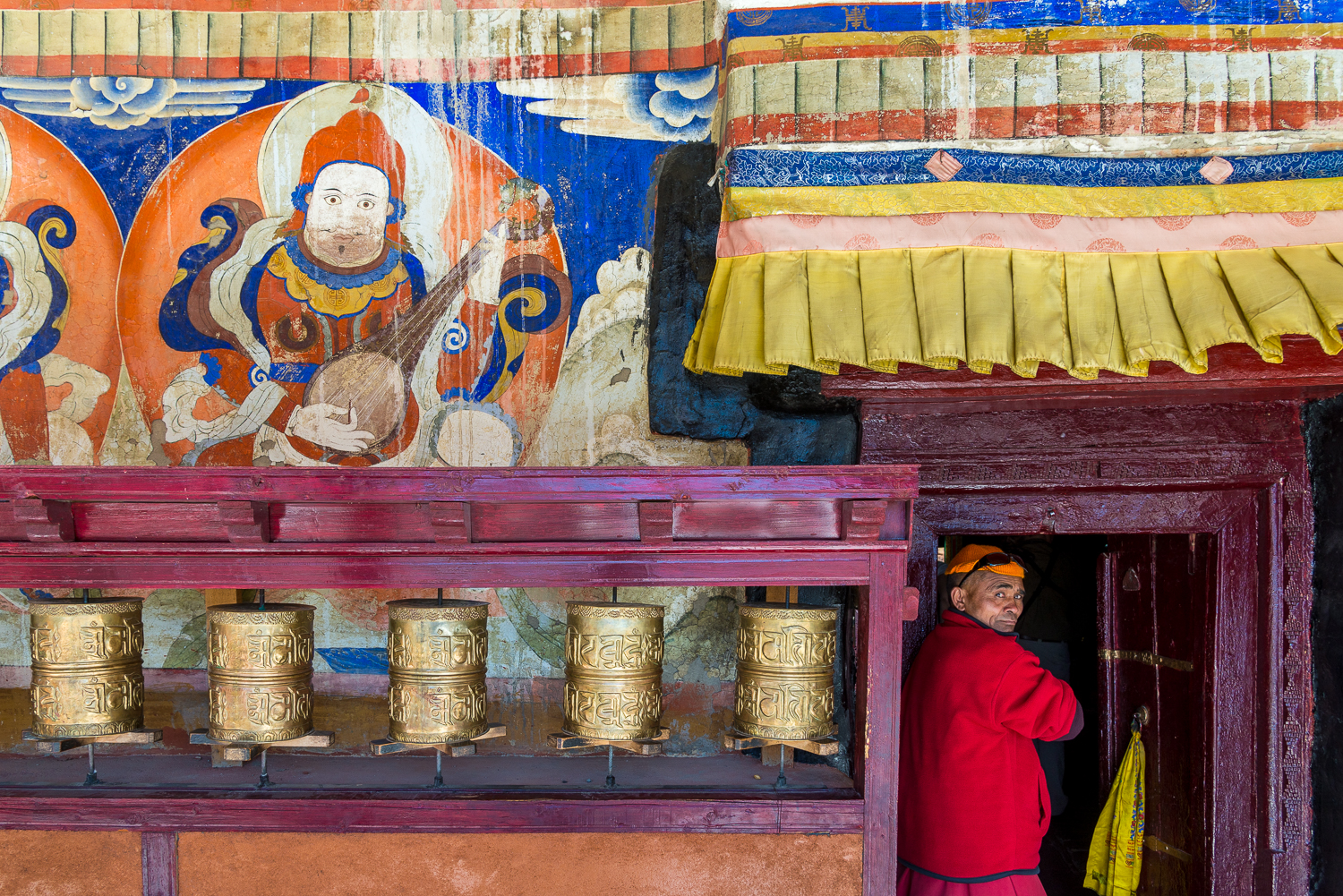
Golden prayer wheels and images of a musical Buddha at the temple entrance at Themisgan Buddhist monastery in the Ladakh region of India.

Hinduism was a primary defining feature of modern India as it was partitioned from Muslim Pakistan in 1947. The names “India” and “Hindu” both come from the same Sanskrit word for the Indus River, which runs through the Ladakh region of far northern India. Somewhat ironically, though, Ladakh is unique in India: most everyone is Buddhist – except for a few Muslims near the Pakistani border.


_5jc8454

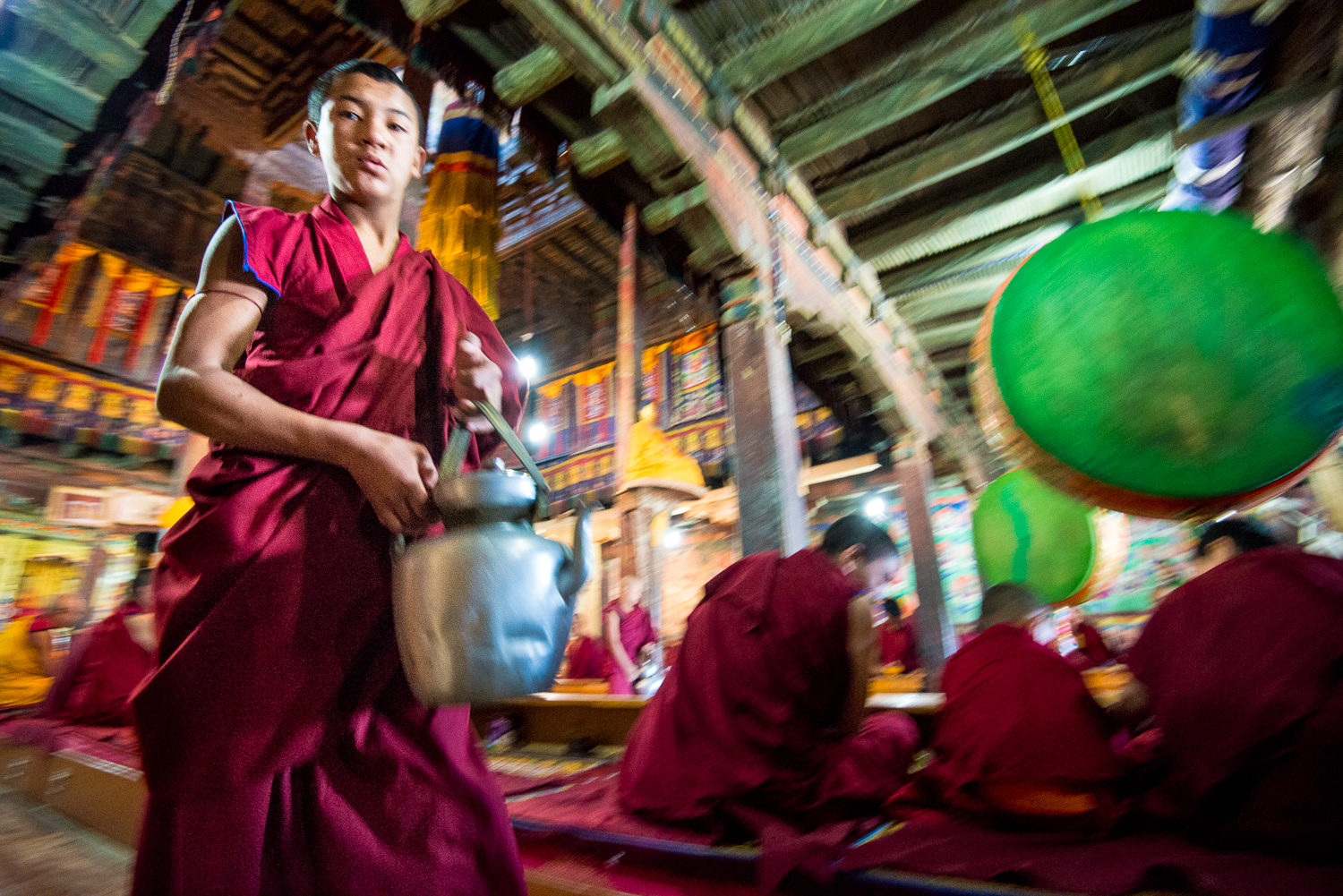
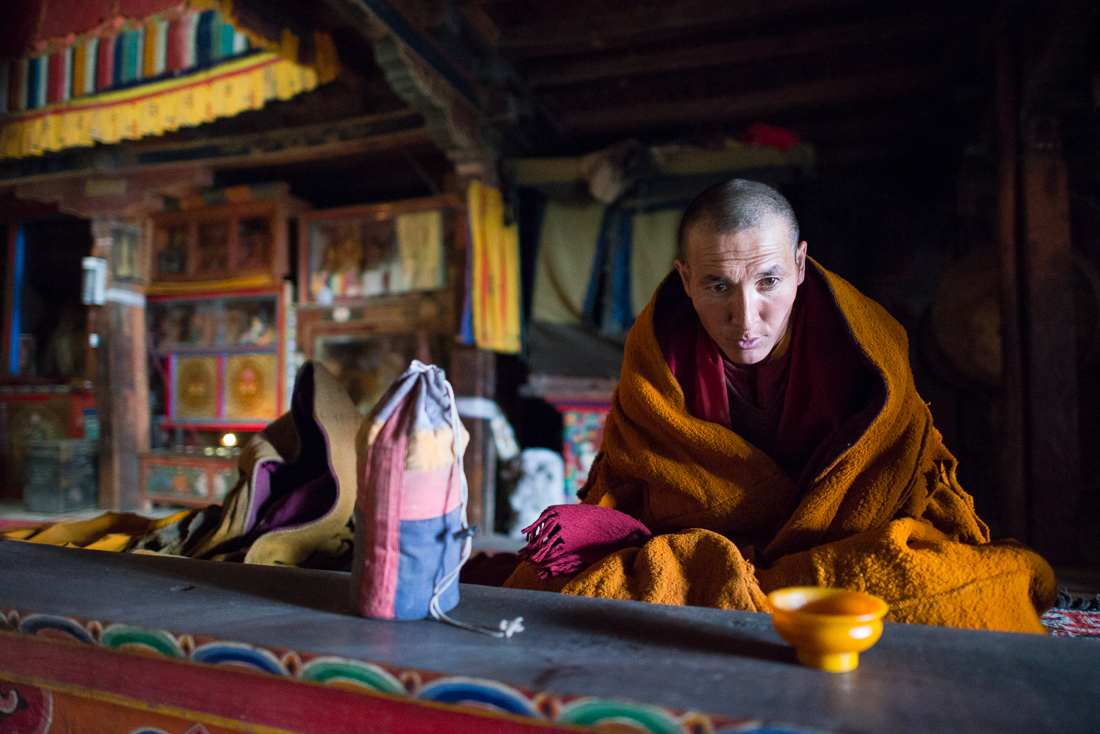
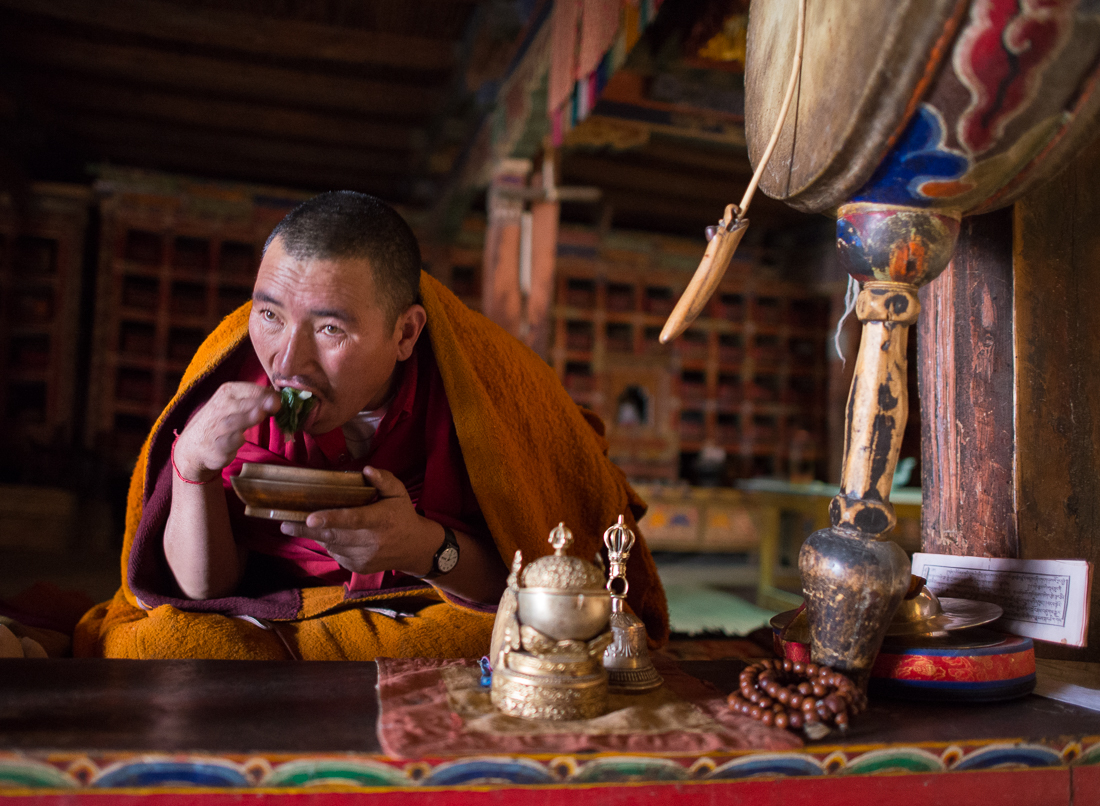
A young monk serves tea as part of the early morning prayer service at Thiksey monastery in Leh, Ladakh, India.

_5jc7246

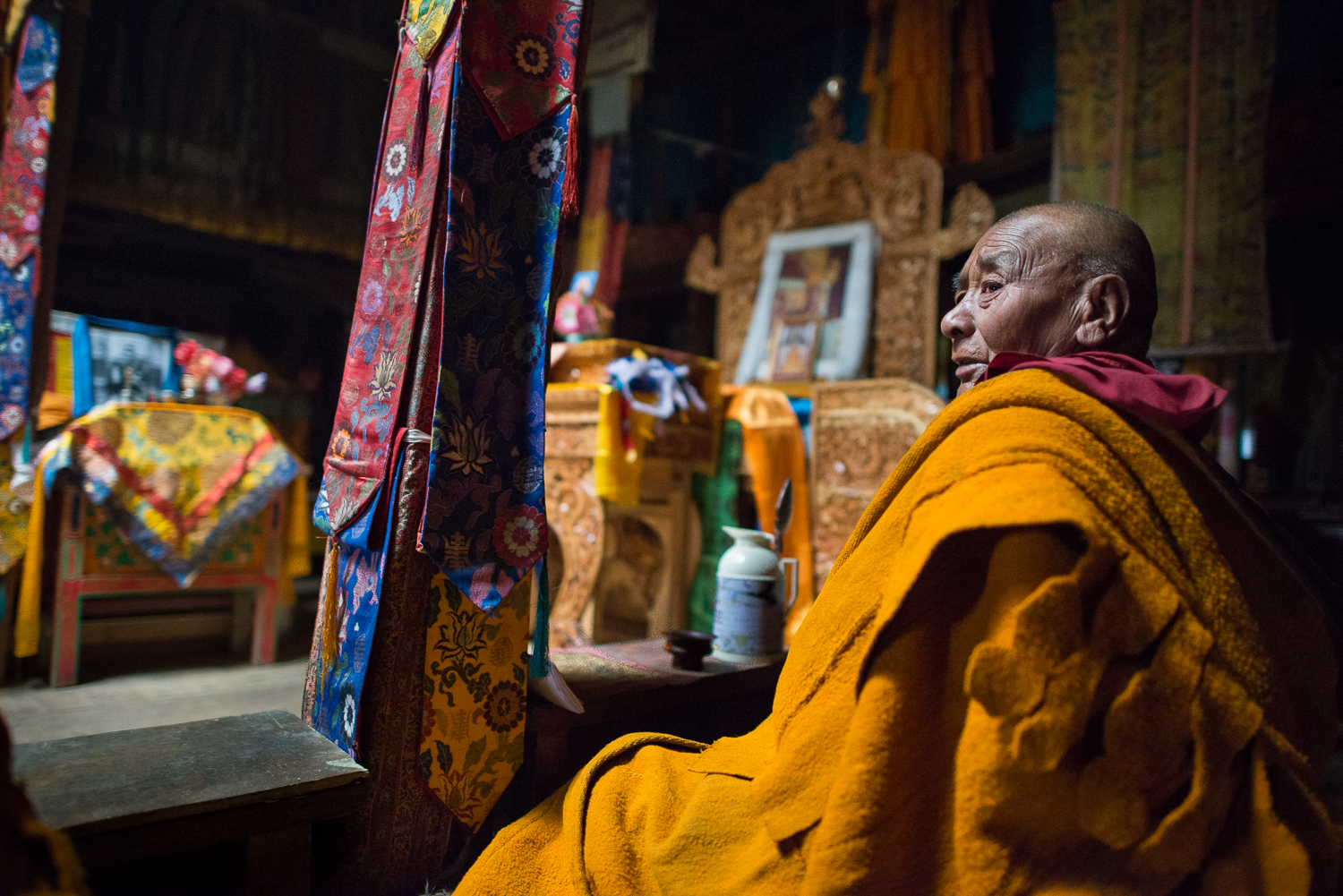
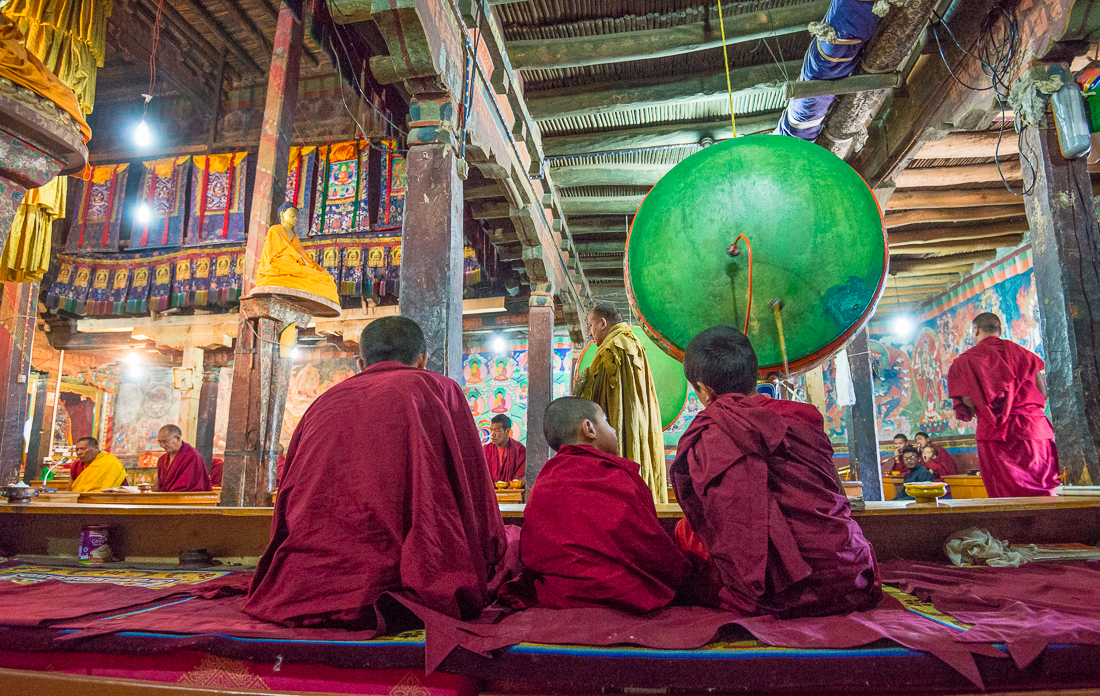
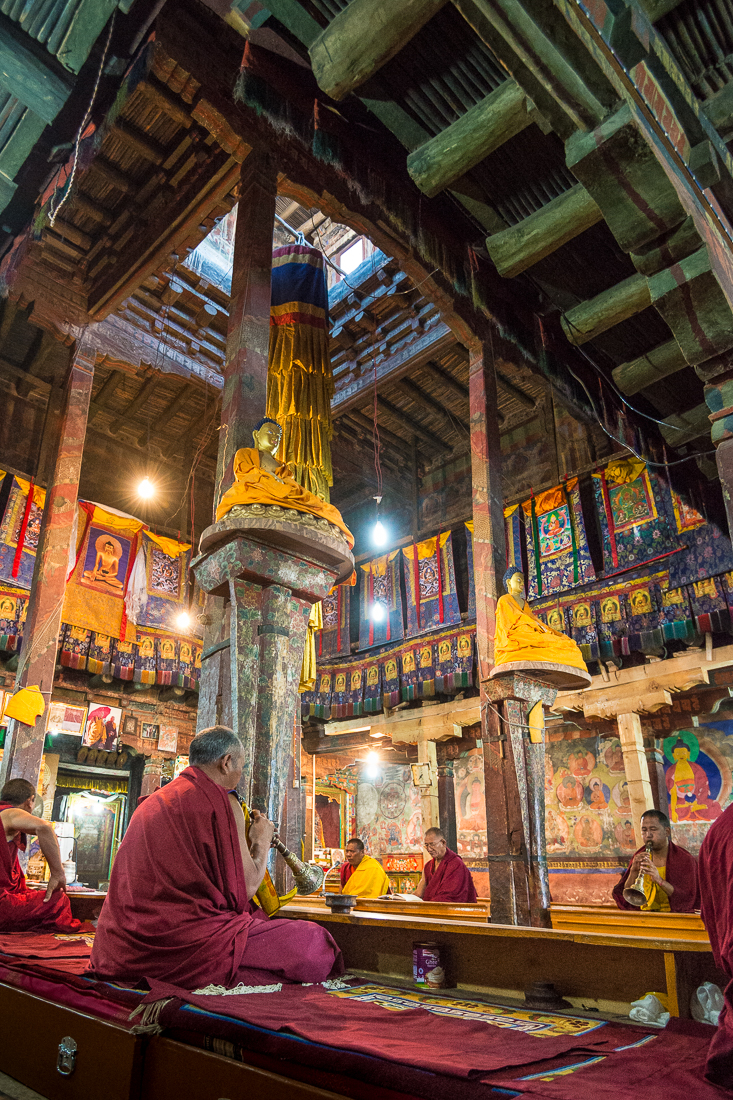
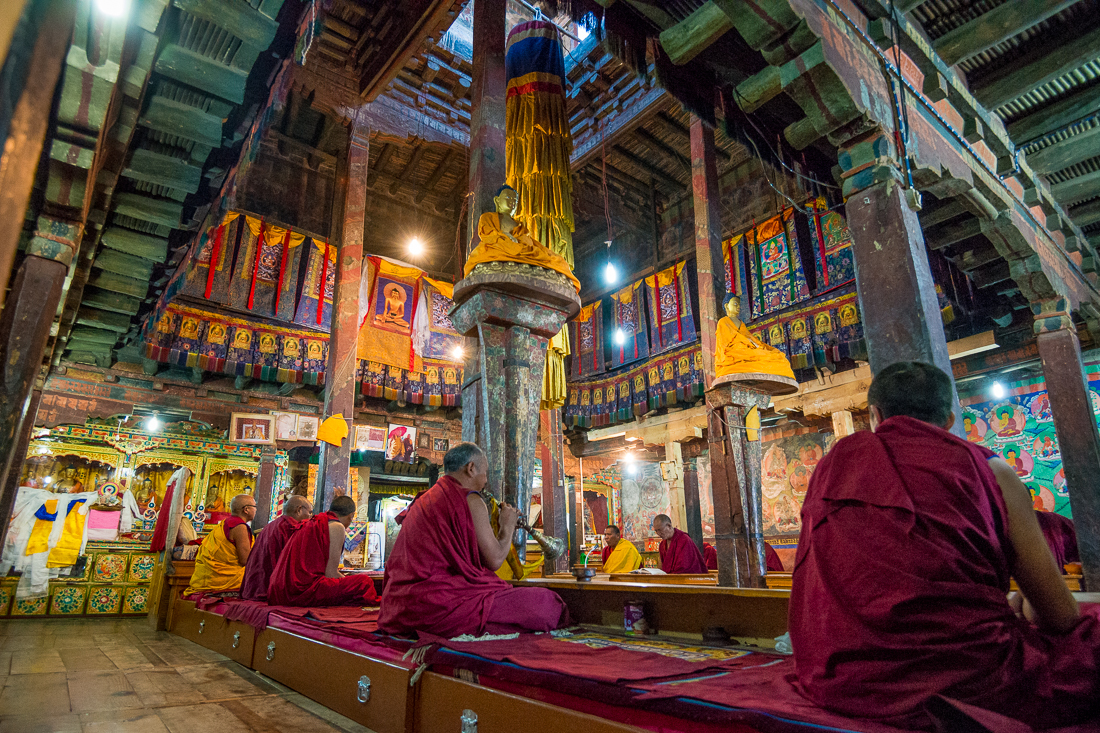
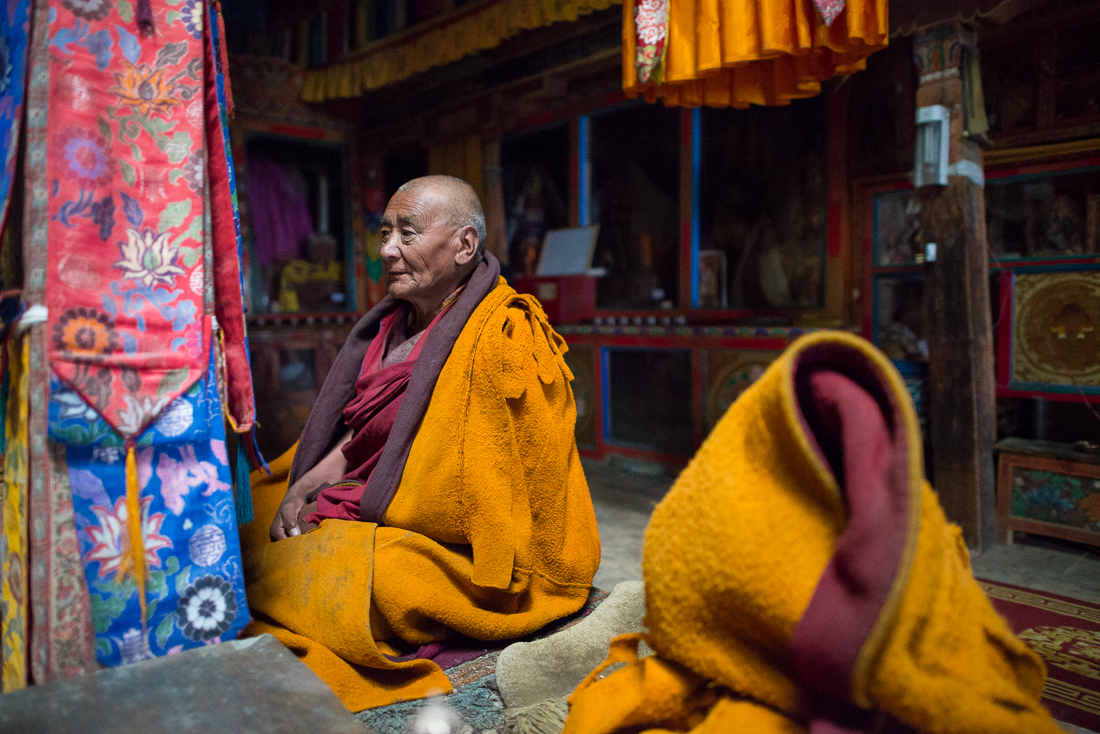
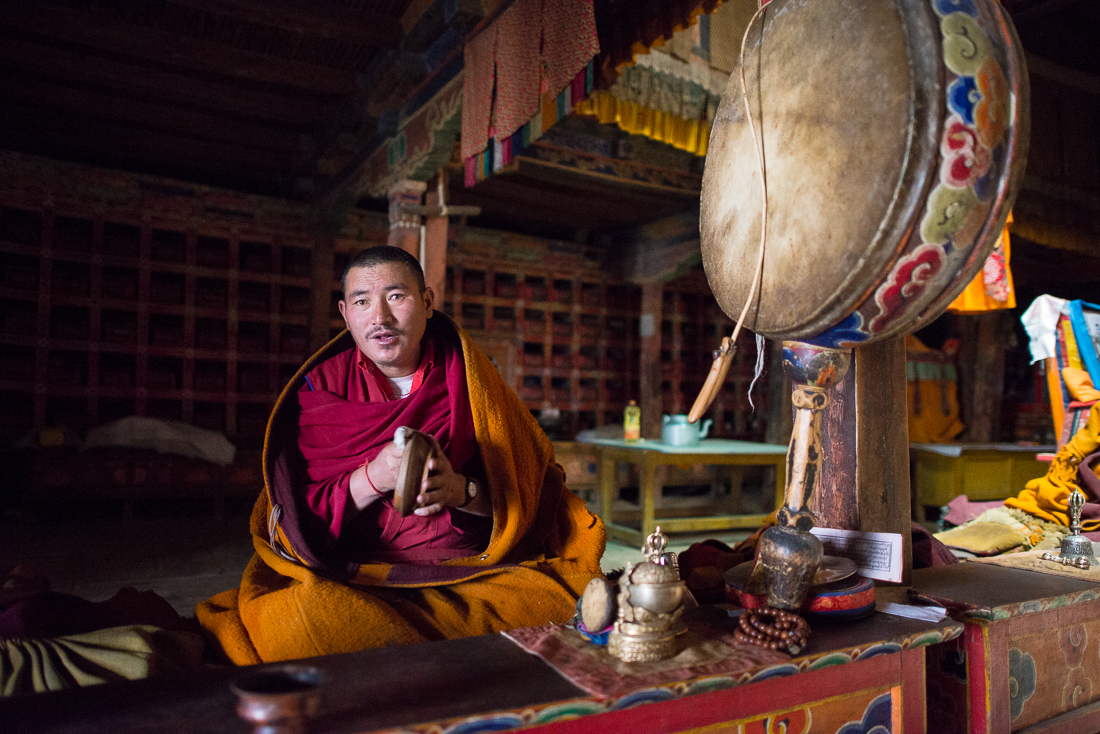
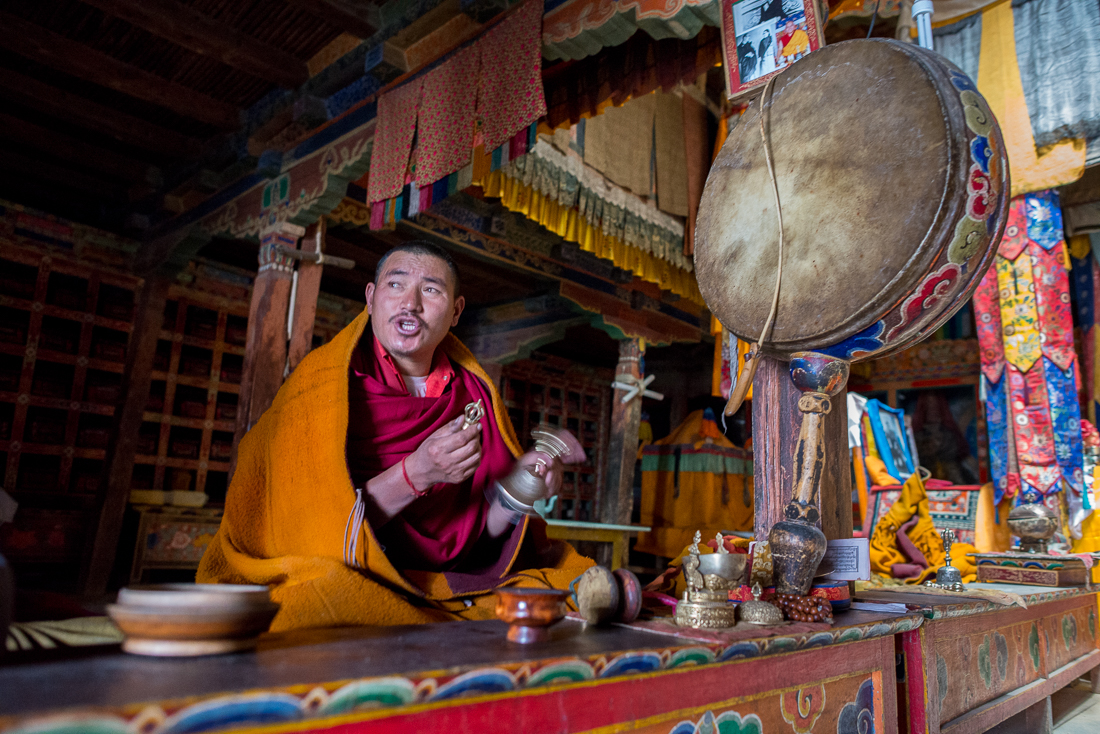
Morning prayers inside the assembly room at Rangdum Gompa in Suru Valley, Jammu & Kasmir, India.

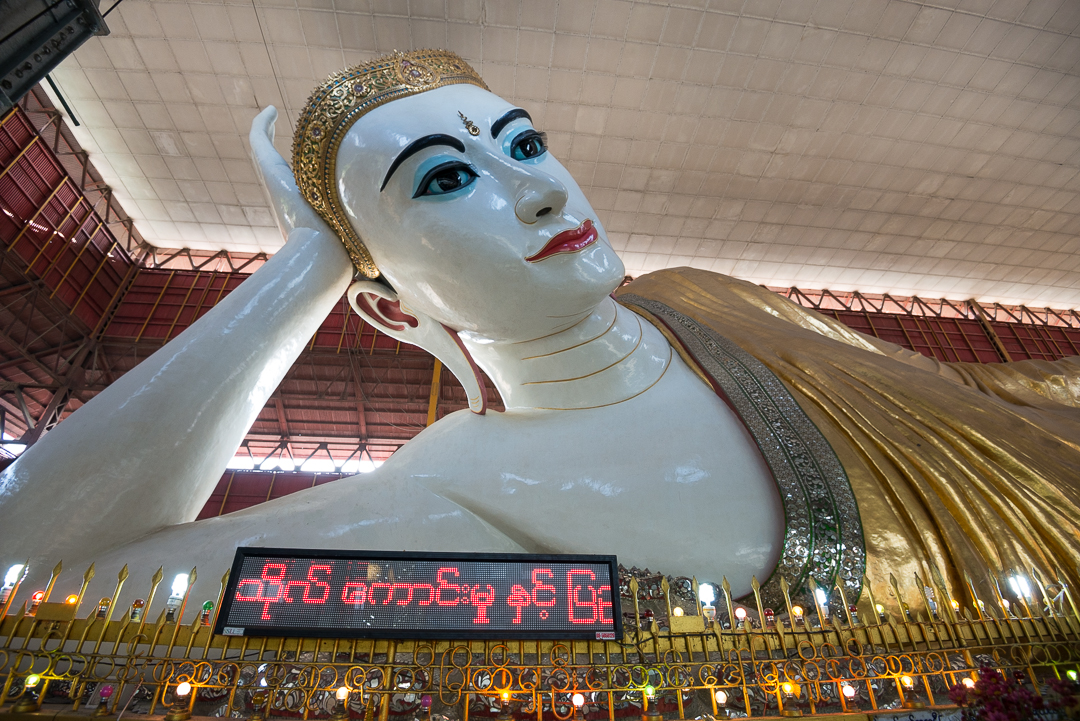
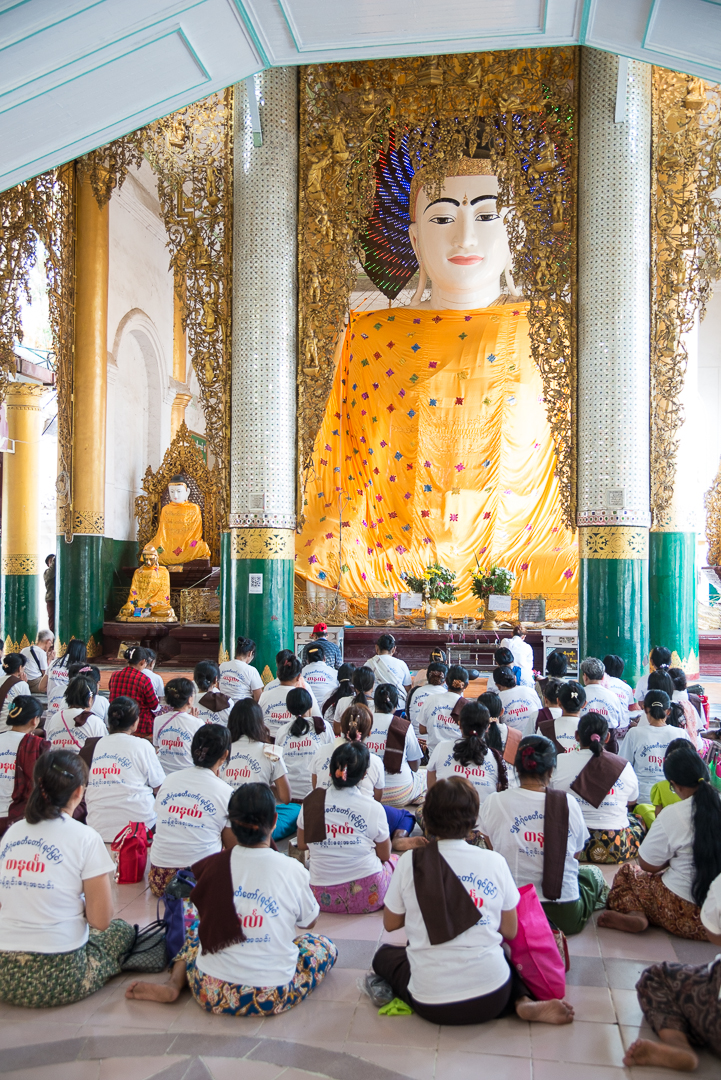
The Buddhism practiced here bears little resemblance to the Buddhism I saw last year in Myanmar (Burma). As I described last year, Myanmar’s Theravada Buddhism is a simple philosophy and barely a religion at all. They learn to think good, peaceful thoughts and try to do good things. To the Theravadas, neither Buddha nor anyone else is divine, immortal, or supernatural. They don’t really pray; they meditate. The Burmese monks are humble and quiet, and their monasteries are modest community meeting halls. But everything Buddhist looks very different in Ladakh.

_5jc8590

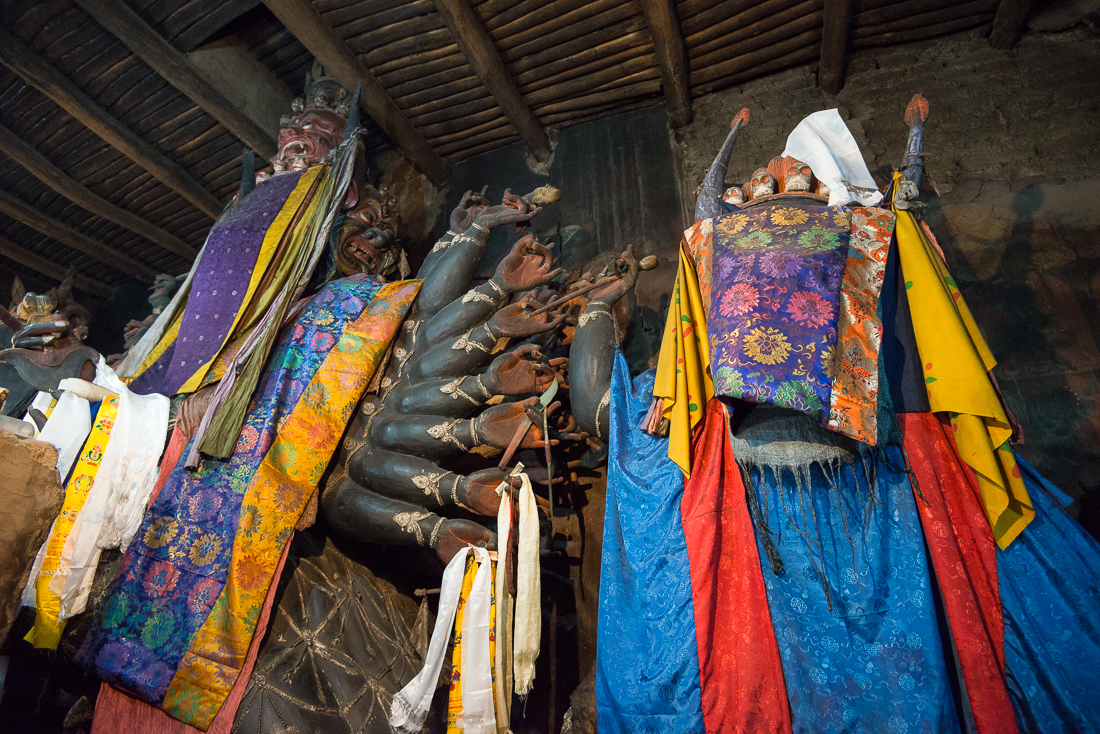
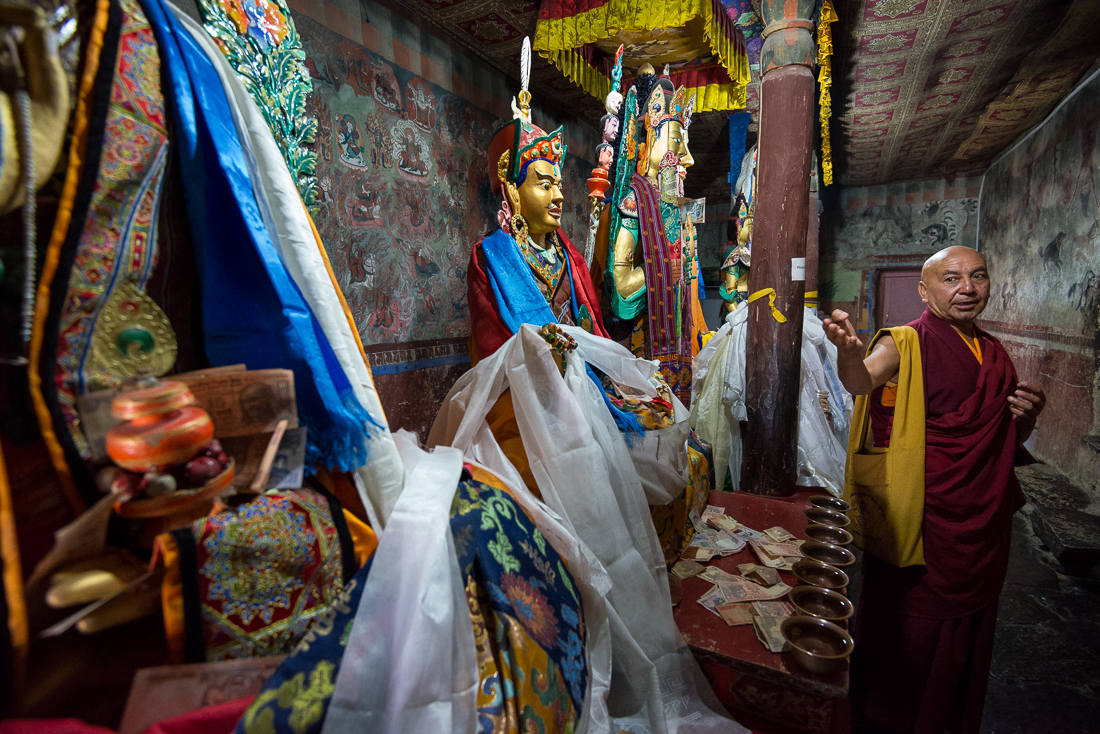
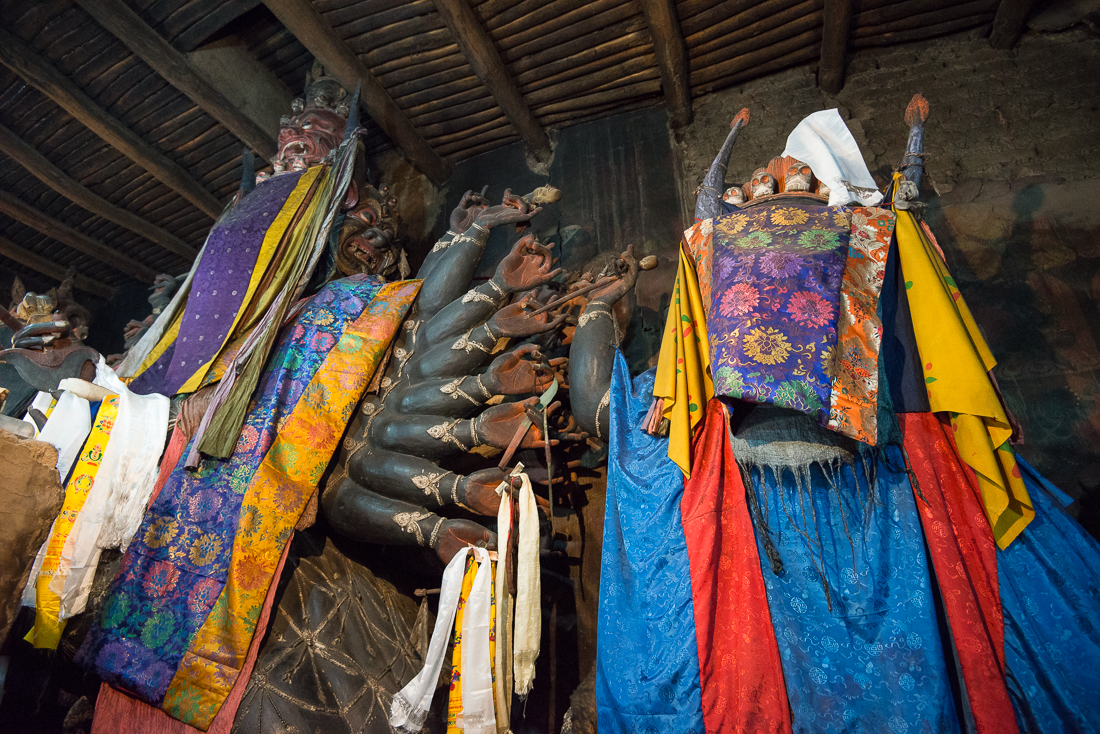
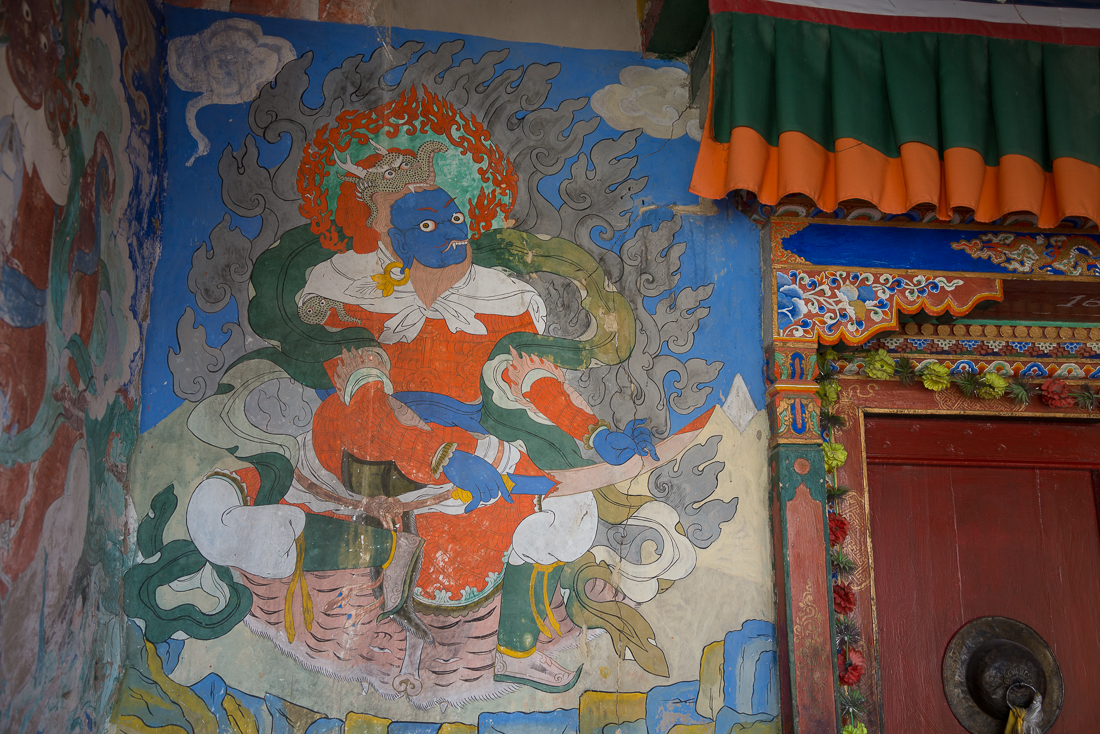
The statues with 12-armed, horned, and 3-headed Buddhist “protector god” icons are kept covered in drapes.

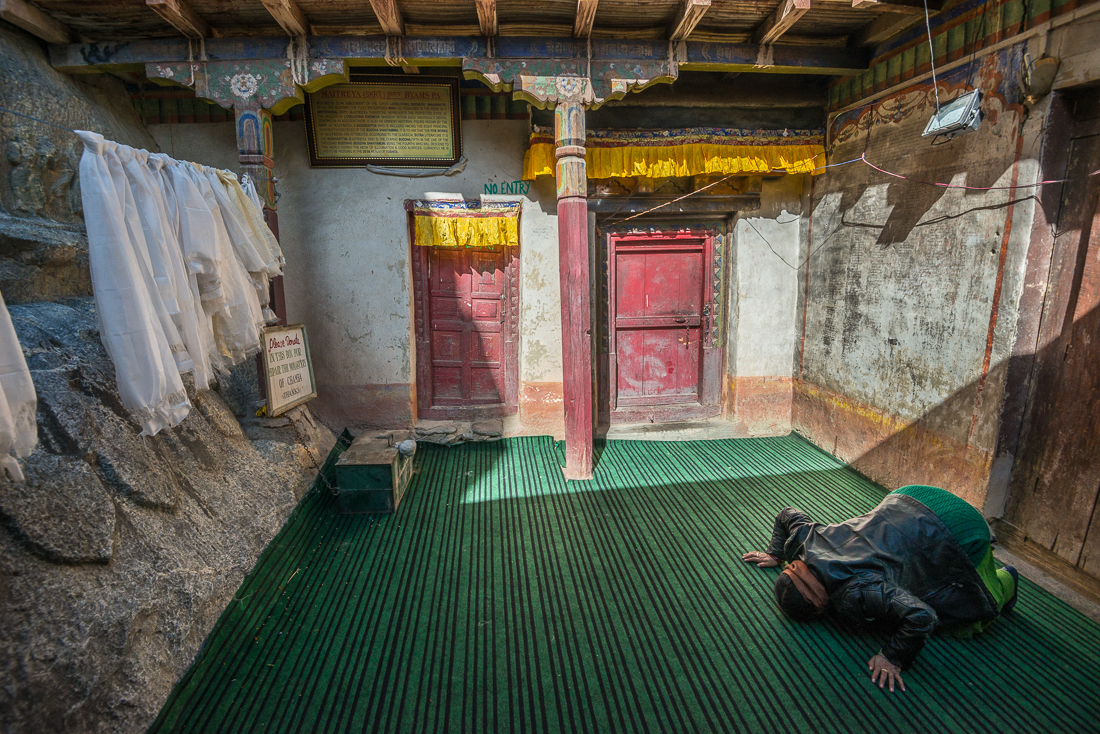
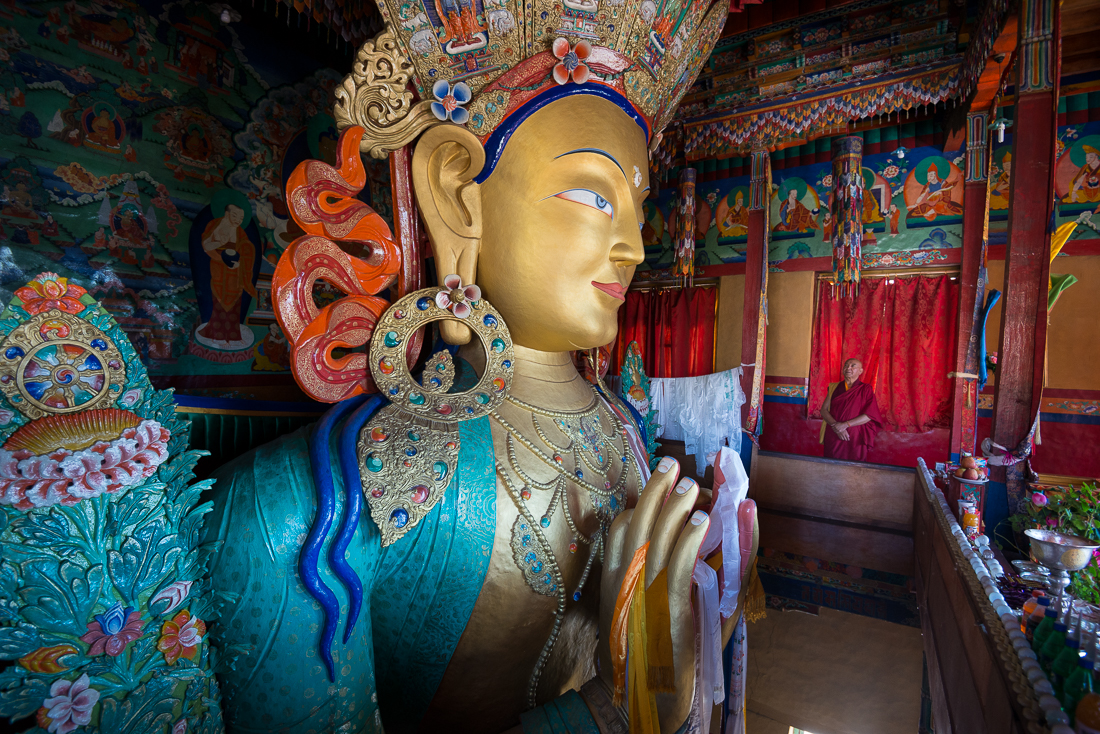
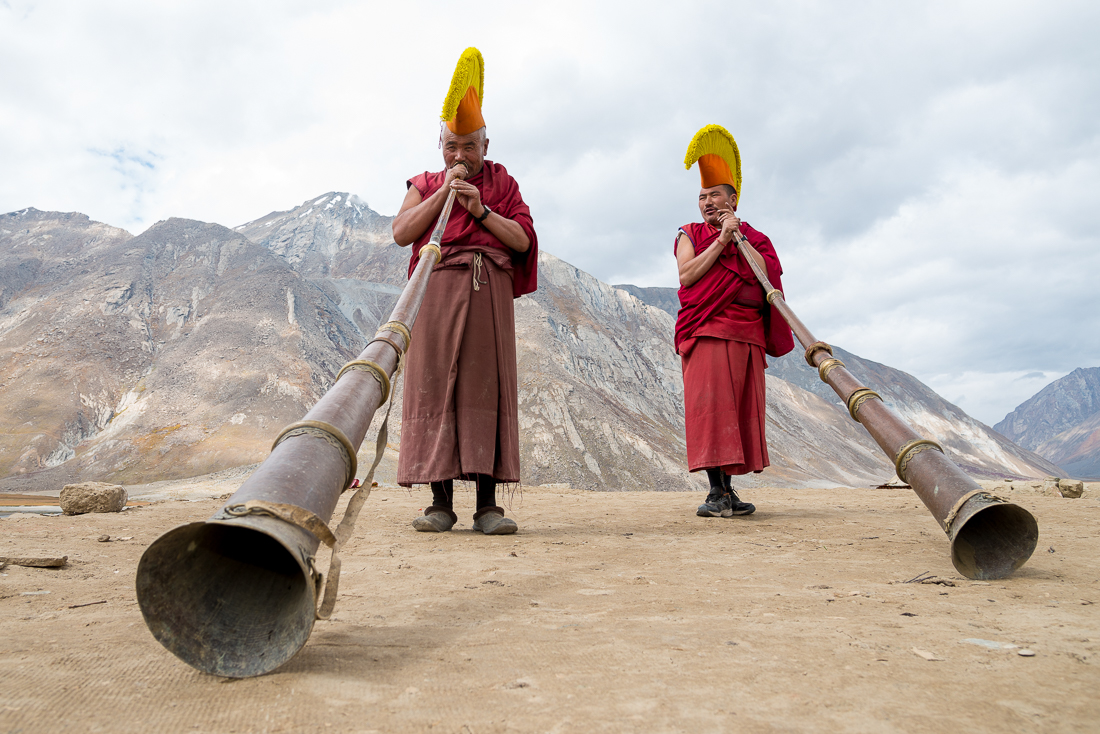
India’s Buddhism is mostly a form of Mahayana Buddhism – sometimes called Tantric, Tibetan, or Vajrayana. The rituals are elaborate (think chants, horns, drums, and bells). The monasteries are often castle-like (indeed, some are actual former castles), their temples decked with colorful and elaborate tapestries and paintings. Worshipers prostrate themselves as they arrive. There’s a hierarchical pecking order among the cloistered monks and lamas (up to and sometimes including the powerful Dalai Llama). Prayer wheels and prayer flags are everywhere. There are idol-like statues or paintings on the temple walls of various “tantric deities” or “protector gods” – some with multiple heads, a dozen arms, horns, swords and blue skin, wearing voodoo-like human-skull-decorated hats. And that’s not even the strangest part (let’s just say there’s a good deal of unsubtle sexual symbolism). They believe in reincarnation generally, and believe that their high priests are literal reincarnations of their ancient priests. We even heard their version of an end-of-the-world apocalypse.

To most Americans and westerners, the complicated tales of how they scour the region’s villages to locate a 3-yr-old reincarnation of the supreme religious leader are hard to fathom — much less accept and believe — as are the seemingly convoluted explanations of those statues, symbols and rituals. But of course, all the themes of Christianity and Judaism that are familiar to us surely sound bizarre and ridiculous to them. As is so often true in international travel, learning about other cultures can teach you as much about your own culture as it does about the foreign one.


_5jc7984

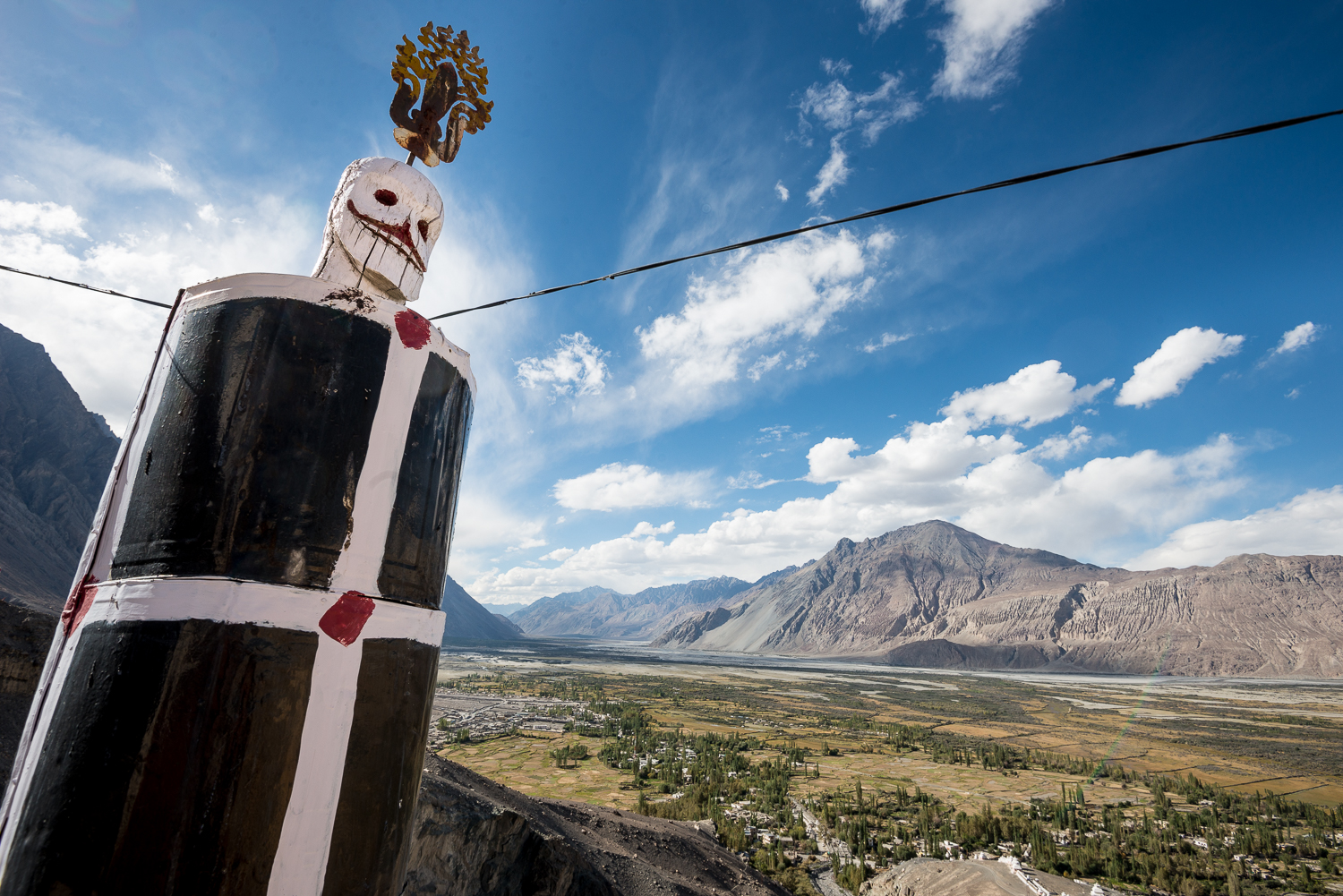
This voodoo-looking Buddhist gargoyle is on the roof of Deskit monastery, overlooking the Nubra River valley in northeast India, just a few miles from Pakistan.


_5jc8558

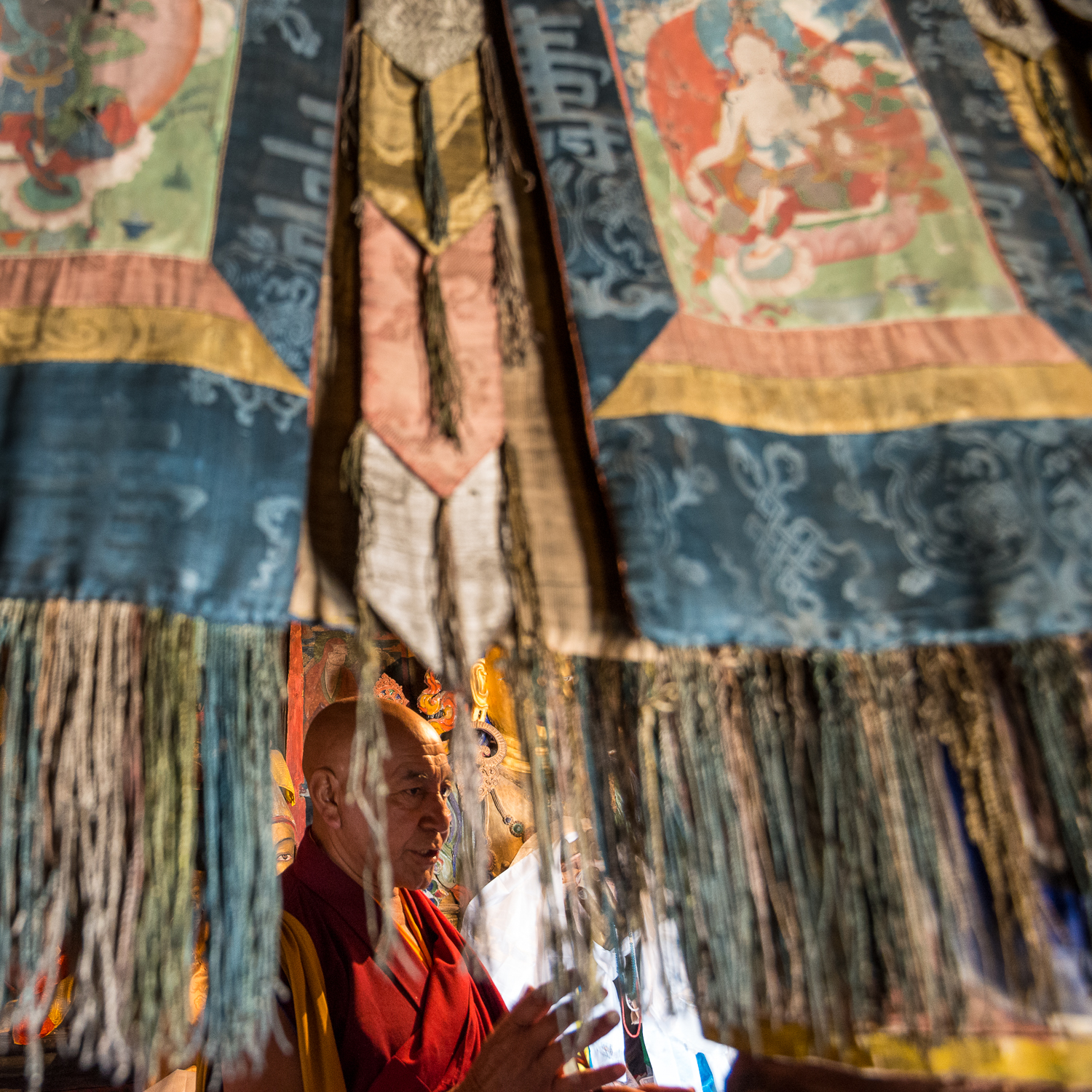
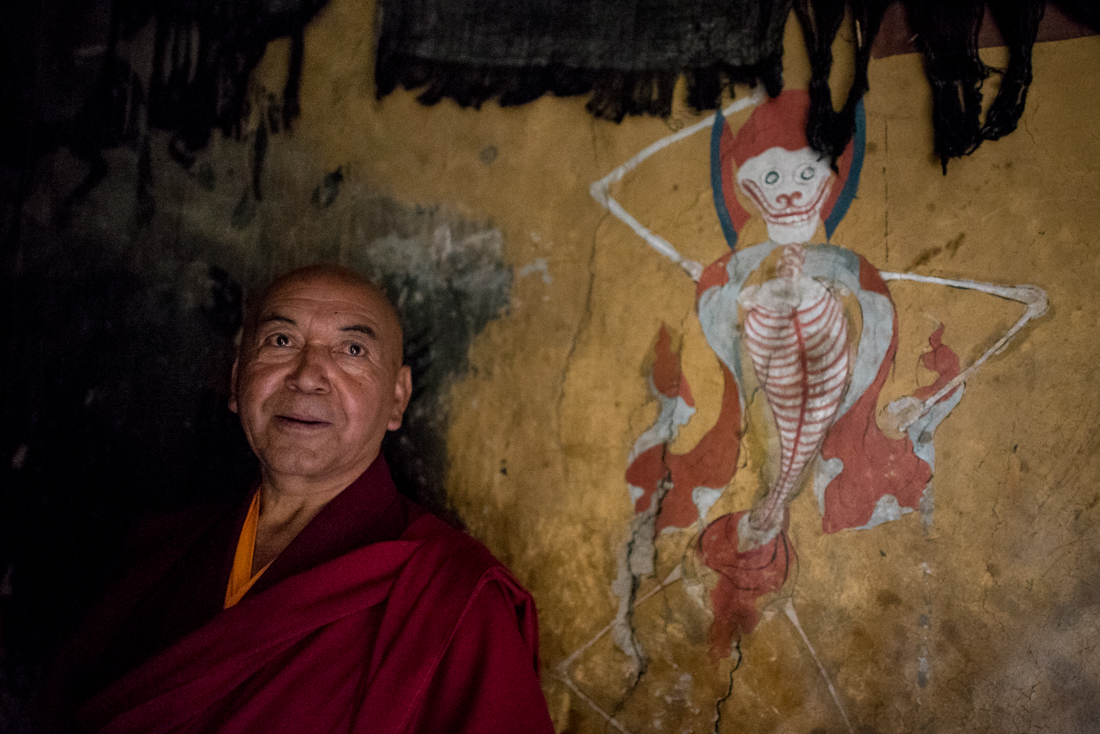
Buddhism expert Dr. Khenpo Konchok “Lama Ji” Rigzen, through some of the Buddha tapestries at Thiksey Monastery in Leh, India.

_jce0607

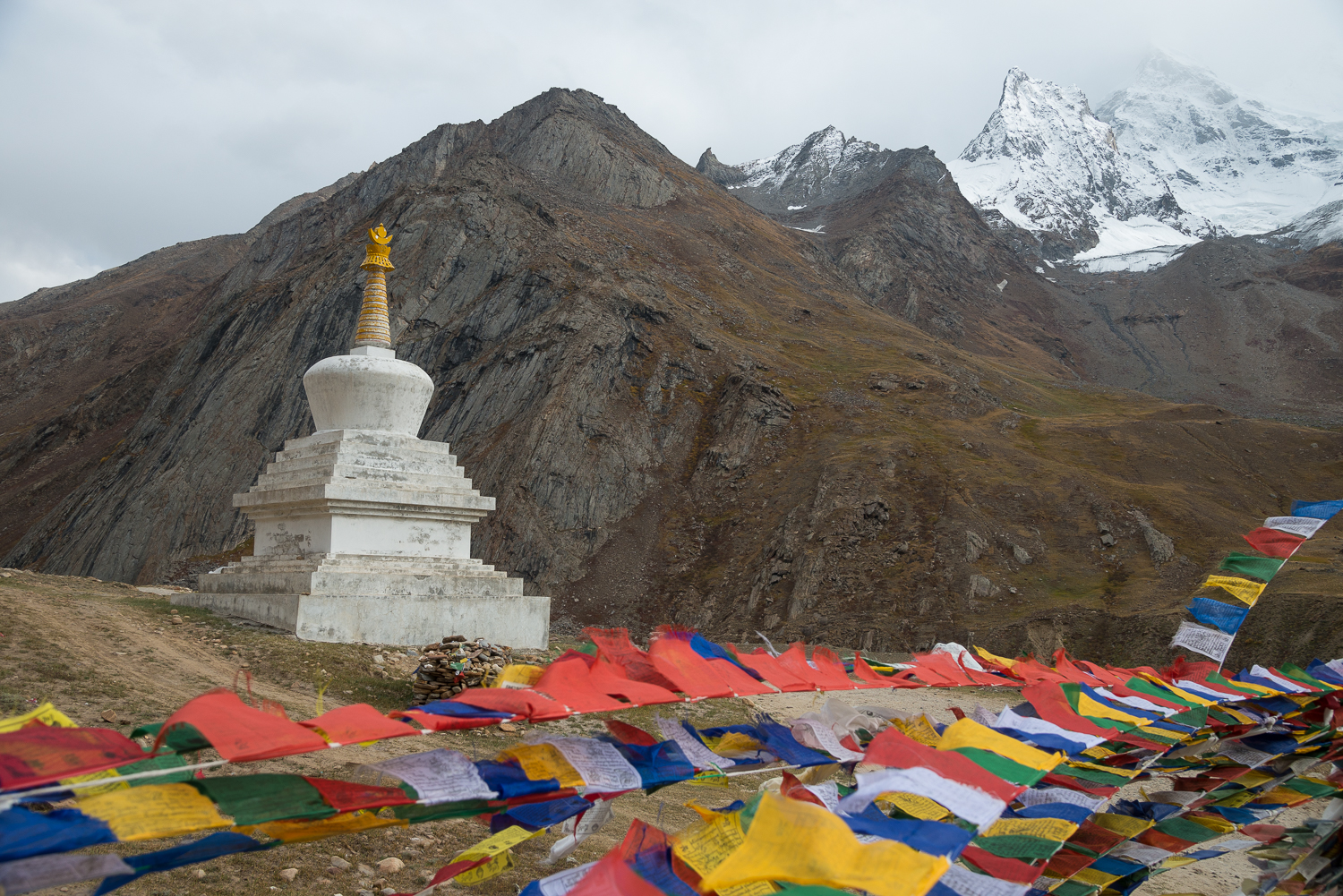
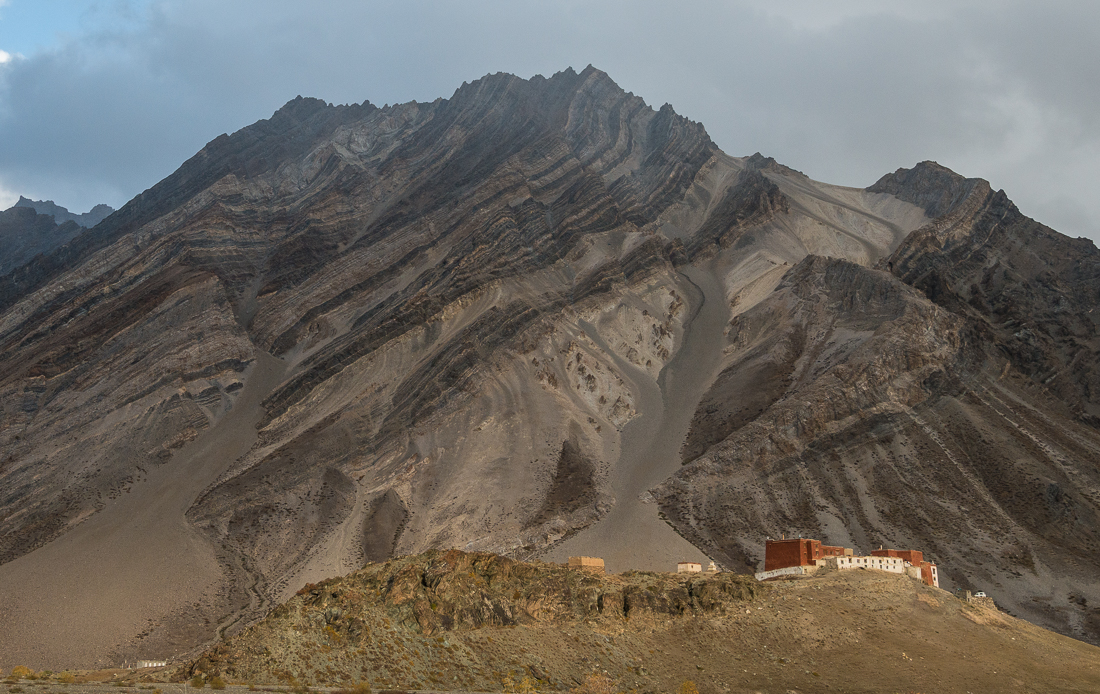
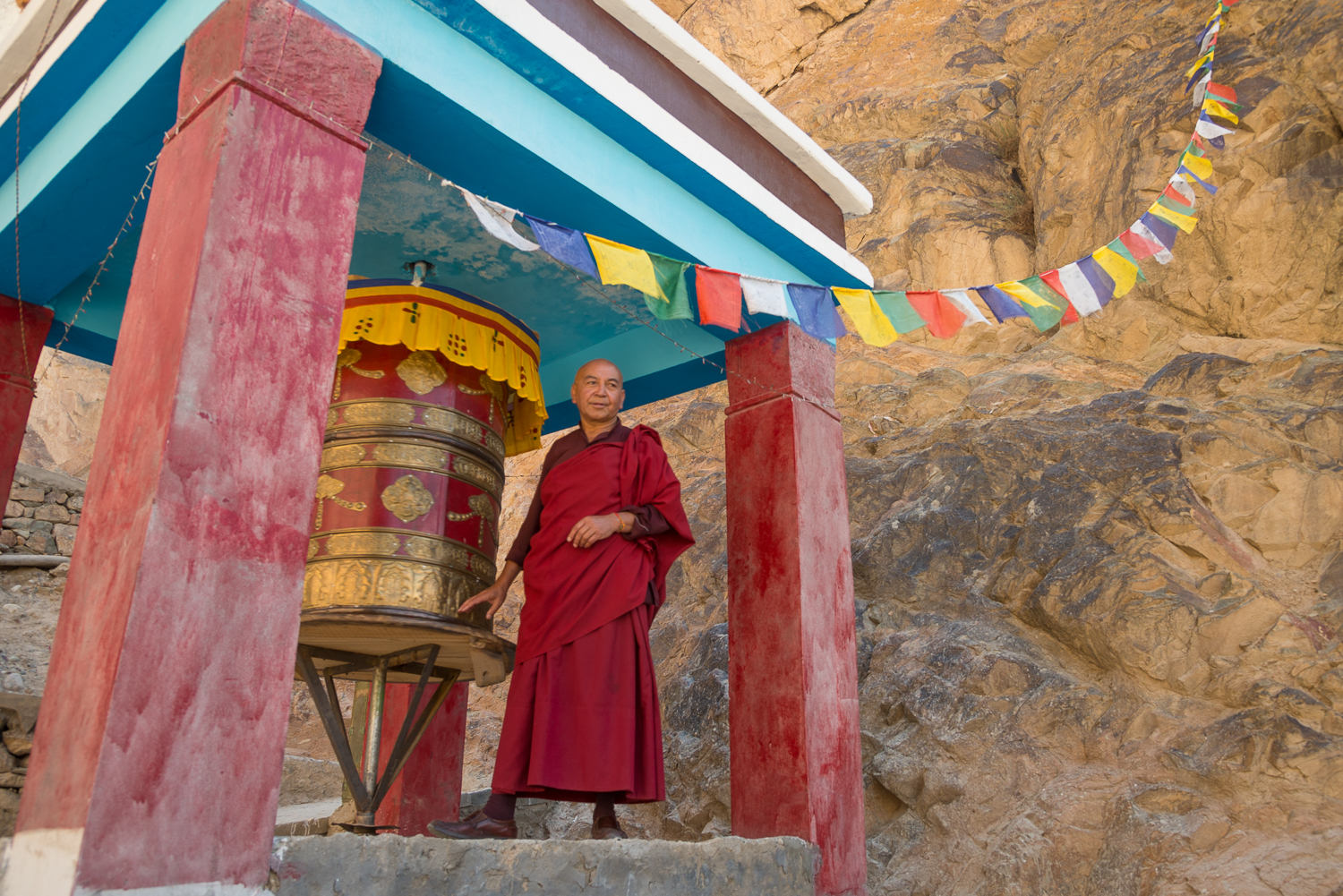
A Buddhist chorten (monument) and prayer flags, underneath one of the 20,000+ peaks in the Suru valley. This marked our return to Buddhist territory after a day or two in the muslim region near Kargil.

_5JC7700.jpg_5JC8246.jpg_5JC8307.jpg_5JC8378.jpg_5JC8428.jpg_5JC8507.jpg_5JC8590.jpg_5JC8639.jpg_JCE0828.jpg_JCE0884.jpg_JCE0914.jpg_JCE0953.jpg_JCE1073.jpg_JCE1141.jpg_JCE1328.jpg_JCE1959.jpg_JCE3140.jpg_JCE8447.jpgJ75_9197.jpgJ75_9264.jpg


_jce4528

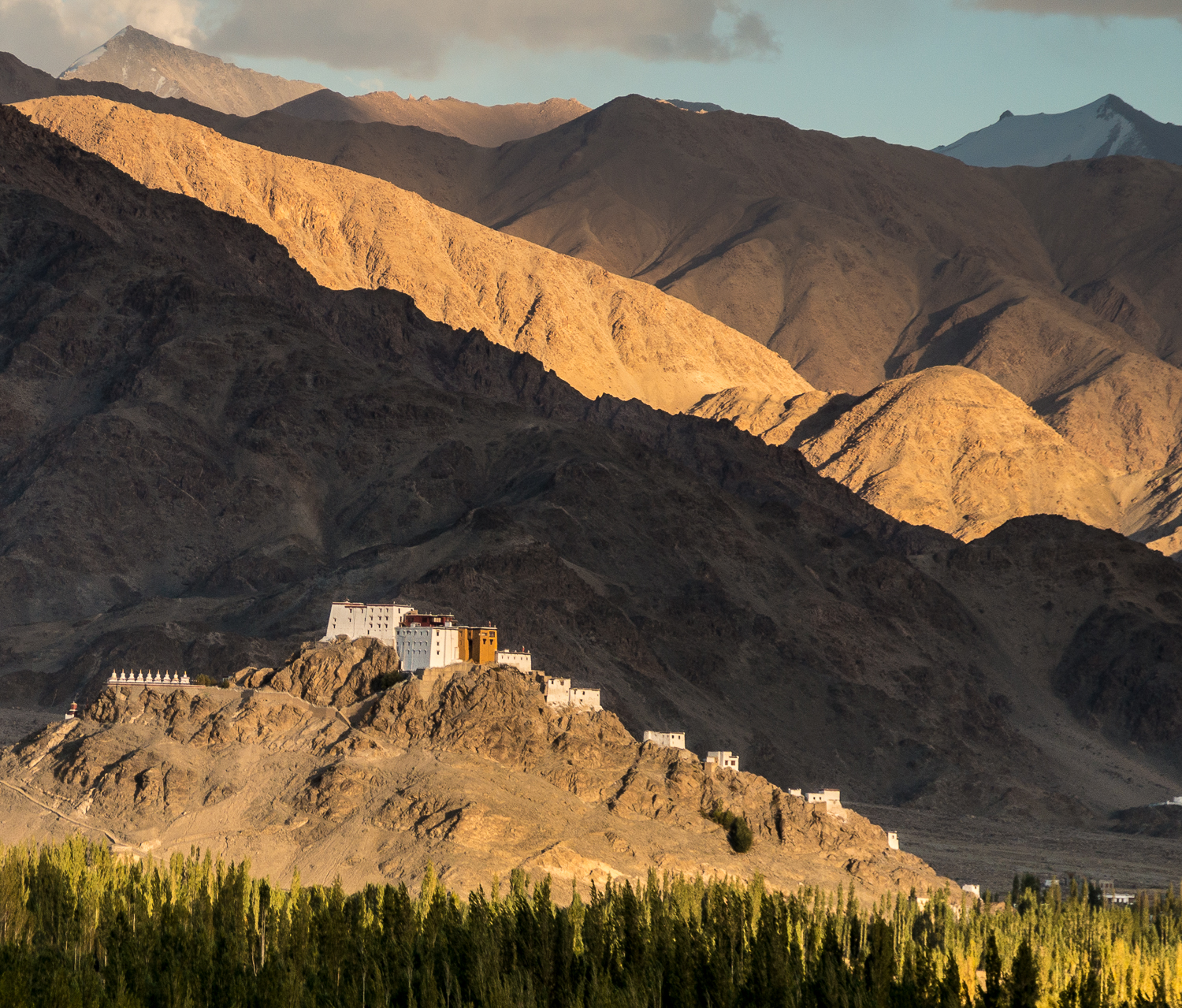
Late evening sun on Thiksey monastery, seen from the “Shey Palace” monastery, a former ruler’s castle near Leh, India.


_jce4719

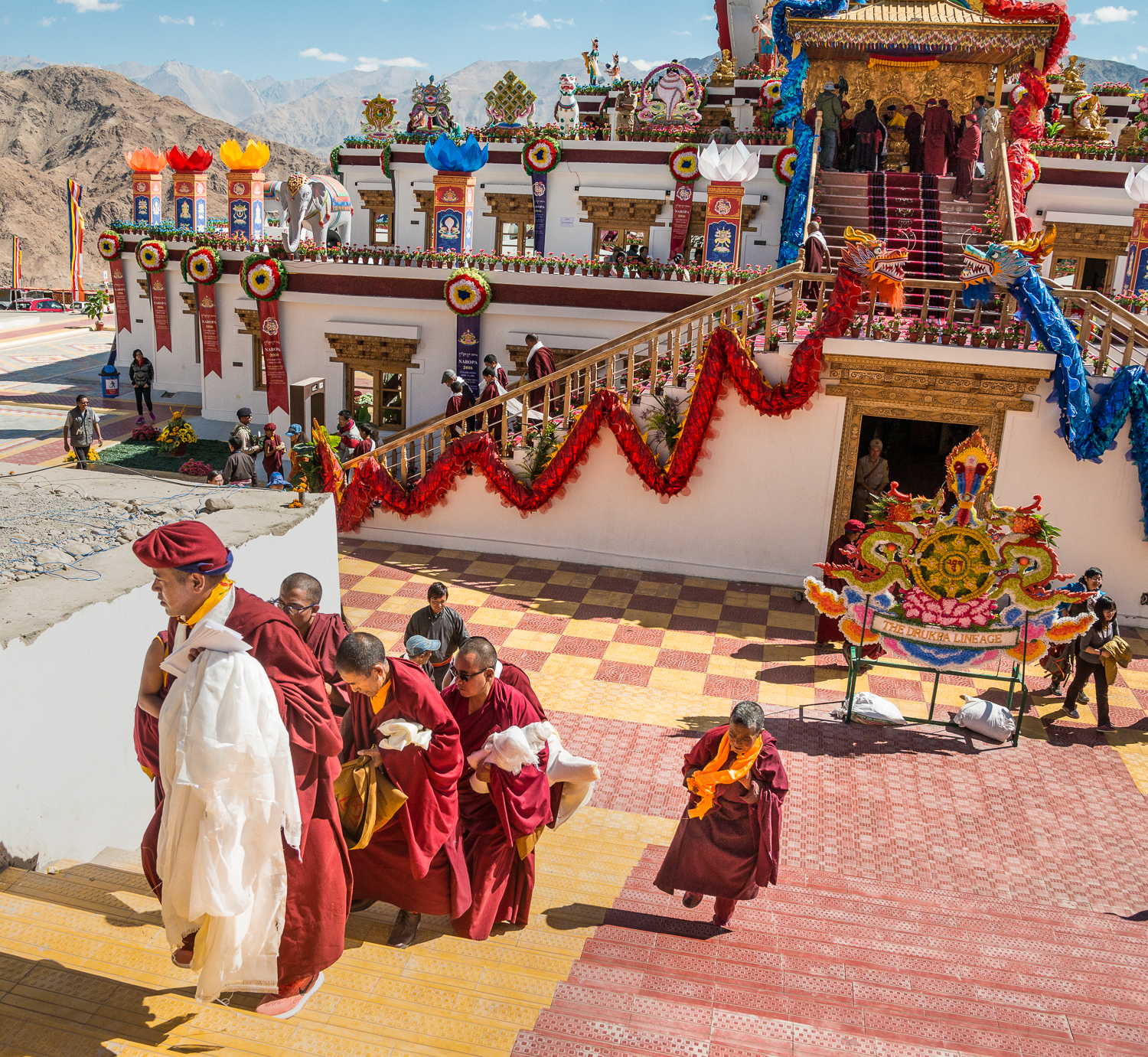
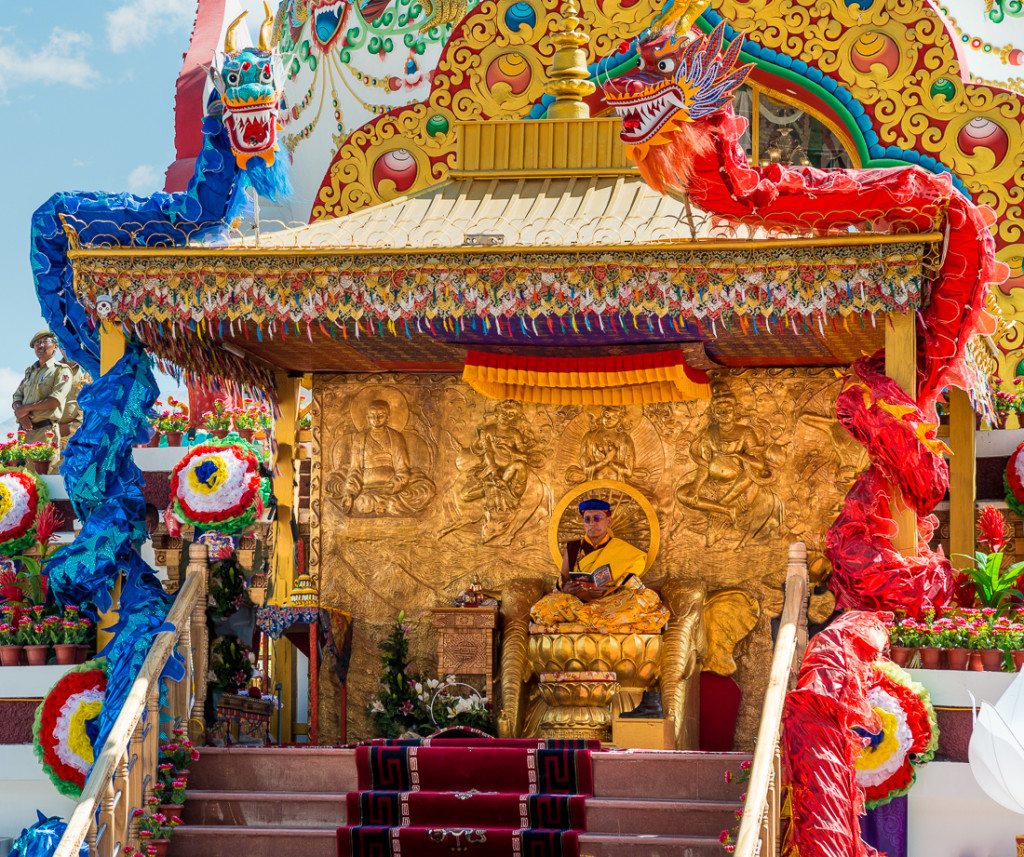
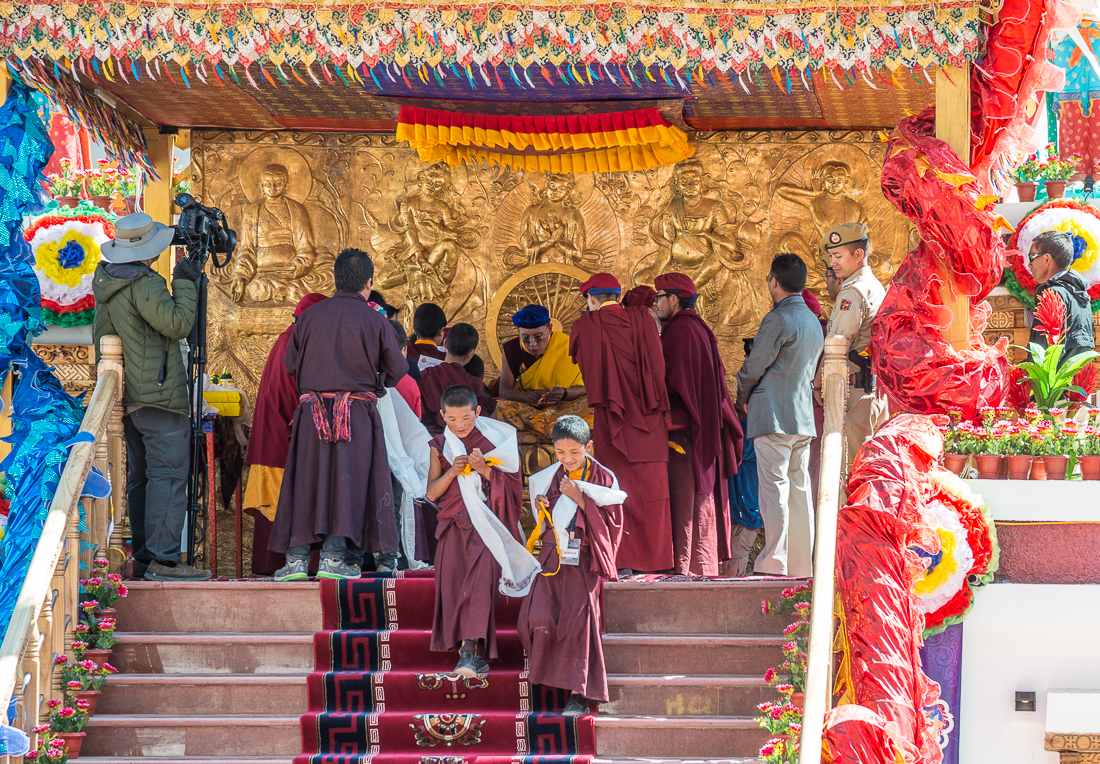
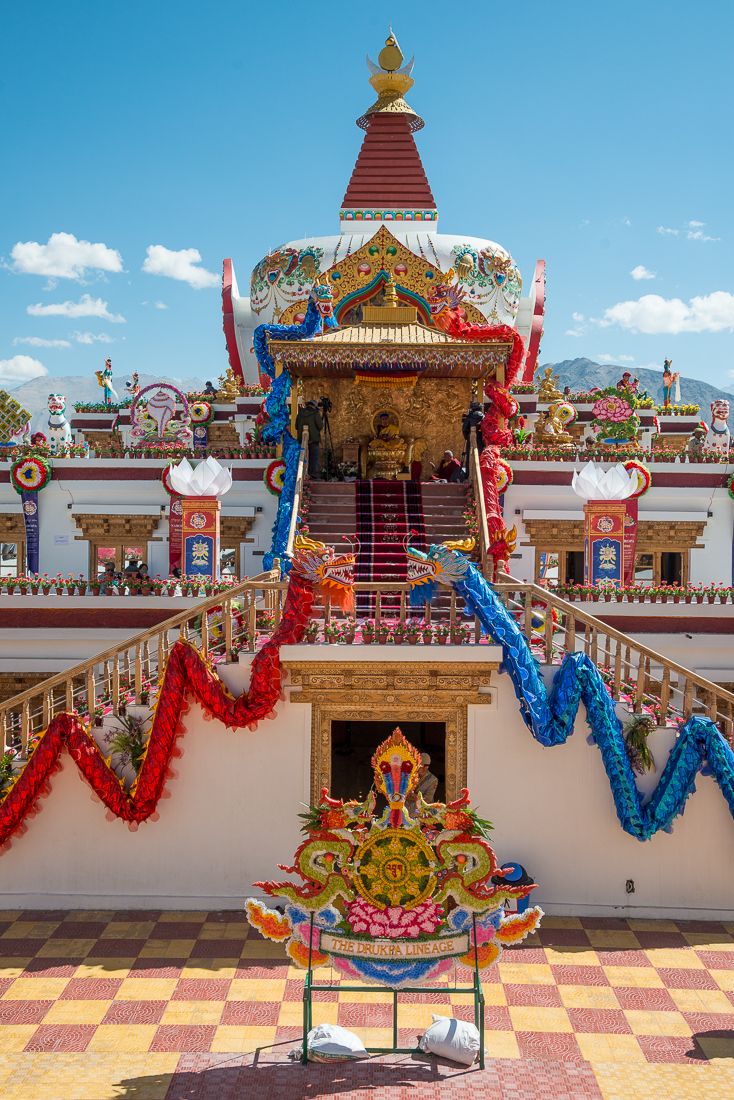
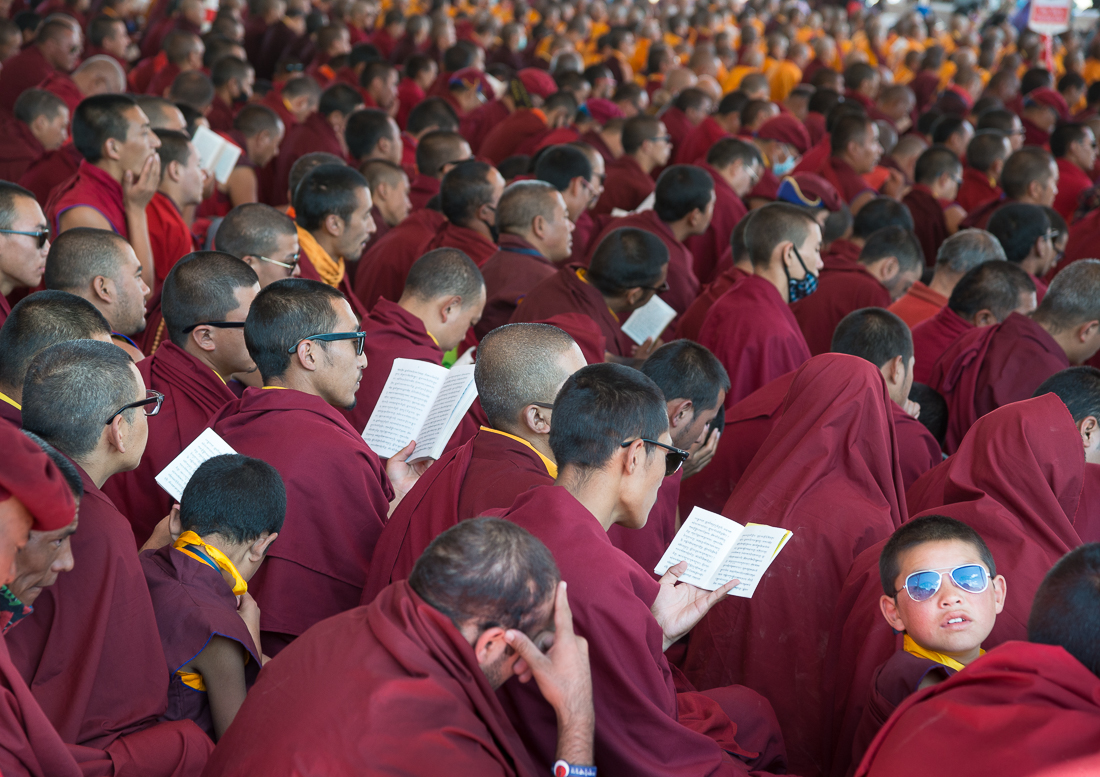
Monks return from their visit to the “throne” (upper right) of His Holiness the Gyalwang Drukpa during the 1000-year Naropa Festival in Hemis, India.

_jce4773


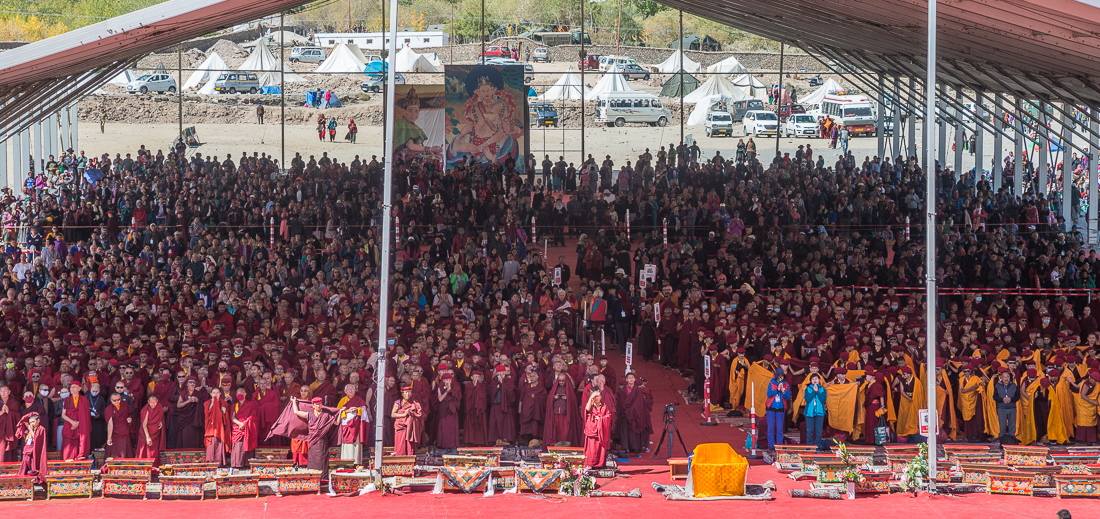
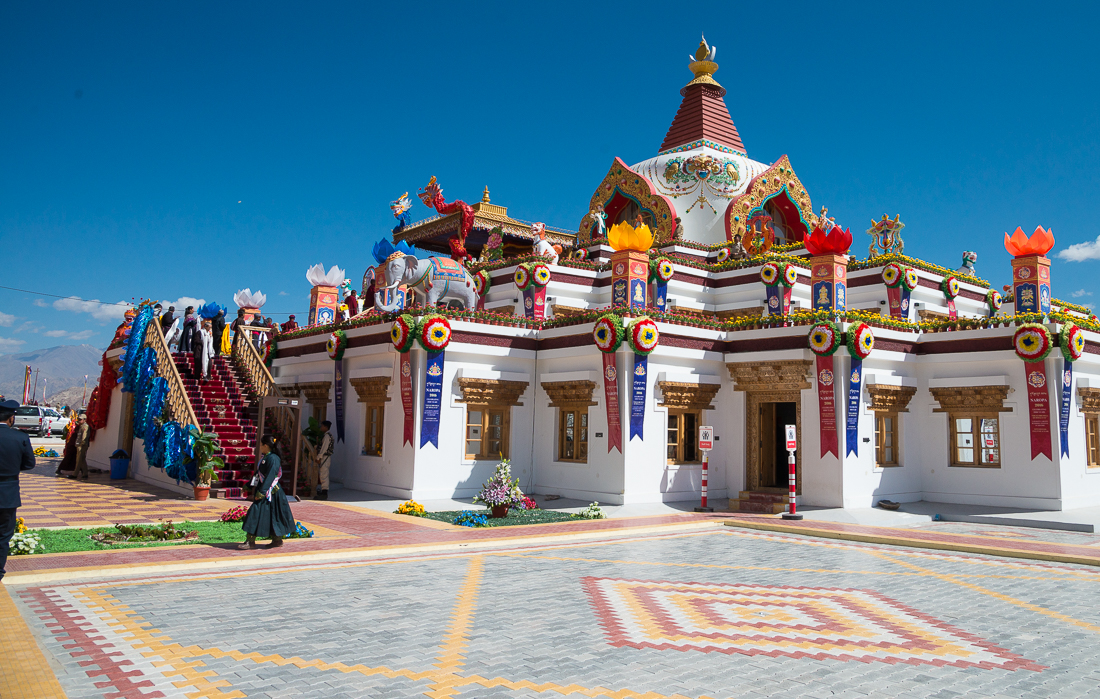
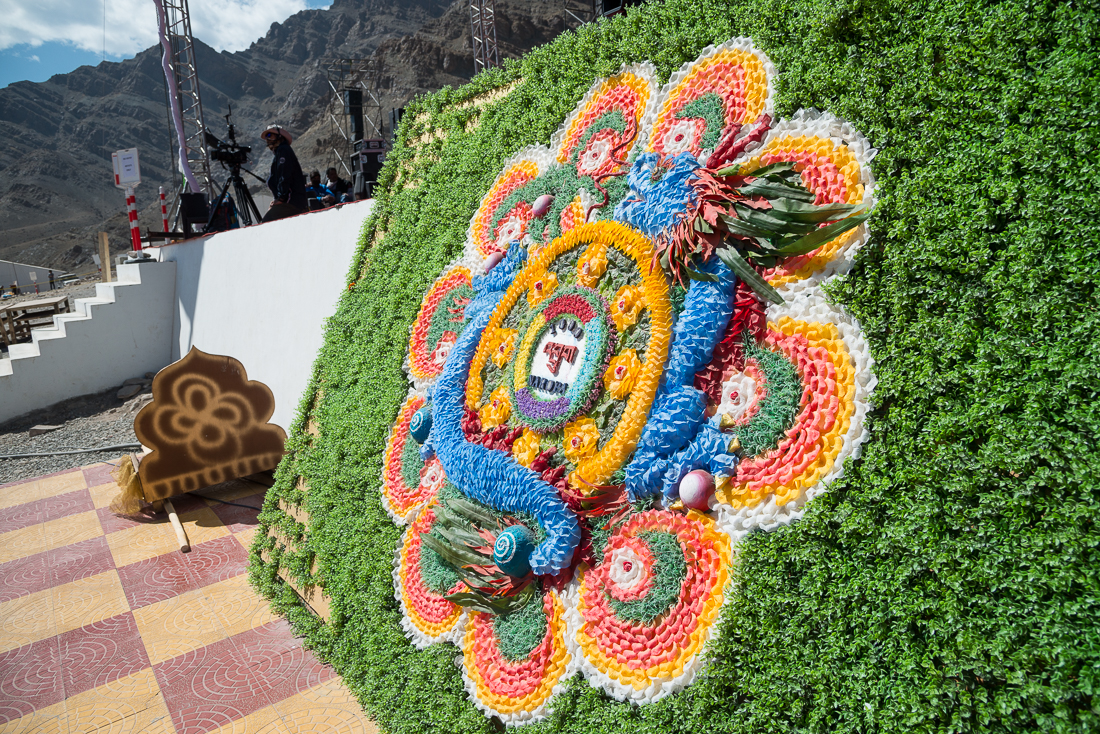
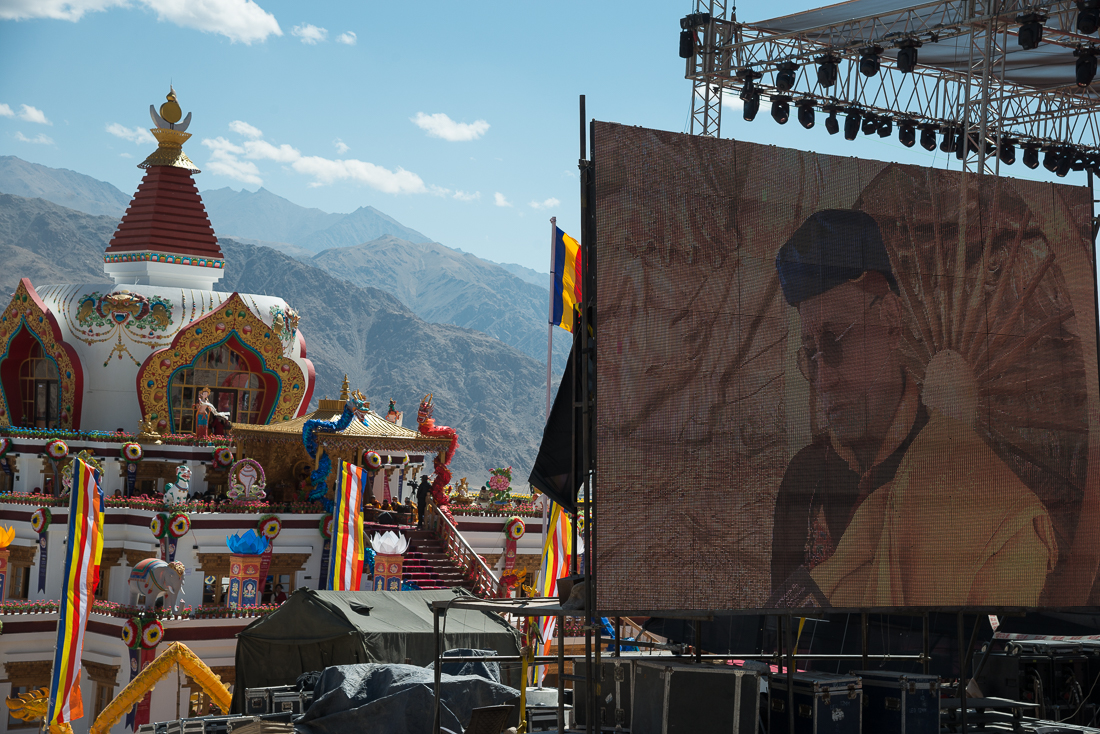
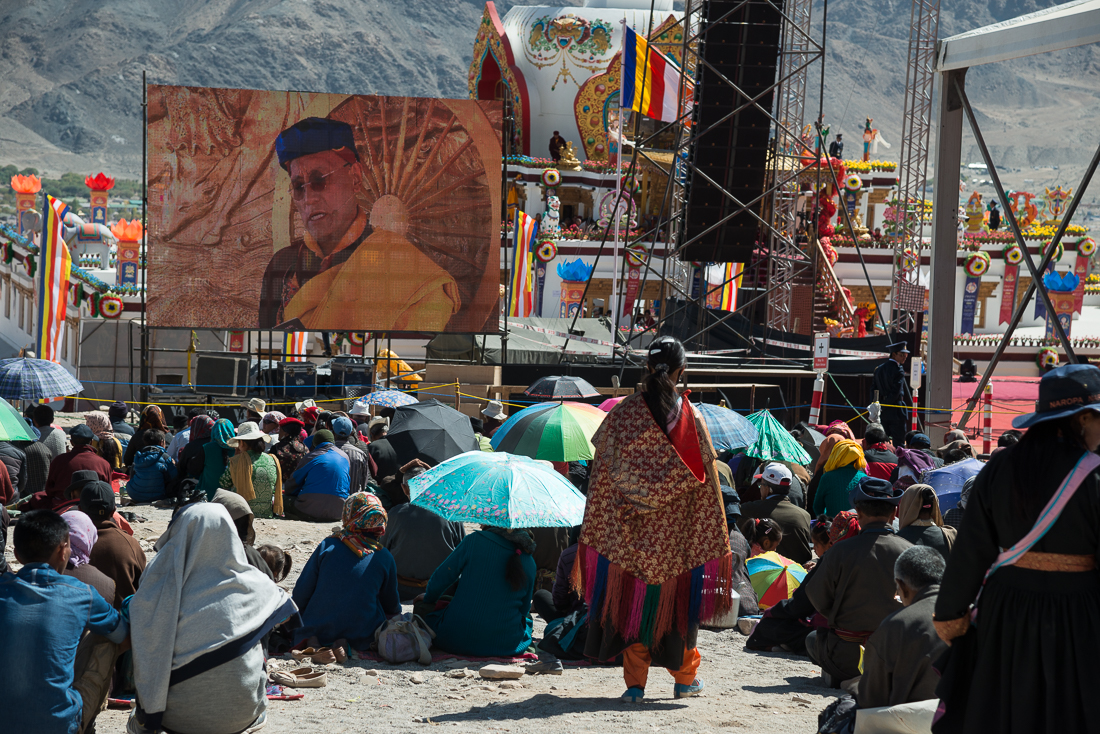
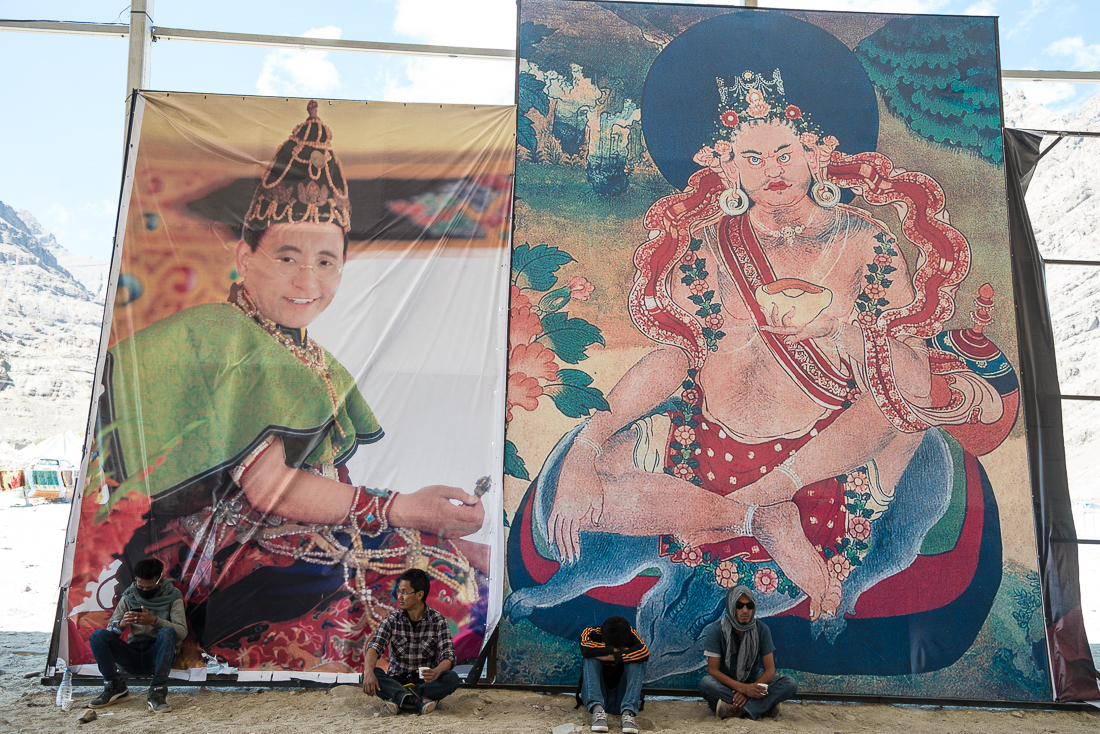
NAROPA 1000: Once every 12 years, the Drukpa Order (a sect or denomination of Buddhism) celebrates its Naropa Festival in Hemis, just south of the small city of Leh in Ladakh.  By coincidence, I was there during part of the festival.  I missed the highlight — when His Holiness Gyalwang Drupka (this sect’s equivalent of the Dalai Lama) dons the 1000-year-old crown and jewelry of the sect’s founder, but did get to watch His Holiness receive gifts from pilgrims and deliver a long, monotone sermon. That’s him sitting on the golden throne, atop that pyramid temple.  No kidding. Somehow I stumbled into a front row position for a few minutes (with thousands of monks and worshippers up the hill behind me). It was definitely one of those moments when I pause, laugh, shake my head, and marvel at the wacky situations I’ve been getting myself in the middle of.

_JCE4667.jpg_JCE4677.jpg_JCE4699.jpg_JCE4784.jpg_JCE4789.jpg_JCE4811.jpg_JCE4841.jpg_JCE4852.jpg_JCE4878.jpg


Panama Canal

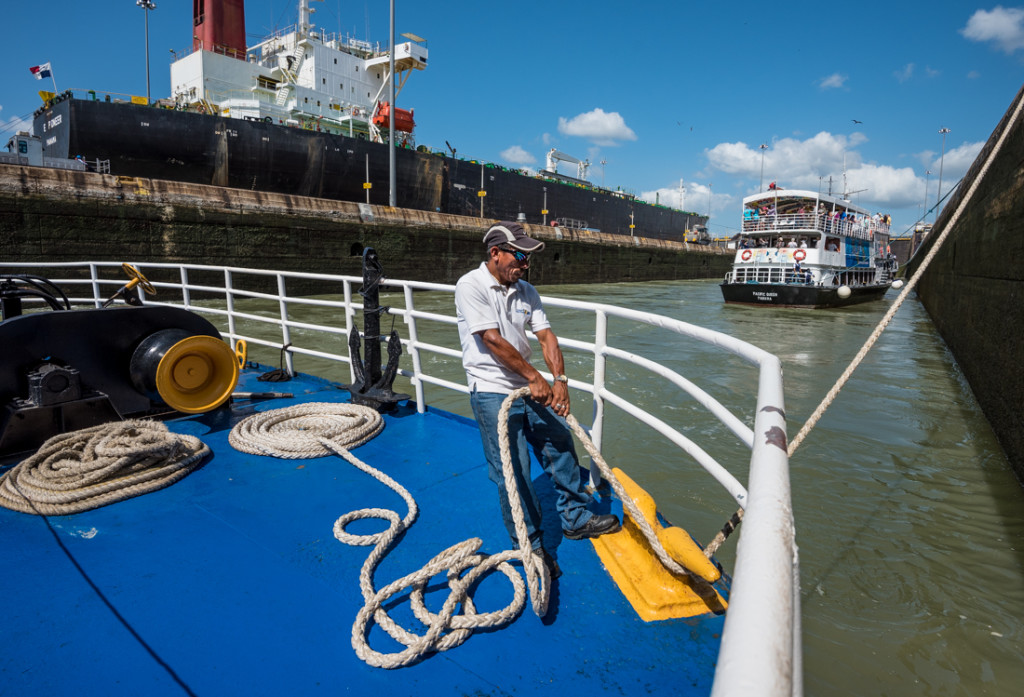
If you want to get a boat from the Pacific Ocean to the western Atlantic or Caribbean, you can brave the three-week trip around Cape Horn at the bottom of South America — or you can spend one sunny day in the Panama Canal. Big cargo ships pay $100,000 or more to get through; it cost me about 200 bucks.

J75_5273


It’s easy to get turned around in Panama.   My Panama City hotel room window looked east onto the Pacific Ocean. A hundred miles due west of me was the Atlantic (Caribbean) coastline. The highway route to North America heads southwest out of the City, and the flight to the nearest major South American airport heads northeast to Cartagena, Colombia. If you travel the Panama Canal from Pacific to Atlantic (as I did), you go mostly north-northwest.


The history and identity of the region arises mostly from that tiny distance – as little as 40 miles — between its two coasts. Spanish control dates from the 1513 crossing by Spaniard Vasco Balboa, who became the first European to see the Pacific coast in the New World. In the early 1800s, the “Isthmus Department” was a part of Gran Colombia after Simon Bolivar led their collective split from Spain. By the turn of the 20th Century, Colombia was in civil war. Panama was able to declare its independence thanks to an agreement with the United States, which effectively created both the Panama Canal and Panama itself. The U.S. committed to provide military assistance and protection for an independent Panama, and Panama gave the U.S. the right to build and control the Canal – all “in perpetuity.”


J75_5552

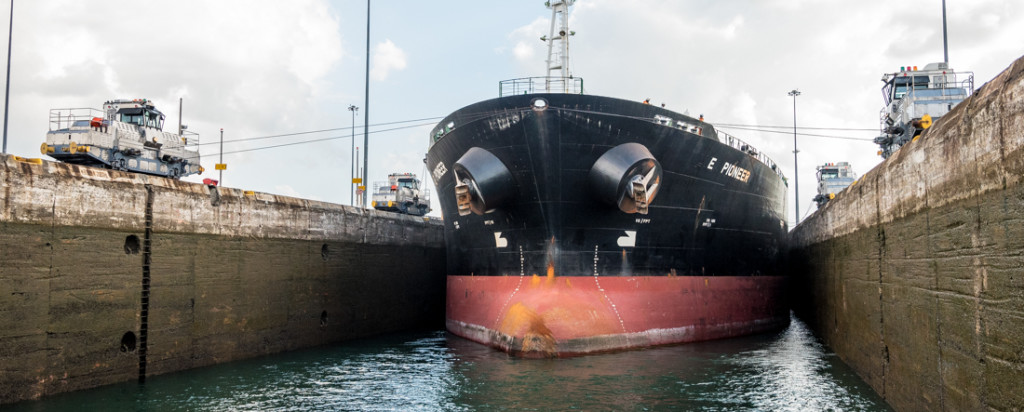
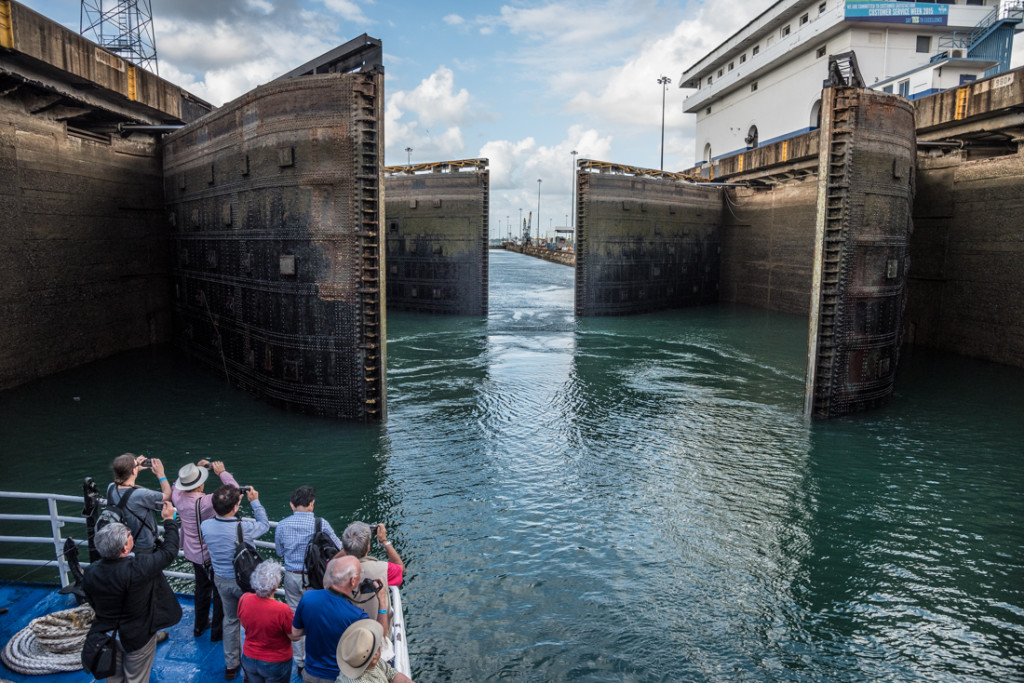
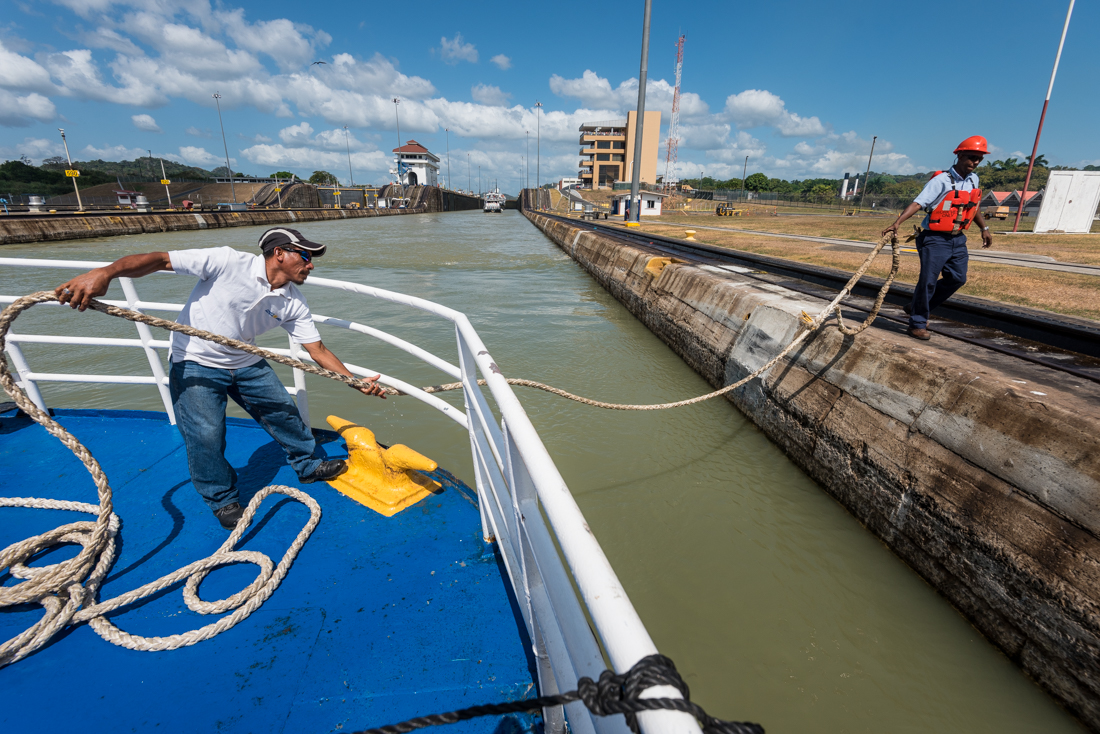
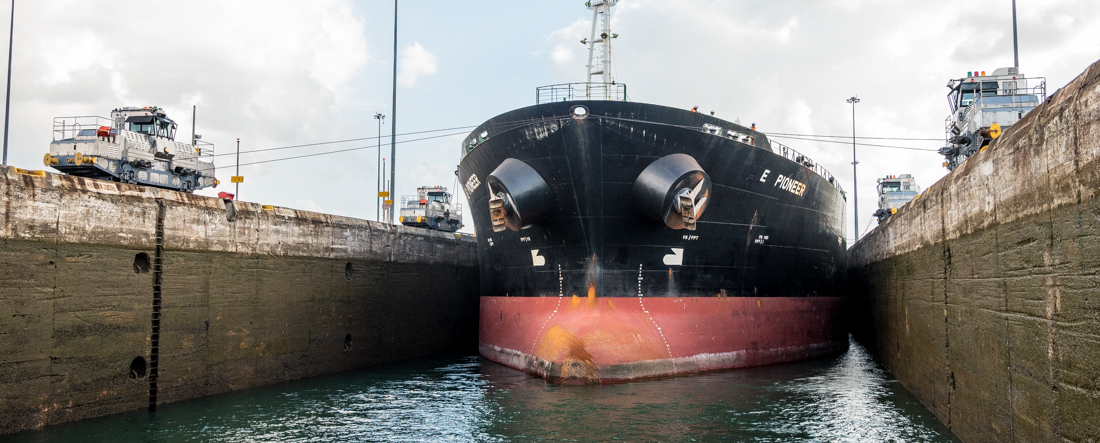
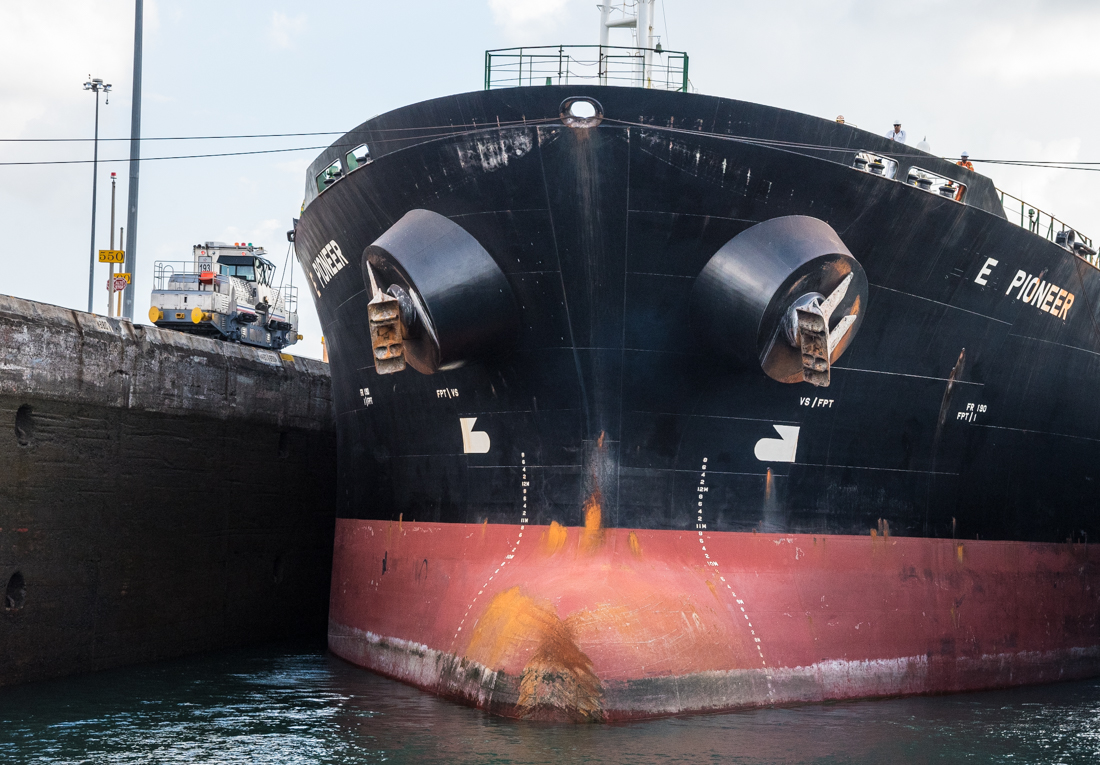
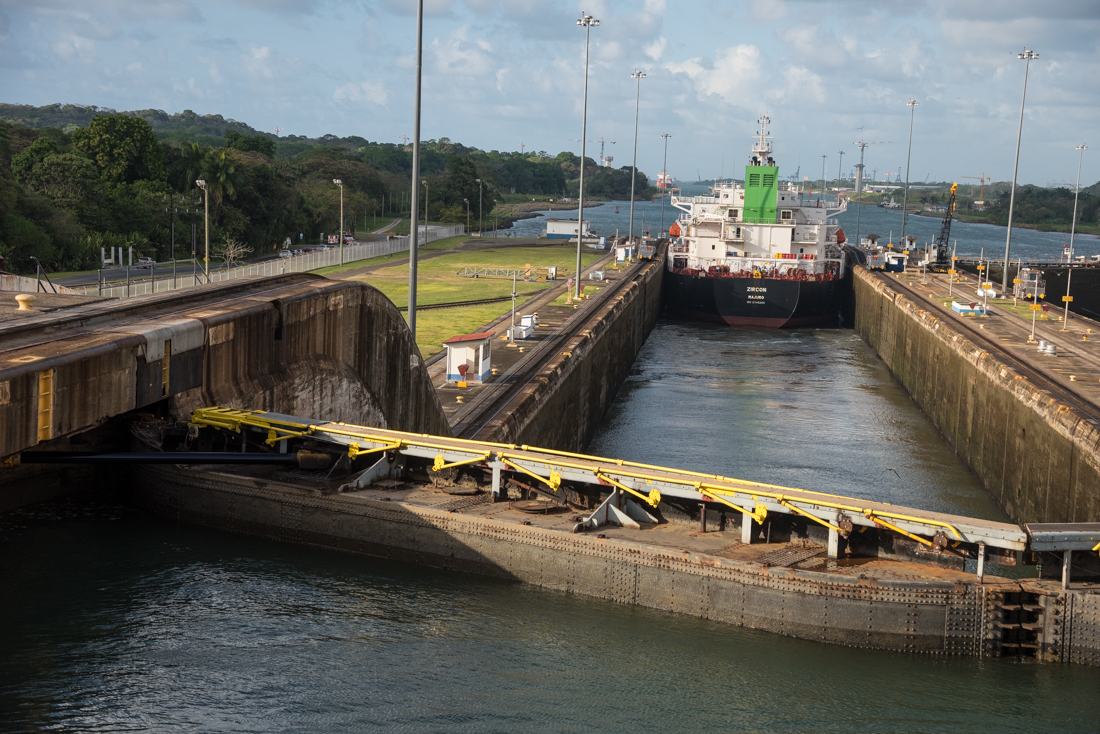
Big ships like this have only a foot or two of clearance on each side of the locks. Those train-like “mules” on the side walls pull and guide the ships through.


A French group had attempted a canal before, in the late 1800s. Their plan was a sea-level passage – a simpler design that wouldn’t need locks but which failed because it required way too much digging. Twenty-thousand people died in the French construction attempt.


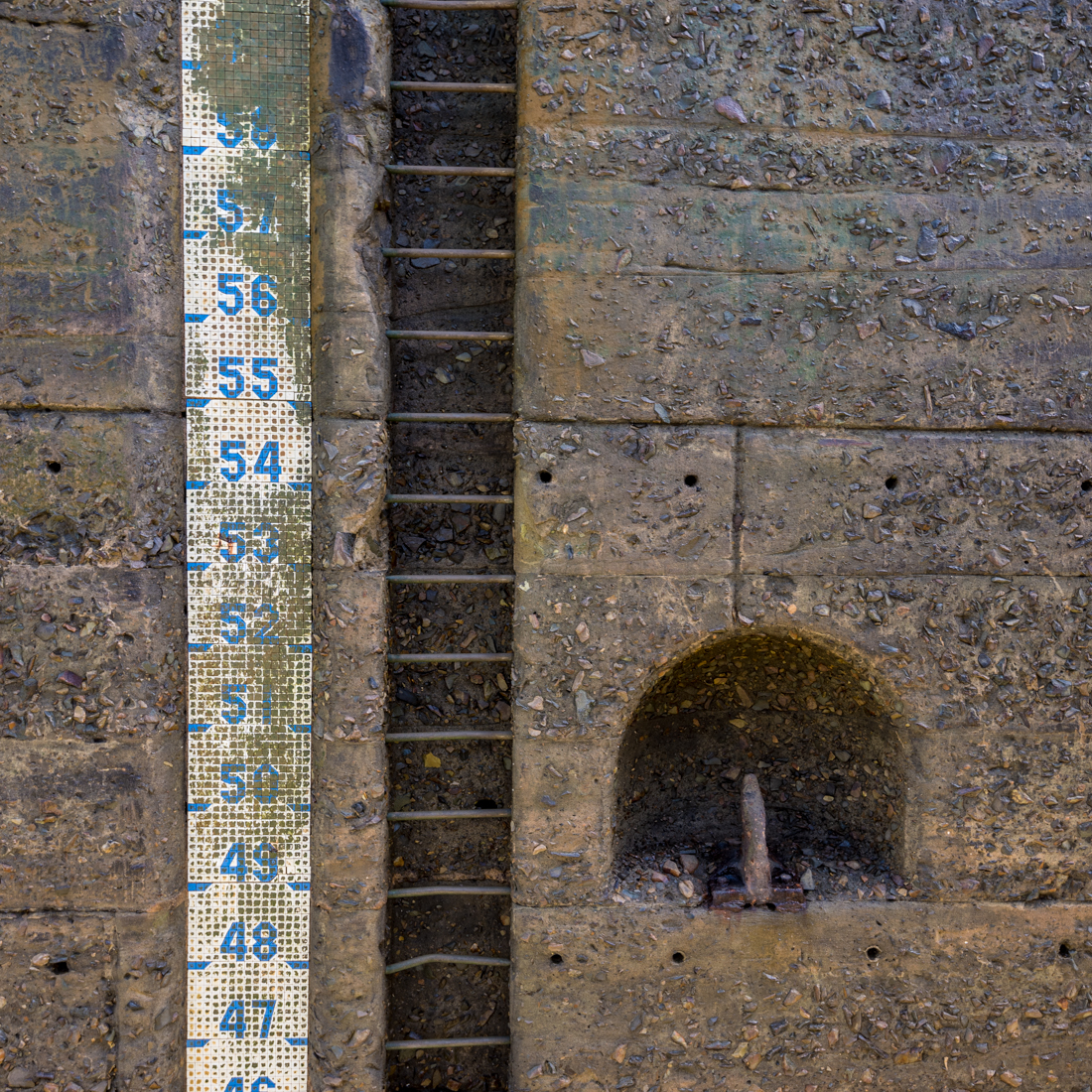
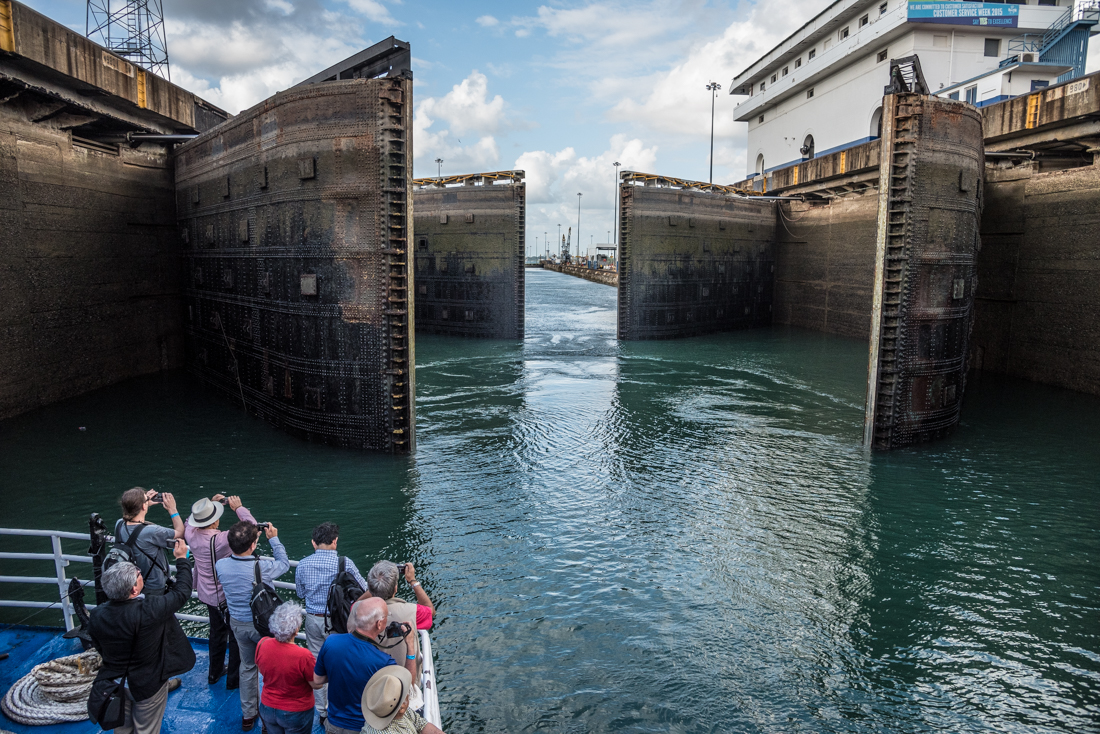
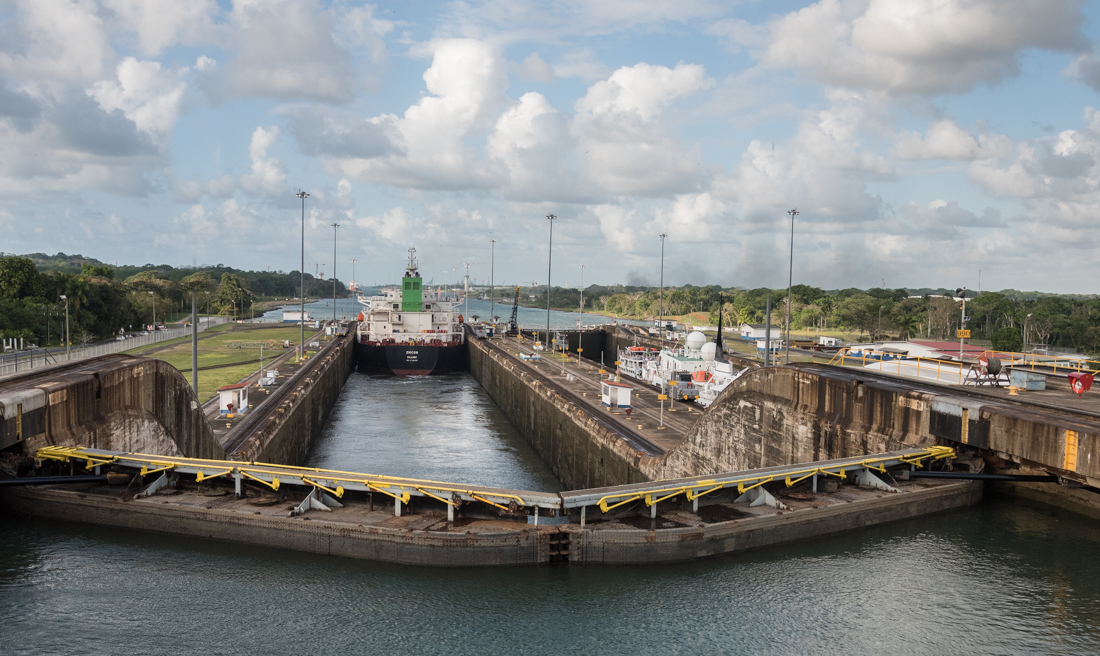
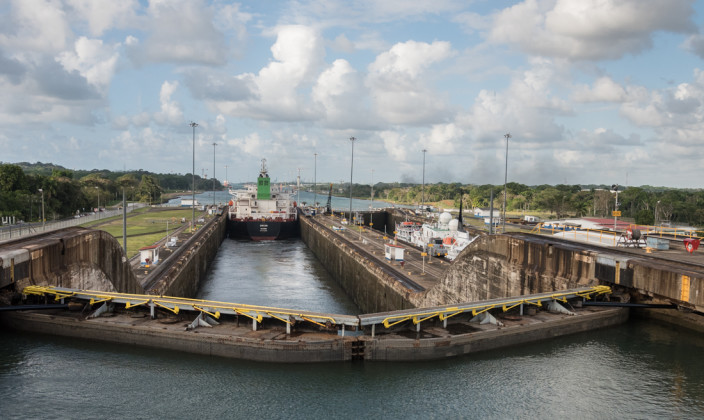
J75_5578The U.S.-built canal has six pairs of locks – three up and three down — that raise boats to an elevation of 85 feet for most of the passage then lower them to the opposite ocean. The physics are driven by the good fortune of a major river (fed by seasonal tropical rainfall) in the middle of the isthmus. It’s dammed to make a huge lake, and water flows out in both directions – into both the Pacific and Atlantic – filling the locks along the way. The locks are in pairs to allow two-way traffic.

U.S. control of the Canal Zone lasted 65 years, from its completion in 1914 until 1979, when Jimmy Carter gave it (and the adjacent U.S. military bases) to Panama. From America’s perspective, the controversial (curious?) politics of that decision looked worse in hindsight: within a few years, Panama was a military dictatorship with drug-trafficking General Manuel Noriega running the country. By 1989, the U.S. had to send troops to oust Noriega, stabilize the country, and preserve the availability and integrity of the Canal.


J75_4926.jpgJ75_4964.jpgJ75_5273.jpgJ75_5309.jpgJ75_5335.jpgJ75_5352.jpgJ75_5428.jpgJ75_5552.jpgJ75_5562.jpgJ75_5578.jpgJ75_5599.jpgJ75_5621.jpgJ75_5720.jpg


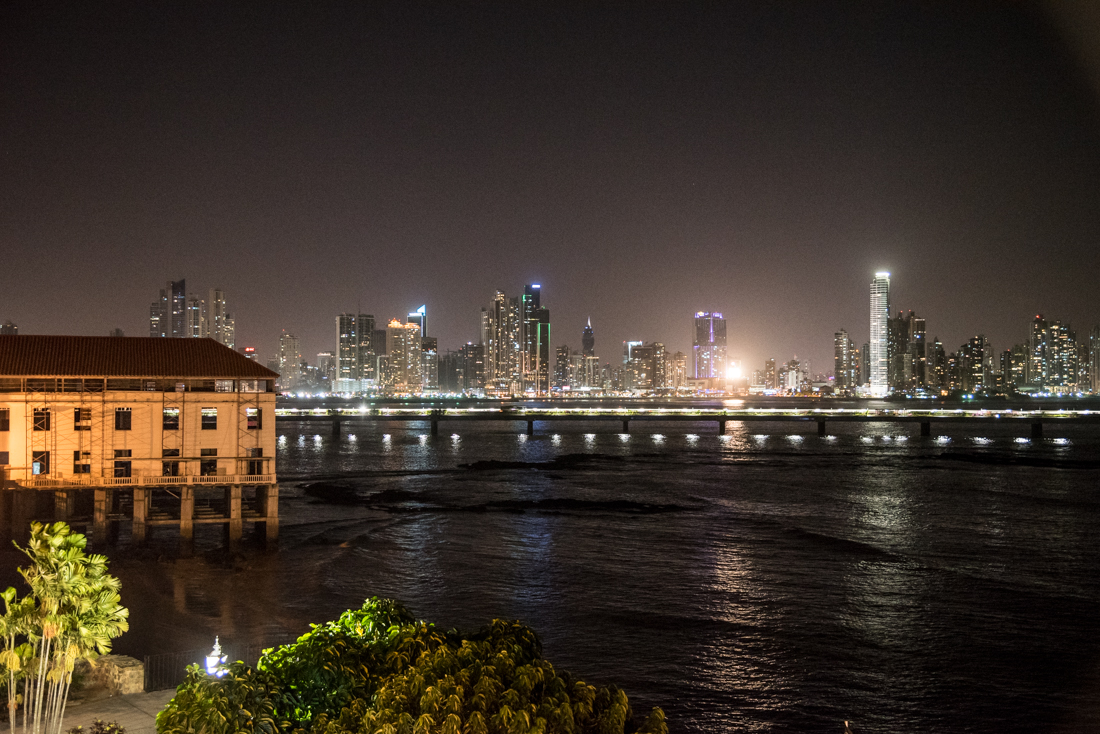
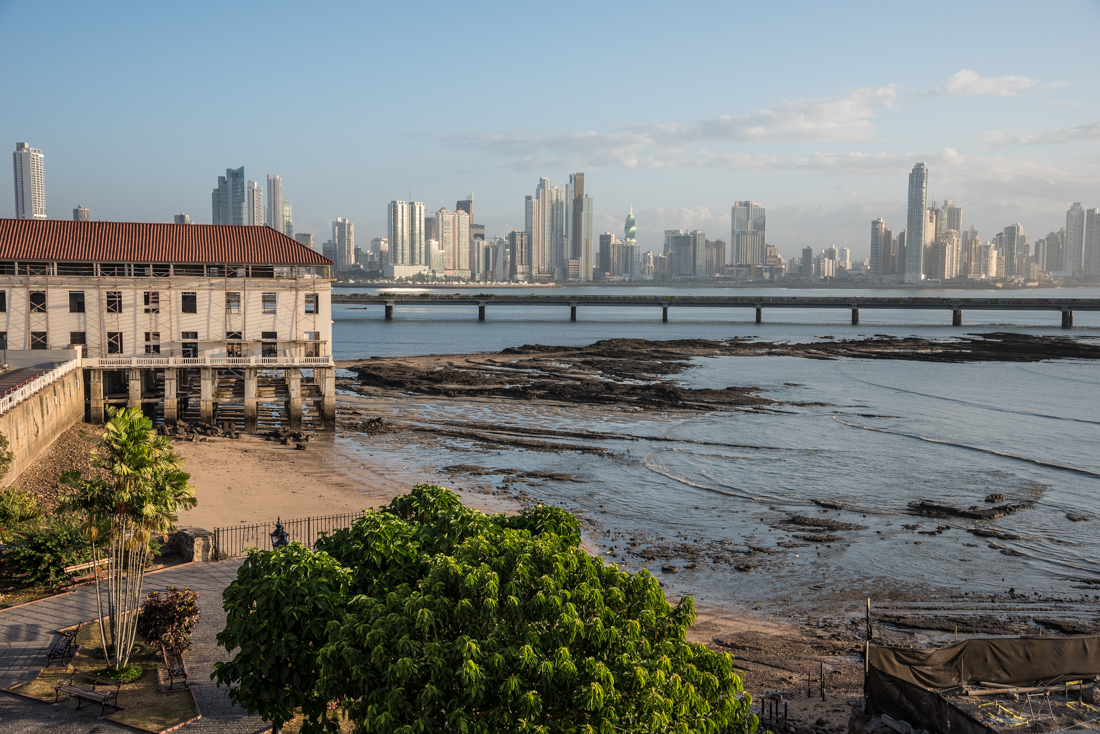
Today, Panama seems to be doing well, thanks in no small part to the revenues of the canal. As our boat guide said, if you come to Panama expecting a third-world country, you’ve come to the wrong place. The skyline of downtown Panama City looks like Miami Beach. Donald Trump has a big hotel and casino here. The main highways are in great shape, and I jogged one of the most impressive running paths (a two-mile bridge looping around Casco Antiguo) I’ve ever seen. This was not one of my off-the-beaten-path adventures.

J75_5428


The Canal – aging though it is – is still considered one of the Seven Wonders of the Modern World.  Its hundred-year-old gates swing dozens of times a day to connect the world’s two largest oceans.   A new, larger set of locks is under construction for the canal, but the effort seems to be half-complete and floundering in delays.


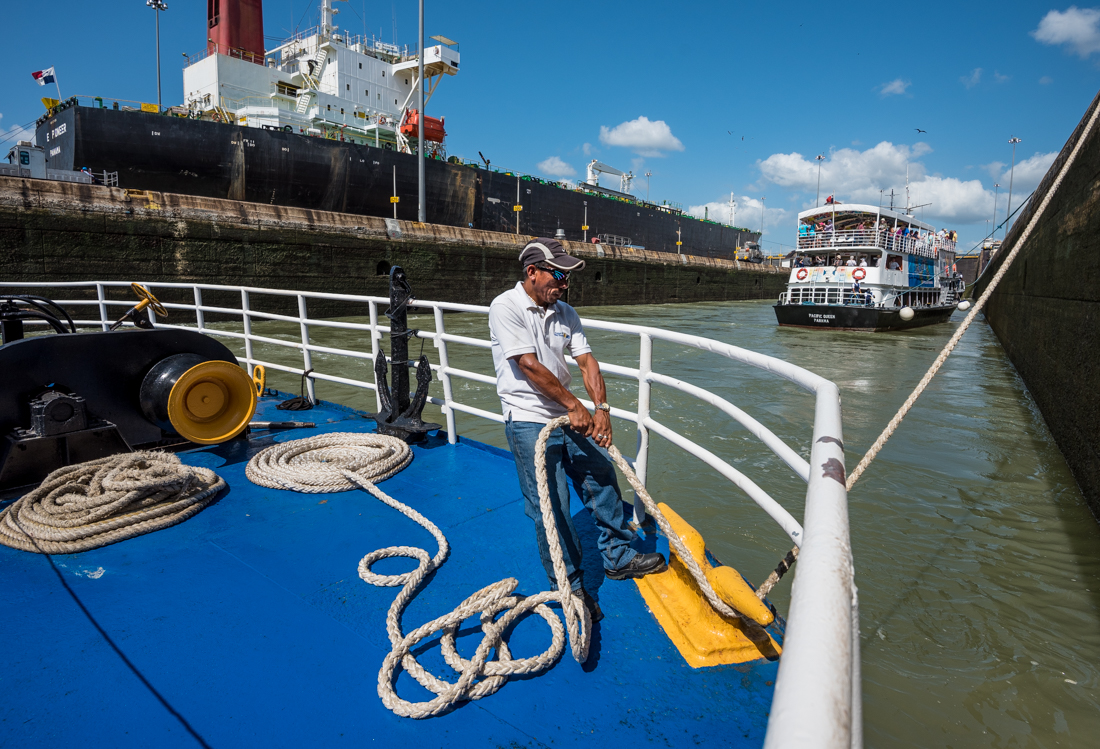
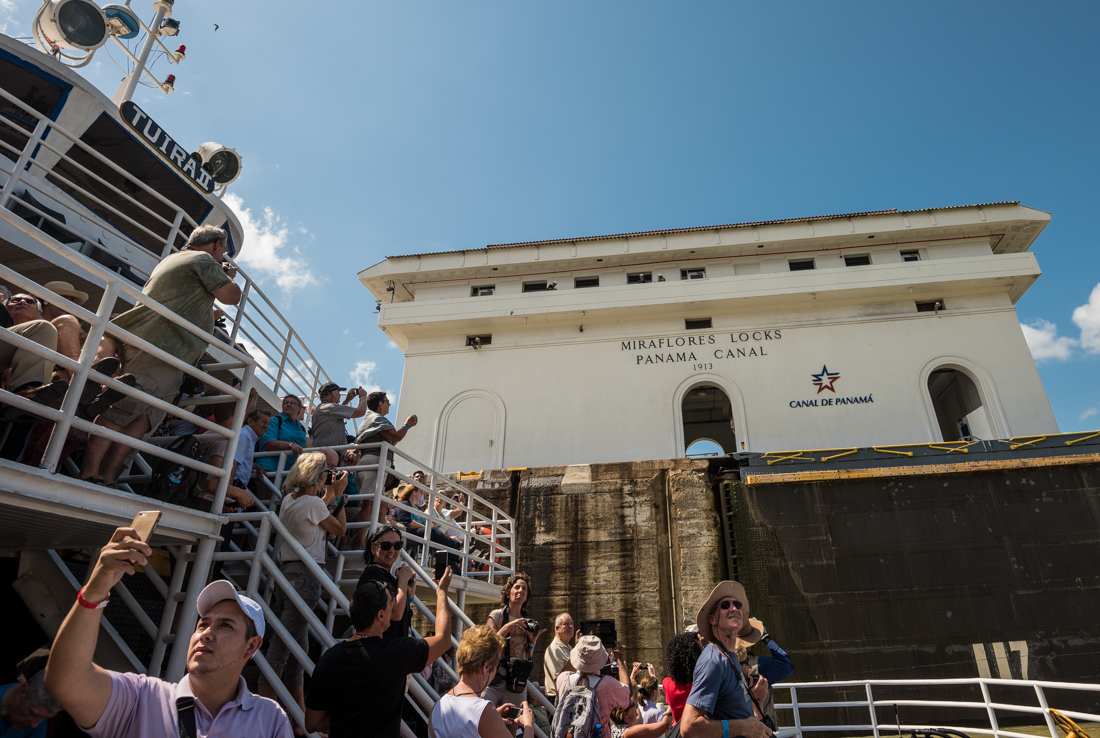
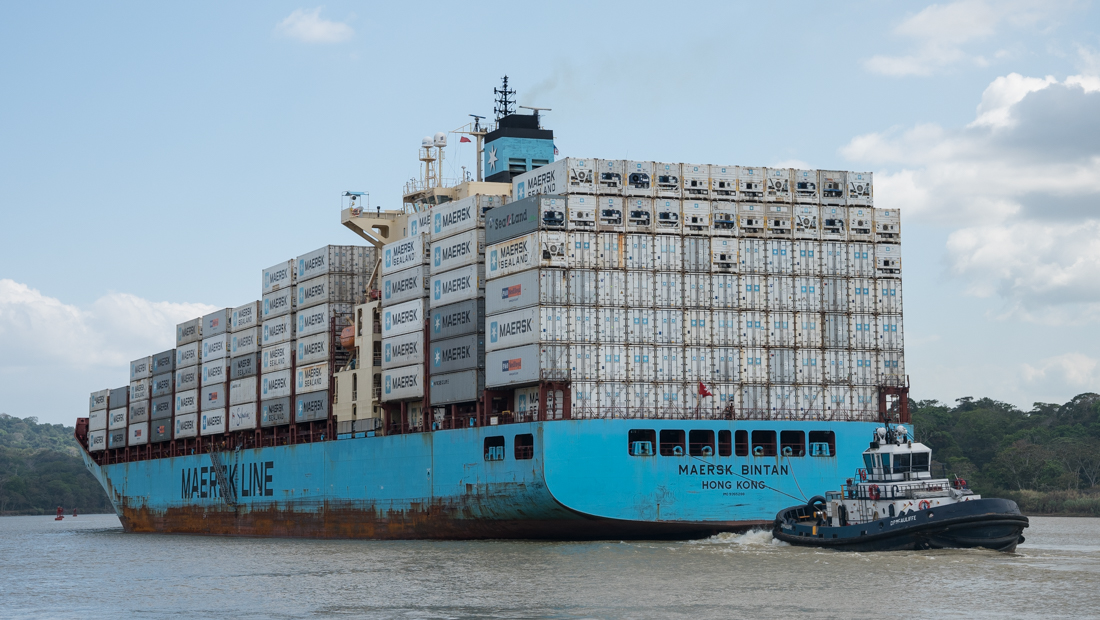
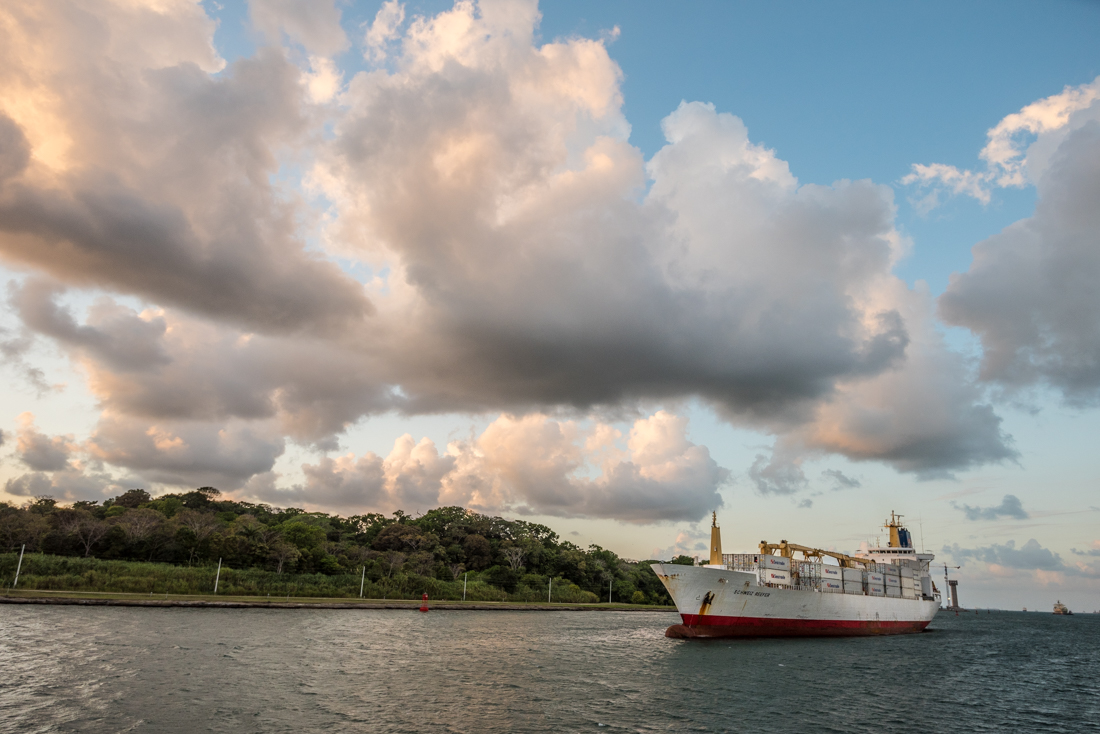
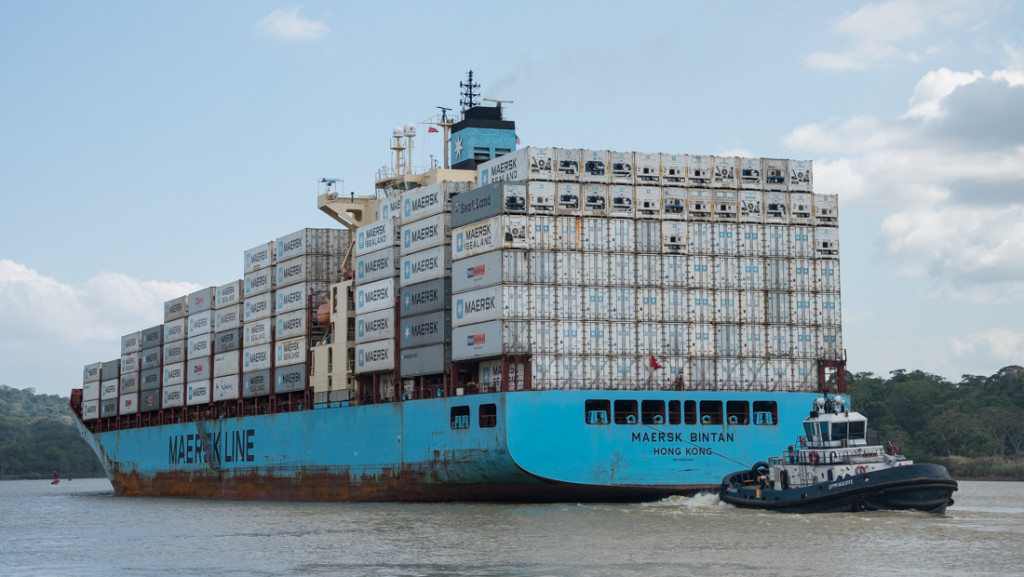
My own coast-to-coast passage was a bit on the touristy side – narrated in three languages, with lots of selfies, bad food, and Panama hats. We saw towering ships loom above us – some with 3,000+ cars inside, others carrying nearly 1,000 semi-truck-sized containers each, still others full of LPG and grain. The trip was long and slow: we shoved off early into Pacific saltwater and docked after sunset in a Caribbean harbor. I wouldn’t have missed it, but was glad I brought a book (and a hat, and sunscreen, and snacks).

J75_5599

Bagan, Burma: Temples, Monks, Balloons & Fractals

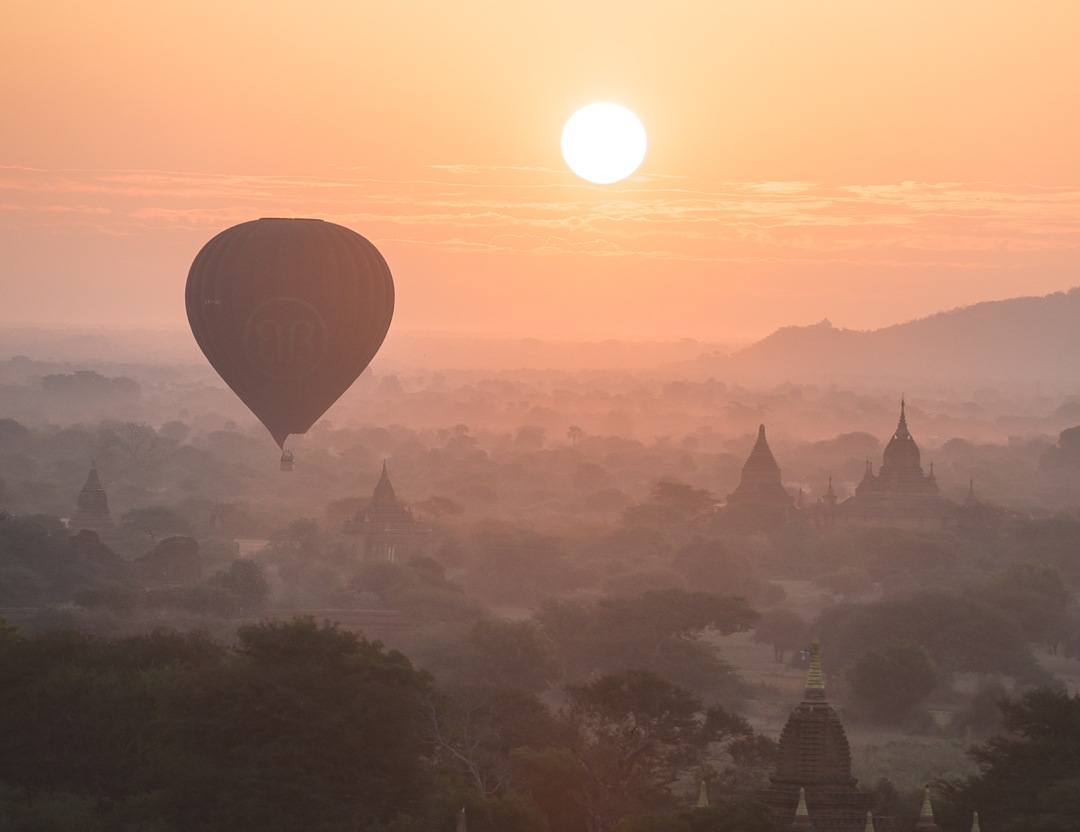
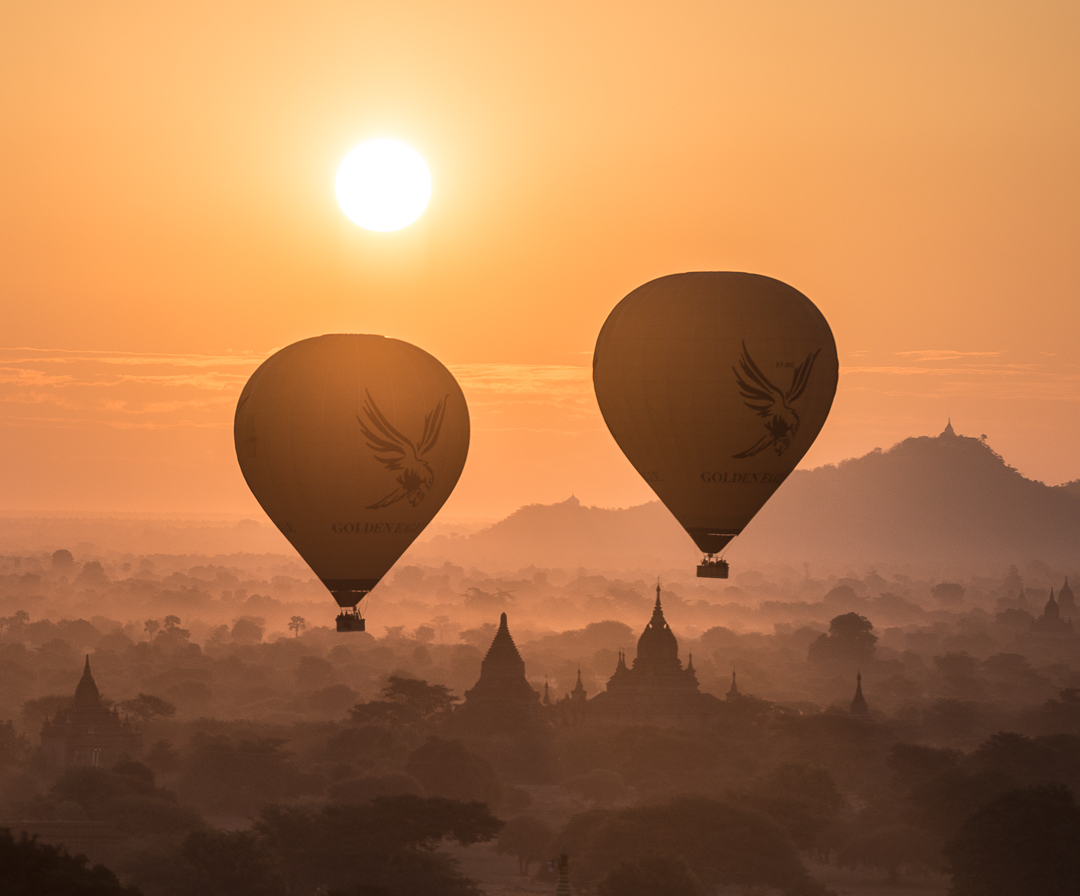
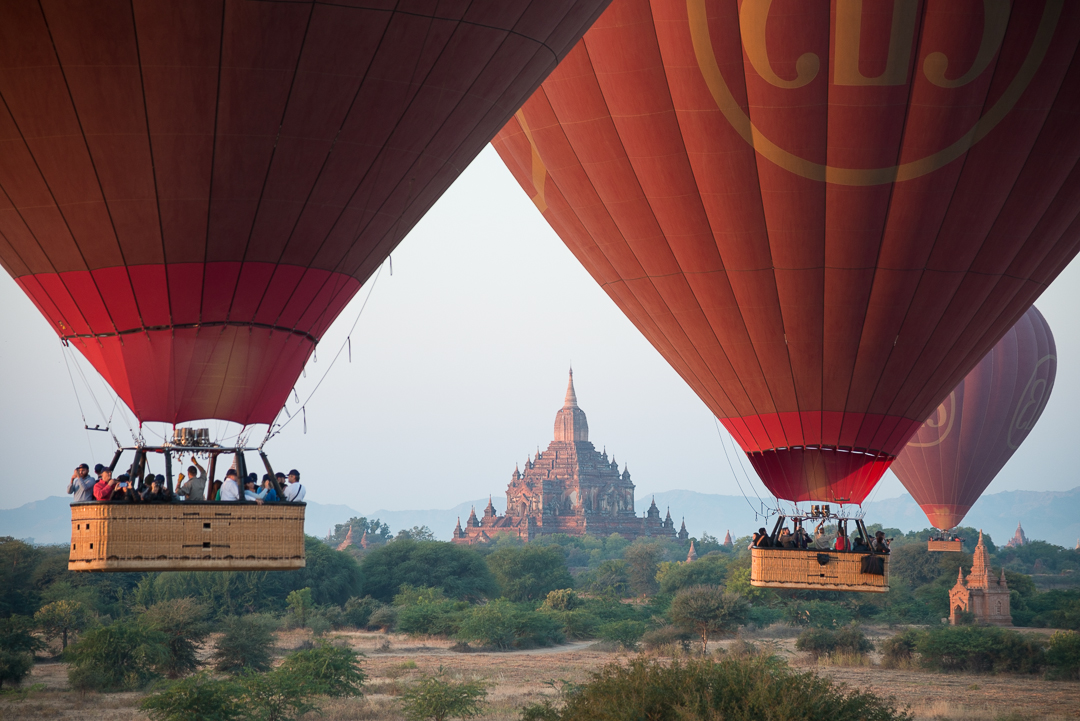
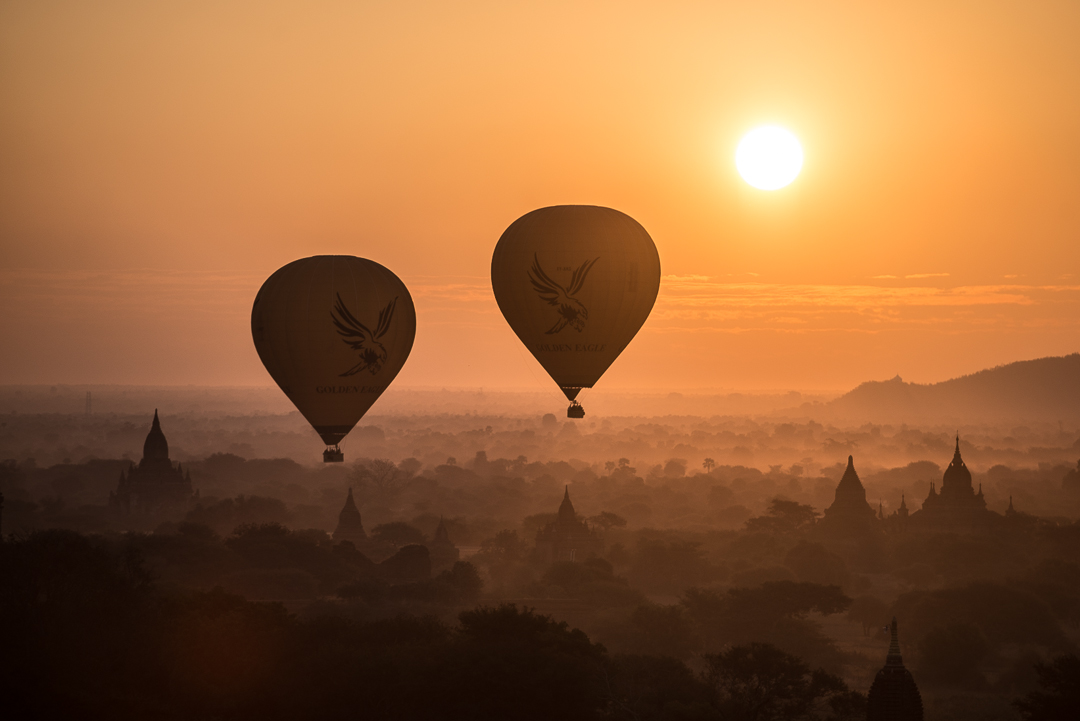
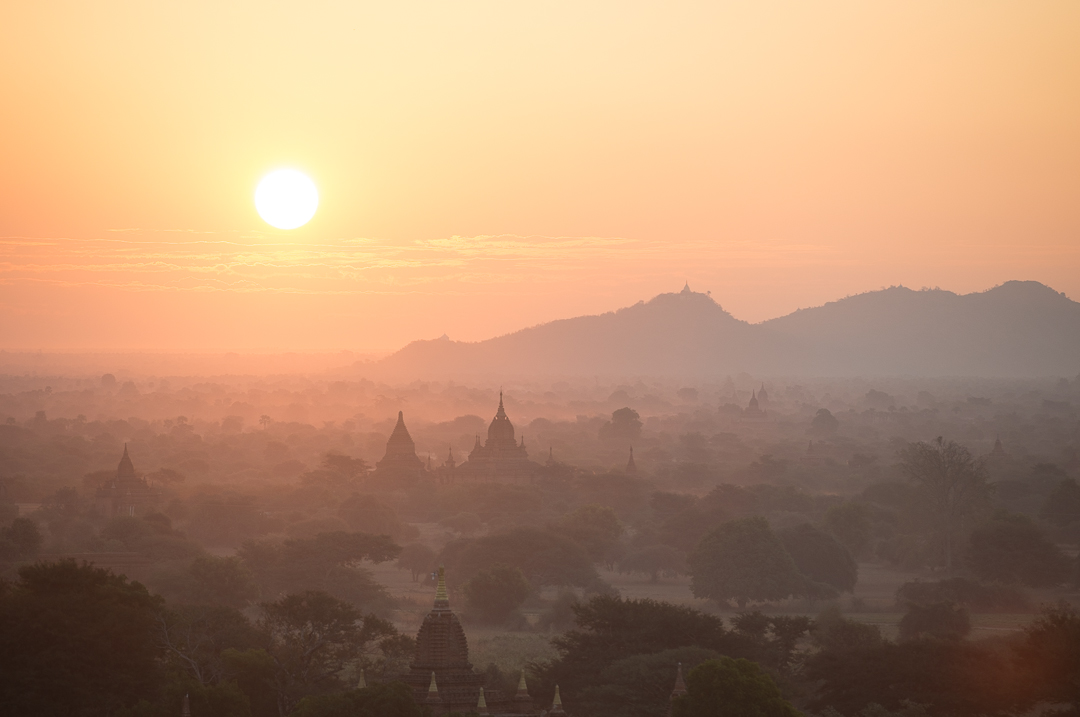
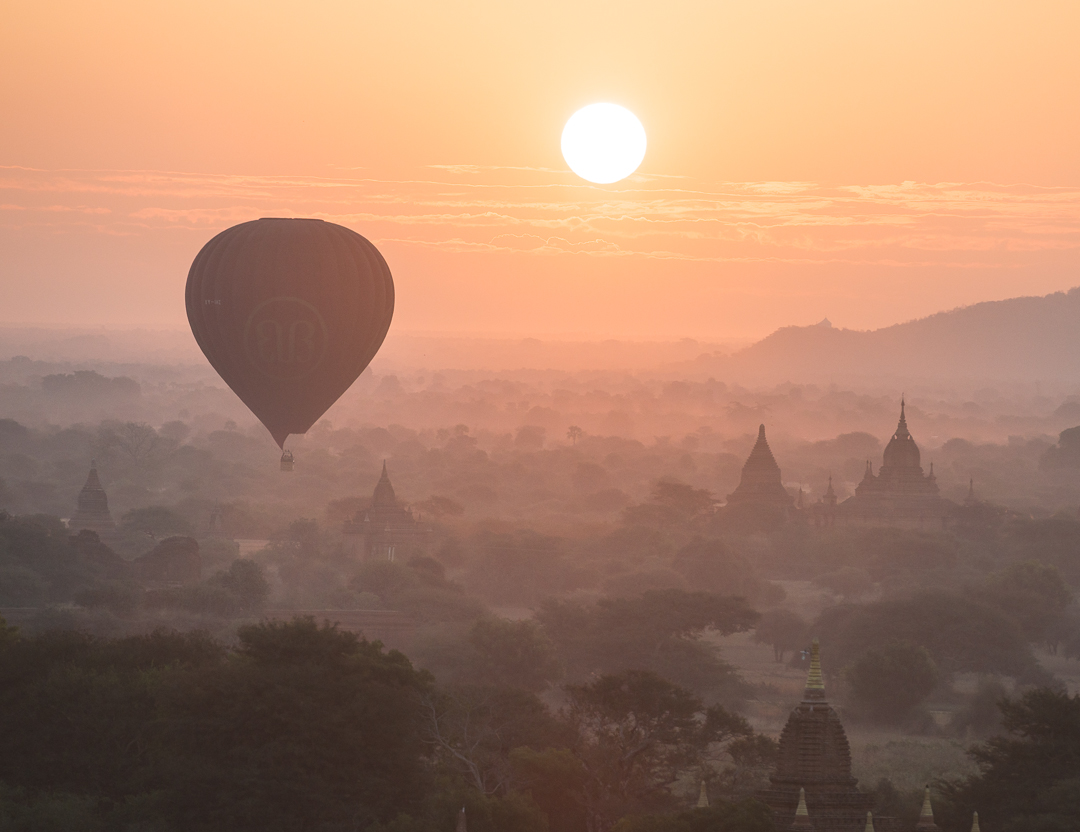
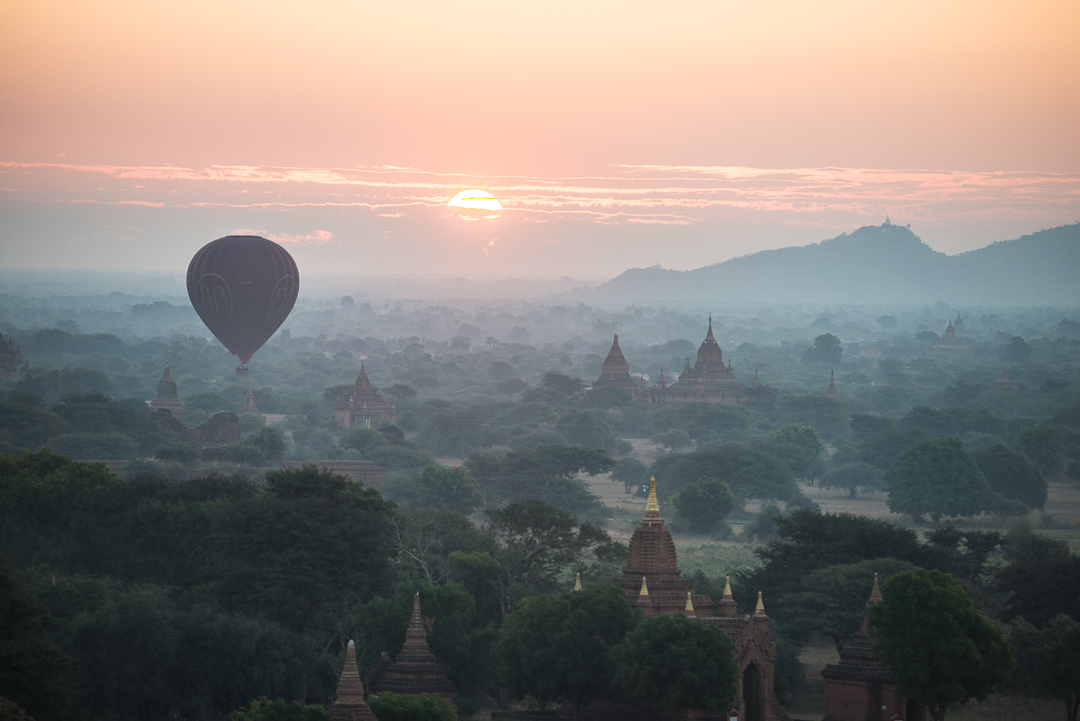
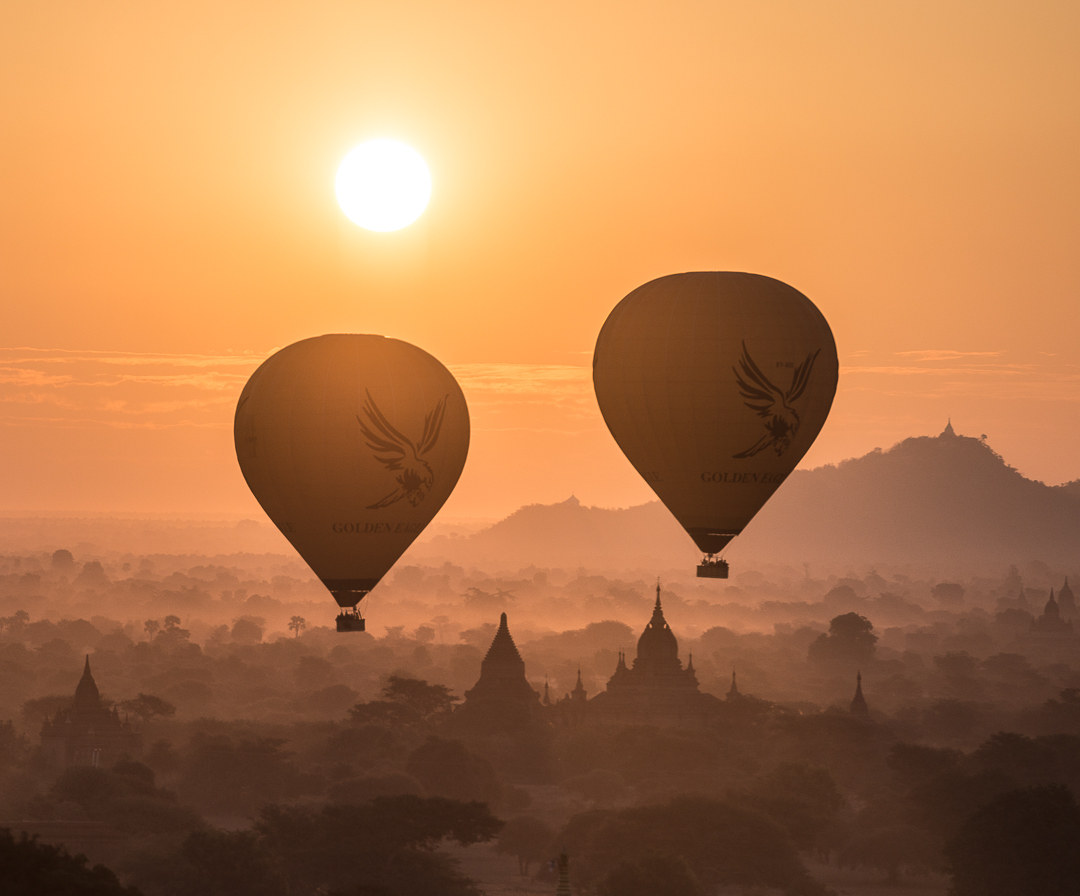
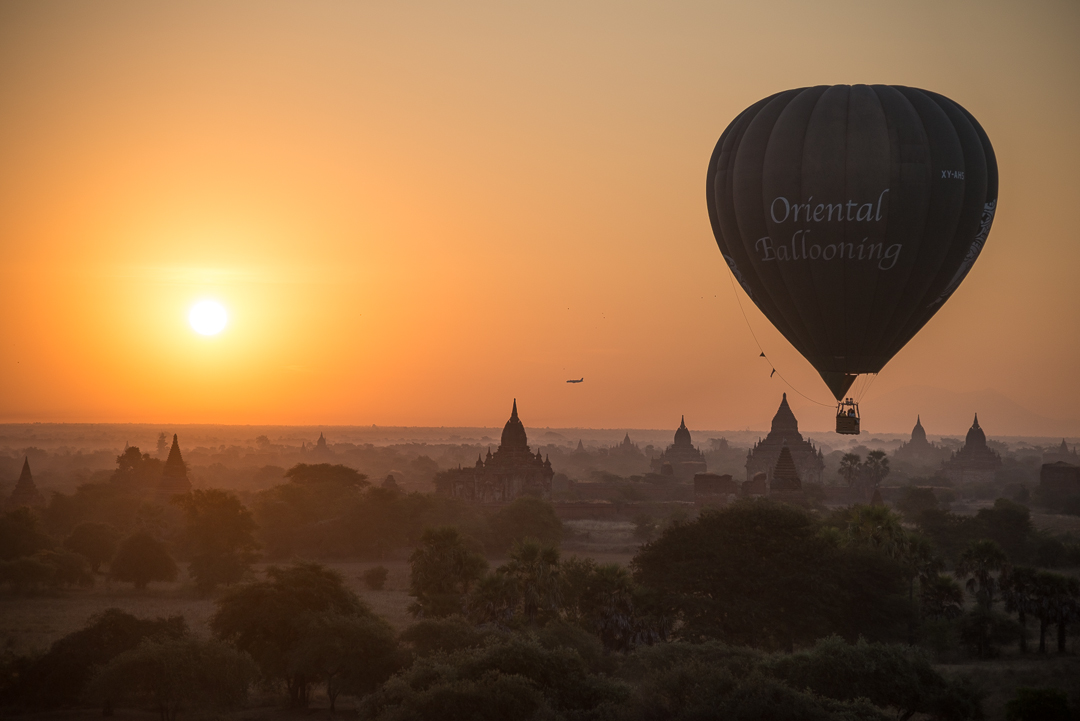
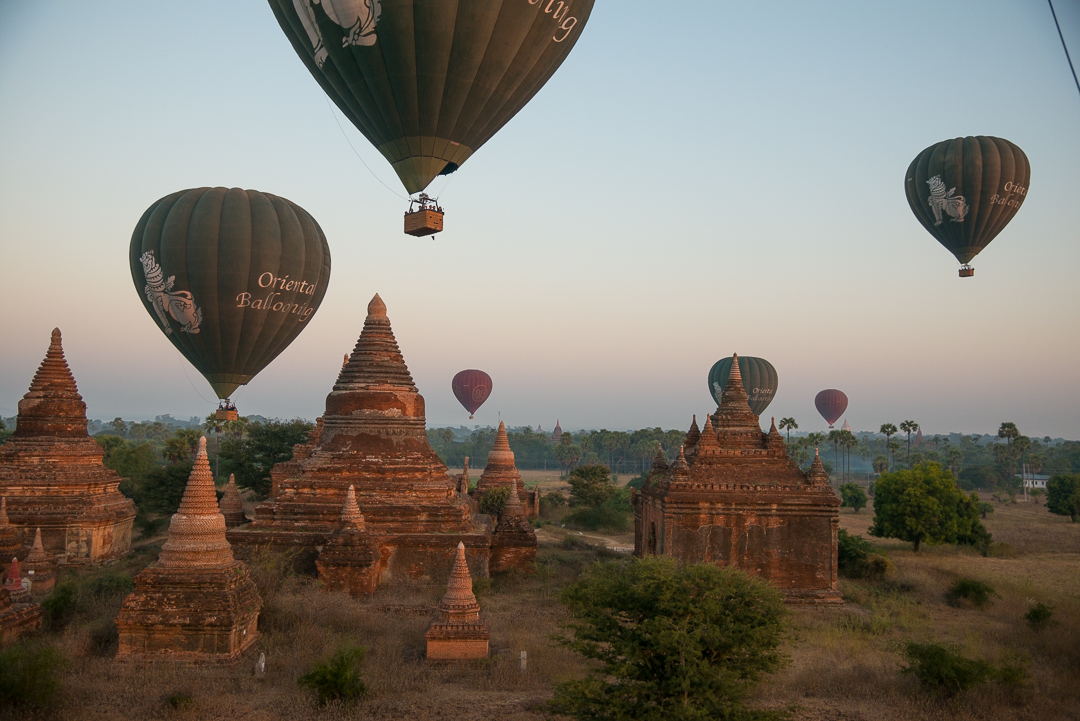
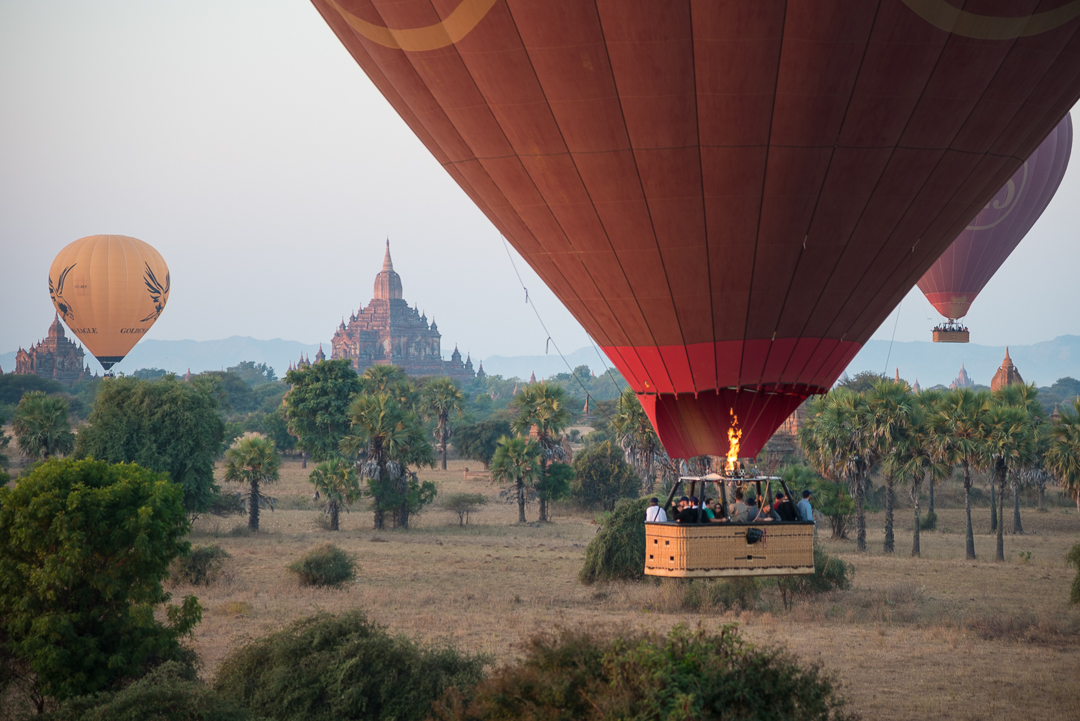
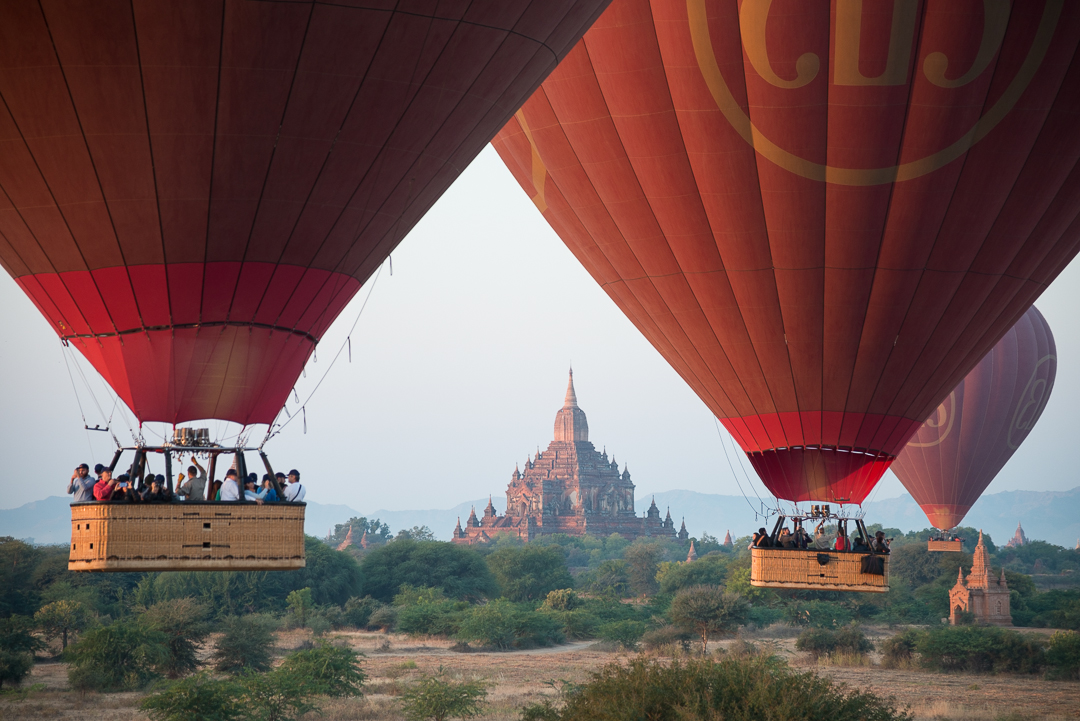
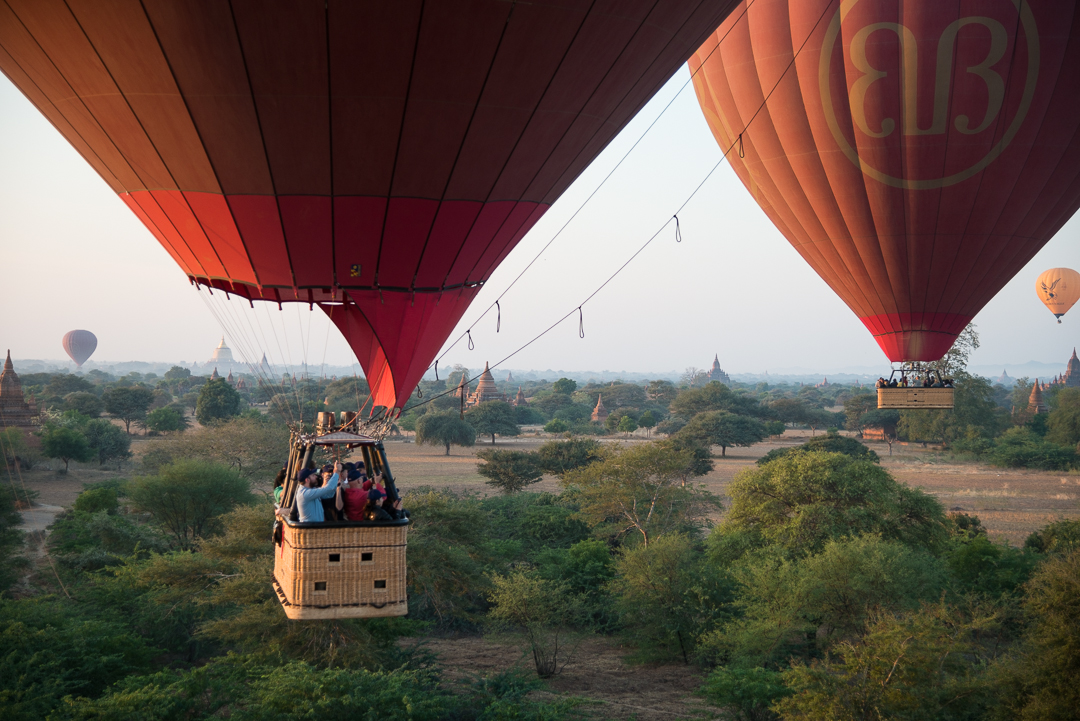
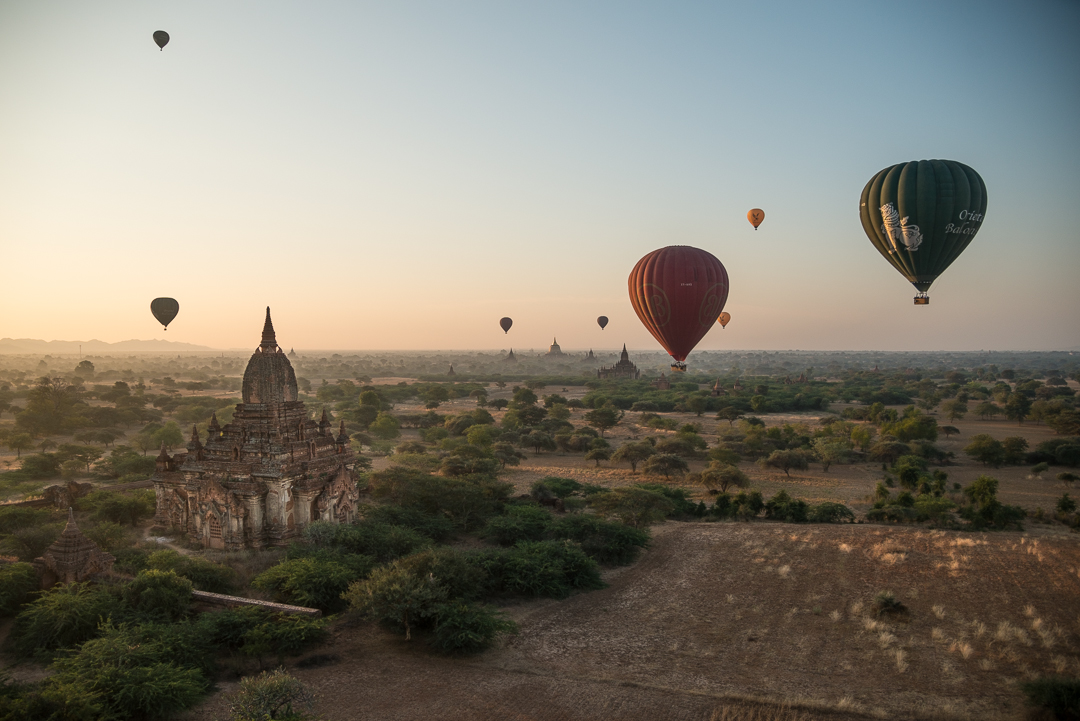
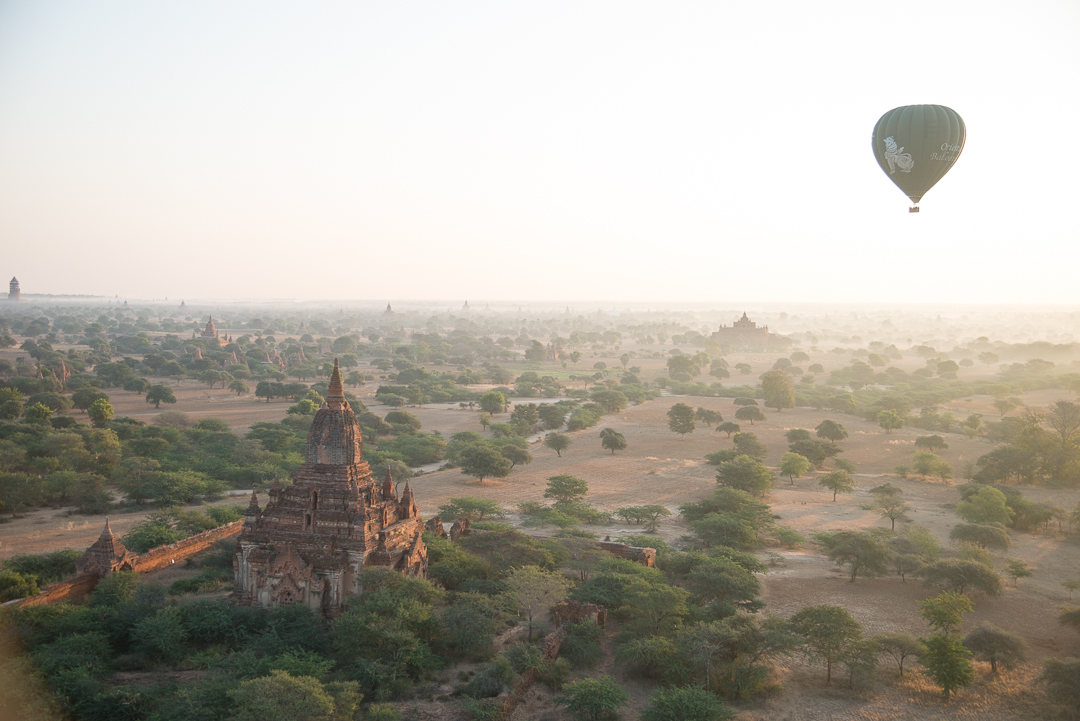
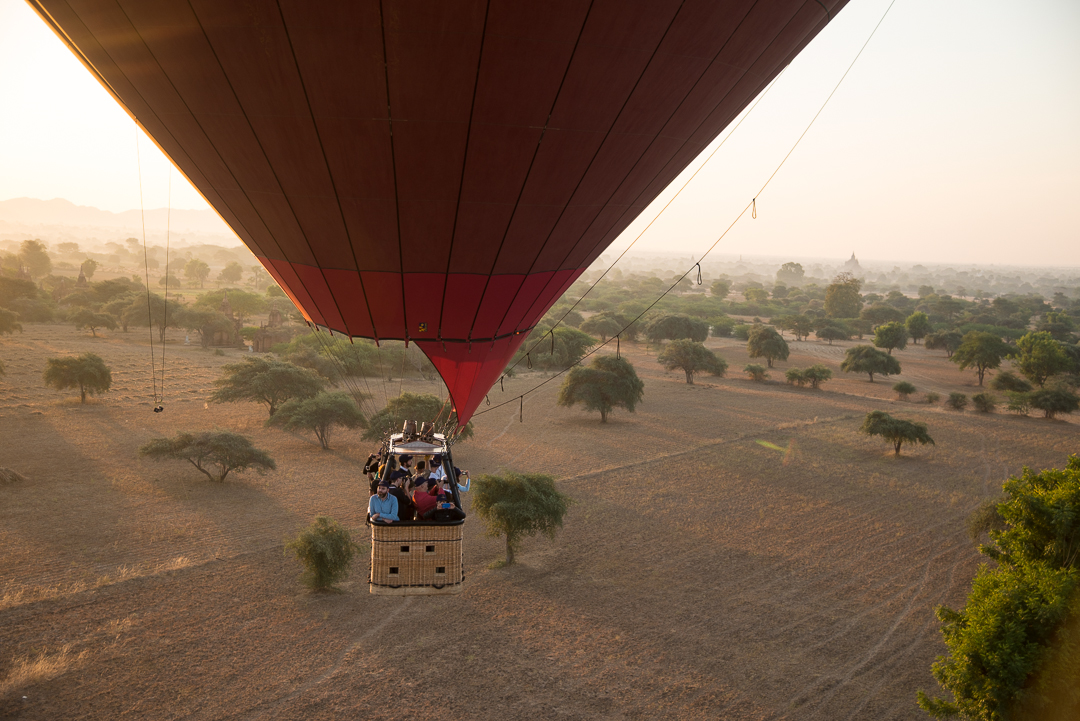
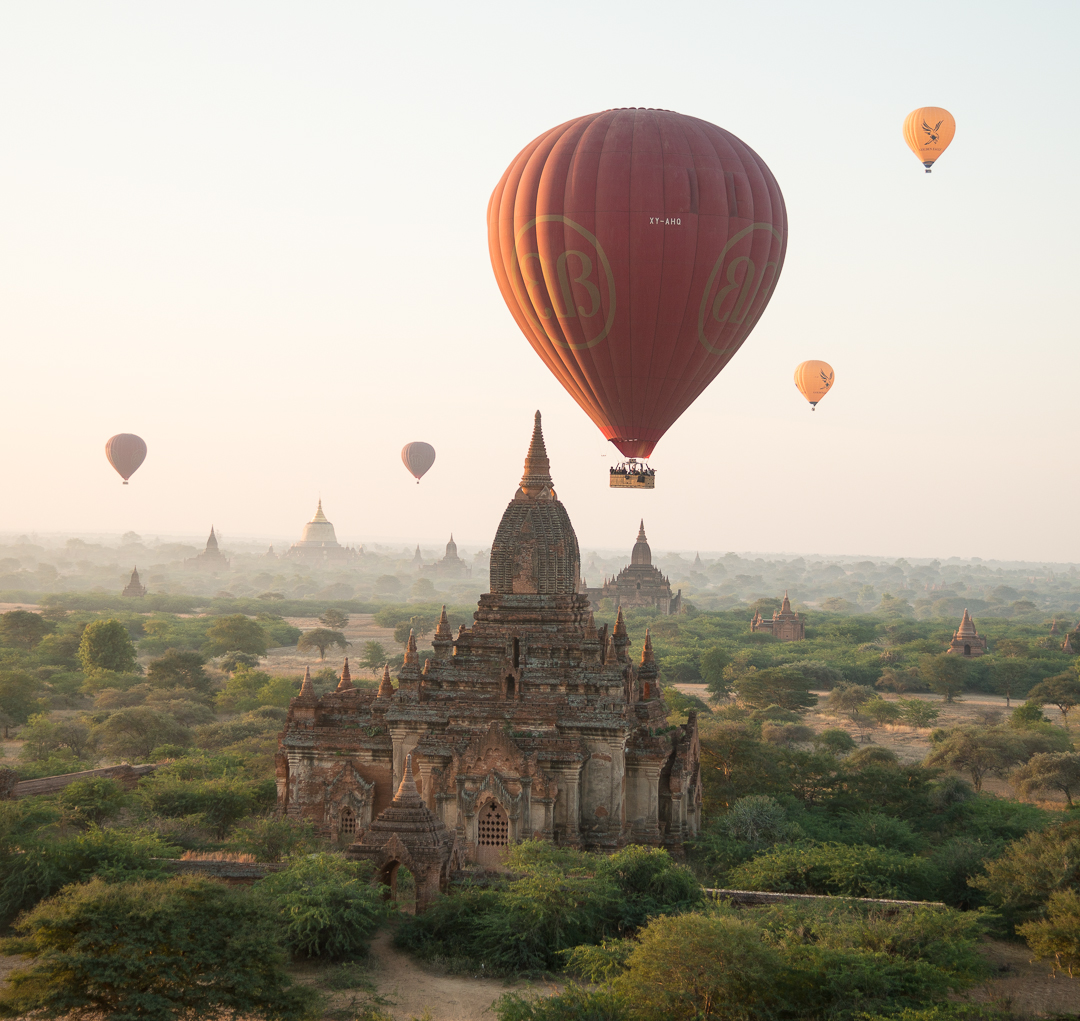
On my first morning in Bagan, I watched the sun rise from one of those balloons; the next day I watched the balloons go by from the top of one of those big temples.

_JCE0059

One of the dozens of hot air balloons that fly every morning over Bagan, viewed from atop the 950-year-old Shwesandaw Pagoda.


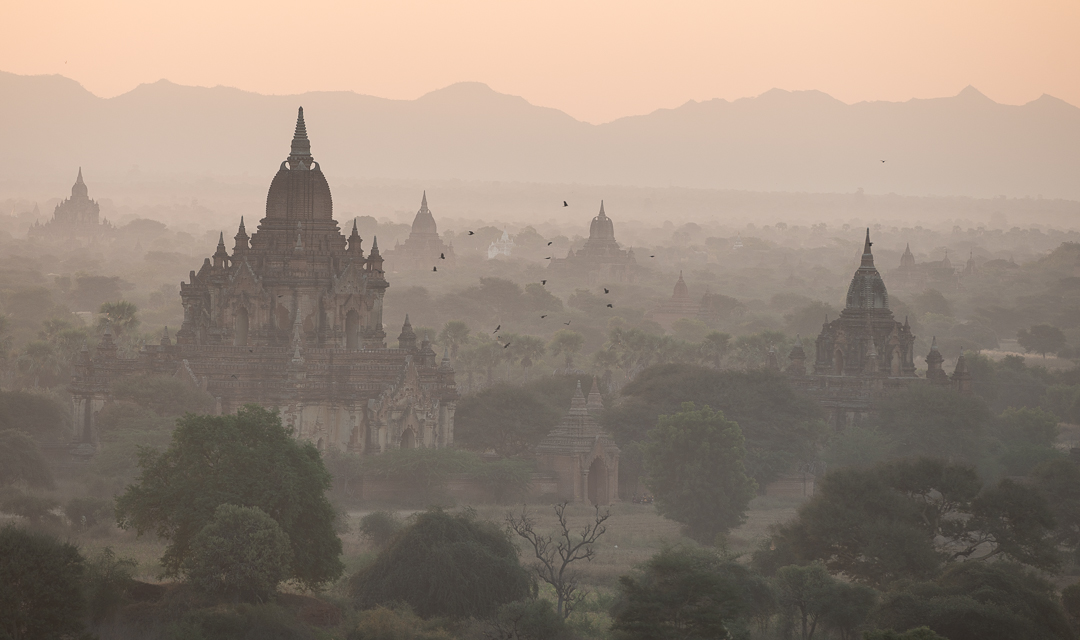
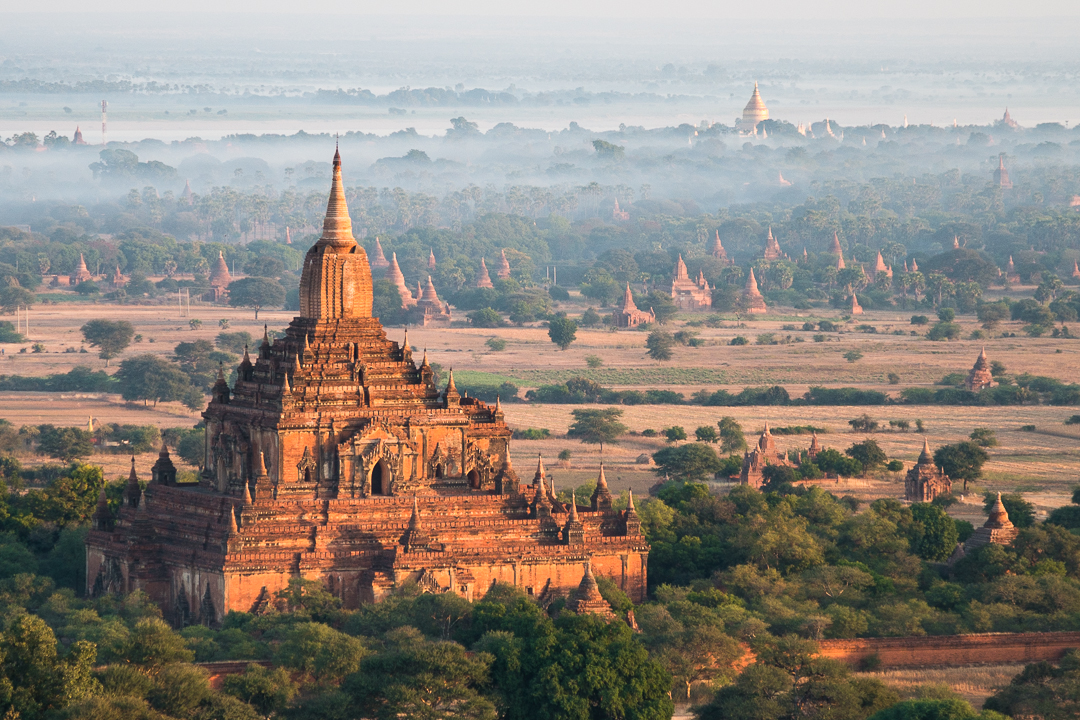
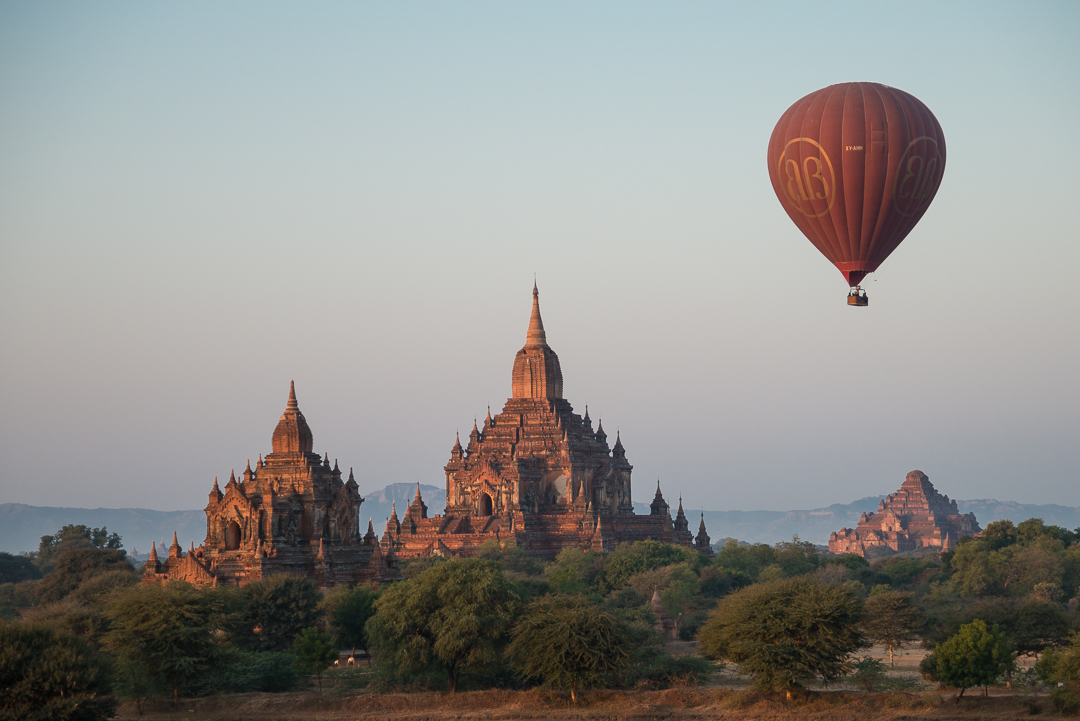
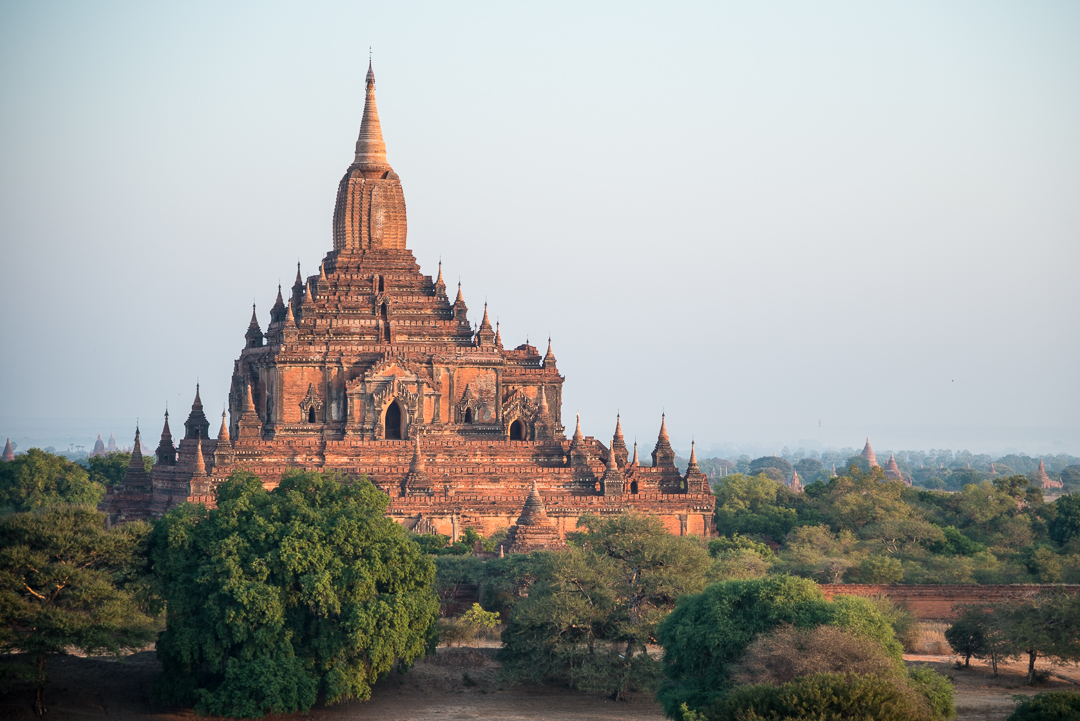
The Burmese City of Bagan was the capital of the Kingdom of Pagan* in the 9th to 13th Centuries.   The people of Pagan built several thousand Buddhist temples and monuments (“stupas”), some smallish and some reaching nearly 20 stories tall. The Mongols (a “horde” of them, no doubt) overran Pagan in the late 1200s. Happily, though, they left the Buddhist monuments largely intact, so thousands of them survive even today.
 

_JCE7818

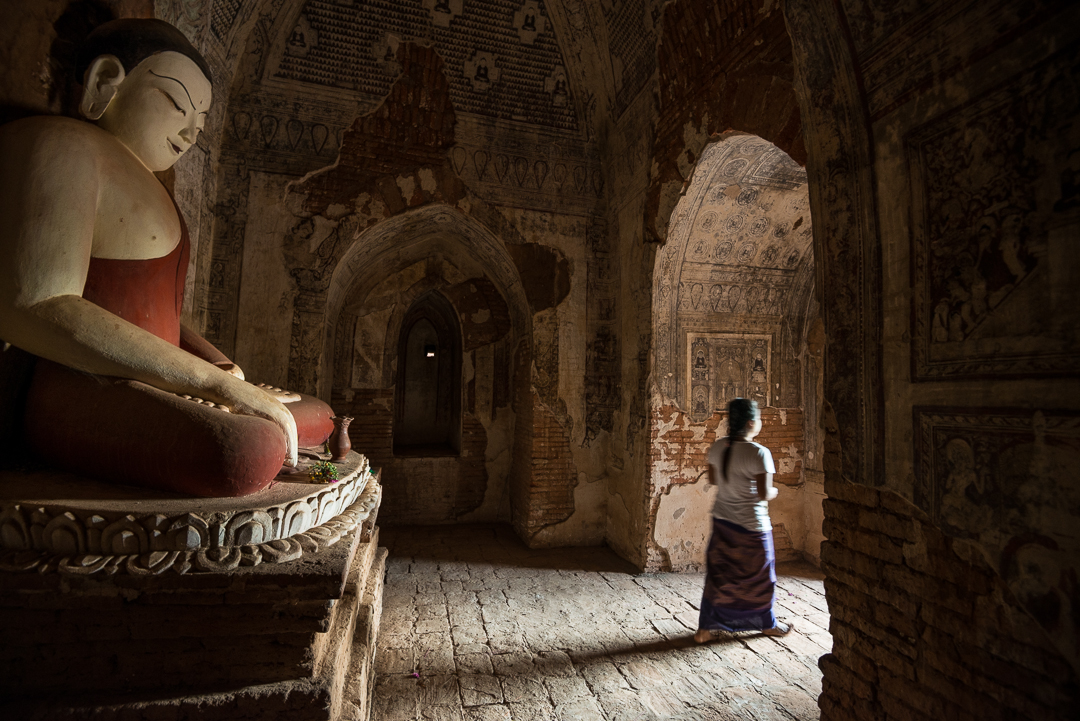
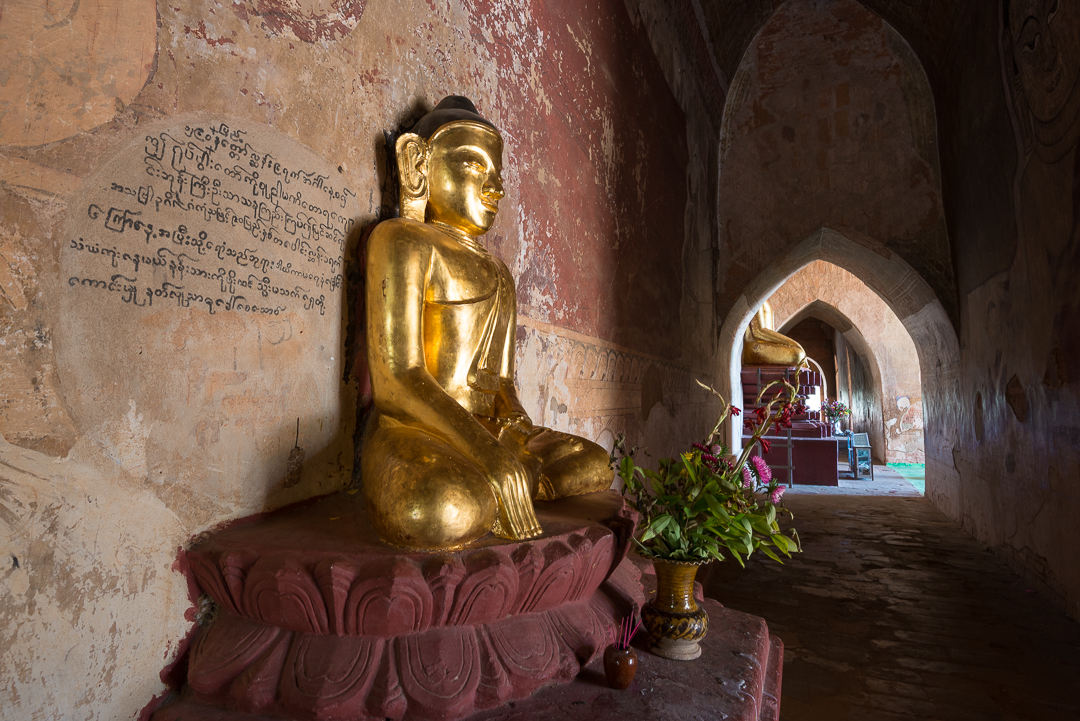
Many Bagan monuments are solid “stupas,” but many are hollow temples like this one, usually with Buddha statues inside. There are thousands of them; I’m not sure this smallish one even has a name.

_JCE0102


_JD83807

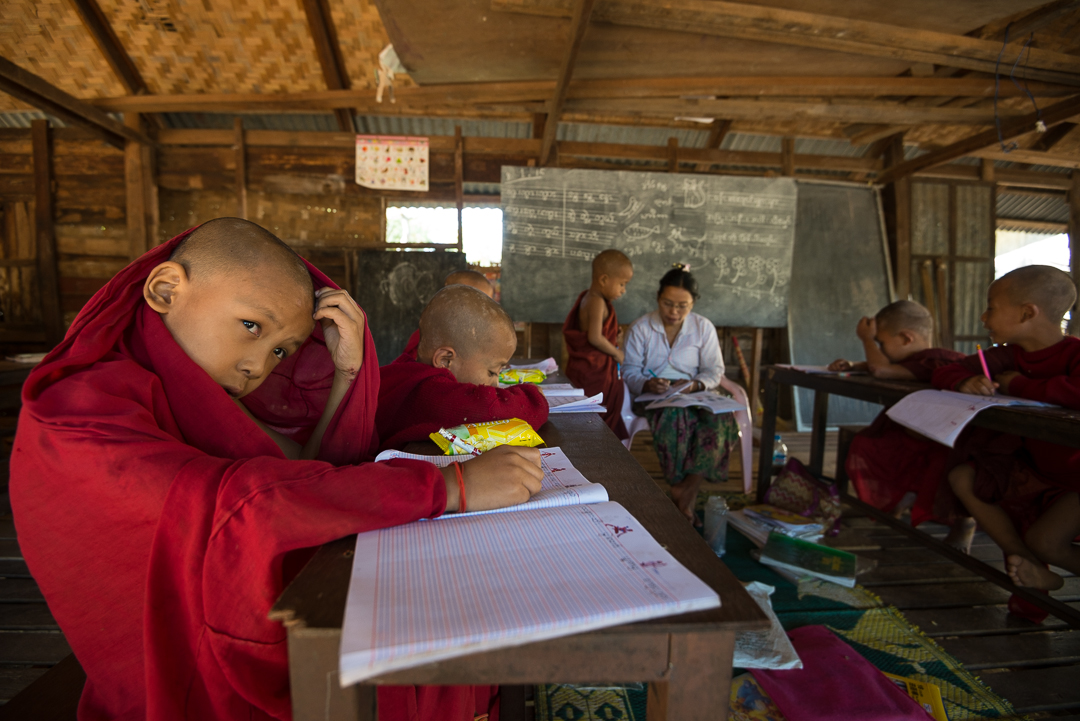
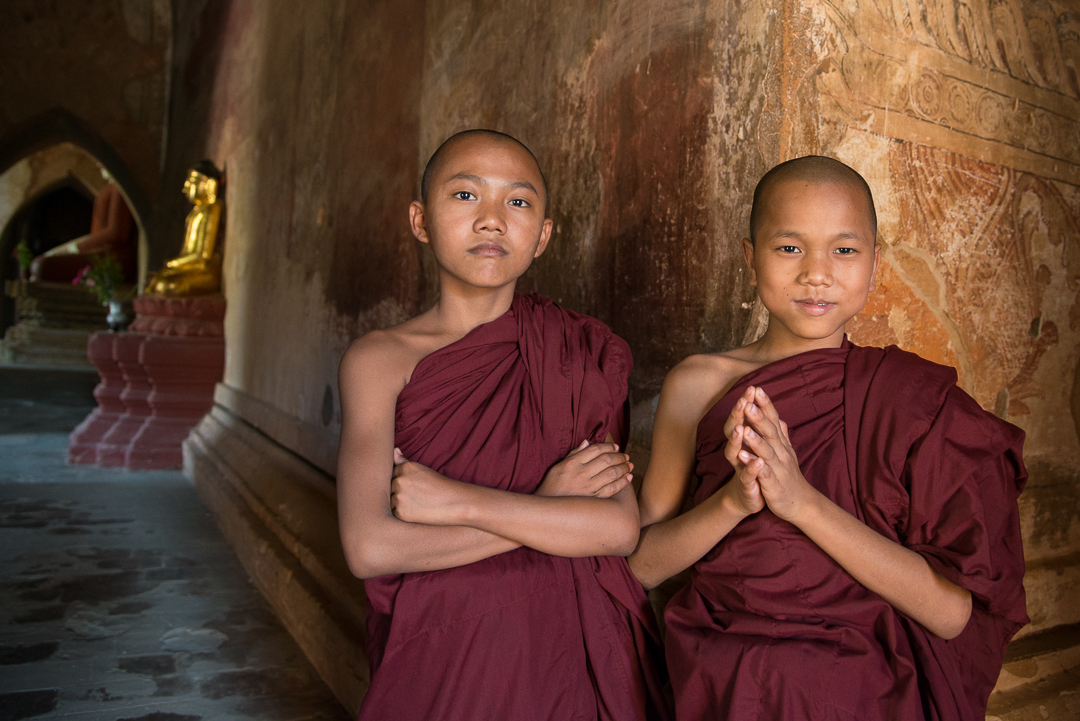
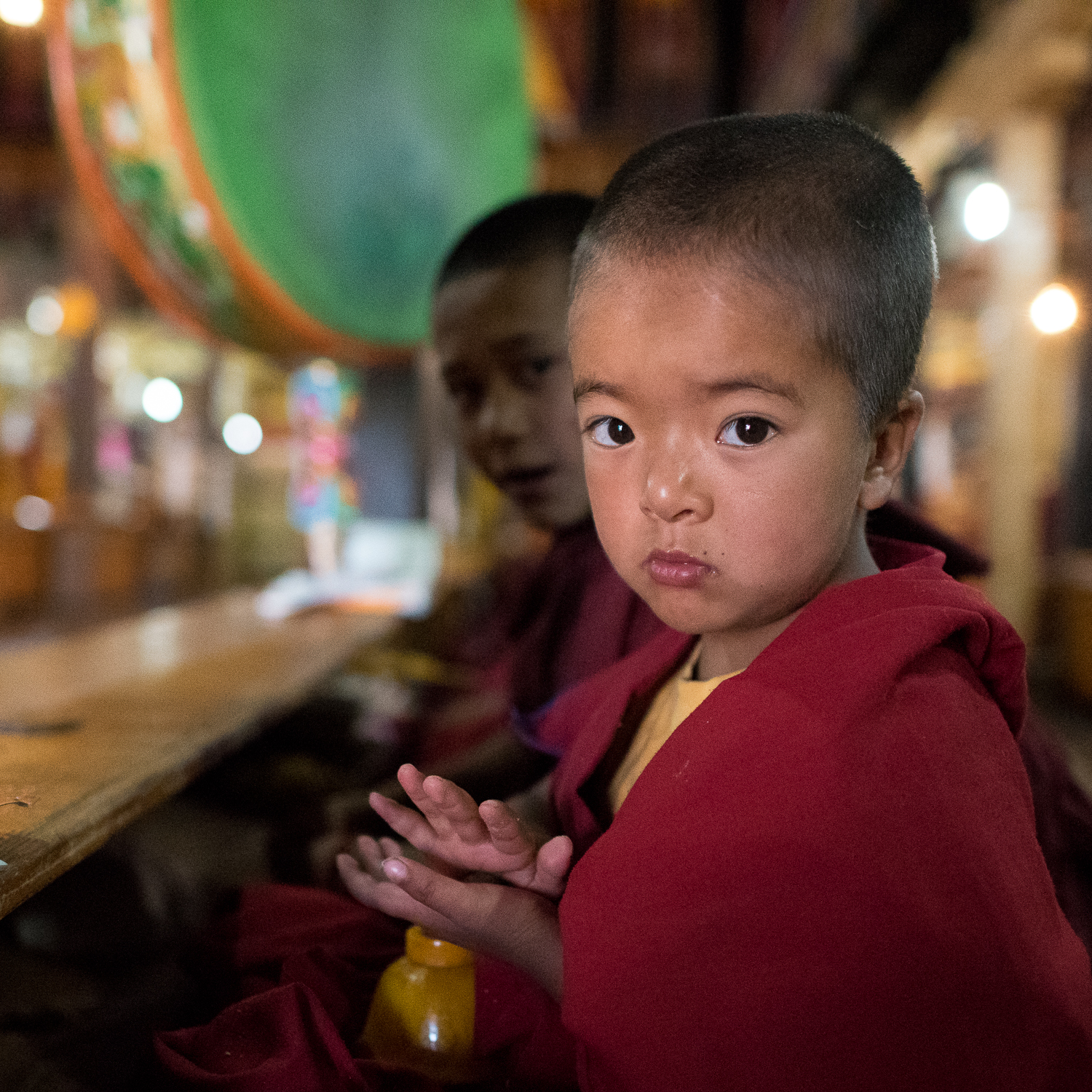
Some of the young monks you see in Buddhist cultures are orphans, who live and go to school at places like the Shwe Gu orphanage and monastery in Bagan.

_JCE0108


_JCE8476


_JD83217


_JCE8695

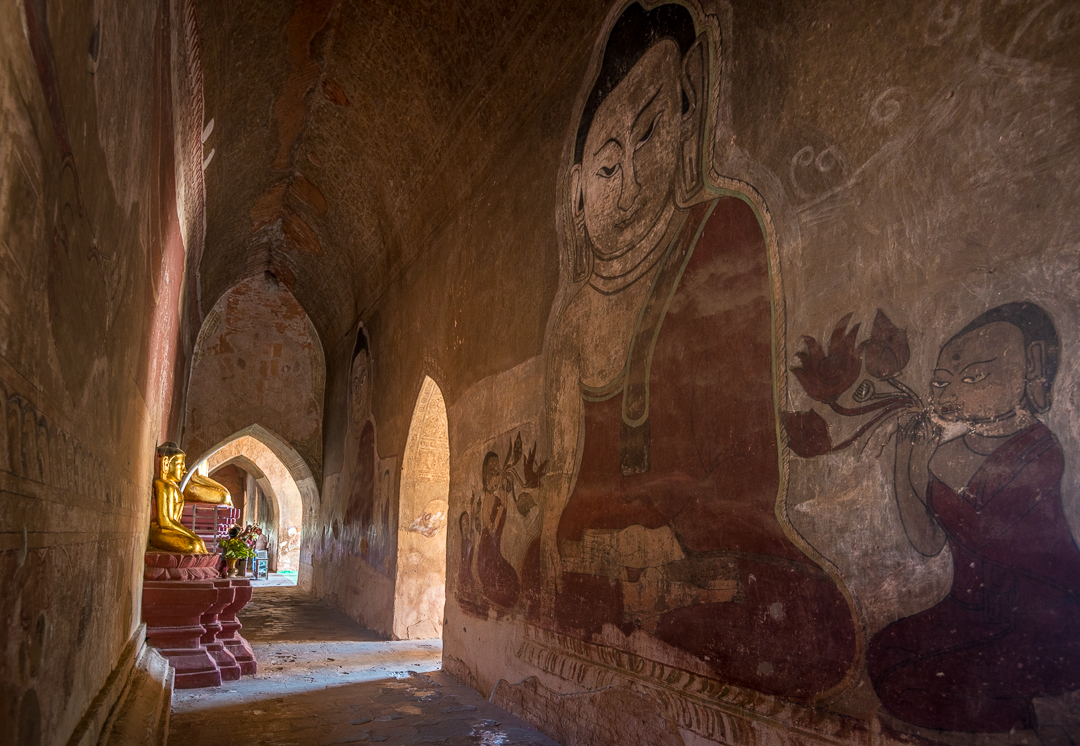
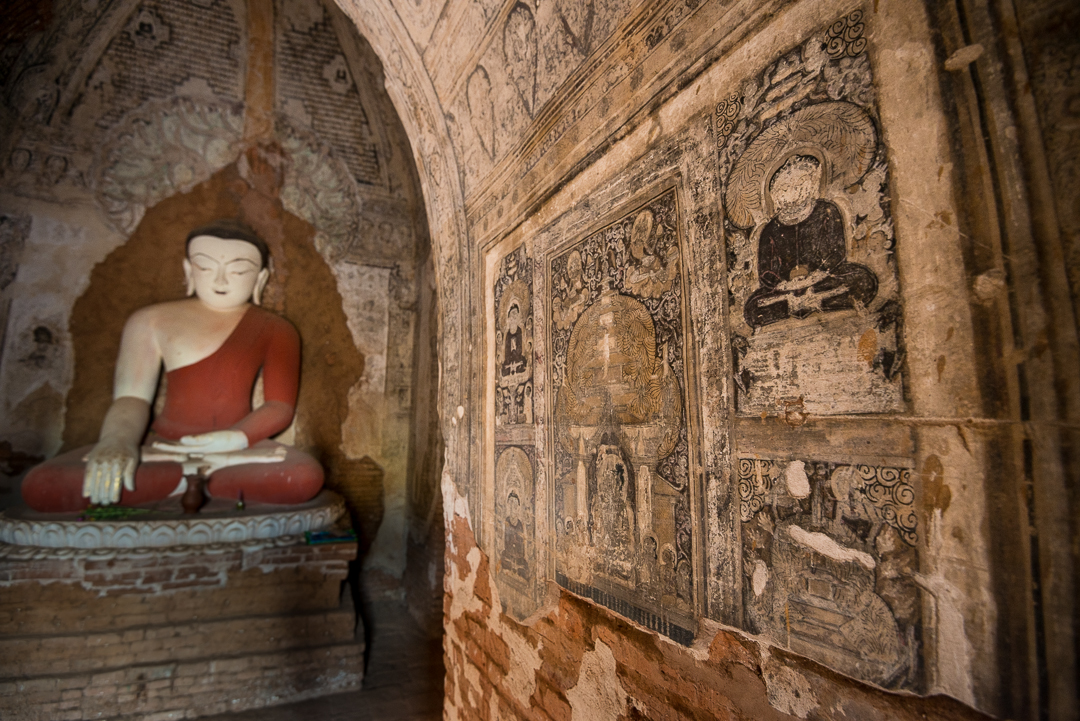
A “fractal” is something with repeating patterns at different scales, so that if you “zoom in” on it, it still tends to look the same. Picture a stock market chart: A typical ten-year chart often looks about like a typical one week chart or a typical one-hour chart. The fractal-like shape of an ocean coastline can look much the same whether you trace the outline of a 100-yard stretch, a 10-mile stretch, or a 1,000-mile stretch. The temples at Bagan made me think of fractals. If you take a broad view, you see huge temples dotting the landscape. But zoom in and you’ll see a similar patterns of smaller temples filling in the gaps.  Similarly, the enormous scale of these monuments is all the more impressive when you see the tiny, intricate detail painted on the interior walls of many of the temples.
As best I can tell, the Asian kingdom of “Pagan” has nothing to do with the “pagan” gods or practices of, e.g., the ancient Romans.
First Look at Burma (Myanmar): Yangon

The start and finish of my three weeks in Burma were in Yangon. I’m still sorting pictures from the rest of the trip, which included everything from remote tribal villages to famous golden Buddhas to a stunning hot-air balloon ride over a thousand-year old sacred city.
_JD85817

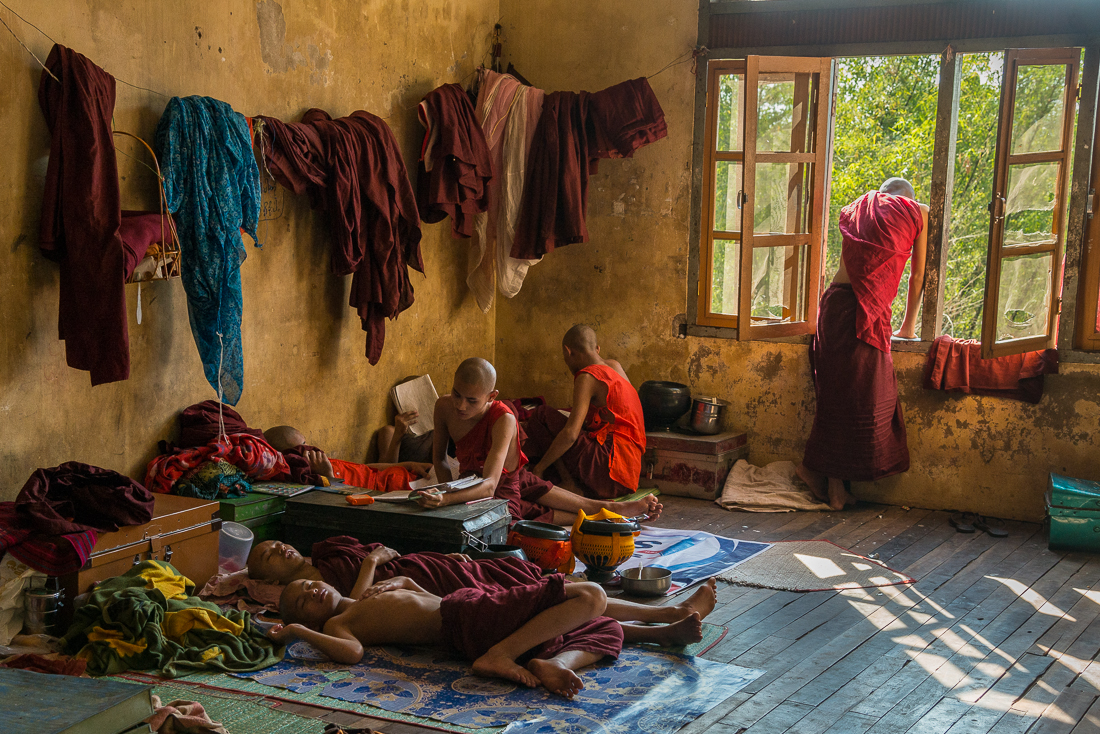
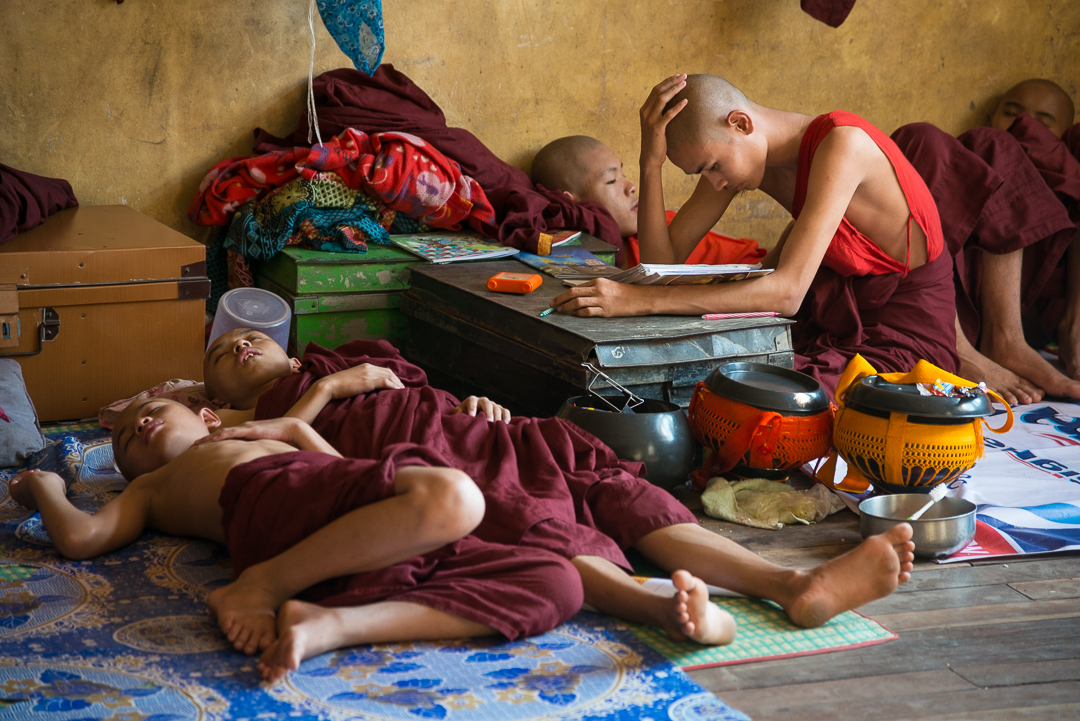
Young monks in their living quarters at Naga Hlaing Gu monastery in Yangon.


The United States officially recognizes the country that lies just east of India, south of China, and west of Thailand as “Burma,” even though Burma’s current government wants to be called Myanmar. Today Burma has a population of around 50 million.


_JCE7474

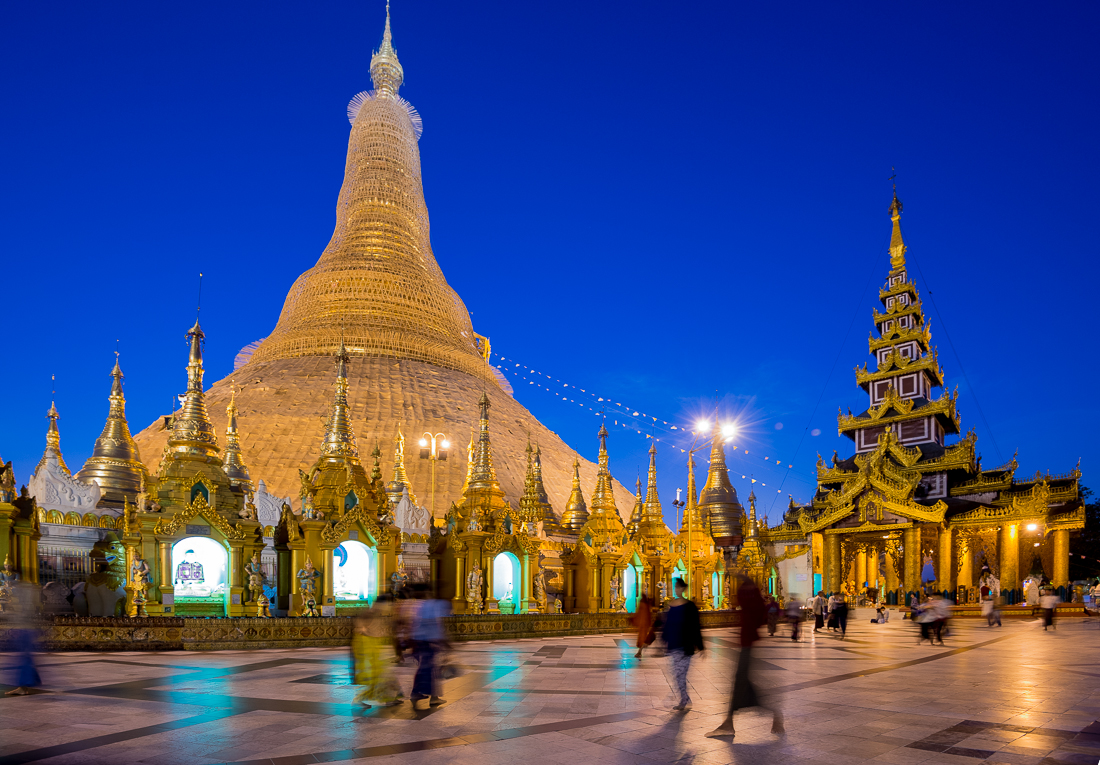
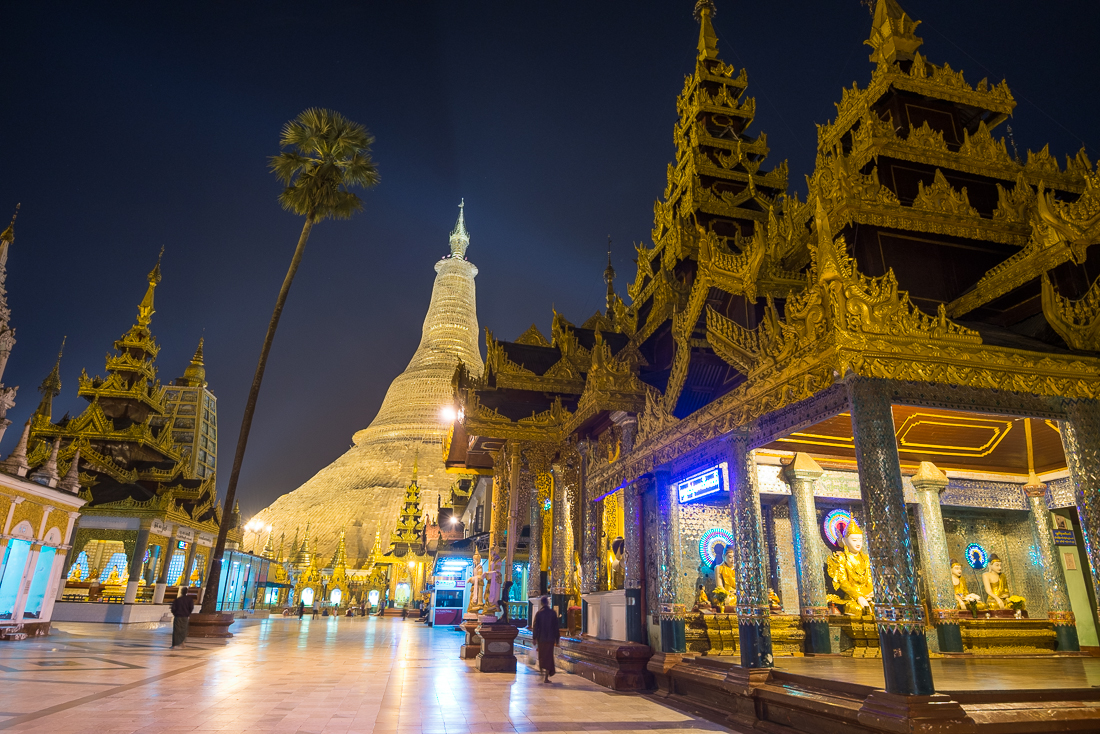
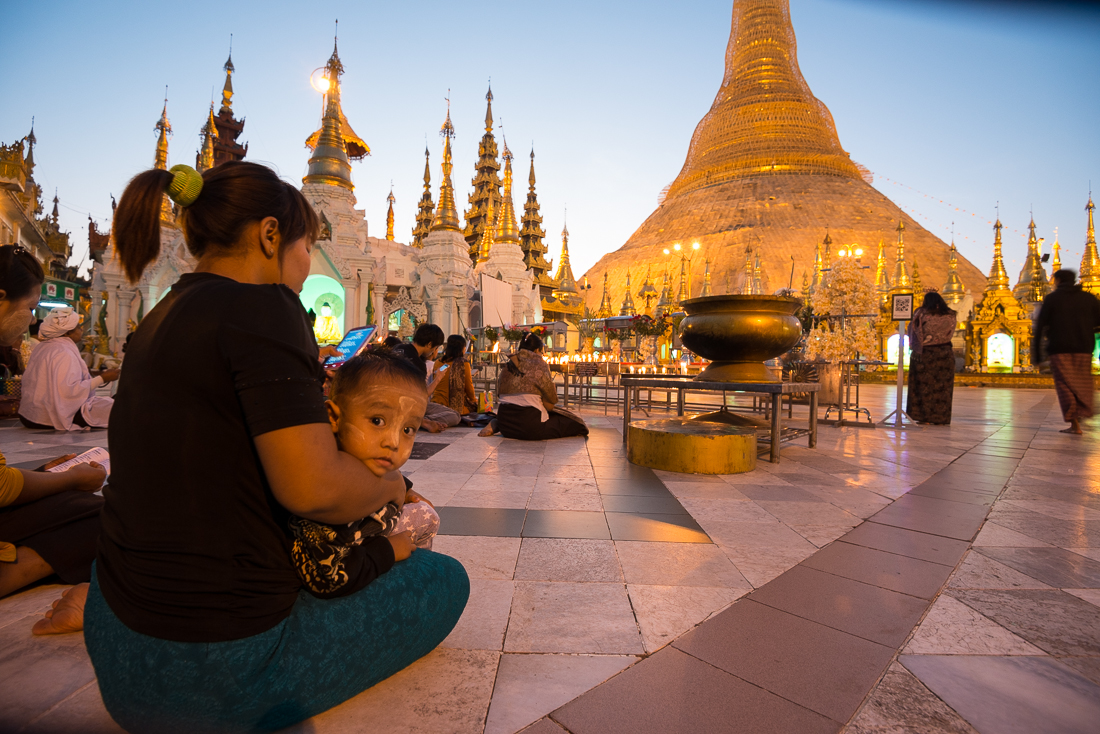
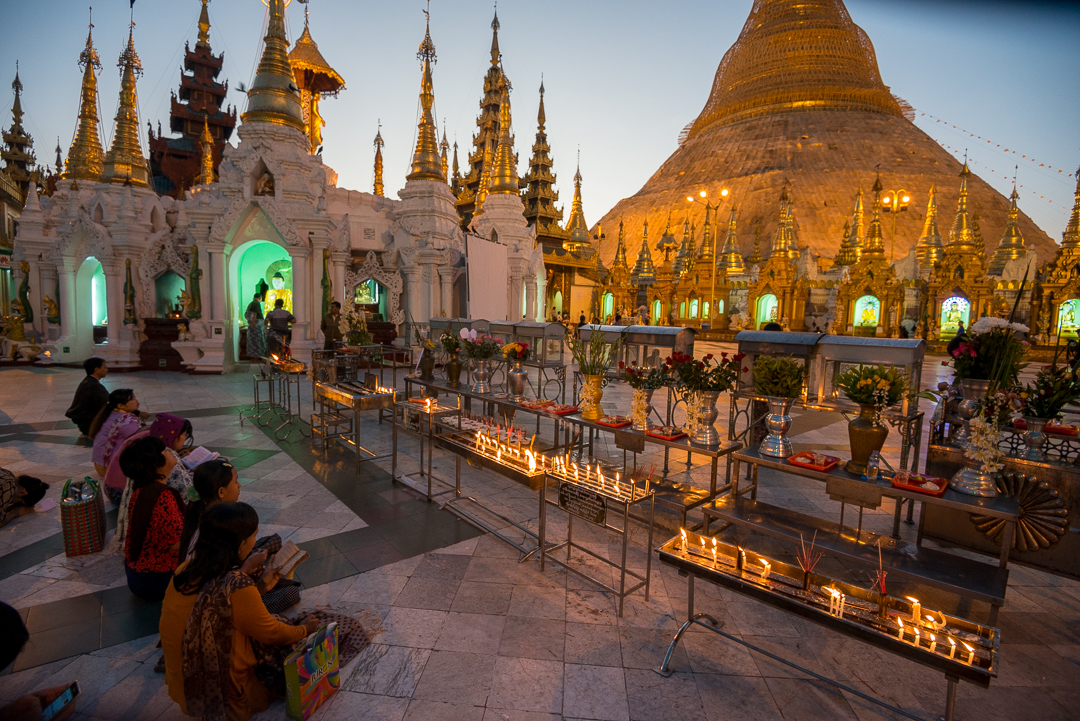
Shwedagon Pagoda, already busy even before dawn


Burma was a British colony, starting in 1824 after the first Anglo-Burmese War.  Before the Brits, the area – like most of Asia – was governed for many centuries by a series of kings, dynasties and empires. Britain’s control of Burma was mostly lost during World War II; Burma was given its independence in 1948.  A “military junta” ruled Burma for most of the last 50 years, though its grip has been loosened somewhat in the last decade. The military renamed the country “Myanmar” in 1989, just months after an especially brutal suppression of dissenters. Perhaps because that origin, the new name has been slow to catch on, and the U.S. still hasn’t officially recognized it.  I prefer “Burma” mostly because it has one less syllable and is straightforward to pronounce.


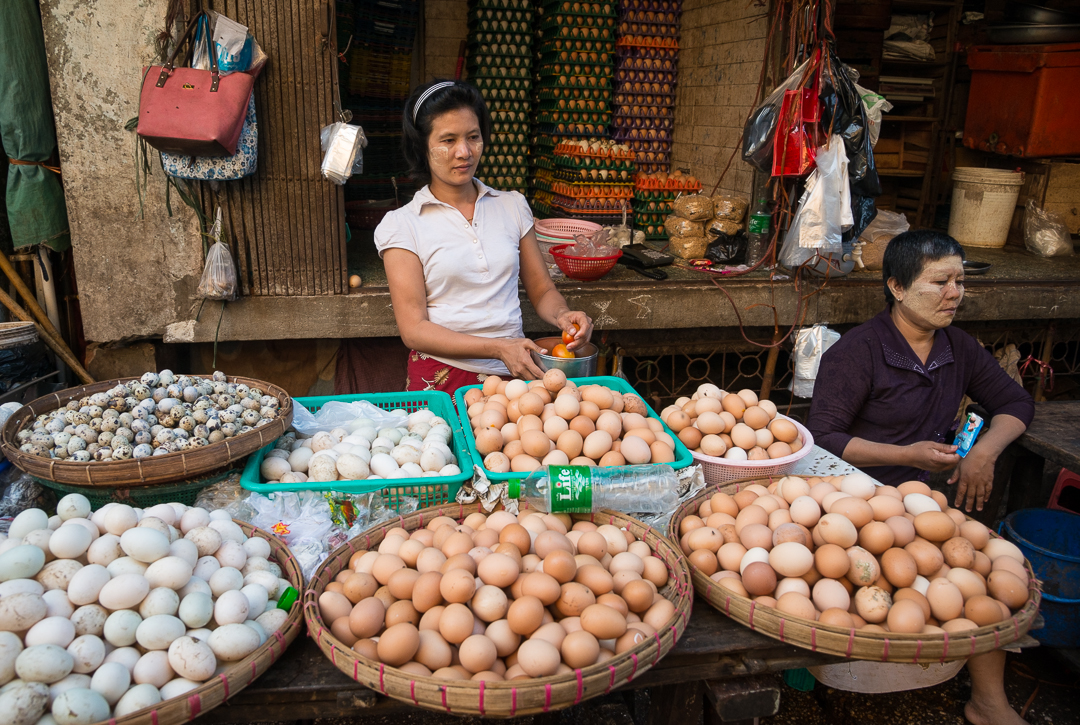
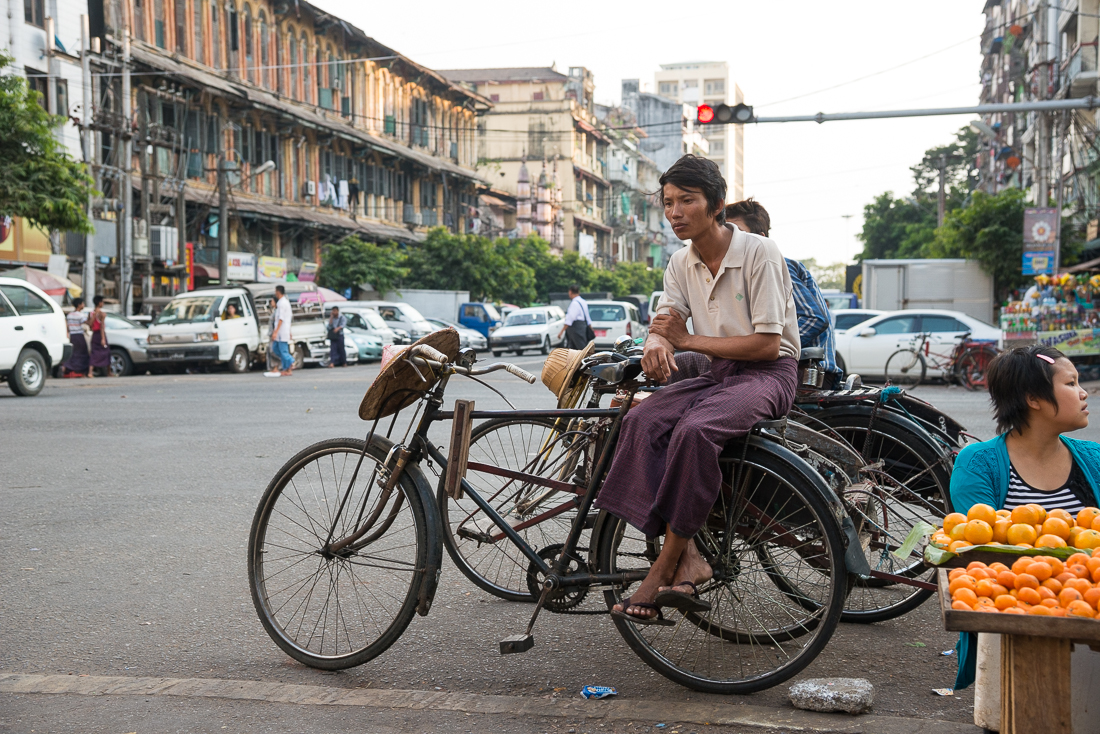
Also renamed was the now-former capital city: Rangoon is now “Yangon.” I stayed in Yangon three different times in my three weeks in Burma. It’s a city of about 5 million, which makes it bigger (in population) than Los Angeles, though its downtown commercial skyline looks more like Wichita Falls. Only in the past few years has the Burmese government made it feasible for ordinary people to own cars, so terrible traffic overwhelms the city streets, perhaps also trumping Los Angeles on that front, too.


The most famous and prominent landmark in town is the Schwedagon Pagoda. It’s a huge Buddhist temple complex dominated by one towering golden “stupa.”  Legend has it that it’s 2,600 years old, though history and archaeology apparently peg it at closer to 1300. I got there long before daylight and it was already brimming with visitors.


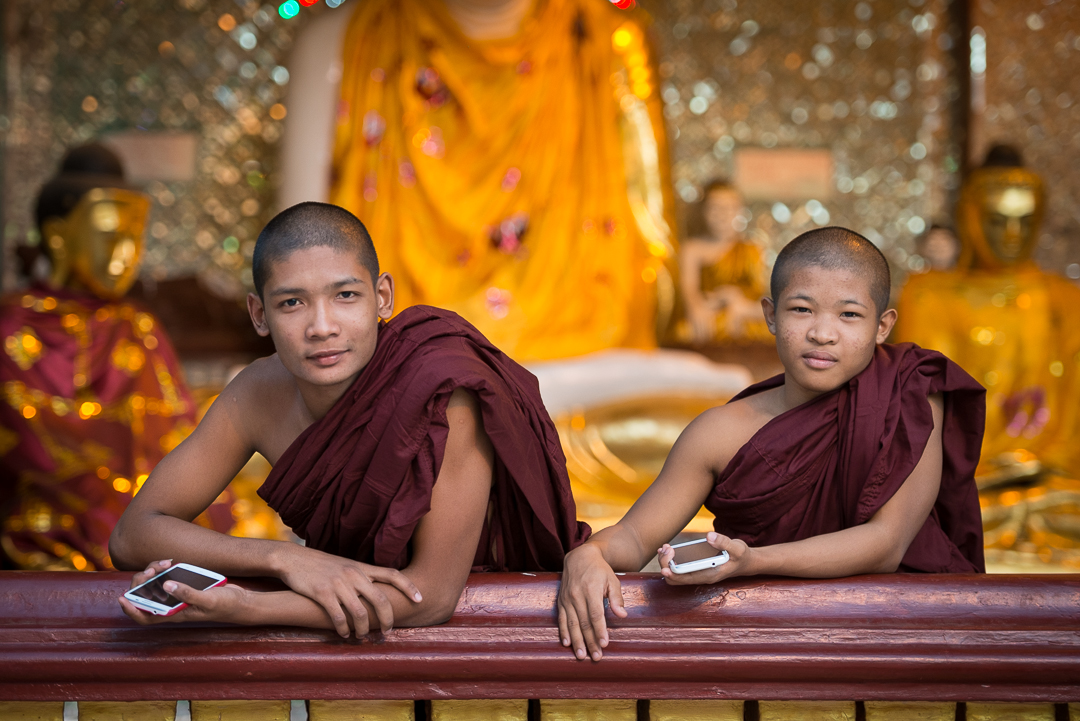
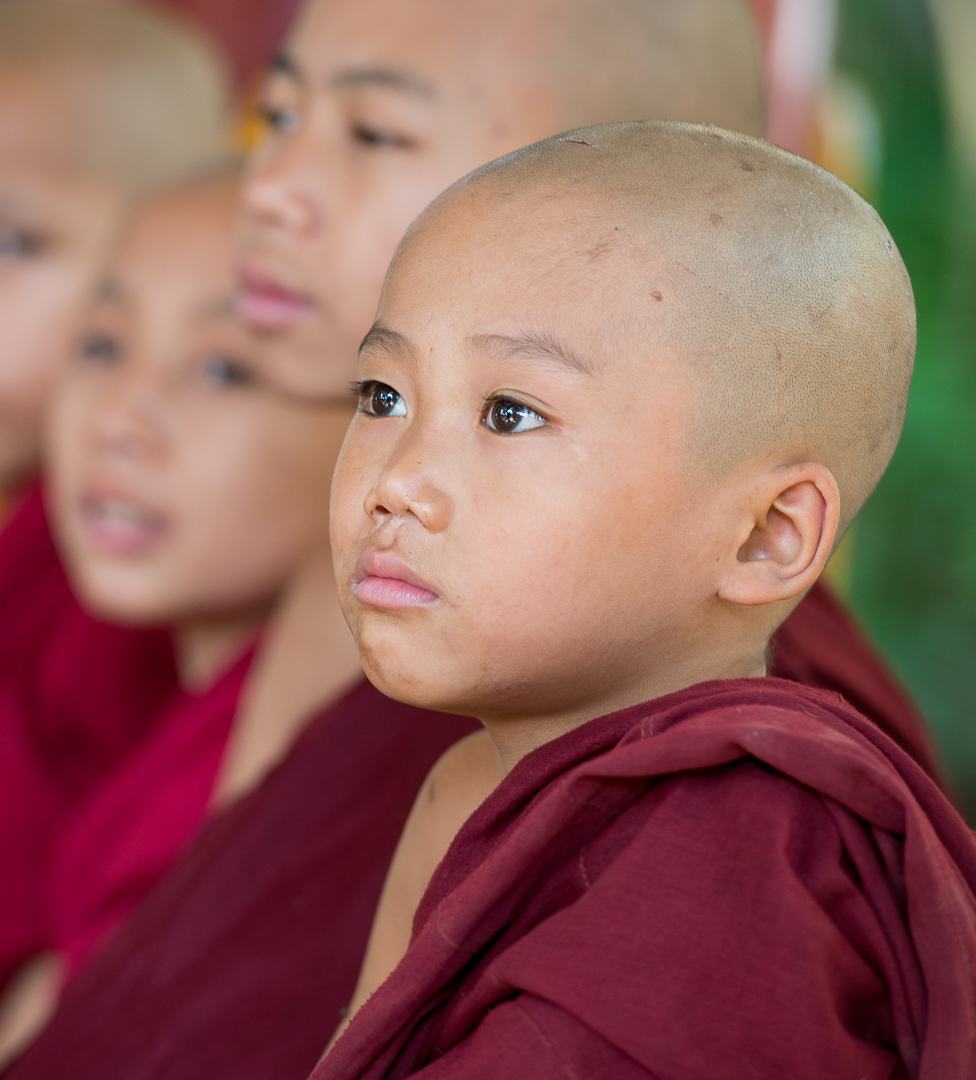
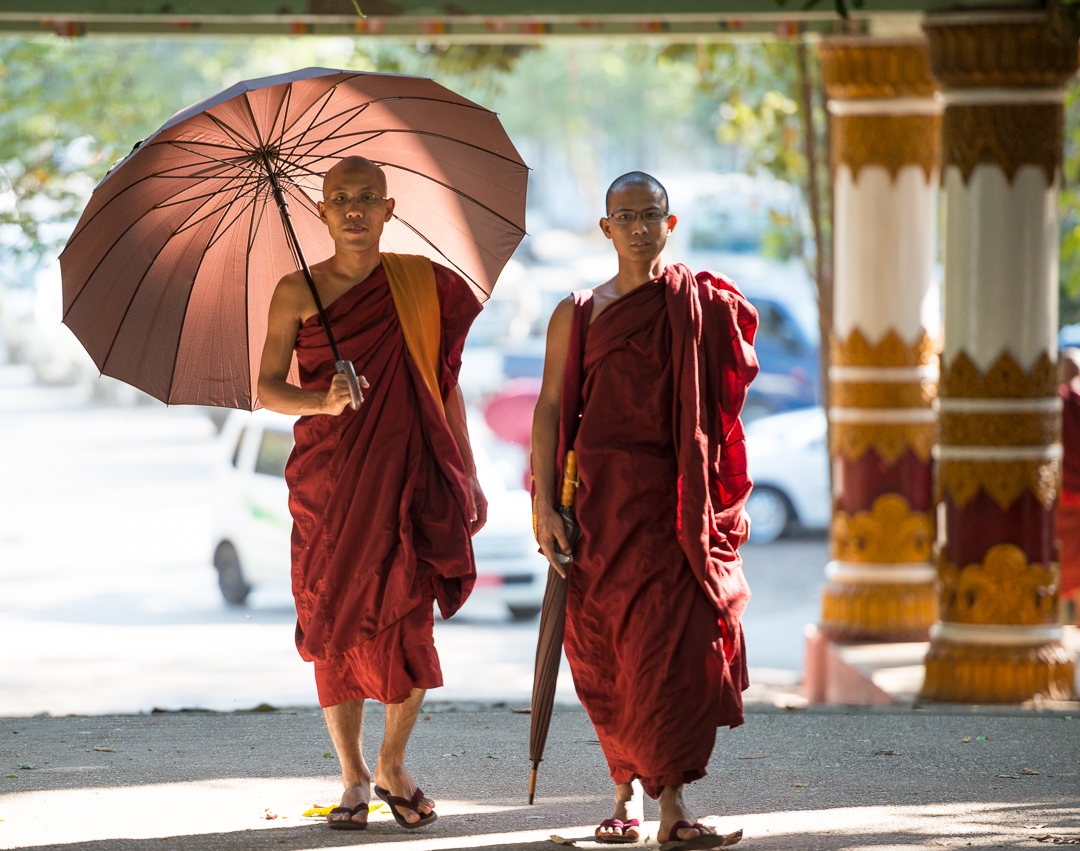
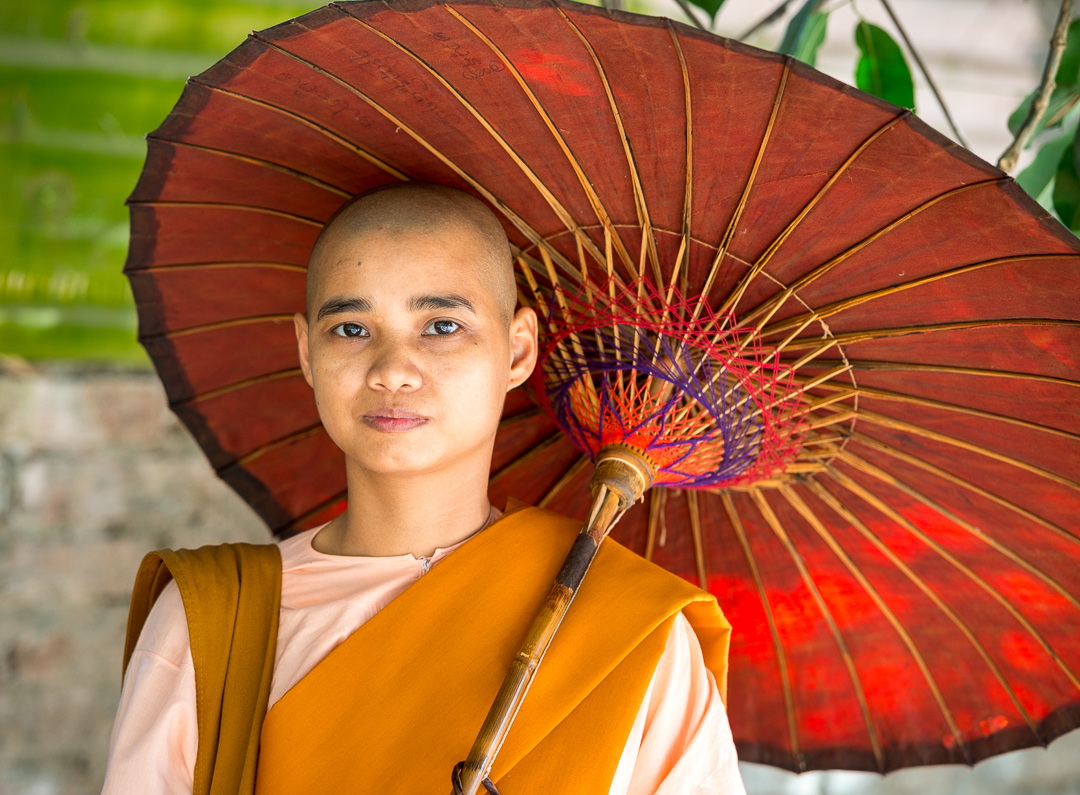
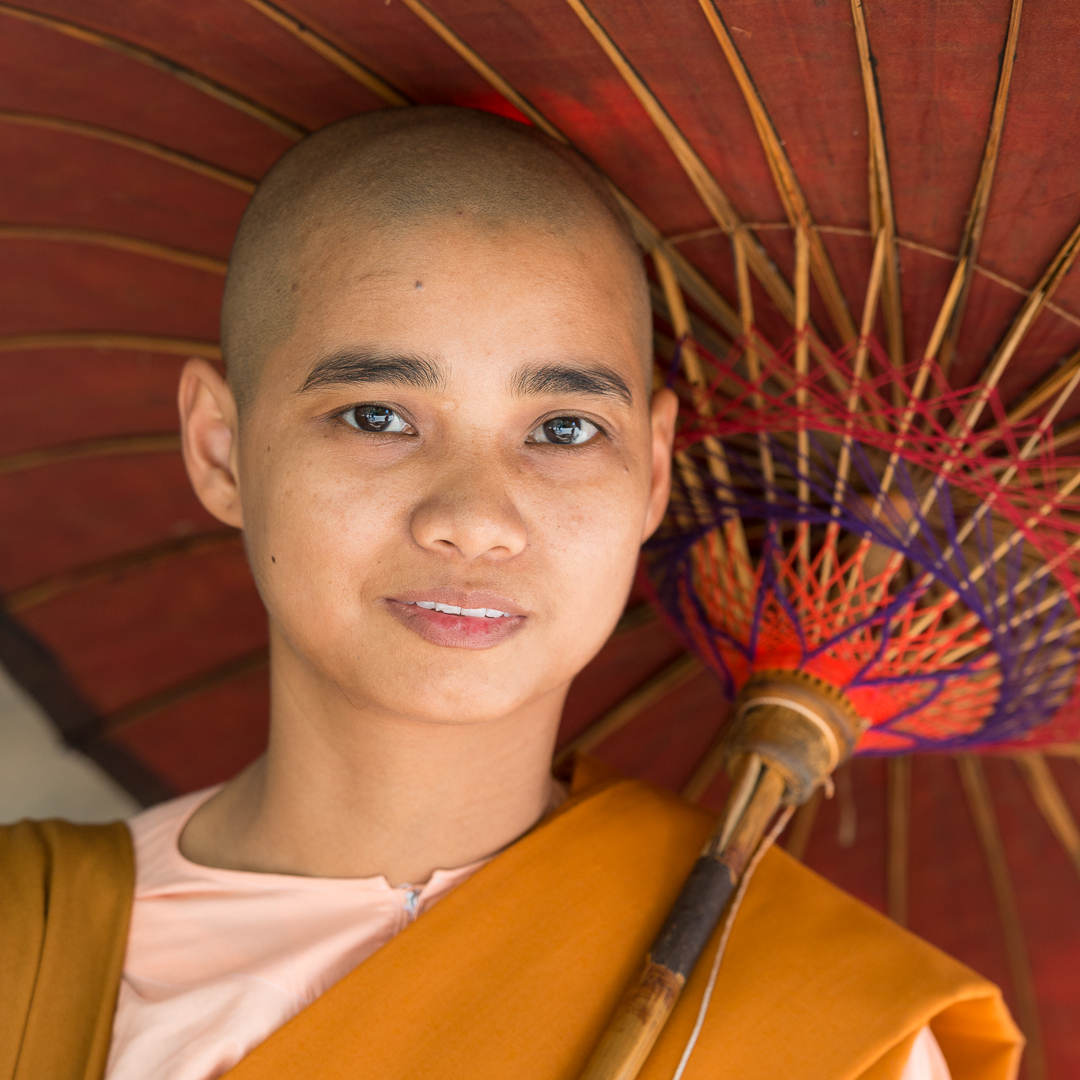
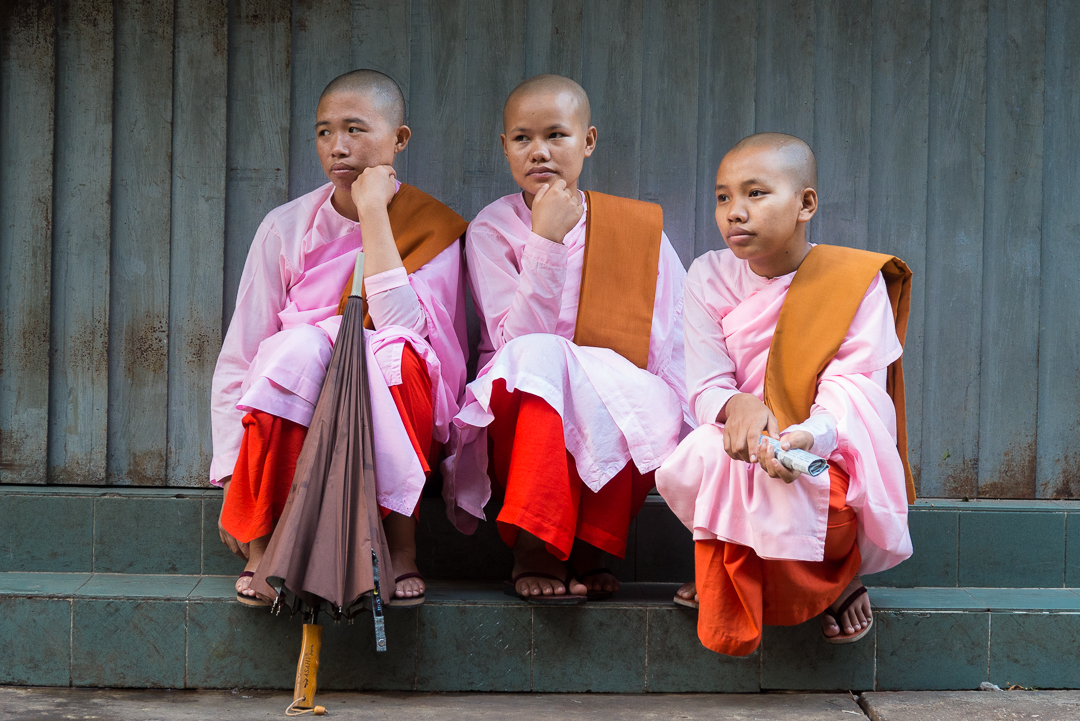
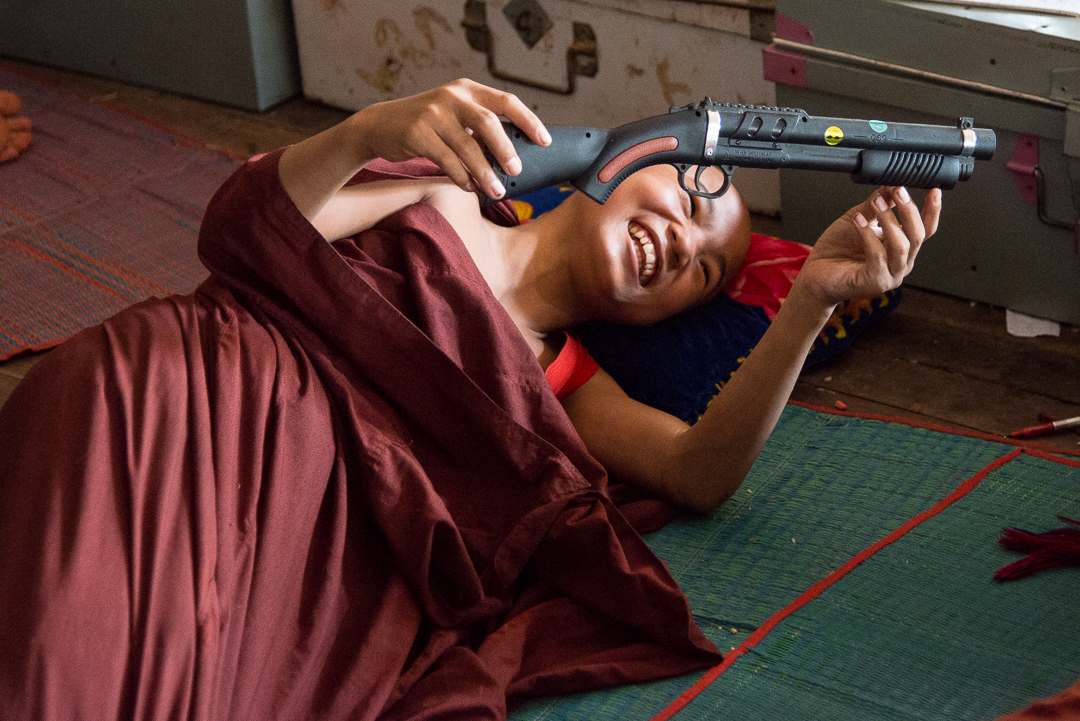
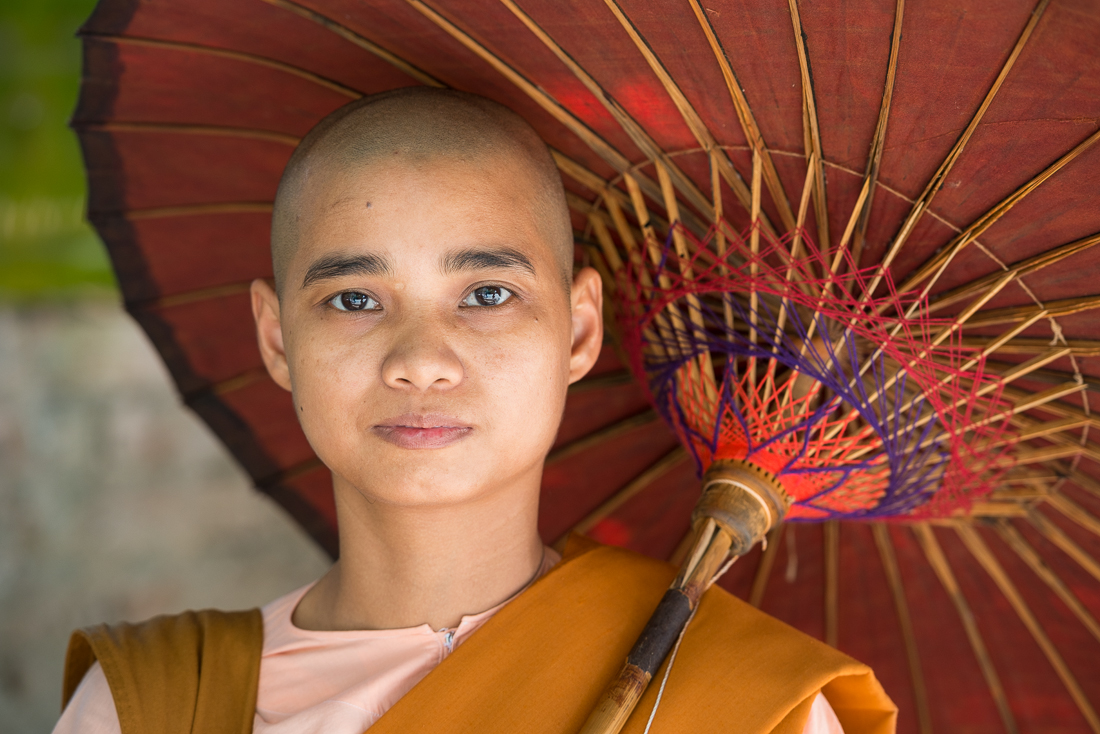
The girls in pink are nuns; the boys in dark orange or maroon are monks.  It sounds odd to Americans to hear of young children being monks and nuns, but those terms have different meanings in Buddhist practice than they do for the Catholics. Most Buddhist boys are monks at some point in their youth – perhaps only for a week or a month. It can be about like going to church camp. They can (and frequently do) leave at any time without any resistance or stigma, so it’s a very different type of commitment. As the pictures with smartphones and toy guns hint, they’re mostly typical kids. That young nun with the umbrella looks like a set-up shot, but it’s not. We caught her walking down a city sidewalk as we hopped of the bus.


A Buddhist "nun" near the Naga

A Buddhist “nun” near Naga Hlaing Gu in Yangon


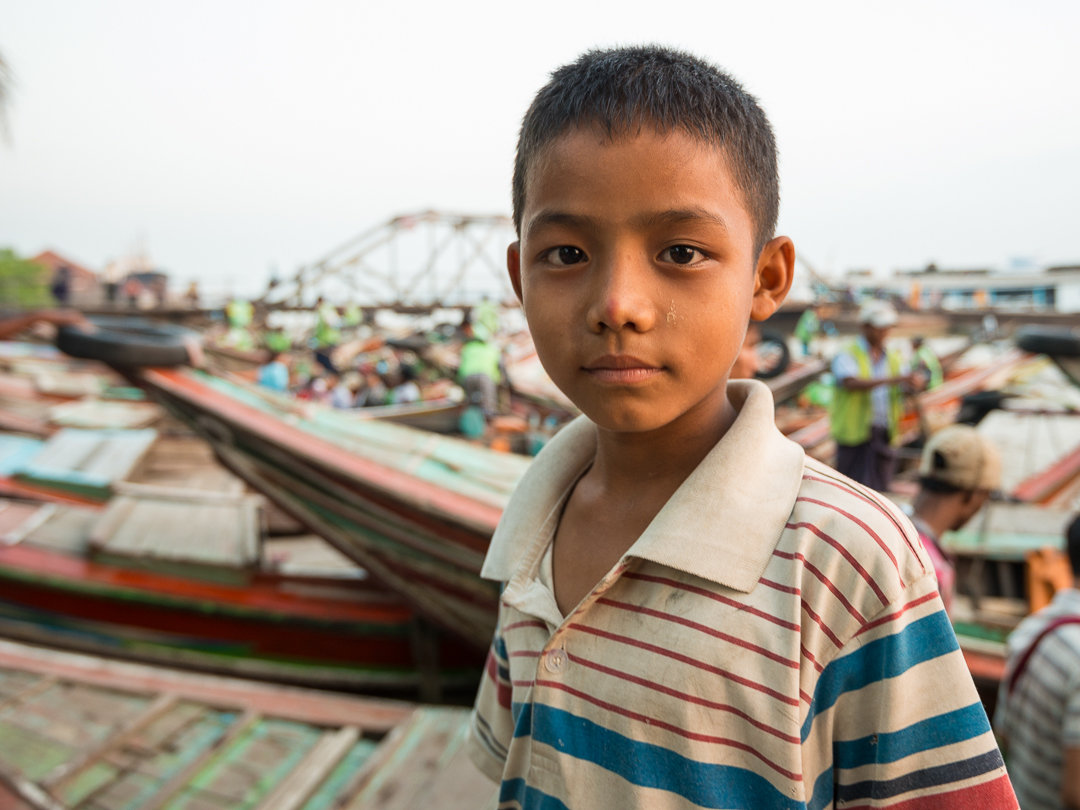
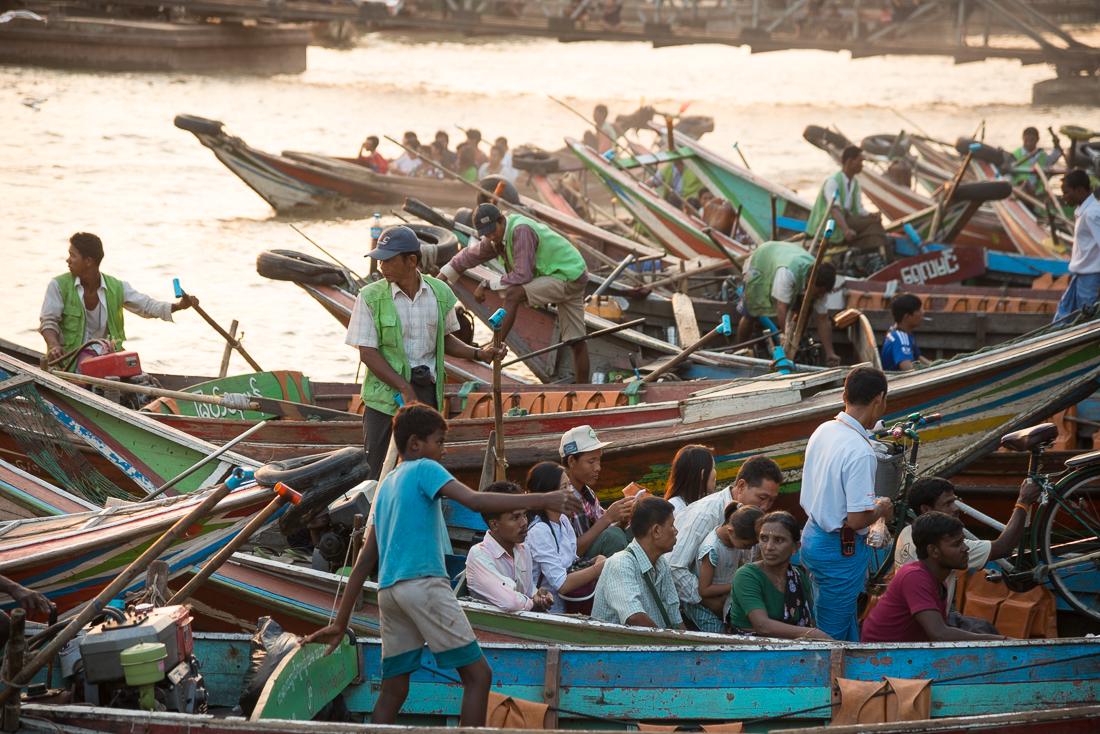
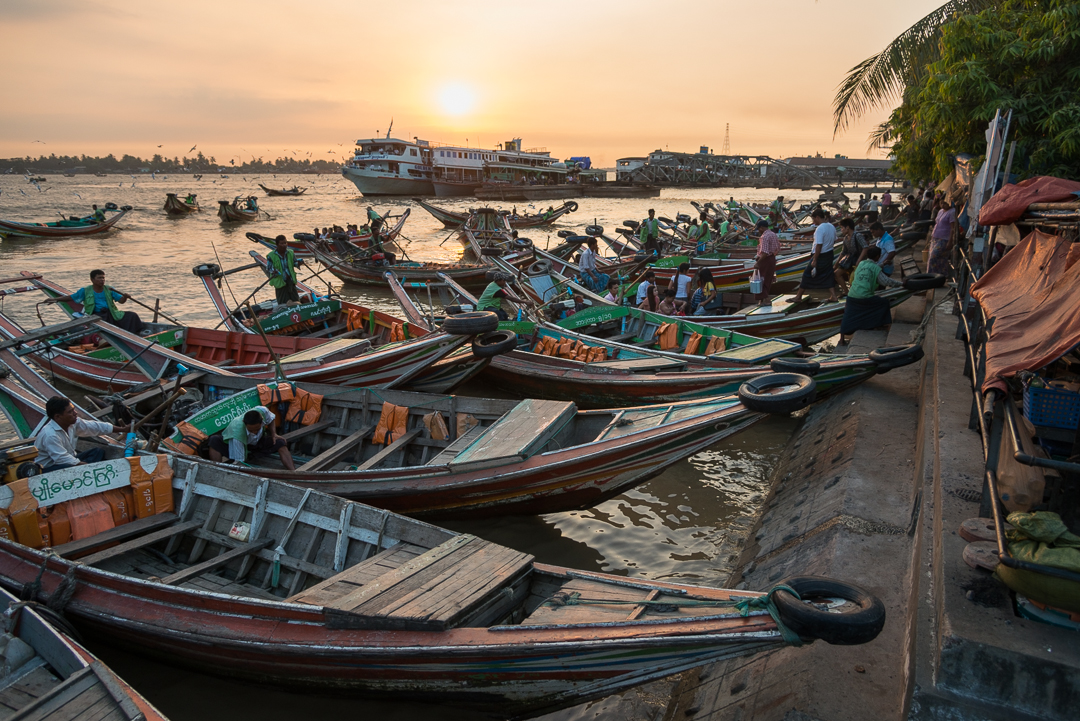
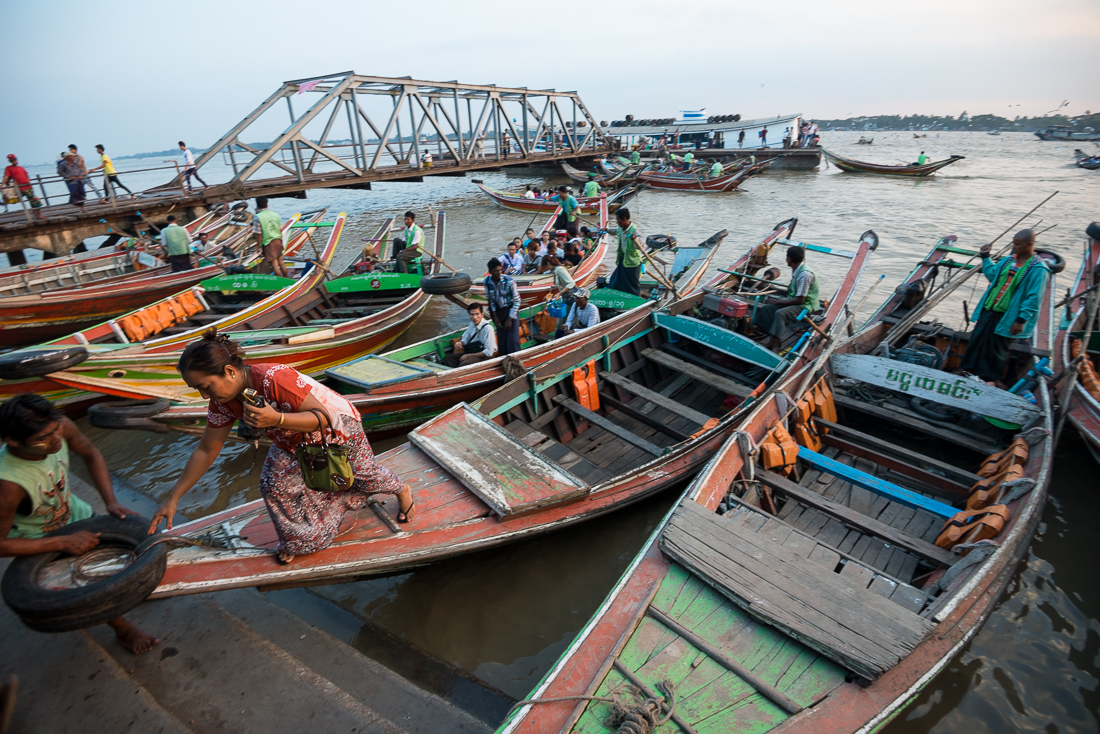
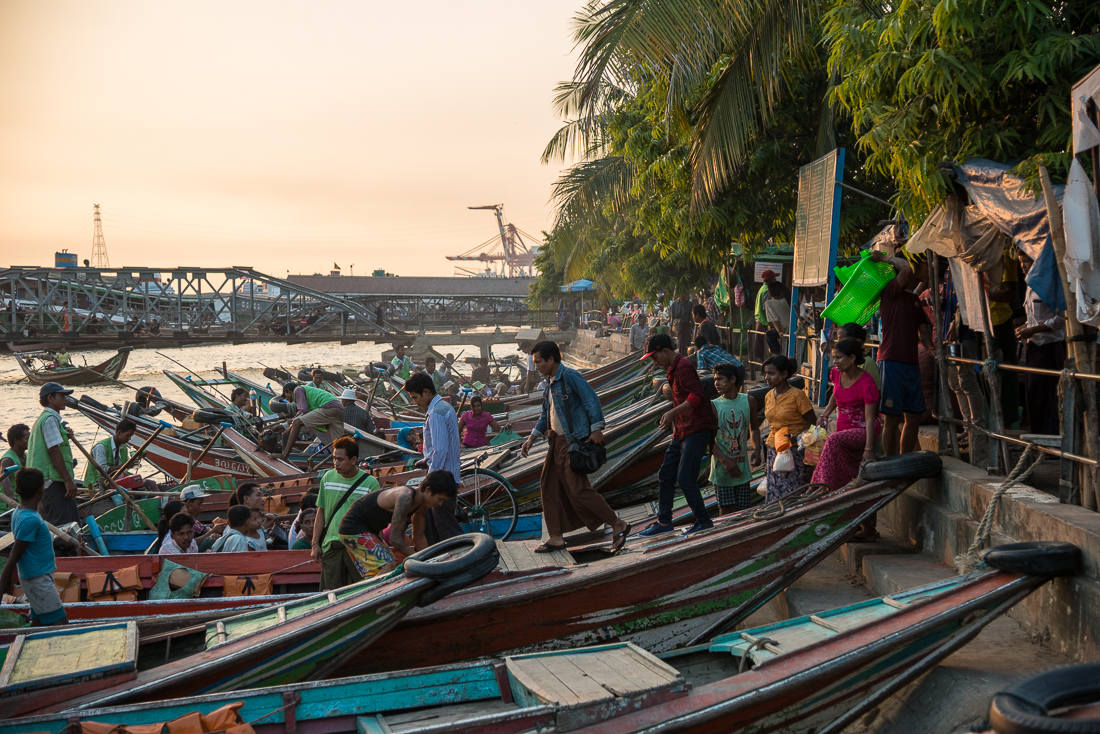
All those boats operate as rush hour passenger ferries, taking folks across the Yangon River. The activity was intense: I think they had a ferry leaving at least every 30 seconds during peak rush hour traffic. We were told that foreigners weren’t allowed on those boats – because the government is concerned about safety (of foreigners).