Category Archives: Uncategorized

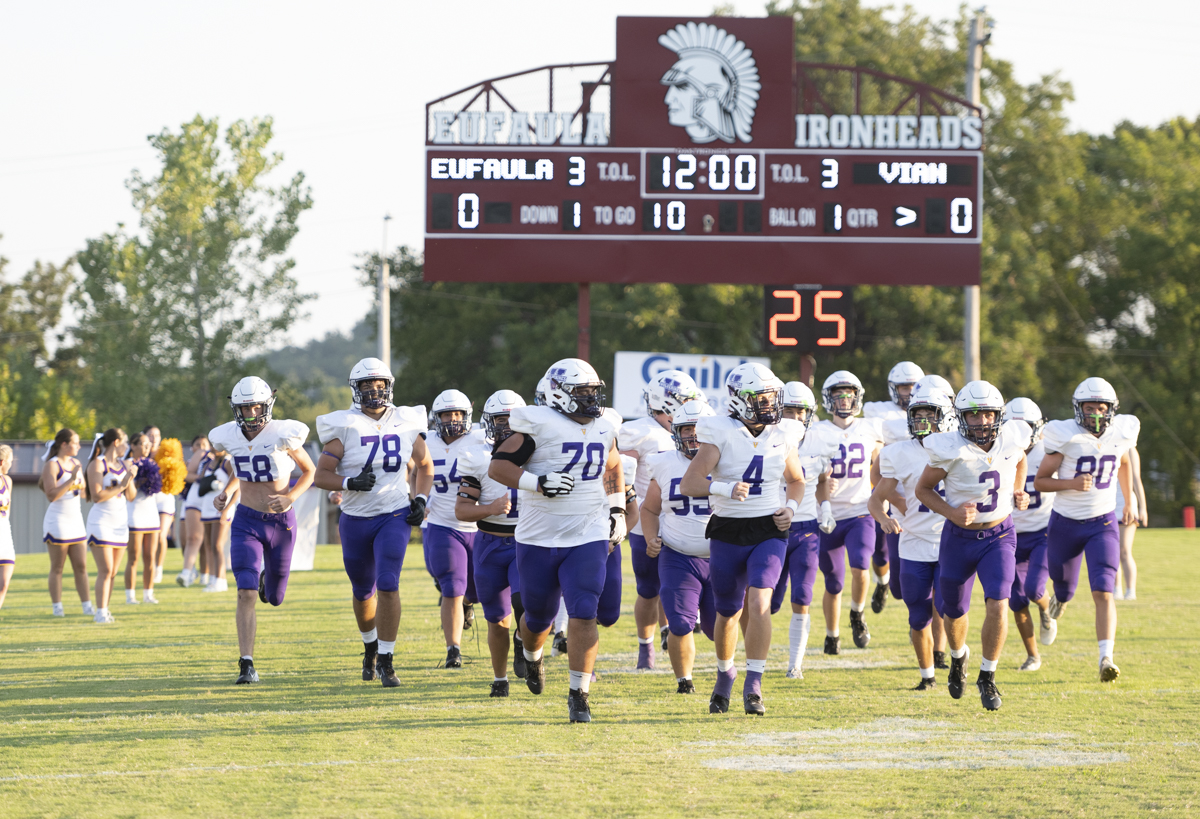
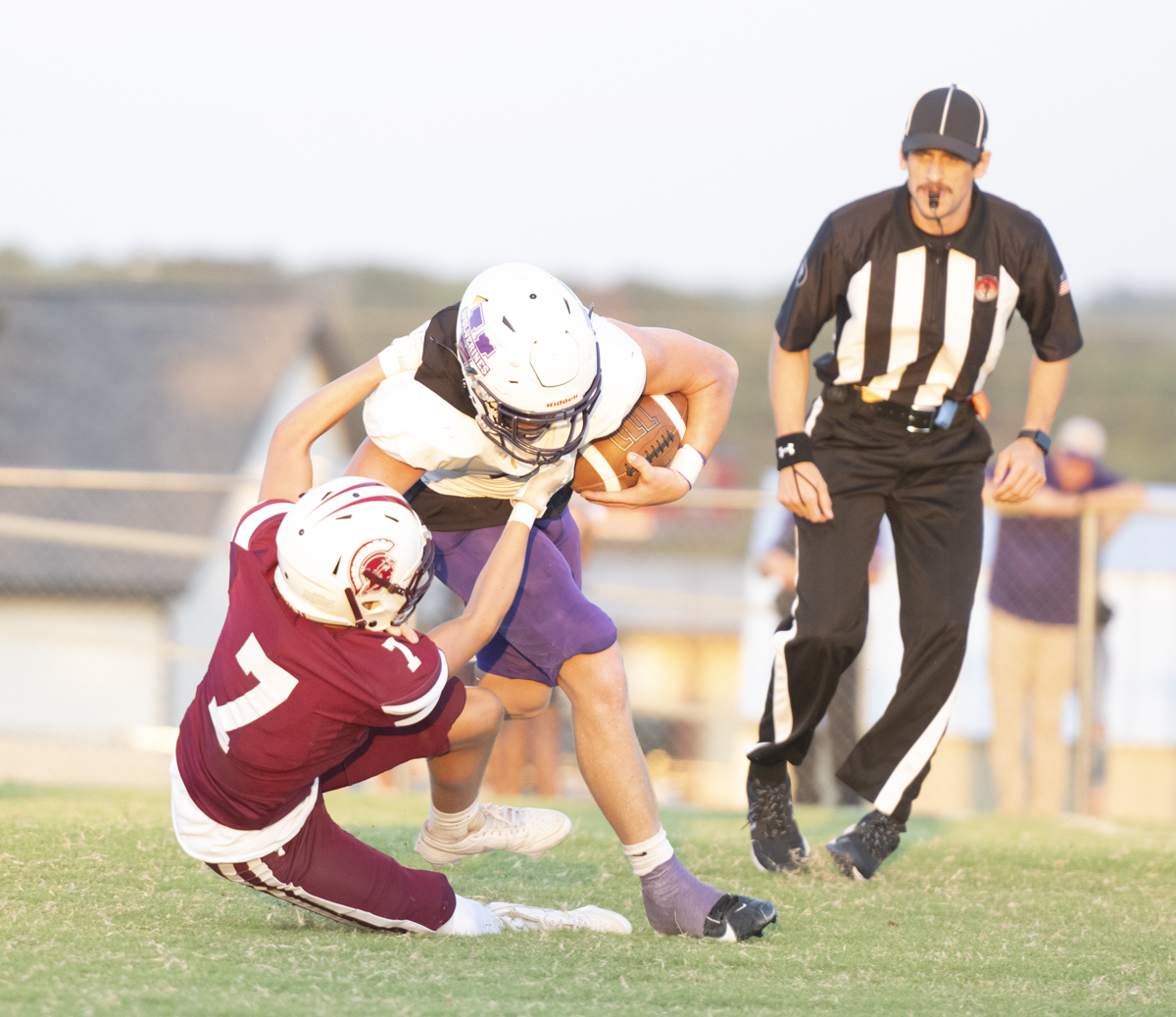
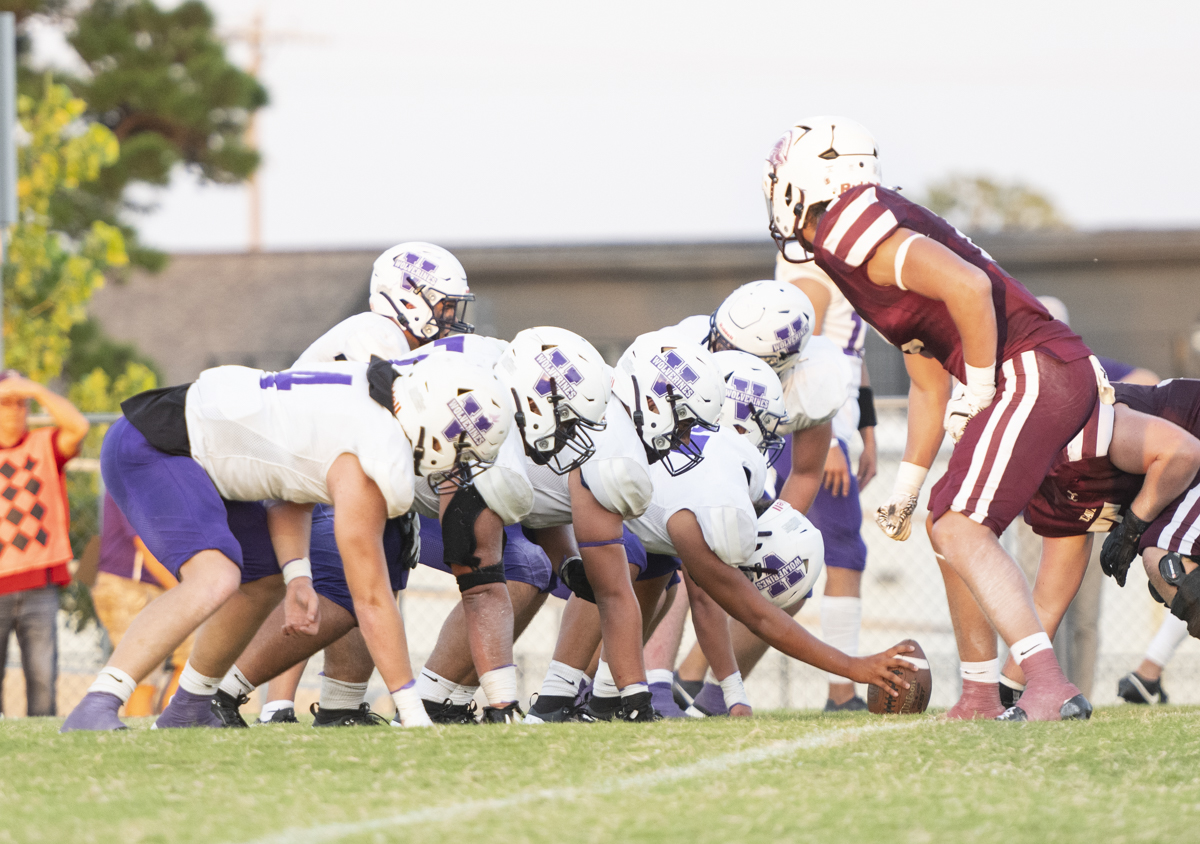
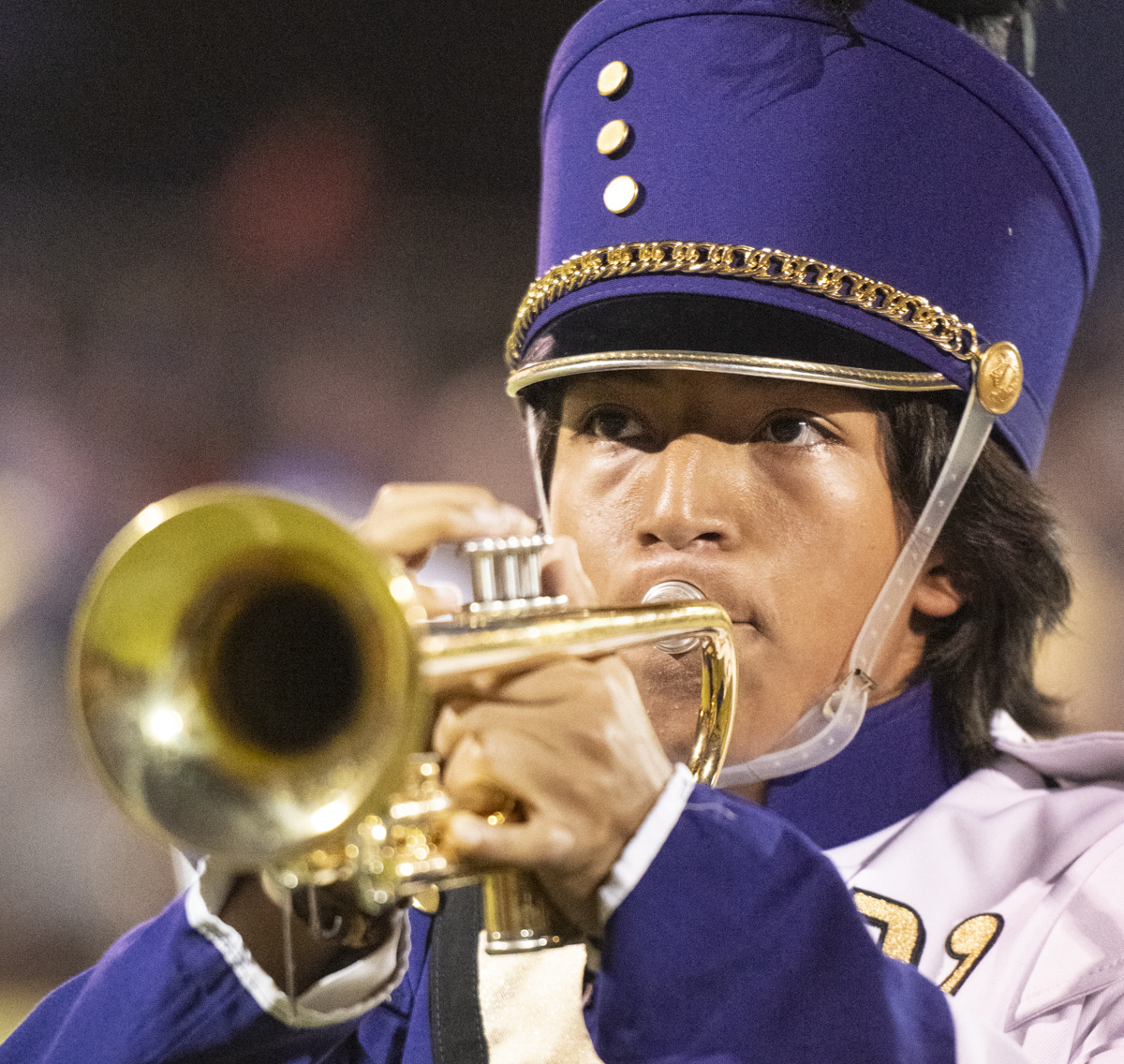
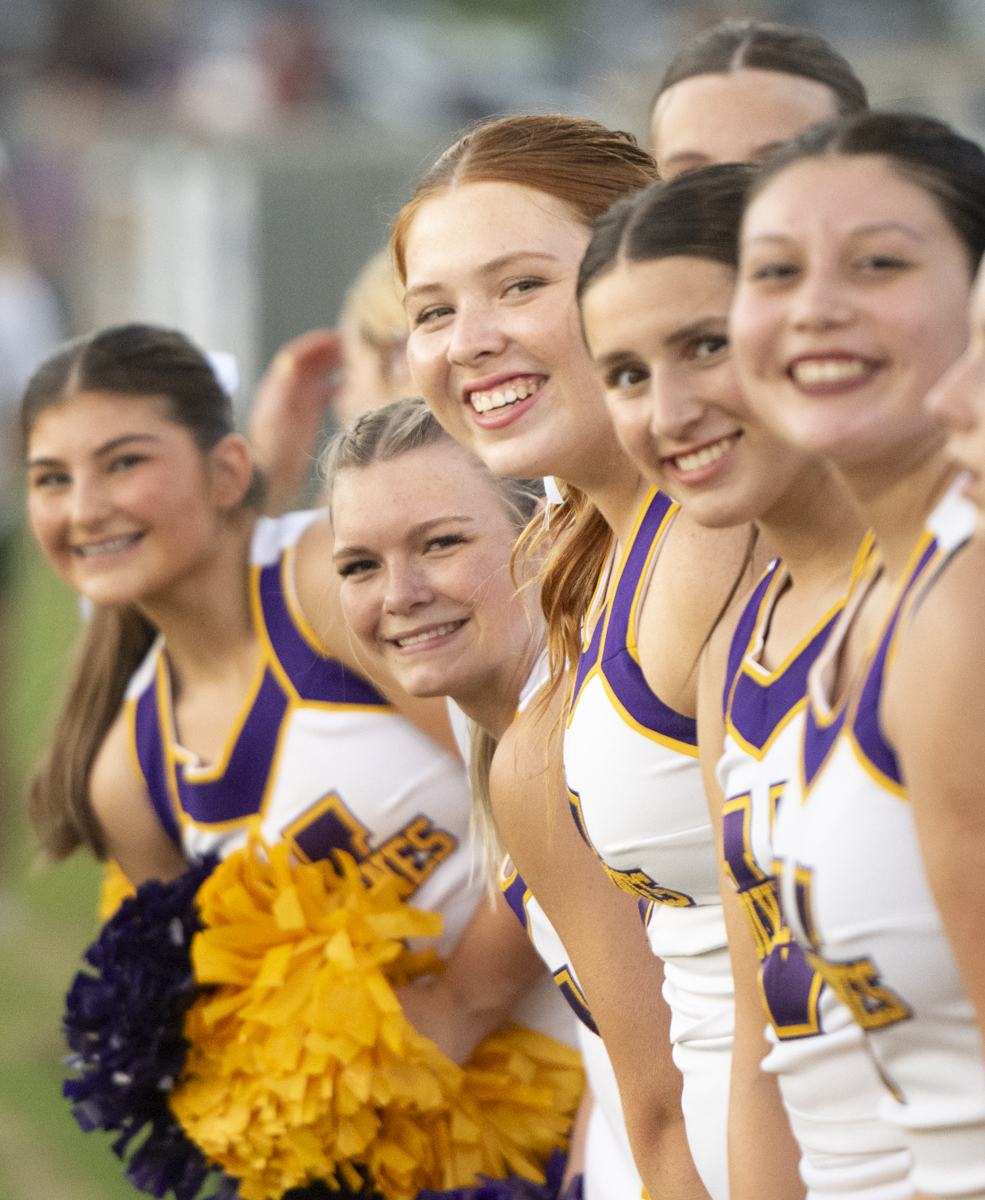
Vian v Eufala Football Game 2024

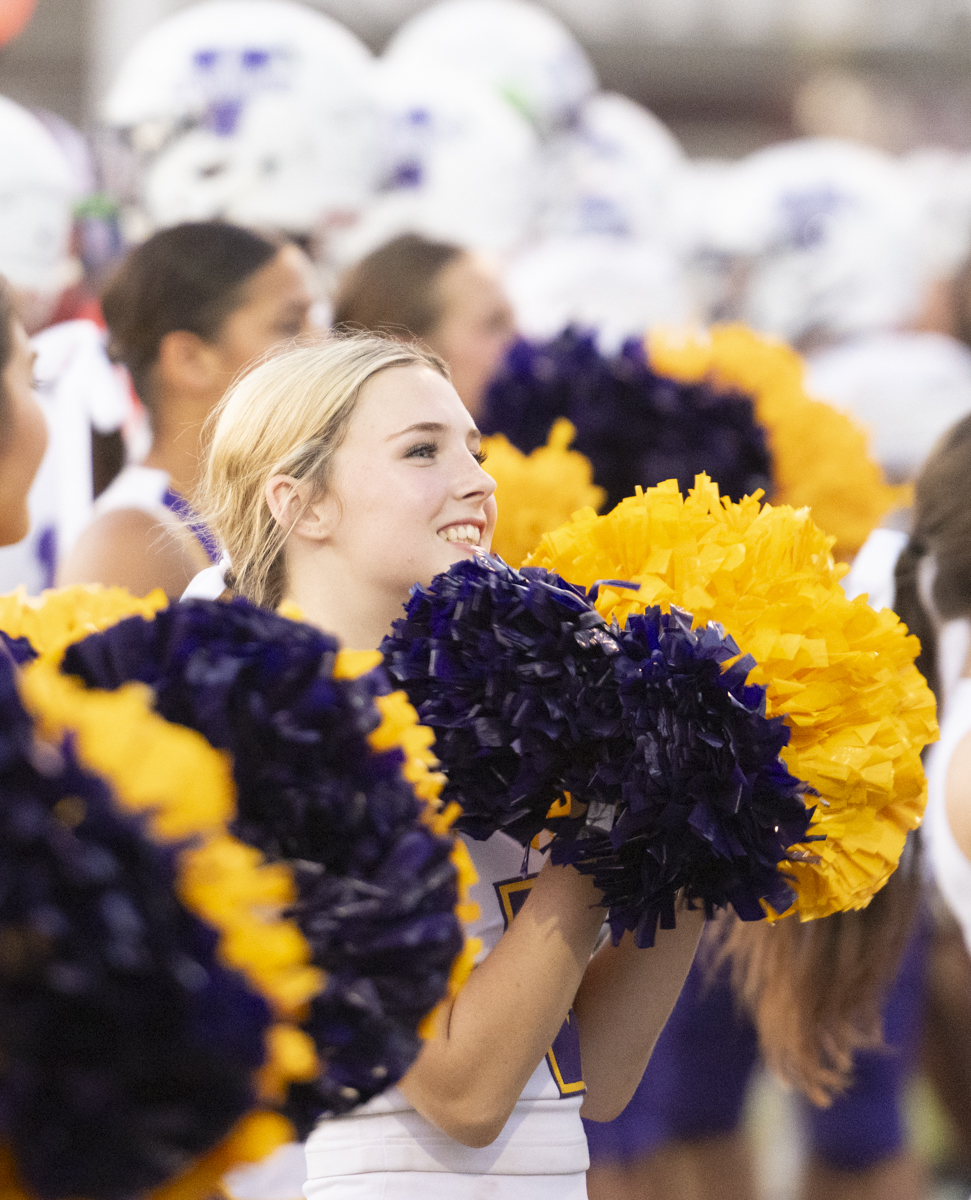
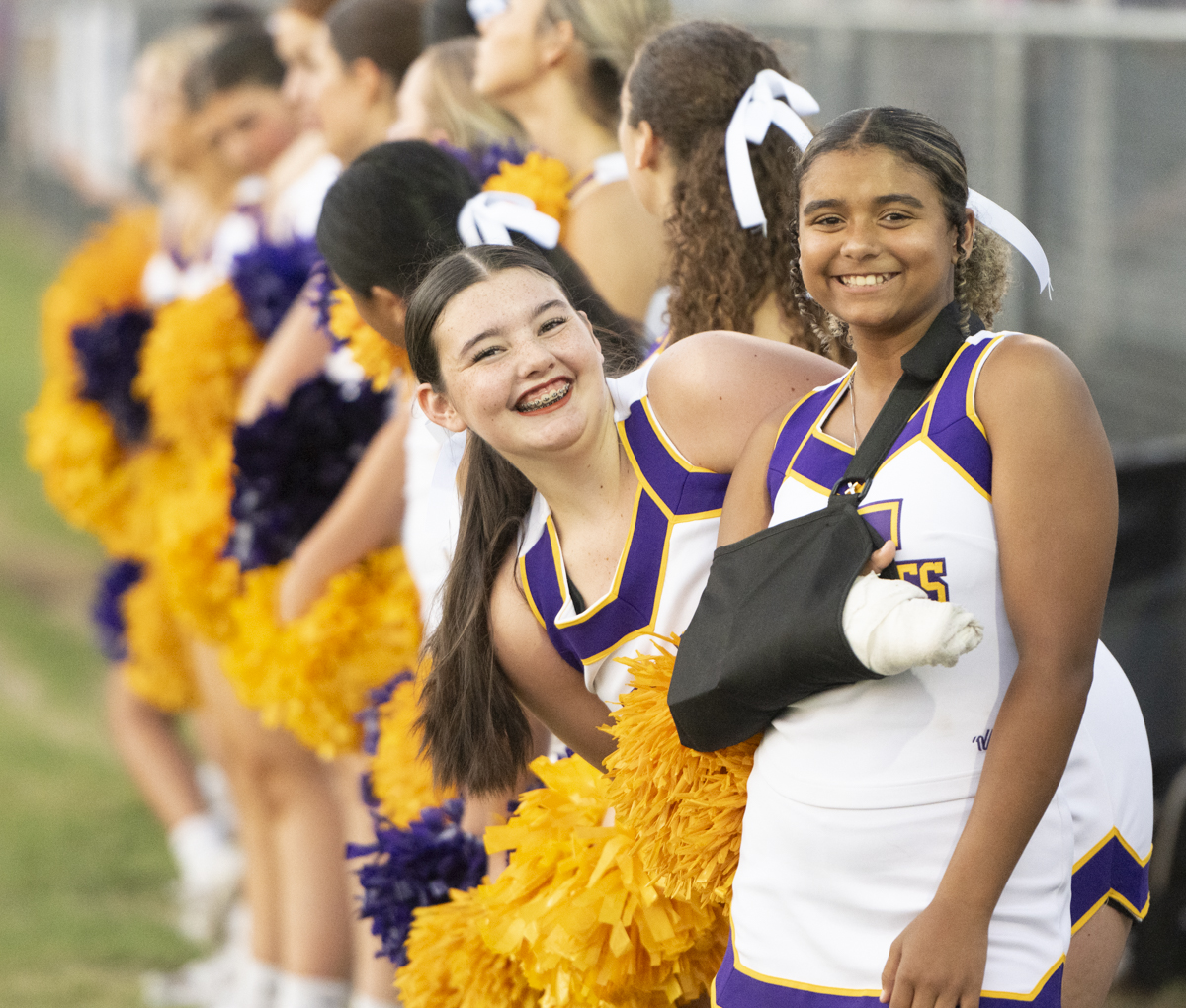
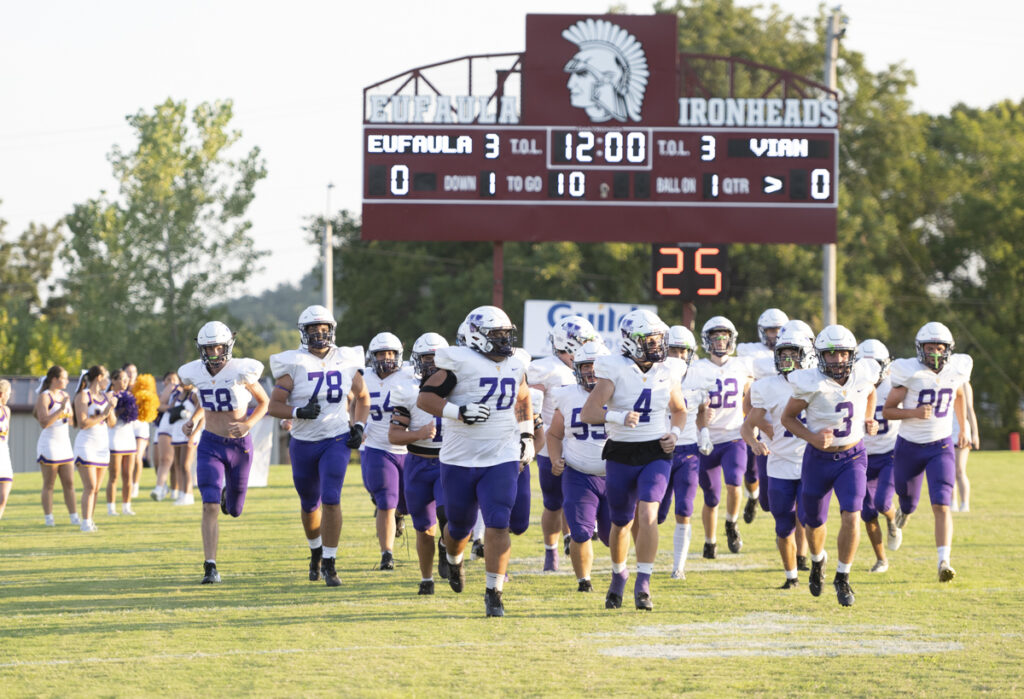
Early in the season, the light is still pretty for at least part of a football game, so I get out my great-big lens for one of its very-few annual outings and see what happens. As usual, I nearly got trampled on the sidelines a few times. And the Wolverines got a big win over a great program at Eufala. My apologies to those whose pictures I failed to get, and to those whose view I may have blocked in trying to get these.
NOTICE THAT THERE ARE FIVE PAGES OF ‘THUMBNAIL’ IMAGES HERE.


Downtown in December

2,000 people on 3 blocks of downtown Vian?!?! Downtown in December 2021 — a big event in a small Oklahoma hometown. Click the first image to scroll through full-screen images. All images may be downloaded.

Good Karma: Gujarat, India

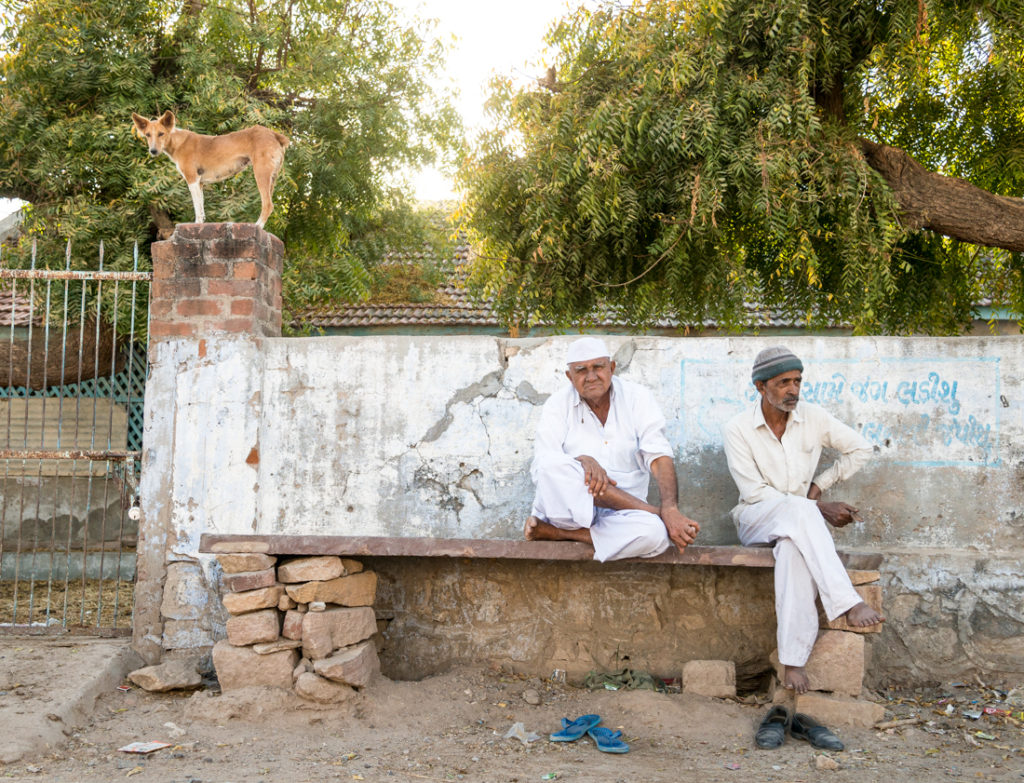
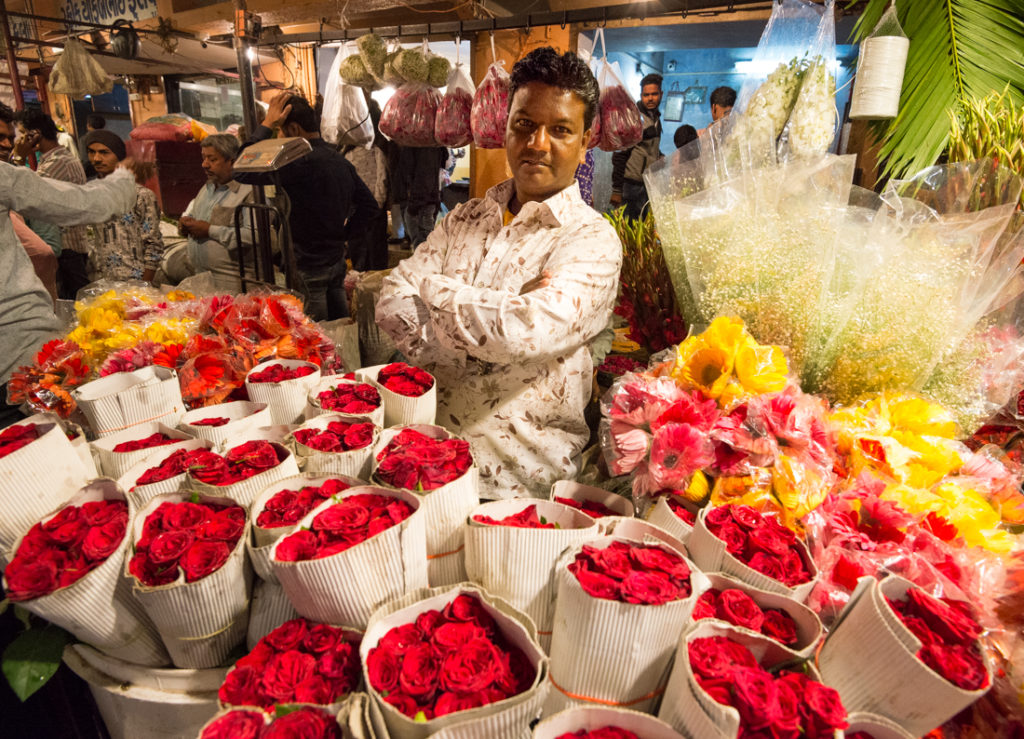
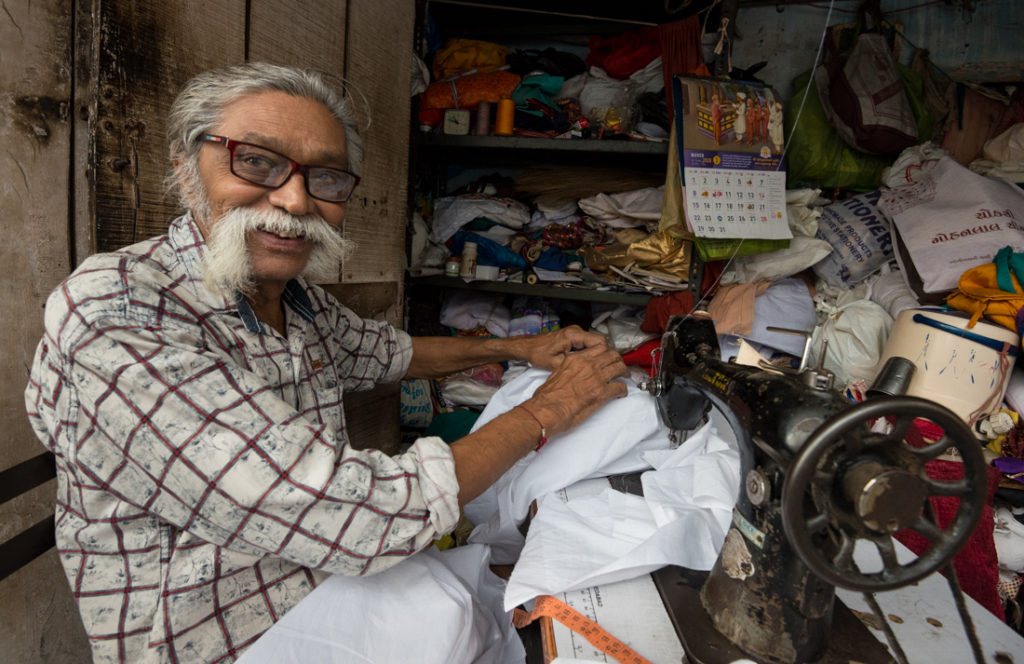
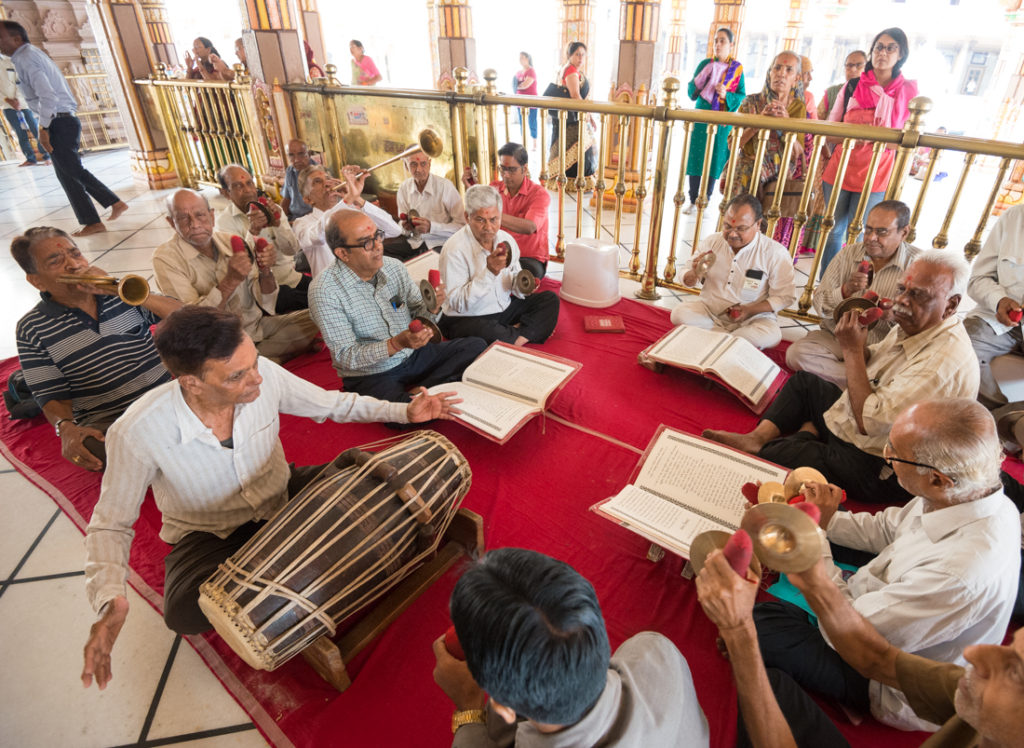
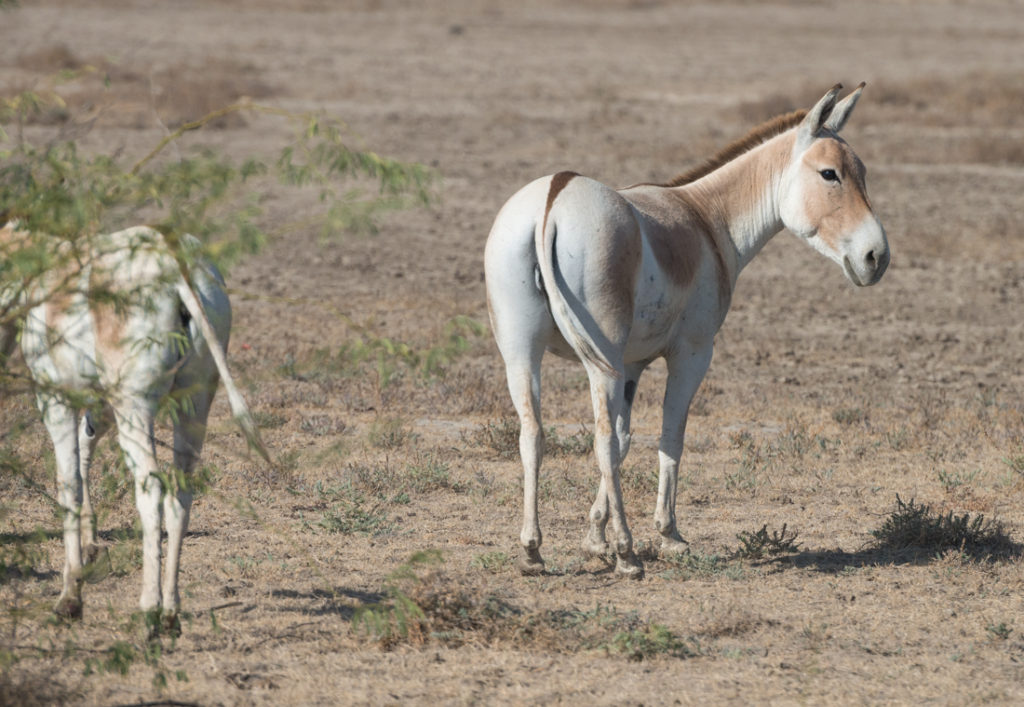
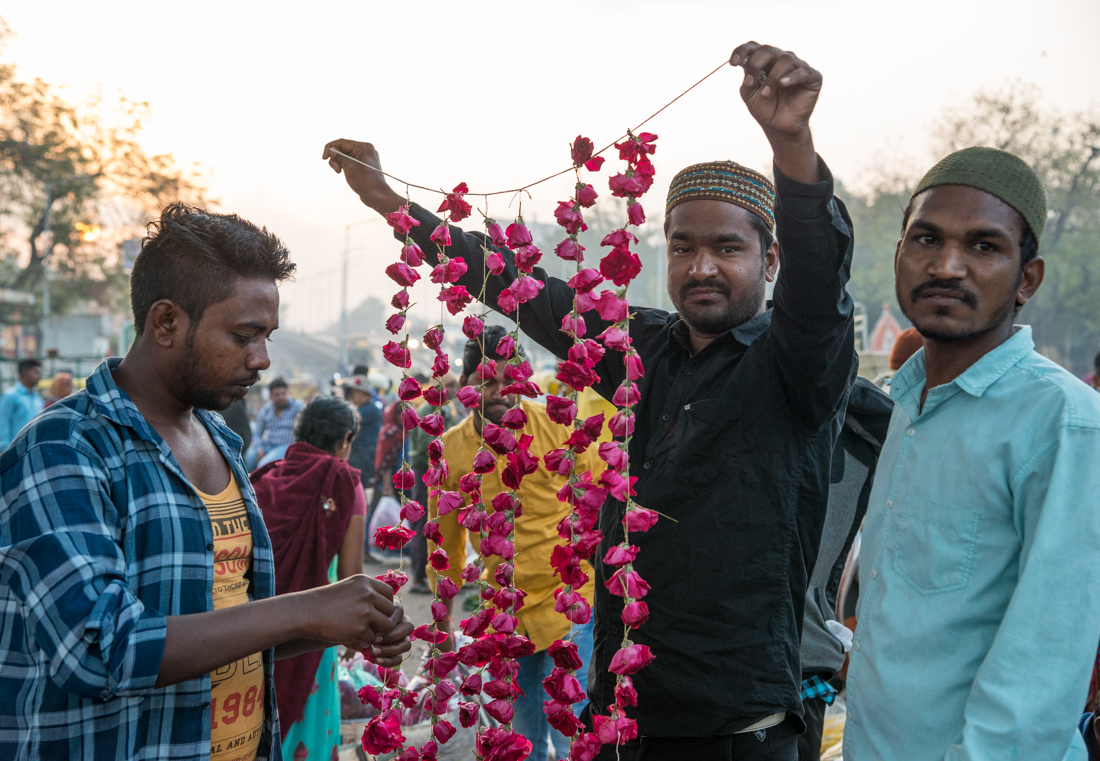
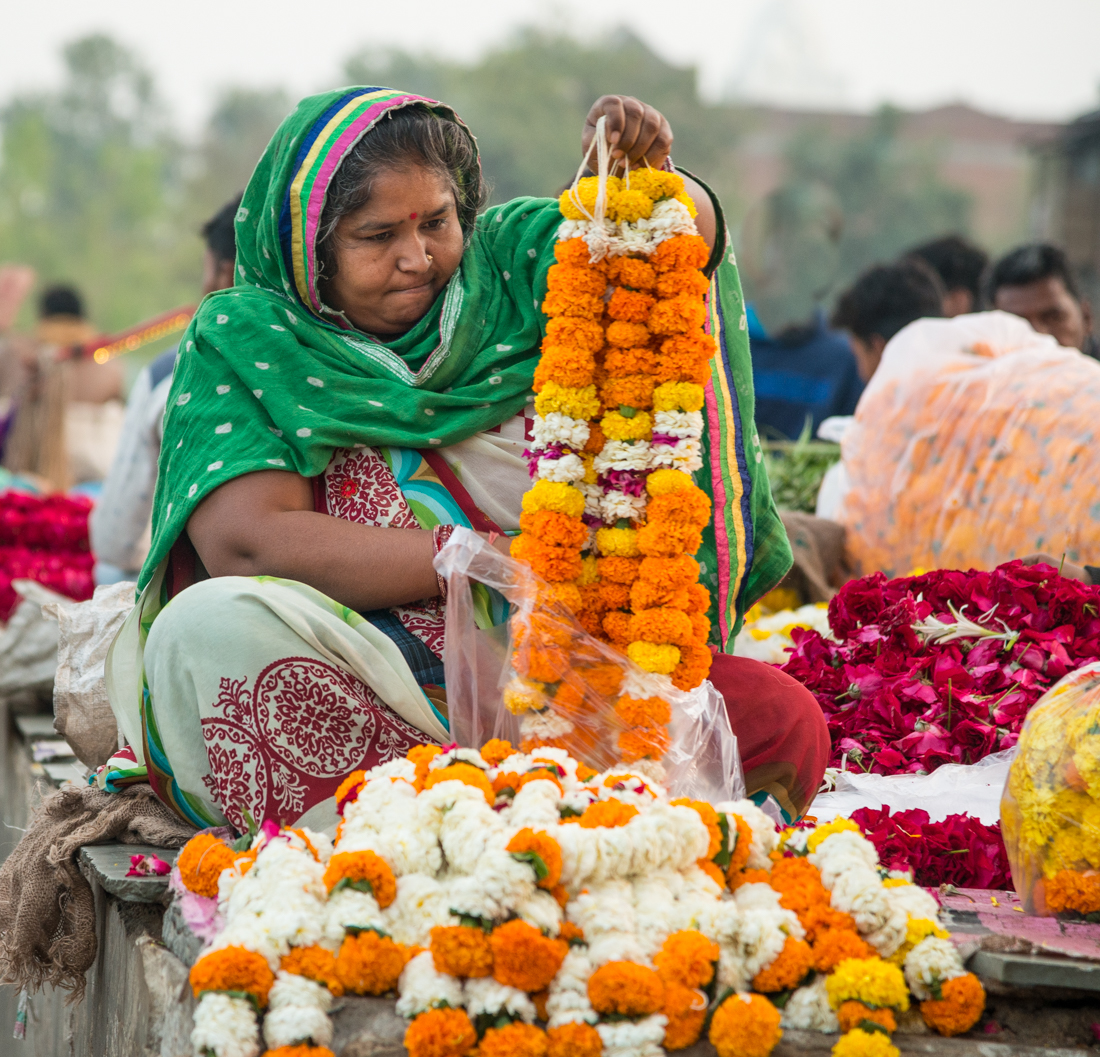
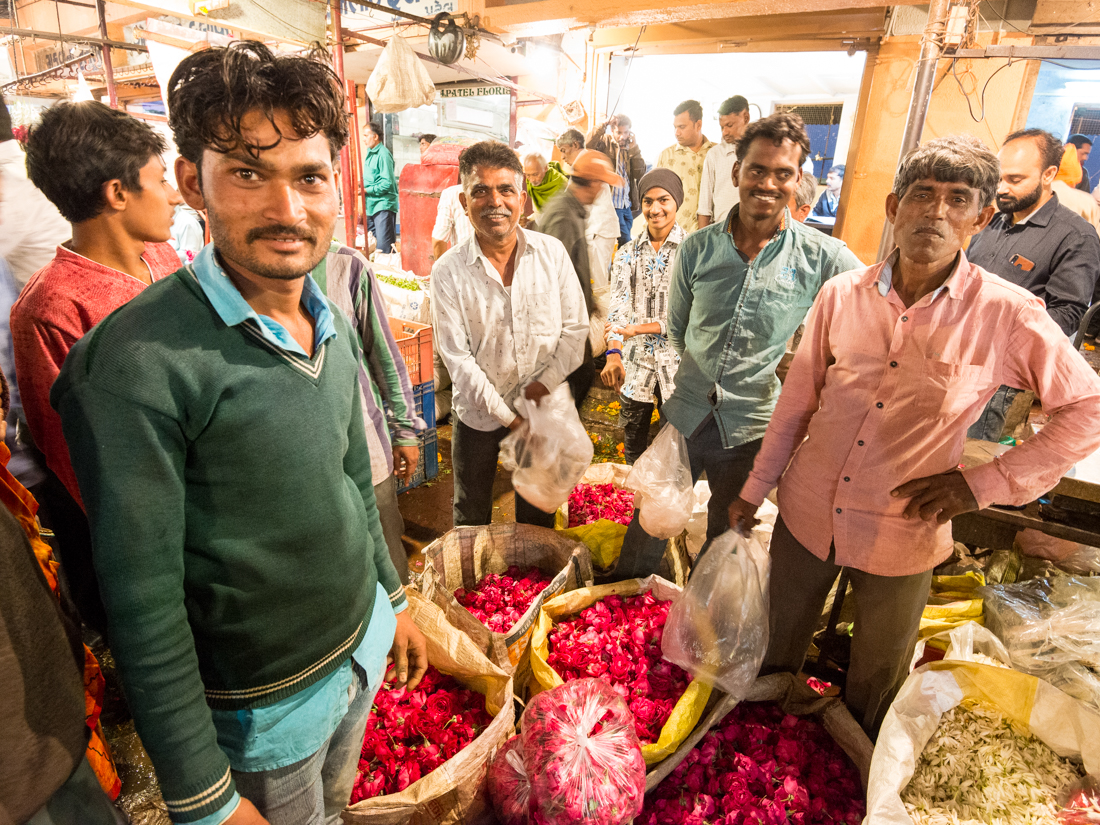
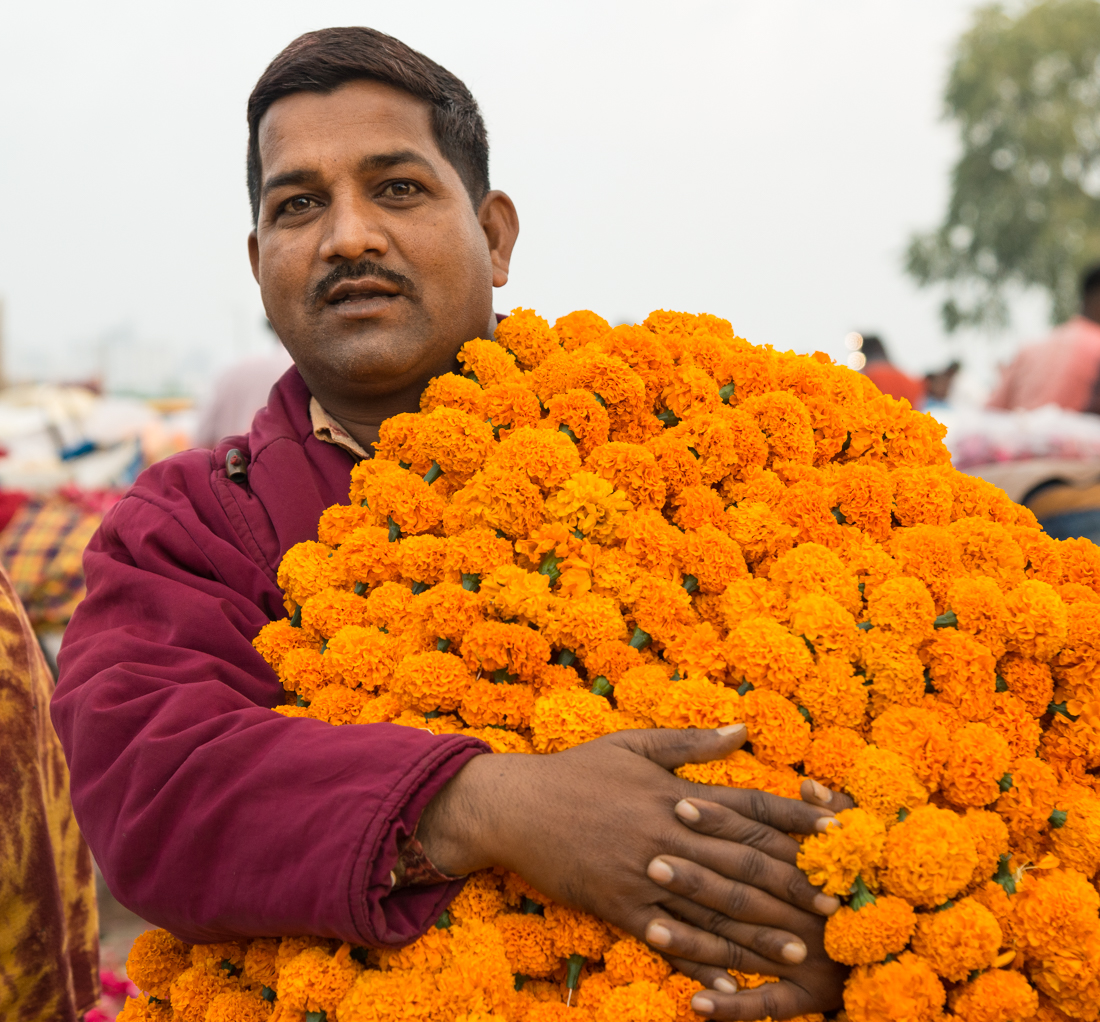
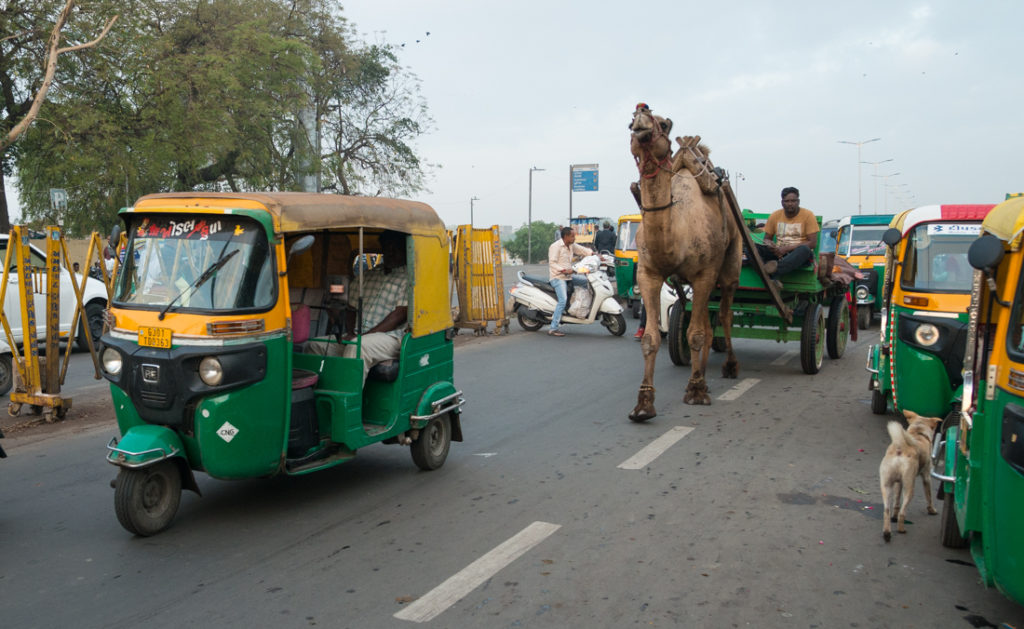
India’s westernmost state is home to 60 million people and a handful of endangered Asiatic Wild Ass. Gujarat is the birthplace of both Mahatma Gandhi and current Indian Prime Minister Modi. One morning I was at a massive flower market in Ahmedabad, set up on the edge of a busy highway. Across the street was a billboard of Modi posing with Donald and Melania Trump. I looked up from the flower market to see a couple of camel-drawn carts making their way through the rush hour traffic jam. A very ‘India’ sight. My visit to Gujarat wasn’t quite as fast-paced as my time in Kerala, so I had plenty of time to think about the important Hindu principle of Karma.

Just before dawn at the Ahmedabad flower market.

           EVEN IF you don’t know much about Hinduism, you’ve probably heard of “karma.”  Karma means that every action has a consequence.  Your good deeds and hard work will eventually be rewarded.  And your bad acts will somehow come back to haunt you.  The universe will even things out. 


           We all know the phrase, “What goes around comes around.”  That’s karma in a blunt nutshell.  Lots of English-language sayings describe some sort of karma (mostly the “bad” side):  Paybacks are hell.  Chickens come home to roost.  He got a taste of his own medicine.  What’s good for the goose is good for the gander.  If you live by the sword, you’ll die by the sword.  You reap what you sow.  She had that coming.  That’s gonna bite you in the ass.  An eye for an eye.  Karma’s a bitch.


           The word “karma” is Hindu but the concept is universal.  Even the Golden Rule — arguably the most important moral principle for everyone from Jesus to Kant – is essentially a corollary of Karma:  “Do unto others as you would have them do unto you.”  It’s a nice way of saying you should “dish out” only what you’re ready to “take.” 


           Hindus don’t necessarily think the gods are purposely or actively trying to punish or reward you, though.  Karma is like gravity or physics: an inevitable law of nature.  Even Newton’s Third Law of Motion sounds oddly like karma:  For every action, there is an equal and opposite reaction.  Nothing personal.


           Hindus believe in an immortal soul with multiple earthly reincarnations, and they believe that the effects of karma can stretch beyond your current life.  A person can experience the consequences of his acts – good or bad karma – even in his next life.  This means that if something bad happens to you, it may be because of something bad you did in a prior life.  Other faiths (like Christianity) struggle to explain why bad things happen to good people — why a benevolent and all-powerful god allows innocent people to suffer from illness, injury, hunger, and handicaps.  Hinduism solves that philosophical dilemma: the person may have bad karma carried over from a prior life.  It may sound a little brutal to imagine karma chasing us down even after we die, but that’s not so different from many Christian and Muslim beliefs about heaven and hell:  Your acts in this life will be rewarded or punished in a later one.


           People who research American political philosophy find that liberals generally place greater focus than conservatives on equality and on “caring” (the prevention of suffering).  Conservatives, on the other hand, tend to place more emphasis on loyalty and on “proportionality.”  Proportionality here refers to a belief that outcomes and consequences should be “proportional” to actions and behaviors – that good behavior and hard work should be rewarded, while bad behavior may rightly be punished.  Which, of course, sounds a lot like karma.  These different moral principles all sound good, but things get interesting when the themes conflict with one another.  An emphasis on equality or on the prevention of suffering will often conflict with the karma-like proportionality principle:  If good behavior and hard work are rewarded and bad or lazy behavior is punished, people will no longer be “equal” and some will literally suffer from the consequences of their actions and decisions. 


           The Hindu belief in an inevitable karma that spans multiple lifetimes takes the concept of personal responsibility to its extreme.  Your present condition is the product of your own past acts and decisions, in this life or in prior ones.  You made yourself what you are.  Whatever good fortune or bad luck you experience, you caused it yourself either in this  or a prior life.  This view partly underlies India’s traditional caste system.  To the Hindus, wherever you find yourself in the socio-economic hierarchy of the caste system—even at the time of your birth – you caused that yourself.  If you’re unhappy with your life, only you and karma are to blame — and karma doesn’t have a complaint department.


          Maybe the belief in karma is why so many of the Indians I encountered seemed so pleasant, happy, and content.  Whether or not you actually believe in karma, there’s a lot to be said for people who do:  People who believe there’s no sense complaining about whatever life brings you.  People who believe that the way to a better world is to be good, do good, and work hard.  Those are folks you’d want to hang out with, even if they live halfway around the world.


The Asiatic Wild Ass. Apparently being “wild” and “endangered” didn’t mean they were difficult to find. Our wildlife photo safari took about 10 minutes.
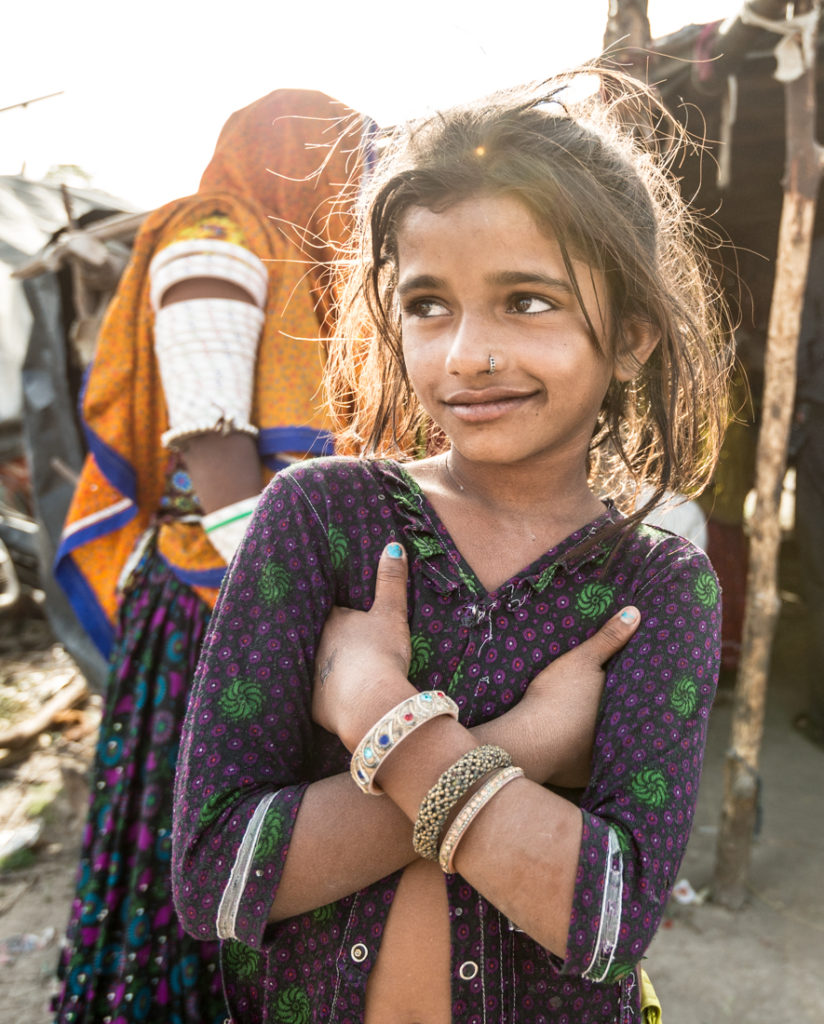
This little girl lived at a gypsy tent camp. She had a lot of attitude — mostly good. She and her mom and sisters made those bracelets and tried to sell them along the highway.

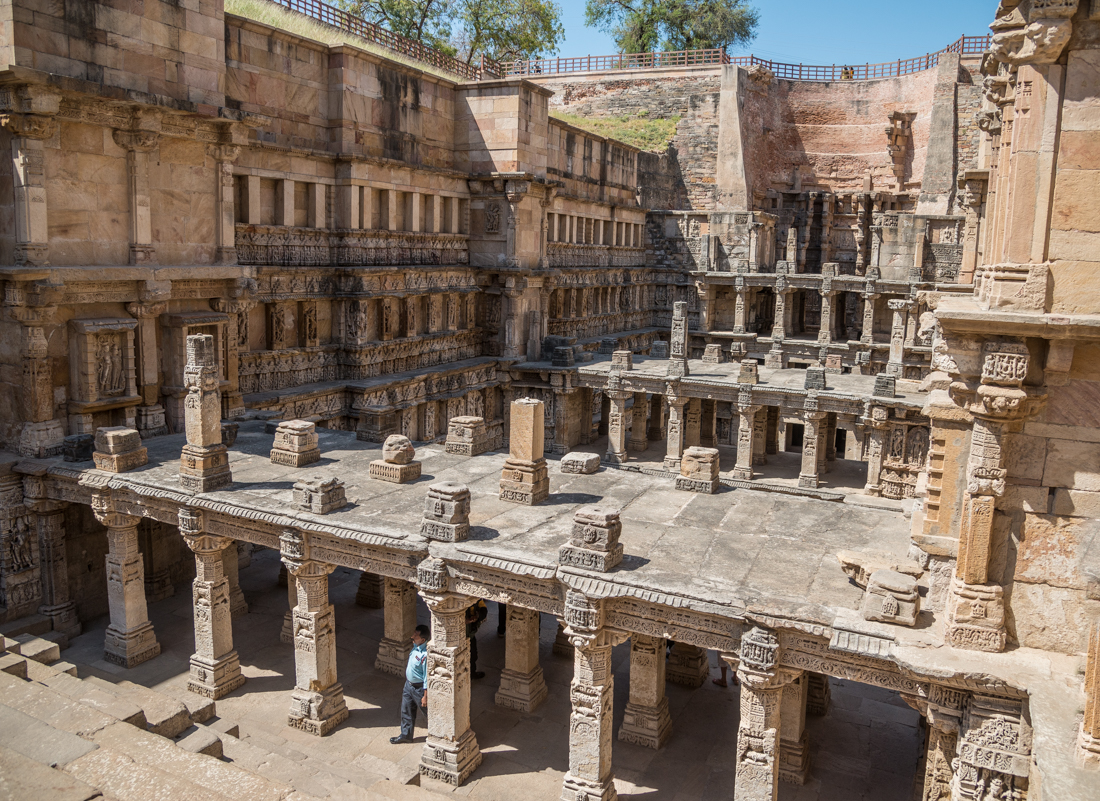
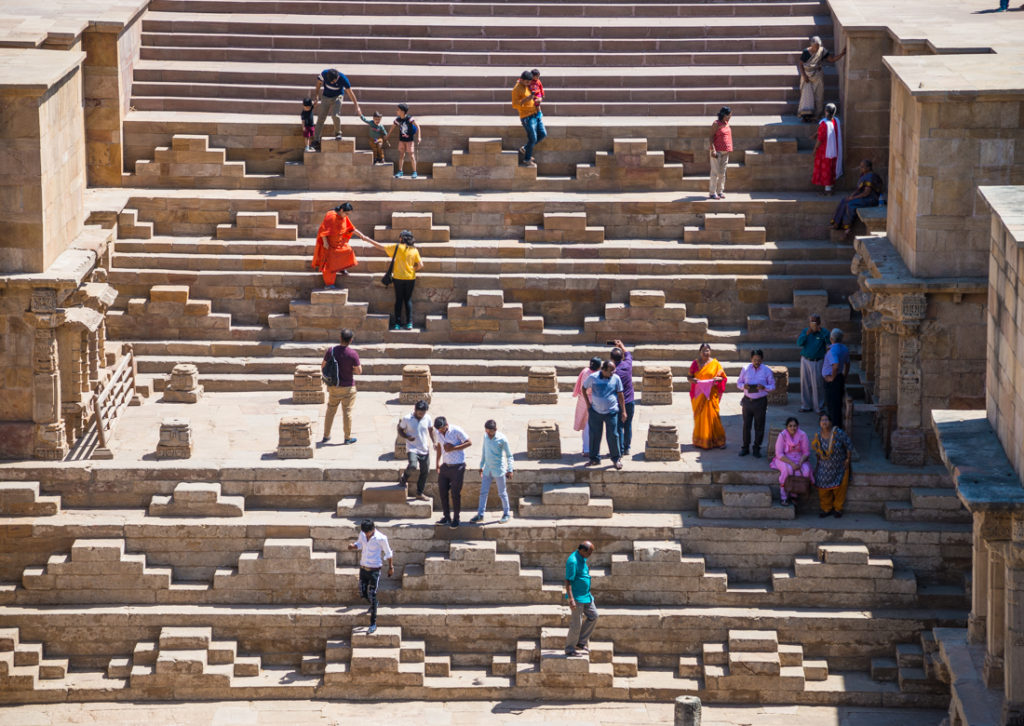
One of these two “step wells” near Ahmedabad was next to a Sun Temple. They’re religious sites but also functional: you walk down to the level of the water table and scoop out water.

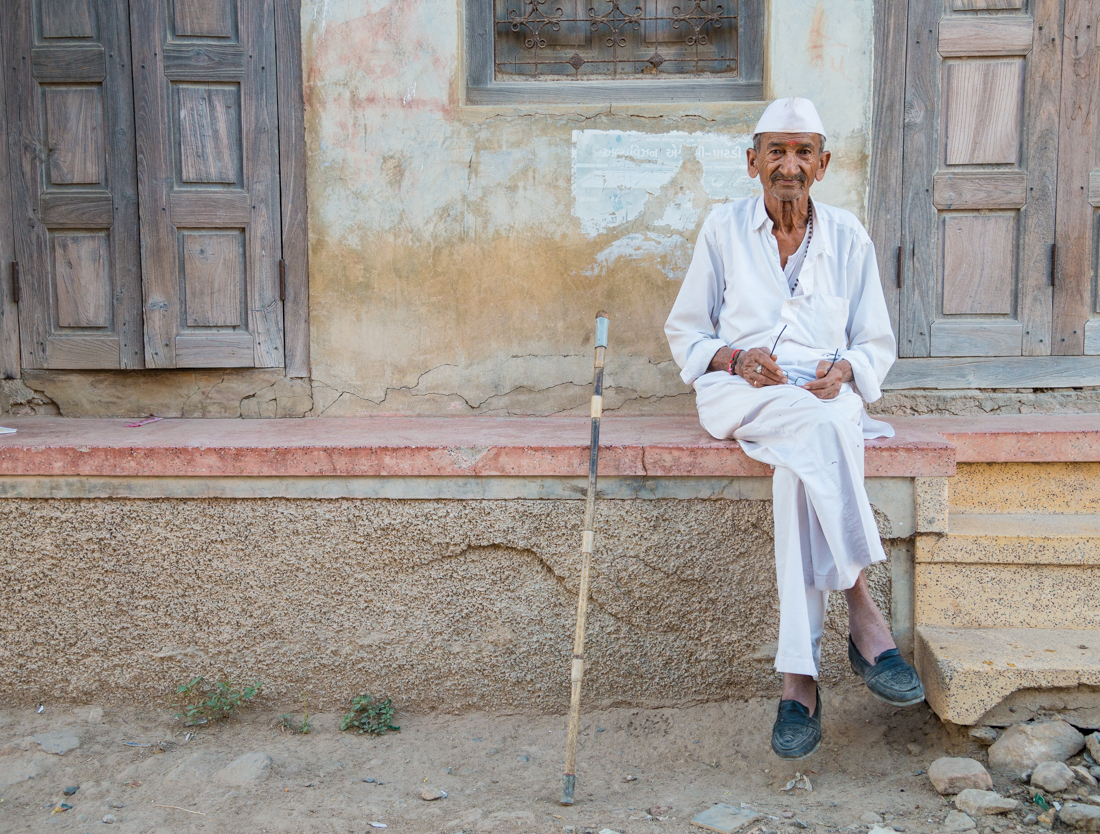
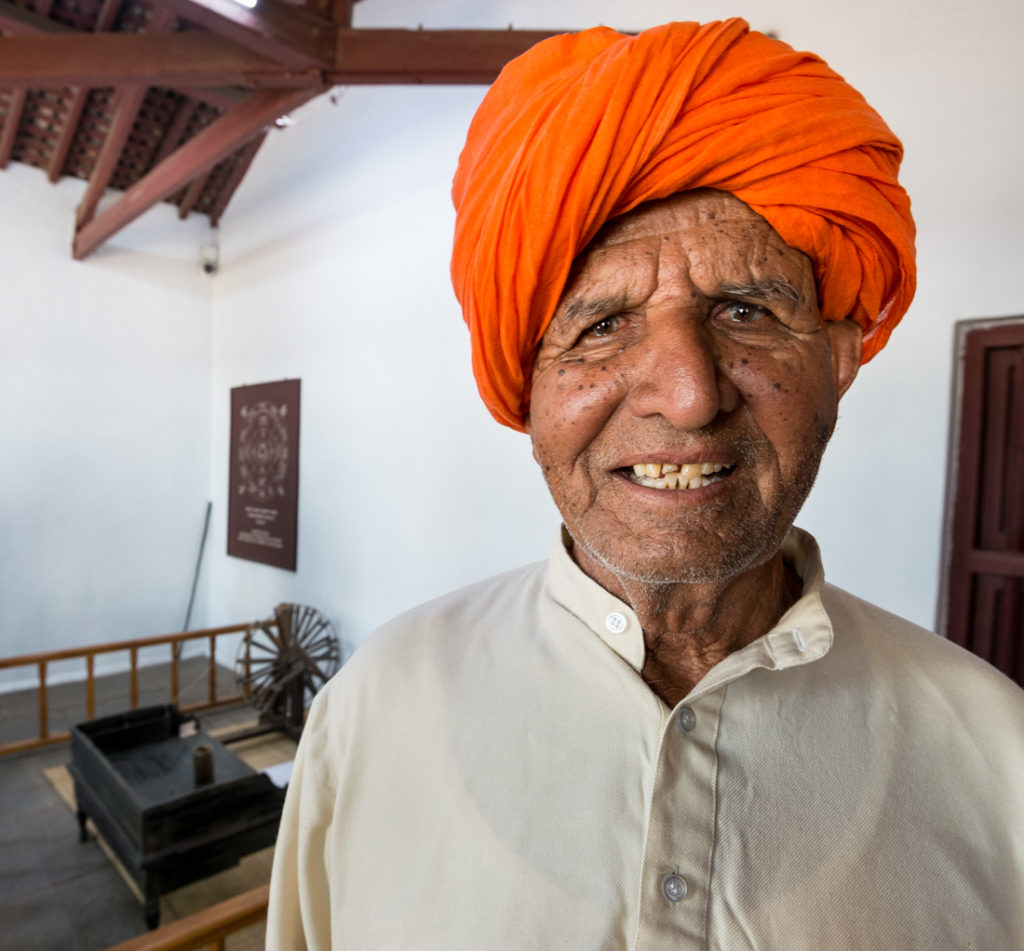
This gentleman’s grandson had brought him to visit the former home of Mahatma Gandhi, the famed leader of the non-violent movement for India’s independence from Britain in the 1940s. That’s Gandhi’s floor desk and spinning wheel in the background. The wheel was a symbol of Gandhi’s movement.

Kerala and Cochin, India

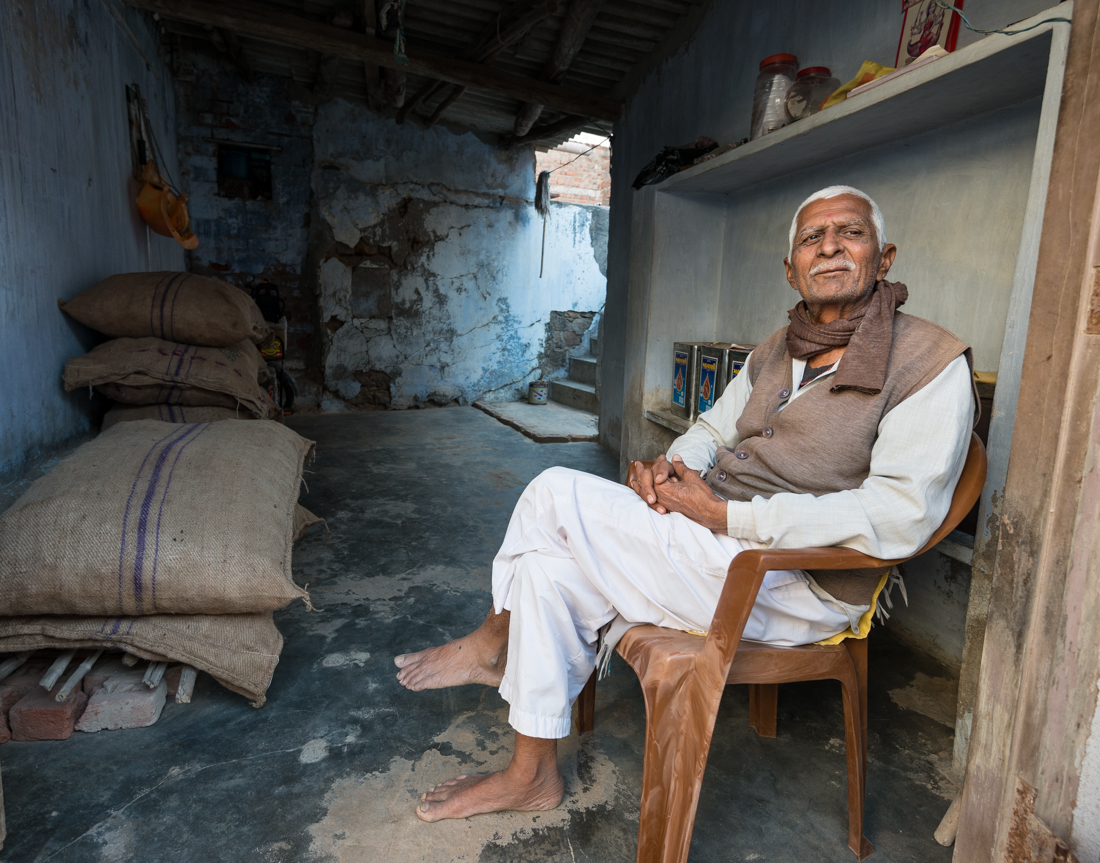
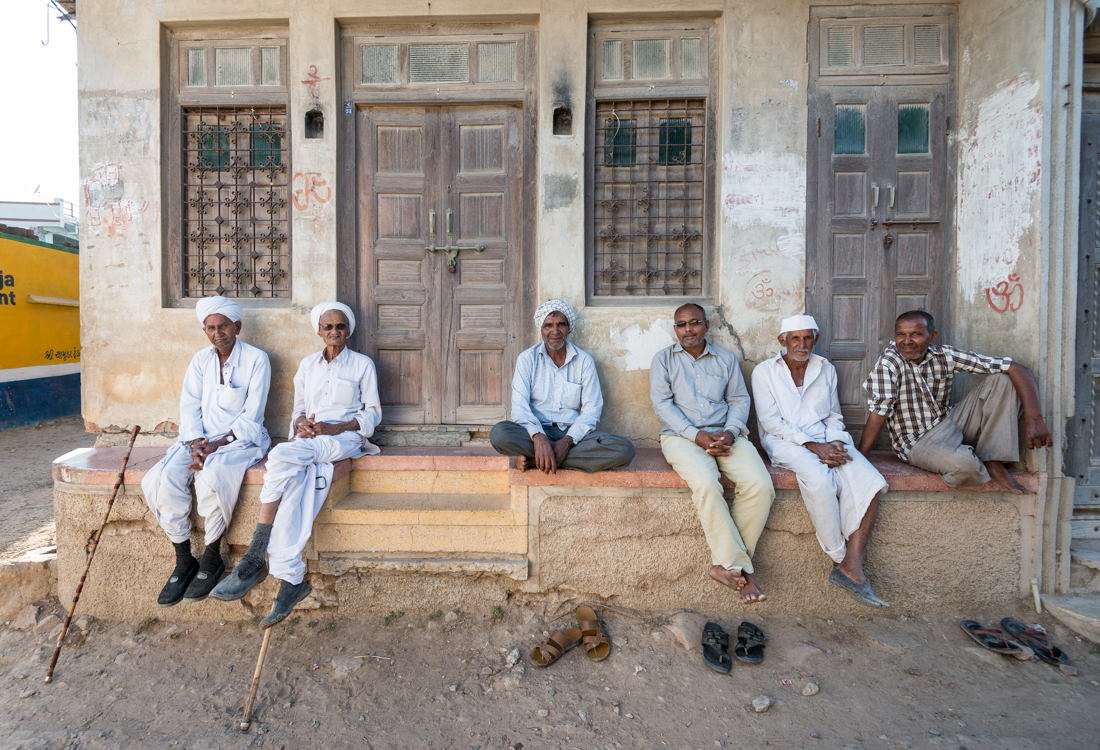
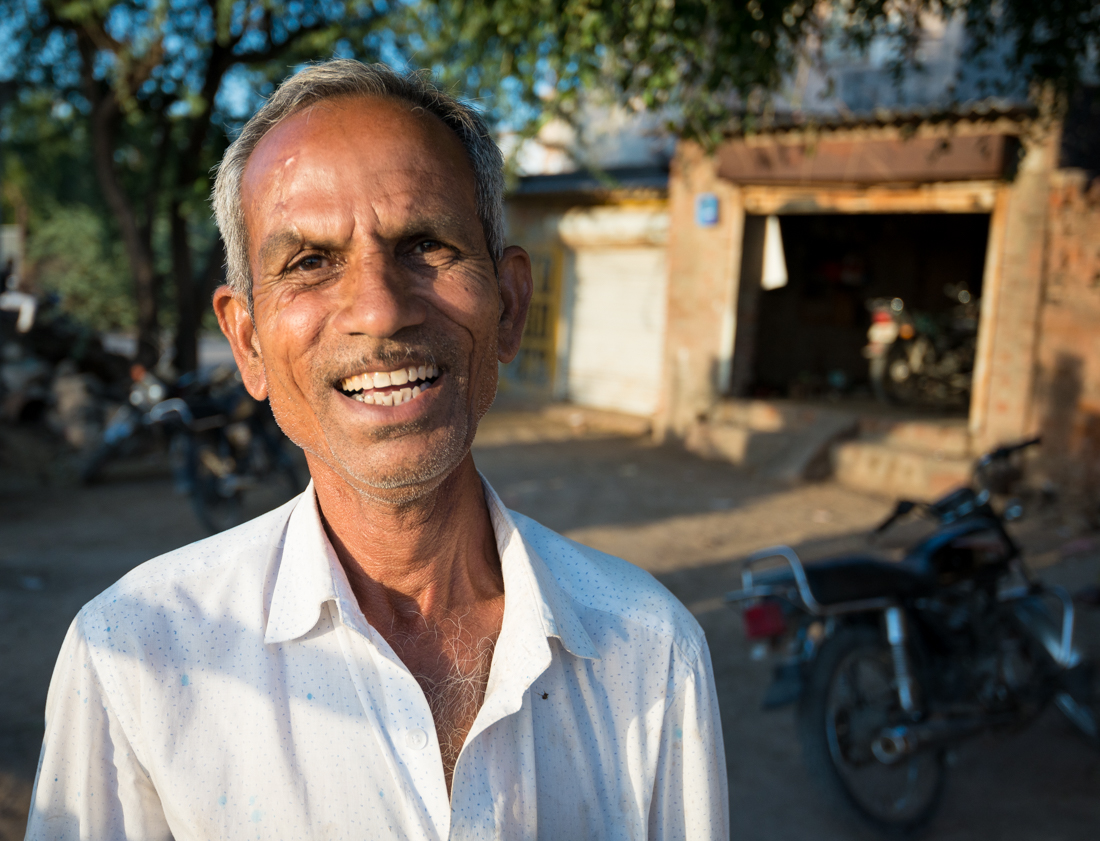
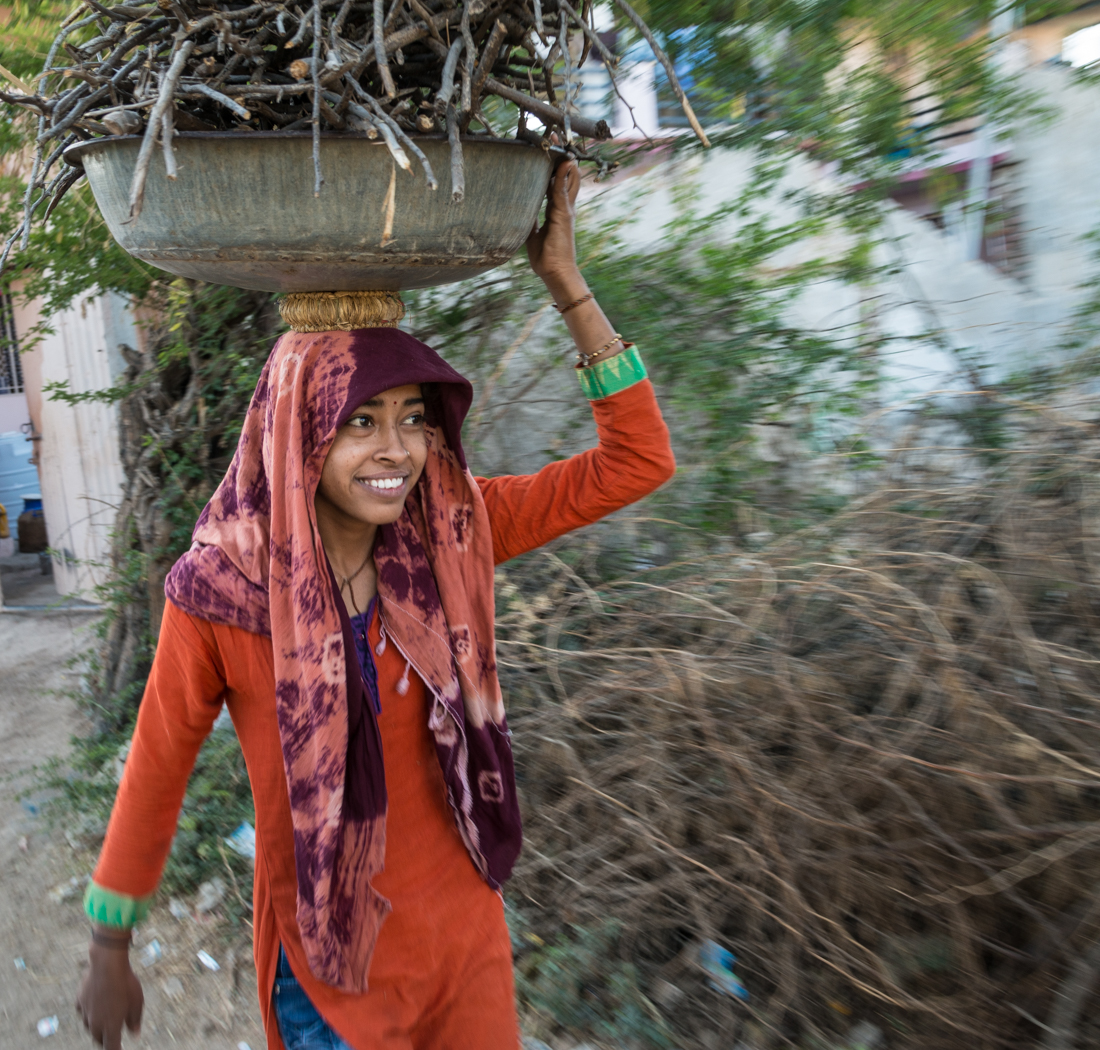
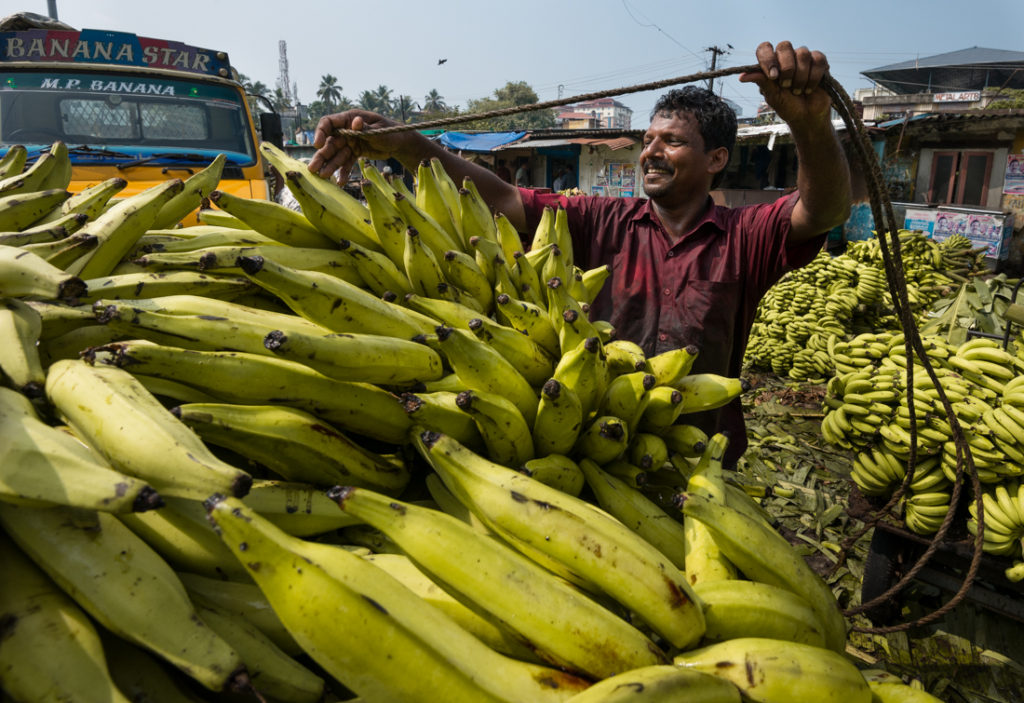
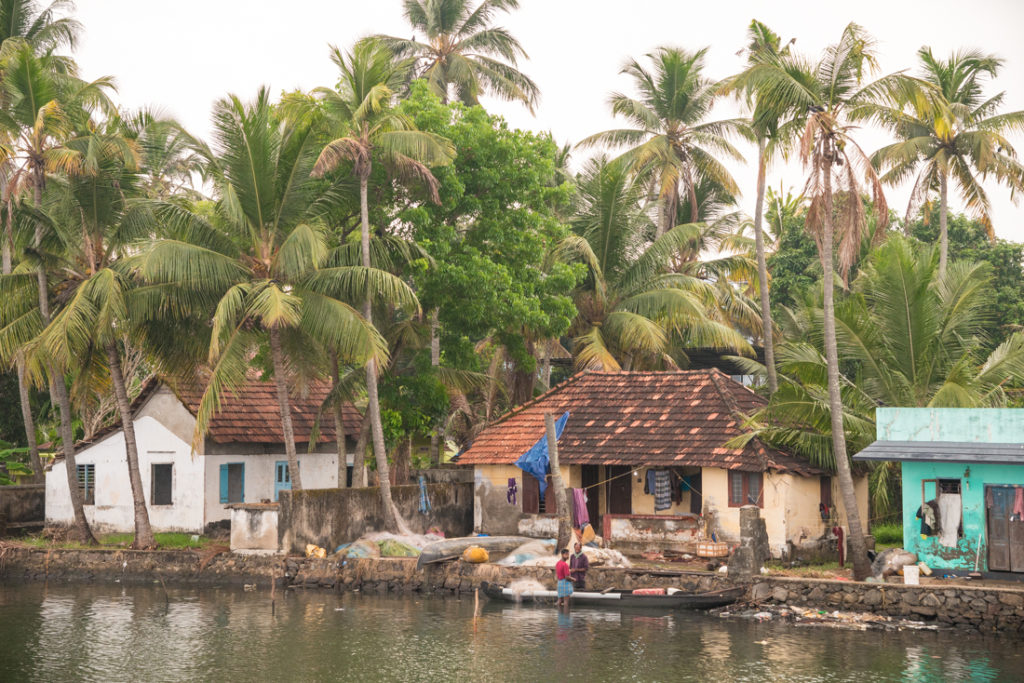
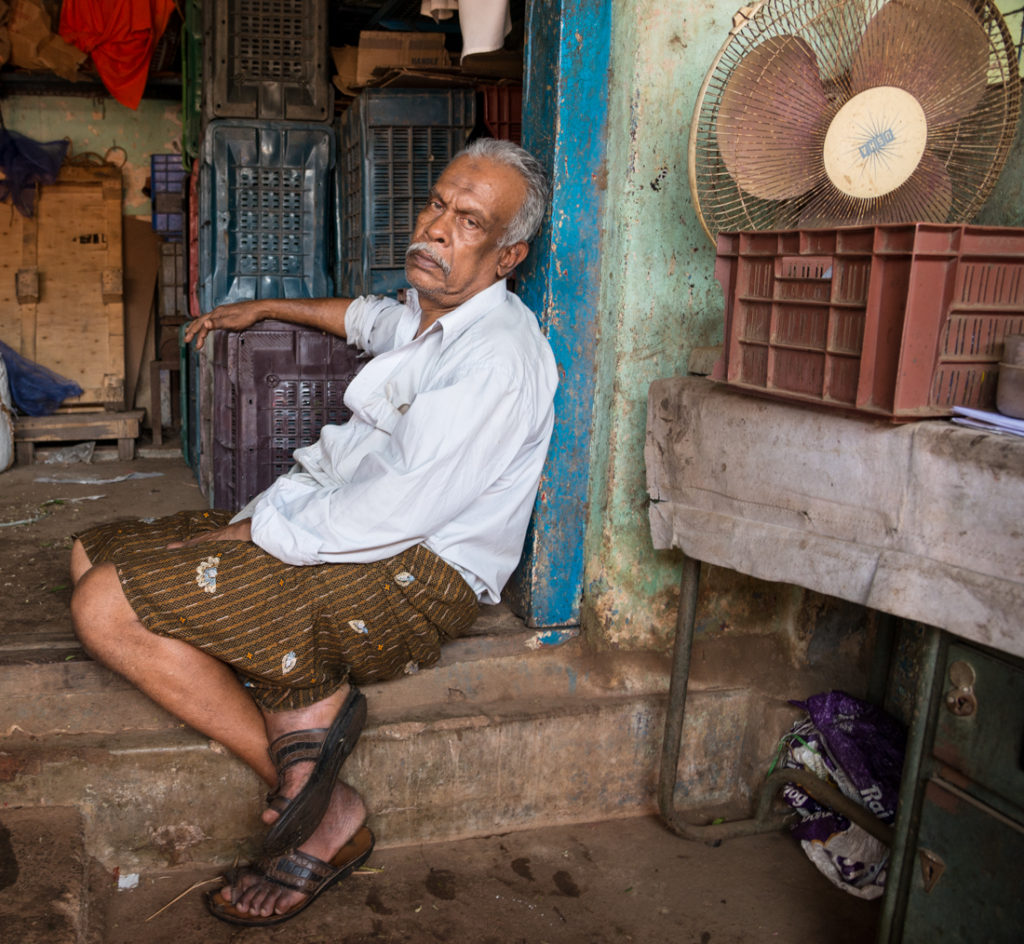
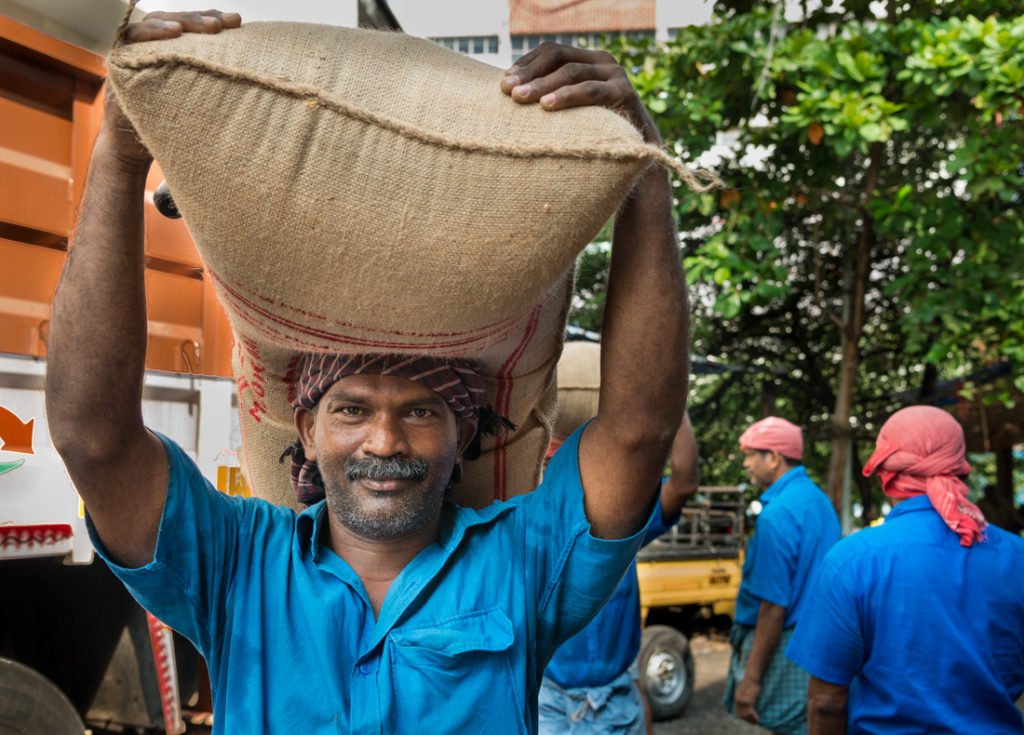
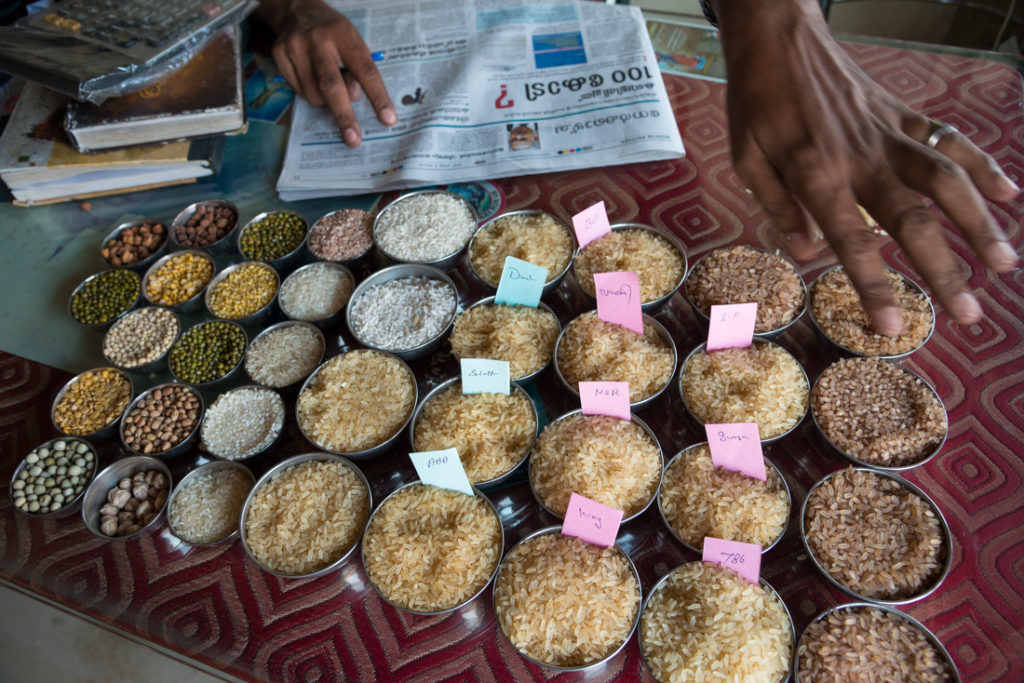
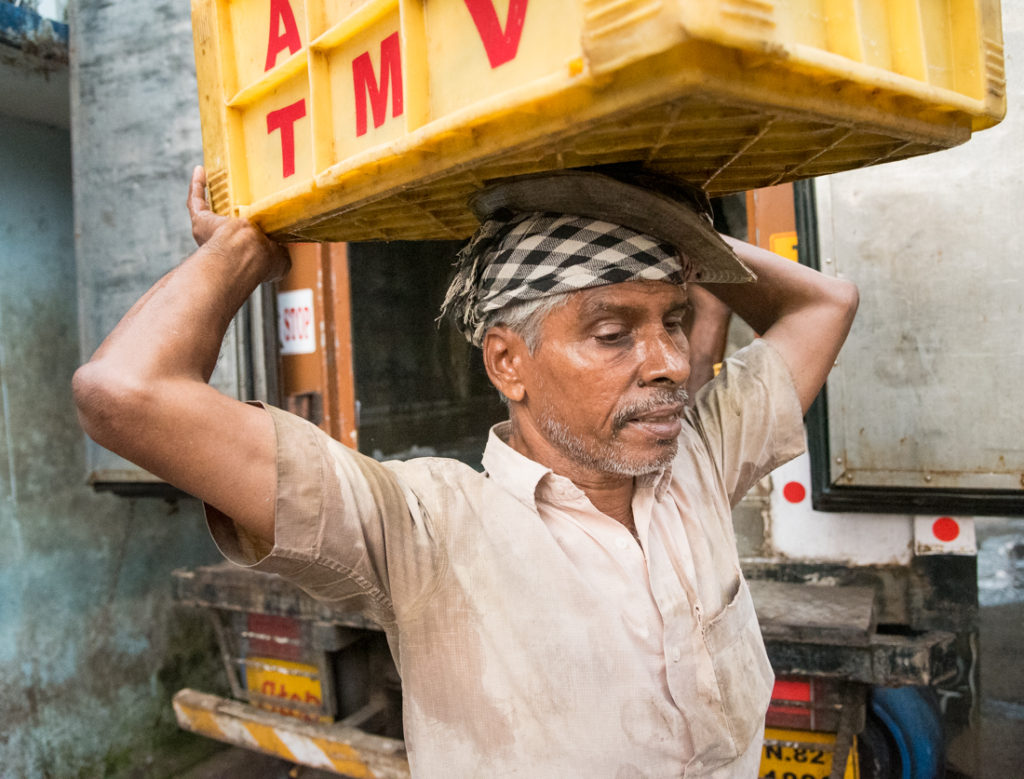
The elaborate theyyams and the fun elephant festival were highlights from the Kerala, India. But even ordinary, day-to-day life there is worth a look.

Kerala is a tropical Indian state that stretches along the coast of the Laccadive Sea (in the Indian Ocean) in southwest India. It’s smaller than West Virginia, with a population almost as big as California. Almost everyone speaks Malayalam as their primary language, but as in most of India, the most common second language is English. Only about half of Keralans are Hindu; a quarter are Muslim and about 18% are Christian. More than half the population works in agriculture and fishing, but the biggest single source of income may be sending millions of educated Keralans to work in other countries and send money back to their families.

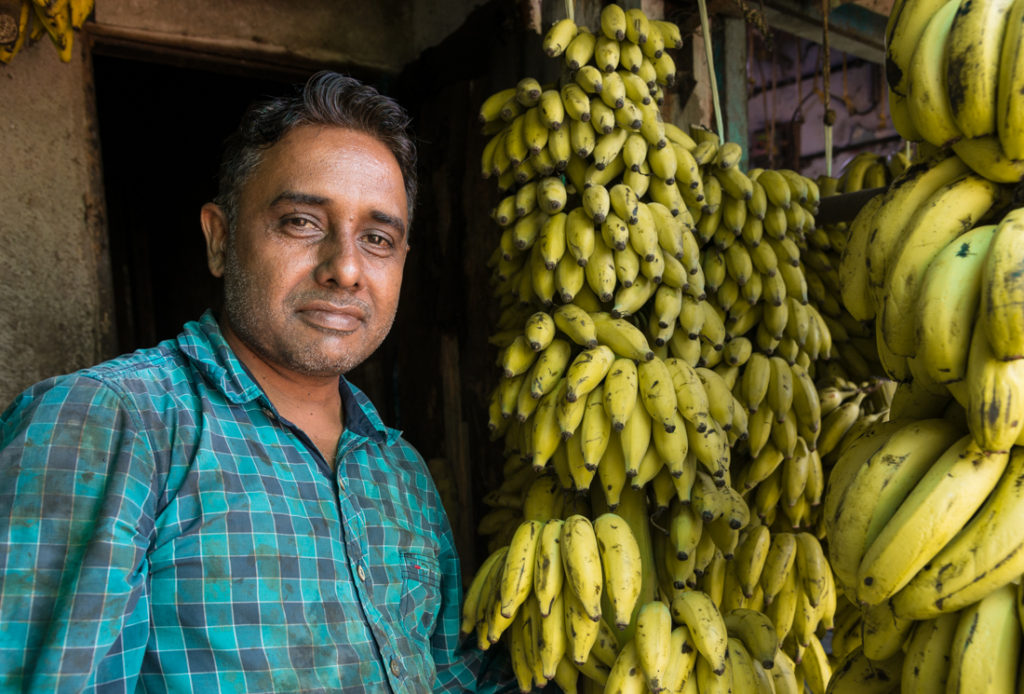
A banana merchant in Cochin.
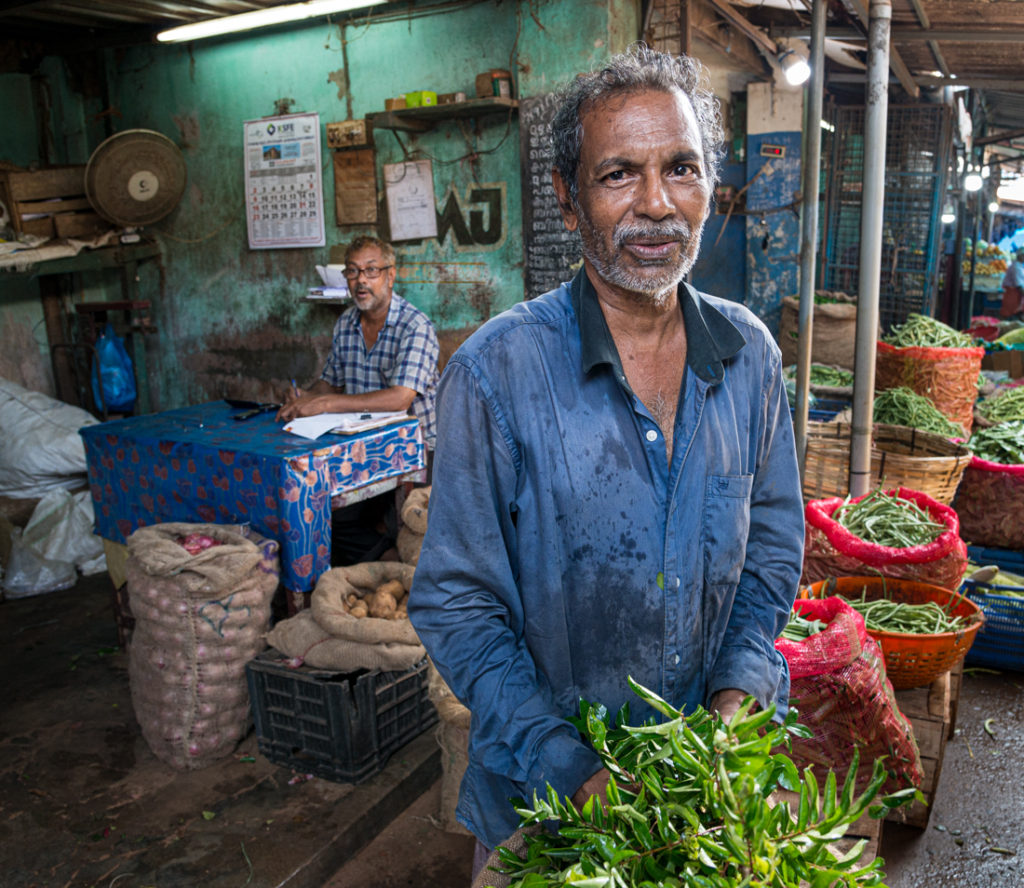
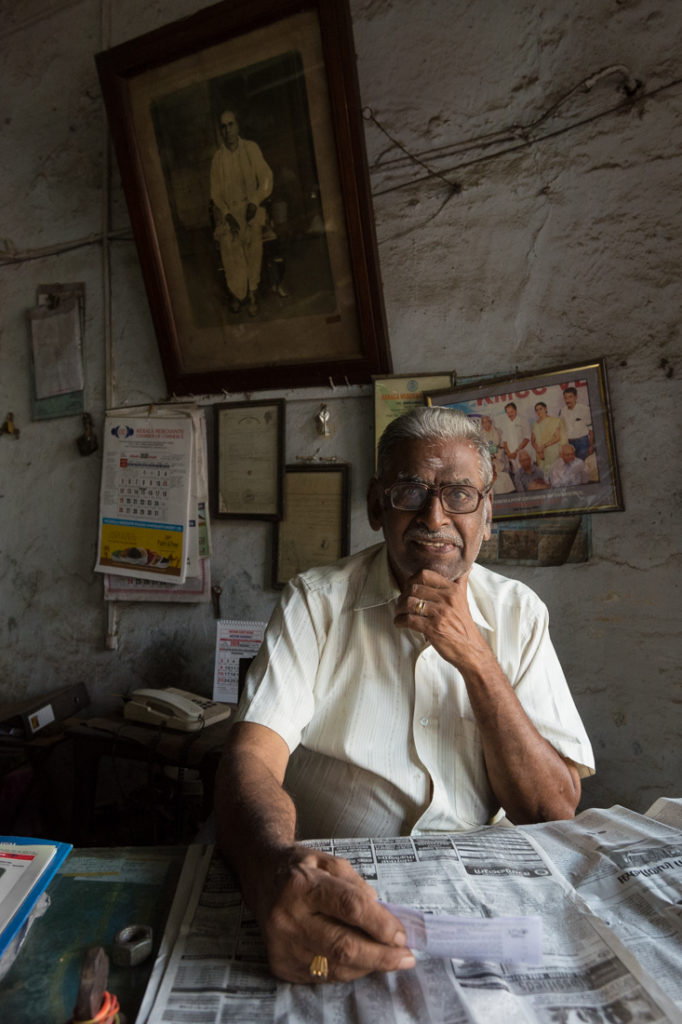
This Cochin produce merchant’s whole operation is about 10 feet wide. He said he took over the business from his dad, whose portrait is hanging on the wall behind him. His own son was working a few feet away.
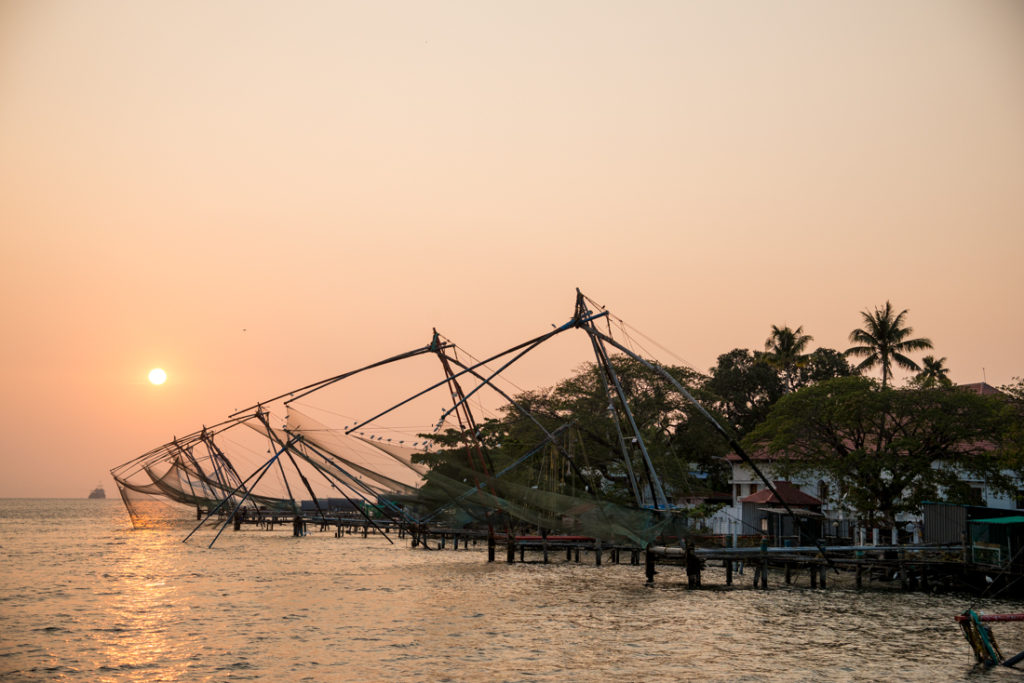
(Above and below): Chinese fishing nets in the harbor at Cochin. The nets stay mostly horizontally flat under the water until those big levered poles lift it all up. It’s an unusual way to catch fish.
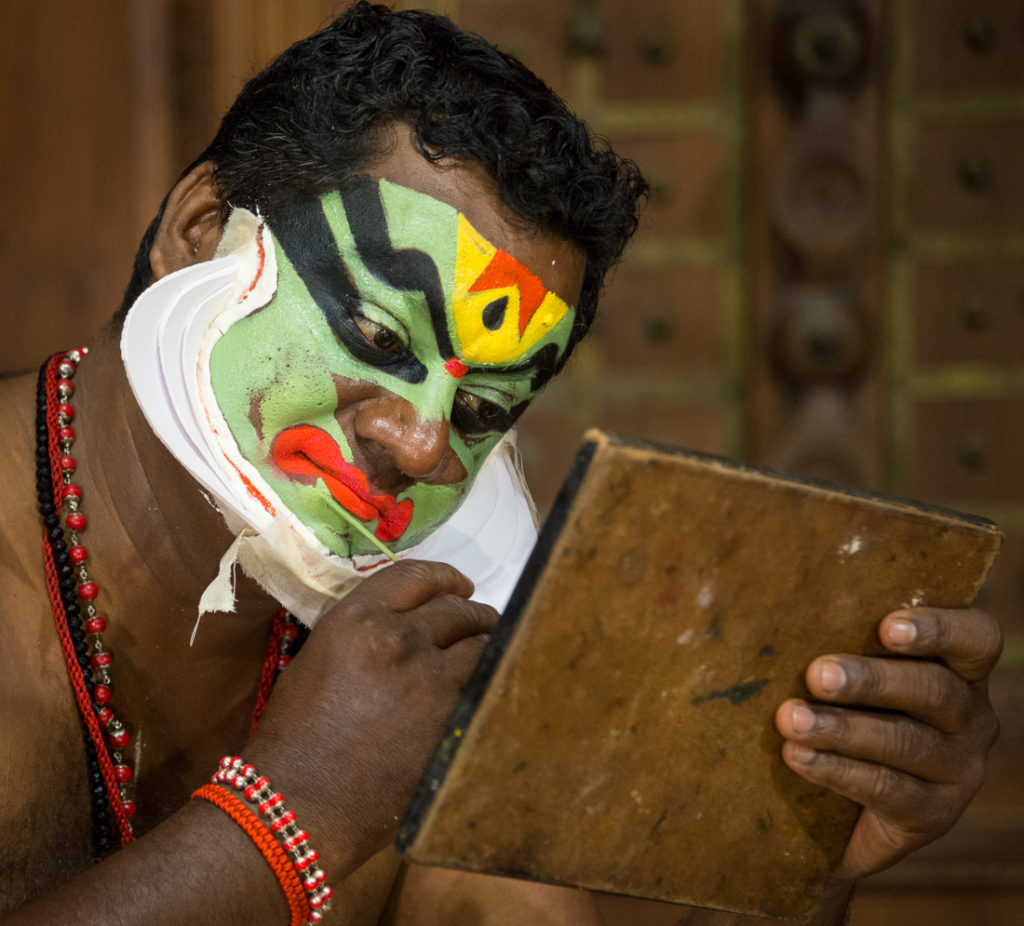
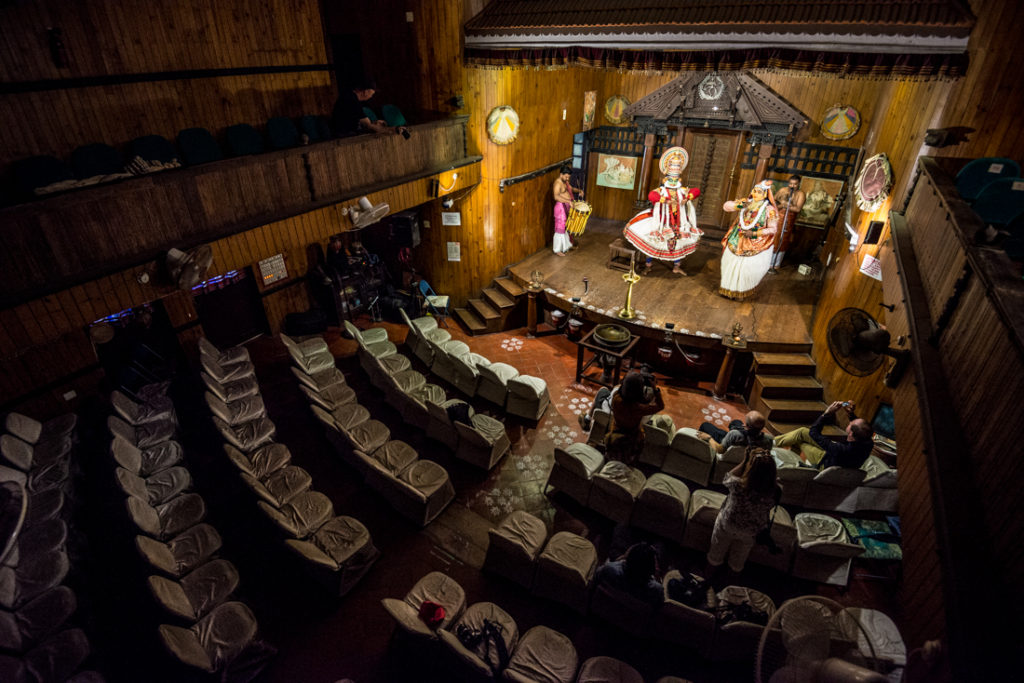
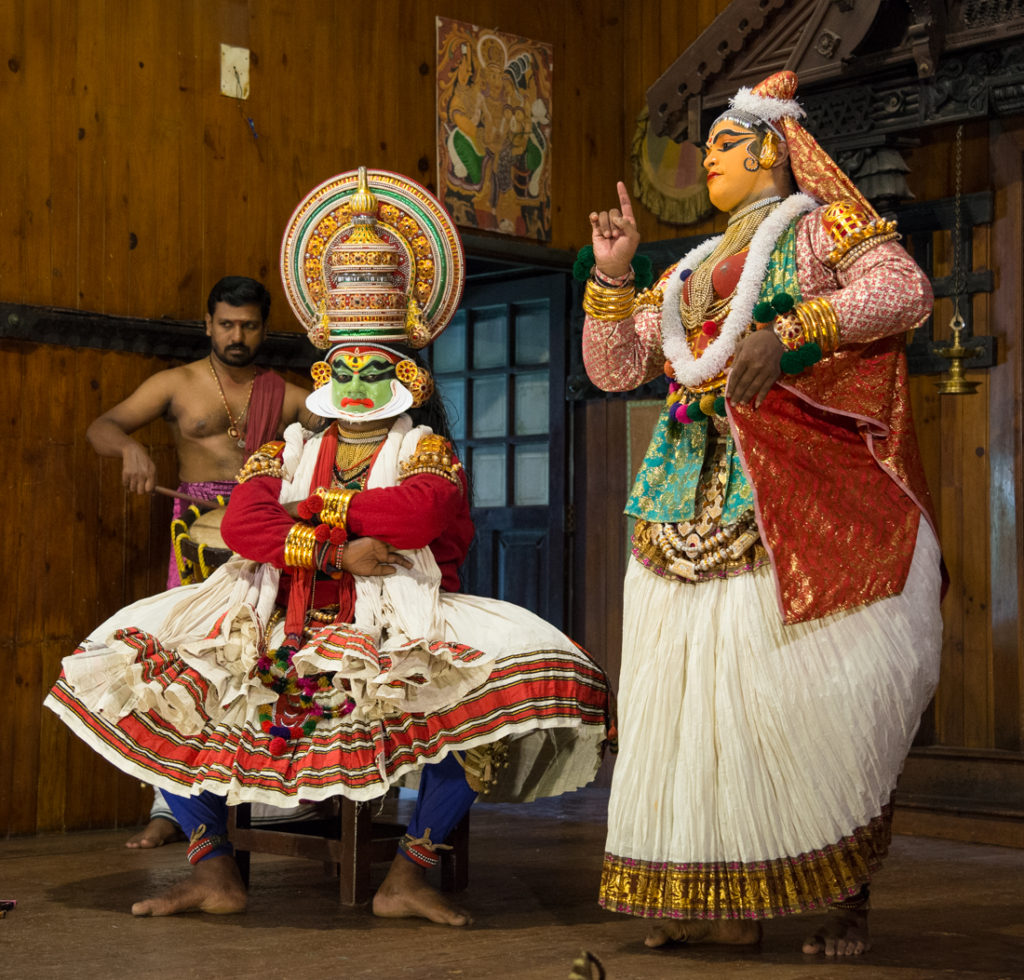
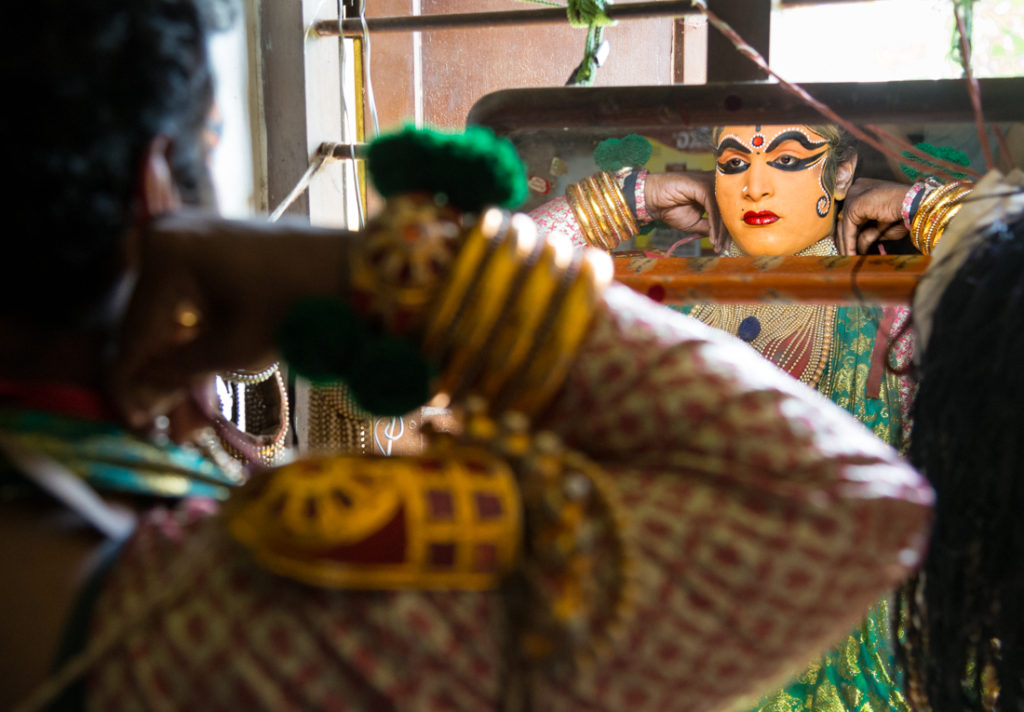
We got a special private Kathakali performance in Cochin. Lots of elaborate face-paint, sort of like the Hindu temple “theyyams” I’d seen a few days earlier, but this is theater, and the theyyams are more like church.
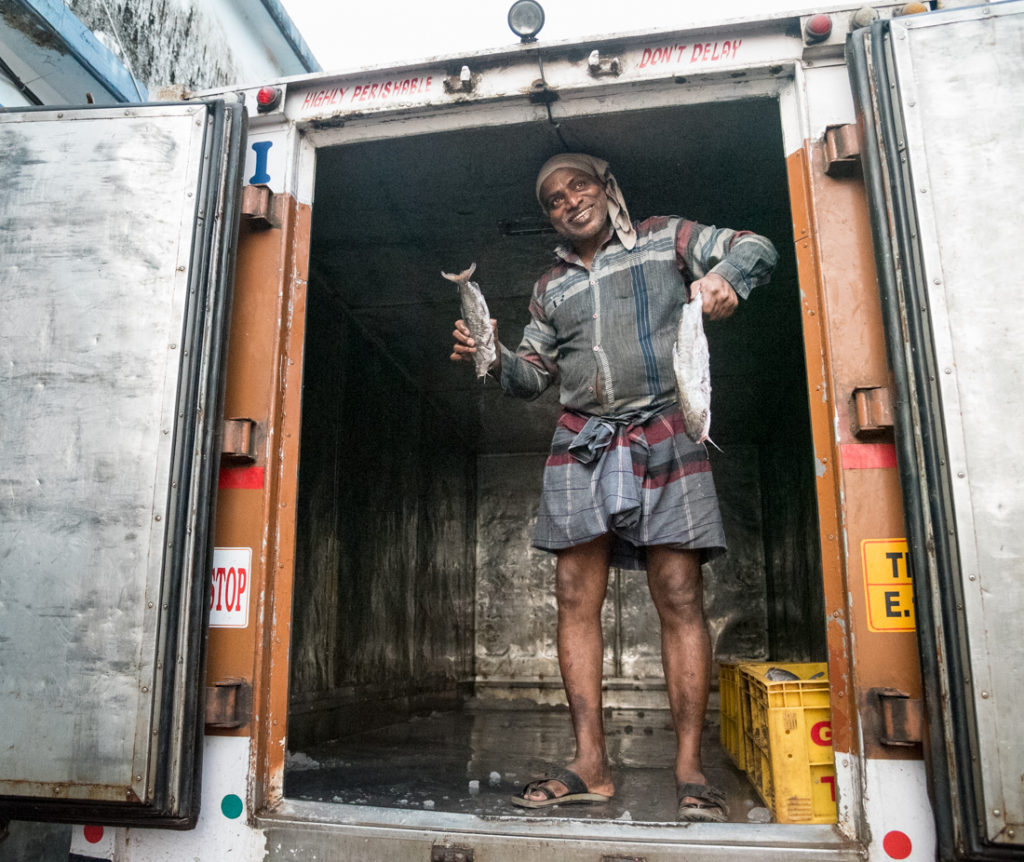
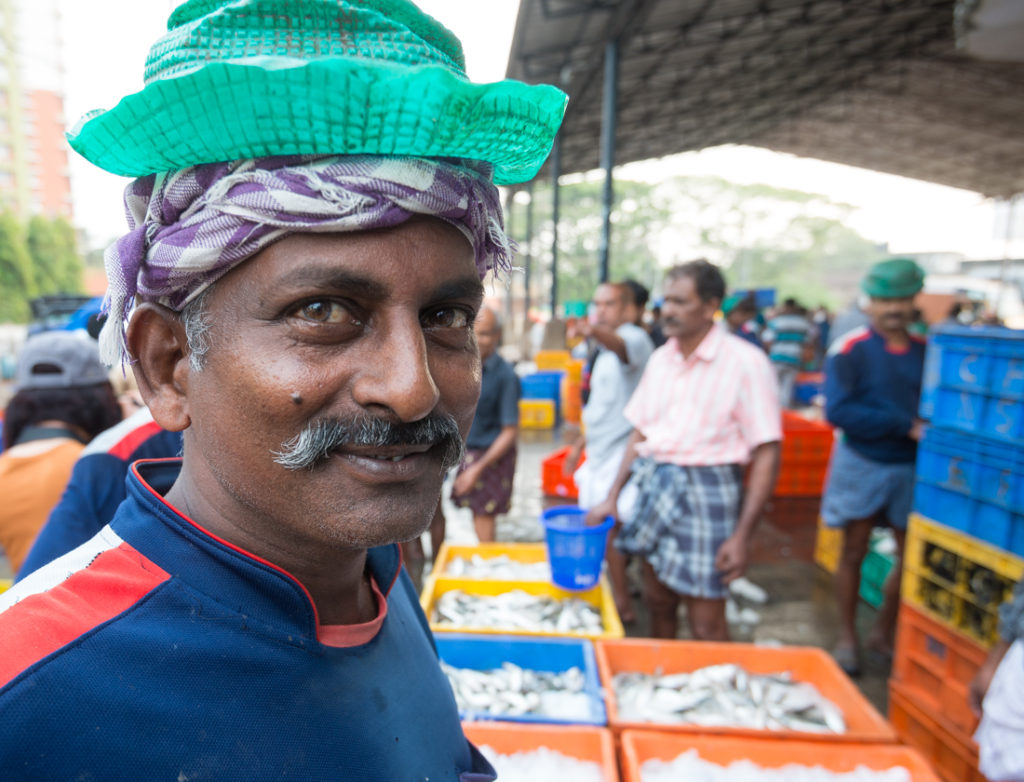
A fish market in rural Kannur.

Superheroes for Kids VII — Child Advocates Houston

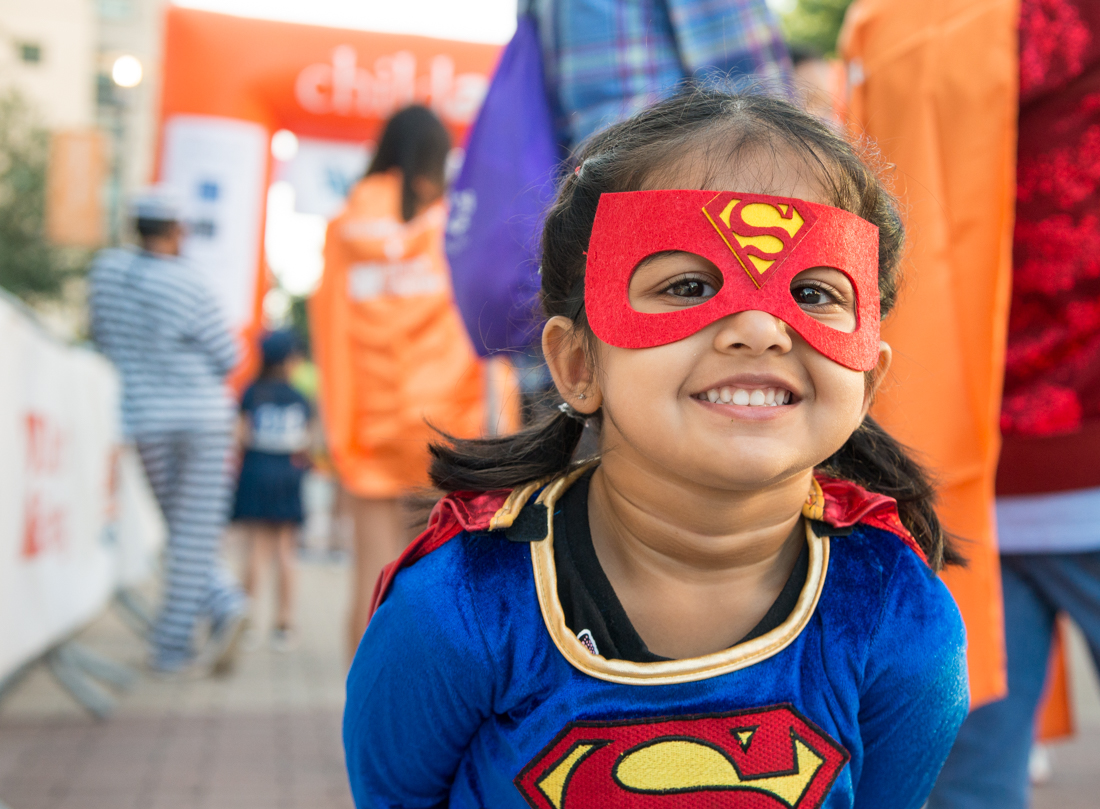
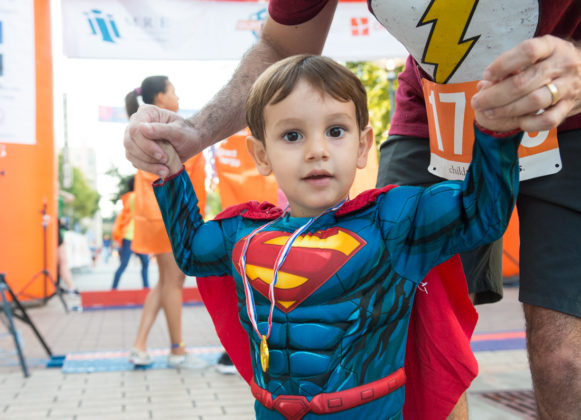
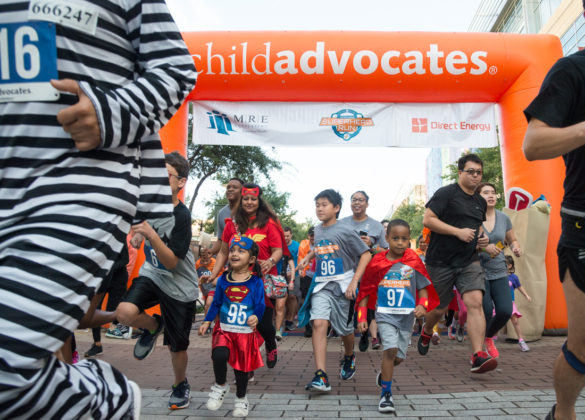
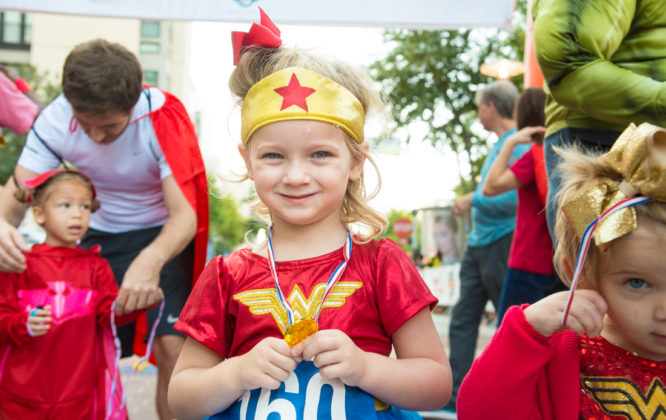
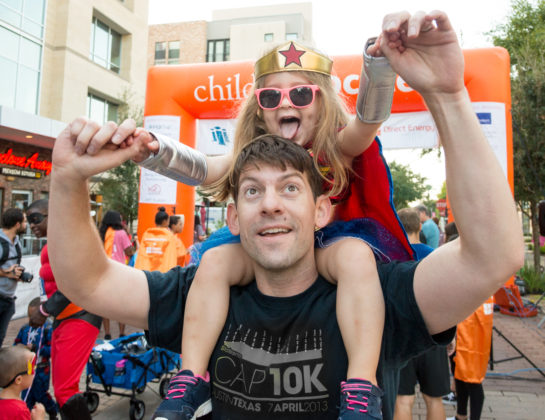
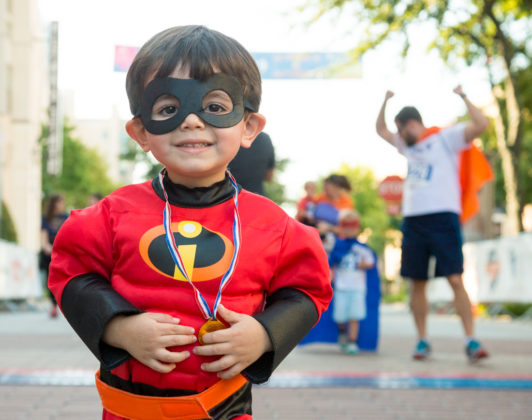
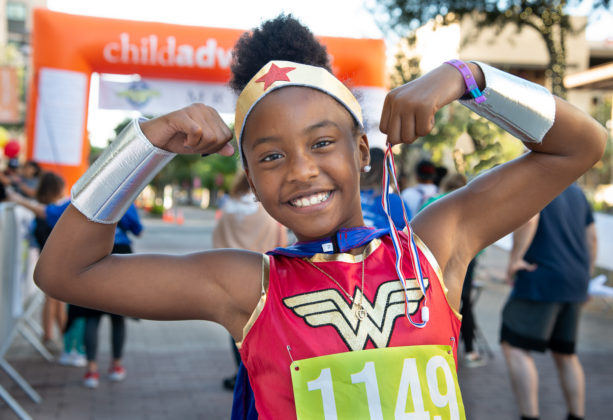
This was Year 7  for the Child Advocates Superheroes Run, and it was the best ever!   We had at least 1200 runners, parents and volunteers out at CityCentre, and raised over $150,000 to support Child Advocates’ work helping abused and neglected kids in Harris County.  A sincere thanks to everyone that made this happen.

Child Advocates serves kids who have been taken from their homes due to suspected abuse or neglect.  The volunteer Advocates guide, support, and comfort the kids, gather the facts, and work with the courts and the State to find permanent, safe solutions.  CA Inc. recruits, trains and supports those volunteers. 

My consistent pitch for Child Advocates as Houston’s best charity:

  1. CAI helps kids in our own hometown who are in desperate situations through no conceivable fault of their own.
  2. CAI’s one-time intervention seeks to permanently and efficiently solve problems and affect the kids’ entire lives, without creating dependency or requiring permanent or ongoing assistance.
  3. CAI’s cause is financially undersupported, largely because few potential large donors have close personal experience with, or risks of, this kind of extreme child neglect or abuse. There’s nothing wrong with donating to your own alma mater or church, or to charities addressing diseases that affect you or your family, but that can leave a huge gap for charities like Child Advocates.  I think this is true philanthropy.
  4. They do need the money:  Stunningly, there are thousands of kids removed from their homes each year, and CAI has the money and manpower to serve only about half of them.

Our seven-year fundraising total is now at almost $1 million.

All our sponsors were recognized at the event, but this year I need to give a special ‘shout-out’ to some personal friends of mine who have generously and patiently supported Child Advocates (and me) in this event.  Shane Merz, Mike Short, and Dru Neikirk at MRE Consulting are Founding title sponsors who have been with me all seven years.  This event would never have gotten off the ground without them.  Other “Amazing” Superhero sponsors (most of them also for all 7 years) are my friends Ned Barnett, Scott & Stacy Humphries, Jeff Kubin, Kim David (for Baylor College of Medicine), Reynolds Frizzell LLP, Gibbs & Bruns LLP, Sixfoot Studios, John Eddie & Sheridan Williams, and Grant & Elizabeth Harvey.  I’m proud of that sponsor list.

Hayley Jaska (CAI Events Director) and Angie Henderson Parker (Race Director) are the true Superheroes of the Superheroes Run.  I’m the ‘Chairman’ of the event, and in earlier years this meant I had a million things to do and lots of fires to put out.  This year I was a little uneasy all morning because everything was going so smoothly I didn’t have much to do!!   

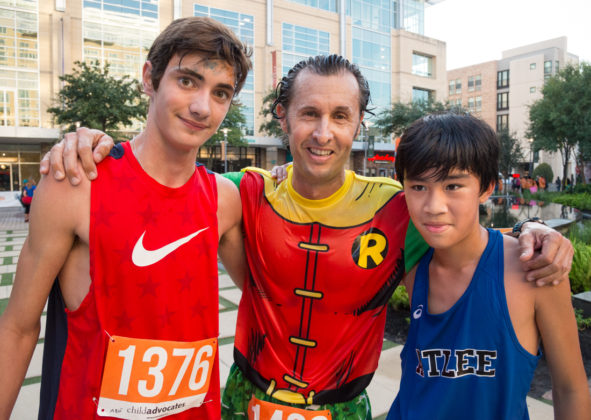
Our top 3 racers. I’m personally pleased to say that the winner (Mark Speets, center) was from the Men’s 50+ age group. Second and third place were Rylee Board (left) and Joshua Fong (right).

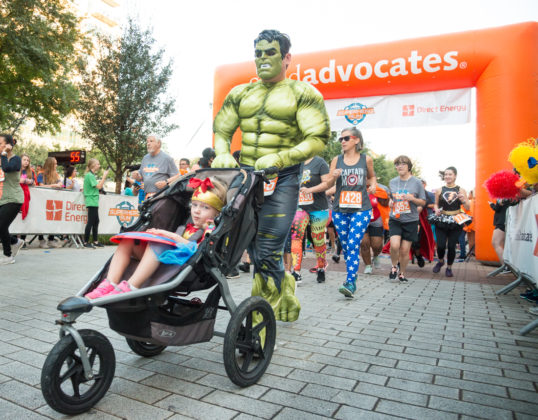
Big Bjorn Hagelmanm was our lead-out guide rider, showing the runners which way to go. Bjorn is the COO of Founding/Presenting Sponsor MRE Consulting.