Category Archives: Europe

Paris 2012: A History Lesson

Here’s the last of three posts from a great trip to Paris with my niece Caitlin and sister Jana.

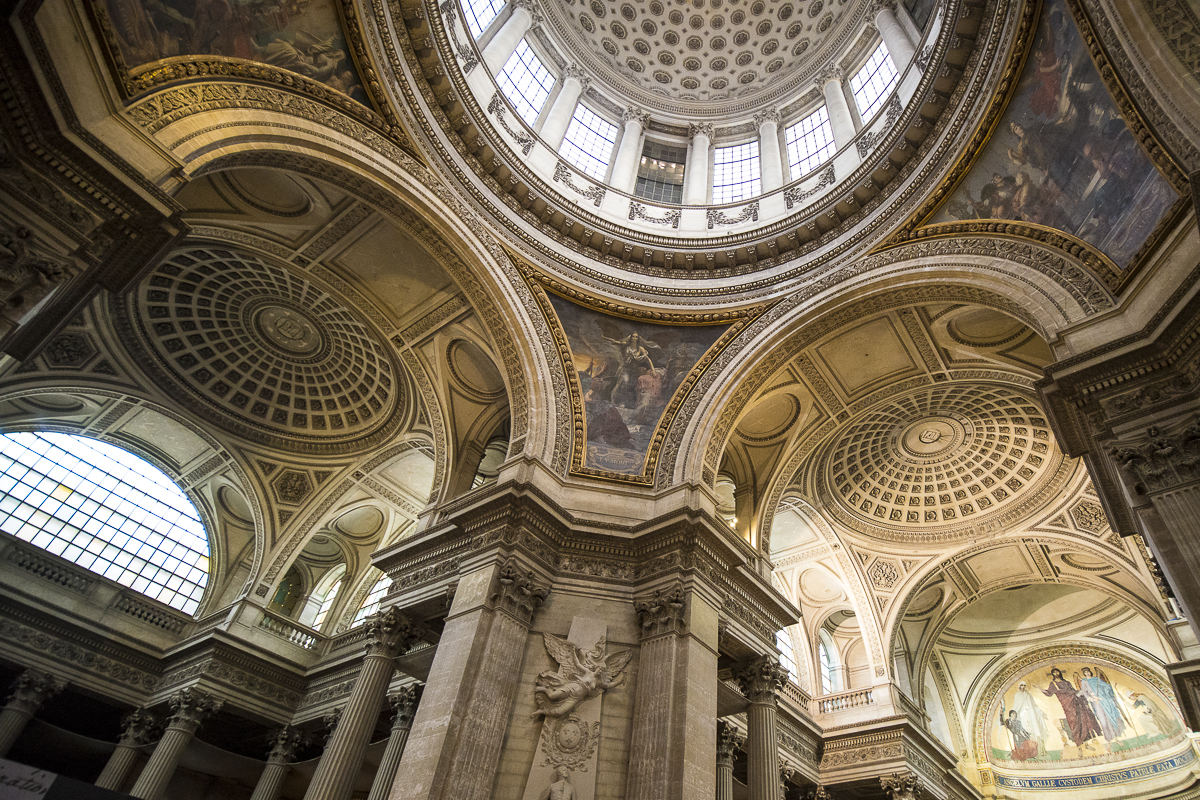
I had to brush up on some superficial French history  just to grasp some of what I was seeing in Paris last week, and to fit it in with a little perspective.  Here’s the crash course:

France had a series of Kings from the 5th Century through the 18th Century.  After 1610, they were all named Louis.  They lived in the Louvre (then a Palace) in Paris until the the 1680s when they moved 10 miles outside of town to a huge estate and a new palace at Versailles (now a Paris suburb).  Versailles served as the royal residence and center of most government until the late 1700s.  In 1789, Louis XVI  and Marie Antoinette were reigning as King and Queen, which was very bad timing for Mademoiselle LetThemEatCake:  Louis and Marie were dragged out of Versailles by French Revolutionaries.  By 1793, the monarchy was done (mostly) and both Louis and Marie were guillotined in Place de la Concorde in the center of Paris.  Ouch.
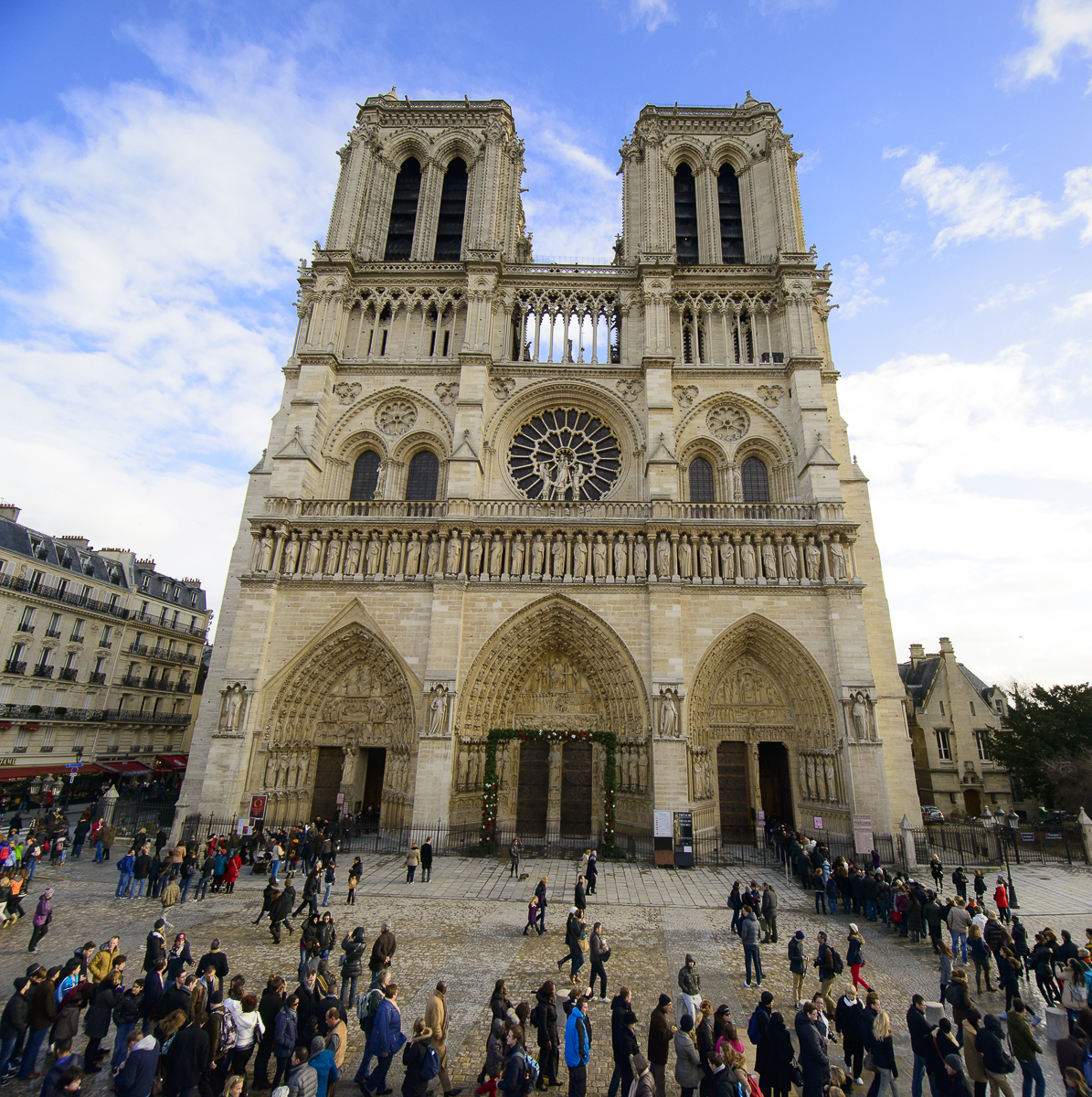
After the big Revolution ended the centuries of rule by kings, it took the French about one decade to appoint, instead, an Emperor!  Pope Pious VII (go figure) presided over the coronation of Napoleon Bonaparte and his Empress, Josephine  in the 12th Century cathedral, Notre Dame (“Our Lady”) de Paris in 1804.  Napoleon ruled France from 1804 until he met his Waterloo — at Waterloo — in 1815.

The next several decades saw a mix of monarchs (Louis XVII, etc.) and an occasional return of Napoleon and/or his nephew (Napoleon III) as temporary emperors.  The famous  book/musical/movie, Les Miserables, was set (in Paris) in the early 1800s, during a period of monarchy (i.e., not during the French Revolution, as I’d always thought).  It was 1871 before a successsion of elected Presidents took over for good (sort of).  That was the era when the Parisians put up the Eiffel Tower.

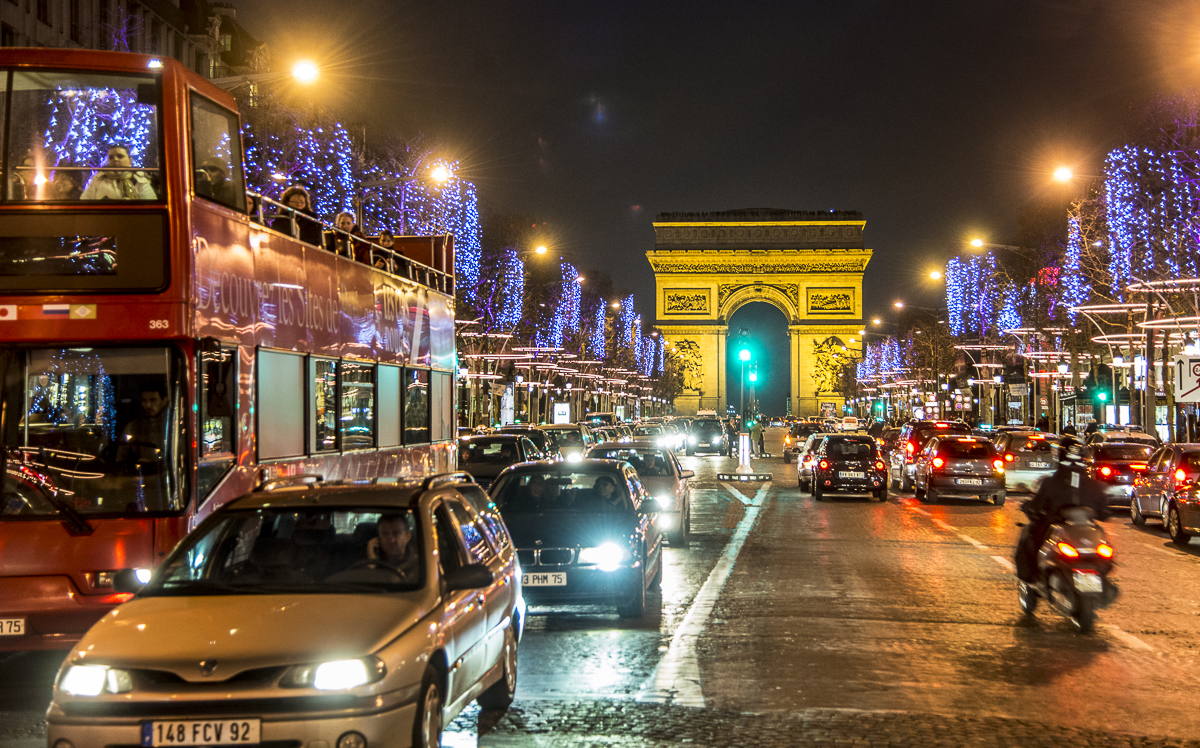
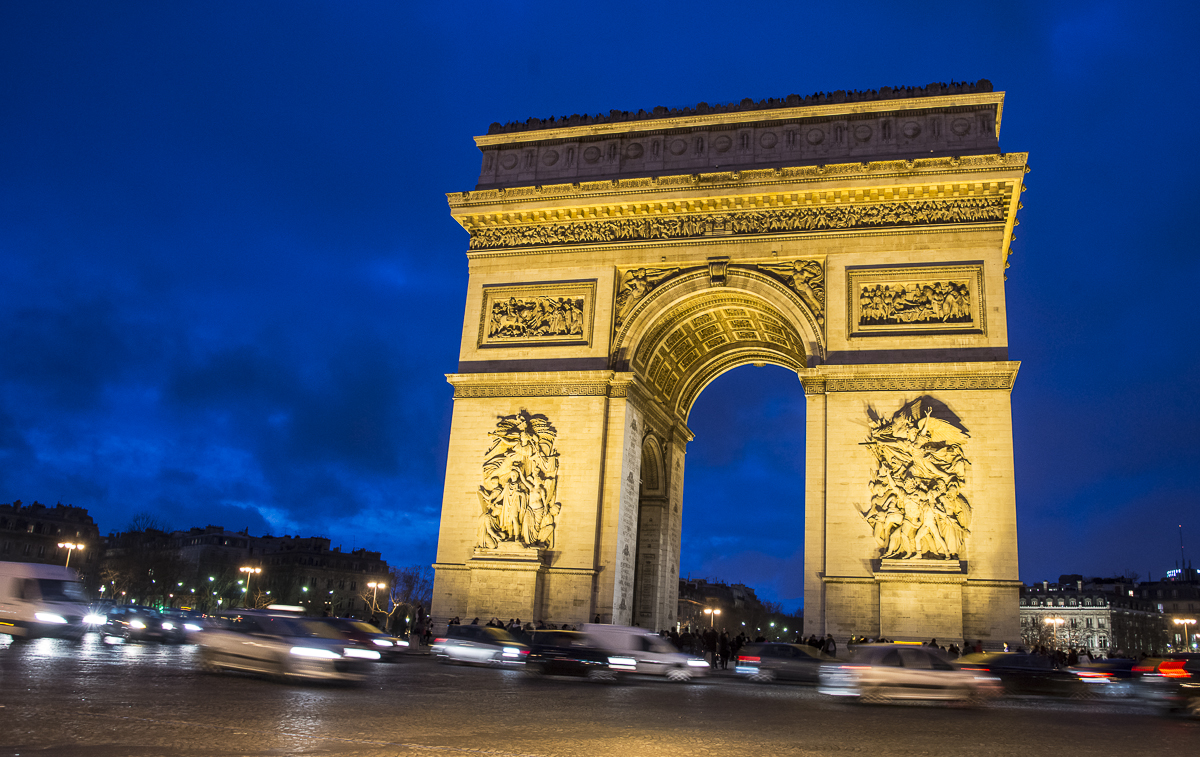
It was Napoleon Bonaparte who commissioned the Arc de Triomphe to honor his military heroes and fallen soldiers.  Napoleon’s own body passed through the Arc on the way to his tomb.  The French marched around the Arc to celebrate their Triumph at the end of World War I; Hitler’s troops did the same when they took the city in 1940.  Happily the last big triumph along those lines was when our own American GIs (together with French and English Allied troops) liberated the city in 1944.  Their well-deserved celebration parade went around the Arc and down the adjacent avenue, the Champs Elysees to Place de la Concorde (toward the Louvre, where this story began).

_JC86003.jpg_JC85951.jpg_JC85441.jpg_JC85513.jpg_JC85546.jpg_JC85554.jpg_JC85578.jpg_JC85398.jpg_JC85940.jpg_JC85393.jpg_JC86023.jpg_JC86035.jpg_JC86045.jpg_JC86062.jpg_JC86076.jpg_JC86085.jpg_JC86091.jpg_JC86101.jpg_JC86120.jpg_JC86150.jpg_JC86161.jpg_JC86663.jpg

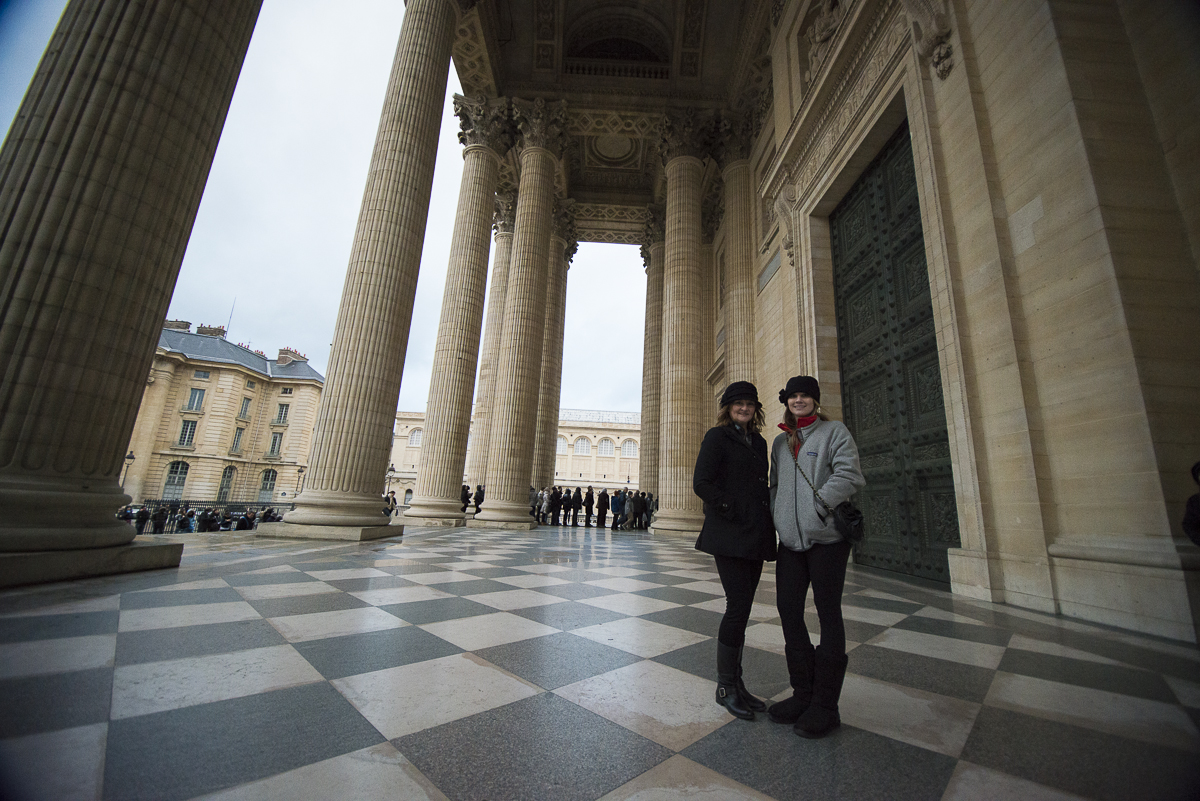
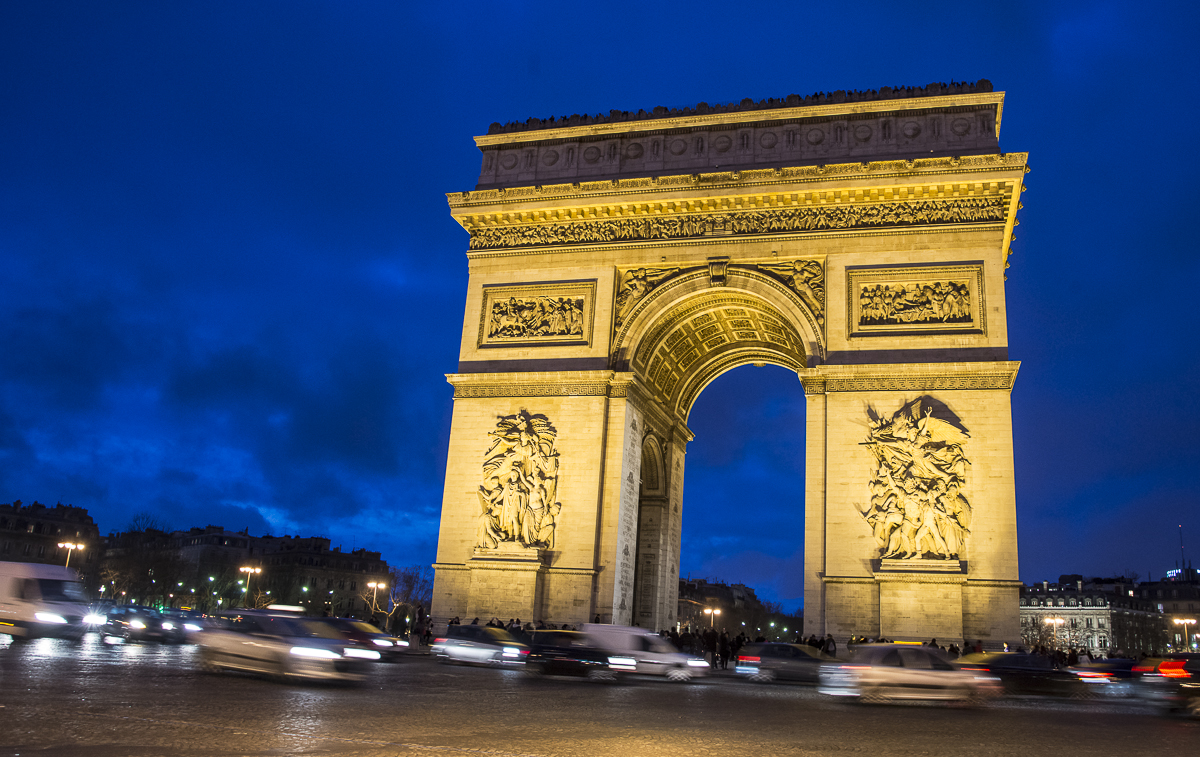
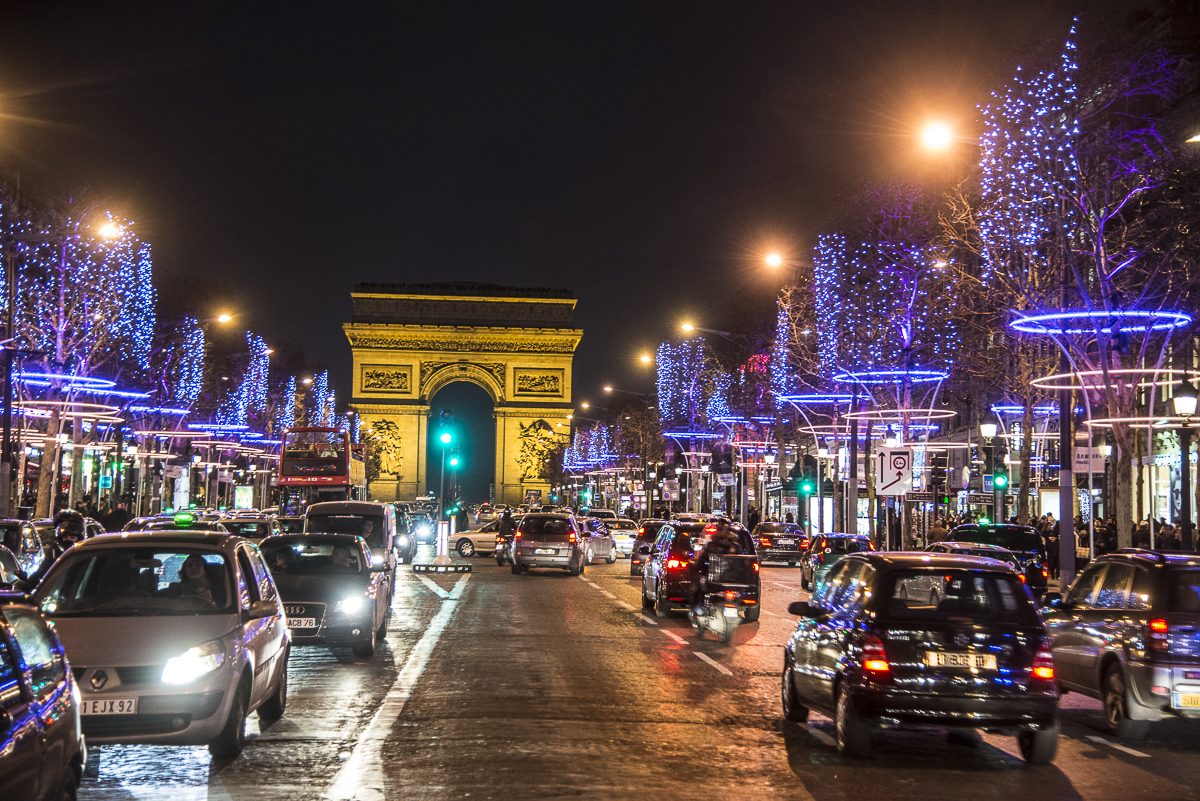
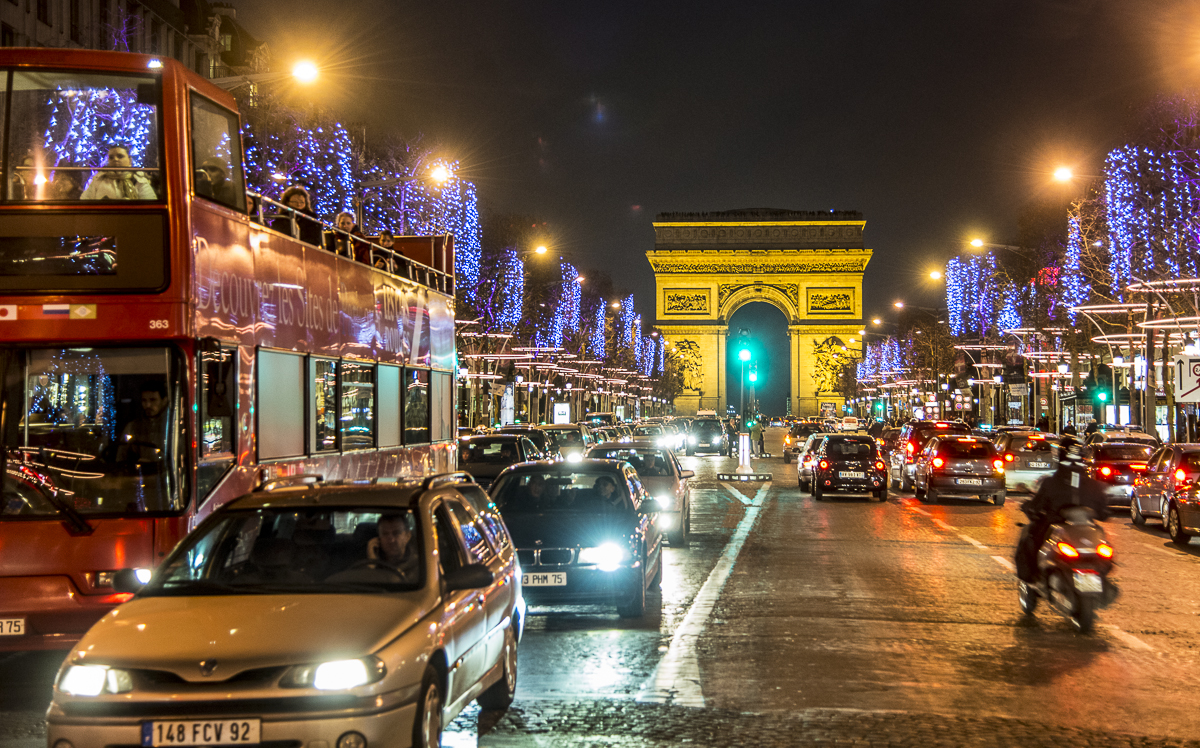
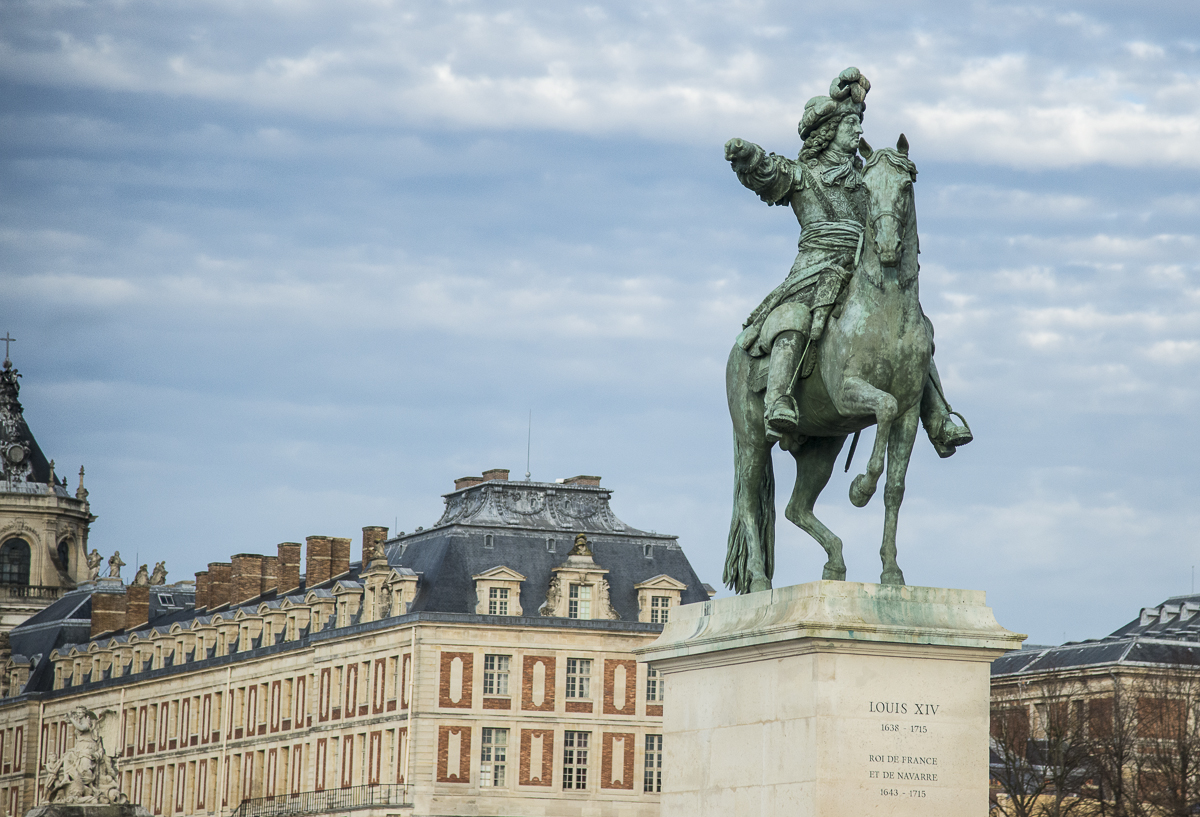
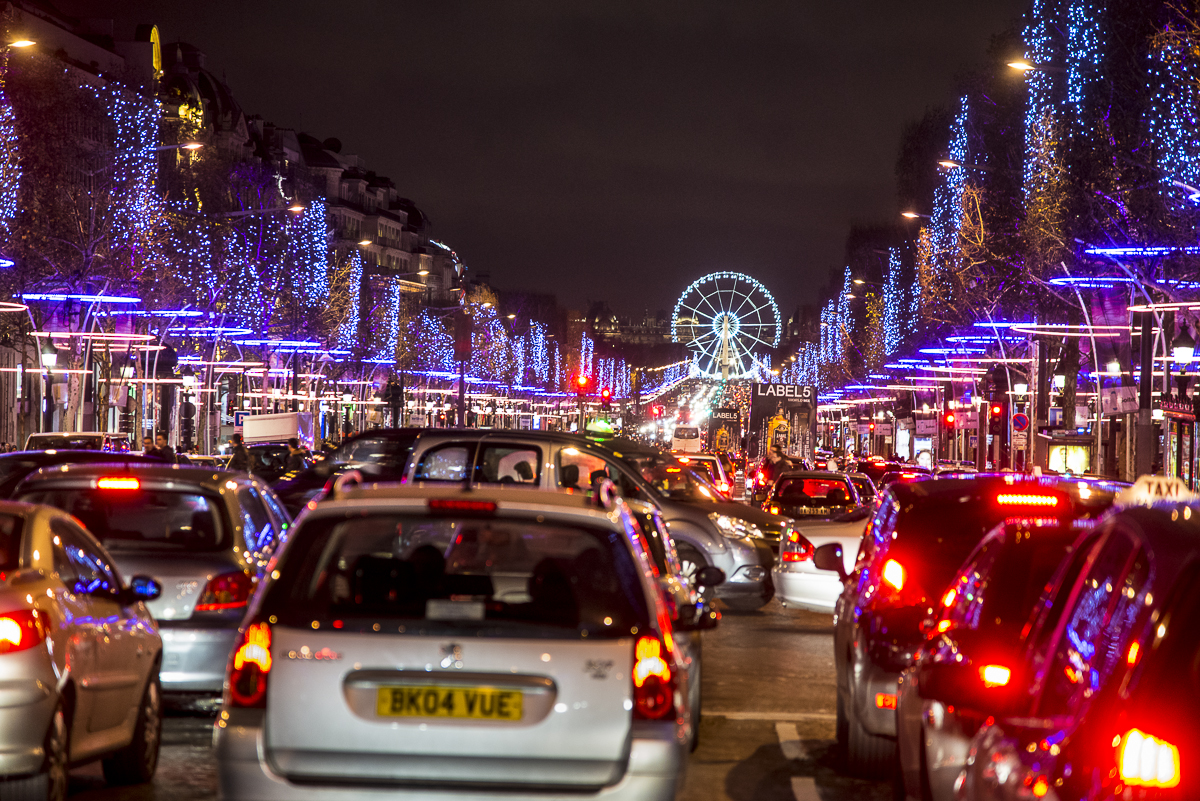
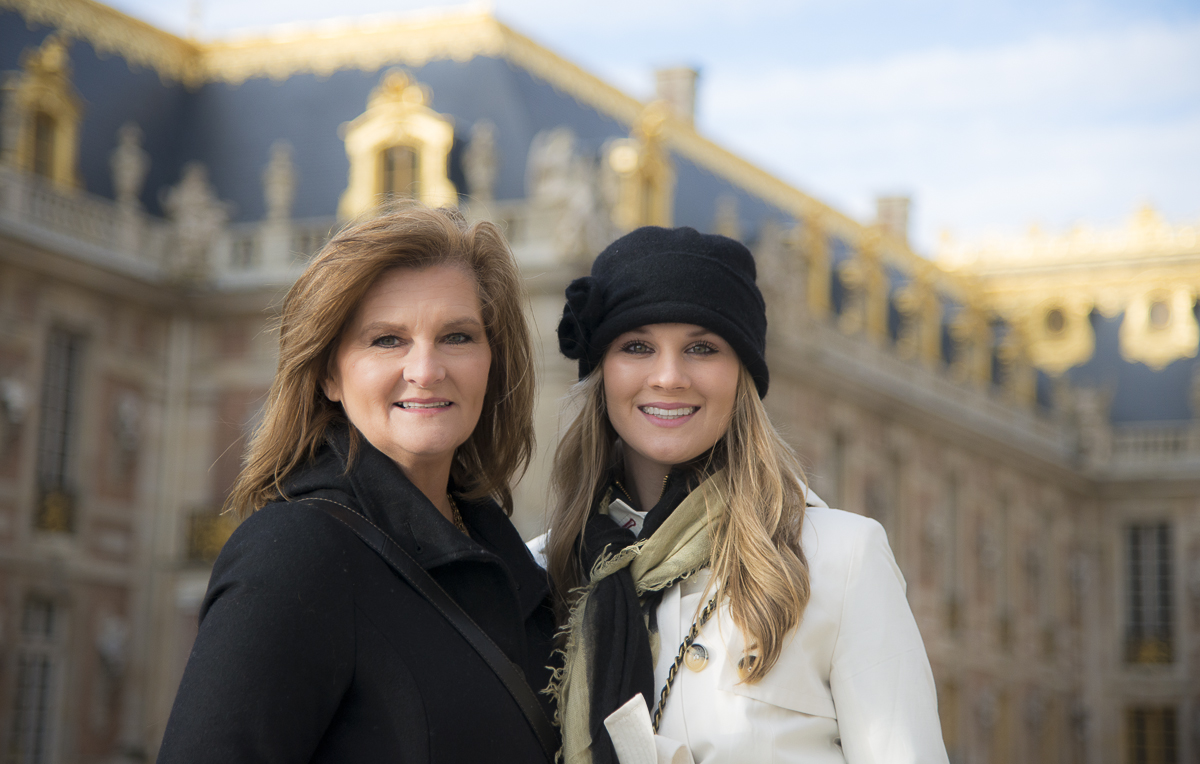
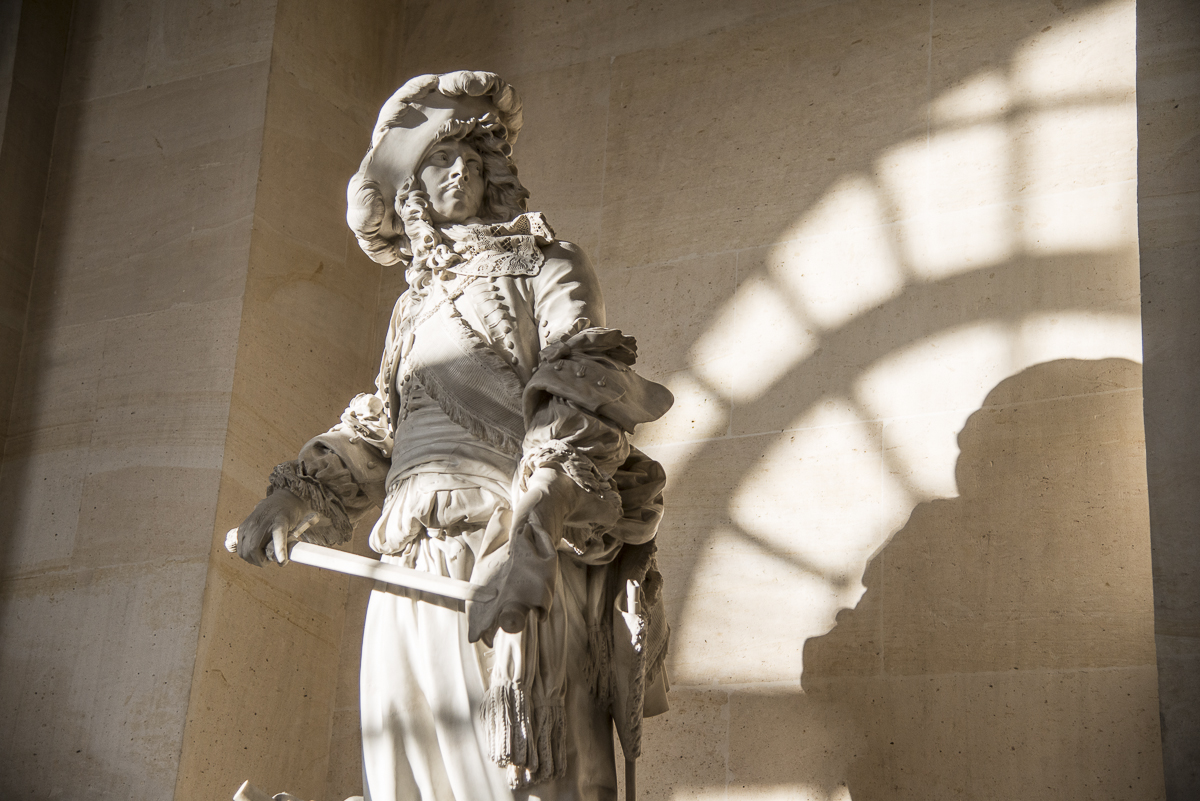
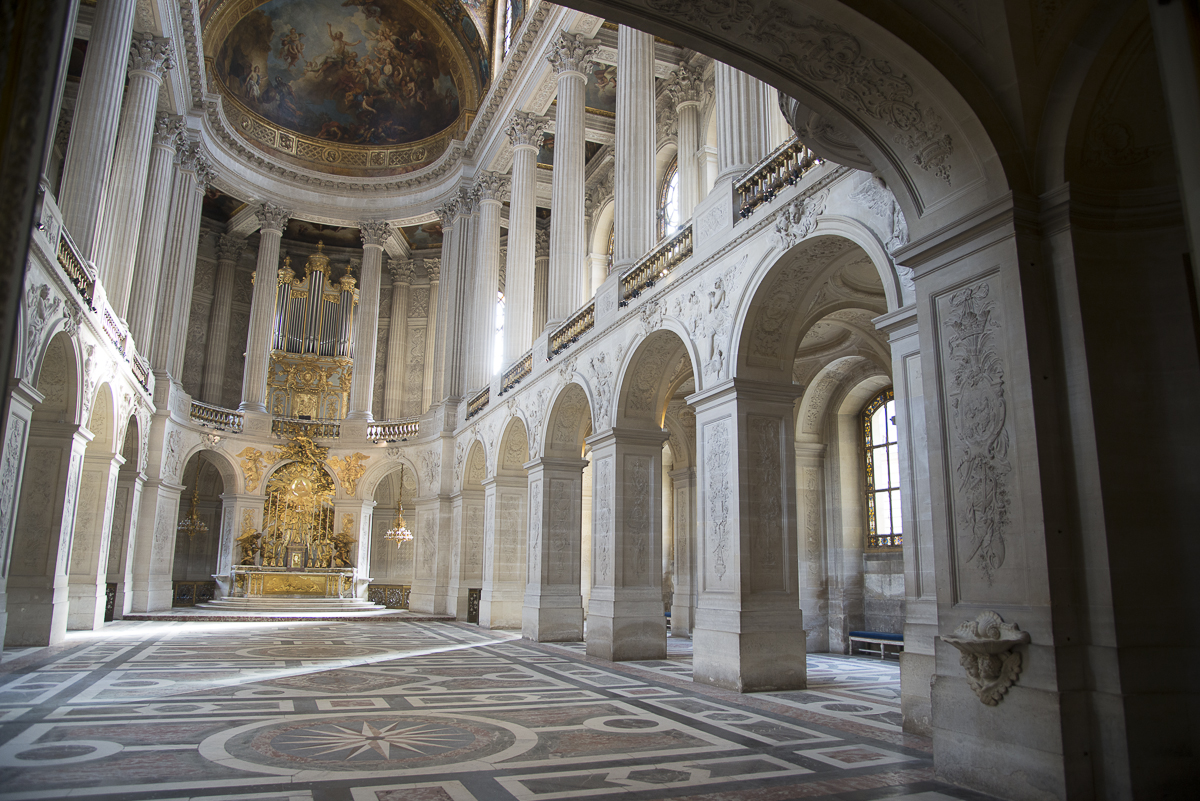
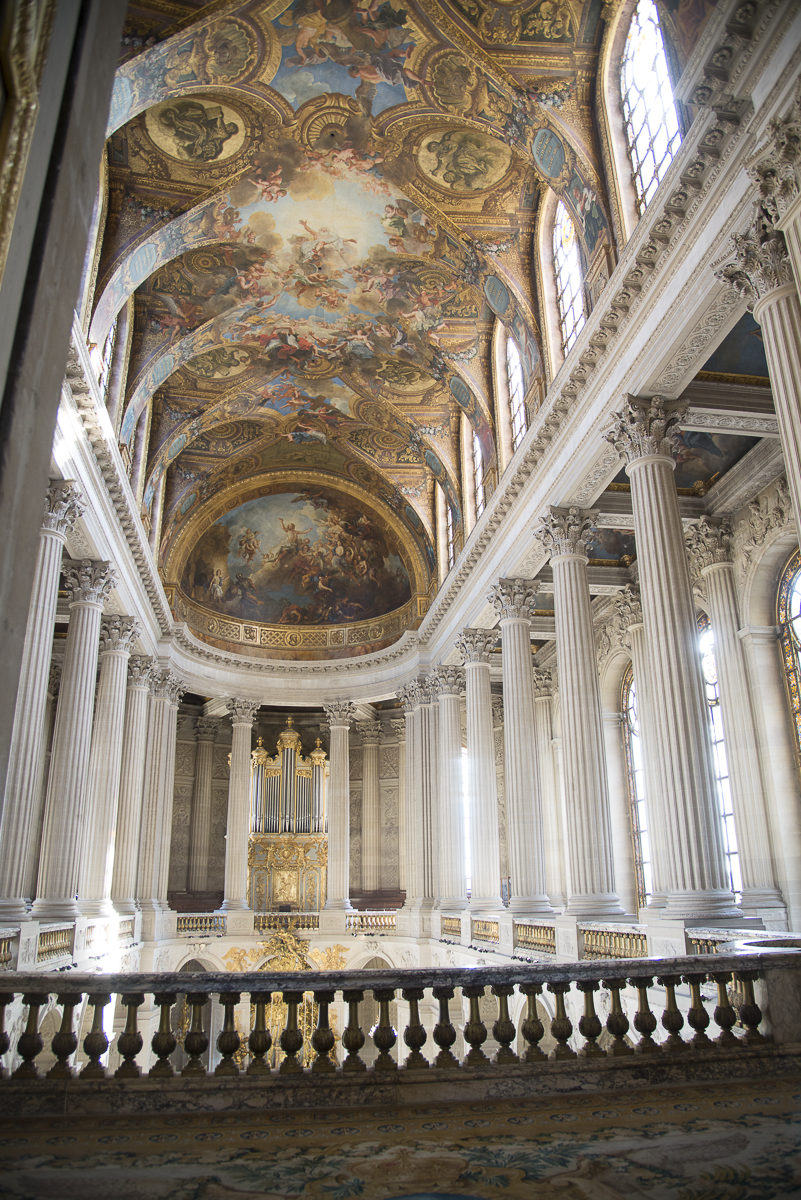
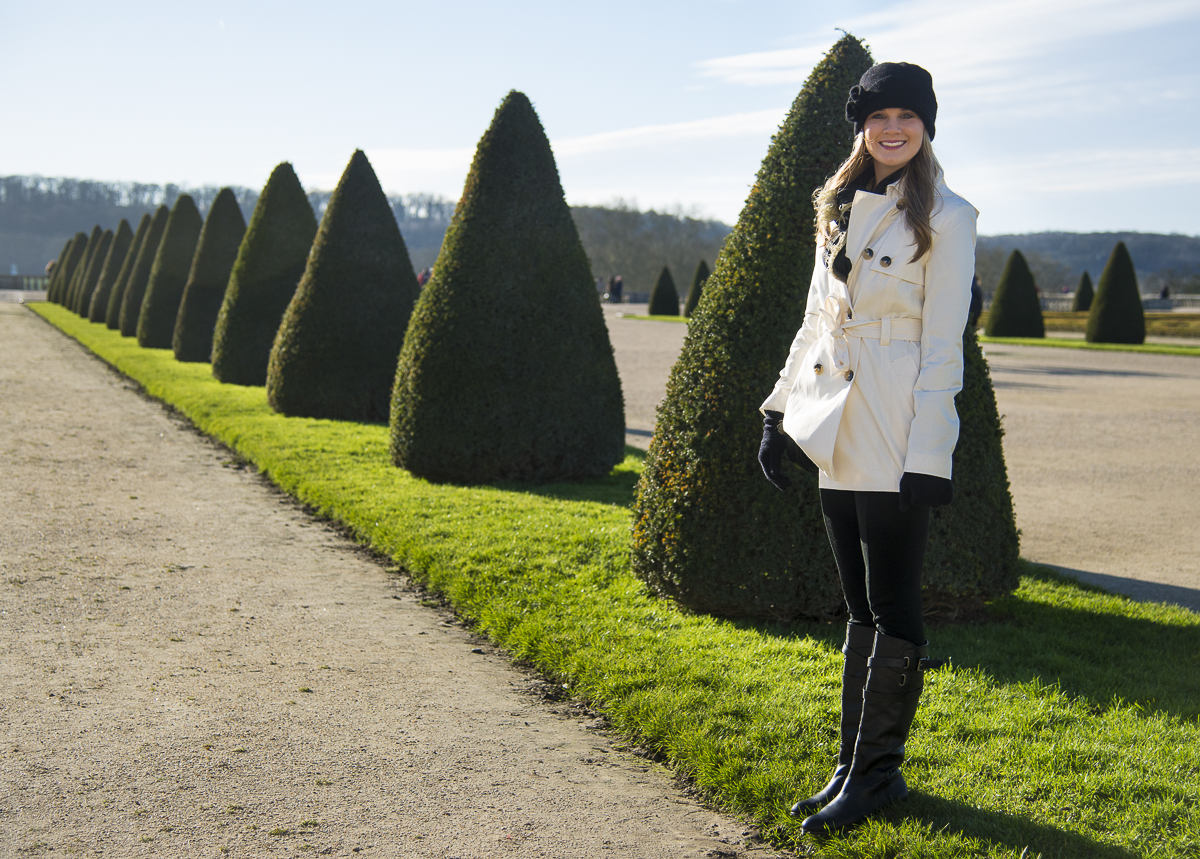
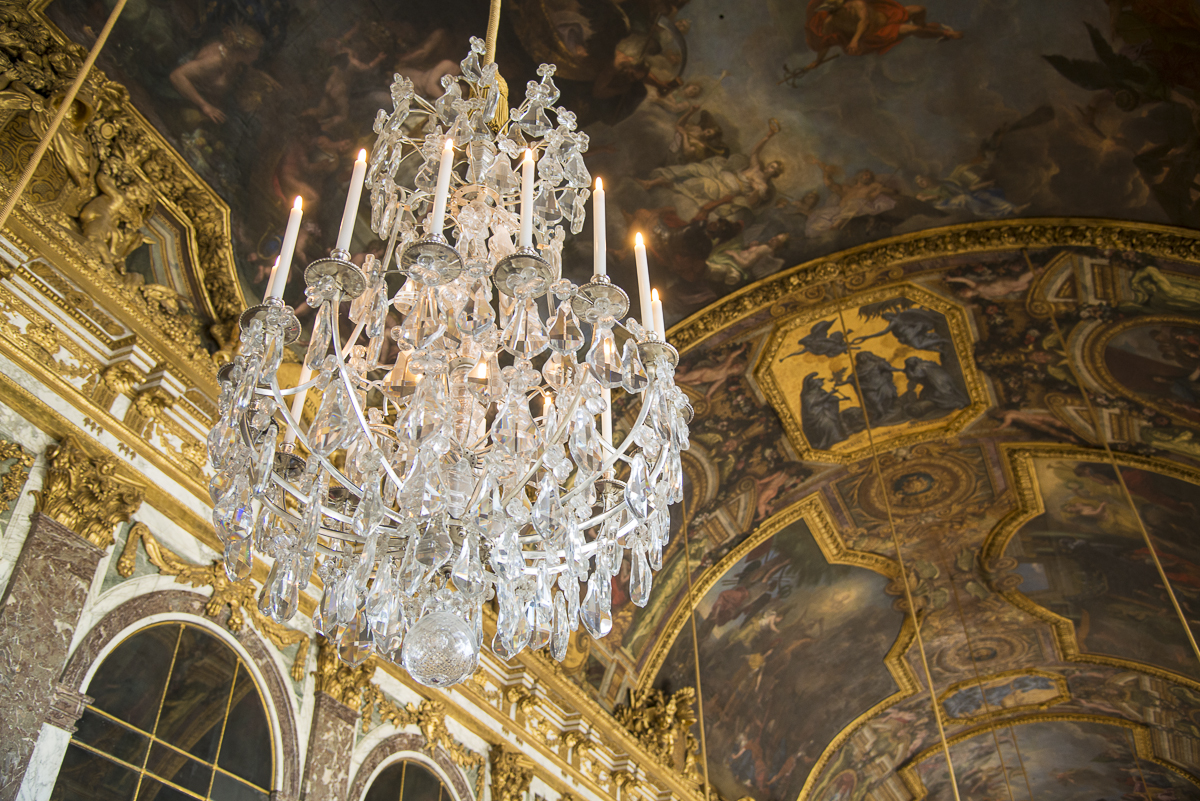
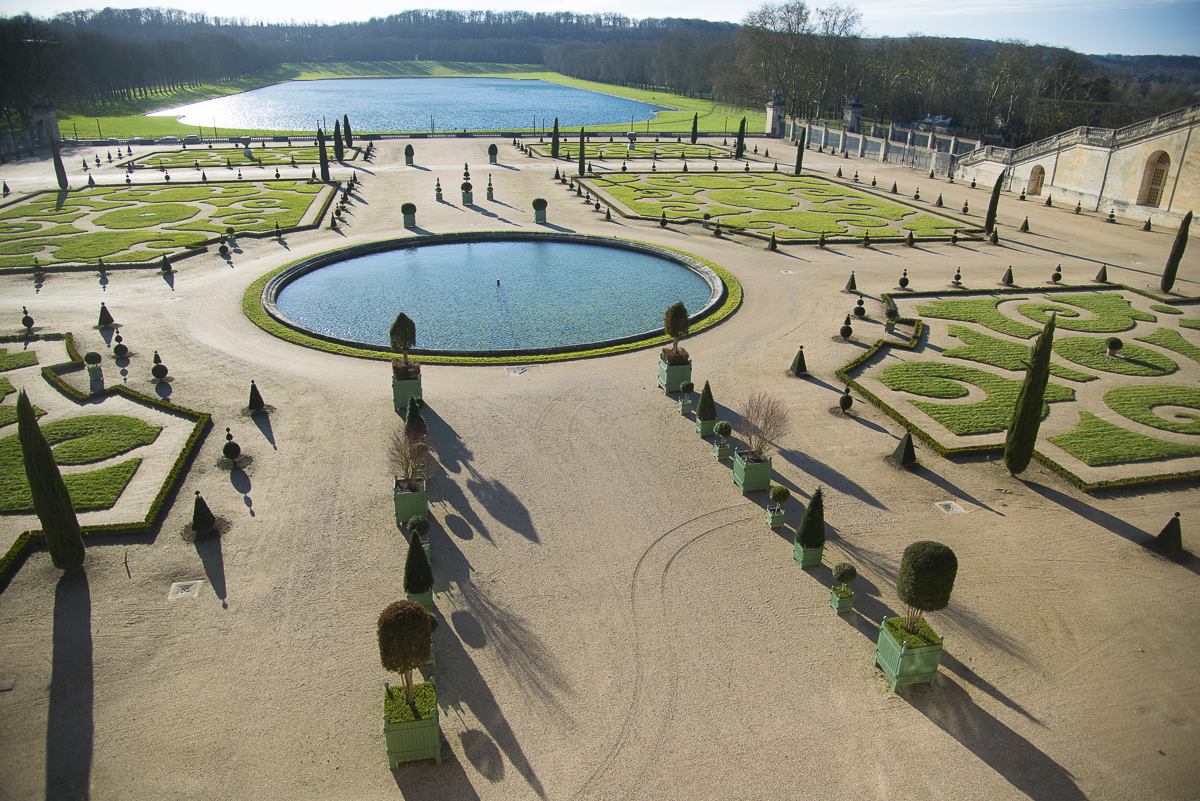
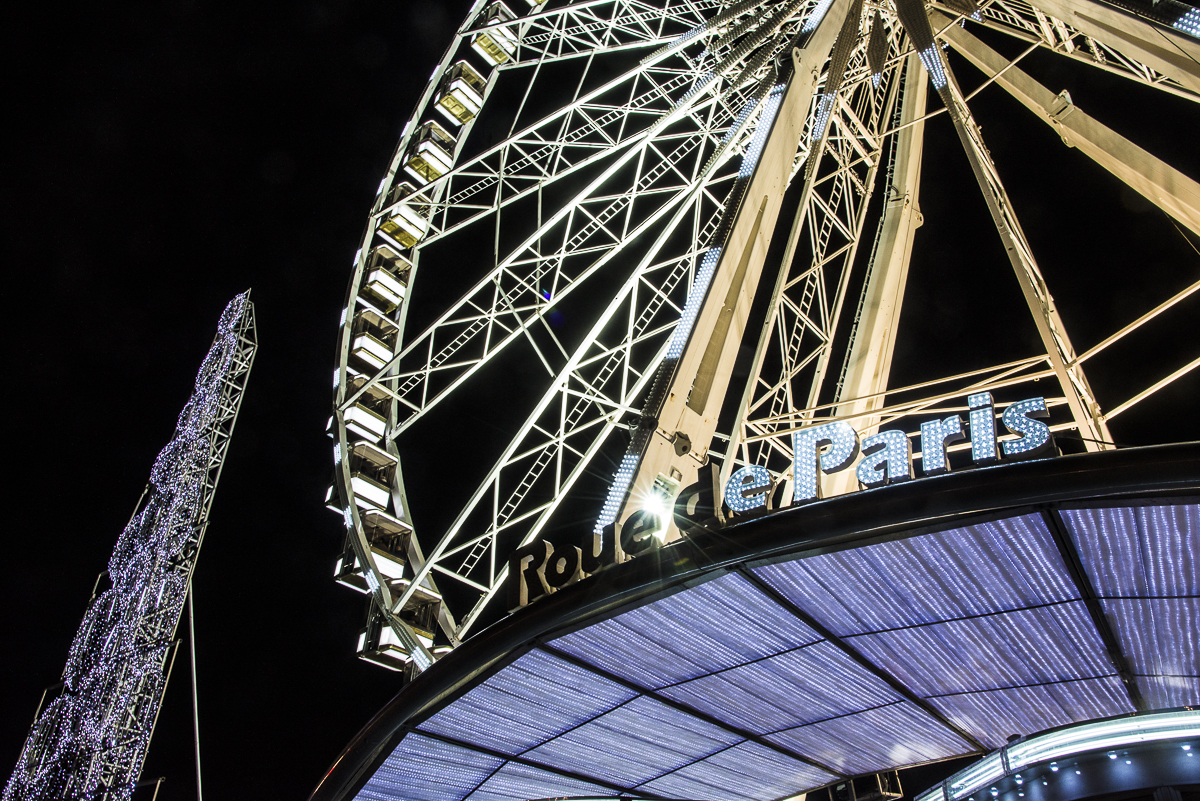
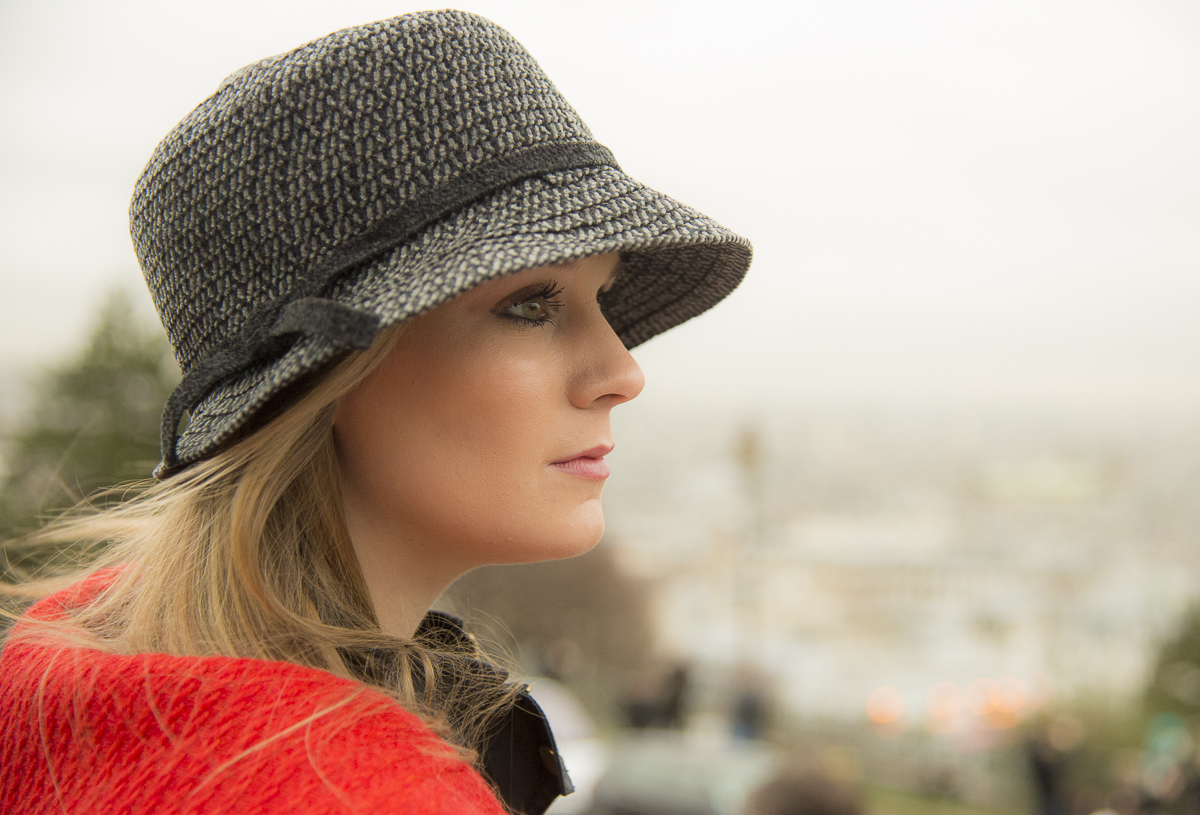
The big archway (pictured at night) is, of course, the Arc de Triomphe; the traffic pictures are from the precarious middle of the Champs Elysees.  The ferris wheel was set up at Place de la Concorde.  You probably recognize the church facade as Notre Dame.  The greenish statutes, the lavish landscaping, and the fancy chandeliers are at Versailles.  The pretty girls are my sister and niece. 


A PHOTOGRAPHY LESSON / EXPERIMENT :

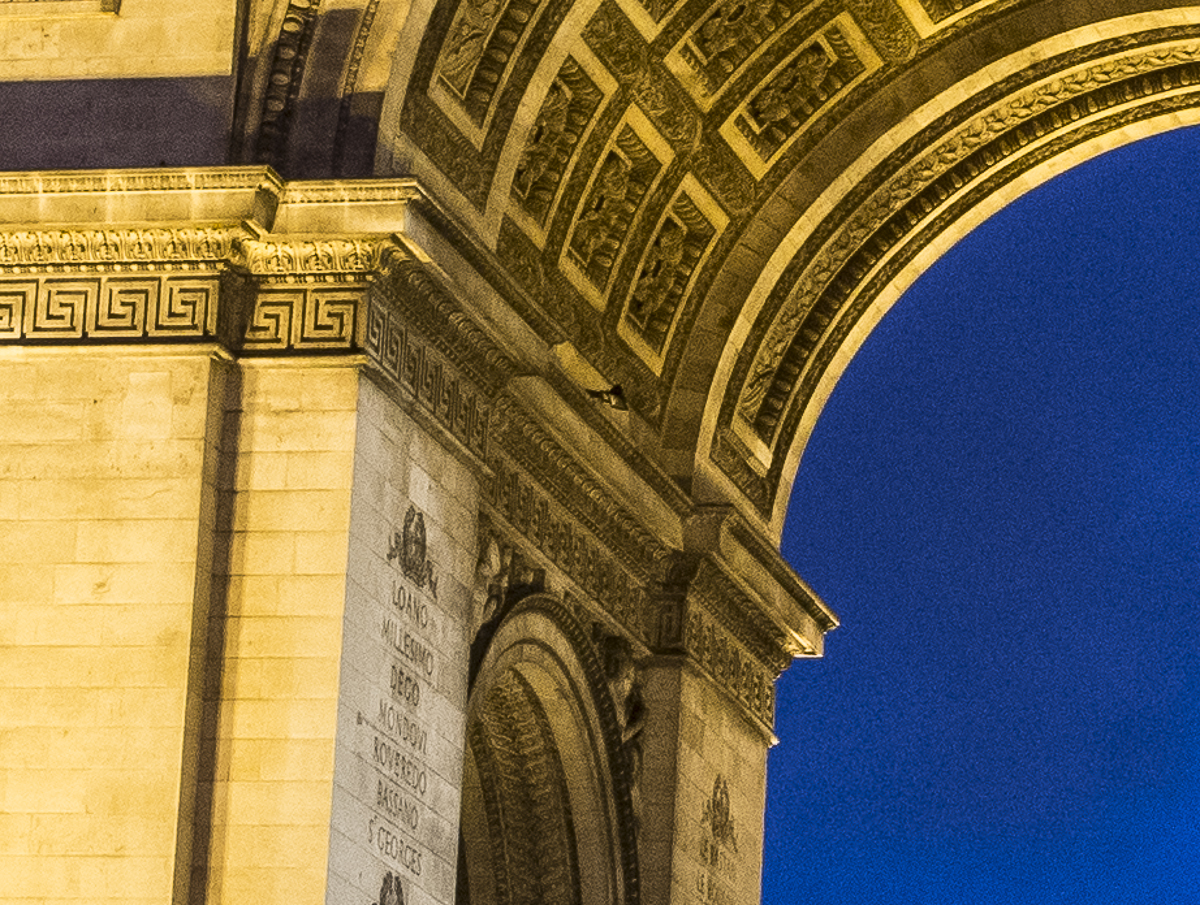
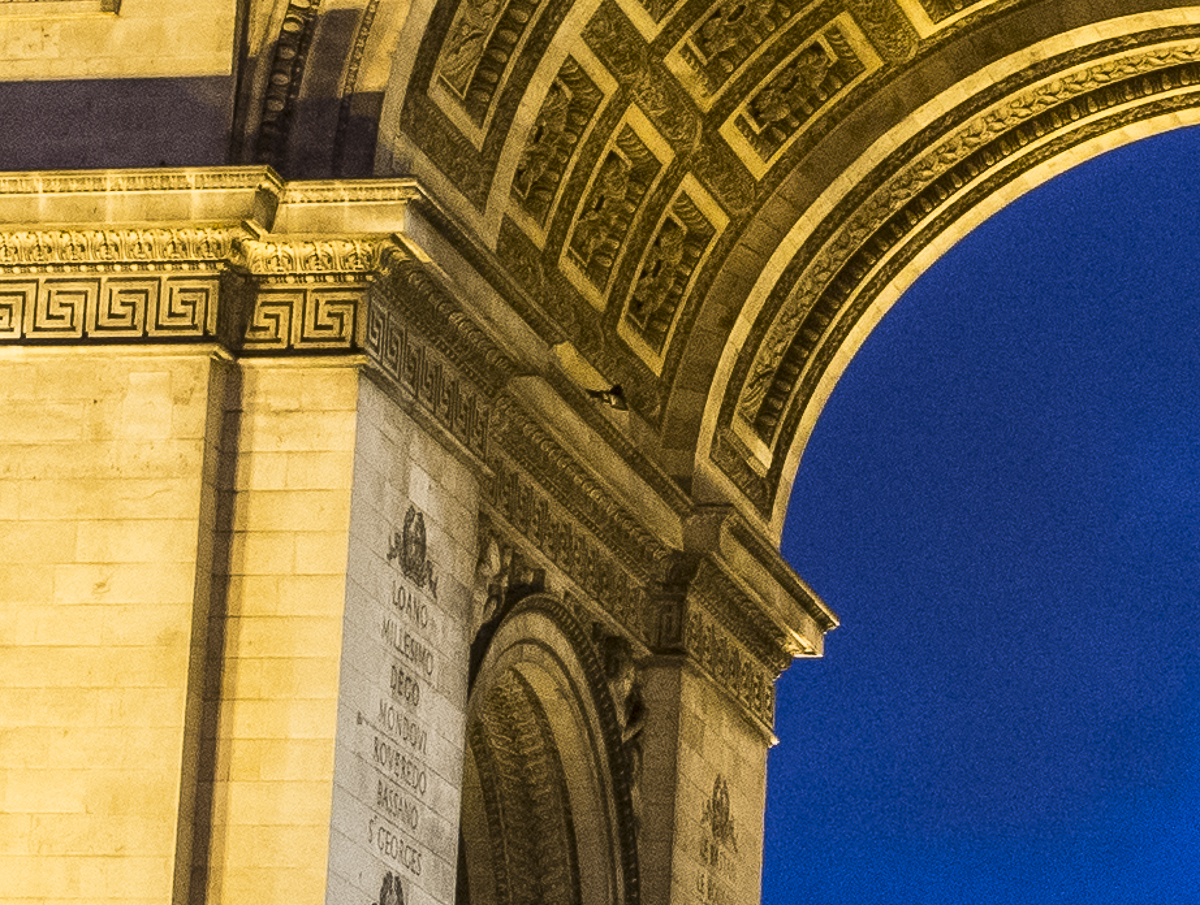
For camera ‘folk’:  For the shot of the Arc in twilight, I quickly realized couldn’t get the cars out of the picture.  At faster shutter speeds, it looked like a parking lot of oddly-spaced cars.  To blur the cars, I adjusted ISO and f-stop ’til my shutter speeds were around 1/4 or 1/6 second.  Handheld.  The VR (Vibration Reduction — same as Canon’s Image Stabilization) elminated the blur on the stationary arc, but doesn’t (couldn’t) eliminate the blur on the moving cars.  Though the cars are blurred beyond recognition, I was surprised how sharp the VR system kept the Arc itself.  The picture (below) on the right is just a cropped section of the one on the left — notice that you can read the inscriptions on the Arc.  If I had it to do over, I’d have left the f-stop wide open and improved my ISO instead.

c85-_JC86003.jpg_JC86003-2.jpg


Paris 2012: Endless Louvre

It started as a 12th Century fort, and became the royal residence and seat of the French monarchy until Louis XIV moved his throne and his wig collection out to Versailles in the 1680s.  Since then, the Louvre has been (mostly) a museum housing (mostly) pre-19th Century art.  Its most recognizable residents, of course, are Da Vinci’s Mona Lisa, and the armless Venus de Milo.  But it’s a bit of a mystery to me why these two pieces (as opposed to some of the thousands of other options in the Louvre) are so famously iconic.

_JC85731.jpg_JC85741.jpg_JC85606.jpg_JC85662.jpg_JC85721.jpg_JC85738-Edit.jpg_JC85800.jpg_JC85816.jpg_JC85822.jpg_JC85868.jpg_JC85890.jpg_JC85893.jpg_JC85909.jpg_JC85927.jpg

The building itself is surely as impressive as any of its holdings.  It’s U-shaped, with half-mile long legs paralleling the Seine River.  The 1980s glass pyramid looks a little odd amid the 16th Century architecture, but the contrast makes for some interesting pictures.

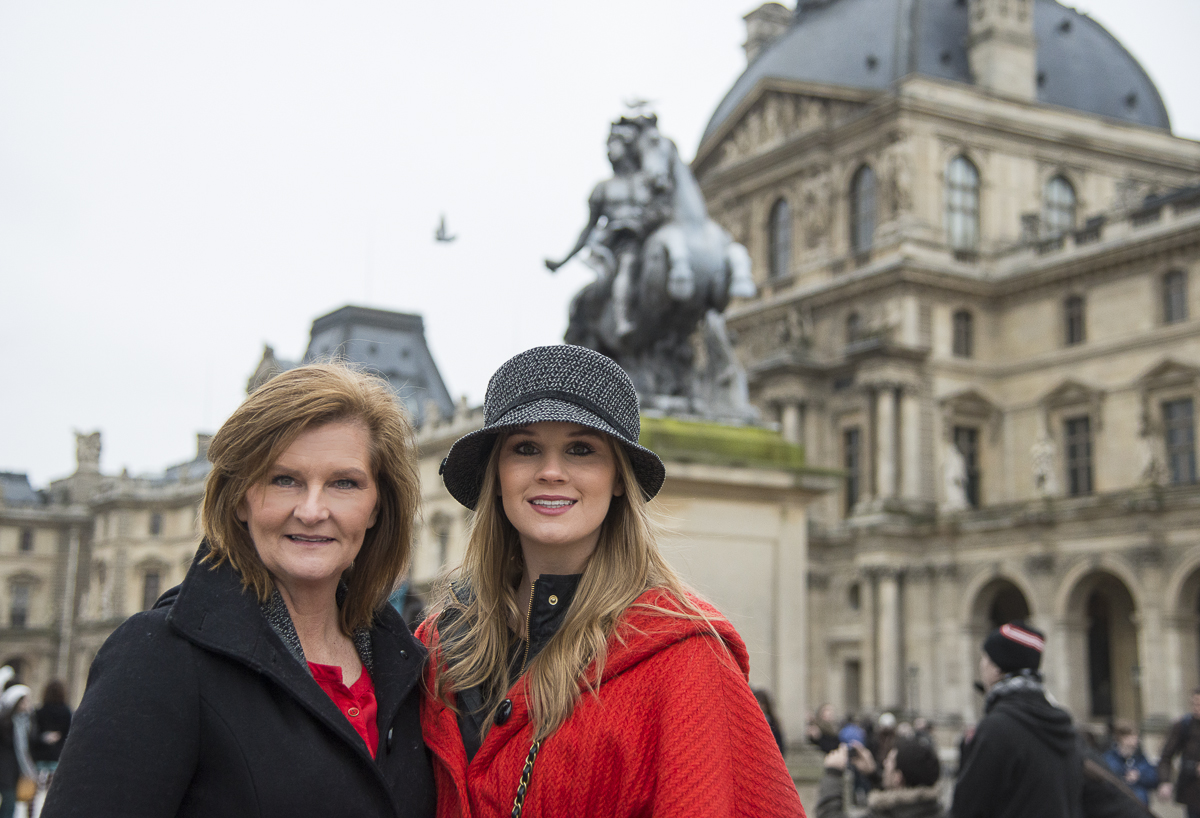
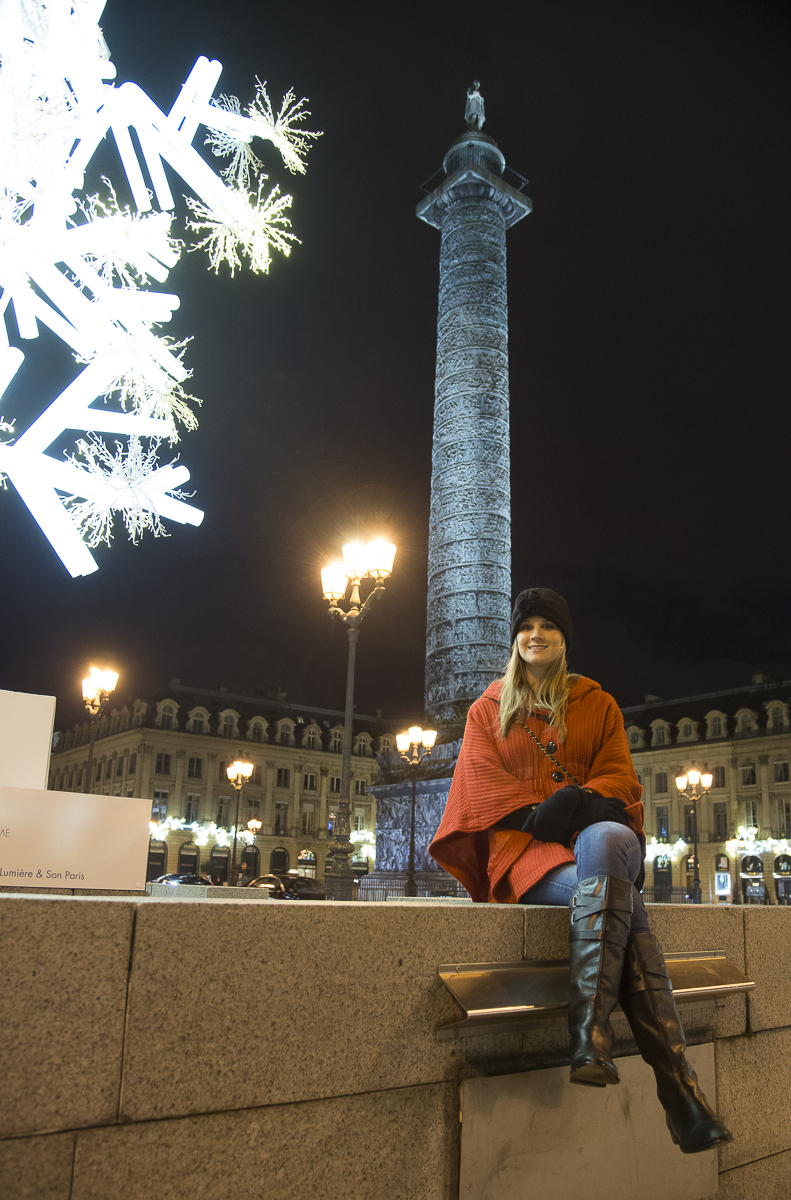
I wandered the grounds late one night after the crowd had gone home to get some shots in the interesting light.  The girl in red is my neice, Caitlin.

For fellow photo nerds:  The night shots are all hand-held, with existing light.  Mostly around 1/15th second, ISO 4000 or so, with the D800 and the 24-120mm f4 lens, presumably testing the limits of Nikon’s “VR” and high-ISO capabilities.


Paris 2012: Eiffel Tower

For a while, it was the tallest manmade structure in the world.  Built in the 1880s by Gustav Eiffel (the bridge-building engineer who had recently built the framework for the Statue of Liberty), the Eiffel Tower was intended as a temporary entryway for the 1889 World’s Fair.  (Apparently World’s Fairs were a big deal back in those days).   The plan was to take it down 20 years later, but by then the radio had been invented, and having a very tall tower for radio antennas came in pretty handy, so it stayed up.  The rest is history — literally.  The French at least cut the elevator cables on the tower before the Germans took over Paris in 1940, so Hitler never got to the top when he visited Paris.

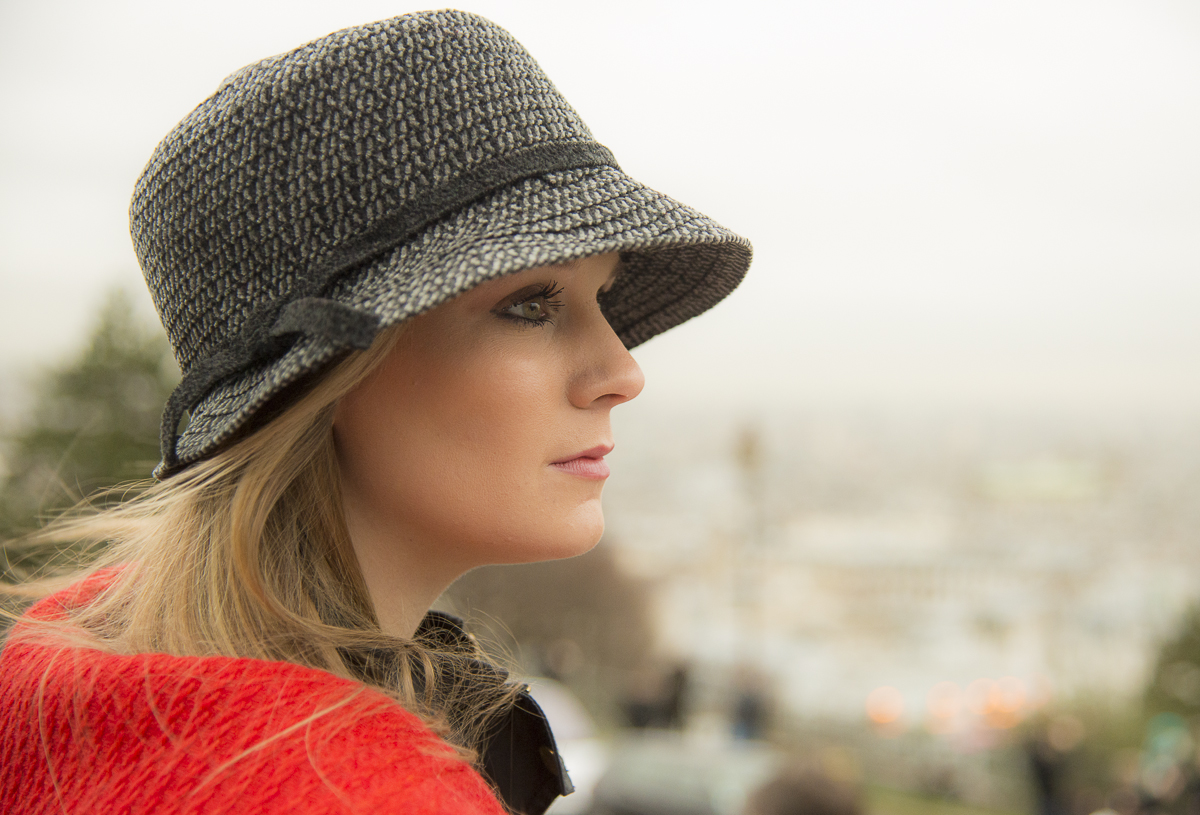
Since it went up in the late 19th Century, the Tower has been visited by about 250 million people — now including my sister Jana Parker, and my niece Caitlin.  I was lucky enough last week to get to take Jana and Caitlin to Paris for a few days of post-Christmas sightseeing.  Here’s the first batch of pictures — all of these are shots of, including, and/or from the Eiffel Tower.  Thanks to Caitlin for some nice, impromptu work as a Parisian model.  More pictures from Paris still to come when I get organized.


_JC86221.jpg_JC86303.jpg_JC85610.jpg_JC86408.jpg_JC86239.jpg_JC86364.jpg_JC86059.jpg_JC86267.jpg_JC86246.jpg_JC86286.jpg_JC86379.jpg_JC86412.jpg_JC86511.jpg_JC86555.jpg_JC86671.jpg_JC86675.jpg_JC86681.jpg_JC86707.jpg


Roman Holiday


I was at a one-week photography workshop in Rome last week.  Somehow, strangely, this caused me to spend less time taking pictures than I normally would.  And certainly I had less time to write goofy stories, so with Thanksgiving approaching fast, I’ll keep this short.  I’ve just got two quick observations about Rome (and a couple of dozen pictures):

First:  If you’ve never quite figured out the distinctions, relations or overlaps between ancient Roman popes versus ancient Roman emperors or kings, a visit to Rome will do absolutely nothing to clear that up.  In fact, it’s probably even weirder than you thought.  (Google “Quirinal Palace,” for example).

Second:  The number of incredibly ornate churches, palaces and statues in Rome is amazing.  There are hundreds of churches, palaces, museums, arches, ruins, fountains or government buildings, any one of  which – if transported to most any American city – would be the most impressive structure in town.

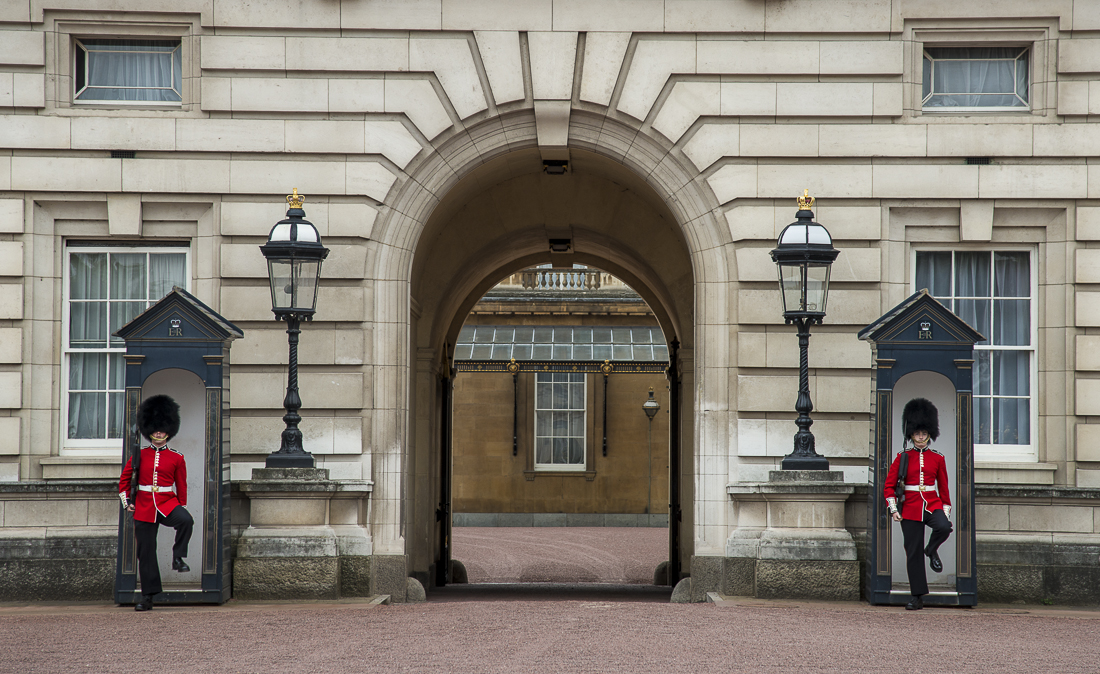
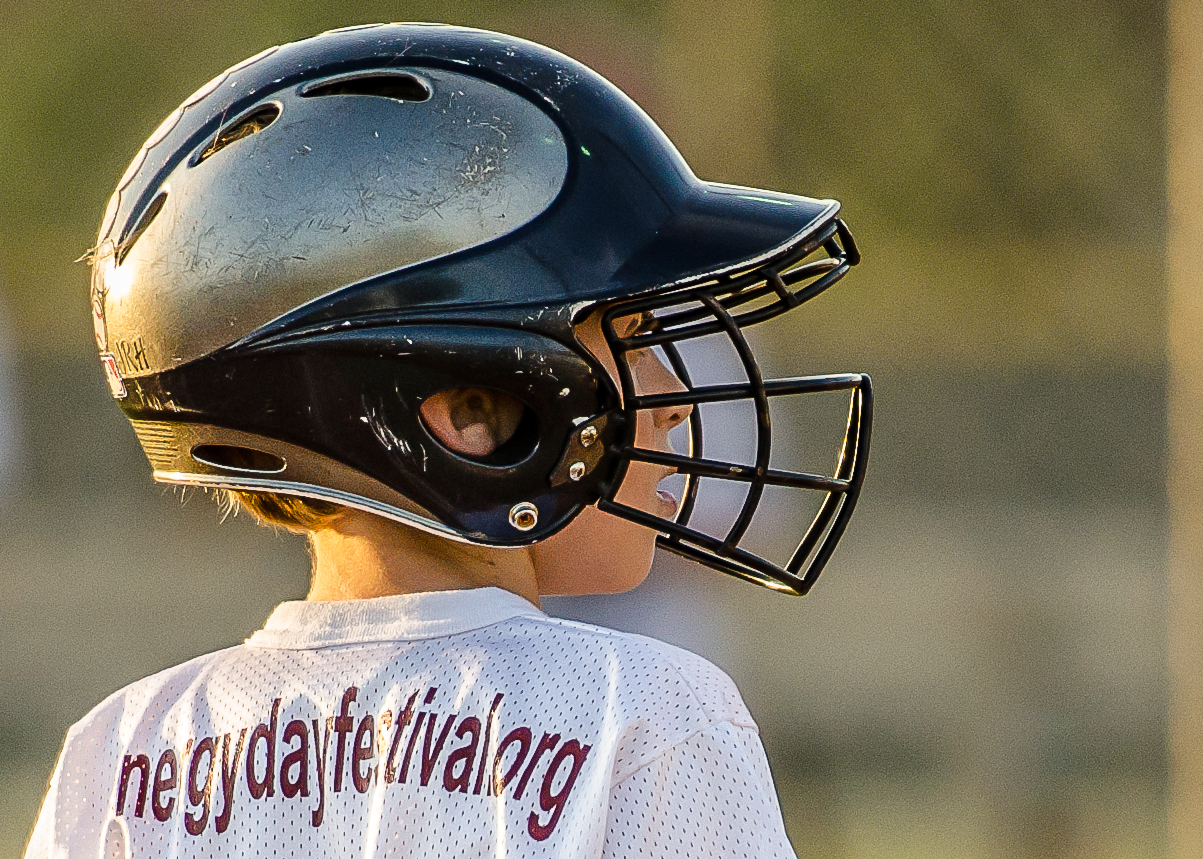
The guy (above) in the helmet is one of the special guards whose sole function is to protect the Italian president.  The walking priests and the parading bishops are at the Vatican.  The beret-wearing guard in glasses is a “royalist,” standing ceremonial guard over the tomb of the last Italian King – inside the Pantheon.


“Roman Holiday” is an early 1950s Audrey Hepburn movie that made her a superstar and introduced lots of Americans to the now-familiar iconic sites in Rome.   

Continental Drifters (Istanbul Part 3)


If you’re like me, you’ve always been a little hazy about where Europe ends and Asia begins.  In Southern Europe, at least, there’s a very definitive answer:  downtown Istanbul.  The Bosphorus Strait — a waterway that bisects Istanbul and connects the Black Sea with the Sea of Marmara – divides Istanbul’s 9 million European residents from its 4 million Asian residents.  Apparently at least a million Istanbulites (Istanbullies?) have a transcontinental commute each weekday morning.  My first-ever trip to Asia was via a 10-minute ferry ride across the Bosphorus.


Another river-looking body of water subdivides the “new” and old parts of the European side.  The double-decker Galata Bridge joins the two.  Cars and fishermen are on the top level; restaurants on the bottom.  So as you sit and eat, you watch bait and lures drop down from above, then wriggling fish being hoisted back up to the top layer.


The picture way below of the tiny island  is Maiden’s Tower – taken from the Asian side, looking back toward the Hagia Sophia and Blue Mosque in the European Old Town.   The fancy blue rooms are the prince’s apartments at Topkapi Palace.  The police in riot gear were in Taksim Square.  Apparently a Kurdish protest had been averted just as I arrived – and unlike a similar protest two days prior, the cops didn’t even use the tear gas.


* * *

One of my most memorable sights in Istanbul is one for which – alas – I have no picture.  But a camera would have been very much out of place in a 300-year-old Turkish bath.  This was the scene:

I’m flat on my back on a gray-marble floor, looking straight up.  I’m completely wet and covered with sudsy soap, wearing nothing but a sopping wet, plaid hand-towel-of-a-thing.  It’s plopped across body parts that one would ordinary call “private,” but that term doesn’t really seem accurate under the circumstances.

I’m looking up at a 300-year-old dome, which rests atop eight marble pillars and dominates an octagonal room roughly the size of half a tennis court.   Every surface is grey marble, and the room is currently heated to a stifling, steamy 140 degrees.  Within the dome ceiling are several softball-sized pieces of glass, allowing dots of dim light inside.  The walls are lined with what look like fancy marble mop sinks.  The room’s steamy heat is causing a steady drip of water from the chandelier that hangs from the center of the dome.

In the edge of my vision to the left, I see the curly decorative edging of the bottom-side of one of those Greek-urn-looking marble mopsinks.  Leaning over me from my right side is Saleh, a 50-ish Turkish man.

Saleh was my tellak – the term for an attendant in a Turkish bath.  Saleh seems to be the most outgoing tellak in the historic Cagaloglu Hamami.  “Hamami” means bathhouse in Turkish.  Saleh’s son also works there as a tellak.  Saleh is neither tall nor short, neither thin nor heavy.  Like all the other tellaks in the room, he’s shirtless, wearing a blue plaid towel-thing to distinguish himself from the customers in orangish plaid.  He has black hair and a big moustache, and about as much chest hair as you might expect for a middle-aged Turkish man.

Saleh’s job was to bathe me.  And bathe me he did – using primarily a weird witches-broom-looking brush thing, a scratchy mitt, lots of sudsy soap, and dozens of panfuls of hot water dipped out of those marble mopsinks.  He’d occasionally cool himself off pouring a pan of water over himself from one of the cold-water mopsinks.    The room contains 12 or so other men – half of them tellaks and half of them mostly-naked customers enduring the same fate I am.

It was my first and only Turkish bath.  When in Rome, you do as the Romans do; when in Istanbul, you go to a Turkish bath.