Author Archives: Jeff C

MS150 2012: Houston to Austin with Team G&B (and MRE)

This was my ninth year riding the “MS150,” an annual charity bike ride benefitting multiple sclerosis research.   It’s usually 180 miles (in two days) though a route change this year shortened my ride to just about 165 miles.   I’ve ridden each of my nine rides alongside longtime-friend Scott Humphries.  For the last eight MS150s, we’ve led a small “Team G&B” (Gibbs & Bruns) group.  For the past few years, we’ve become honorary members of the MRE Consulting team, too.  Our jerseys even had a half-serious MRE sponsorship logo.  MRE was founded by my two friends Shane Merz and Mike Short.

Thanks to Team G&B riders Jon Worbington, Mike Absmeier, John Neese, Stacy and Scott Humphries, Andrea Young, and Bob Stokes (pictured) for making this another fun  and successful trip.  Congrats to first-timers Jon and Andrea.  HUGE thanks to Maidie Ryan, our support driver, and the Shane and Michele Merz and Mike Short of MRE for riding with us and for letting us join their fun.


Jack Humphries & the River Cats

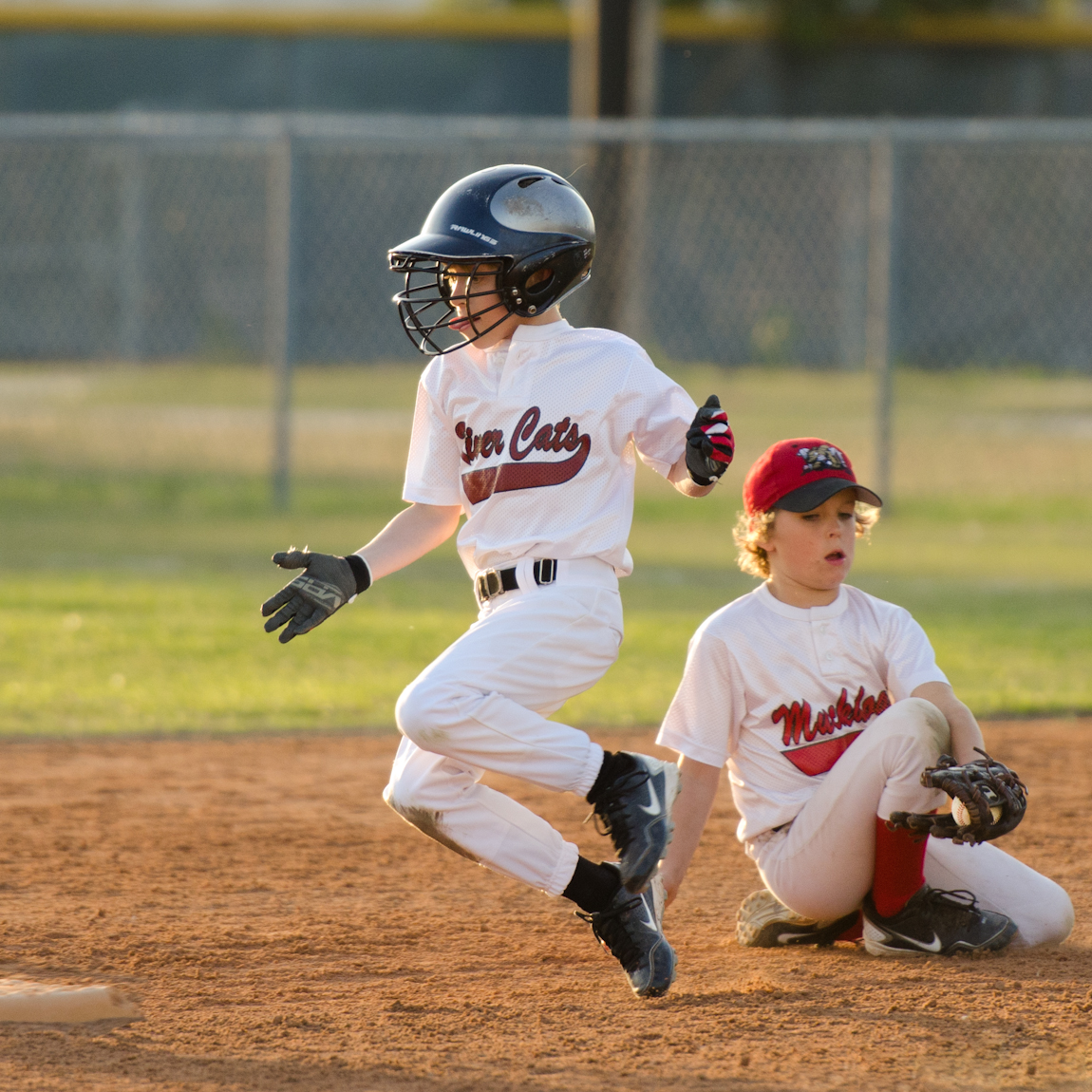
A few nights back, Jackson Humphries’ team (the River Cats) had an evening ballgame.  Jack is the son of my friends, Stacy and Scott Humphries, I had 30 minutes or so to get some pictures before dark.  Lots of heroics by the River Cats.   A couple of pictures below are of John Stokes, son a Bob and Macy Stokes.  Coincidentally, John’s team (with Bob as a coach) was on the receiving end of the River Cats’ big victory.

_JJC3531.jpg_JJC3546x.jpg_JJC3584.jpg_JJC3620.jpg_JJC3622.jpg_JJC3640.jpg_JJC3658.jpg_JJC3669.jpg_JJC3705.jpg_JJC3706.jpg_JJC3770.jpgc53-_JJC3565.jpg

Bigtime Ragtime with Olivia Reasoner

Back from Cuba and seeing something much closer to home and heart.  If you’re looking for Olivia’s more-recent performance, as Dorothy in Oz, click here.

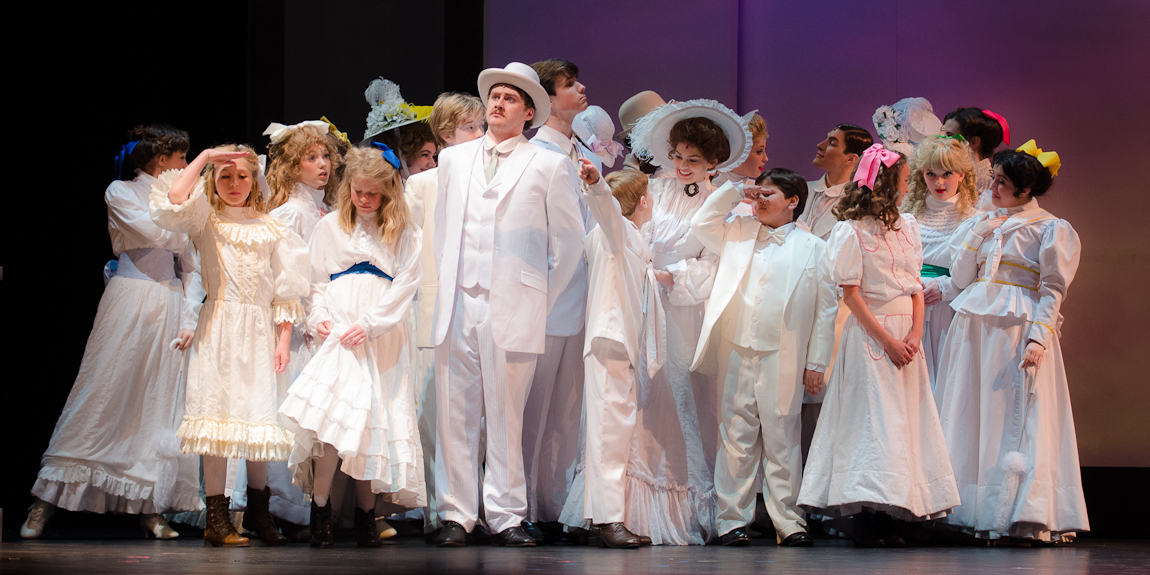
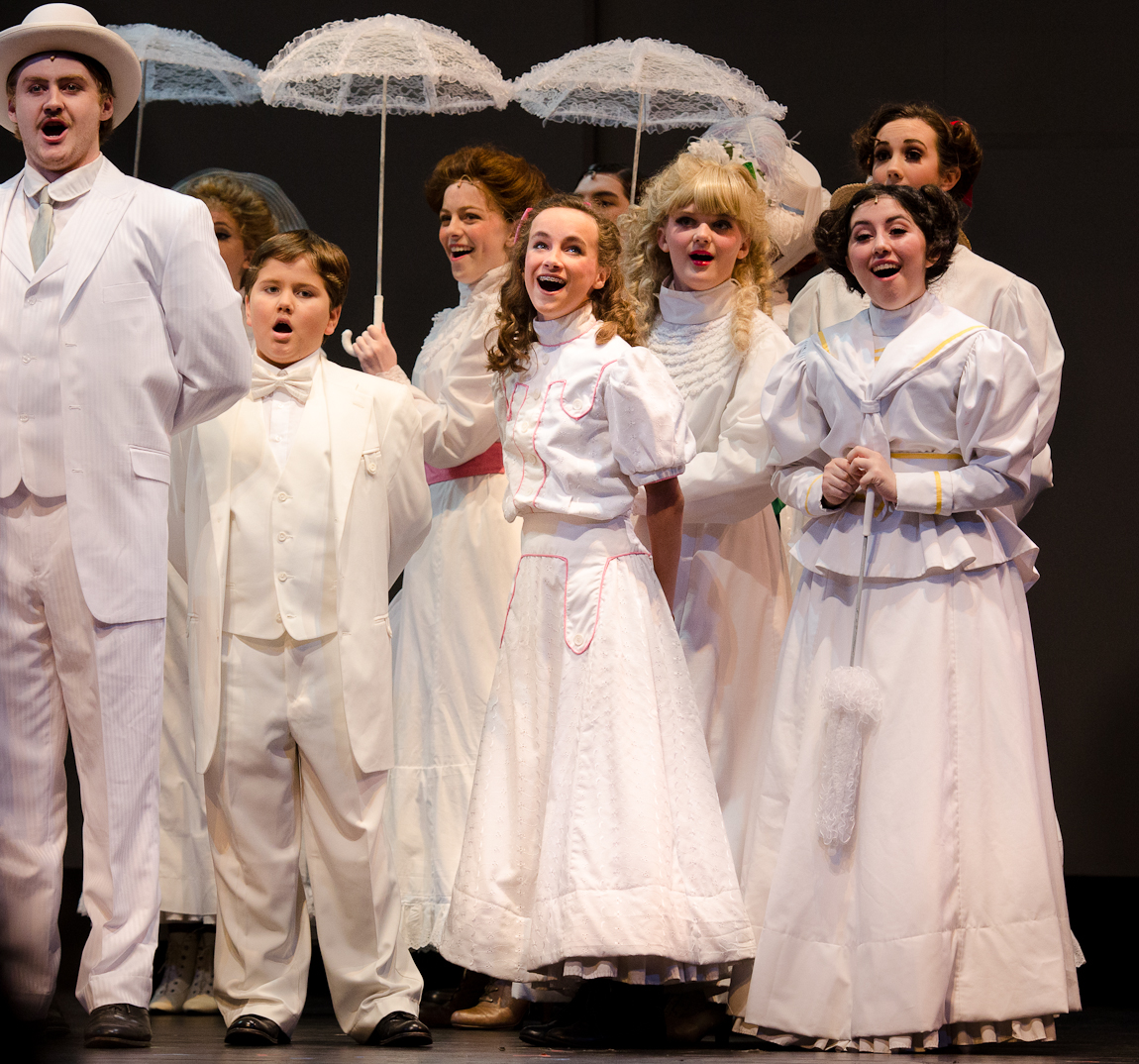
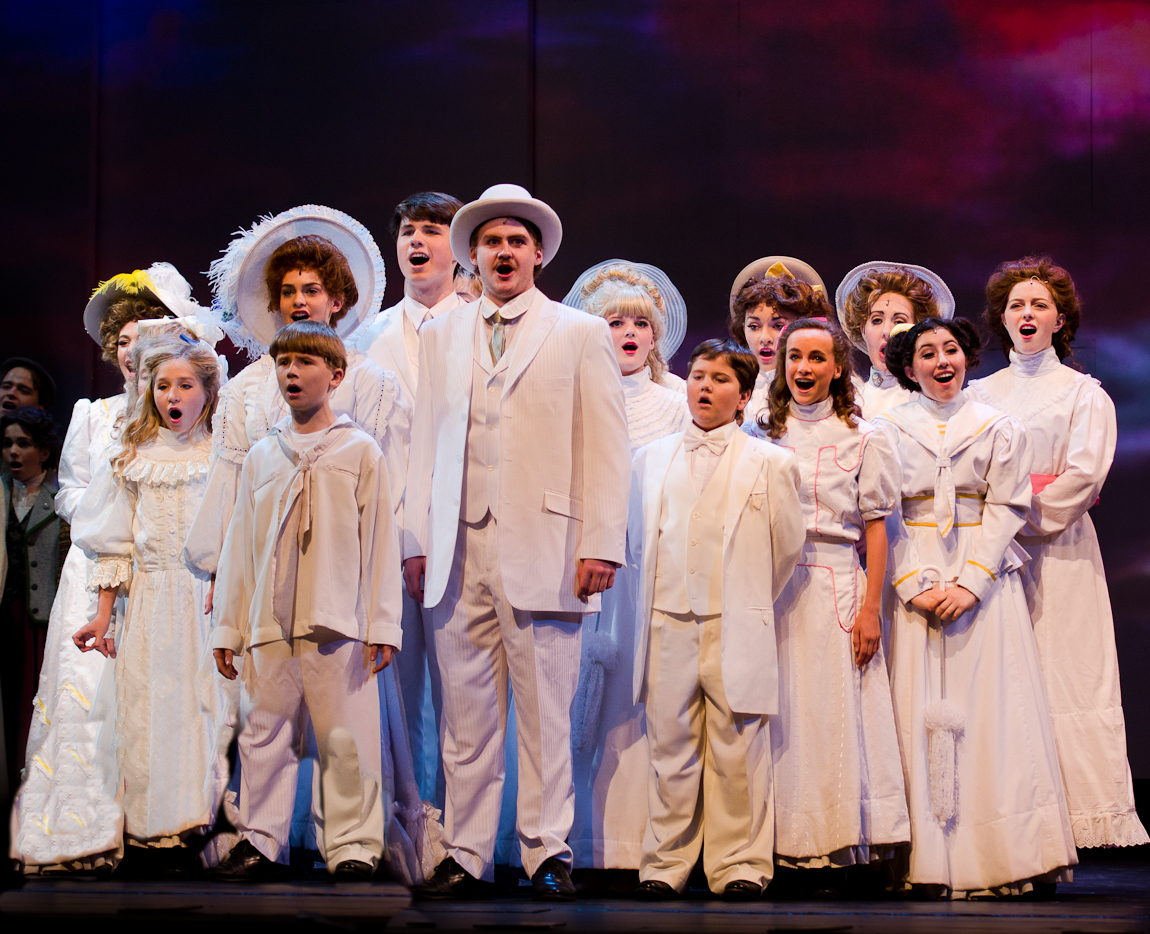
I can remember being in a play or two in grade school and high school, but they were NOTHING like this.  Olivia Reasoner, my goddaughter (daughter of my Houston friends, Barrett and Susan Reasoner) is “starring” (at least in my, Barrett and Susan’s eyes) in a production of the musical “Ragtime” at the Miller Outdoor Theatre in Houston.  Though all the actors (except a couple in roles like “Grandfather”) are 20 years old or less, this is not a high school play; it’s Bigtime.

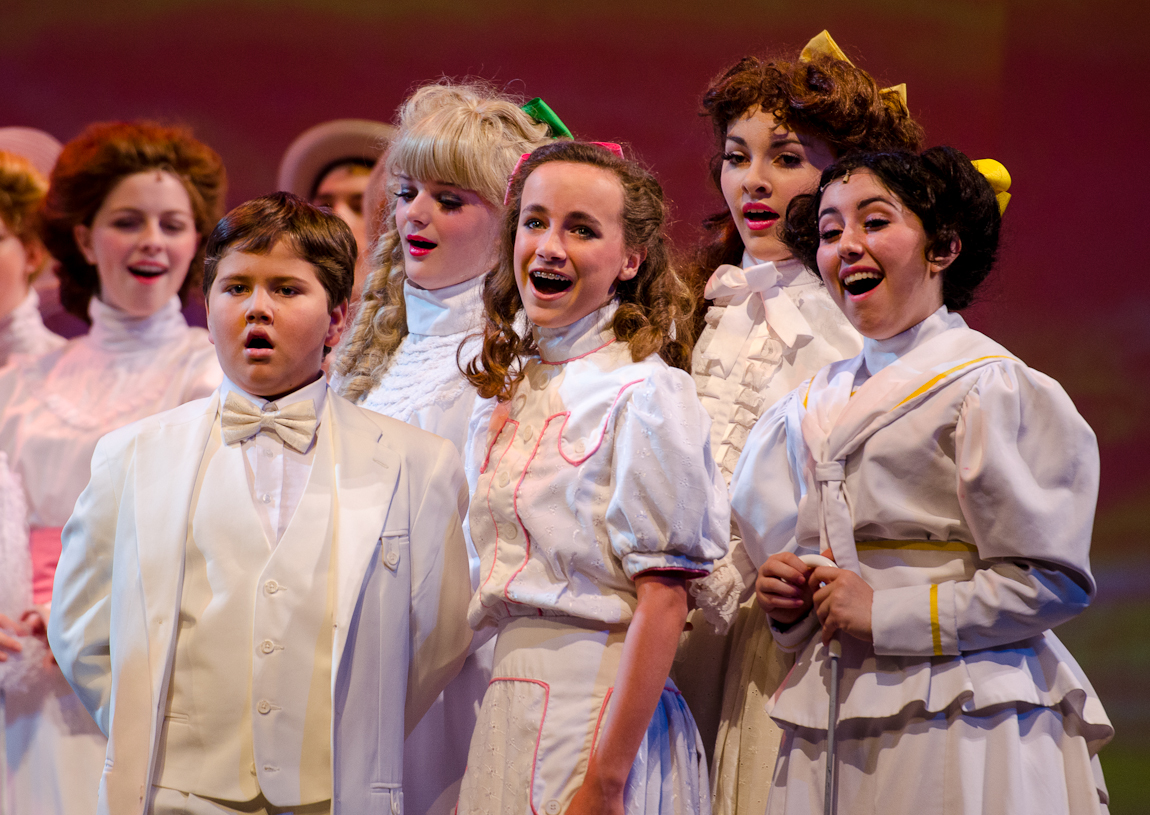
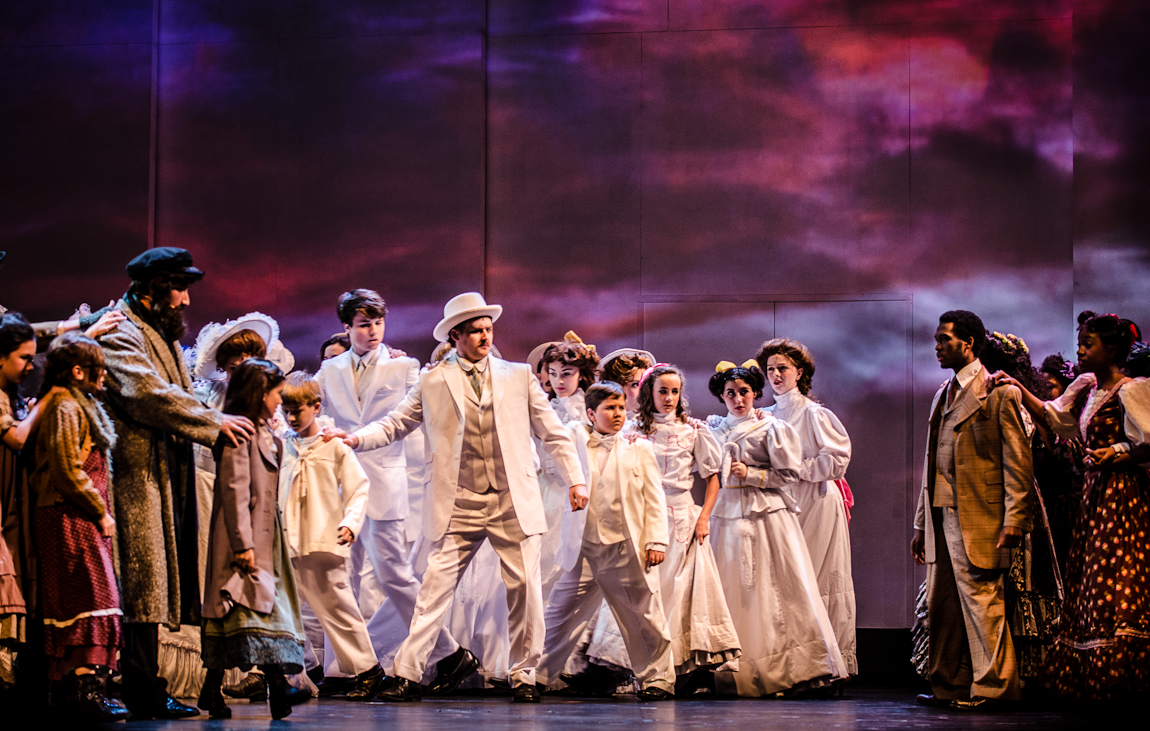
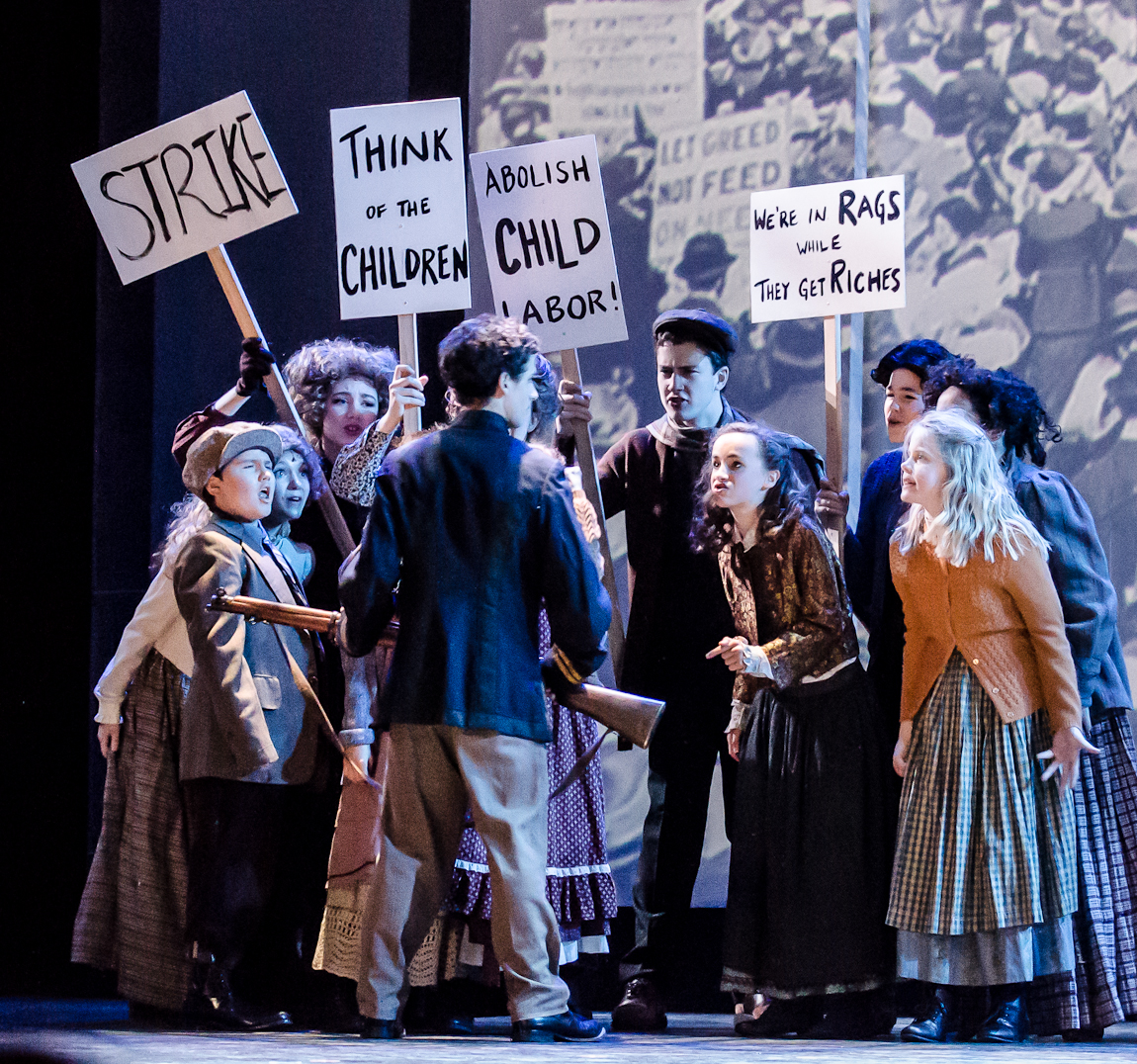
That’s Olivia with the pink bow in her hair (and pink trim on her white dress).  She’s mastered the art of looking good and maintaining a beaming smile while belting out Broadway show tunes.  That’s also her “protesting” in a brown dress (below).  She was great!

The crowd looked like at least 2,000 people.  The staging, costumes, lighting and orchestra were all Broadway quality.  Most of the lead roles were high schoolers, with younger kids like Olivia filling out a lot of the chorus.  The actual attempted 2009 Broadway revival of Ragtime was an unpopular flop (the script is as long as it is preachy), but the Houston kids pulled it off with style — and were actually good enough to make you forget they were “kids” at all.  Congrats to all the Reasoner clan.   Bravo! Olivia!

(PS:  The theatre has an emphatic “No cameras” policy.  So these pictures officially do not exist.  It’s difficult to be inconspicuous in an aisle seat, sporting a foot-long lens.)


_JJC3462edited.jpg_JJC3476.jpg_JJC3492.jpg

Cuba (Part 10) One Last Look

Here’s the last installment of pictures from my March trip to Cuba.  The series started here.  The trip offered lots of photographic variety — including dancing showgirls, boxers in training, school kids, cigar moguls, classic cars, Havana street life and more — so take a look at all the posts.  The trip was also fascinating and educational for me personally; I hope my eagerness to share what I learned didn’t get too long-winded.  Thanks for looking.

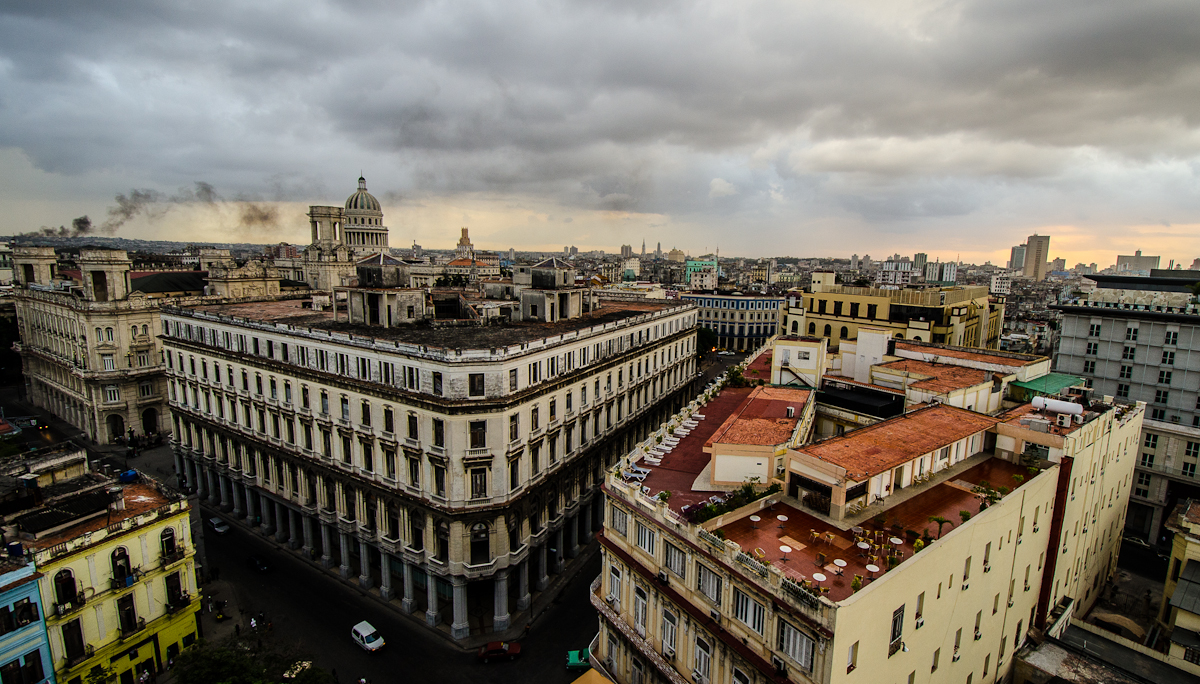
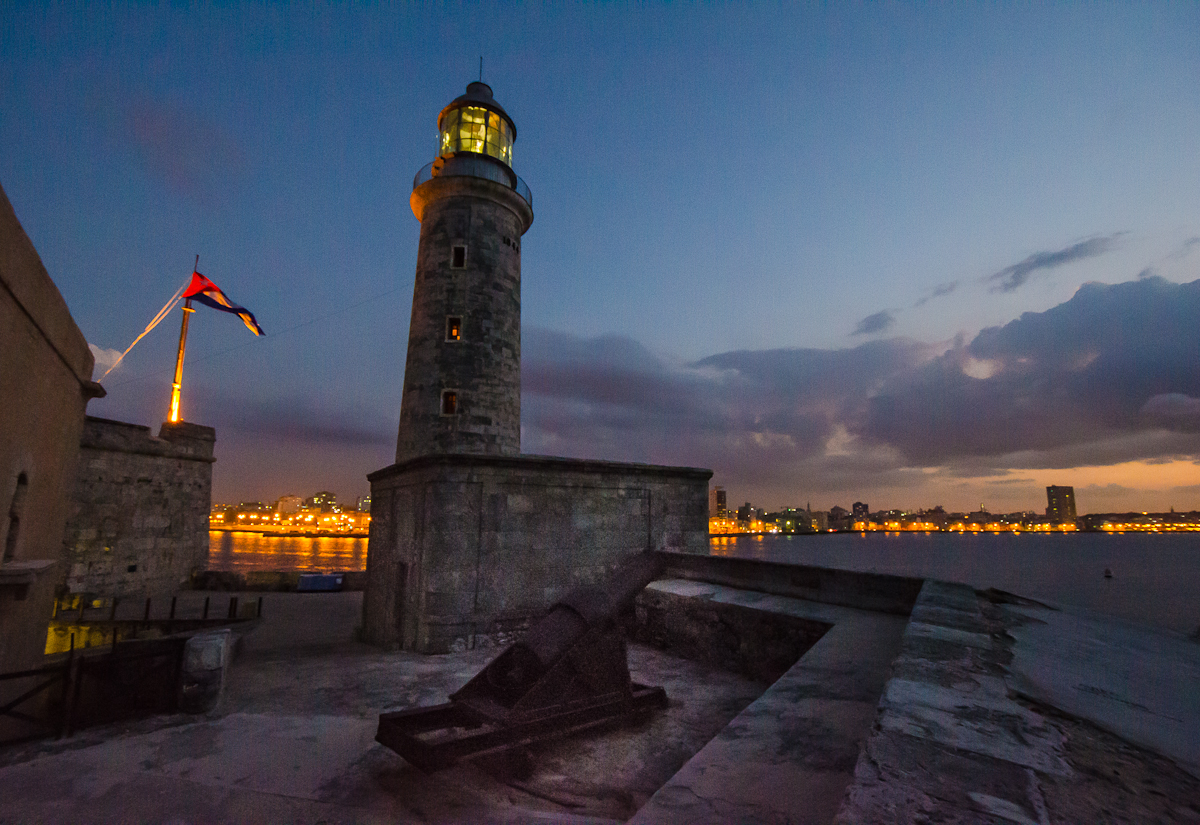
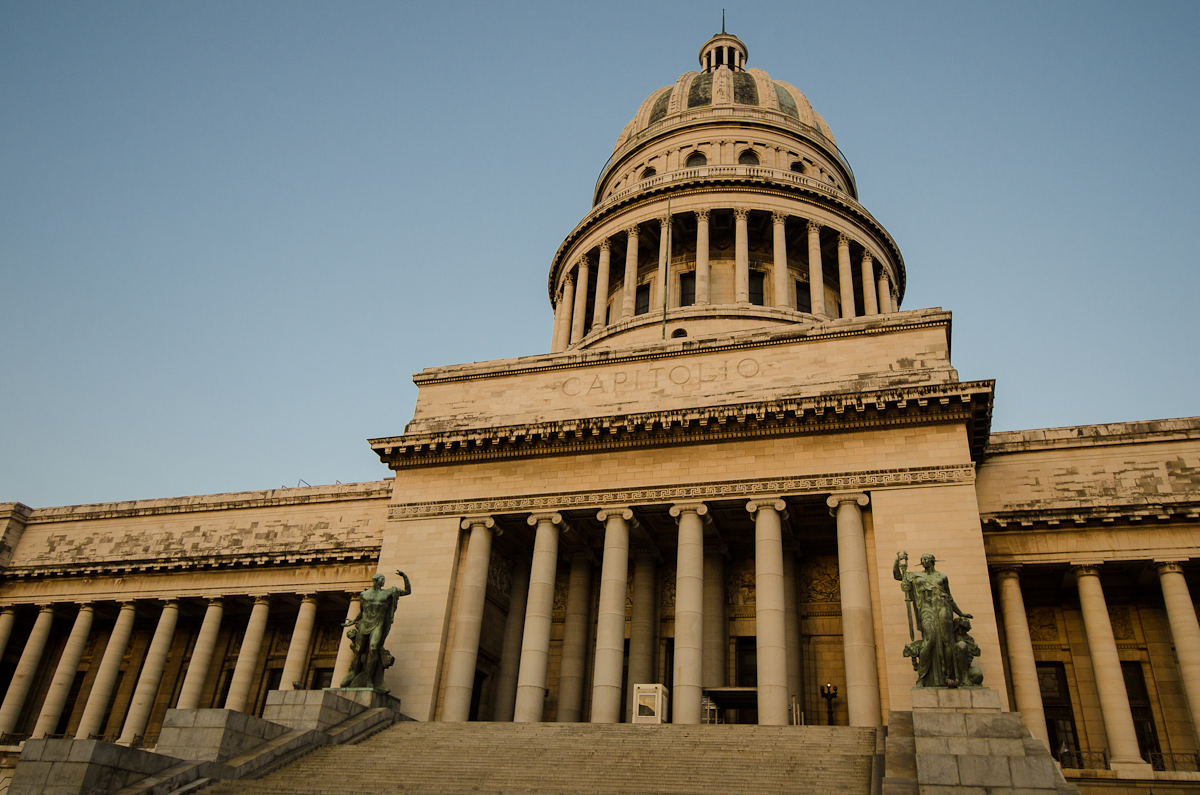
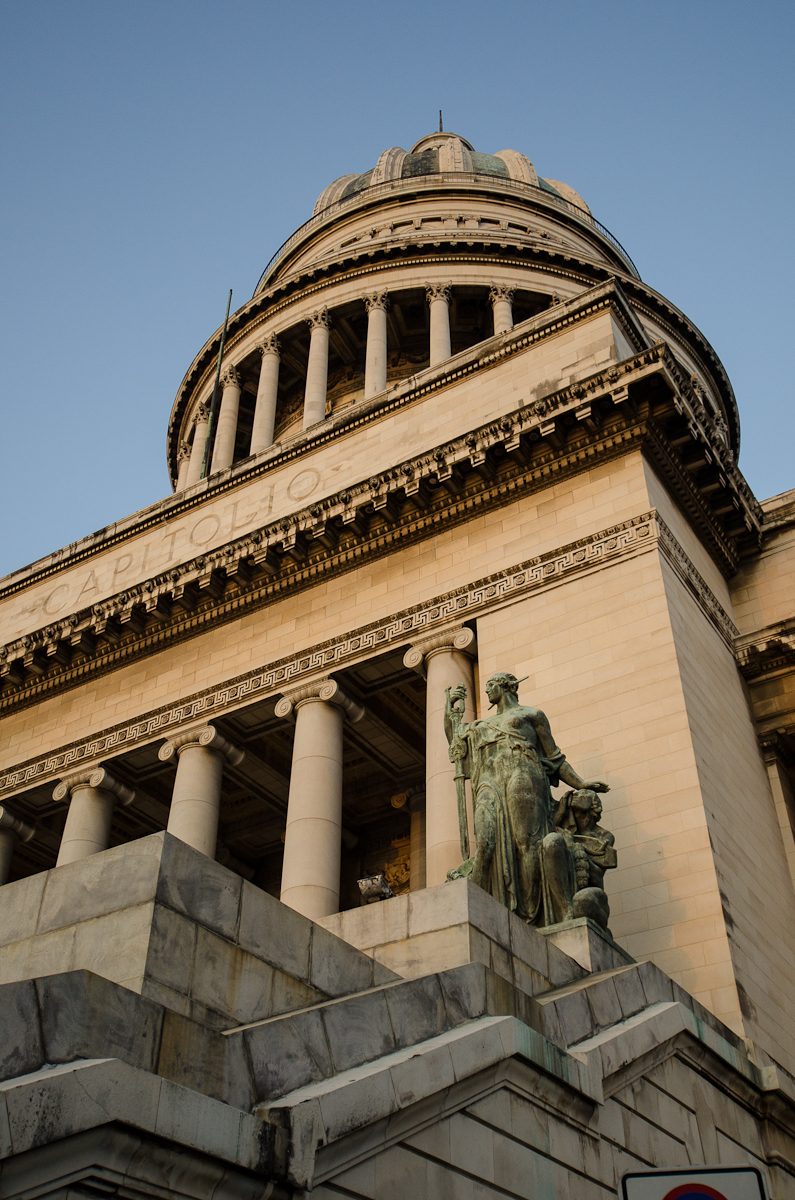
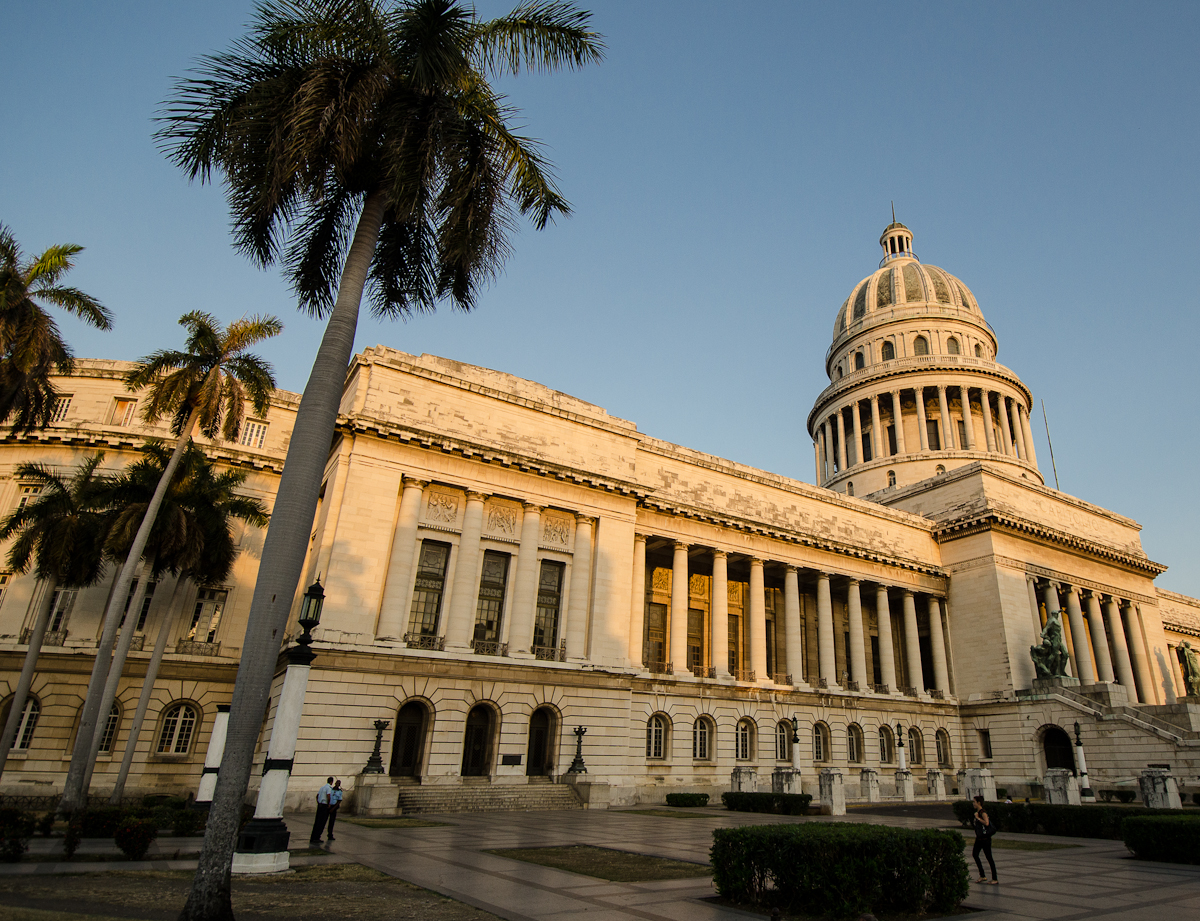
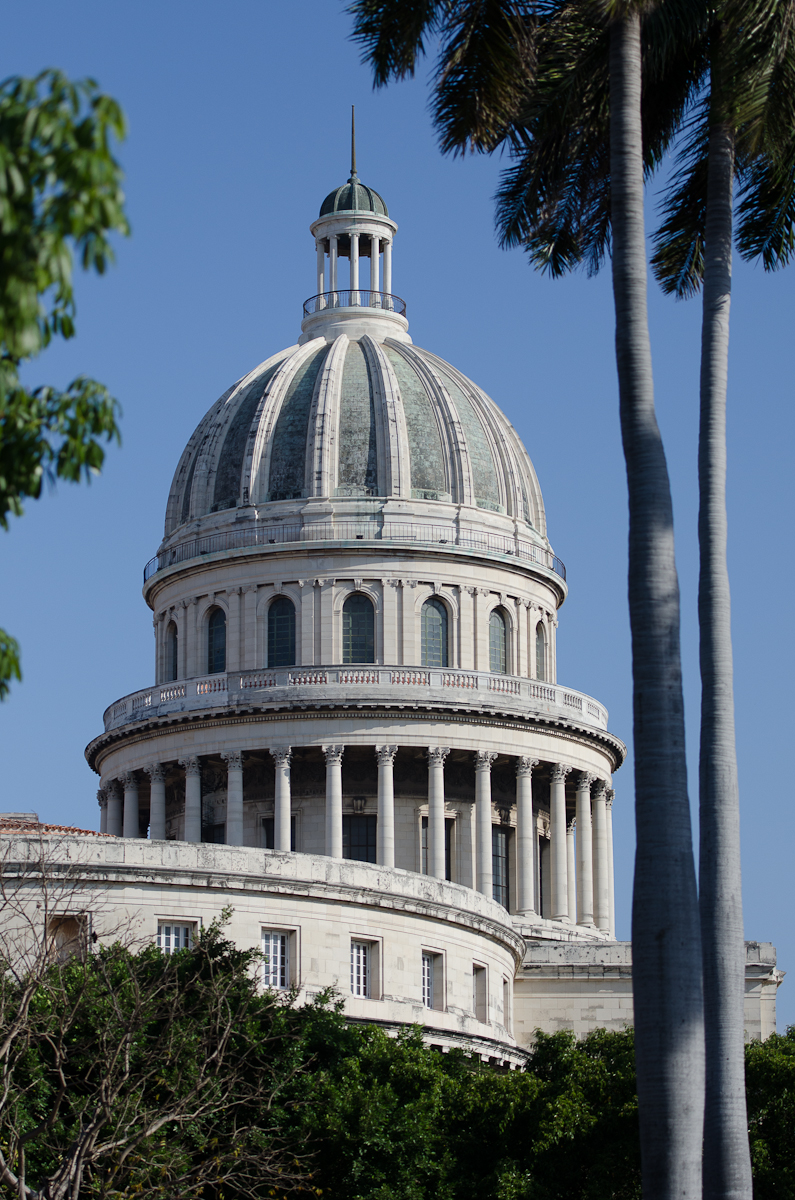
As I mentioned earlier, Havana has plenty of sights to see.   A prior post had my attempts at decent pictures from Revolution Square, the current center of federal government buildings.   The Capitolio (pictured in three shots below) is the former center of government.  It looks just like the U.S. Capitol building in Washington.  Built in the 1920s, it was originally the home of the Cuban legislature.  When Castro took over, he disbanded both their houses of Congress and did away with representative government — thus freeing the Capitolio up for other purposes!

_JJC5373.jpg_JJC5385.jpg_JJC5527.jpg_JJC5559.jpg_JJC5585.jpg_JJC1820.jpg_JJC1821.jpg_JJC1833.jpg_JJC2164.jpg

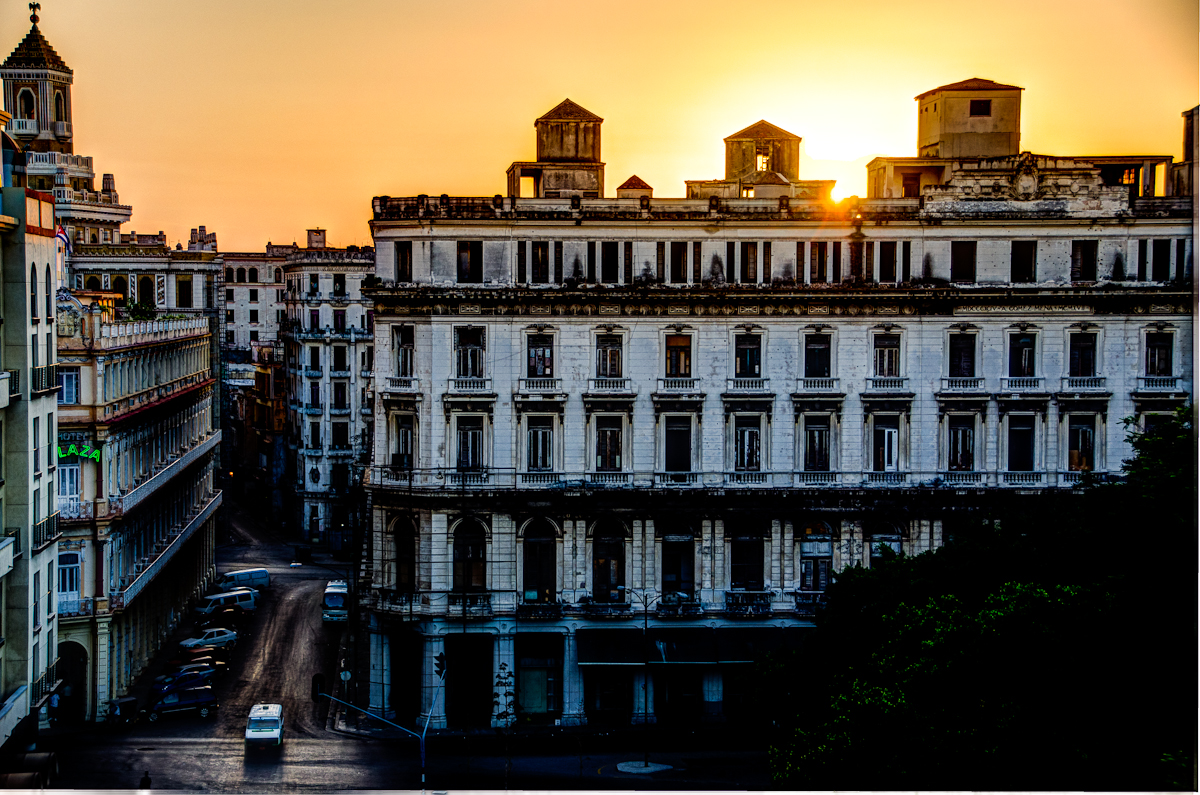
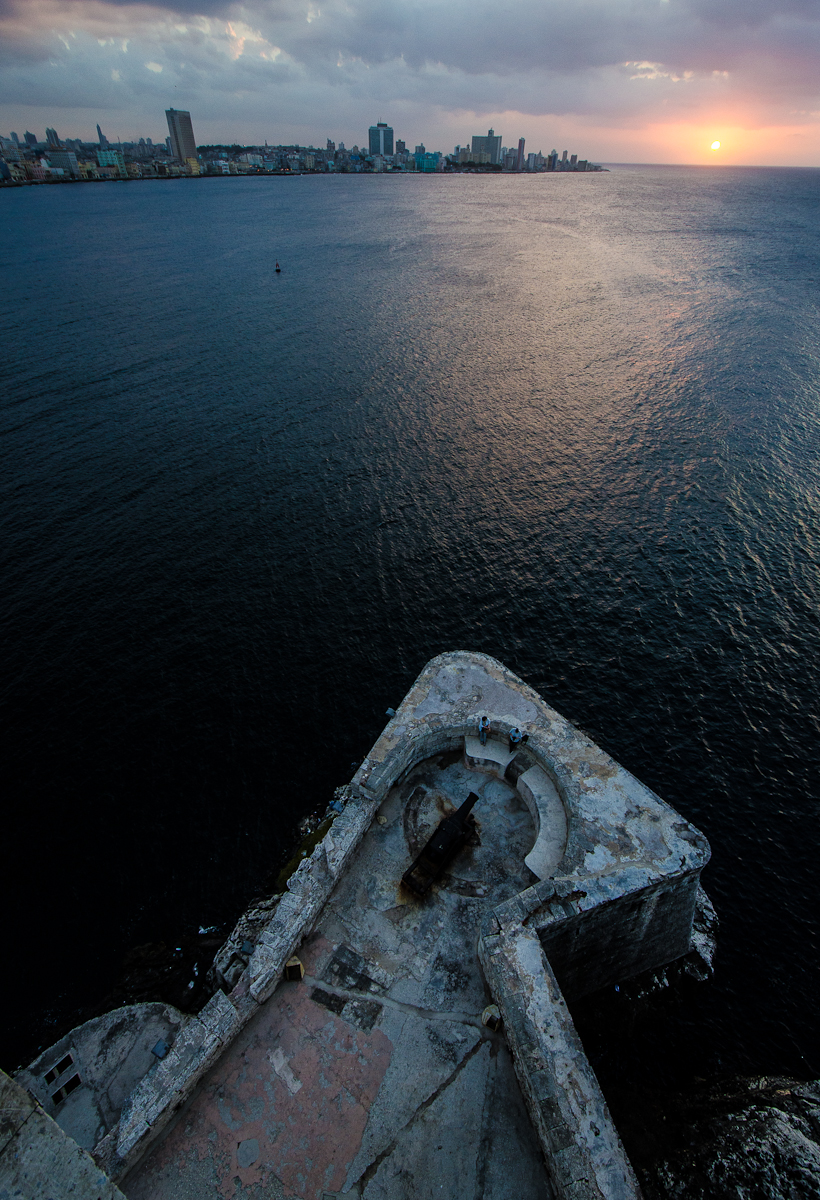
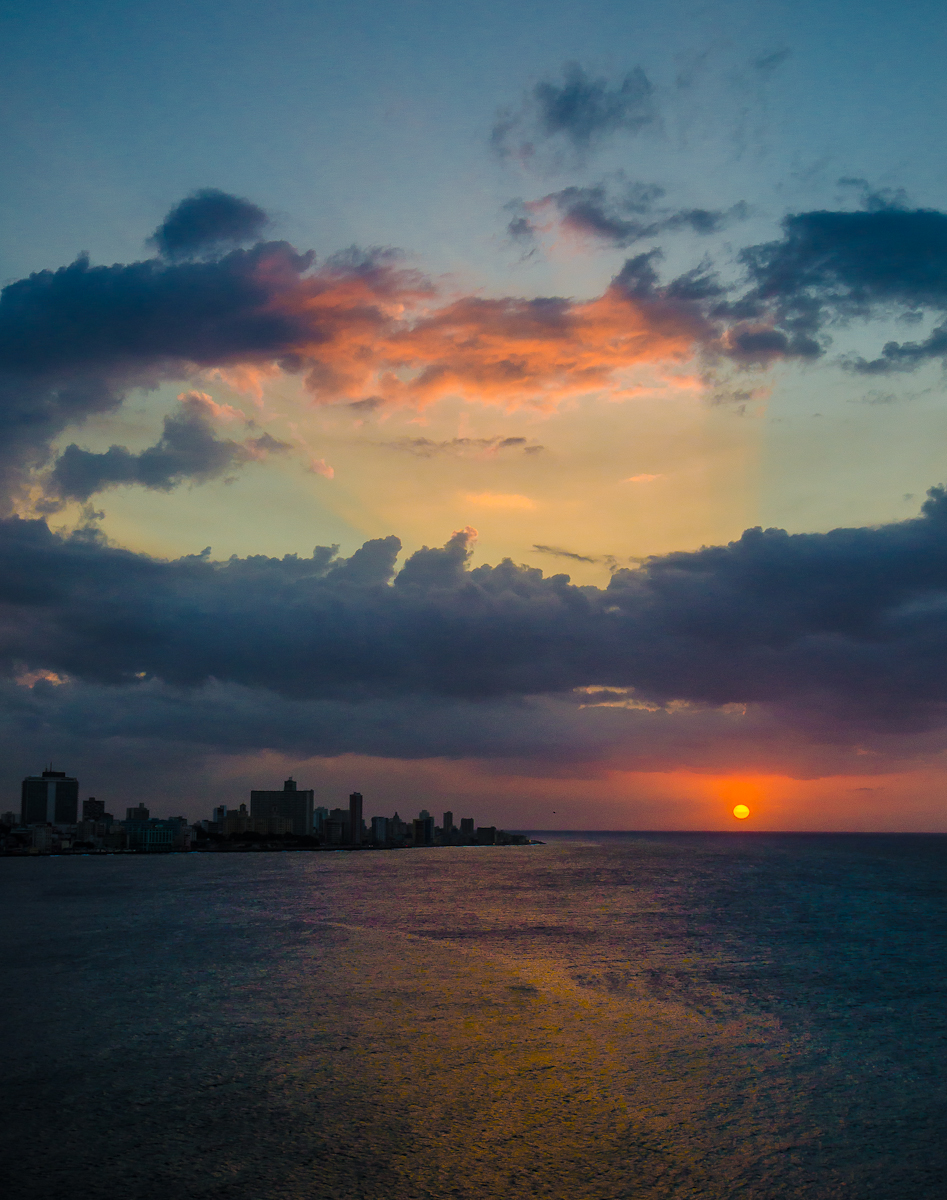
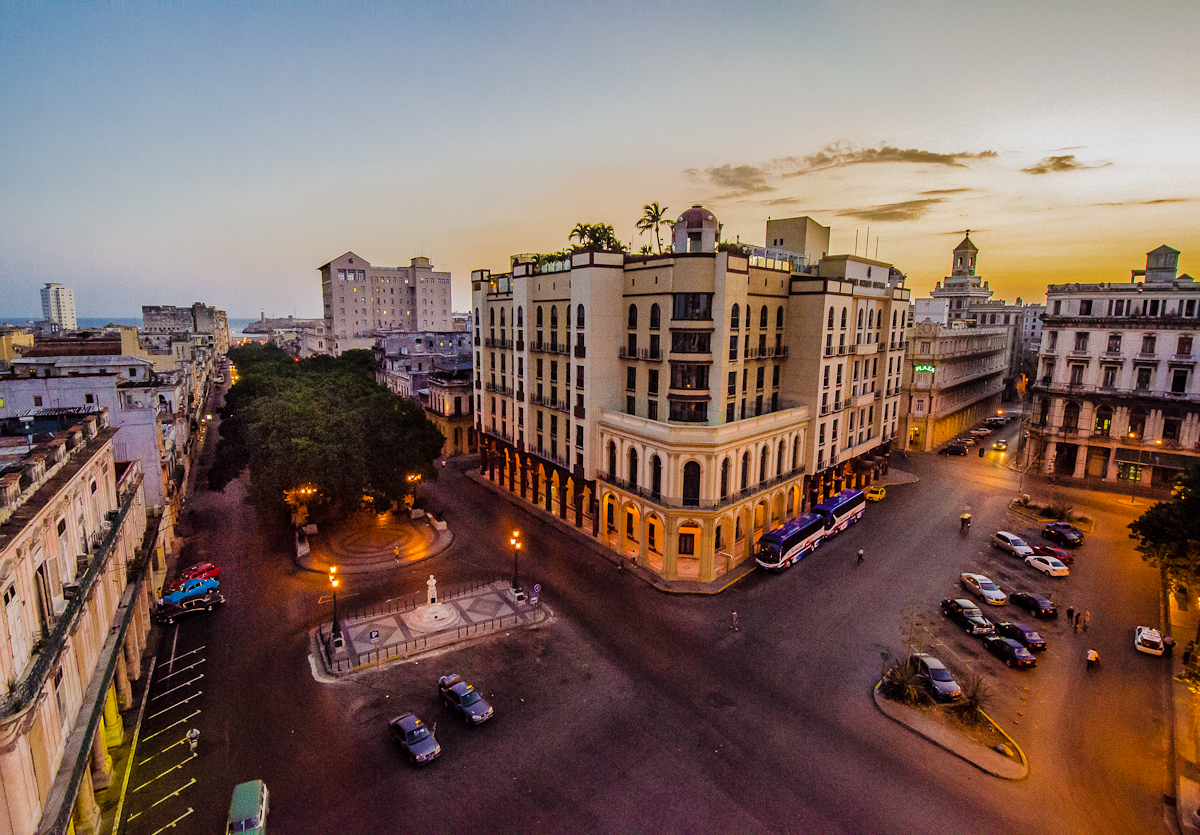
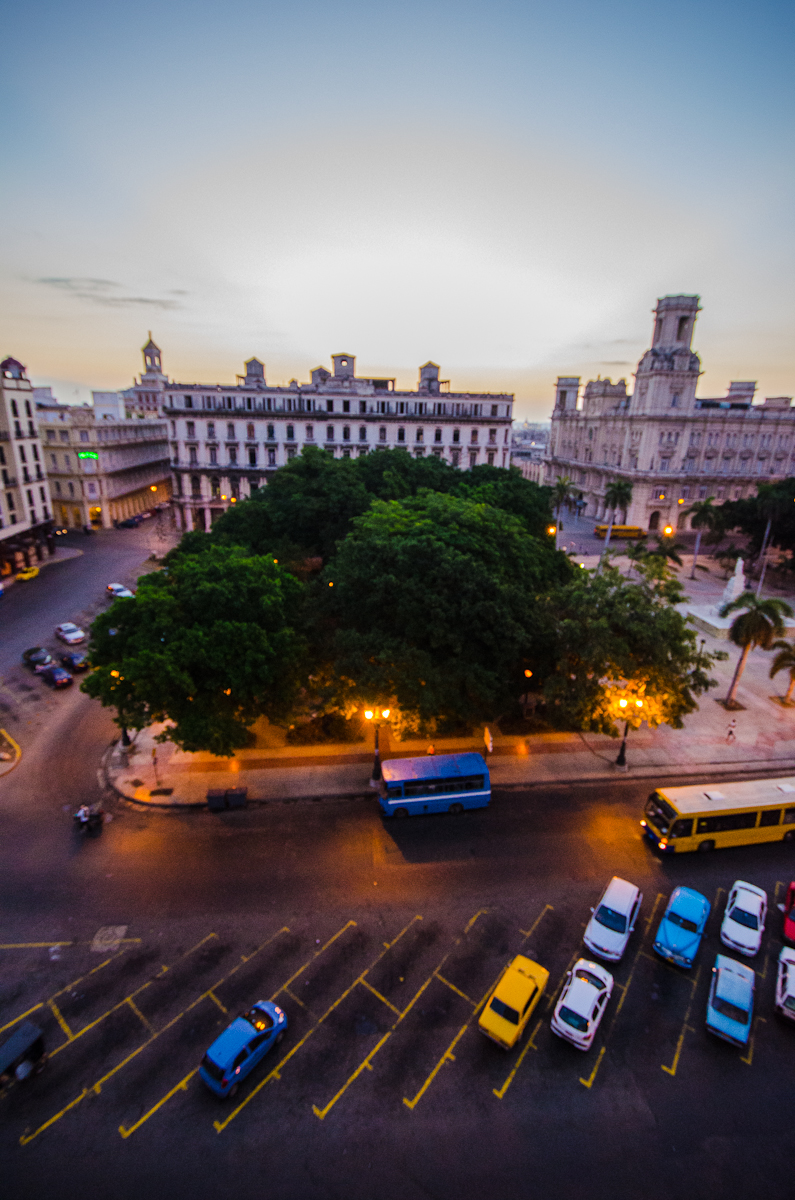
Our group had some nice opportunities to get on rooftops and other high places just at sunrise or sunset, which is a simple recipe for good pictures.  A few of the pictures you see are from a hotel on Park Central; one is from the tower of the original Bacardi building; a handful are from the lighthouse at “Morro Castle,” which is actually a 400-year-old fortress that guards the entrance to the port of Havana.

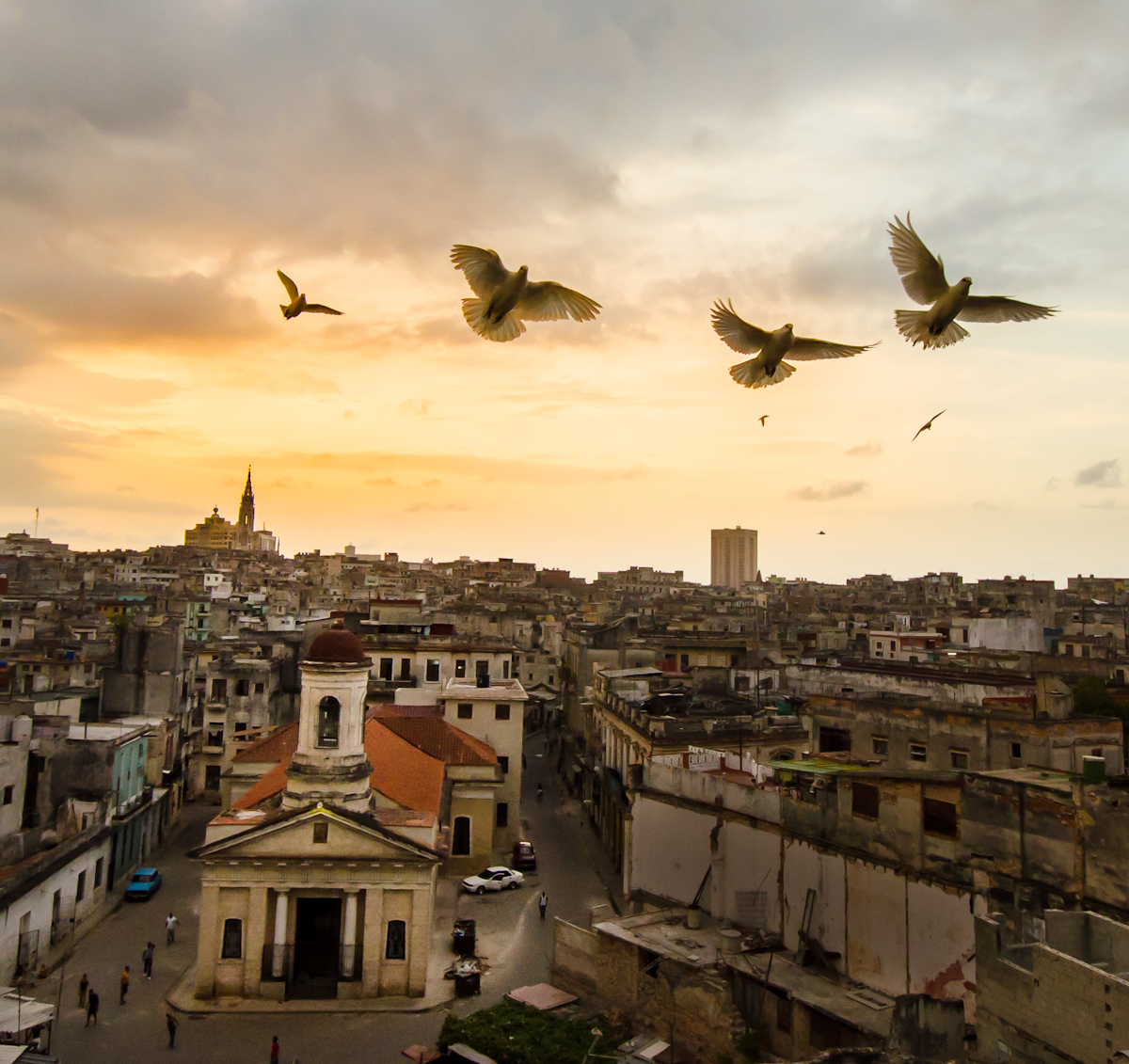
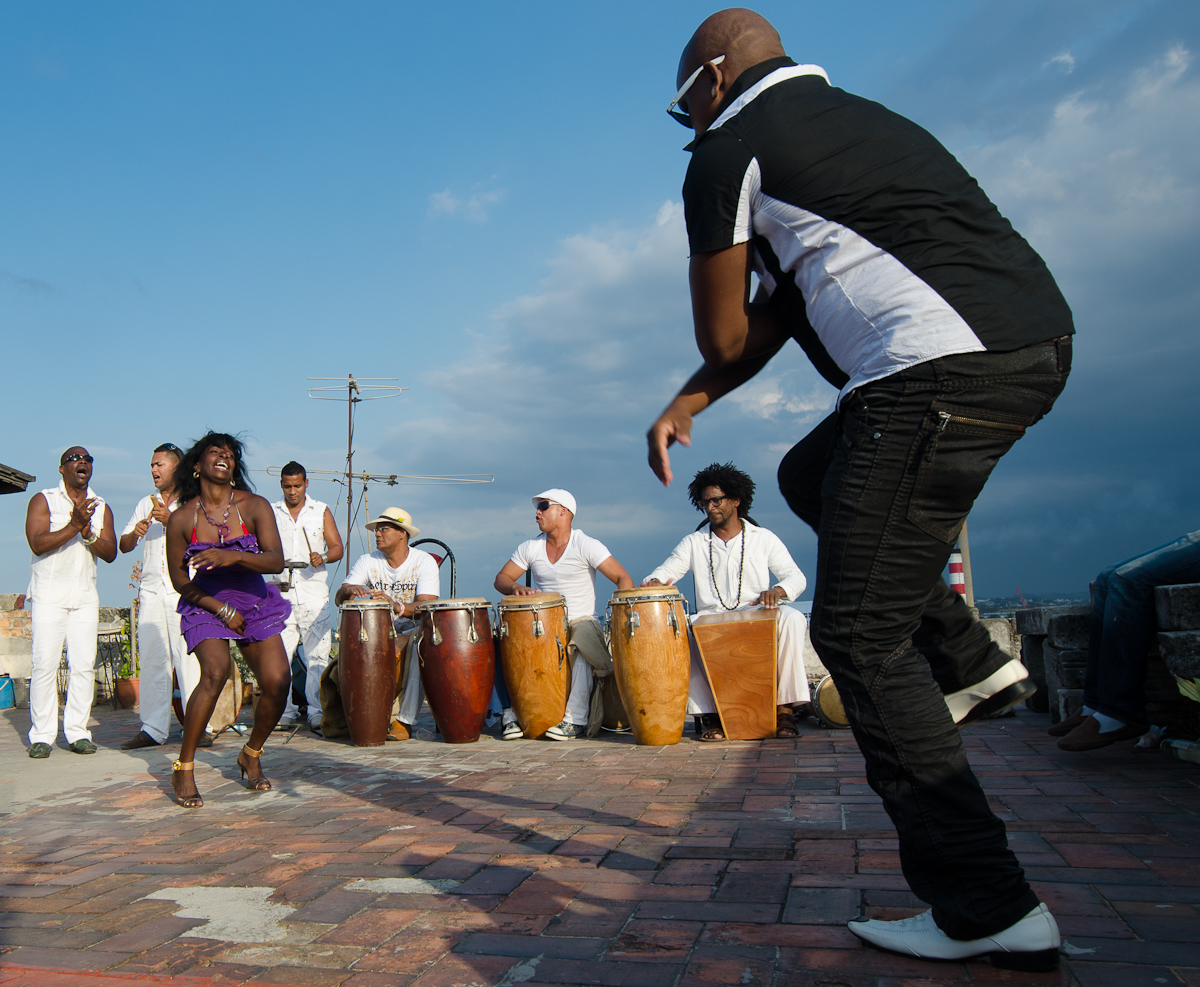
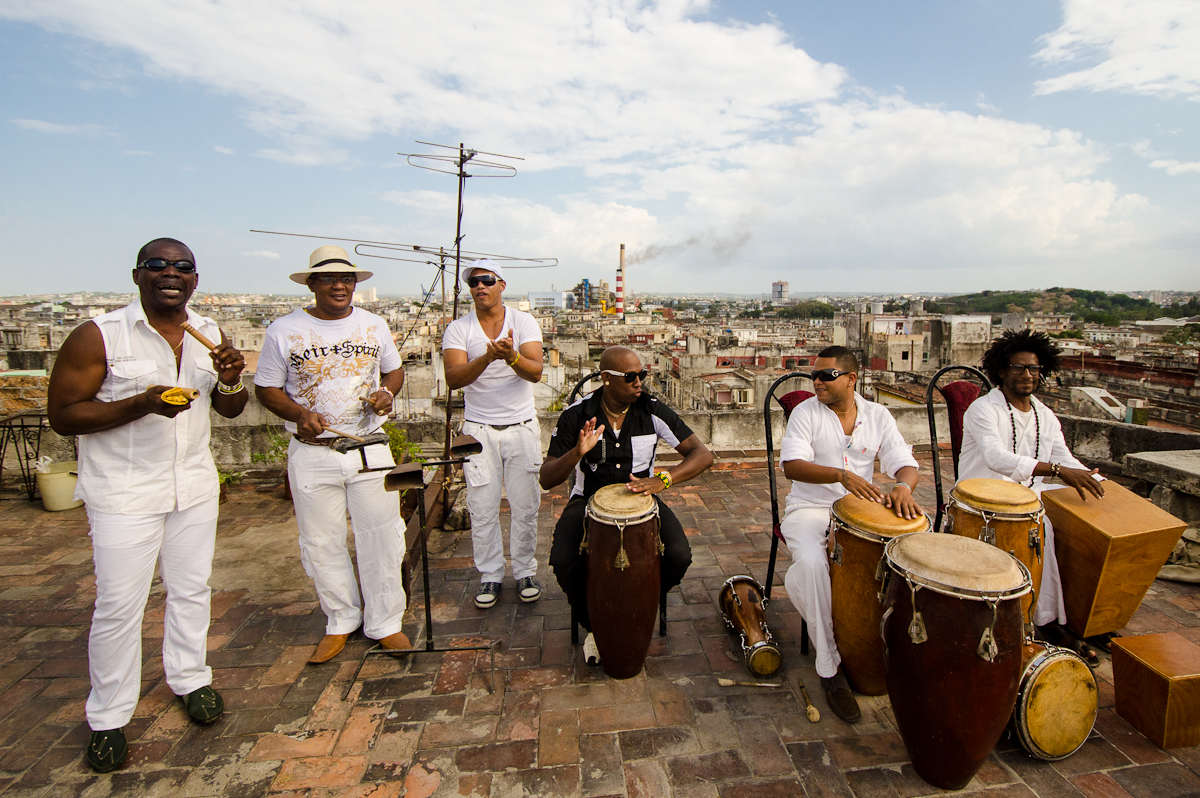
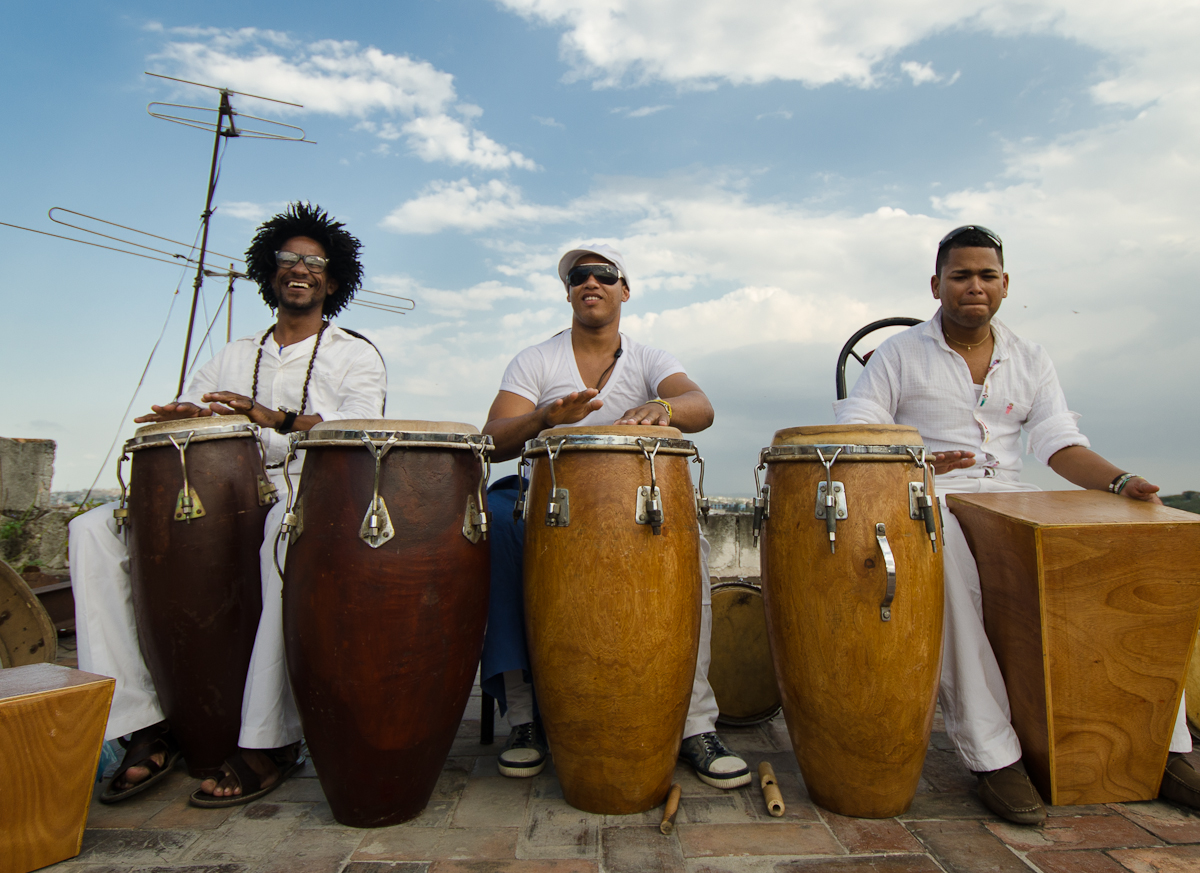
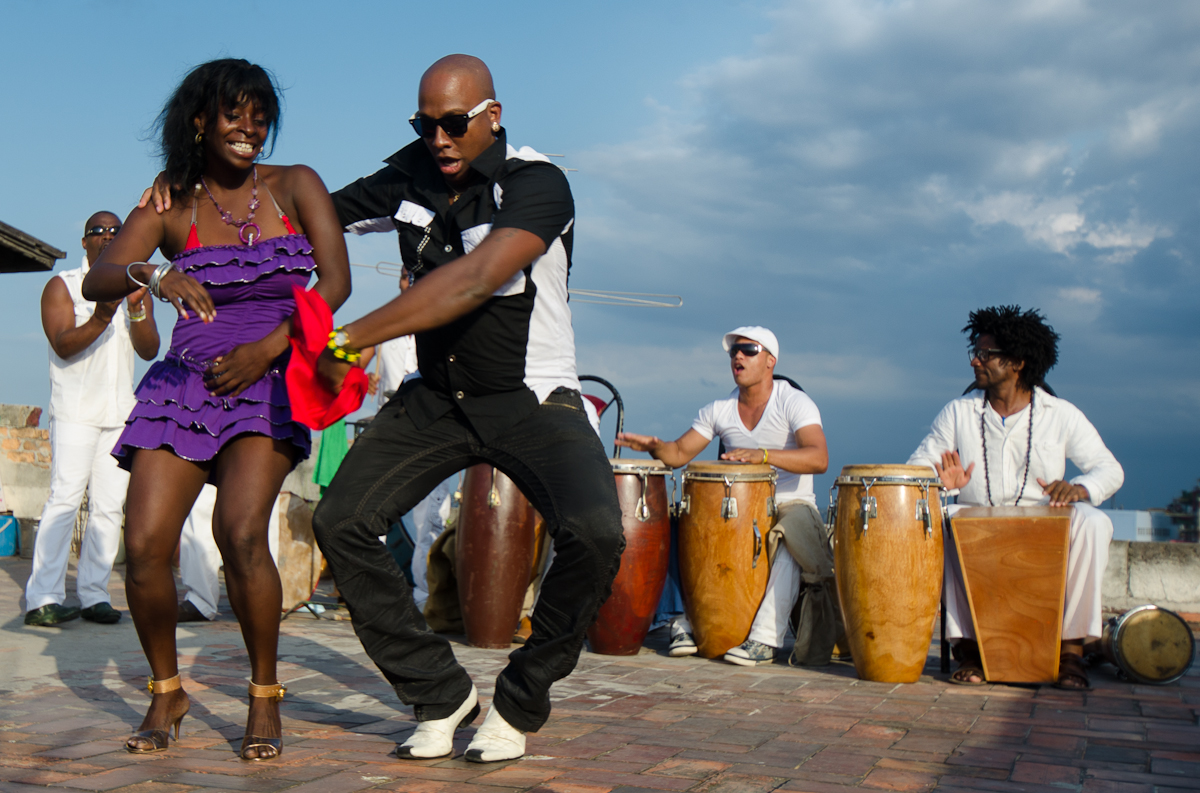
On the last night of my trip, we went to a rooftop party.  The event included the opportunity to watch a drums-and-dancing Santeria ritual.  Santeria is a form of religion that mixes Catholicism with African “animist” beliefs.  I cannot pretend to understand or explain it, but these dancing performances are fairly common and open to the public.  The dancers and the folks wearing white are part of that.  The finale of that evening was those pigeons.  (See the picture at the top of this post).  There was a pigeon coop (and a pigeon-keeper) on the roof, and just at sun set he let 30 or so of them out for their evening exercise.  They kept returning to the roof; he kept shooing them away to fly around some more, giving me several chances to try to get the “perfect” picture.  It was a nice, peaceful wind-down of a sometimes-overwhelming couple of weeks in Cuba.

_JJC2564.jpg_JJC2268.jpg_JJC2328.jpg_JJC2371.jpg_JJC2420.jpg_JJC2459.jpg_JJC2525.jpg_JJC2530.jpg_JJC2540.jpg

* * * * *

Finally, here (below) is one of the last pictures I took in Cuba.  I know it doesn’t look like much.  I took it with a tiny pocket camera in the cab on the way to the airport.  Normally, I had always tried to use one of the privately-owned taxis rather than the government-owned taxis, but in the scramble to get out of my hotel and out to the airport, I didn’t seem to have a choice.  My reflex was to be unhappy and uncomfortable in the government-run cab, but of course it wasn’t Castro at the wheel; it was just an ordinary Cuban guy doing his job.  The driver was a nice guy who found out I was headed for Miami and quickly told me he had family that had moved to America long ago.  He seemed to envy their fate, but Cubans are generally not allowed to travel freely, so he said that he’d never been allowed to go visit.  At about that point, I noticed his personal keychain — the stars and stripes of an American flag on a heart-shaped medallion.  That’s a “sneaked” picture of his keychain (and his knee and steering wheel) in the picture below, taken from my backseat vantage point.  Seeing his keychain — attached to the keys of his Communist-government taxicab — was a fitting finale to my Cuba experience and another reminder that I’m lucky to live where I do.

If you happen to get a chance to go to Cuba in the next few years, go.  You’ll need a sense of adventure and an open mind.  You’ll stumble into things you never expected and things you’d never encounter at home — some good; some bad.  The overlay of a Communist, socialist system in what’s otherwise a peaceful tropical world is fascinating and eye-opening.  Parts of it you’ll love, and the other parts will make you appreciate your own country.  As the Castros age, Cuba is changing fast.  Maybe I’ll get to go again and see some of that change take place.  Hasta la proxima!

Cuba (Part 9) El Bloqueo

A brief, mostly-nonphotographic post before I finish the Cuba photography series.  It’s impossible to spend a couple of weeks thinking about Cuba in the year 2012 without some focus on the 50-year-old American trade and travel embargo.

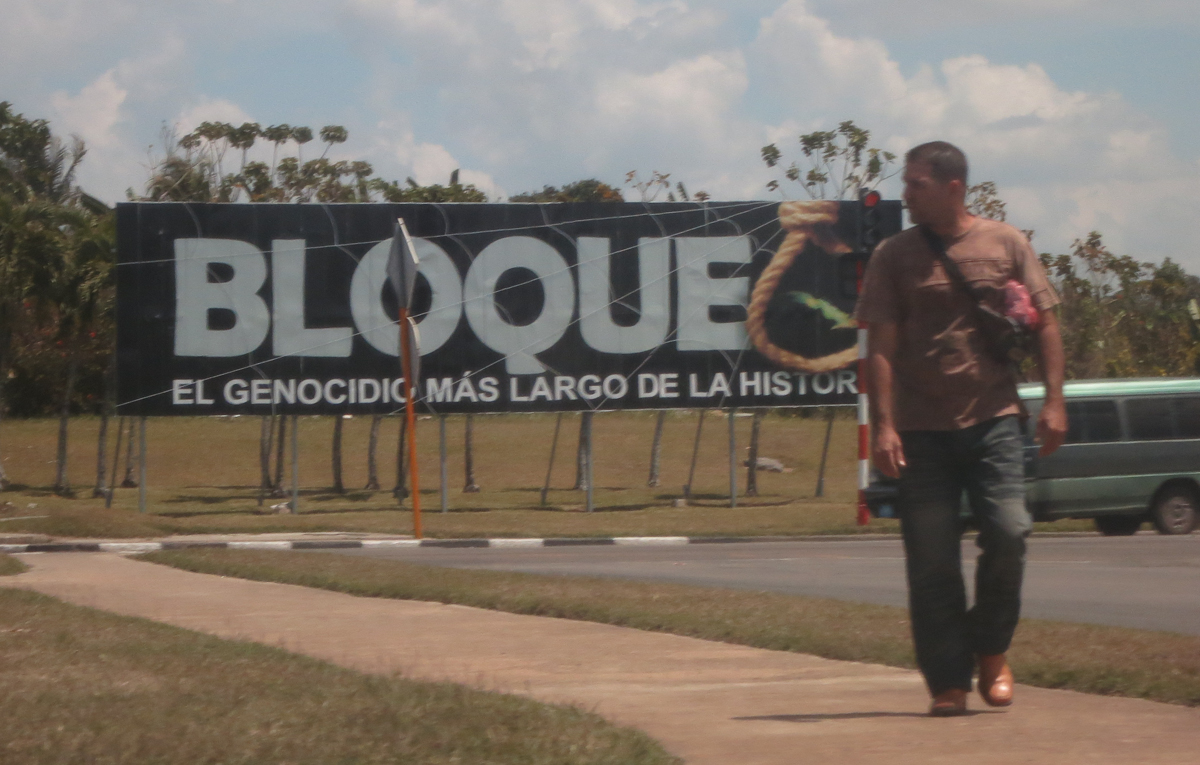
The most popular and controversial topic in American-Cuban relations is of course the U.S. “embargo.”  American laws put in place mostly by President Kennedy still bar much trade and travel with Cuba.  The Cubans call it “El Bloqueo” (“the blockade”).  Castro complains about it regularly, using it to demonize the U.S.A. and to justify his own harsh policies.  As you leave the Havana Airport, the Cuban government has a big billboard that says, “Bloqueo.  El genocidio mas largo de la historia,” which means “The longest genocide in history.”  The second “o” in Bloqueo is a noose.  Though this is obviously ridiculous hyperbole, a lot of the world has taken Castro’s side – criticizing America for keeping the embargo in place.  Even the Pope recently popped off about it, feeding Castro’s Communist propaganda machine by criticizing the American laws as “unfairly burdening” Cubans.

The U.S. (including our current President) has consistently said the embargo will remain in place until the Castro regime yields to a democratic system.  There is much legitimate debate about its effectiveness, its rationale, its continued relevance and its potential counter-productive effects, but at this point we are at least standing behind our word on this.

Importantly, whatever you think about the continuing rationale for a 50-year-old embargo, it is not to blame for Cuba’s economic woes.  In the 21st century, it should be painfully obvious that the sources of Cuba’s problems are its socialist economic policies and its un-democratic political system.  As The Economist recently reported, “The American embargo is an irritant, but the economy’s central failing is that Fidel’s paternalistic state did away with any incentive to work, or any sanction for not doing so.”  (Let this be a lesson to us here, too.)

Remember:  Cuba can and does trade freely with every other country on earth, and the U.S. actually does provide much-needed food to Cuba (we’re already its biggest source of food).  So scapegoating America for Cuba’s situation is mostly a Castro-regime P.R. strategy (for which many America-bashers and socialism sympathizers have gladly fallen).  It’s not as though Cuba has lots of surplus goods to sell the U.S. – or lots of money with which to buy American goods.  The reason Cuban people do without lots of basic items is because their government jobs pay them almost nothing, and their government-run stores won’t sell many foreign goods anyway.  Otherwise, Cubans would be buying Chinese-made goods just like we do.  Cuba already has a tourist industry servicing Canadians and Germans and Brits.  If American tourists were allowed to go, they’d soon learn that the Cuban-government-operated hotel facilities did not compare favorably against the many other options in the Caribbean.  It’s Cuba’s own Communist/socialist policies that prevent, e.g., Spanish-based Iberostar Hotels or Canada-based Four Seasons Group from opening hotels and resorts there.  Unless Cuba changes its own policies – including allowing foreign investors to own and develop resorts, factories, stores and commercial farms — removing “El Bloqueo” wouldn’t make much difference.

The best argument for lifting the blockade may be simply that its continuation gives Castro and other eager America-bashers a convenient, misleading scapegoat for Cuba’s socialism-induced economic quagmire.  But compromising one’s plans and principles because one’s foes have condemned them seems to be a ludicrous foundation for foreign policy.  Of course Cuba is no longer the security threat it was in the 1960s, but the leadership and the political and economic systems in place there haven’t really changed.  Lifting the embargo might help make Cuba’s Communist Socialist system a bit more palatable to its citizens, but that may actually prolong the regime’s existence.  Changing Cuba is going to be Cuba’s responsibility; we just need to make it very clear that we’ll gladly change our policy when they change theirs.