Category Archives: Uncategorized

Italy’s Dolomites and the Alpe di Suisi

This is the hike I was taking while someone was back in town bashing in my car window and stealing my passport and my other camera (and lenses).  I’m trying not to think about whether the hike was “worth it.”
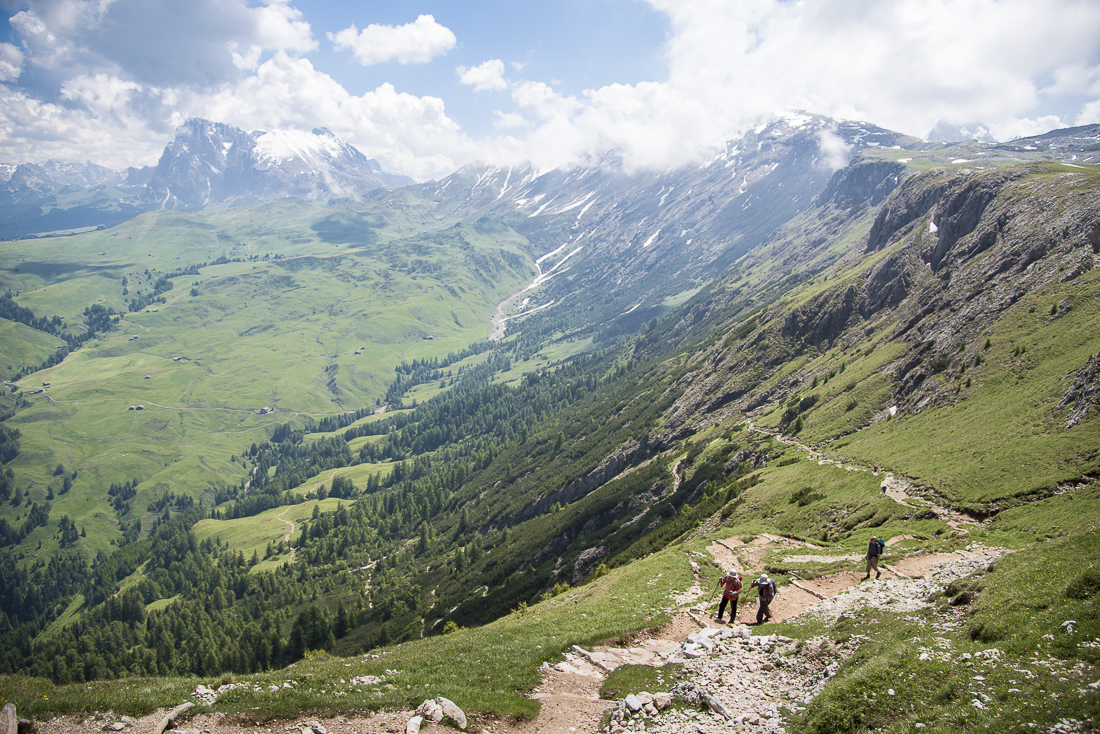
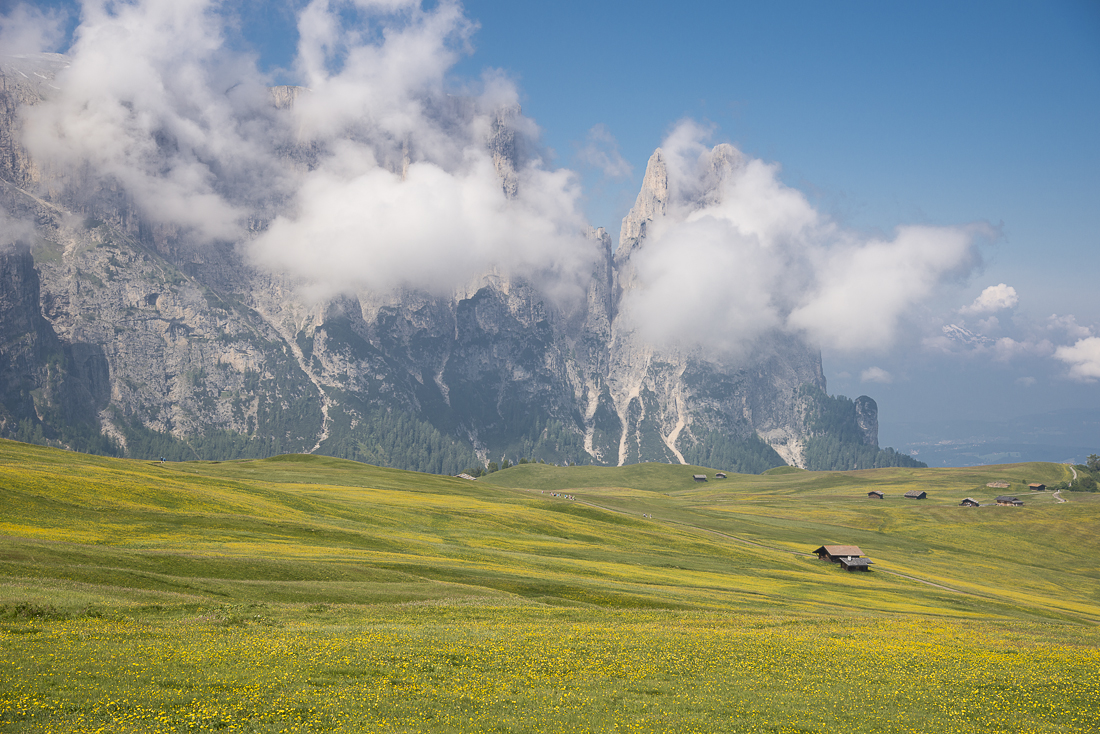
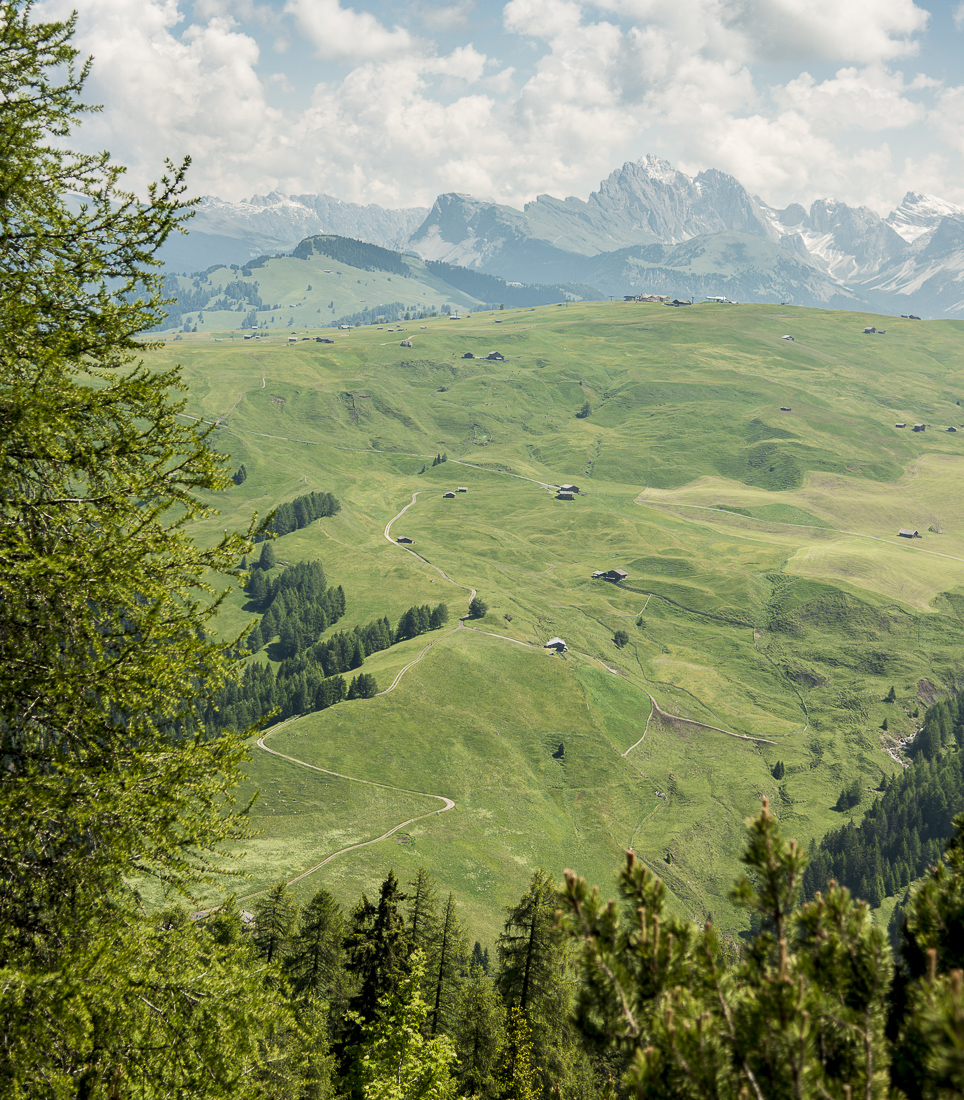
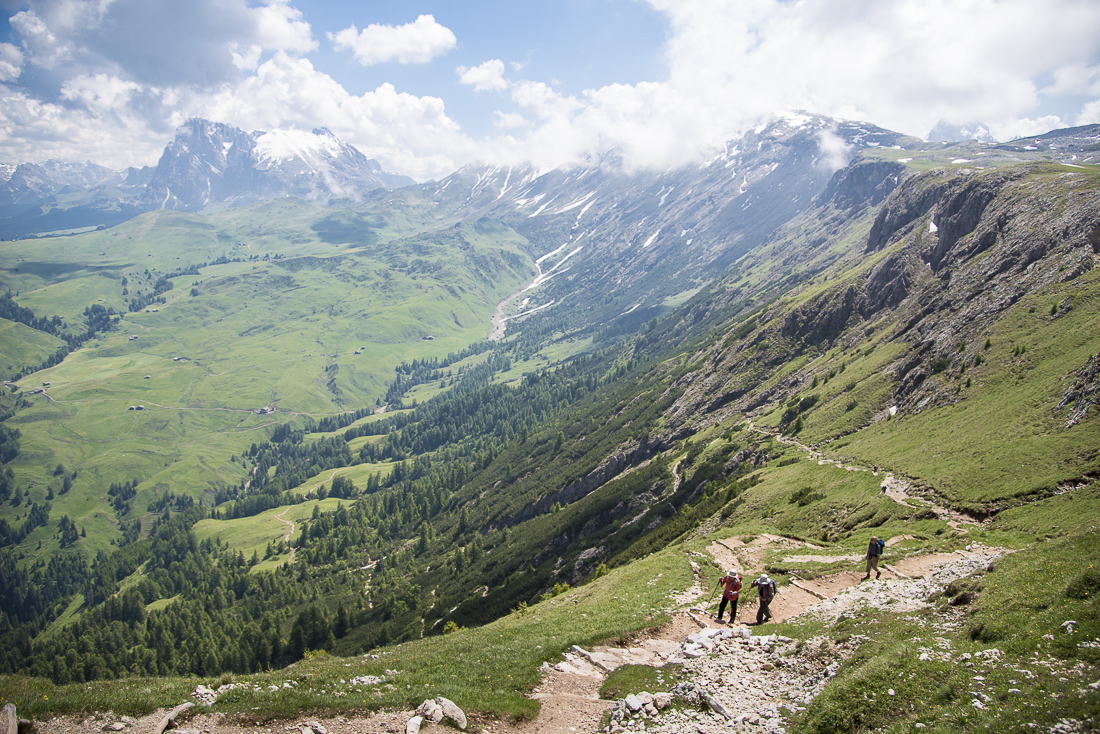
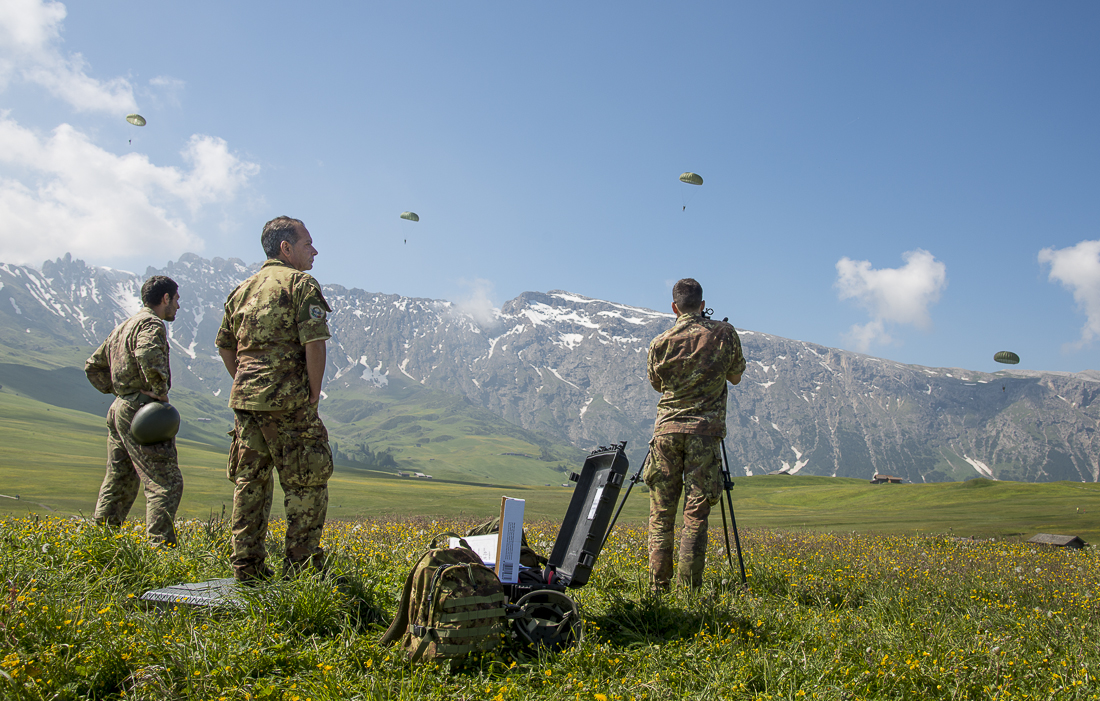
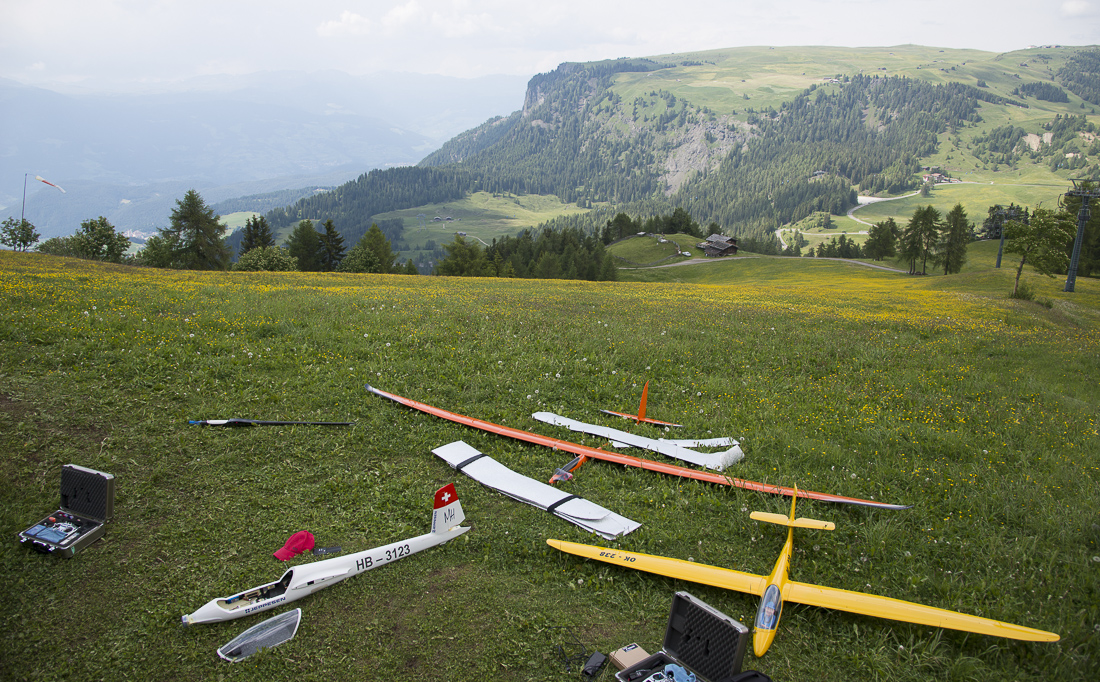
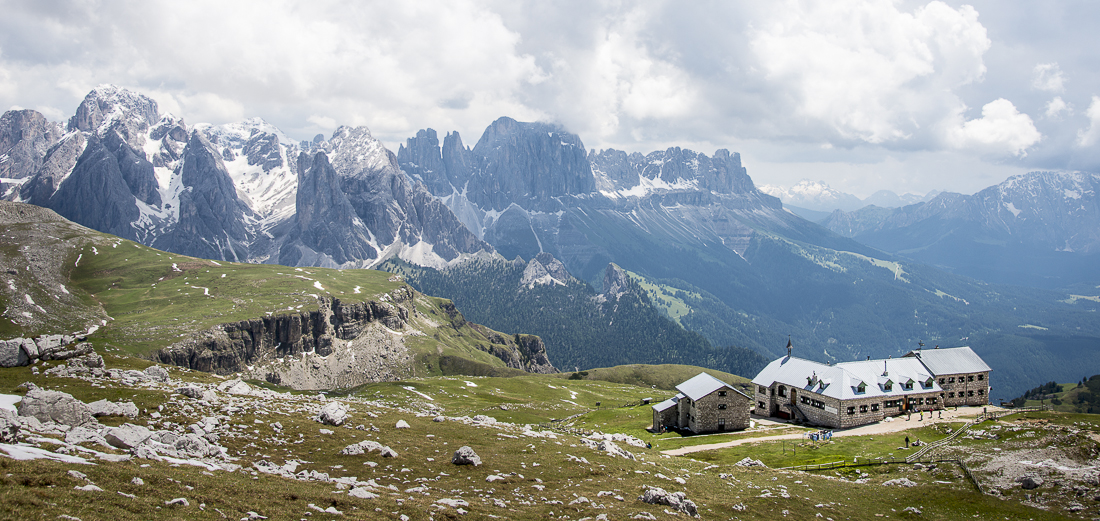
The Alpe di Suisi in northeastern Italy is Europe’s largest “high alpine meadow” — which means it’s an enormous mountain-top pasture that doubles as a ski area in the winter.  This time of year, it’s mostly covered in yellow flowers.  Surrounding it are mountains of the Dolomite range — a southern part of the Alps.  You can take a ski lift up to the grassy plateau area, and from there it’s a 3-hour (each way) hike to the top of one of the nearby mountains.  In the U.S., if you hiked that far up mountains you’d be alone up there with nothing but the wind and the Powerbars you’d carried up there yourself.  Here (as in Switzerland, you get to the top and find a restaurant and hotel — without a road in sight and supplied by a miles-long pulley system that raises casket-sized baskets to the top.

It’s a great, beautiful area — these pictures really don’t do it justice.
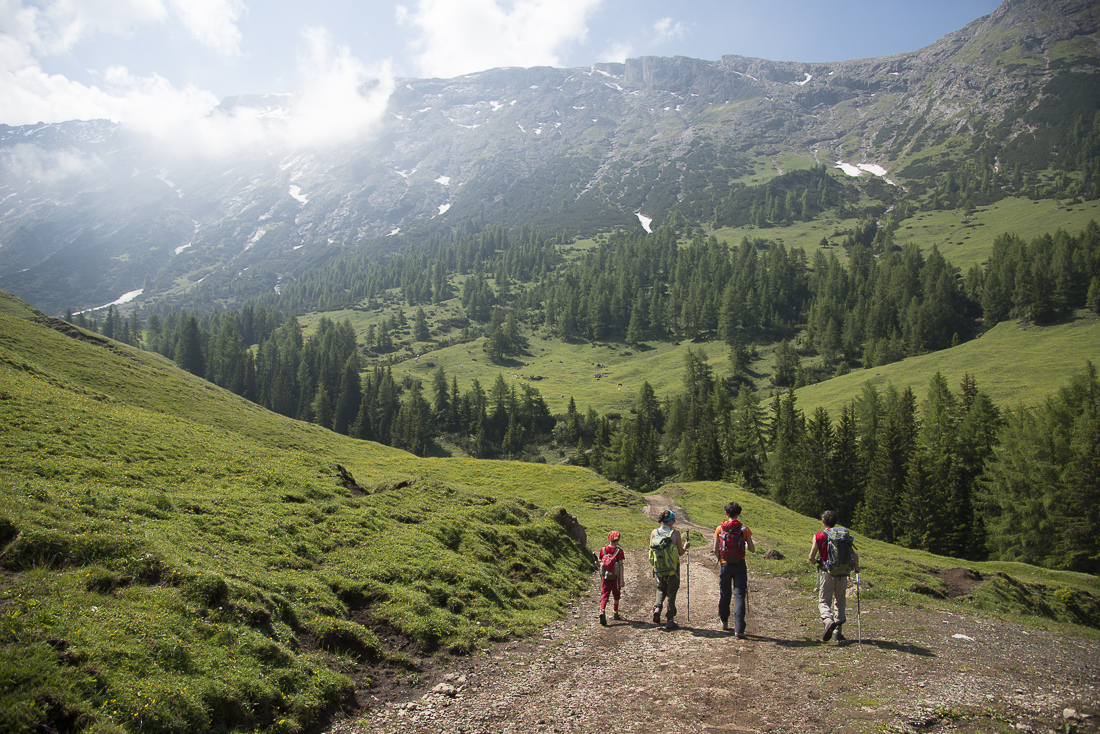
_JD80190.jpg_JD80162.jpg_JD80378.jpg_JD80207.jpg_JD80231.jpg_JD80132.jpg_JD80288.jpg_JD80403.jpg_JD80409.jpg

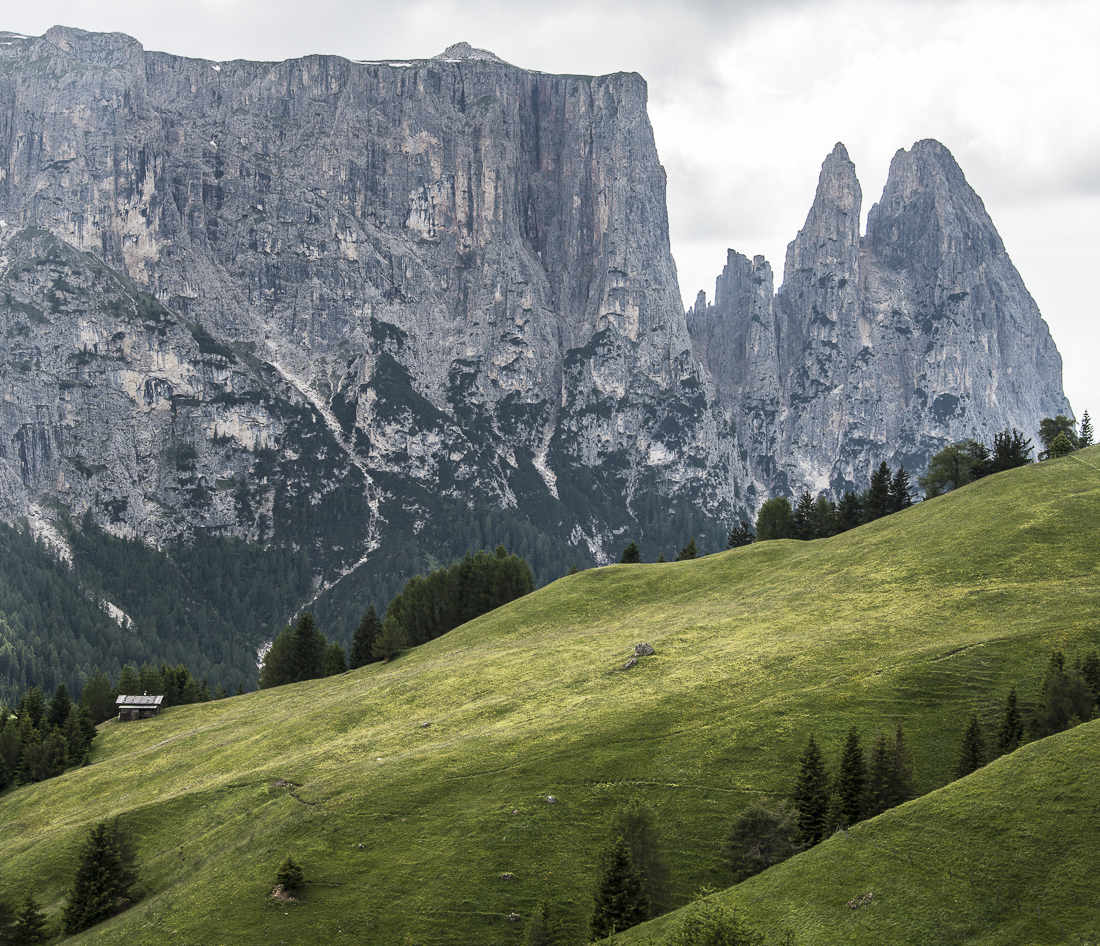
There’s a squarish picture in the batch above with the green diagonal hillside on the lower right and rocky mountain walls behind.  The far upper left-hand corner of that picture was the destination of the hike and the site for that restaurant.  There was a lot going on on the Alpe di Suisi:  the Italian military was doing paratrooper practice jumps, for example. 


A Longish London Layover

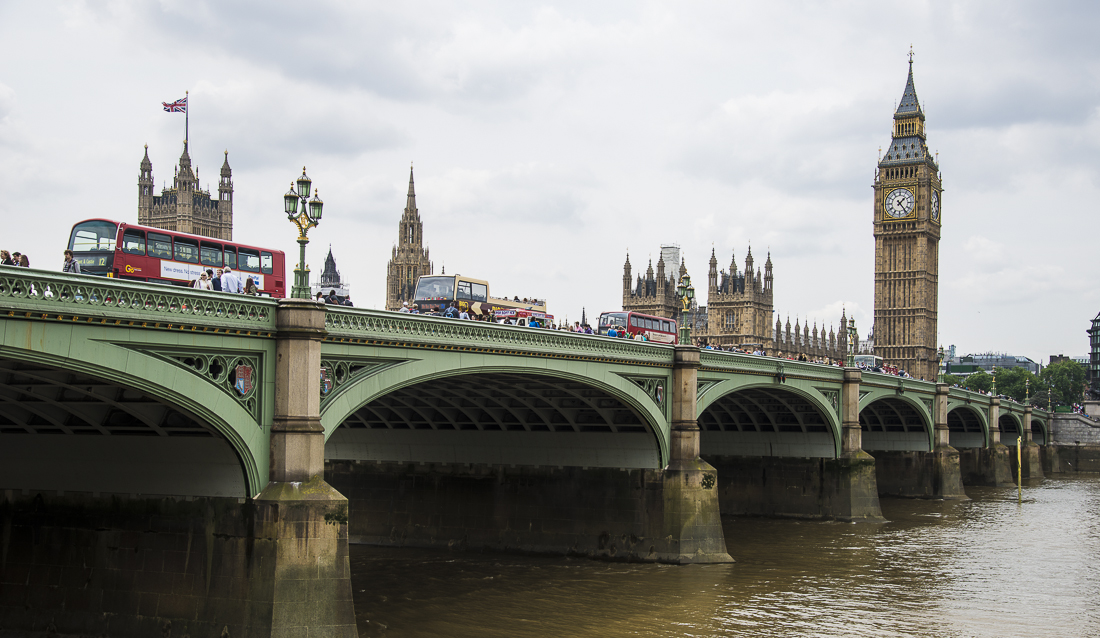
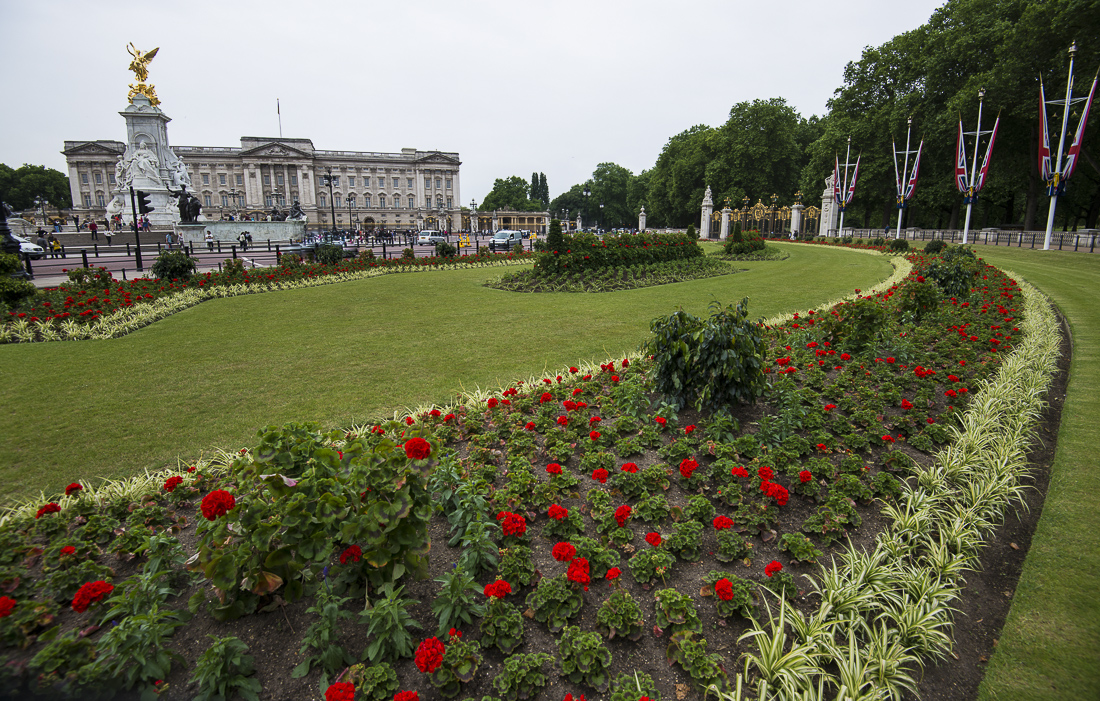
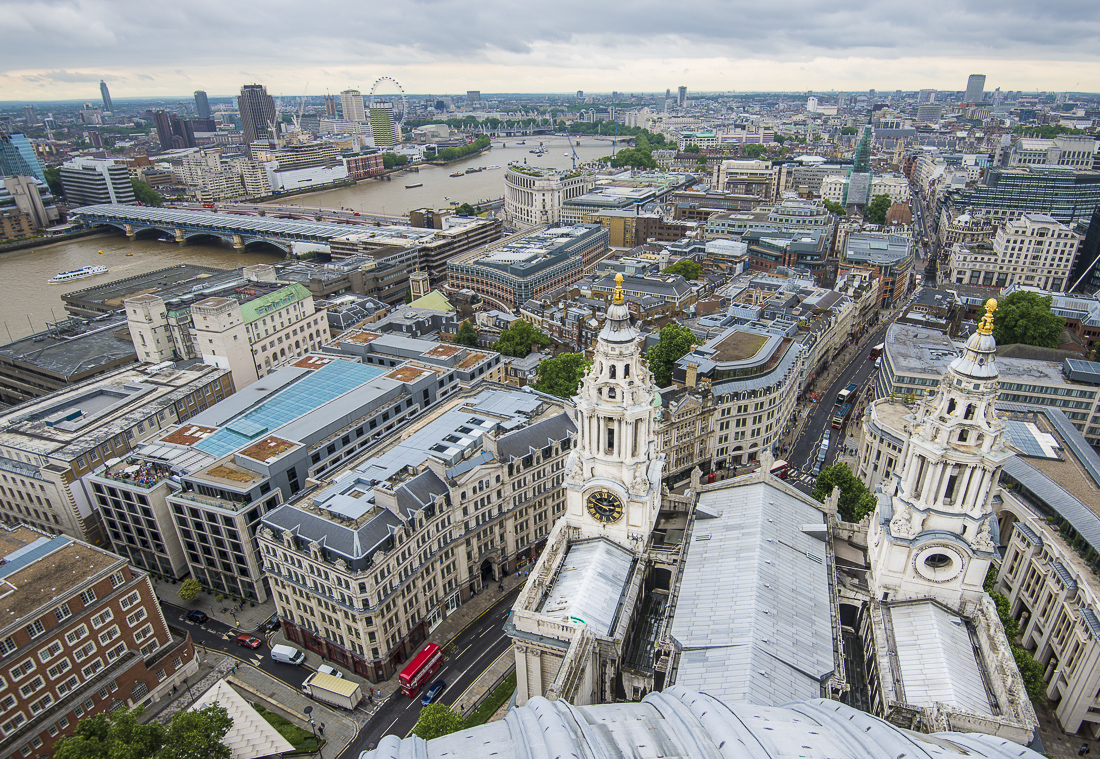
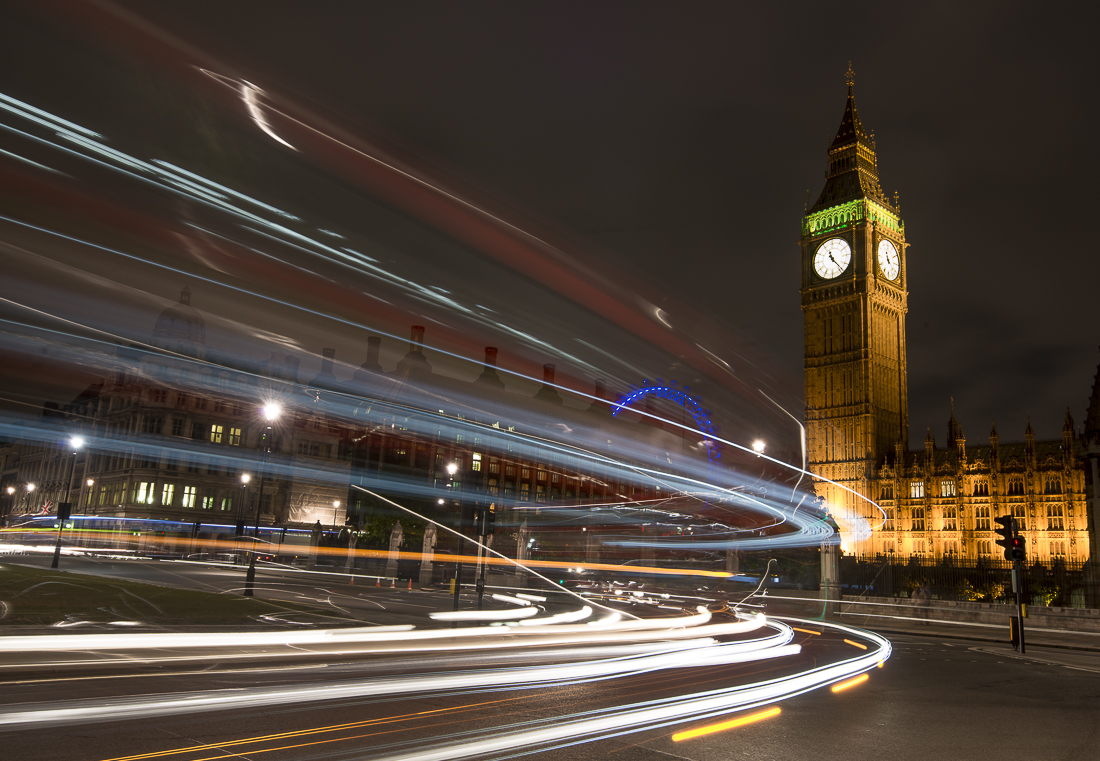
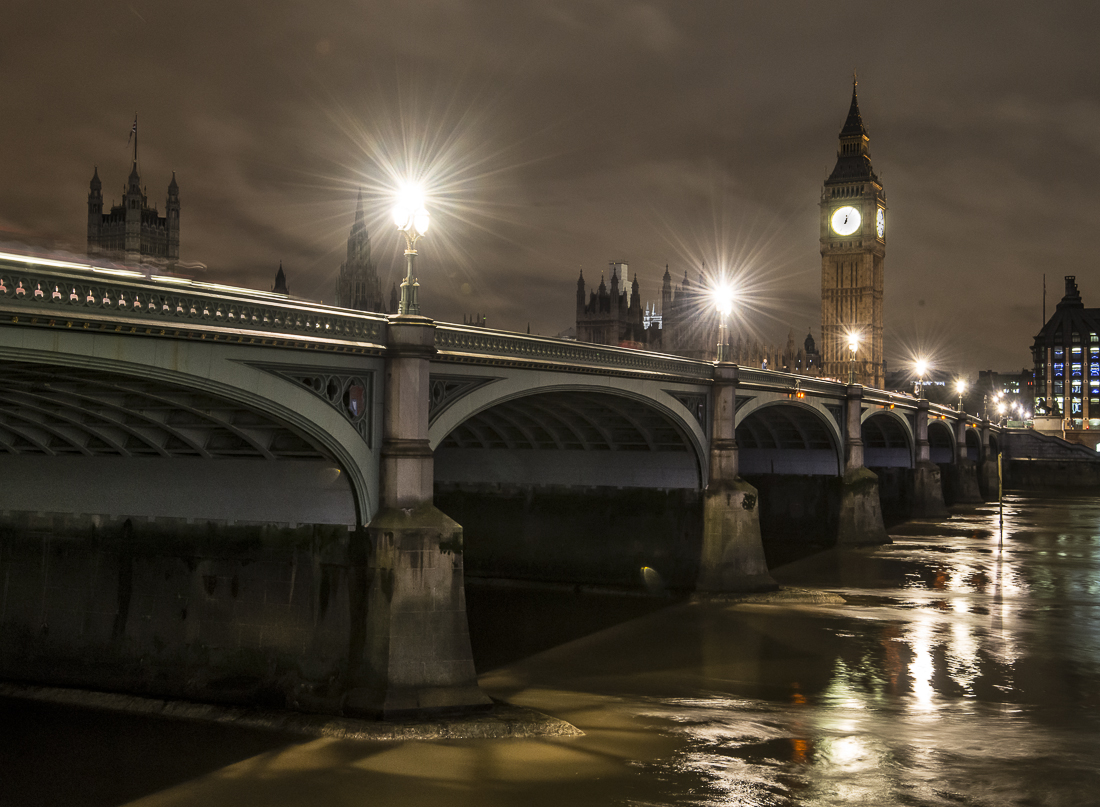
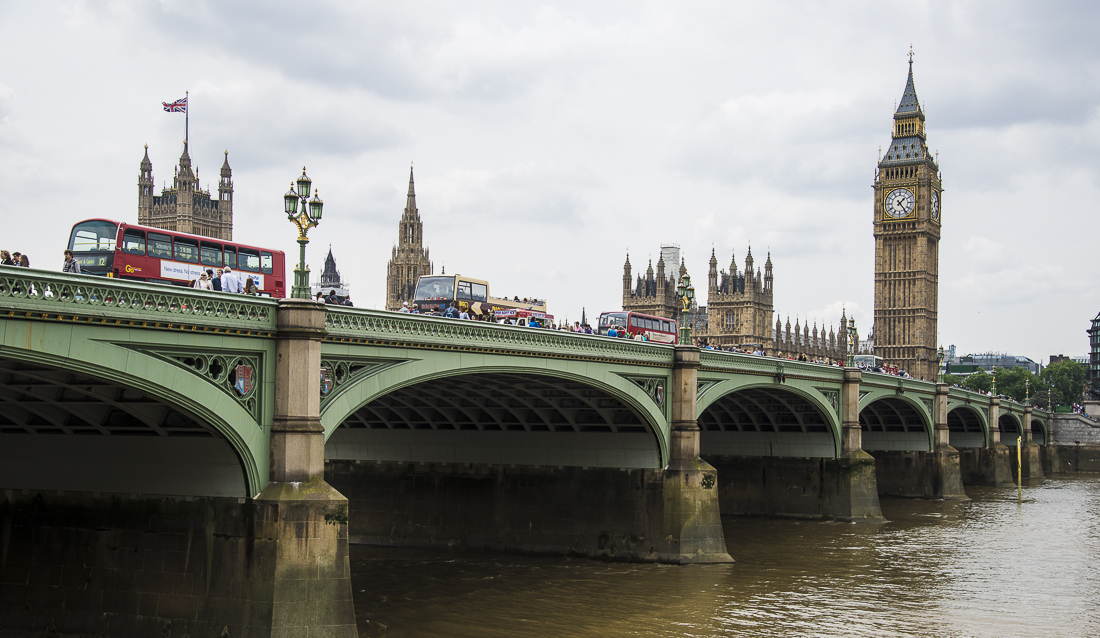
With just a day and a half of jet-lagged layover in London on the way to points further east, I don’t have many stories to tell.  It was my first visit to England, so I mostly hit the most touristy of spots, timing my outdoor excursions between episodes of drizzly rain.


c12-_JC82194.jpg_JC82347.jpg_JC82603.jpg_JC82632.jpg_JD88685.jpg_JD88725.jpg_JD88809.jpg_JC82698.jpg_JC82739.jpg_JC82463.jpg_JD89266.jpg_JD88872.jpg_JD89292.jpg_JD88938.jpg_JD89254.jpg_JD88989.jpg_JD88918.jpg_JD89037.jpg_JD89100.jpg_JD88842.jpg_JD89133.jpg_JD89147.jpg

Despite the supposedly-shared language, London can seem just as foreign at times as any other major European City.  Unlike the rest of the world, when the Brits speak English, they didn’t learn it from American television and music, so their accents are often harder to understand than the English you’ll hear in much more exotic-sounding destinations.  A few times I would have sworn I was in a Monty Python sketch.  My favorite amusement:  My hotel room had a set of bathroom scales, which clearly displayed my weight as about 10.5 stone.


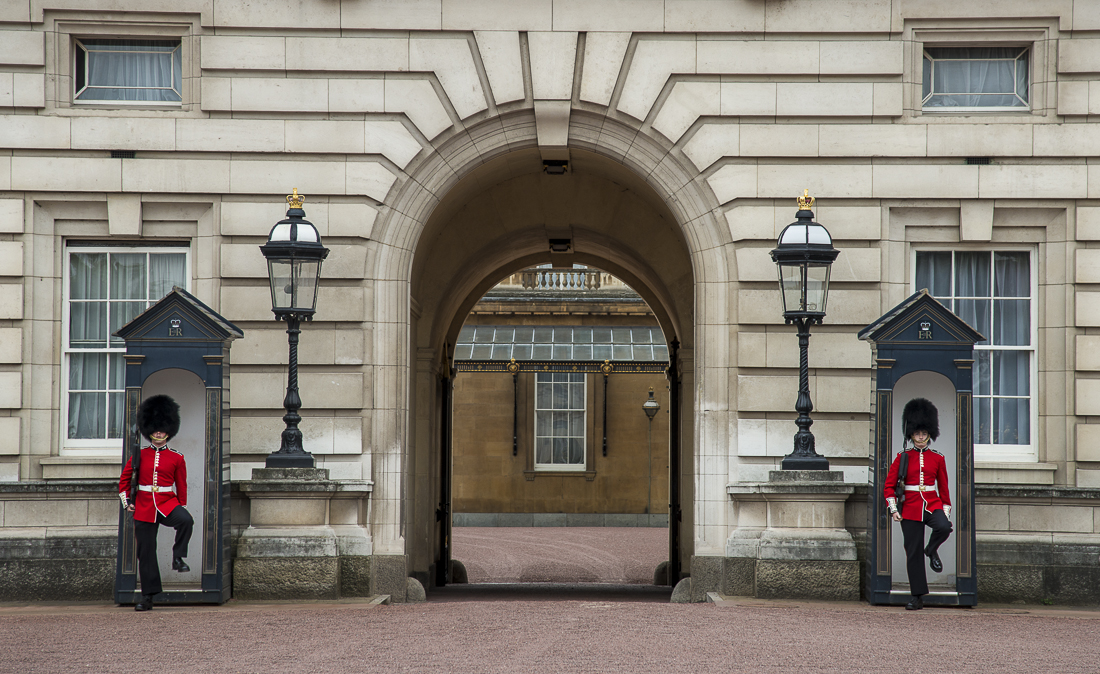
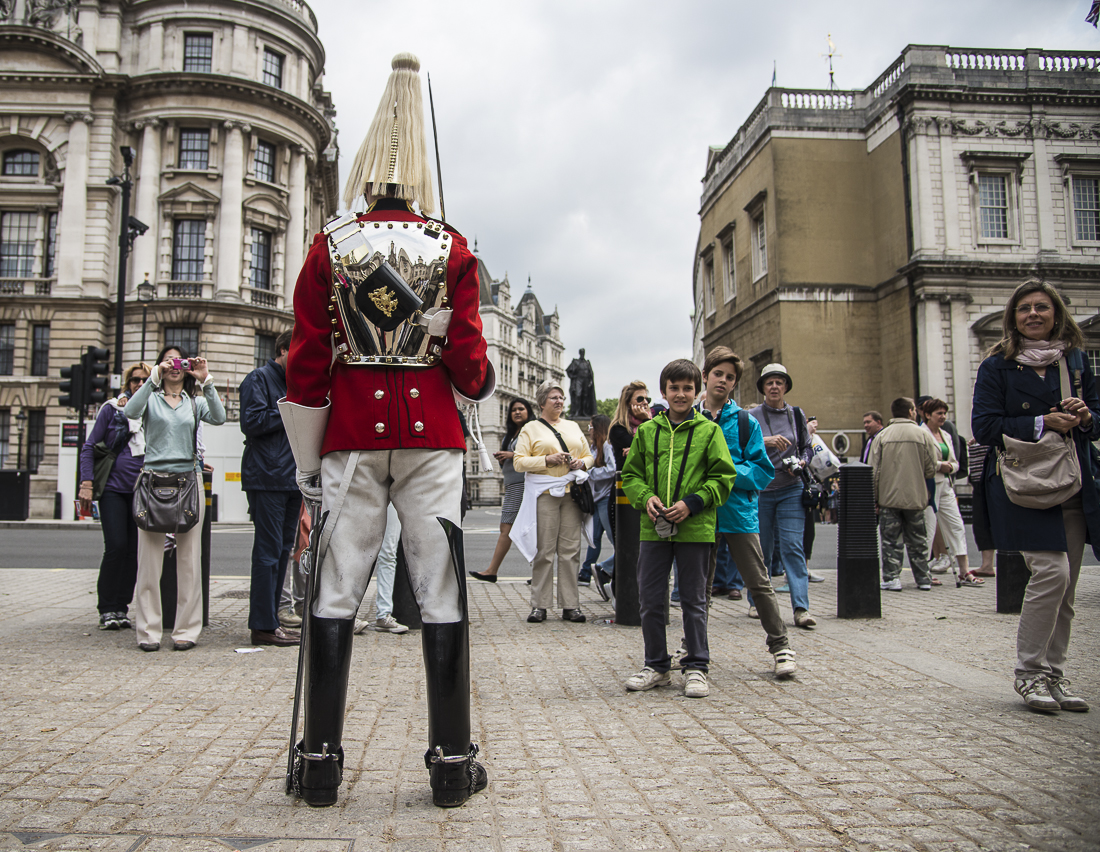
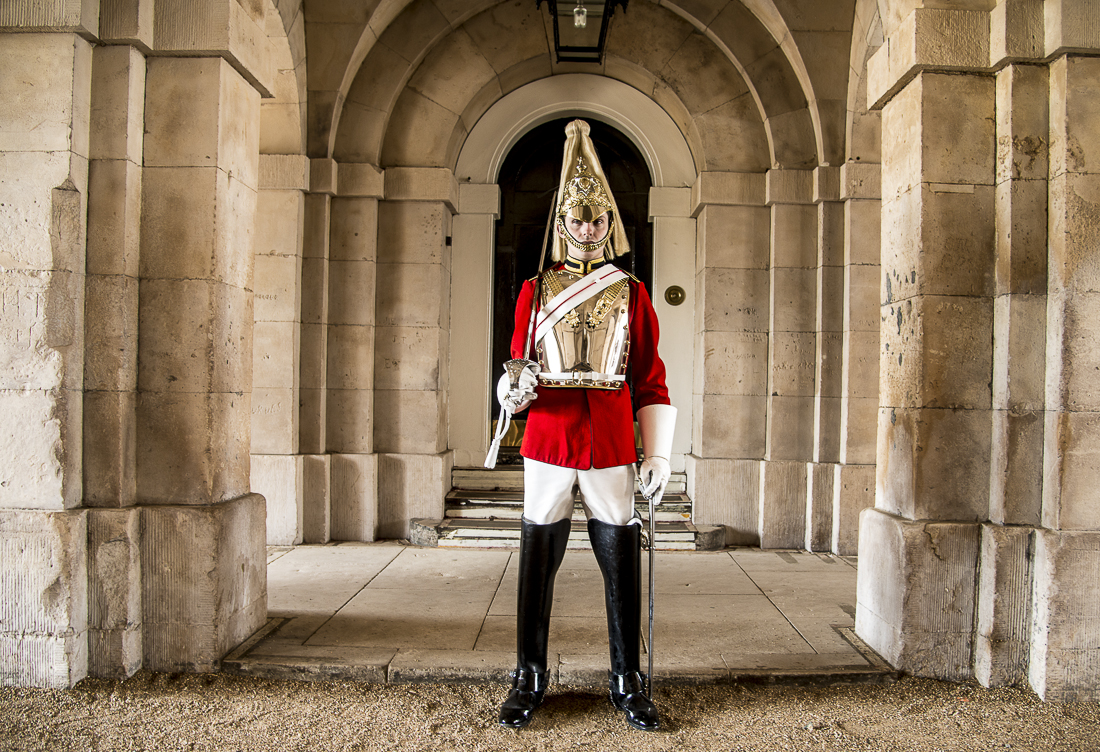
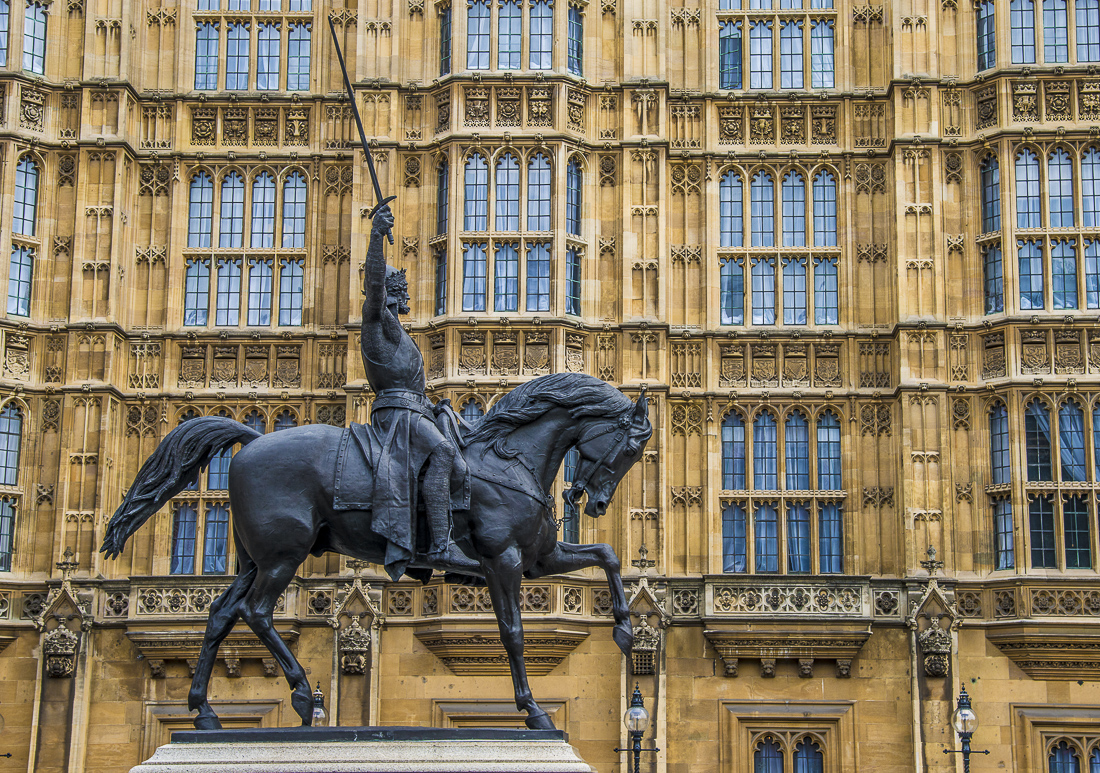
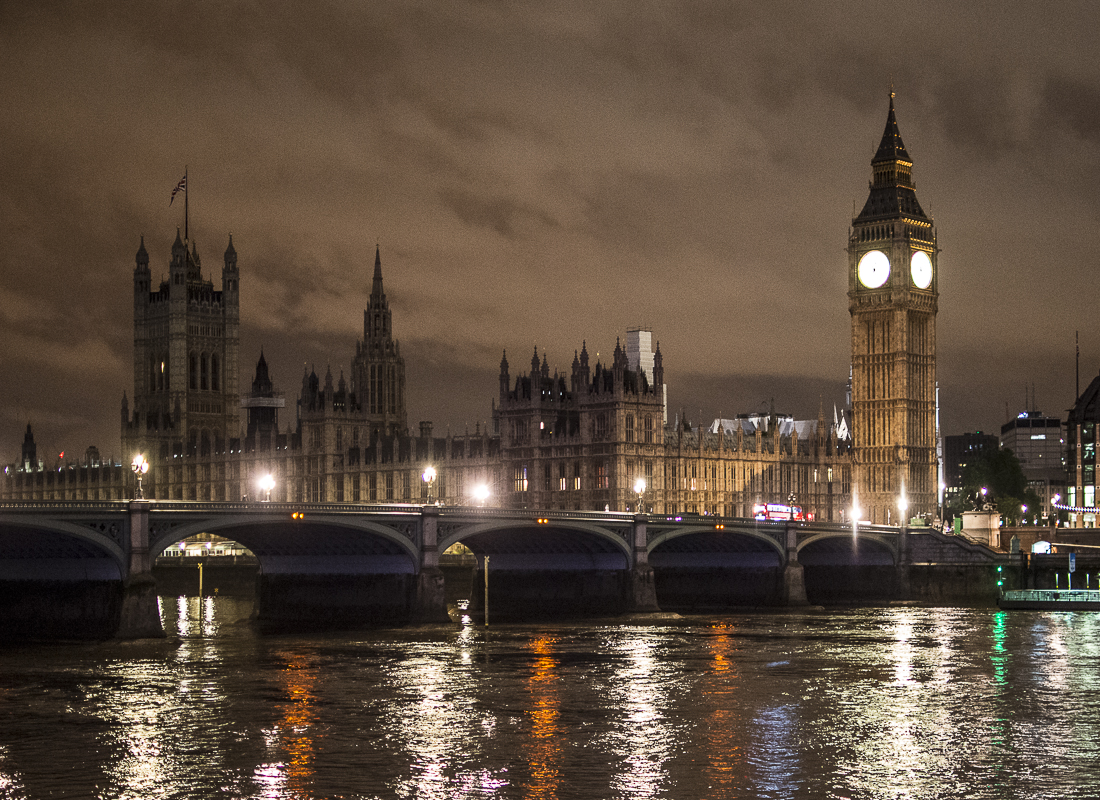
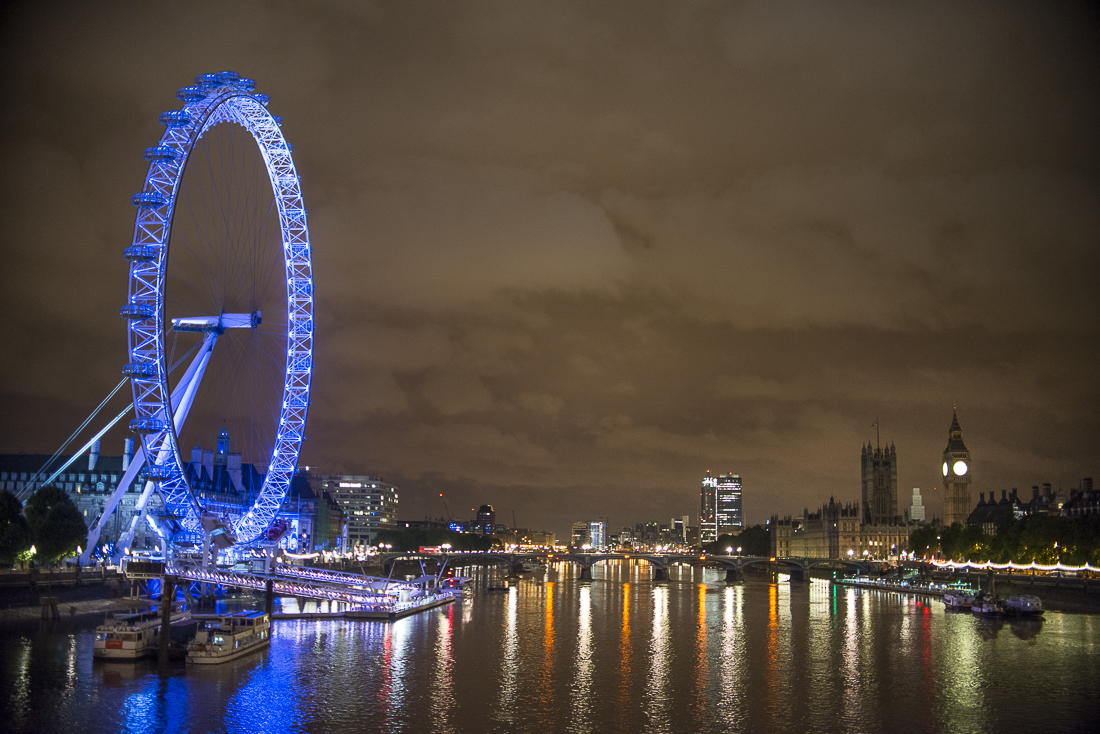
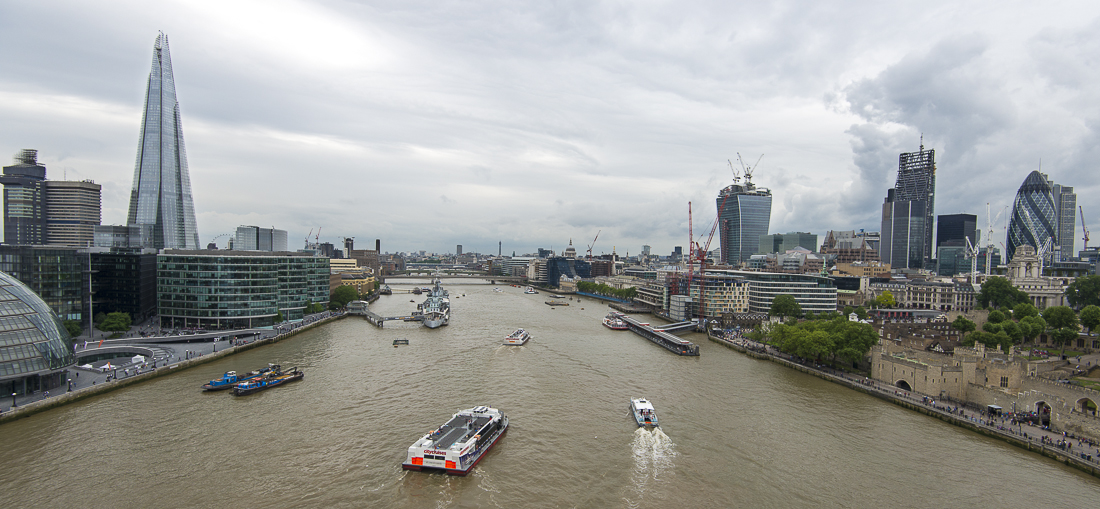
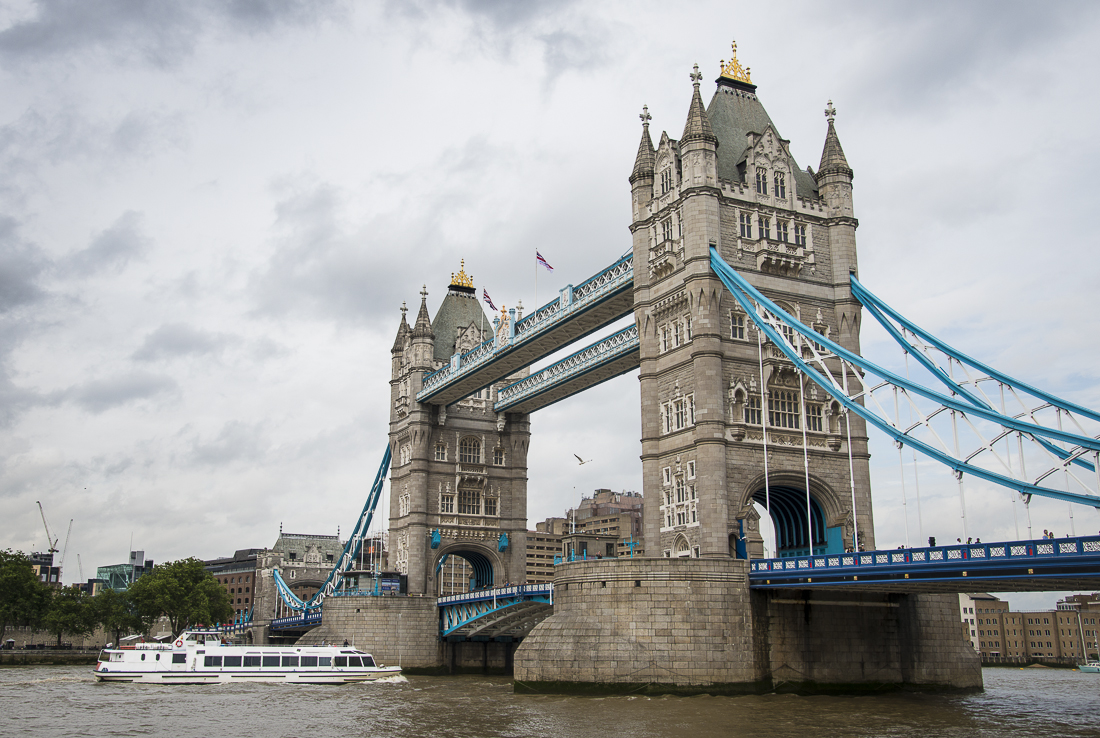
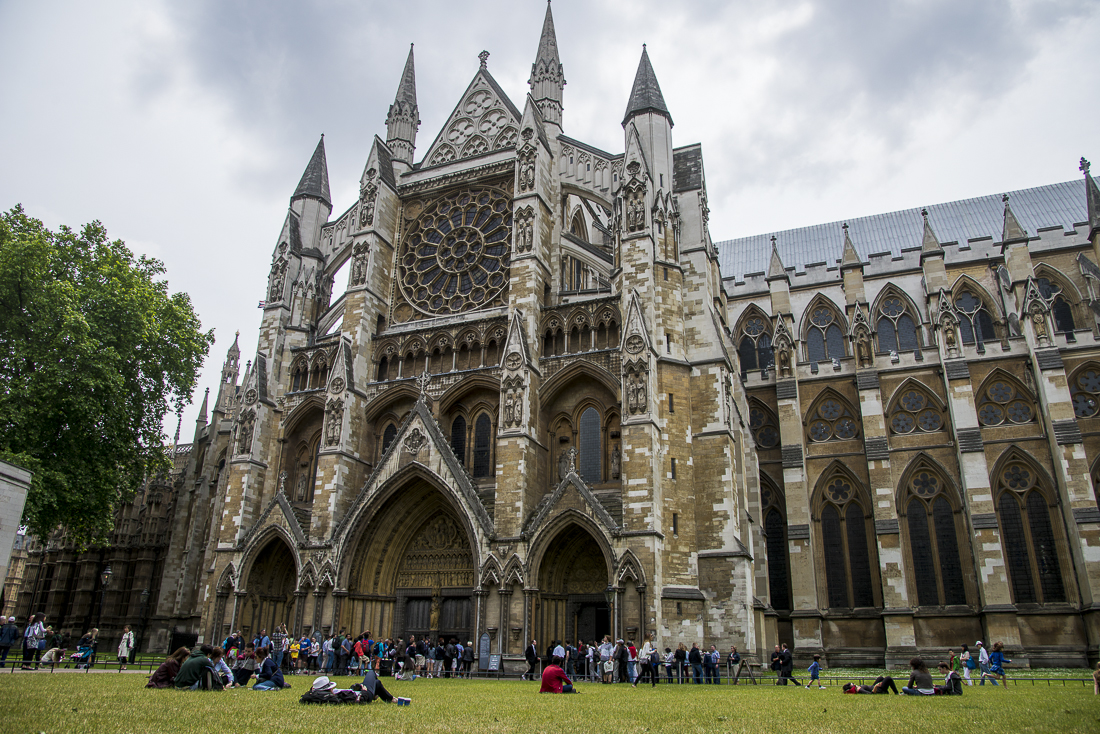
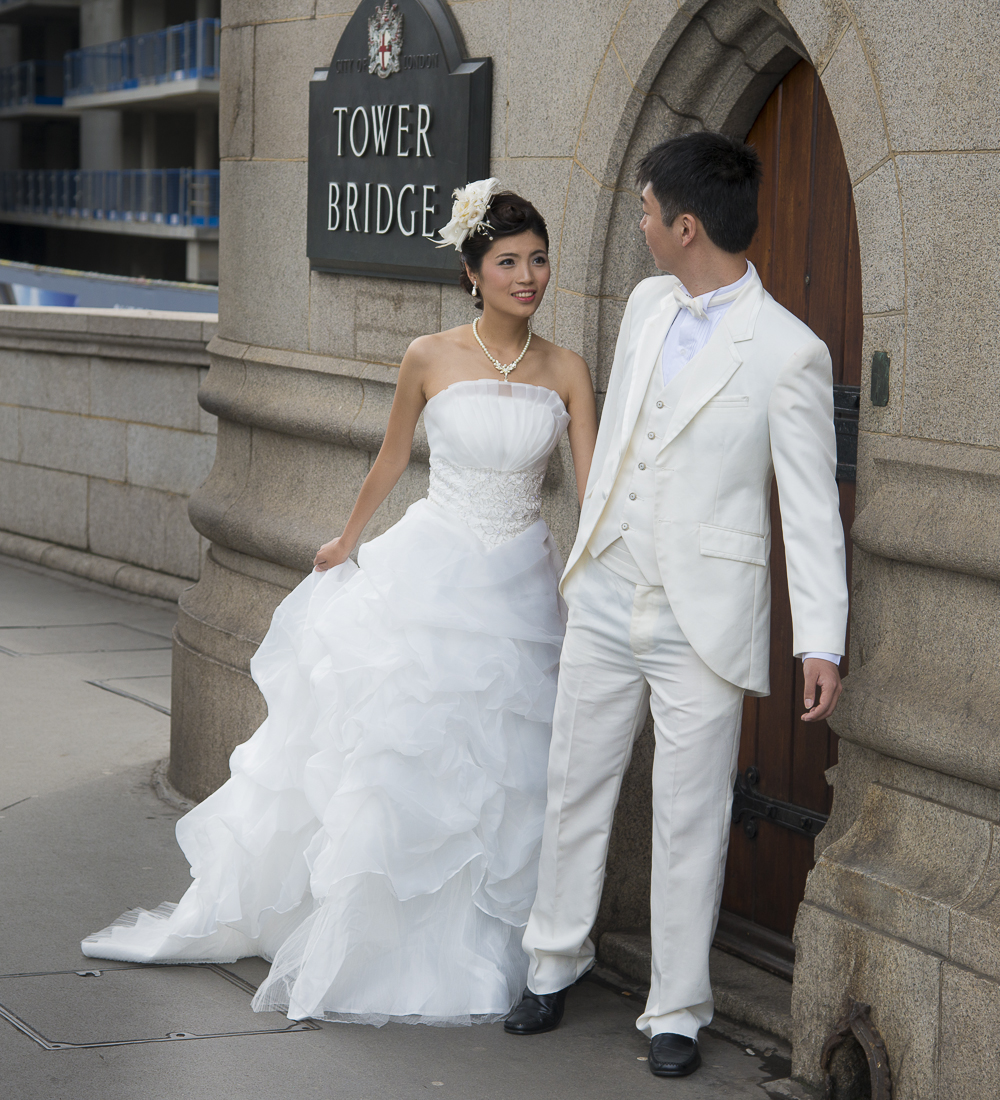
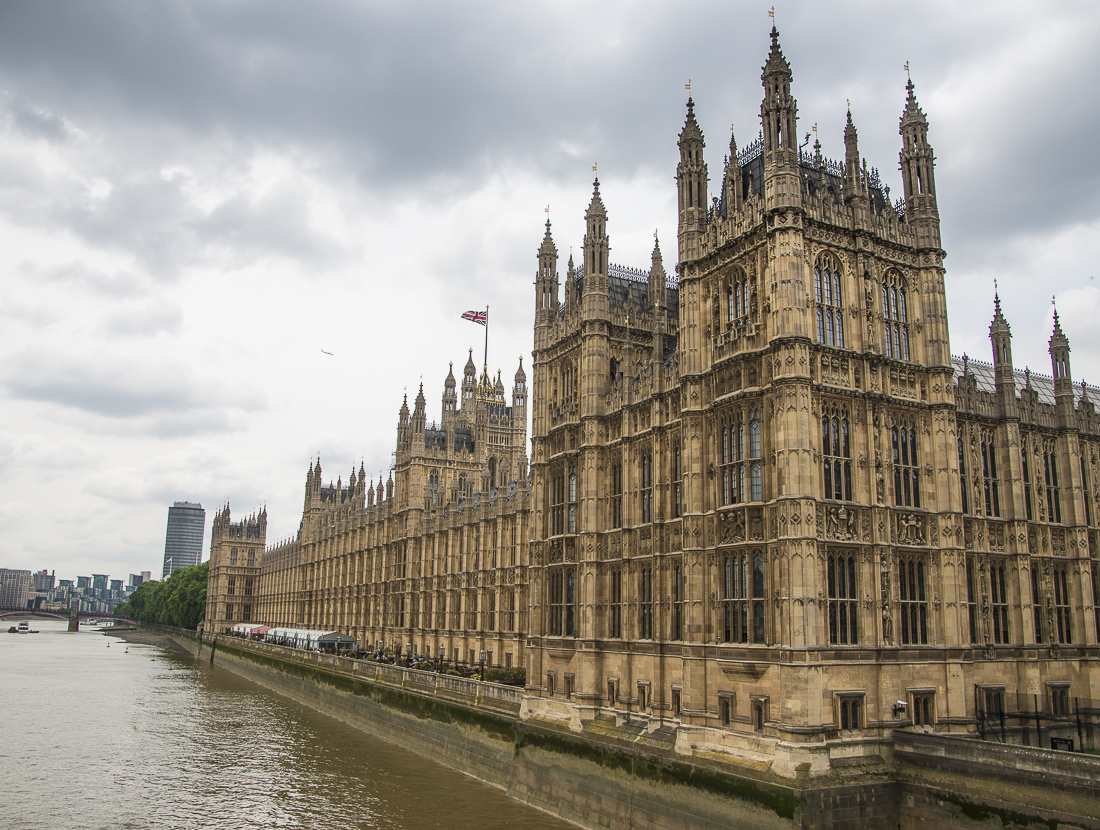
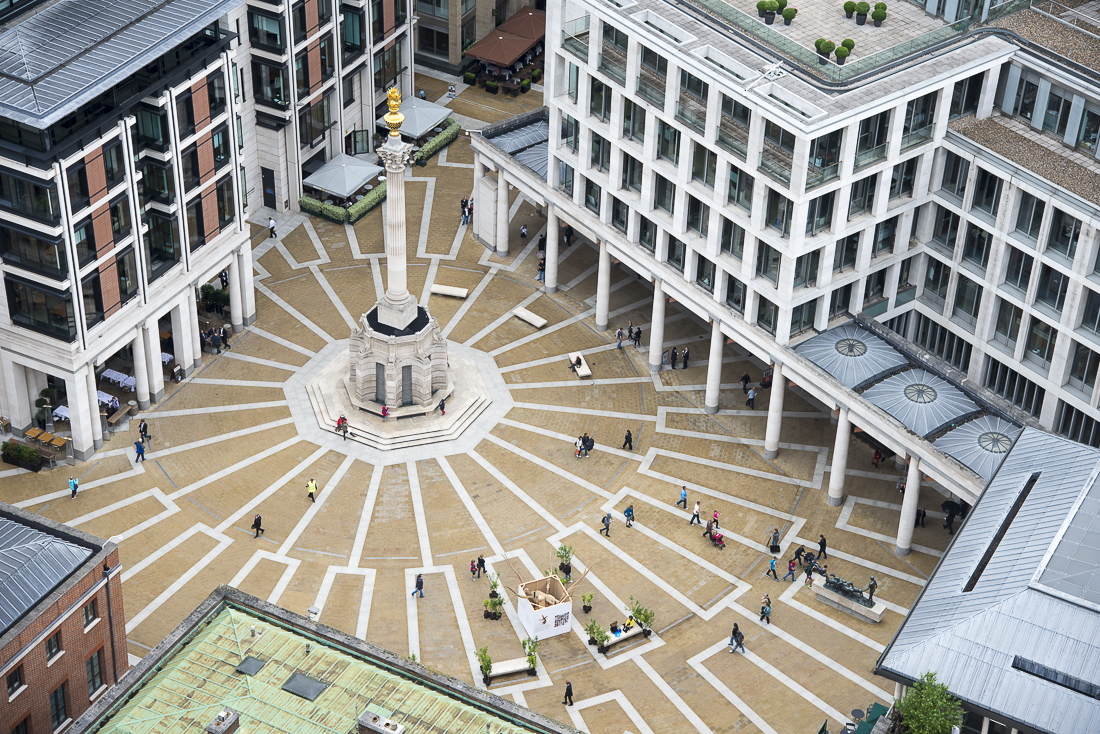
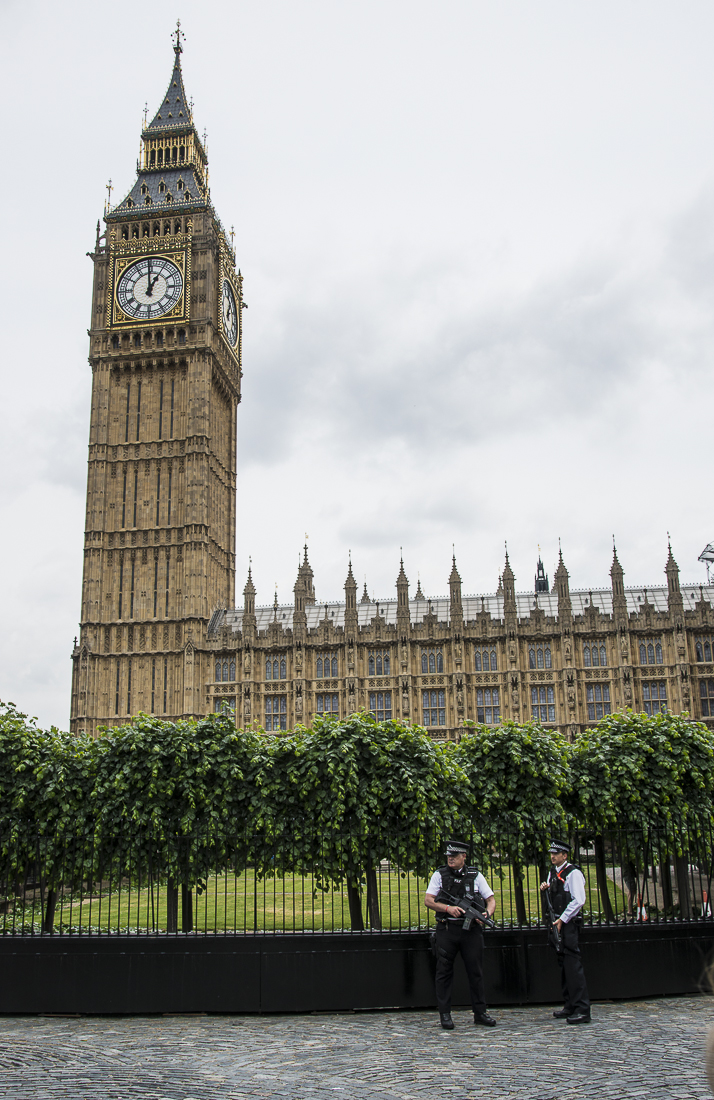
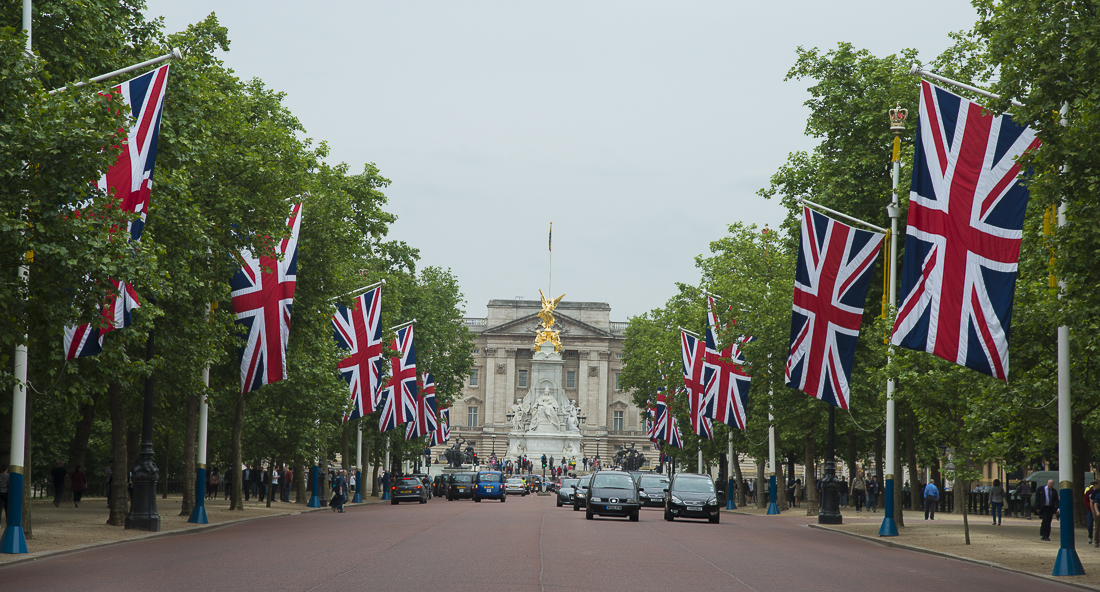
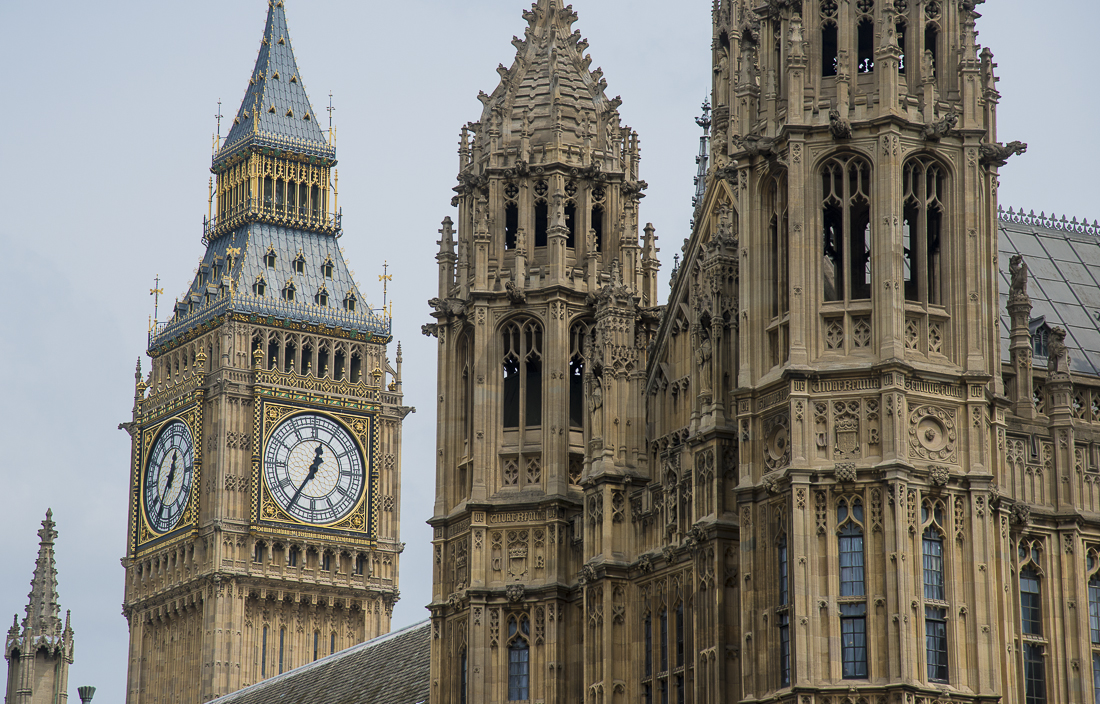
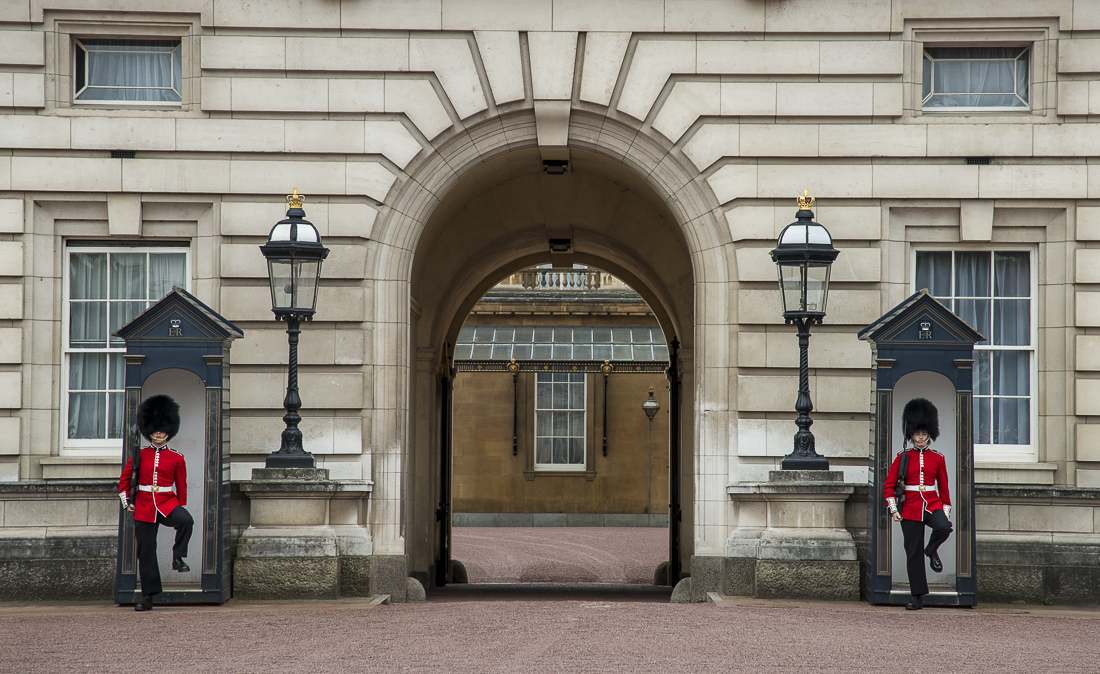
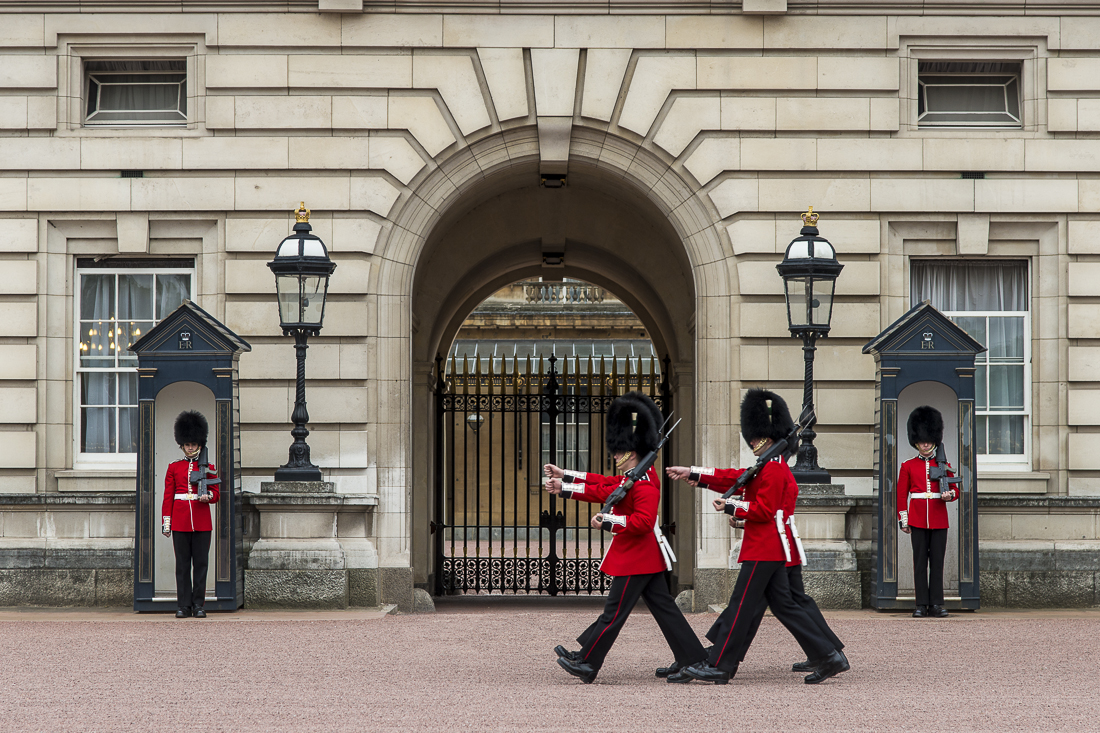
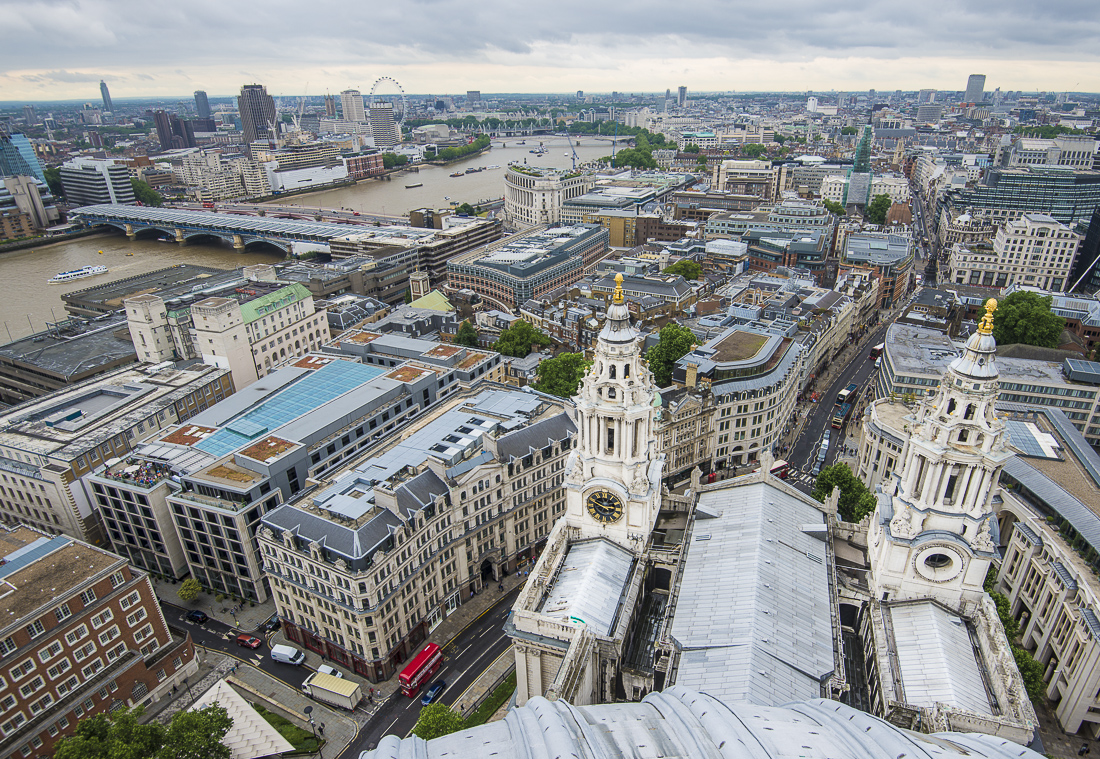
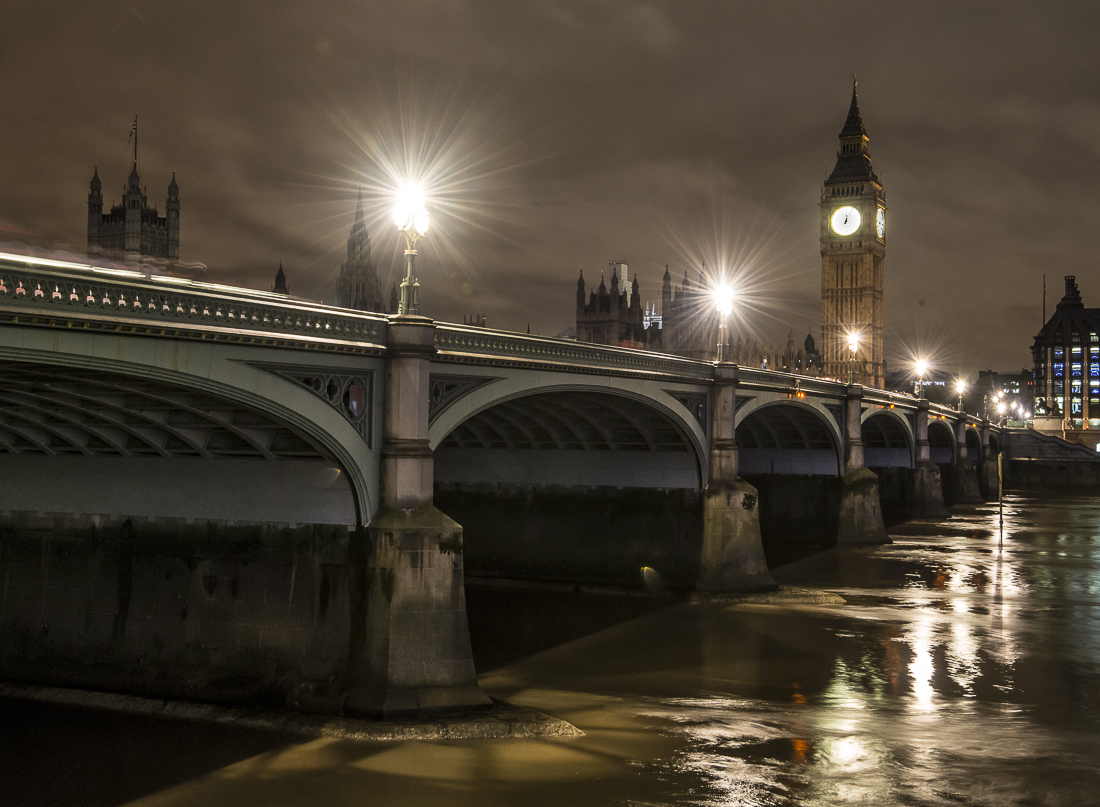
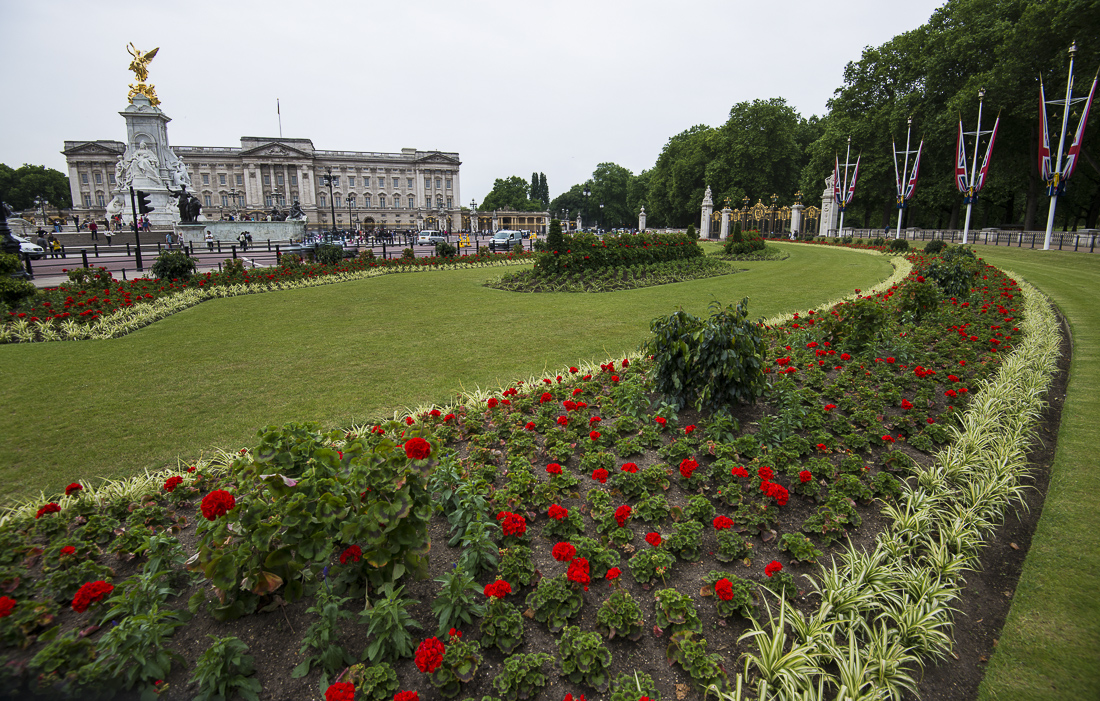
 You probably recognize Big Ben — it’s the clocktower at the House of Parliament.  My hotel was very close to it — thus all the pictures.  The place (just above) with the flowers, all the British flags, and of course the Beaver-hatted guards is Buckingham Palace.  The high-up views are from the Tower Bridge and from St. Paul’s Cathedral.  The big Ferris Wheel is called the London eye.  The church you see pictured from the outside is Westminster Abbey.  The statuesque fellow riding horseback wielding a sword is Richard the Lionhearted.  I didn’t know the happy Asian couple strolling around the Tower Bridge in their wedding wear.


Cuba 2013, Part 3: A Return to Havana

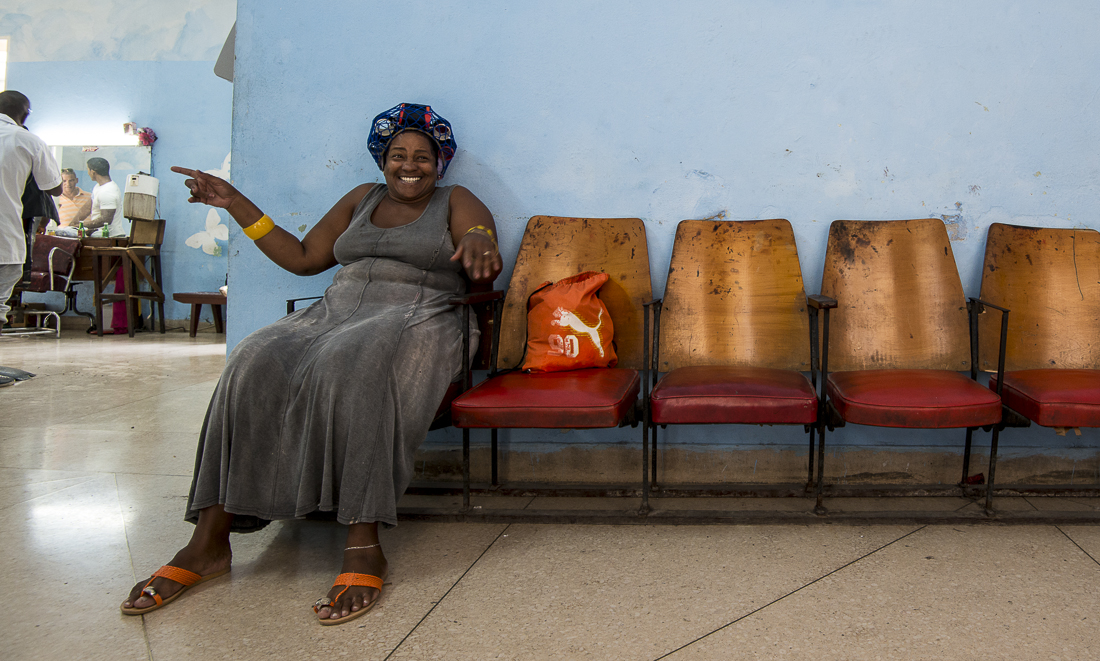
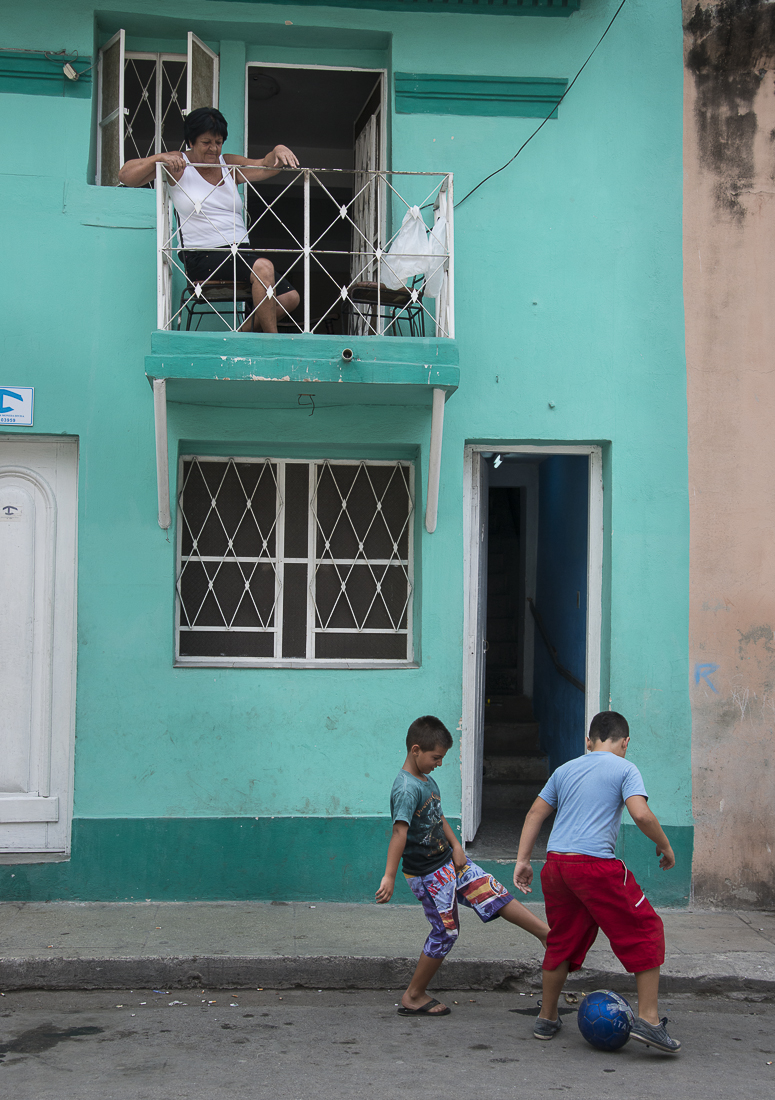
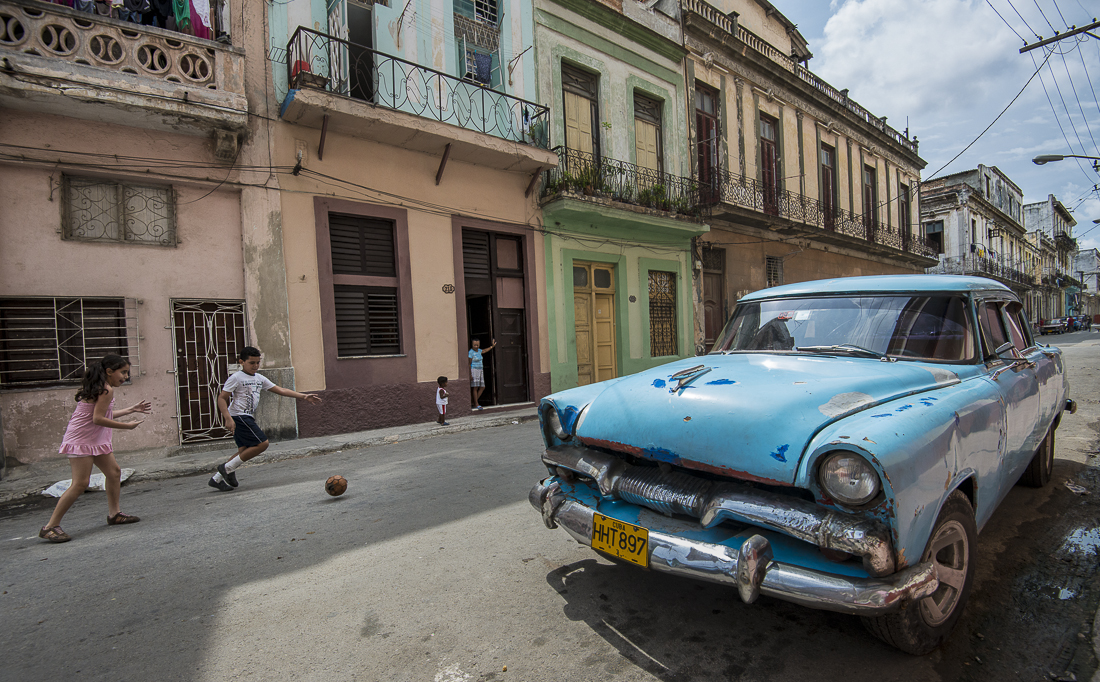
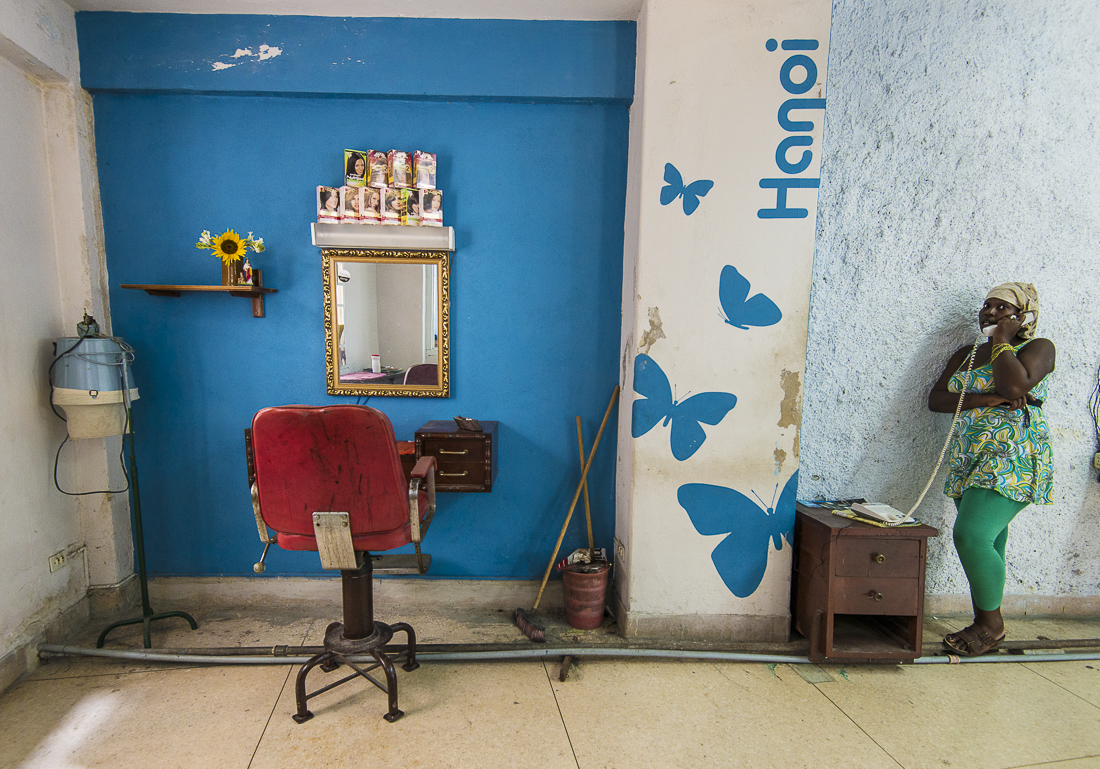
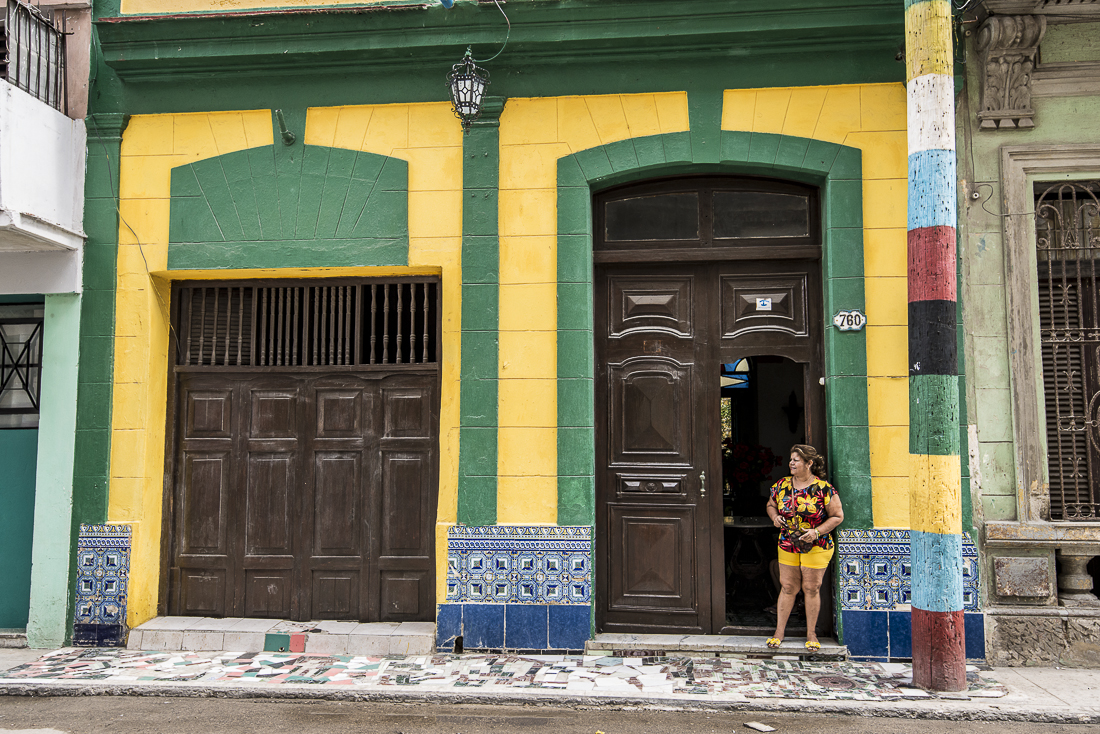
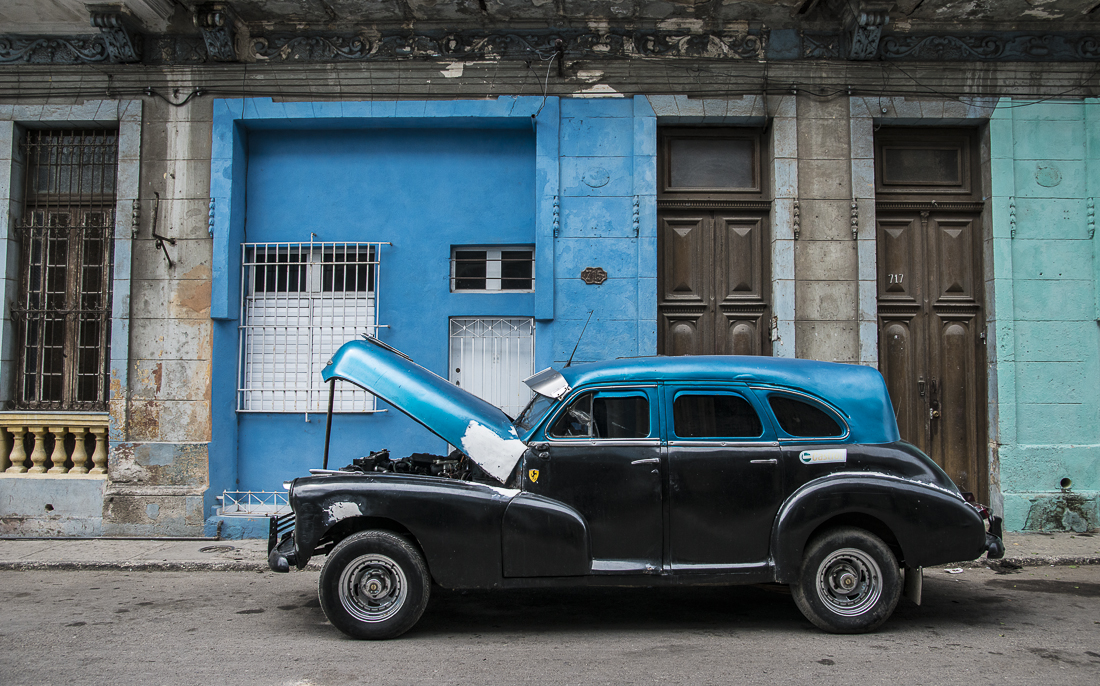
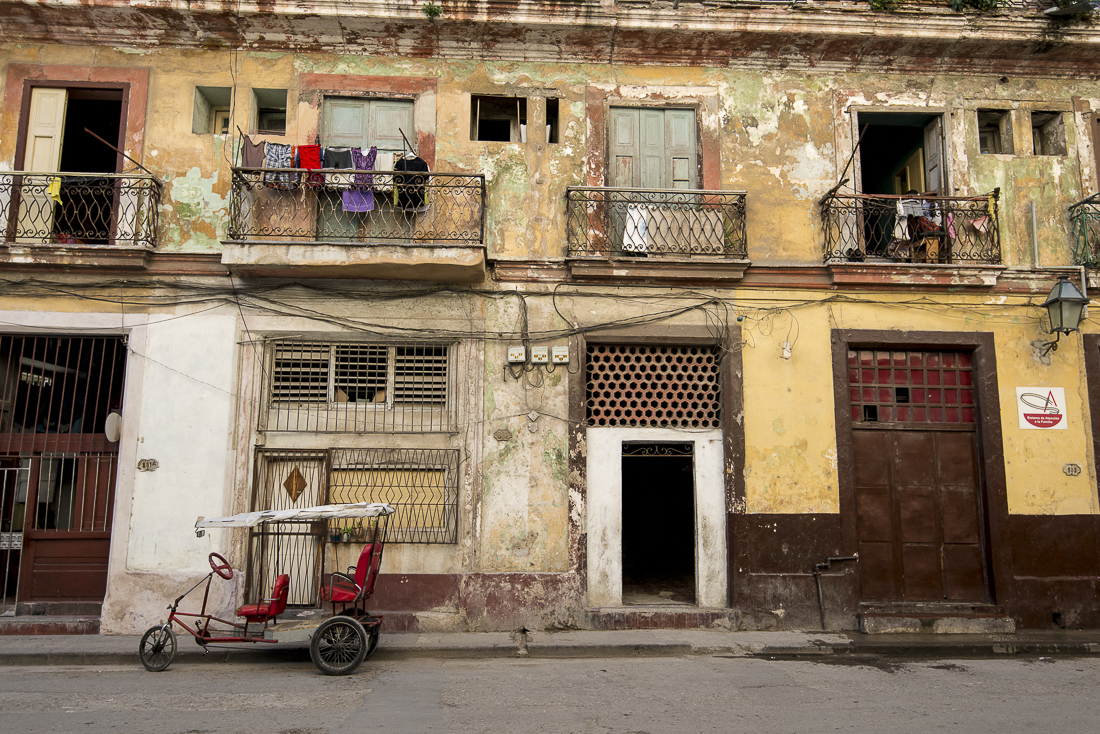
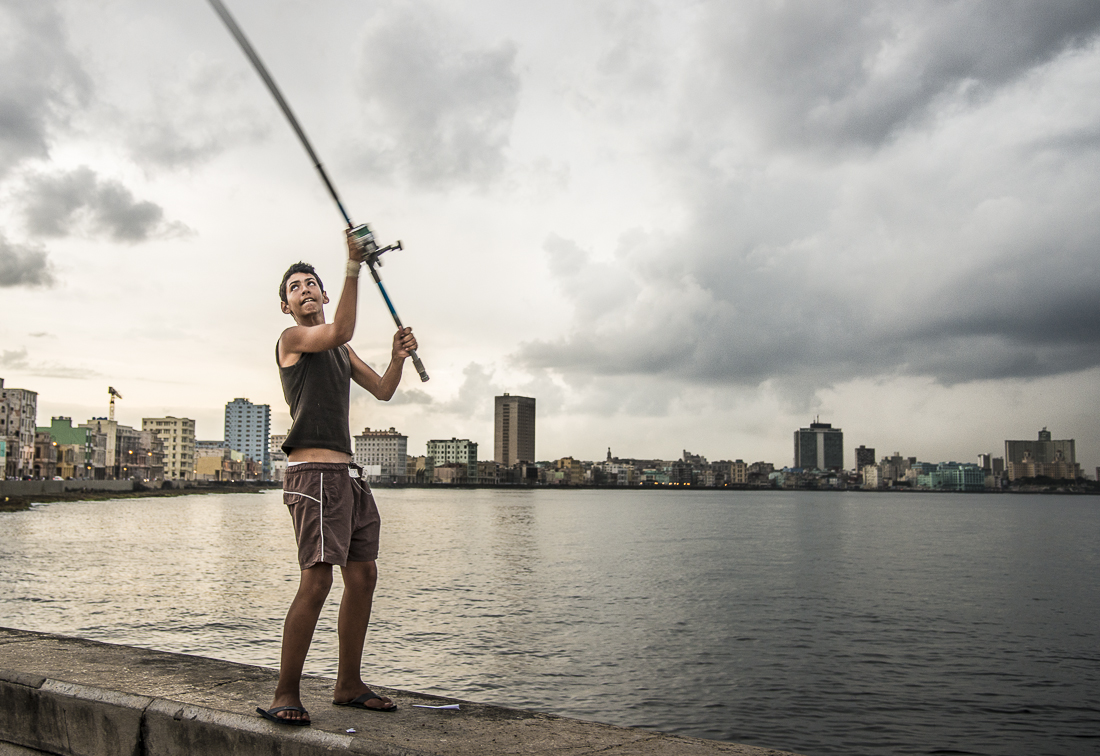
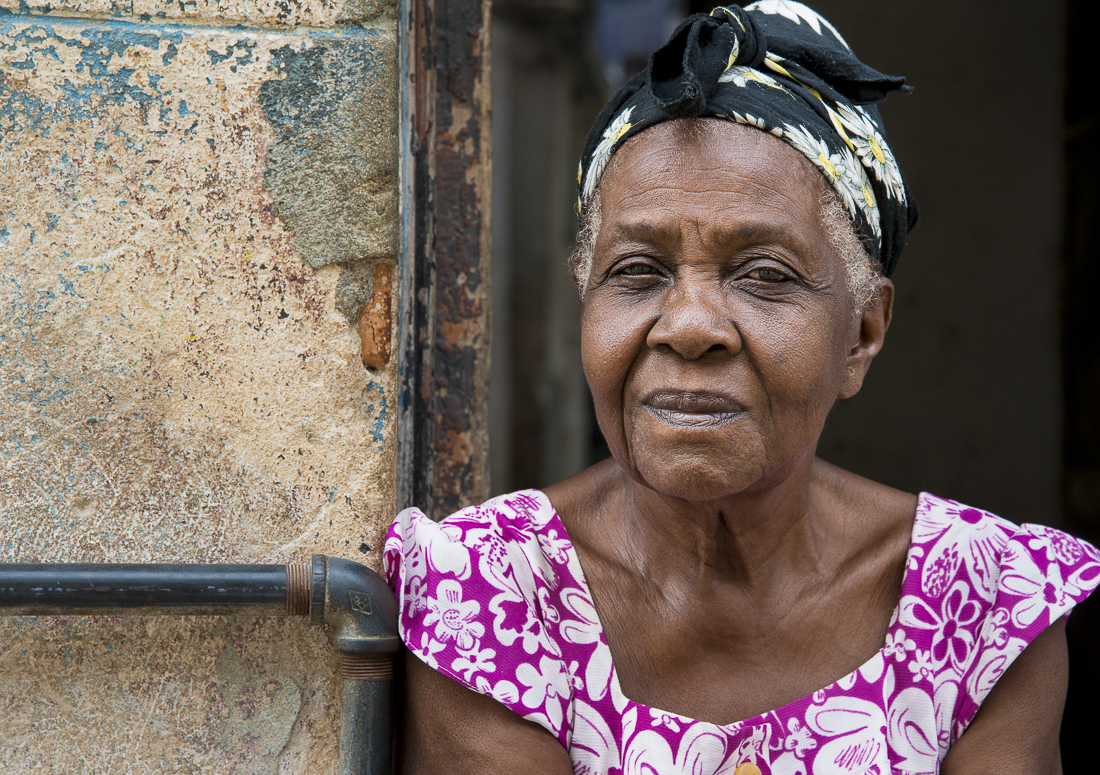
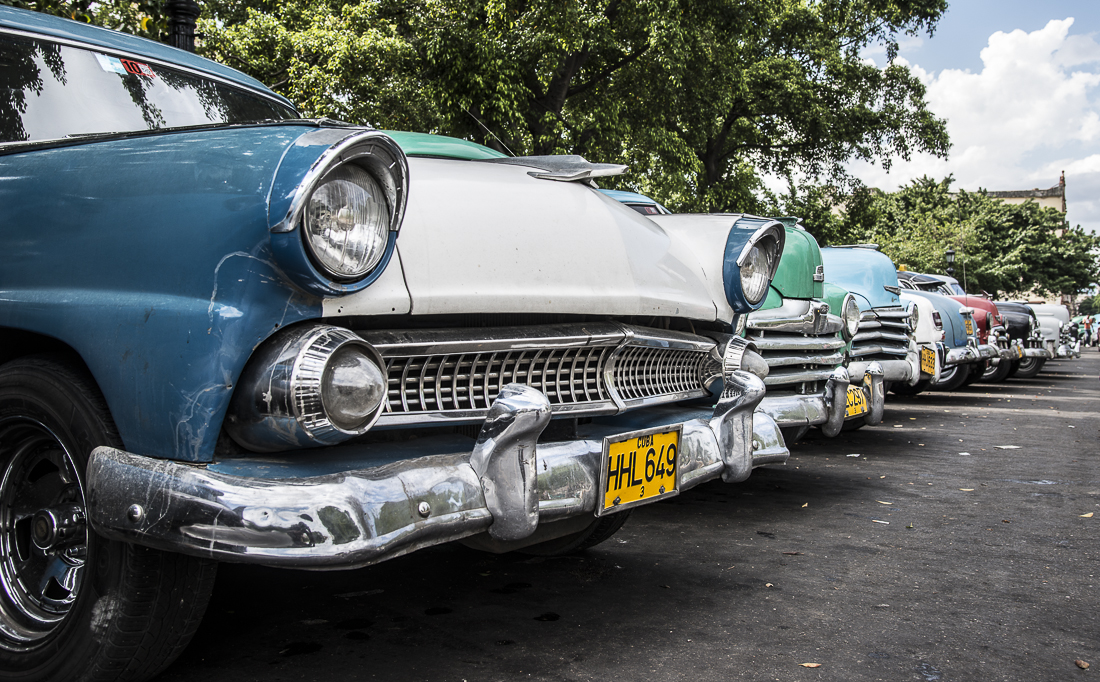
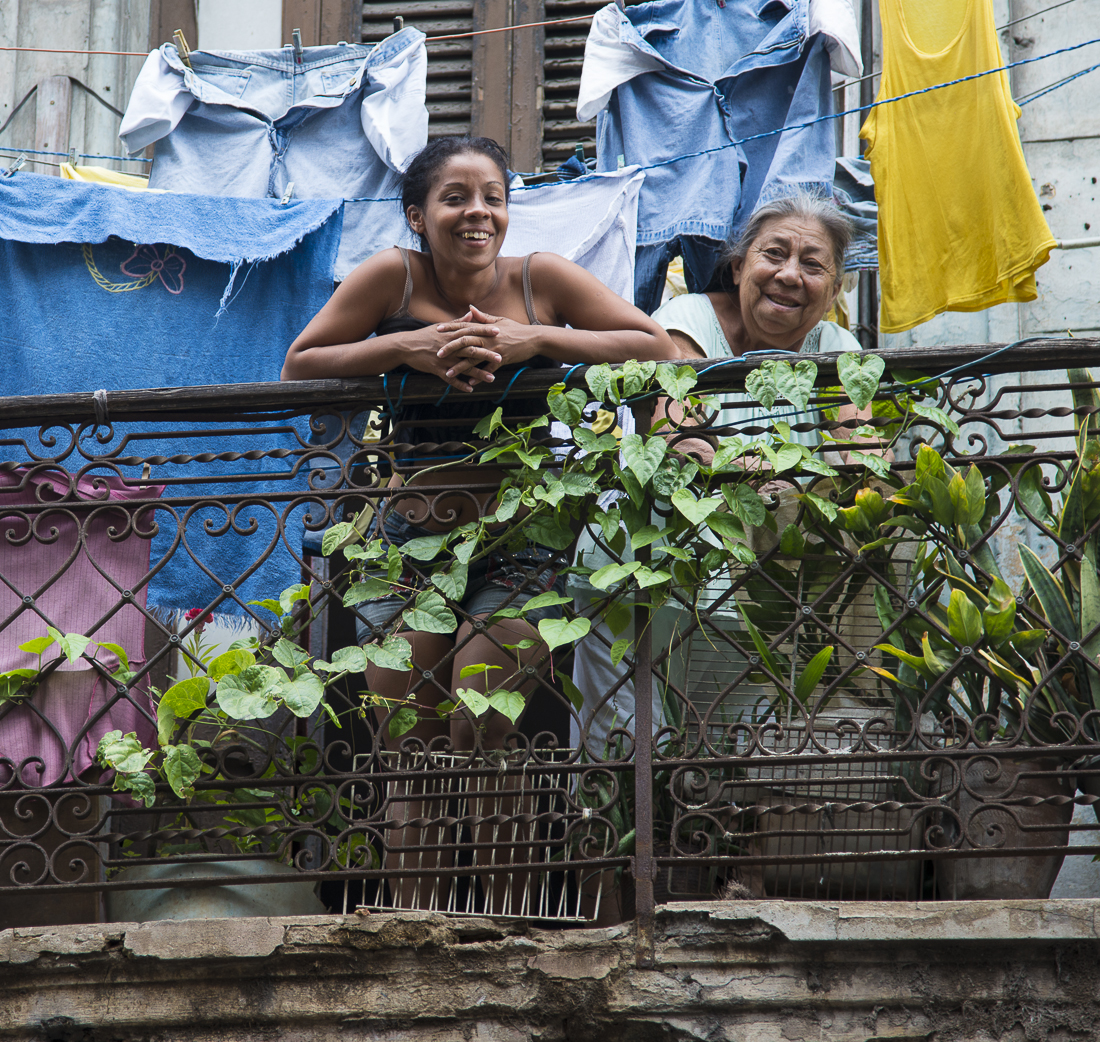
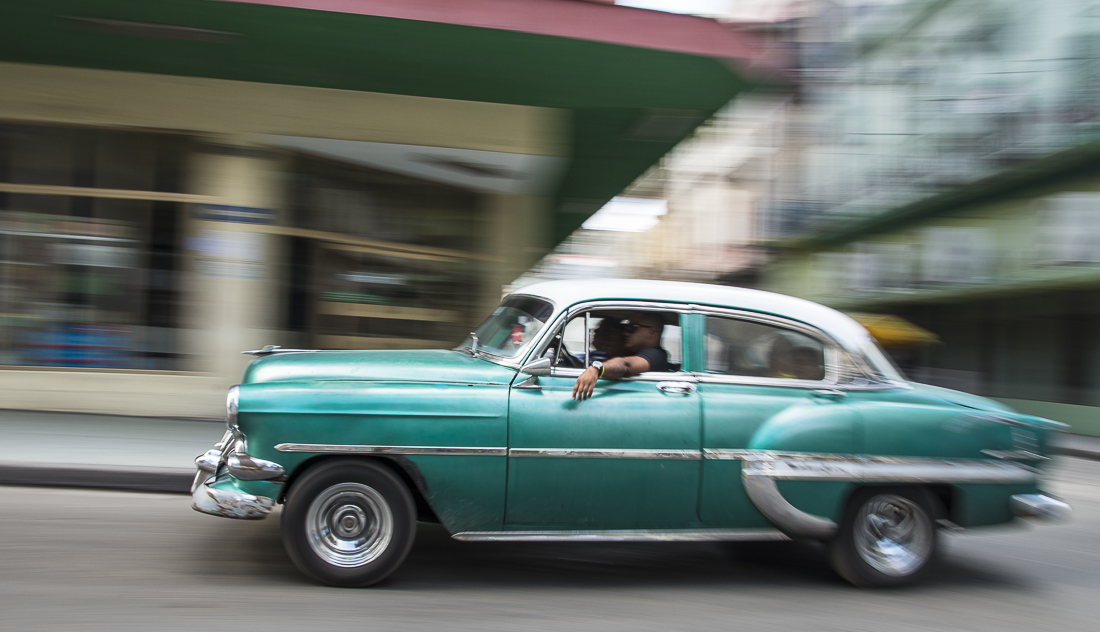
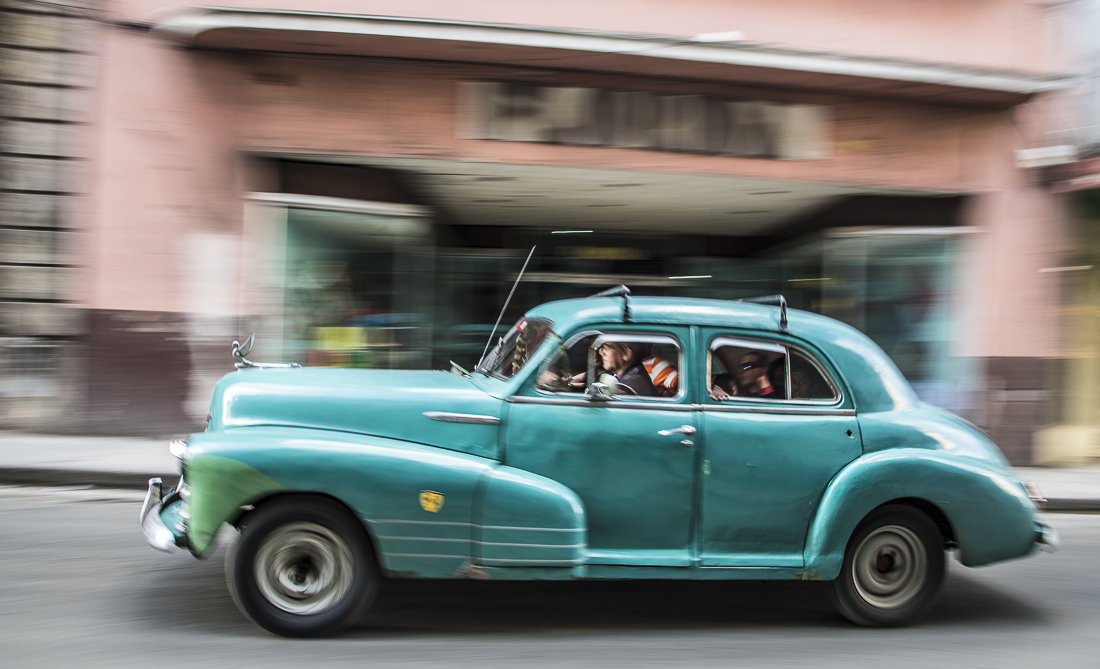
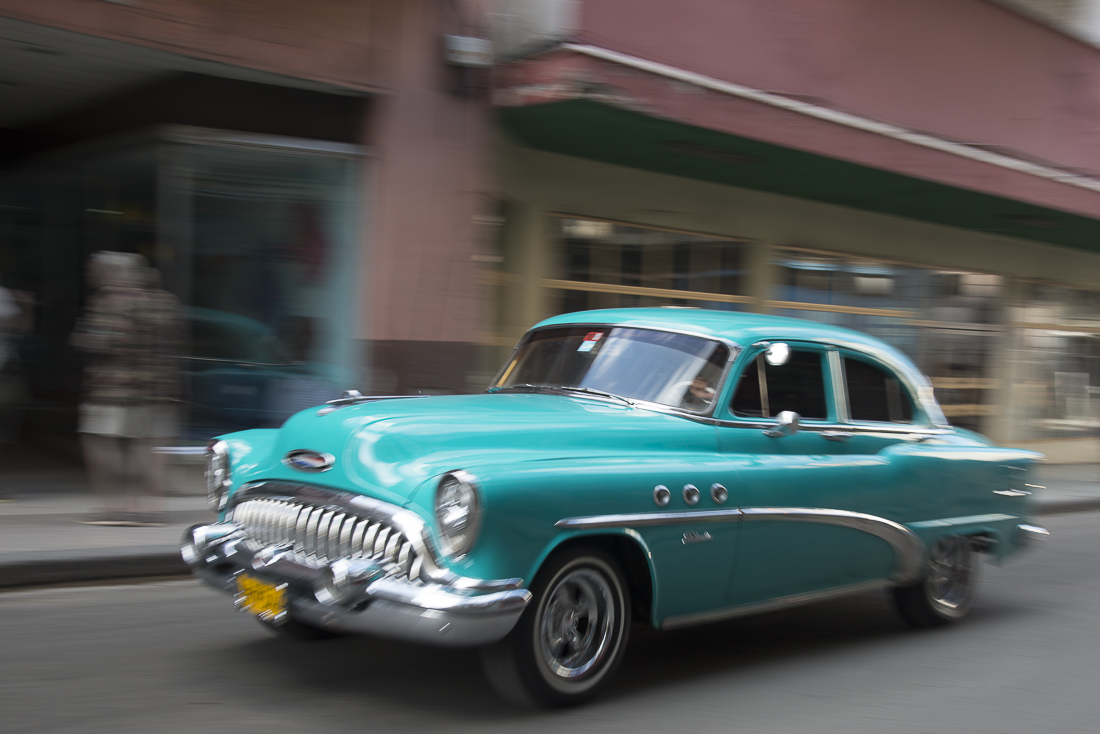
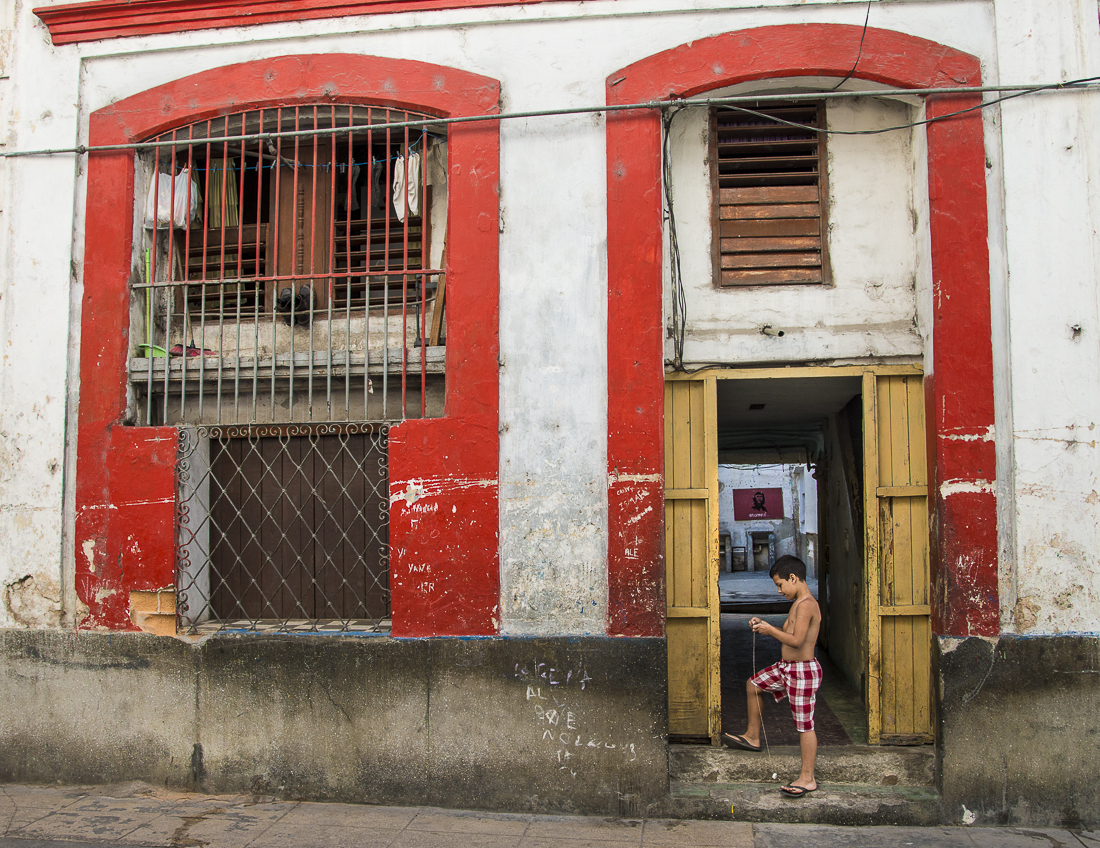
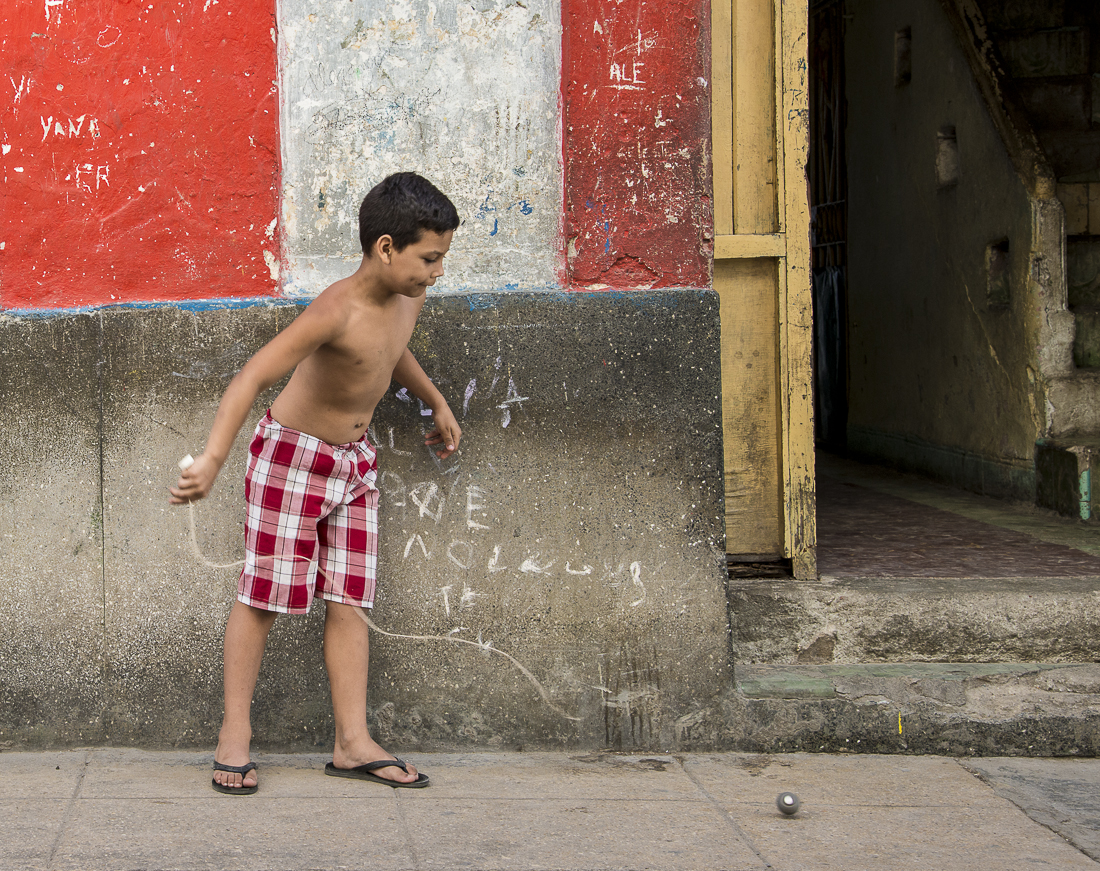
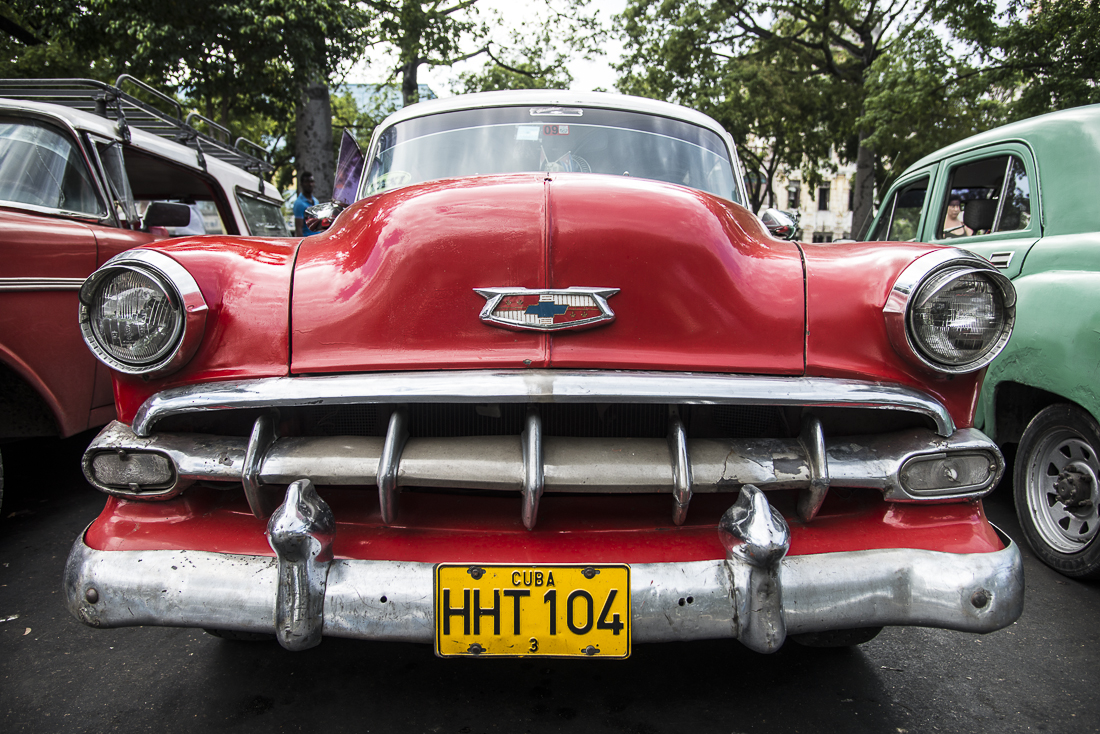
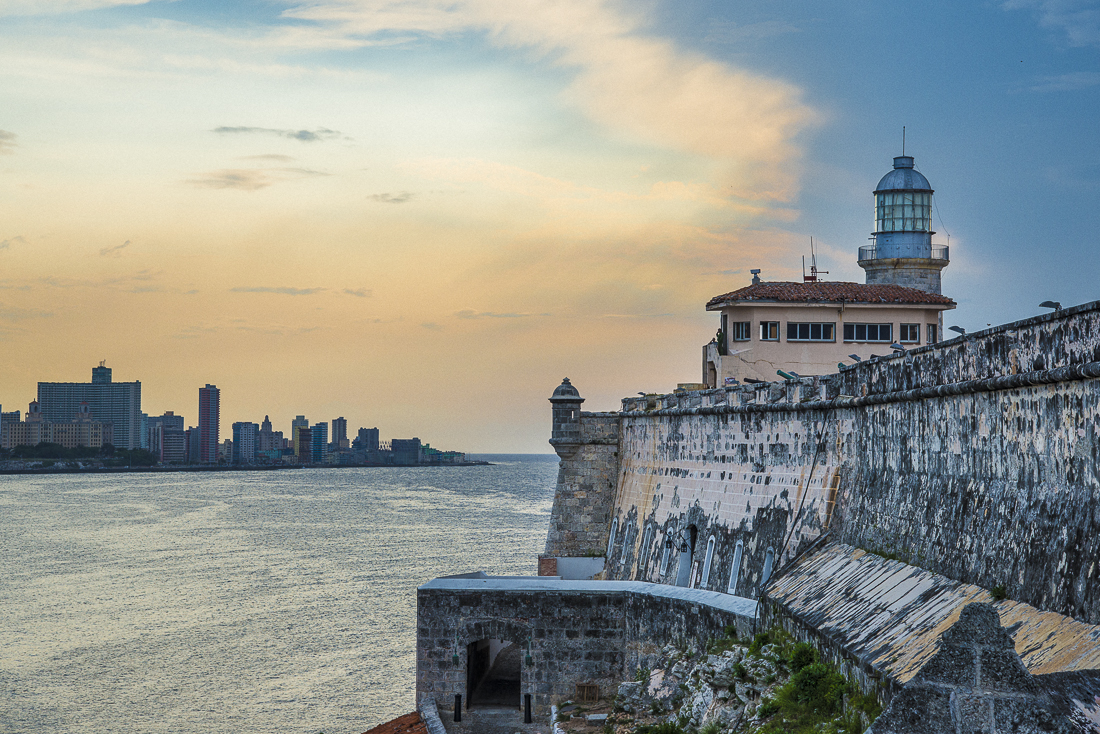
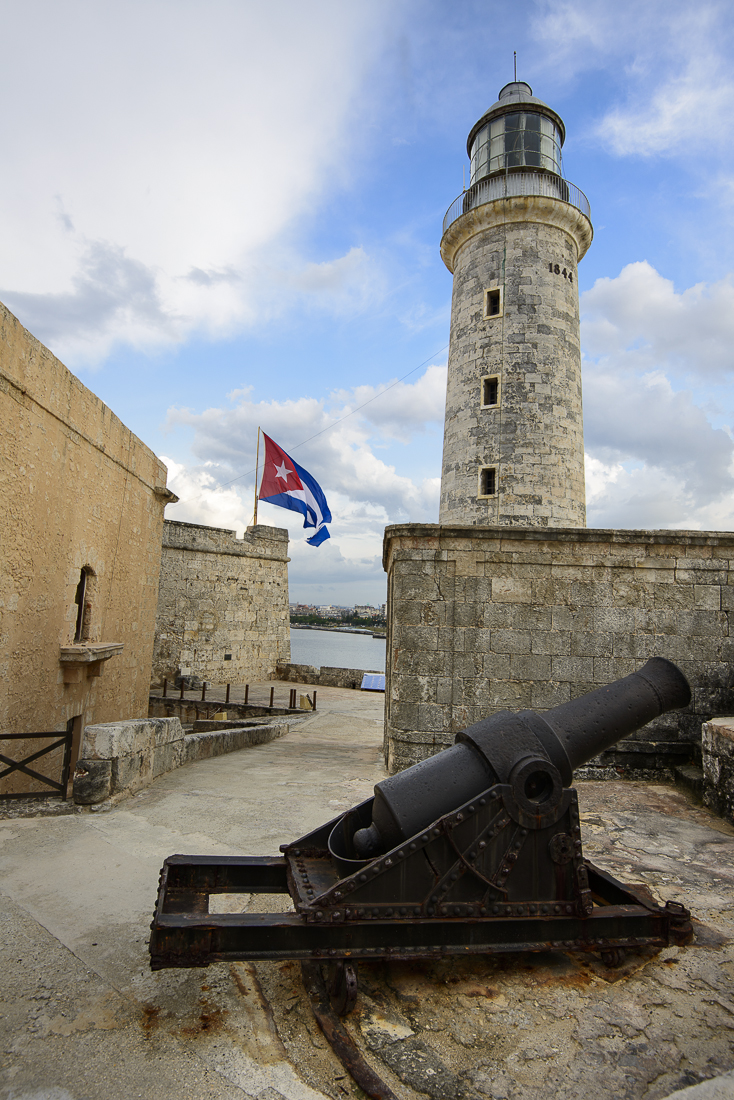
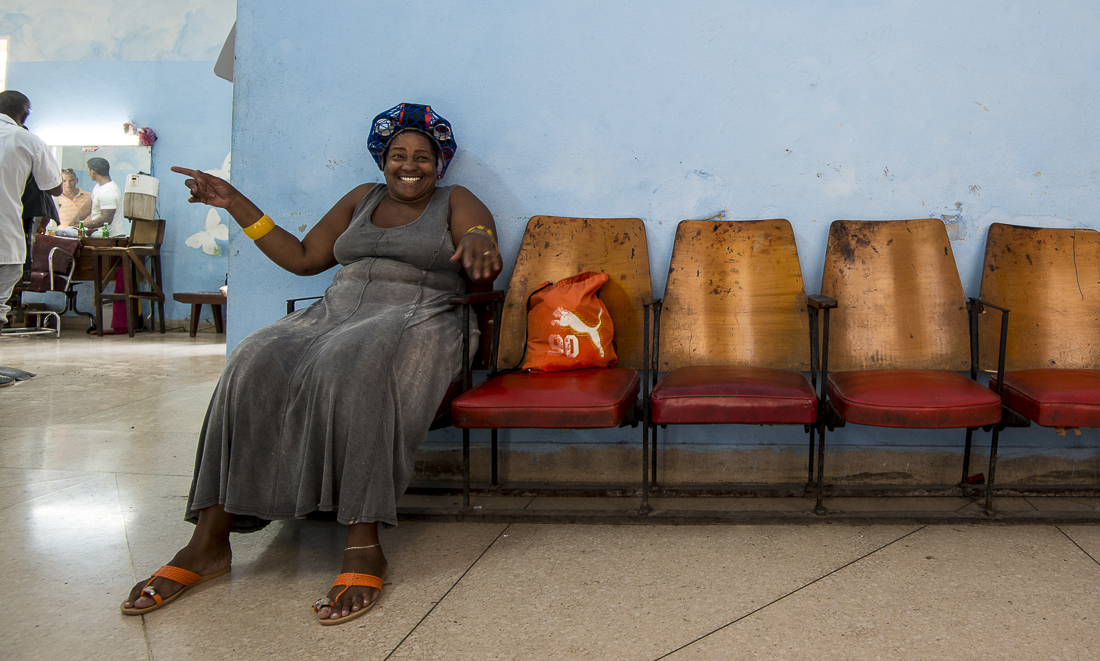
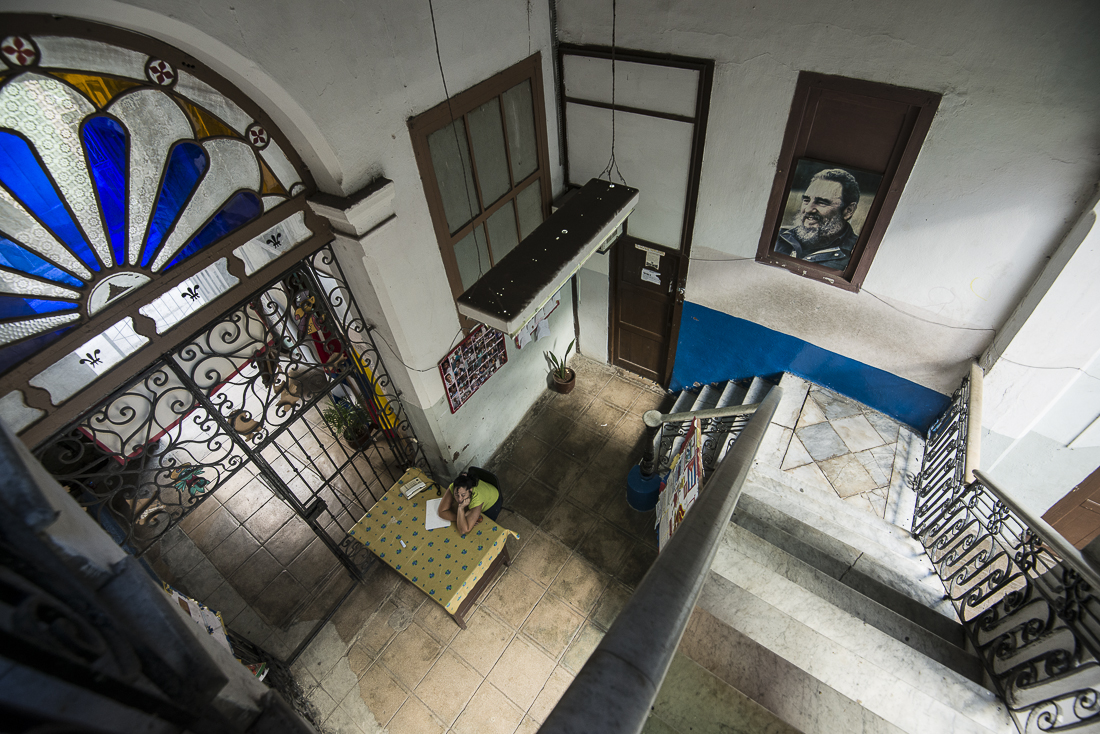
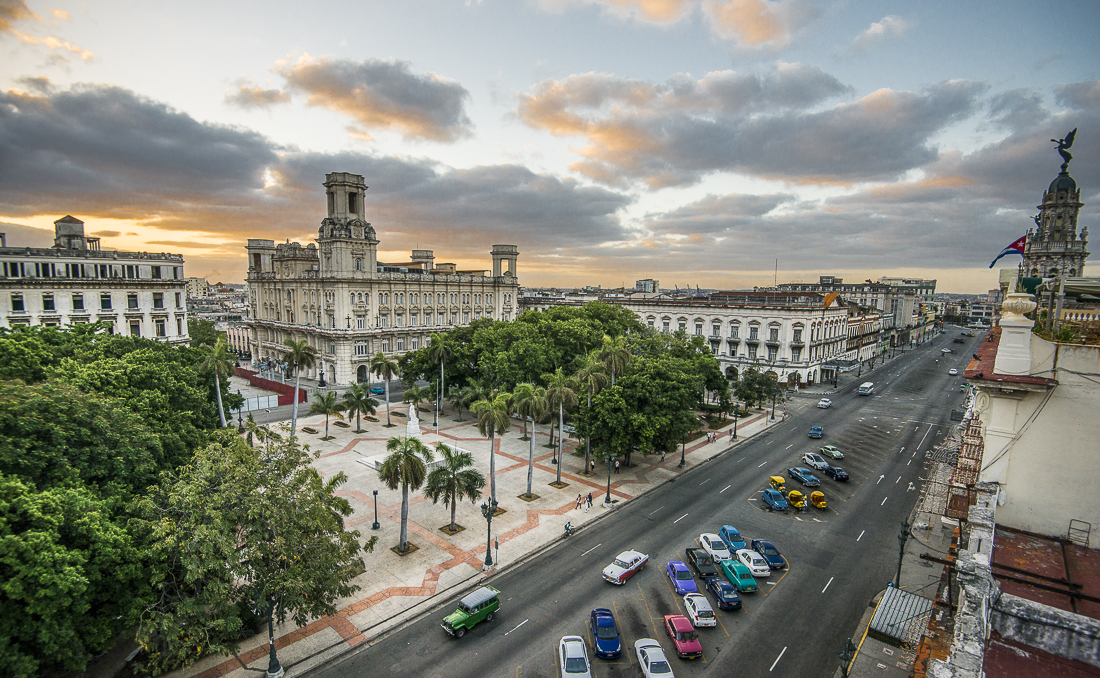
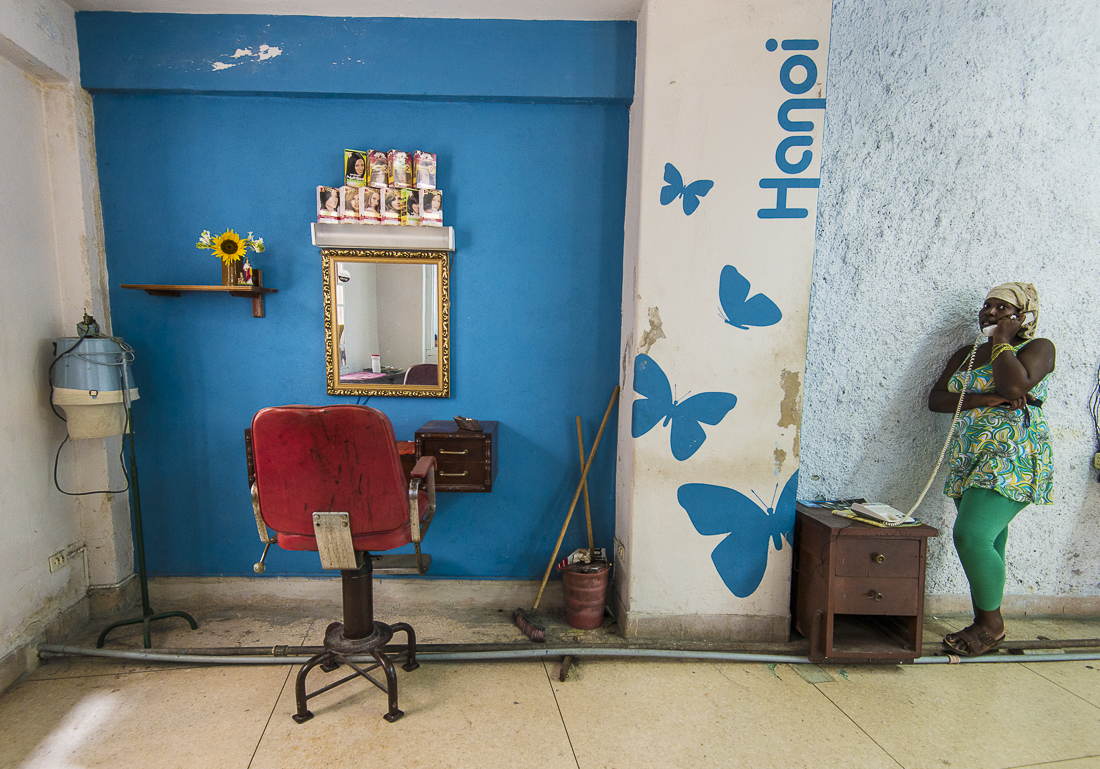
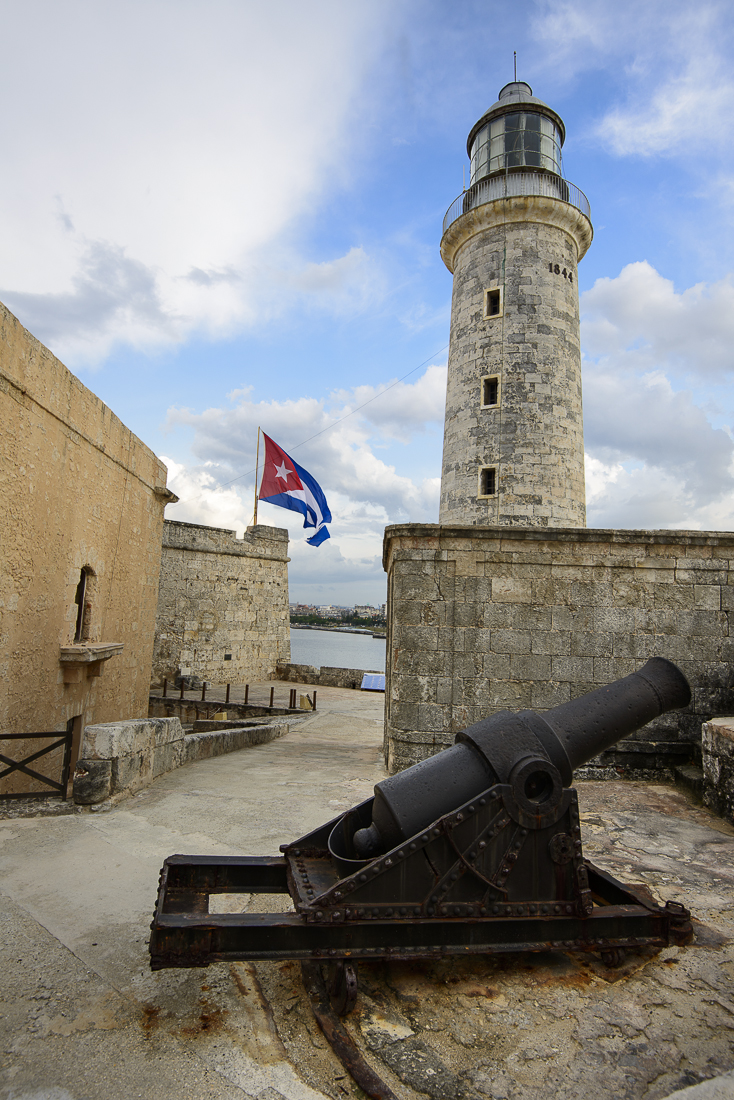
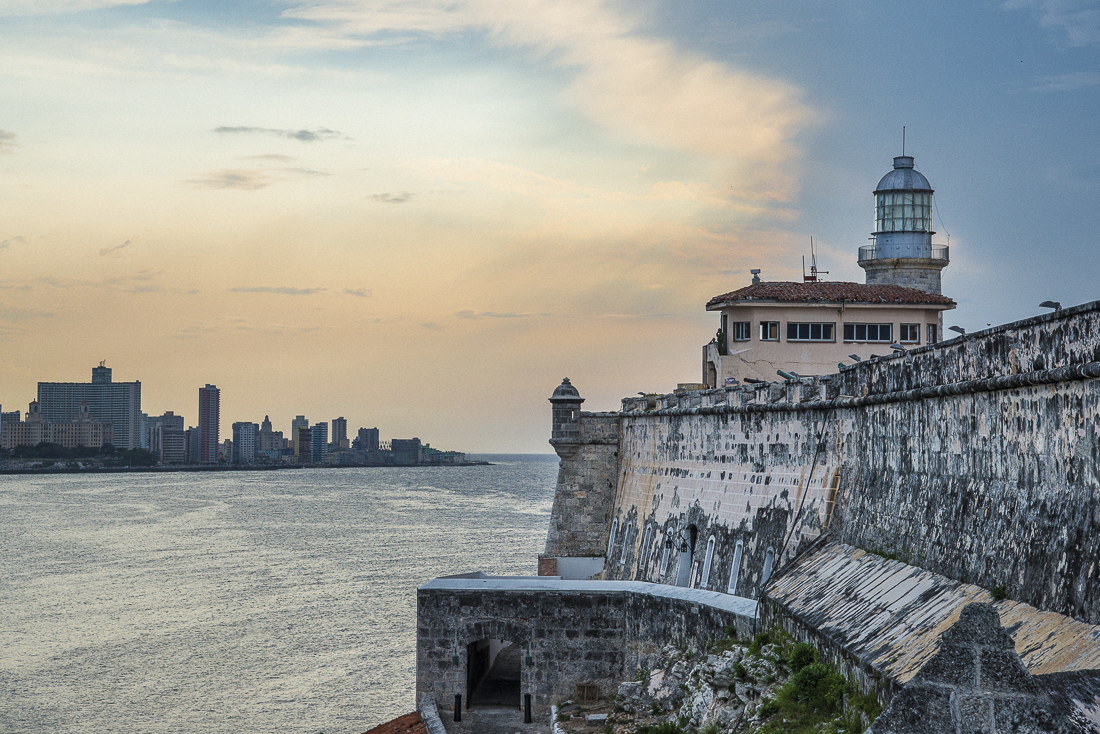
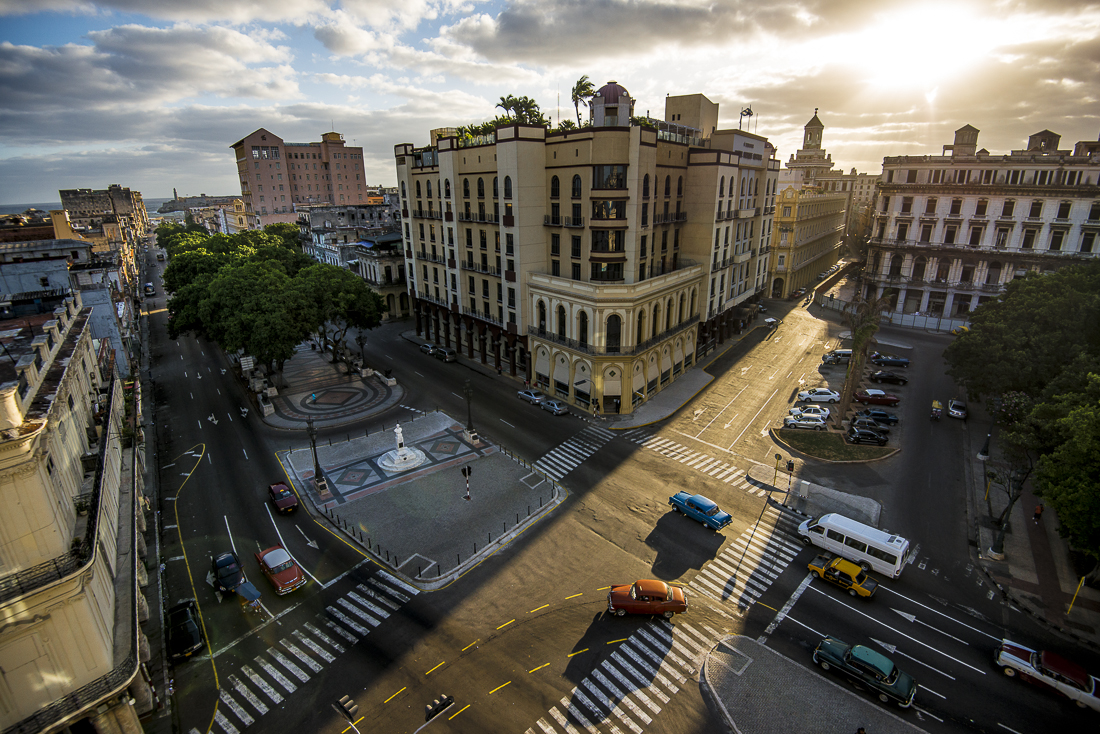
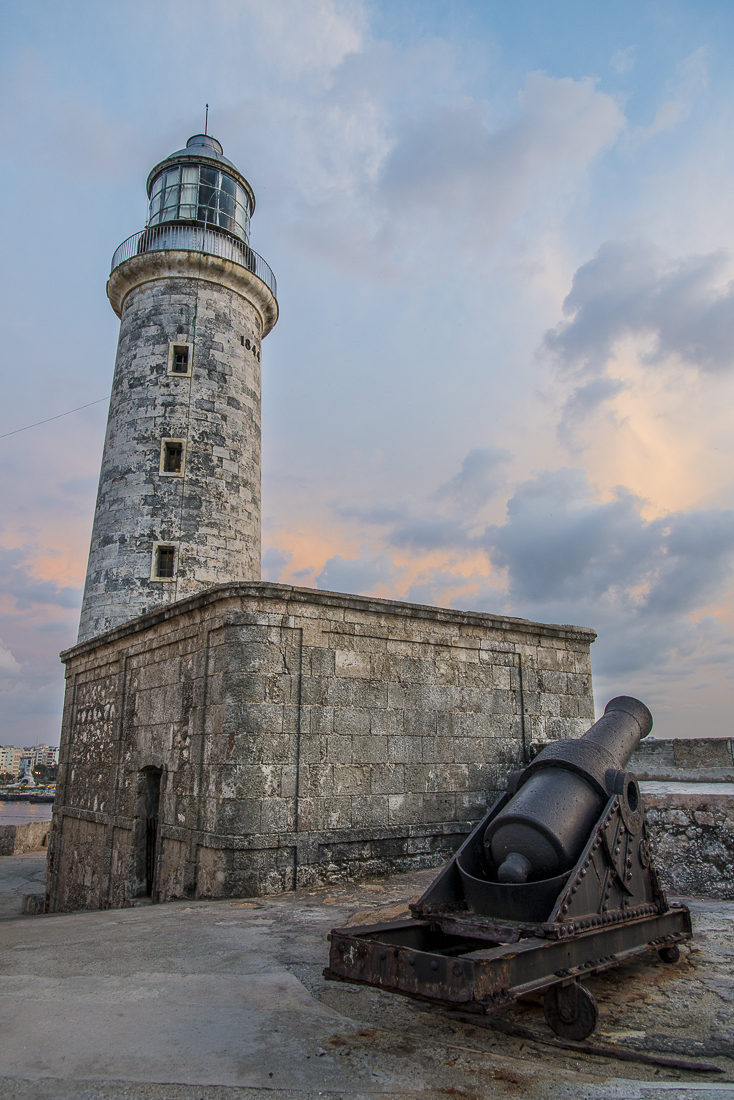
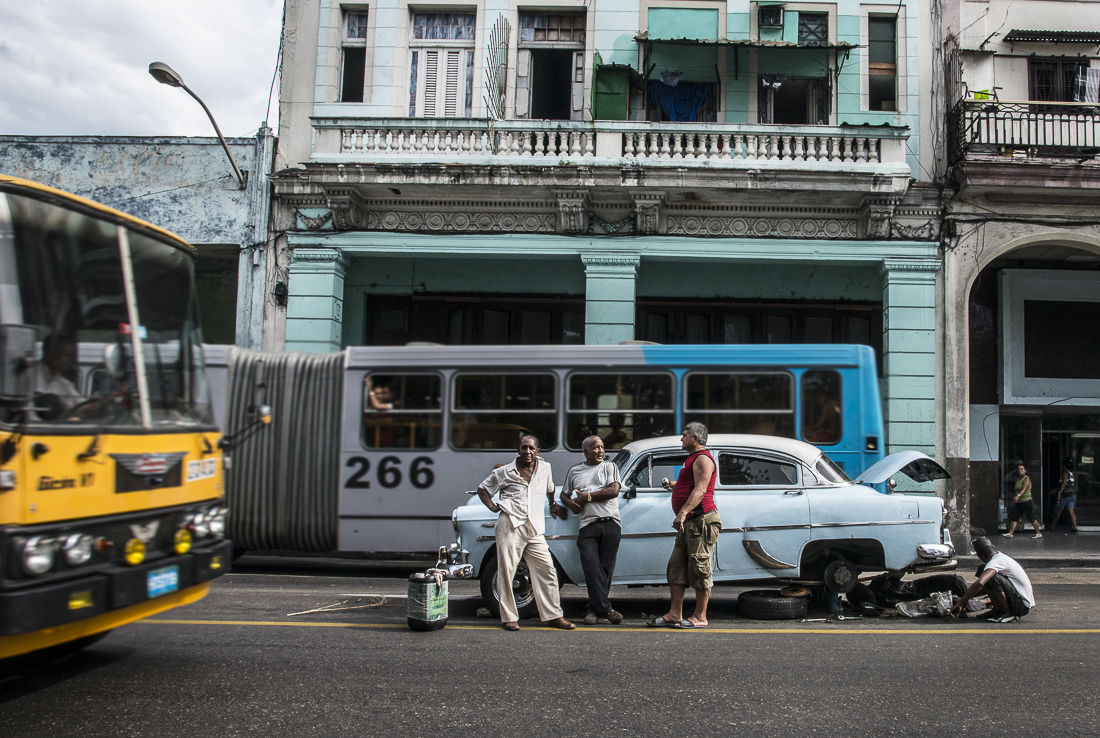
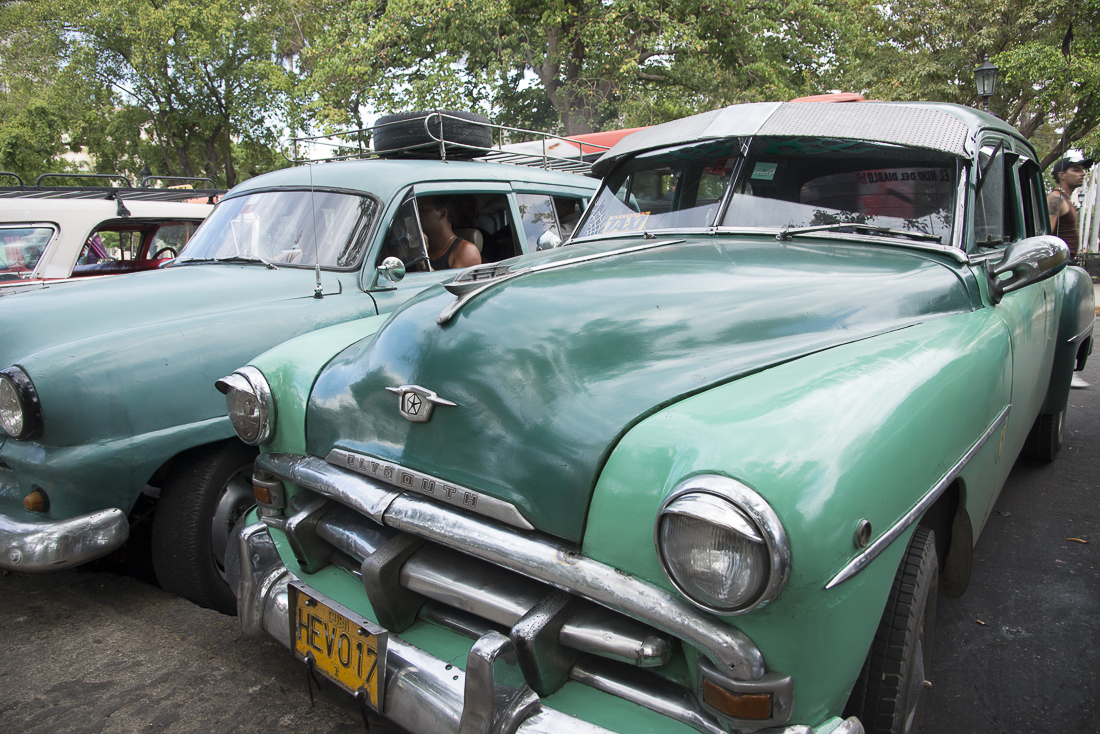
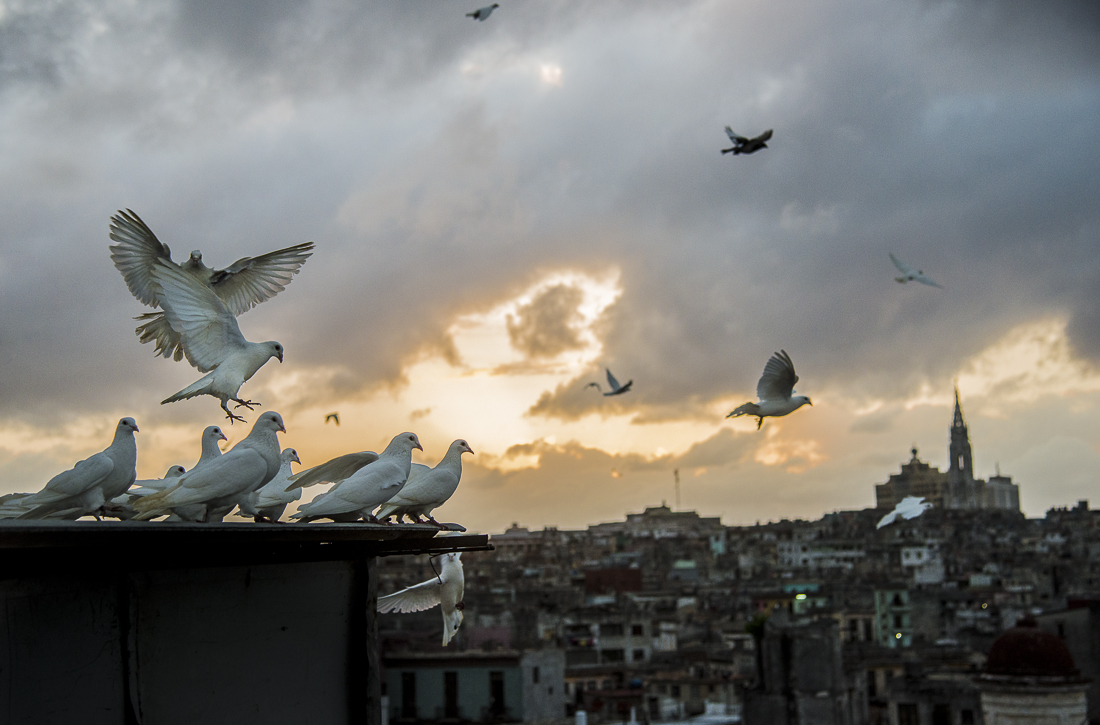
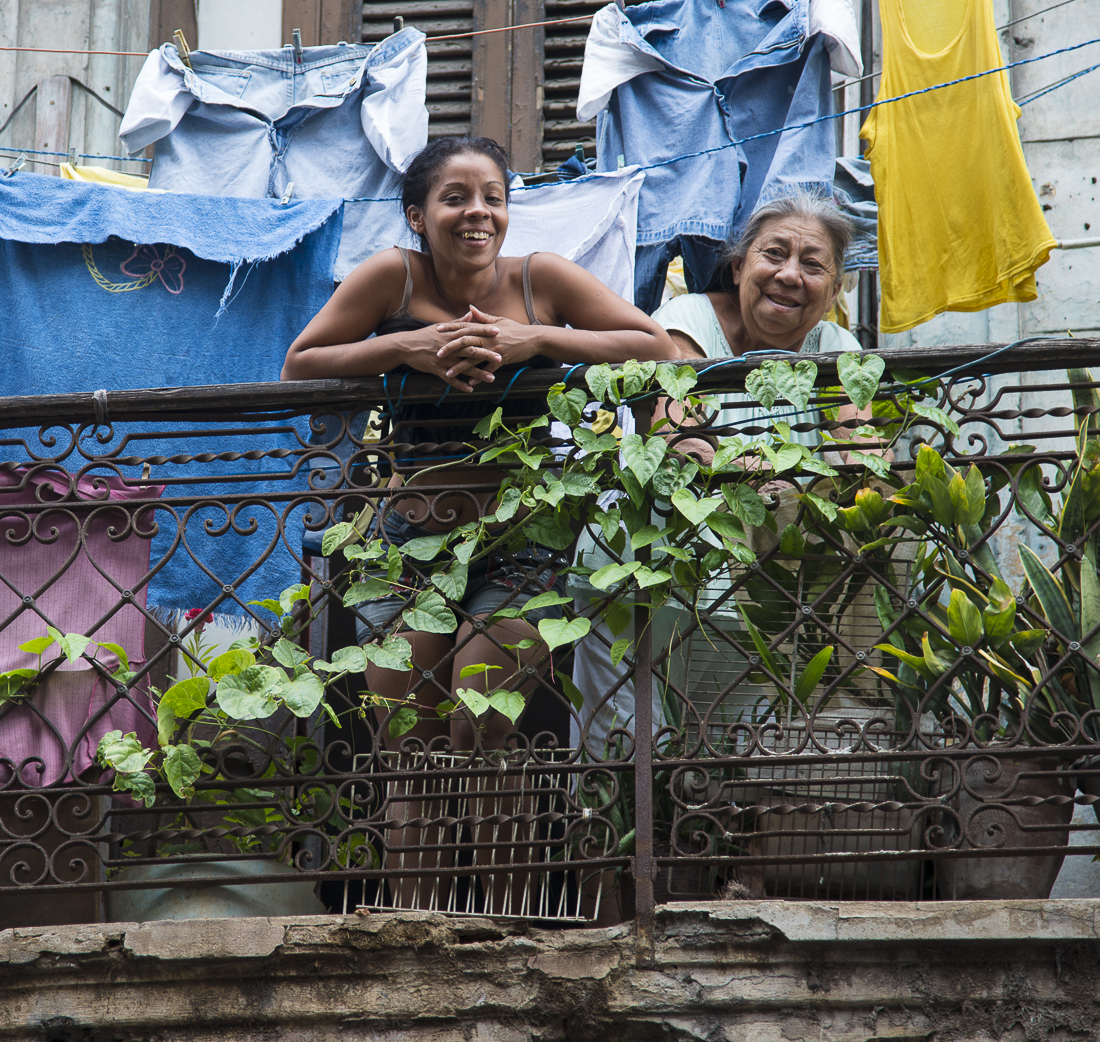
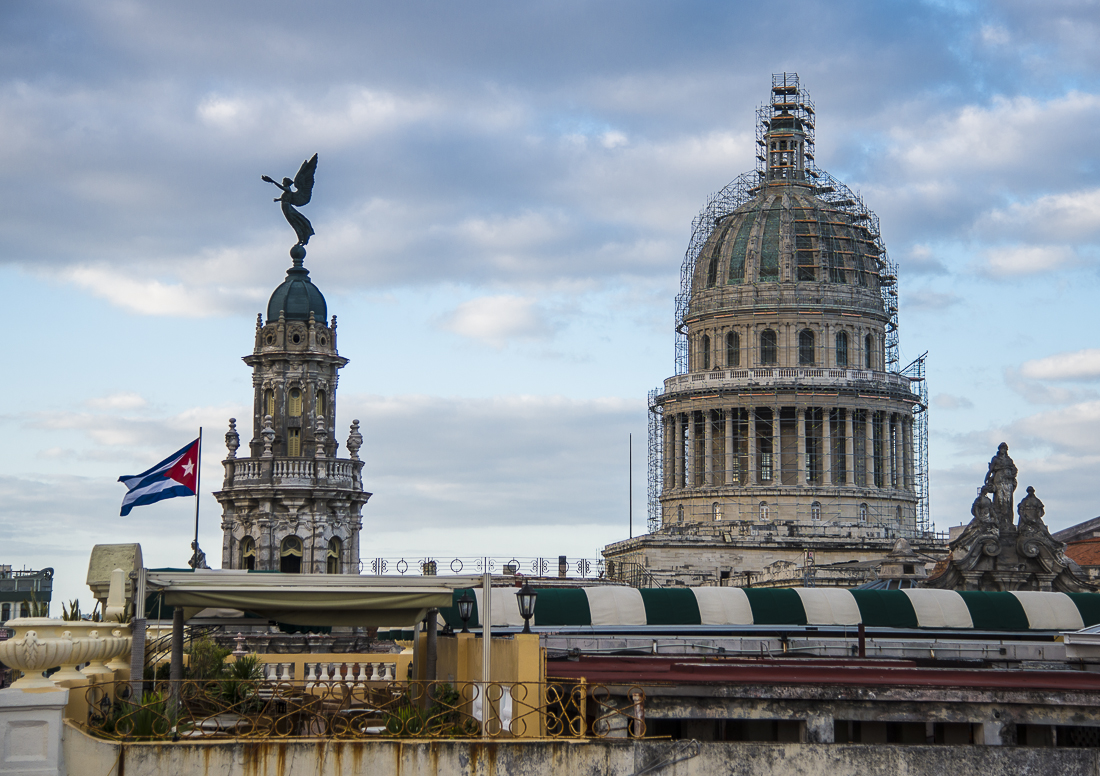
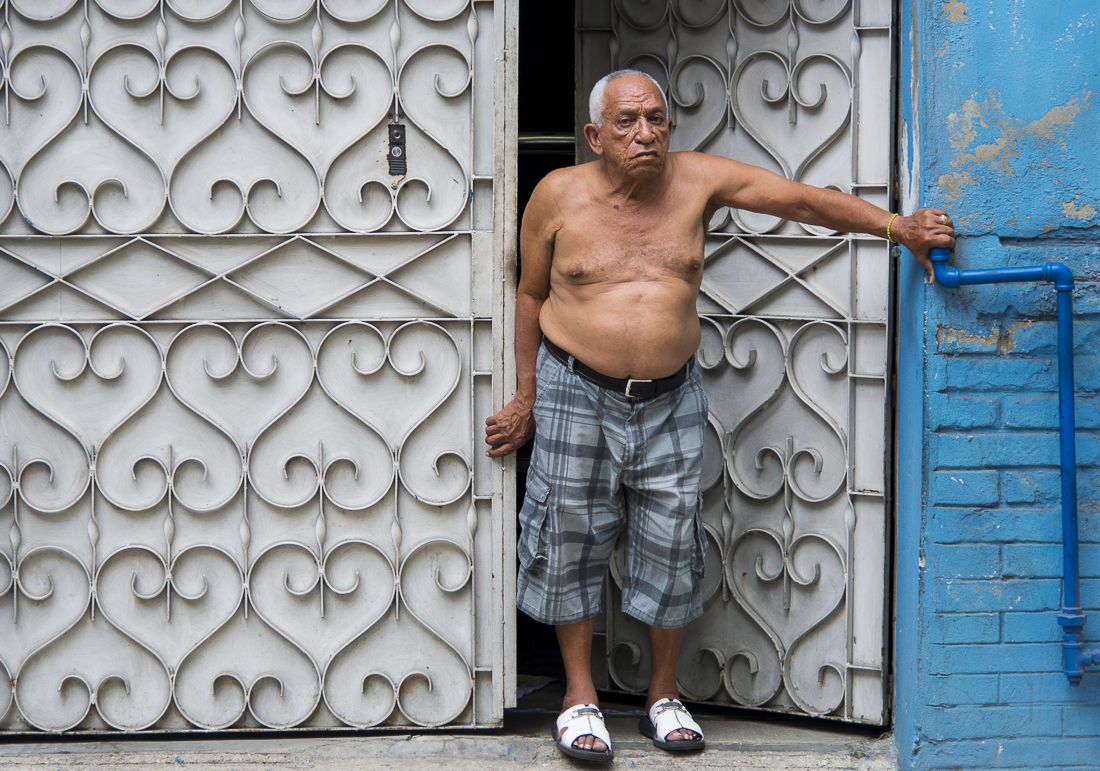
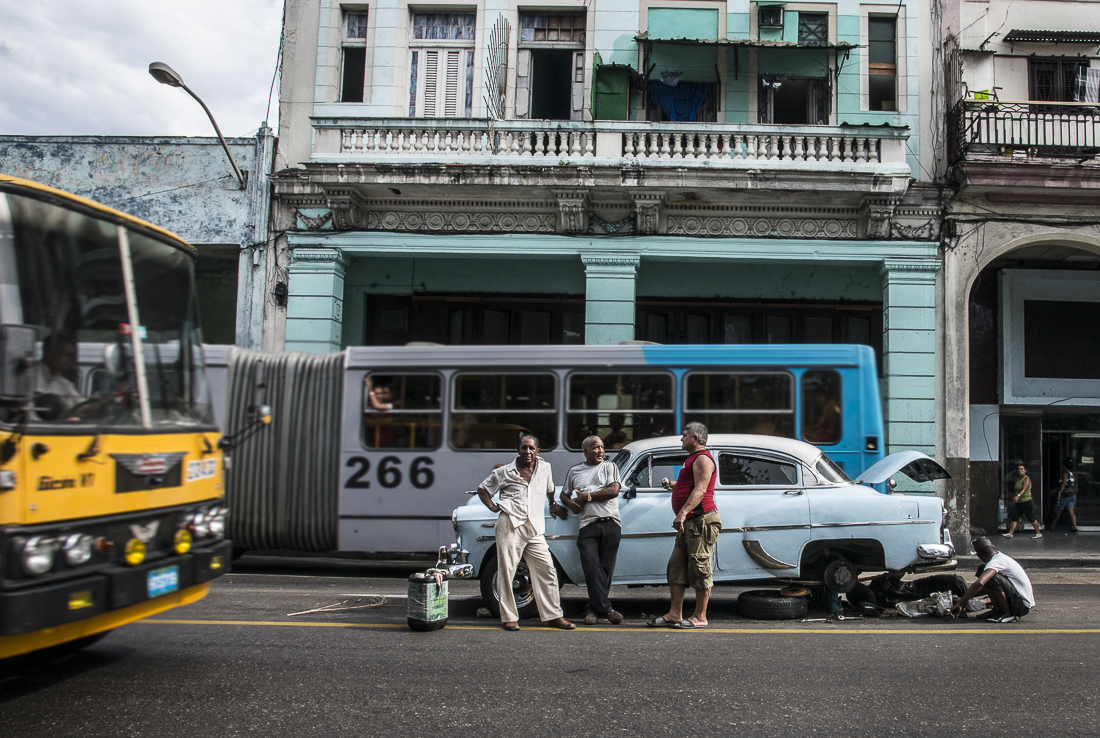
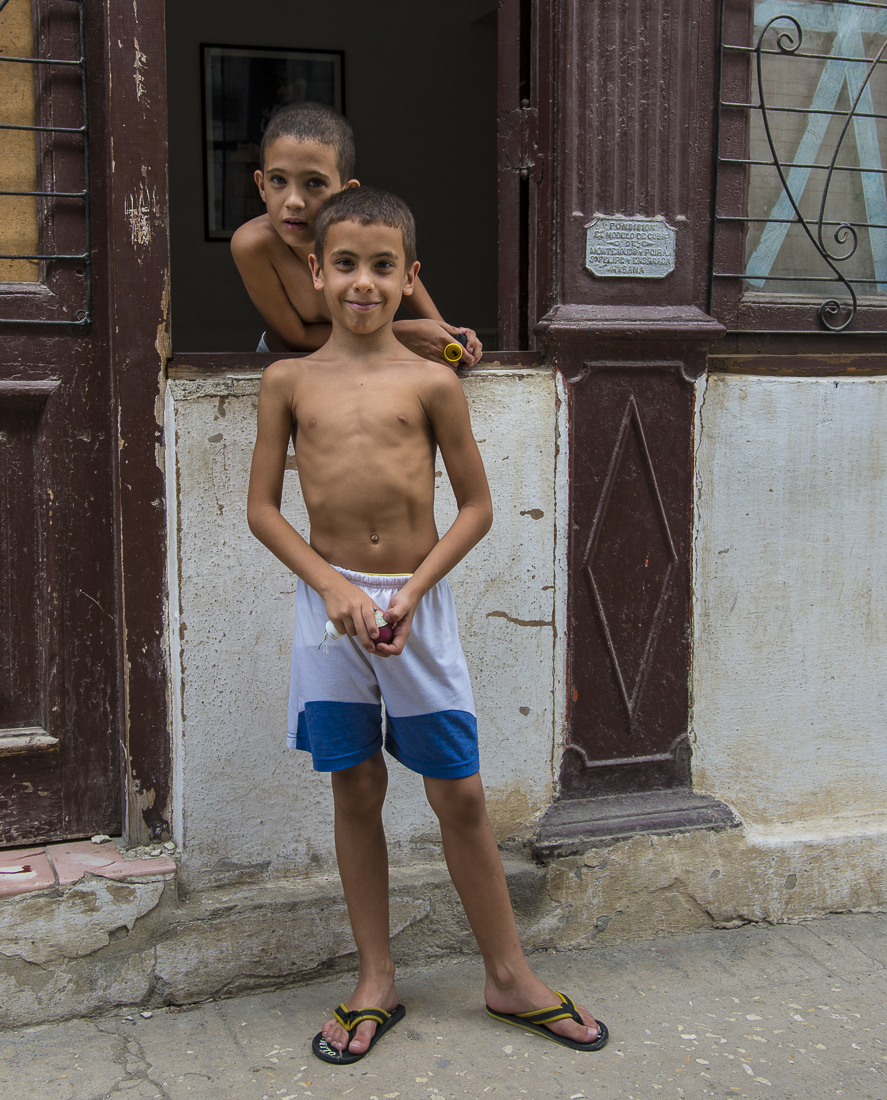
This is the last of my posts from a May 2013 trip to Cuba.  The first was here.  The ten posts (with tons more pictures) from my 2012 trip started here, and ended here.  Most of what you see below are just typical sights on the streets of Havana.  They are not odd, atypical spots.  The rooftop shots are Parc Central,  but regular street scenes you see are what virtually all the streets look like.


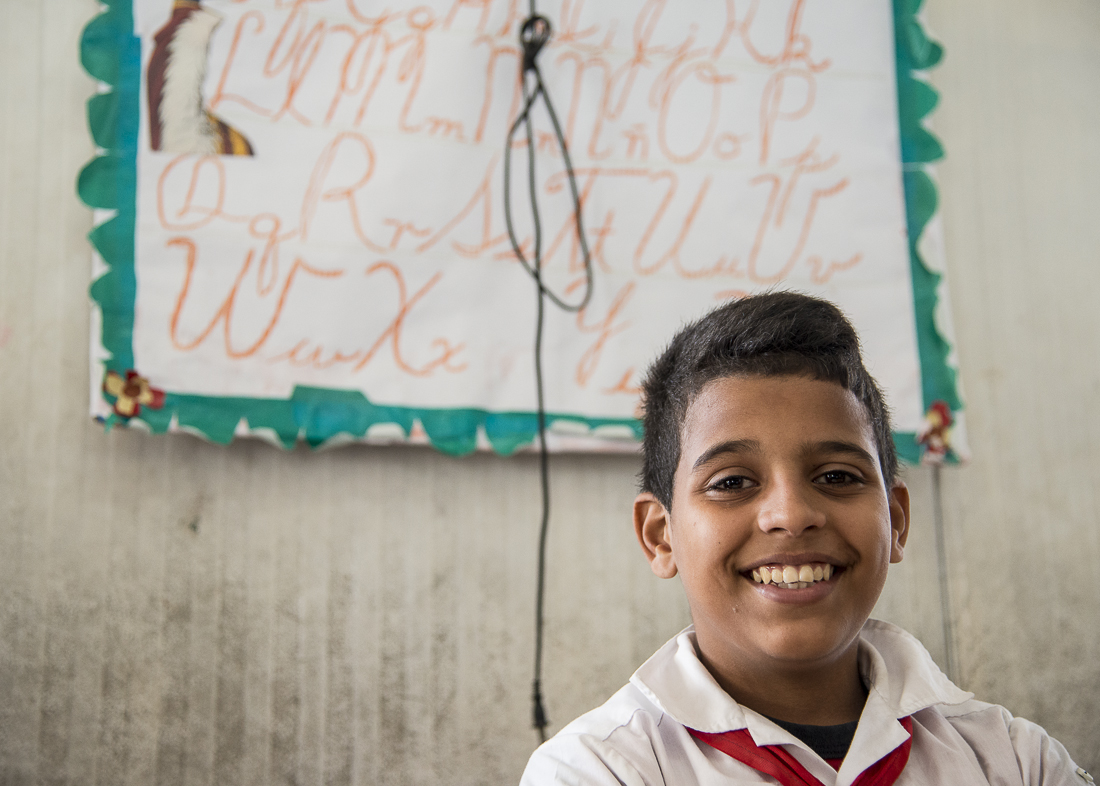
After my 2012 trip to Cuba, I had separate posts highlighting the classic cars that roam the streets, the glamorous Tropicana, Cuban “patriotism” and education, a rooftop ritual, Cuban athletics and just everyday life in Havana.   Returning to Havana just a year later, I necessarily saw many of the same sights, as the pictures above reflect.

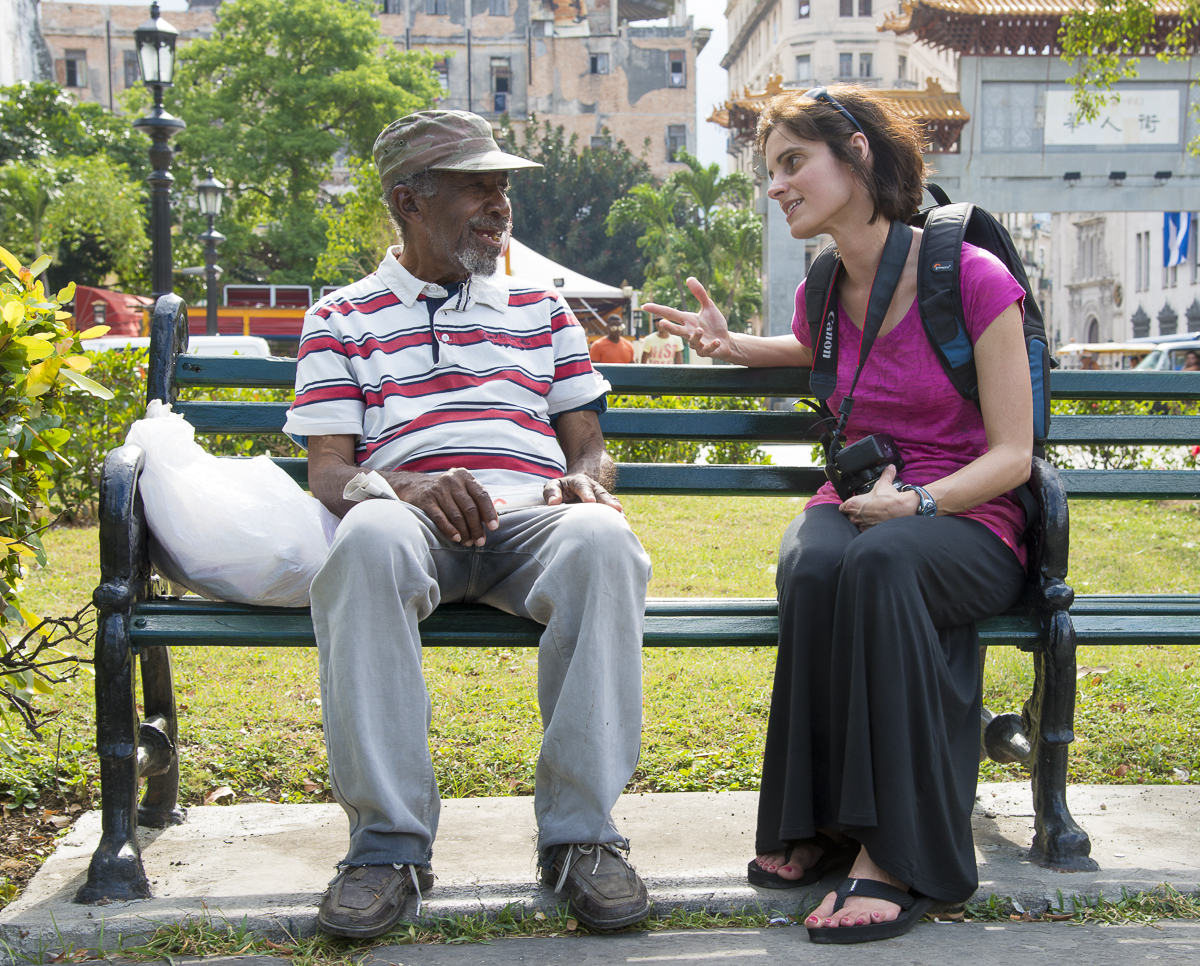
The most important “new” feature of the trip this time was the opportunity to see some of it through the eyes of a Cuban-American woman– “Didi” — whose family was very involved in the turmoil of the Revolutionary period, and who was visiting Cuba for the first time.

Didi’s parents left Cuba in the early 1970s – escaping first to Spain and then to the United States.  She had an uncle who was a political prisoner of Castro for more than a decade – apparently because he worked for a telephone company.  Her father faced a regime firing squad but was somehow spared at the last minute and sent back to work.  A close family member escaped to Florida on a raft.  An aunt was evacuated by the American CIA and the Catholic Church in the “Peter Pan” project – where parents gave up their children and sent them to the U.S. because they believed (rightly or wrongly) the kids would otherwise be forcibly interned by the Cuban Revolutionary government.  The family friend who was to have been the organist at her parents’ wedding was shot – apparently by government forces — on the church steps a day before the ceremony.

Americans who think all Revolutions are hip and who flippantly don “Che” Guevara T-shirts ought to spend a few minutes with a family like that.

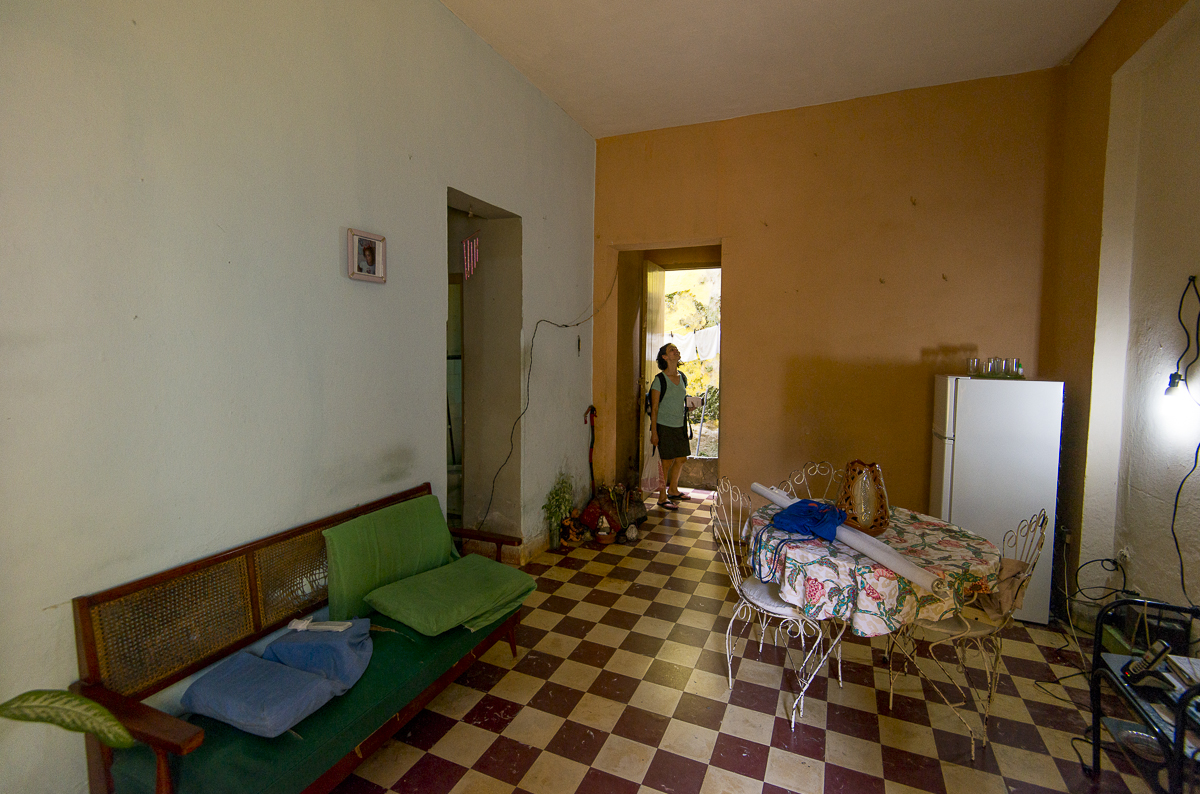
Didi had never been to Cuba, and was on a personal mission to visit her family’s old apartment, her parents’ church, and her father’s school.  Mostly she wanted to see the country that her parents lived in and left – the world that she’d have grown up in had her family not been brave and determined enough to find a way out.  We saw in Havana the three-room concrete-floor apartment where she would likely have grown up.  We saw the kids in the street and the people on the balconies — living the life she most likely would have had to live.  She cried a lot; I tried not to cry along.  I know it was a profound experience for her, because it was deeply moving even for an Oklahoma boy who had no stake or connection to Cuba (except for his new friend Didi).

Didi is now a 30-something pediatric ICU physician, married to a pediatric oncologist.  Her brother is a successful lawyer in a Washington DC firm.  If she’d lived in Cuba, she would have grown up going to a school where she had to stand up every day and pledge allegiance to the Communist regime.  And she’d probably be making about $25 a month, working in whichever government job the regime instructed her to work.

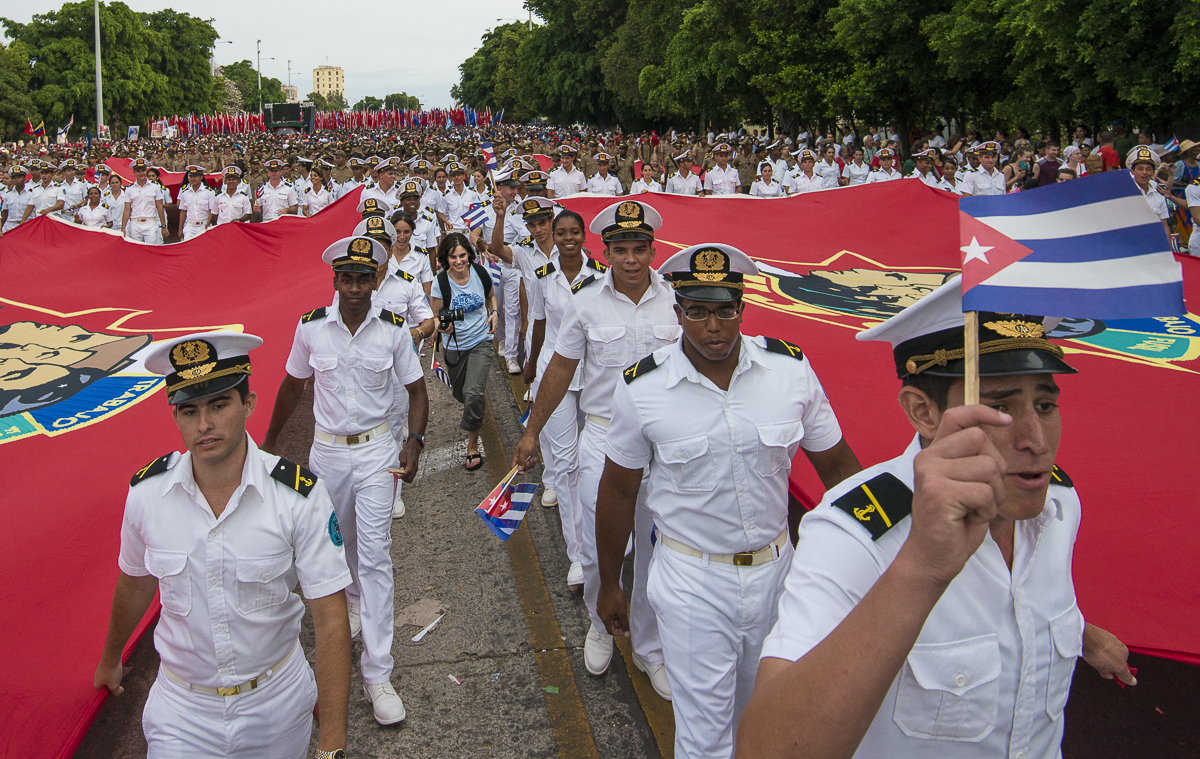
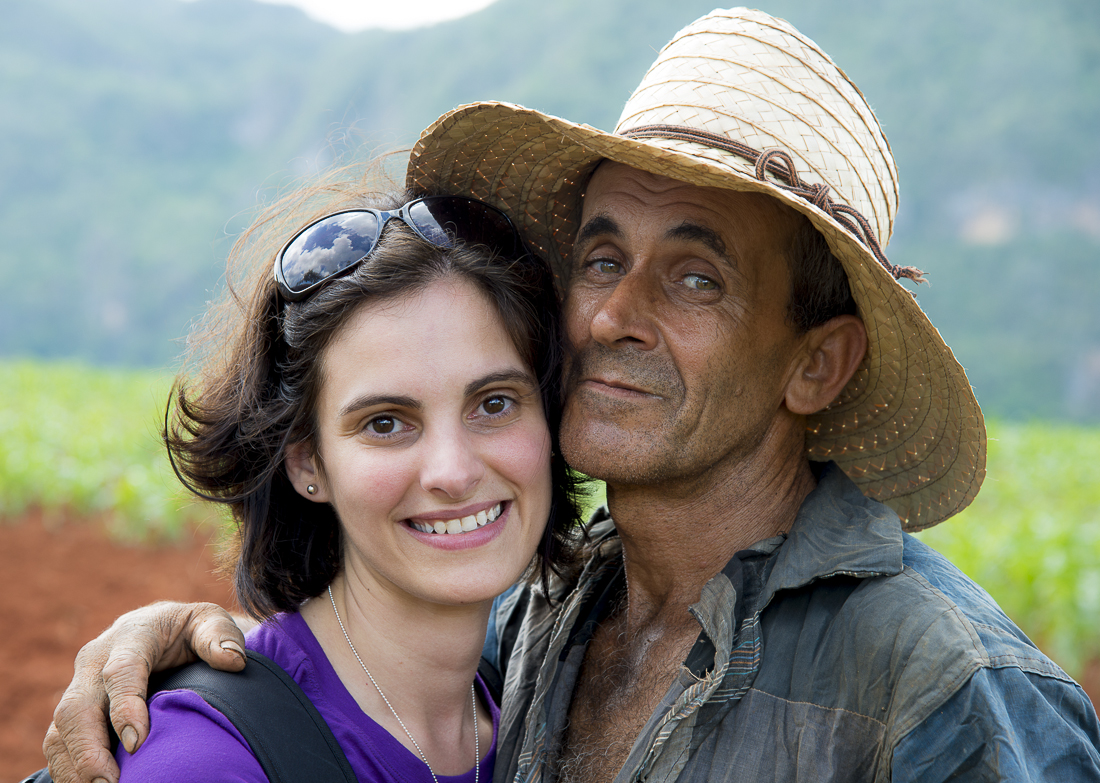
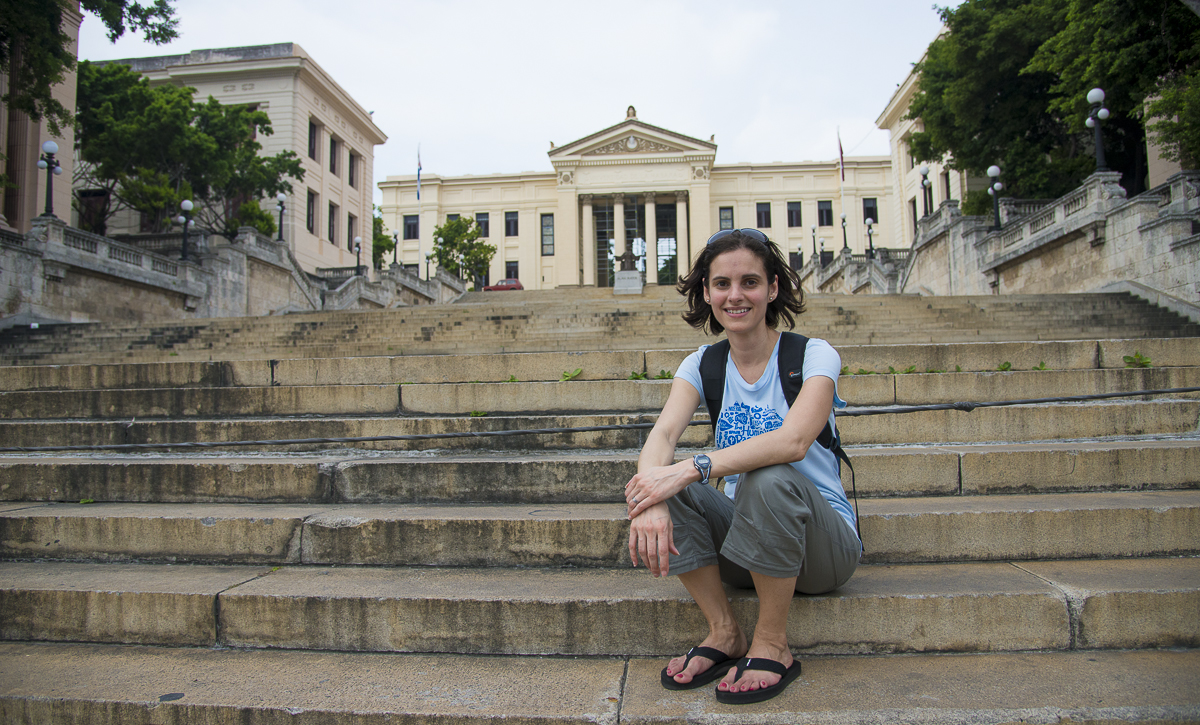
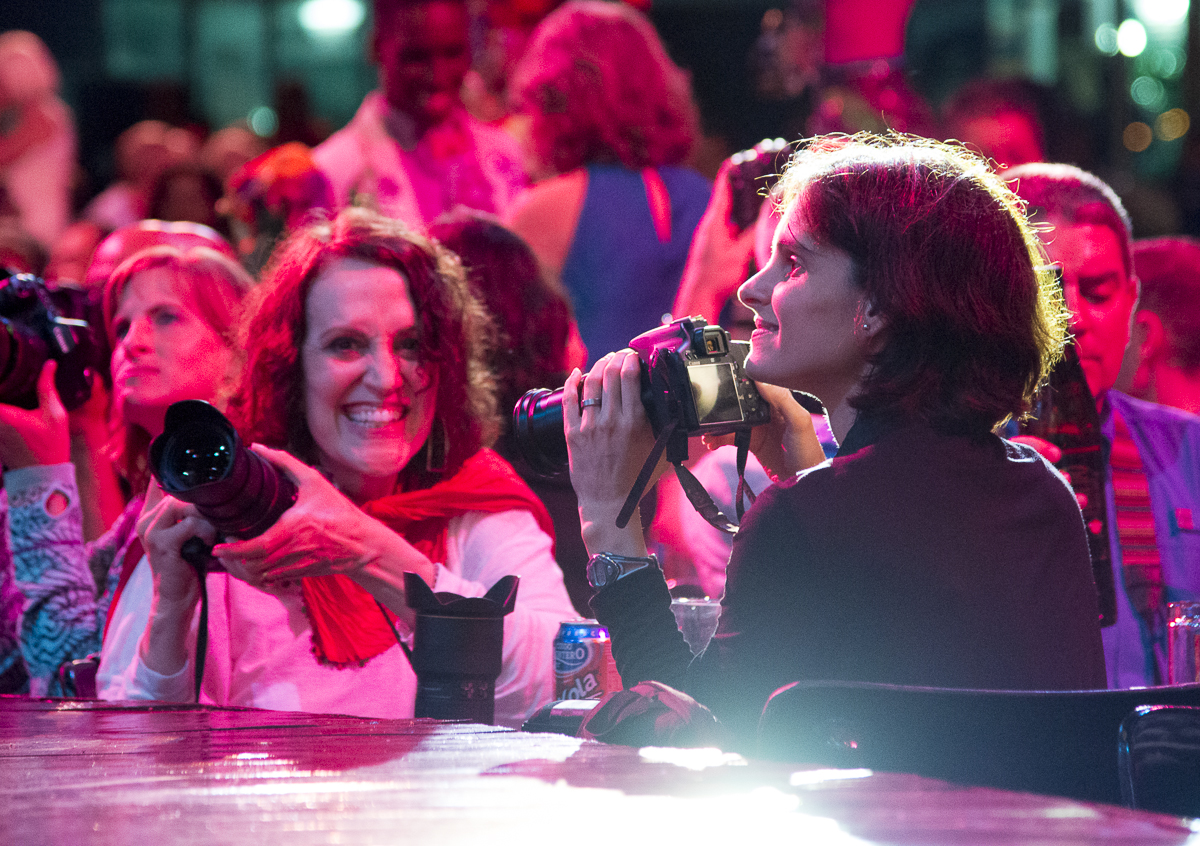
The first shot just above is Didi’s family’s apartment; my ultra-wide-angle lens makes it look bigger than it really was.  The second shot is during the May Day parade (about which I did a prior post).  I was not yet aware of her family’s history when I yelled “come with me” and led her into the midst of a few thousand Cuban military — I can only imagine how crazy that must have felt.  The dark shot at the Tropicana has Didi on the right, with our mutual friend Patricia, who — like me — was privileged to share some of Didi’s quest, on the left.  The other shots are just a couple of strangers she met and embraced (literally) along the way.

============

A year ago, I wrote a post about the American embargo against Cuba.  The embargo (“El Bloqueo”) continues to be an enormous focus of attention.  My thoughts a year later are, hopefully, clearer and deeper, but ultimately the same:  You can legitimately debate the embargo’s ongoing rationale and effectiveness, but its roots and goals are noble.  More critically, it is not to blame for Cuba’s pitiful situation.  It is not America’s fault that a chaotically organized socialist economy that is based on governmental control and oppression operates very poorly and impoverishes its people.  Policy change is definitely needed – but it will have to start in Havana.
Mardis Gras Bands 2012


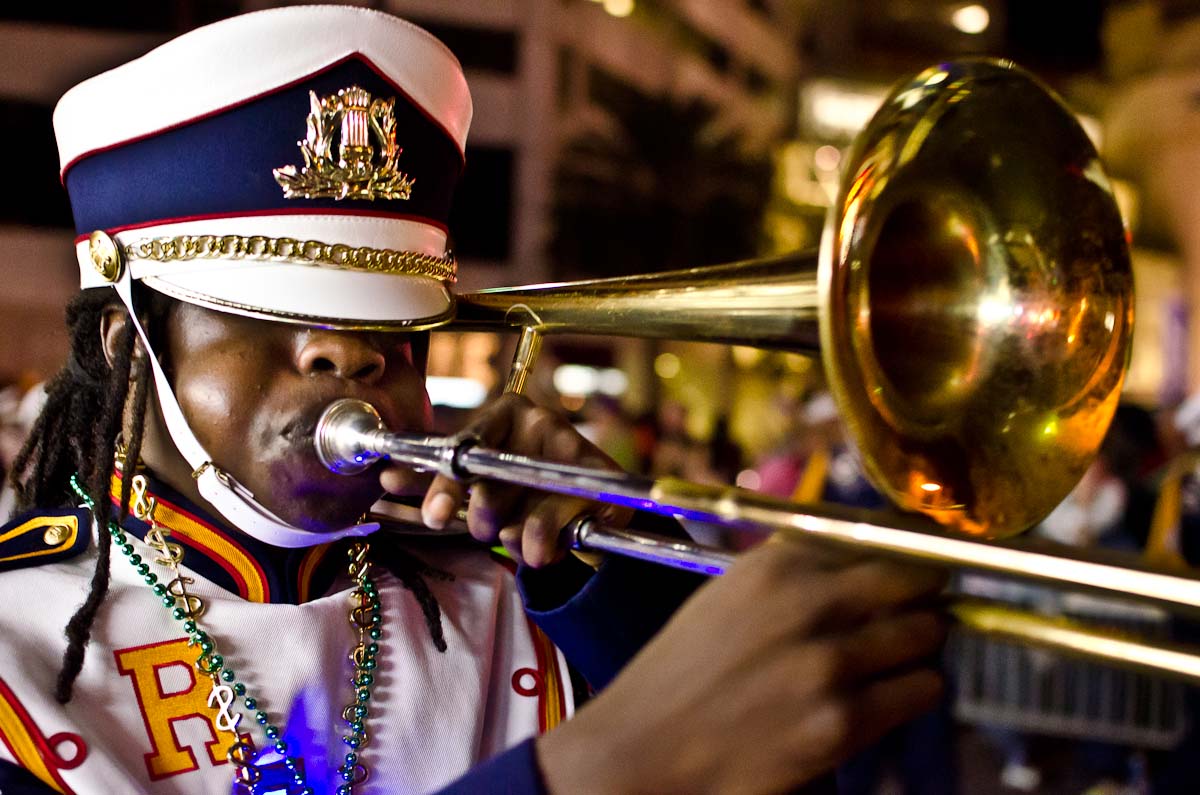
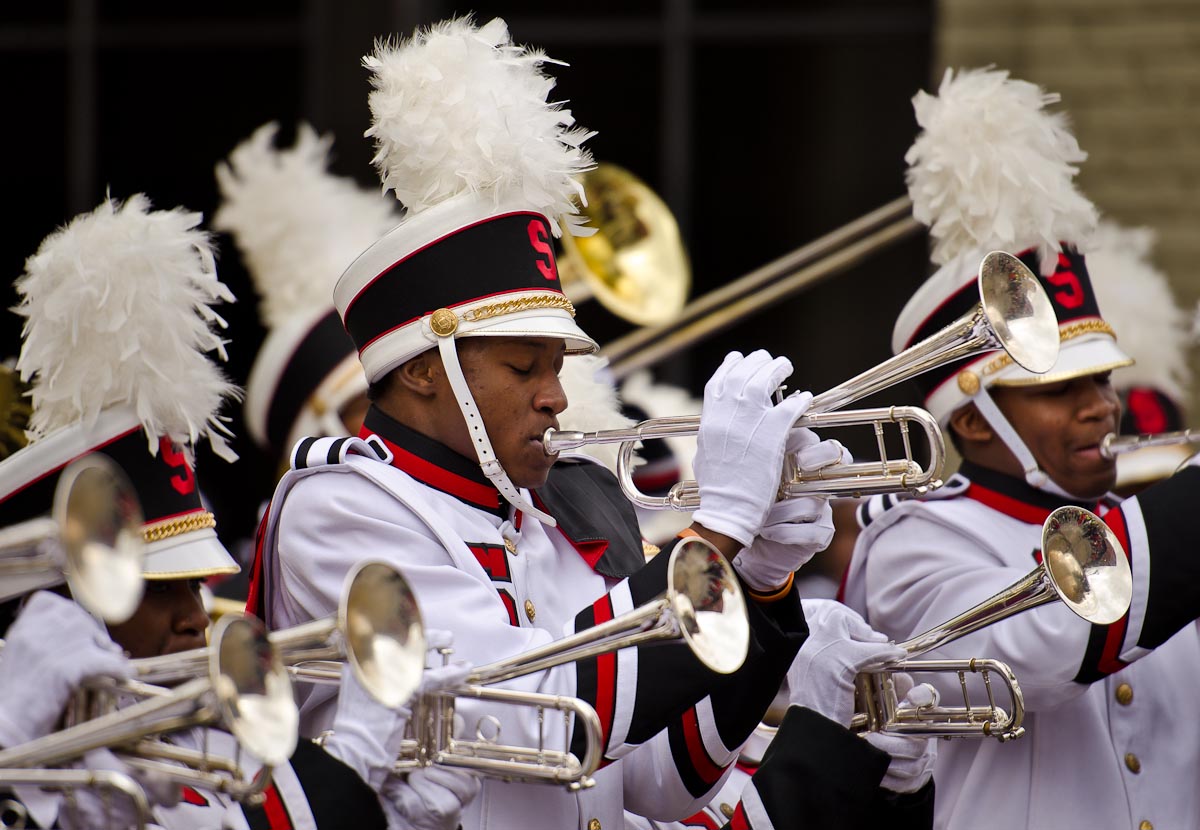
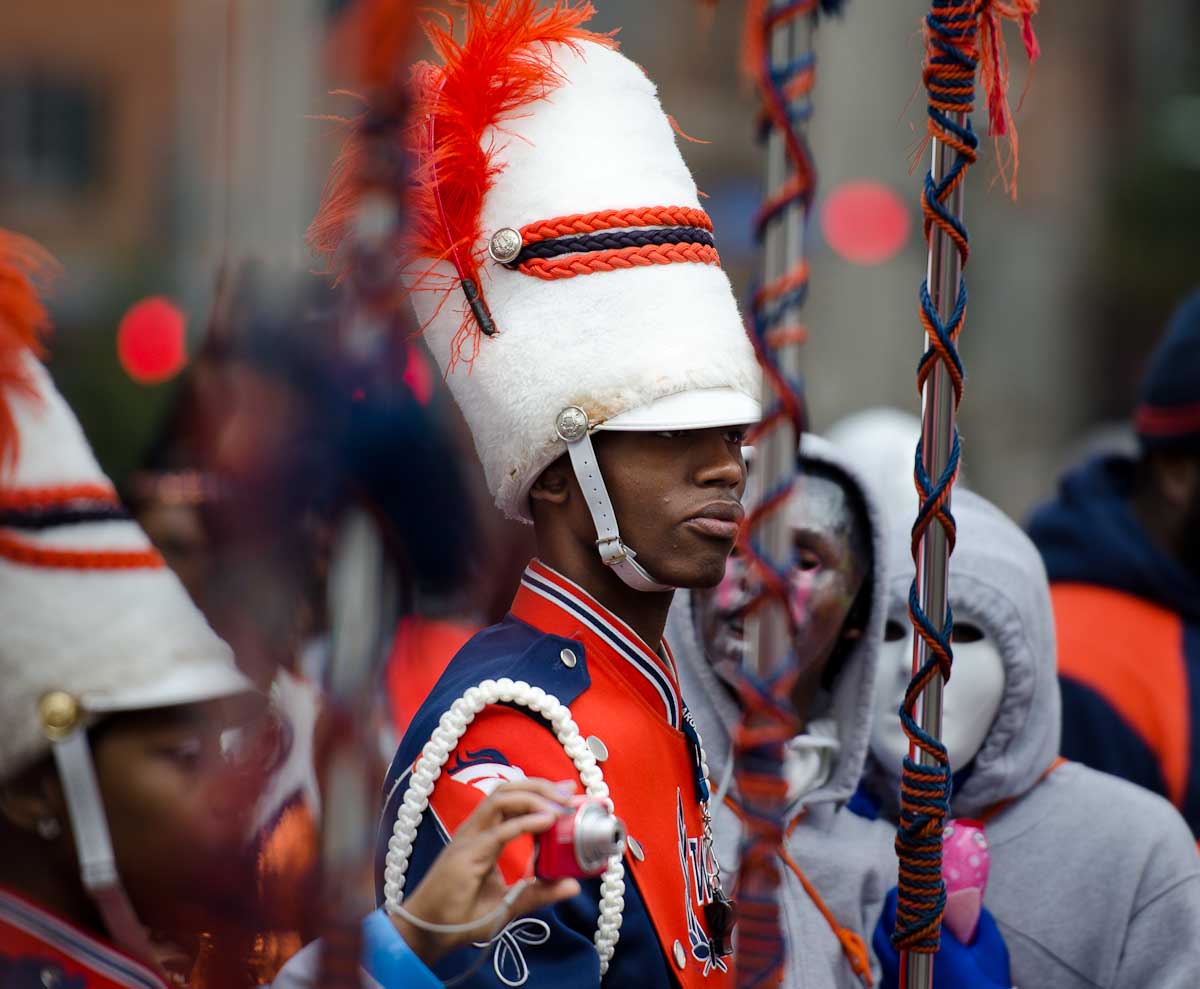
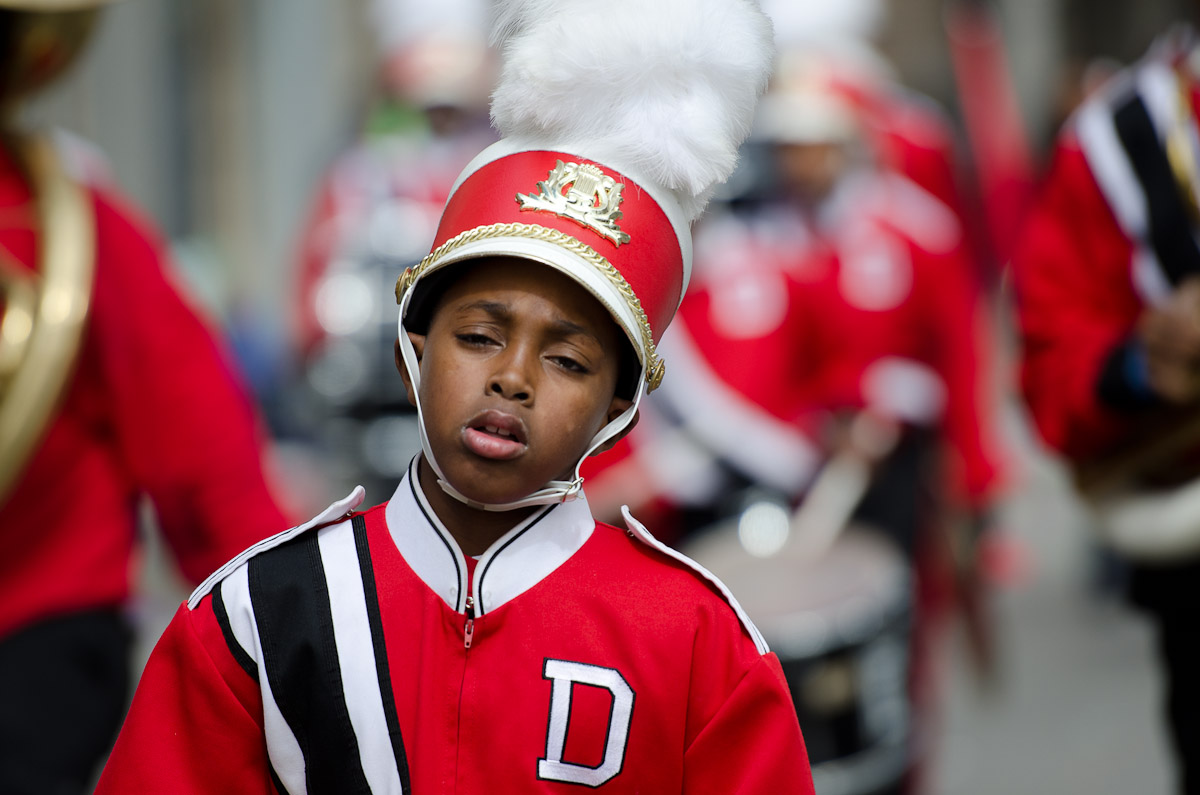
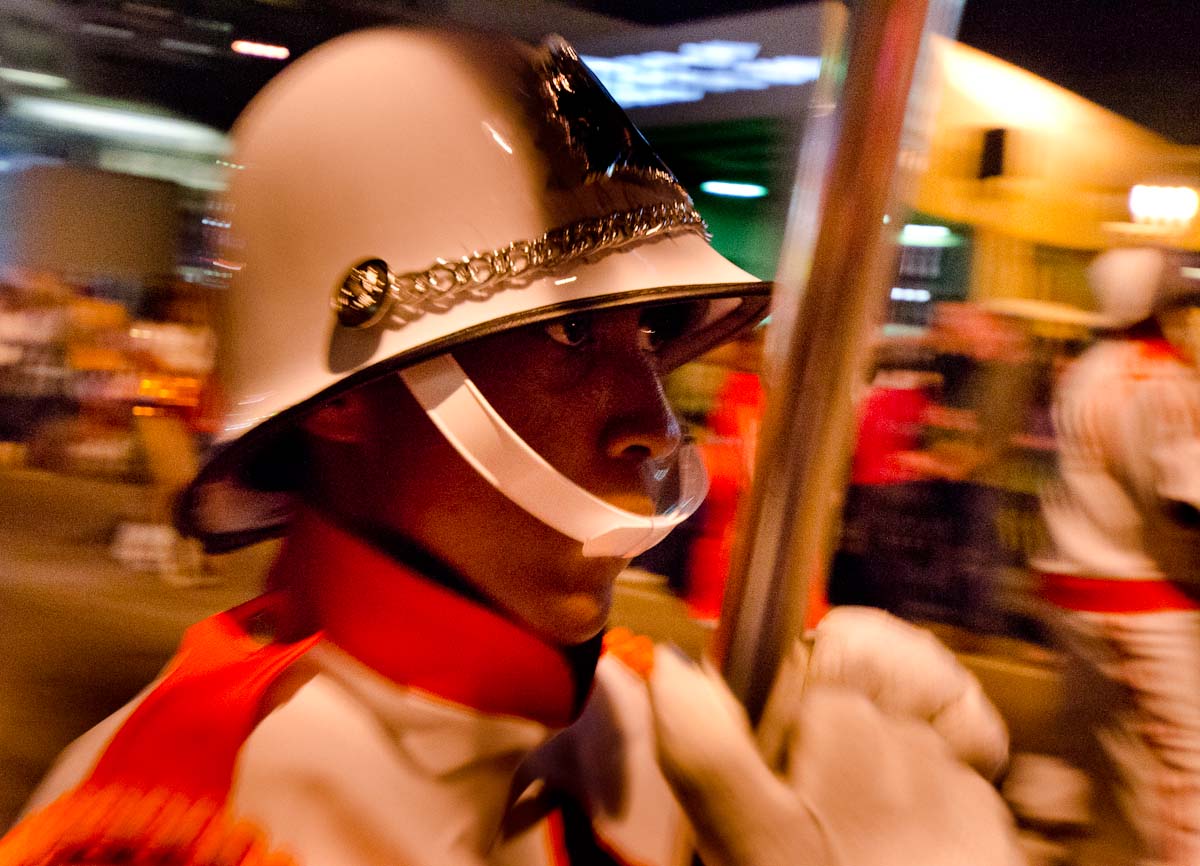
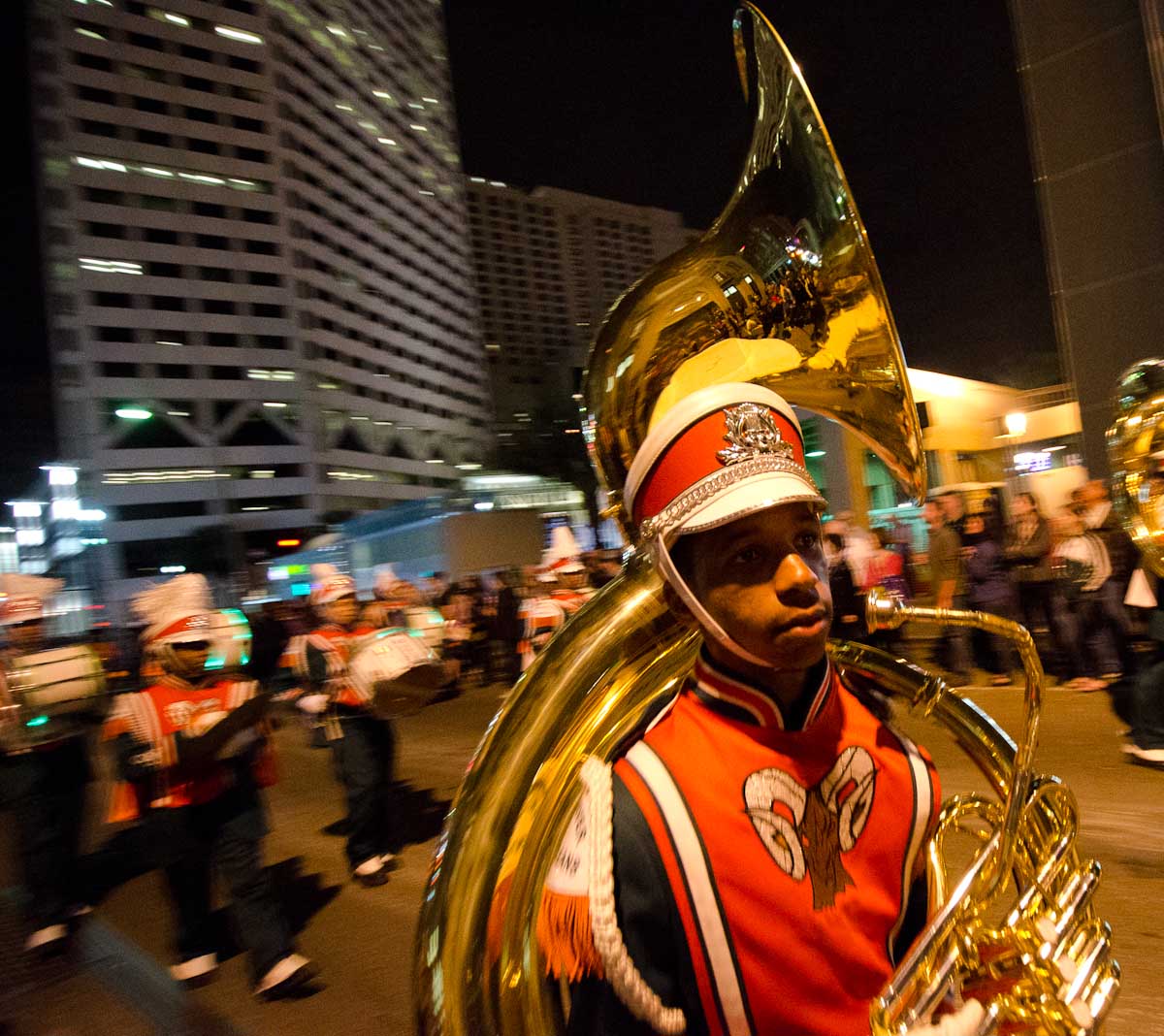
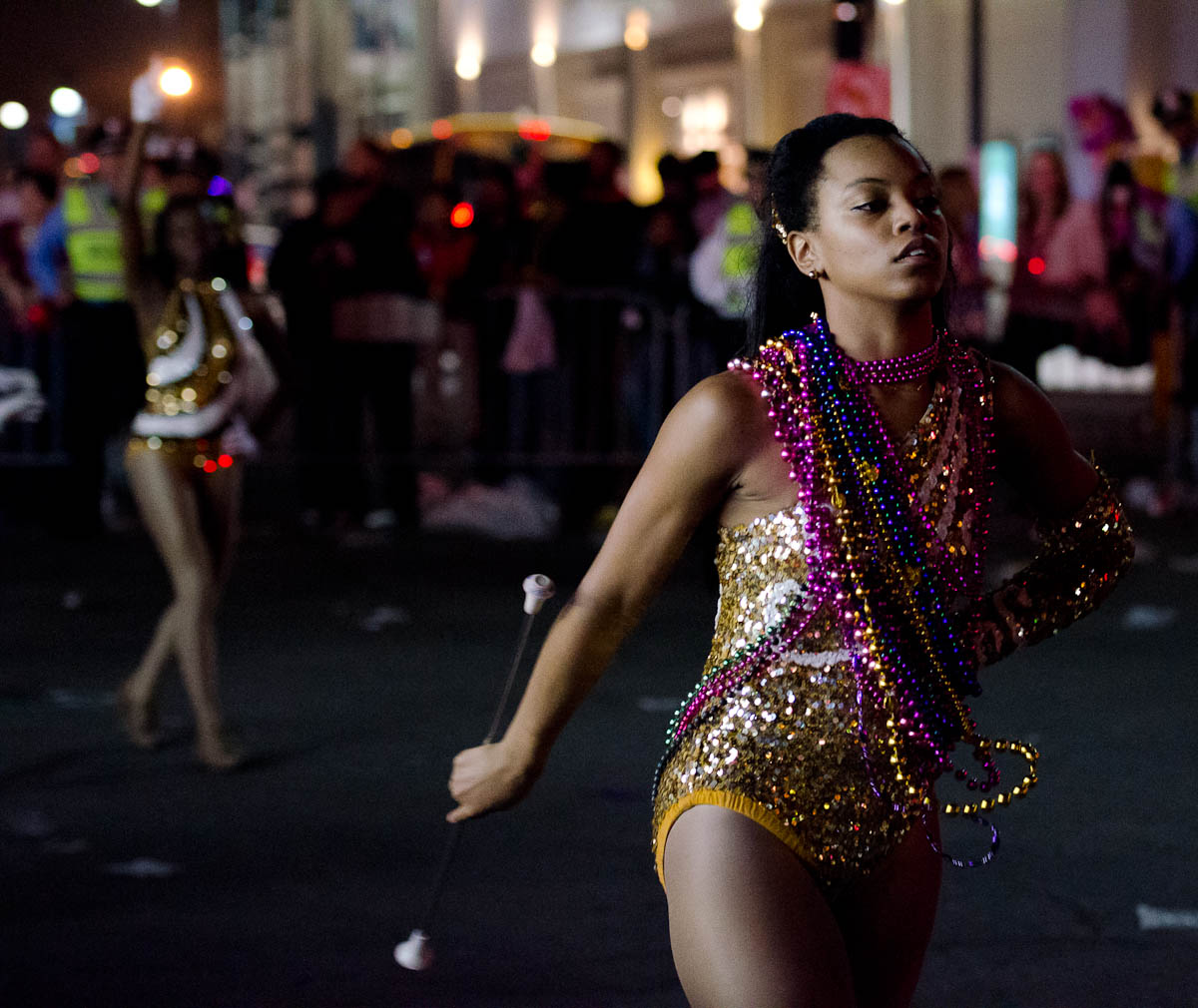
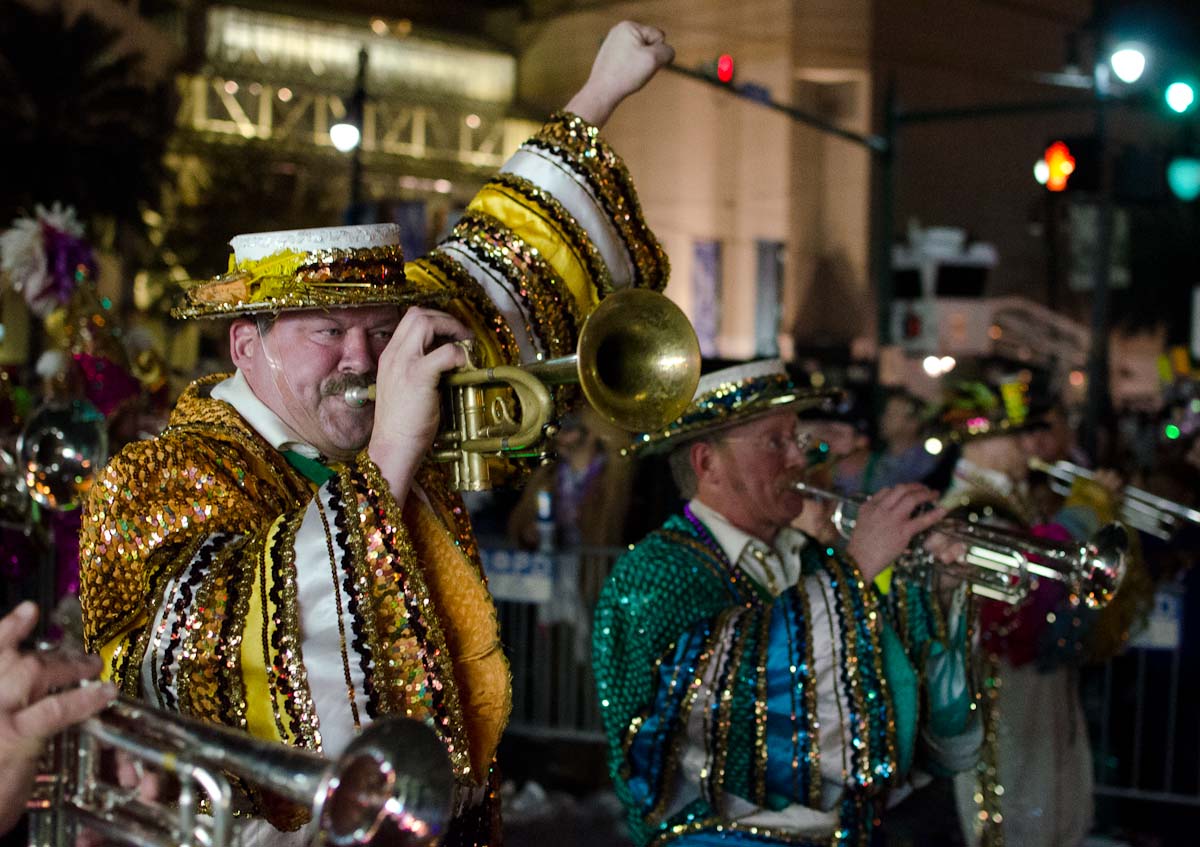
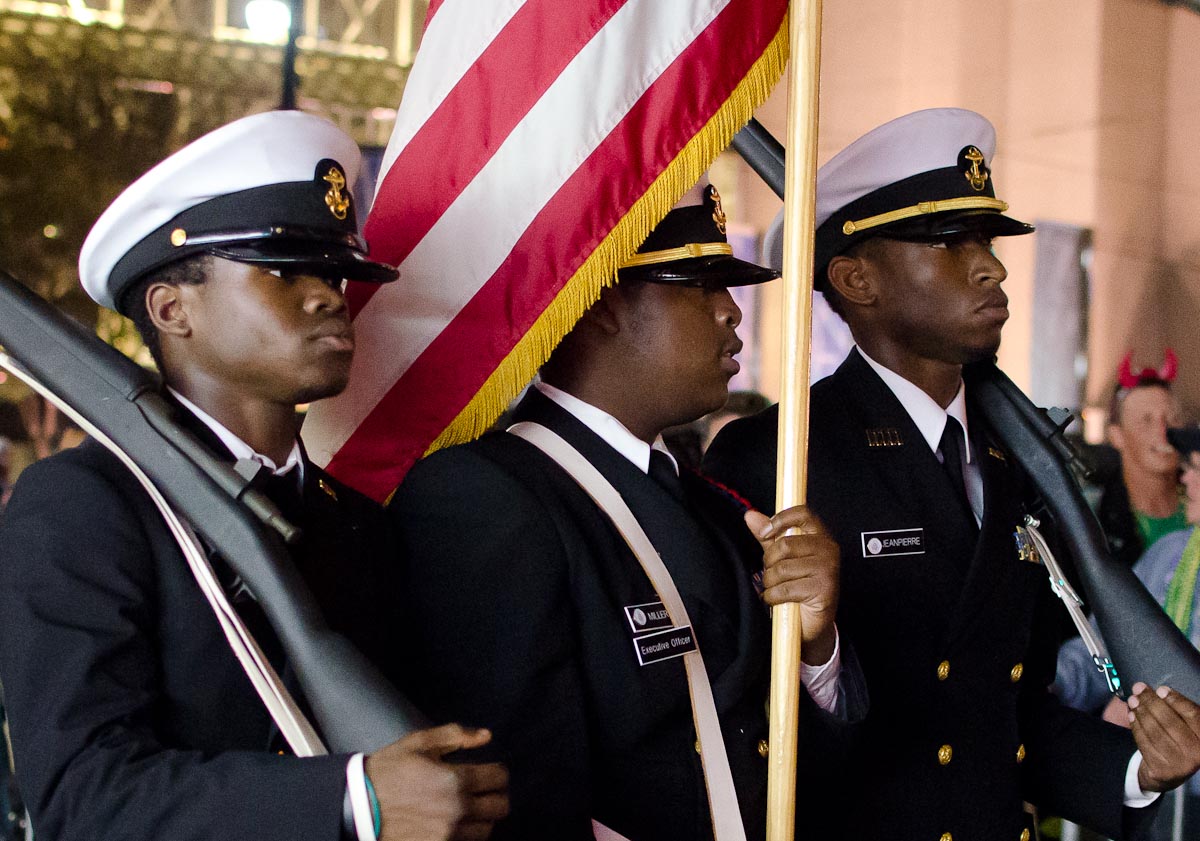
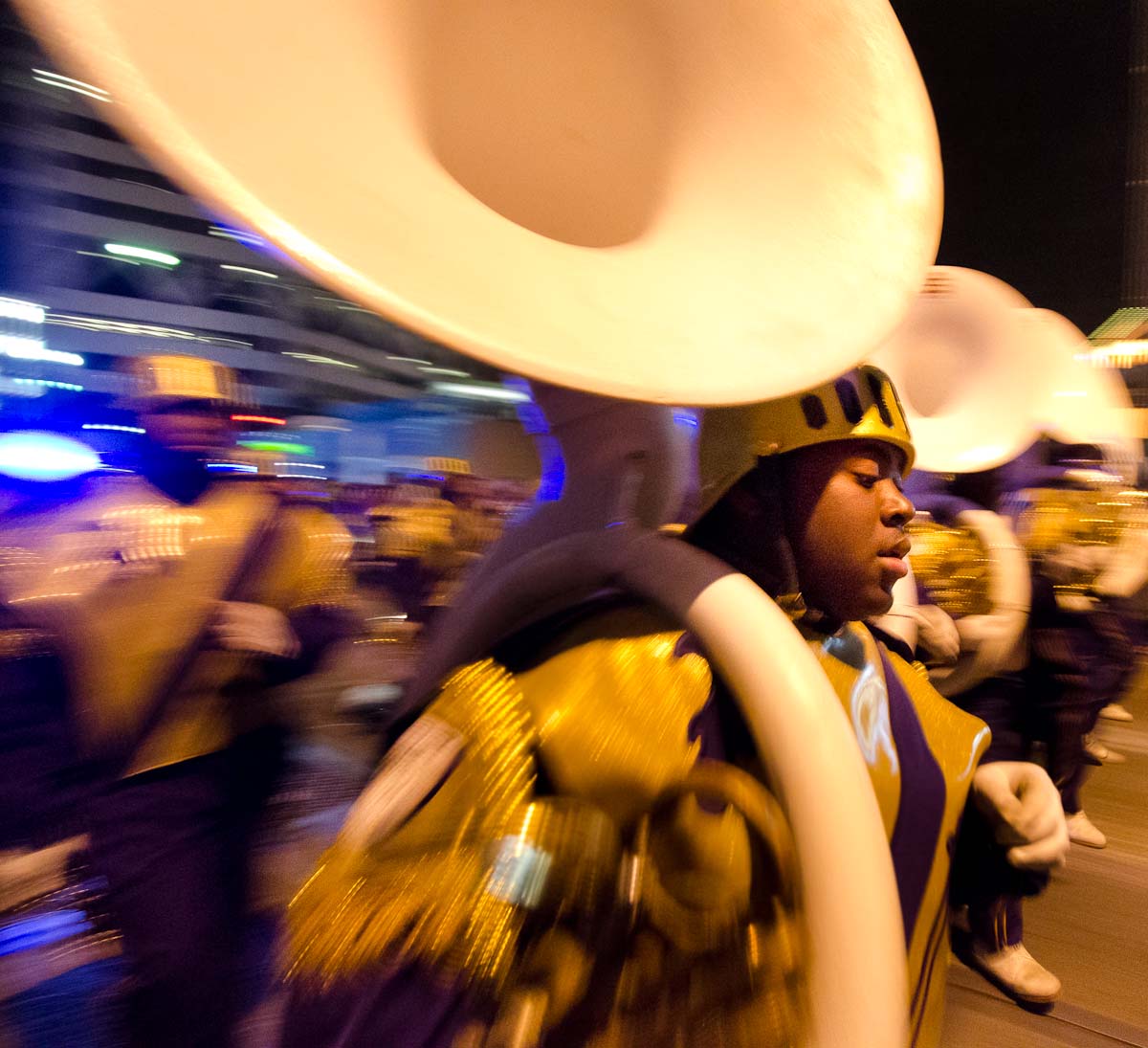
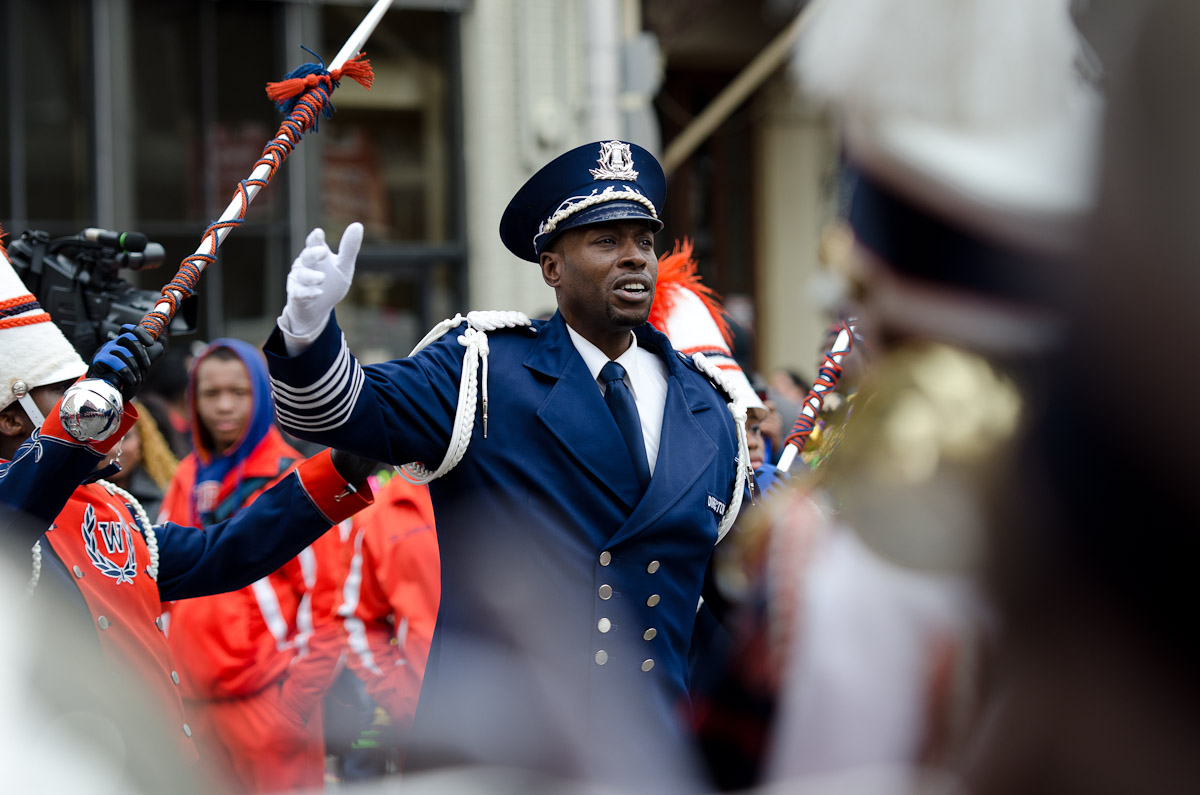
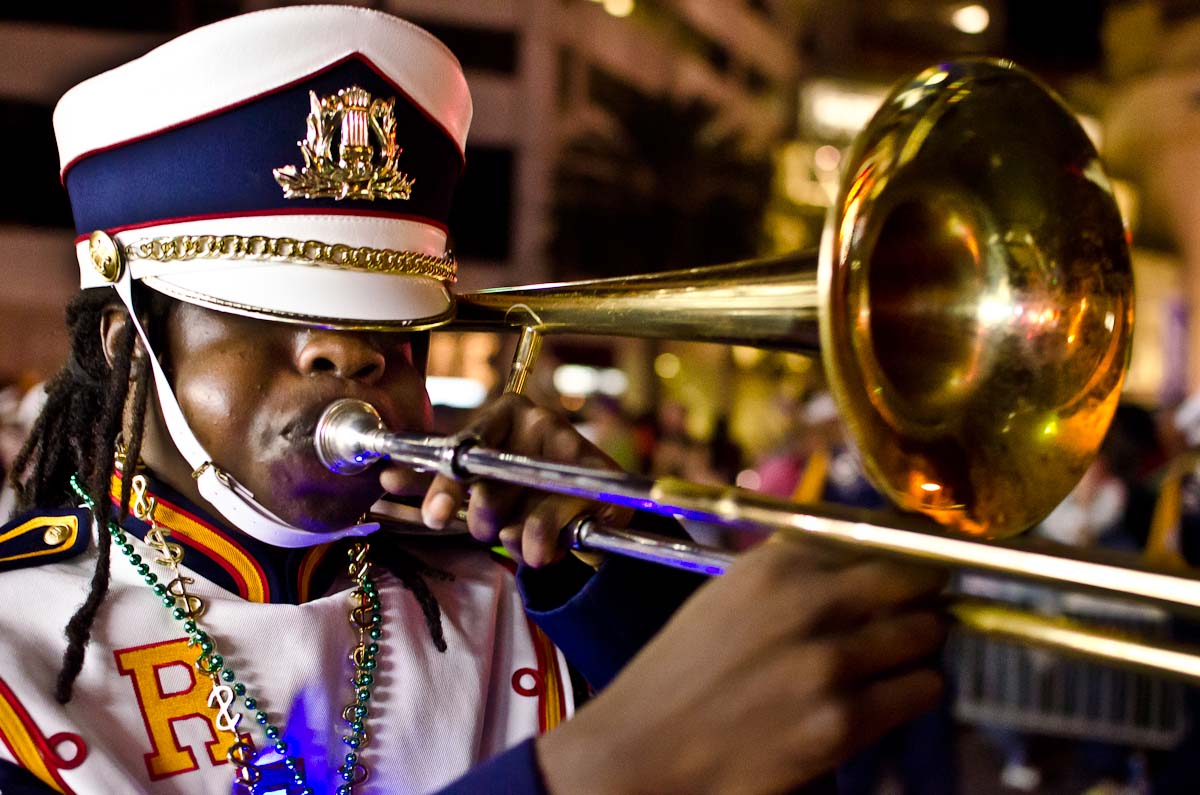
As I mention in my main Mardis Gras post, some of the best parts of Mardis Gras parades are the New Orleans area high school bands.  The best ones are often from the mostly-black high schools.   I started trying to get some interesting pictures of some of the band members as they marched by.  Remember:  I’m a long-time band nerd myself.  These groups had an amazing number of twirlers, pom poms, cheerleaders, drum majors, rifle carriers, sword bearers and everything else.  Good to see that band was apparently considered “cool” at these schools.  I sure thought they were.
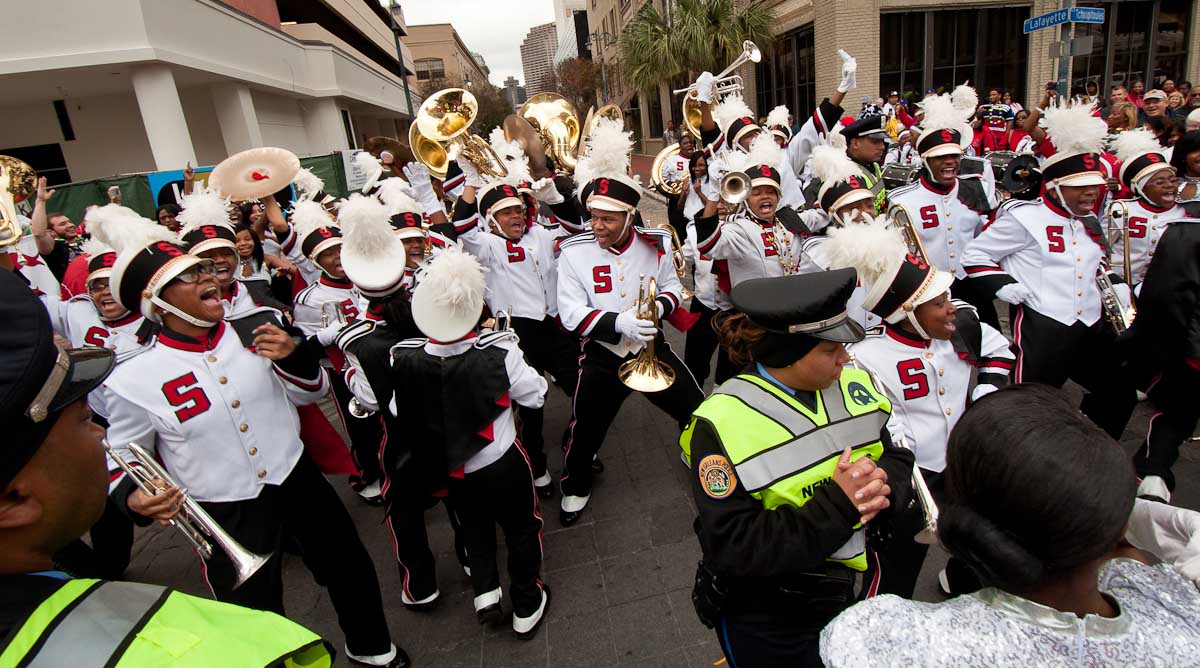
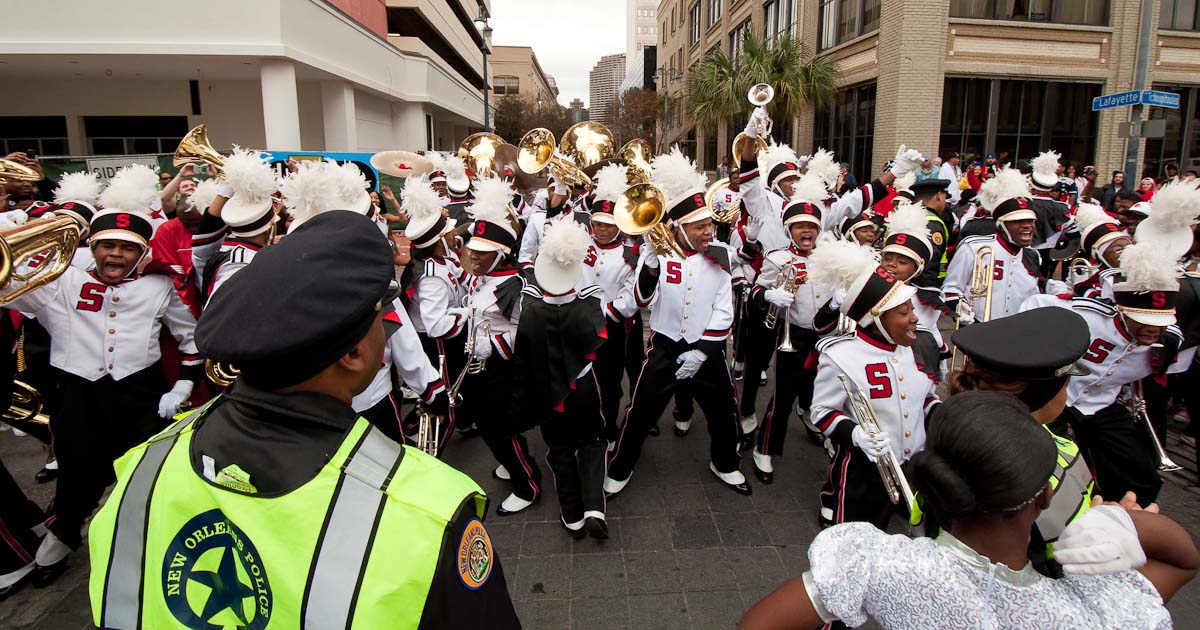
The two pictures with several kids acting a little crazy was the culmination of a “duel” of sorts between two big New Orleans bands.  The two bands set up in an intersection, facing one another, and took turns doing their best to outplay their rivals.  They were both great — amazingly so for high school bands who had just finished three-hour parades.  Toward the end, one group ran forward to taunt the other.  I was standing right between the two groups — right in the middle of the craziness.  You can see the New Orleans police standing there as if to keep the peace, but it was all in good fun.

_DSC0036.JPG_DSC0039.JPG_JJC3801.JPG_JJC3814.JPG_JJC3844.JPG_JJC3425.JPG_JJC3443.JPG_JJC3675.JPG_JJC3733.JPG_JJC3747.JPG_JJC3762.JPG_JJC3419.JPG_JJC3792.JPG_JJC3765.JPG


The Phoenix Rises!

If I remember my mythologies correctly, the phoenix is a creature that rises triumphantly from the ashes of its predecessor.

Recall that my car recently (and spectacularly) burned to a crisp.  Ouch.  With insurance check in hand, I set out to find a replacement — generally looking for one of similar vintage, color, mileage, etc., because I had loved the old one and hoped to keep it forever.  Well, I’m back on the road.  Crazy part?  The replacement I found is the hotrod version (SL55), so I’ve got (pointlessly) 493 horsepower raring to go, which will really come in handy with my drag racing.  I guess I’ll name it Phoenix.  (Are cars supposed to have girl names like boats?  And is Phoenix a boy name or a girl name anyway?)