Category Archives: Travel

Cuba (Part 2): Havana Up Close

Part 2 of a series that will last ’til I run out of pictures.  And stories.

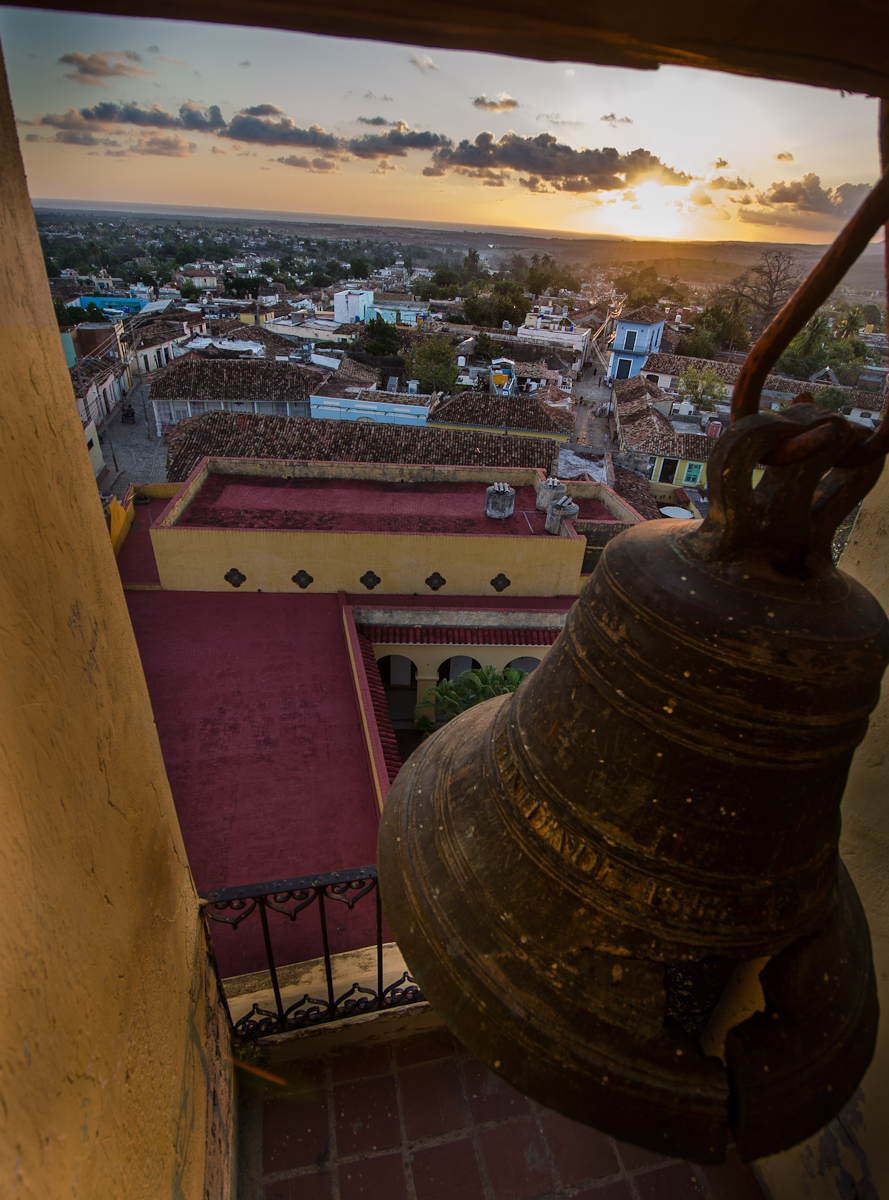
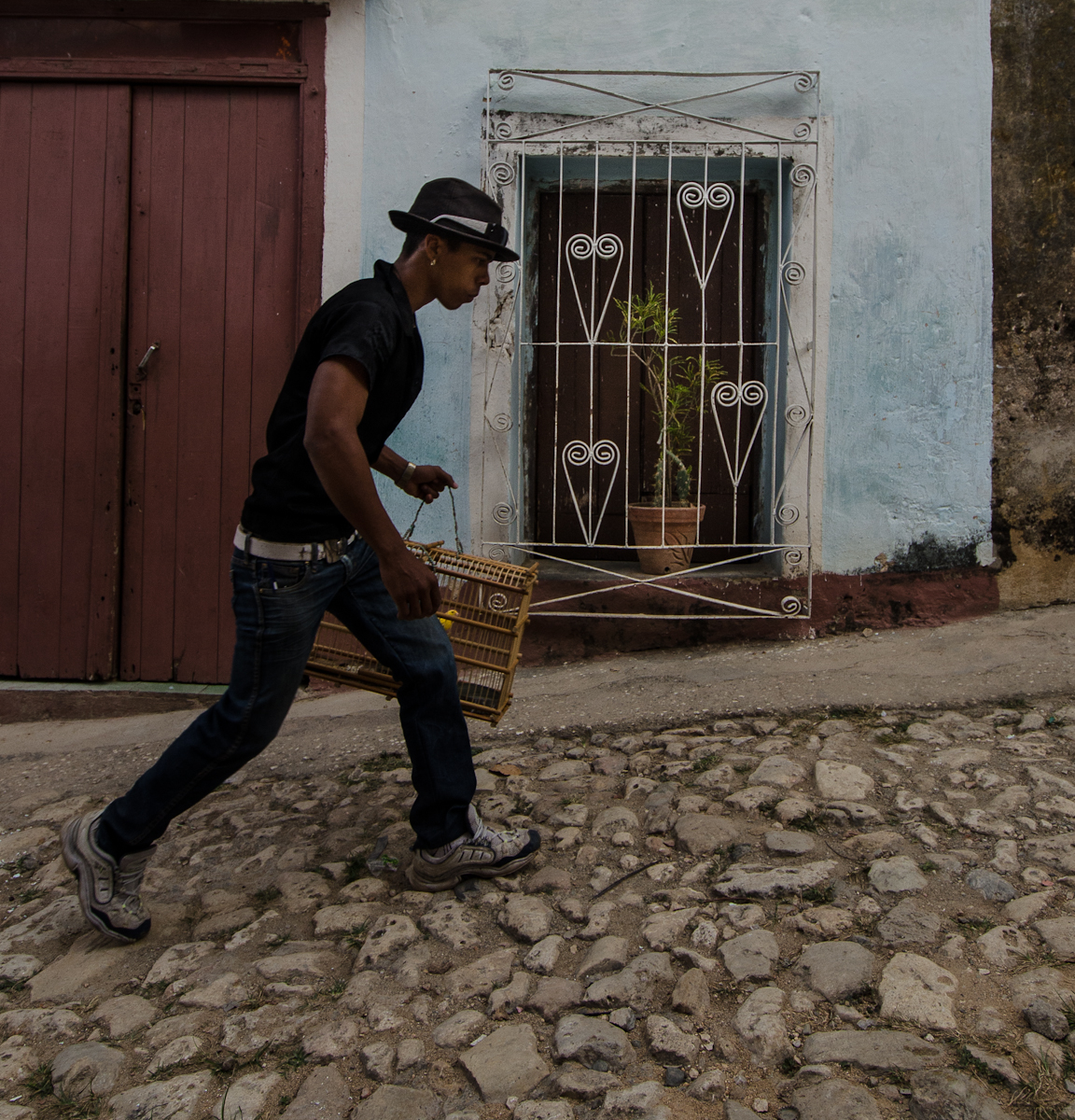
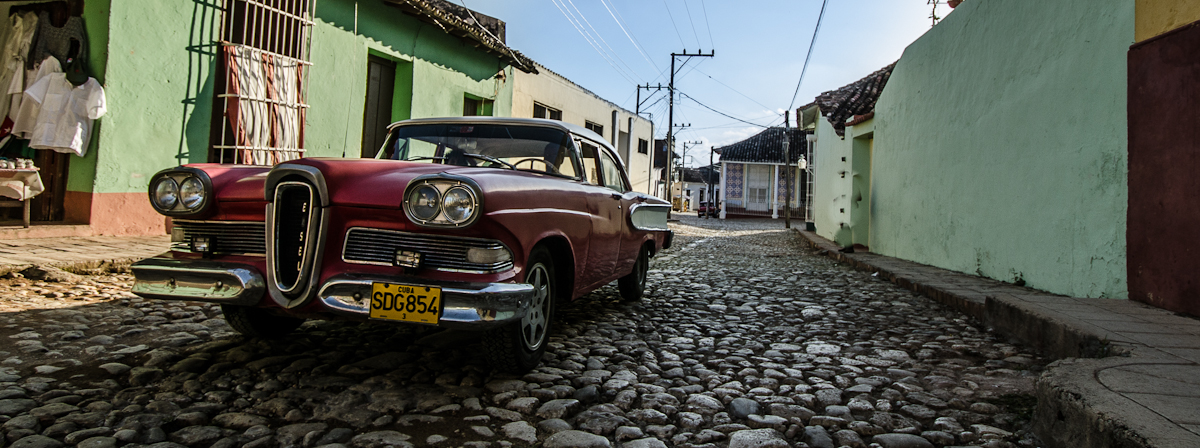
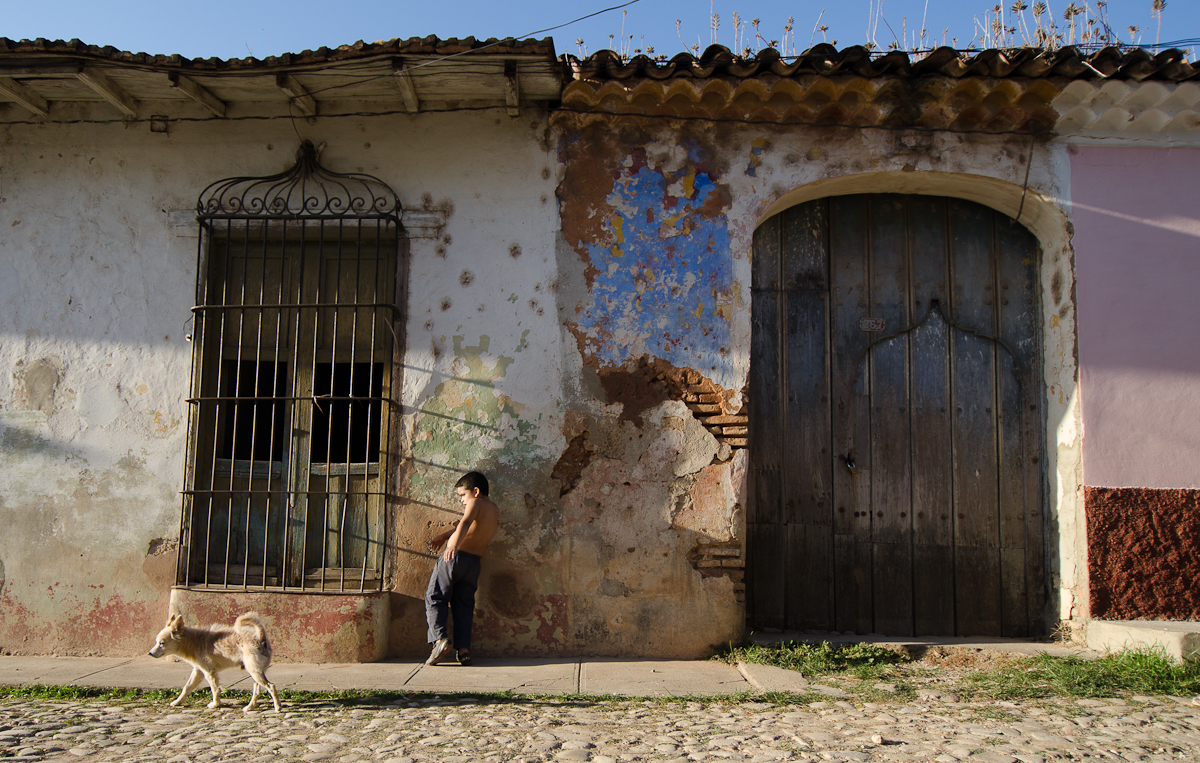
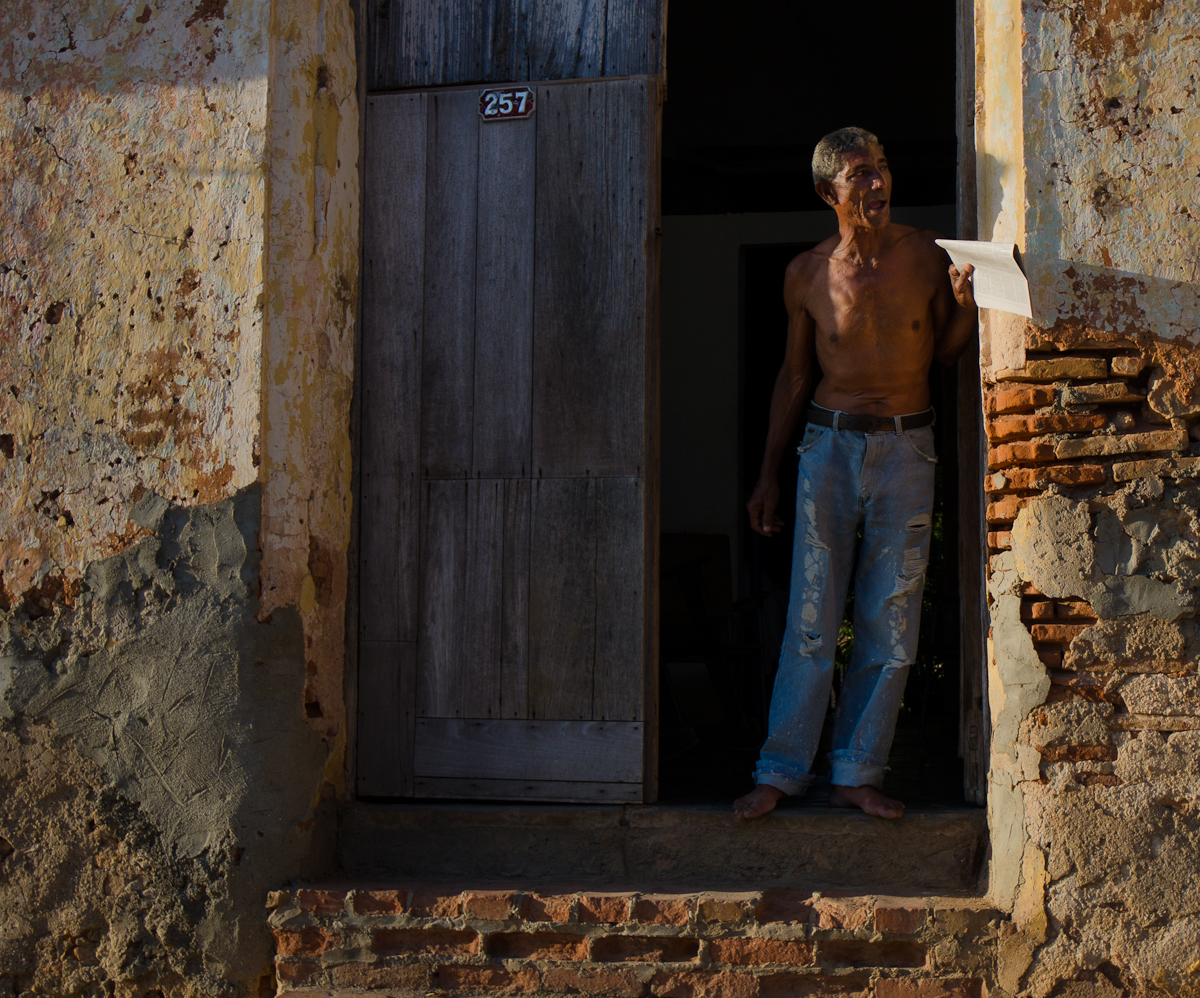
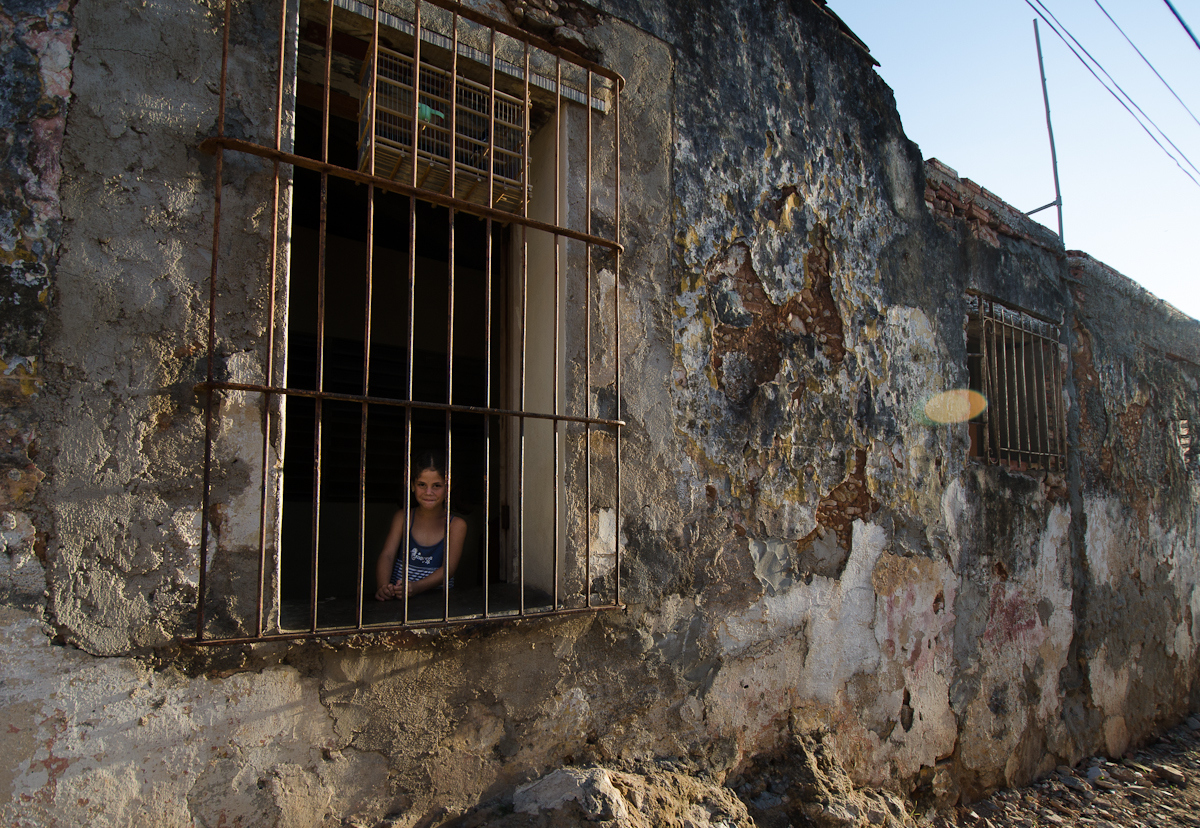
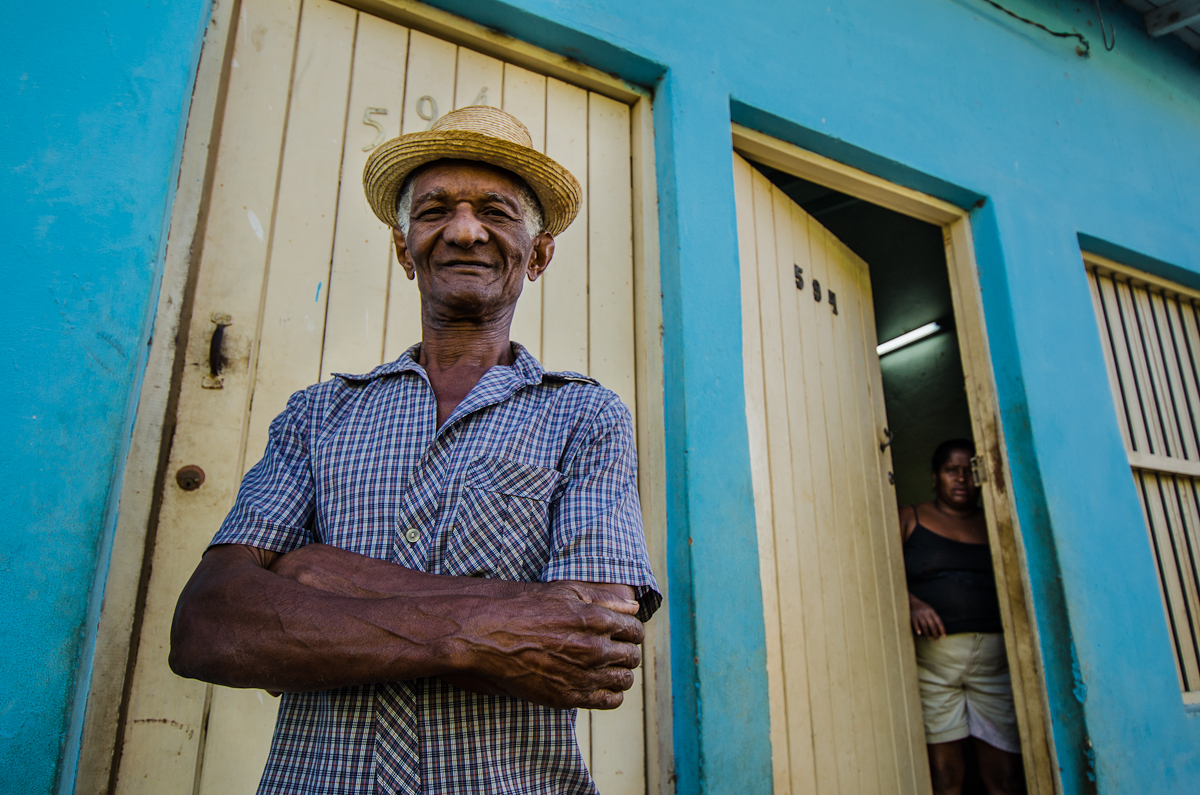
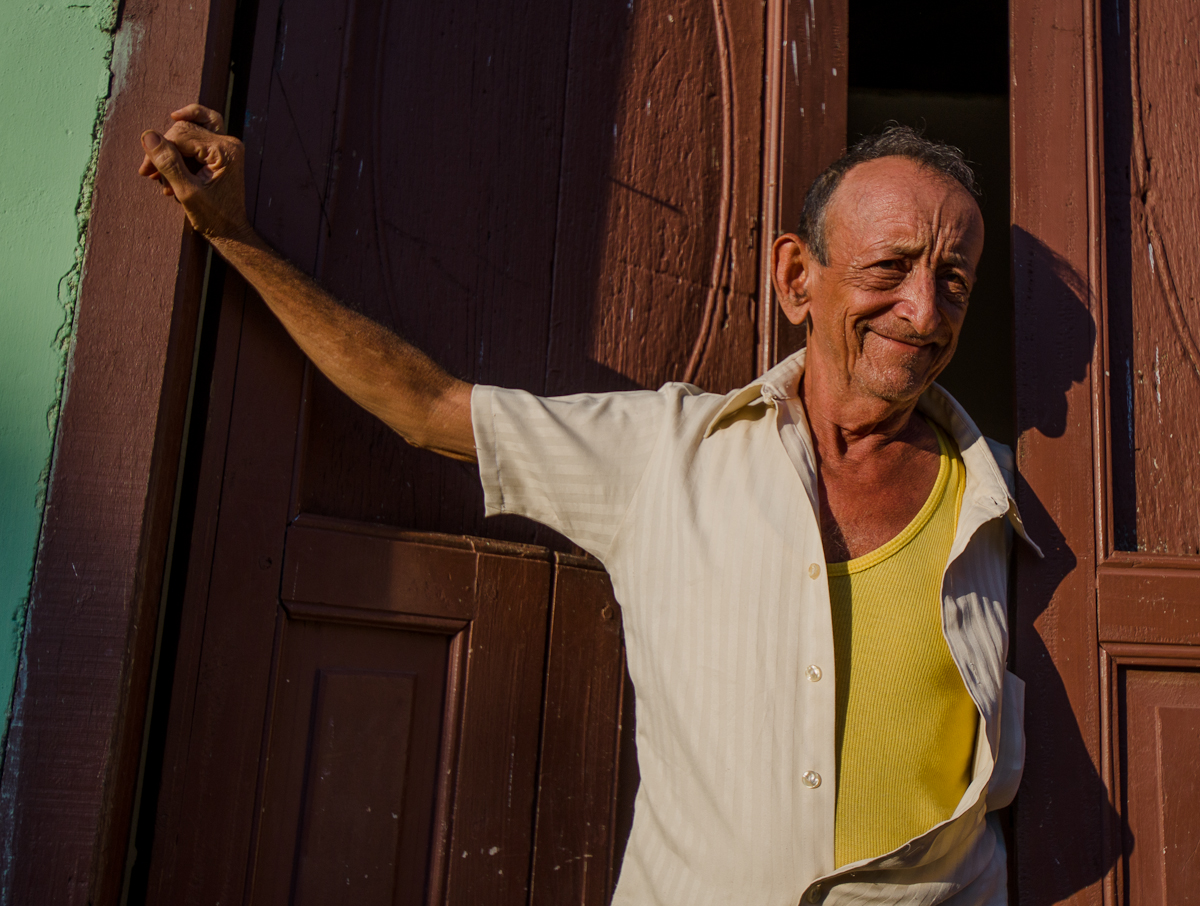
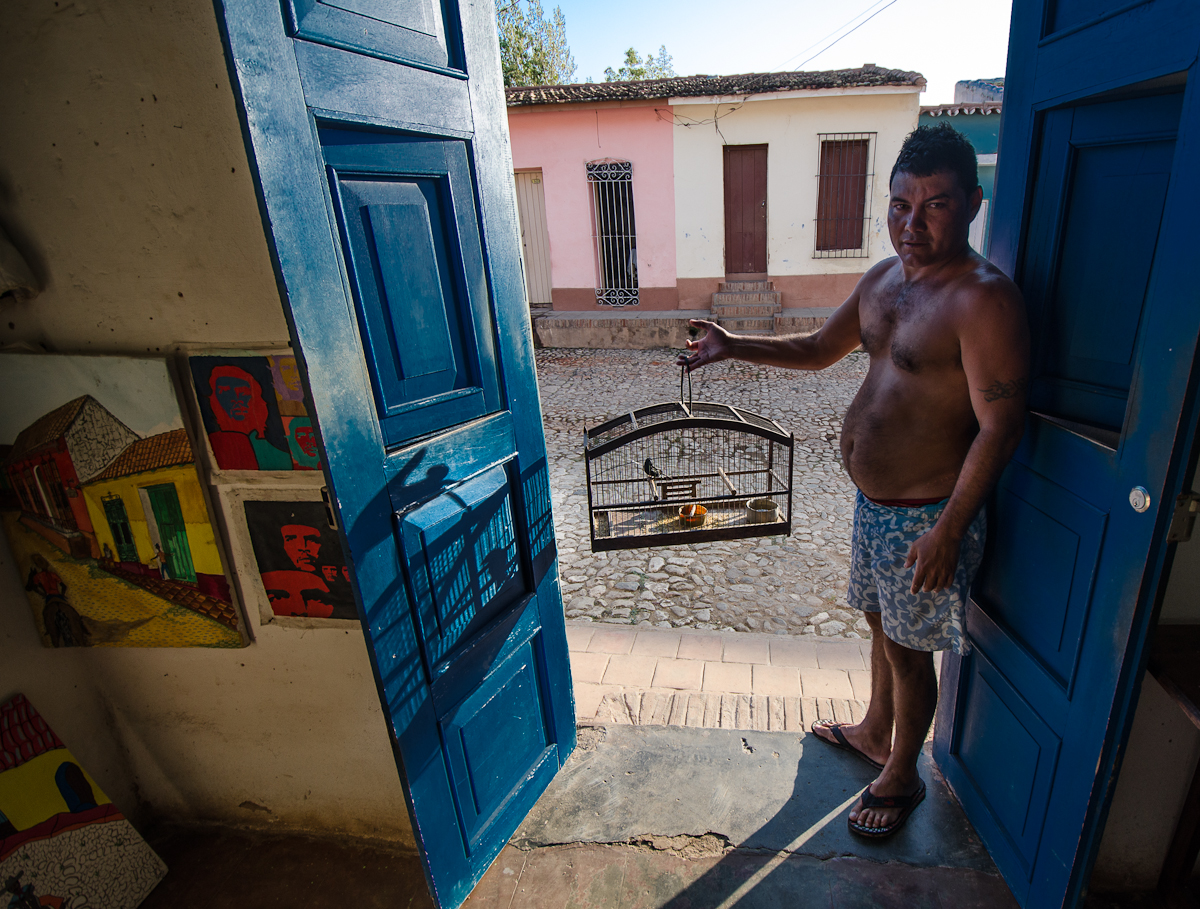
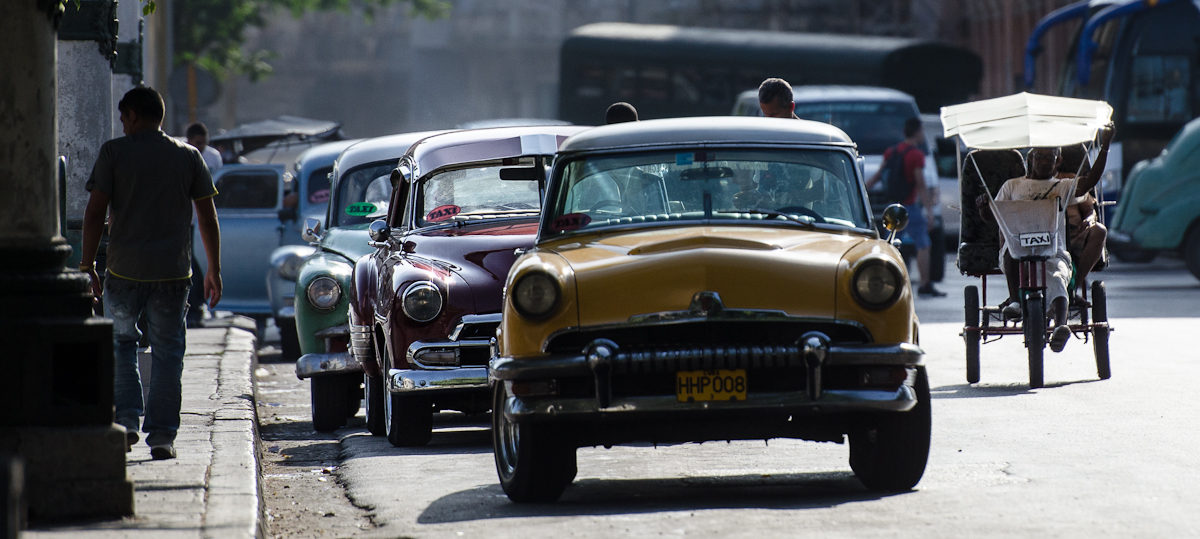
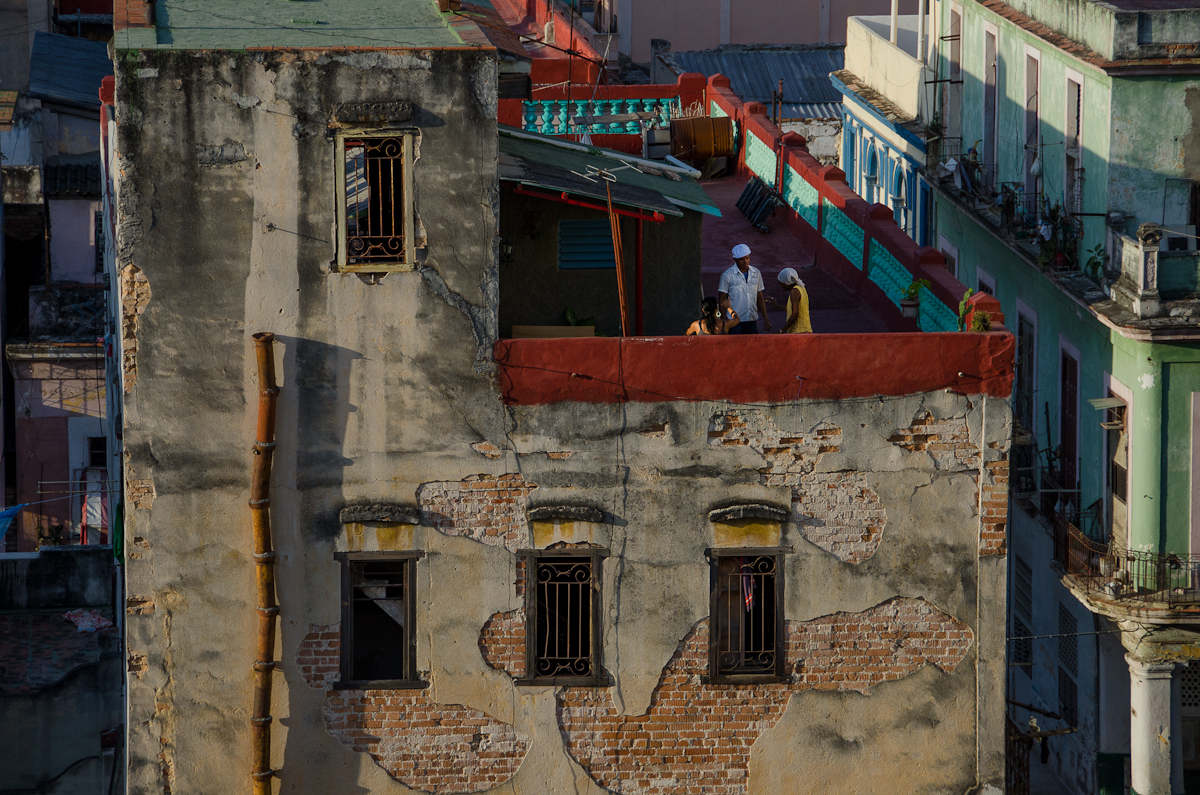
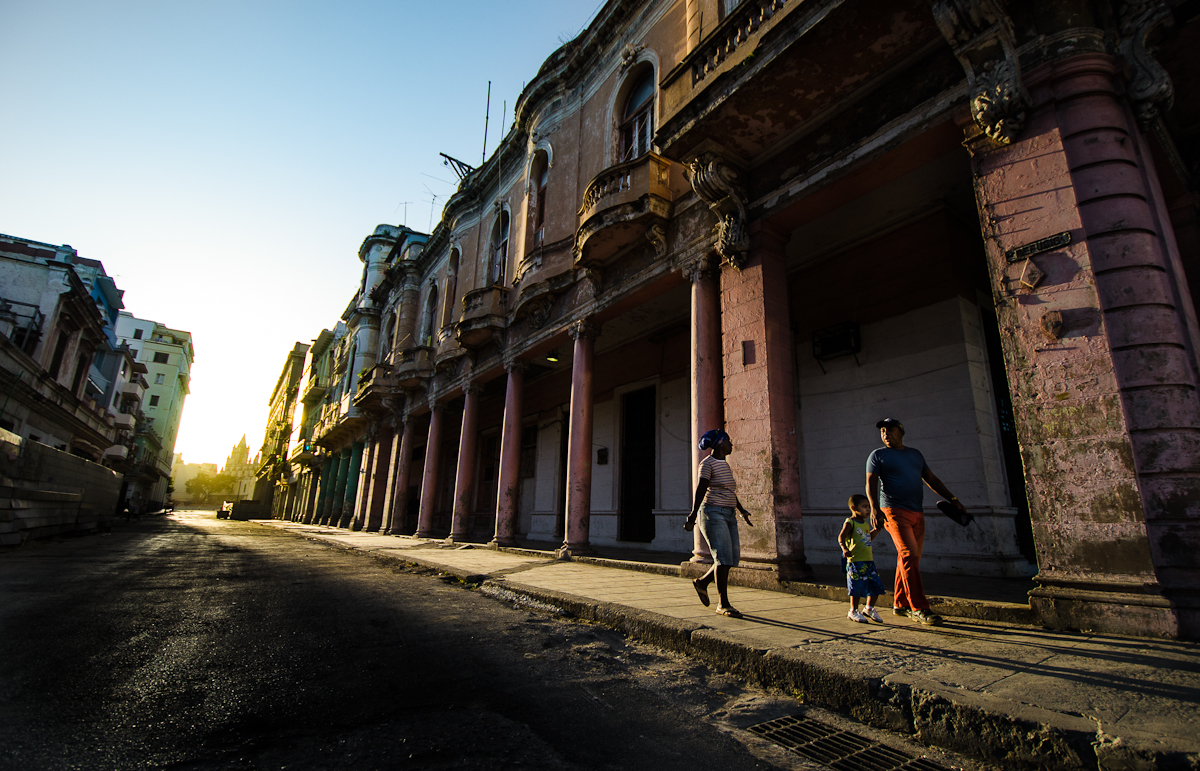
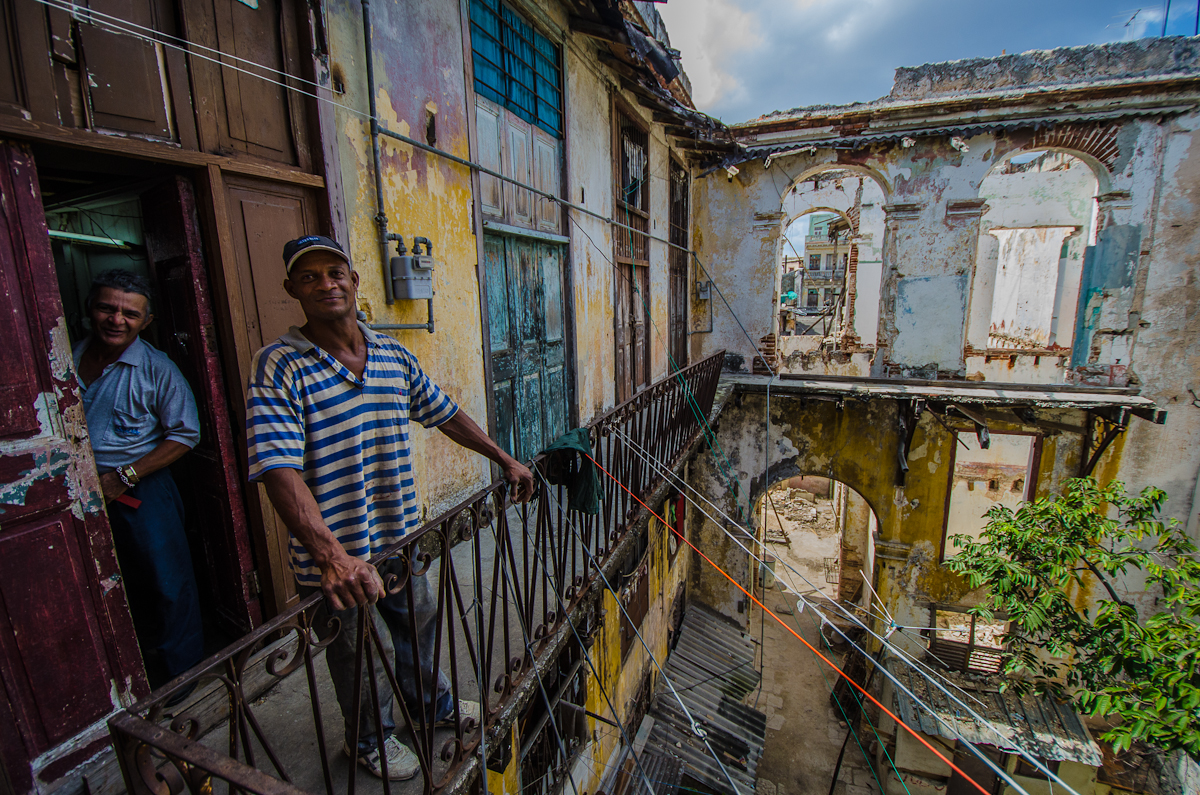
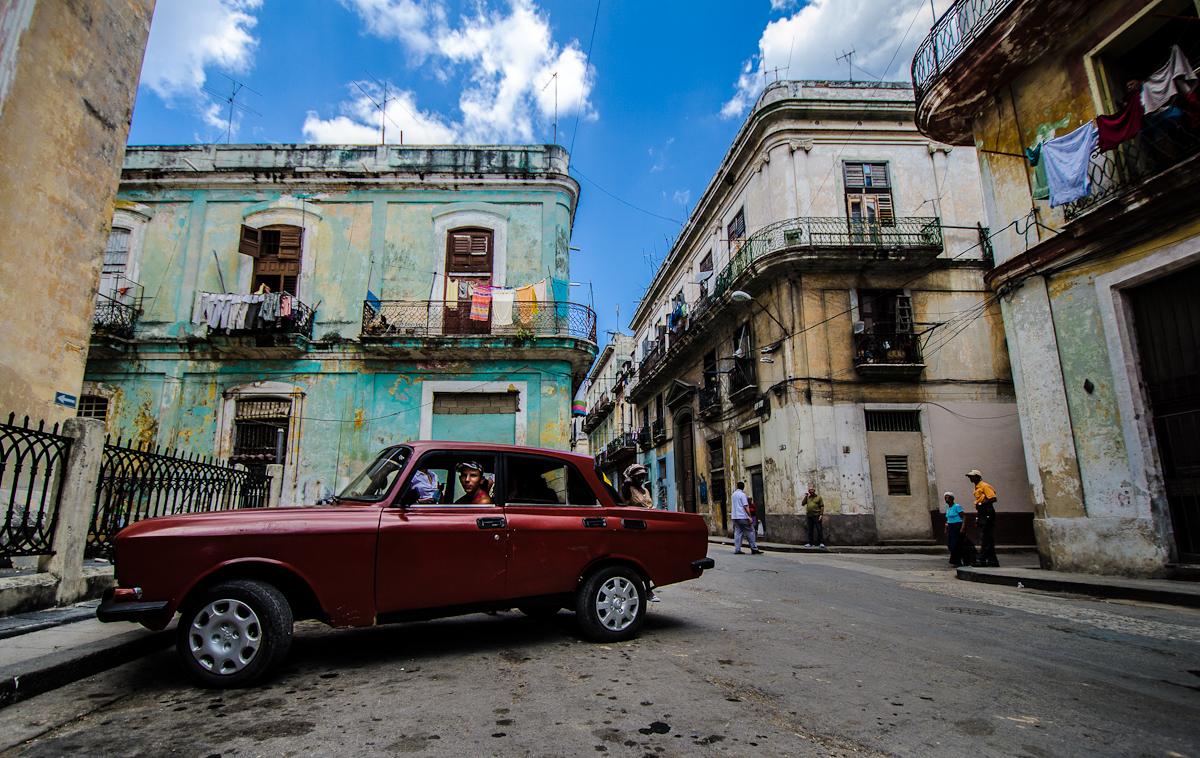
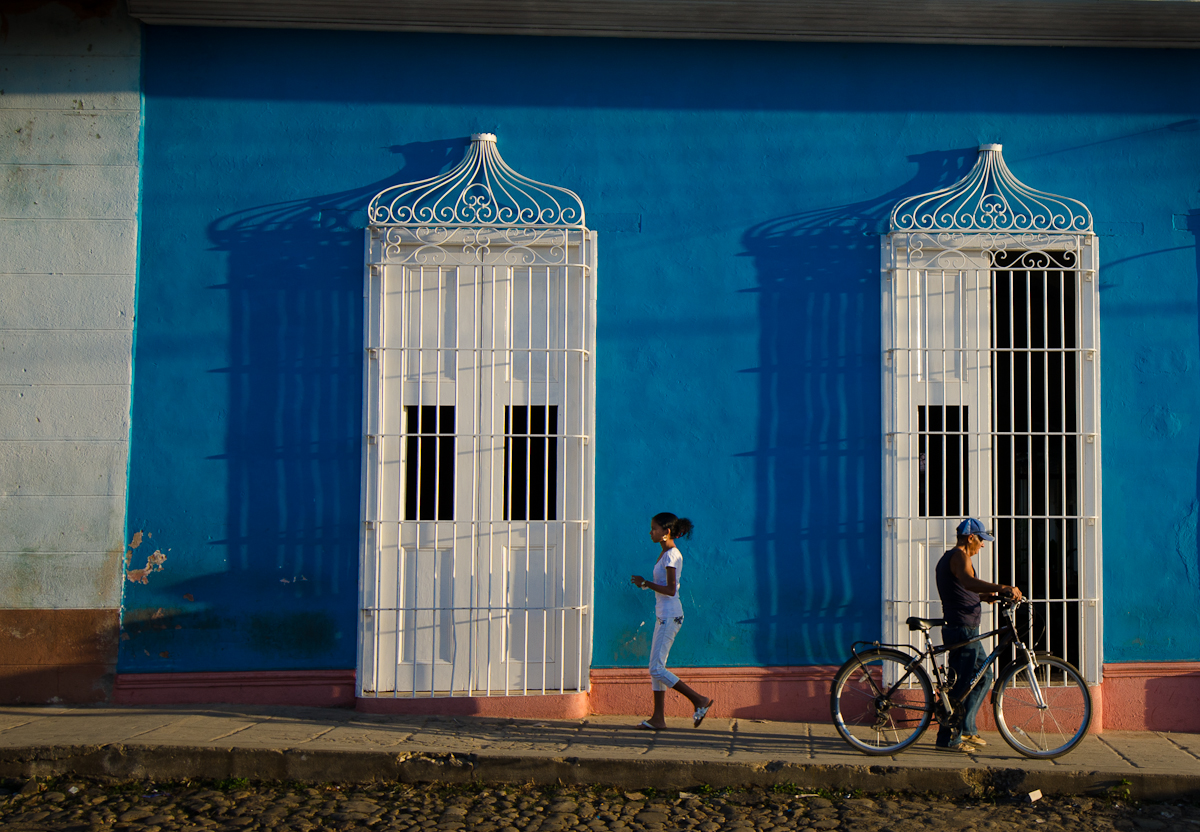
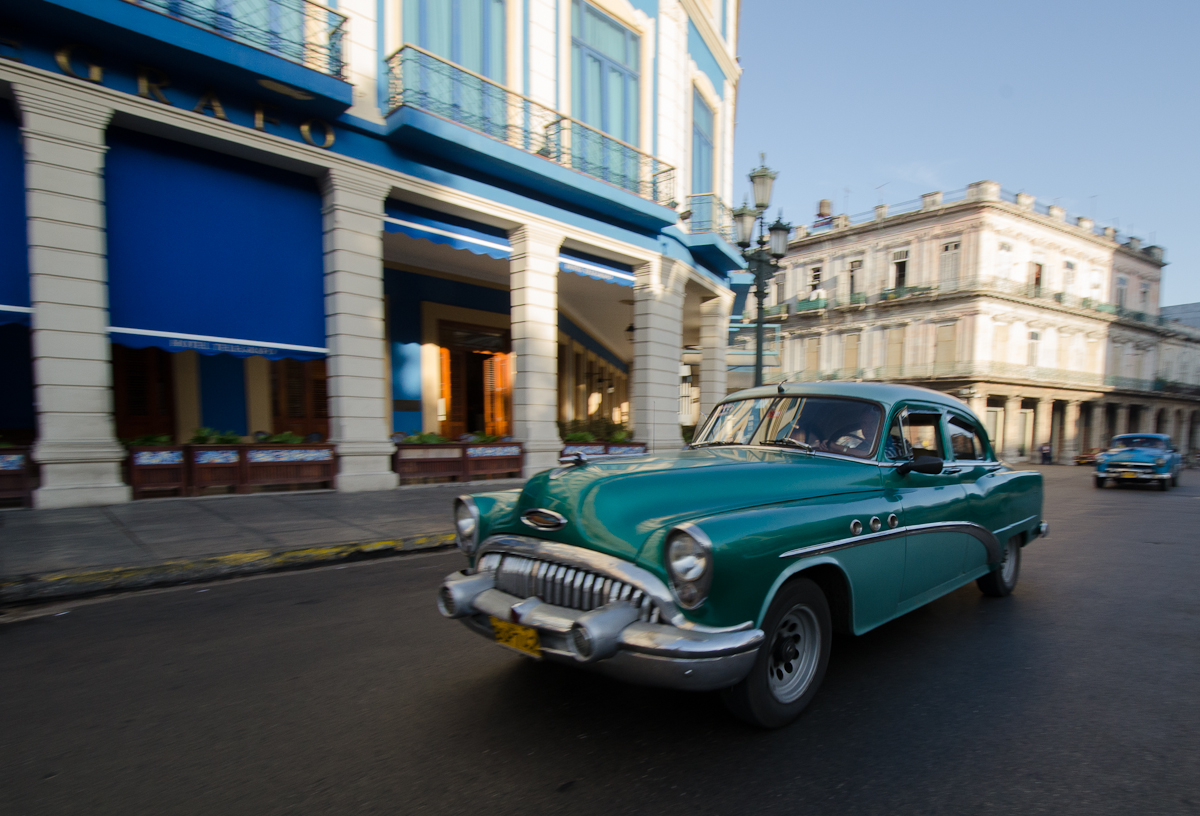
Havana is on the northern coast of Cuba.  It’s just about 100 miles from Key West, Florida, but it’s nonetheless a world away. Though the city has plenty of sightseeing stops, really seeing Havana meant seeing how Cuban people live.  Lots of them live in 100-year-old crumbling buildings; half a building may have literally fallen down while the other half houses several families.  Layers of plaster, masonry and bright-colored paints flake and fall away from grand old architecture, leaving the colorful mosaics that are now icons of the urban Cuba landscape.  Few residences have any sort of air conditioning or even glass in the windows, so much of life seems to be spent in open windows and doorways or on balconies and sidewalks.

Most Cubans work for the (socialist) government, or in government-controlled jobs.  Whether they’re doctors, policemen or janitors, their government salary is somewhere around $20 a month.  The consolation (if you can call it that) is that food is distributed (rationed) via a government program referred to as the libreta (Spanish for “booklet,” referring to their monthly ration books that allow the purchase of food for pennies on the dollar).  In residential areas, there are almost no stores or shops, but instead lots of government facilities administering the libreta system.  There’ll be one place distributing eggs, another distributing rice and beans, one with bread, another with fish and chicken, one for beef, and so on.  They’re stark and empty-looking places, usually with a tiny inventory and a bored-looking staff of four or five.  Not exactly the picture of efficiency, but labor is cheap and efficiency surely isn’t a hallmark of socialist systems.

In many ways, Castro had sold Cuba’s soul to the Soviets, who propped Cuba up for 30 years.  When the Soviet Union collapsed, so did Cuba’s economy.  Since that collapse, the libreta system no longer includes manufactured (non-food) goods, so it is very difficult for most Cubans to get simple things like pens, razors, aspirin, and even soap.  The passengers on my flight into Cuba were primarily Cubans returning from a very rare visit to the U.S., or Cuban-Americans visiting family in Cuba.  Every one of them had “luggage” consisting of huge hay-bail-sized bundles of stuff (clothes and other manufactured items) not available in Cuba.  One man was wearing five felt cowboy hats stacked on top of one another; two others were each carrying four car tires as their checked-baggage.


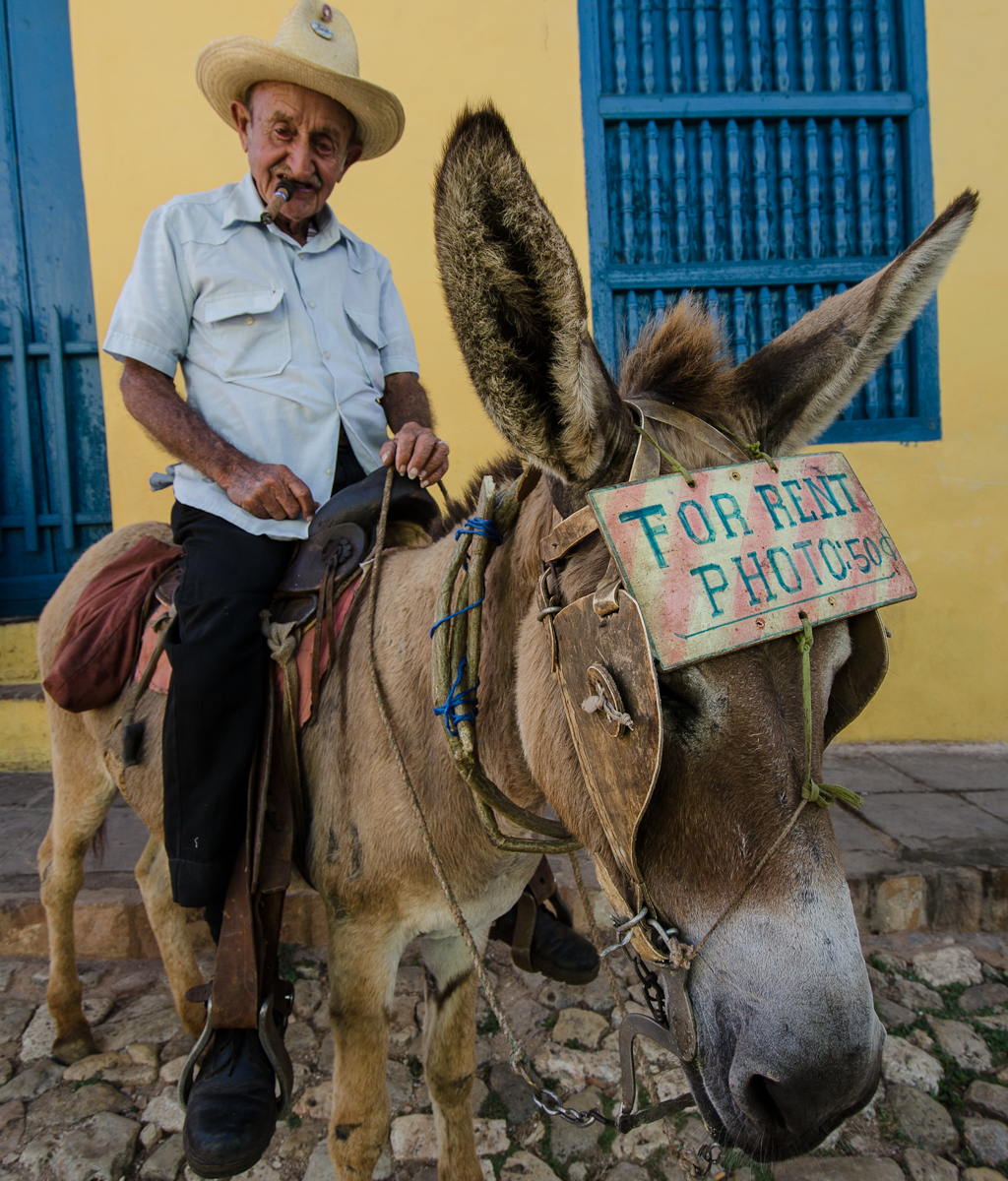
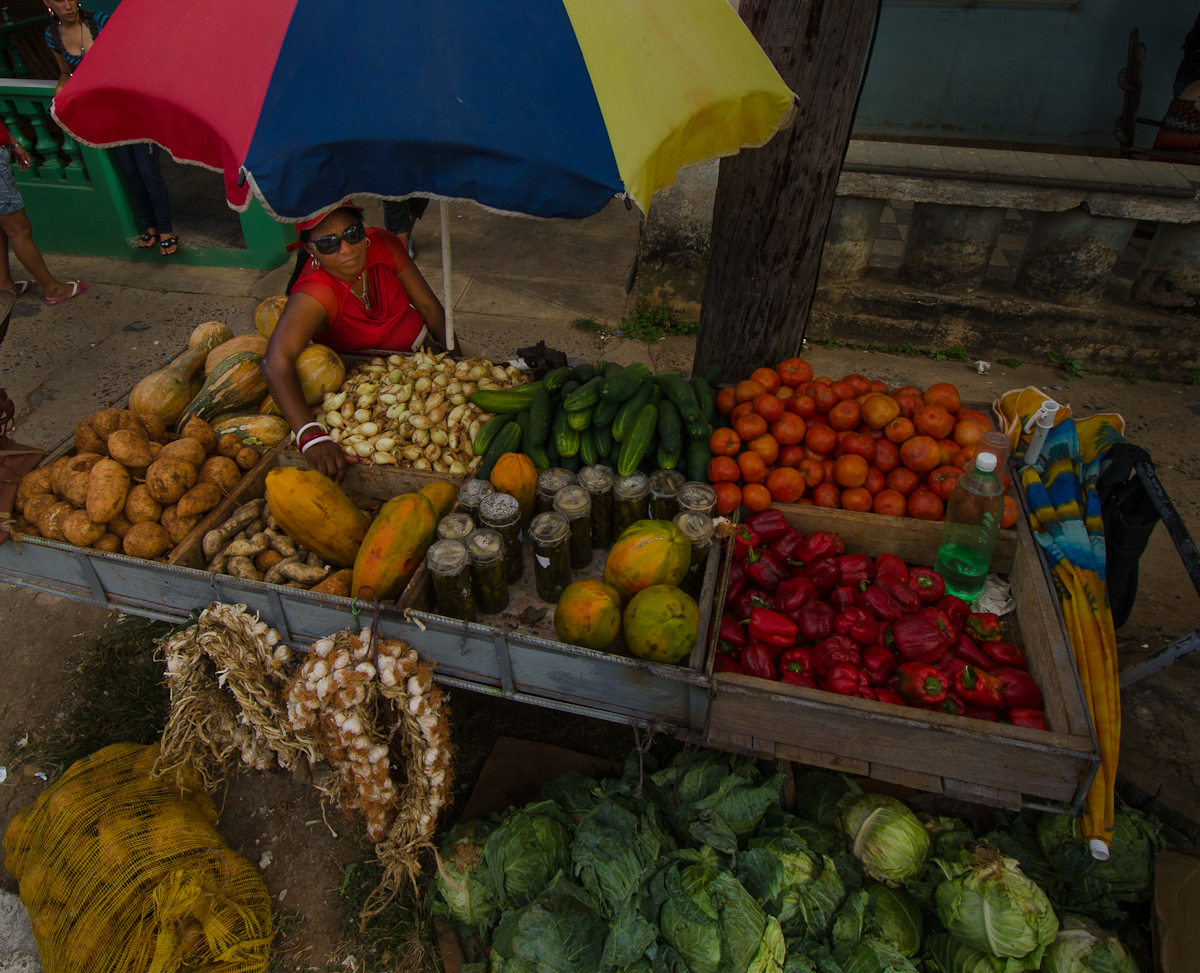
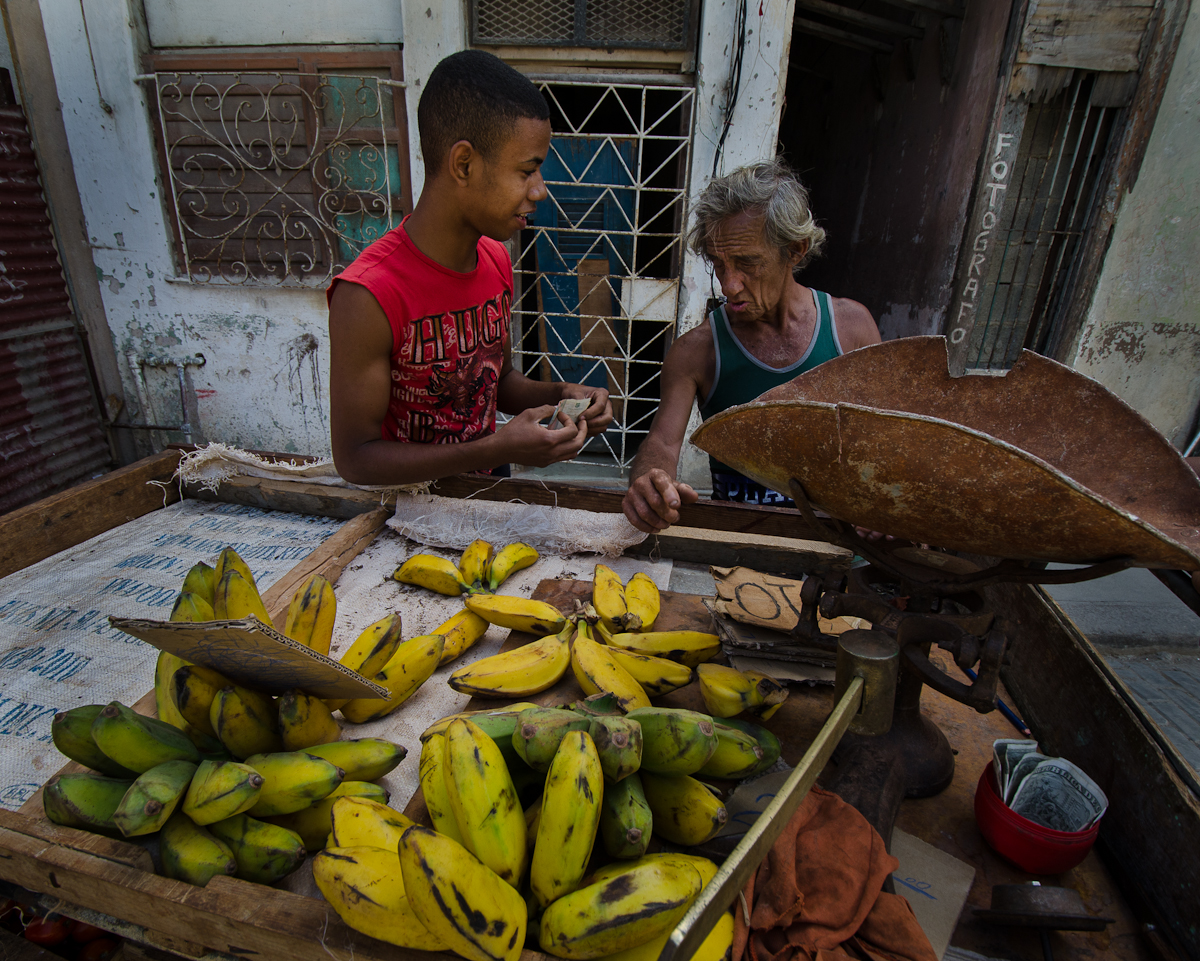
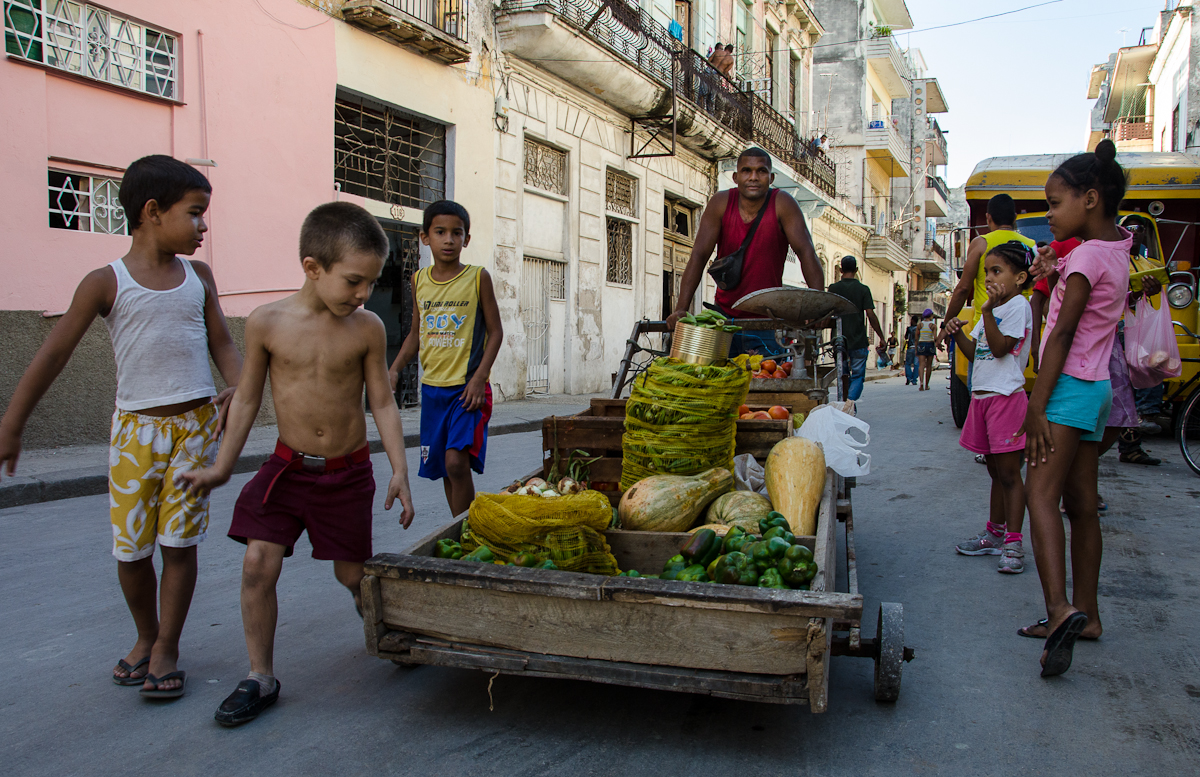
The street merchants shown below are not part of the libreta system.  (We were told we could not photograph government facilities.)  Along with some small privately-owned restaurants and street vendors of other sorts, there are a handful of pockets of semi-free enterprise, something that is apparently becoming much more common and permissible now that Fidel (Castro) has turned the leadership over to his brother, Raul.


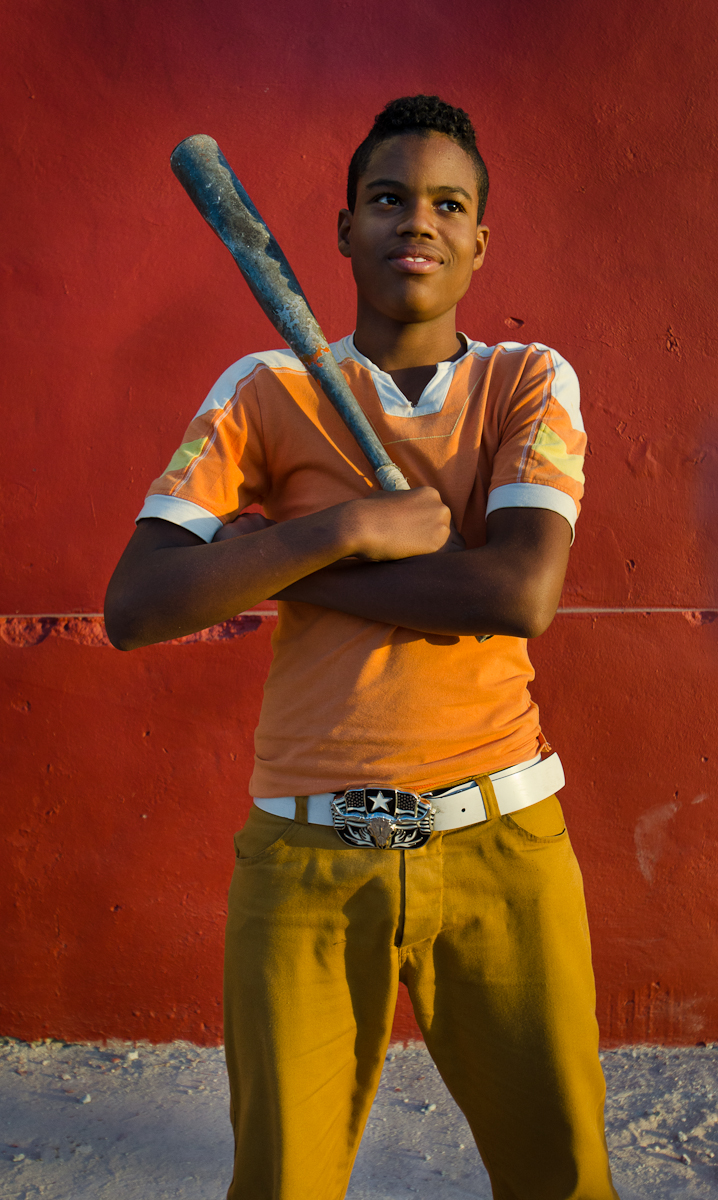
Can you believe that great-looking kid (and his orange/gold/white outfit) in the picture at the top of this post!?!  He was playing street baseball with a small crowd of his buddies on the sidewalk of the “Malecon” (Havana’s seawall boulevard) just before sunset.  He was head-and-shoulders taller than the rest.  I barged into the middle of their game and asked the kid if I could take his picture.  He was obviously flattered to be singled out in front of all his buddies, but in every shot other than the one above, he was trying to look tough and/or grabbing his crotch and flashing some kind of rap-singer-looking hand gesture.  I think that’s my favorite picture from the trip, though I’m embarrassed to say I forgot the kid’s name.  

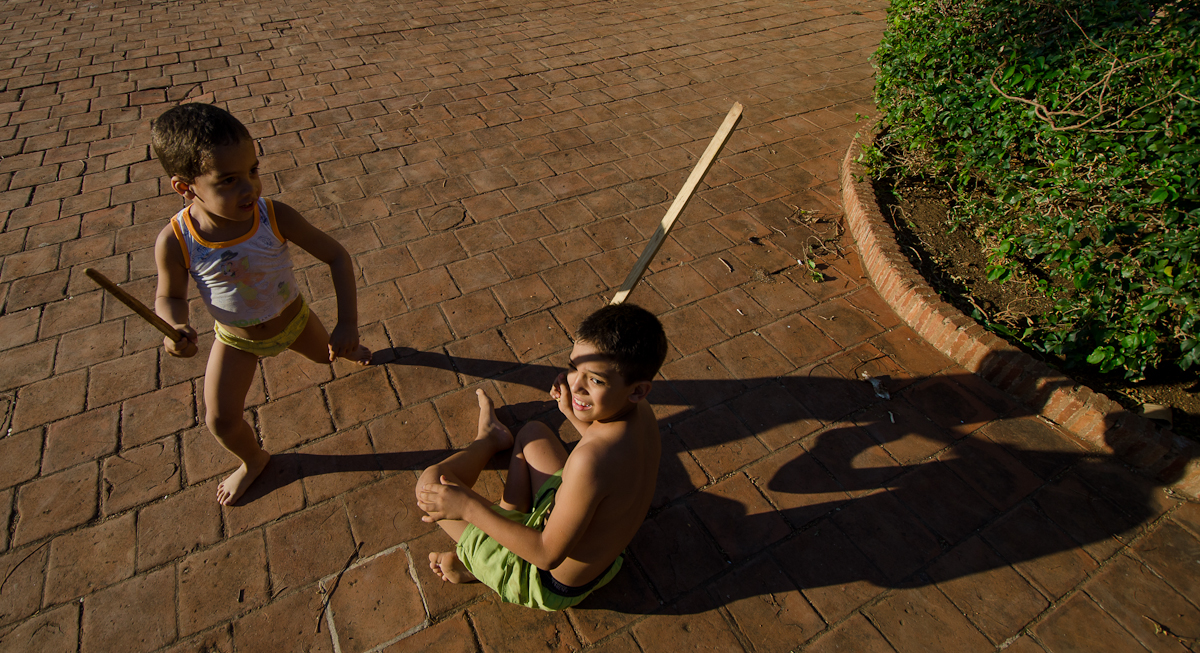
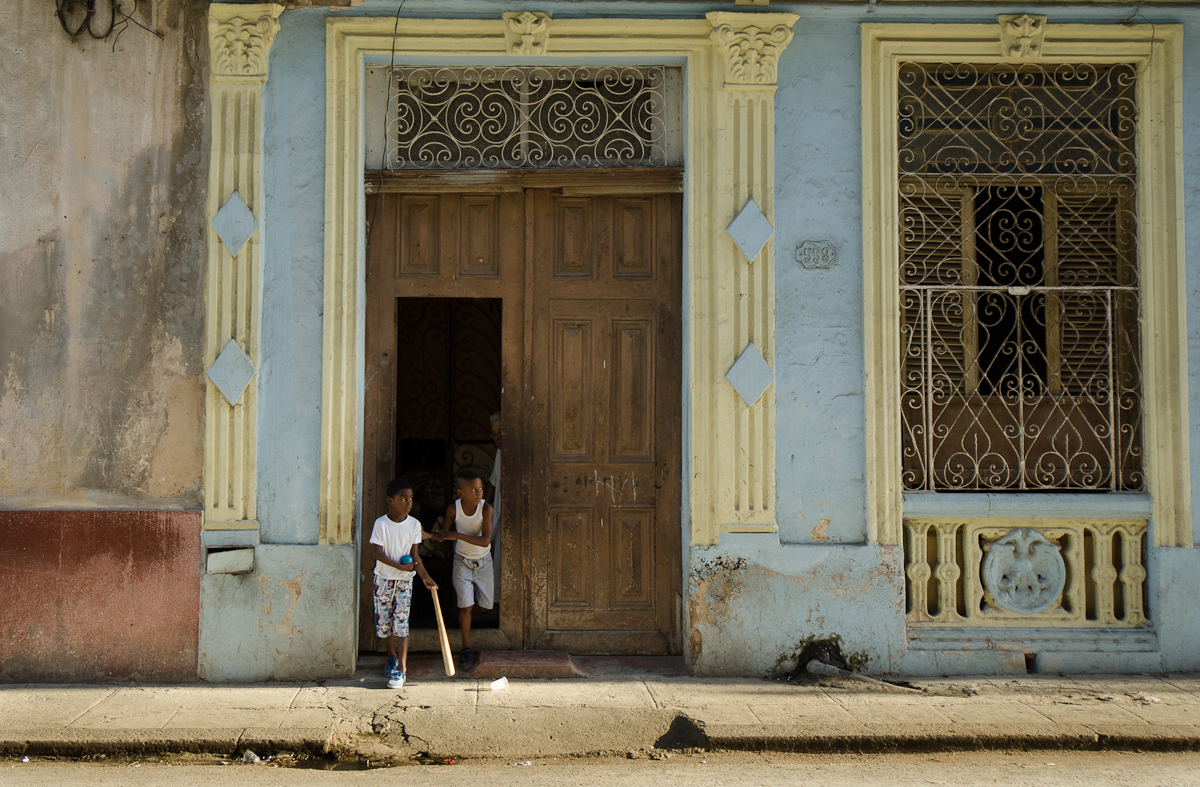
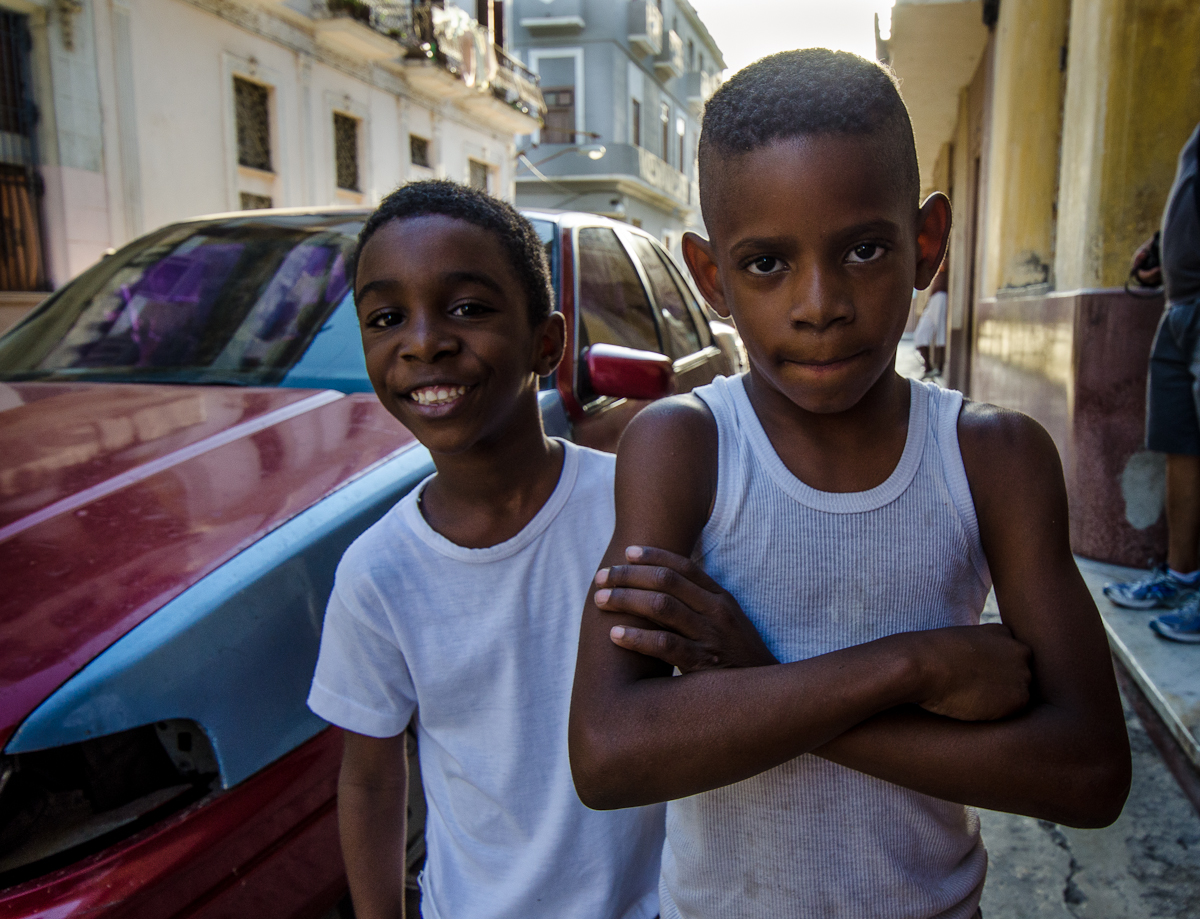
The two boys below (also aspiring baseball players, it appears) were not rushing out of their house to play baseball; they were rushing out to “greet” me, which in this case meant their mugging for the camera and then asking me for a buck.  Each.  


Lots more Cuba pictures still to come.

Cuba 2012 (Part 1)


Since 1963, it’s been illegal for Americans to visit Cuba.  So when the opportunity came up for me to go (legally!) for a couple of weeks last month, I grabbed my cameras and jumped on a plane to Havana. 


In the late 1950s, Havana was a chic tourist destination.   With over a quarter-million U.S. tourists in 1958, it was as popular as – and much more glamorous than – Las Vegas.

Fidel Castro took over Cuba in 1959.  As the Castro regime expropriated American properties in Cuba and aligned itself more and more with the Soviets, the U.S. started imposing trade restrictions.  By 1961, Castro was showing off Russian tanks and weapons in the streets of Havana.  In 1962 (after securing for himself a good stockpile of those famous Cuban cigars), President Kennedy imposed the initial trade “embargo.”  The restrictions were tightened even more after the Cuban Missile Crisis in 1963, and trade and travel have been essentially prohibited for the ensuing 50 years by what Cubans call “El Bloqueo” (the blockade).

Recently, the U.S. has relaxed the policies on permits for “purposeful travel” (cultural, educational or religious exchanges) to Cuba.  So I just got back from a couple of weeks on a “cultural” exchange program – part of a group of twelve or so there to interact with the Cuban people and to photograph Cuba for “artistic” and cultural purposes (not for journalistic purposes, because the Cubans woudn’t allow that, and not for tourist purposes, because the Americans don’t allow that) .

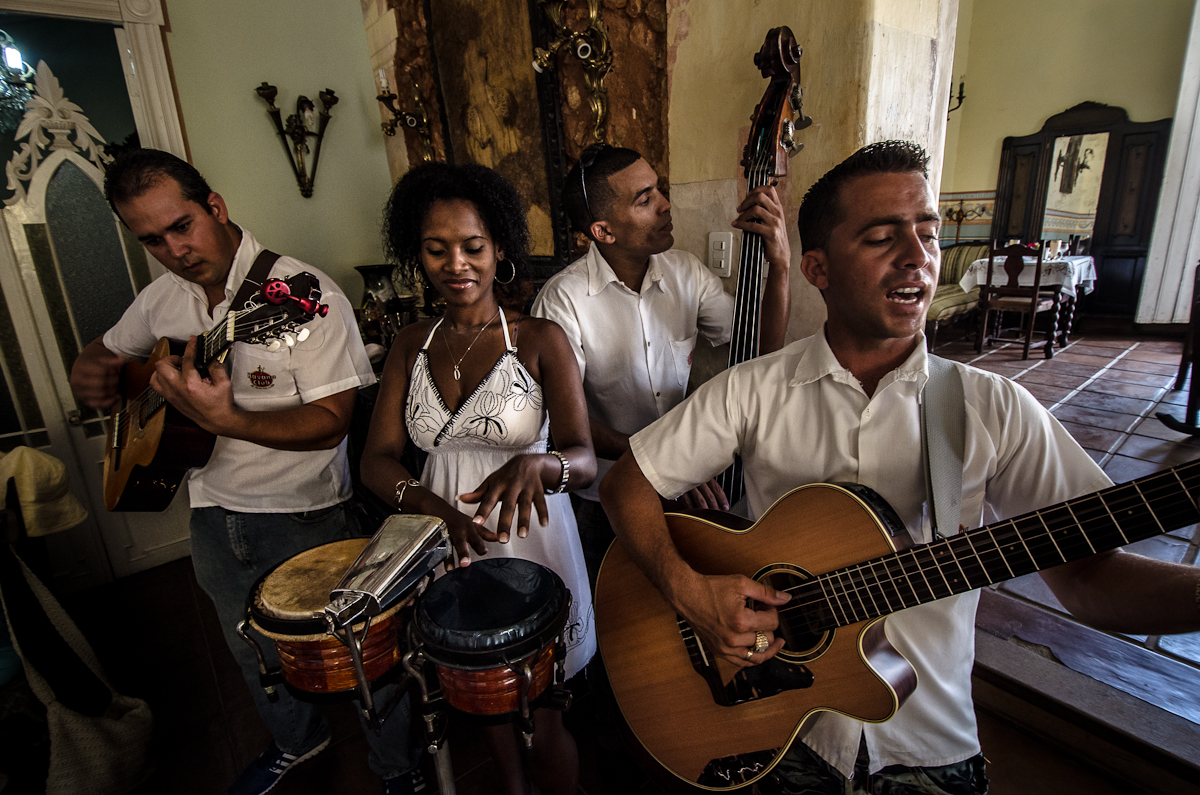
About all I was allowed to bring back are pictures — but I’ve got tons of them.  Like 150 gigabytes of them.  Over the next several days, I’ll organize them and hopefully share some of the interesting things I’ve seen and learned in this process.  Here are a handful of previews.  Stay tuned for tons more.


Hooray for Hollywood!?!


On my flight to LA recently, I was reading a book which, coincidentally, mentioned some research about living in California. It’s a great book, by the way: Thinking Fast & Slow. I swear it will make you wiser, happier, and richer. The author is a psychologist who won the Nobel Prize in economics. I know he’s wise, and I’ll bet he’s also happy and rich.

According to the “California” research, most Americans believe they would be happier if they lived in California.  But the same research found that there is no perceptible difference (on average) between the happiness of Californians and that of other Americans – California’s climatic advantages get lots of attention, but they are not important determinants of actual happiness for most people.  The lessons?  (a) People often forecast poorly the extent to which something will actually make them happy (or unhappy); and (b) “Nothing in life is as important (in terms of making you happy or unhappy) as you think it will be when you are specifically thinking about it.”  The lesson also applies to new cars, lost loves, having kids, amputations, and the outcomes of presidential elections or sports championships.

***

My friends Roger and Kathy Willard may be an exception to that California study.  They were not at all convinced they’d be happier in Tinseltown when “work” took them there four years ago, but they seem to be thriving.  Roger and Kathy were both friends of mine at Arthur Andersen when I worked there (in OKC) in the 1980s, both were in my wedding in 1992, and then the two of them got married and moved to Houston and lived 2 blocks from me for about 8 years.  They are two of the most hard-working, smart, sensible people I know.  If I had a big business to manage and you told me I had to pick a married couple to run it, they’re my hands-down pick.

Roger was my “boss”, mentor and hero when I was a new CPA in Oklahoma (in a prior life/millenium); he became a partner at Andersen before its post-Enron demise.  Nowadays he travels the earth doing acquisitions for a global engineering firm, then enjoys that sunny SoCal weather by golfing on the weekends year-round.  Kathy’s job is the reason they moved to L.A.  She’s the CFO of LiveNation (they own Ticketmaster and the House of Blues, for example, and run concert tours for people like Madonna, the Eagles and U2).   One dubious claim to fame is that when Charlie Sheen drank “tiger blood” and waved a machete at the paparazzi, he was standing on Kathy’s private office balcony.  A much-more-impressive claim to fame is that Billboard Magazine lists her at #3 in its Women In Music list of the most powerful women in the industry.  Another magazine listed her as one of three global “CFOs to Watch” in 2012.  That’s pretty damn impressive!

Roger and Kathy were nice enough to host me in their home for a few days while I was in LA.  (I threatened to become their own private Kato Kaelin).  Roger took me to Venice Beach one evening – that’s where I took a lot of these pictures (including the not-so-glamorous “sleeping bag” picture).  That’s Roger in the white top and sunglasses (and with Catwoman.  That’s NOT him in the red shorts).  That’s Kathy in front of the Beverly Hills sign.  Did I forget to mention that she’s also a hottie?  I followed her to work one morning and made her pose for me in front of that sign, which is about two blocks from her office (the Hollywood sign on the hillside would have been more fitting, but it wasn’t on her path to work.).

_JJC4865.JPG_JJC4903.JPG_JJC4885.JPG_JJC5023.JPG_JJC5271.JPG

Full-Scale Retreat (Santa Barbara 2012)

I have been with the same law firm – Gibbs & Bruns, LLP — my entire career.  A big tradition of the firm is its annual “retreat,” in which all the lawyers and their spouses/dates go somewhere cool for 3-4 days and just hang out and have fun.  No work; no meetings.  Needless to say:  it’s great for morale.  In 19 years I never missed one.   I was honored that, despite my current mostly-retired “Of Counsel” affiliation these days, I got to join the crowd in Santa Barbara for this year’s retreat.  As always, it was a great experience with friends and colleagues set against the backdrop of a fun destination.  A huge thanks to my now-former partners for still letting me come along!

Apparently, the recent departure of the Firm’s big-tightwad former Managing Partner (yours truly) resulted in an upgrade of the retreat budget.  The Biltmore in Santa Barbara is a paragon of California-style swankiness.  There was a croquet court outside my room, for example, and the hotel’s “beach club” had an Olympic-sized pool.  That Bentley convertible (see picture above) got parked right up front, but the valet parkers (clad in matching argyle sweaters) would put “mere” Mercedes or BMWs discretely behind the hedges.  There’s a part of me that’s never quite comfortable in such places, and another part that finds them hilarious.  Beautiful place,though.

I spent most of my time hanging out with the crowd rather than roaming the area with my camera.  The pictures above are just around the grounds of the resort.  (Maybe I can get hired on as their full-time live-in resort photographer.  They actually have one, and he’s 85 years old.  Not a bad gig.)  A few of the pictures below are on a hike in the hills above town, or at lunch near the marina.  The couple re-enacting the Corona commercial below are Scott and Stacy Humphries.

_JJC4657.JPG_JJC4500.JPG_JJC4576.JPG_JJC4579.JPG_JJC4549.JPG_JJC4689.JPG_JJC4592.JPG

There’s one still-pending lawsuit for which I have responsibility.  It’s been “on hold” for over two years pending a judge’s ruling.  Coincidentally, that ruling (a good one for us ) came down while we were on the retreat.  Looks like the case will be reactivated for a trial in Arizona some time in the next year or so, so I may have to dust off a couple of my favorite suits and re-enter the ranks of the grown-up real world for a few months.   Yikes!
Mr. Gorbachev, Tear Down This Wall!


I’m proud to say that my first-ever vote for any elected official was for Ronald Reagan in 1984.  I was 19.

I’ve been in the L.A. area the last few days, and went by the Ronald Reagan Presidential Library in Simi Valley.  I didn’t really know what to expect.  There were lots of happy reminders of the economic turnaround that coincided with the Reagan years, and lots of sobering reminders of the Cold War era that was the fortunately-distant backdrop of my childhood.   Among the interesting stuff was  the 1980s version of Air Force One hanging from the rafters in a very-large room of the museum.
For me, though, far and away the coolest thing in this massive jillion-dollar facility was a set of small notecards obscurely encased on the back side of one of the museum kiosks.  They were the typed notes (with handwritten markings) for Reagan’s June 1987 speech at the Brandenburg Gate.  That’s the speech he gave with his back to the Berlin Wall (in front of bullet-proof glass because East German snipers were routinely stationed up on the wall).   The one where he famously said, “Mr. Gorbachev, tear down this wall.”  Gorbachev was the one guy on the planet who could push a button and blow every city in America to smithereens, so you’ve got to acknowledge the nerve it took for Reagan to repeatedly call the Russians out as the “Evil Empire” and “the focus of evil” in our time, then stand there a few feet from the wall and taunt Gorbachev into giving up control of eastern Europe.

For anyone reading this that’s too young to remember, the Wall was not a typical border fence built to keep outsiders out — it was built by the communists to keep their own people from escaping to freedom in the West.

I spent five minutes trying to get a good pictures of those modest little note cards.  Of course the wall actually was torn down a couple of years later, so there’s an oddly-decorated (i.e., the original German graffiti with pink butterflies) segment of the Berlin Wall on the museum grounds as well.