Category Archives: Travel

Sleepless in (Islamic) Istanbul

This is #2 of 3 posts about a November trip to Istanbul.  Click here to see the first one.

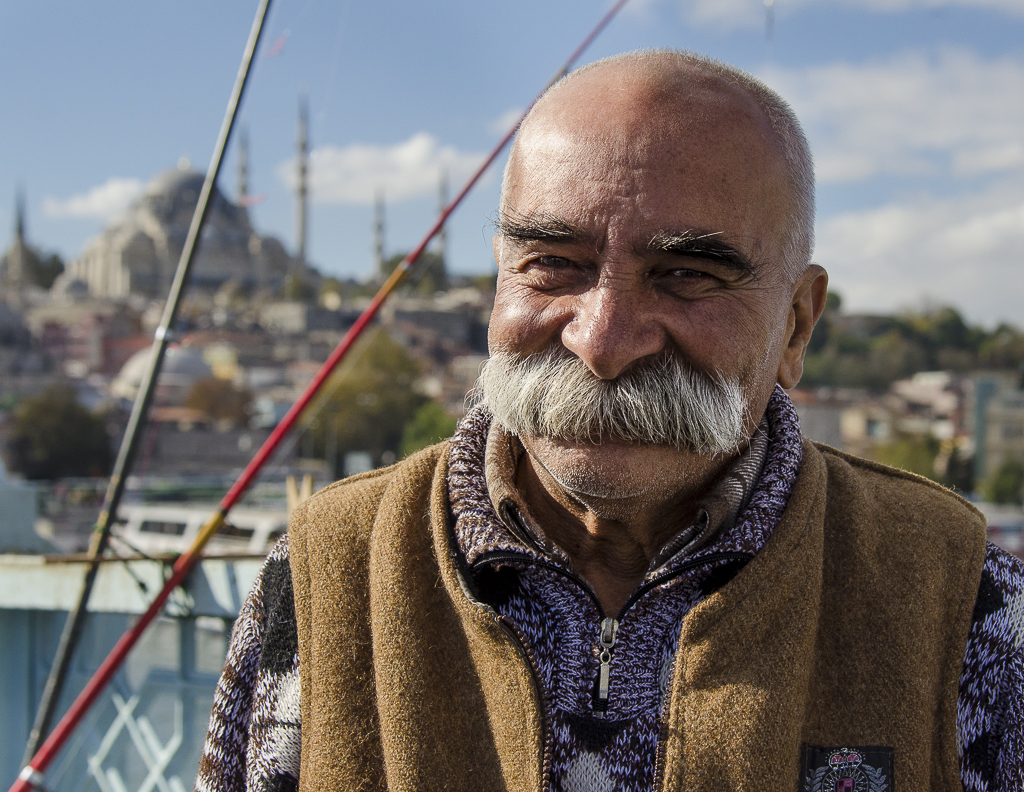
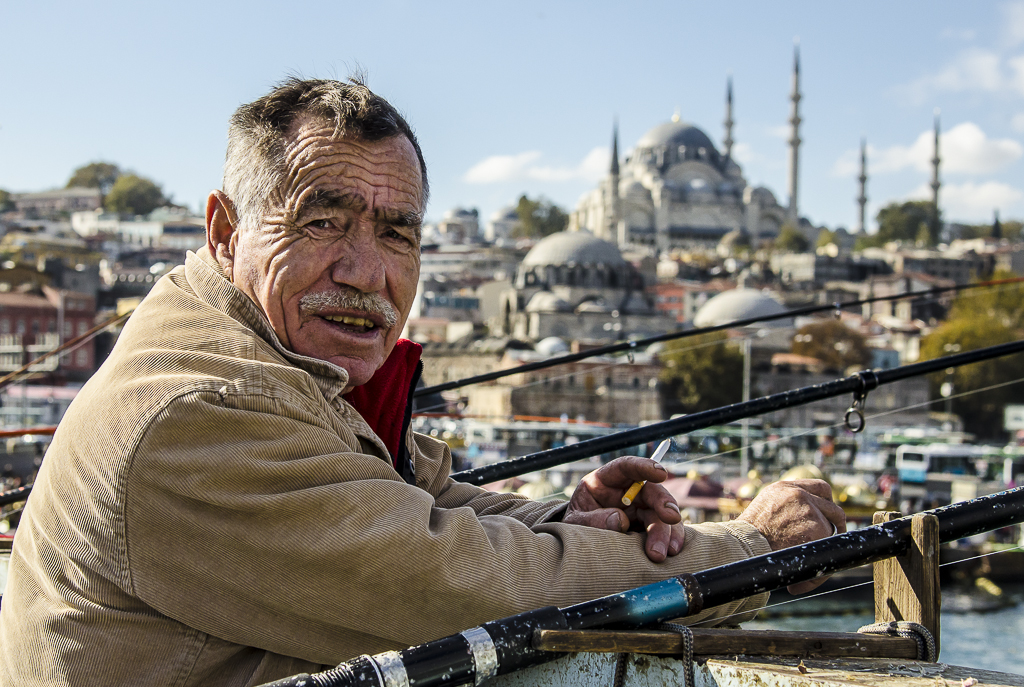
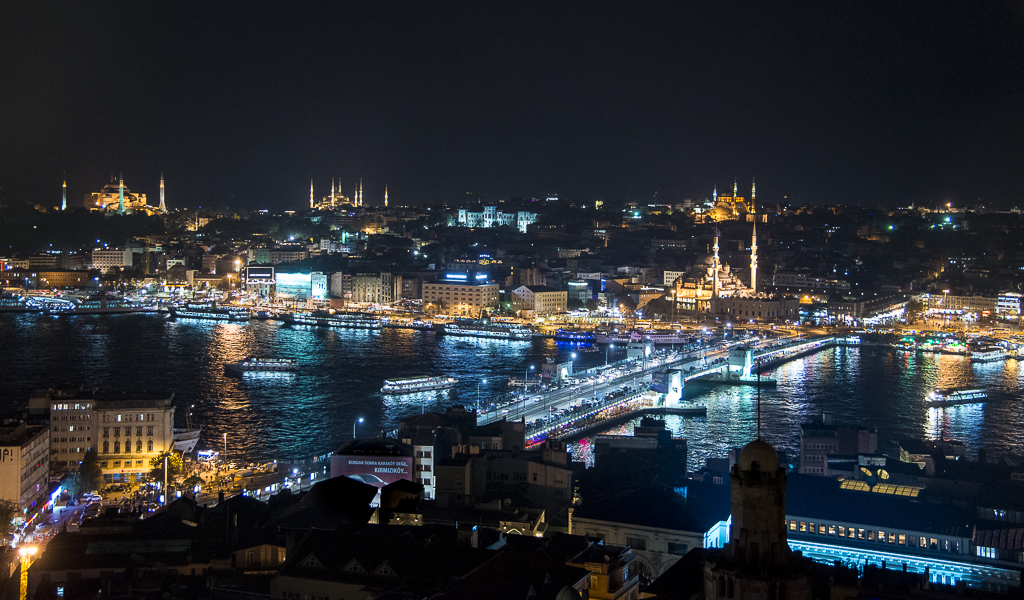
In Istanbul, Turkey, it’s pretty much impossible to get a decent night’s sleep.  An hour or two before dawn – and again at dawn — the shrill, crackling loudspeakers in the towers (“minarets”) of the city’s 5,000 or so mosques boom out the Muslim call to prayer.  Wherever you are, there are probably at least two or three mosques within the loudspeaker-enhanced earshot.  Bring earplugs.

Though the individual muezzin seem to have very different singing styles (some quite lyrical and some quite terrible), apparently the words are always the same.  The translation:

God is greatest.  I bear witness that there is no deity except God.  I bear witness that Muhammad is the messenger of God.  Come to prayer; come to success.  God is greatest; there is no deity except God.

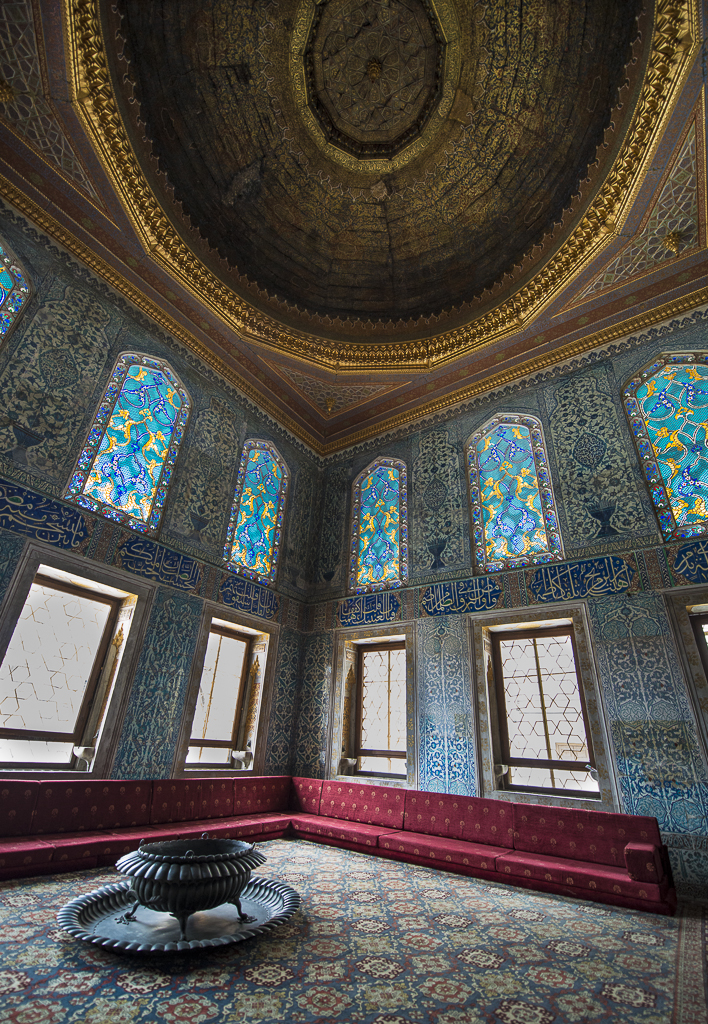
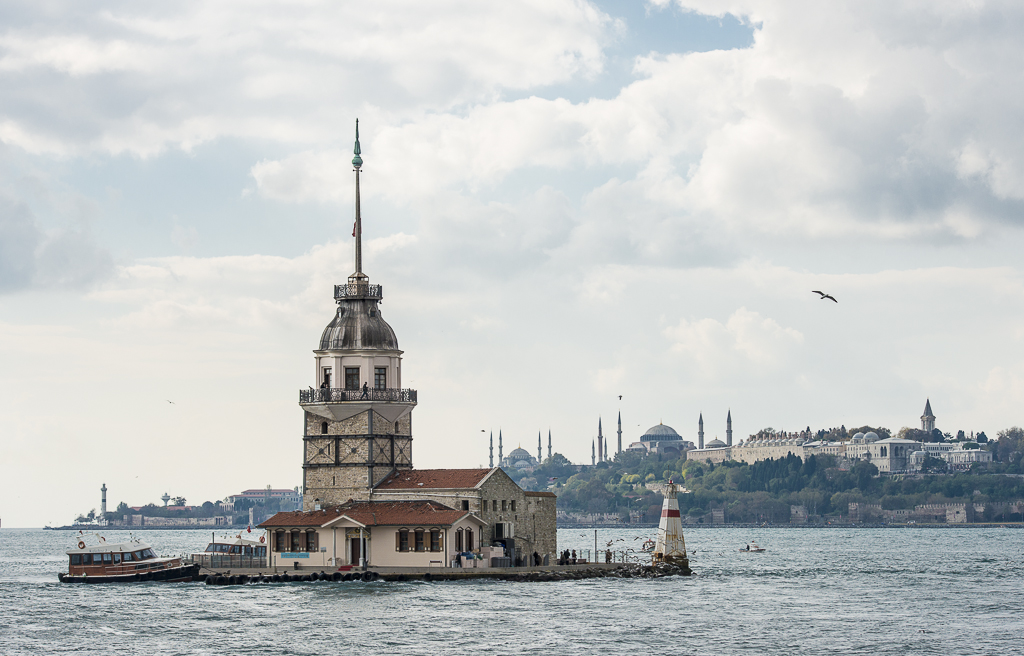
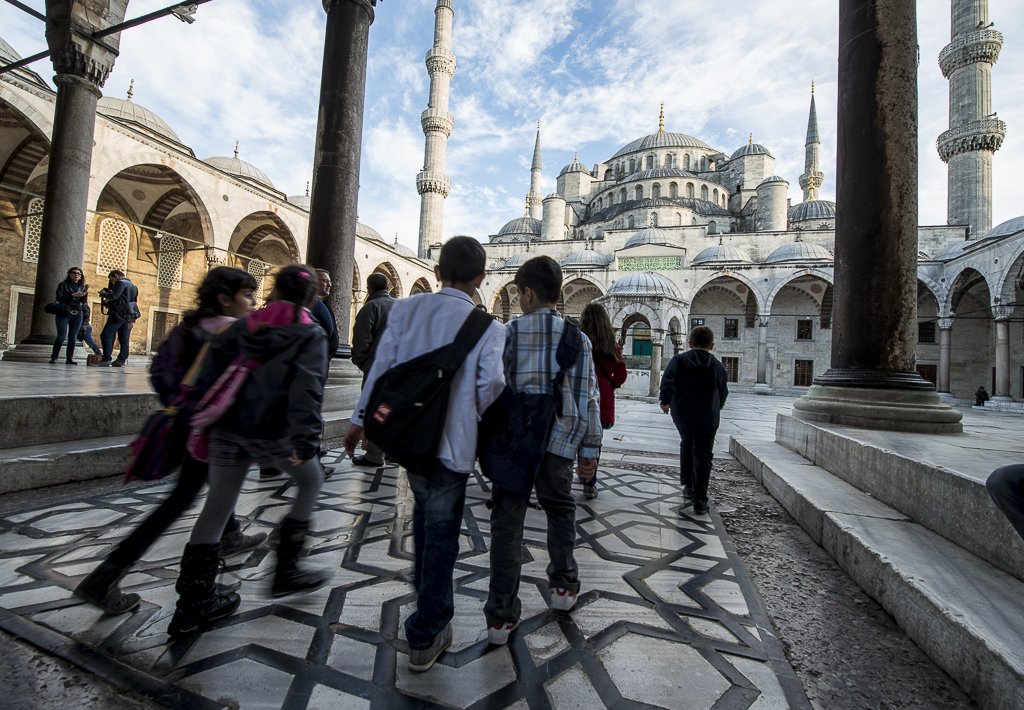
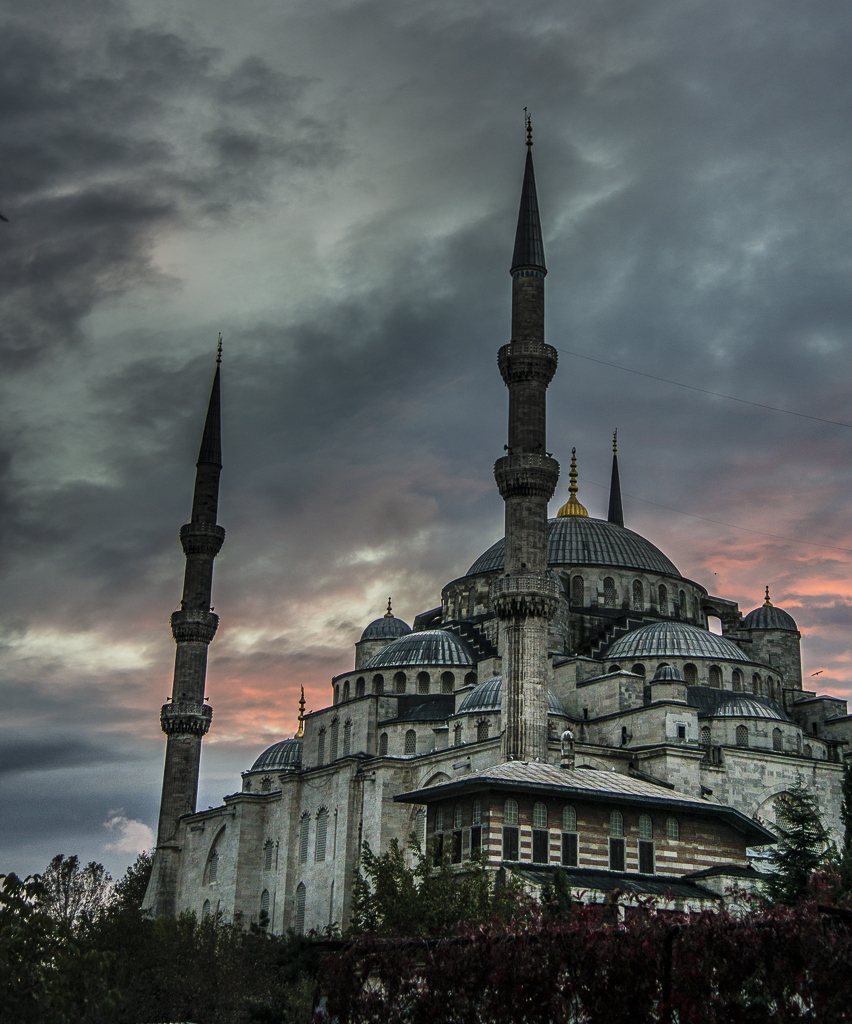
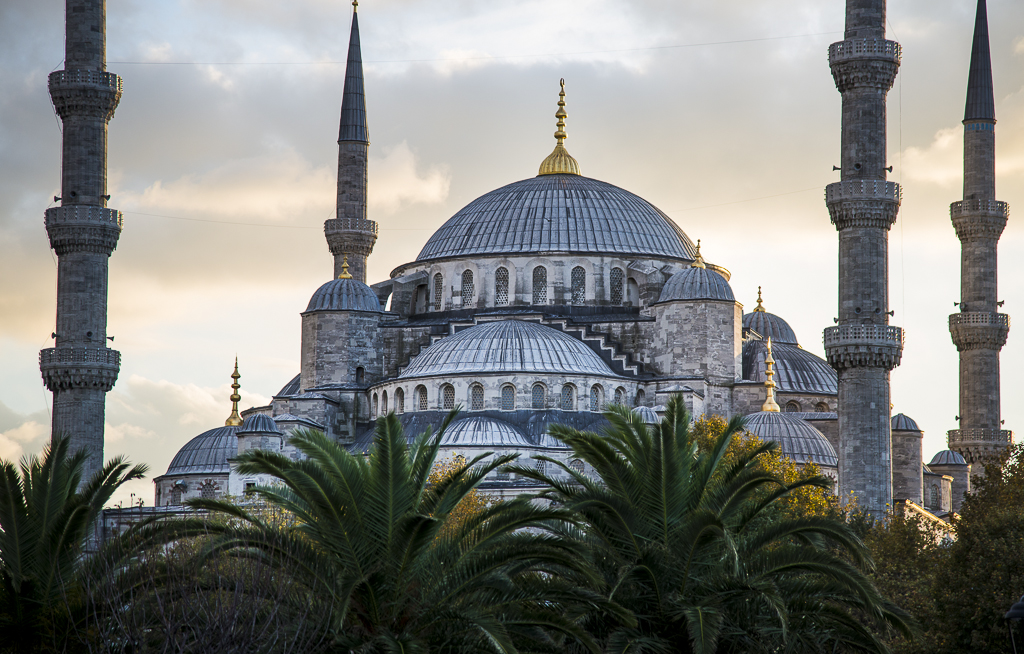
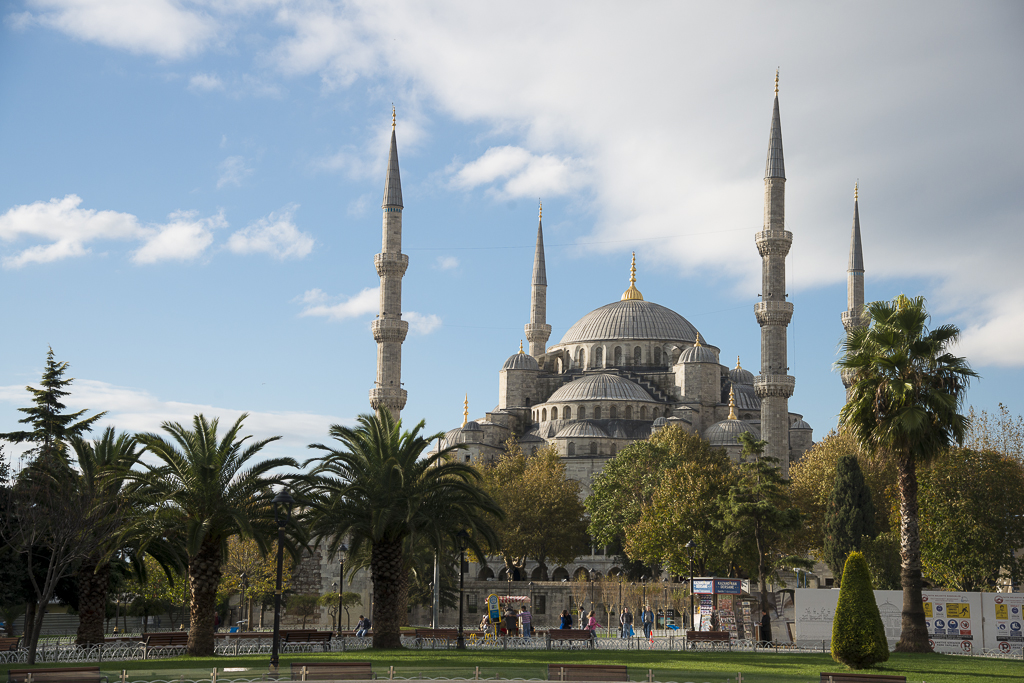
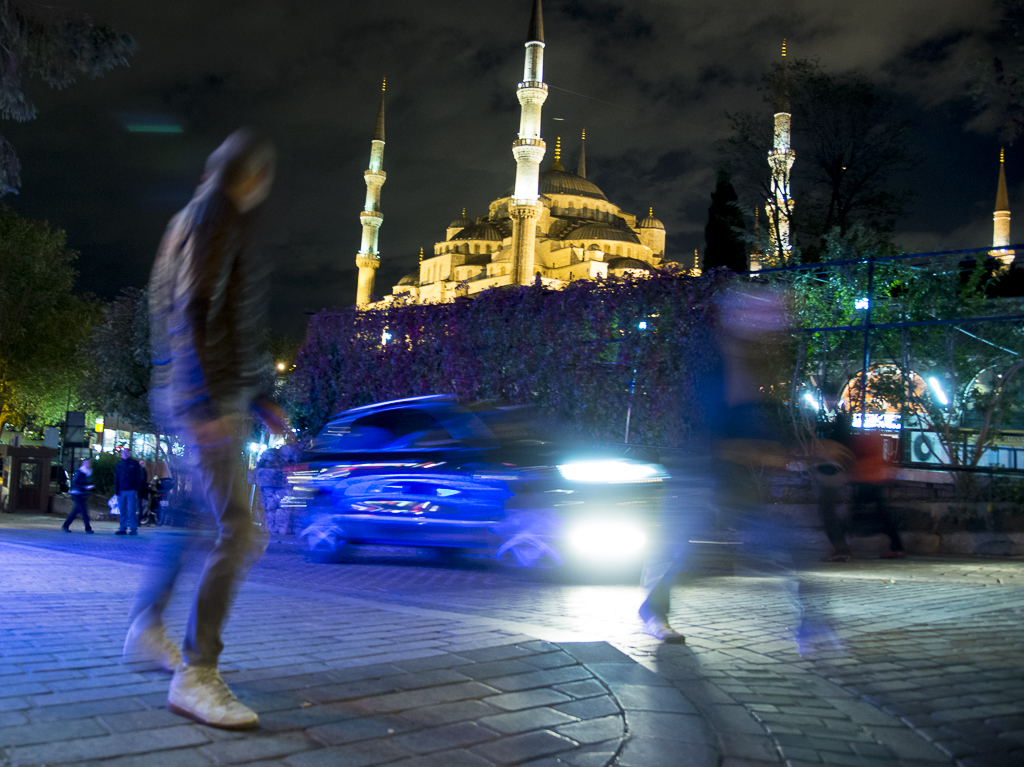
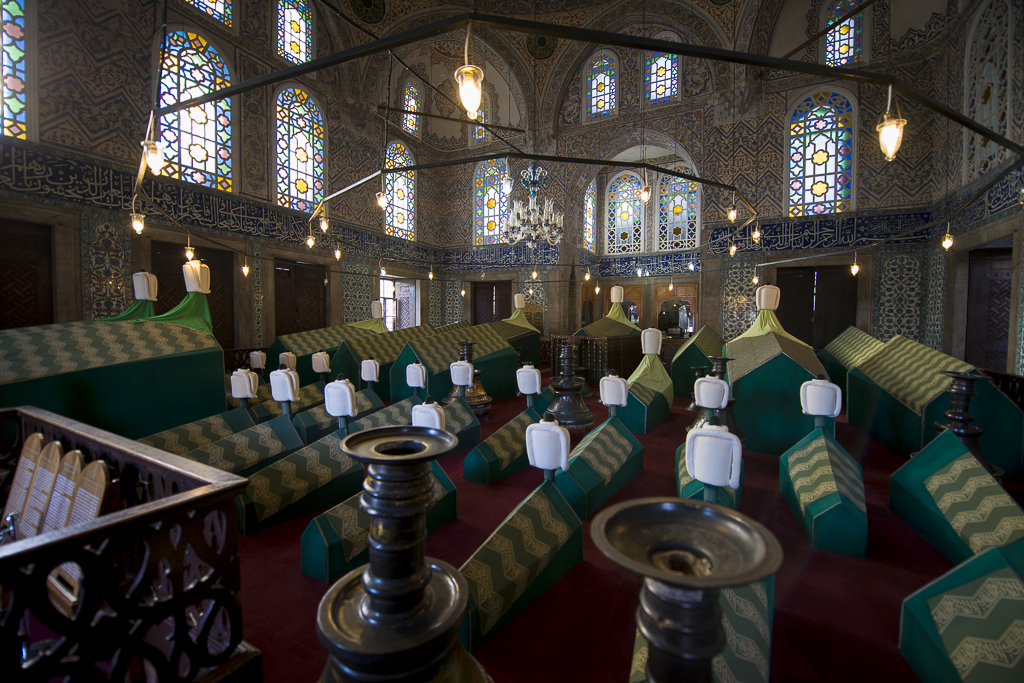
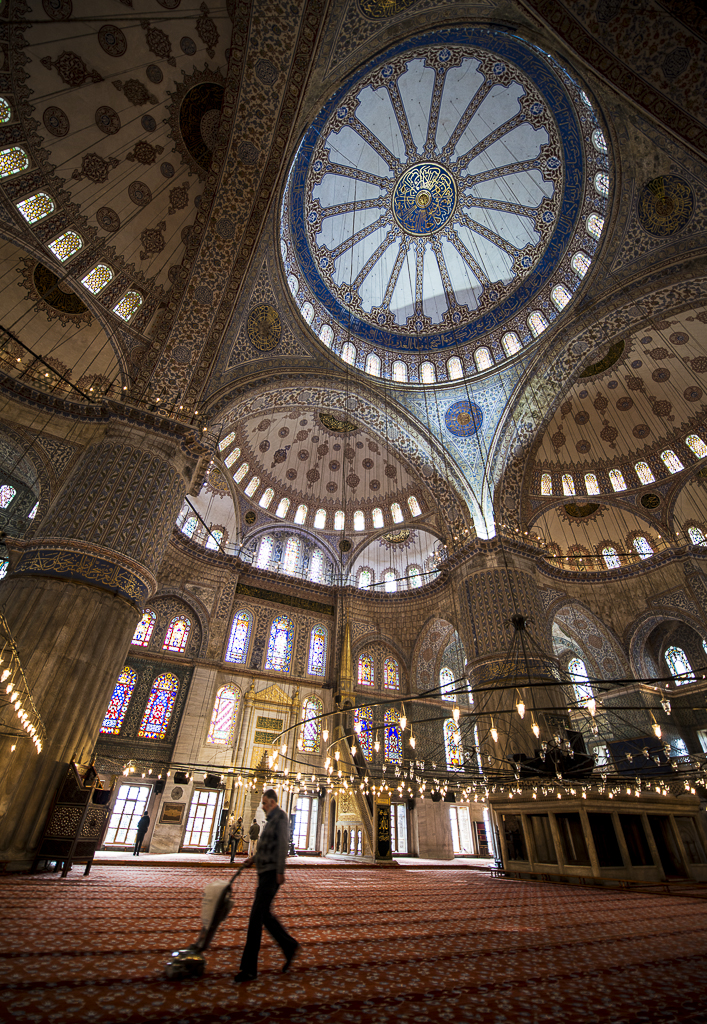
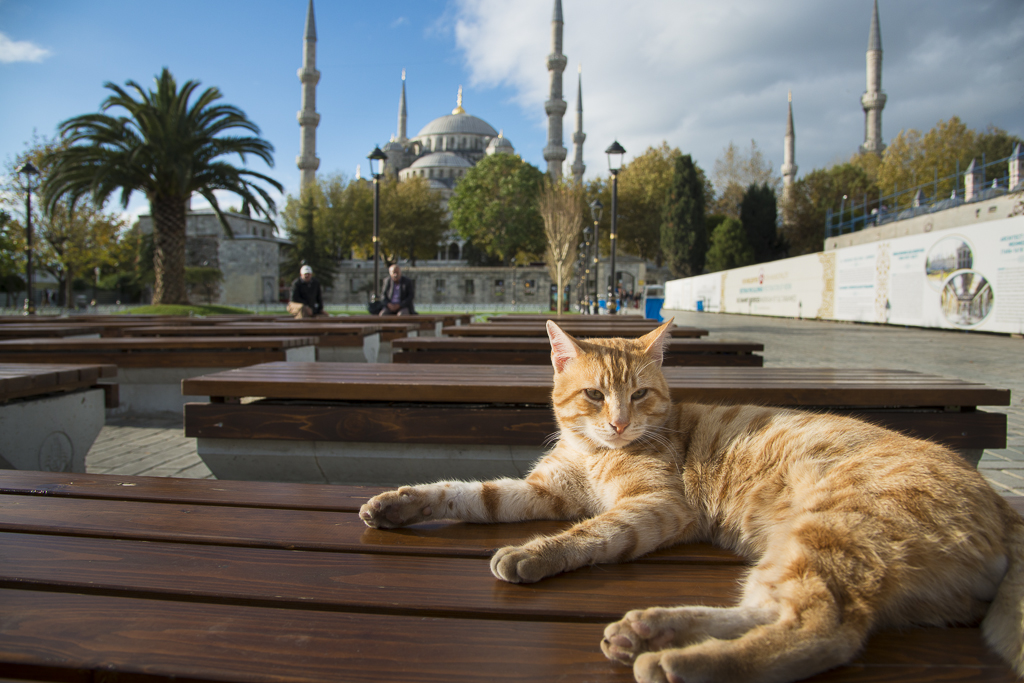
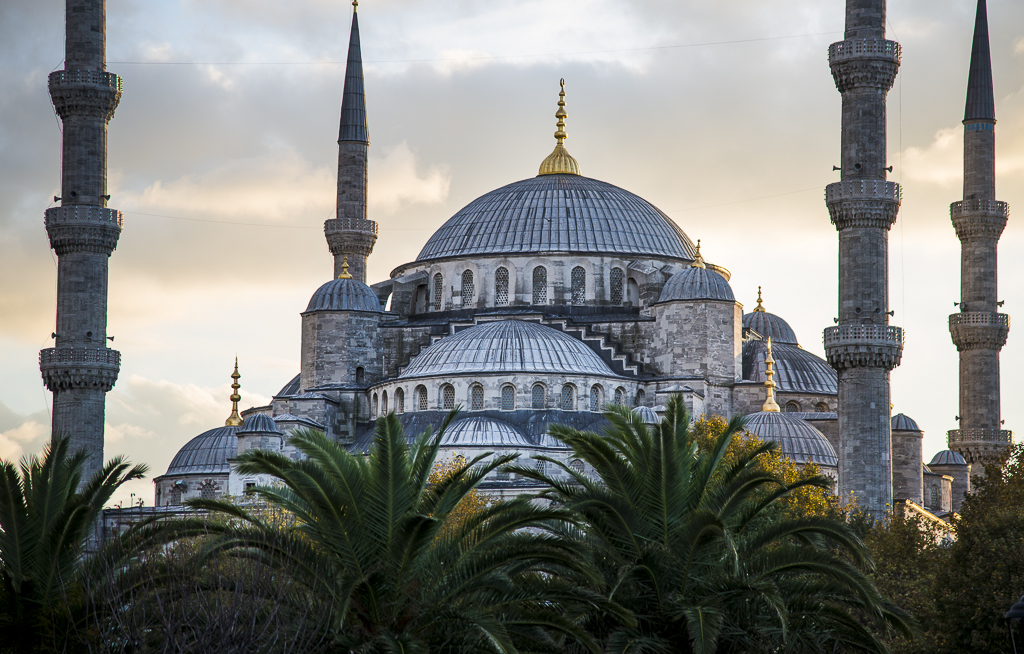
Most of the pictures here are of the big Blue Mosque, which sits in the old Sultanamet seciton of Istanbul – overlooking the Sea of Marmara and just across the plaza from the Hagia Sophia.  It’s “only” a little over 500 years old – built shortly after the Ottomans converted the city to Islam.  Today 99 percent of Istanbul residents are muslim.

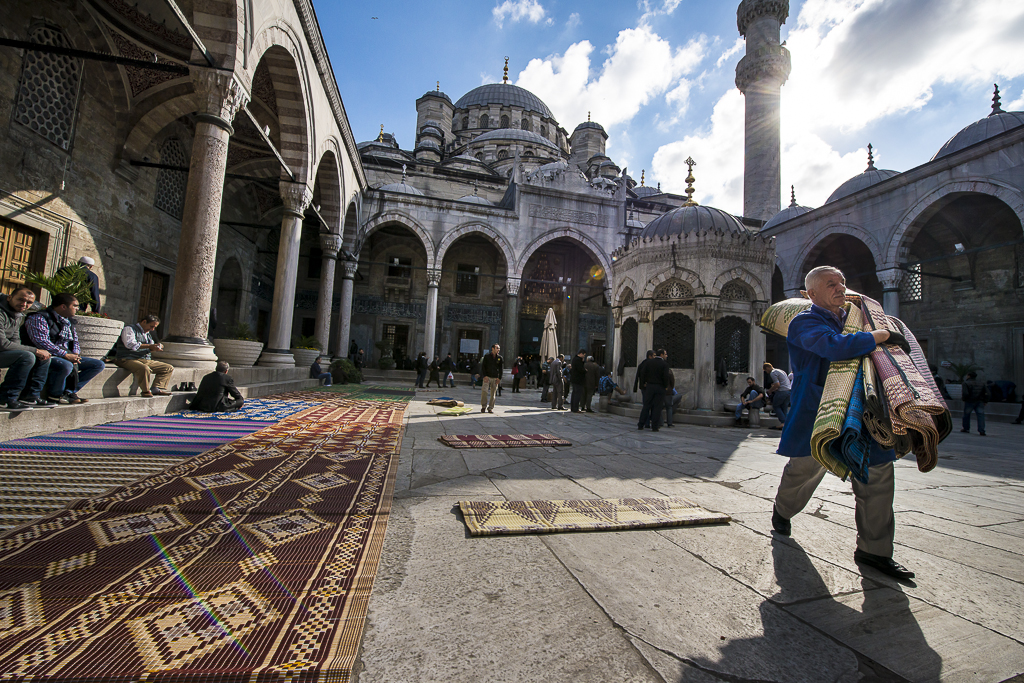
The picture (at the top) with the colorful rugs being spread out in the mosque courtyard is at the amusingly-named “New Mosque” – built in the 1600s (everything is relative).  The prayer service at noon on Friday draws an overflow crowd, thus the carpets as preparation for outdoor kneeling.  About two minutes after the picture was taken, I (along with a dozen or so other visitors) was politely (and appropriately) ushered out as their prayer service was about to begin.

_JC81091.jpg_JC81112.jpg_JC81134.jpg_JC81151.jpg_JC81856.jpg

Istanbul (Not Constantinople)*

Here’s the first of a handful of posts from a recent visit to Istanbul, Turkey. 

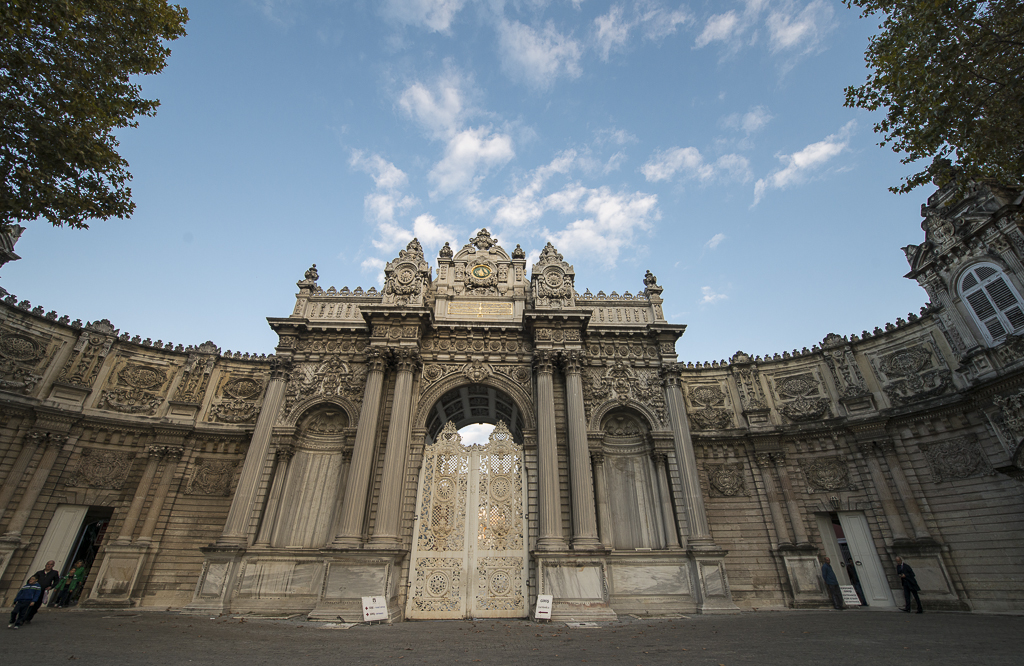
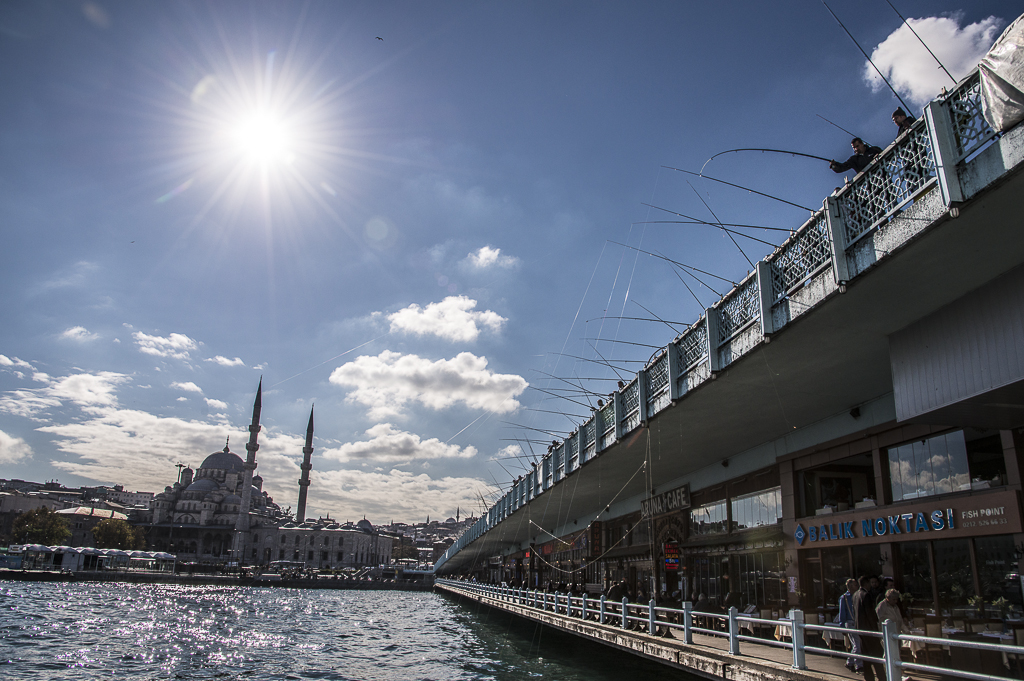
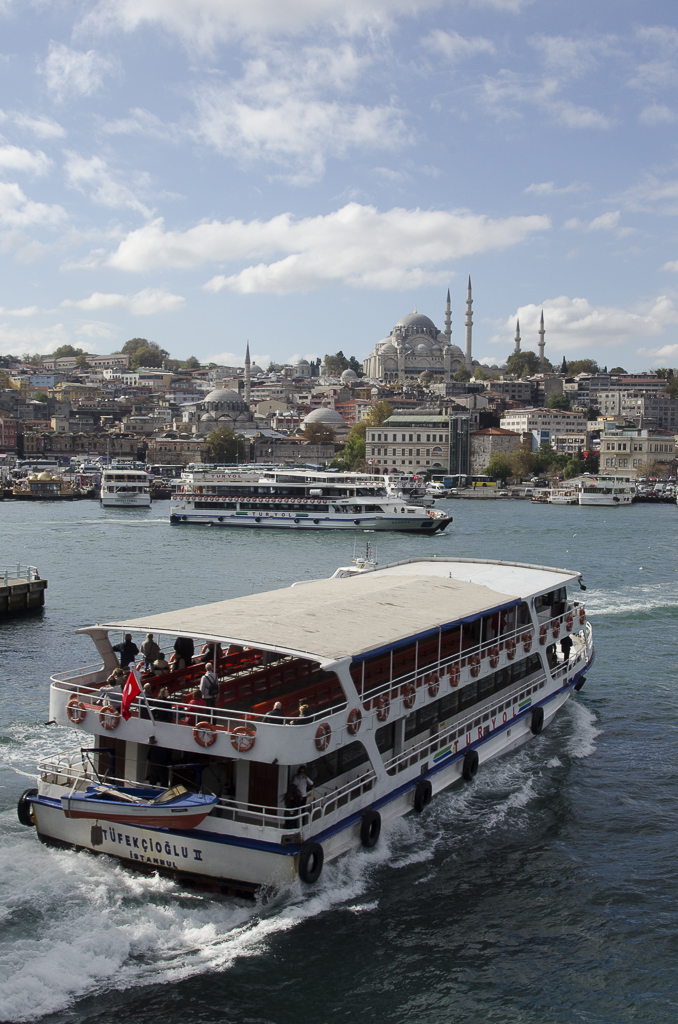
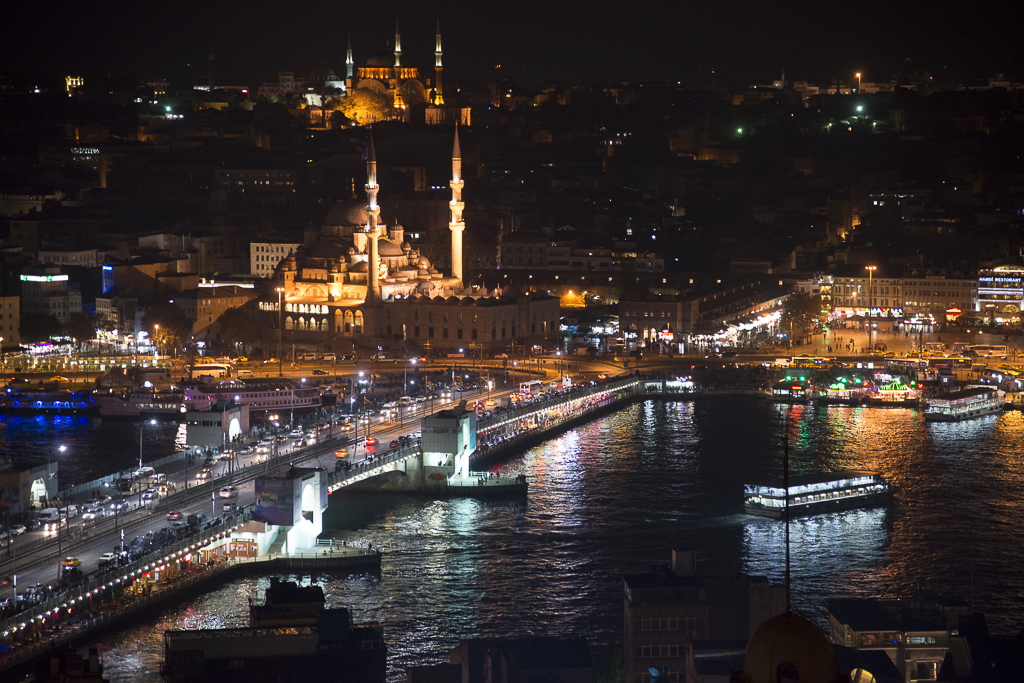
Napoleon once said that if the world had just one capital, it would be Constantinople – the city now known as Istanbul, Turkey.  Apparently lots of Emperors and Sultans felt the same way.  For over 1000 years, Istanbul was Constantinople – capital of the Eastern Roman Empire and named for the 4th Century Roman Emperor Constantine.  In 1453, the Ottoman armies of Sultan Mehmet II successfully laid siege to Constantinople and established Istanbul as the new capital of the Ottoman Empire.

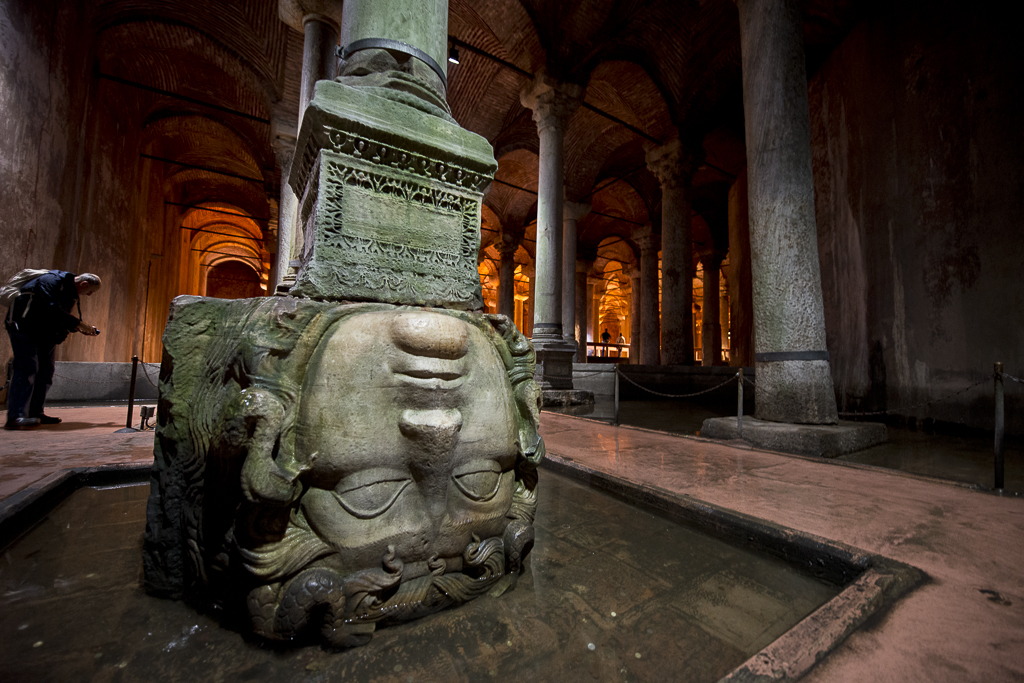
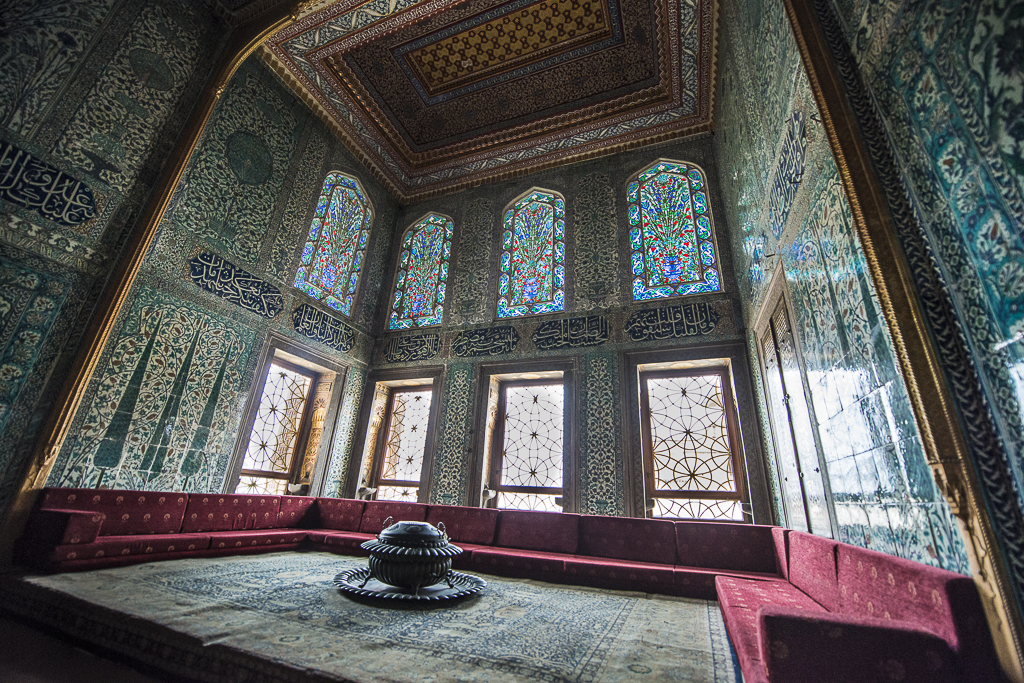
The Sultan and the Ottomans were Islamic, so most of what is now Istanbul has been mostly Islamic ever since.  Grand Christian churches were converted to mosques.  The grandest of all was Hagia Sophia — originally dedicated in the year 361 and serving as a Christian church for nearly 1100 years.  When the Ottomans took over in 1453, the crosses and other Christian symbols that covered Hagia Sophia’s walls and ceiling were replaced with symbols of Muhammed and Allah.  A mihrab and minbar replaced altar and pulpit, and minarets (towers used for the daily call to prayer) were built on all four corners.  Fortunately, the enlightened Sultan only covered up – and did not destroy – many of the Christian religious icons.  Today the Hagia Sophia is a museum, showing off its immense and beautiful architechture and its odd current mix of Christian icons and Islamic symbols, and thus telling the story of Istanbul’s last 1700 years.
c11-_JC82565.jpgc49-_JC81465.jpgc59-_JC81568.jpgc38-_JJC6114.jpgc29-_JC81674.jpgc45-_JC81599.jpgc61-_JJC6118.jpgc64-_JC81492.jpgc68-_JC81641.jpgc77-_JJC6084.jpgc95-_JC81466.jpgc100-_JC81587.jpgc22-_JC80989.jpgc38-_JC81394.jpgc40-_JC80910.jpgc68-_JC81458.jpg

The tiny Church at the Chora monastery a few miles to the west saw a similar fate.  Today it’s a museum, and most of the amazing and elaborate murals have been restored.

_JC81968.jpg_JC81983.jpg

*”Istanbul (Not Constantinople)” is a goofy song about the re-naming of Constantinople.  It was a gold-record hit in the 1950s by the Four Lads, and was recorded again by the They Might Be Giants in the 1990s.  If you don’t remember it, watch the recent version on YouTube.  It’ll make you smile.  “All the girls from Constantinople are in Istanbul (not Constantinople); so if you’ve a date in Constantinople, she’ll be waiting in Istanbul.” 


Four-Wheelers and Fishermen: Creede, Colorado 2012


My trip to Creede wasn’t all (or even mostly) about leaves and cameras.  (You can click here to see the fall foliage pictures).  My Dad brought a trailer-full of 4-wheel ATVs.  So I spent a few days going down trails in the woods with my Dad (J.B. Cotner, in the red/blue shirts), my brother-in-law’s dad (Jim Parker, in camouflage), and a good friend of my Dad’s (John Frizzell of San Antonio, in the tan cap and black cowboy hat).

The mean age of my off-road 4-wheeling buddies was about 71, but we took on some long rides and rough terrain.  At one point, another ATV flagged me down at a trail intersection and encouraged me to turn back because the trail got “pretty hairy.”  He hadn’t seen that Dad and John had already gone right up it while I piddled in the back with a camera.  (The guy was right about the trail, though).

_JC87747.jpg_JC87727.jpg_JC87740.jpg_JC87758.jpg_JC87774.jpg_JC87787.jpg_JC87807.jpg_JC87825.jpg_JC87835.jpg_JC88171.jpg_JC88242.JPG_JC88255.JPG_JC88316.jpg_JC89166.jpg_JC88350.JPG_JC88297.JPG

Meanwhile, my brother-in-law (Bill Parker) and his good friend Derald Glover spent most of their Colorado time knee-deep in mountain streams or in the Rio Grande itself.  Bill has become as much of a fly-fishing fanatic as someone from eastern Oklahoma can reasonably be.  By the last day they were in Creede, he and Derald finally got the right combination of location, lure and body English to land some trout he was proud to show off.

_JC87909.jpg_JC87929.jpg_JC87935.jpg_JC87942.jpg_JC87945.jpg_JC87960.jpg_JC87963-2.jpg

Fall Leaves in the Upper Rio Grande

Ever wonder where the Rio Grande got its start?

_JC89449

If you follow the Rio Grande upstream about as far as it goes — to where the Rio Grande is still a rio muy pequeño — you’ll wind up a little west of Creede, Colorado.   Fortunately, most Colorado tourists have overlooked this area because it’s a long way from major airports and ski resorts, but there’s a loyal Texas and Oklahoma crowd that usually arrive in RVs for riverside camping, or in 4-wheel-drive vehicles for exploring the mountains.

It’s a great place year-around, but — until last week — I’d never been there for the real “peak” color of the aspen leaves in the fall.  They’re beautiful, but they’re quick!  In the space of a week, lots of the a

spen leaves went from green to gone.  Fortunately, I got a few pictures before they all disappeared.

———–

If you want to see several more fall leaves shots, OR if that slideshow above doesn’t work on your browser or device, click here to see them on a different page.

————

Pine beetles are a constant scourge in Colorado, and a few years back a wave came through and killed a bunch of trees.  The locals call it “Beetle Kill.”  The bugs eat the mature evergreens but don’t touch the aspen.  Lots of the pictures have at least a few obvious dead trees.  The shots below are of areas where the evergreens are essentially wiped out.  It looks as though the aspen will quickly take over the open space.


OverCapitalized

It’s hard to take pictures in Washington D.C. that don’t look just like the zillion images you’ve seen all your life.  And you spend a disheartening amount of time waiting for a little gust of wind so the flags will look better flying in the breeze.  

It’s a tough time to get excited about Washington D.C.  Washington is nothing if it isn’t a big symbol – full of smaller big symbols – of the federal government.  A very big federal government.  I suspect D.C. tourism rises and falls a little with the approval ratings of the President and Congress – making this a fairly uninspiring time to visit the capital.

Even so, walking among the monuments and museums and memorials and government buildings, it’s hard not to be impressed.  I remember my first trip to D.C. many years ago:  what struck me was that it was full of American castles.  I’d grown up thinking that the U.S. – unlike England or France or Germany – didn’t have castles, but there they were in D.C., one huge, lavish government “castle” after the next.

_JC87039.jpg_JC87112.jpg_JC87271.jpg_JC87274.jpg_JC87329.jpg_JC87361.jpg_JC87370.jpg_JC87407.jpg_JC87448.jpg_JC87463.jpg


 I went to a seminar in Washington a few days back.  I got there a little early and stayed a little late so I could walk around the “mall” and take a few pictures.  Several of the pictures you see are of the Capitol just at sunrise (thus the pretty light).  There are a couple of shots – with the Washington Monument and reflecting pool – taken about 15 minutes apart, from the Lincoln Memorial.  One of those was taken as a nasty storm blew in, trapping me (and about 400 others) inside the Memorial watching the downpour.  A couple of shots (those from up high, and including the one of National Park Ranger Julia Clebsch) are from the clock tower of the Old Post Office.

That picture with the Capitol building in the distant, lower right and with the relief sculpture up close is at the Ulysses Grant Memorial, which is at a very prominent spot between the Capitol Building and the Washington Monument.  It was striking to realize that it’s a tribute to General Grant (as opposed to “President” Grant).  It’s a war momument:  He’s on a horse, dressed as a Union general, and flanked on all sides by dramatic sculptures of Union soldiers on the attack.  As a de facto Southerner, somehow that ongoing granite-and-bronze celebration is a little unsettling (To be clear, though:  I’d never suggest it be removed.  It’s real history.).  It reminded me of my lifelong observation that many Americans have been much quicker to embrace our former foes from international wars and conflicts than their fellow citizens from opposite sides of the Mason-Dixon.

.