Category Archives: Photography

Florida 2012: My Glamorous Nieces

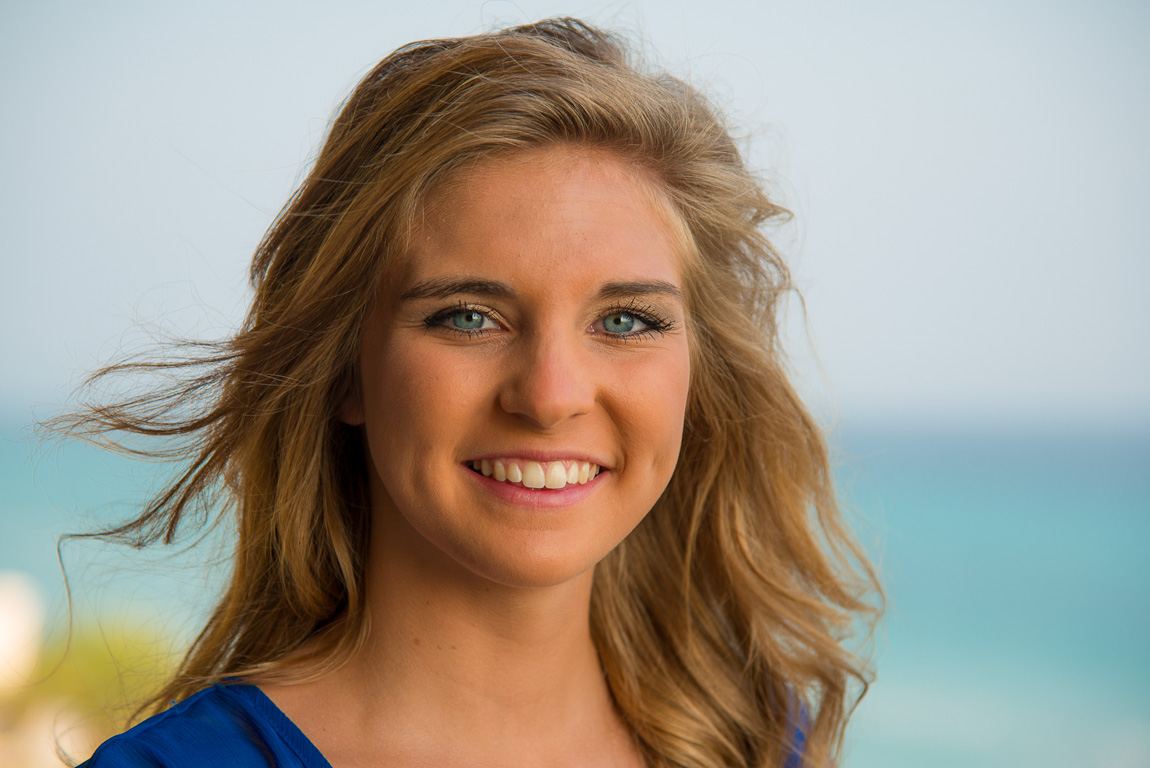
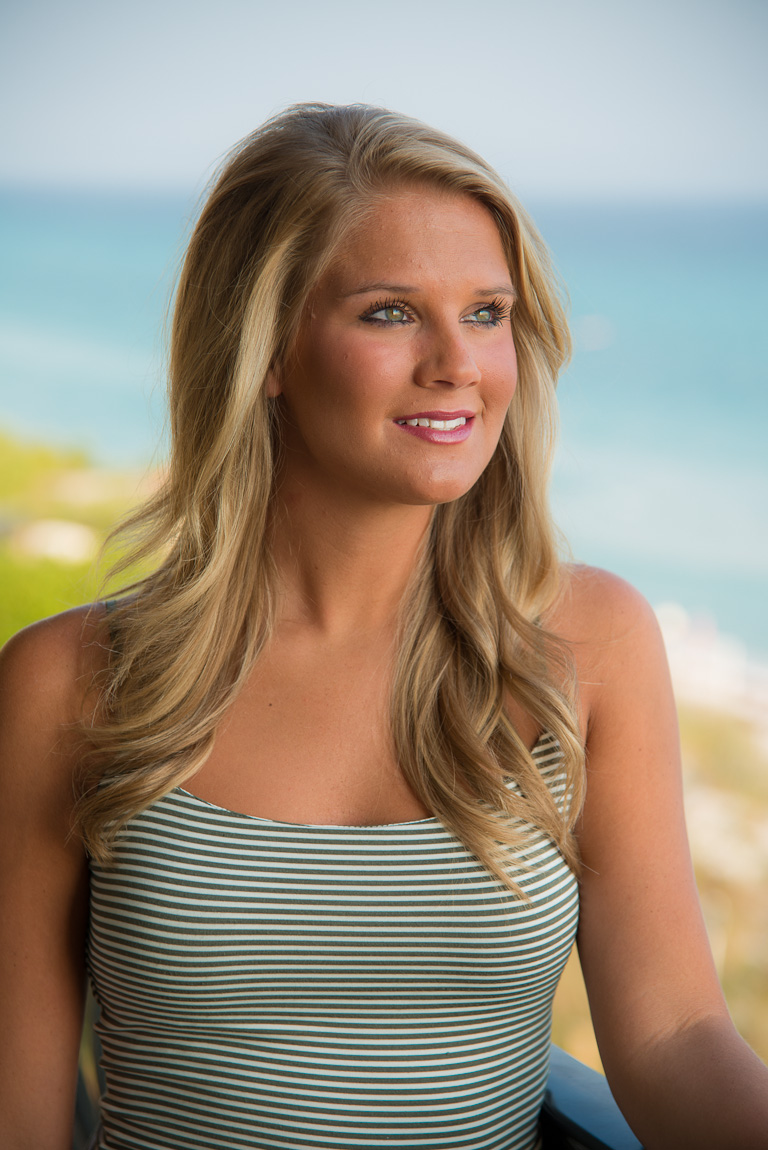
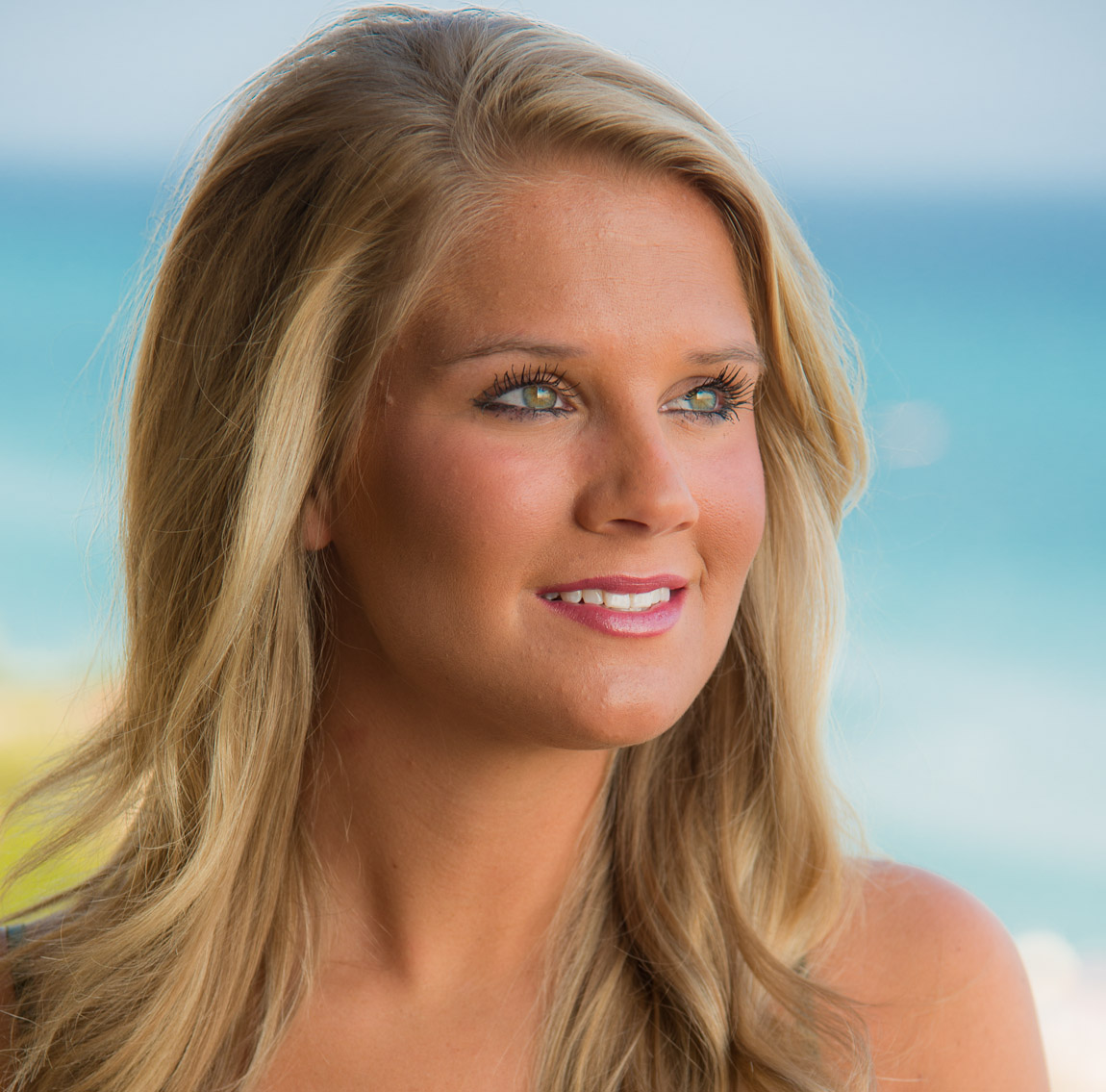
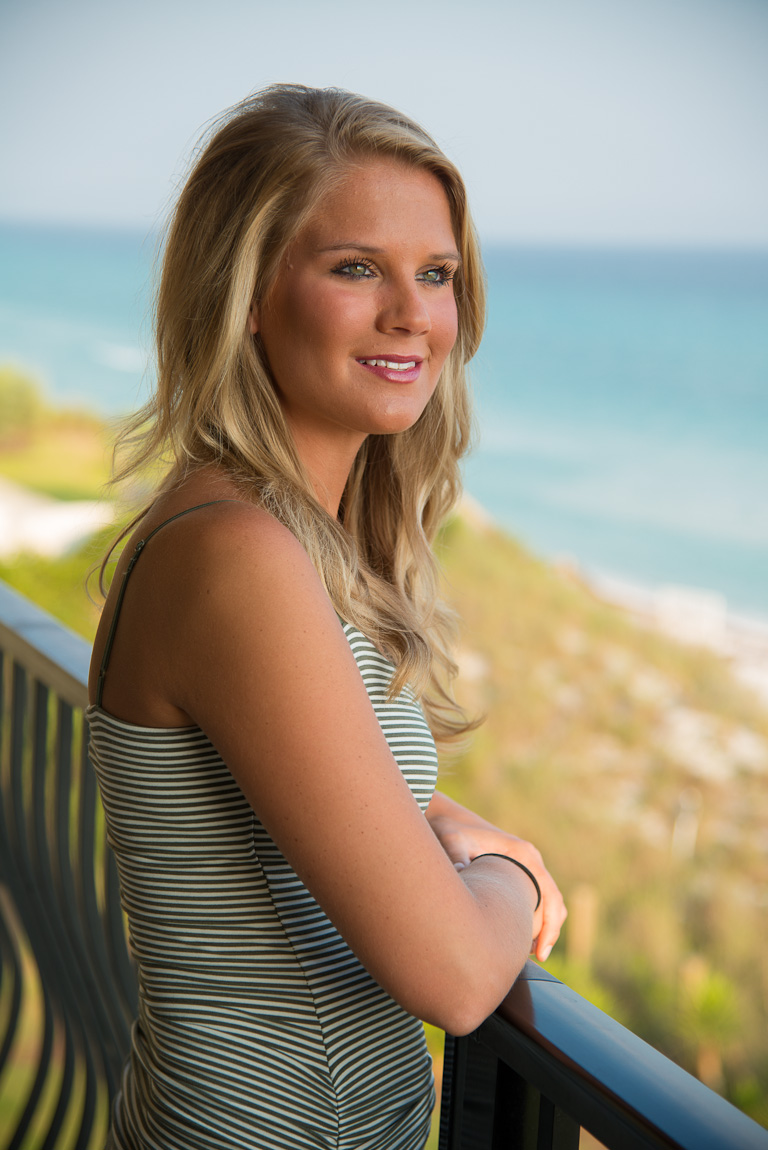
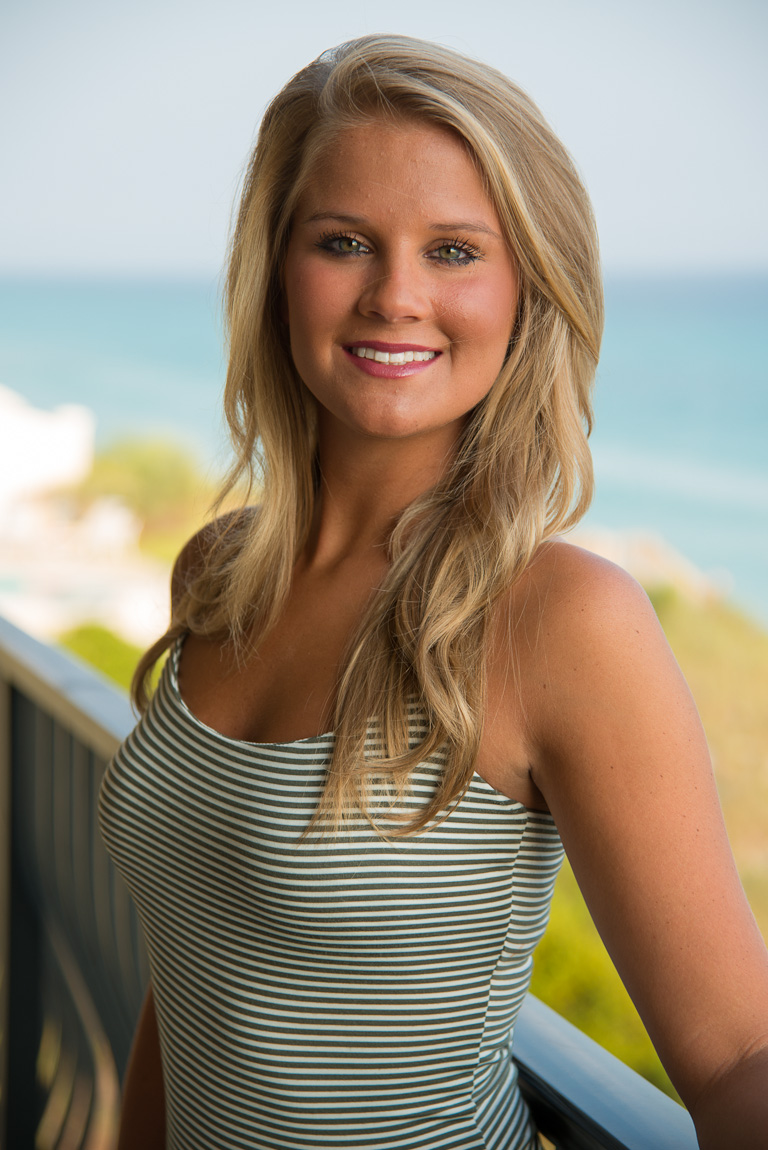
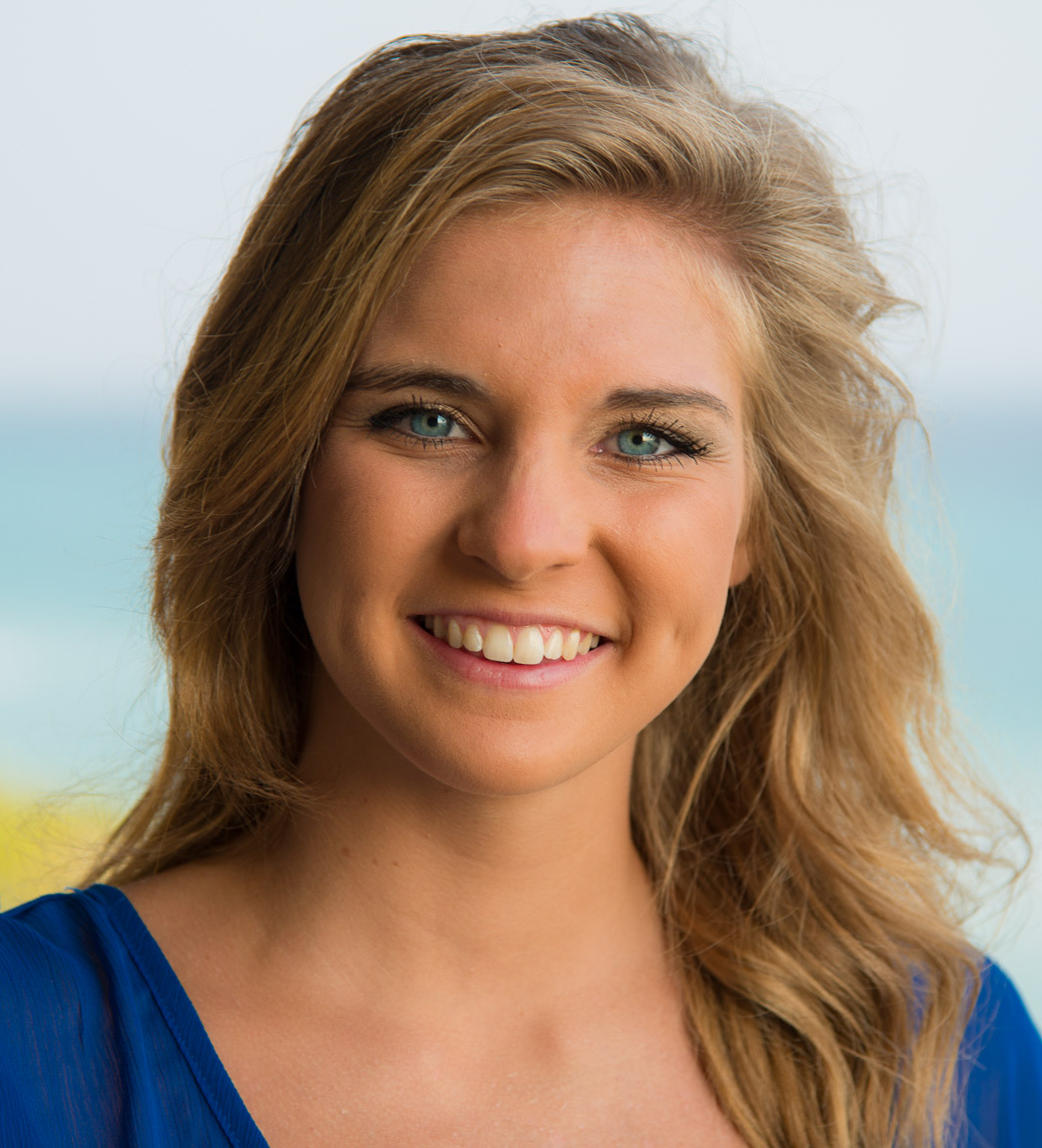
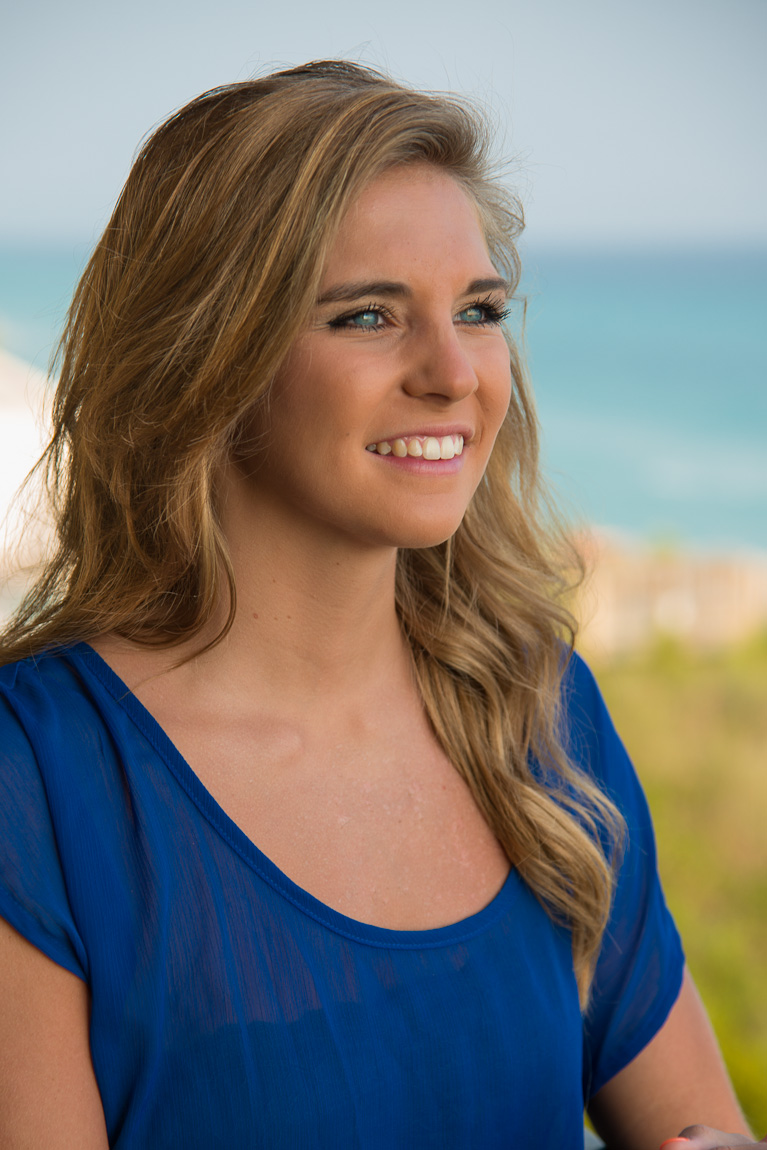
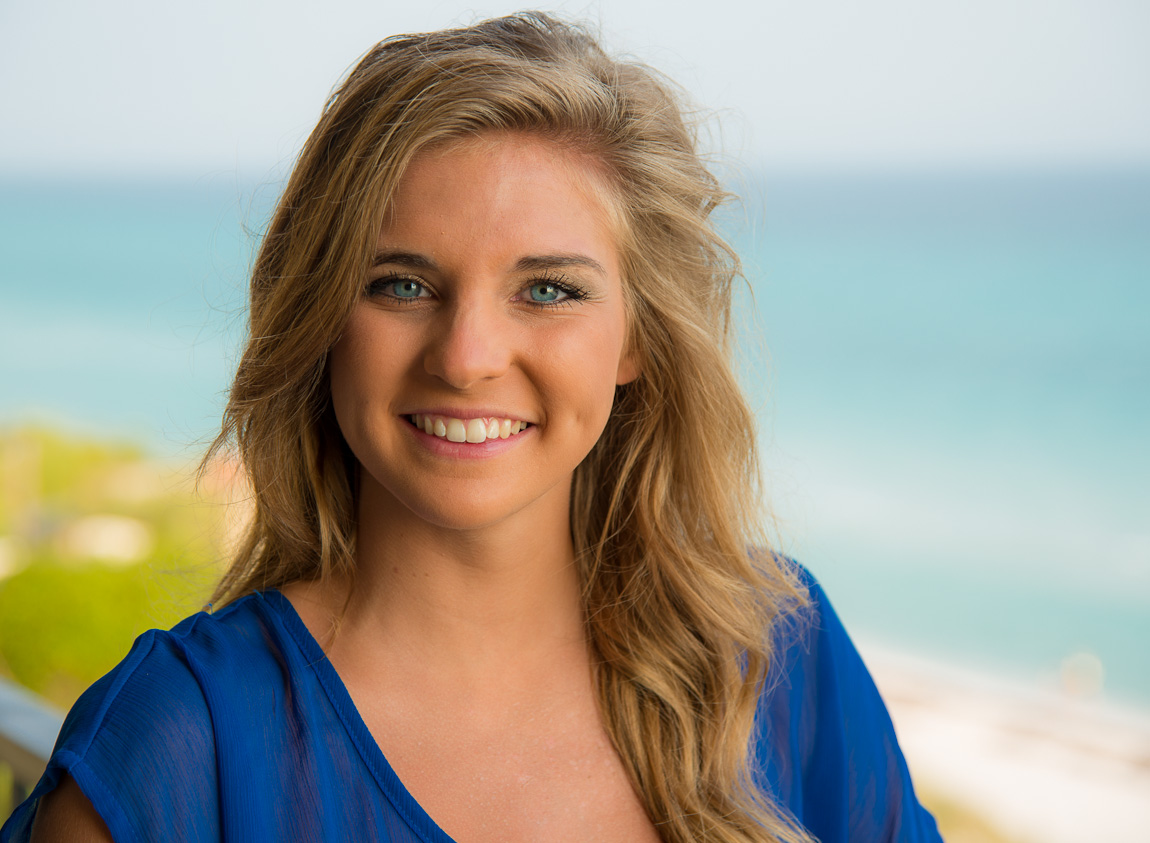
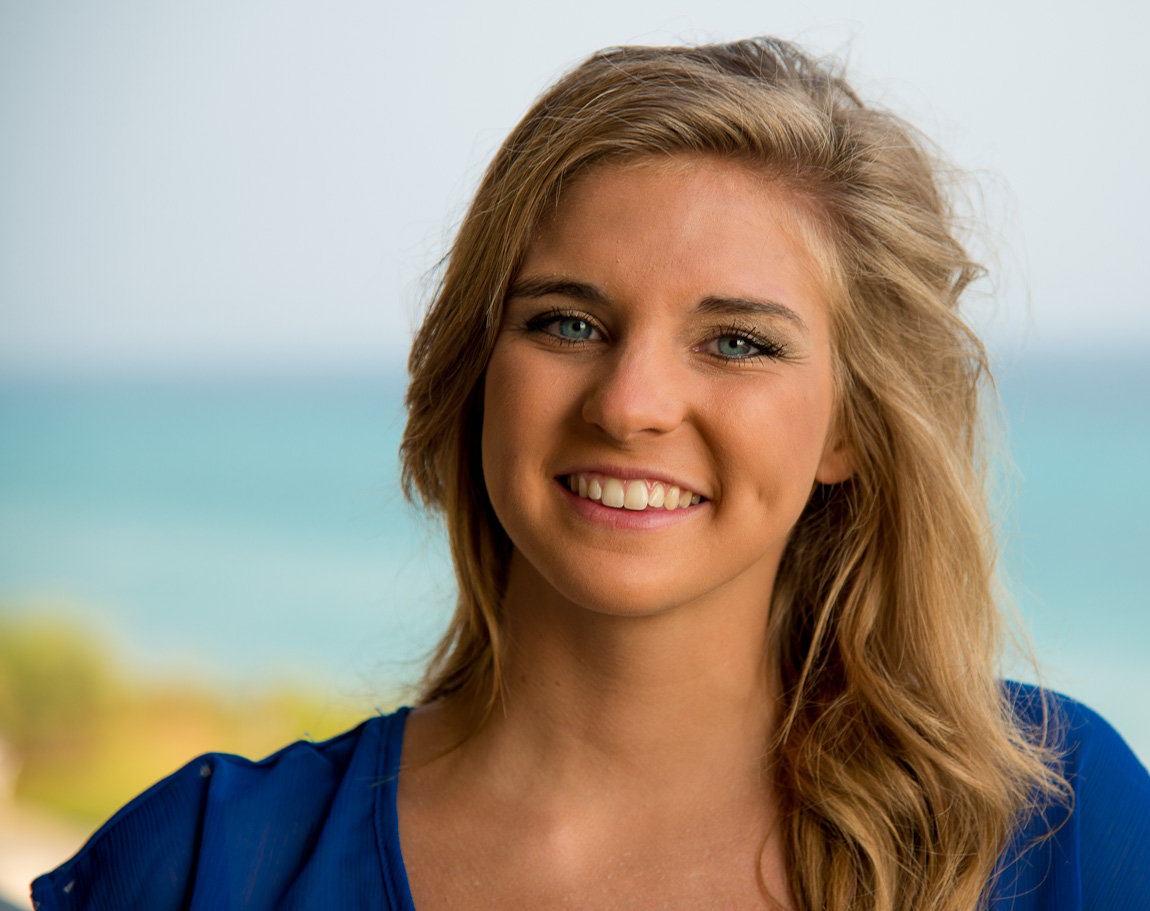
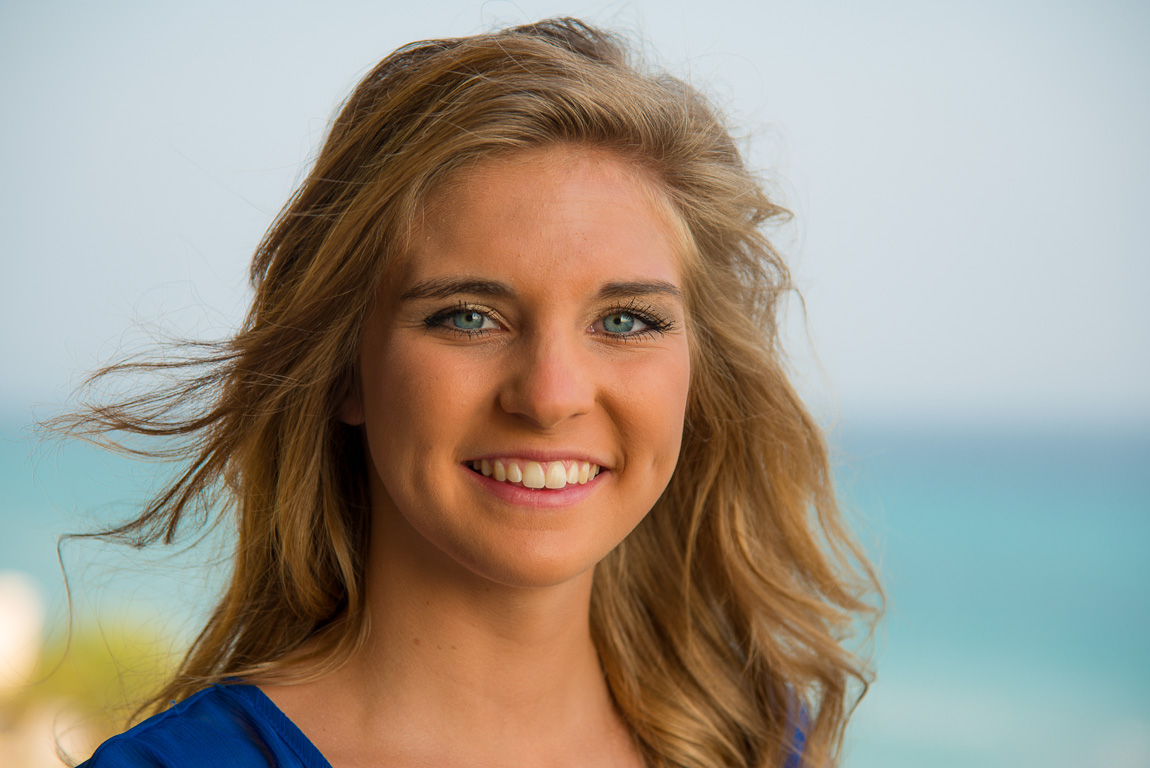
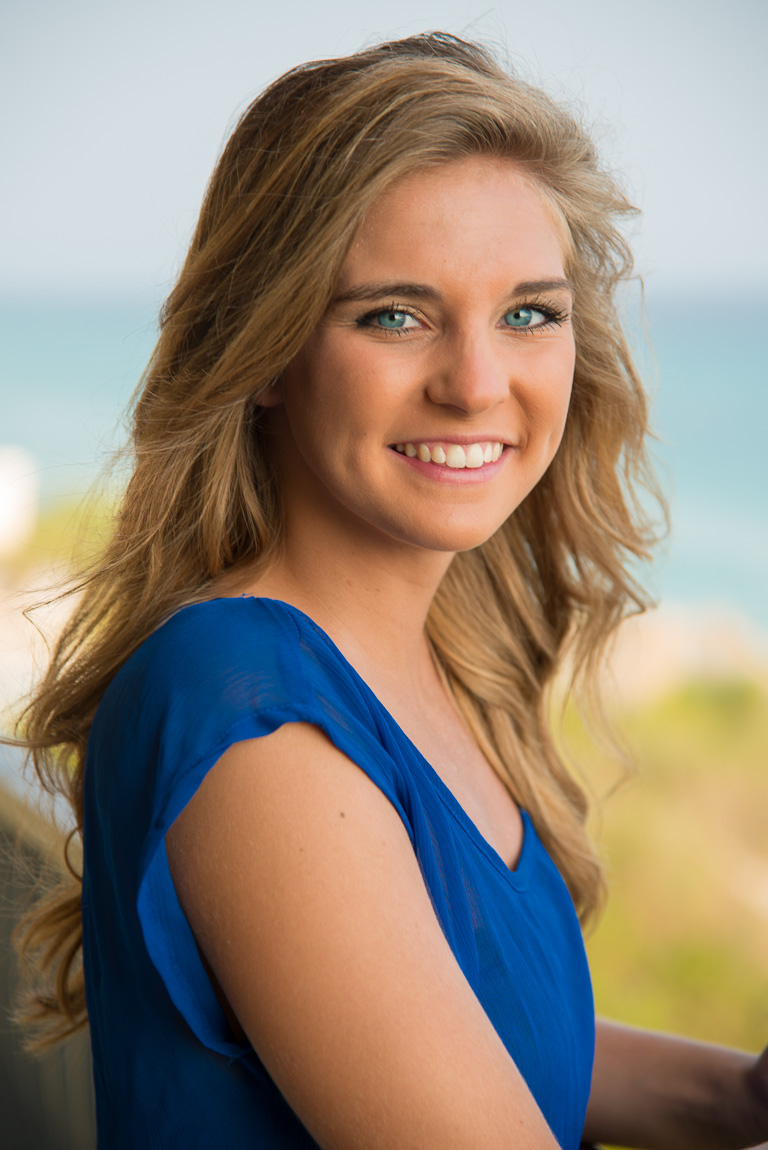
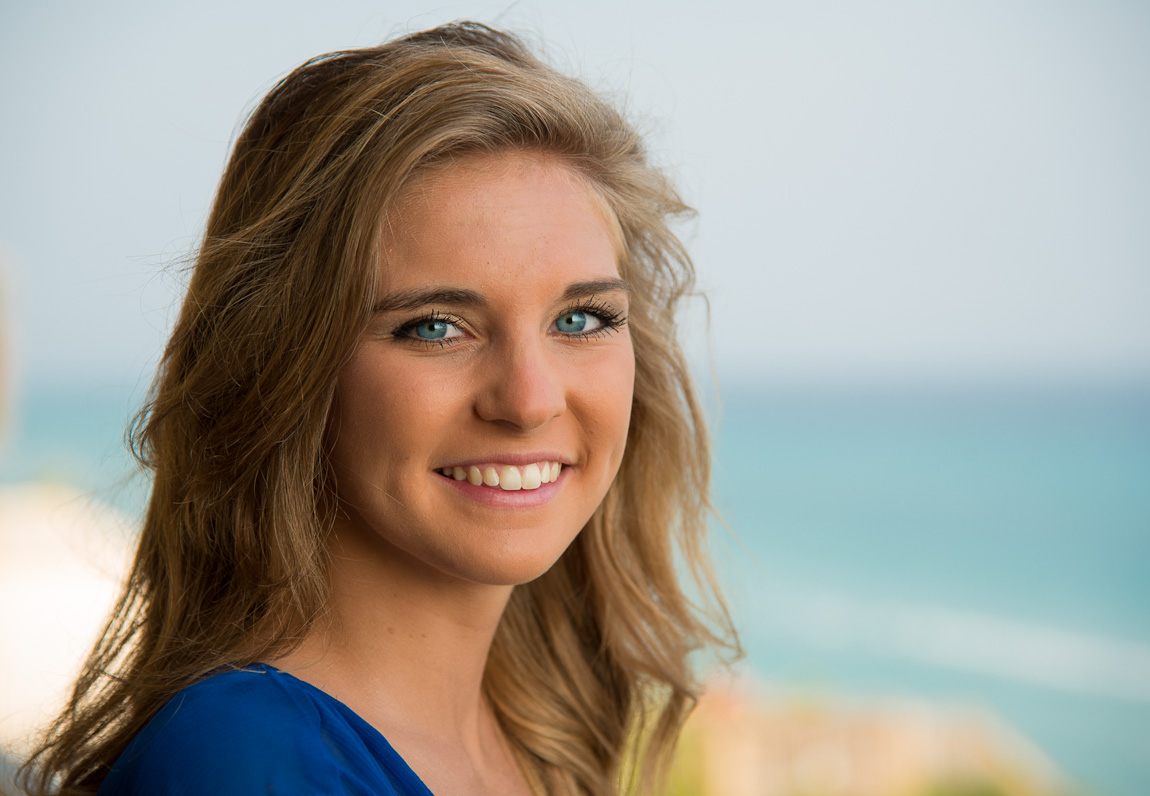
There are several nice family/vacation pictures from my trip to the Destin / Panama City area with my sister and her clan (plus a couple of great guests).   But I thought these shots of my lovely nieces (Caitlin, 20, in brown stripes; Grace, 15 in blue) deserved a page of their own.  They were taken on the balcony of our rented condo.  Behind each picture is an ongoing debate about optimal smiling techniques, which side they felt (strongly) was their “best” side, and how they were going to keep their hair out of their faces.


_JC81966.jpg_JC81967.jpg_JC81991.jpg_JC81998.jpg_JC82013.jpg_JC82020.jpg_JC82022.jpg_JC82046.jpg_JC82057.jpg_JC82069.jpg_JC82086.jpg_JC82125.jpg_JC82150.jpg_JC82161.jpg

For the photography folks:  Nikon D800 (rocks), natural light on a shaded, open balcony.  Evening sun on the beach behind.   No tricks.  100mm or so, at f4 to blur the background.   

Florida 2012: Coastal Dune Lakes


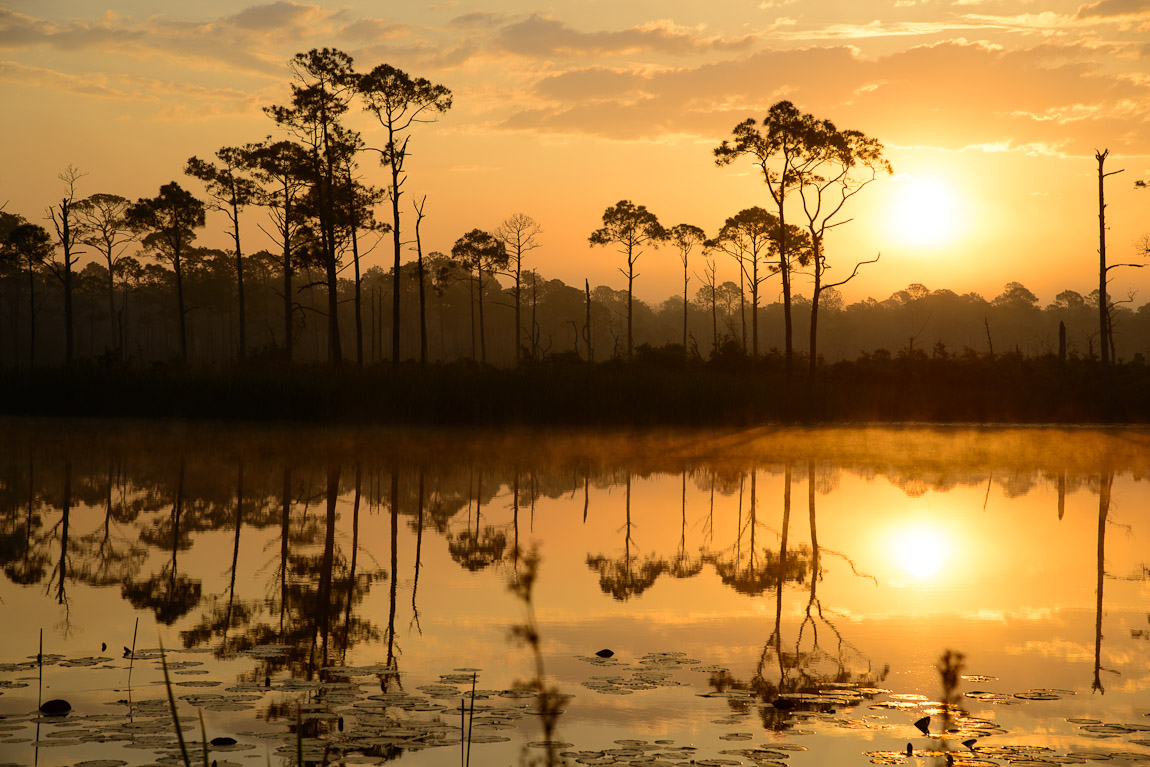
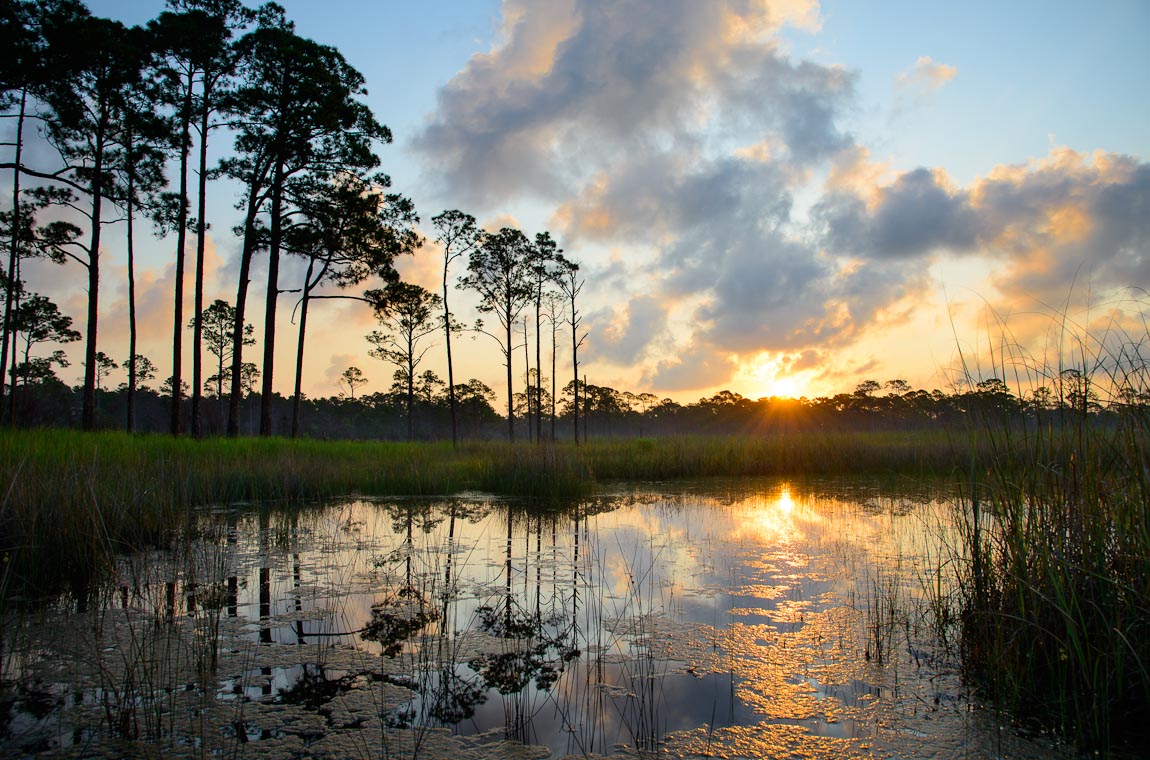
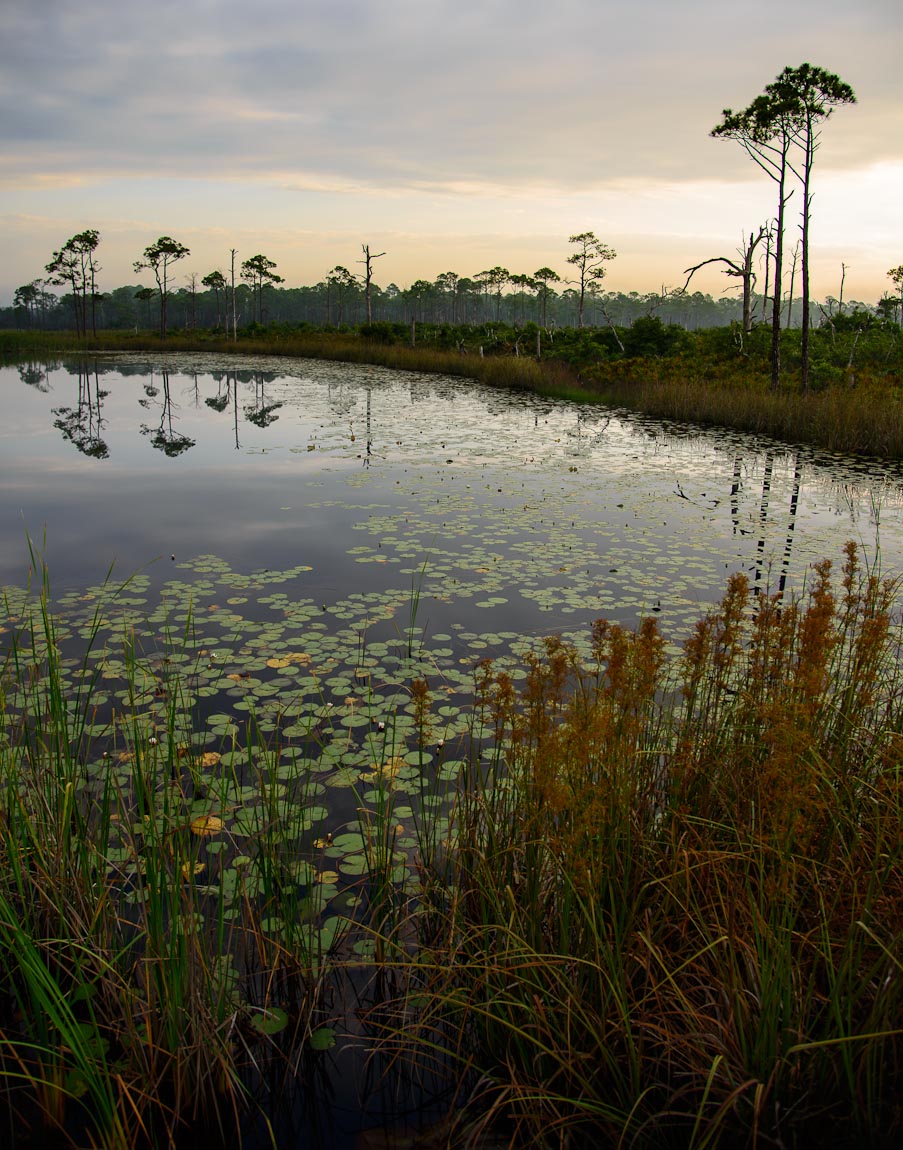
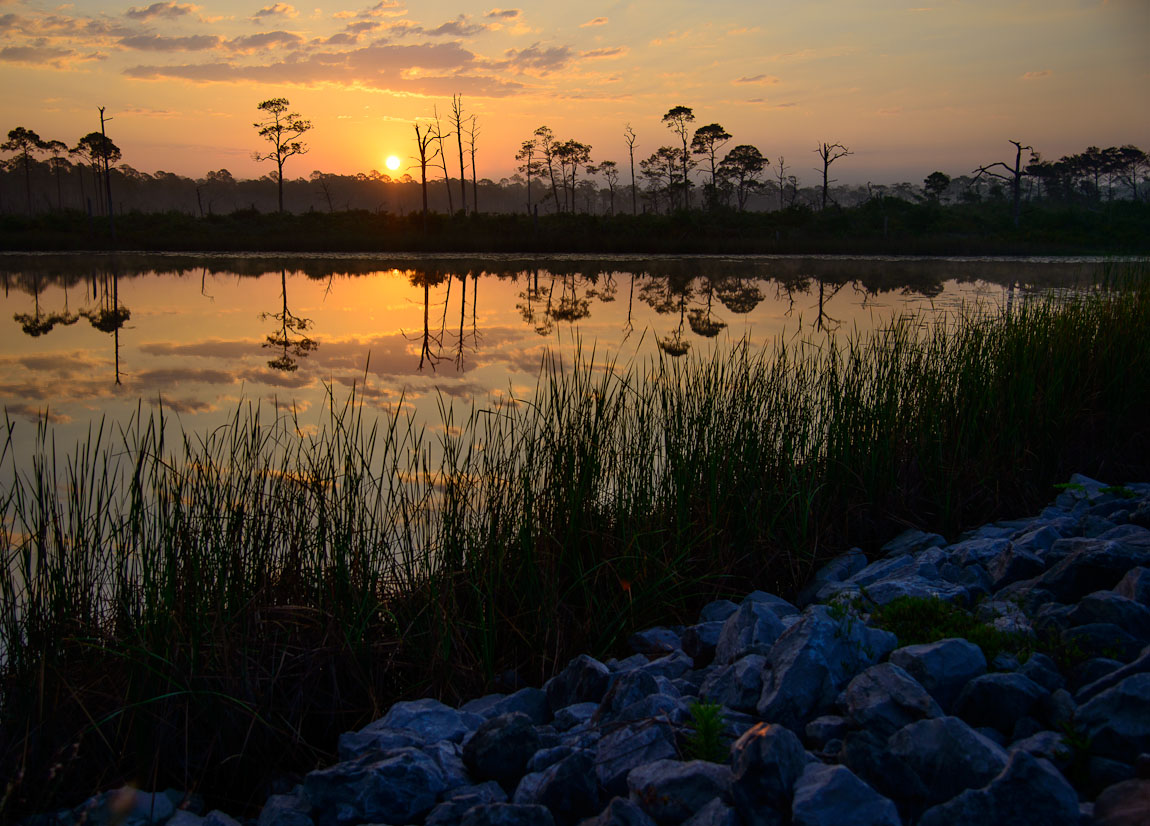
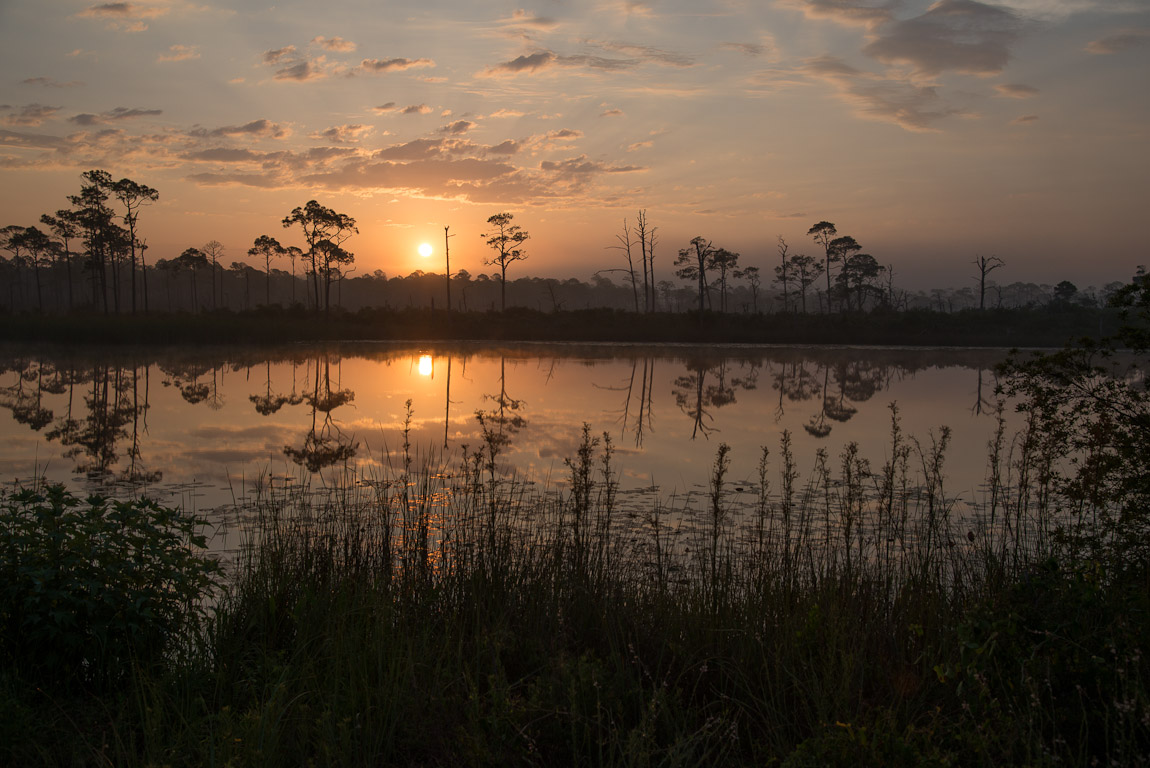
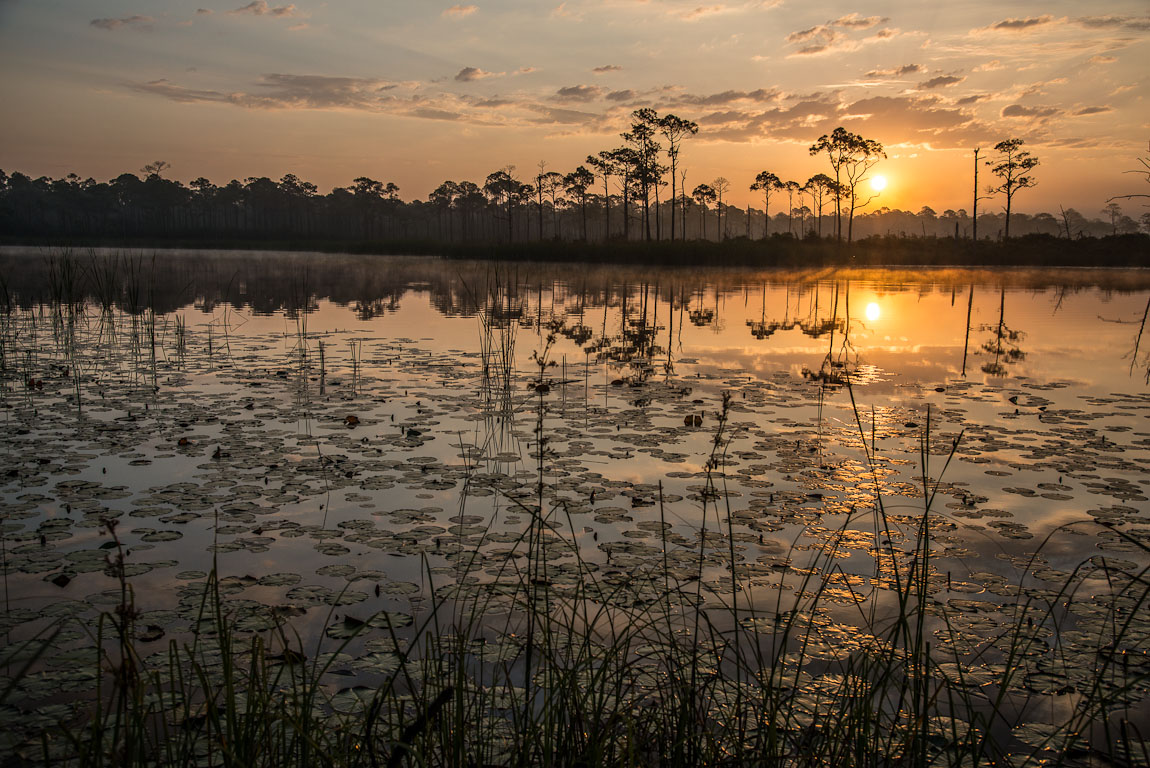
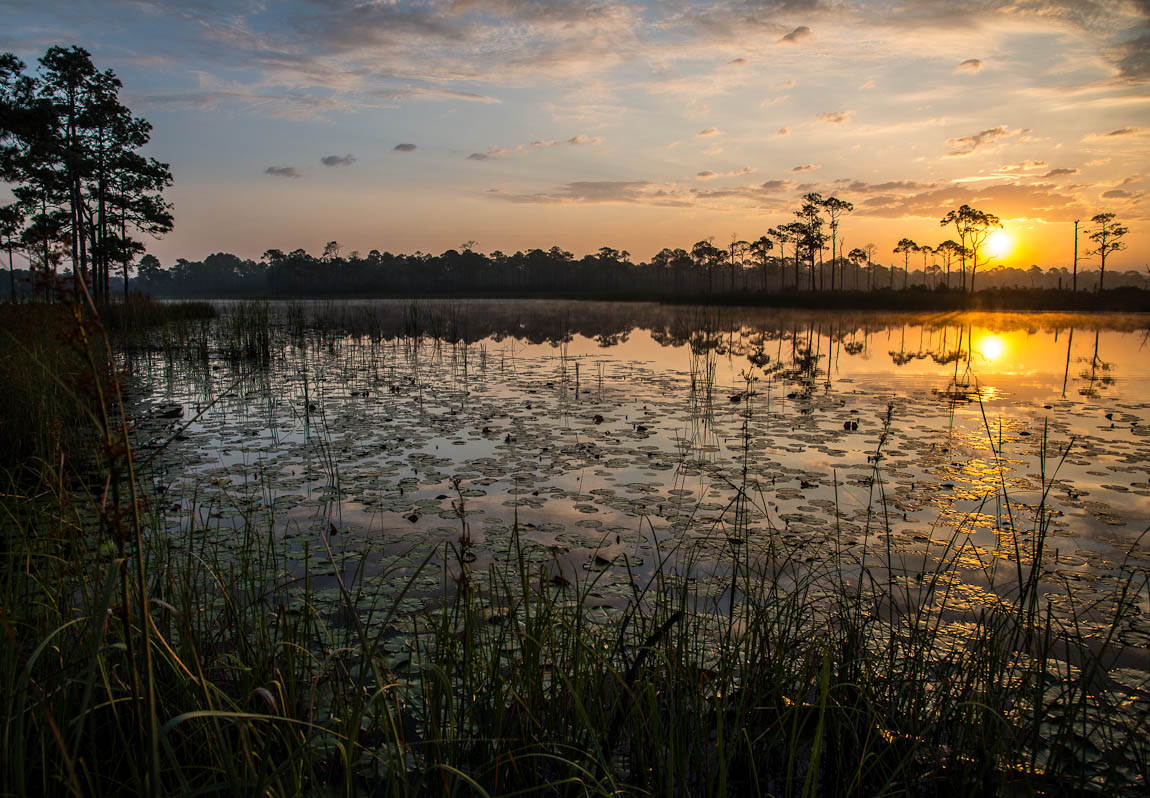
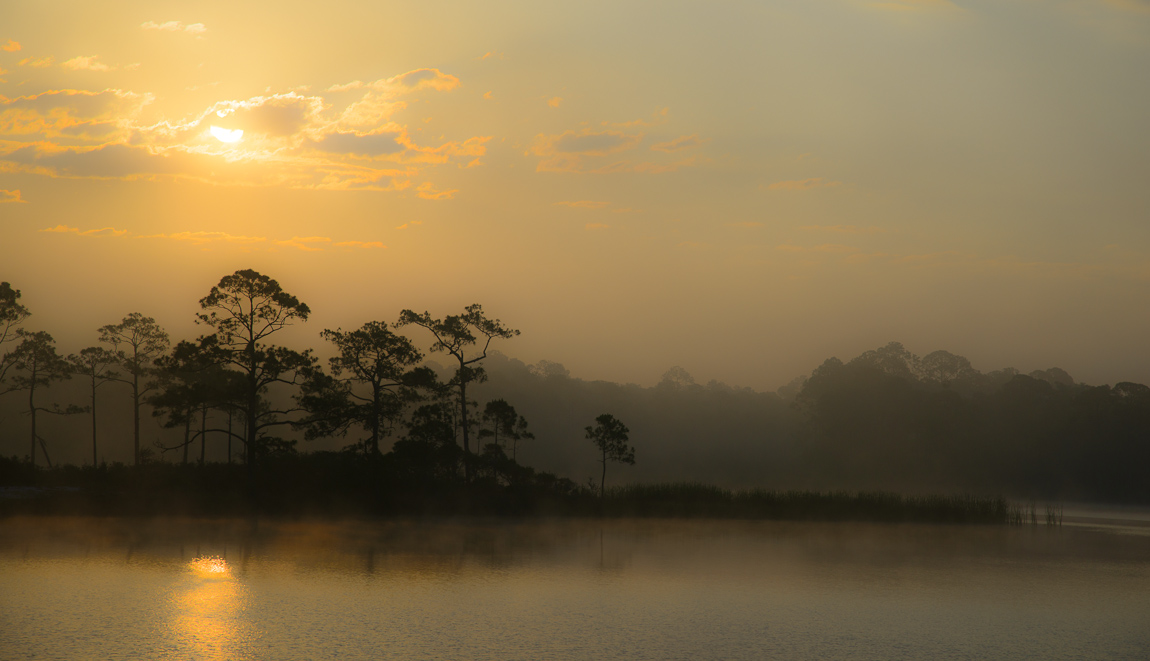
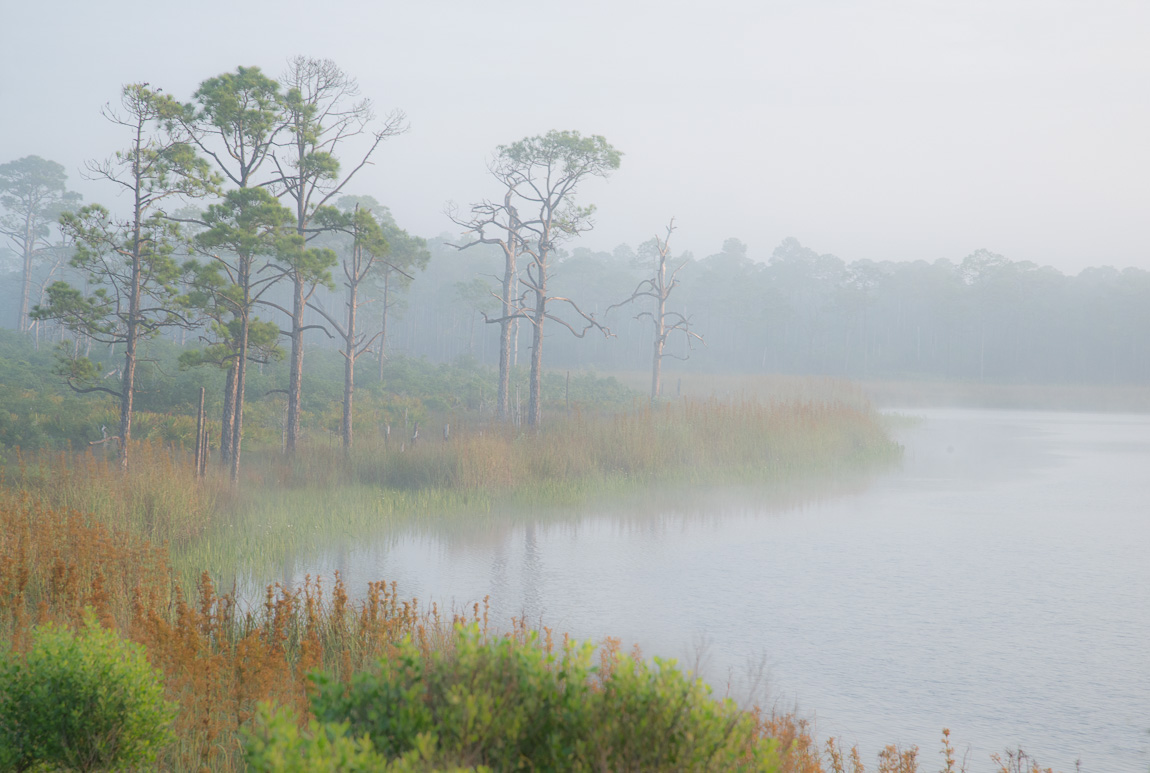
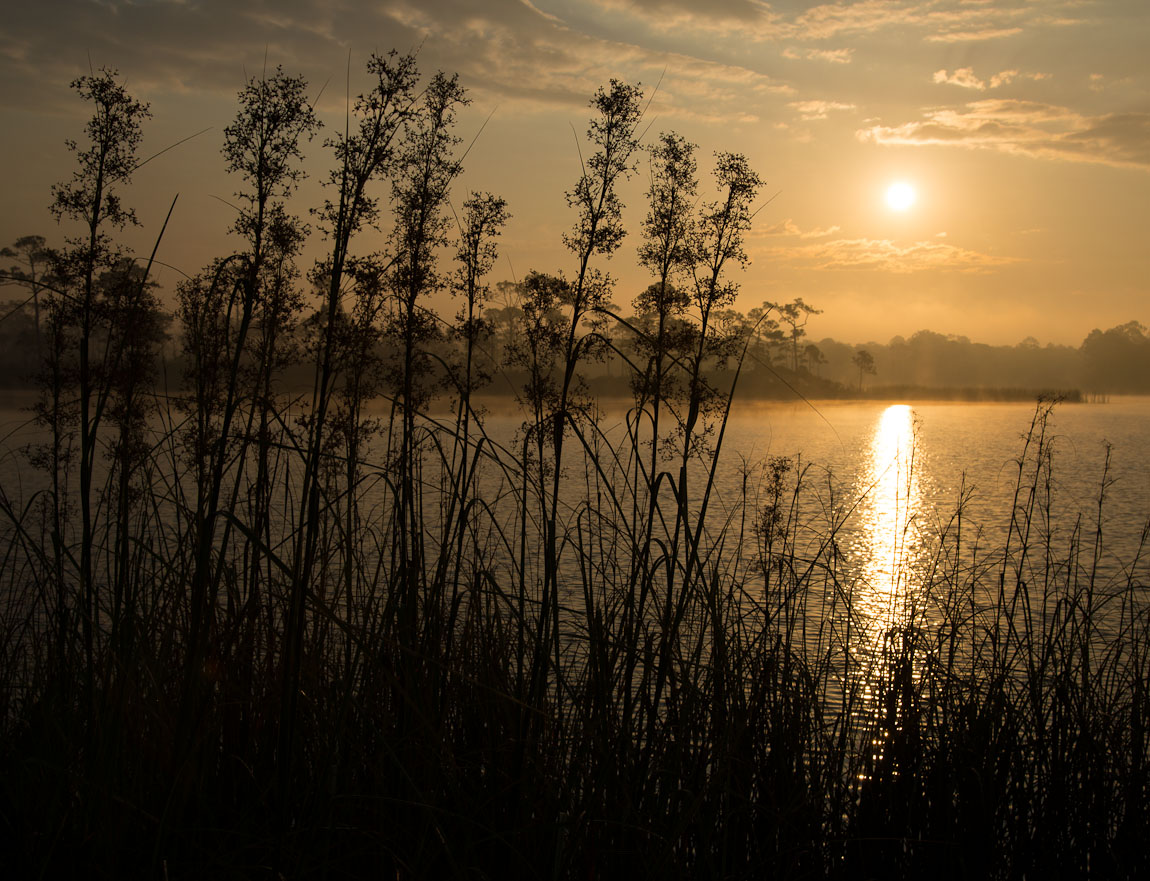
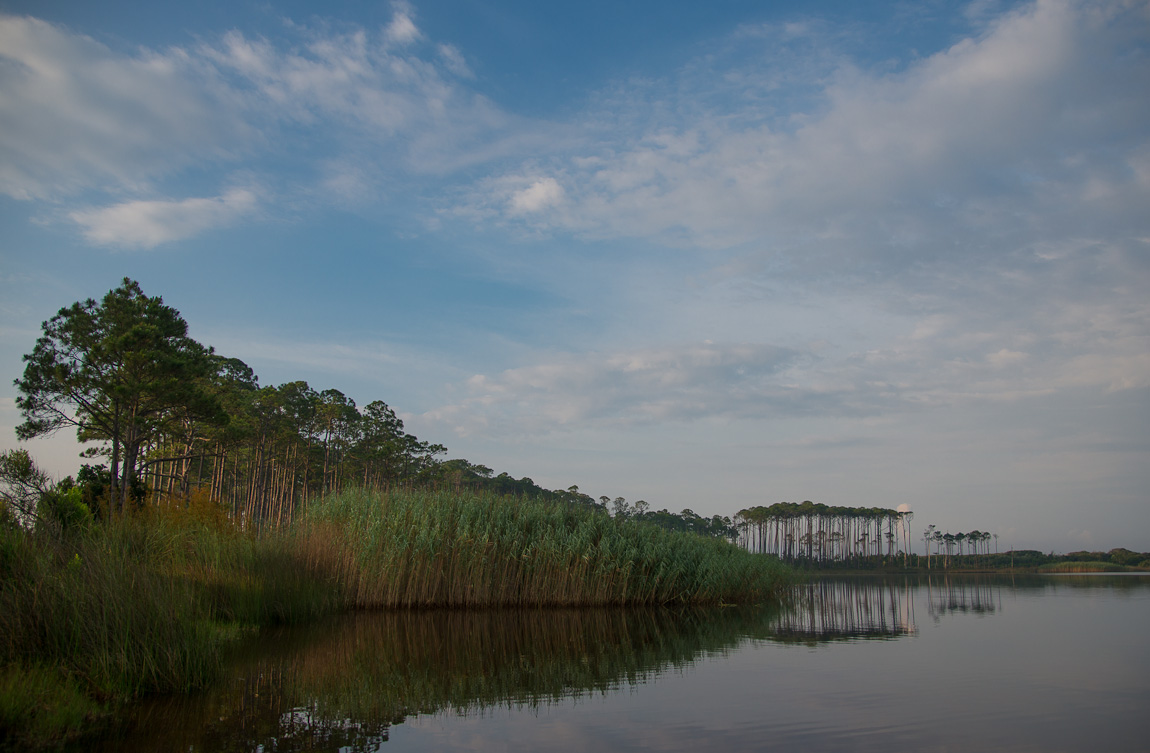
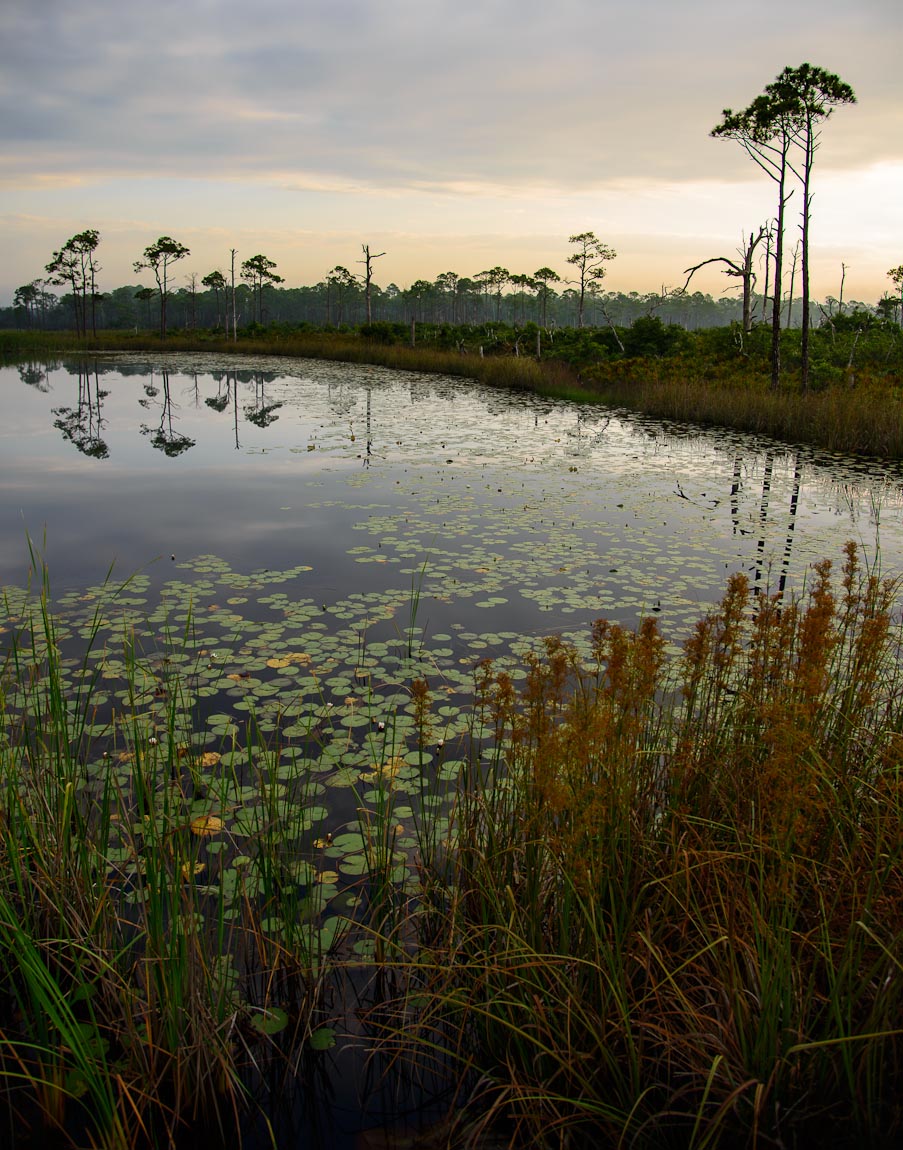
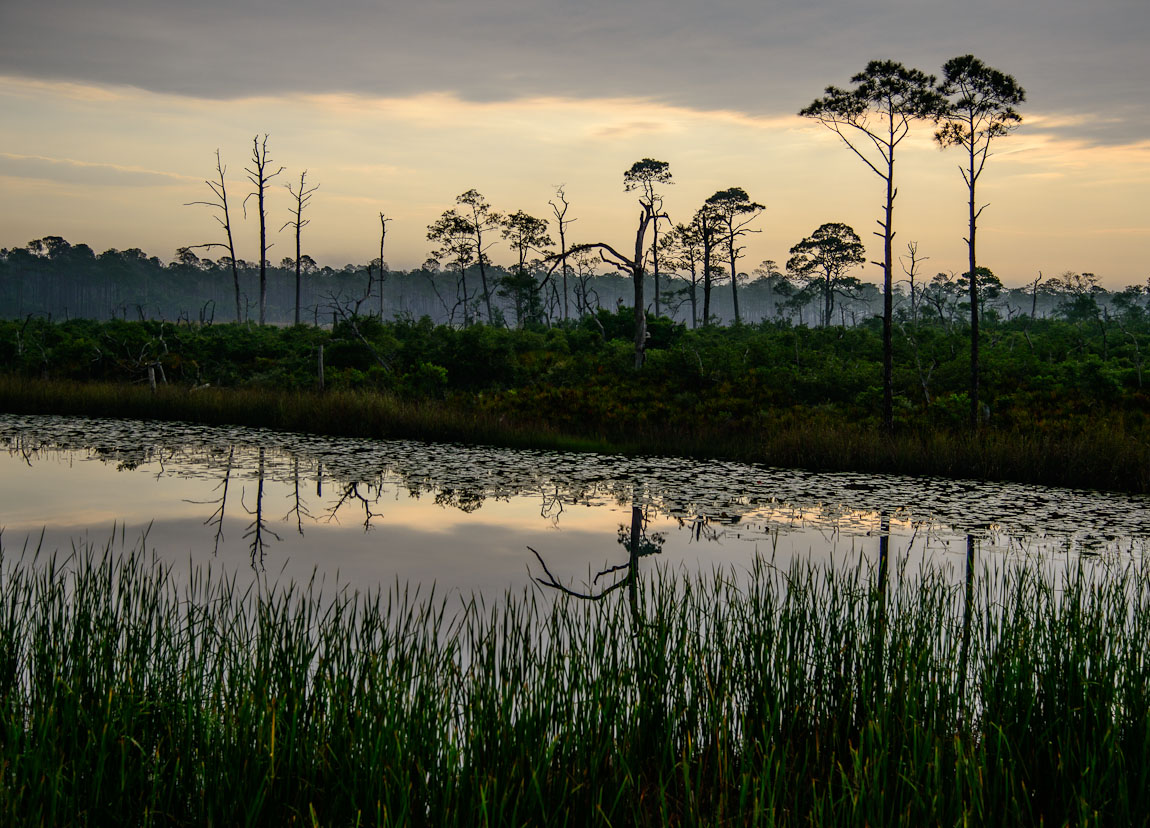
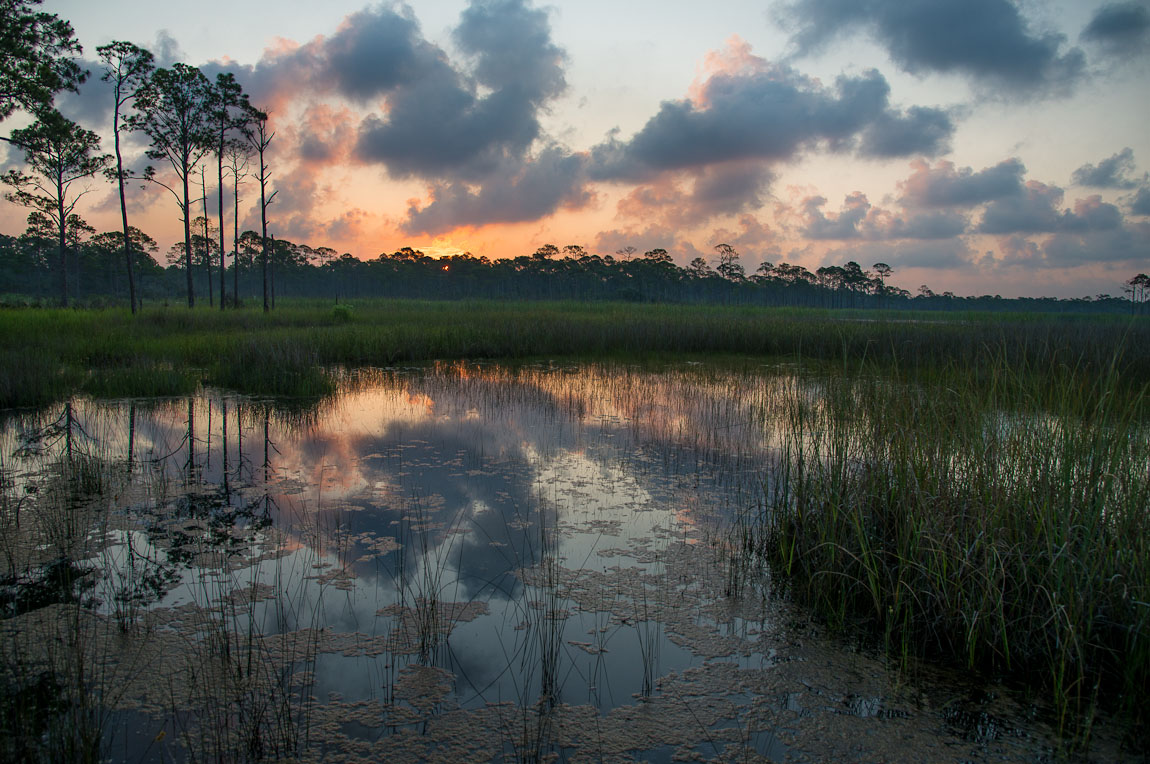
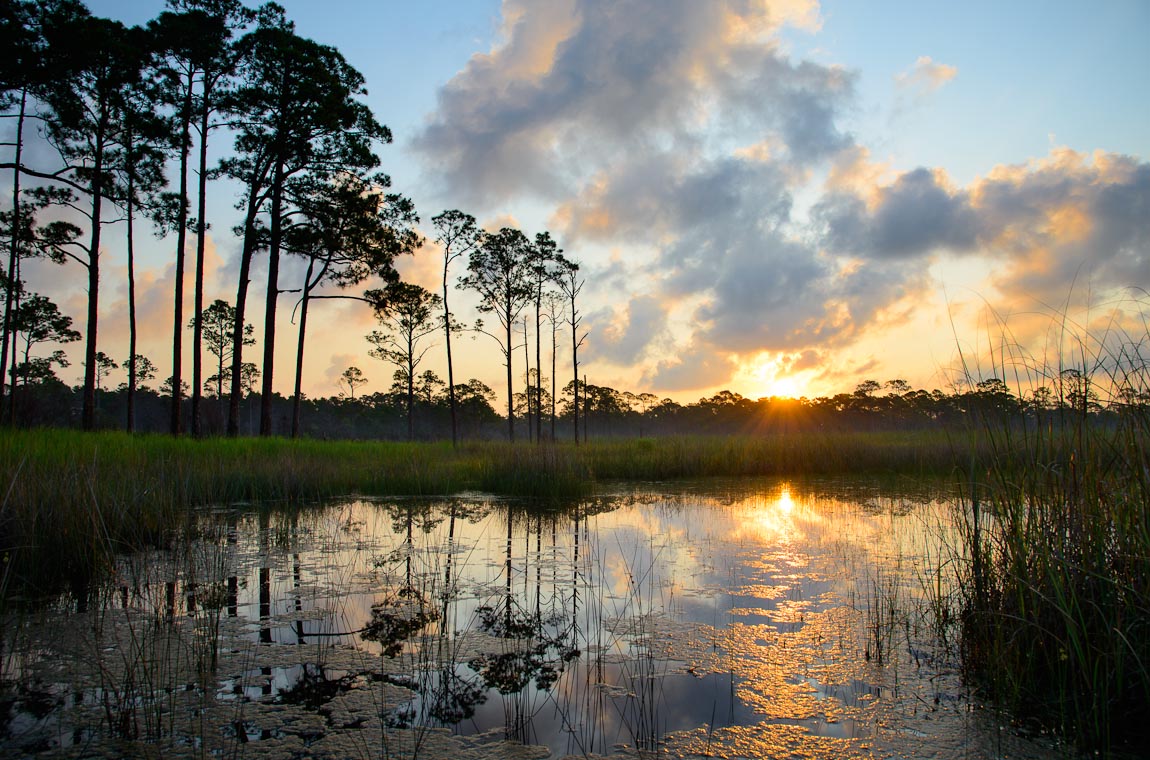
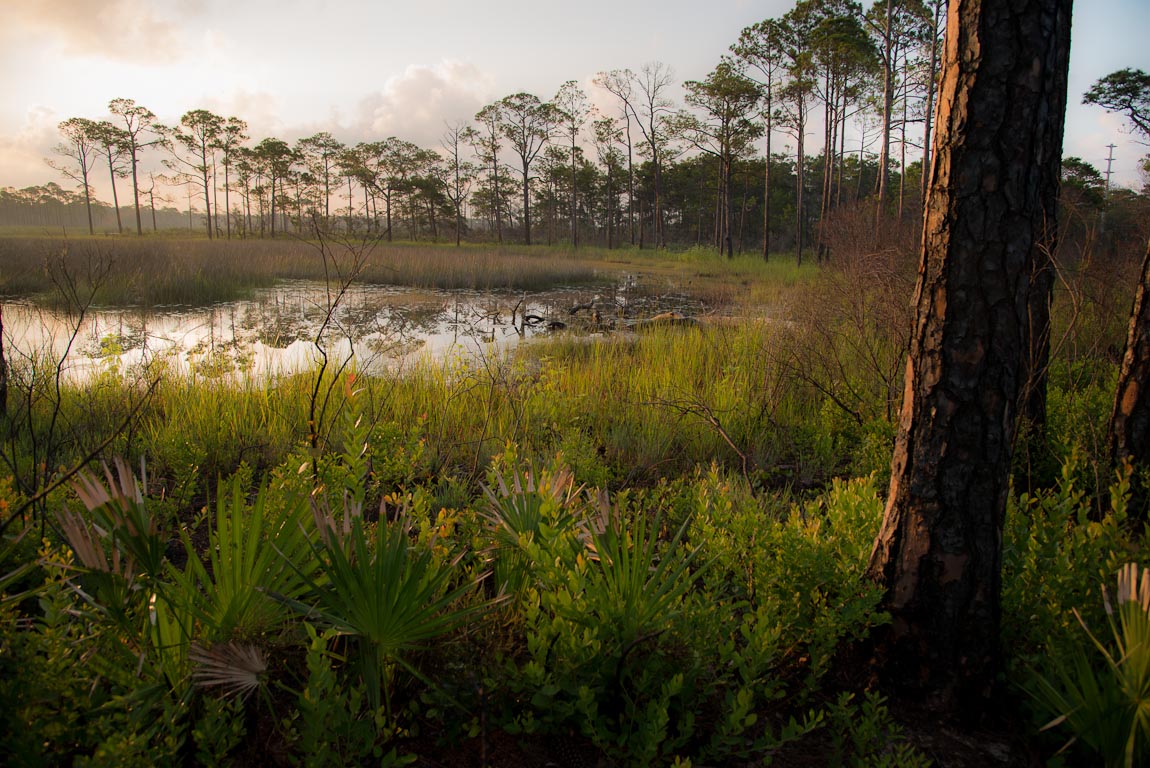
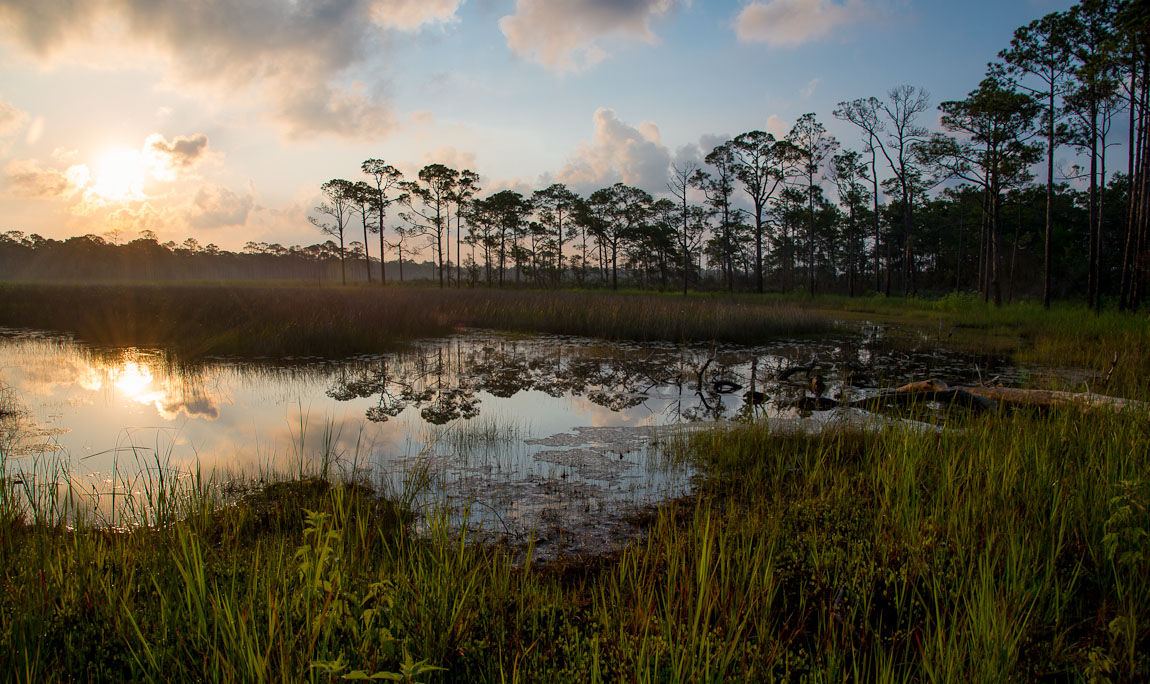
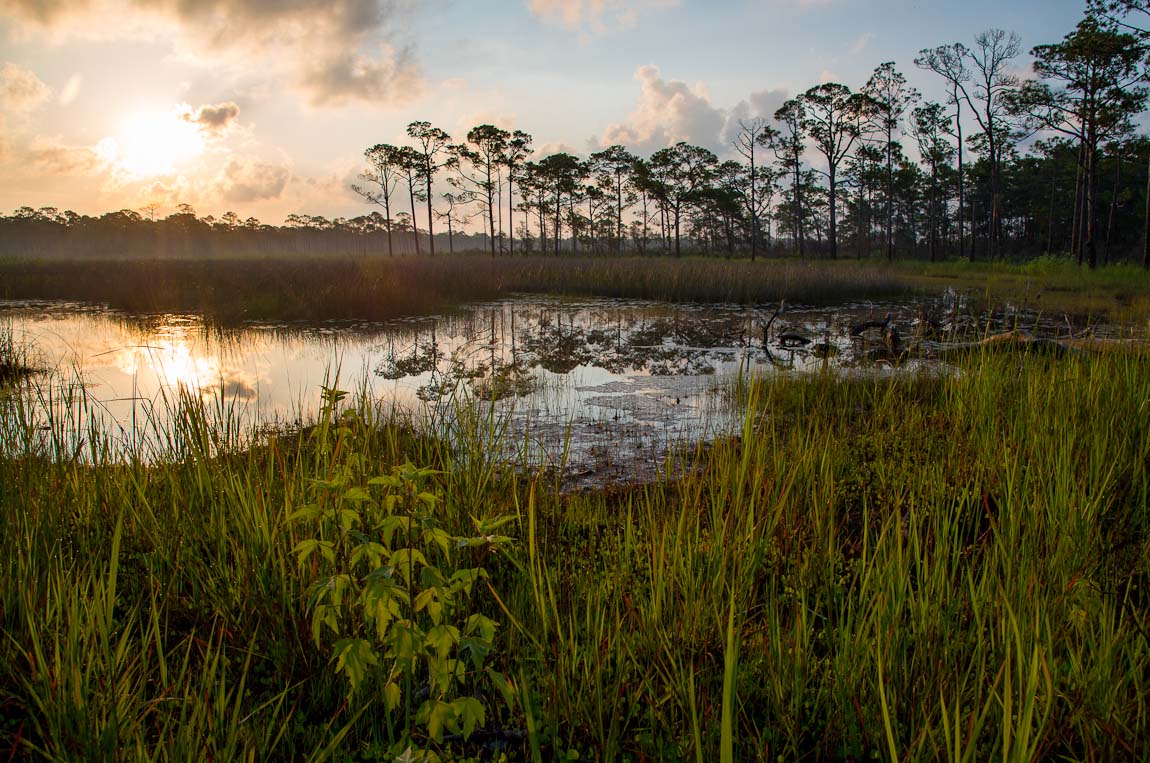
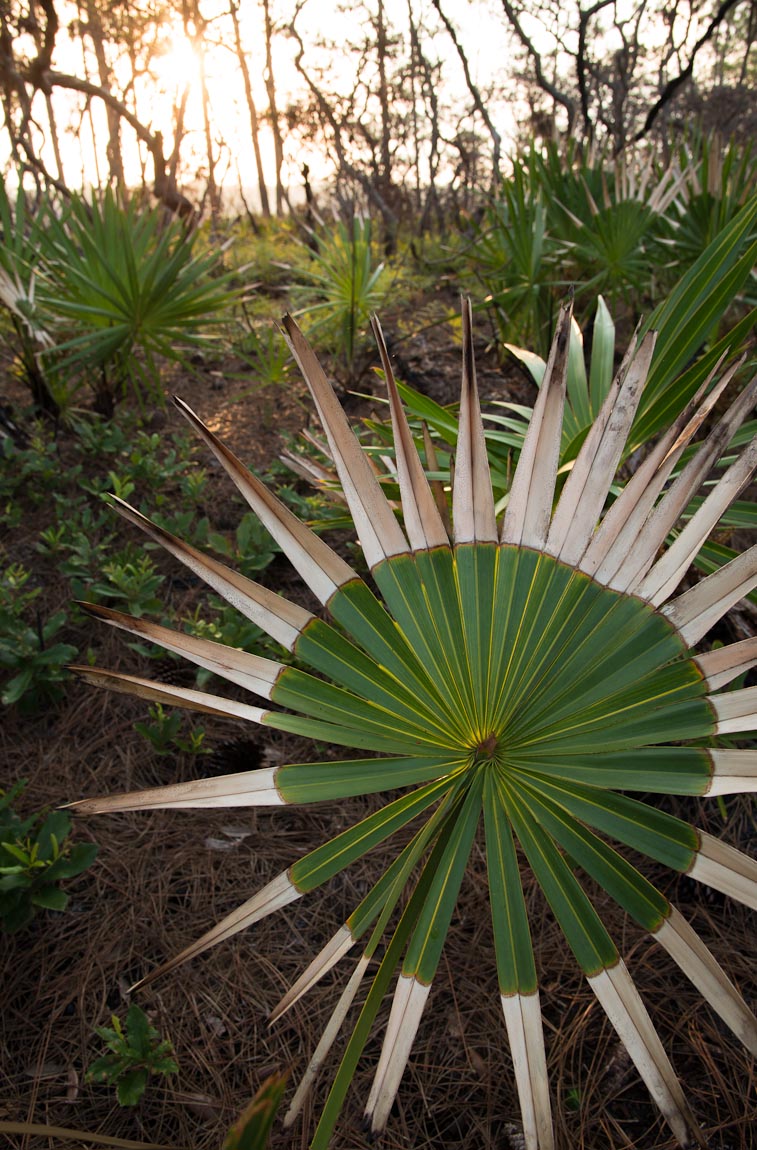
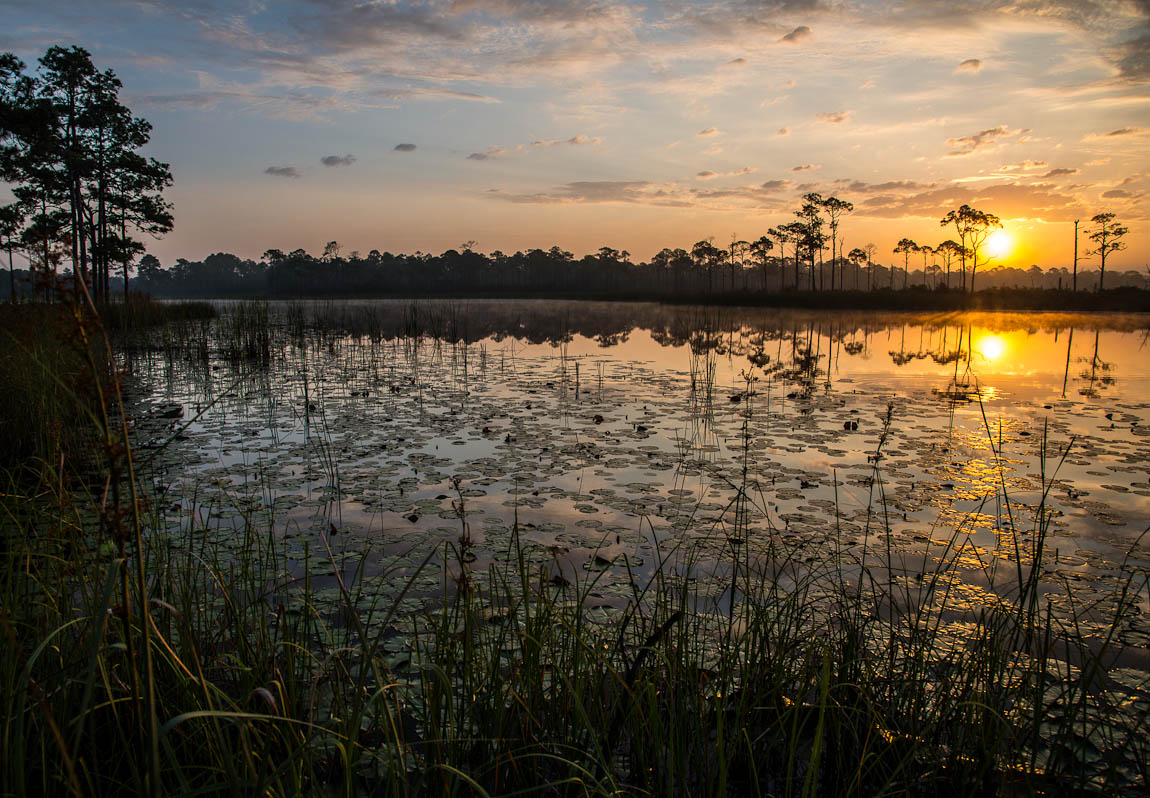
Right behind some of the stunning beaches of Florida’s Walton County are some small lakes called “coastal dune lakes.”  Apparently, this type of lake –- created by natural coastal sand dunes that act as dams to hold back freshwater streams – exists in only a handful of places in the world.  They have partial and intermittent connections to the Gulf, so they’re a mix of salt and fresh water.  Surrounding the Florida lakes (and covering thousands of square miles of the panhandle) are tall, spindly “tropical” pine trees (slash and longleaf pines).  Around the lakeshore and in just the right light, they somehow look like a taller, watery version of the African acacia trees on the Serengeti.

Last week, I found myself wandering around some of these lakes a couple of mornings in the twilight before a 5:45a.m. sunrise (I’m great fun to vacation with!).  Yes, my feet did get wet.  I kept wishing for a boat or fisherman or animal of some sort (or even one of my still-sleeping nieces) to provide a real focal point for these pictures, but alas I had to make do with the striking views of the lakes, trees and morning sky.

_JC81085.jpg_JC81095.jpg_JC81108.jpg_JC81116.jpg_JC81128.jpg_JC81142.jpg_JC81170.jpg_JC81200.jpg_JC81214.jpg_JC81316.jpg_JC81345.jpg_JC81367.jpg_JC81463.jpg_JC81522.jpg_JC81618.jpg_JC81638.jpg_JC81643.jpg_JC81677.jpg

Ironman Texas 2012: Just Spectating

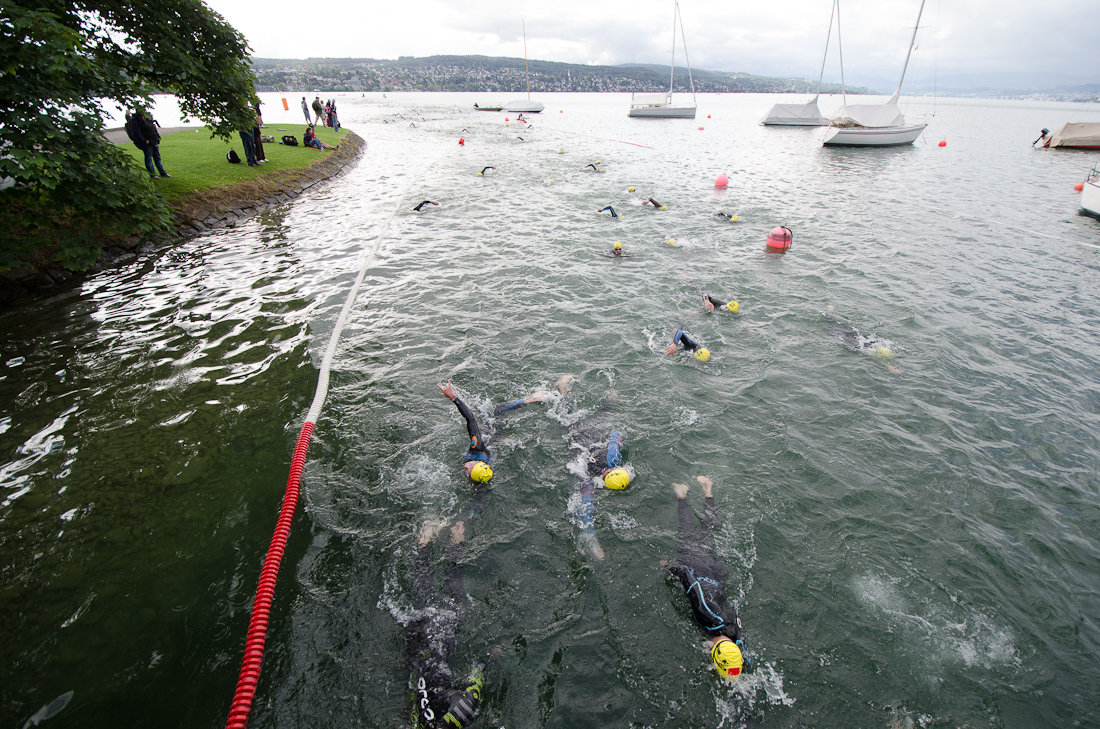
 IM Texas swim leader Brandon Marsh approaching swim finish

IM Texas lead group “drafting” behind Marsh near swim finish

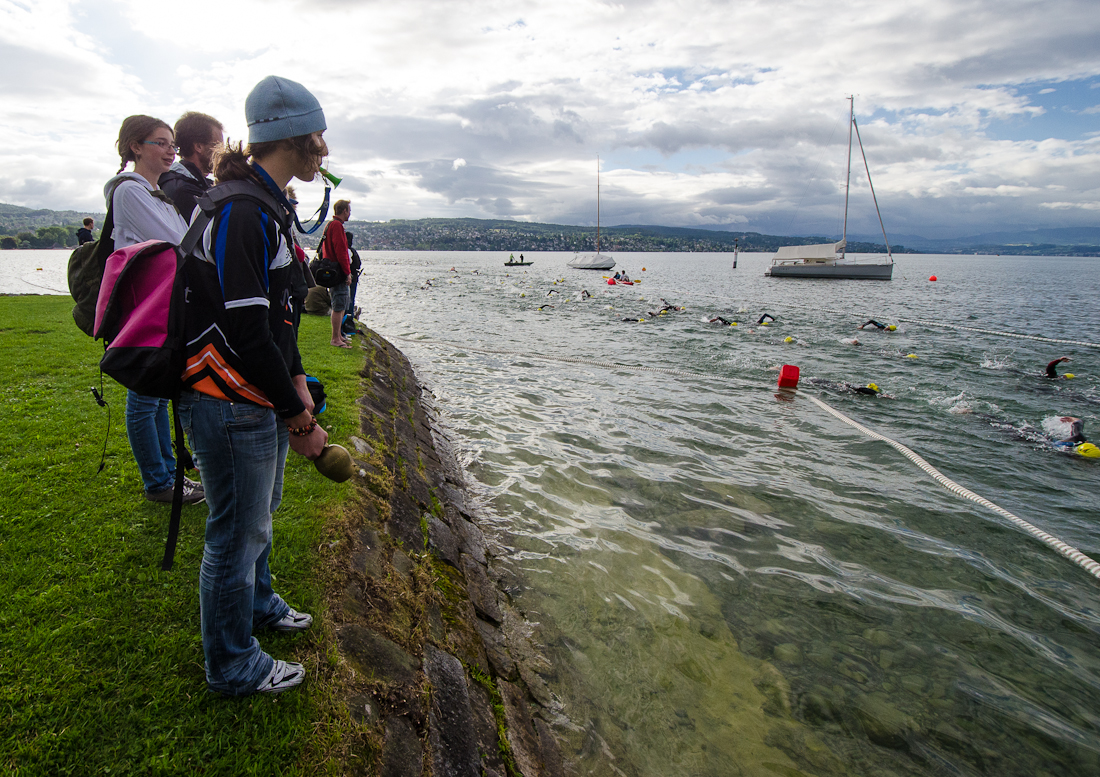
I got up early to drive to the Woodlands to watch some of Ironman Texas today.  A year ago, a group of friends and I were among the swim-capped throng out there in that icky lake at sunrise, but with IM Texas already crossed off our lists, this year I was thrilled to be just a spectator.  The outing today was mostly another chance to try to figure out my cameras.  I only watched the swim — I started home when the racers headed out for their five-plus-hour bike ride.  Like all full Ironman events, the swim is 2.4 miles long, but the IM Texas swim course has a unique finish up a canal (that’s what you see in most of the pictures — taken overhead from a bridge) that leads to the Woodlands Town Center area.  Don’t ask what’s on the shallow bottom.


 The water seems a lot less peaceful when you’re back in the pack:

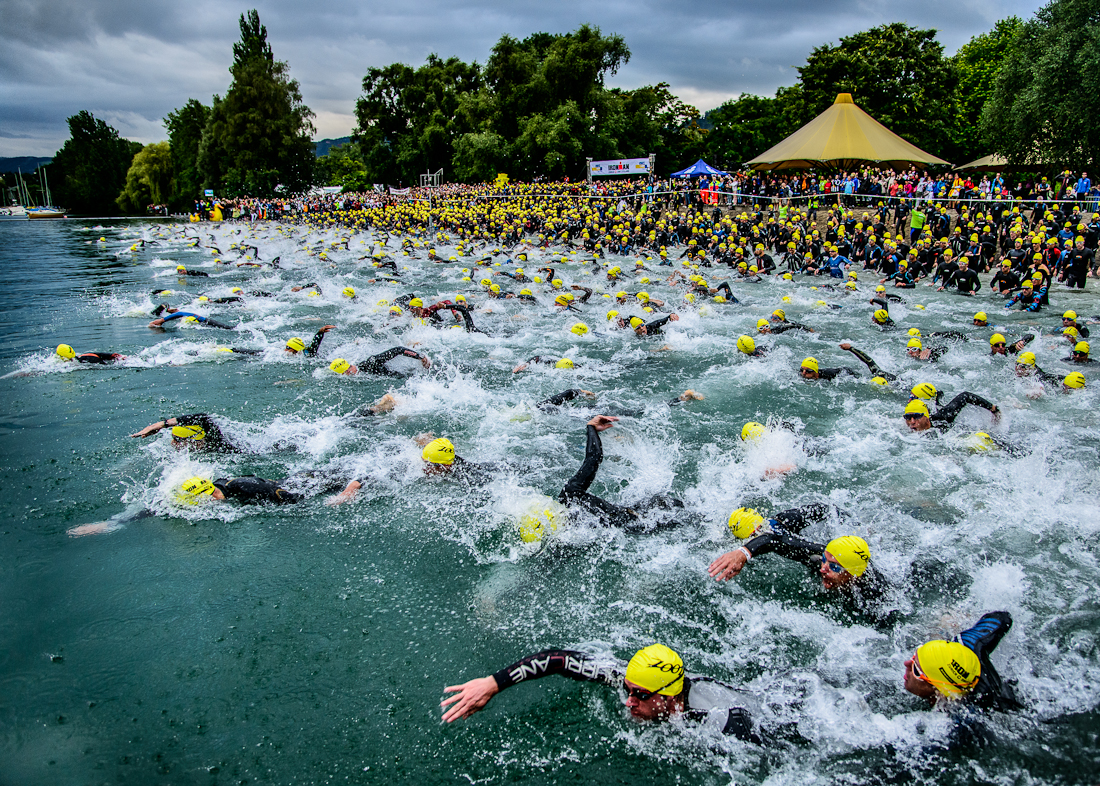
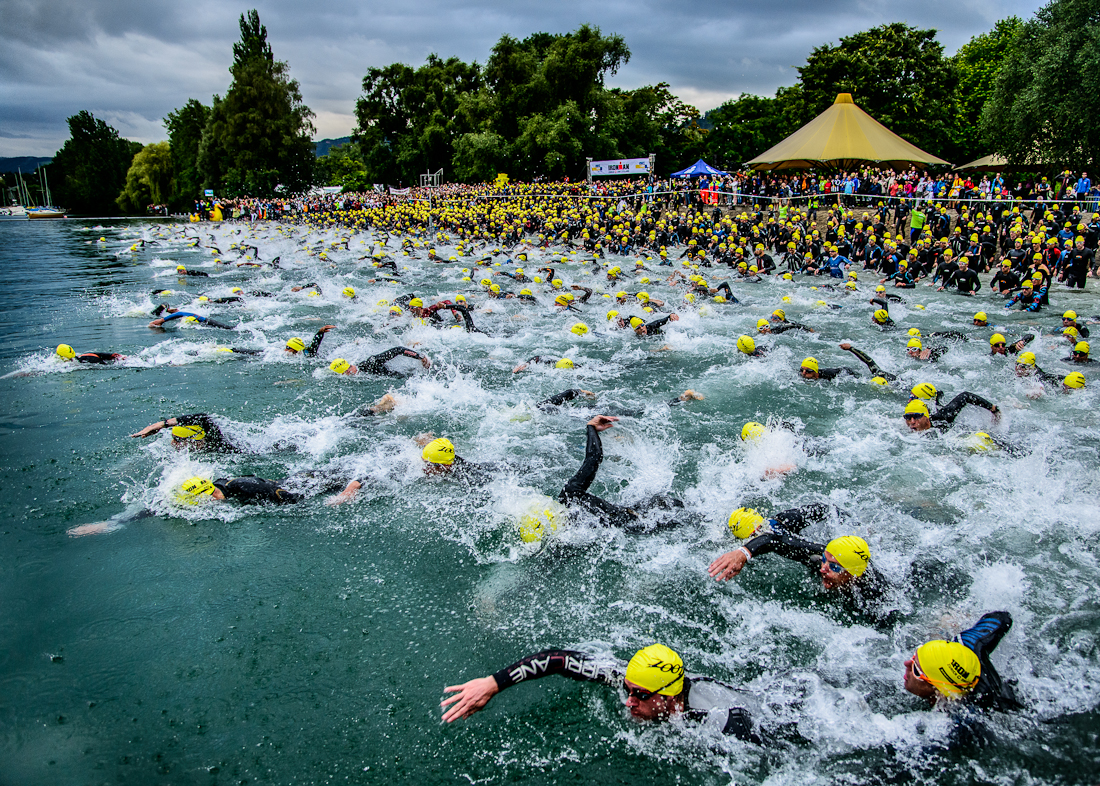
The start:

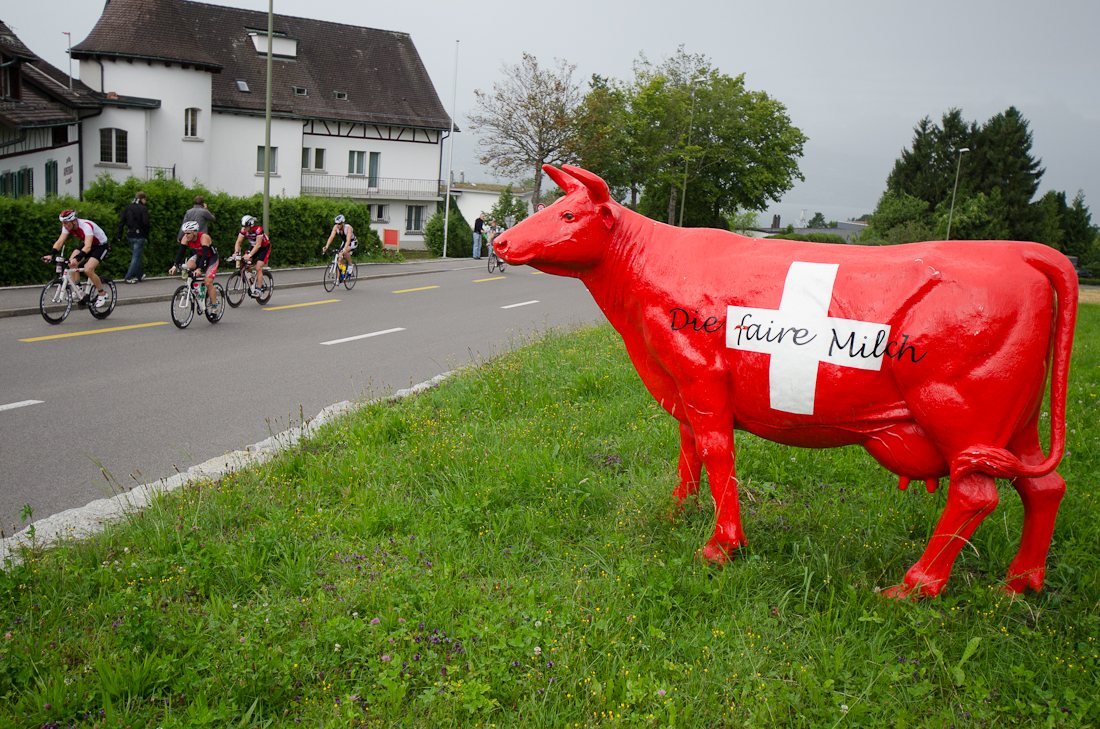
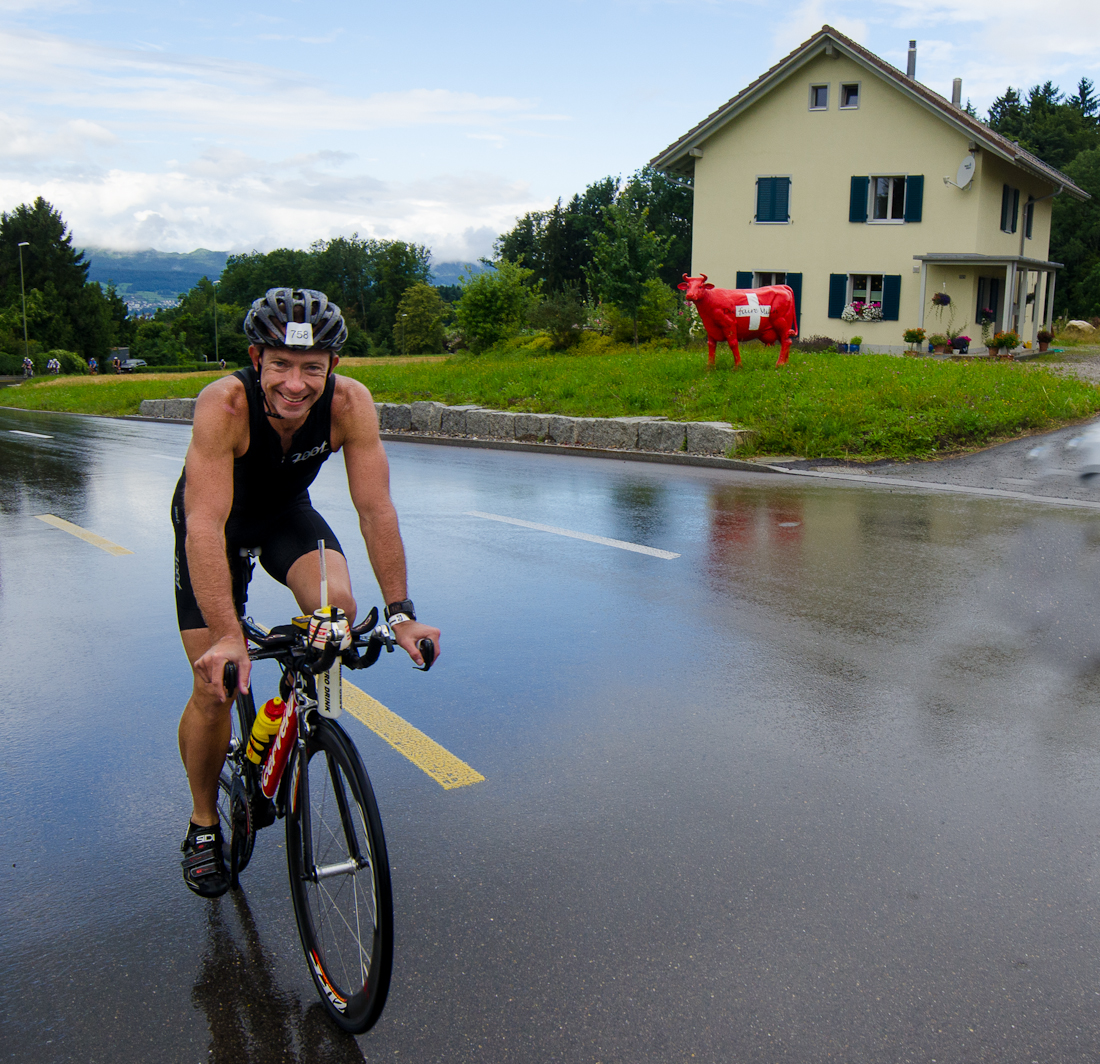
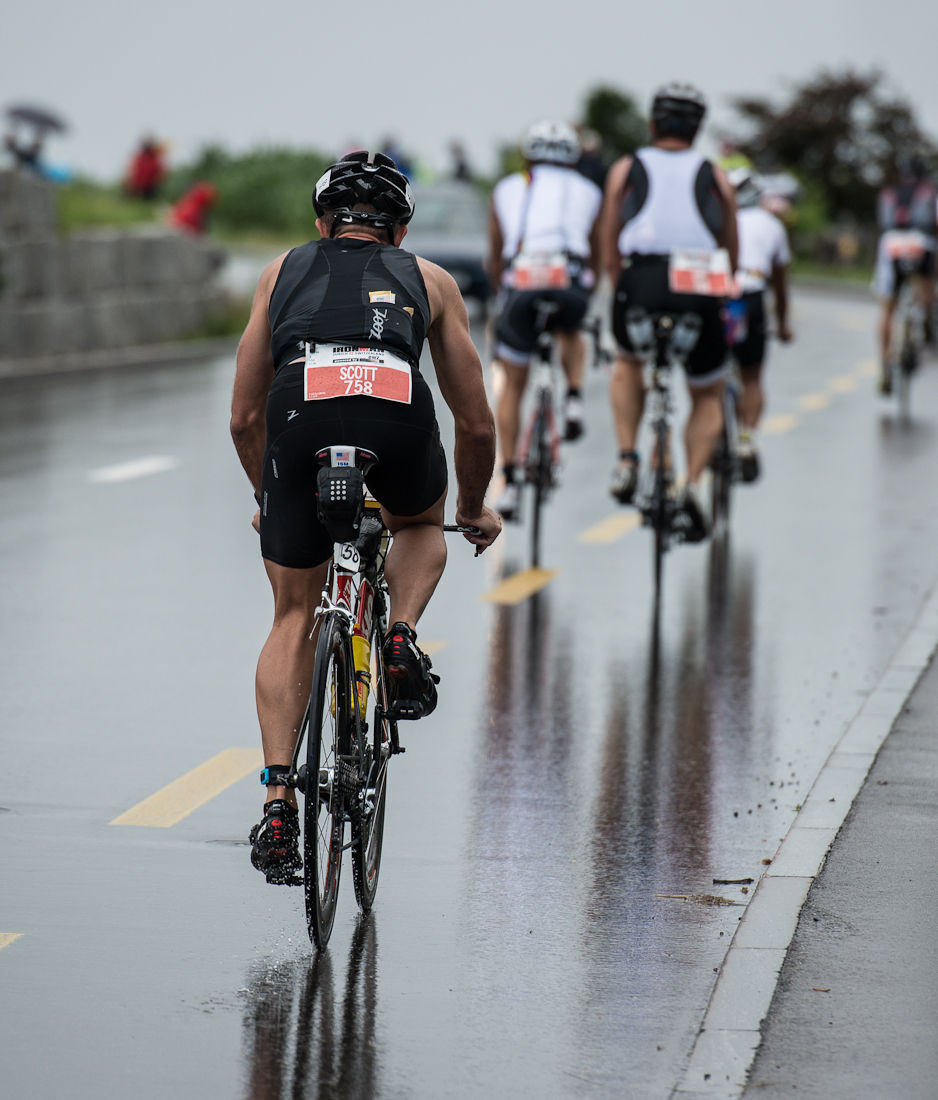
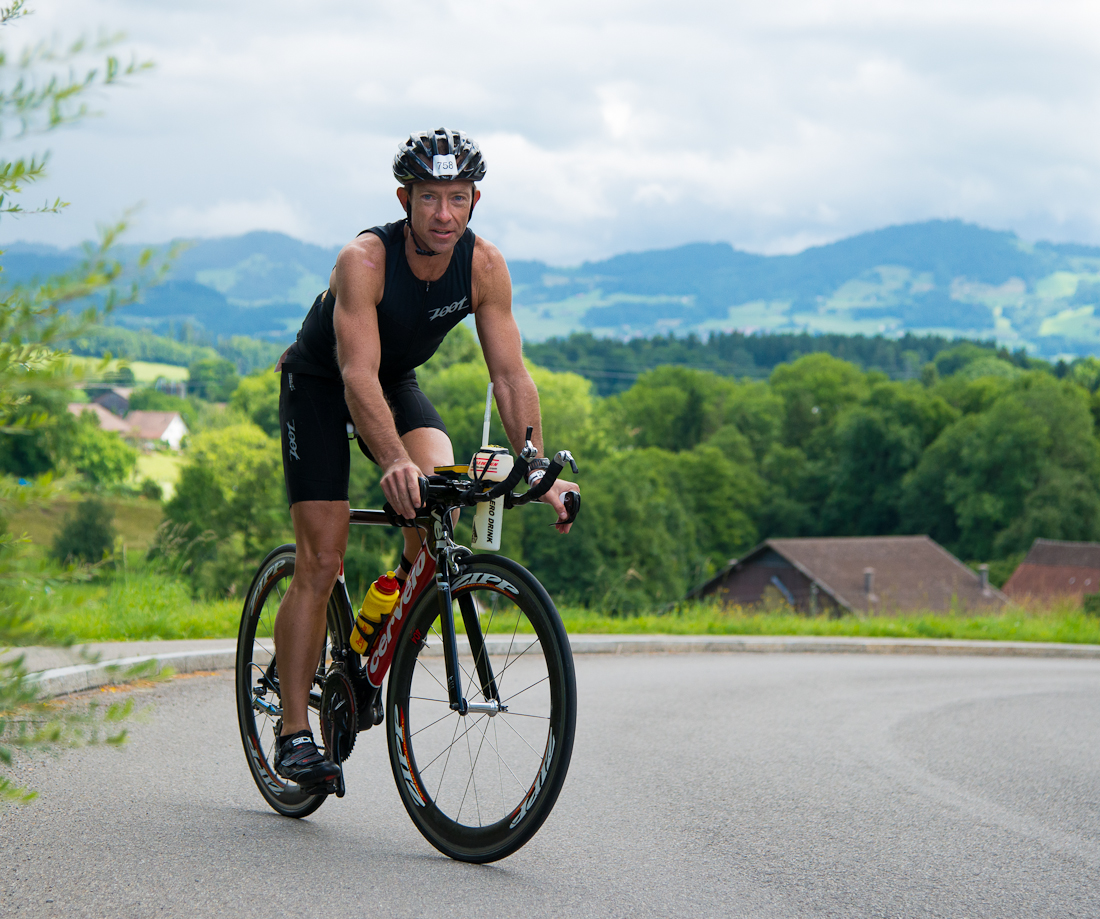
The Kemah Triathlon (with my new camera)

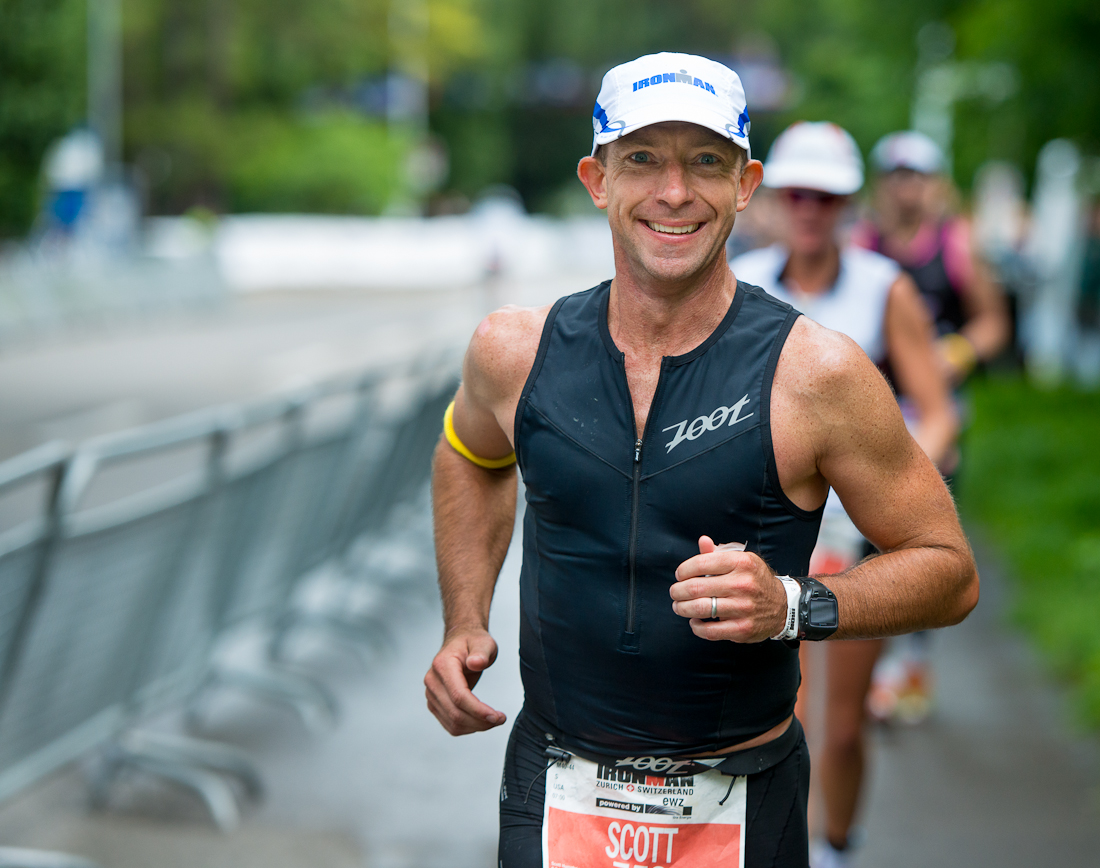
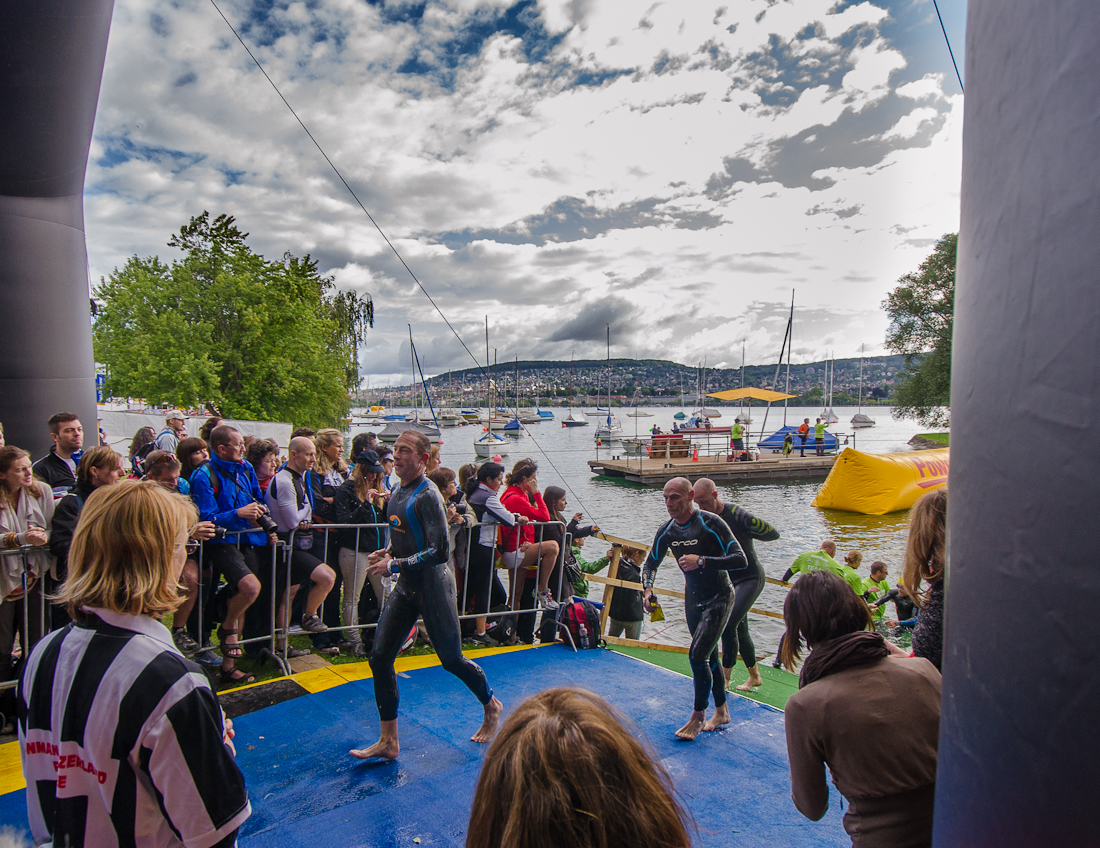
I just got a new camera!   So I need some practice with it.  I took it out for a test run at the Kemah Triathlon Sunday morning.  My long-time buddy Scott was doing the race as a “tune-up” to further ensure that he’ll totally kick my ass next weekend when we both do the Half-Ironman on St. Croix (more on that later, I’m sure).  In the picture (above) where Scott is getting out of the water, you can see waaaay in the distance at the upper right is a boat on the horizon.  Scott did the Olympic distance tri, so that boat was where his swim started (about a mile out in the Bay).  The folks lined up to enter the water are about to start the shorter “sprint” distance tri.

_JJC3944.jpg_JC80268.jpg_JC80028.jpg_JC80067.jpg_JJC3802.jpg_JJC3845.jpg_JC80123.jpg_JC80145.jpg_JJC3879.jpg_JC80310.jpg_JC80331.jpg_JC80337.jpg

Nikon announced the D800 in February and it only took me a few hours to get my name onto the waiting list — but I still had to wait three months to get my new camera.  The resolution on this camera dwarfs virtually every camera on the market:  36 megapixels.  But that’s not the half of it.  The downside is that uber-high resolution doesn’t help much (and may hurt!) unless your lenses, your focus accuracy, and even camera-holding stability also step it up a notch.  Thus my need for practice.  I put the big Nikon 70-200 2.8 zoom on the D800; the wide angle shots are on my “old” D7000 with a 10-24mm.  Through no fault of the camera, my favorite shots from the day turned out to be mostly those wide shots.  Maybe the most amusing part of the D800 is that, as a 36 megapixel camera, each snap of the shutter (whether great or terrible) occupies about 32 MB of file space.  For perspective:  the laptop I took to law school had a then-impressive 20MB hard drive.
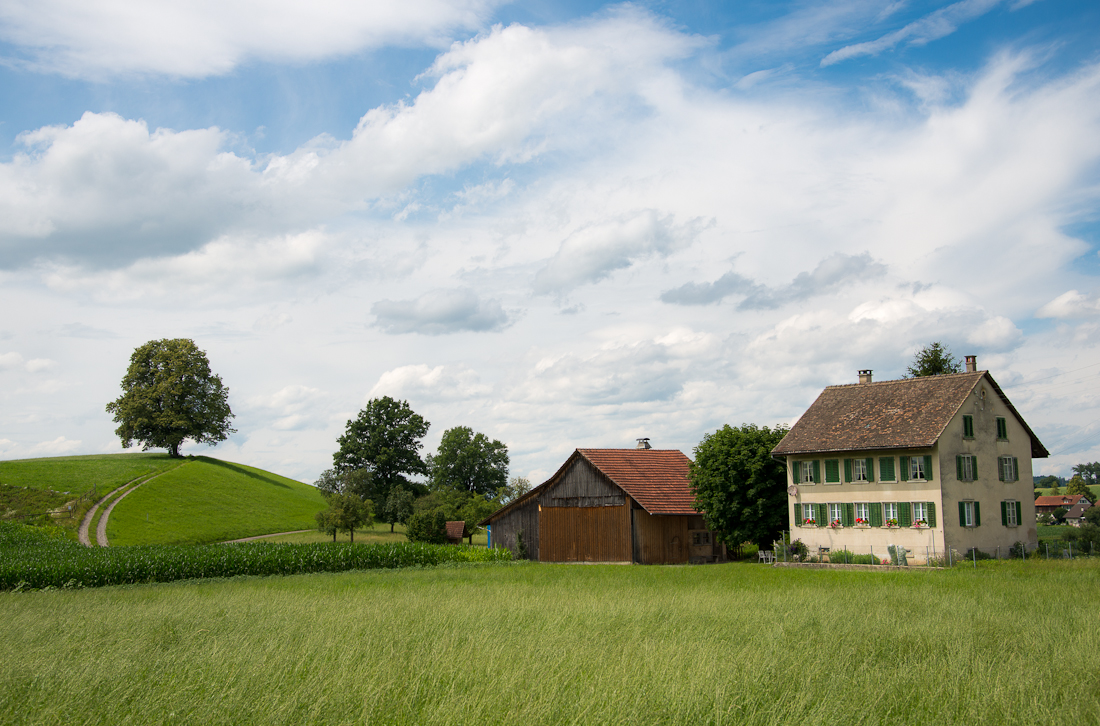
 

 Fortunately, we were careful to instruct Scott’s sons — Jack and Sam — not to act silly and mess up their Dad’s post-finish-line picture.

Cuba (Part 10) One Last Look

Here’s the last installment of pictures from my March trip to Cuba.  The series started here.  The trip offered lots of photographic variety — including dancing showgirls, boxers in training, school kids, cigar moguls, classic cars, Havana street life and more — so take a look at all the posts.  The trip was also fascinating and educational for me personally; I hope my eagerness to share what I learned didn’t get too long-winded.  Thanks for looking.

As I mentioned earlier, Havana has plenty of sights to see.   A prior post had my attempts at decent pictures from Revolution Square, the current center of federal government buildings.   The Capitolio (pictured in three shots below) is the former center of government.  It looks just like the U.S. Capitol building in Washington.  Built in the 1920s, it was originally the home of the Cuban legislature.  When Castro took over, he disbanded both their houses of Congress and did away with representative government — thus freeing the Capitolio up for other purposes!

_JJC5373.jpg_JJC5385.jpg_JJC5527.jpg_JJC5559.jpg_JJC5585.jpg_JJC1820.jpg_JJC1821.jpg_JJC1833.jpg_JJC2164.jpg

Our group had some nice opportunities to get on rooftops and other high places just at sunrise or sunset, which is a simple recipe for good pictures.  A few of the pictures you see are from a hotel on Park Central; one is from the tower of the original Bacardi building; a handful are from the lighthouse at “Morro Castle,” which is actually a 400-year-old fortress that guards the entrance to the port of Havana.

On the last night of my trip, we went to a rooftop party.  The event included the opportunity to watch a drums-and-dancing Santeria ritual.  Santeria is a form of religion that mixes Catholicism with African “animist” beliefs.  I cannot pretend to understand or explain it, but these dancing performances are fairly common and open to the public.  The dancers and the folks wearing white are part of that.  The finale of that evening was those pigeons.  (See the picture at the top of this post).  There was a pigeon coop (and a pigeon-keeper) on the roof, and just at sun set he let 30 or so of them out for their evening exercise.  They kept returning to the roof; he kept shooing them away to fly around some more, giving me several chances to try to get the “perfect” picture.  It was a nice, peaceful wind-down of a sometimes-overwhelming couple of weeks in Cuba.

_JJC2564.jpg_JJC2268.jpg_JJC2328.jpg_JJC2371.jpg_JJC2420.jpg_JJC2459.jpg_JJC2525.jpg_JJC2530.jpg_JJC2540.jpg

* * * * *

Finally, here (below) is one of the last pictures I took in Cuba.  I know it doesn’t look like much.  I took it with a tiny pocket camera in the cab on the way to the airport.  Normally, I had always tried to use one of the privately-owned taxis rather than the government-owned taxis, but in the scramble to get out of my hotel and out to the airport, I didn’t seem to have a choice.  My reflex was to be unhappy and uncomfortable in the government-run cab, but of course it wasn’t Castro at the wheel; it was just an ordinary Cuban guy doing his job.  The driver was a nice guy who found out I was headed for Miami and quickly told me he had family that had moved to America long ago.  He seemed to envy their fate, but Cubans are generally not allowed to travel freely, so he said that he’d never been allowed to go visit.  At about that point, I noticed his personal keychain — the stars and stripes of an American flag on a heart-shaped medallion.  That’s a “sneaked” picture of his keychain (and his knee and steering wheel) in the picture below, taken from my backseat vantage point.  Seeing his keychain — attached to the keys of his Communist-government taxicab — was a fitting finale to my Cuba experience and another reminder that I’m lucky to live where I do.
If you happen to get a chance to go to Cuba in the next few years, go.  You’ll need a sense of adventure and an open mind.  You’ll stumble into things you never expected and things you’d never encounter at home — some good; some bad.  The overlay of a Communist, socialist system in what’s otherwise a peaceful tropical world is fascinating and eye-opening.  Parts of it you’ll love, and the other parts will make you appreciate your own country.  As the Castros age, Cuba is changing fast.  Maybe I’ll get to go again and see some of that change take place.  Hasta la proxima!