Category Archives: Photography

Welcome to Capayque, Bolivia!

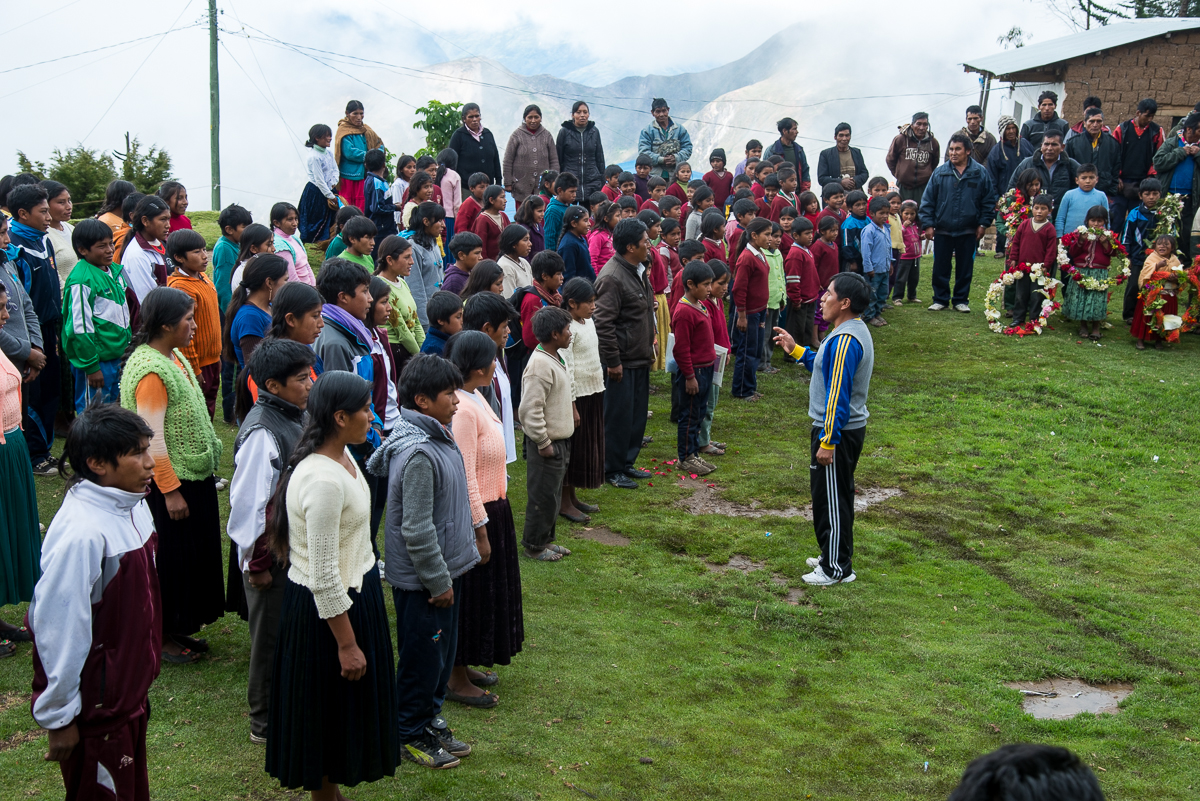
When I signed up to join (and photograph) an Oklahoma group that was providing healthcare in a tiny village high in the Bolivian Andes, I was not expecting the elaborate welcome we got in Capayque.
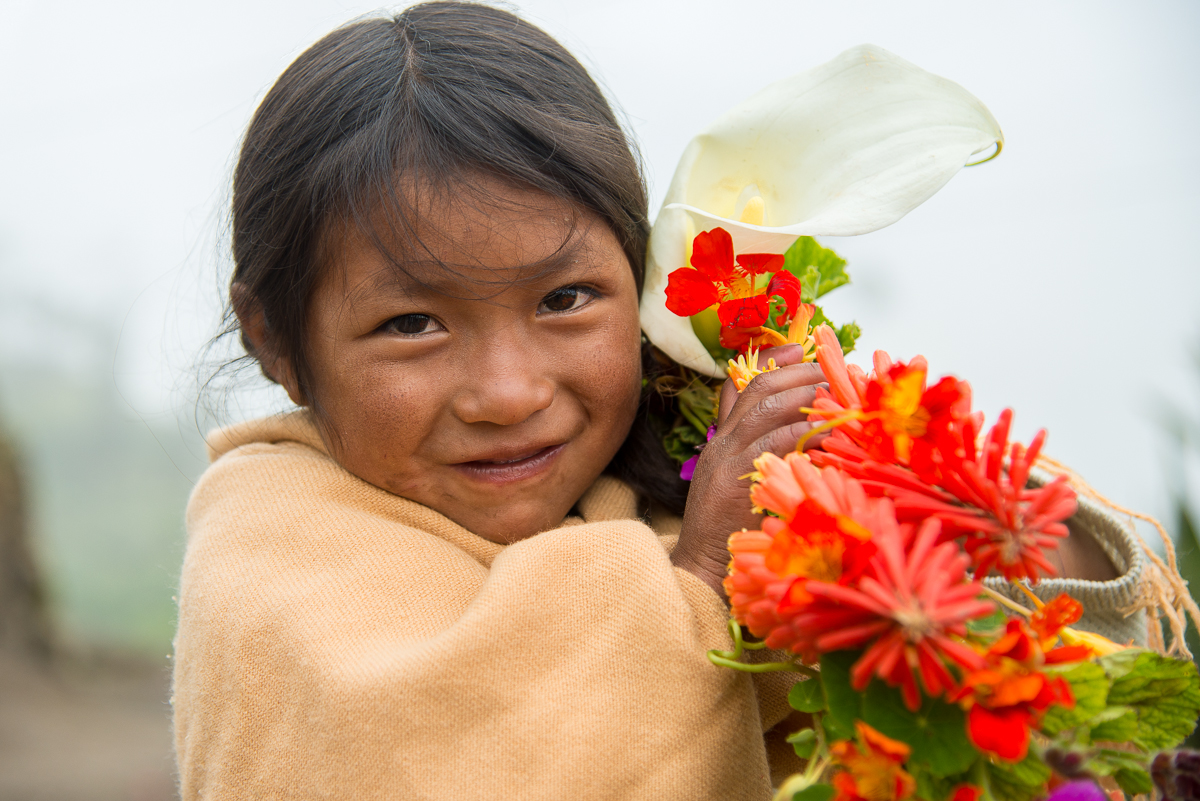
_JD89656

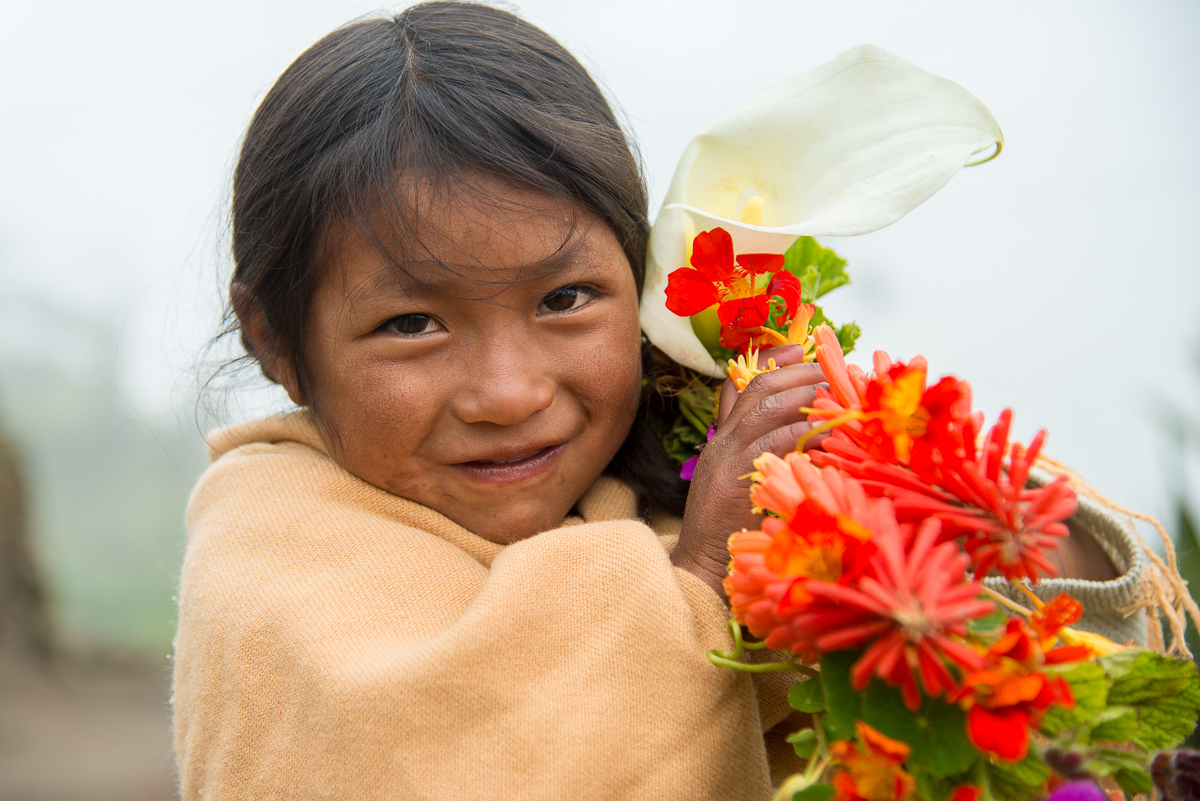
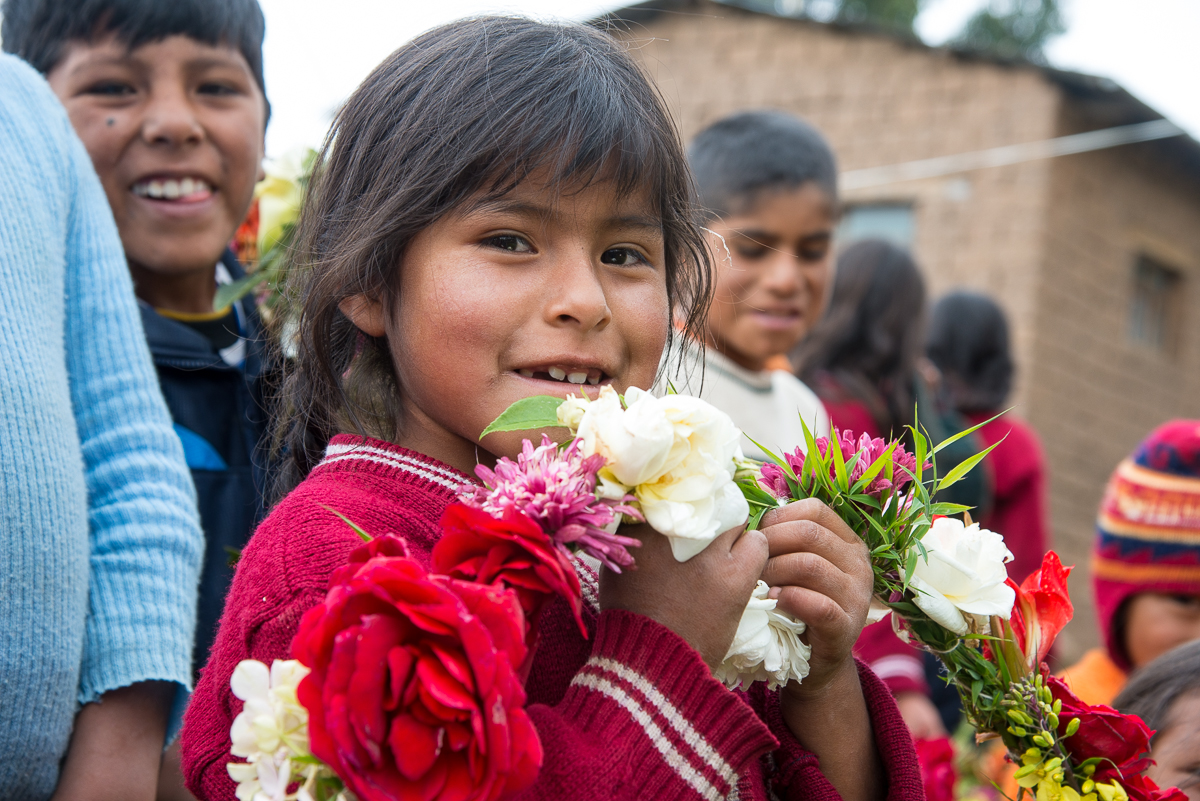
A local Capayque girl arrives at our welcome ceremony with a handmade flower wreath.

Last week I joined a group traveling to Capayque, Bolivia – a very primitive, isolated community in the mountains of northwestern Bolivia, about 15 miles (as the condor flies) from Lake Titicaca and a rough five-hour trip from La Paz.  The group’s mission was to provide much-needed medical care to Capayque’s residents and to set up a medical clinic in the community.

This will be the first of several posts about my trip to Capayque.  Much more later about the town, its people, the Stillwater Oklahoma Methodist church group, and the activities of the week.
_JCE5554

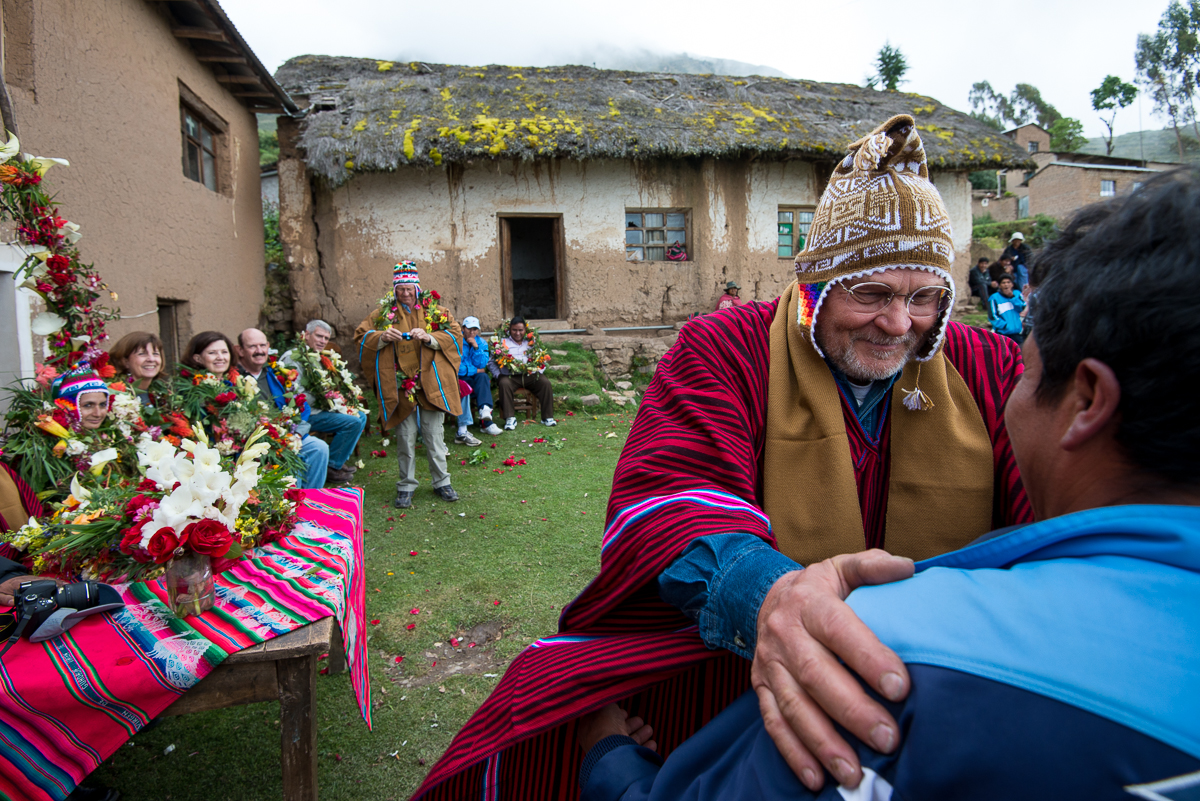
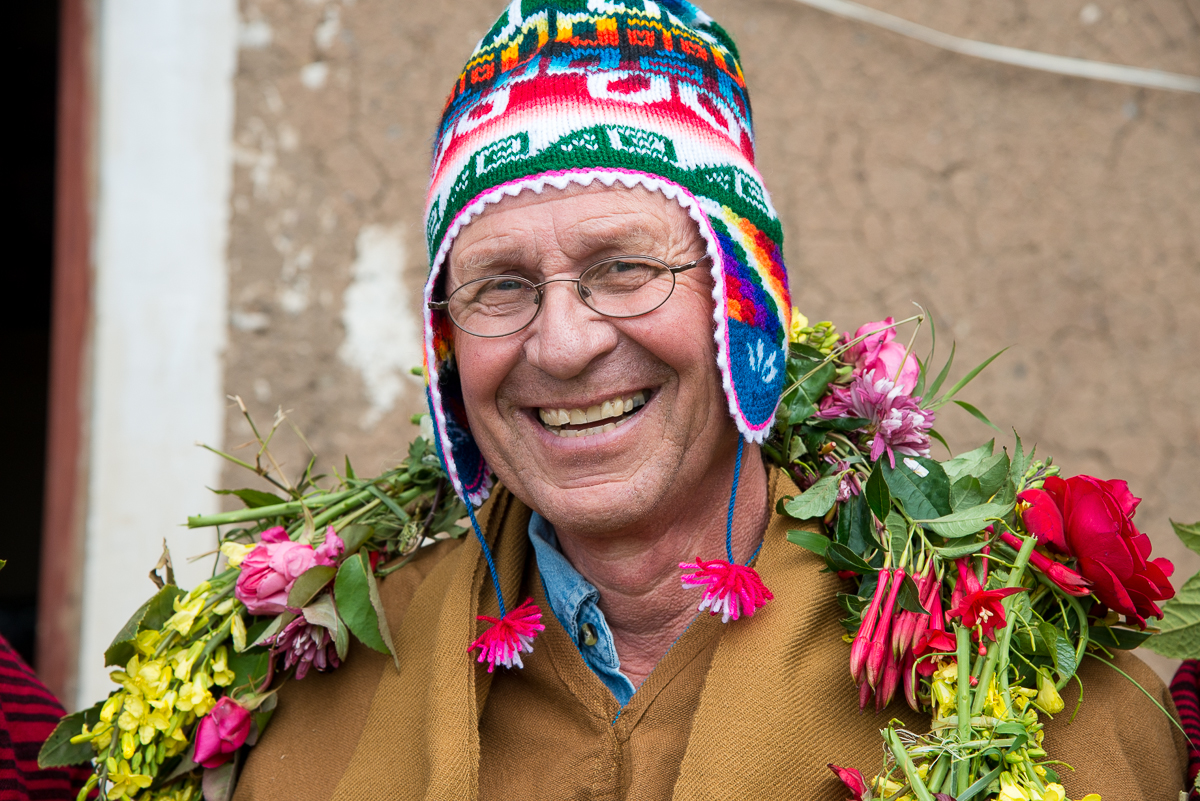
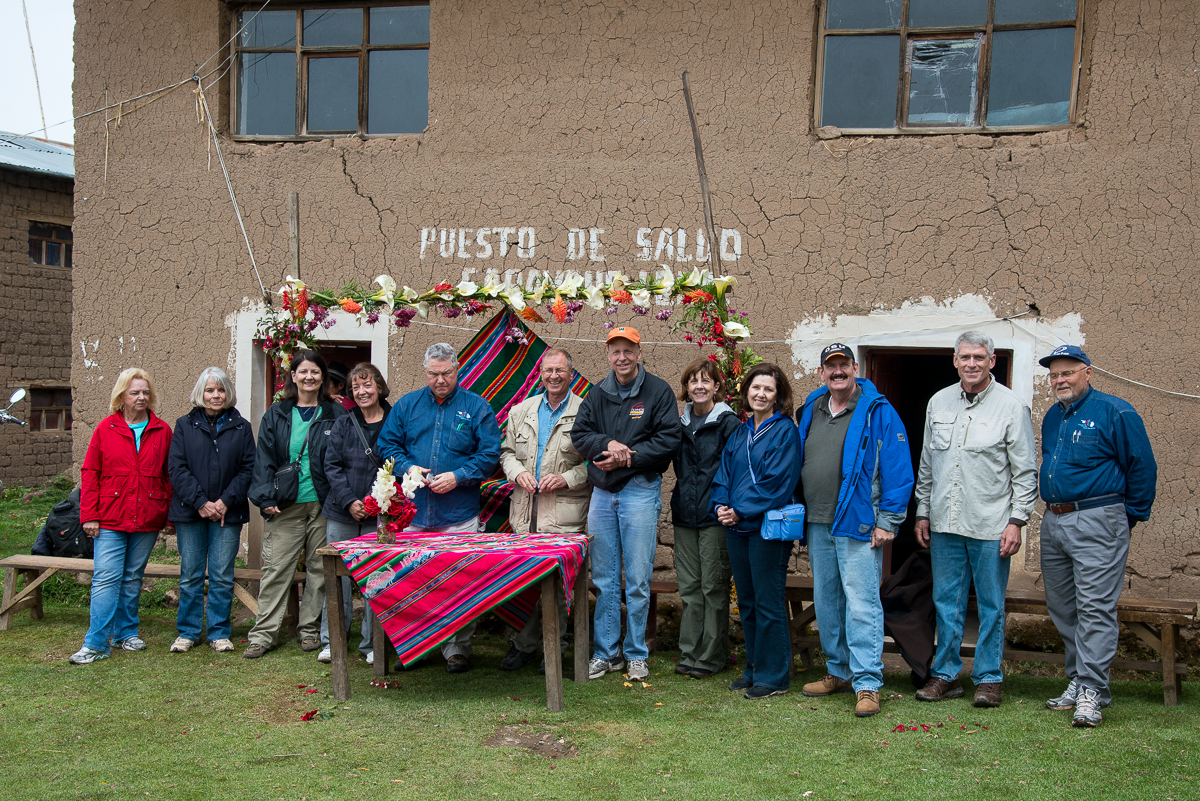
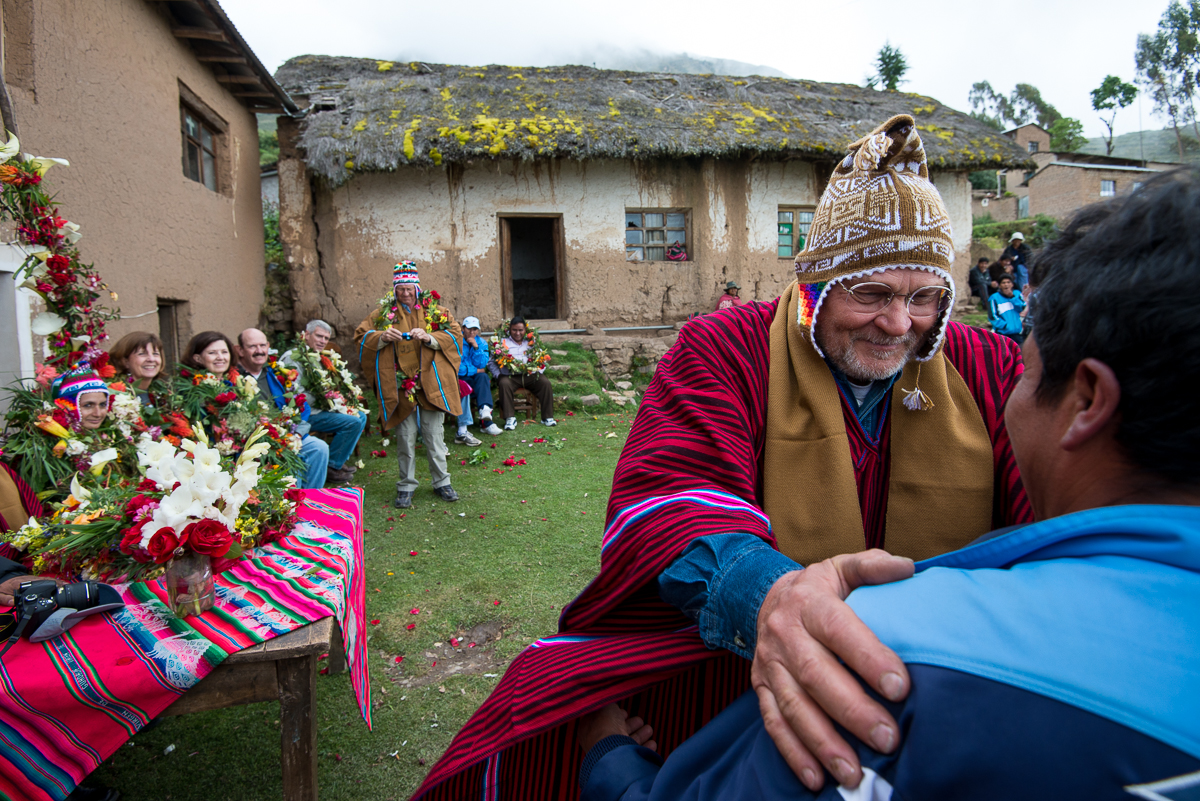
Ray Kinnunen of Stillwater gets a ceremonial welcome in Capayque

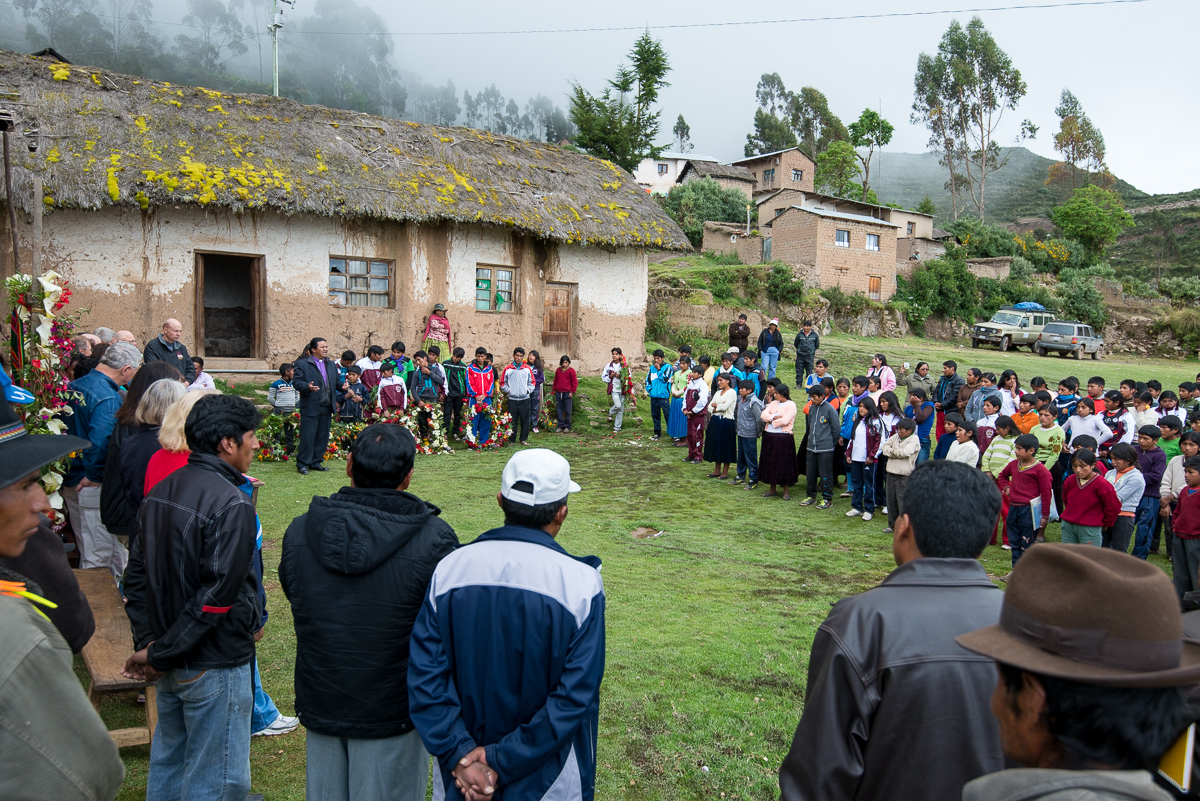
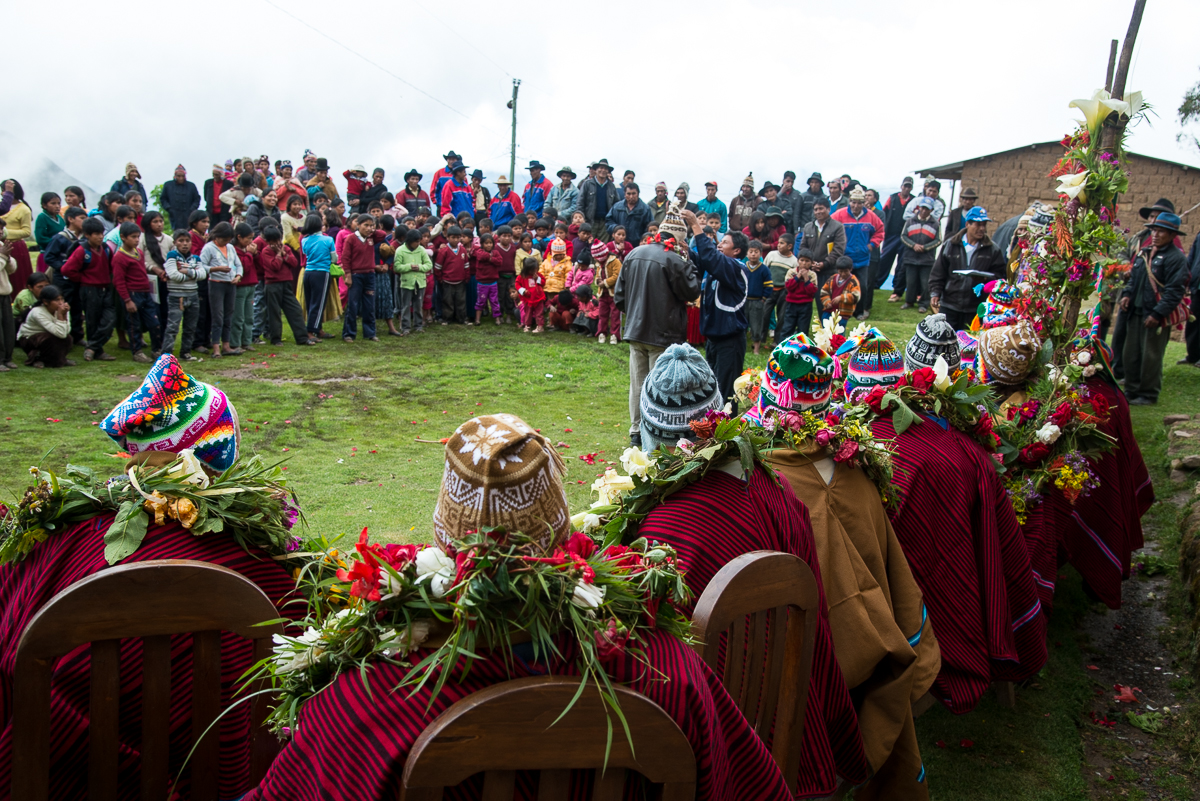
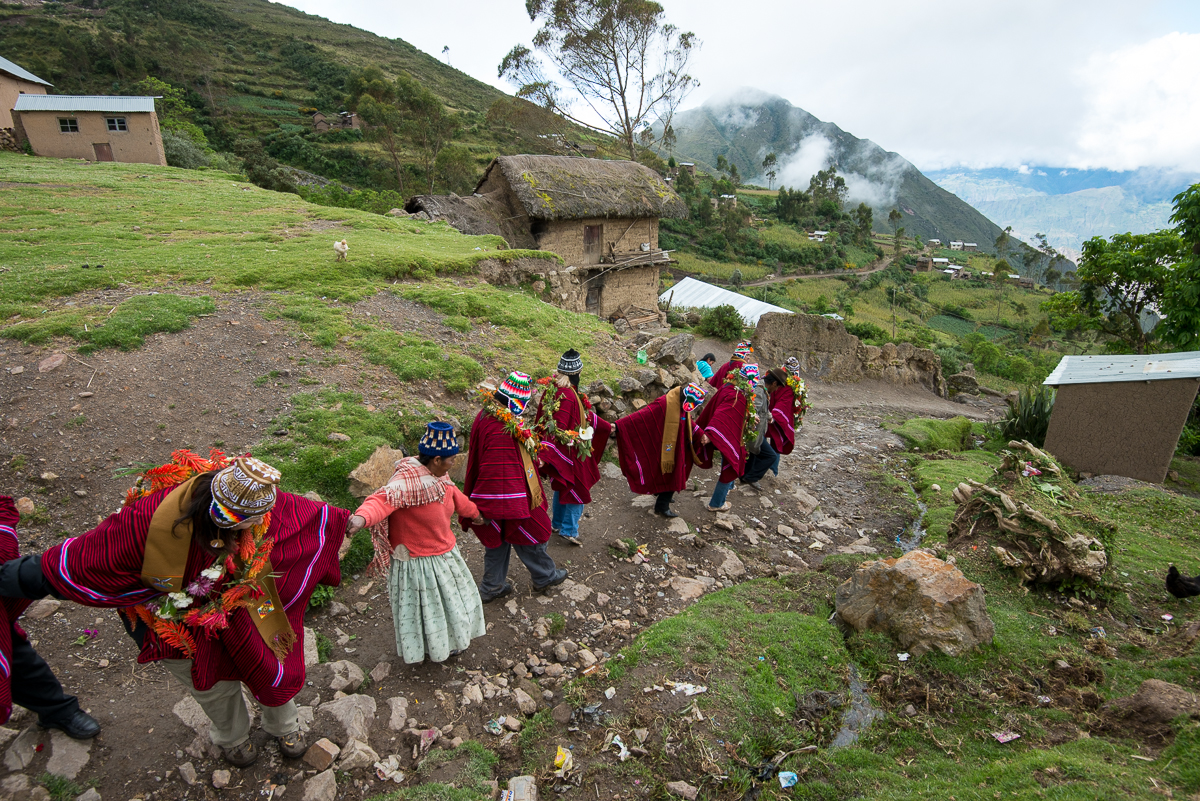
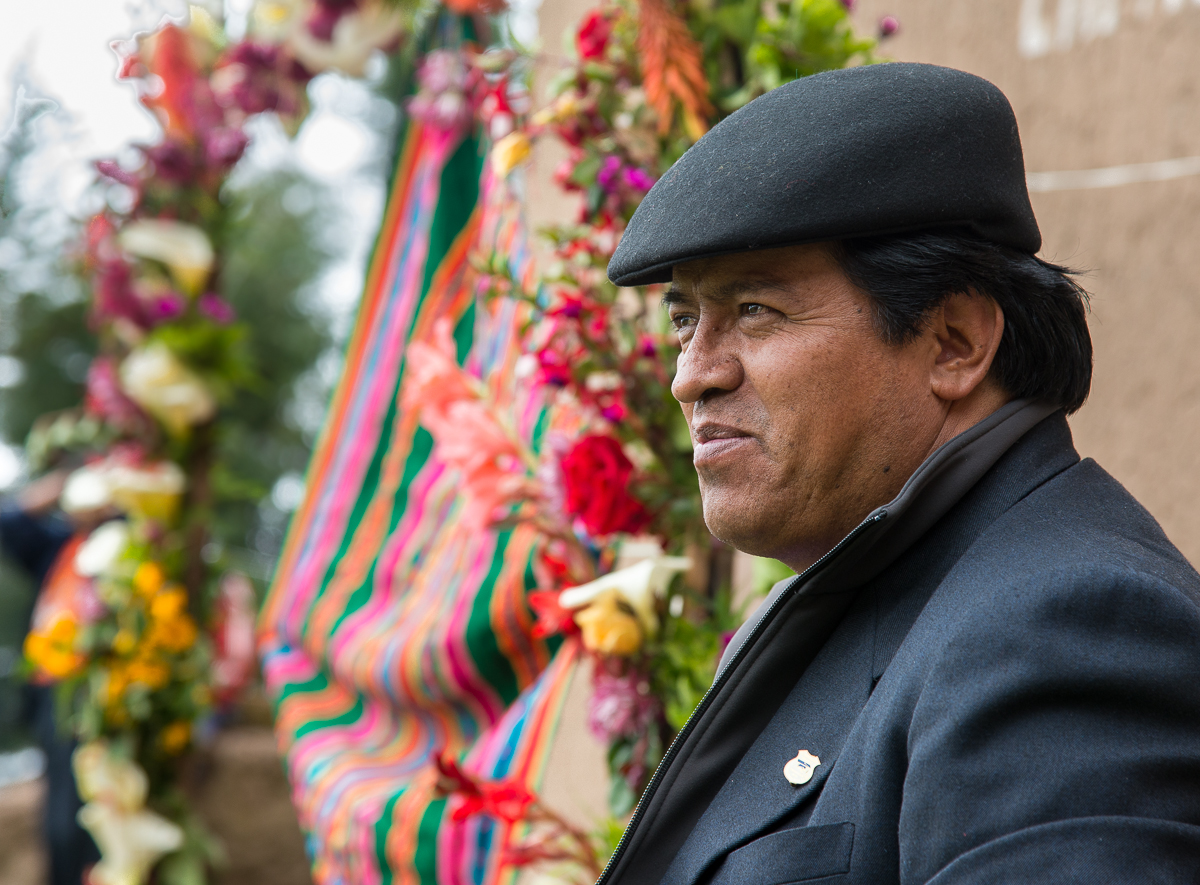
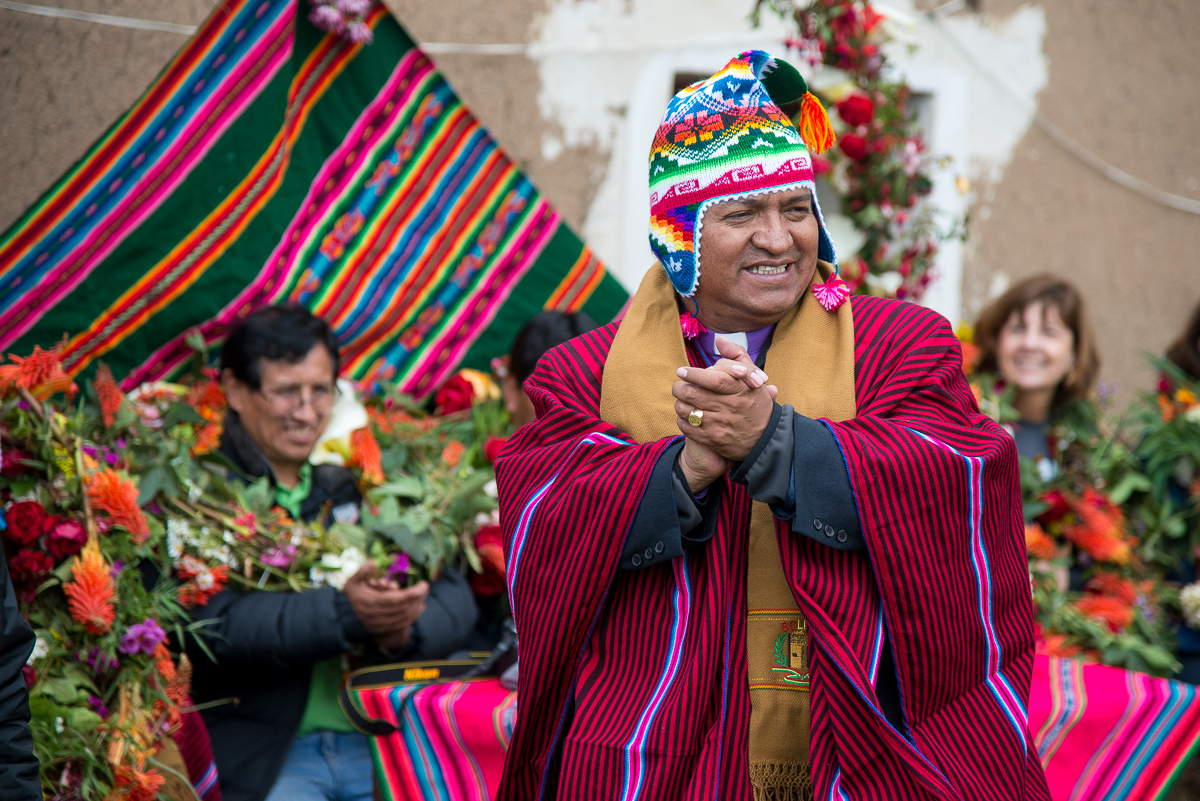
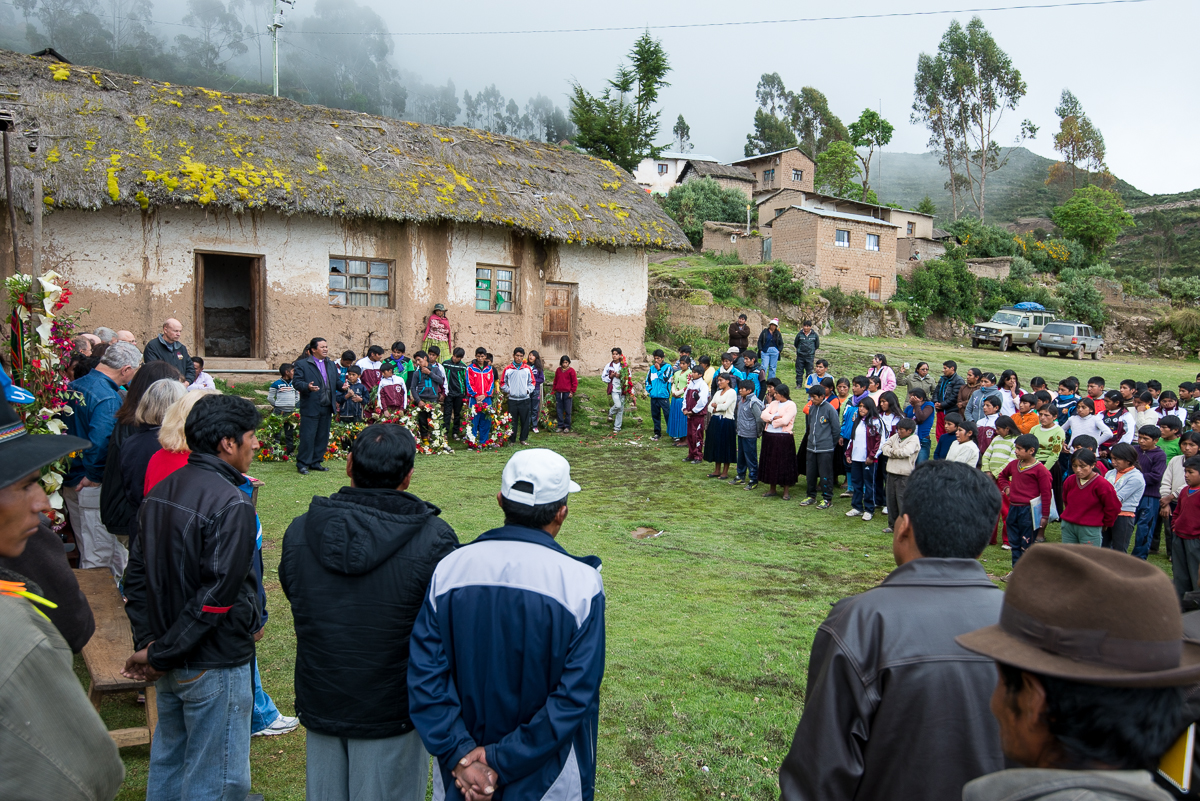
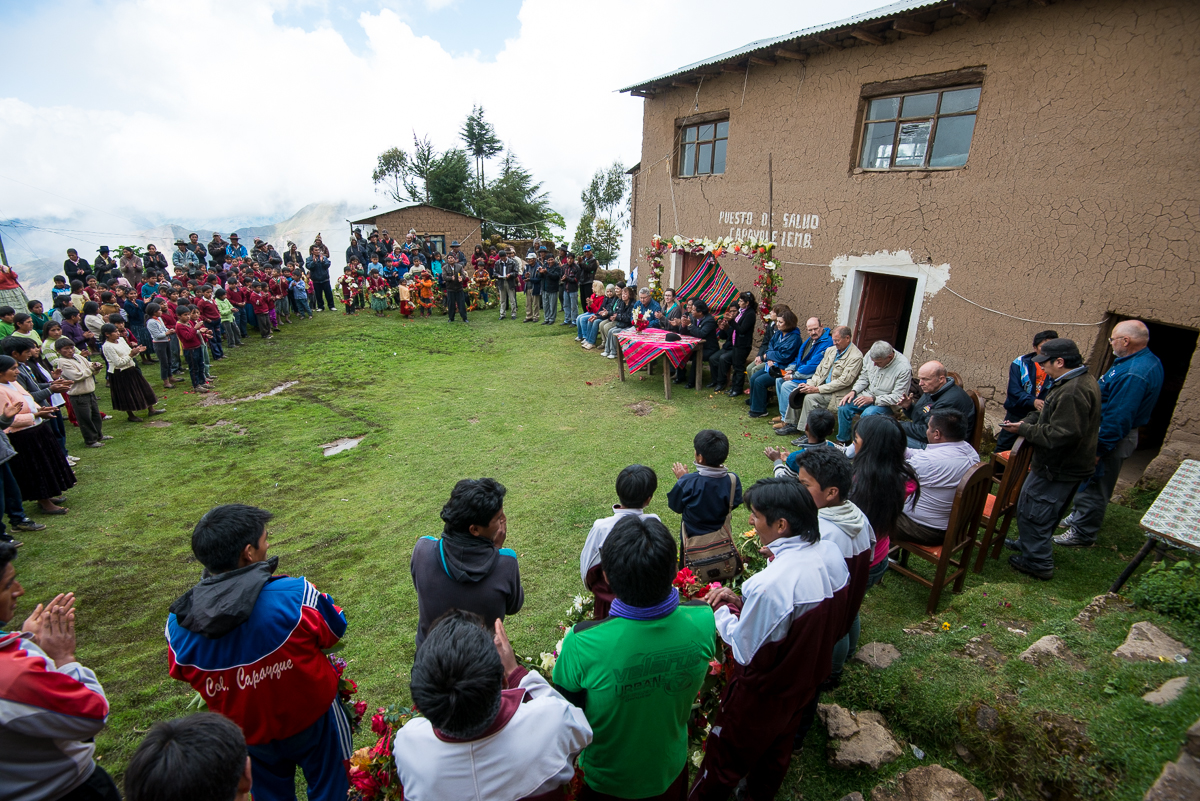
Things got interesting immediately when we arrived in Capayque.  We were met by the entire school and much of the town – as well as the local bishop and several other local officials – for a welcoming ceremony.
_JCE5527

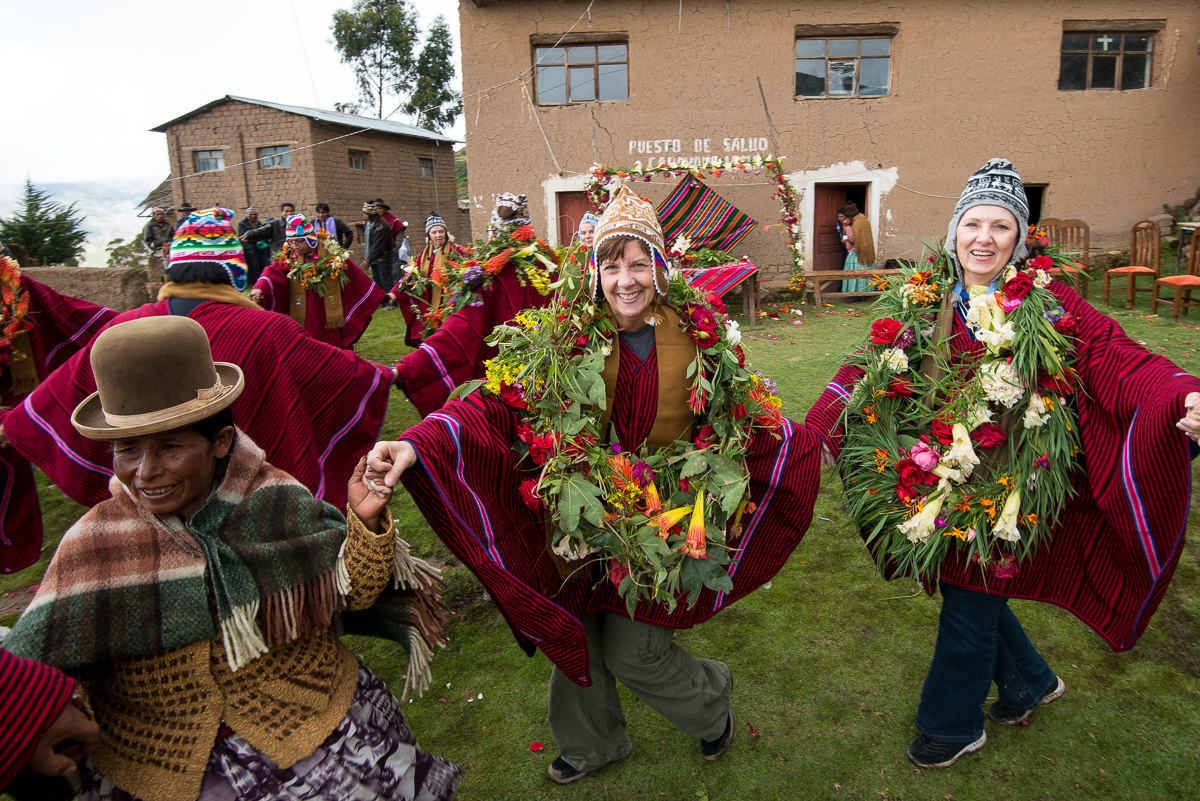
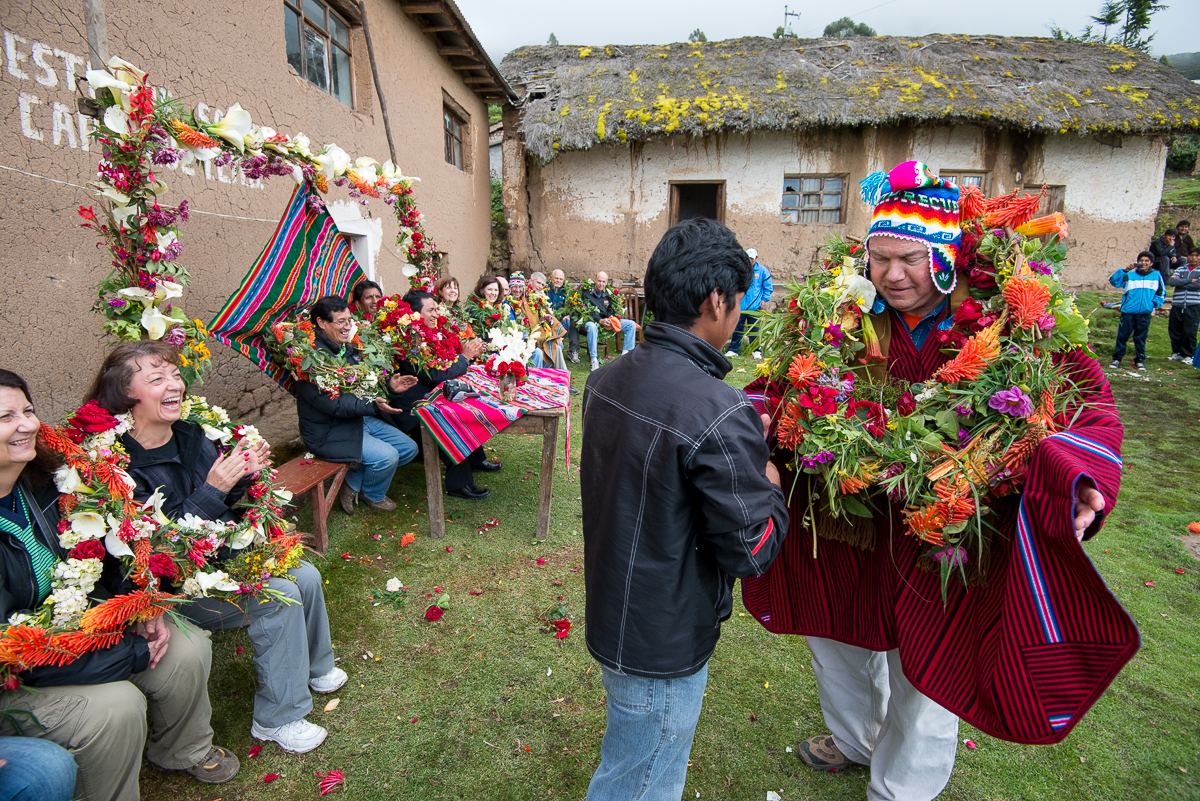
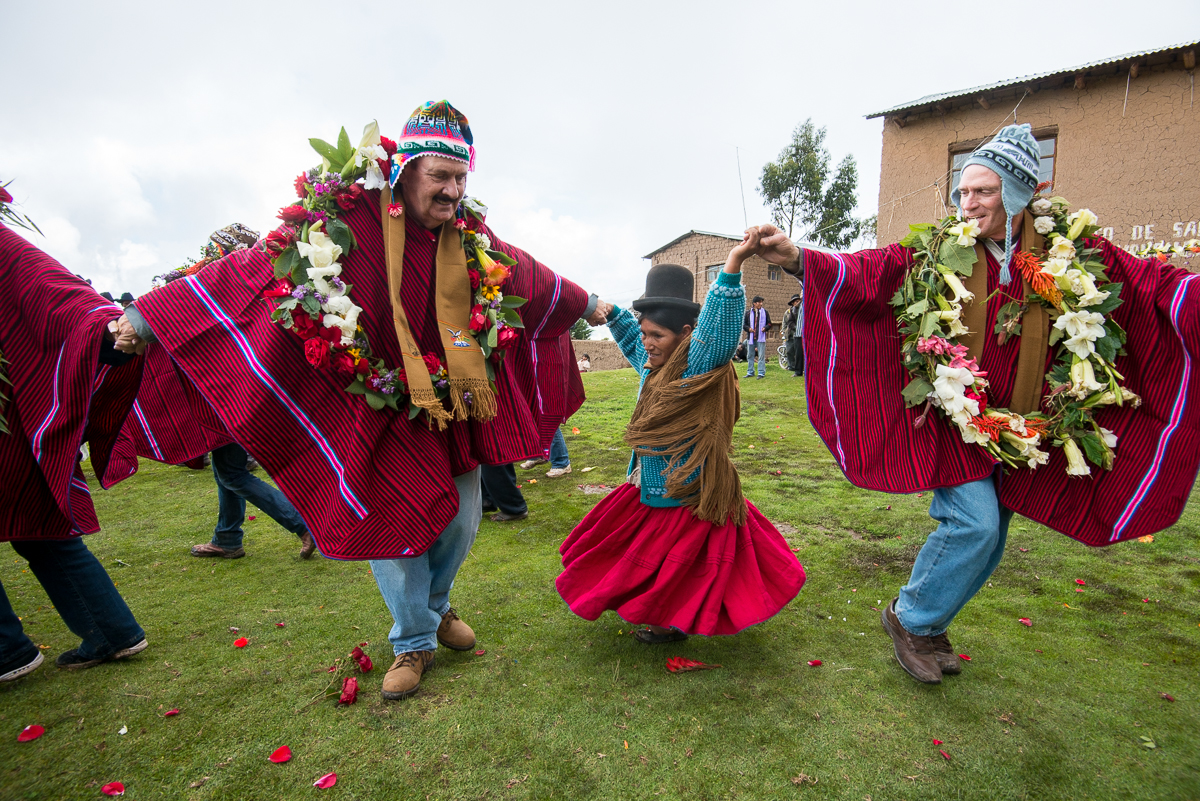
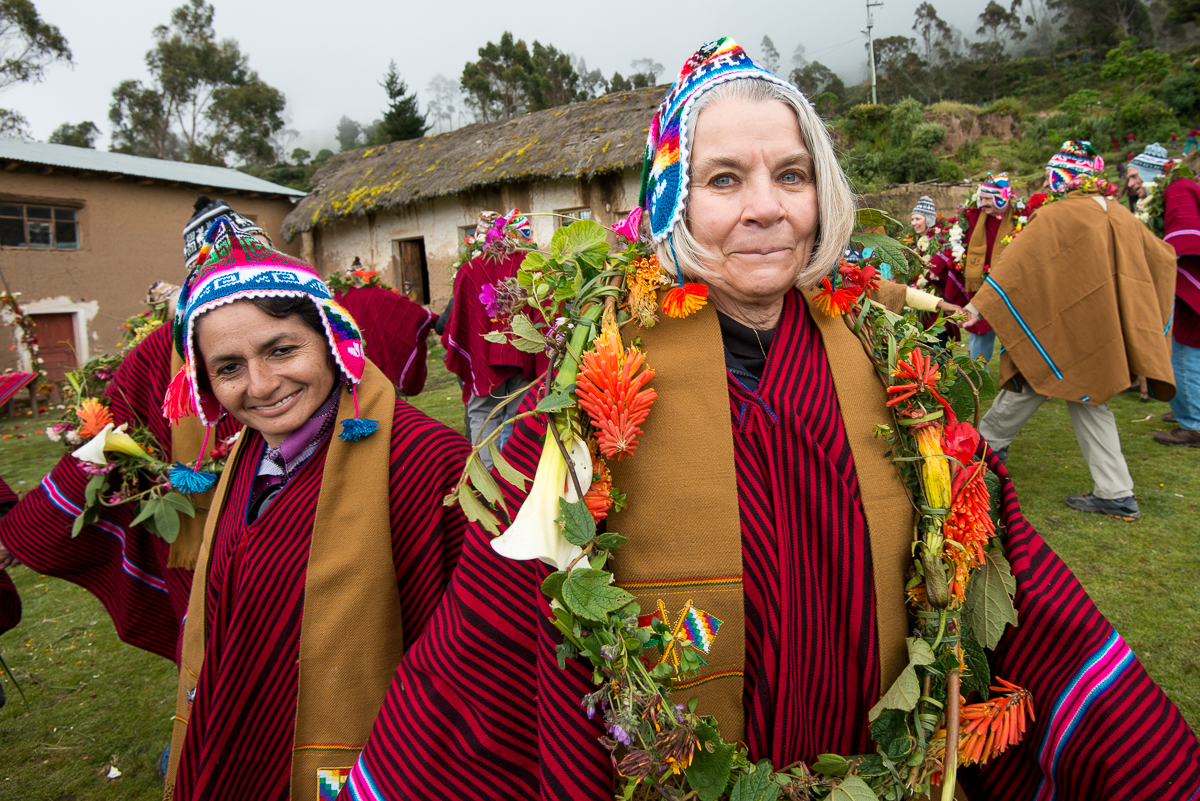
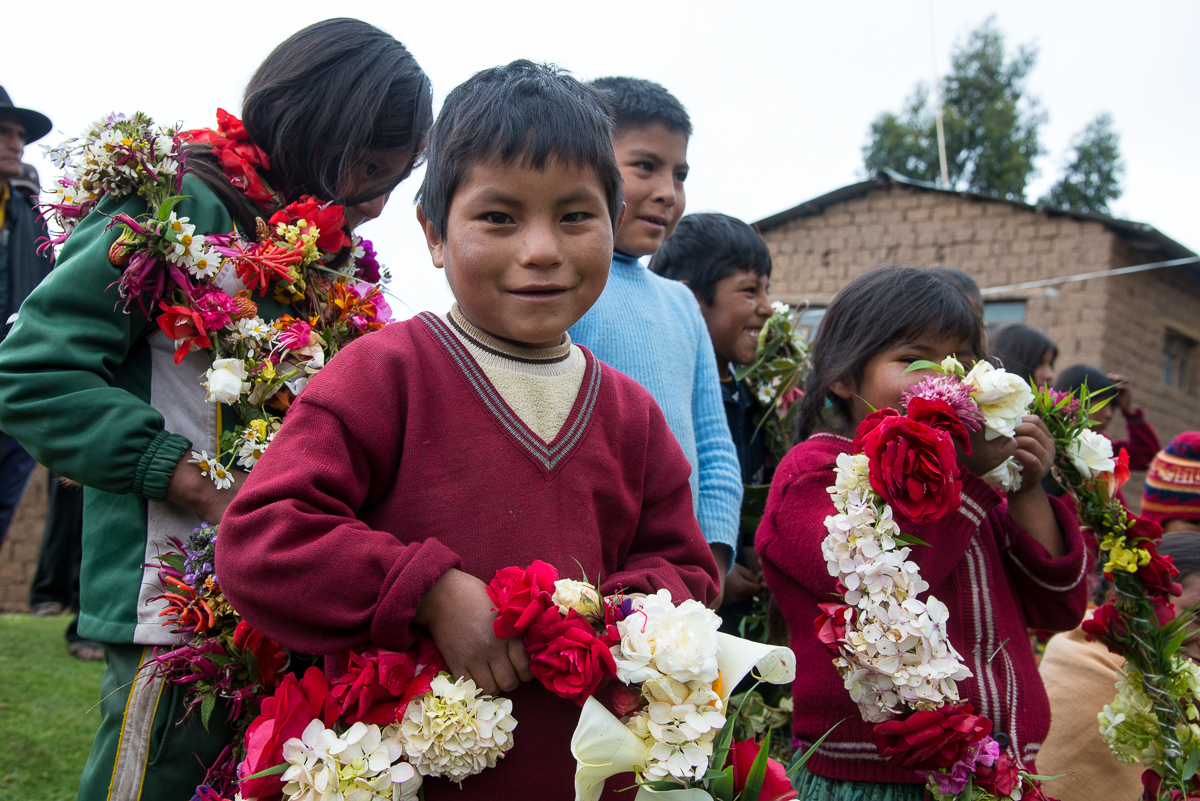
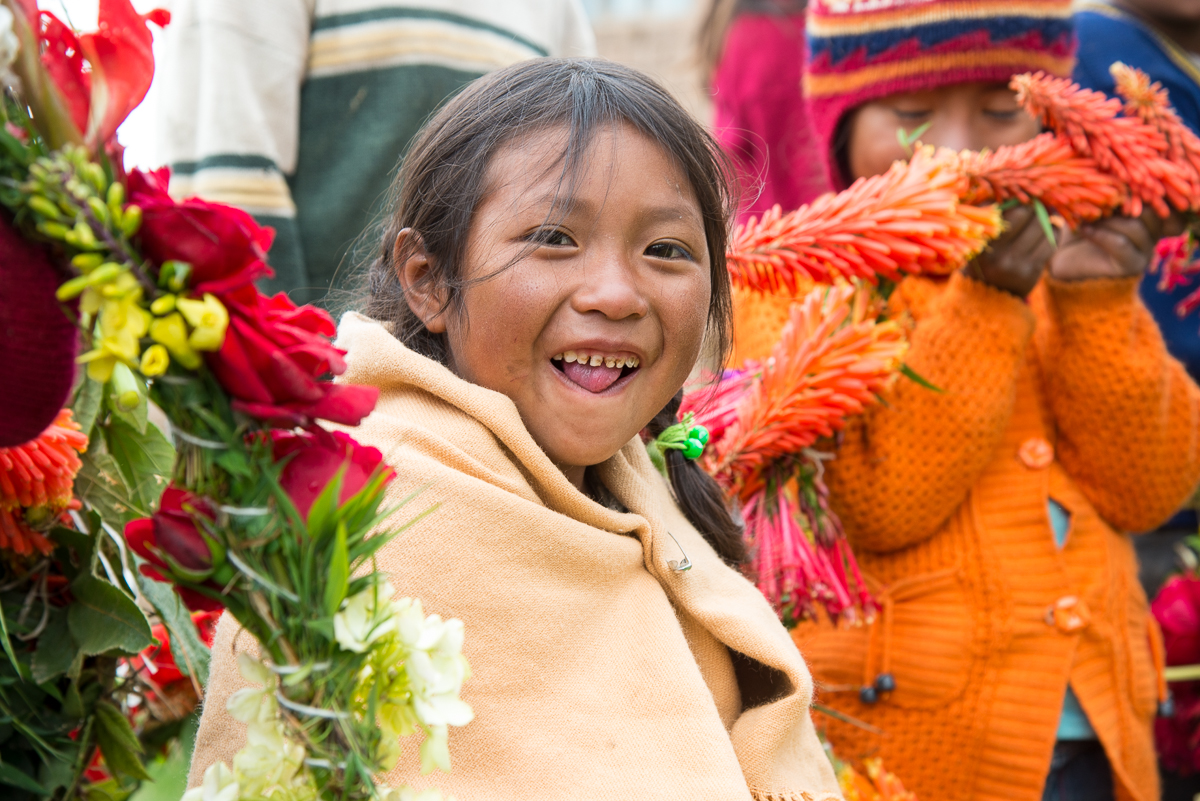
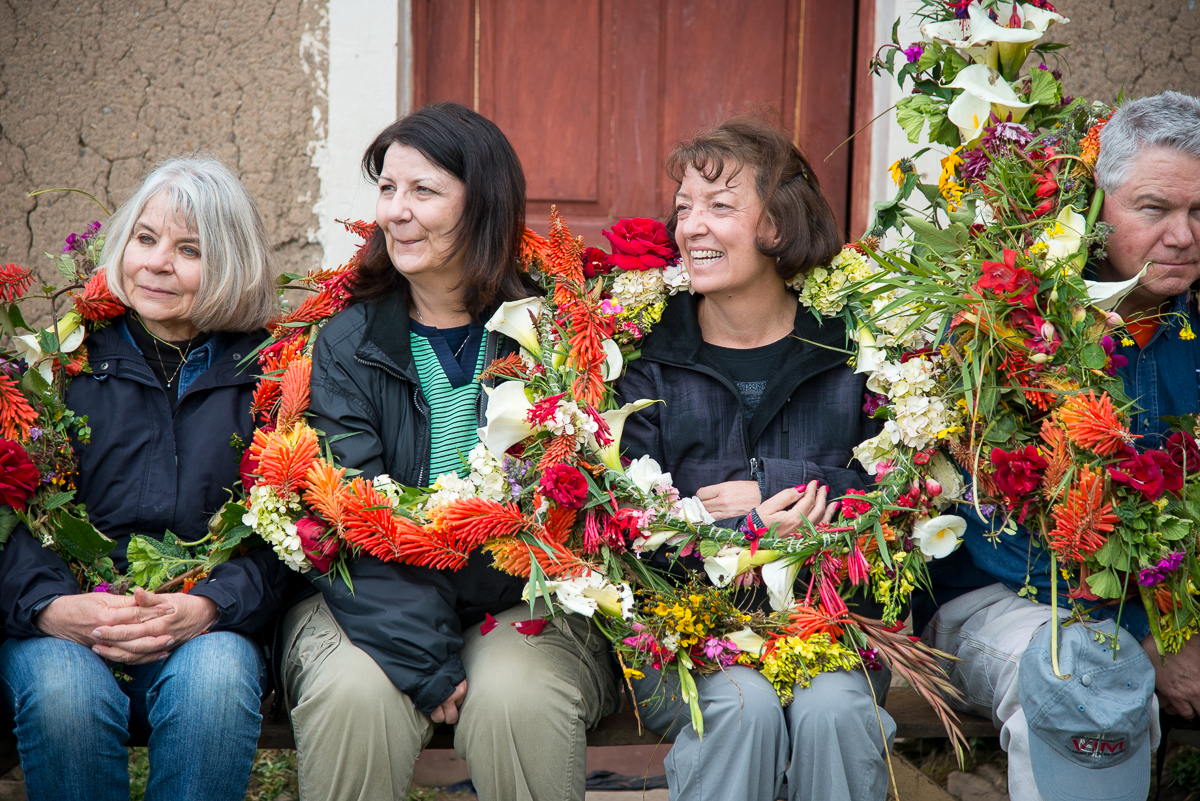
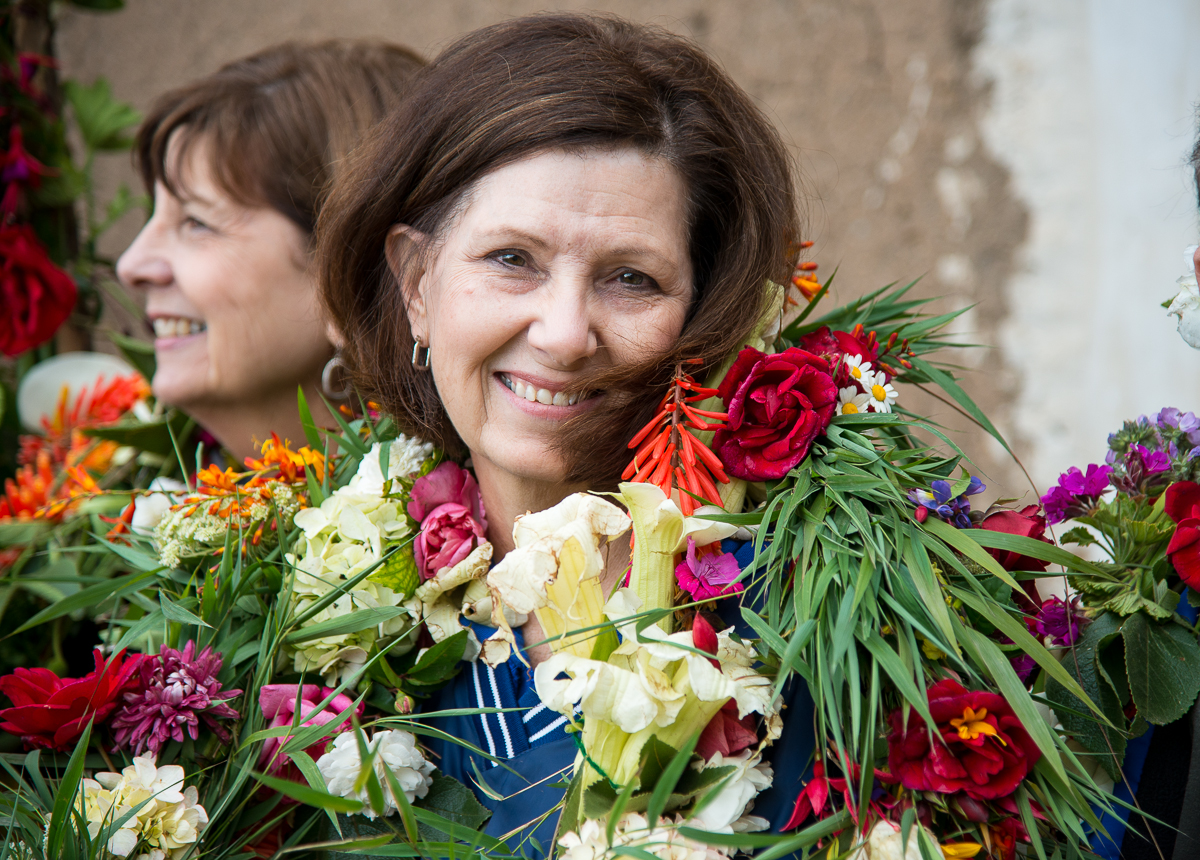
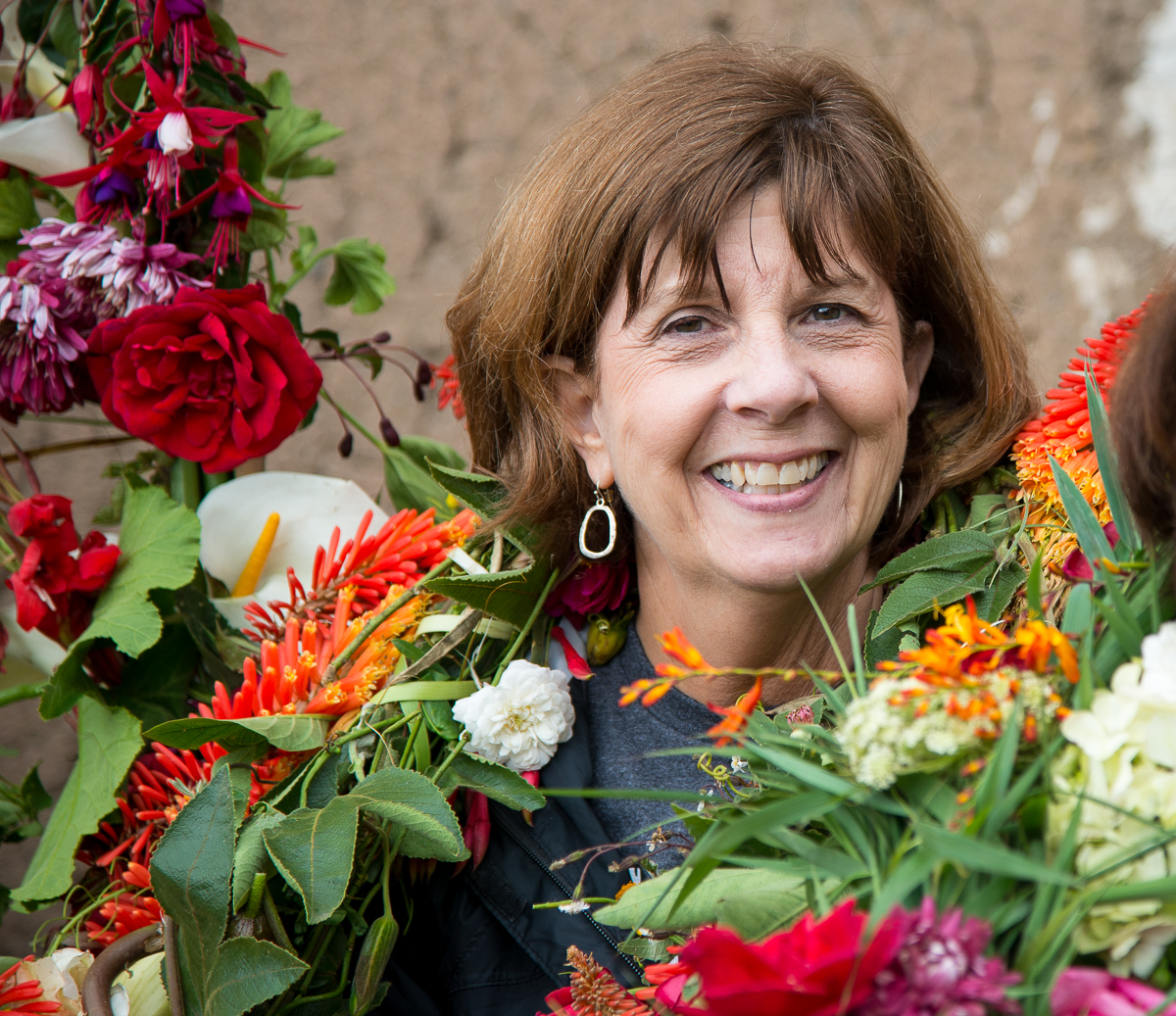
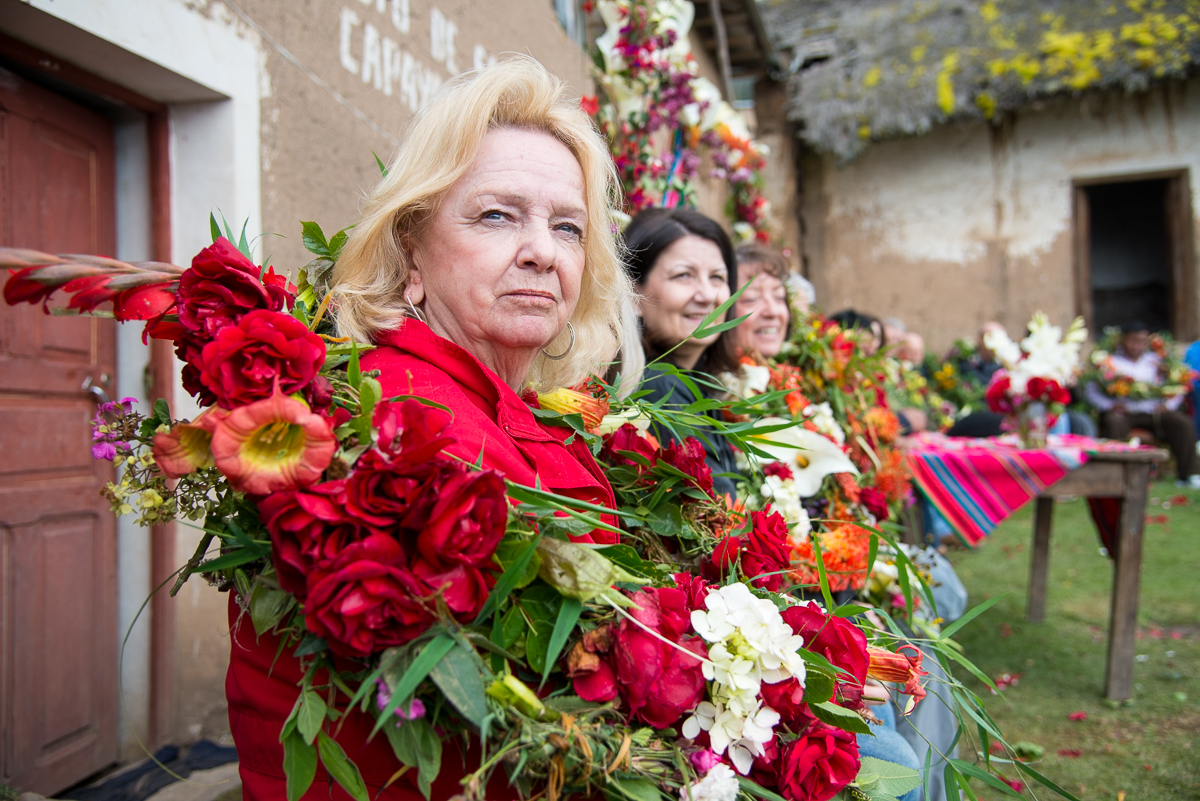
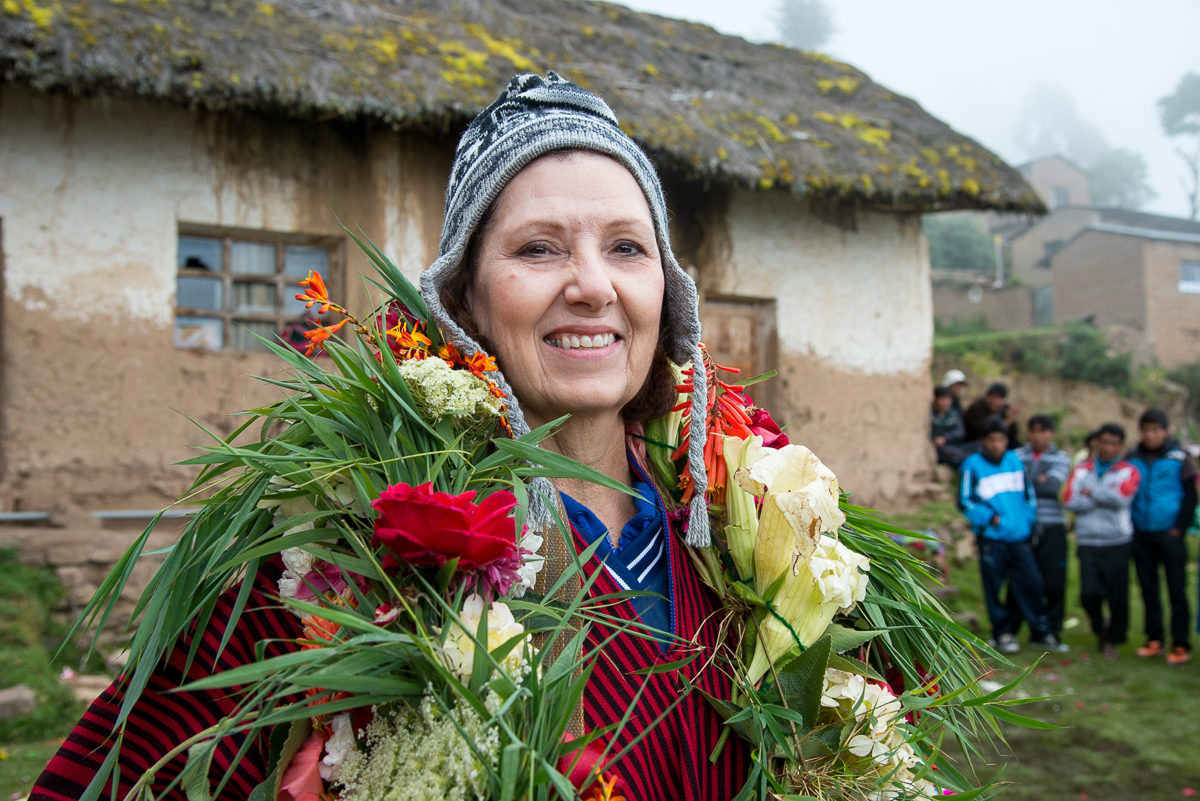
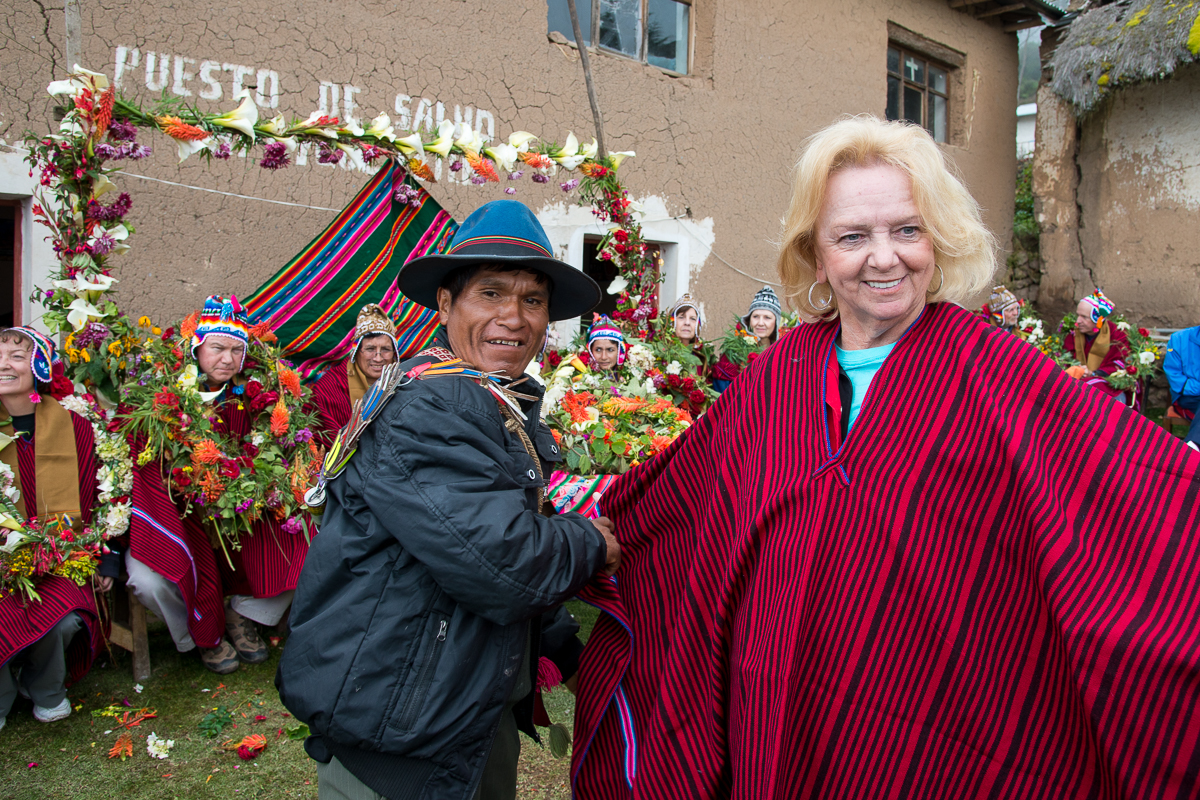
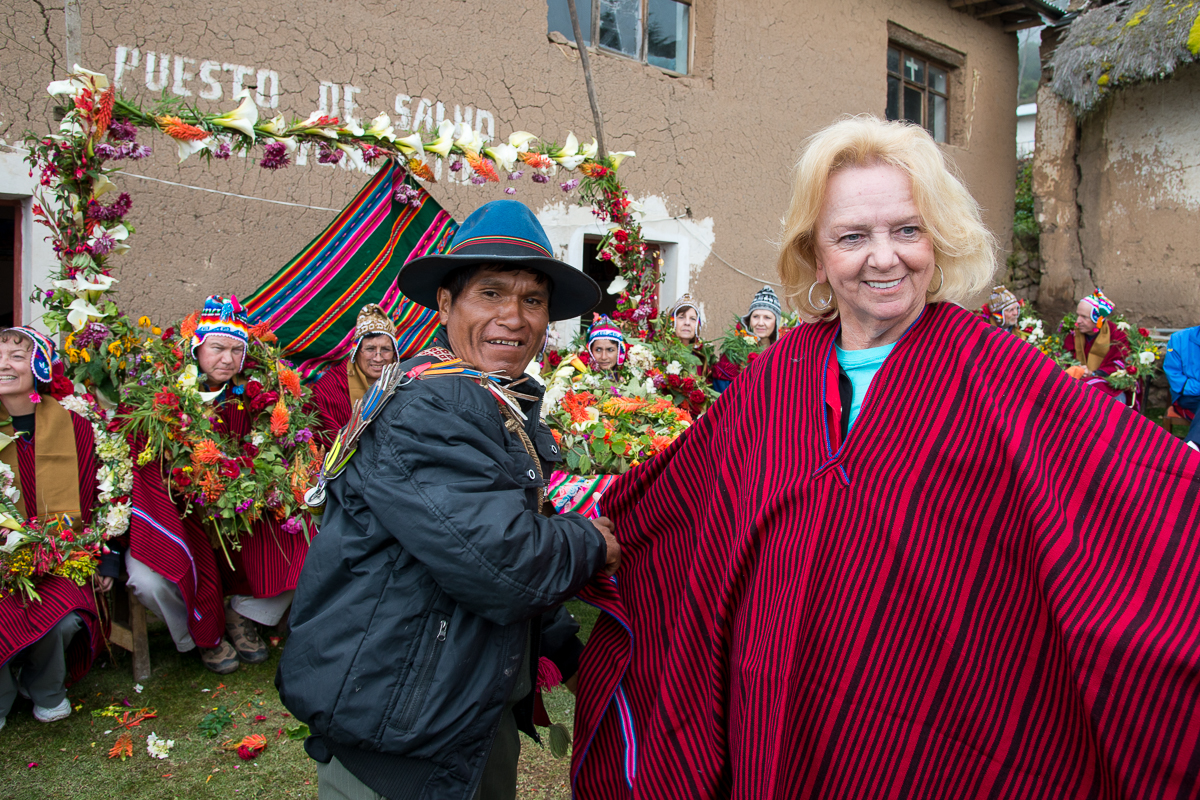
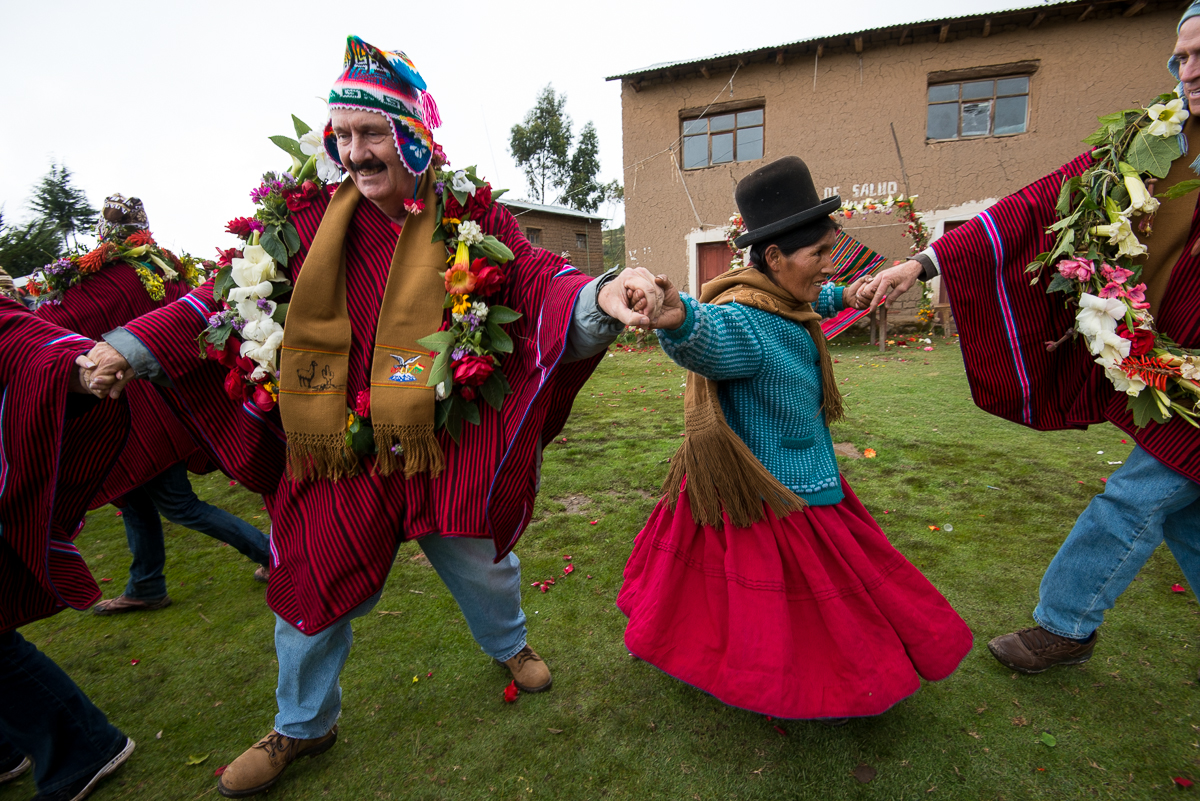
As the pictures reflect, we got handmade wreaths of flowers (which grow, mostly wild, in the area), and were presented with traditional Bolivian panchos, scarves and hats.  We were told that the red panchos we received were symbols of community leaders (the “head panchos,” you might say).  The ceremonies concluded with a dance down the hillside to the new medical clinic this Methodist mission group has been building for the past two years.

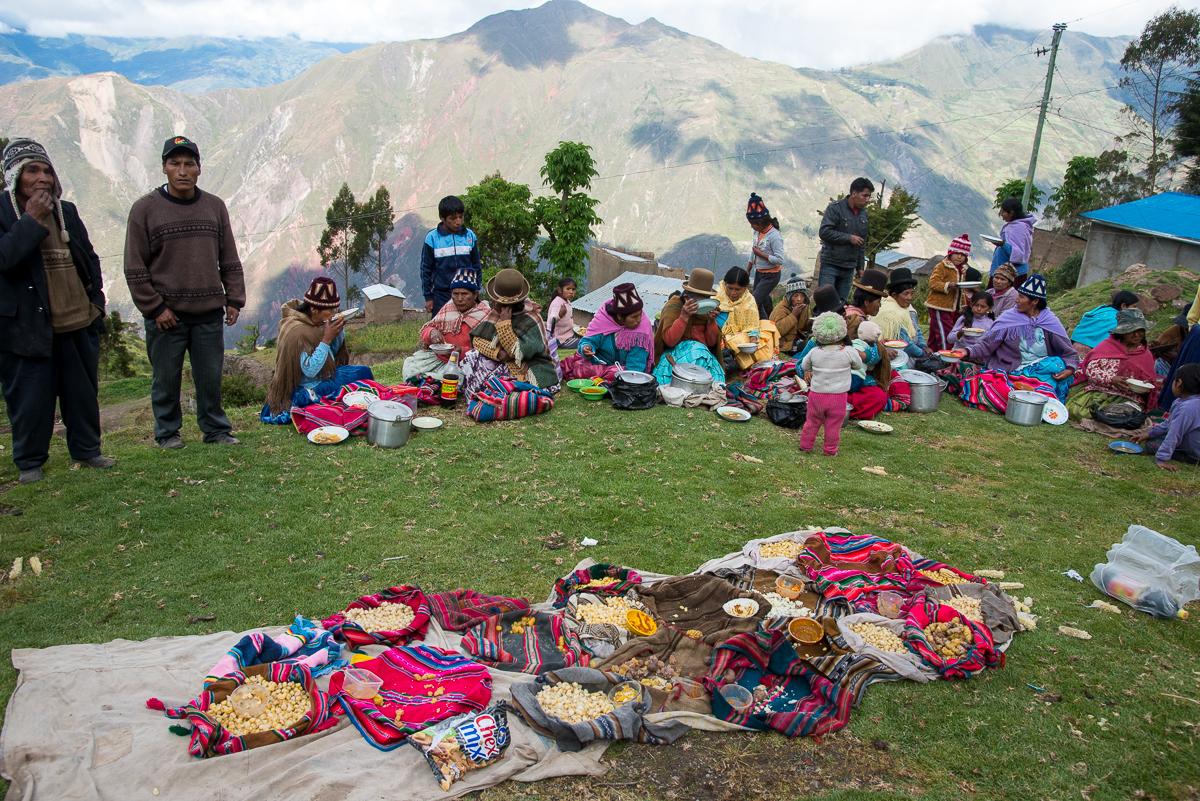
After the bishop inaugurated the new clinic with a few sprinkles of water, we were treated to a ceremonial community meal – with local foods spread out on blankets for everyone to share (Corn, potatoes, and a potato-like plant called “oka” were the primary menu items).

It was a fun kickoff to a interesting and productive week.  Much more to come.
_JD89994

My aunt, Carolyn Williams — an R.N. and a 16-year veteran of the Bolivian medical mission team — was welcomed back to Capayque with a prestigious red pancho.


FOTOFEST 2014

_JJC6320

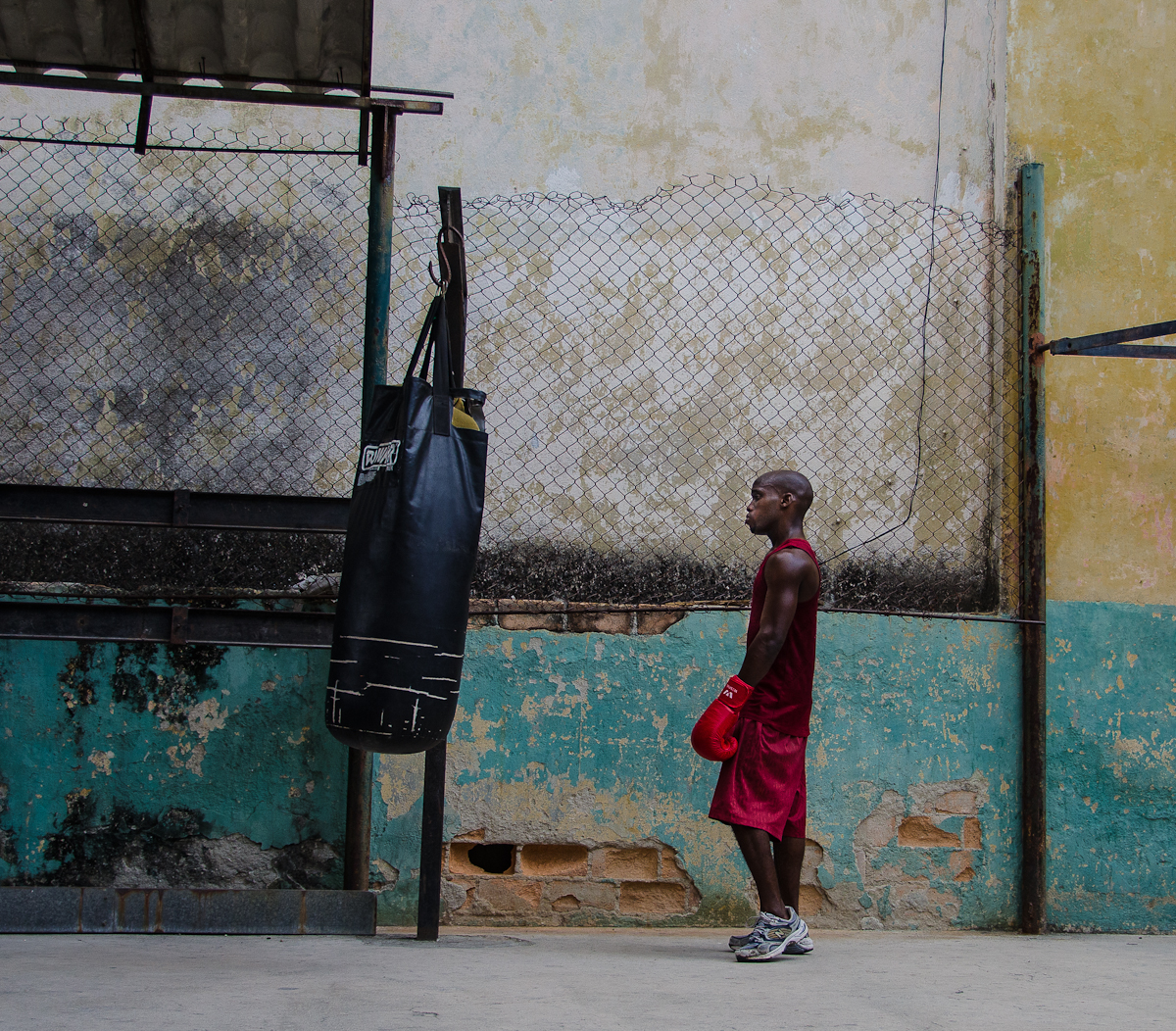
This “Boxer” shot from Cuba in 2012 seemed to be a favorite from among the images I showed at Fotofest 2014.

Every other year, my adopted hometown  — Houston, Texas — hosts “Fotofest,” one of the biggest photography gatherings in the world.  This was my first time to participate.  I was part of the Meeting Place portfolio reviews – eight days of meeting photographers, photography gallery owners and museum curators, magazine and blog editors, collectors, and more — carrying a stack of my prints to show and discuss.

This is a crowd where the folks who operate cameras are called “artists” — not merely “photographers.”  A crowd where I was asked (repeated) what the “message” was of my work.  Uh…. pretty pictures?   A typical review of my work:  “Jeff, you’ve got some really stunning visual images here; you’ve got a great eye.  But so what?”   Hmmmm.

It’s hard to know what you’ve learned at an event like this.  There’s surely a lot of eye-of-the-beholdering:  it was not uncommon for one reviewer to pick a particular image as a prime favorite, then have the very next person identify the exact same image as one I should edit out of my portfolio entirely.  Or vice versa.

The experience certainly got me out of my comfort zone, out of my element, and in some sense maybe out of my league.  The goals of the contemporary art crowd are very different from mine.  I’ve been knee-deep in camera equipment for nearly three years now.  So far, my goals have been mostly to make interesting photographs of the very interesting things I’ve been able to go see and take part in so that I can share at least a part of that experience.  Fotofest 2014 can now go on my list of interesting experiences.

The images I showed at Fotofest were taken from those at THIS LINK (Click here).

Fotofest rolls back into Houston in 2016.  Maybe by then I’ll have a some message.  Until then, I hope I can mostly have some fun with all this.  Thanks for looking.

_JD85751

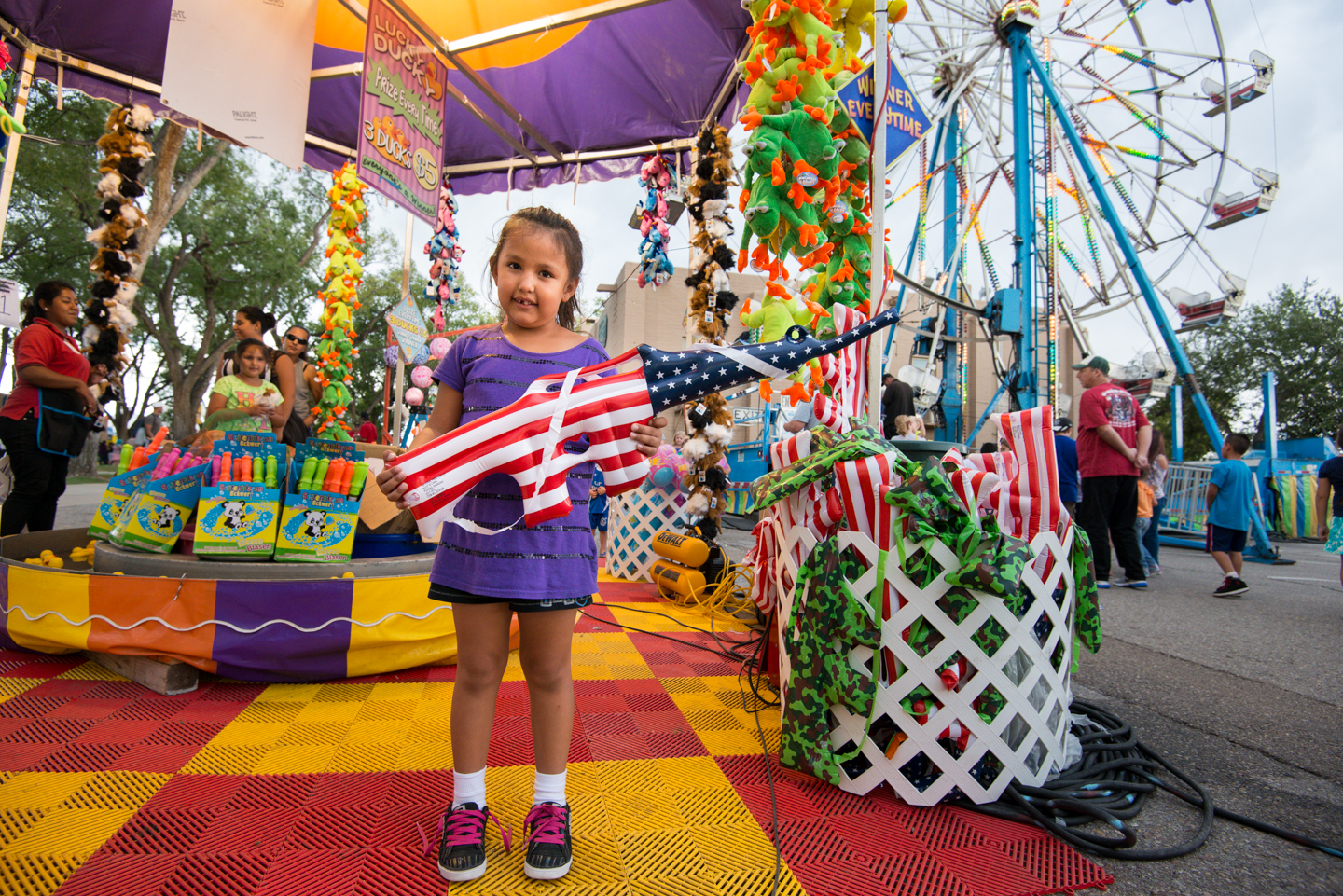
This image got some attention because it seems to make a bit of a political statement — though I’m not sure what statement people thought it was making.

_JC83809

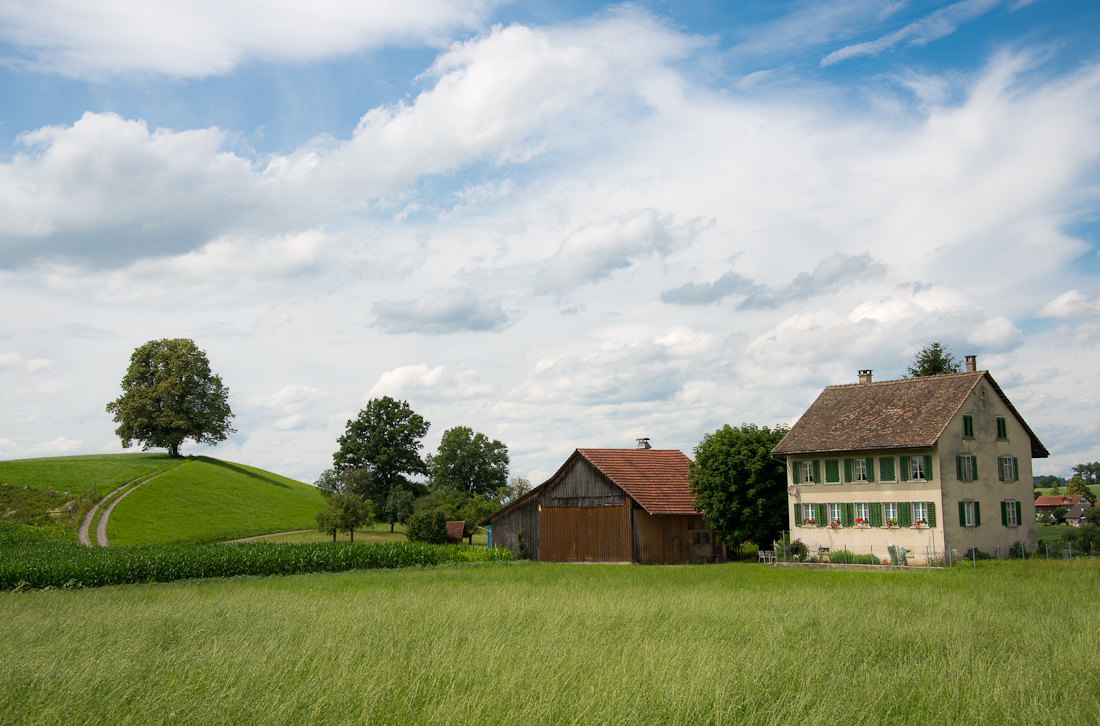
“Postcard”-like landscapes are of almost no interest at Fotofest!

_JD85566-2

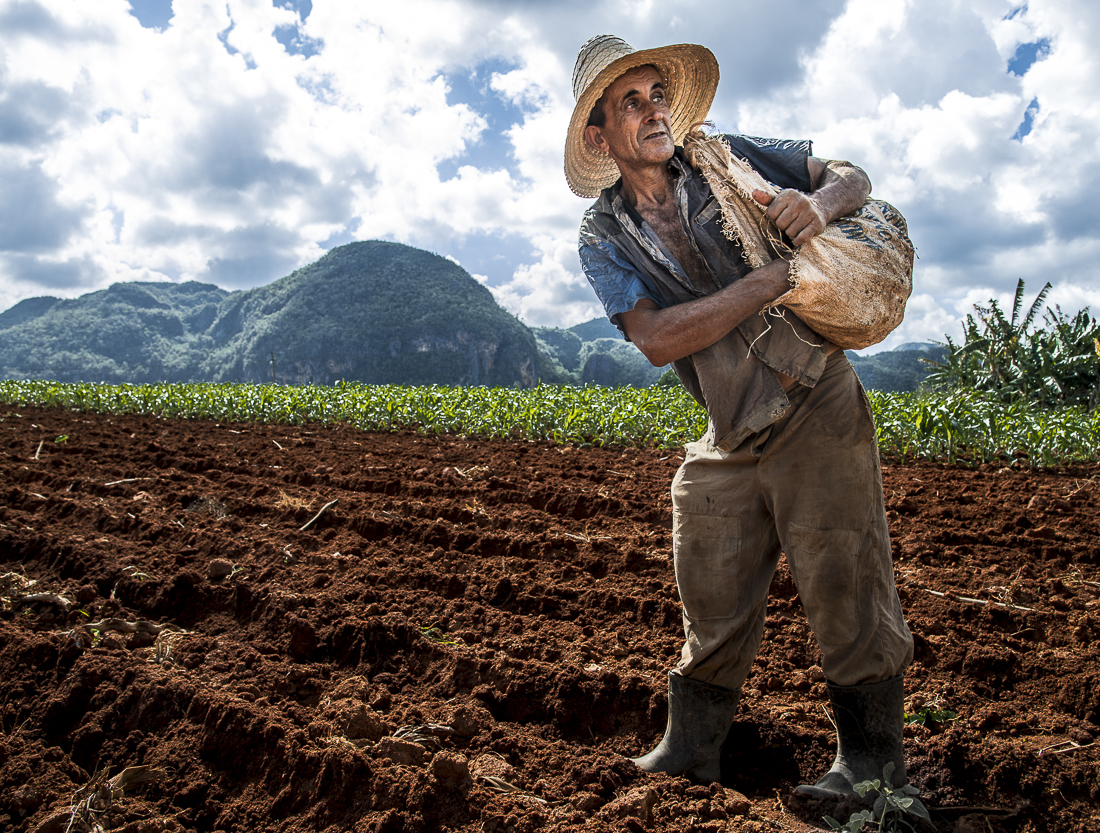
This was a love-it-or-hate-it image. The backlighting and the light reflected from the deep red dirt makes the color balance unusual, and the image looks a little painting-like. Some folks picked it as their favorite; others hated it and encouraged me to remove it from my portfolio entirely.


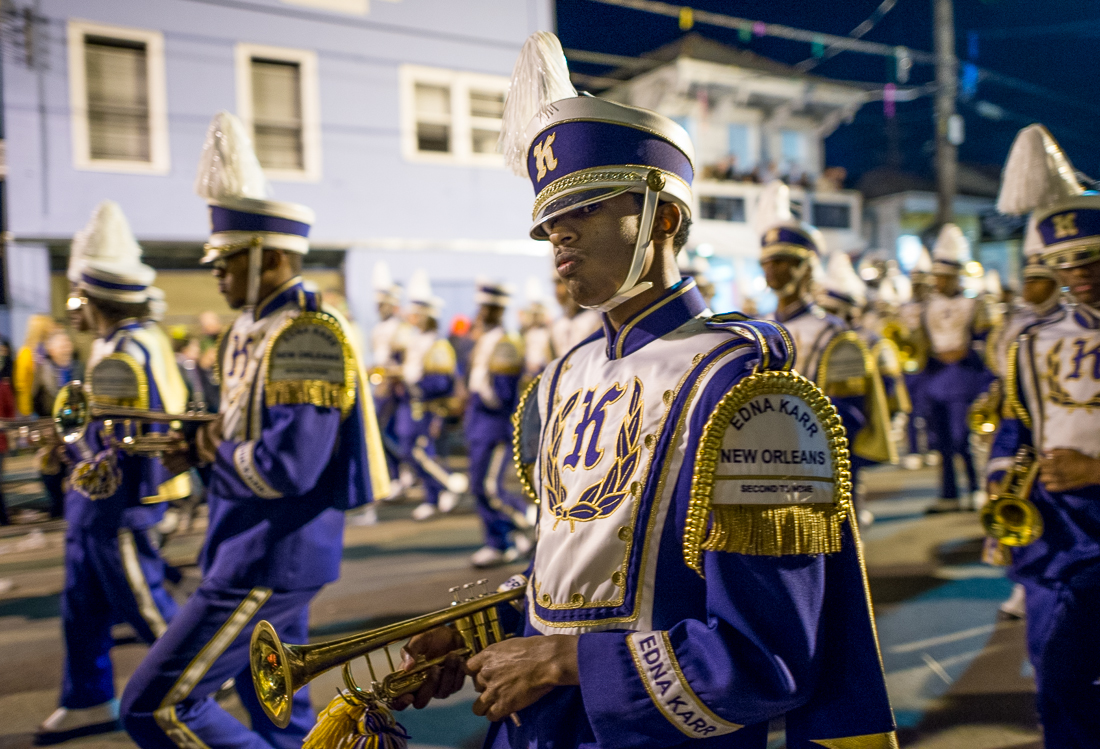
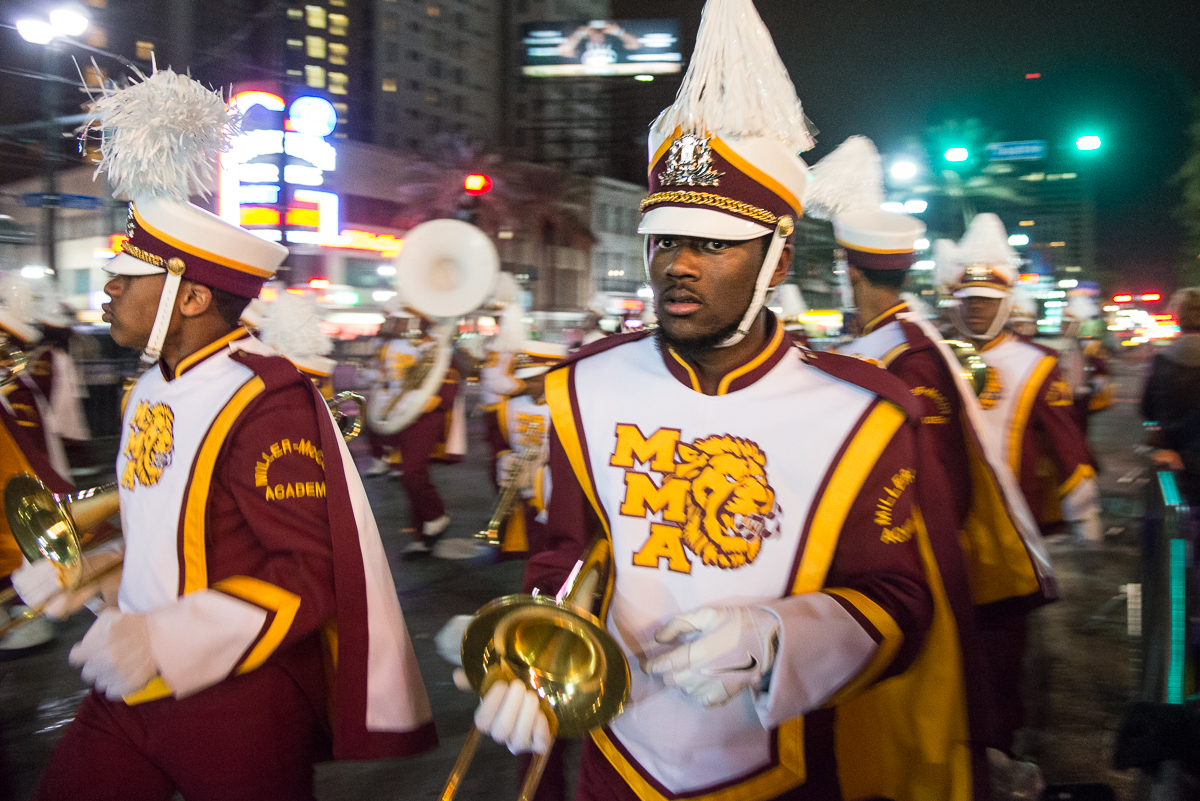
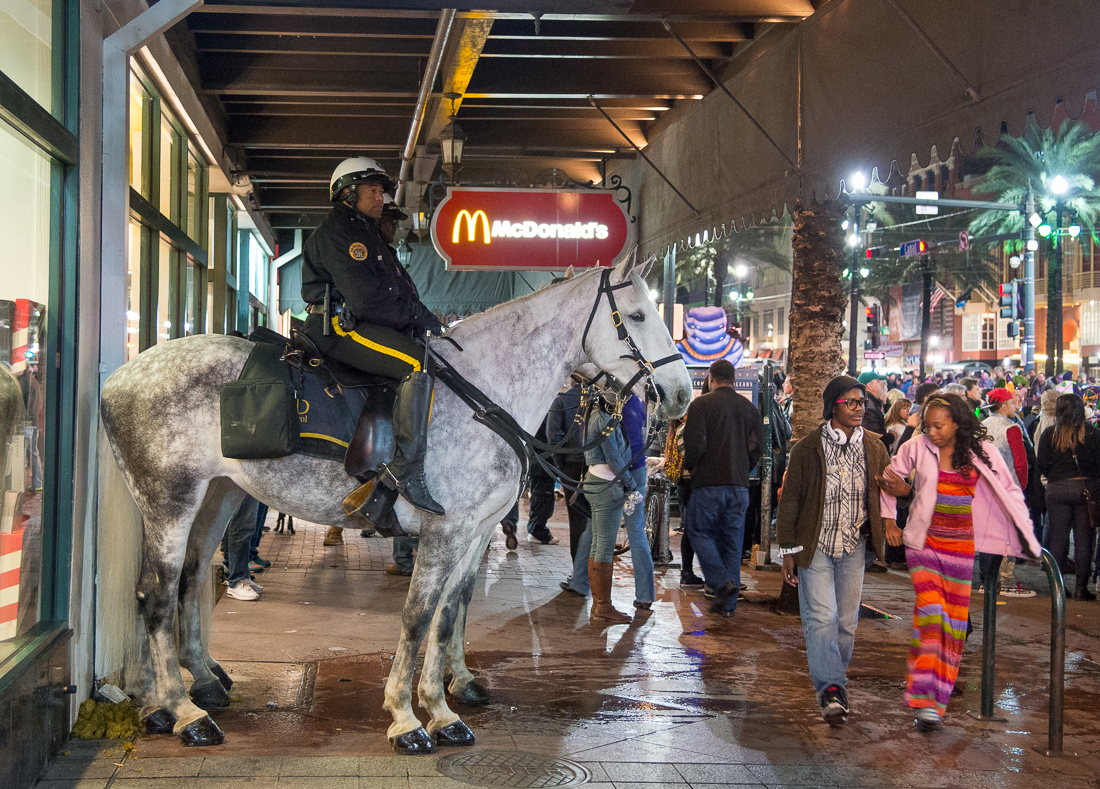
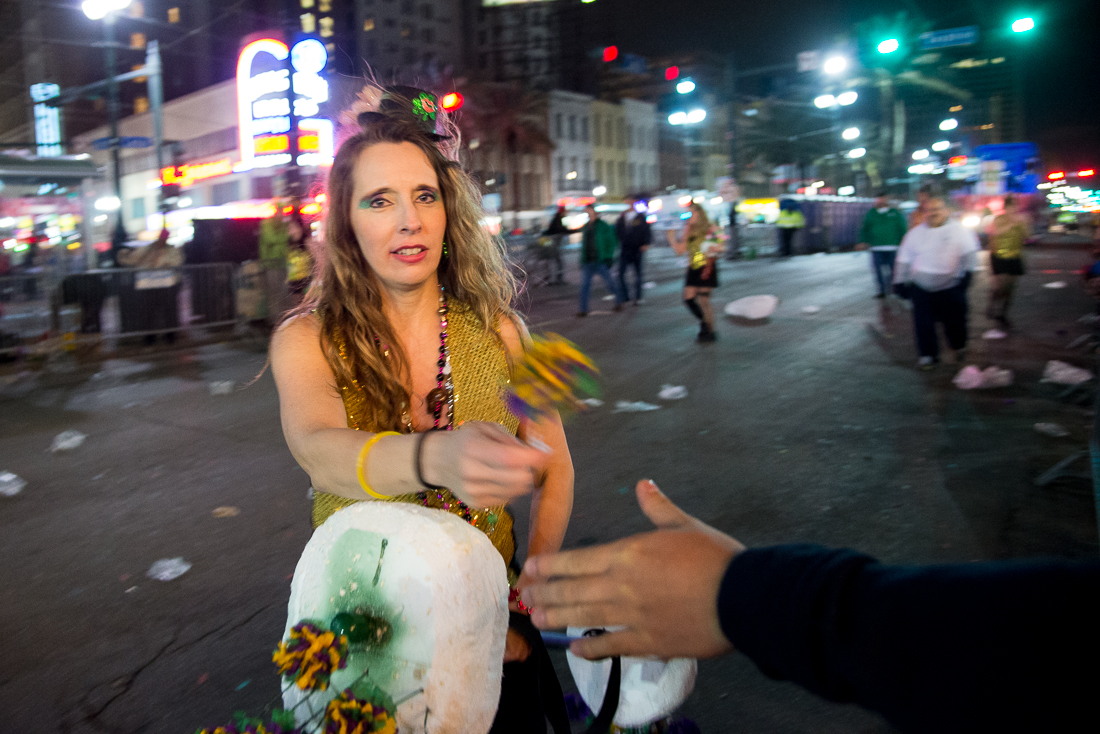
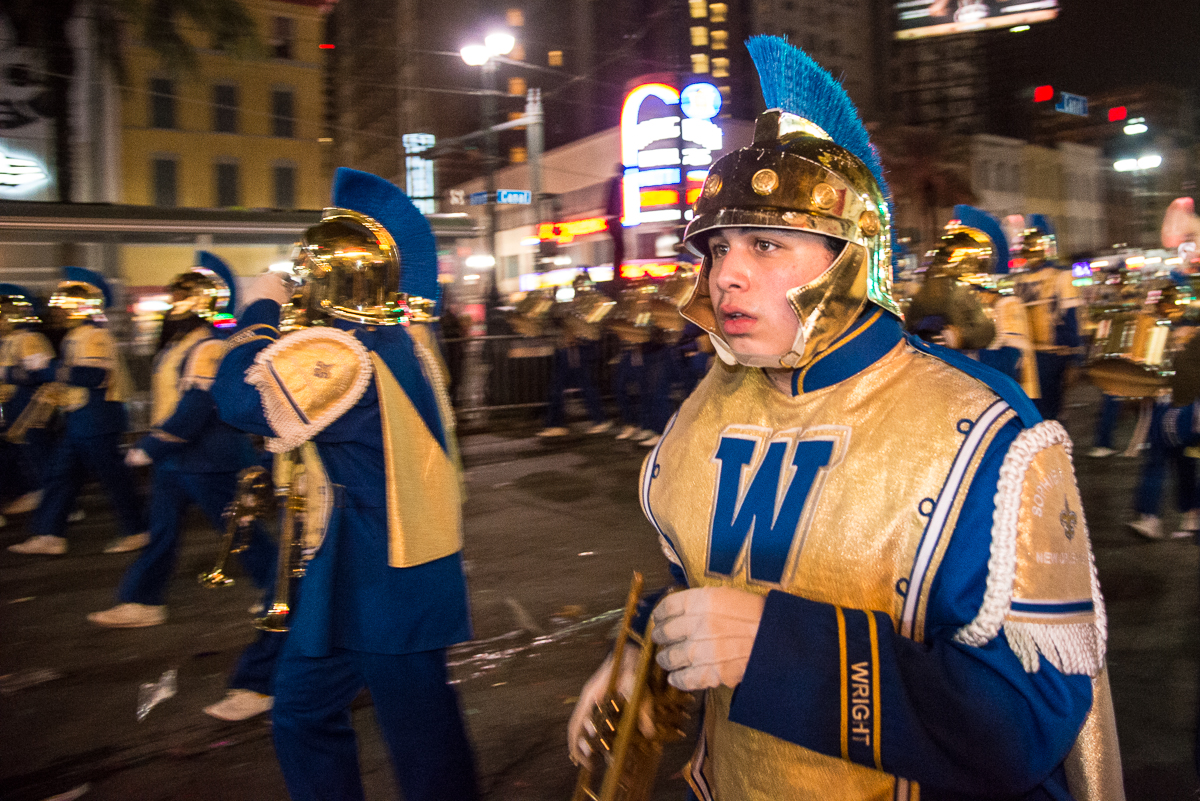
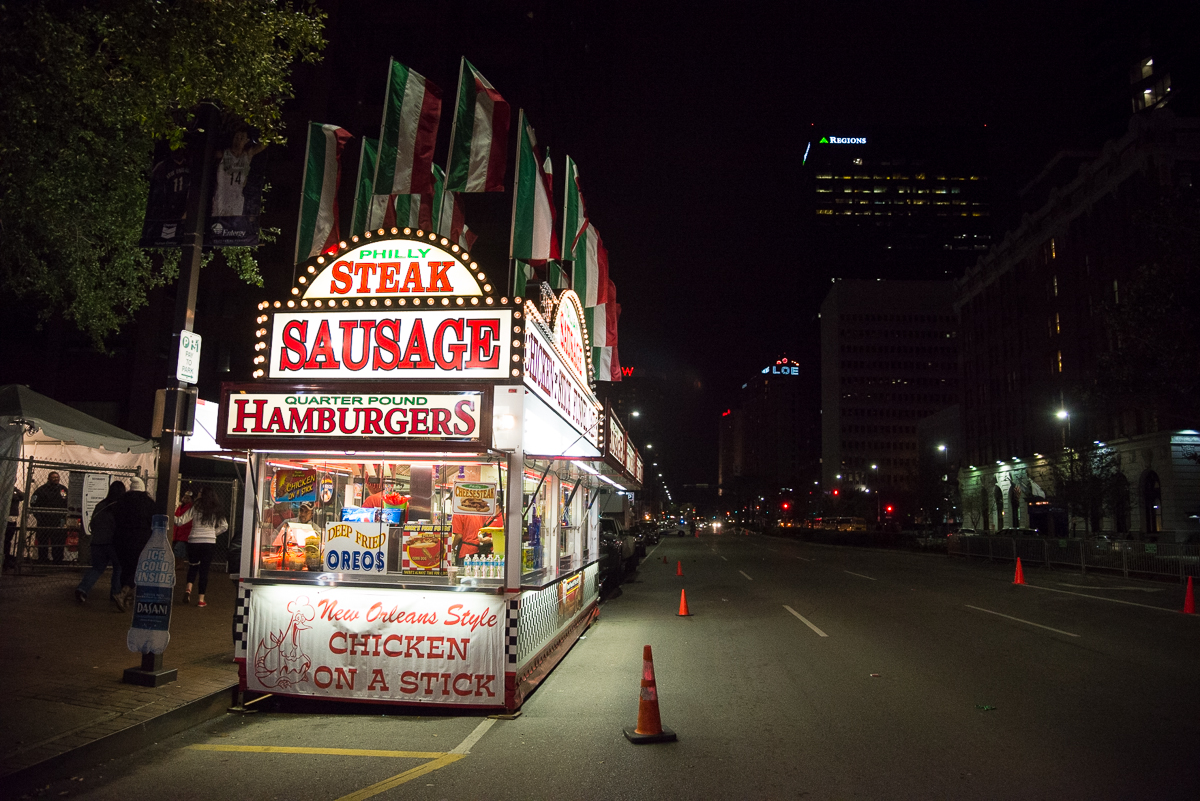
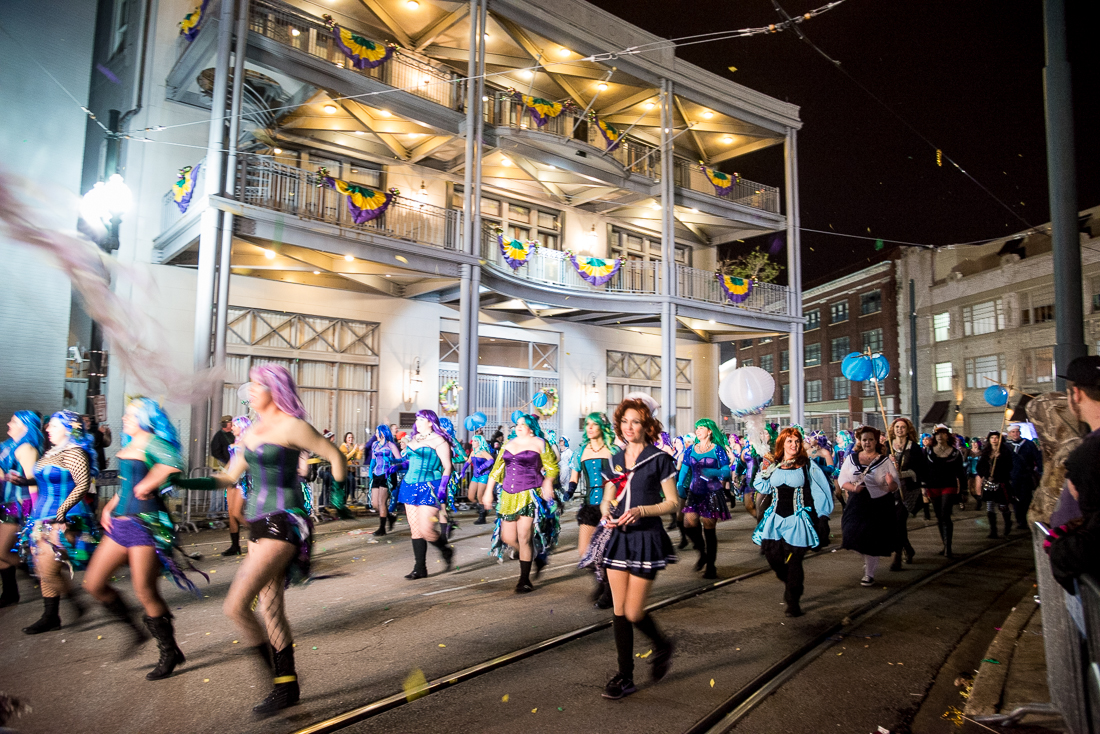
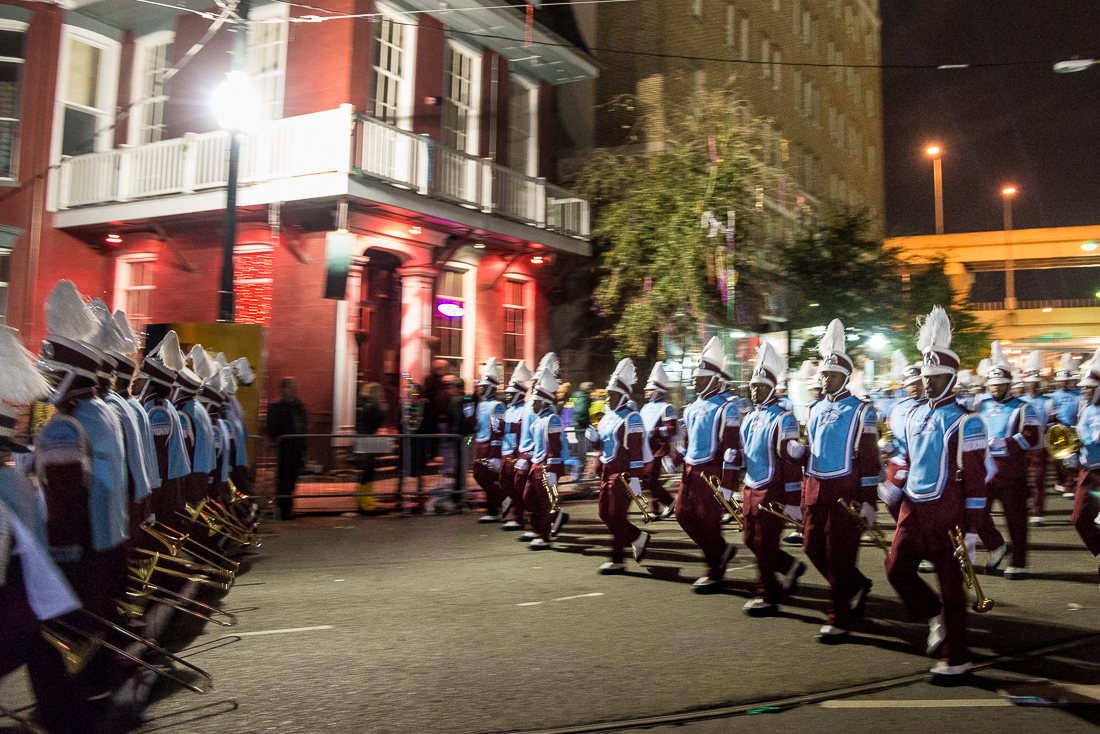
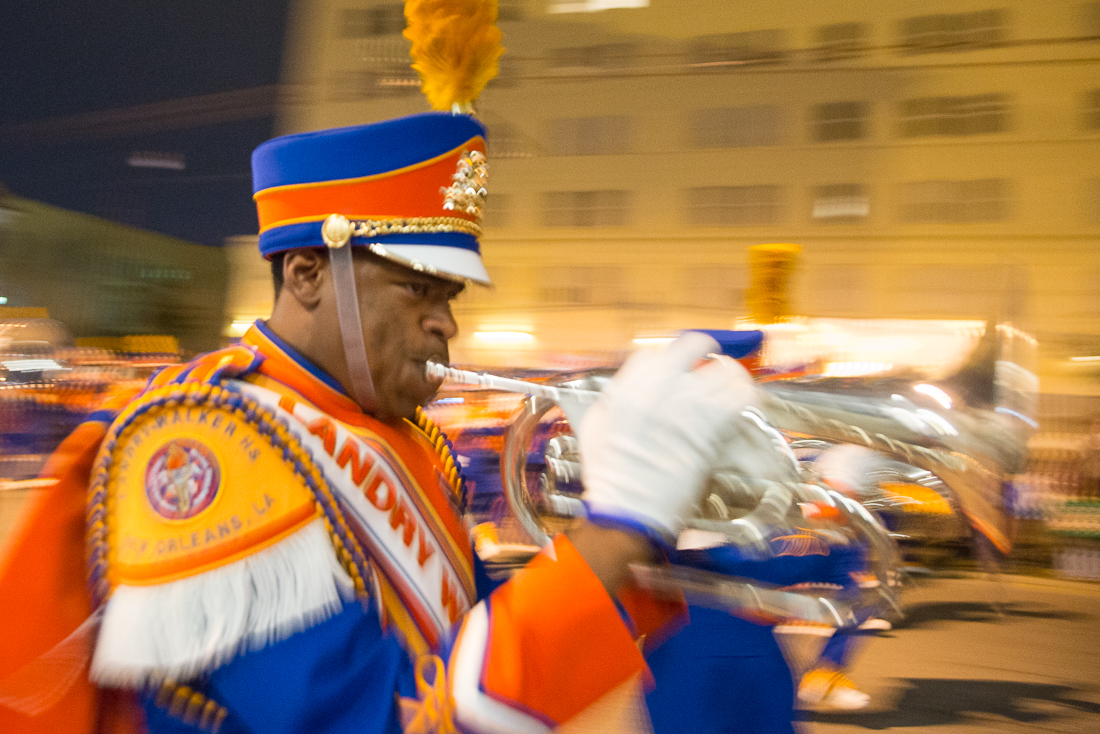
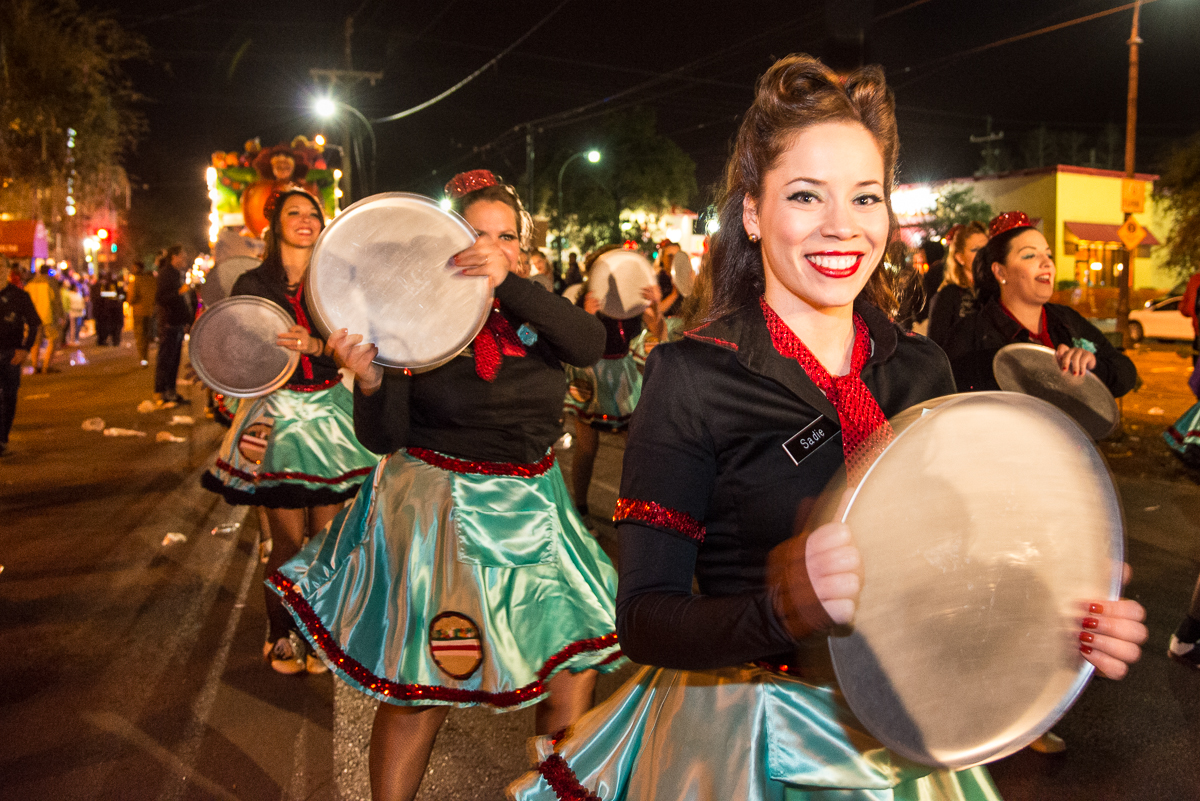
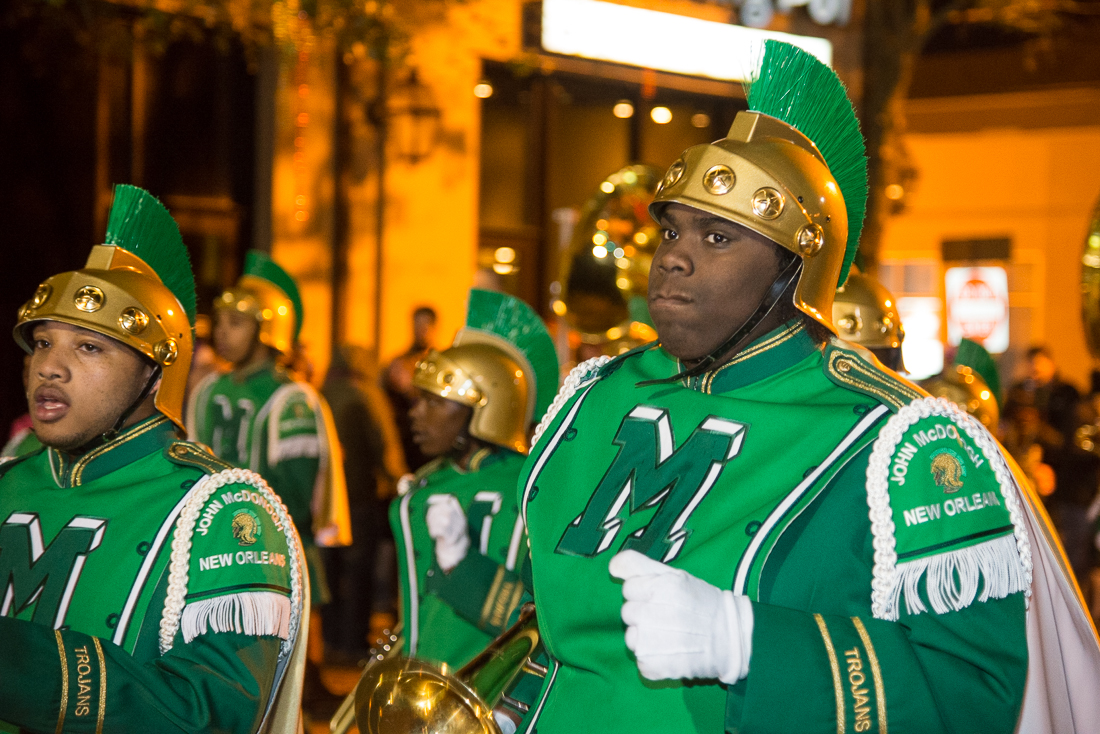
New Orleans Mardis Gras 2014: Bon Temps*

_JD88102

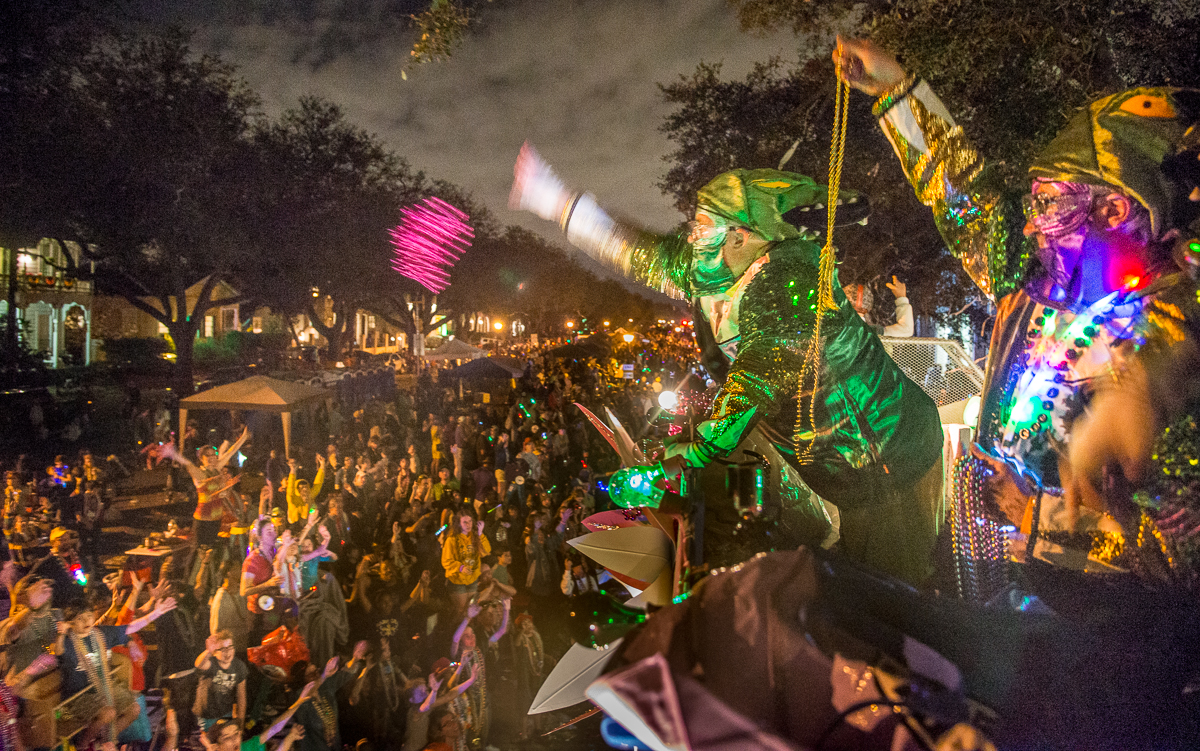
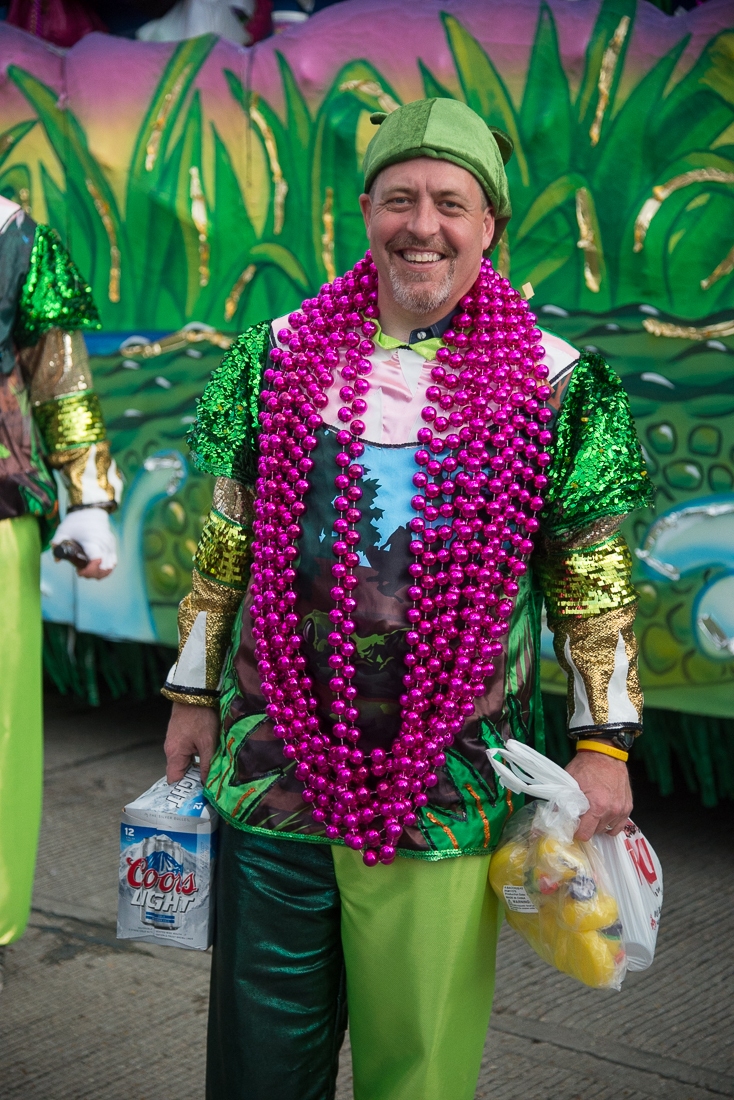
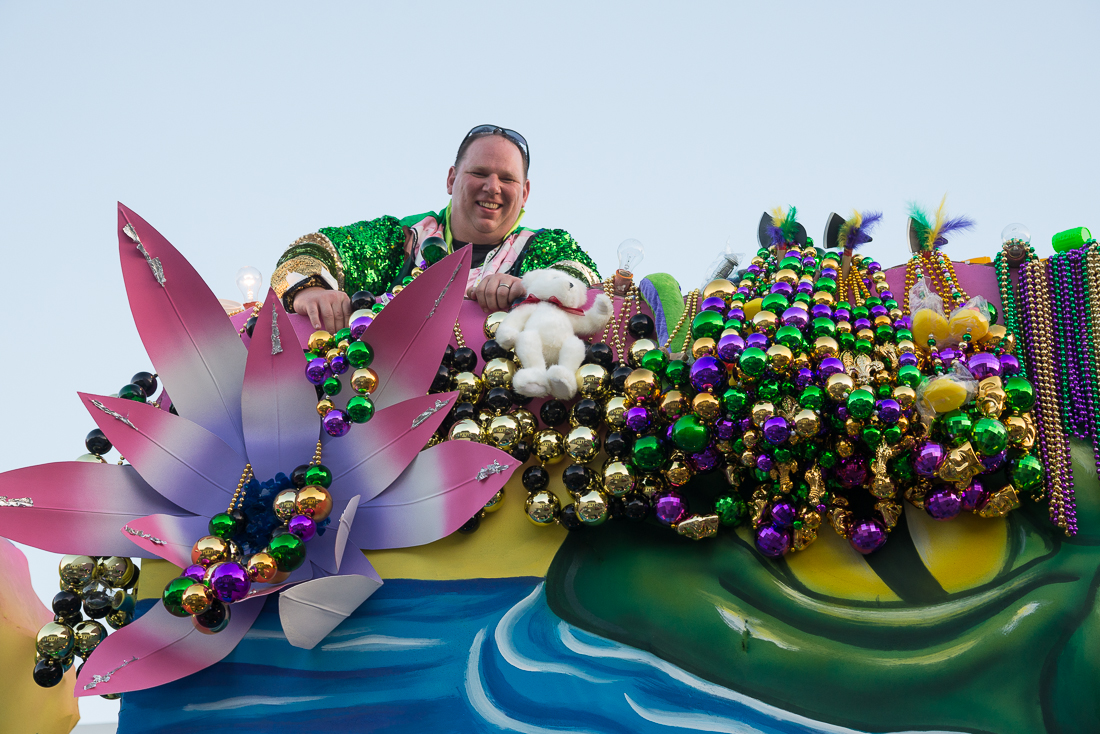
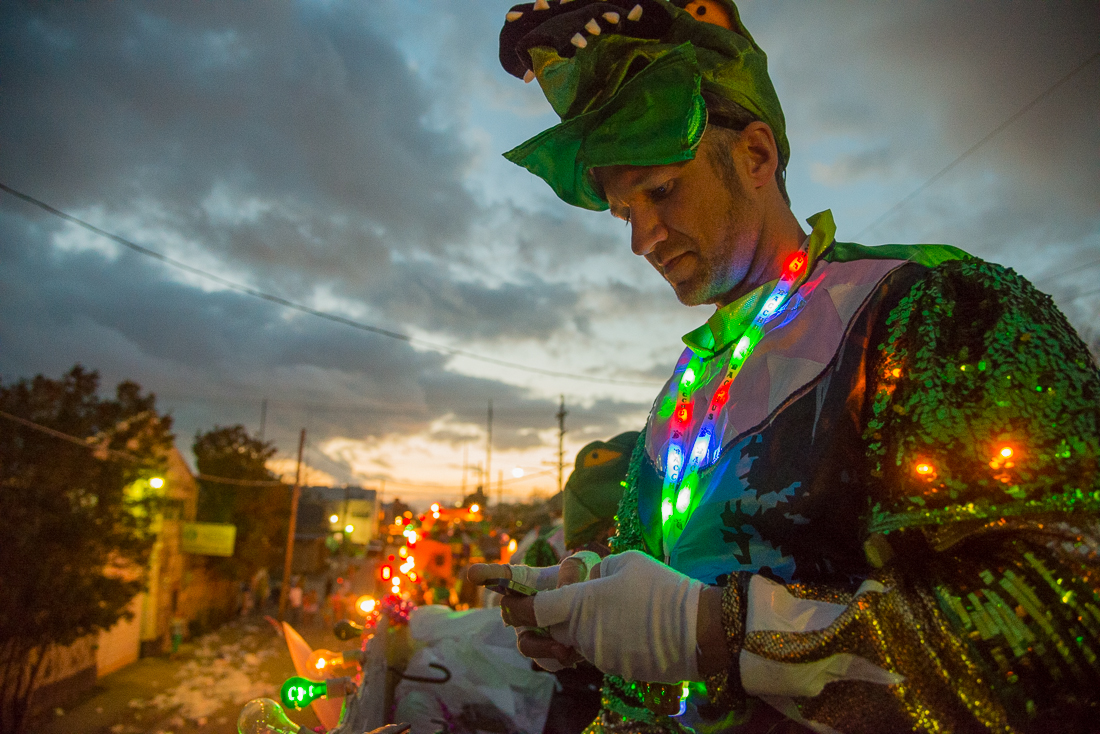
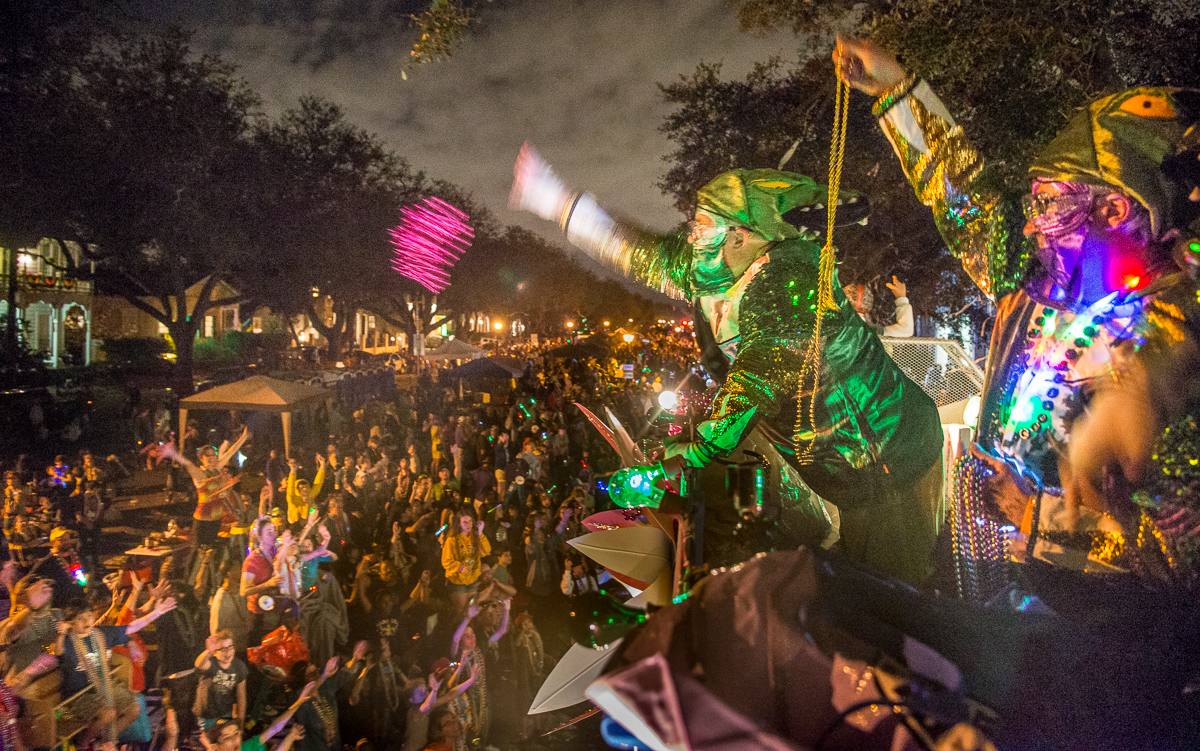
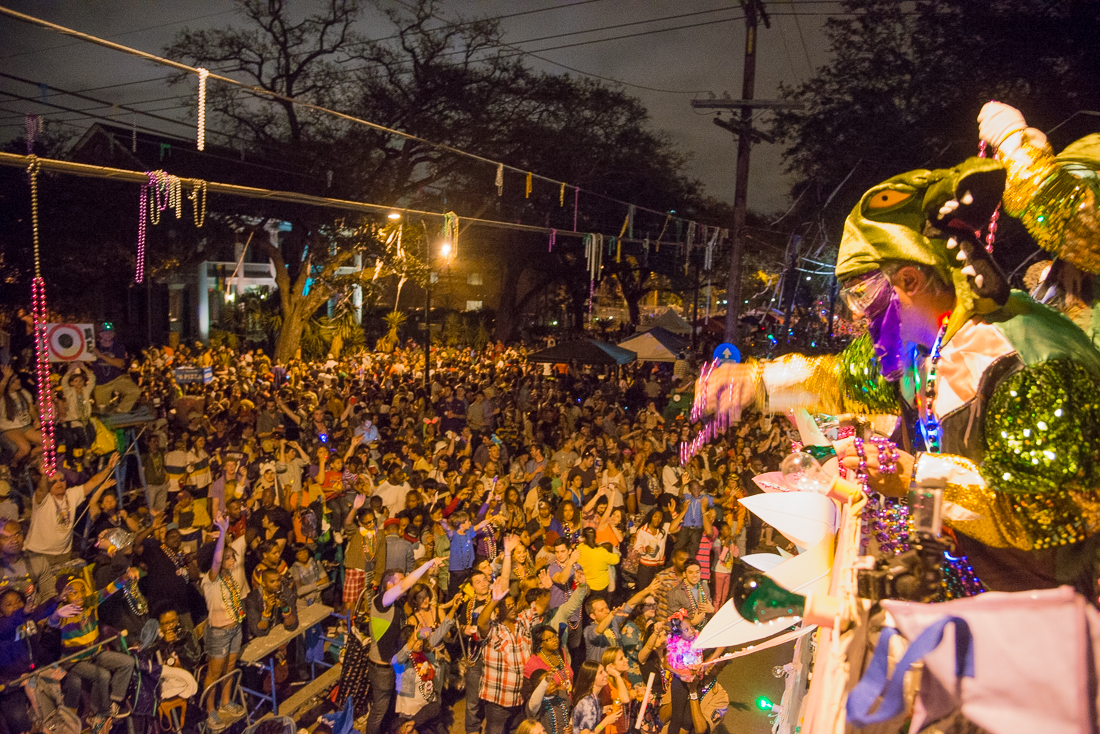
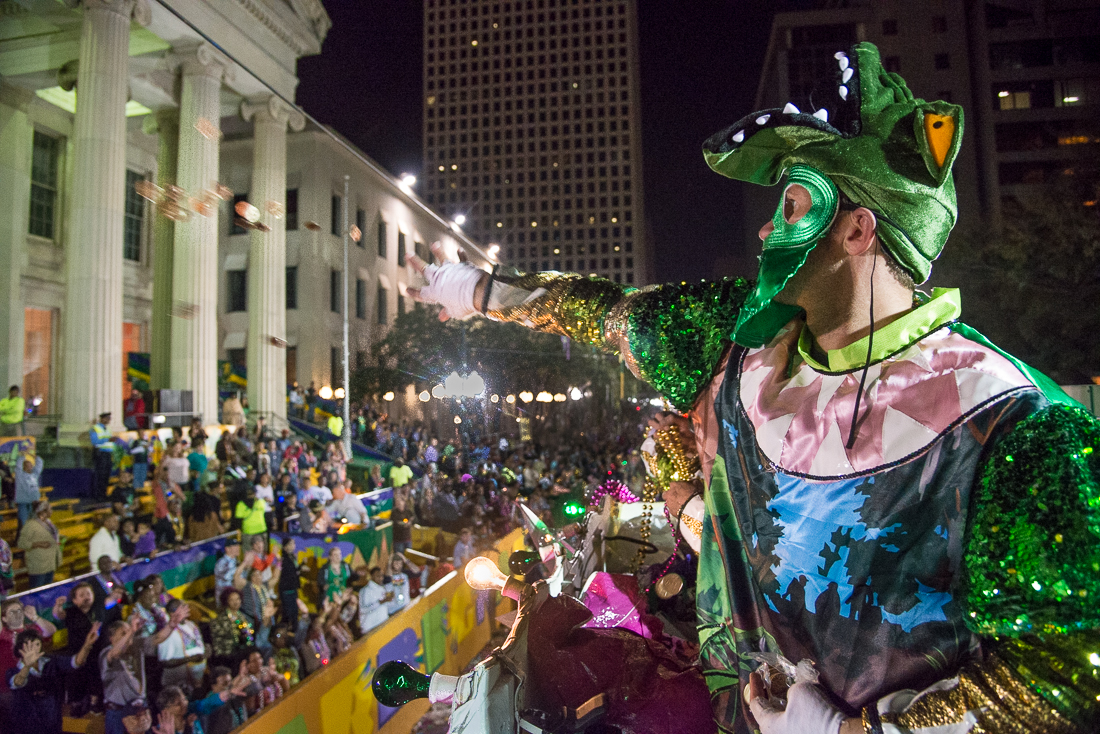
Shane Merz tosses highly-coveted hot pink beads to the Mardis Gras crowd along St. Charles Street.

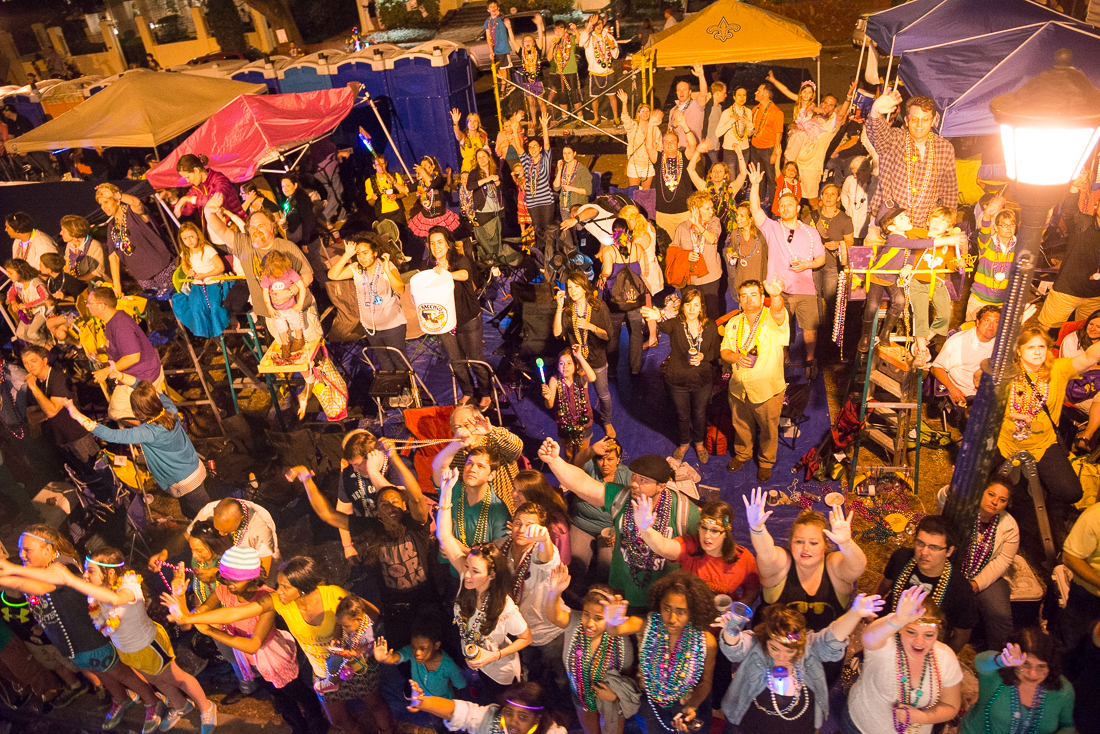
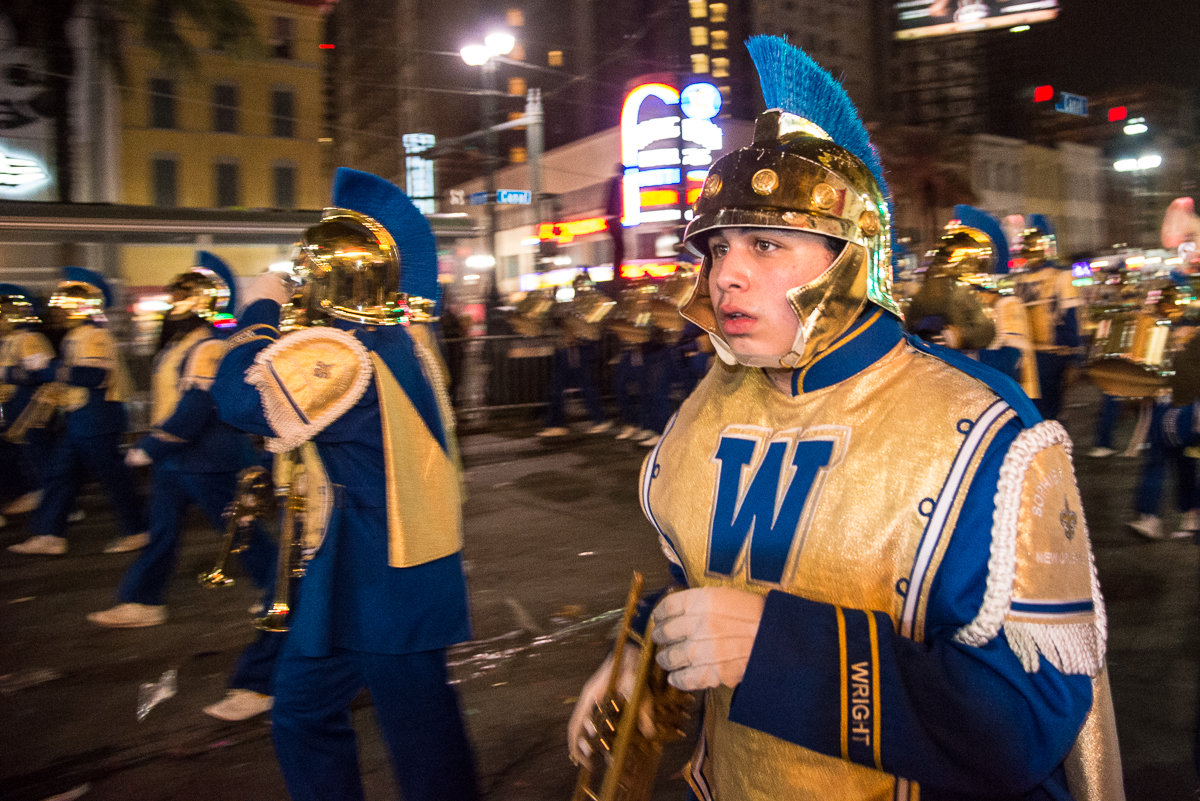
Riding a float in one of the big New Orleans Mardis Gras parades isn’t like you probably think.  Everybody seems to ask me the same question:  I’m sure I threw at least 2,000 strings of beads, cups, toys, or footballs (roughly one every five seconds for over three hours), and never saw a bared female breast.  That happens over on Bourbon Street – but not much on the parade route.

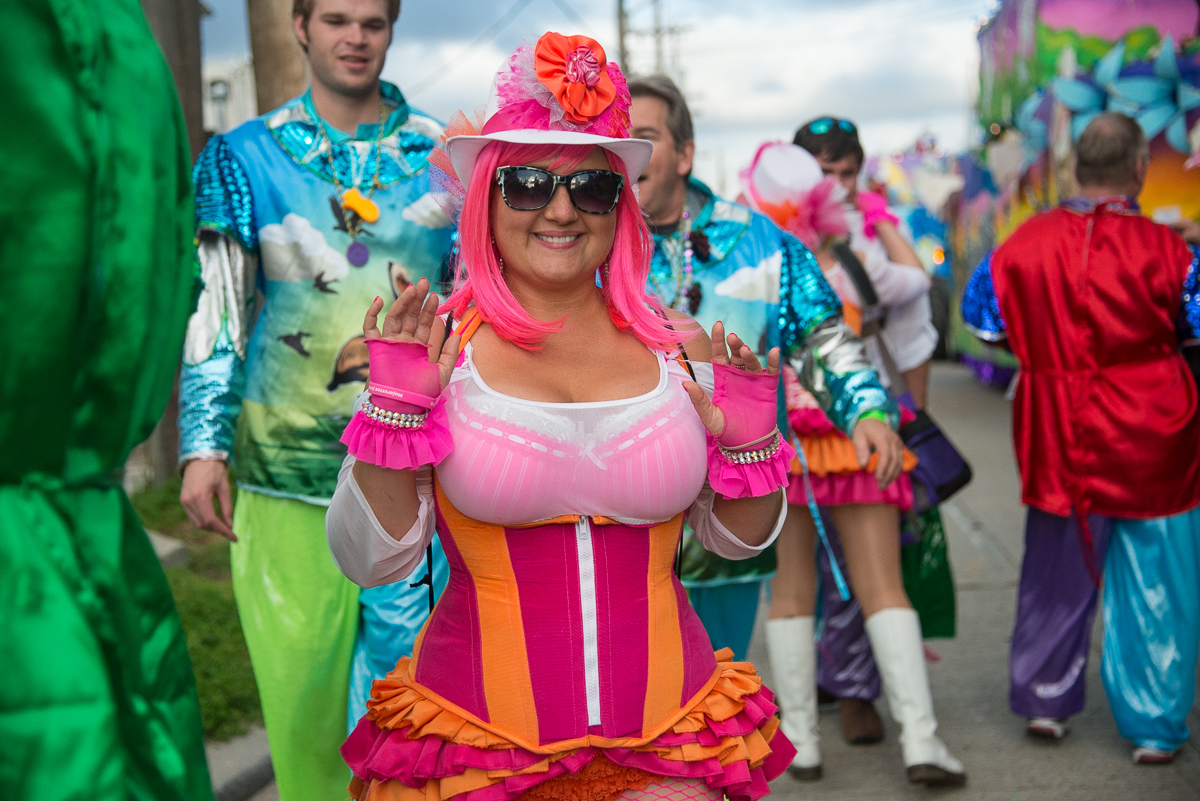
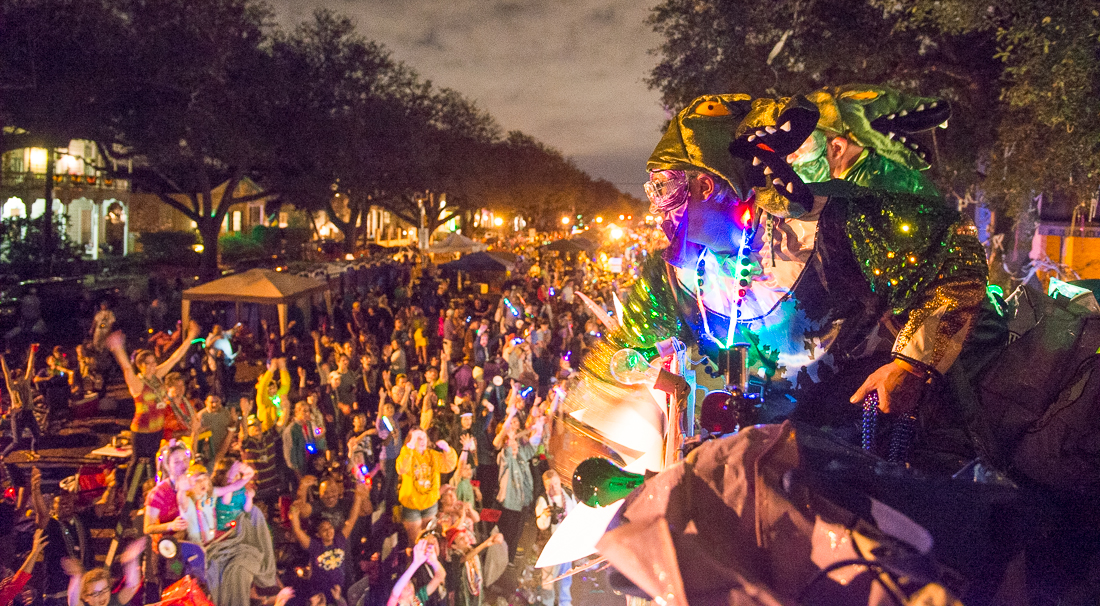
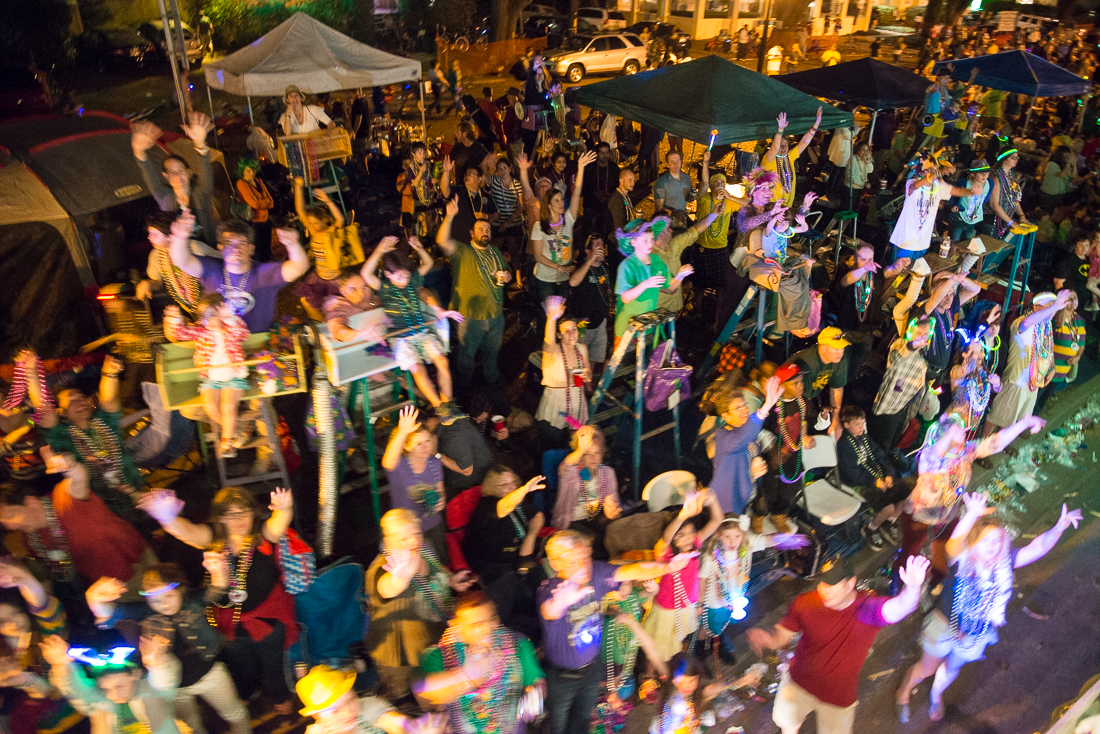
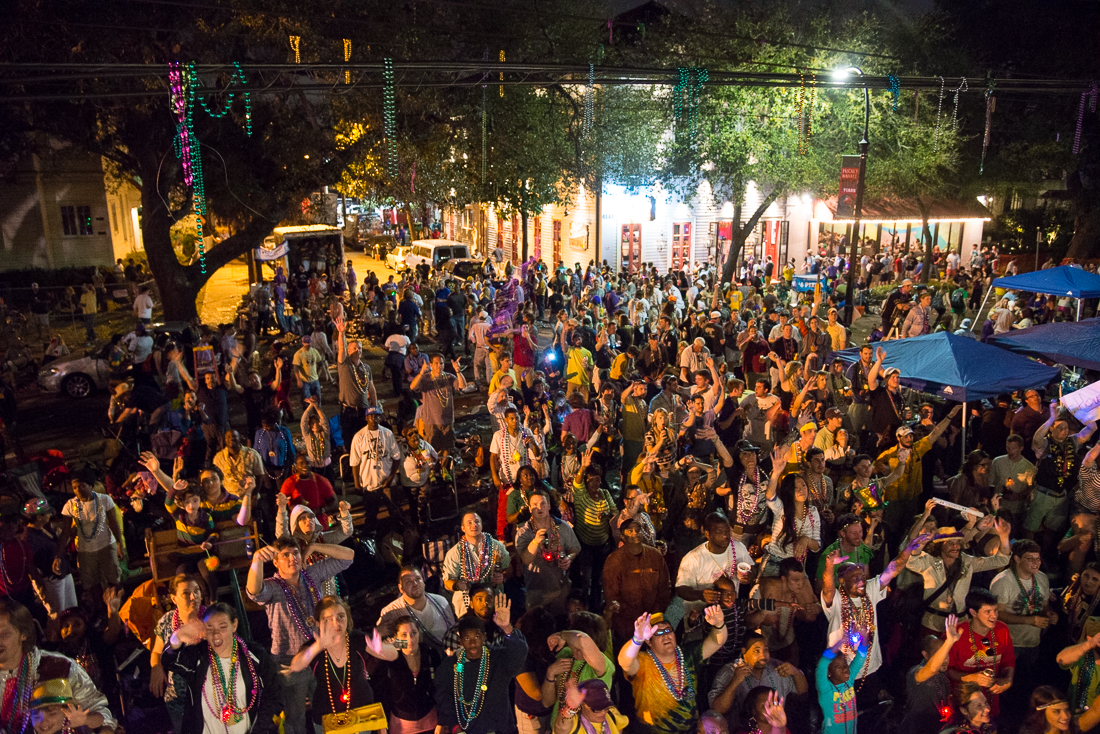
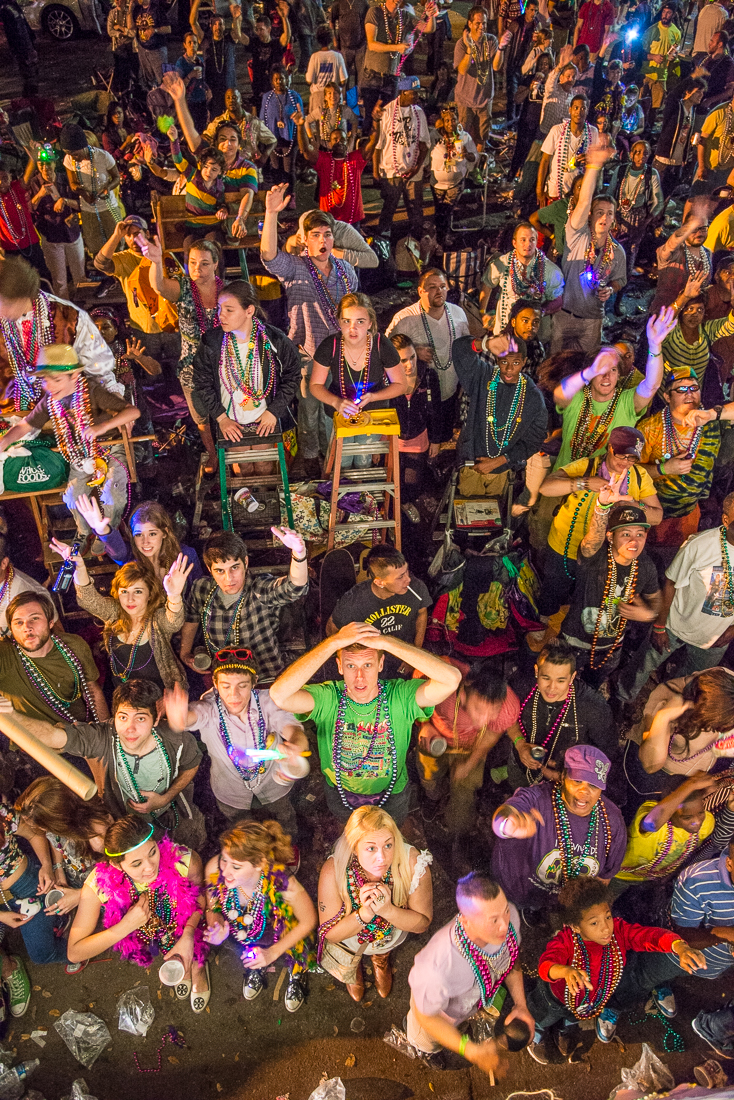
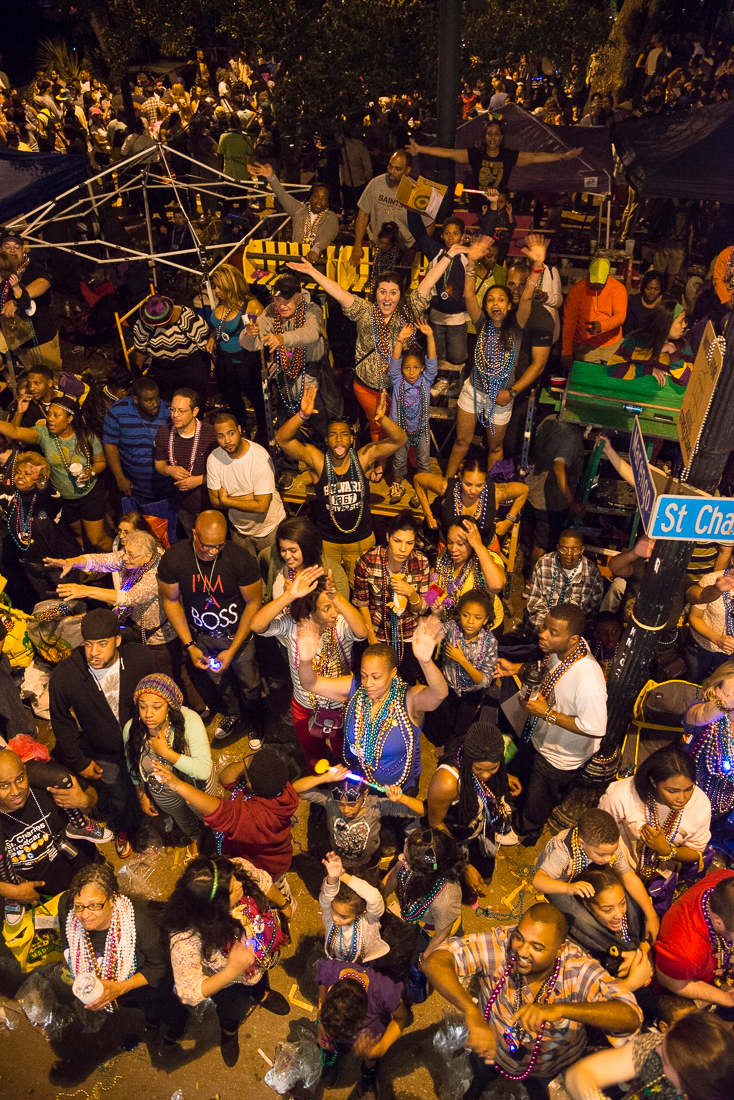
I did see lots of kids having great fun, usually with their friends, parents, grandmas or grandpas close behind.  People on ladders so they could see above the crowd.  Lots of college kids acting silly.  Groups on balconies in sportcoats and party dresses.  Lots of pretty young girls, and lots of not-especially-young-or-pretty girls.  Grown men and women jumping up and down, genuinely delighted to get even a fifty-cent trinket thrown at them from a masked man on a tacky float.  I’m sure a large percent had had a bit too much to drink, but happily it was hard to tell from my perch up on the top deck of Float #20.

_JD87694

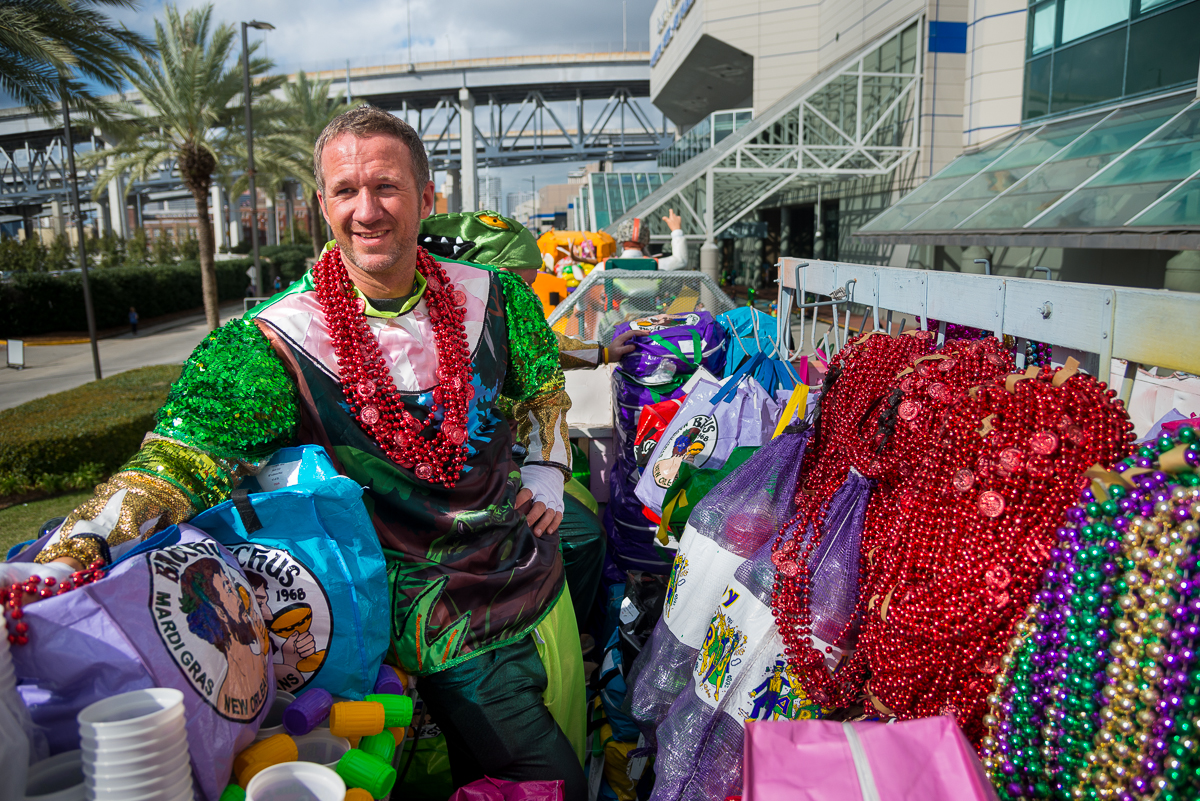
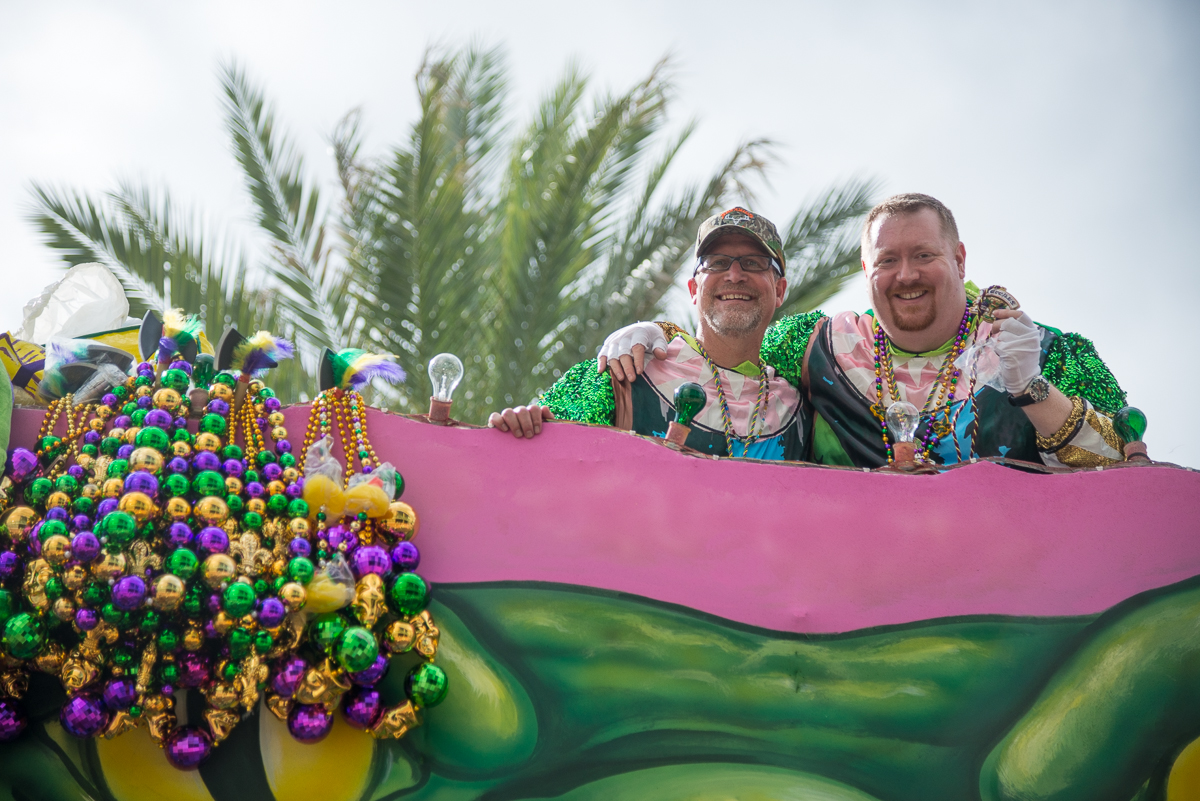
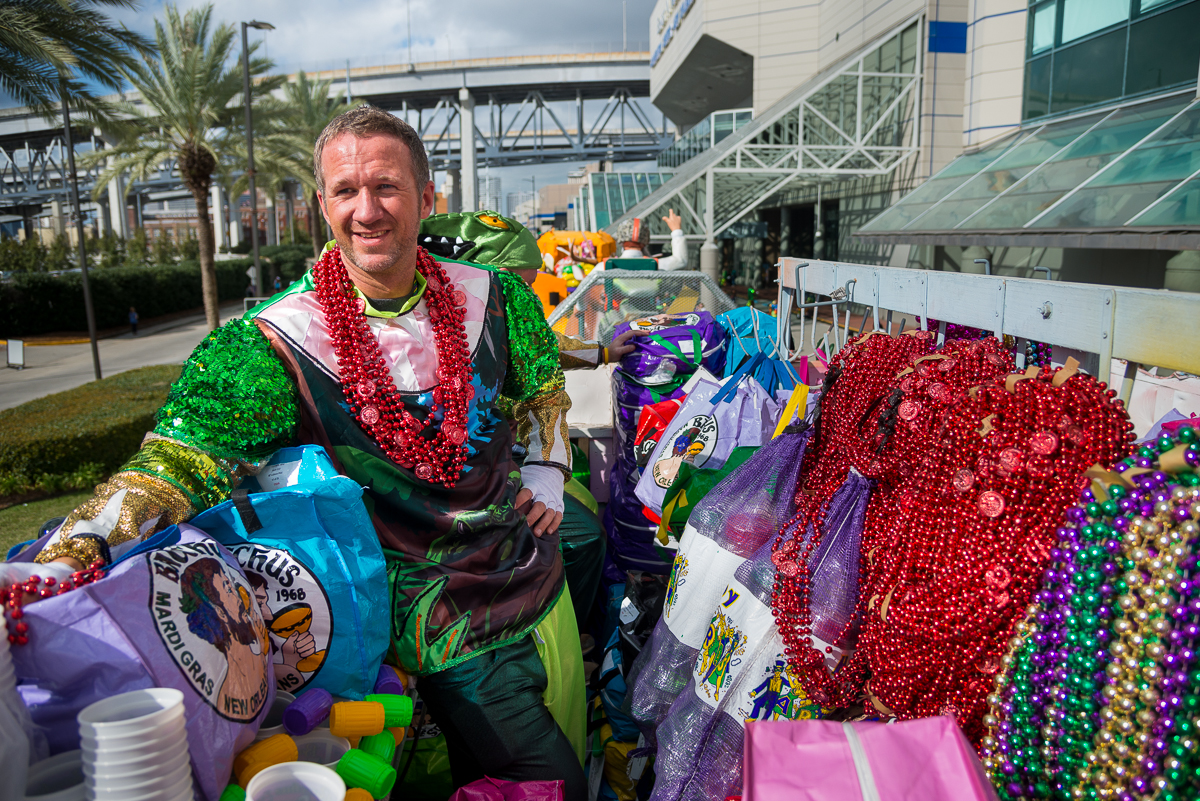
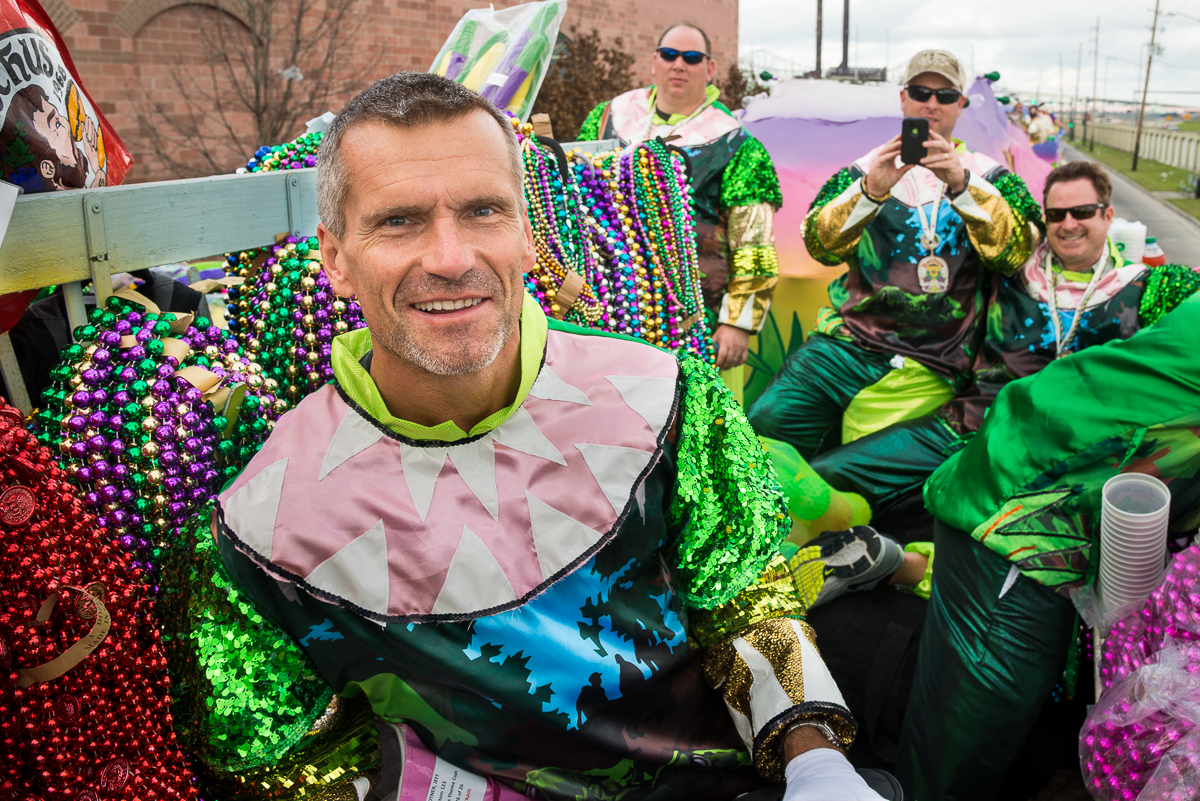
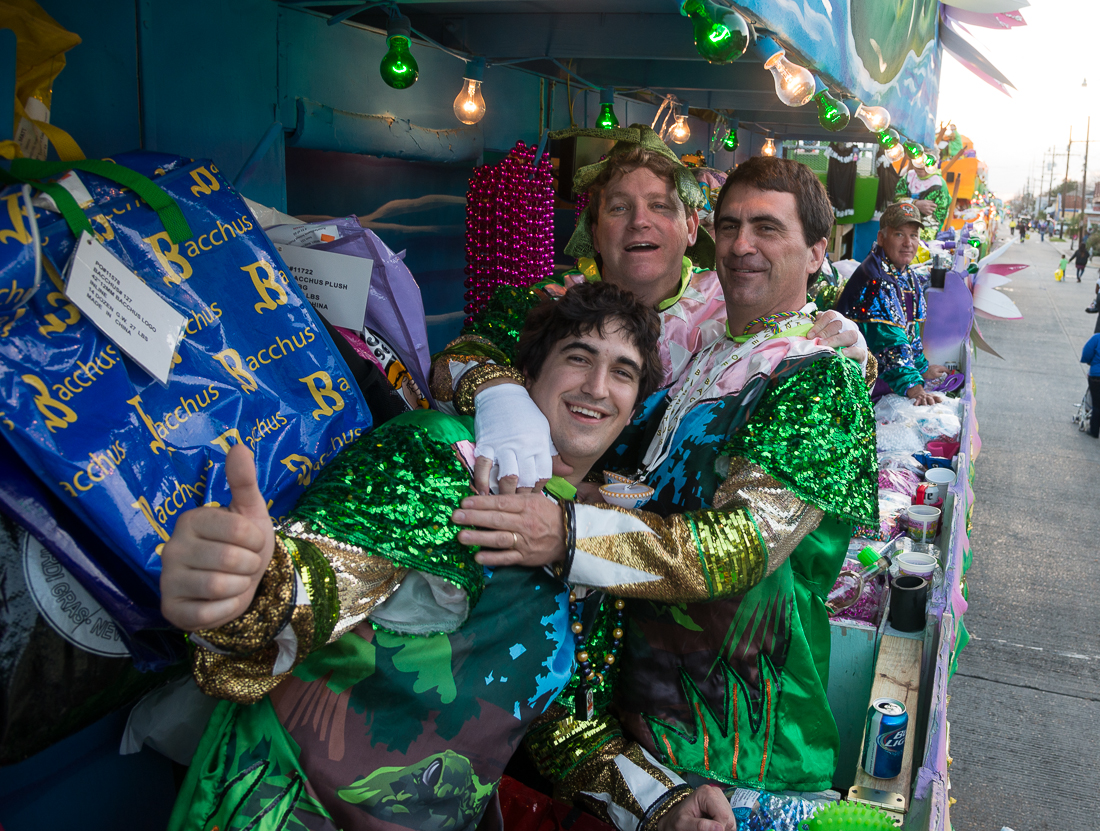
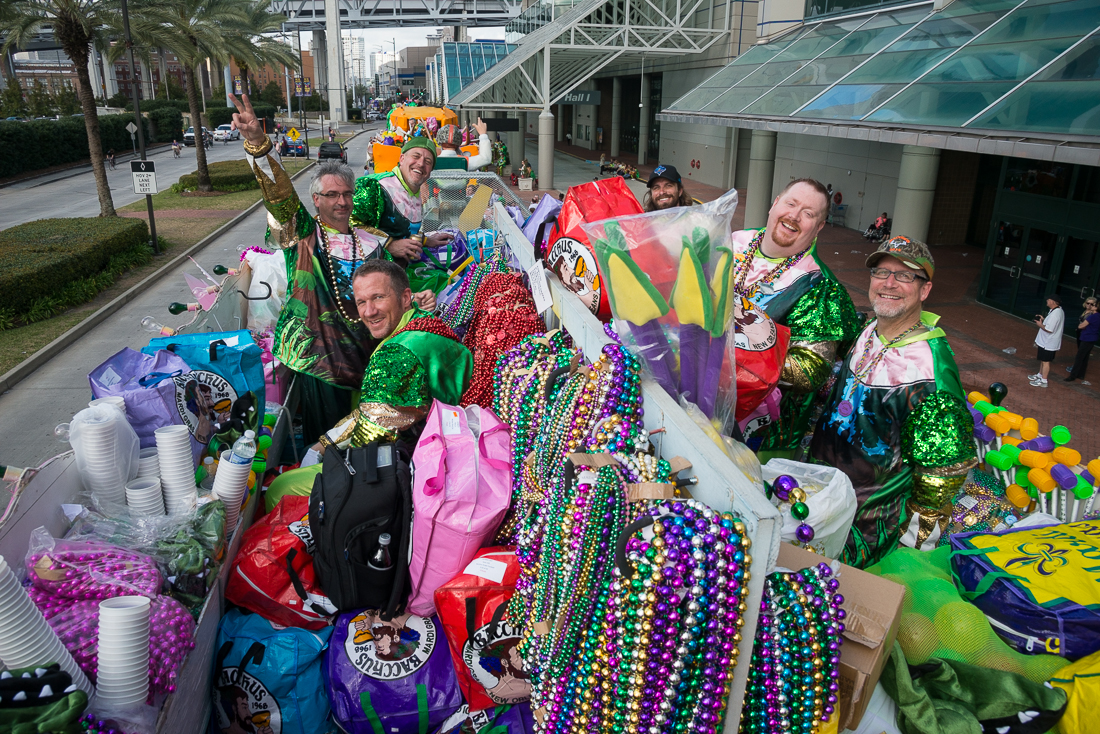
One of my float neighbors, Houstonian Tommy Miles, ready for the Bacchus parade with beads organized atop our float

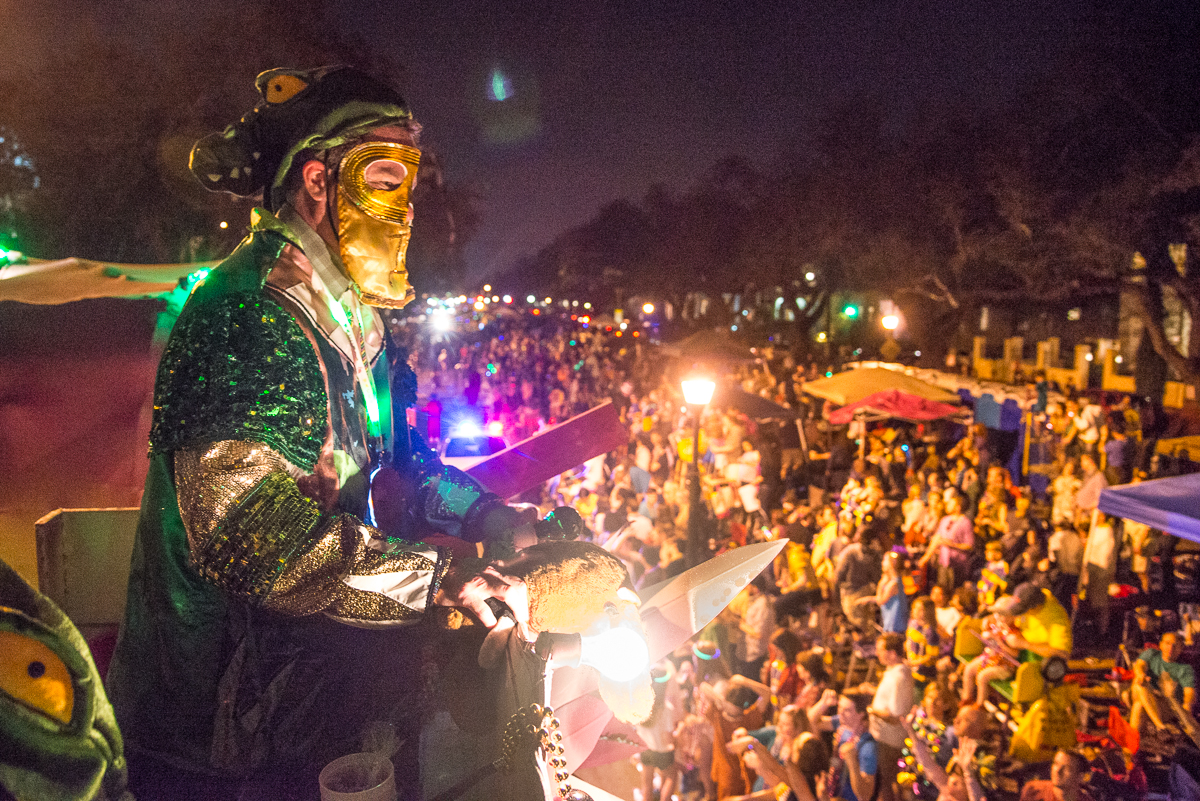
You don’t just sling beads at the blur of the crowd.  The vast majority of those 2,000 strings of beads I threw were aimed at a specific person with whom I’d made eye contact before making a targeted toss.  They break eye contact to catch the beads, then usually look back up with appreciation so we could jointly celebrate our successful connection with a mutual fist pump.  You’d have also been impressed with my bead-flinging accuracy – even underhanded, leaning over the rail atop a moving float, throwing gangly strings of varying weights, a majority went to the intended receiver.

Here’s a side note to you 20ish-year-old males out there:  If you stand near a little kid, a grandma or a pretty girl and jump to intercept beads being thrown to them, you’re an idiot (and something that starts like “dude” but rhymes with “swoosh-tag”) – and the gods of Mardis Gras karma will ensure that none of those pretty girls out there will ever even speak to you. 

 Another of the riders on my float – a guy from somewhere in central Louisiana who (initially) stood right next to me — had a different experience.  I didn’t learn much about him – he passed out about a quarter of the way into the parade.  This is not especially uncommon, so we just left him on the floor.  I didn’t drink anything but Diet Coke and a bottle of water (and fueled myself with a couple of mid-route Powerbars), and I’m very sure I had a lot more fun than he did.  Maybe I should have explained to him the hilariously ignored New Orleans Ordinance prohibiting drinking on the floats?

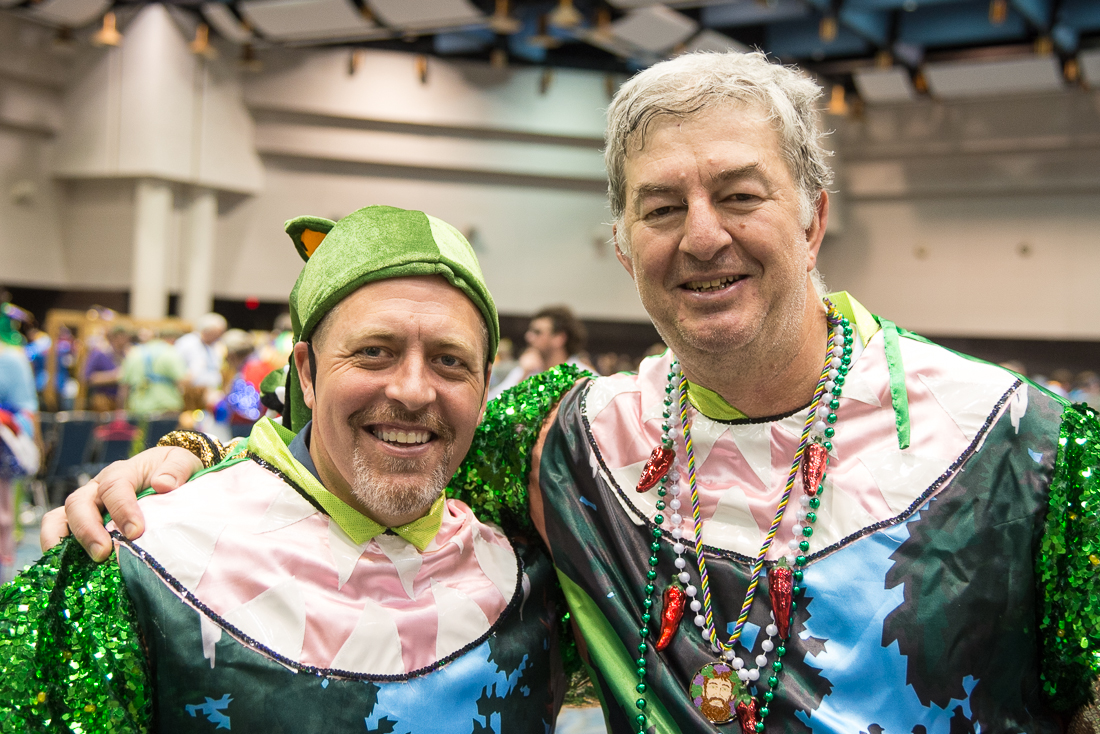
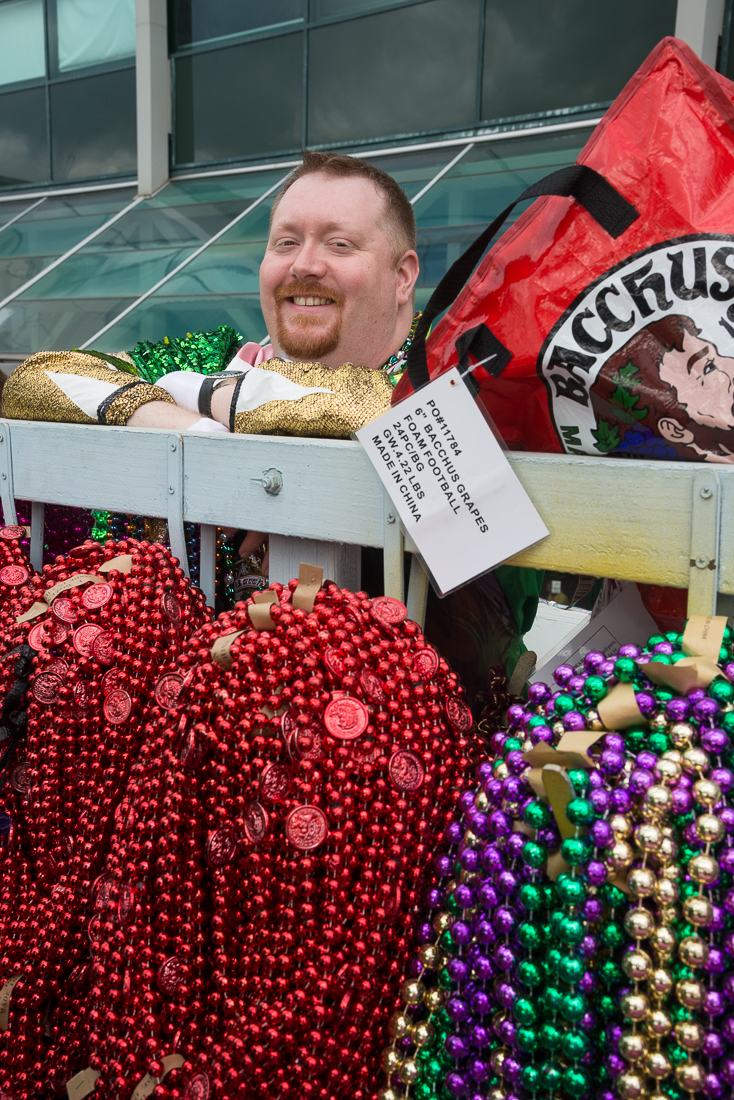
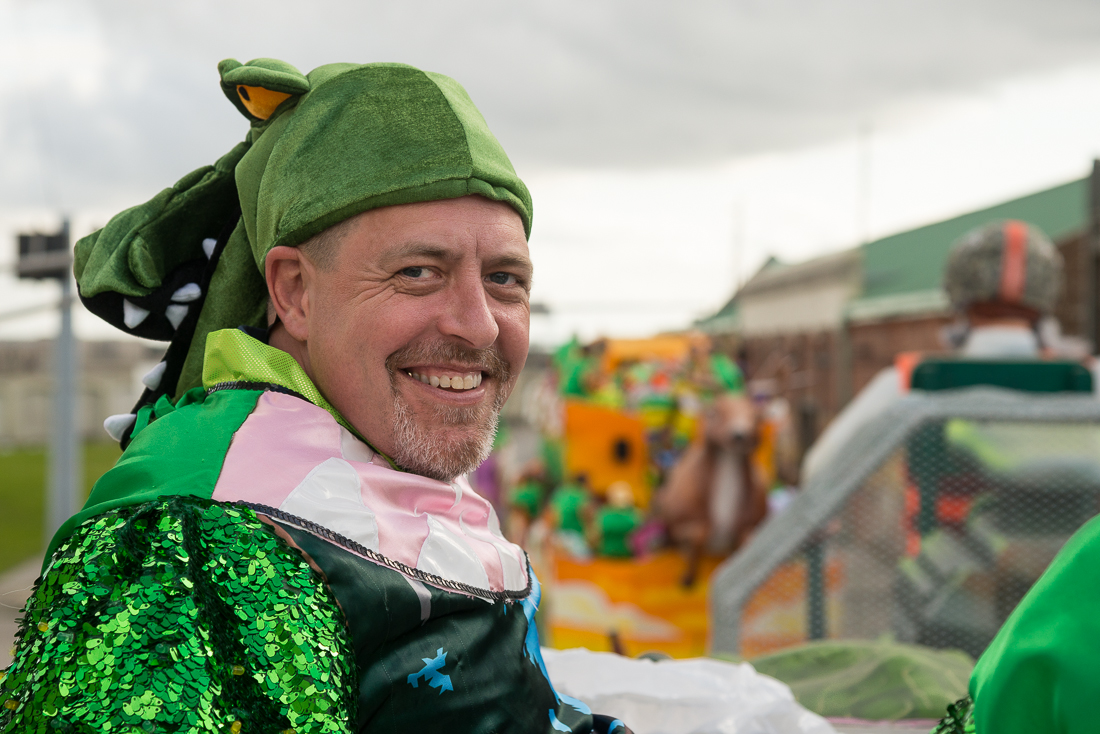
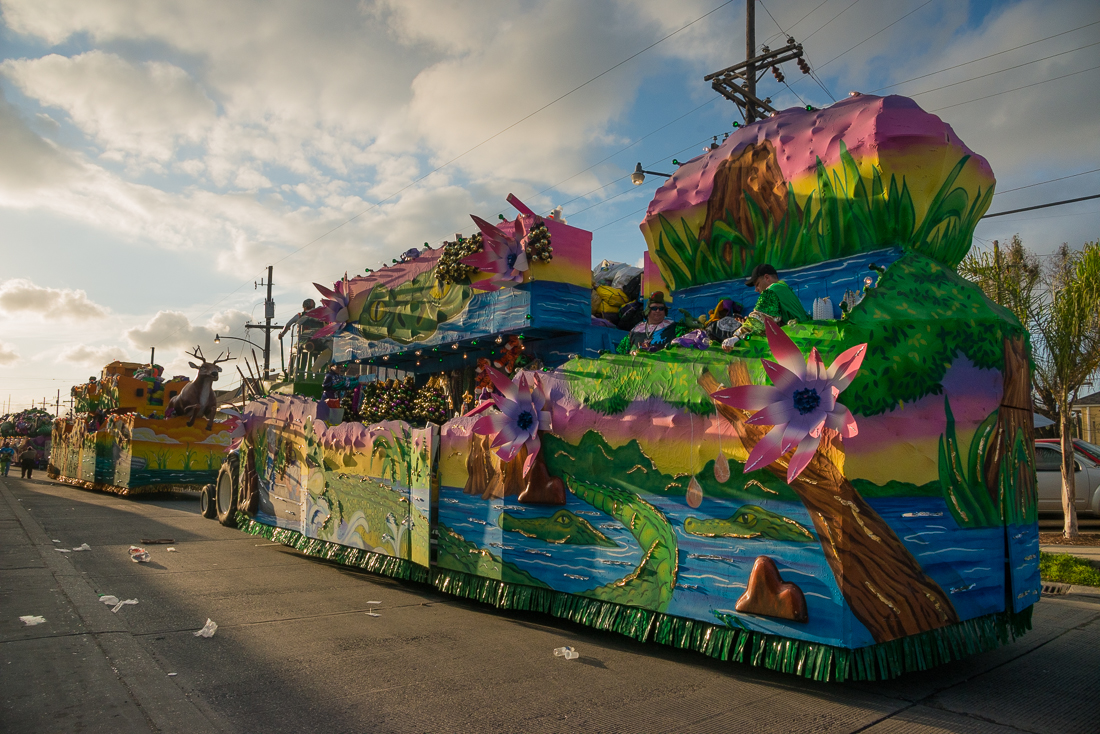
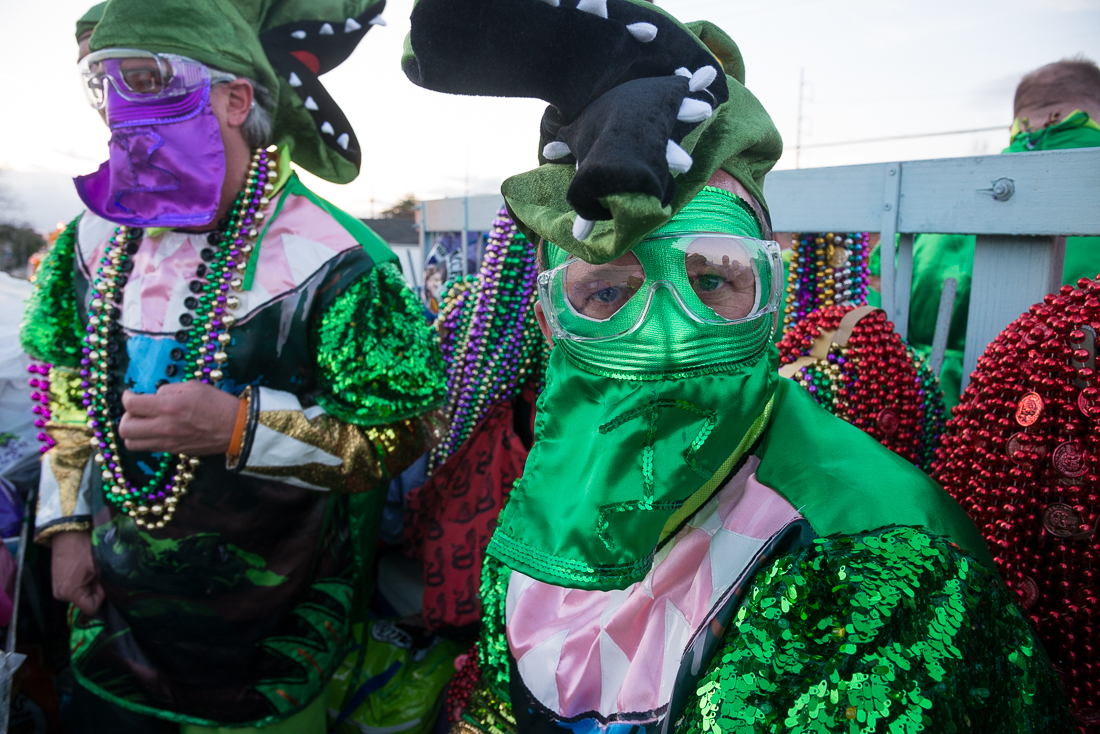
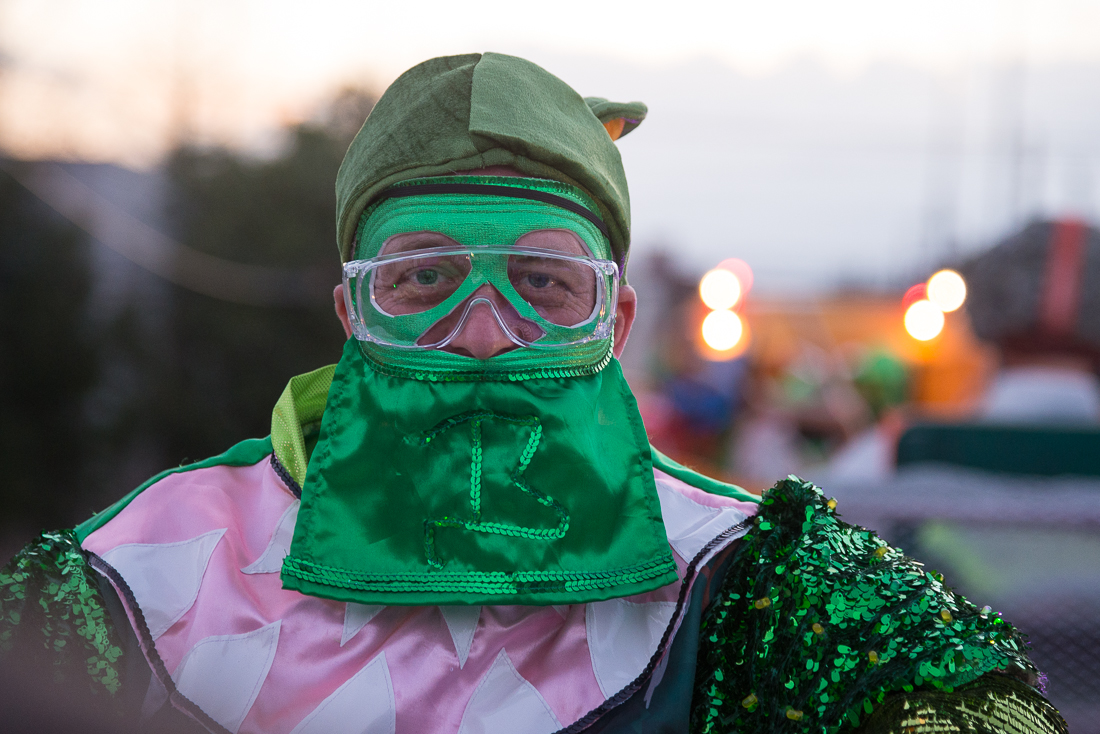
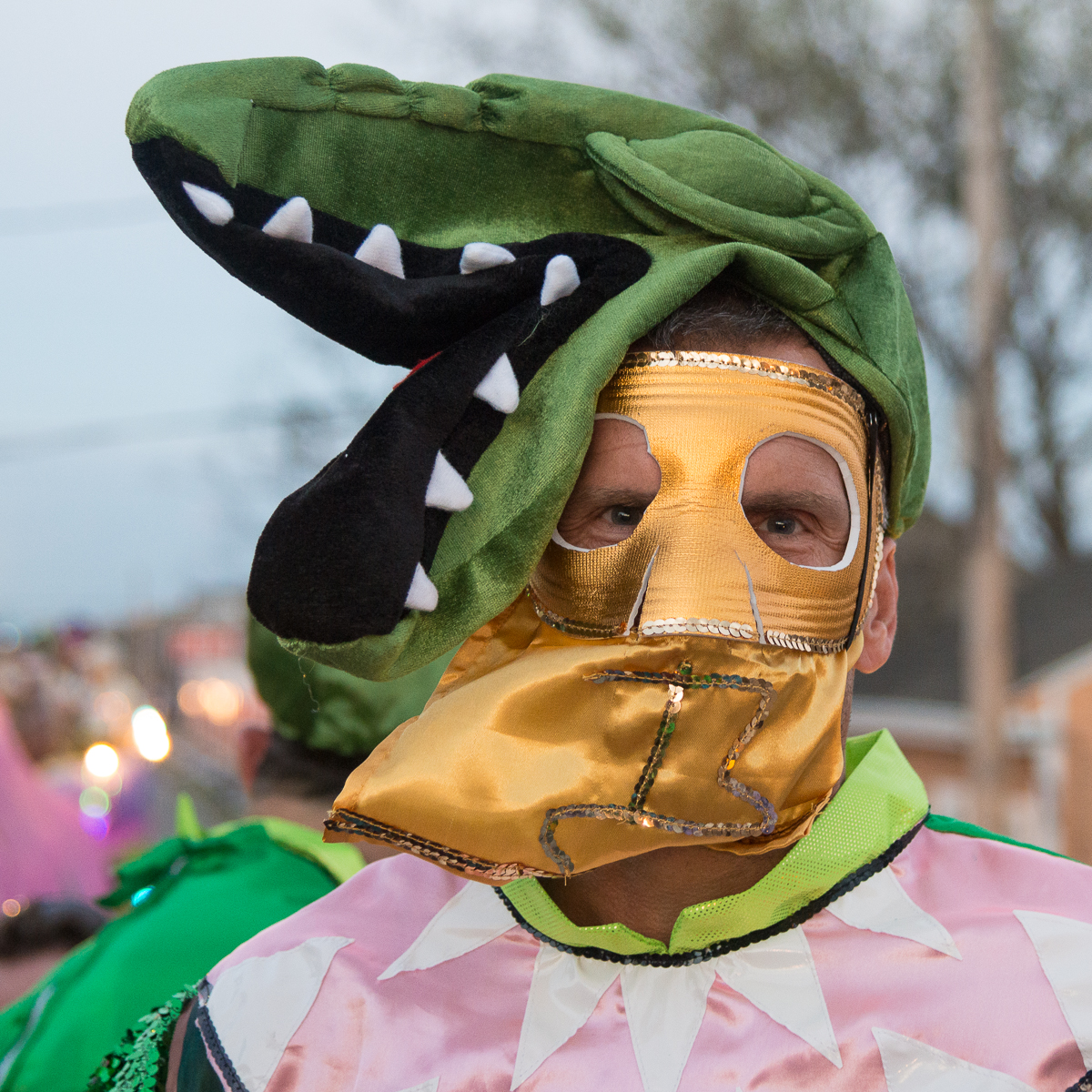
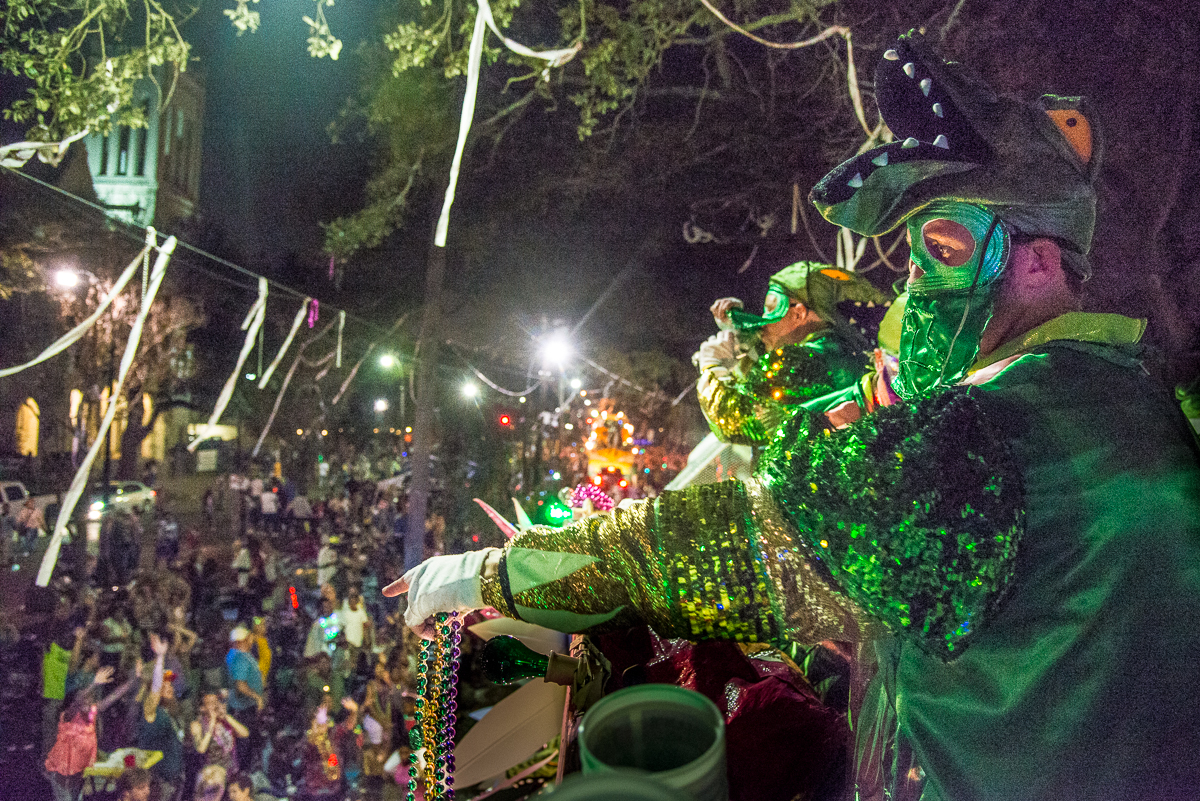
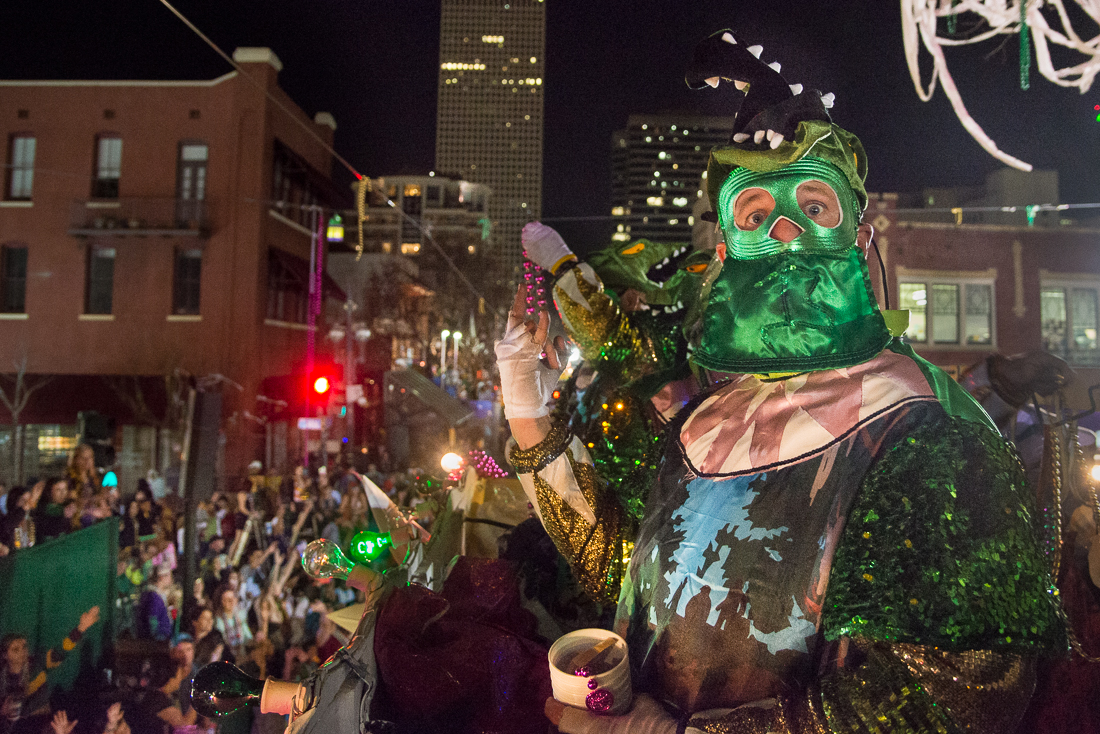
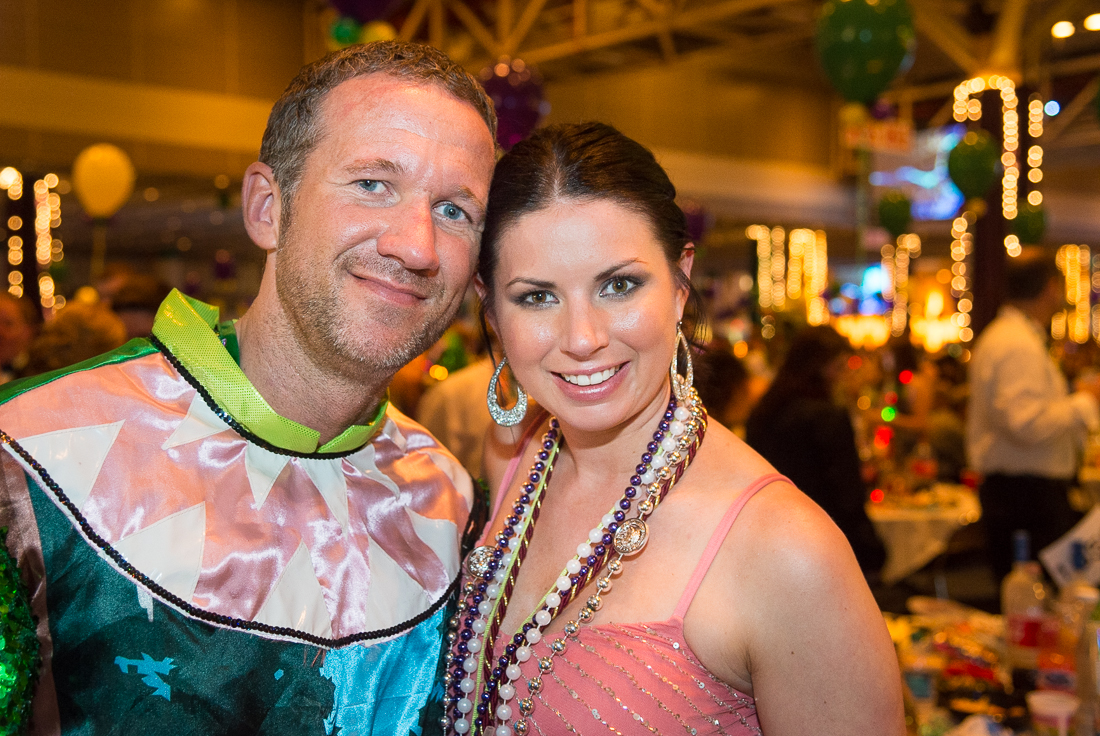
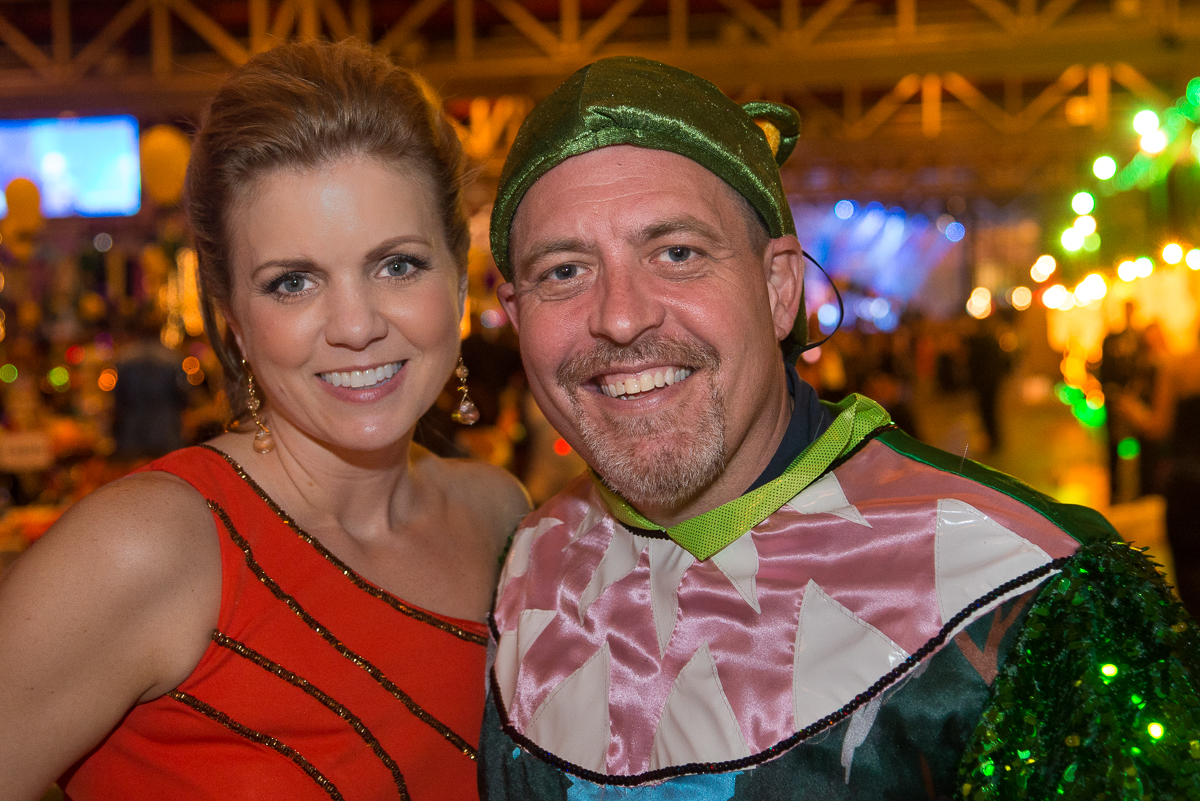
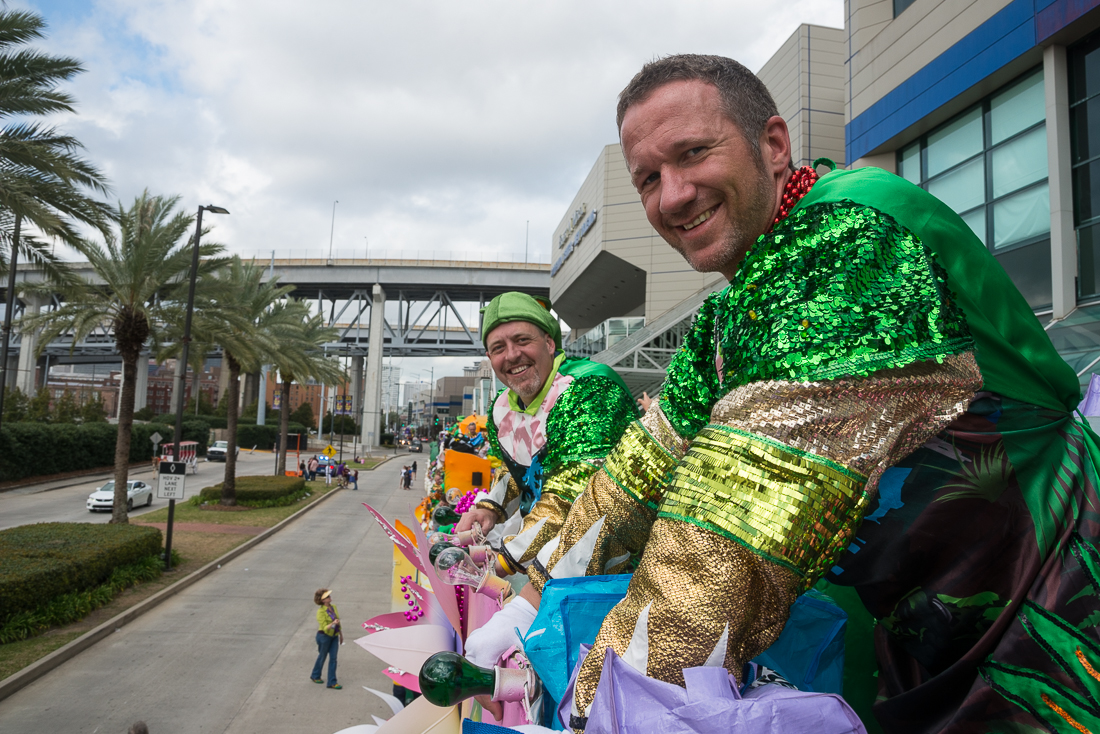
Most of the pictures here are from my day riding a float in the Bacchus parade.  You spend an hour or two organizing your “throws” (mostly bags of beads), then get your costume mid-day.  The masks are mandatory; you can literally be fined for not wearing one.  You also have to wear a harness underneath to clip yourself onto the float (for reasons perhaps made obvious by the prior paragraph).  Our float was assigned alligator costumes.  It takes a pretty strong sense of tradition to get a big group of straight Southern men into matching costumes with sequin sleeves and a crazy pink collar.

_JD87821

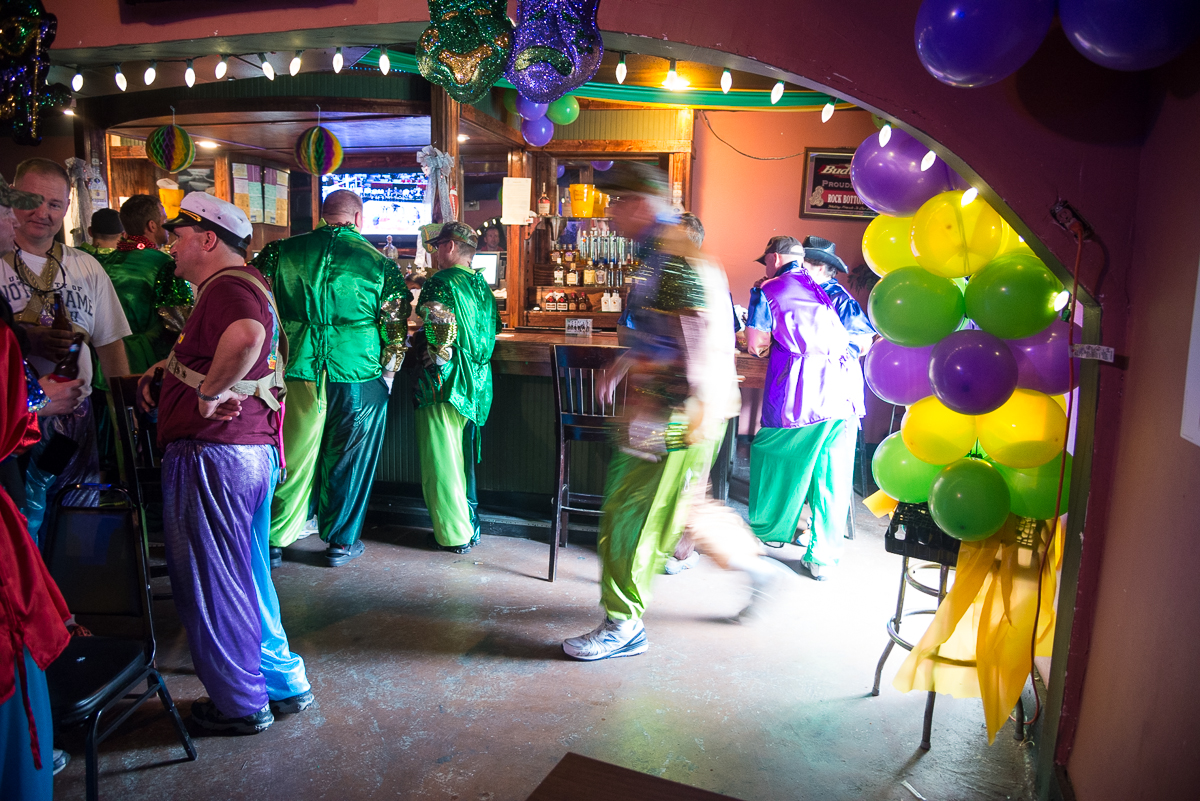
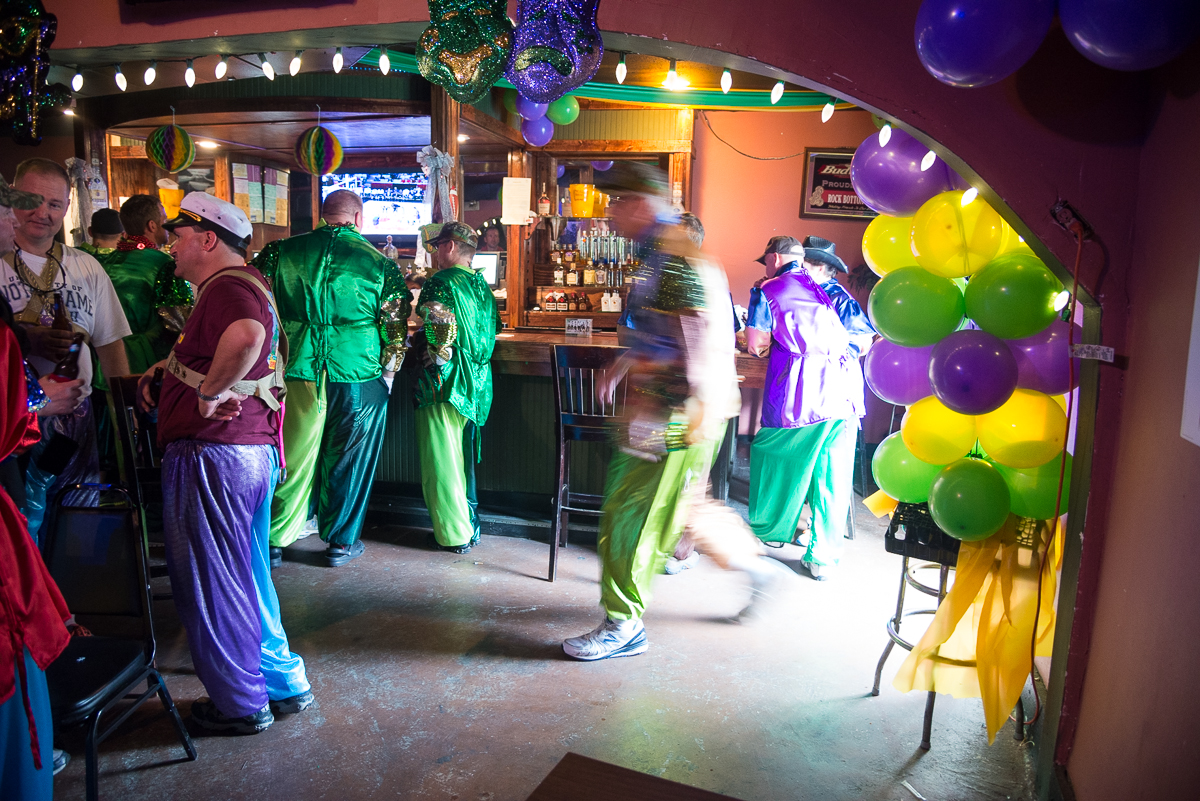
Bacchus parade riders, in costume, inside the Rock Bottom Lounge on Tchoupitoulas St.

_JD87855

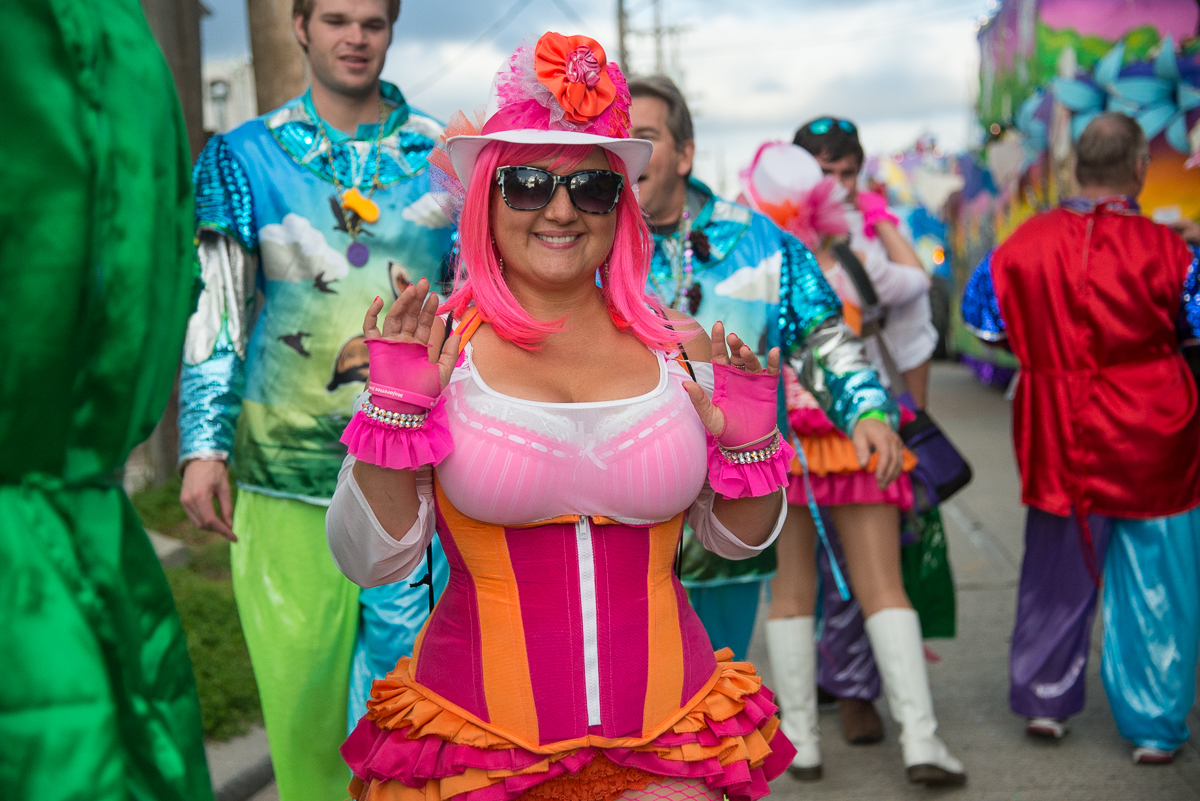
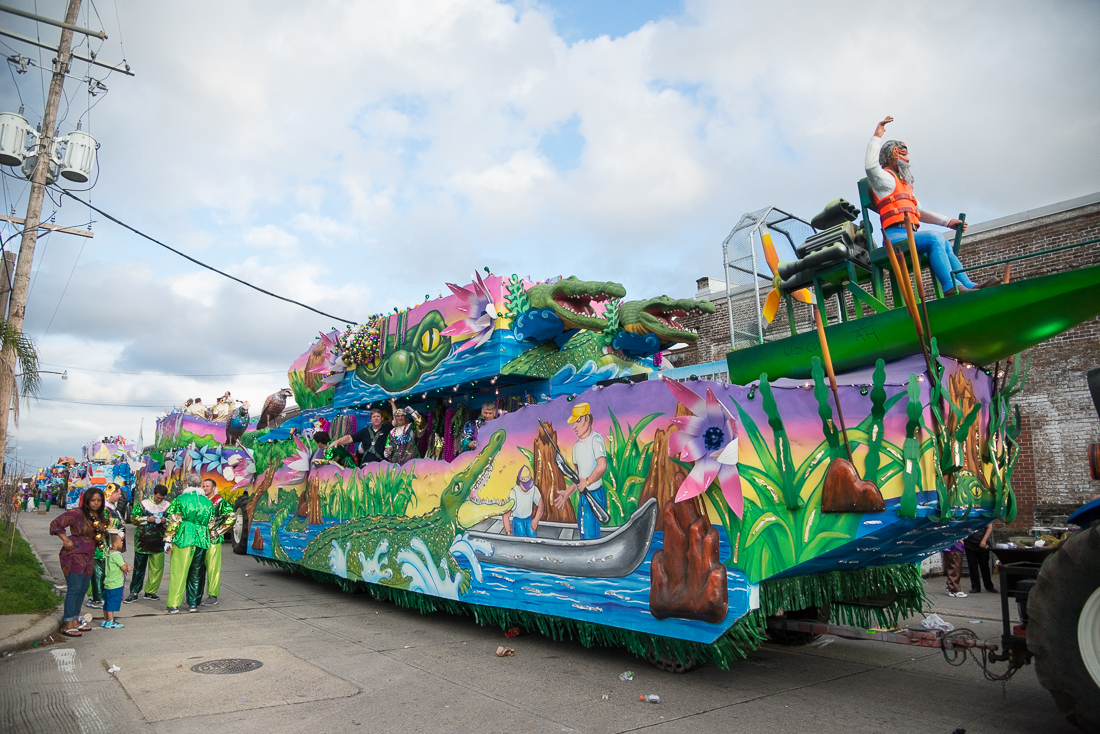
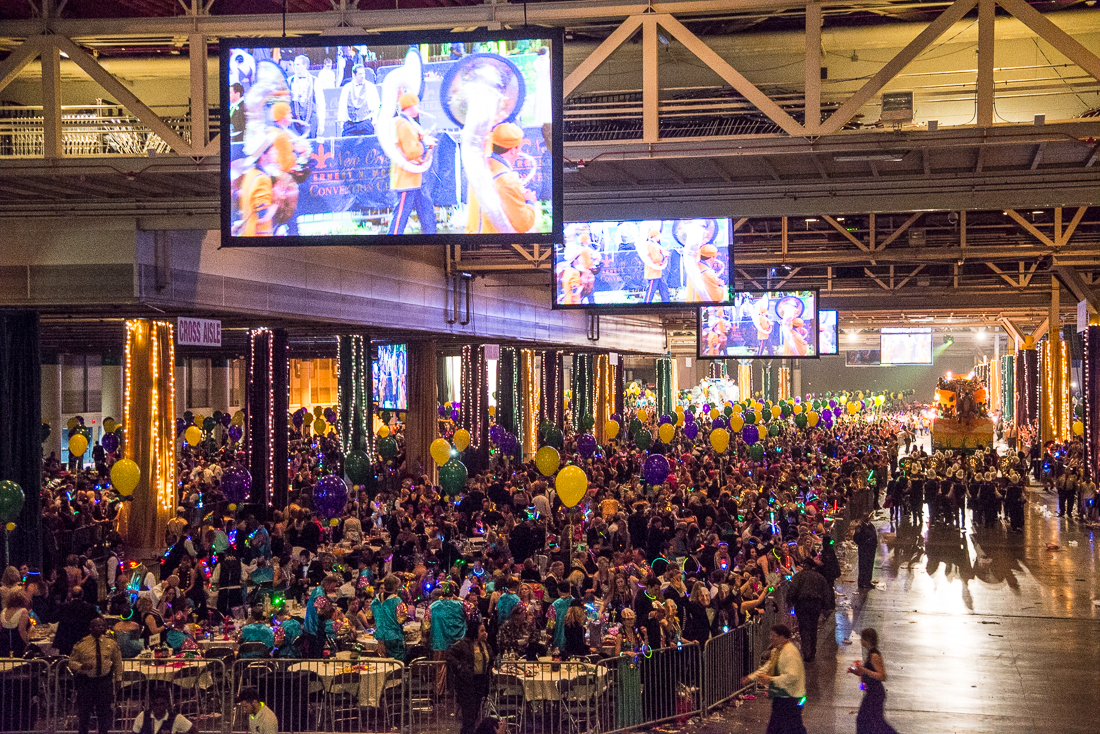
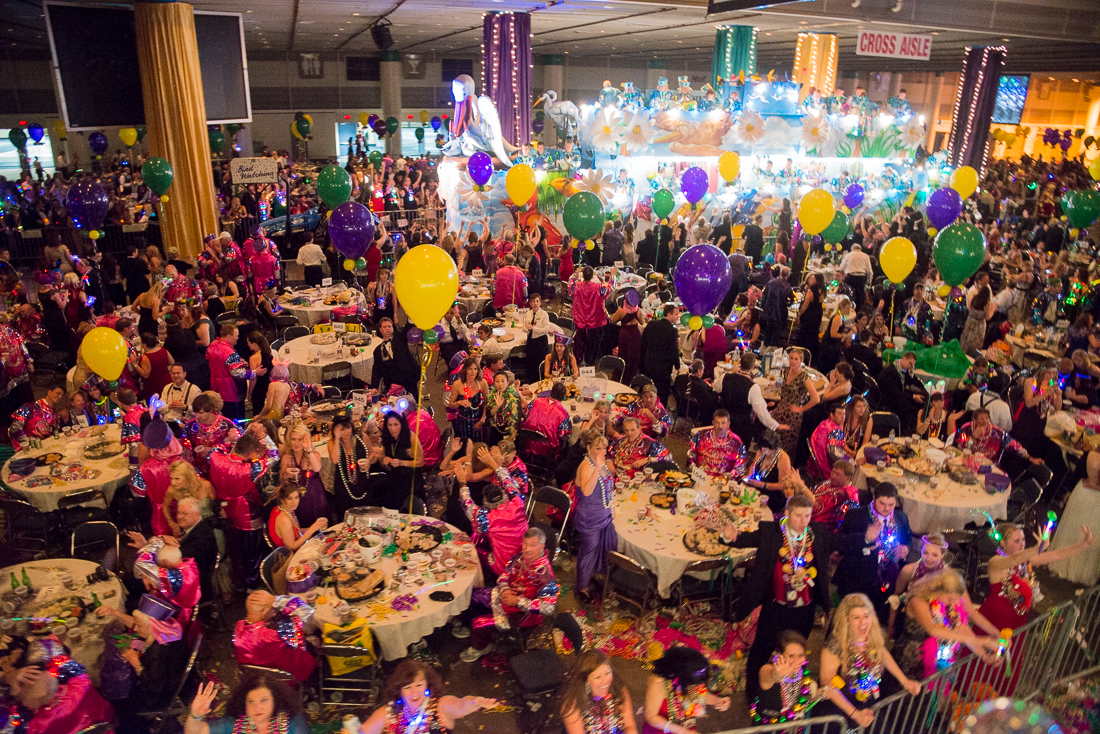
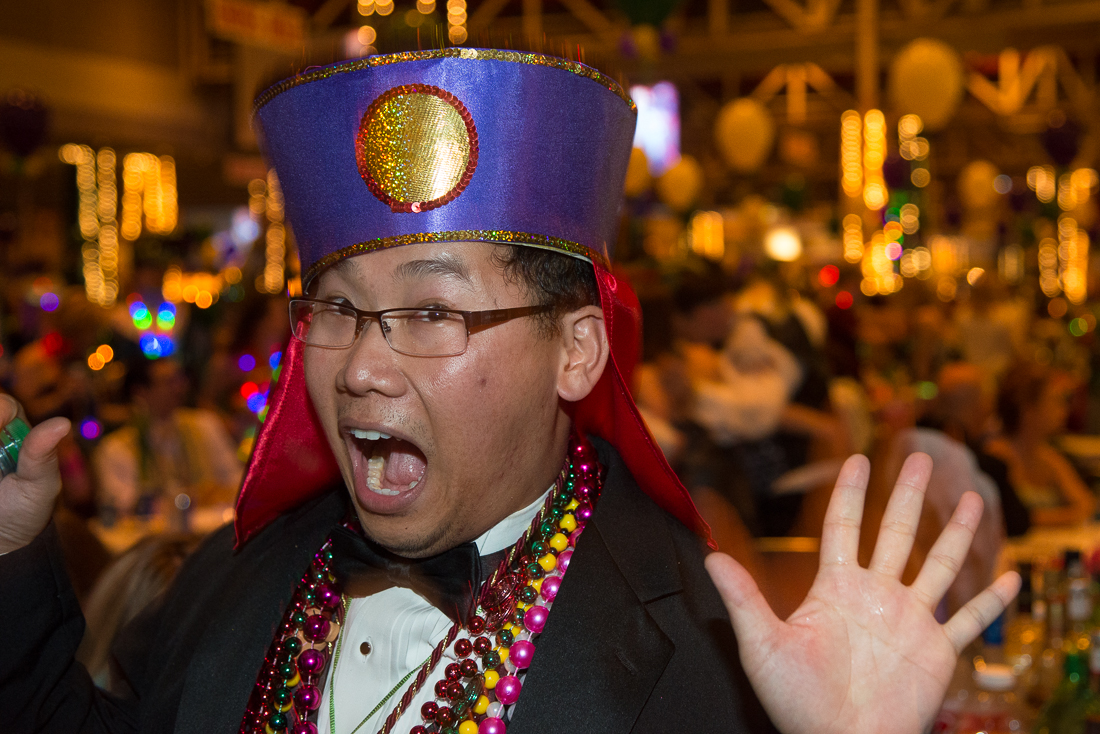
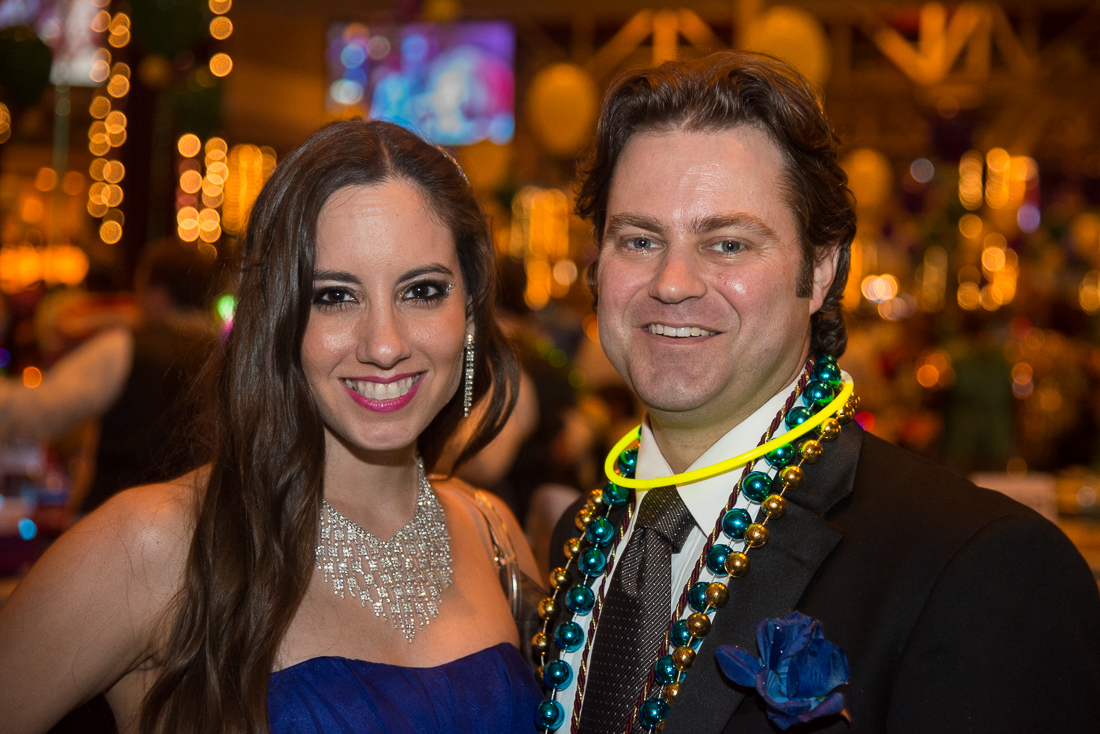
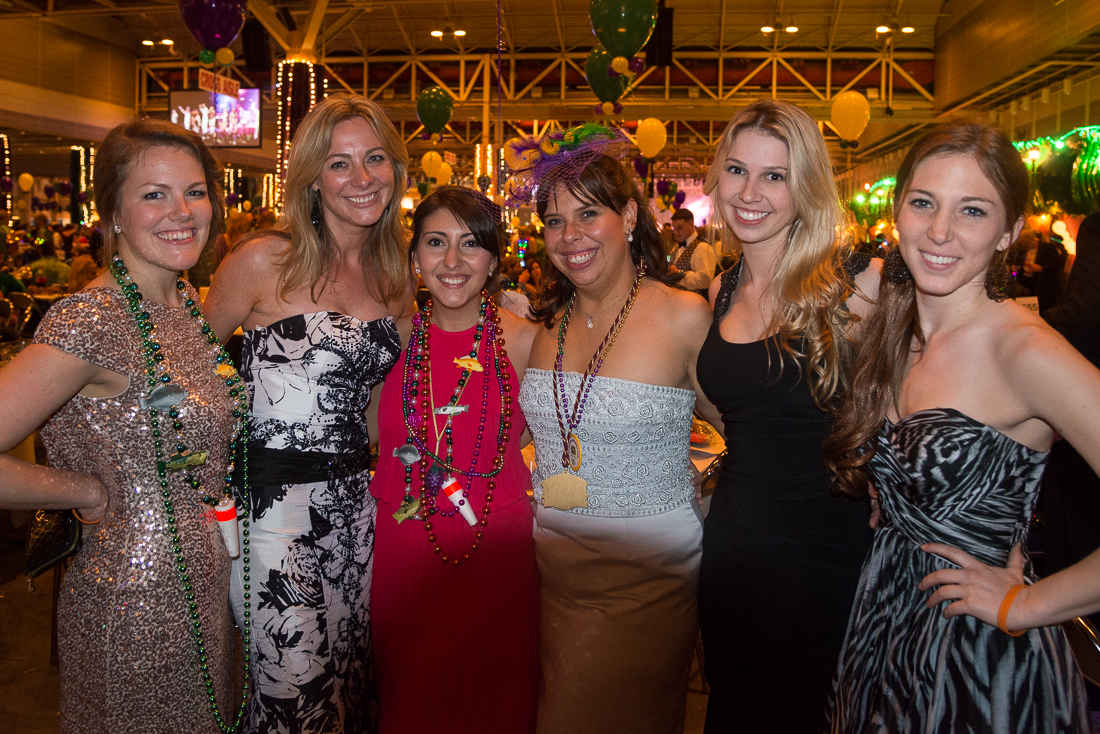
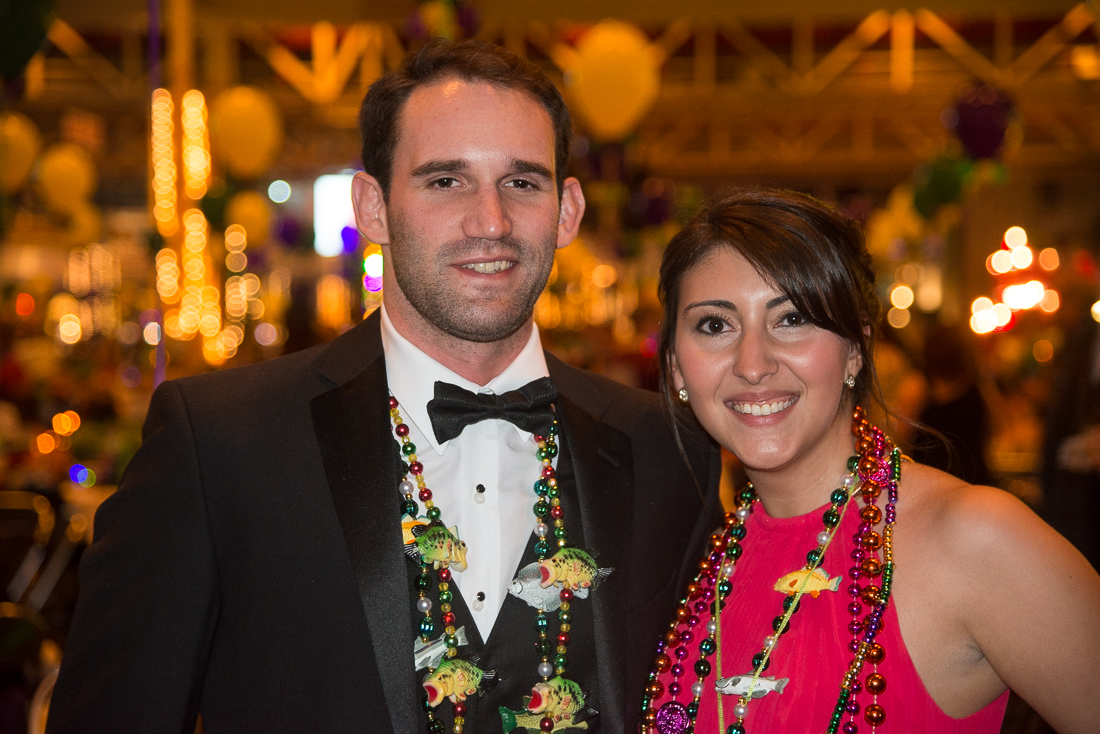
The floats roll mid-afternoon to the staging area — a neighborhood right next to the Mississippi River with several tiny local bars that probably don’t see a lot of middle-class white guys any other week of the year.  Imagine 1500 or so grown rednecks dressed in those satiny, sequin pajama-like costumes converging on an urban neighborhood.  It takes another three hours or so to navigate the parade route through the Garden District , downtown along the edge of the French Quarter, and through the middle of the already-booming party in the Convention Center.  We arrived at the party after 11pm.  It’s a formal “gala”-type event where ladies must wear floor length gowns, but only half the men are in tuxedos and the other half are in those goofy costumes.  Styx played at midnight, and everybody headed to the casino around 3:30 a.m.  I saw more than one New Orleans sunrise on this trip, and I surely never got up early.

_JD87644.jpg_JD87689.jpg_JD87694.jpg_JD87748.jpg_JD87770.jpg_JD87771.jpg_JD87793.jpg_JD87801.jpg_JD87821.jpg_JD87831.jpg_JD87837.jpg_JD87855.jpg_JD87871.jpg_JD87930.jpg_JD87949.jpg_JD87955.jpg_JD87984.jpg_JD87994.jpg_JD88006.jpg_JD88102.jpg_JD88109.jpg_JD88143.jpg_JD88150.jpg_JD88158.jpg_JD88183.jpg_JD88199.jpg_JD88213.jpg_JD88243.jpg_JD88300.jpg_JD88315.jpg_JD88376.jpg_JD88414.jpg_JD88430.jpg_JD88467.jpg_JD88472.jpg_JD88494.jpg_JD88497.jpg_JD88502.jpg_JD88506.jpg_JD88520.jpg_JD88526.jpg

_JD87149

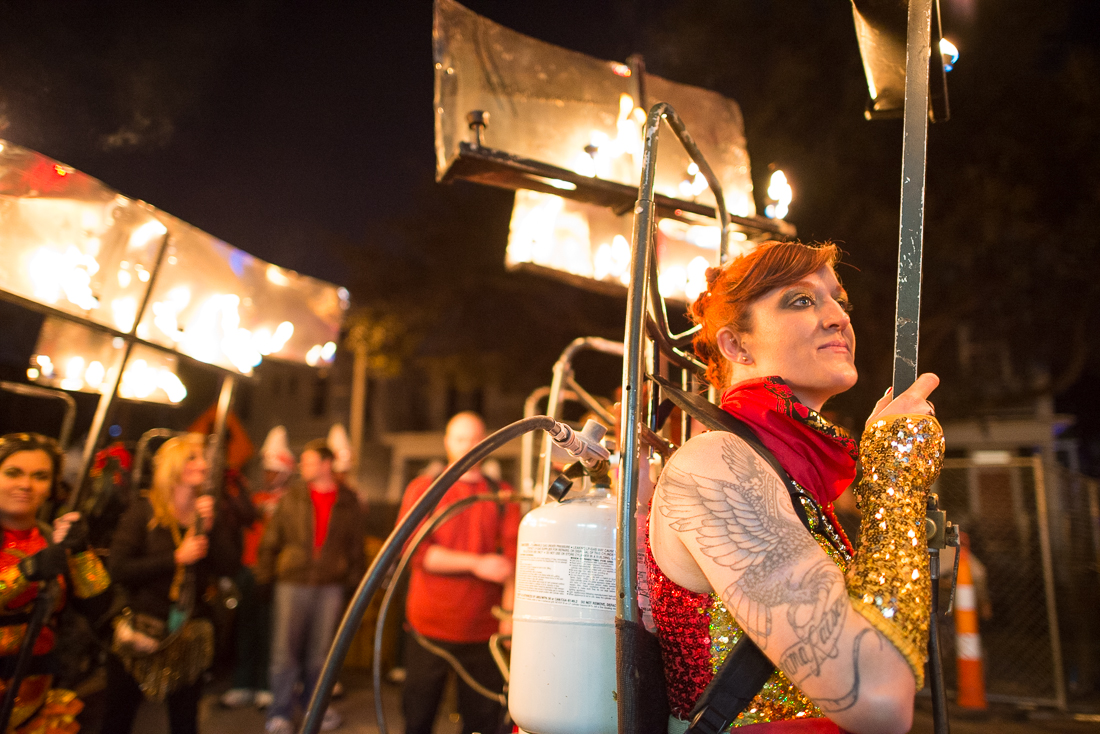
In 2012, I told the stories of how the Mardis Gras “krewes” put on the parades here, of how – even amidst the chaos – New Orleans can be as civilized as you choose it to be, and how you calculate the day and time of these Mardis Gras parades. This year I had higher hopes for my Mardis Gras photography, but much of that proved incompatible with the preference to spend most of my time hanging out with the couple of dozen friends that were in town for the festivities.  These won’t win any prizes, but hopefully they’ll at least give a good feel for what it’s like to see and to ride in a big Mardis Gras parade.  Laissez les Bons Temps Rouler*

_JD87556.jpg_JD87609.jpg_JD87130.jpg_JD87113.jpg_JD87123.jpg_JD87149.jpg_JD87153.jpg_JD87210.jpg_JD87241.jpg_JD87275.jpg_JD87332.jpg_JD87371.jpg_JD87430.jpg_JD87452.jpg_JD87463.jpg_JD87583.jpg_JD87608.jpg

*Of course “Mardis Gras” is a French term (“Fat Tuesday”) and its events are centered in the French Quarter; “Laissez les Bon Temps Rouler” is a popular Mardis Gras slogan, French for “Let the Good Times Roll.”  “Bon Temps”: good times.

Guatemala: Sleeping in the Jungle?

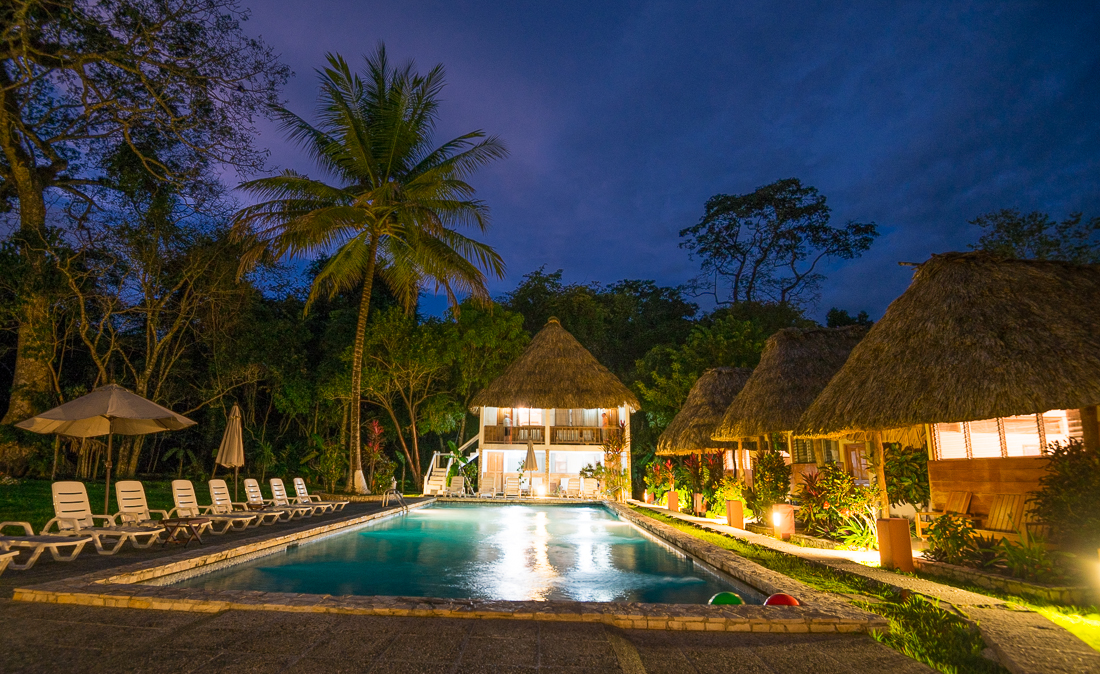
Technically, I did sleep in the jungle.  Admittedly, I was in a couple of pretty nice ‘bungalow’ hotels.

_JCE1931

Tikal Inn, Tikal National Park

The Tikal Inn (above) was a fun, convenient place to stay  and to start other excursions – it’s literally inside Tikal National Park.  It looks good in just the right light.  But the electricity, hot water, and internet typically only worked intermittently – maybe 8 hours a day in total. 

_JCE1442

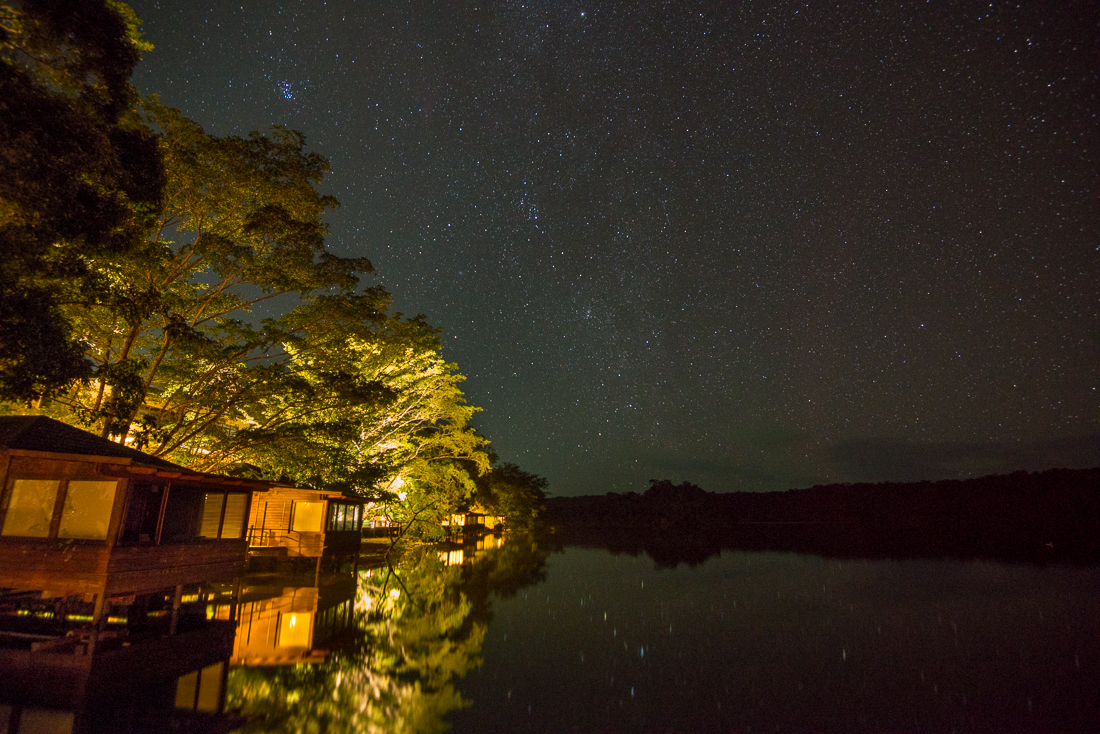
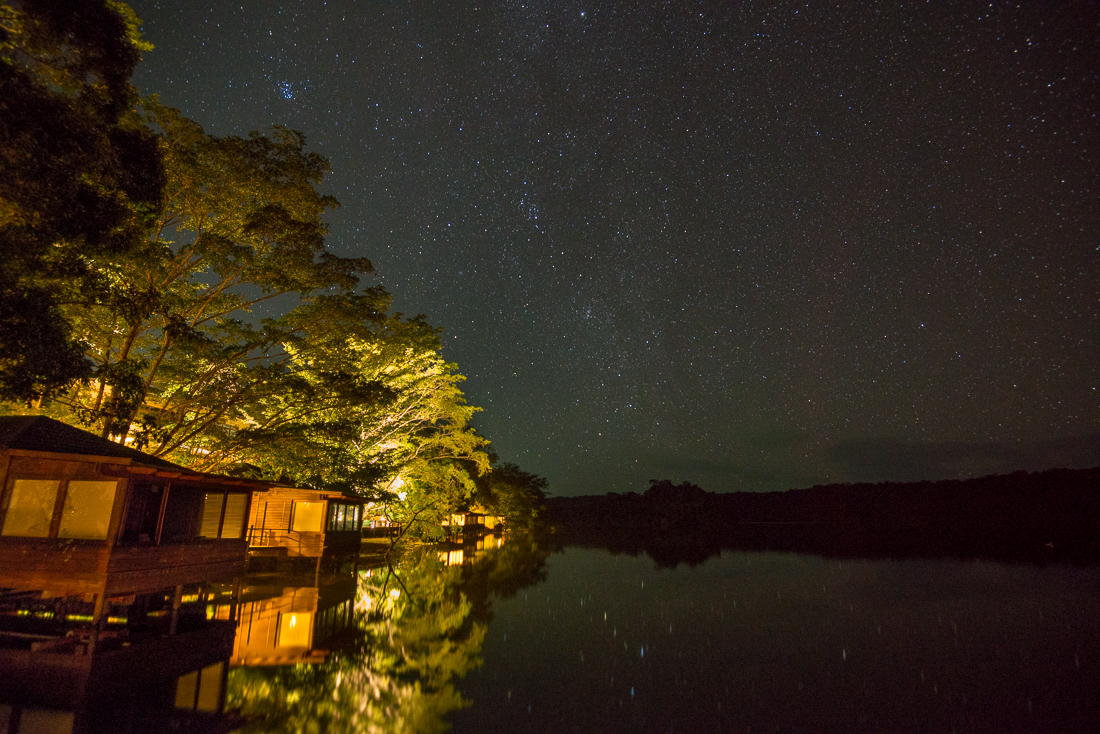
Las Lagunas Boutique Hotel – Flores, Guatemala

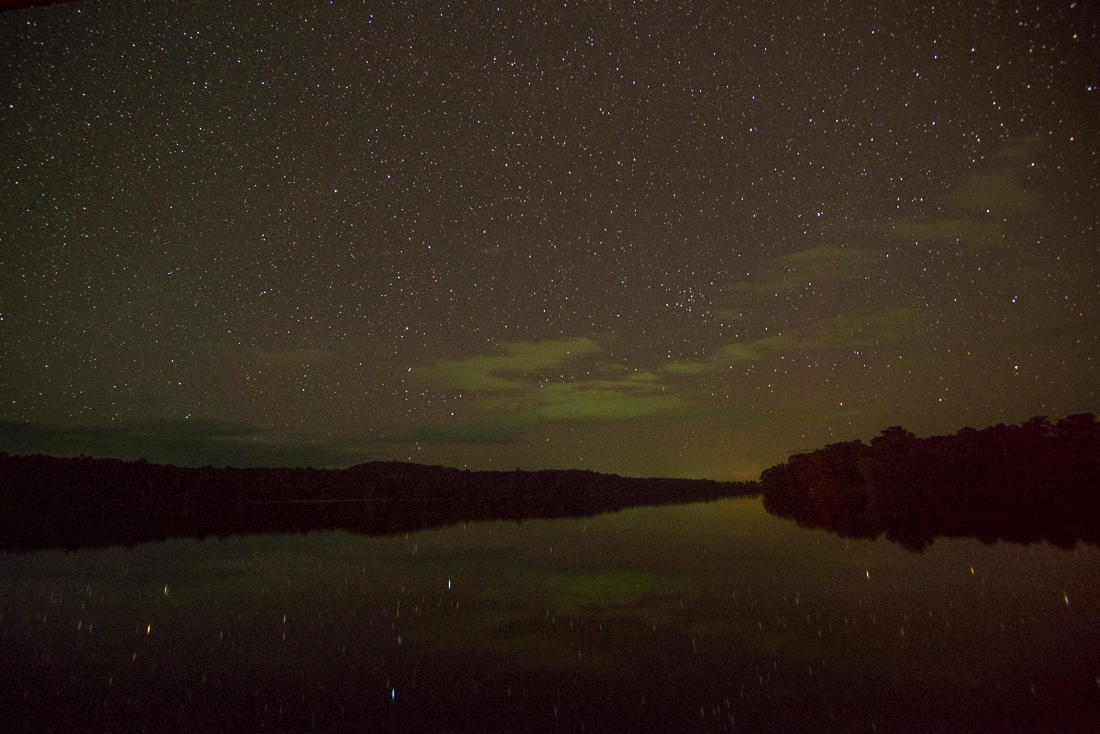
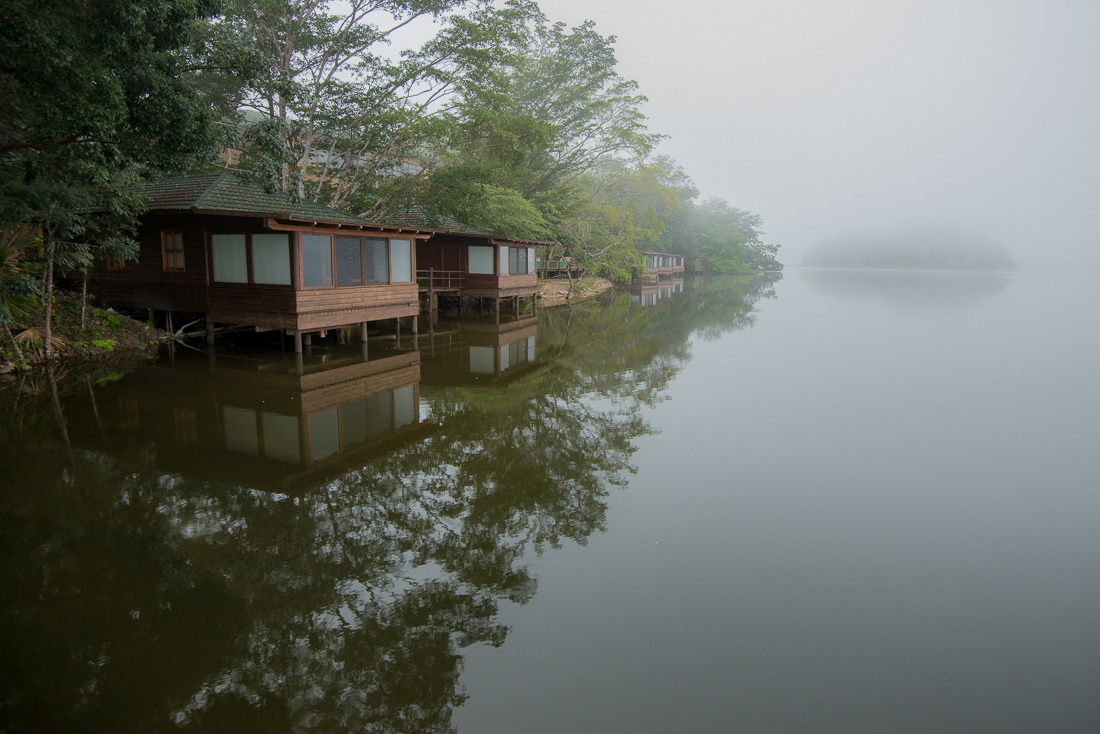
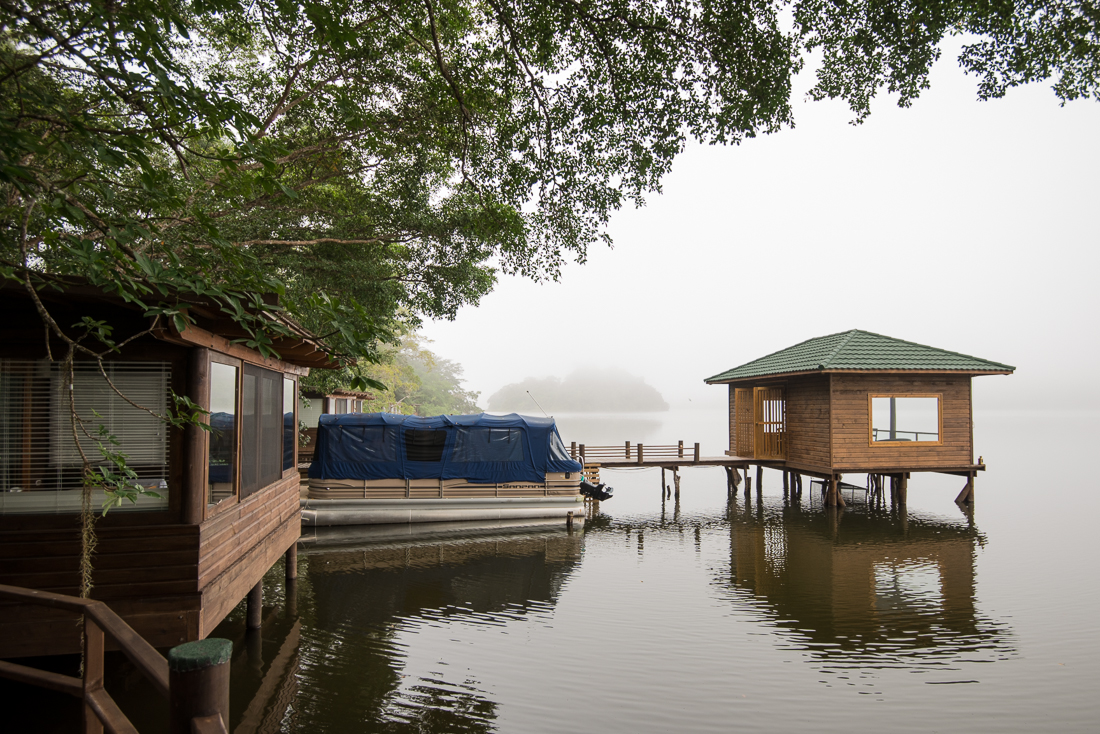
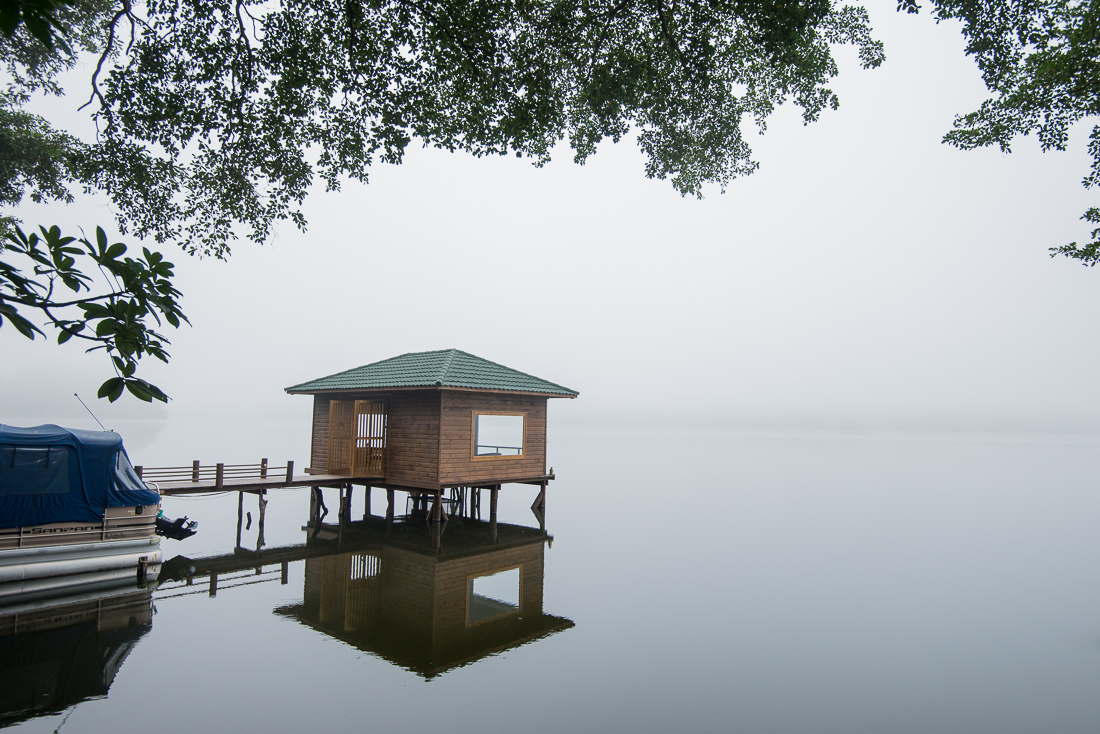
The place with the cabins sticking out onto the star-lit lake was (unexpectedly) super-swanky.  My nephew was with me – he was thrilled that he had a full-size Jacuzzi on his screened porch overhanging (and overlooking) the lake.  I was thrilled that it was so dark and remote you could see roughly a zillion stars.  When I woke UP in the jungle, it was usually pretty foggy.

_JCE1442.jpg_JCE1444.jpg_JCE1476.jpg_JCE1485.jpg_JCE1506.jpg_JCE1931.jpg_JD85423.jpg

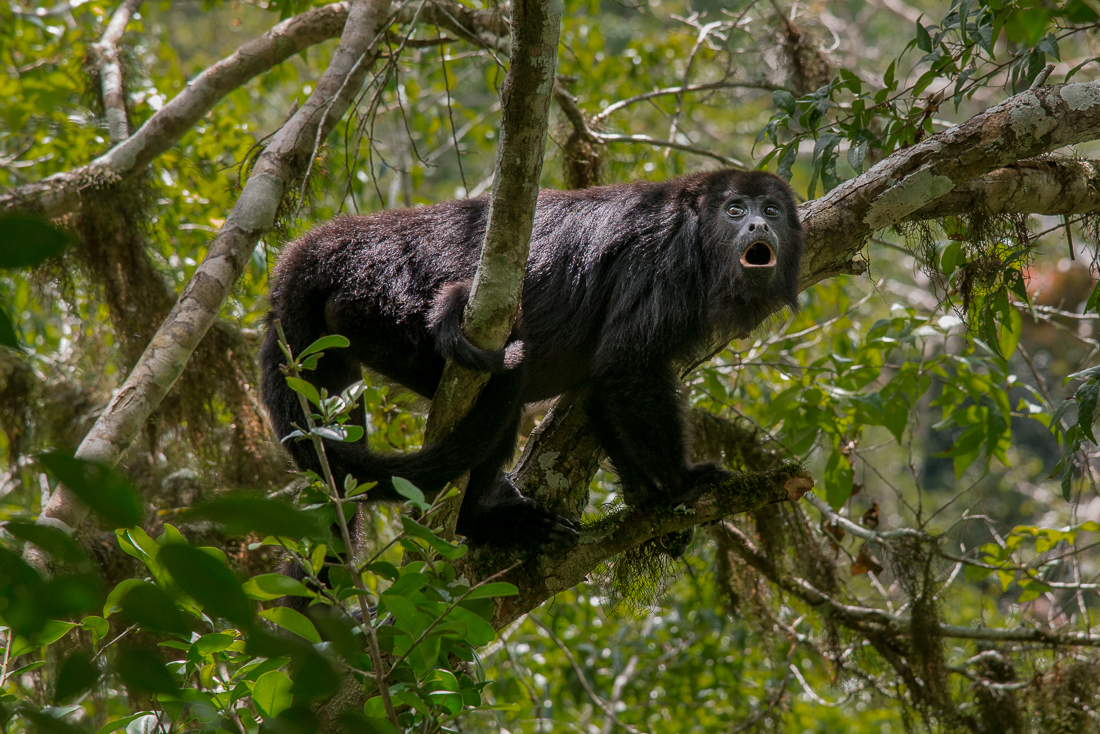
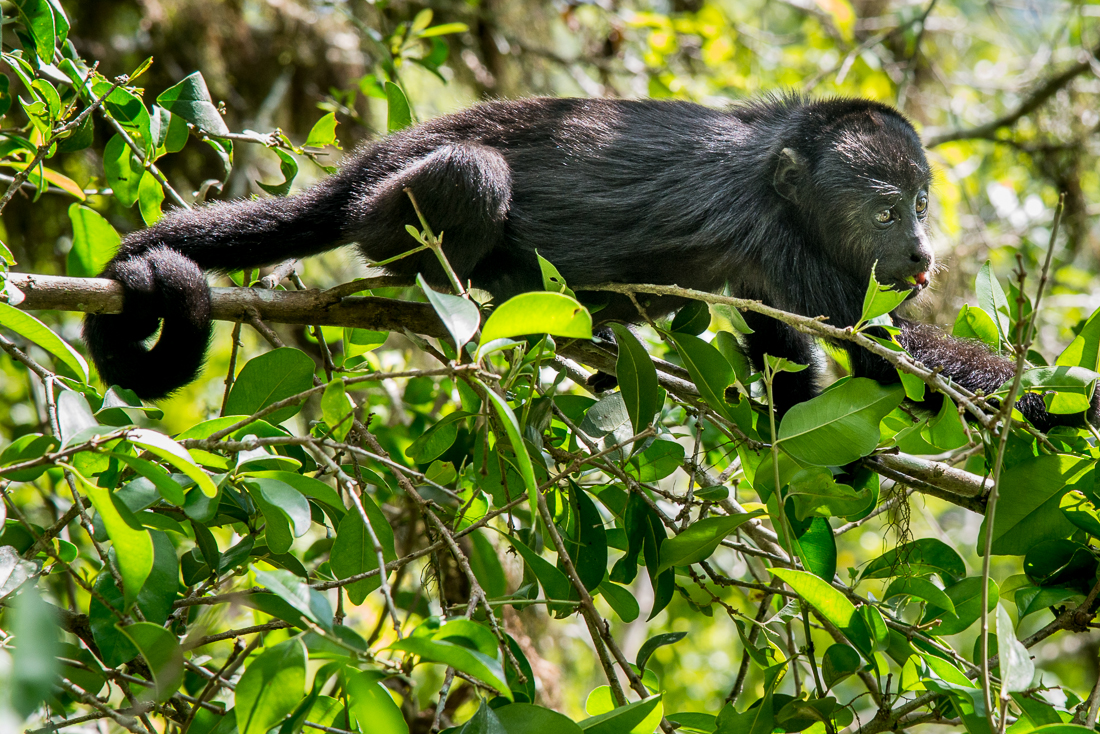
At both places, you could hear howler monkeys all night long.  I got pictures of a couple in the daylight (including this ‘baby’).

_JD85450

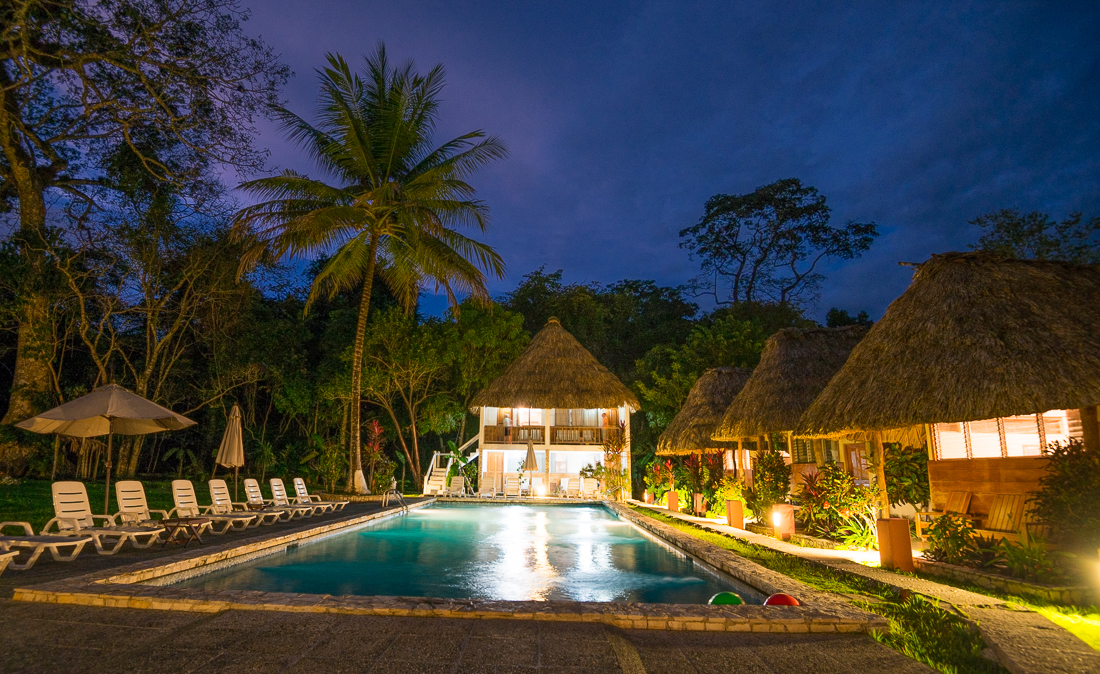
Oh!  Camera friends:  The starry-night pictures of the cabin on the lake were at f4, 30 seconds, and ISO 3200 (or at least they should have been).  The D800E on a tripod (with both ISO noise reduction and Long-exposure noise reduction working – somehow), 16-35mm lens.  I just got lucky that the dim lights around the cabins were a decent balance for the stars (I didn’t light them at all, as I had to with the Tikal temples a few nights later).  The poolside shot was just ISO 400, about 2 seconds, f5, 16mm — there was enough light there to use the meter, so it was easy.

Tikal, Guatemala: After Dark in the Great Plaza

Over a thousand years ago, the temples and altars of Tikal’s Great Plaza were the site of gruesome rituals of human sacrifice.  At night, there are no lights, and the low, scream-like roar of howler monkeys fills the air.  It’s an eerie place to be when the grounds are deserted and the sky is dark.

_JCE2417

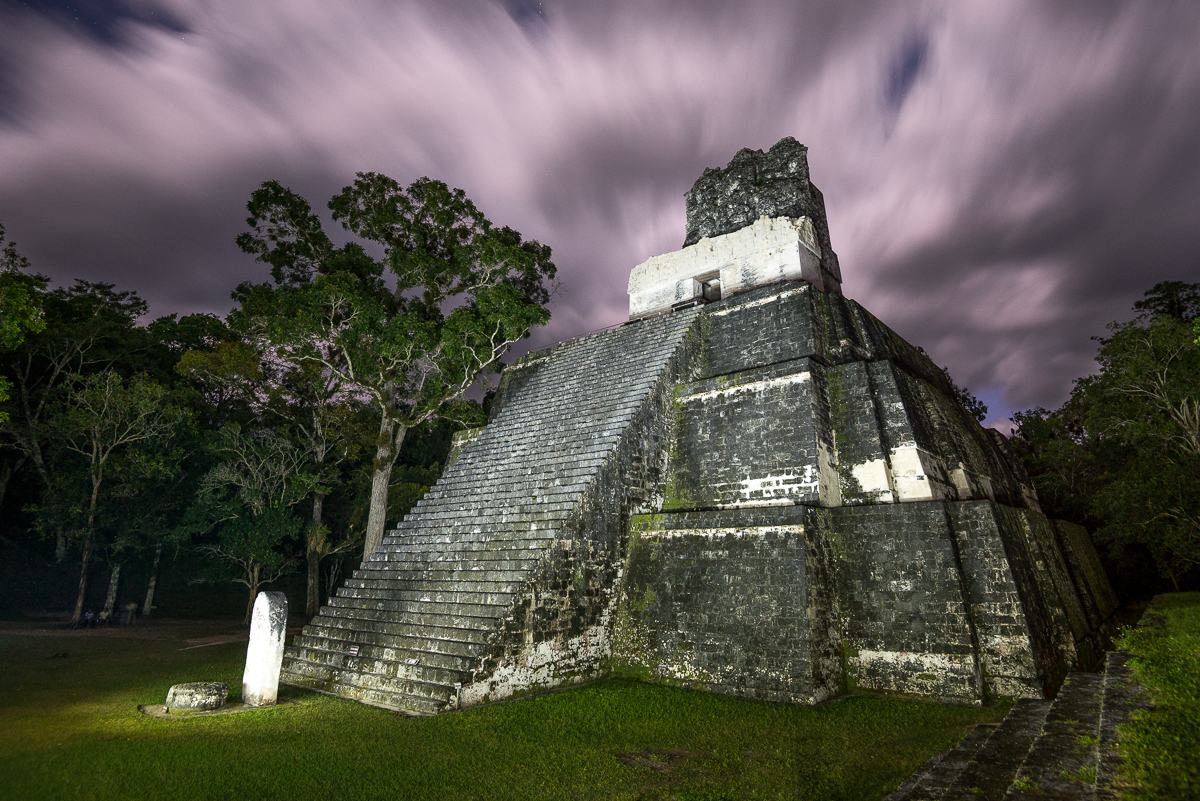
Tikal Temple II

It’s an amazing experience – at any hour – to be amid Mayan temples that have stood more than a millennia.  Friday night I had the chance to be essentially alone there after dark and after the park had officially closed, with the chance to make the whole place my private photo studio.  Though I lit up the temples for these pictures, in reality there were no lights except a half moon and our handheld flashlights.
_JCE2429

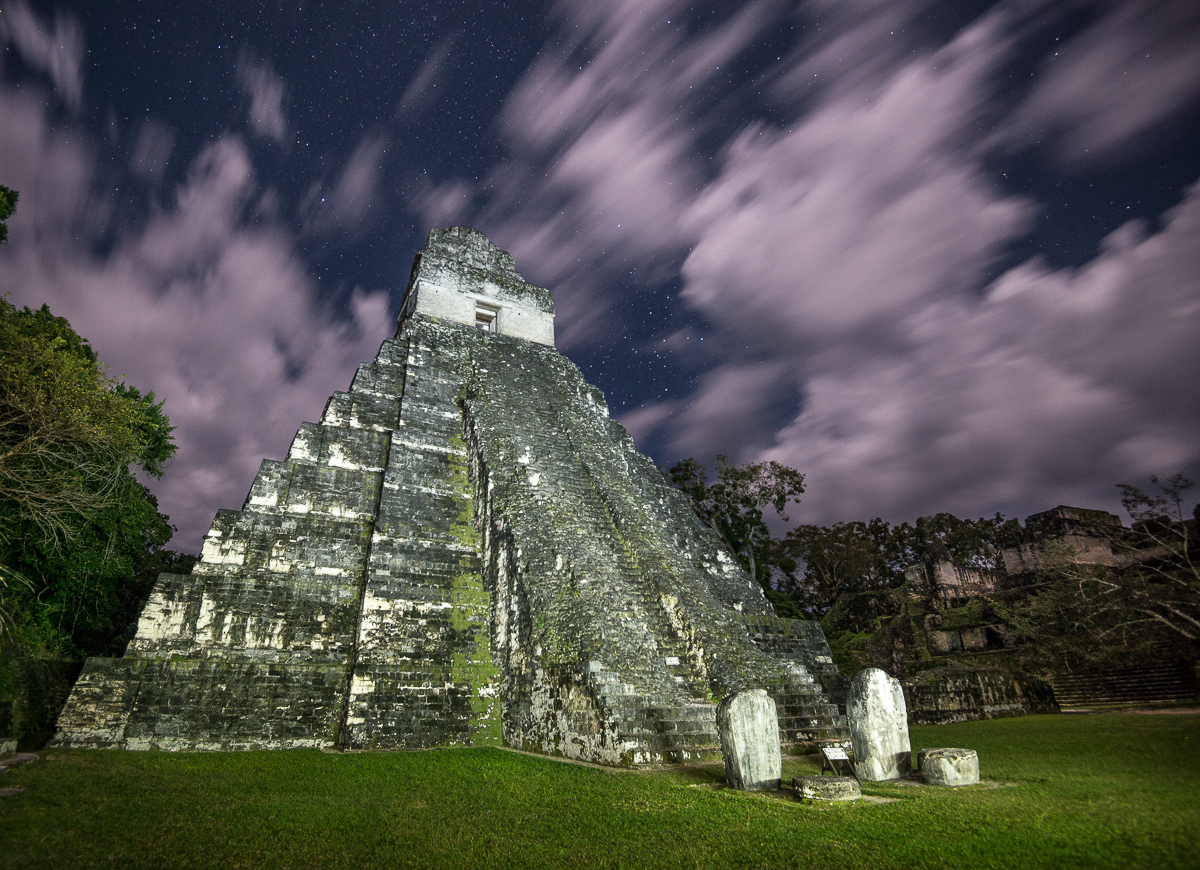
Tikal Temple I

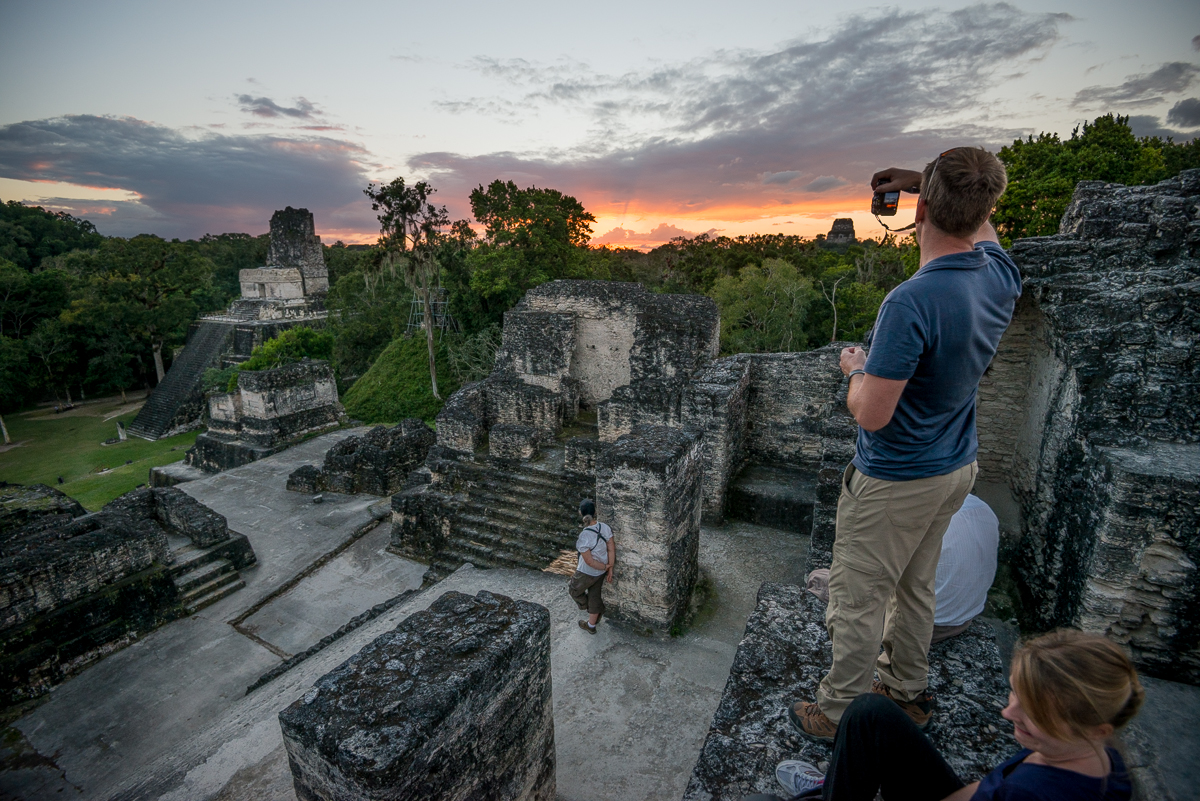
Tikal National Park is Guatemala’s most popular; it enshrines some of the most famous and prominent remnants of the ancient Mayan World.  At Tikal’s center are the temples of the Grand Plaza.  Each day, hundreds (sometimes thousands) of visitors tour the park.  Each evening, a few dozen stay ‘til dusk to watch the sun set behind the Temples.  I stayed even later – until it was truly dark and everyone else had gone home.  Two park rangers waited patiently (sort of) and escorted me (and my local guide, “Henry”) out of the park long after they’d done their nightly sweep of the grounds to make sure no one else was left on the grounds.
_JCE2443

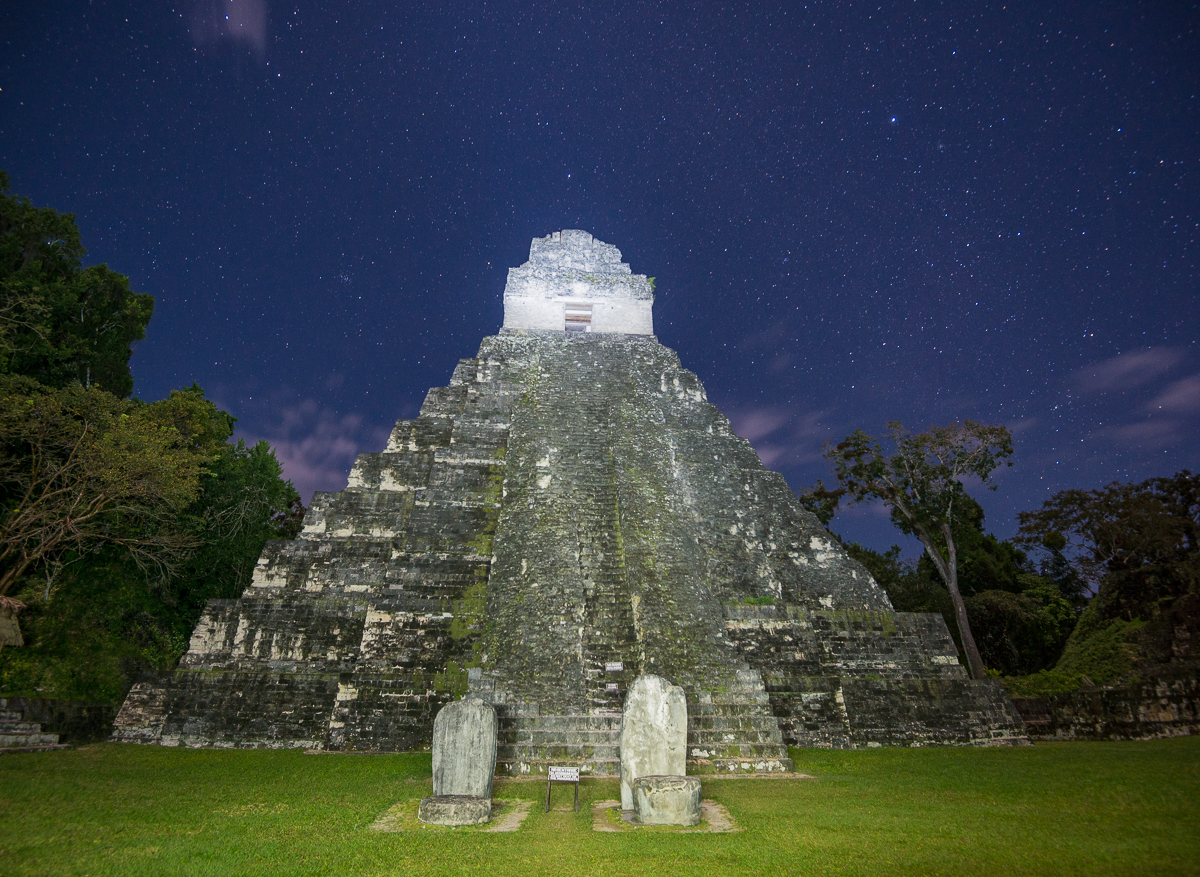
Temple I


Those night-time images aren’t Photoshop tricks.  Henry and I were giddily watching them show up on the back of the camera as we moved my big tripod around the Grand Plaza in the dark.  There is no electricity and no lighting at the Temples, so the light on the temples is from his flashlight, which I borrowed and used to “paint” light on the stones and trees during the long 30-second (or so) exposures).  The streaks in the sky are clouds; in that amount of time, they moved quite a bit (happily, the stars did not).  I haven’t picked a favorite image yet – I still can’t quite believe I was there.

_JCE2310

Sunset from Tikal’s Northern Acropolis

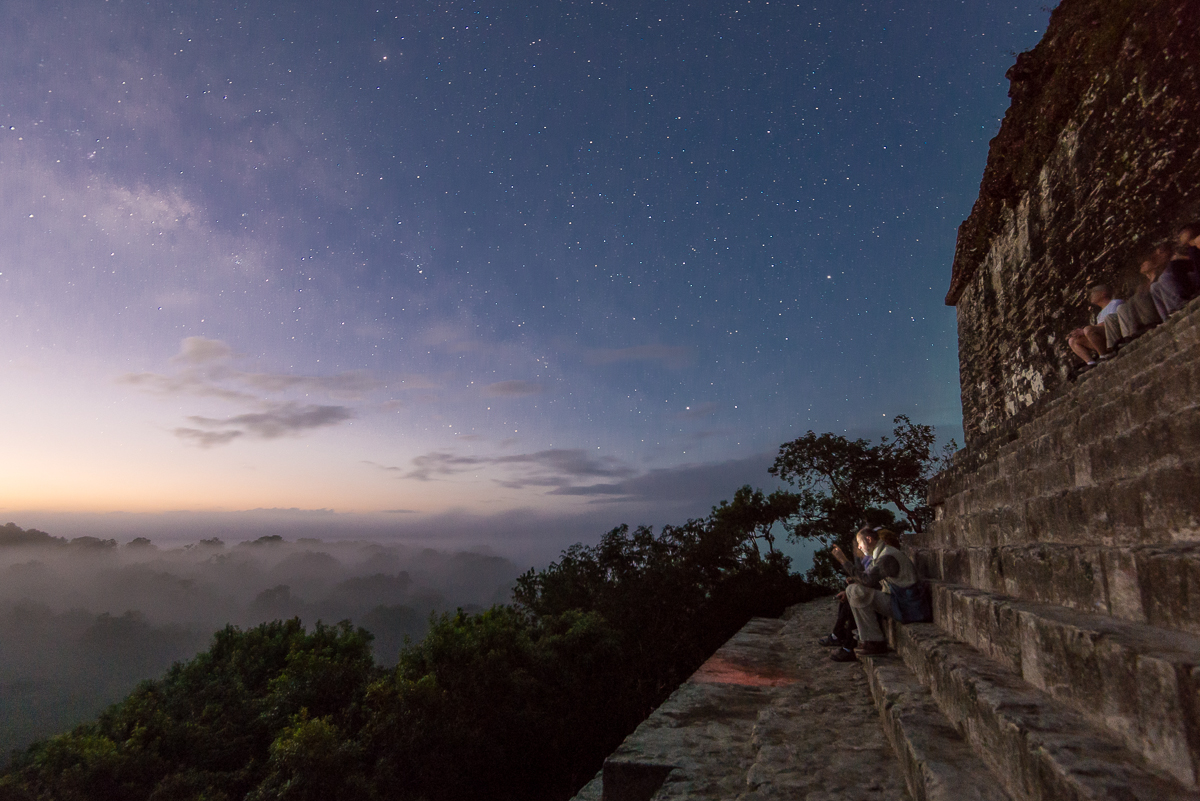
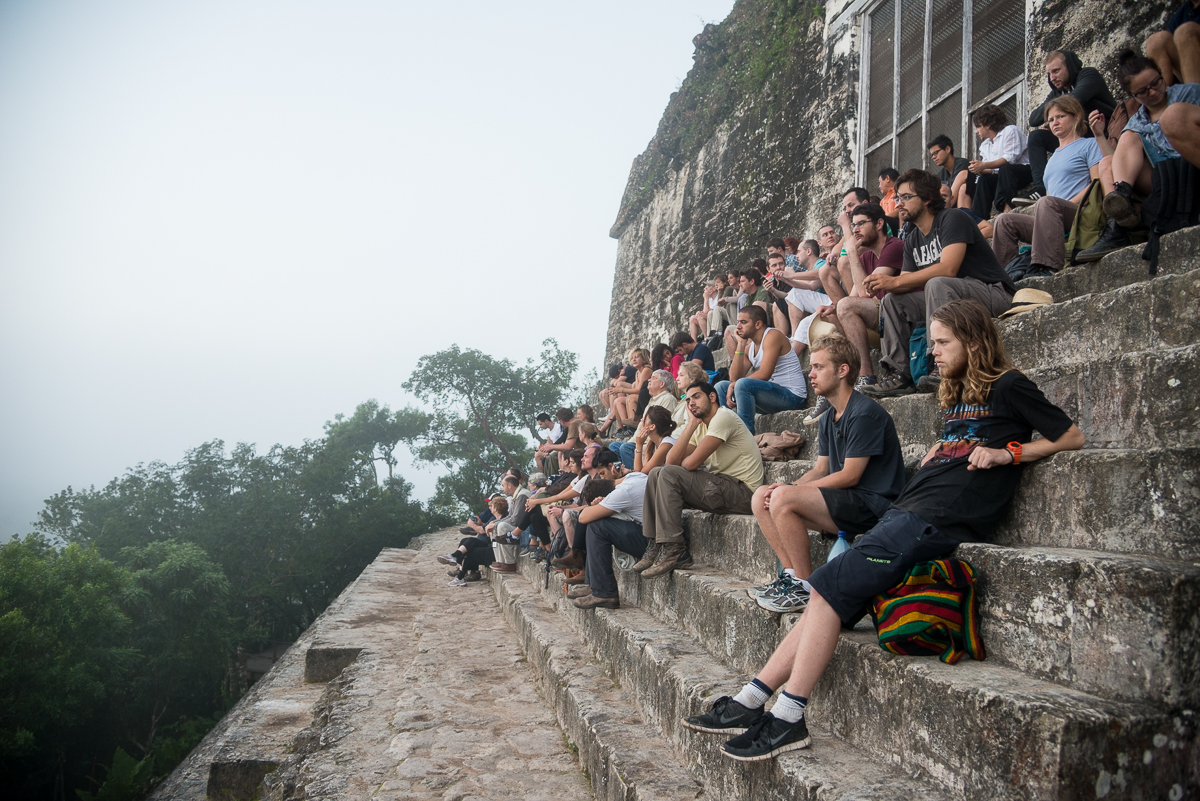
All this capped off a long day:  I’d been in the park at 4:30 a.m., too, in the pre-dawn darkness.   Each morning a few dozen folks climb to the top of Temple IV to watch the sun rise over the Grand Plaza.   I got there extra-early, and just in time to get a couple of shots before clouds and fog took over the entire view.  By the time the rest of the sunrise “crowd” arrived, there wasn’t much left to see (bottom).

_JCE1950

Tikal’s Temple IV, just before dawn.

_JD86850

Foggy sunrise, Tikal Temple IV

Through the middle of the day, I’d driven through the jungle to see the ruins at the town of Uaxactun.  Mostly by accident, I’d wound giving rides to four locals, including a 100-year-old blind man who needed to get home to  Uaxactun.  Normally the guards at Tikal would never have let me stay at the temples at night (which is why  you never see nighttime pictures).  But they were the same guards who’d asked a favor of me earlier in the day and who’d seen me doing multiple favors that day for locals.   So they sat patiently for at least an hour, giving me a once-in-a-lifetime photo opportunity.