Category Archives: Travel

Inle Lake, Burma: Life on the Water

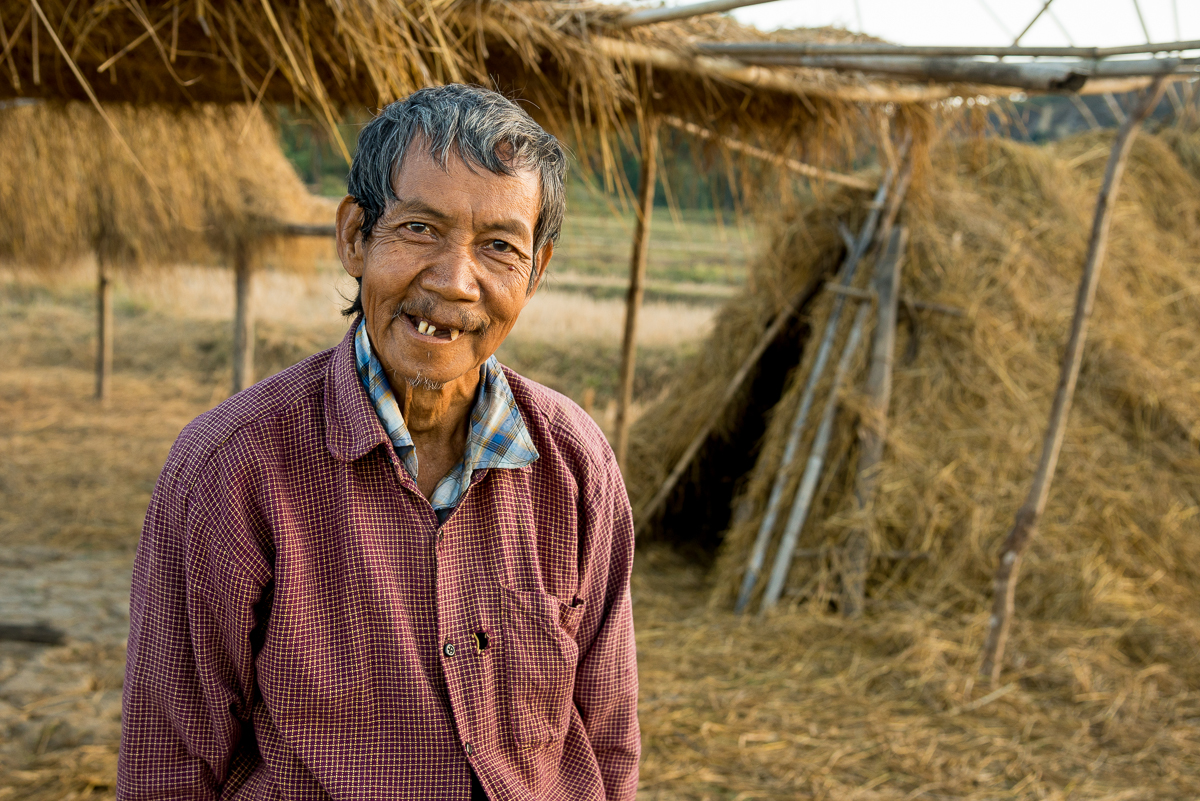
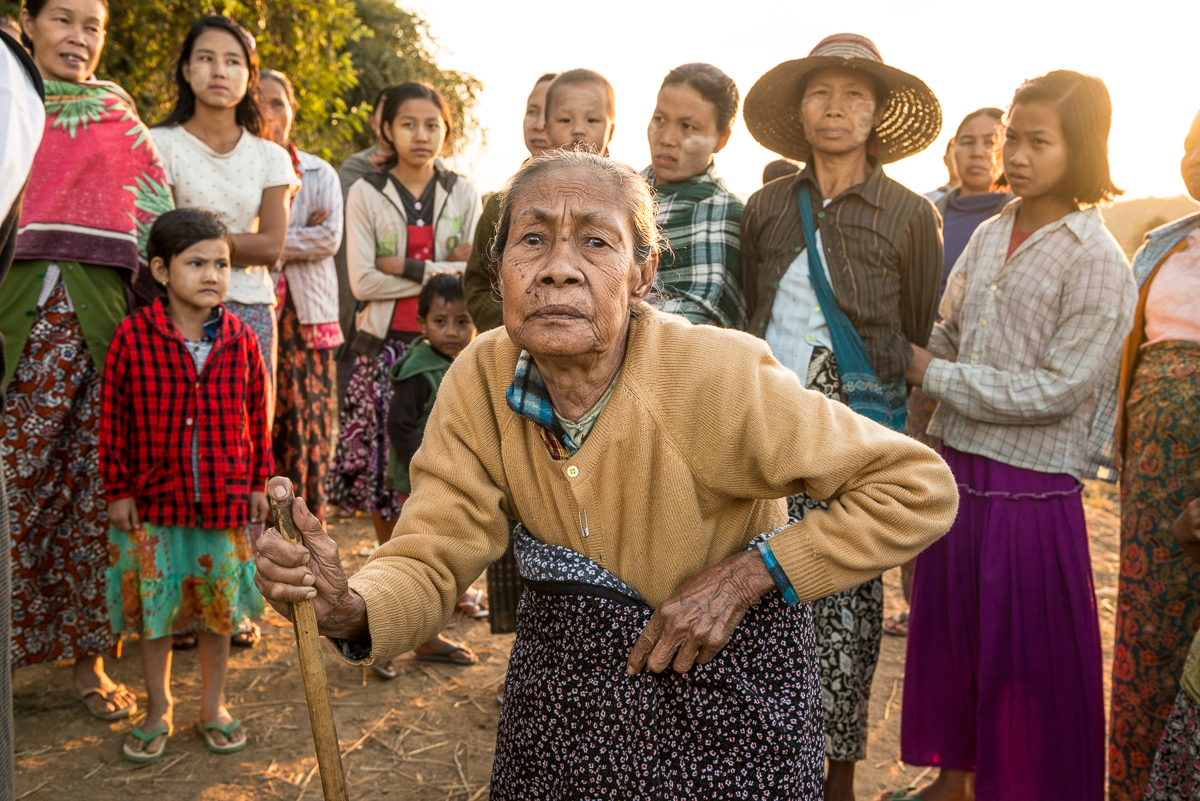
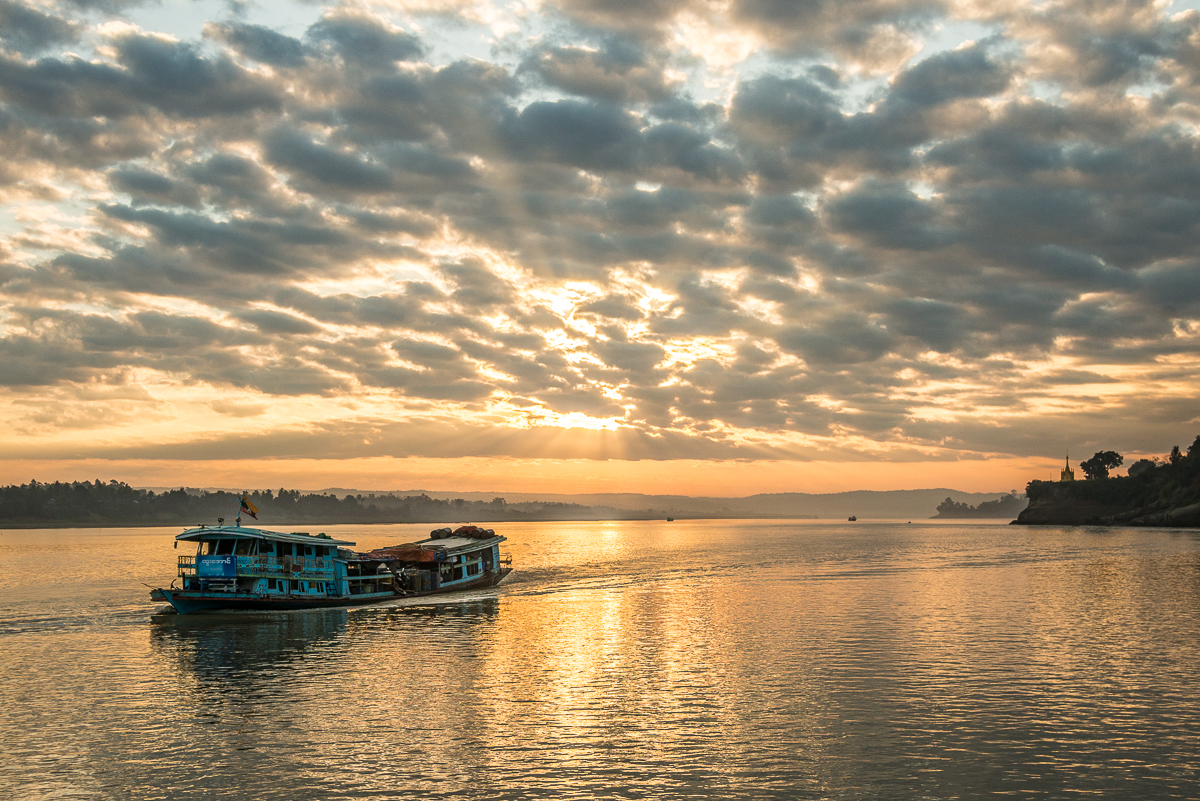
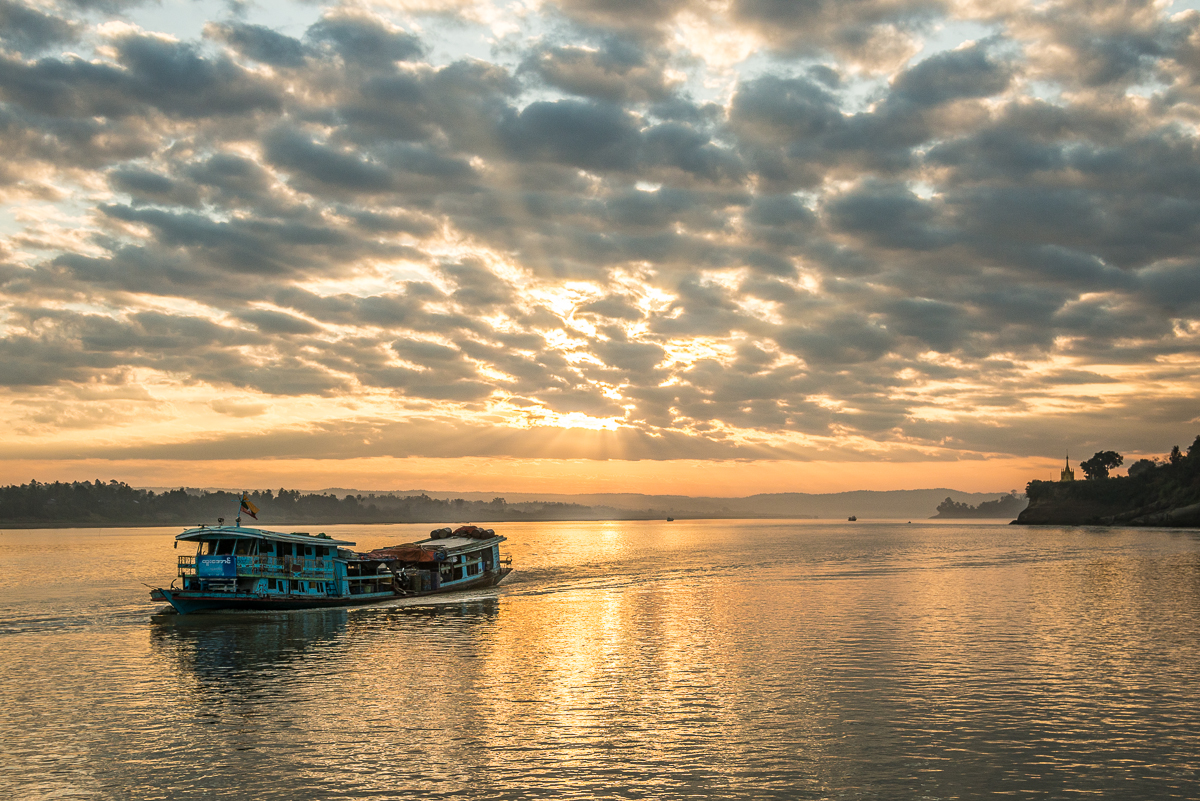
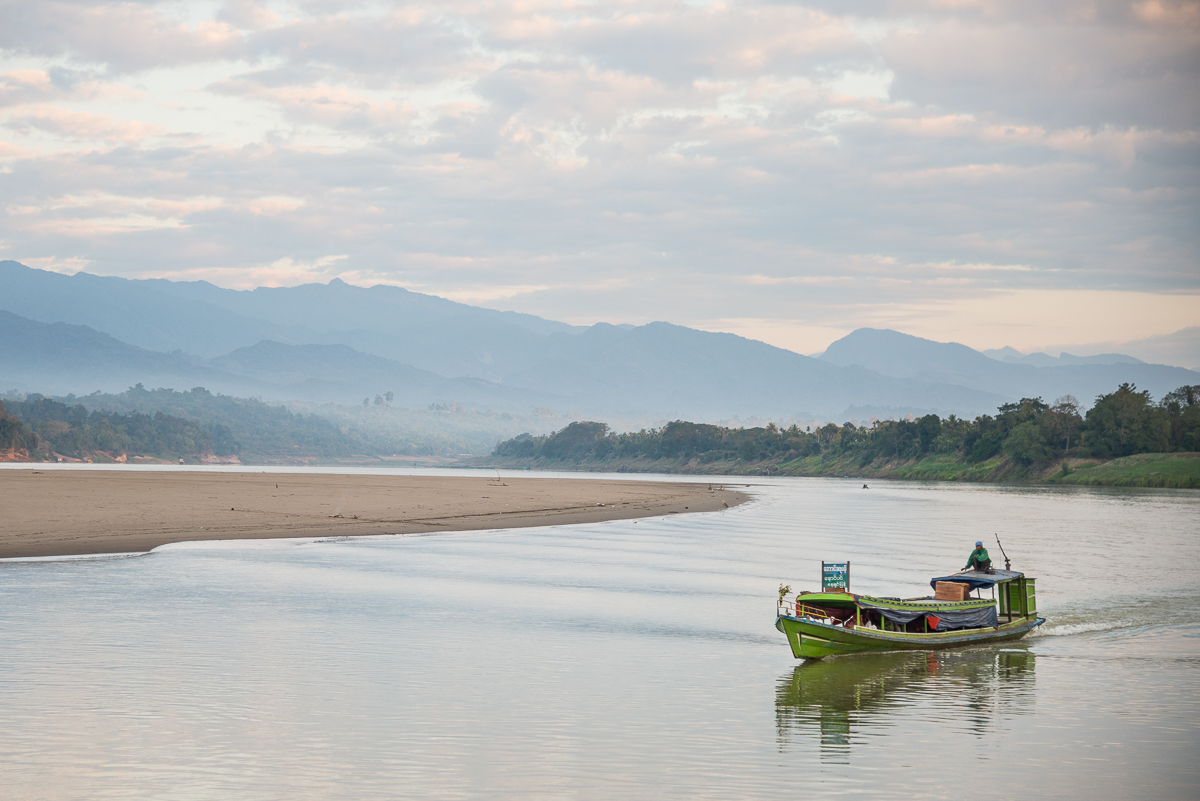
Inle Lake was another interesting stop in my tour of Burma — but the core and highlights of the trip were still to come.

_JCE1482

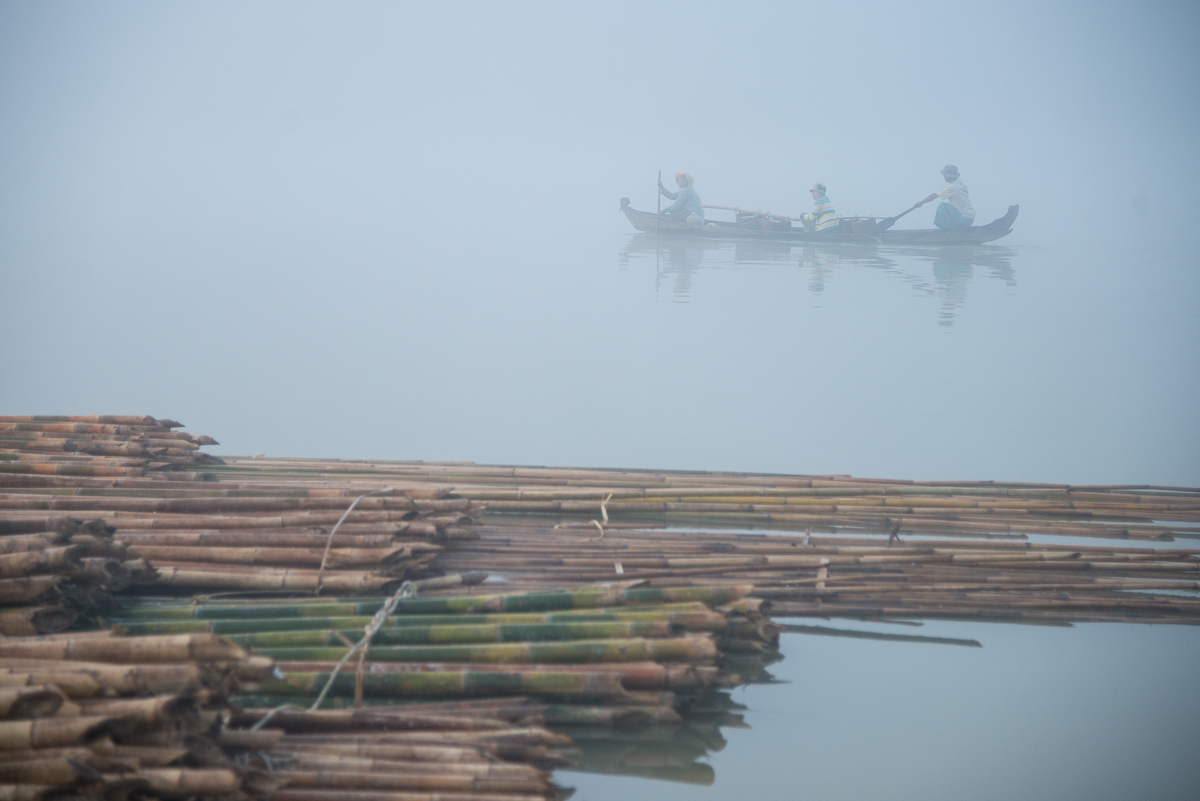
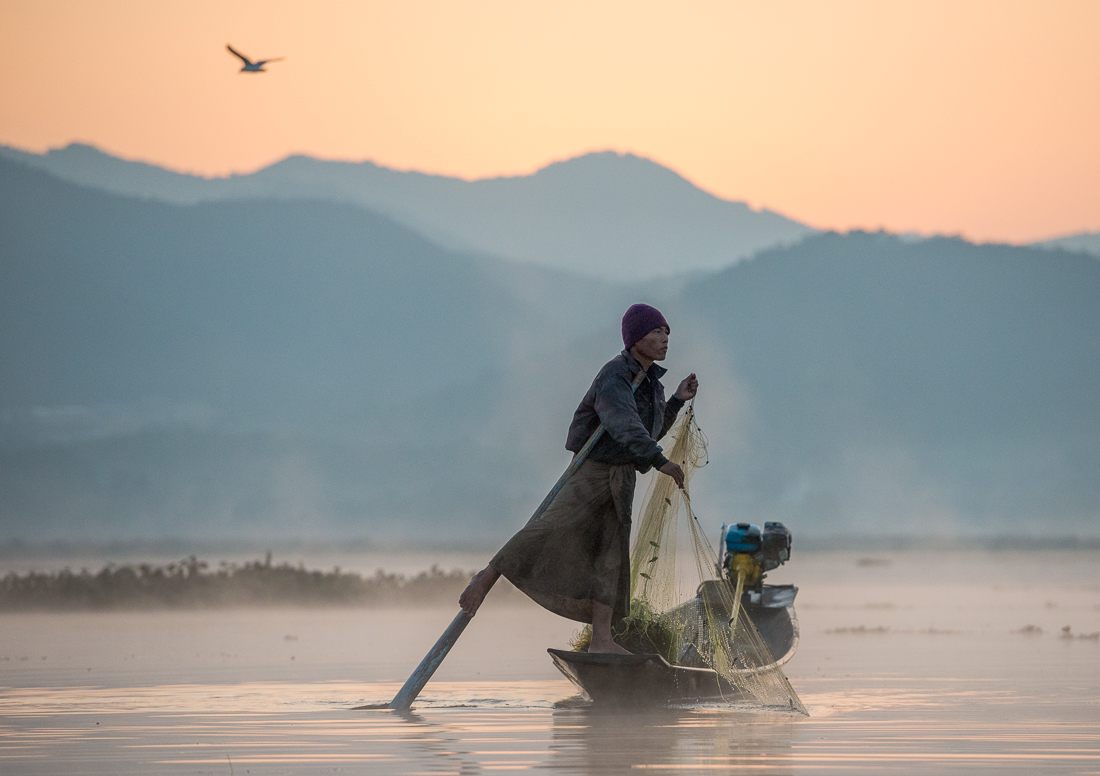
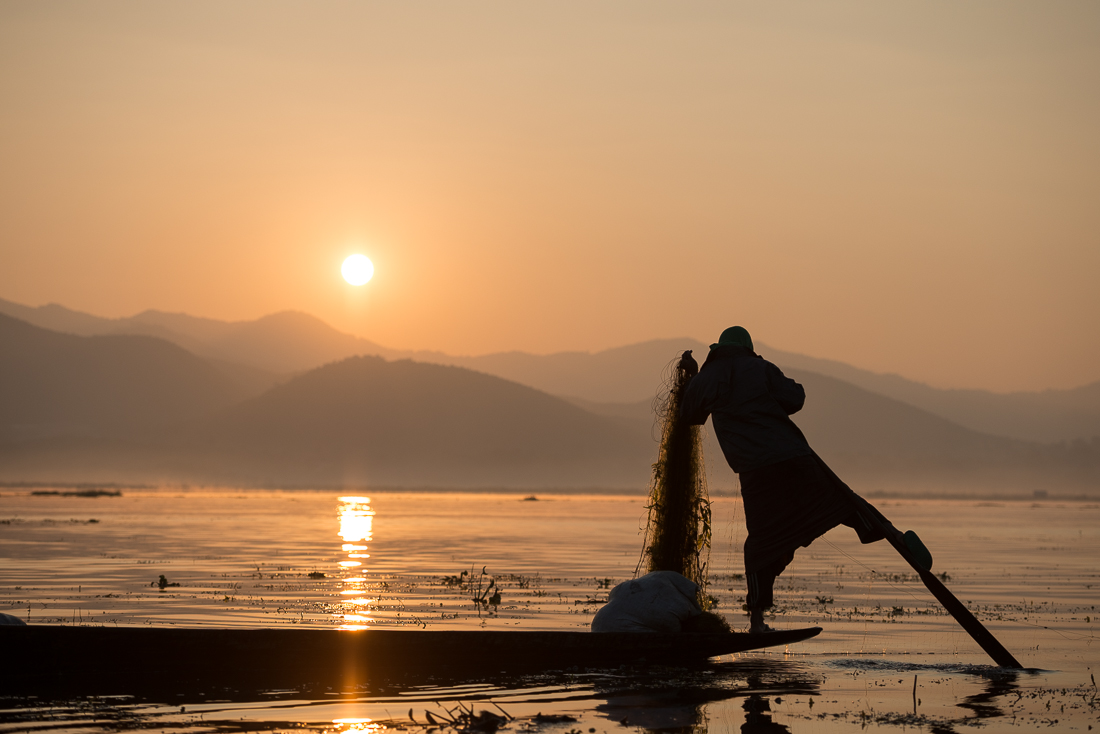
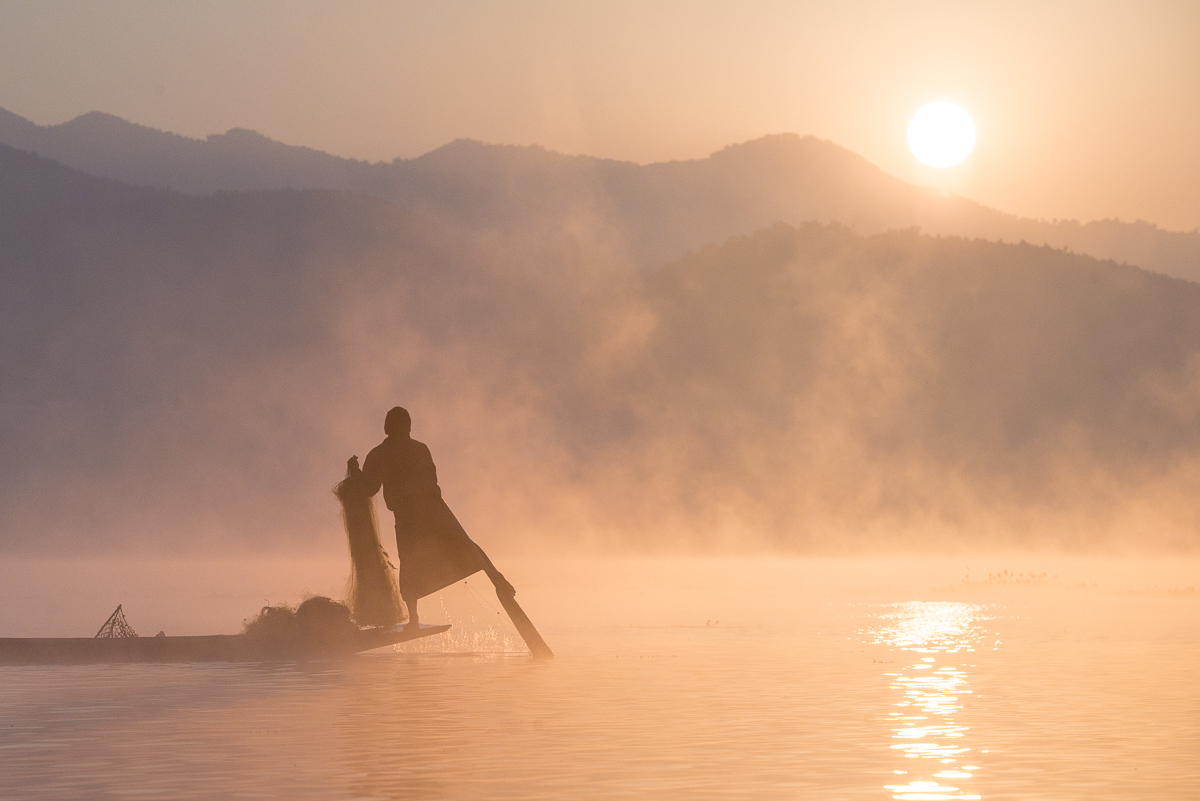
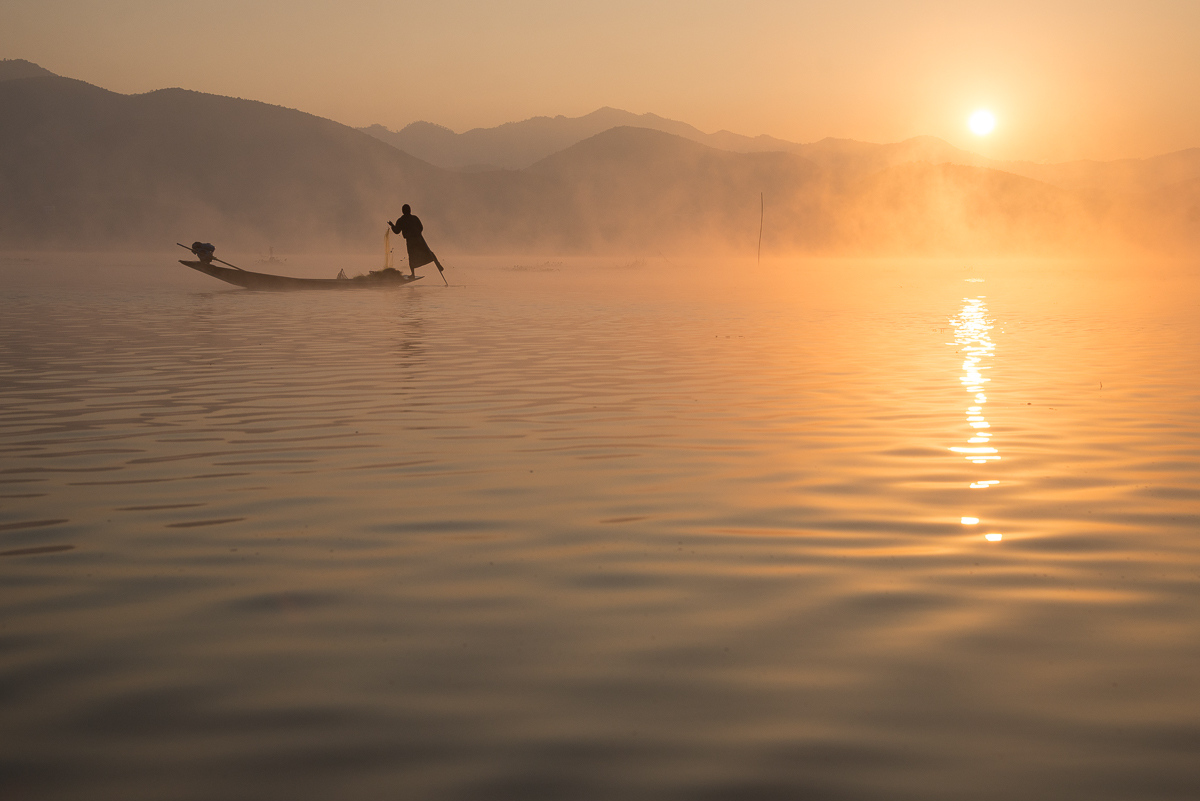
One of Inle Lake’s foot-paddling fishermen, out on the lake before a foggy sunrise.


There’s a famous Monty Python comedy skit that takes the “we-walked-to-school-uphill-in-snow” joke to its ultimate absurd level. Four Englishmen are talking about their childhood homes: One claimed to have lived in a shoebox in the middle of a road.  Another calls a tiny house “Luxury!” and claims that his own family had lived “in a lake” (and then it gets even sillier).  I thought about that lake-dwelling Englishman when I got to Inle Lake in central Burma.

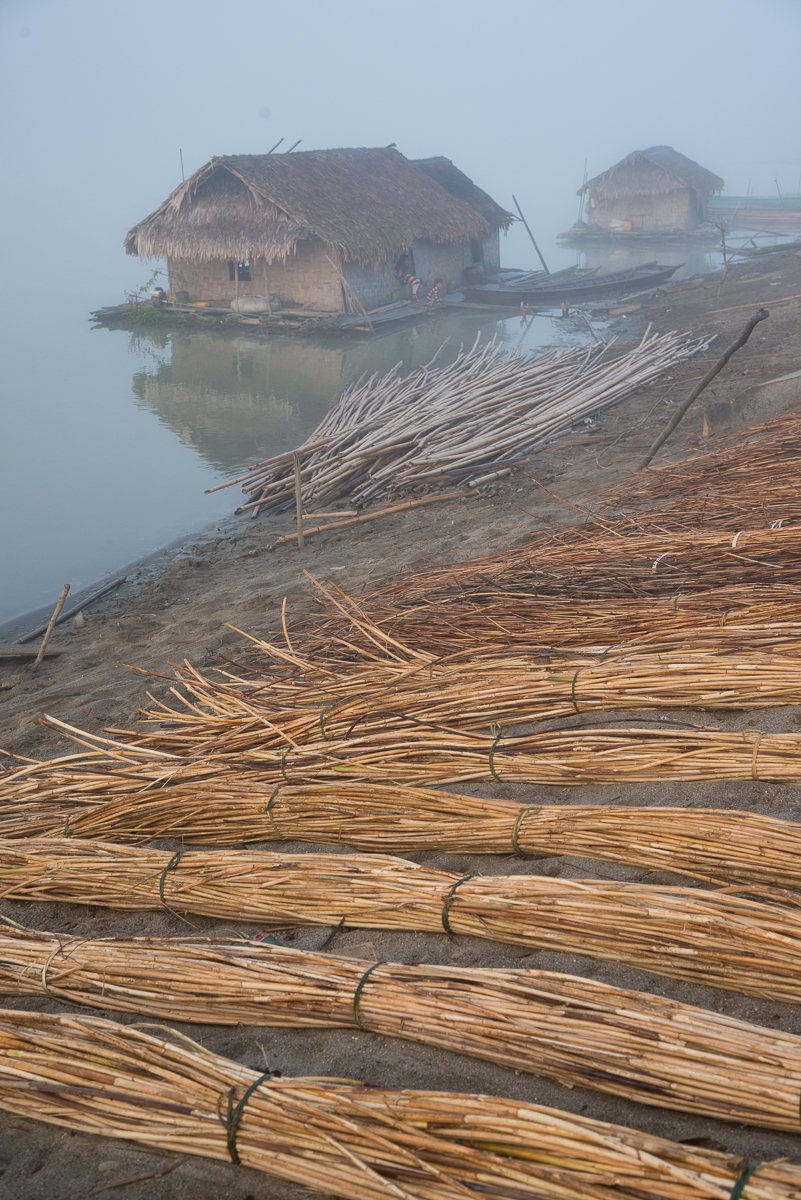
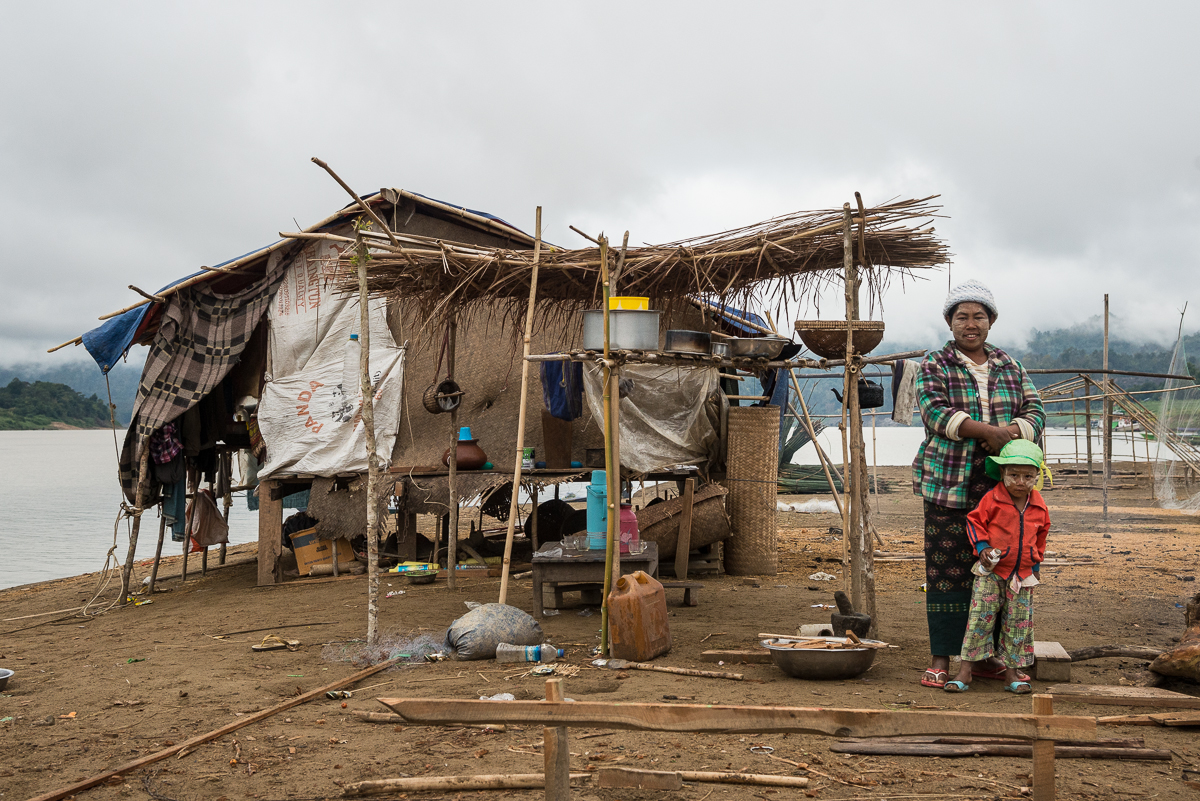
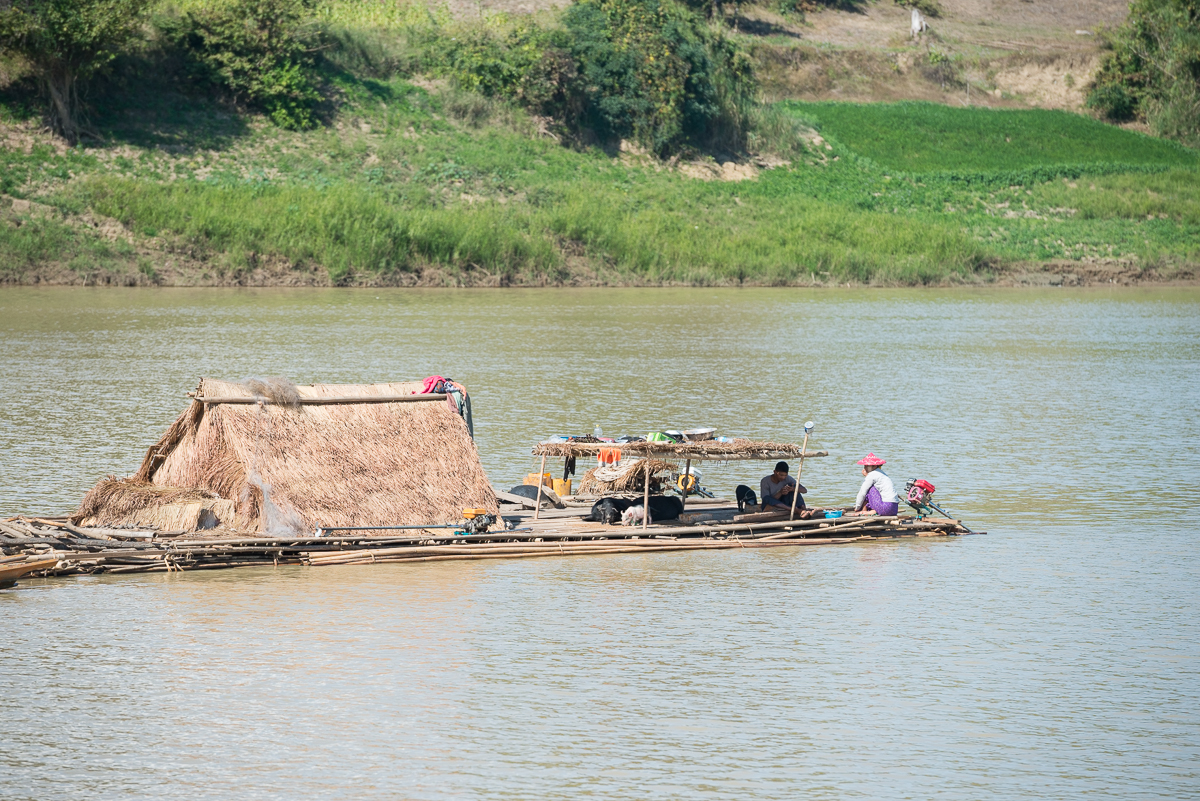
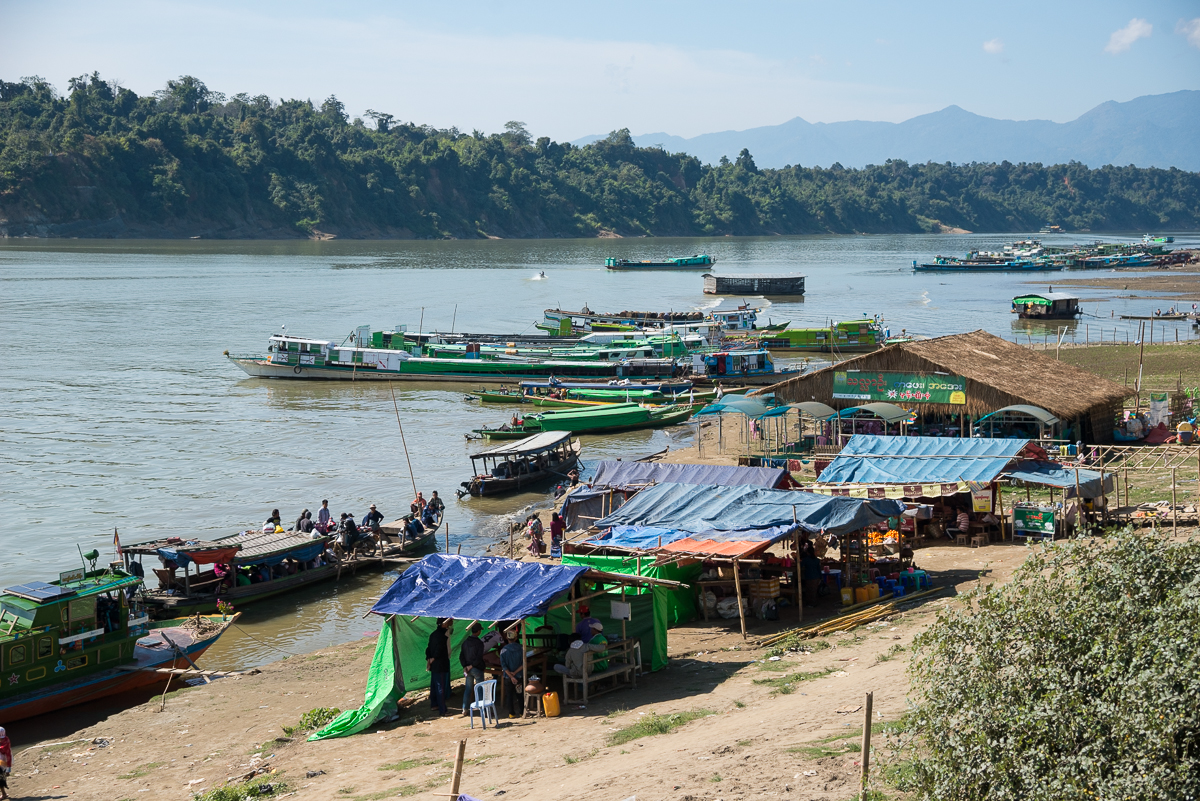
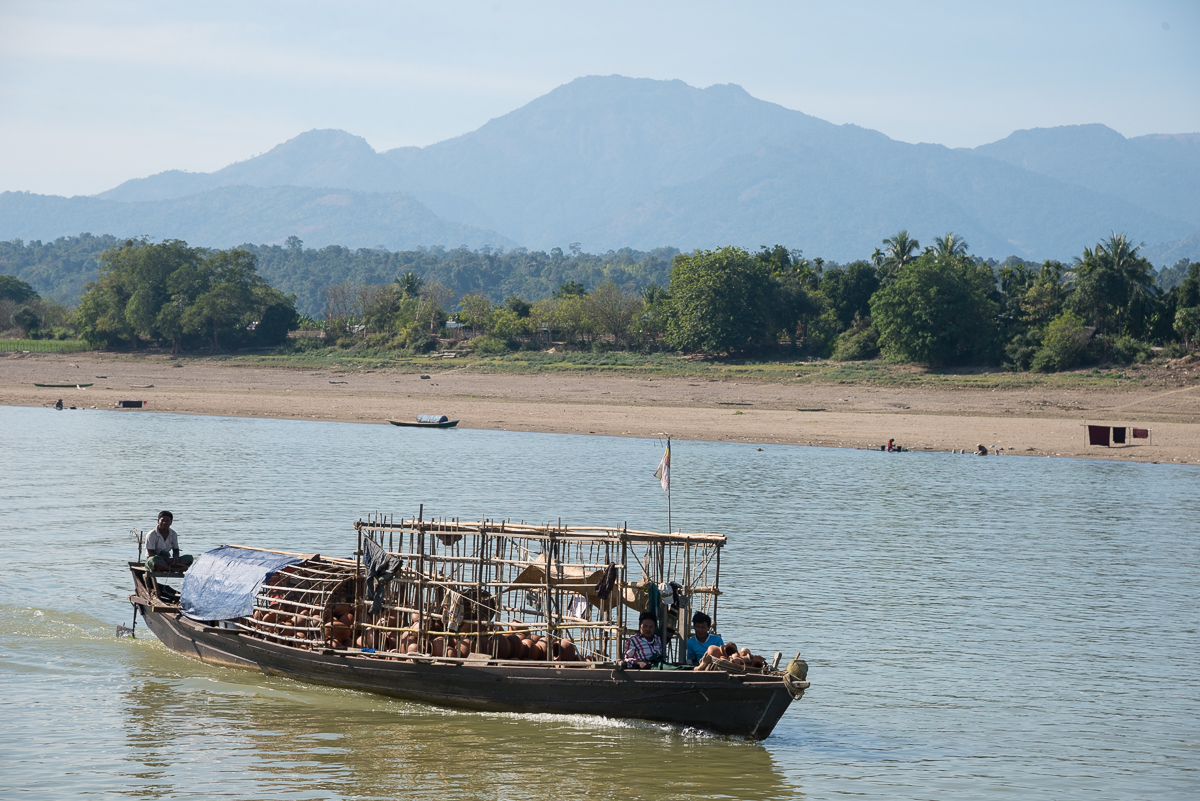
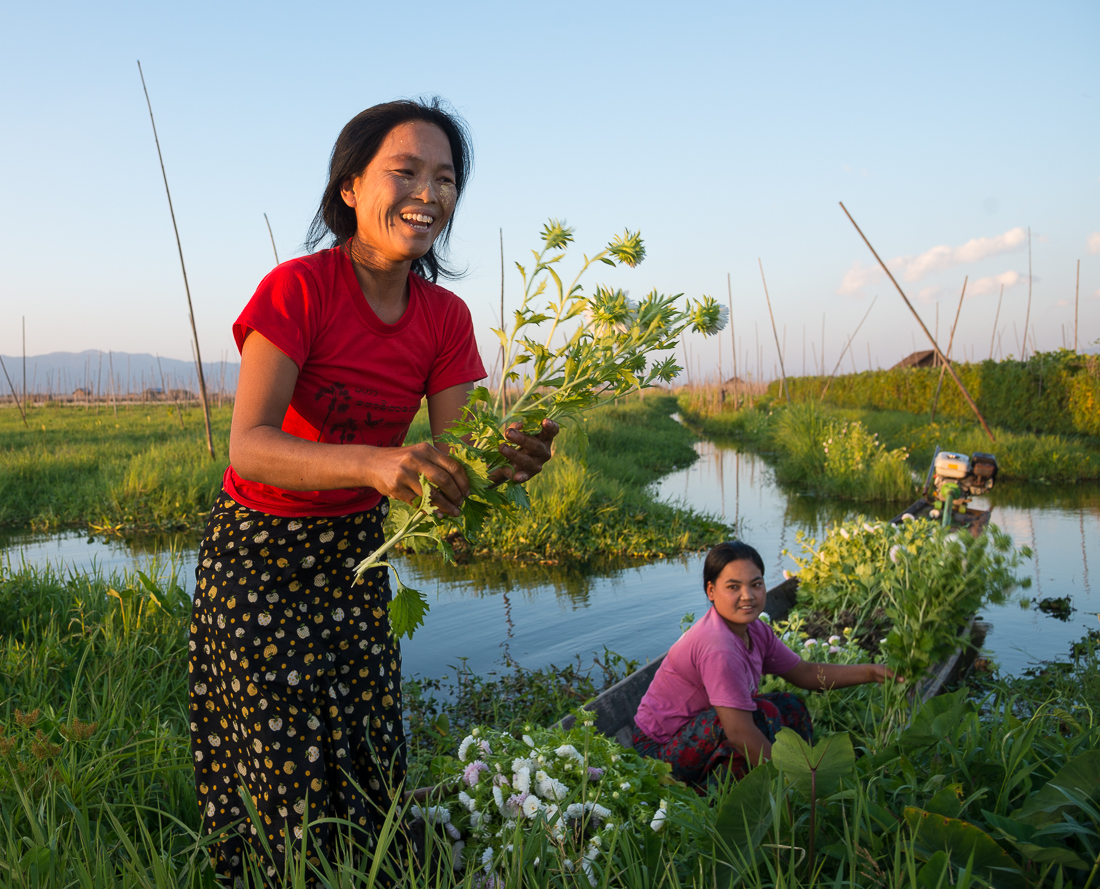
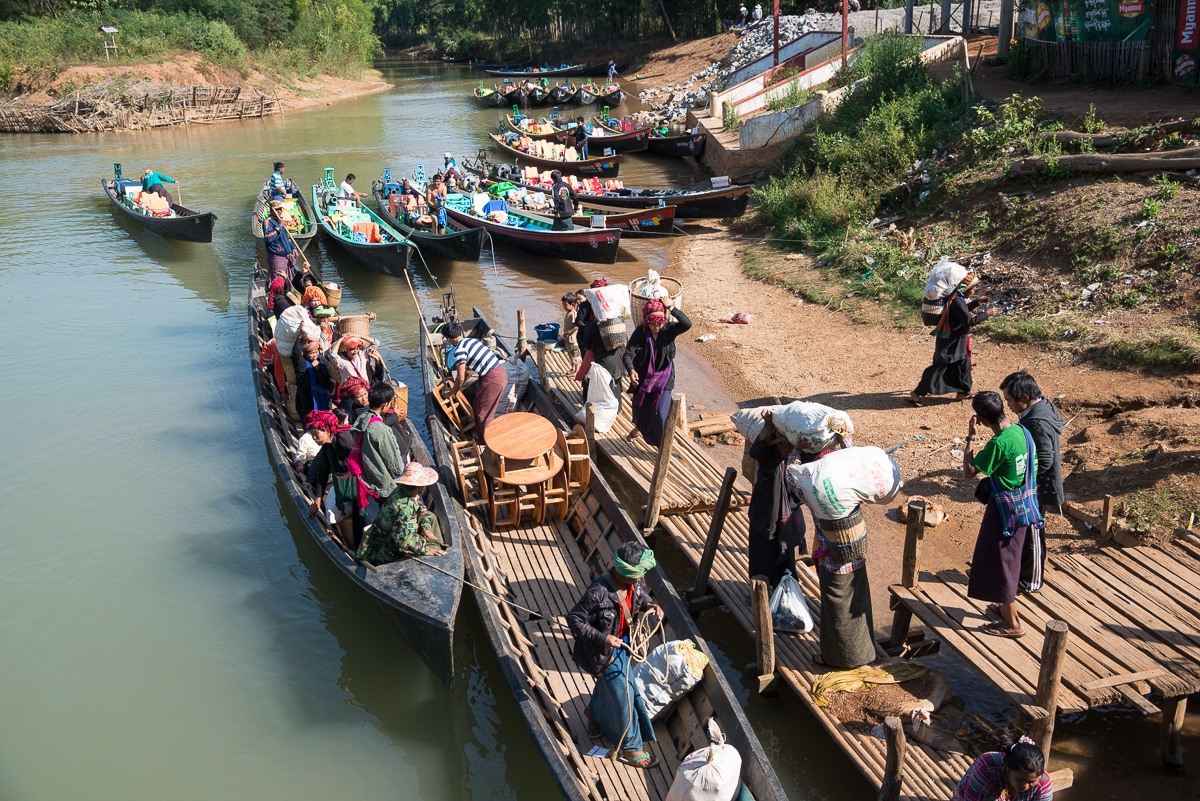
Kaylar village at Inle Lake isn’t just lakeside.  And unlike Venice these aren’t just canals. The houses and shops (and, e.g., the post office) are built on stilts in the lake. People fish and farm, but even the farming (mostly tomatoes and flowers*) is hydroponic — on floating mats tied down in long rows right in the middle of the lake.  What looks like grass on the shore in these pictures are mostly plants floating in about six feet of water.


_JD84262.jpg_JD84329.jpg_JD84866.jpg_JD85224.jpg


_JD84347

These ladies were harvesting flowers that had grown in those floating garden rows you can see in the background. They’re out in the middle of the lake.


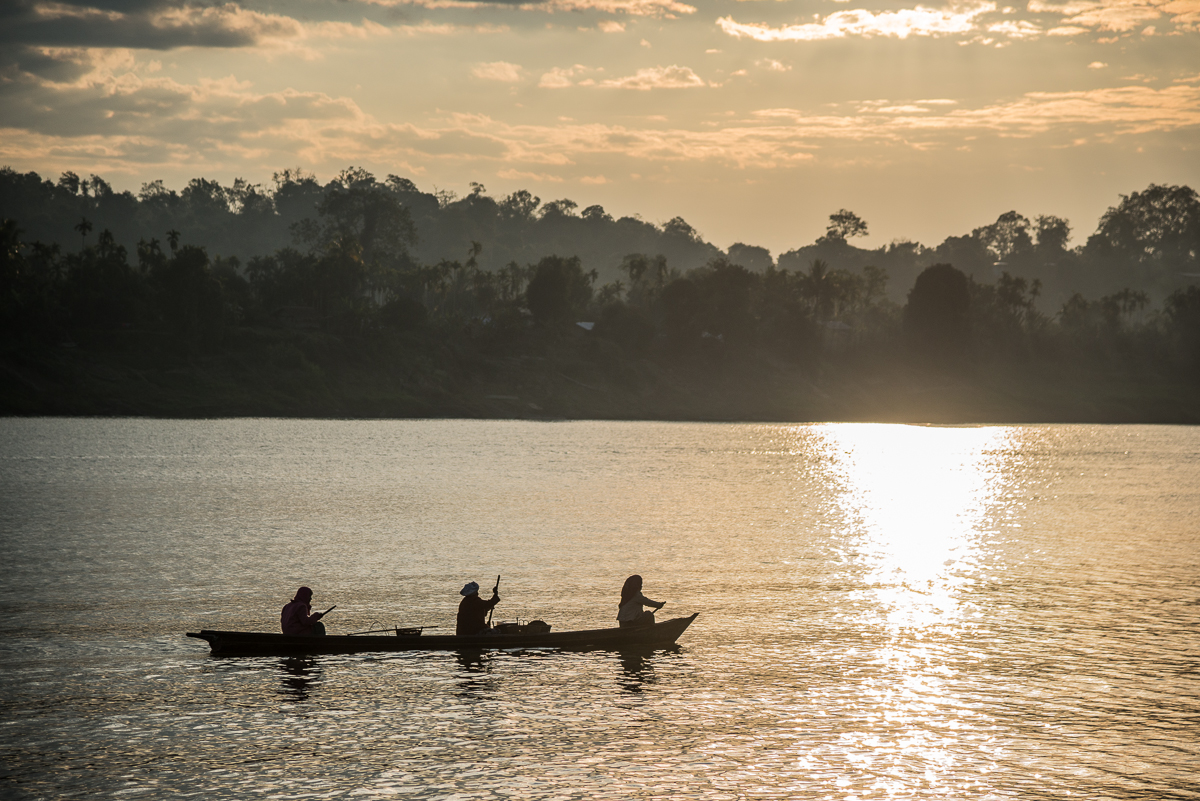
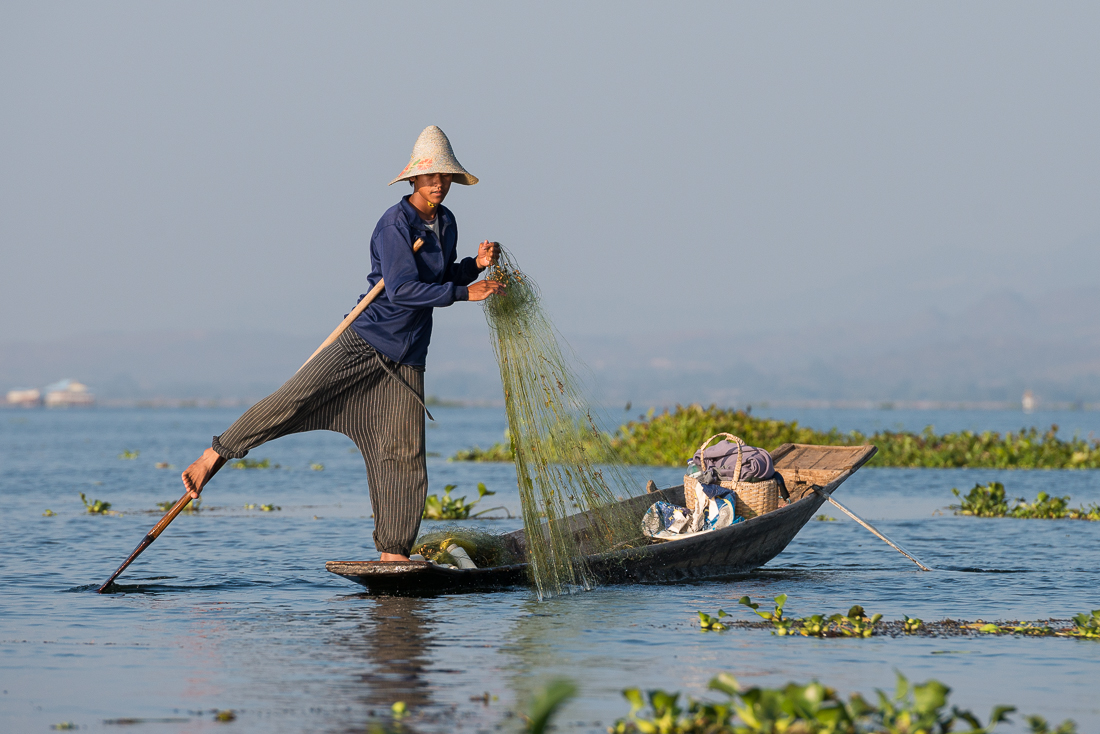
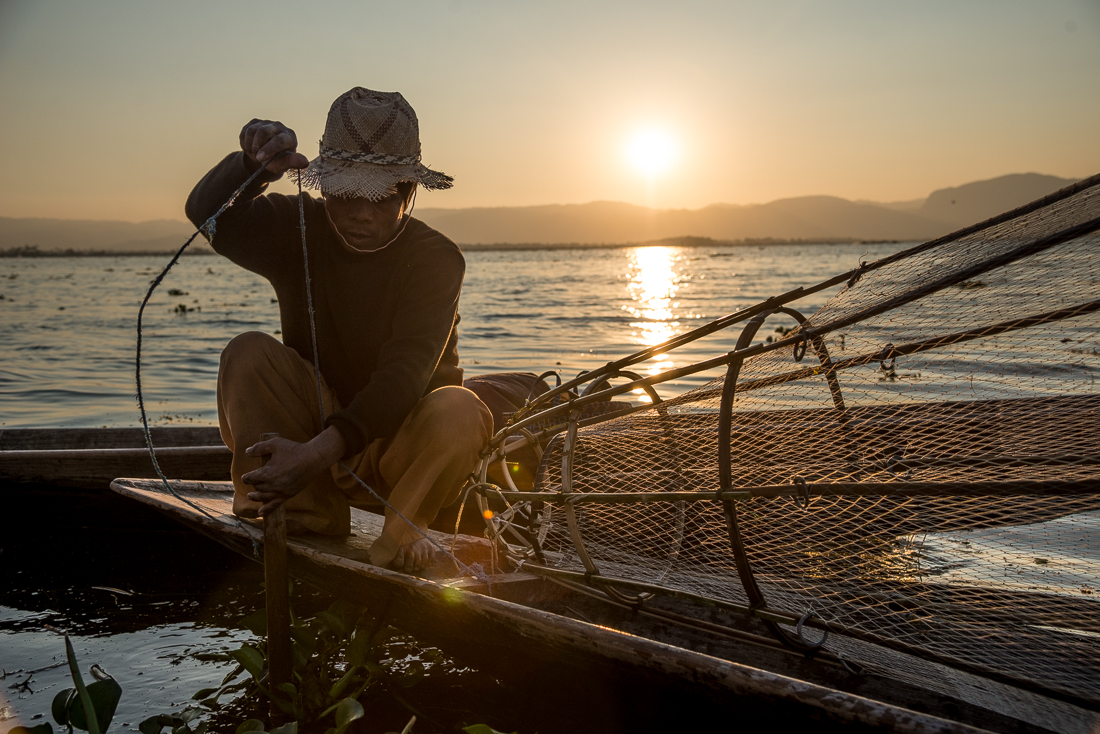
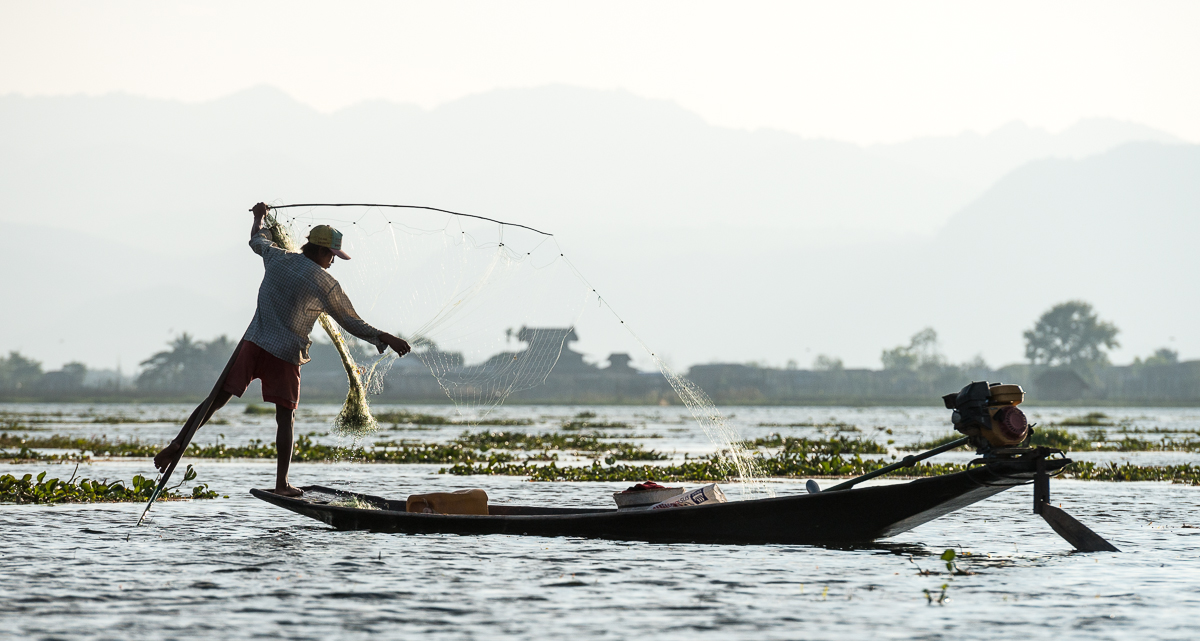
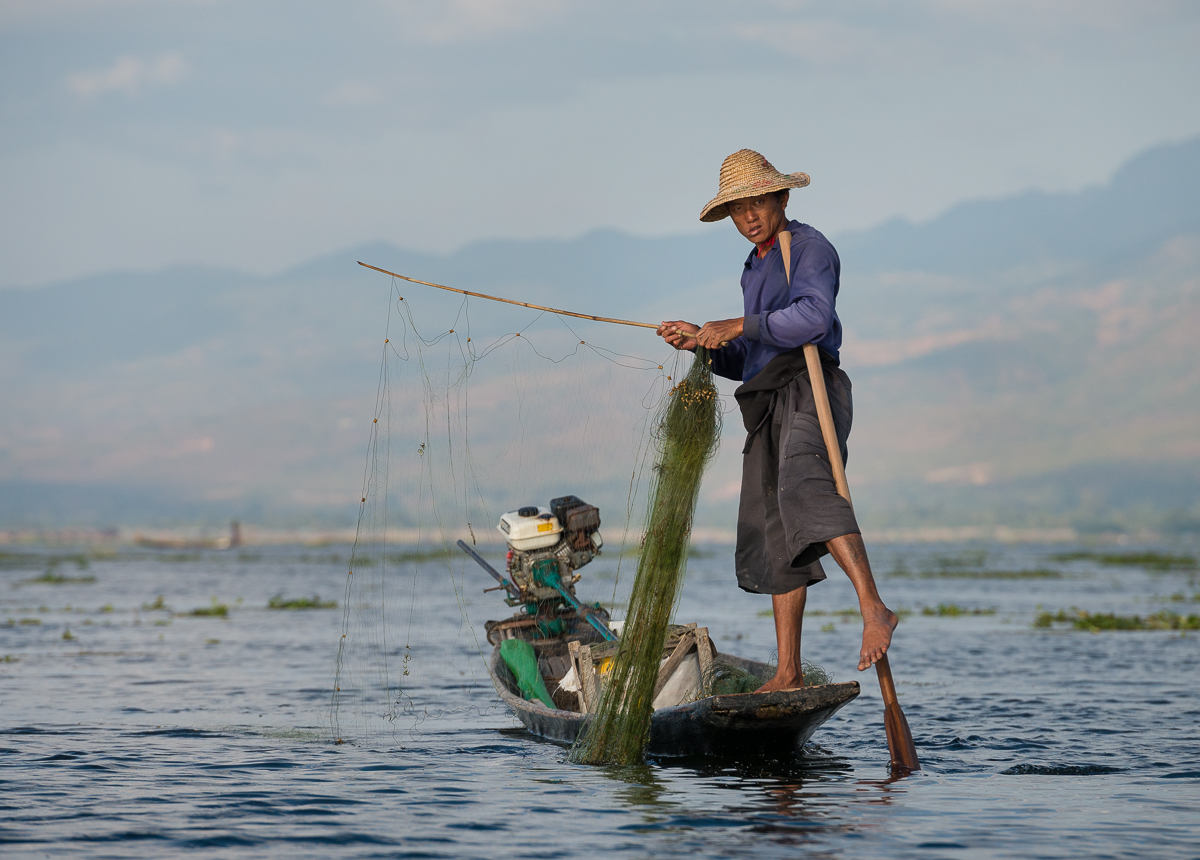
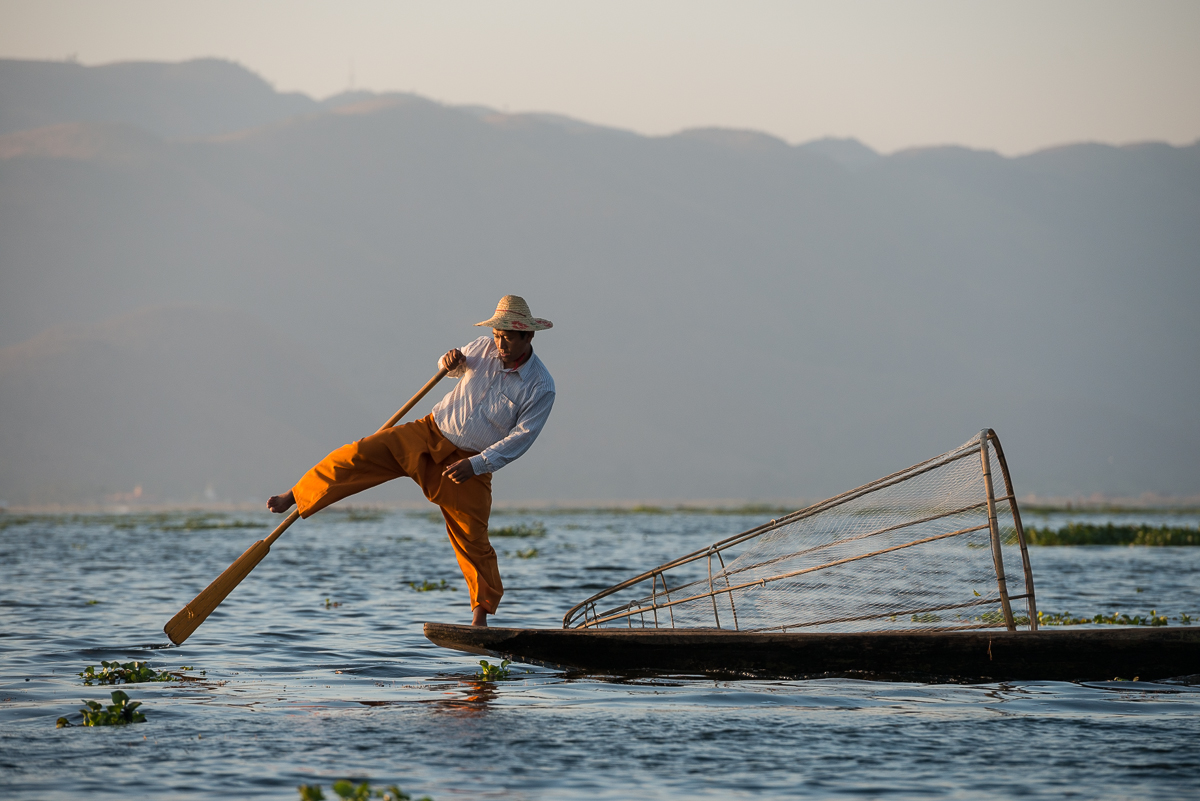
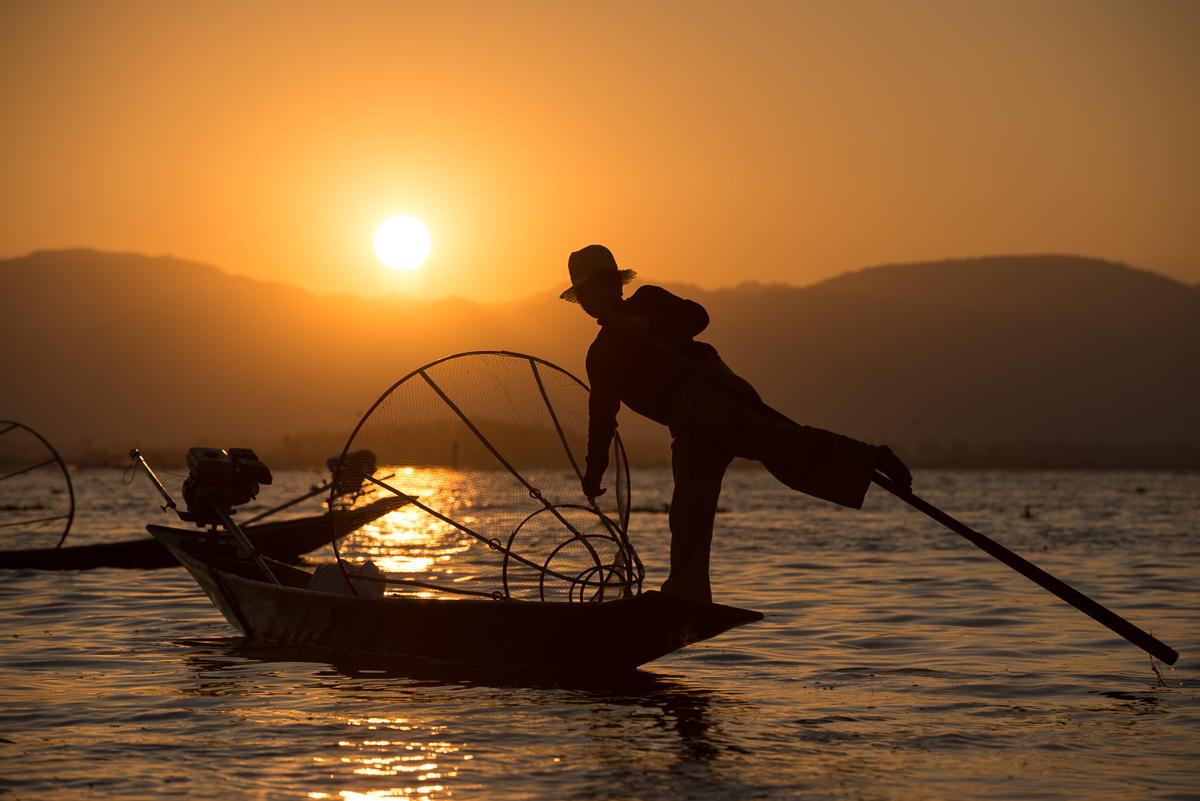
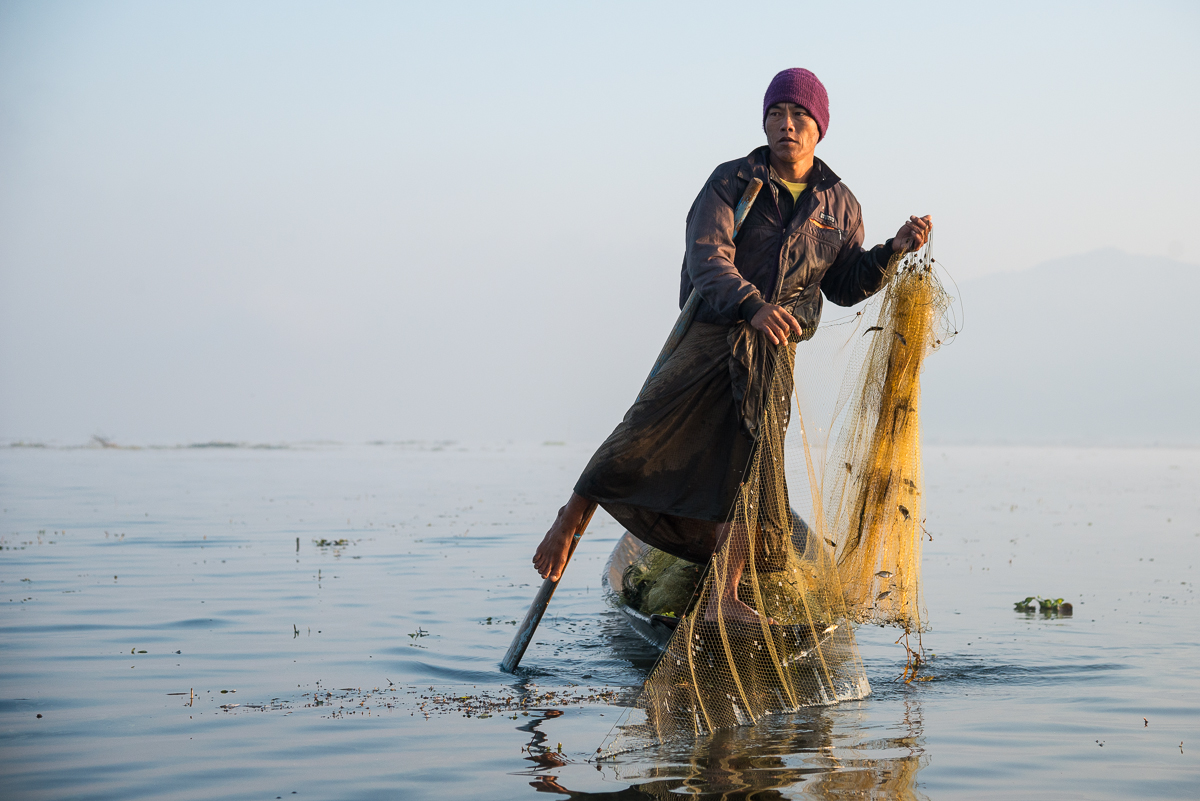
The fishermen at Inle Lake are famous for their unusual foot-paddling technique. They balance on one foot on the far end of their flat canoe-like boats and wrap their other leg around a long wooden oar. Fishing with their traditional cone-shaped net-traps required them to see and capture their prey in the clear shallow water, so the foot-paddling kept hands free to deal with nets and fish, and allowed much better vision down into the water.   Now small gas motors get them out to their fishing grounds, and nylon nets have made those cone-nets mostly obsolete, but foot-paddling is still the norm while actually out there fishing. The one-footed balancing is impressively graceful; it’s an especially fascinating sight in the quiet, still mornings as the sun rises over the lake.


_JCE0808.jpg_JCE1100.jpg_JCE1548.jpg_JD84413.jpg_JCE1339.jpg_JCE0500.jpg_JCE1394.jpg_JCE1419.jpg_JD85447.jpg_JCE0710.jpg_JD85558.jpg_JD85344.jpg
_JCE1208

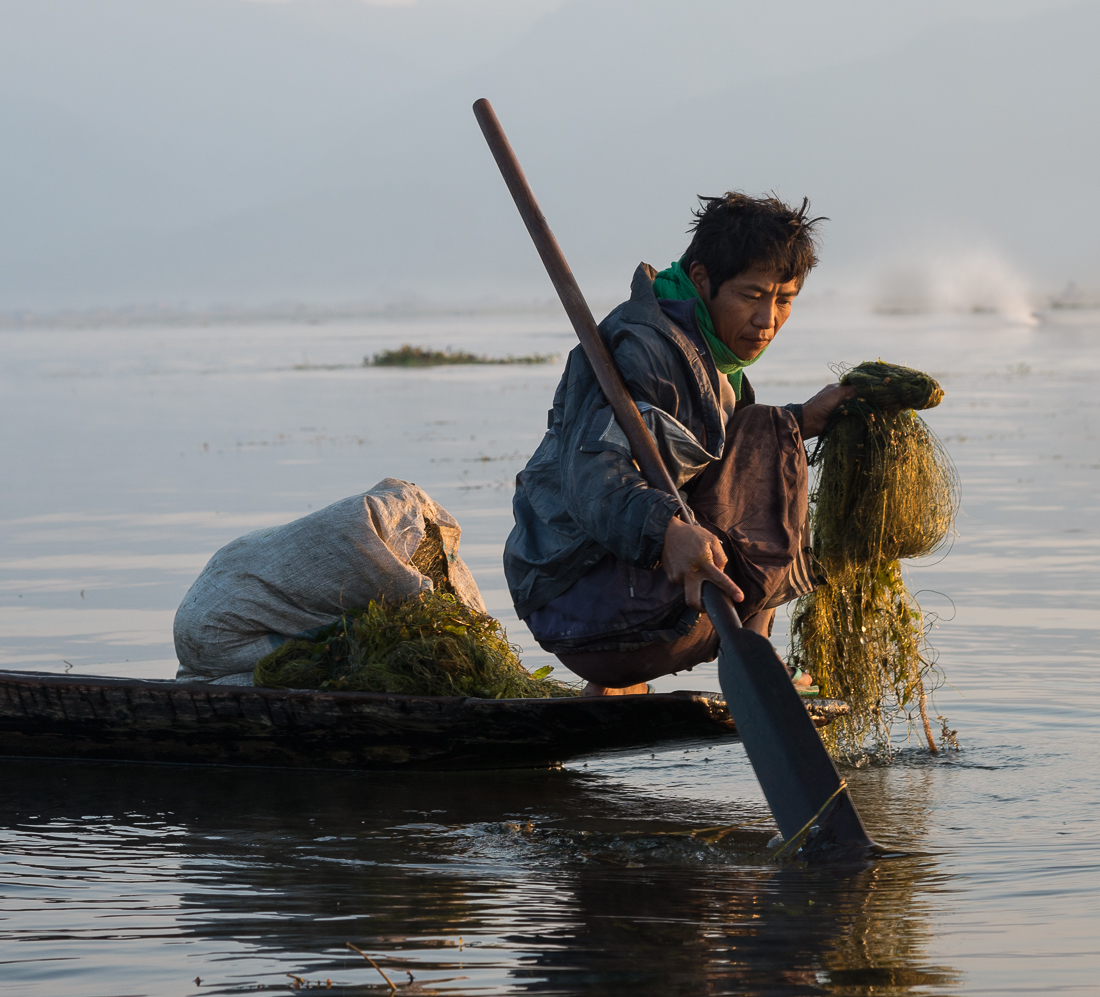
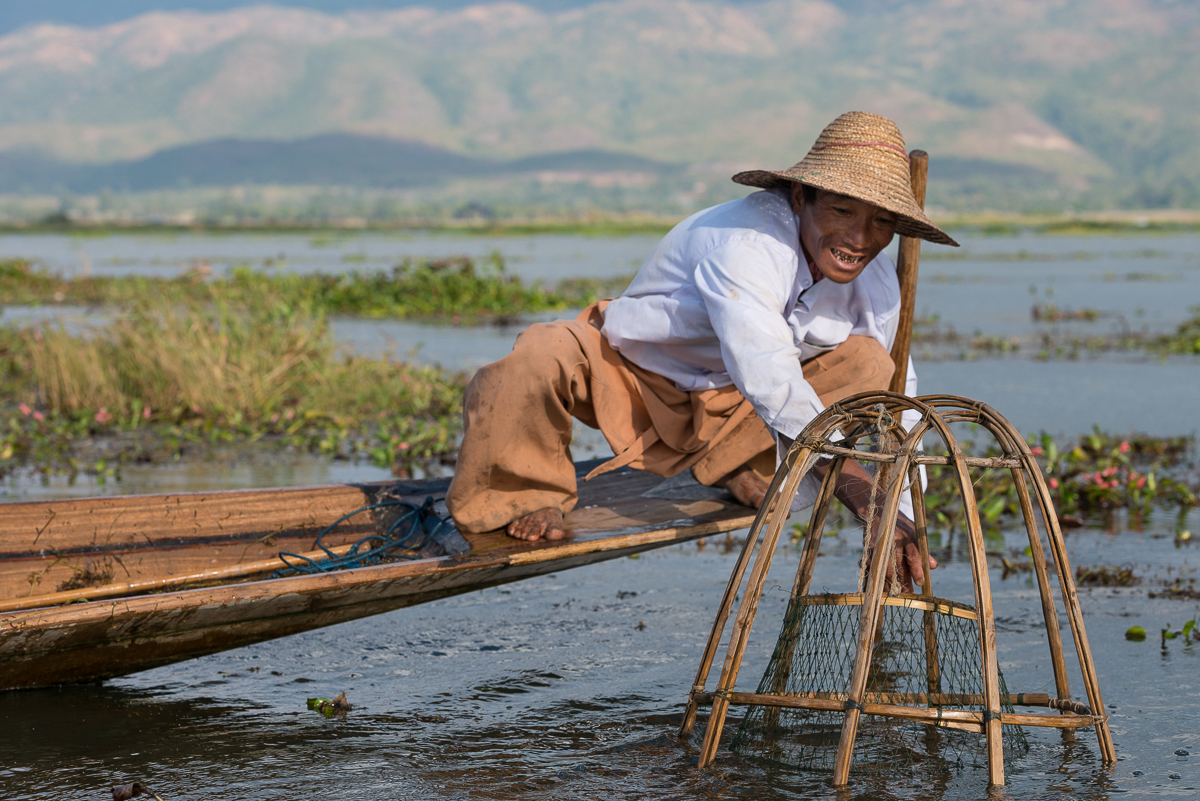
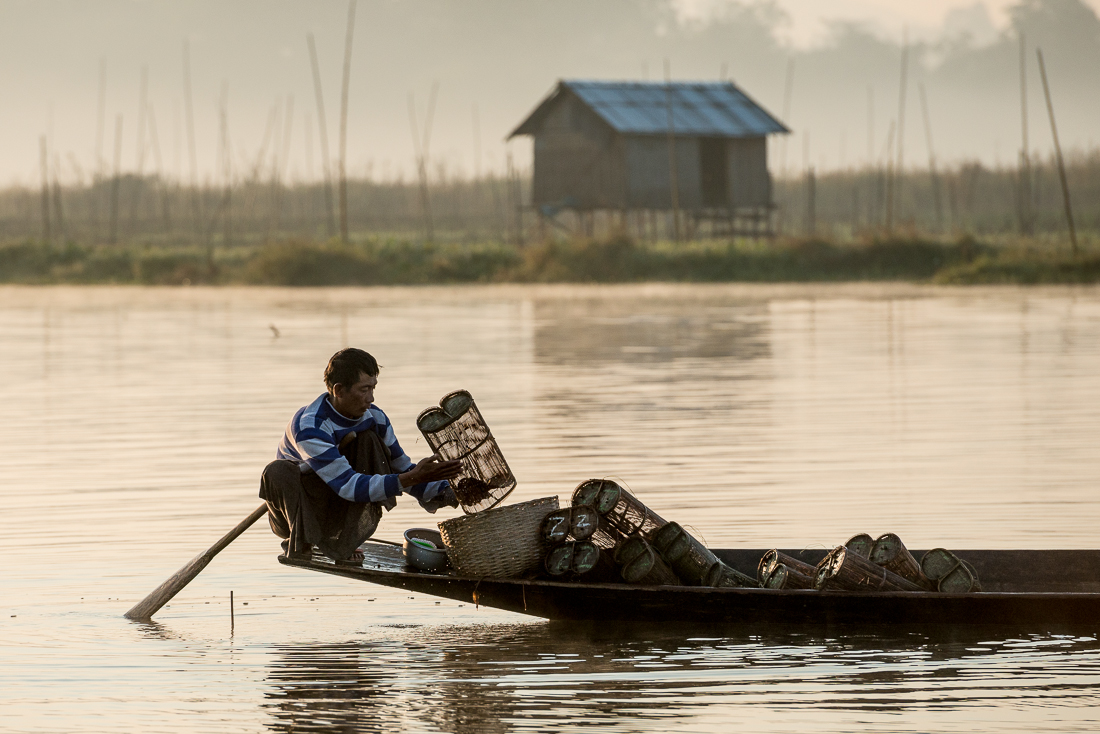
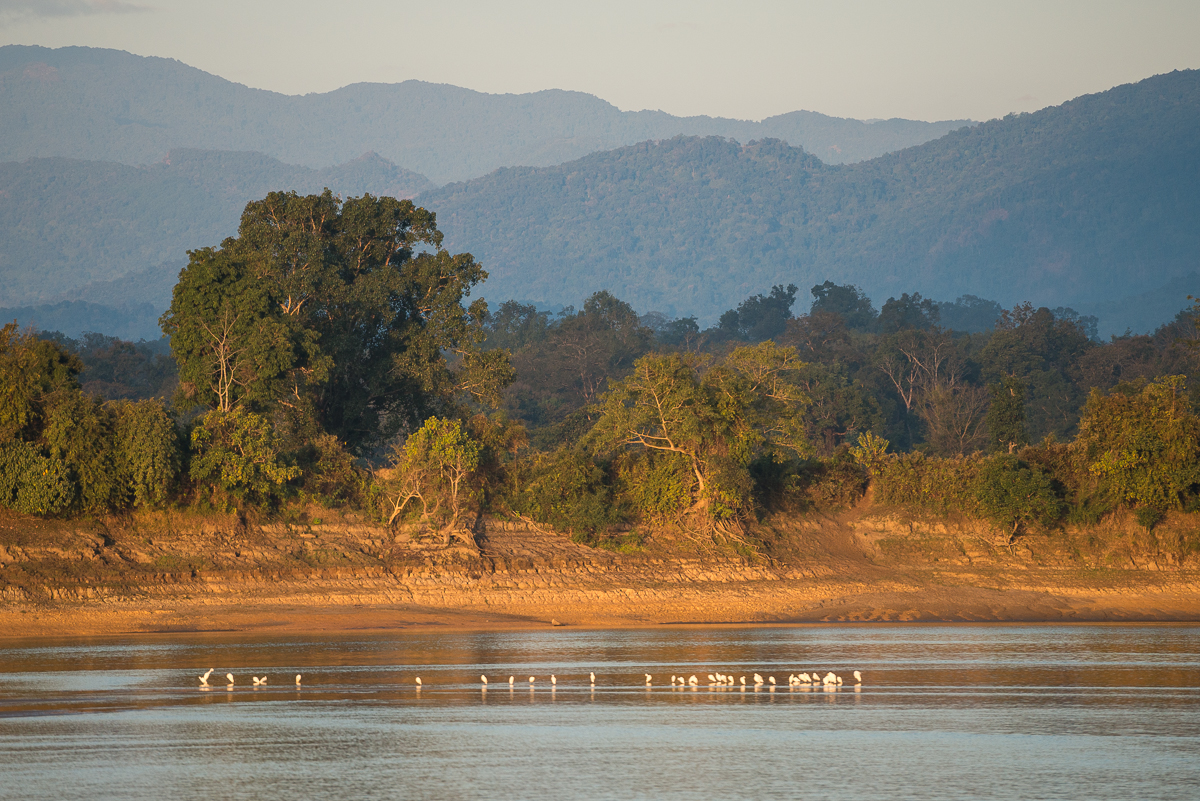
This guy was after some sort of shrimp or crawdad. Notice that he has traps instead of nets.  In the distance are some of the hydroponic farm plots in the middle of the shallow lake.

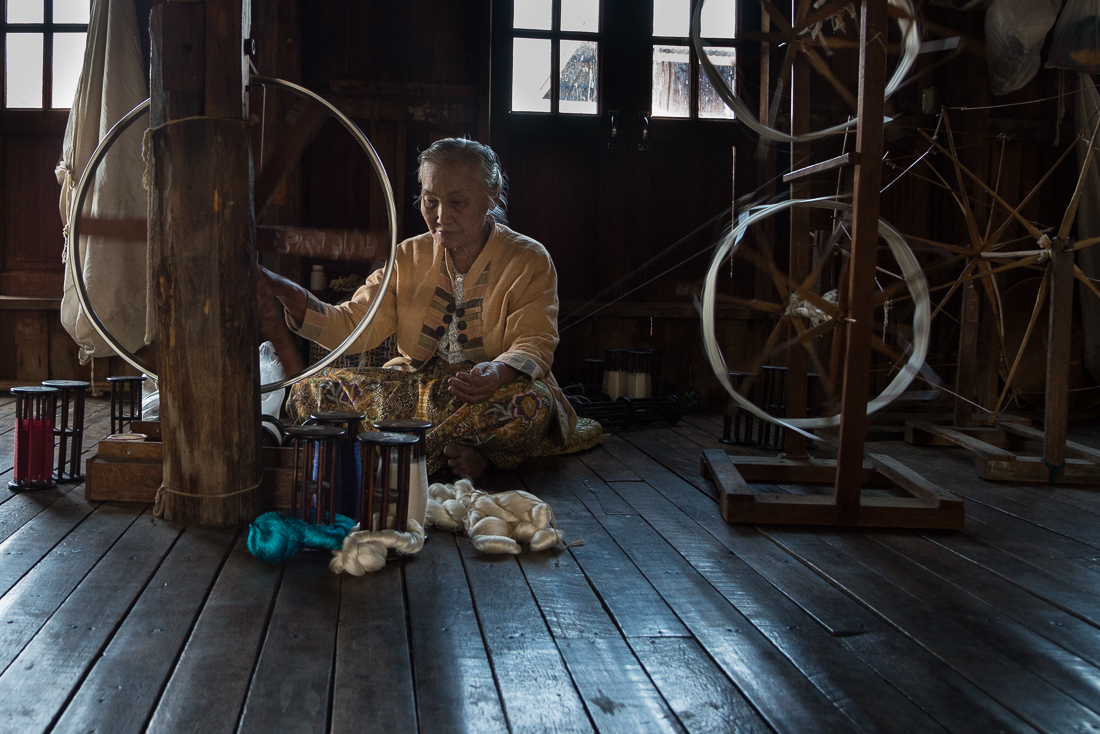
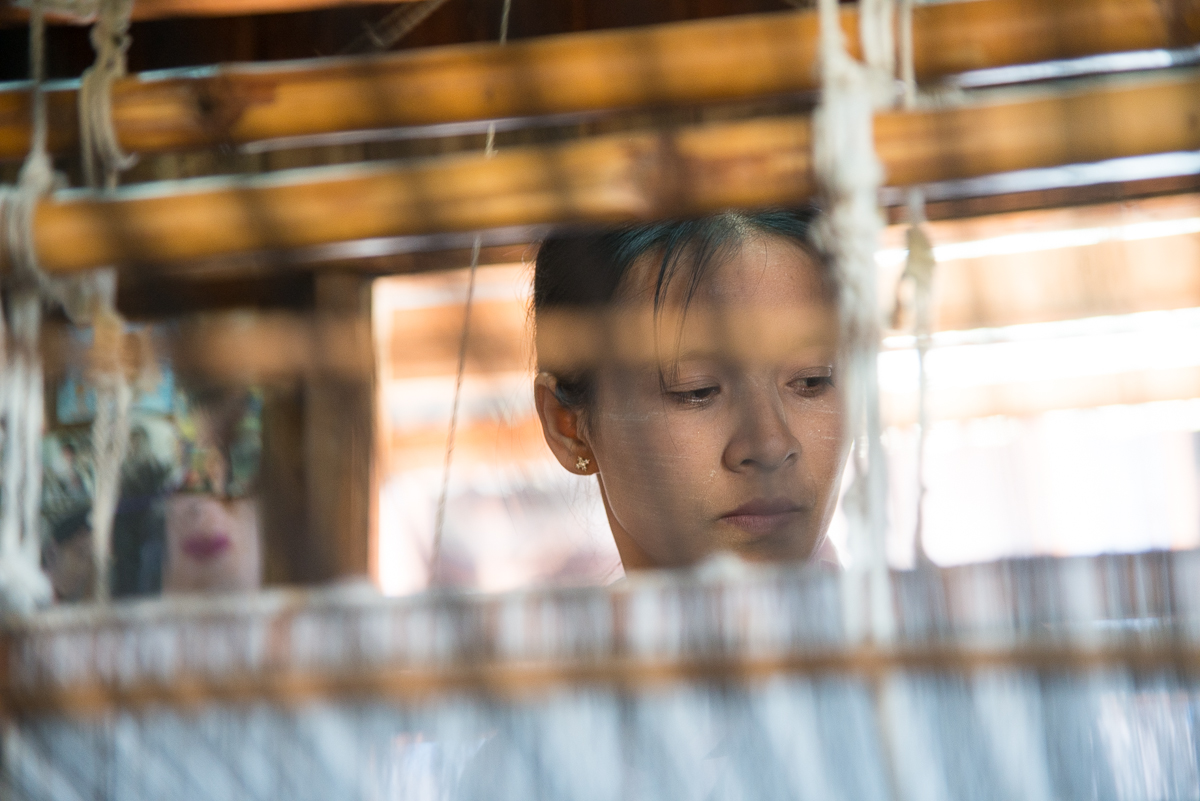
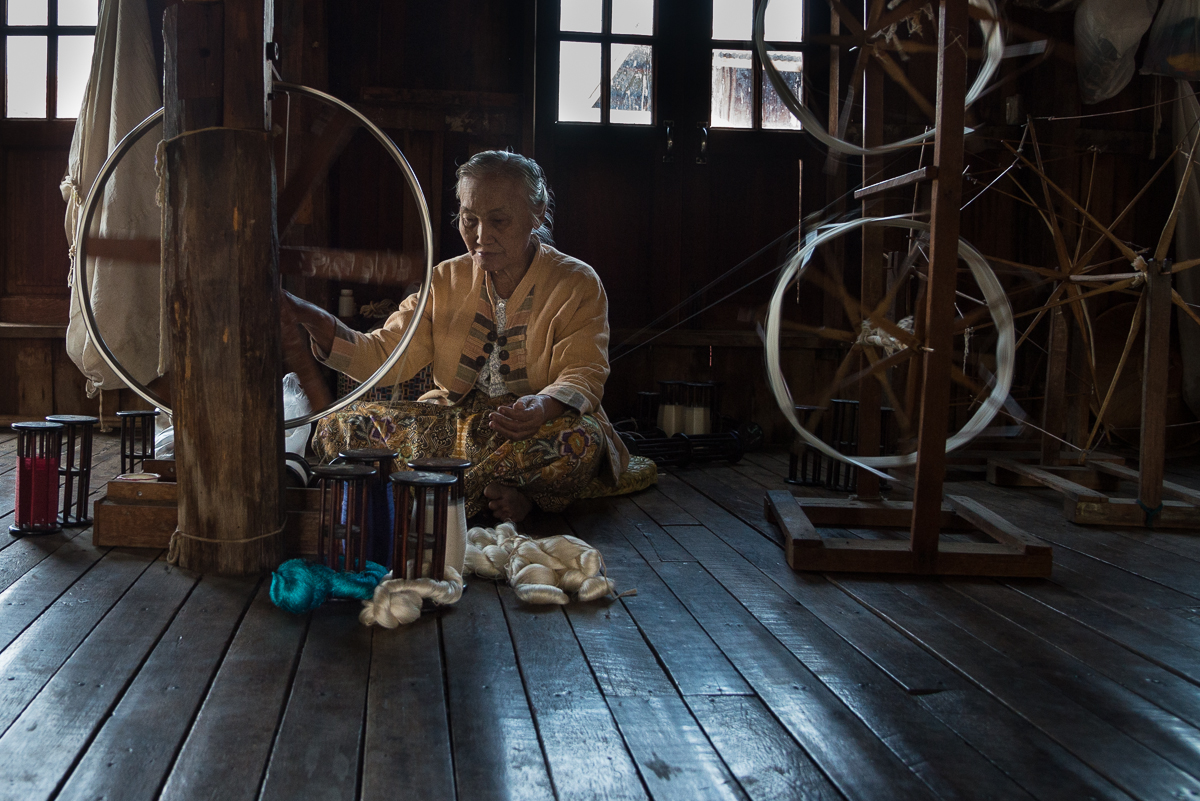
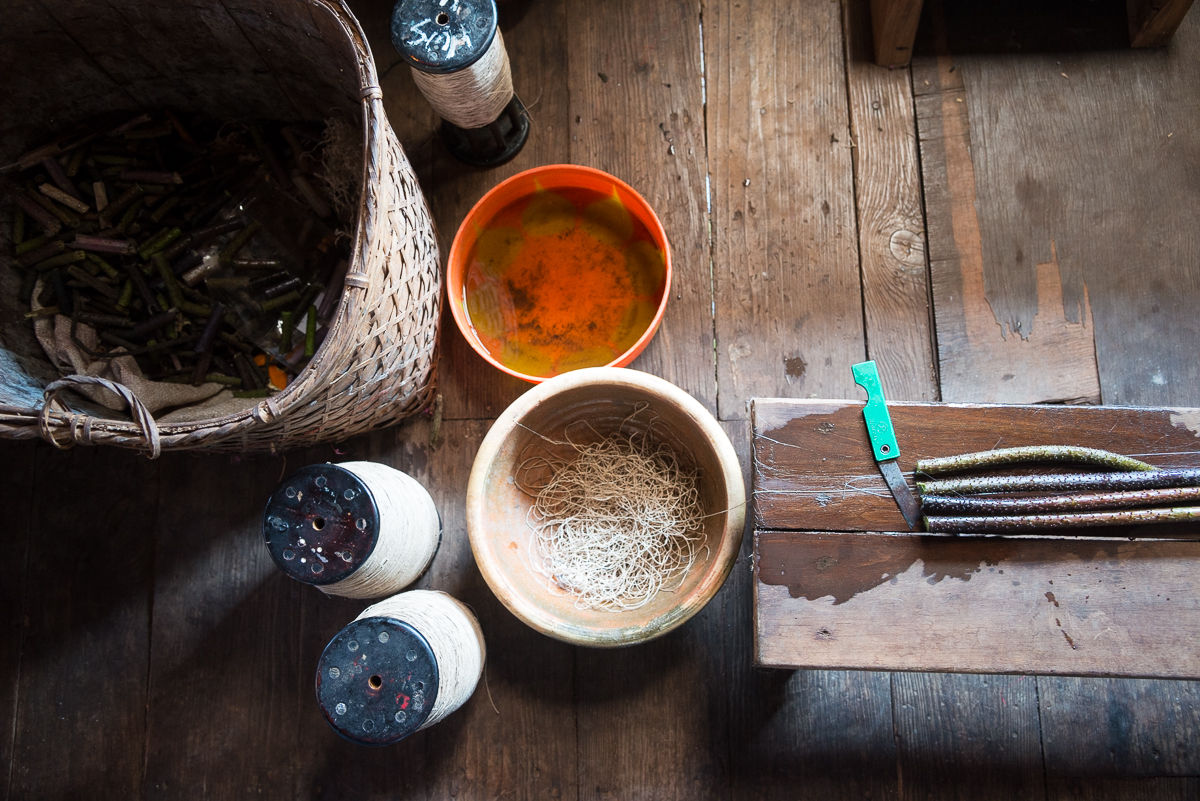
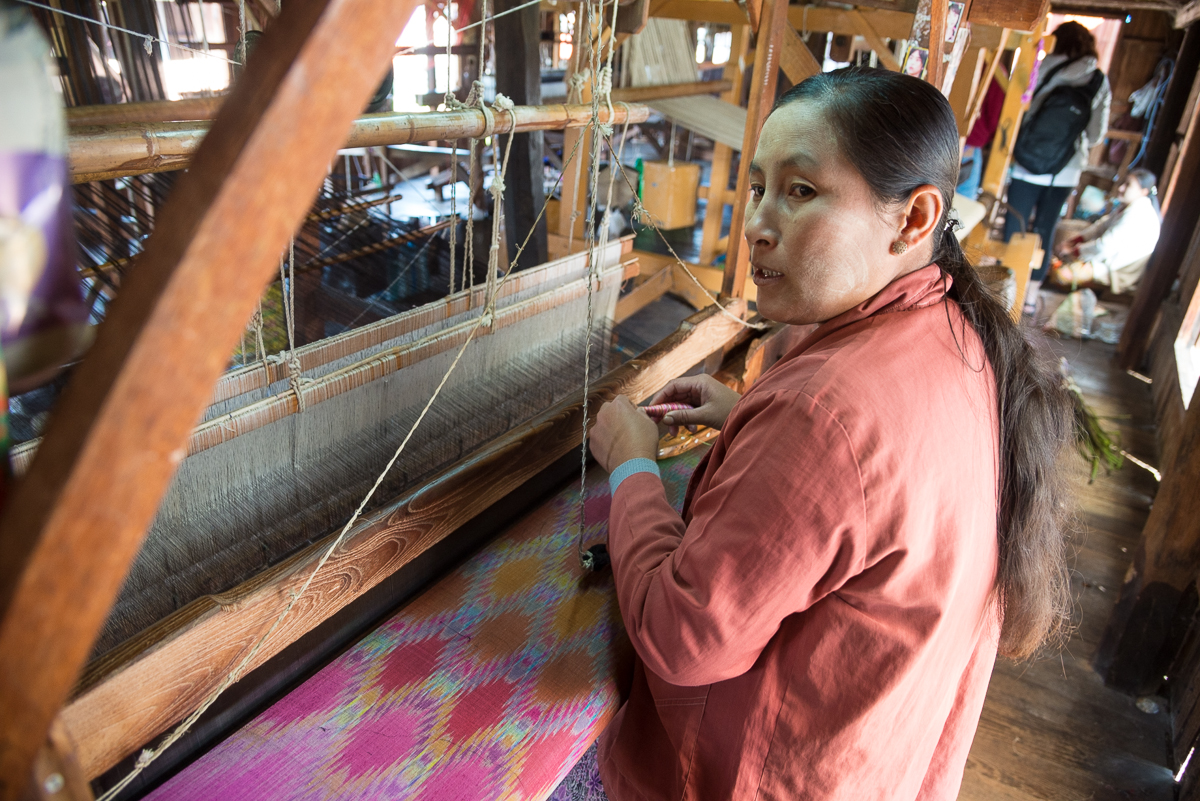
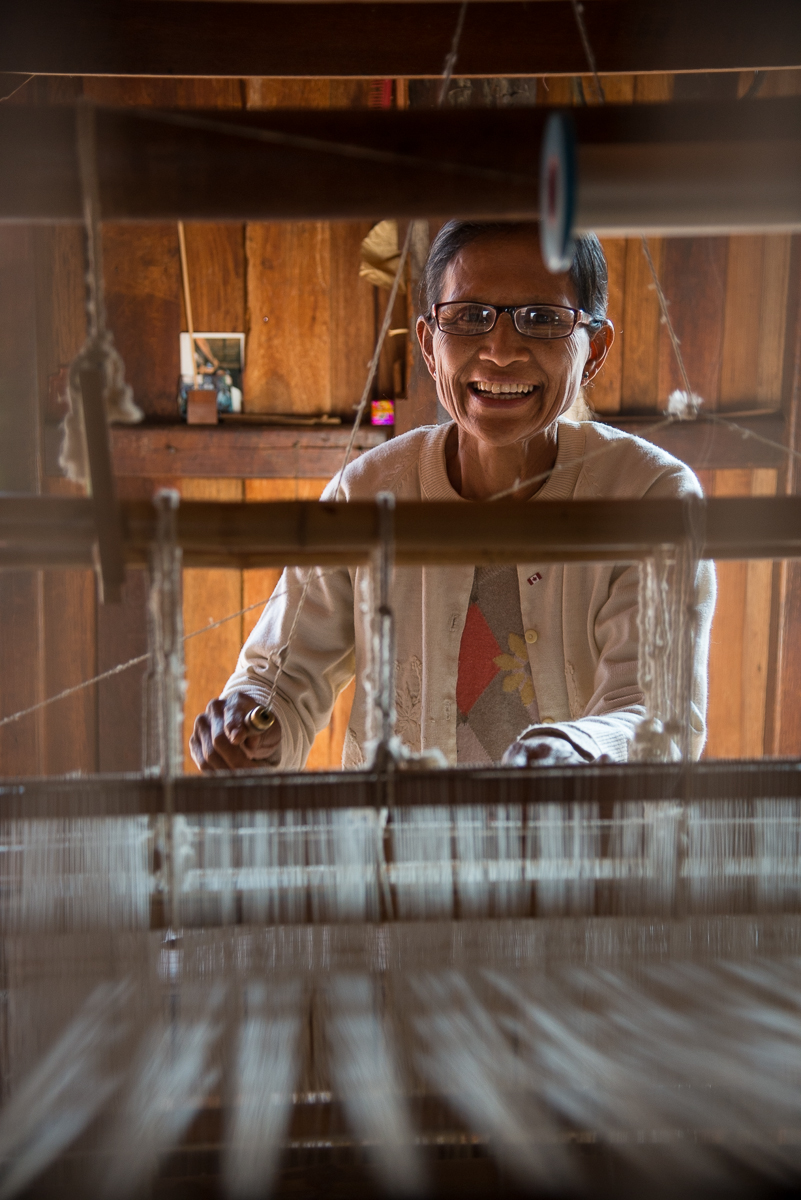
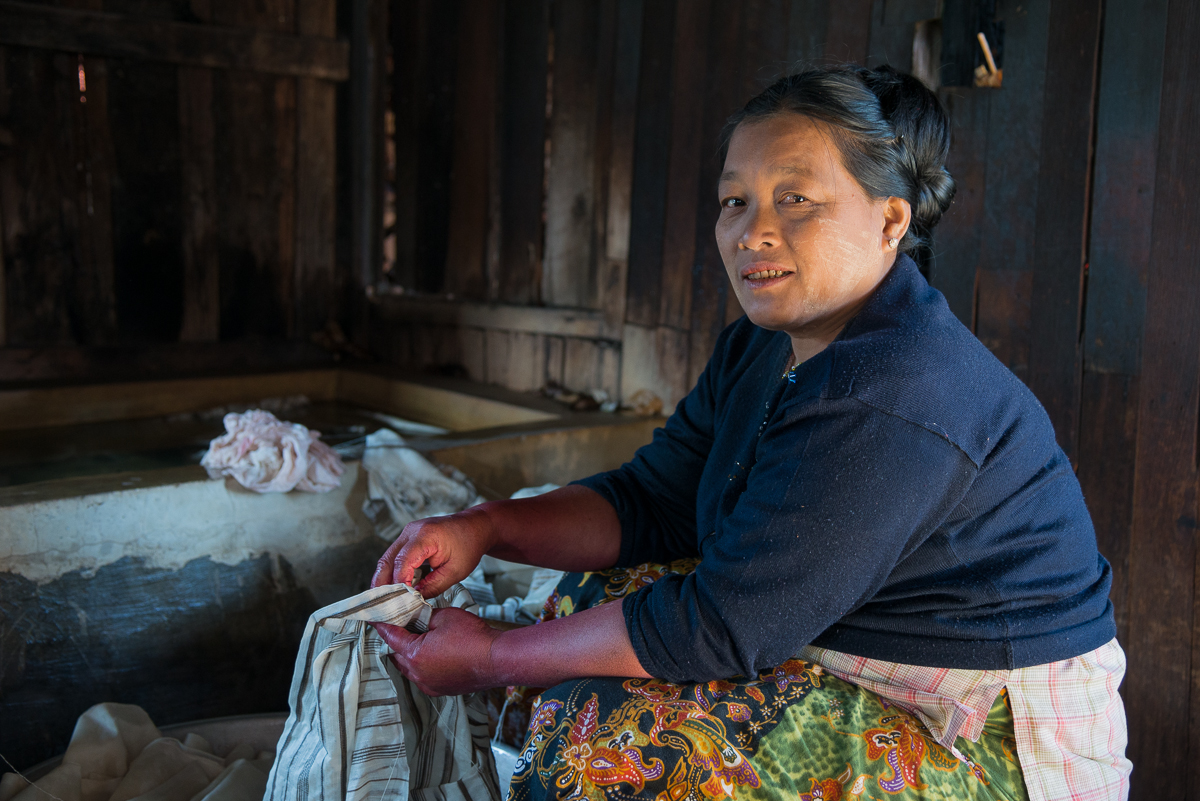
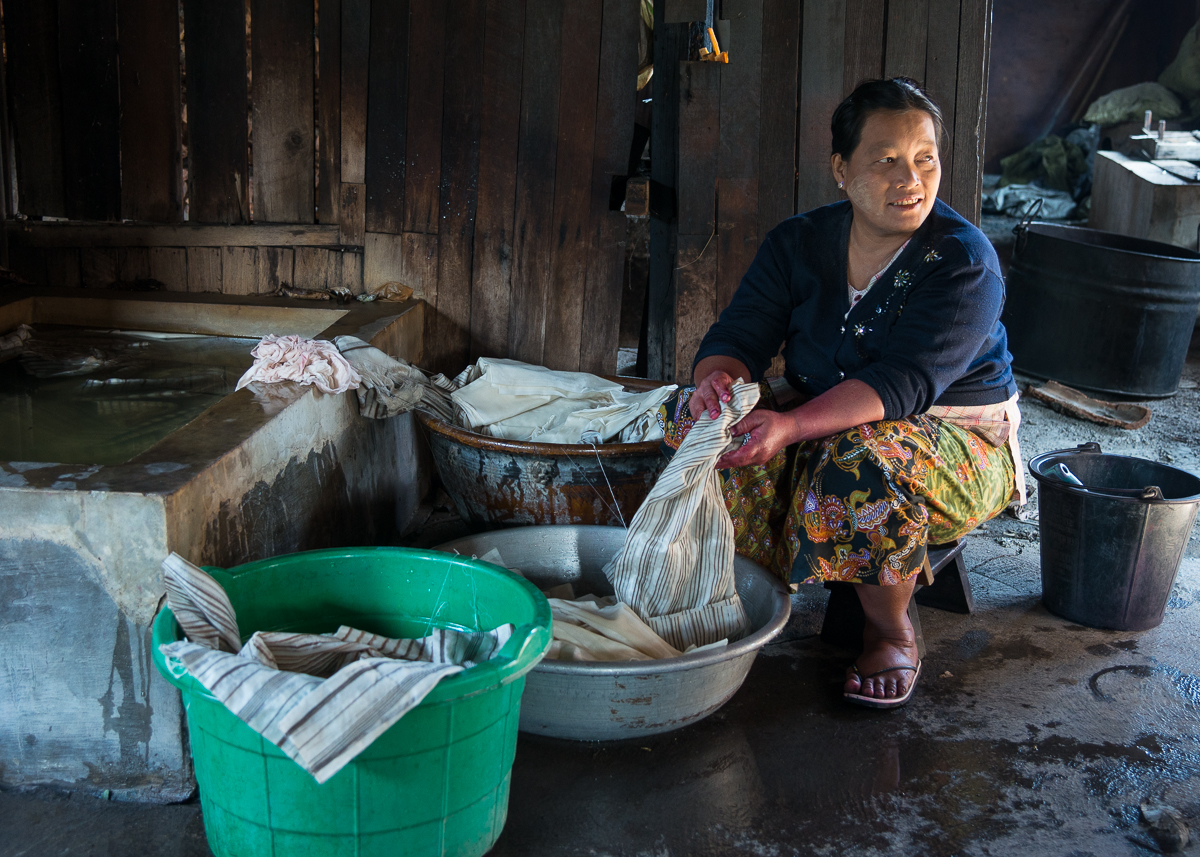
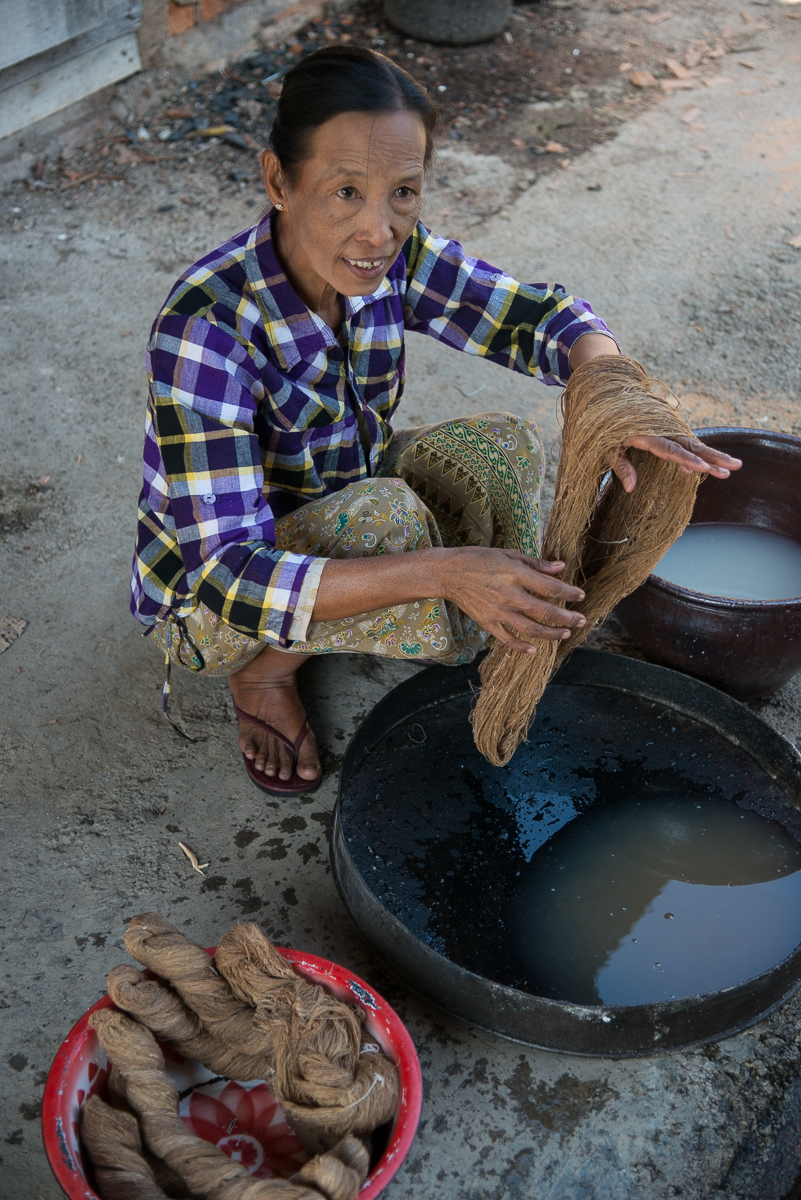
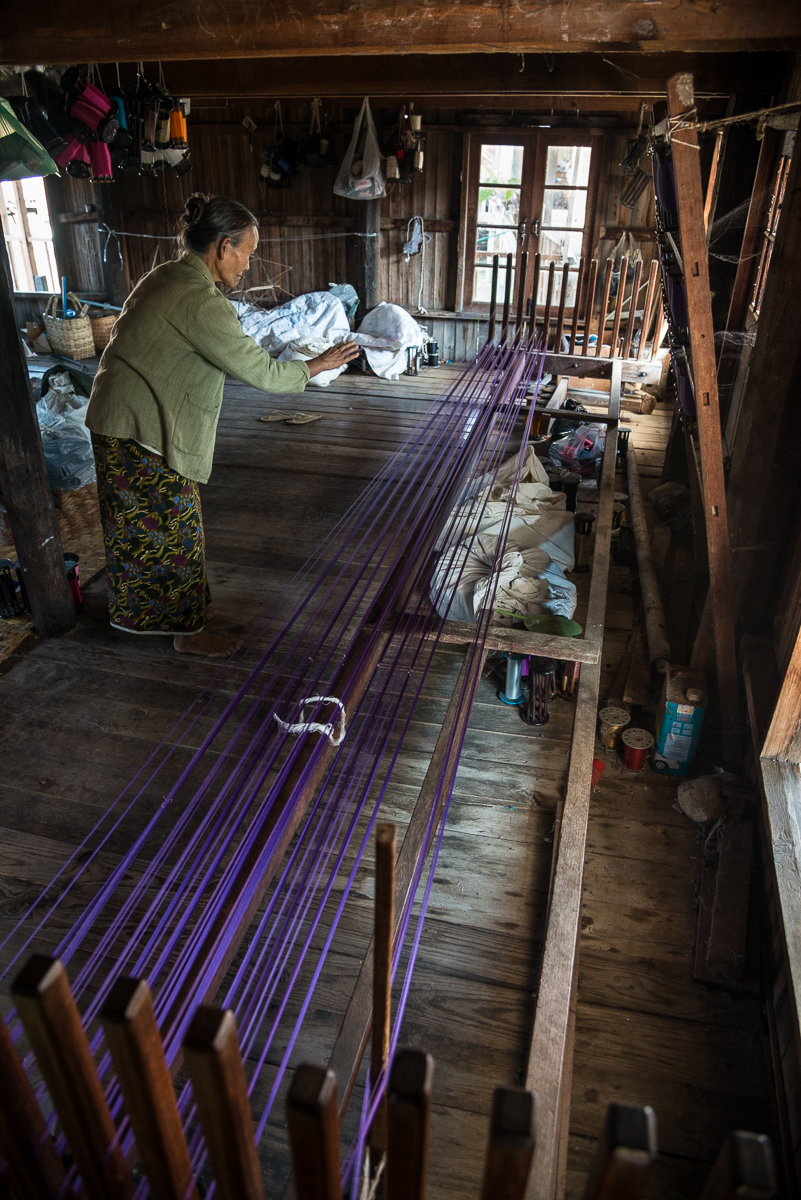
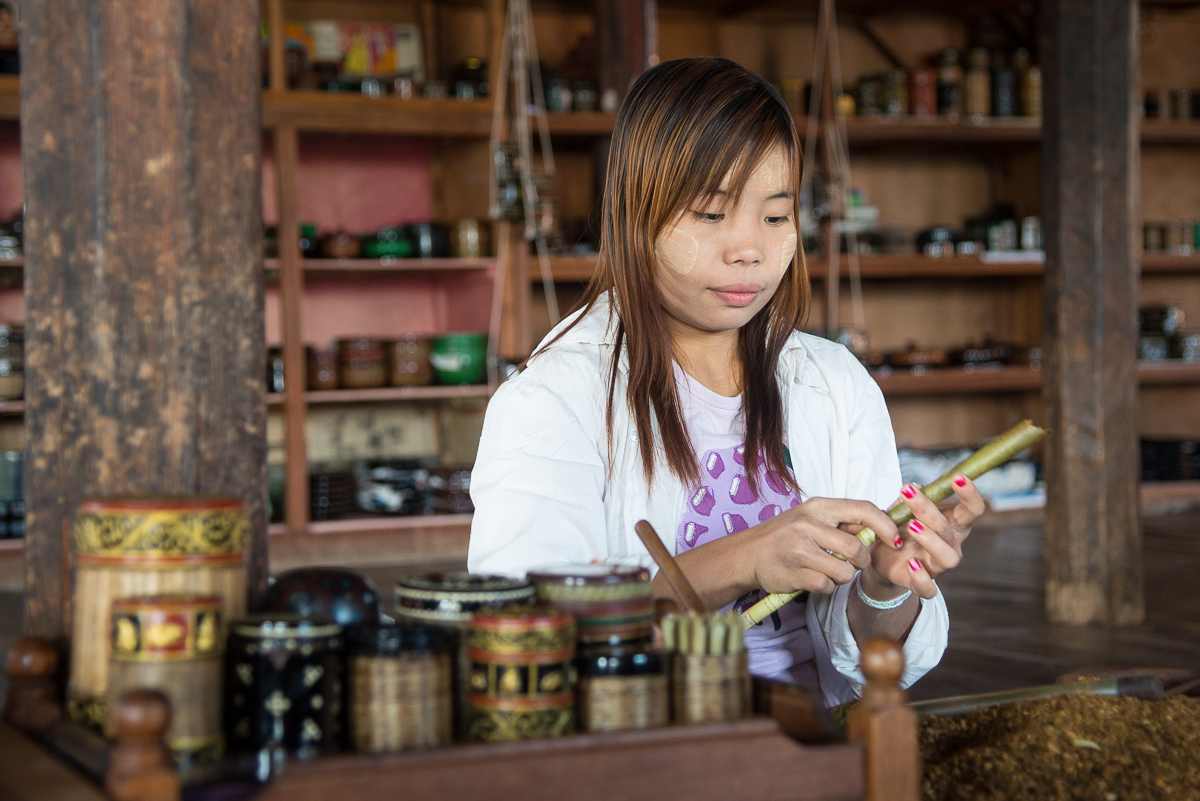
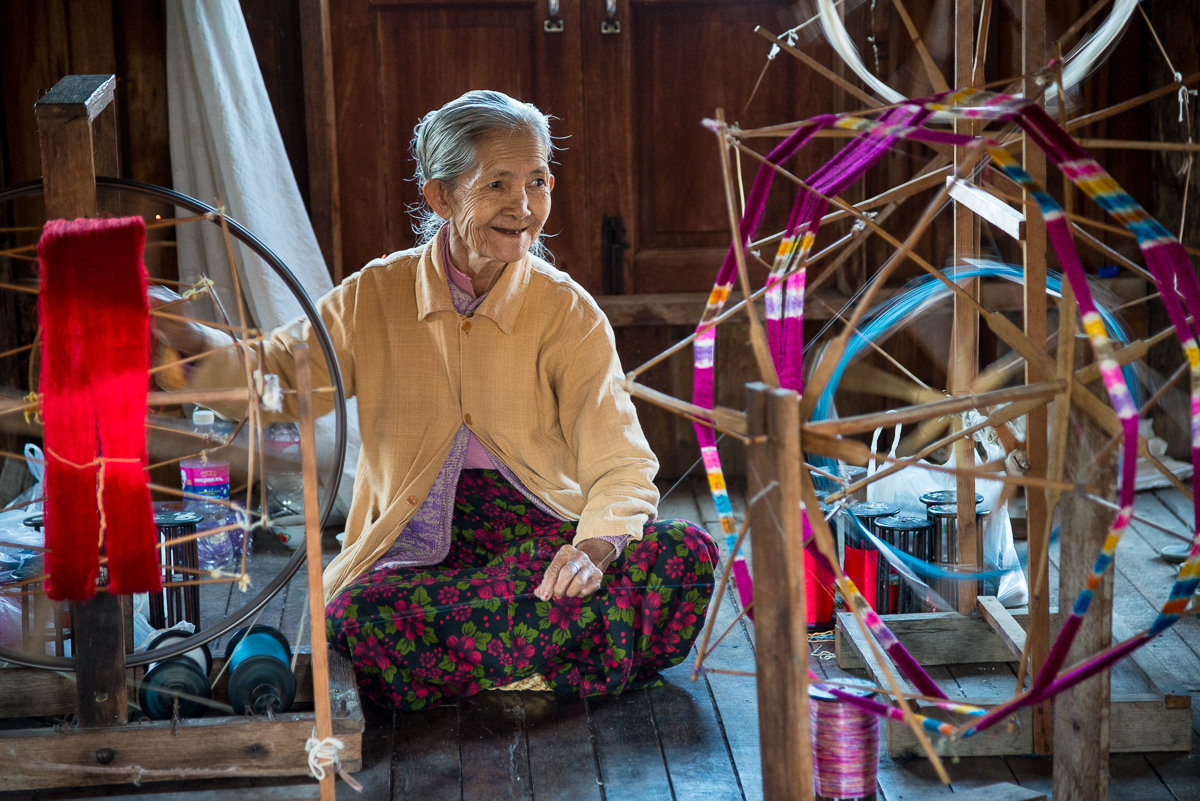
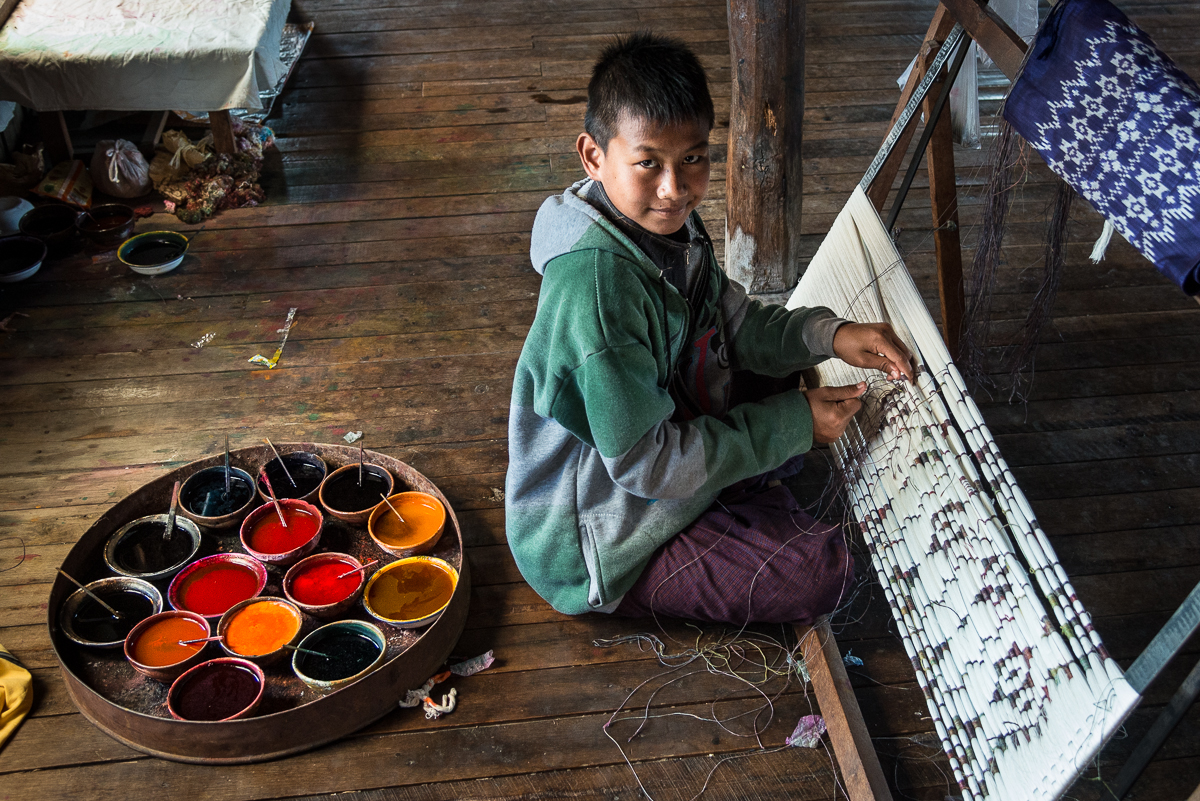
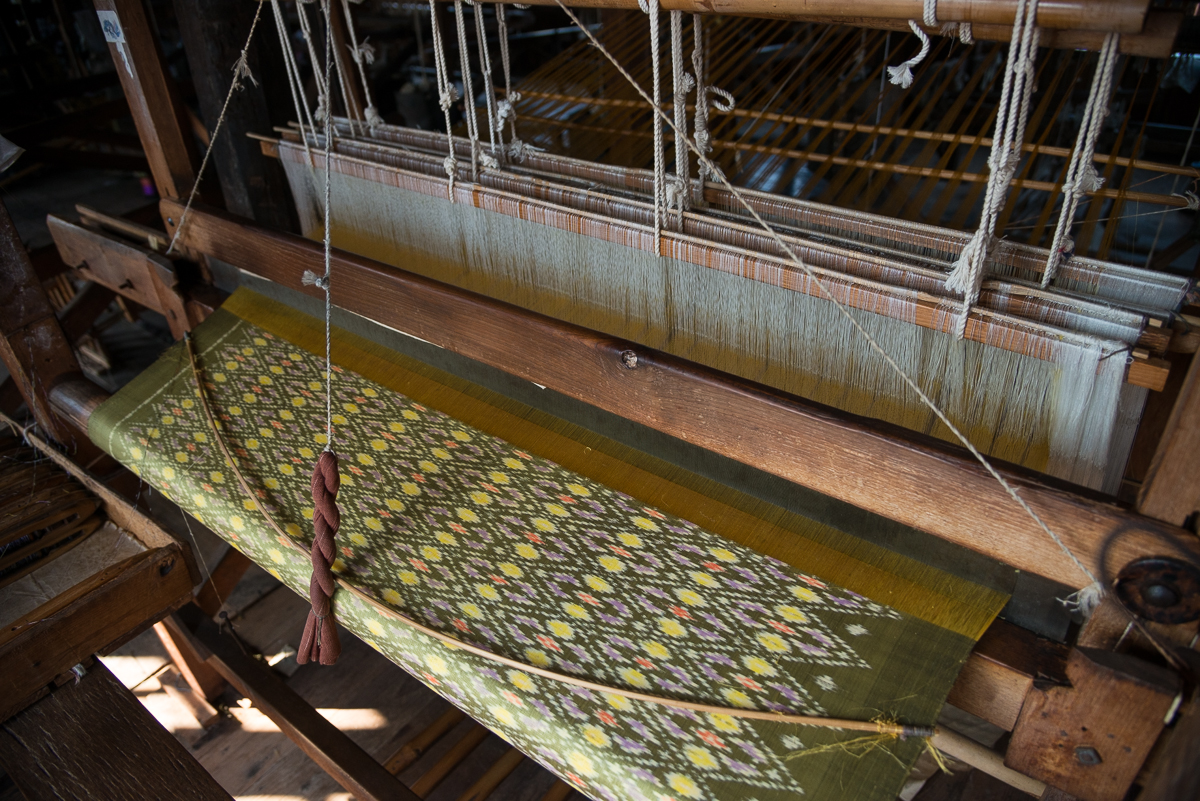
There’s an impressive weaving “factory” in Kaylar.  Everything is done by hand on old wooden looms and other primitive equipment.  They put those patterns in their fabrics by dying “stripes” into the threads before weaving.  The place does a unique process to make lotus flower stems into thread (which the then weave into cloth).  You watch every step of that being done by the few dozen ladies buzzing around the place.

_JD84776.jpg_JD84547.jpg_JD84755.jpg_JD84660.jpg_JD84639.jpg_JD84516.jpg_JD84489.jpg_JD84706.jpg_JD84543.jpg_JD84693.jpg_JD84683.jpg_JD84828.jpg

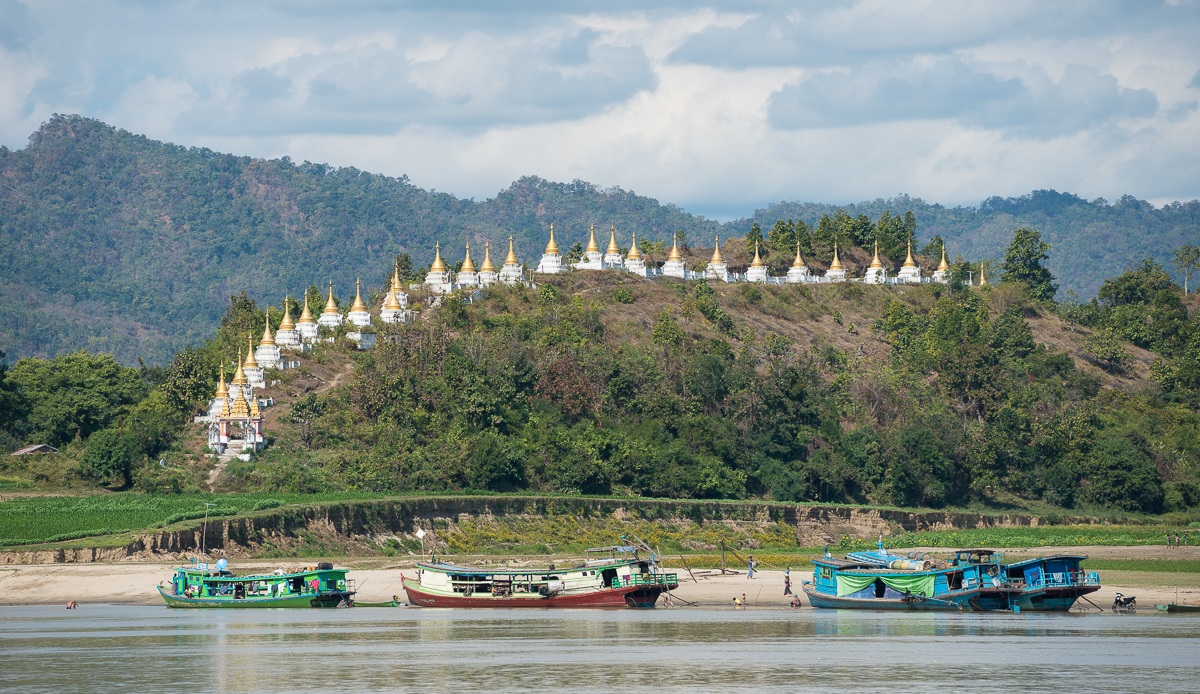
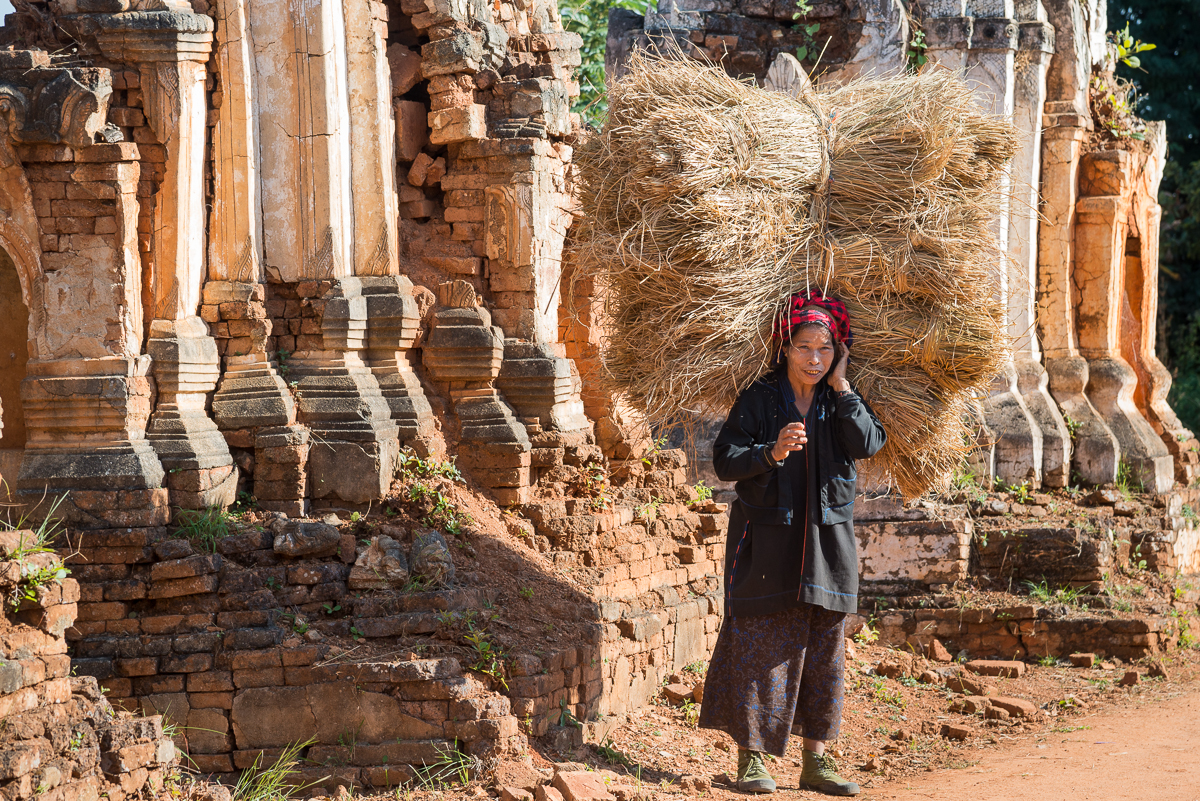
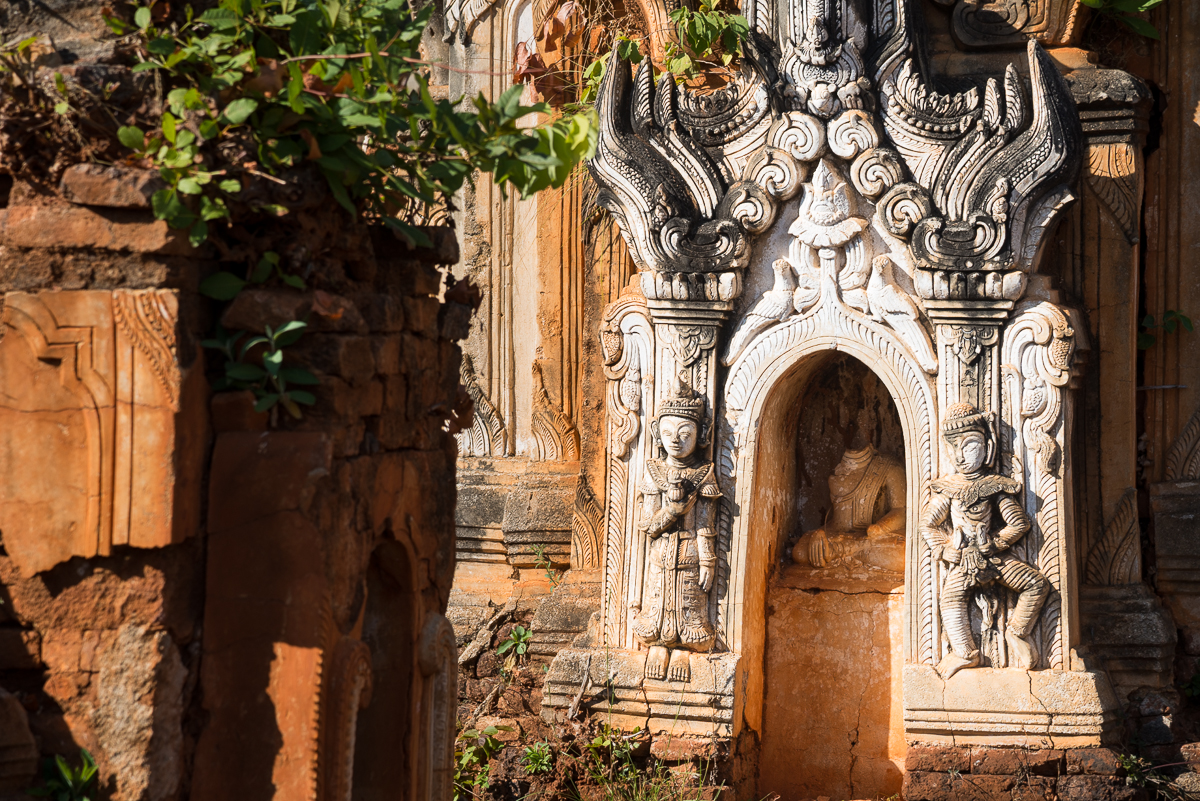
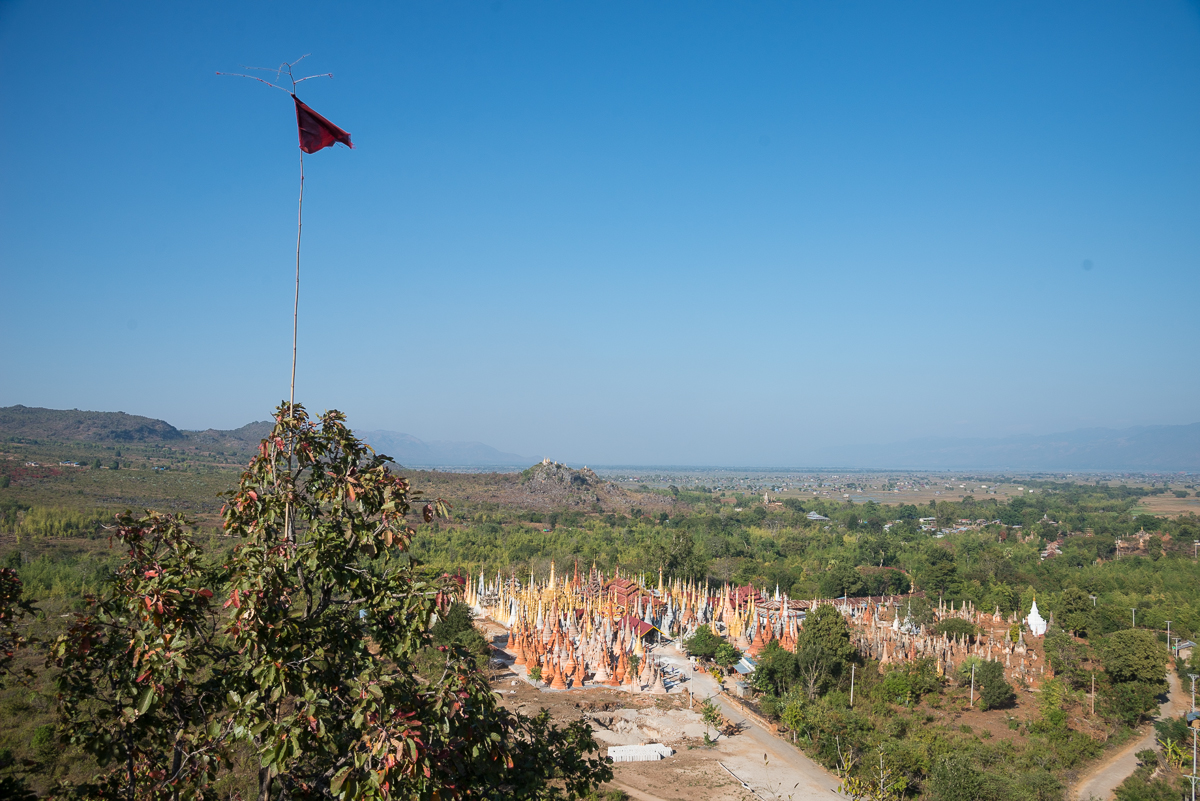
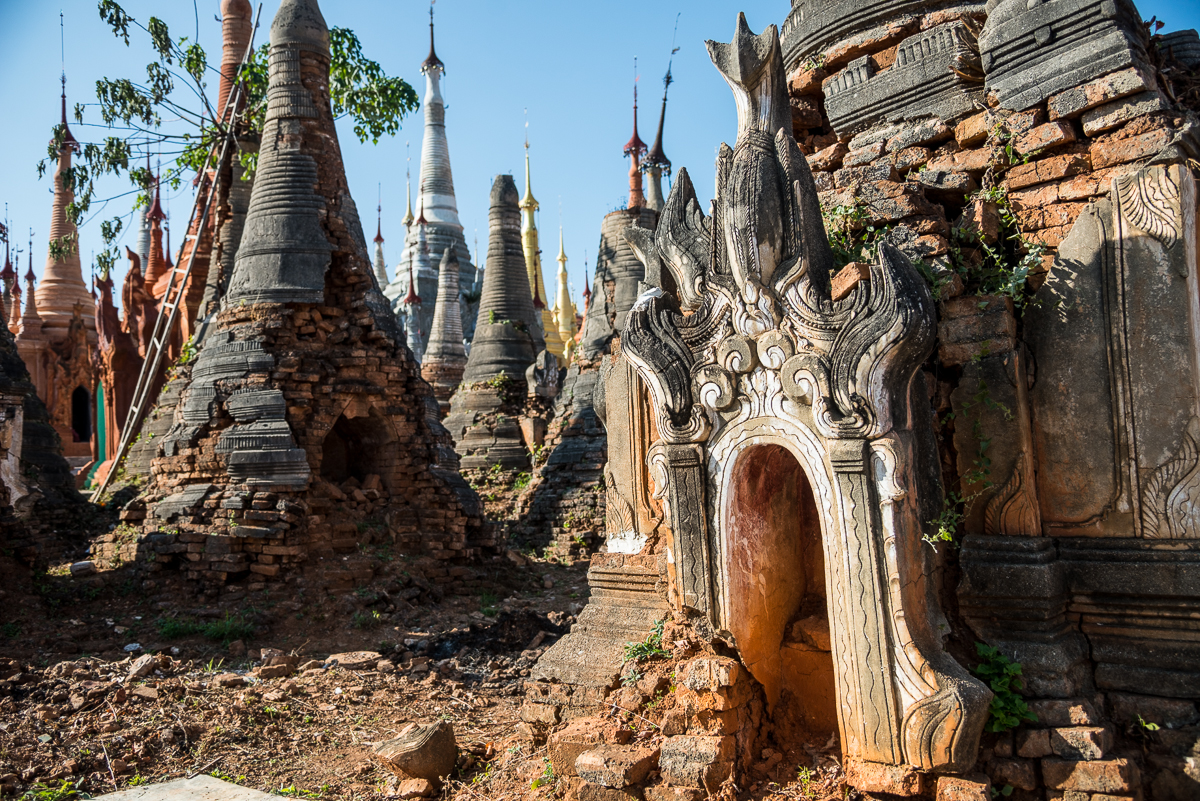
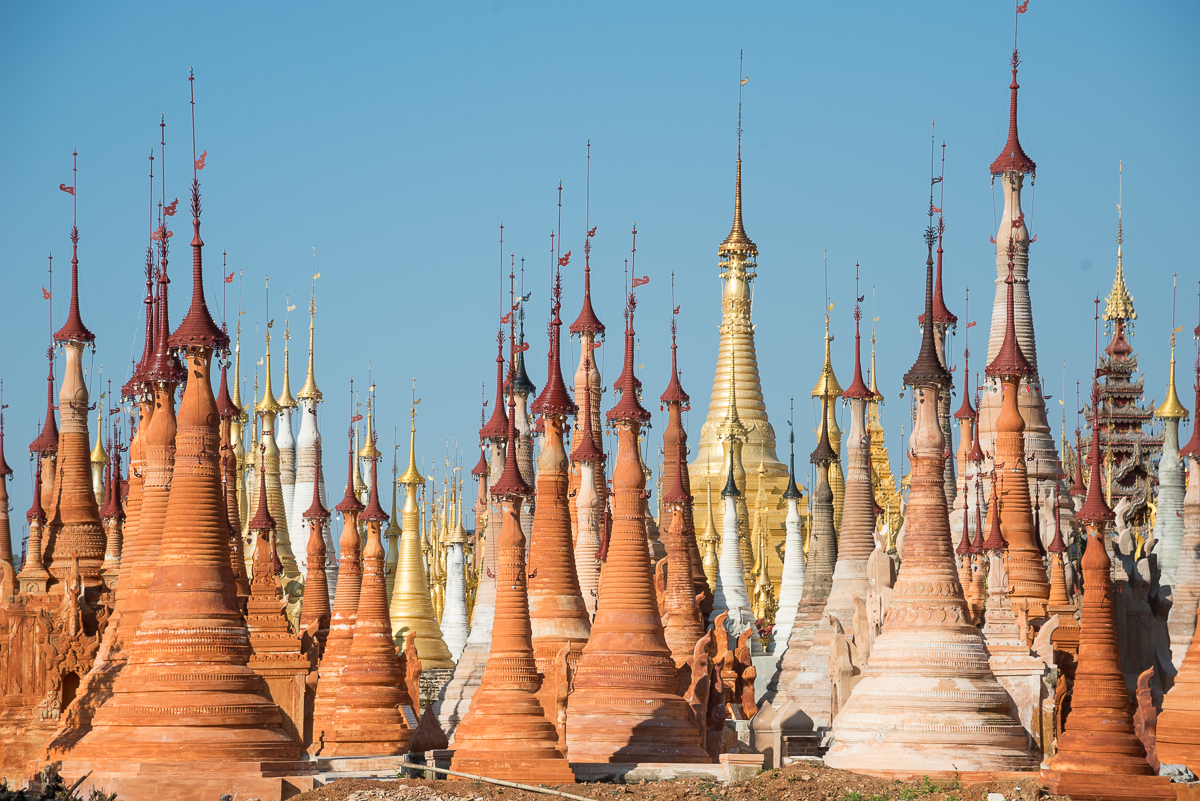
A few of these images are from Indein, an hour or so upriver from the lake.  The Buddhist temple complex there (Shwe Indein) has hundreds of mid-sized “stupas” around 20-30 feet tall, mostly around 1,000 years old.  The place is being completely refurbished.  All those elegantly-crumbling relics are being encased in concrete and plaster and painted gold.  We Westerners have an impulse to preserve the historical archaeological site as-is, but the Burmese Buddhists believe that their religious sites shouldn’t be left in ruins.  (We saw this in several places all over the country).  They’re about half-done at Shwe Indein.

_JD85005.jpg_JD85025.jpg_JD85099.jpg_JD85112.jpg_JD85157.jpg_JD85186.jpg_JD85198.jpg


_JD85615

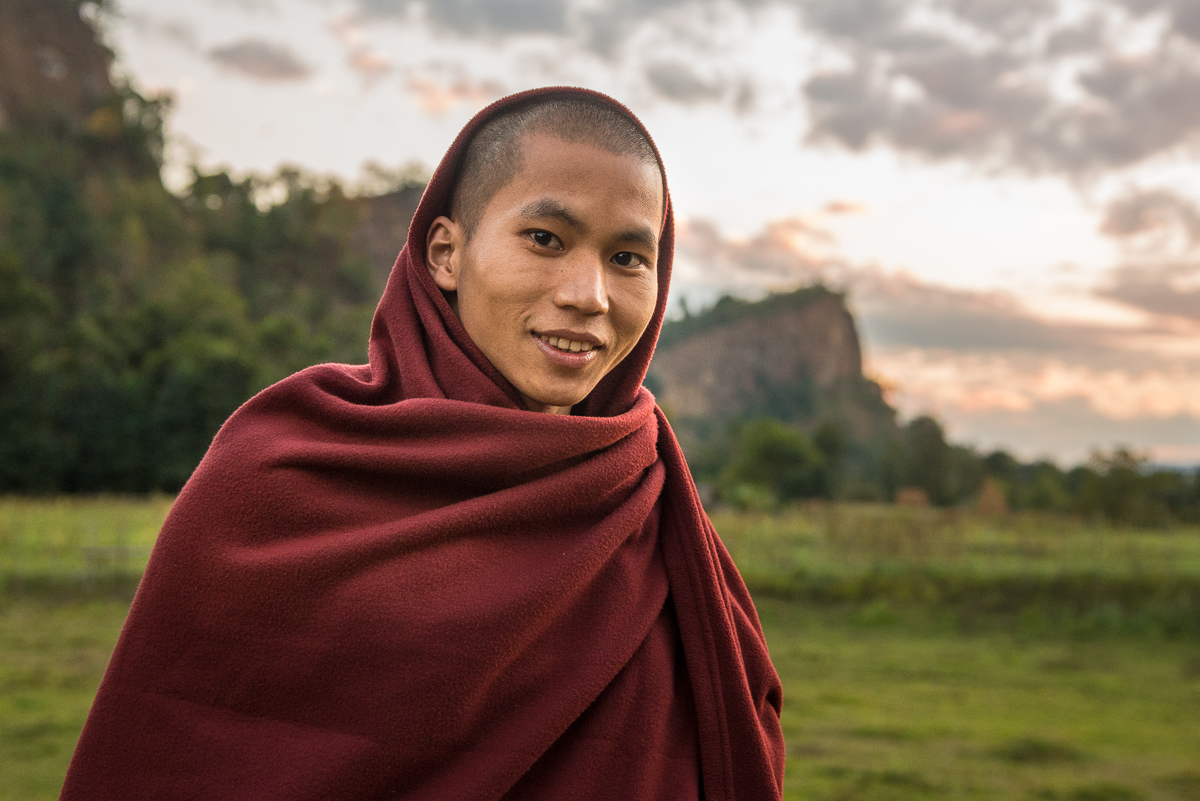
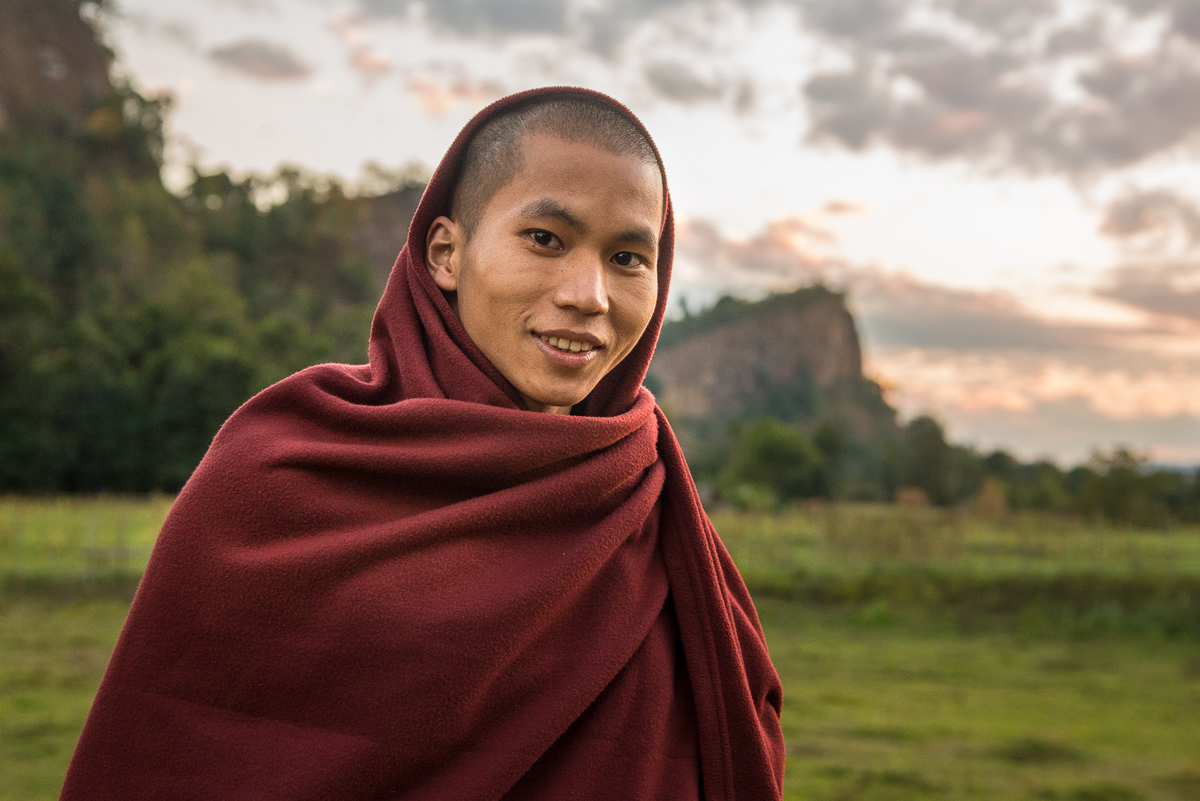
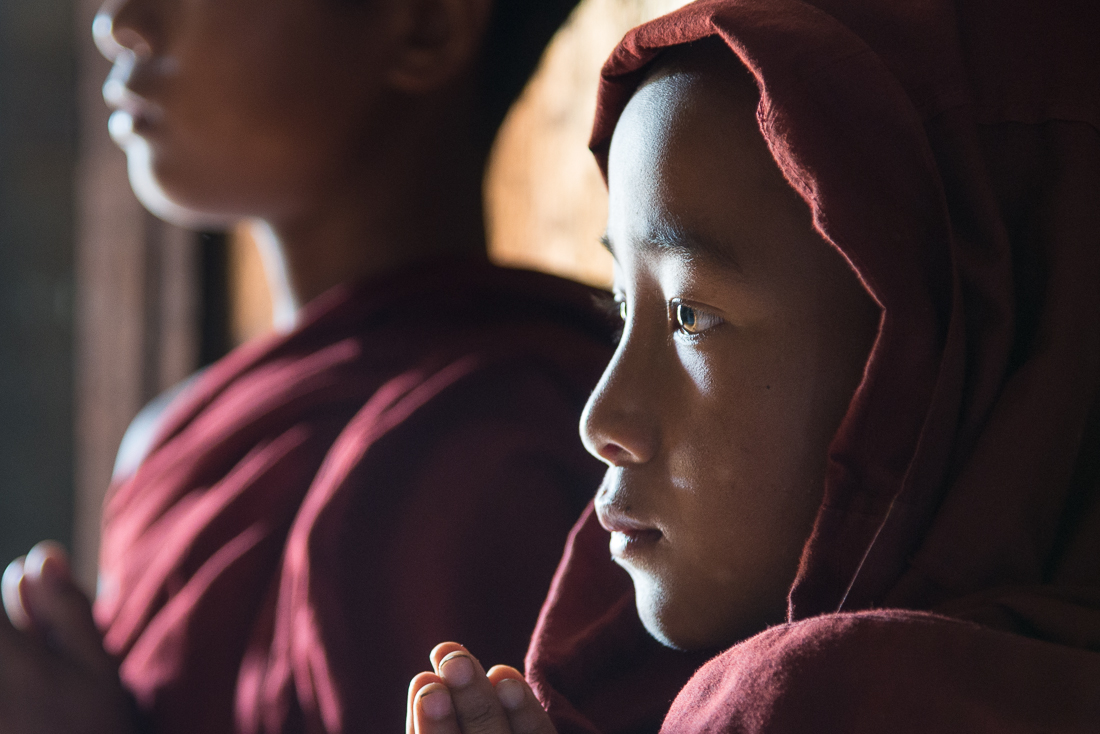
A young monk at a Shwe Yan Pyay monastery, a few miles north of the lake on the way  to the airport in Heho.   A few blocks from the airport was a restaurant, of sorts, which served only soup and beer, and had guys there who would give you a massage while you ate (and drank). I just had the soup.


_JD84903

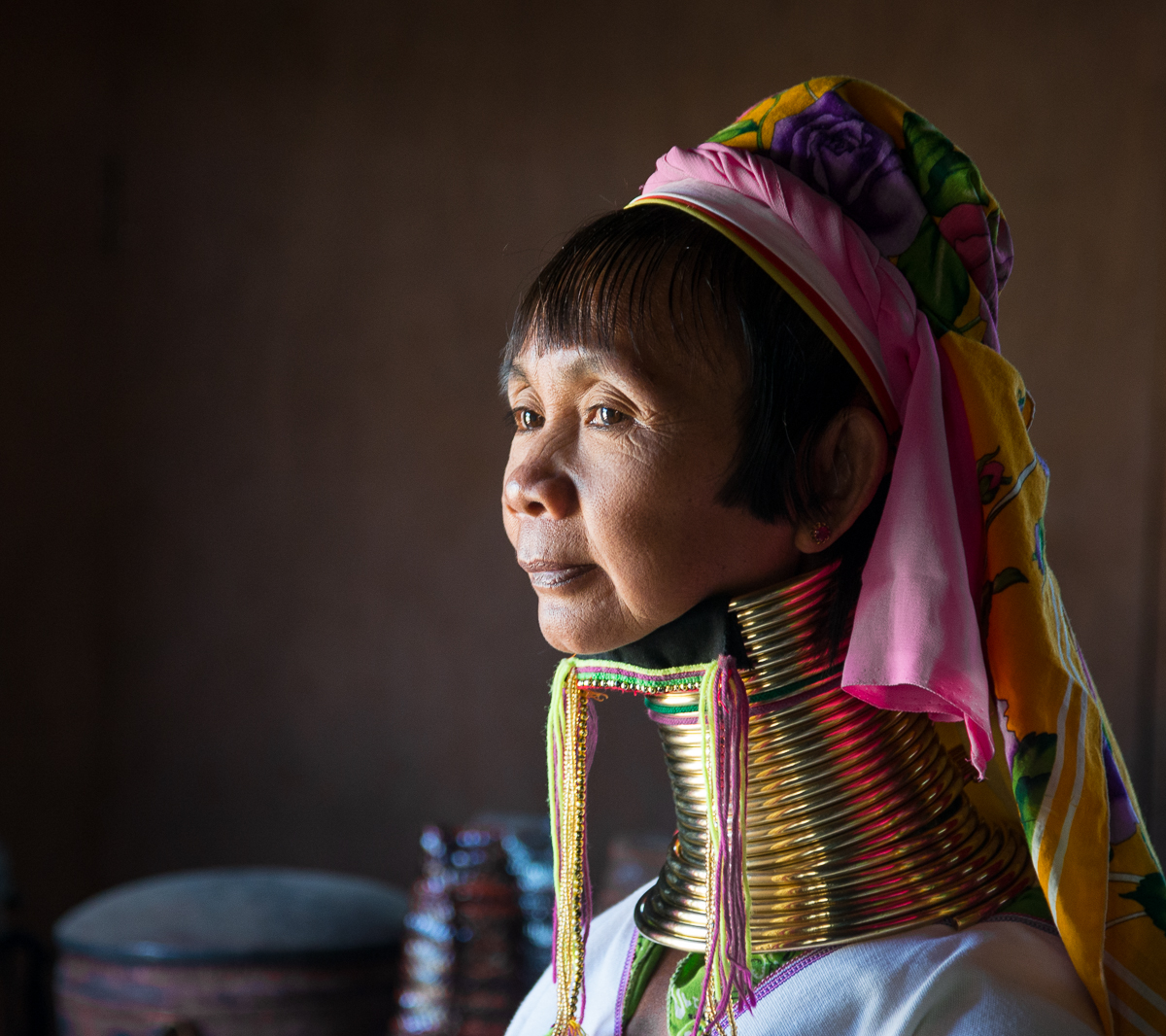
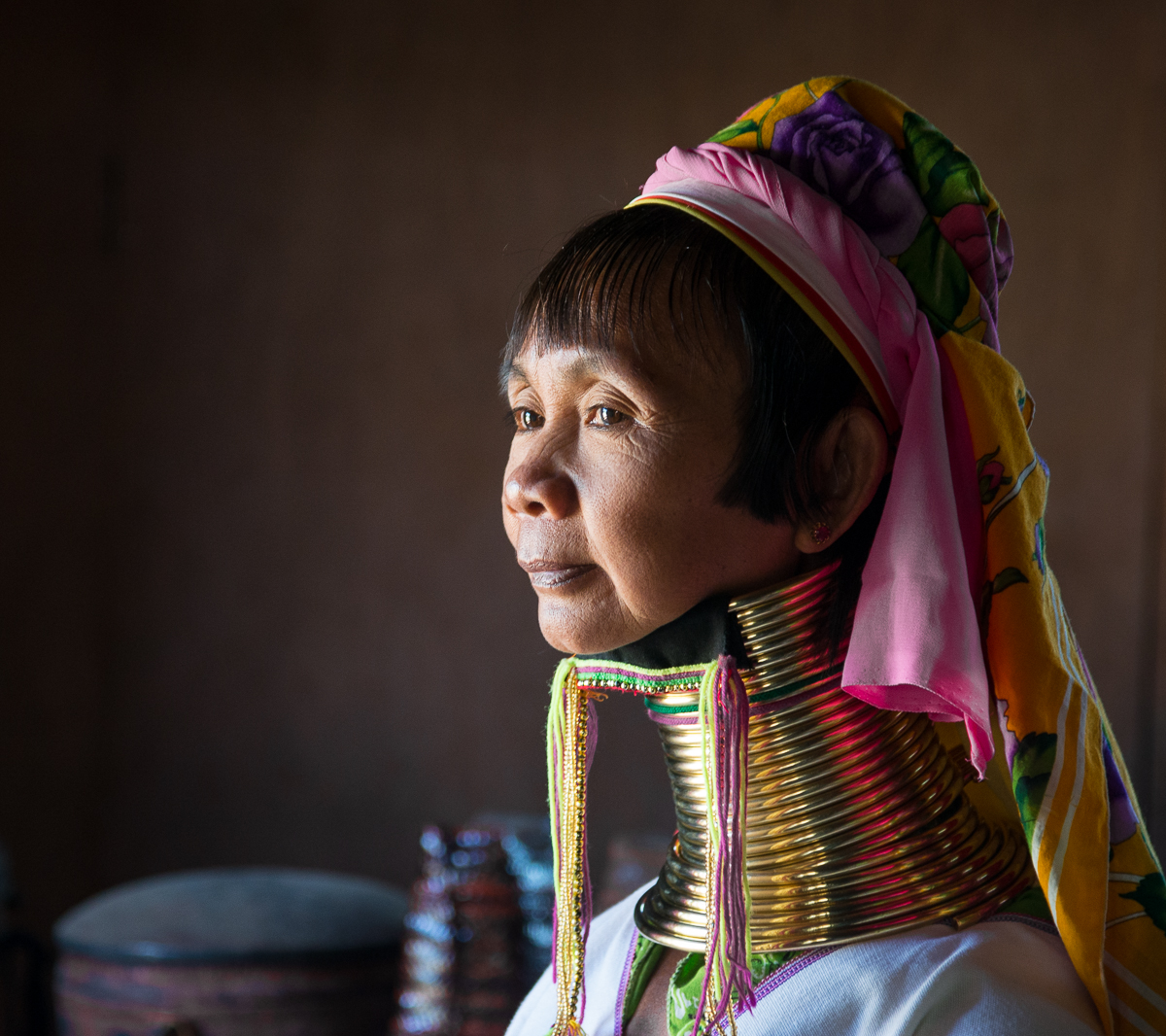
We saw a handful of these ladies — from the Padaung tribe — near Inle Lake. I was uncomfortable photographing them, but our guides insisted that they were flattered by the attention and were proud to model their “jewelry.”


*In such modestly-developed areas, flowers seemed like a non-essential luxury, so I wondered who would be buying very many of them. During the trip, though, I saw flowers very often, usually as a sort of offering or tribute to Buddha or to one of the various spirits (“nats”) that seem to be a big part of their culture.

Bagan, Burma: Temples, Monks, Balloons & Fractals

On my first morning in Bagan, I watched the sun rise from one of those balloons; the next day I watched the balloons go by from the top of one of those big temples.

_JCE0059

One of the dozens of hot air balloons that fly every morning over Bagan, viewed from atop the 950-year-old Shwesandaw Pagoda.


The Burmese City of Bagan was the capital of the Kingdom of Pagan* in the 9th to 13th Centuries.   The people of Pagan built several thousand Buddhist temples and monuments (“stupas”), some smallish and some reaching nearly 20 stories tall. The Mongols (a “horde” of them, no doubt) overran Pagan in the late 1200s. Happily, though, they left the Buddhist monuments largely intact, so thousands of them survive even today.


_JCE7818

Many Bagan monuments are solid “stupas,” but many are hollow temples like this one, usually with Buddha statues inside. There are thousands of them; I’m not sure this smallish one even has a name.

_JCE0102


_JD83807

Some of the young monks you see in Buddhist cultures are orphans, who live and go to school at places like the Shwe Gu orphanage and monastery in Bagan.

_JCE0108


_JCE8476


_JD83217


_JCE8695

A “fractal” is something with repeating patterns at different scales, so that if you “zoom in” on it, it still tends to look the same. Picture a stock market chart: A typical ten-year chart often looks about like a typical one week chart or a typical one-hour chart. The fractal-like shape of an ocean coastline can look much the same whether you trace the outline of a 100-yard stretch, a 10-mile stretch, or a 1,000-mile stretch. The temples at Bagan made me think of fractals. If you take a broad view, you see huge temples dotting the landscape. But zoom in and you’ll see a similar patterns of smaller temples filling in the gaps.  Similarly, the enormous scale of these monuments is all the more impressive when you see the tiny, intricate detail painted on the interior walls of many of the temples.

As best I can tell, the Asian kingdom of “Pagan” has nothing to do with the “pagan” gods or practices of, e.g., the ancient Romans.

First Look at Burma (Myanmar): Yangon

The start and finish of my three weeks in Burma were in Yangon. I’m still sorting pictures from the rest of the trip, which included everything from remote tribal villages to famous golden Buddhas to a stunning hot-air balloon ride over a thousand-year old sacred city.

_JD85817

Young monks in their living quarters at Naga Hlaing Gu monastery in Yangon.


The United States officially recognizes the country that lies just east of India, south of China, and west of Thailand as “Burma,” even though Burma’s current government wants to be called Myanmar. Today Burma has a population of around 50 million.
 

_JCE7474

Shwedagon Pagoda, already busy even before dawn


Burma was a British colony, starting in 1824 after the first Anglo-Burmese War.  Before the Brits, the area – like most of Asia – was governed for many centuries by a series of kings, dynasties and empires. Britain’s control of Burma was mostly lost during World War II; Burma was given its independence in 1948.  A “military junta” ruled Burma for most of the last 50 years, though its grip has been loosened somewhat in the last decade. The military renamed the country “Myanmar” in 1989, just months after an especially brutal suppression of dissenters. Perhaps because that origin, the new name has been slow to catch on, and the U.S. still hasn’t officially recognized it.  I prefer “Burma” mostly because it has one less syllable and is straightforward to pronounce.


Also renamed was the now-former capital city: Rangoon is now “Yangon.” I stayed in Yangon three different times in my three weeks in Burma. It’s a city of about 5 million, which makes it bigger (in population) than Los Angeles, though its downtown commercial skyline looks more like Wichita Falls. Only in the past few years has the Burmese government made it feasible for ordinary people to own cars, so terrible traffic overwhelms the city streets, perhaps also trumping Los Angeles on that front, too.


The most famous and prominent landmark in town is the Schwedagon Pagoda. It’s a huge Buddhist temple complex dominated by one towering golden “stupa.”  Legend has it that it’s 2,600 years old, though history and archaeology apparently peg it at closer to 1300. I got there long before daylight and it was already brimming with visitors.


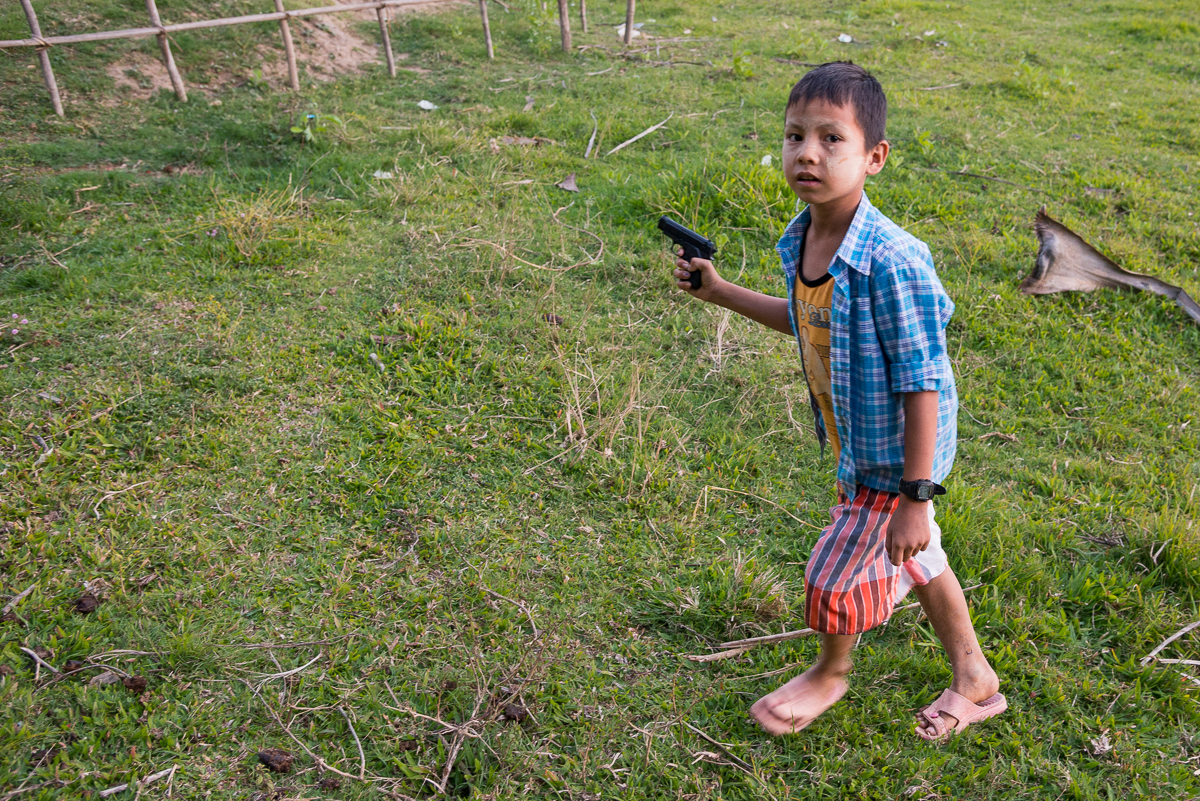
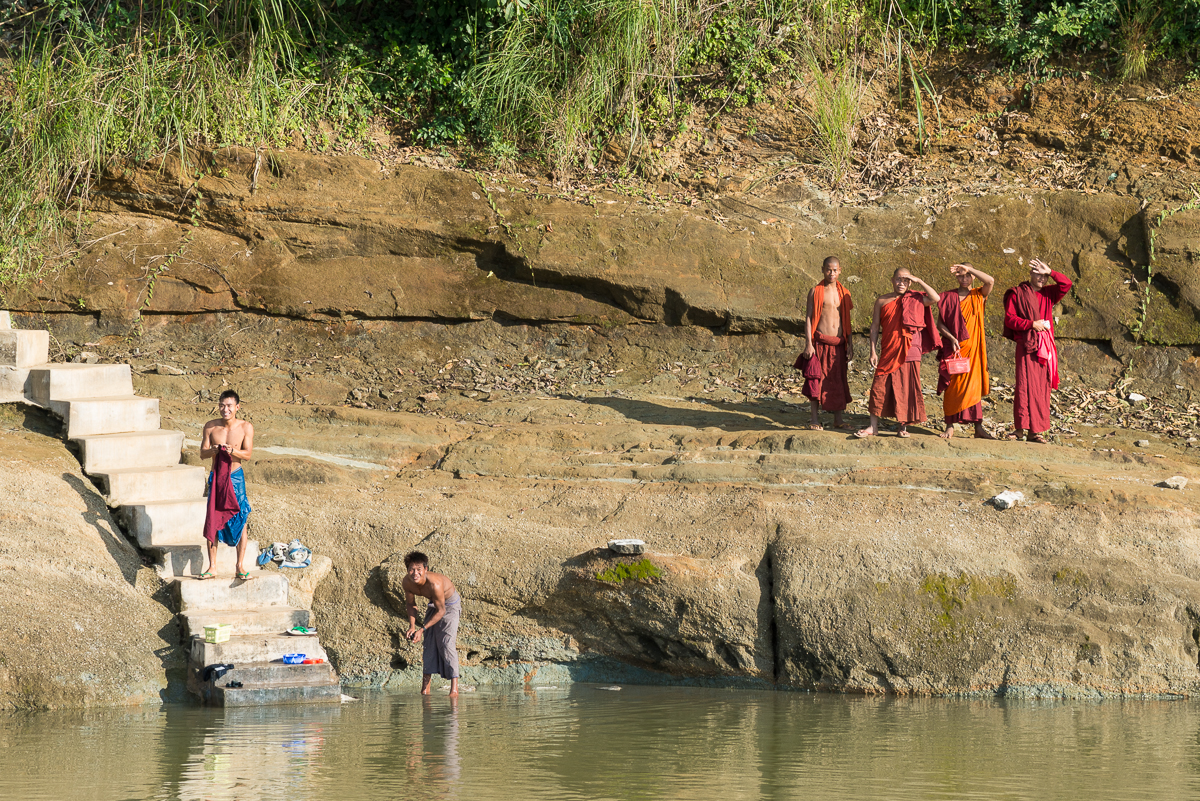
The girls in pink are nuns; the boys in dark orange or maroon are monks.  It sounds odd to Americans to hear of young children being monks and nuns, but those terms have different meanings in Buddhist practice than they do for the Catholics. Most Buddhist boys are monks at some point in their youth – perhaps only for a week or a month. It can be about like going to church camp. They can (and frequently do) leave at any time without any resistance or stigma, so it’s a very different type of commitment. As the pictures with smartphones and toy guns hint, they’re mostly typical kids. That young nun with the umbrella looks like a set-up shot, but it’s not. We caught her walking down a city sidewalk as we hopped of the bus.


A Buddhist "nun" near the Naga

A Buddhist “nun” near Naga Hlaing Gu in Yangon


All those boats operate as rush hour passenger ferries, taking folks across the Yangon River. The activity was intense: I think they had a ferry leaving at least every 30 seconds during peak rush hour traffic. We were told that foreigners weren’t allowed on those boats – because the government is concerned about safety (of foreigners).

Bangkok 2015: Wat Pho, And Other Important Questions


_JD81355

Did you know that Buddhism is the second most practiced religion (behind Christianity) in 13 western U.S. states (including Oklahoma!)? I didn’t (until recently, anyway). Nor did I really know a darn thing about it. So I brushed up a little in preparation for my January Asian adventure.

First stop:  Bangkok.

The most visited sites in Bangkok include a handful of huge Buddhist temple complexes (“Wats”), mostly arrayed along the Chao Phraya river that runs through the heart of town.  There’s one at the Grand Palace called Wat Phra Kaew; there’s one right next door called Wat Pho, and one just across the river (with the tall towers) called Wat Aron.  Wat Pho is home to a 160-foot reclining Buddha – a Buddha statue the size of a US Navy patrol ship, casually lying on its side with its head propped on its right arm.  The legend is that a “reclining” Buddha isn’t sleeping or resting – he’s just so “enlightened” he’s practically floating: that’s the standard pose in Nirvana.
_JD81248.jpg_JD81355.jpg_JD81574.jpg_JD81595.jpg_JD81621.jpg_JD81793.jpg_JD82477.jpg_JD81826.jpg_JD82629.jpg_JD82461.jpg_JD82486.jpg_JD82502.jpg_JD82543.jpg_JD82569.jpg_JD82579.jpg_JD82602.jpg_JD82585.jpg

Depending on your definitions, Buddhism isn’t necessarily even a religion at all. It’s theoretically “non-theistic” which means it doesn’t (necessarily) involve a god or gods. Buddha himself is believed to have been a teacher/philosopher who lived 2500 years ago in India. Technically, he’s not considered a god, and in theory neither he nor those statues are worshipped or prayed to – though to an outsider that’s just what it all looks like when Buddhists bow down with their palms pressed together in front of their faces. (Come to think of it, though, they did pretty much that same thing to me when I walked into my Bangkok hotel lobby).  They say those ever-present gilded statues of Buddha are just there to remind them of the qualities and teachings of Buddha.

Bangkok was just a short stopover on the way to a three-week stint in Burma, so there’ll be much more to come from my foray into the Buddhist world.

_JCE7434-2

Bangkok isn’t solely about ancient Wats and Palaces. This was the view from the balcony of my hotel room along the River.  The main part of the city’s skyline was behind me.


_JD82394.jpg_JD82446.jpg

If you’re like me, you can’t think of a visit to Bangkok without thinking of the 1980s song “One Night in Bangkok.”  Written by a couple of members of ABBA, it’s actually about an international chess tournament set against the backdrop of some of Bangkok’s seedier aspects.  

Bangkok 2015: “The King and I” at the Grand Palace

One of a handful of posts from a couple of days’ stopover in Bangkok, Thailand.    

_JD81992

If you’re a Yul Brenner fan, you’ll be interested to know that King Bhumobol Adulyadej of Thailand — a.k.a. Rama IX — is the modern-day King of Siam.*  It’s a shame I didn’t get to meet him on my trip through Bangkok. Between the two of us, “The King and I” have a combined US$30 billion, control 3,000 acres of downtown Bangkok, and have reigned over Thailand since 1946. Admittedly, most of that is him: he’s the World’s Richest Royal, and the world’s longest-reigning monarch.  They say Rama IX is well respected, but then it’s against Thai law to not respect him, so take that for what it’s worth.


_JD82333

This sign stands next to the river, in front of the Grand Palace. Notice that it’s (exclusively) in English. Signs and advertisements around the airport and the historic, shopping and tourist areas were just as likely to be in English as in Thai.


_JD82199

Outside the temple of the Emerald Buddha, you could sprinkle yourself with sacred Buddha water using a symbolic lotus flower. I opted out, but a couple of folks slung water my direction anyway.

The grounds of Rama’s Grand Palace look more like Disneyland than many parts of Disneyland do.  If you go on a Sunday, let me just warn you that you’re making a mistake: you’ll be elbow to elbow with a sea of locals and international tourists alike. Touring the grounds is as much about Buddha as it is about Rama. There’s an enormous “Wat” (temple complex) on site with Buddhas galore, including the tiny-but-most-revered Emerald Buddha (made of jade, not emeralds). You don’t see much of the King, aside from a handful of grand portraits. The faces around the Palace are Palace guards in formal pink uniforms, backed up by more conventional-looking military guards in green.  Over at the Wat, cameras were prohibited in the Emerald Buddha room — I saw one of the guards literally spank a woman with a handheld “No Photography” sign.  Some of the same folks enforced a strict dress code. You can’t show your legs or shoulders – or your tattoos.  And if you come unprepared, they make you rent pants.
_JD82306

On guard at the Royal Palace, it was this guy’s turn to be serious.


_JD82028.jpg_JD82014.jpg_JD82051.jpg_JD82113.jpg_JD81915.jpg_JD81936.jpg_JD82041.jpg_JD82222.jpg_JD82257.jpg


_JD82226

See what I mean about Disneyland?


* Before he was Ramses and before the Magnificent Seven, Yul Brenner played a 19th Century King of Siam in the musical “The King and I” in 1956.  His favorite word was “etcetera.”  The iconic role earned Brenner a mention in the 1990s pop song “One Night in Bangkok.”  “Siam” is what the rest of the world called Thailand for centuries, but the Thais never used it themselves.  Thailand is the only Southeast Asian country that was never under European colonial rule.   I was hoping to wedge the phrase/pun, “Yes, Siam!” into this writeup, but couldn’t bring myself to do it.