Category Archives: Travel

Greek Tragedy

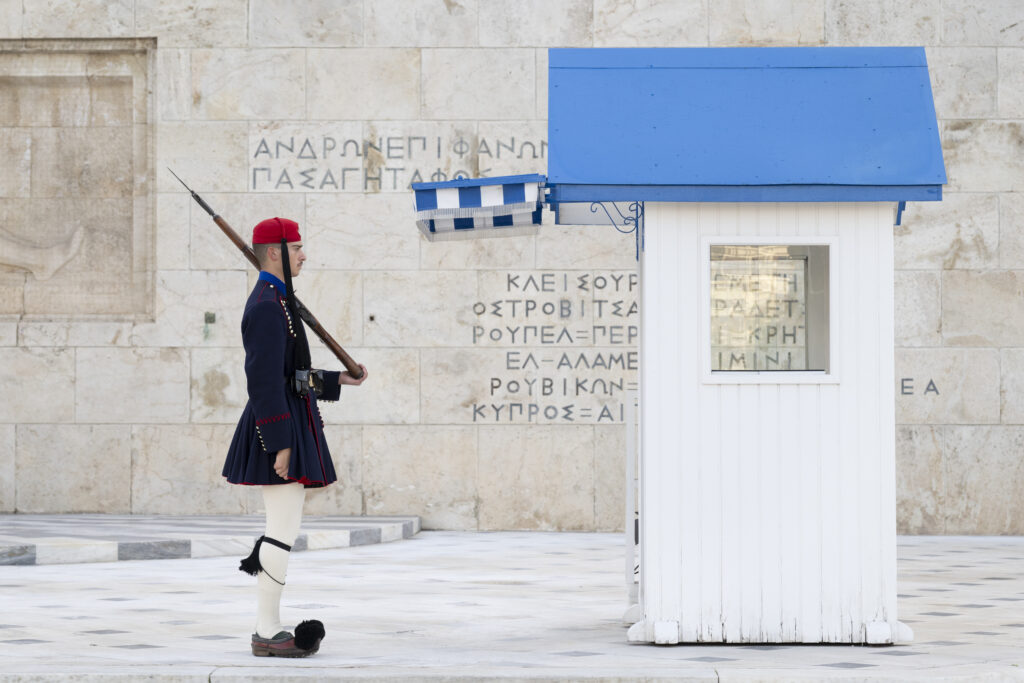
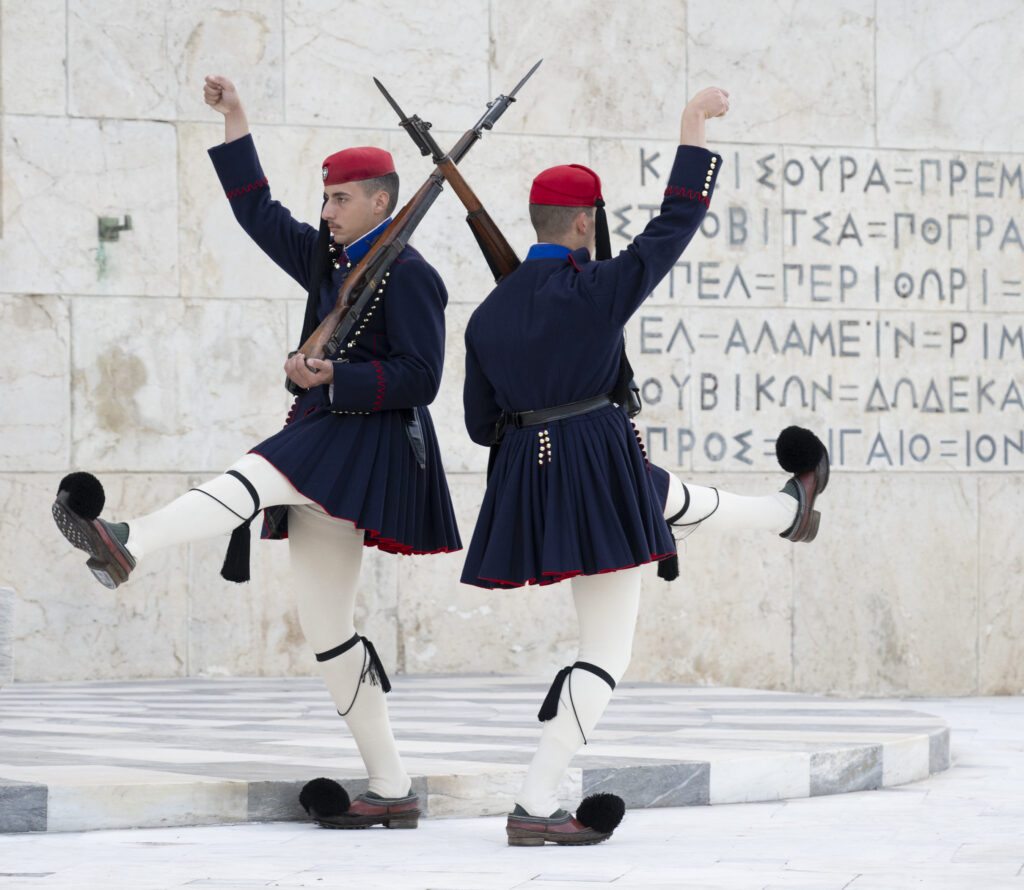
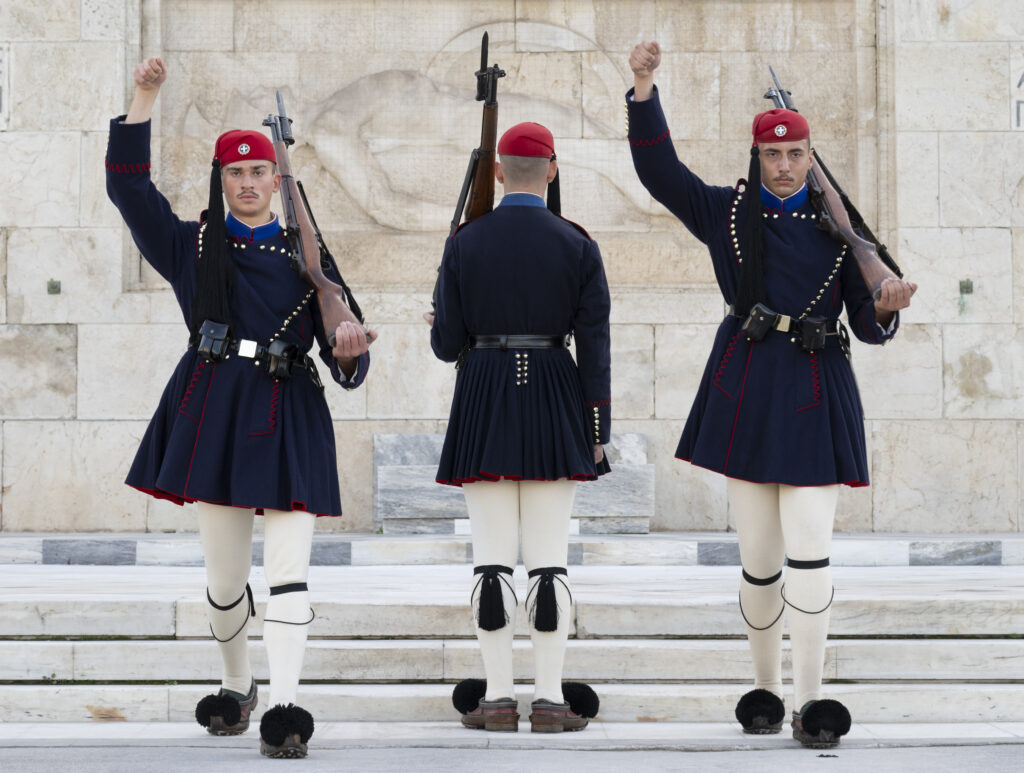
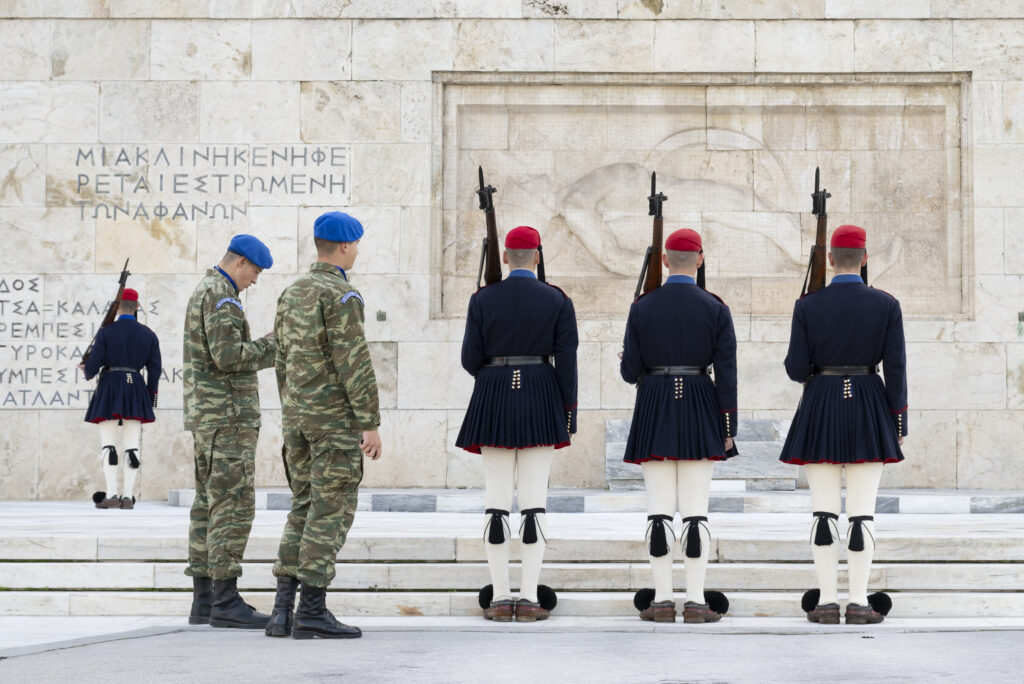
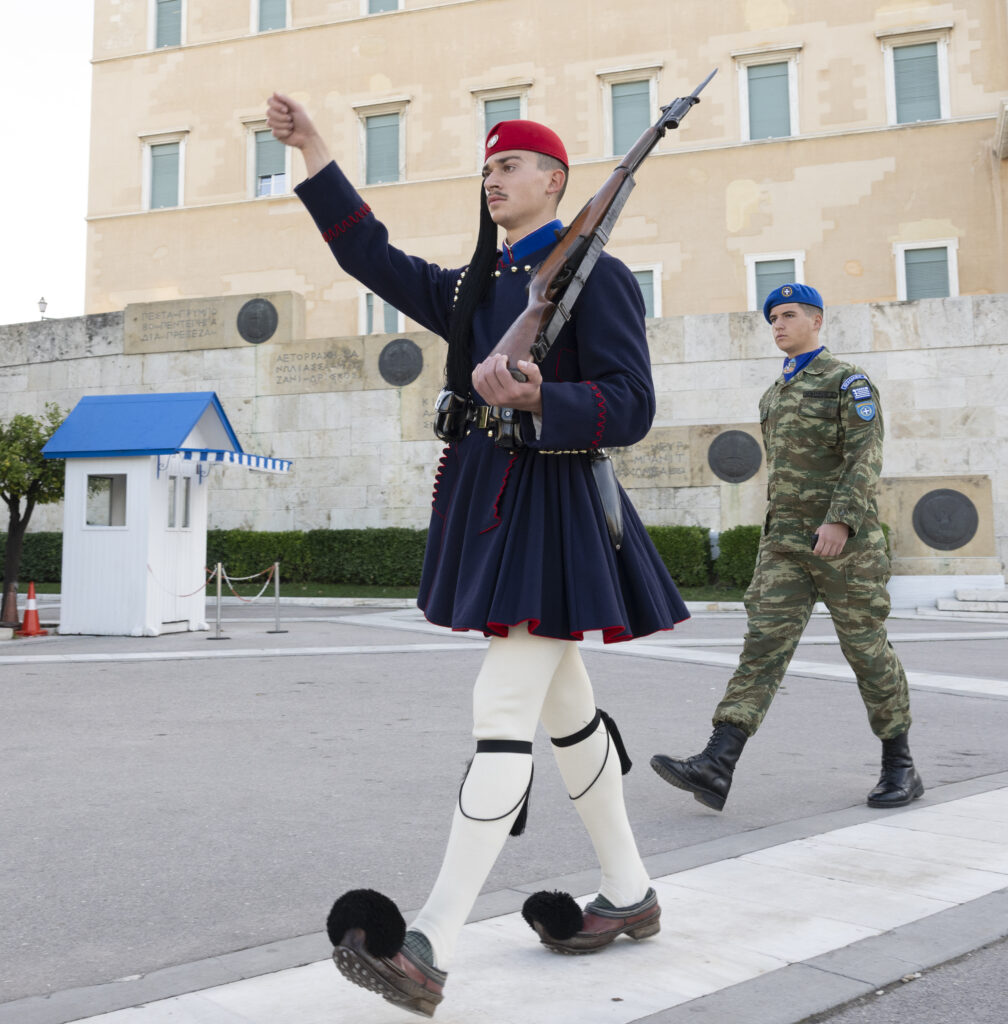
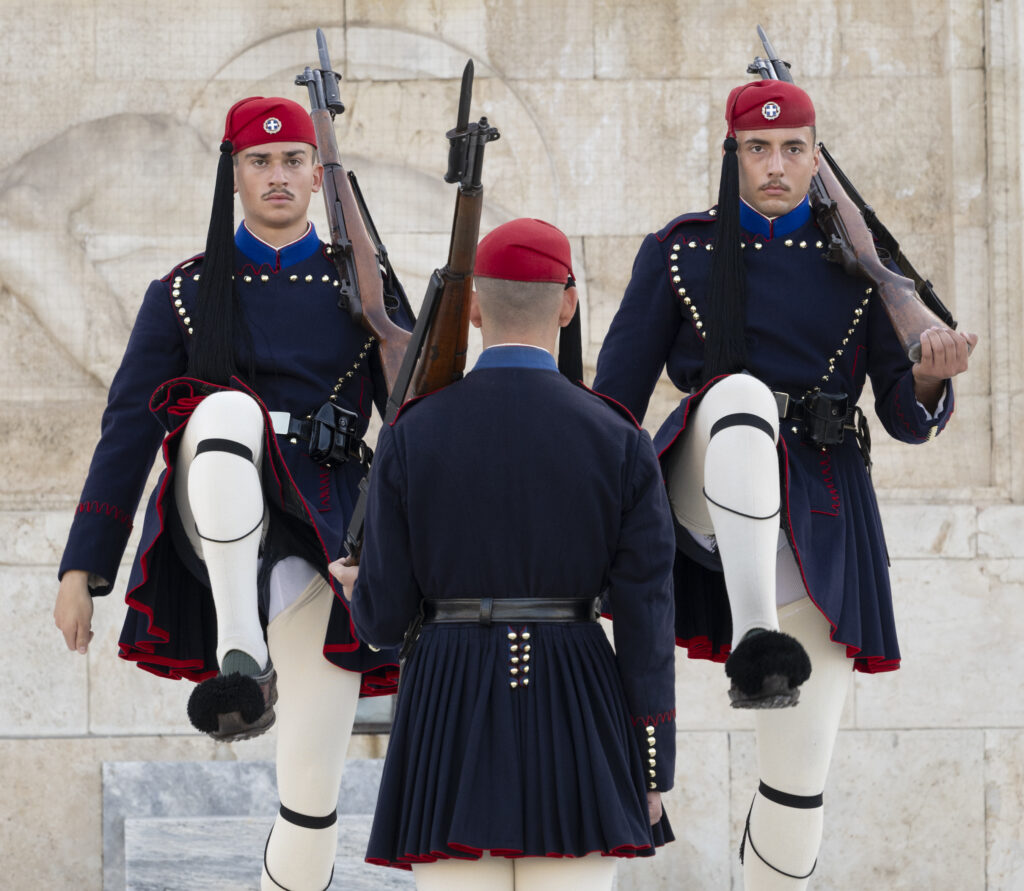
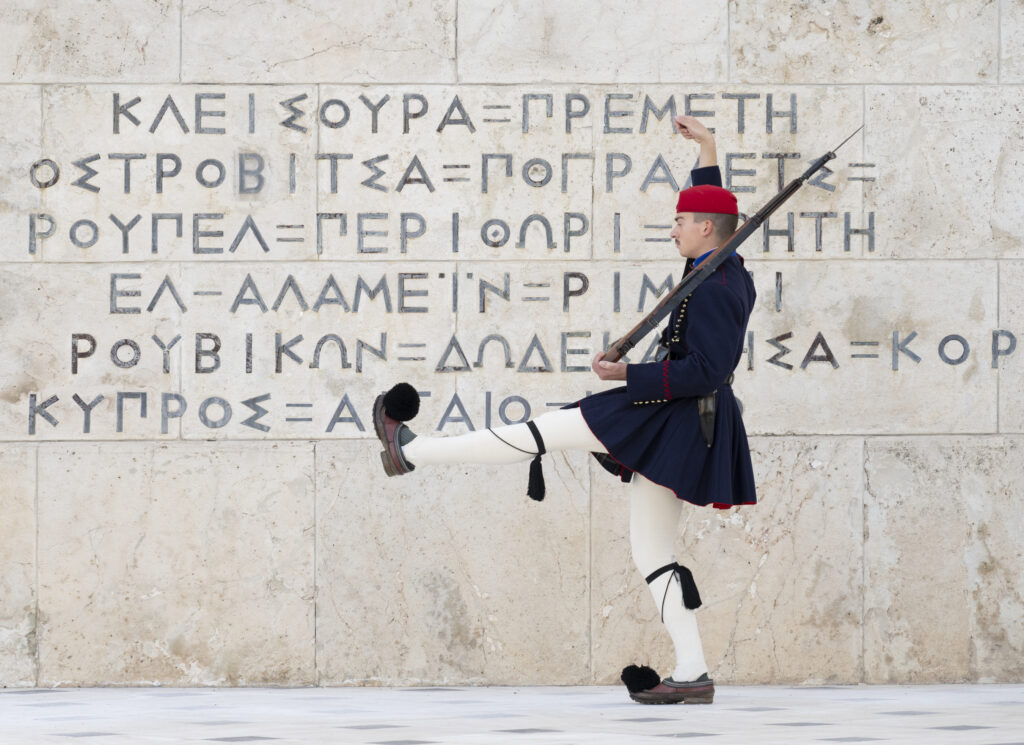
Many countries have some sort of tribute to unknown soldiers killed in the nation’s historical wars. Greece’s is in downtown Athens, right next to their Parliament building. As the sculpture on the wall behind it reminds us, Greek warriors have been fighting wars for a very long time. So when the Greeks think about their historical, noble warriors, they may well be thinking about the Trojan War, or about the 300 Greek “Spartans” who fought at Thermopolea 2500 years ago. Apparently today it’s quite an honor for a Greek soldier to don the traditional uniform and do the high-stepping ceremonial march. At 8am on a weekday, I was pretty much the only person there to watch this changing of the guard.
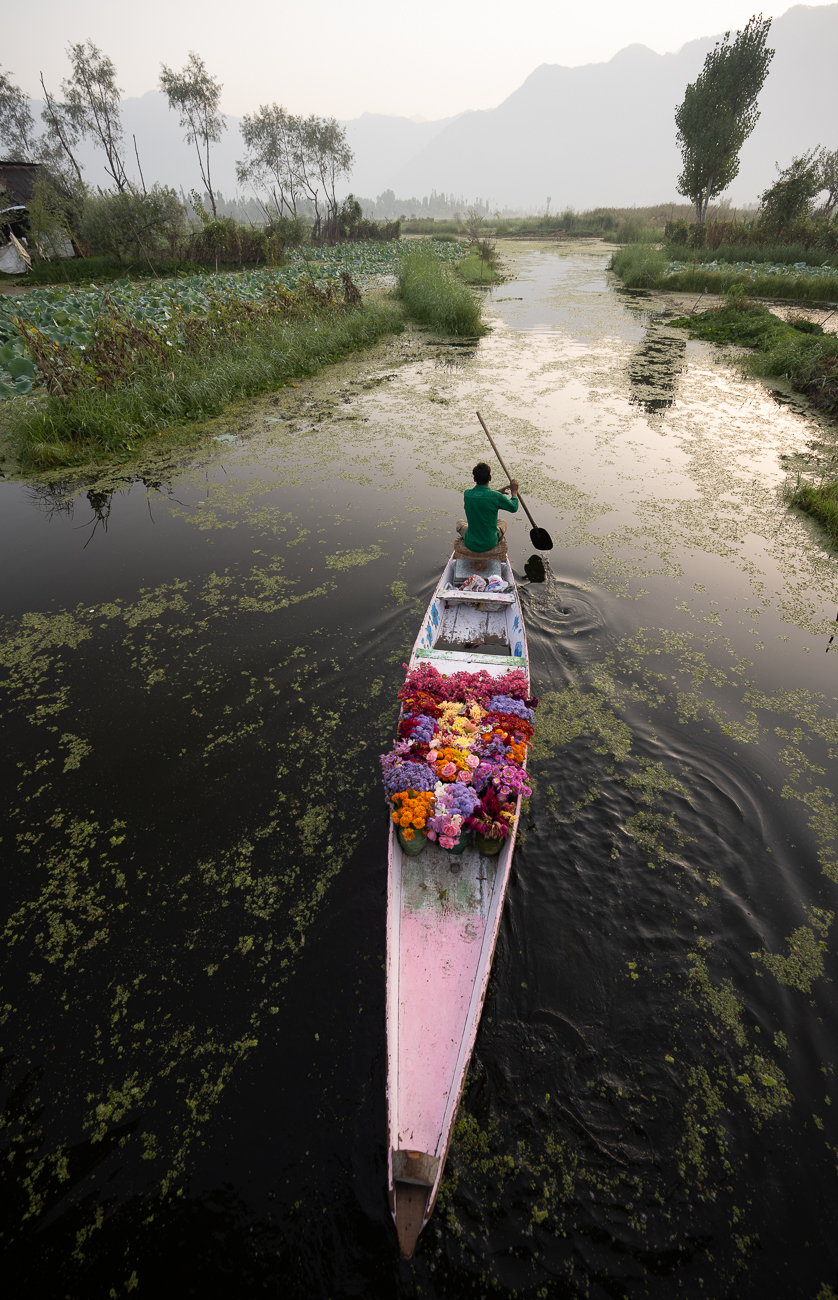
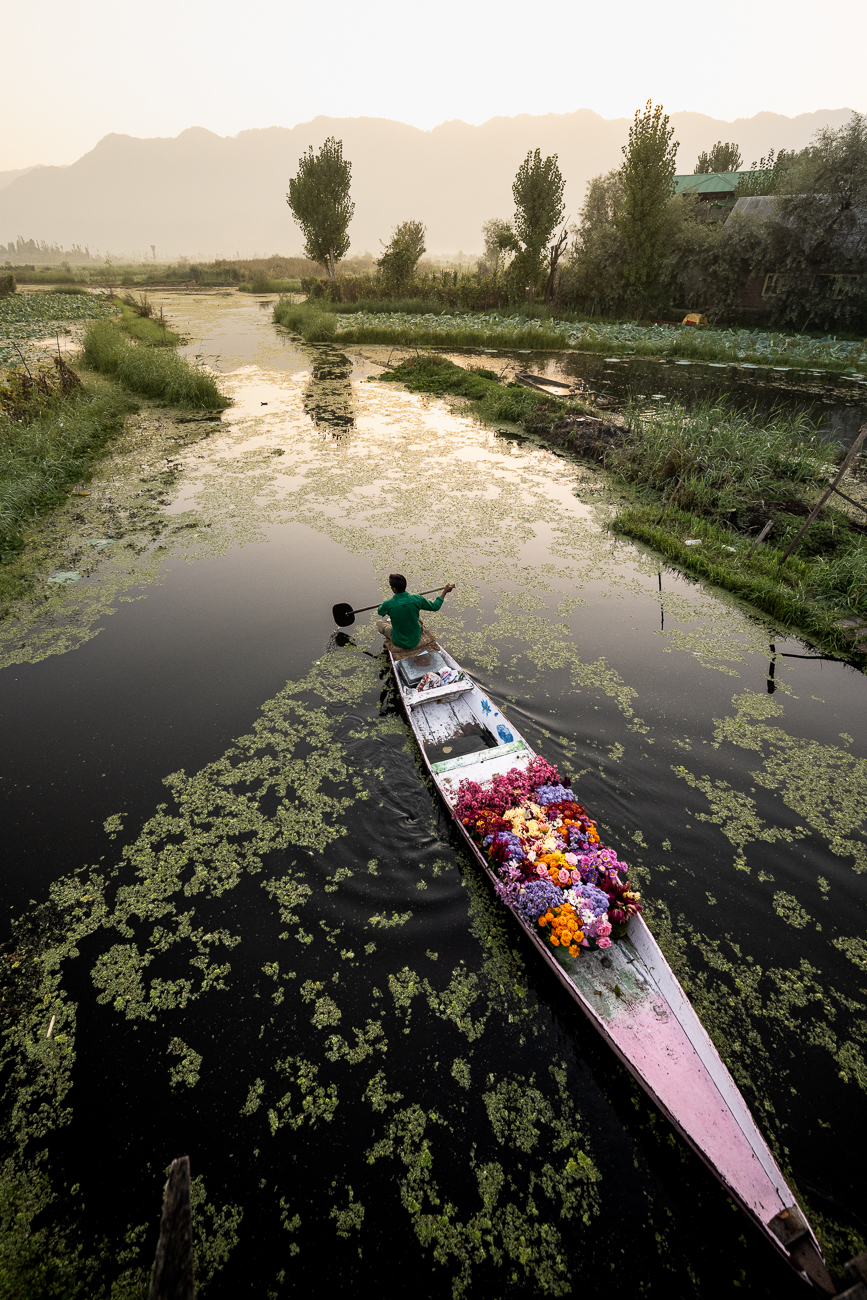
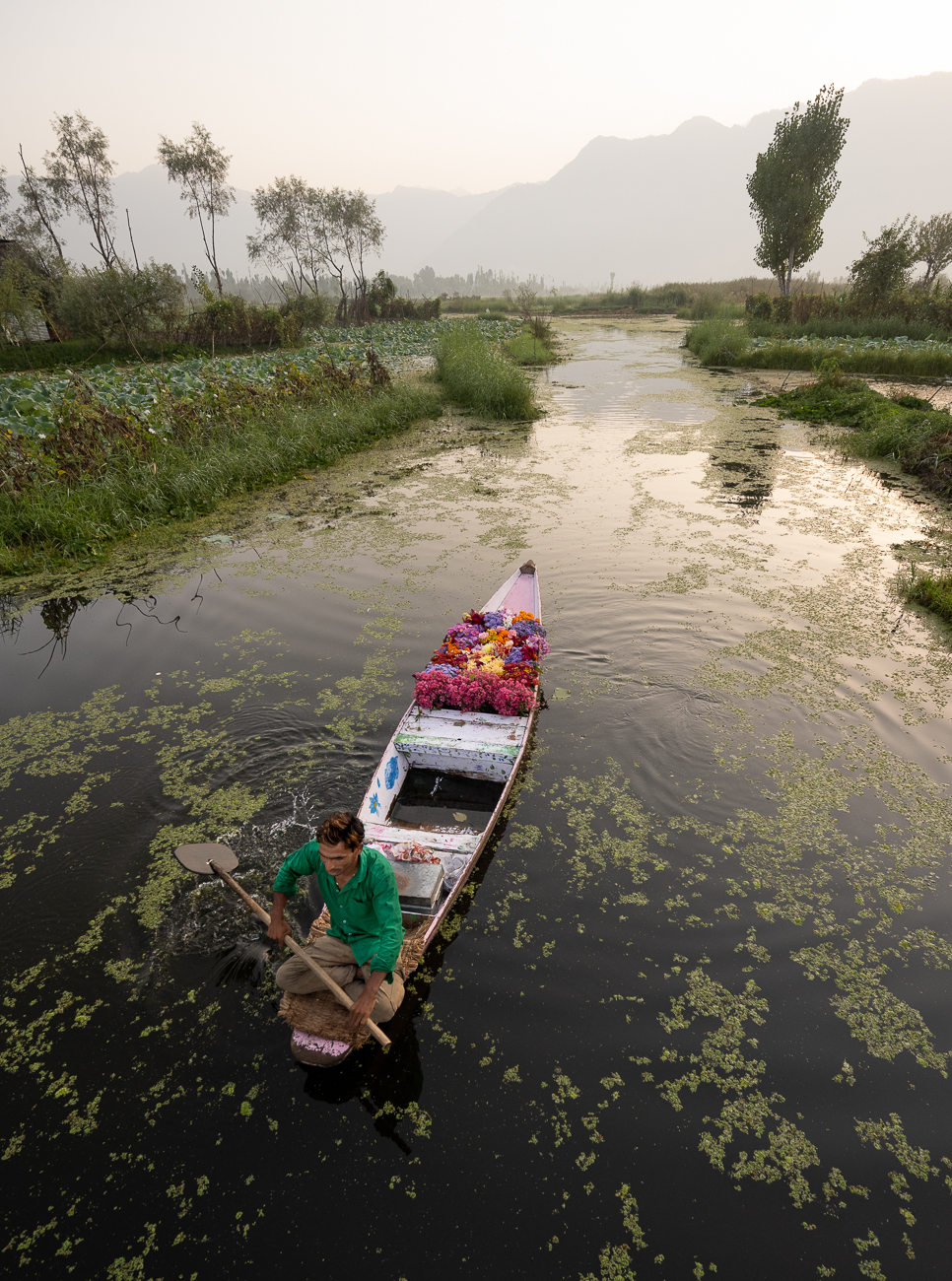
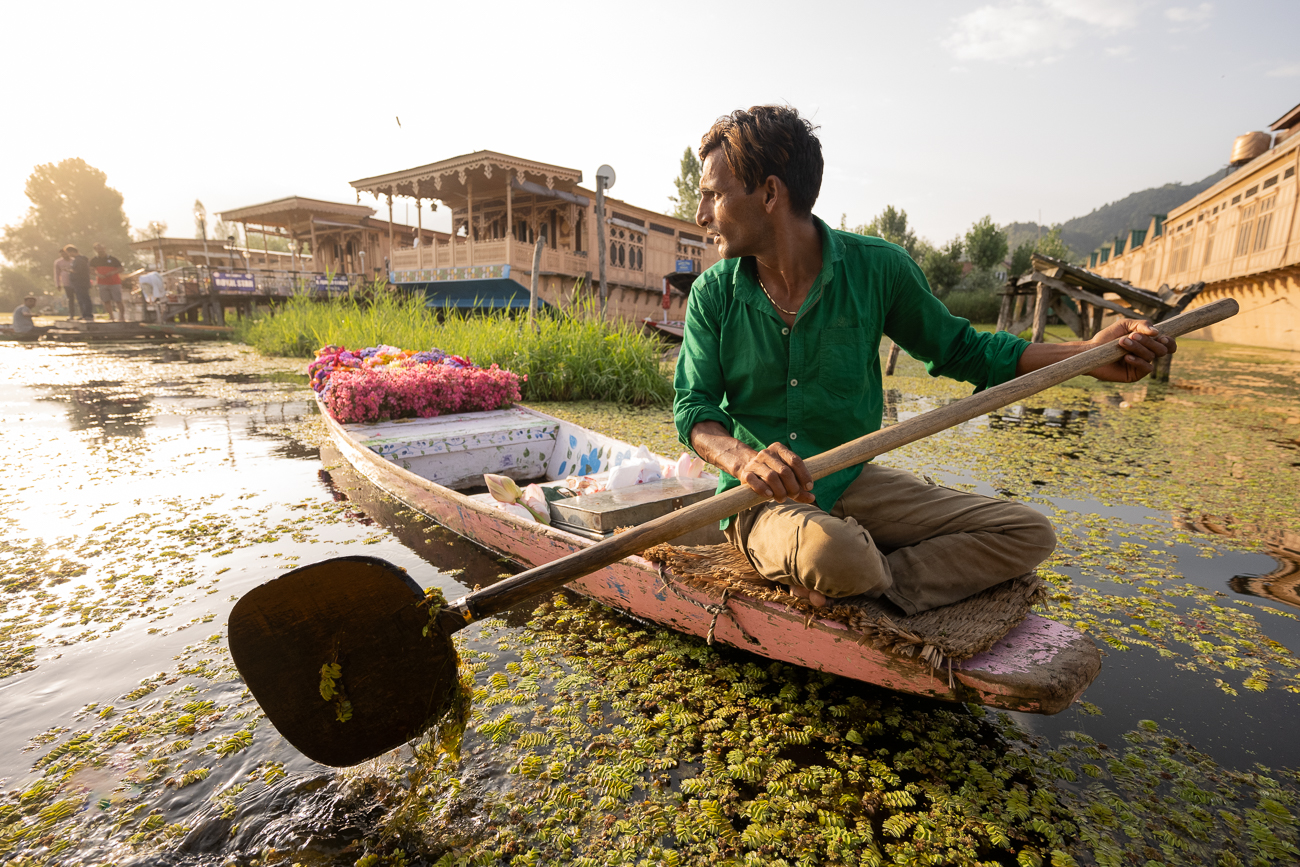
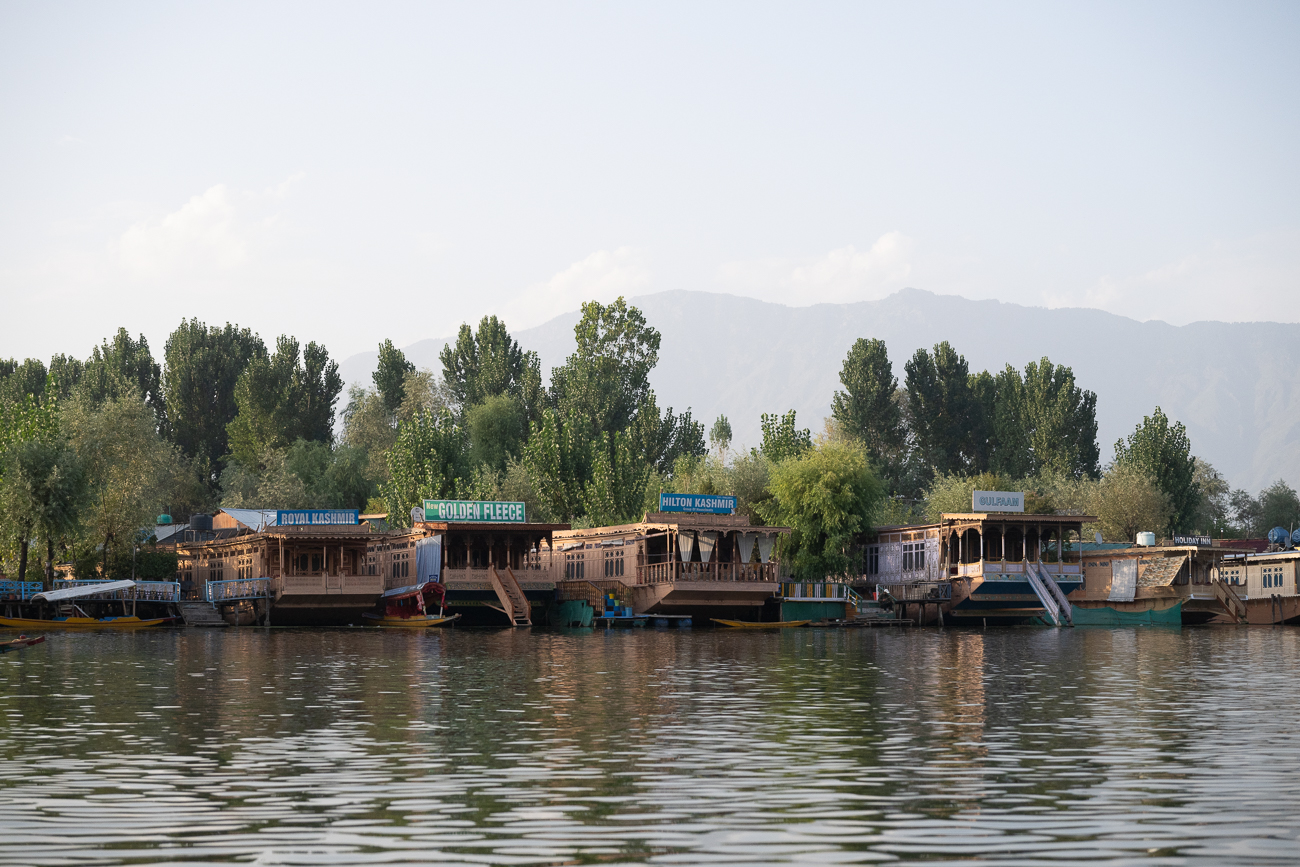
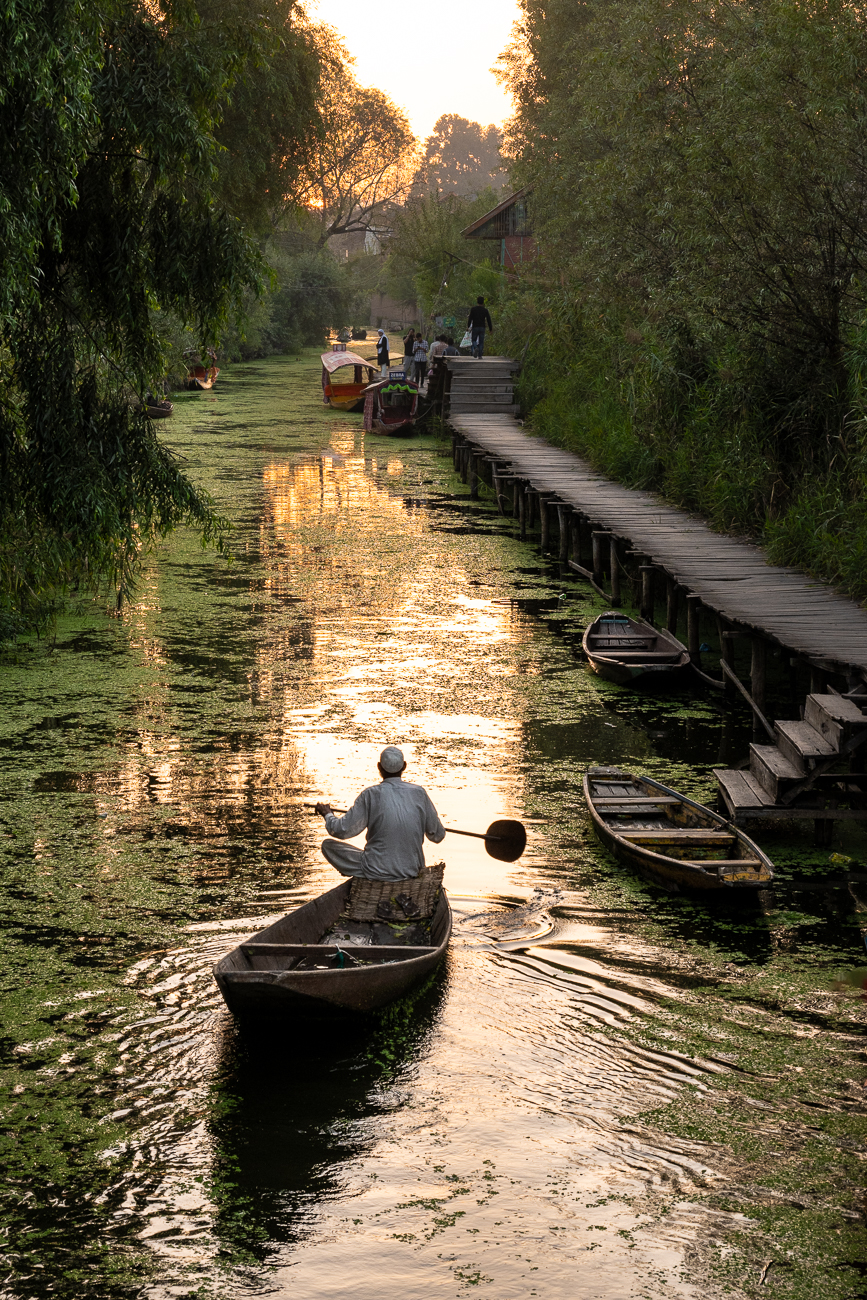
Kashmir on the Lake: Srinigar Houseboats

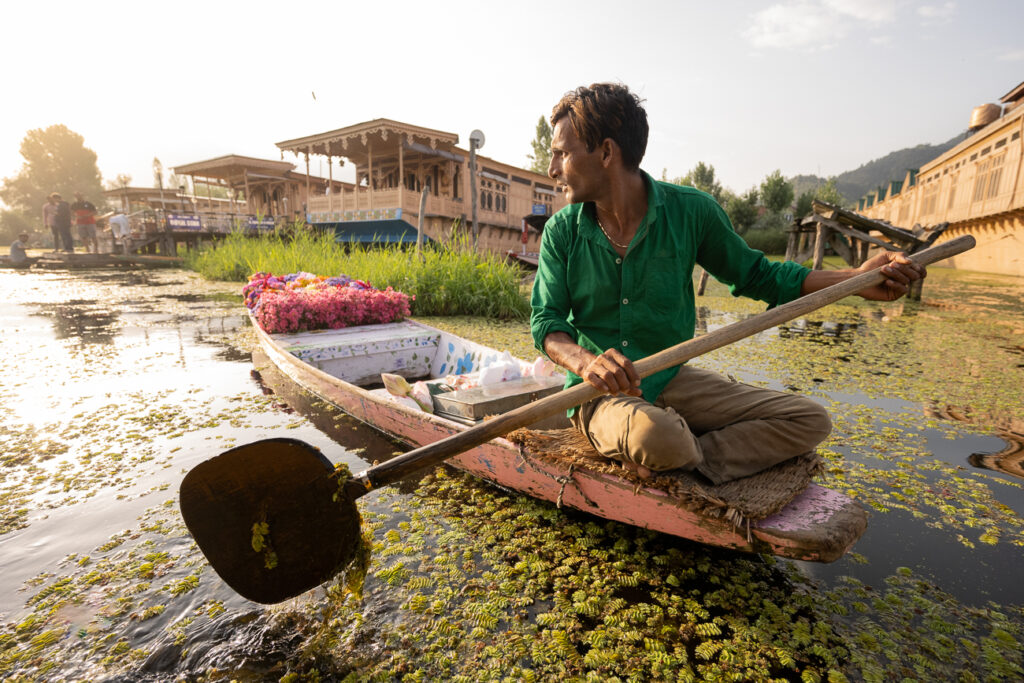
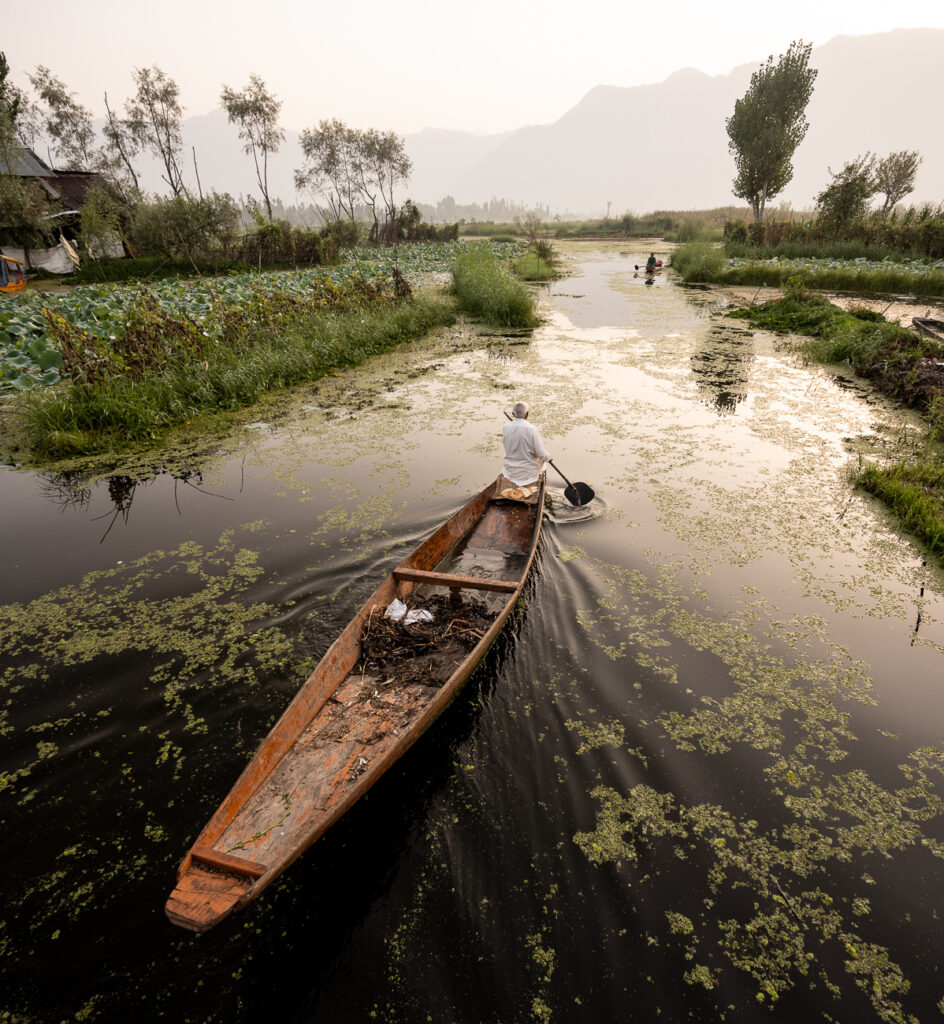
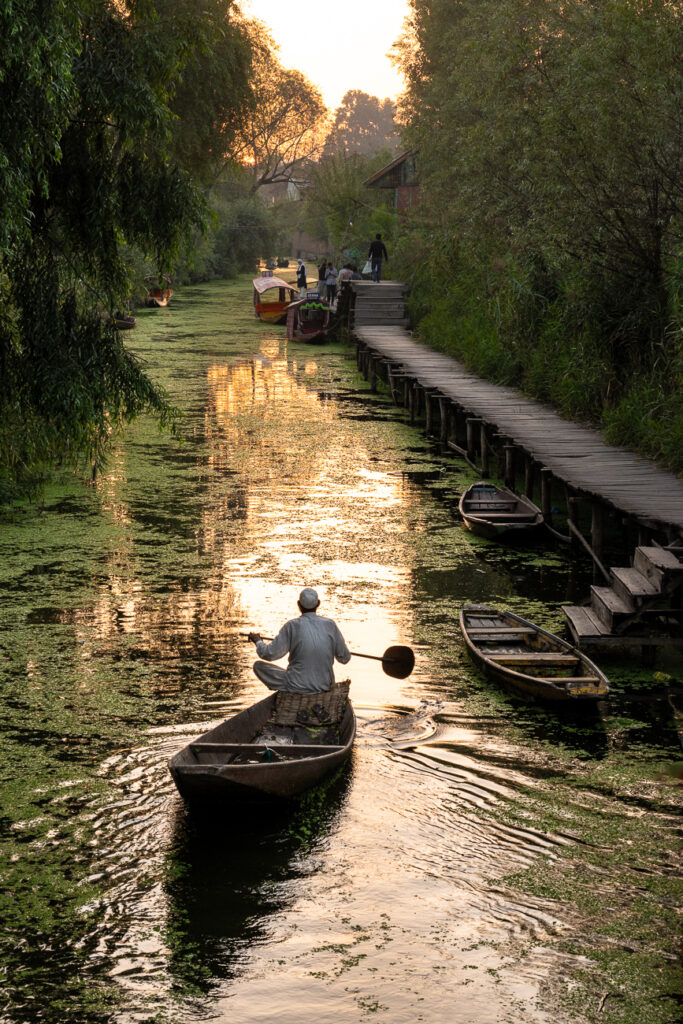
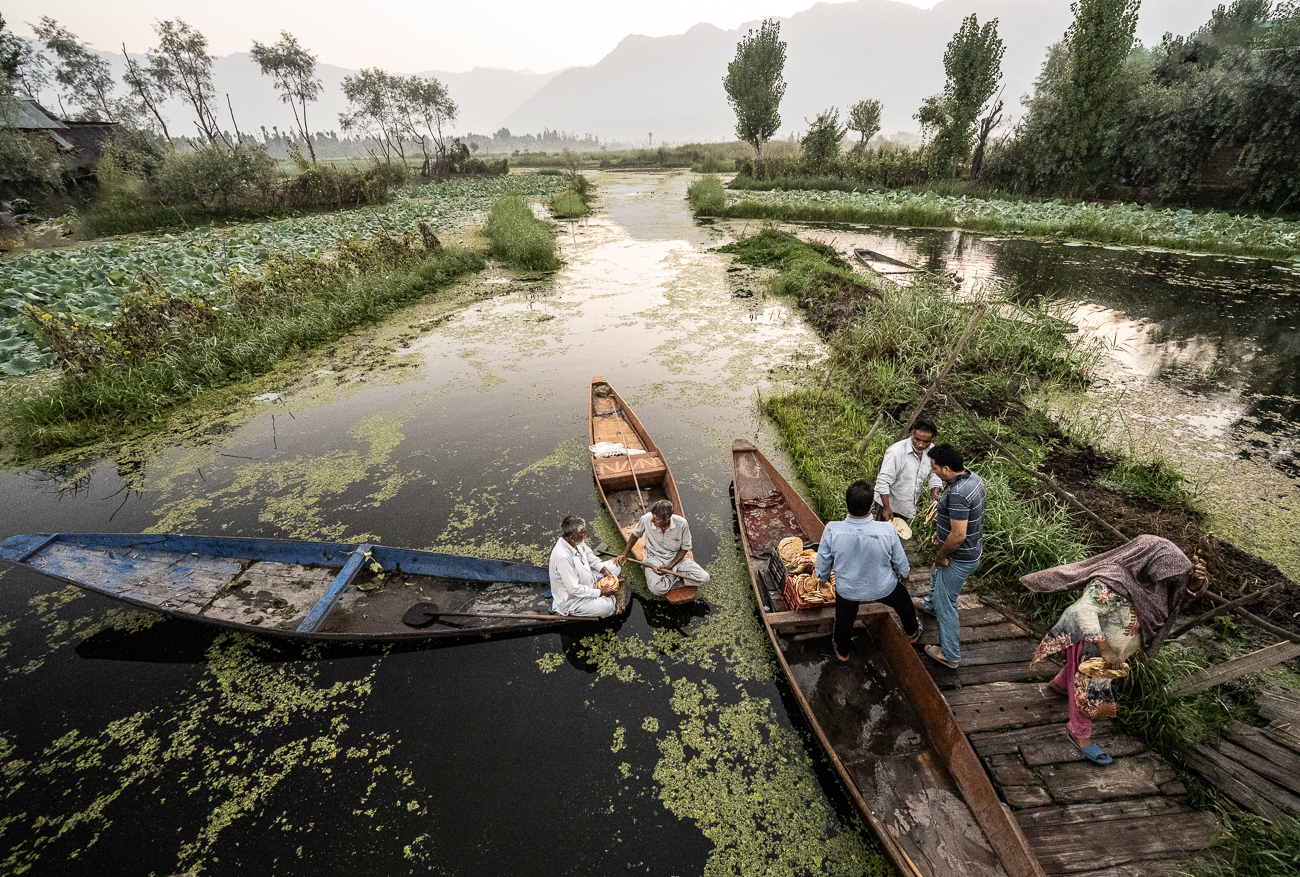
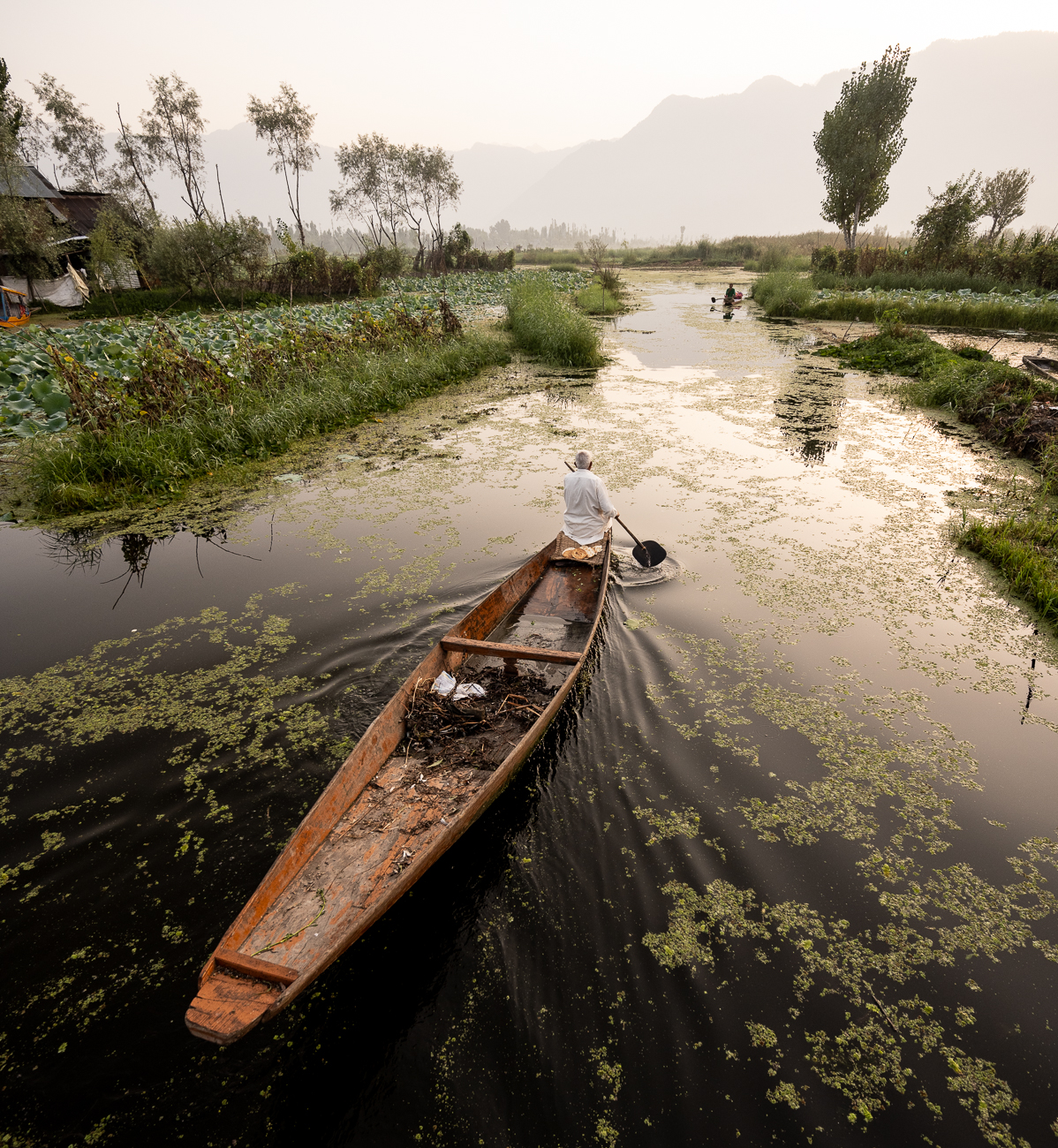
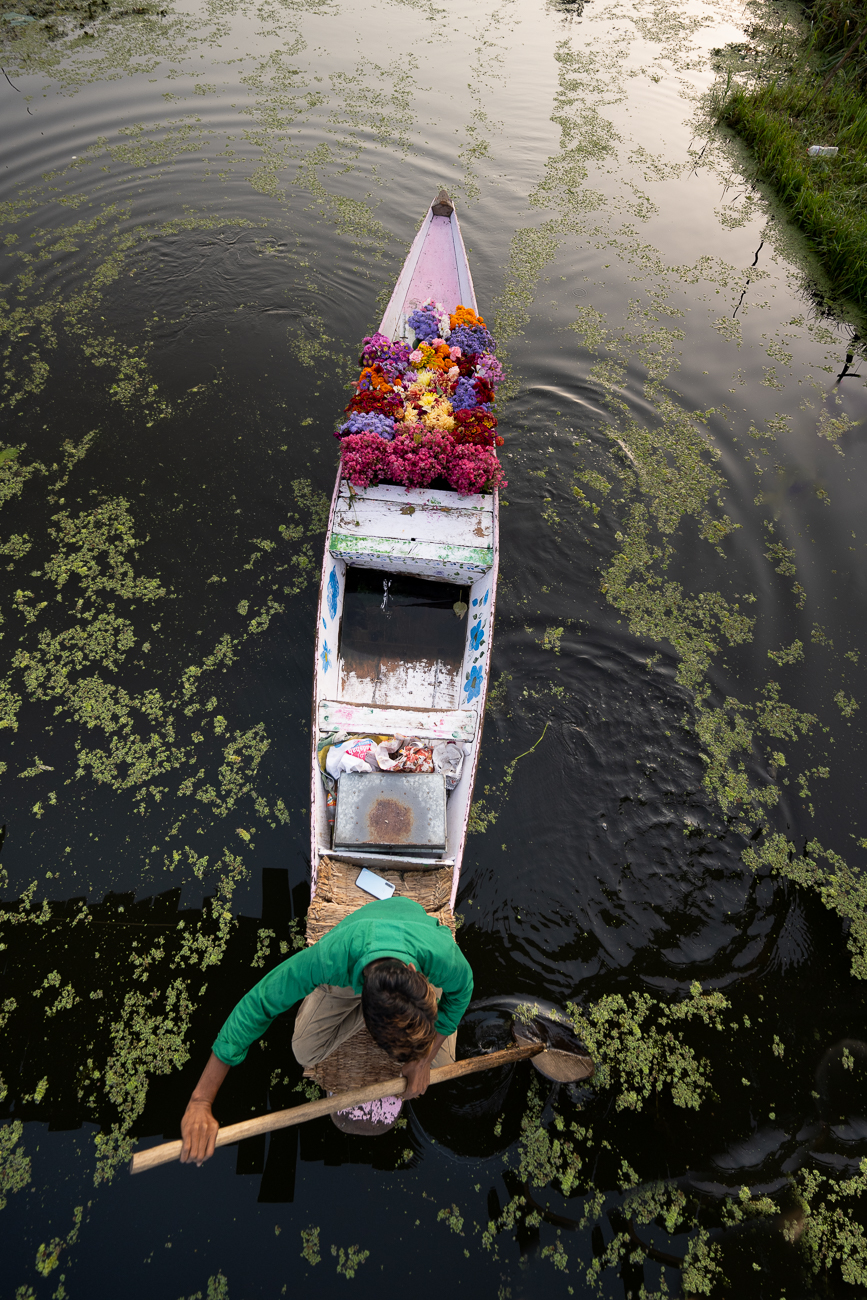
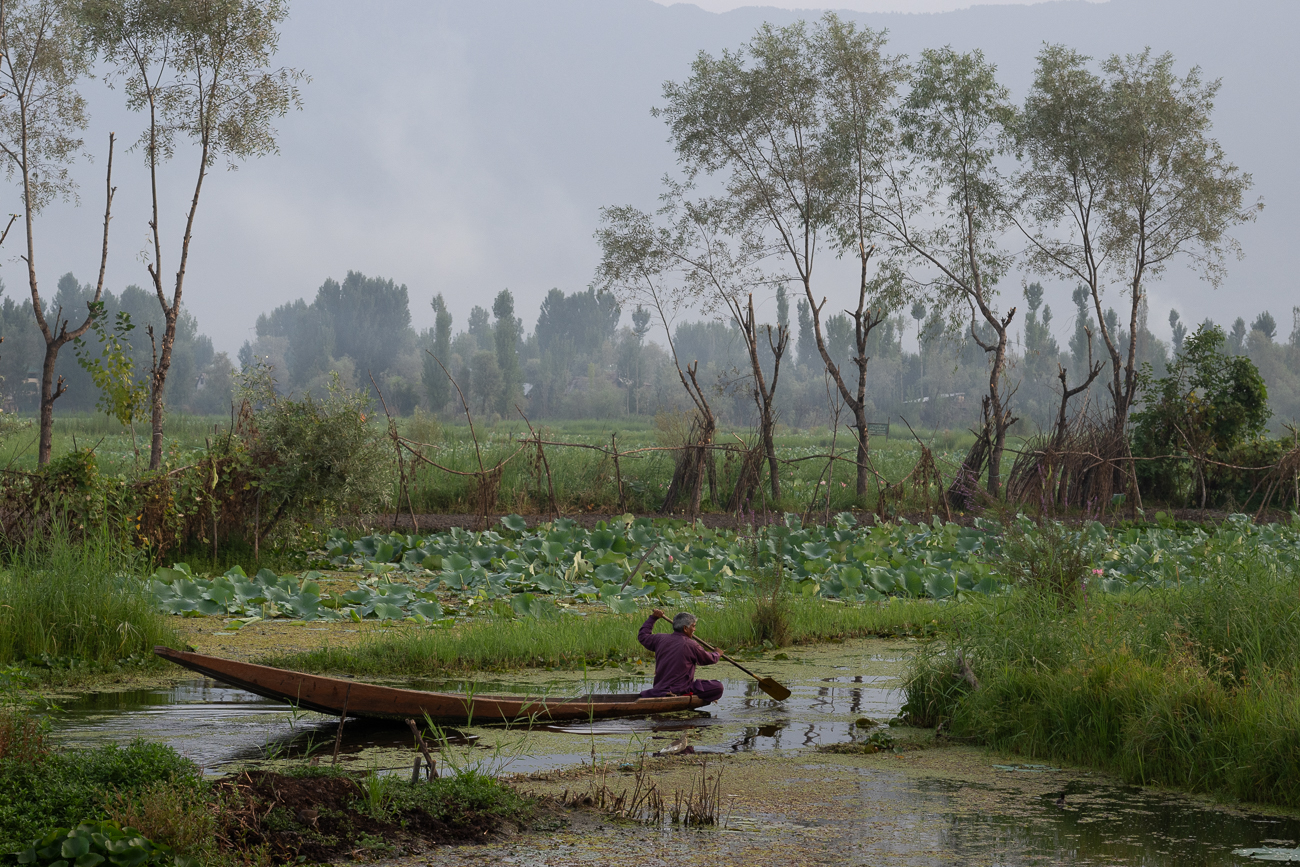
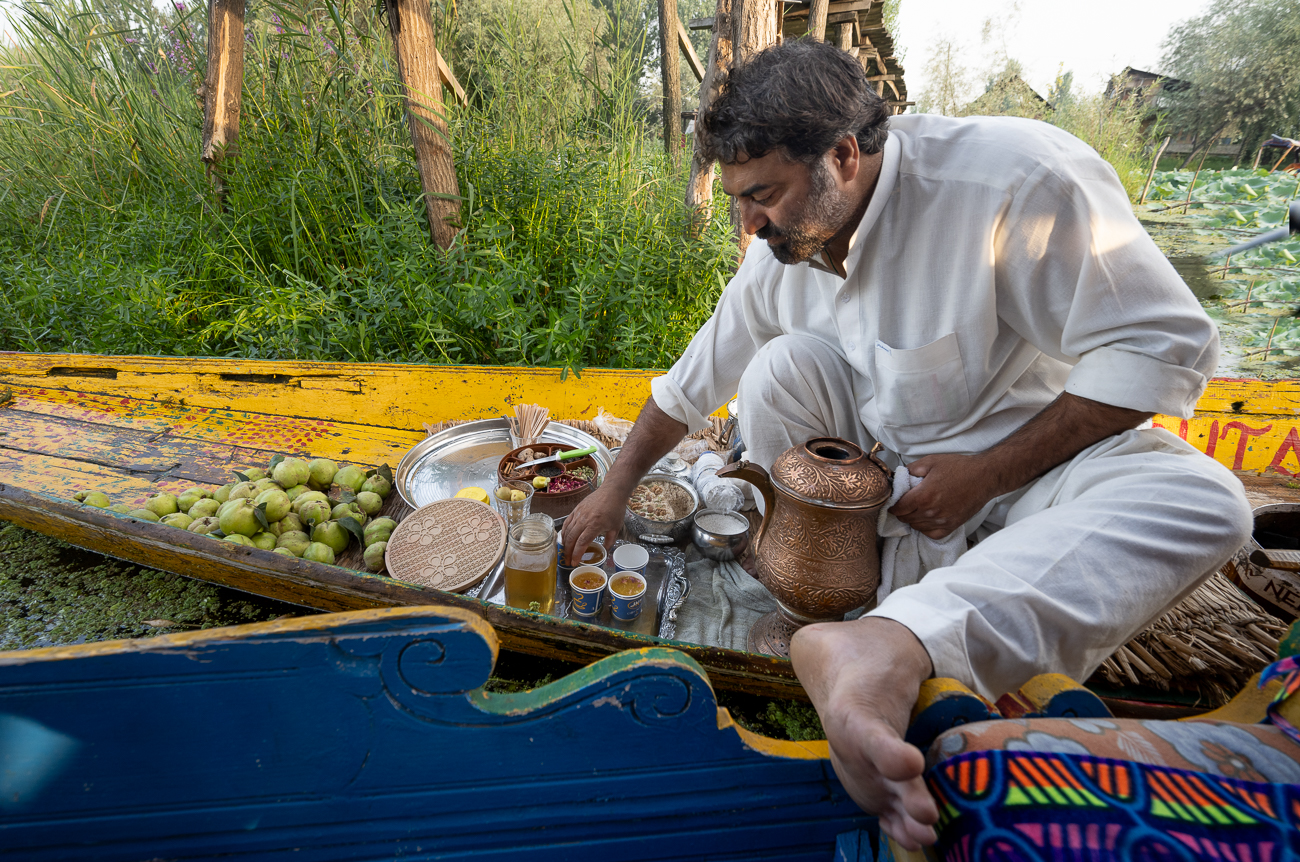
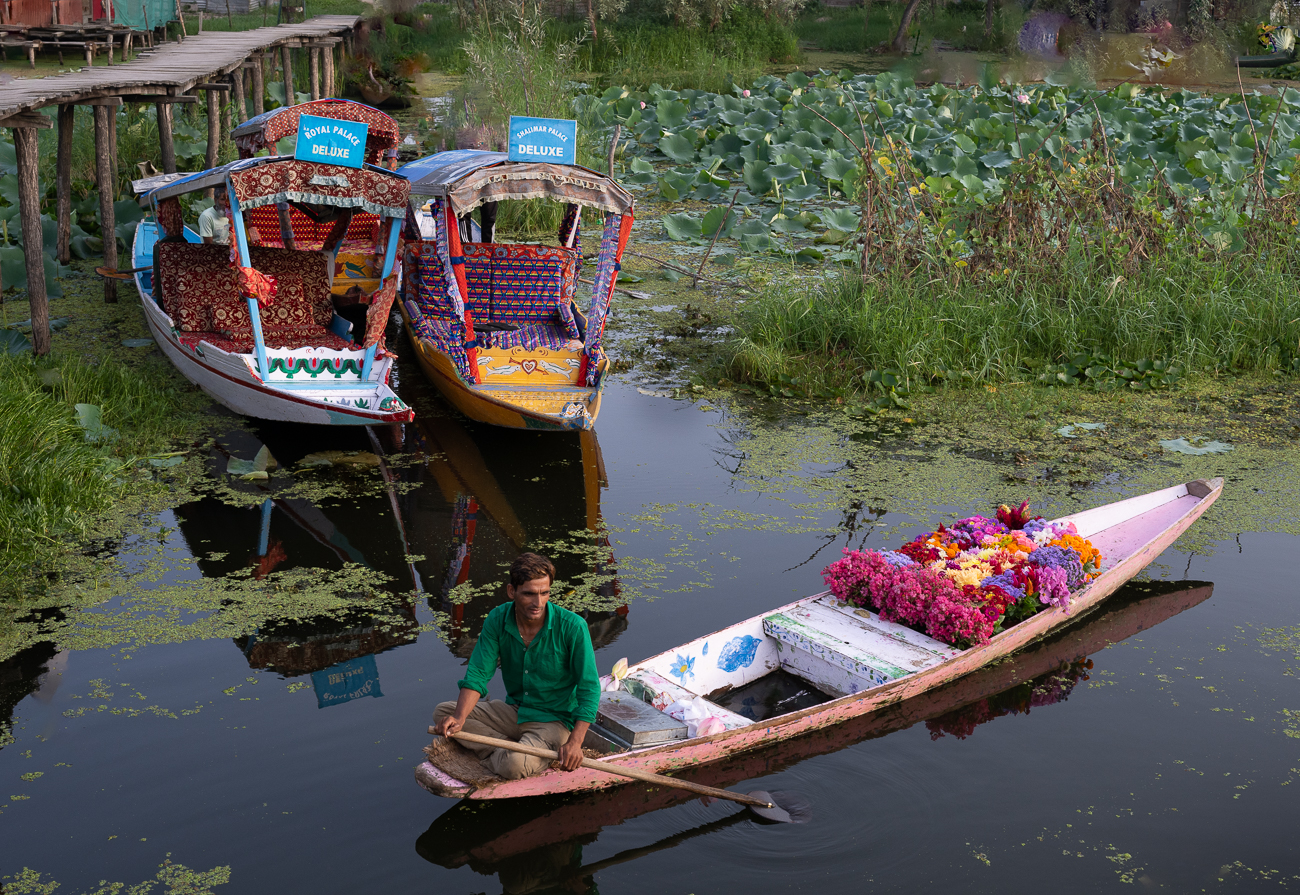
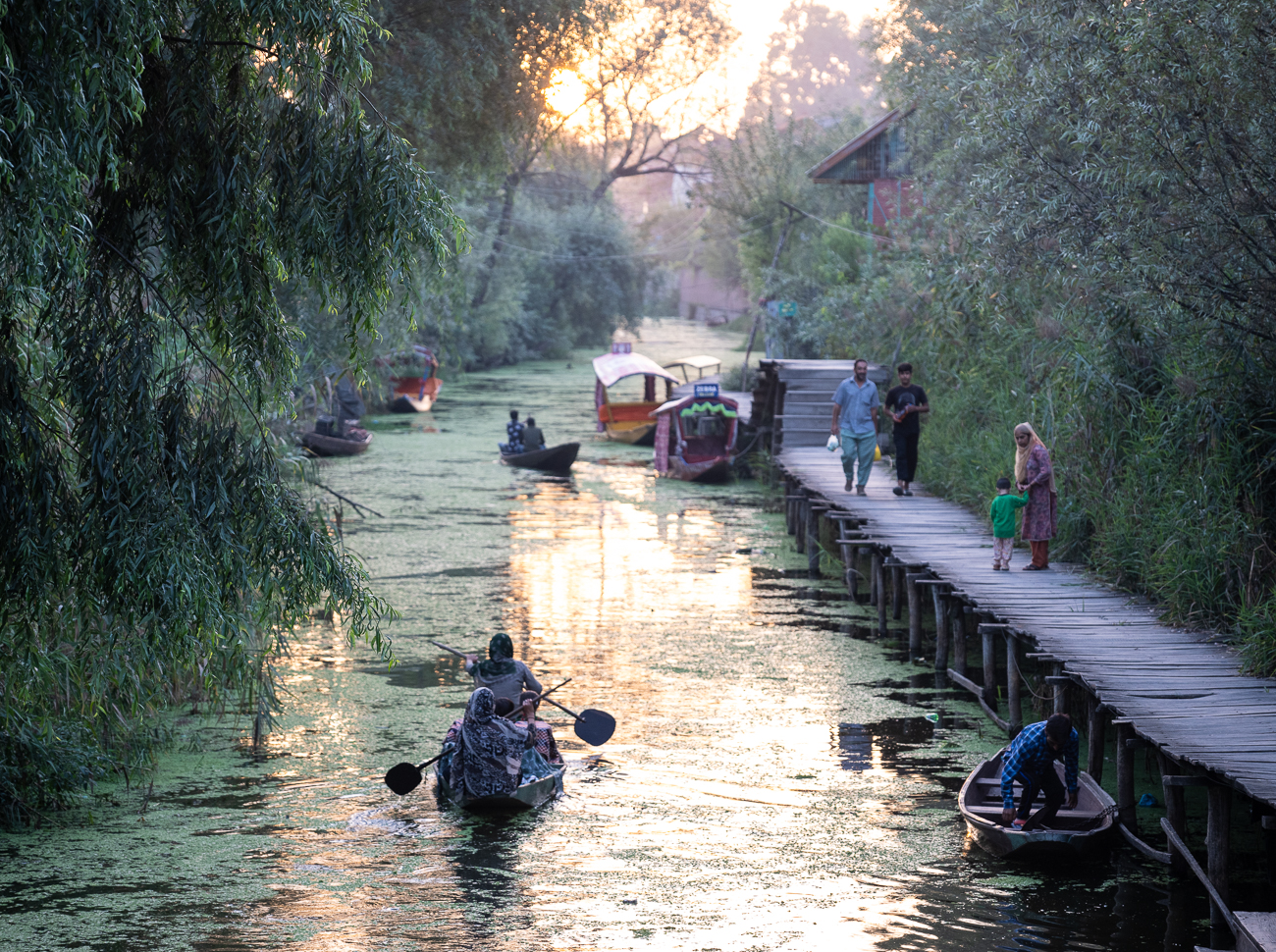
Srinigar, in the Kashmir region of northern India, sits on a big, shallow lake at the edge of the Himalayas. Most ‘hotels’ are houseboats, reachable only by hand-paddled gondolas. Central Srinigar is like a cross between Venice Italy and a Louisiana bayou.

The history of the houseboats is a quirky rule dating back to the 1800s when the area was a British colony: the Brits were prohibited from owning property, but were free to float a fancy boat on the lake.

Himalayan India: Living off the Land

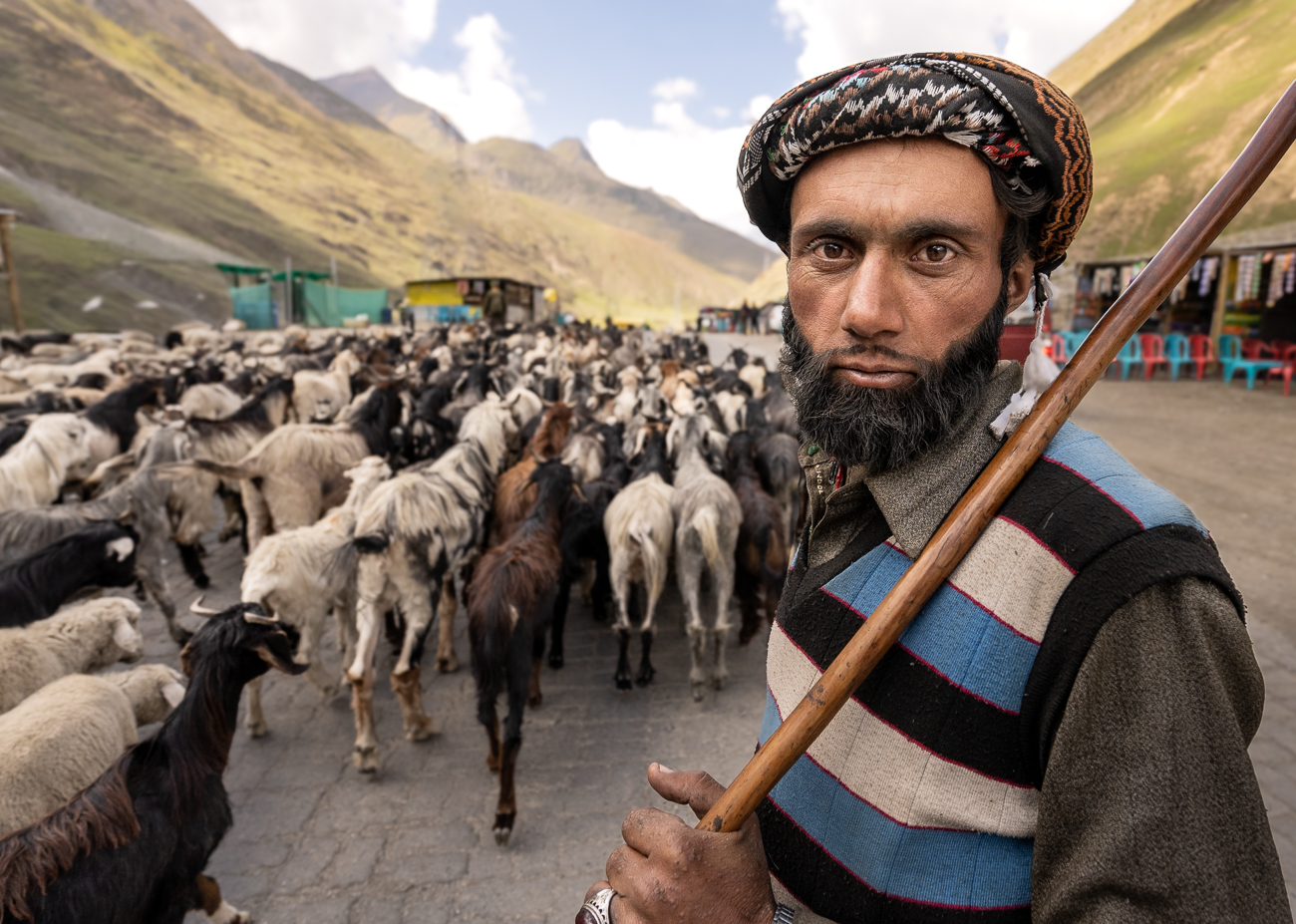
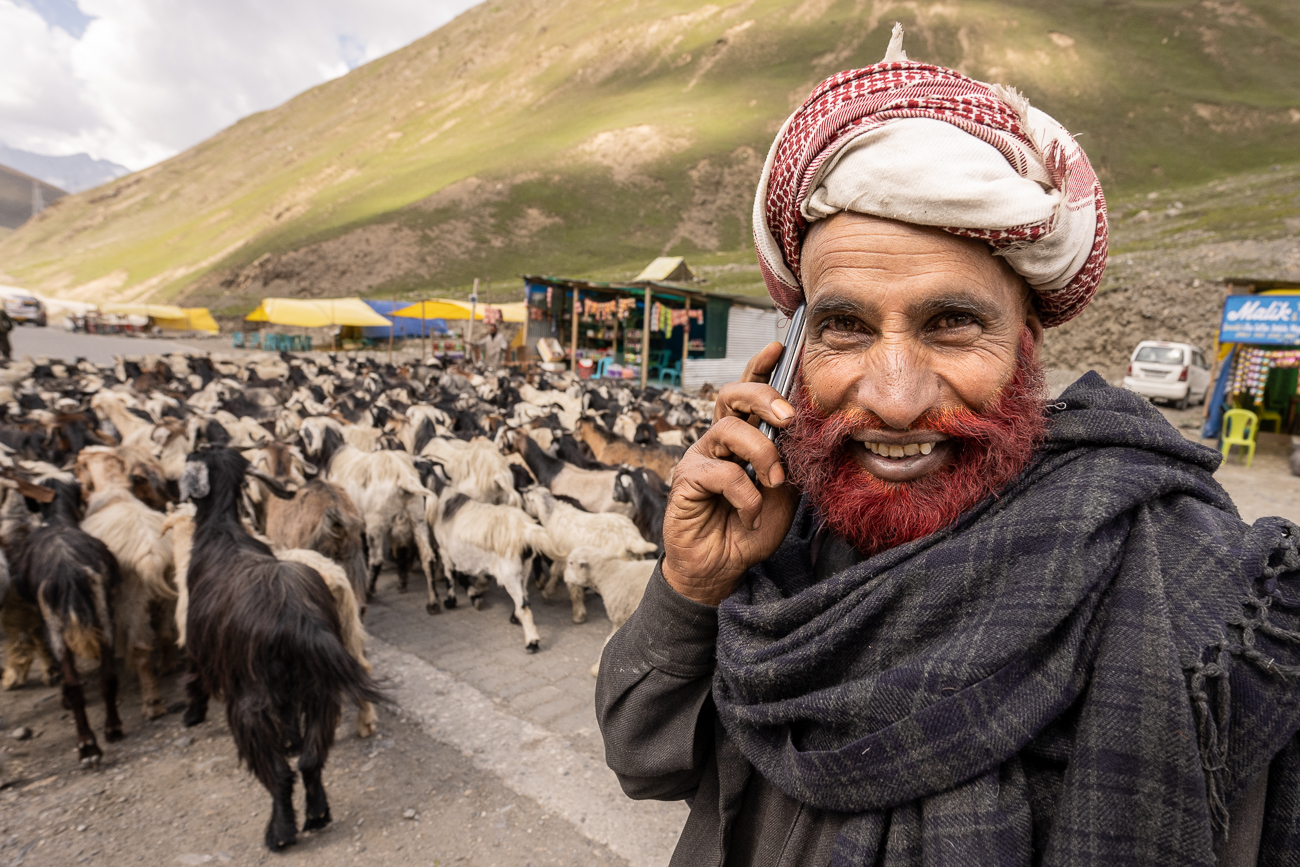
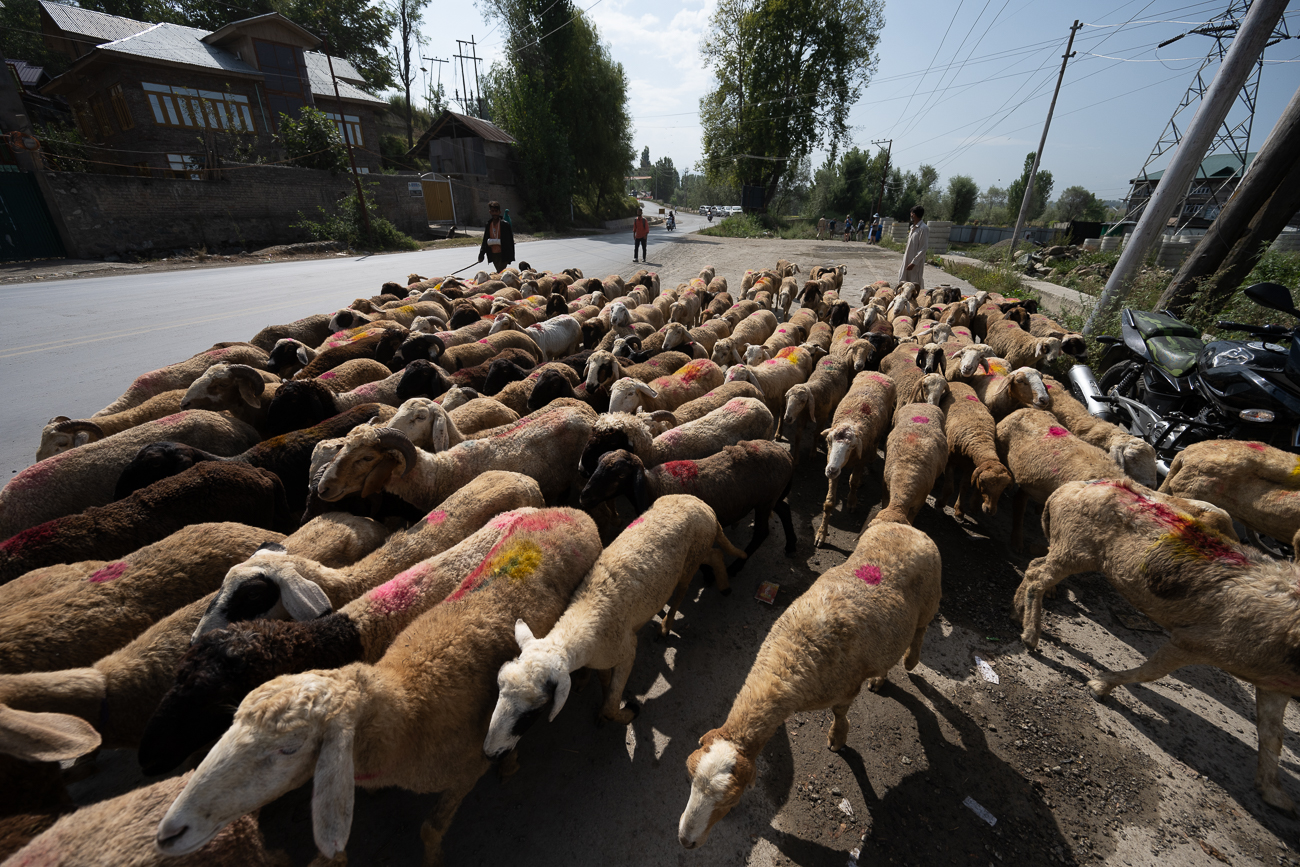
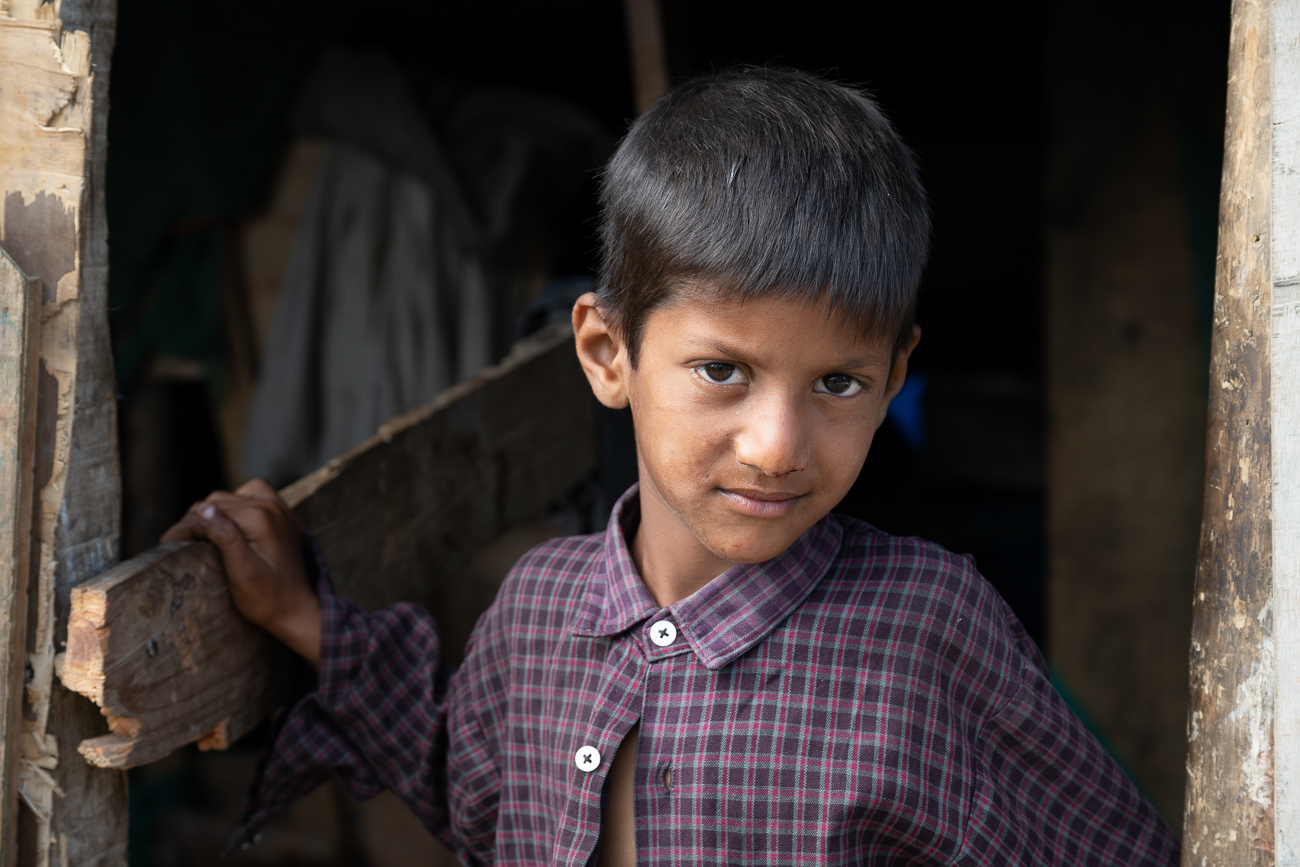
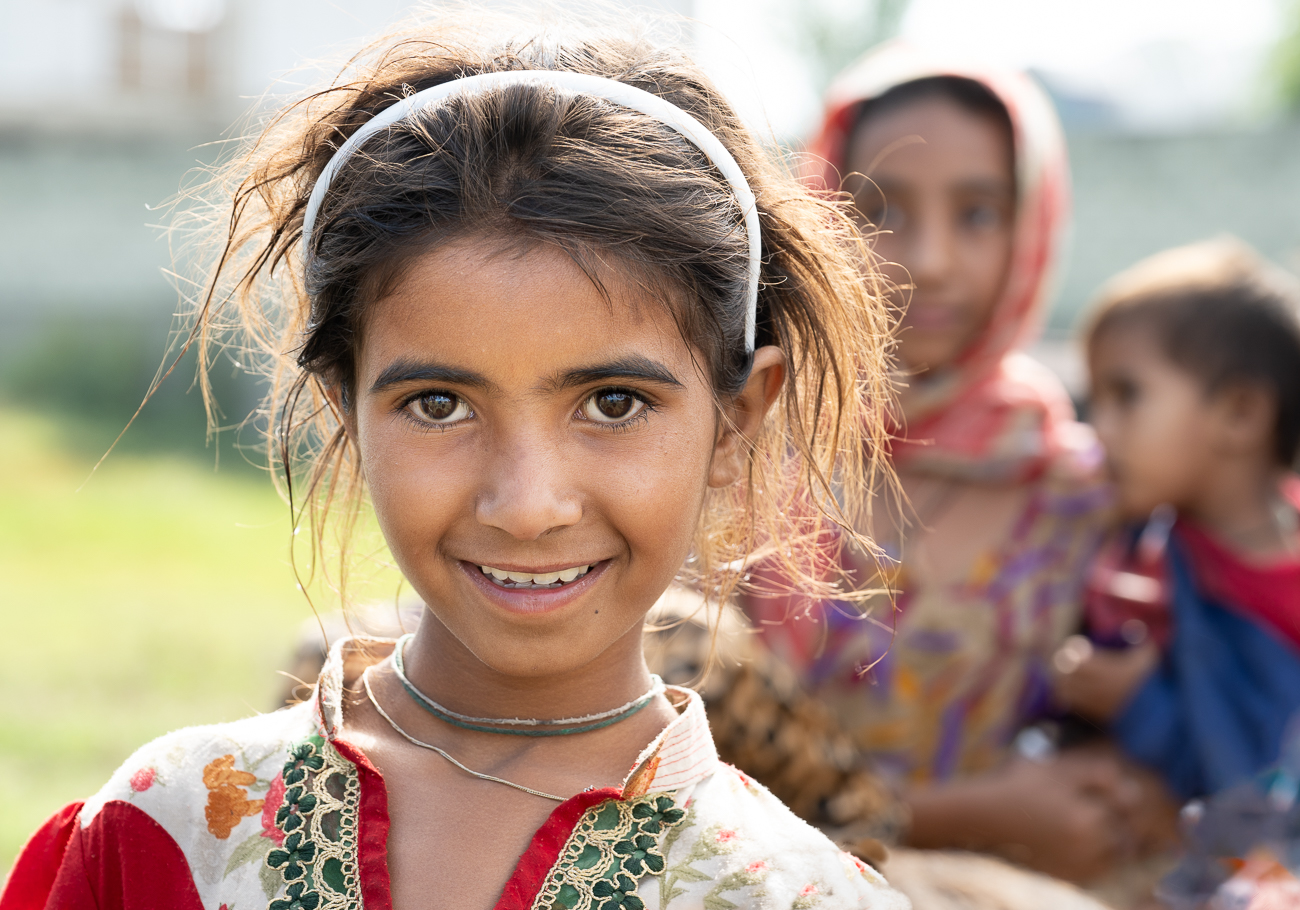
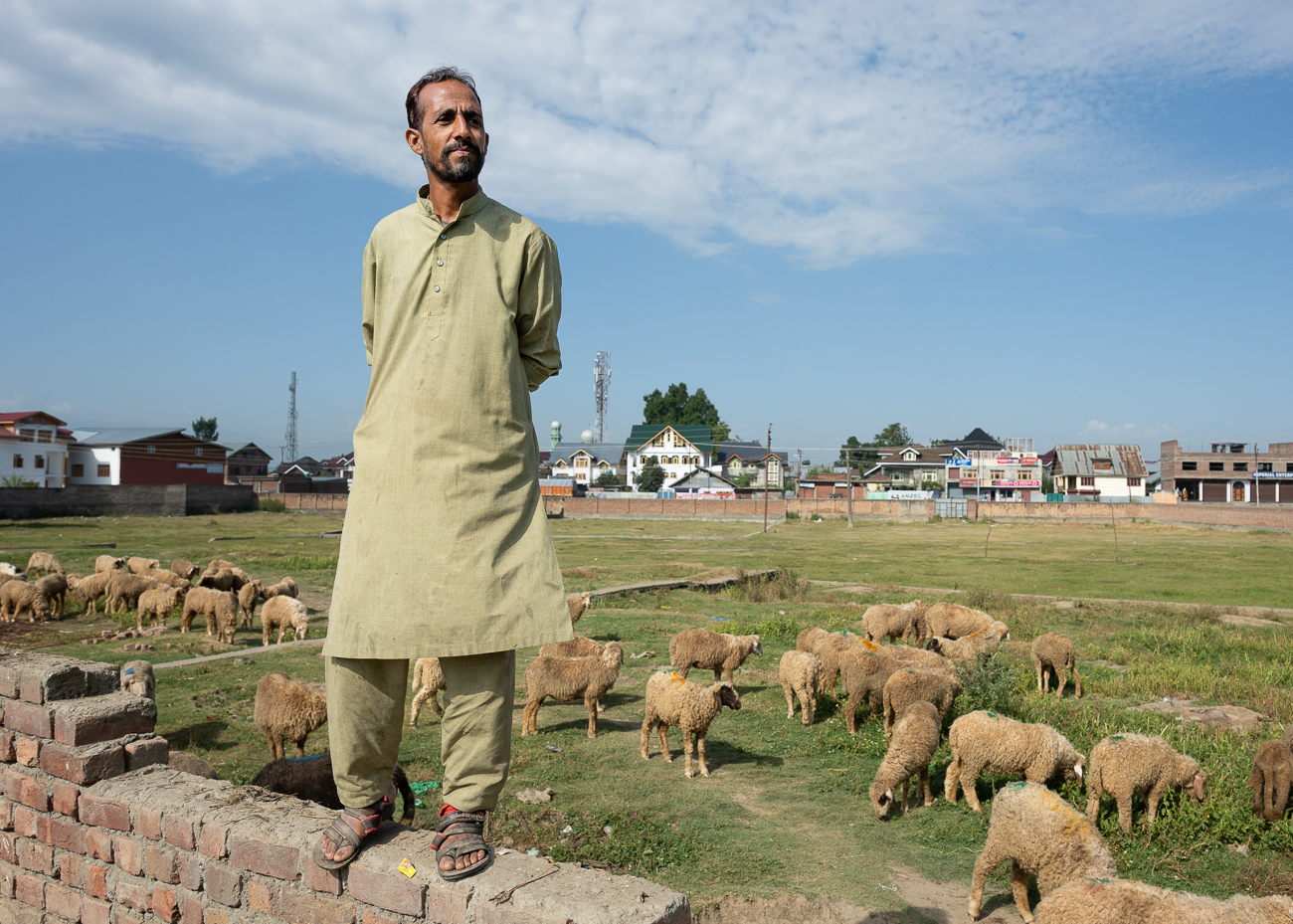
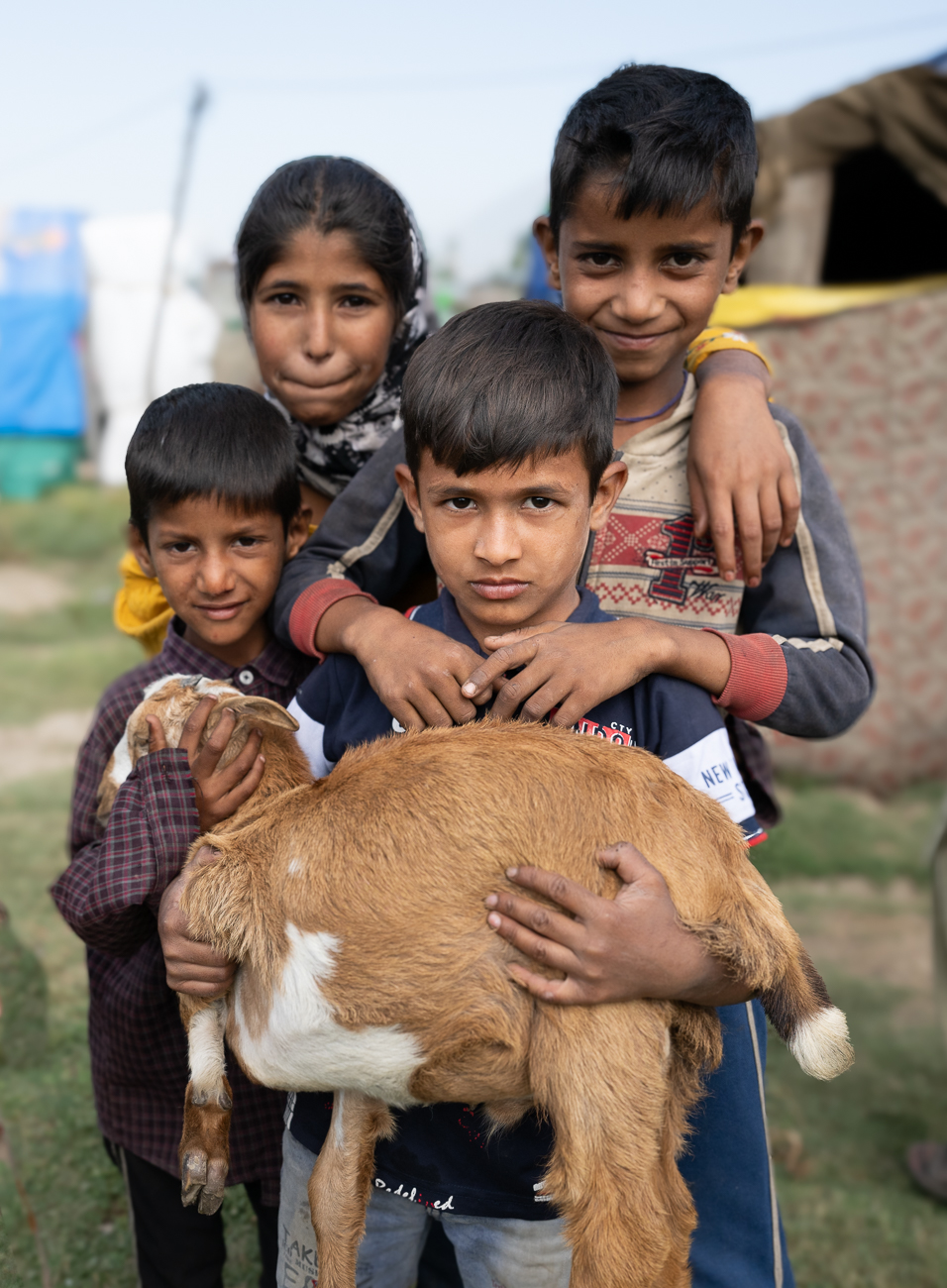
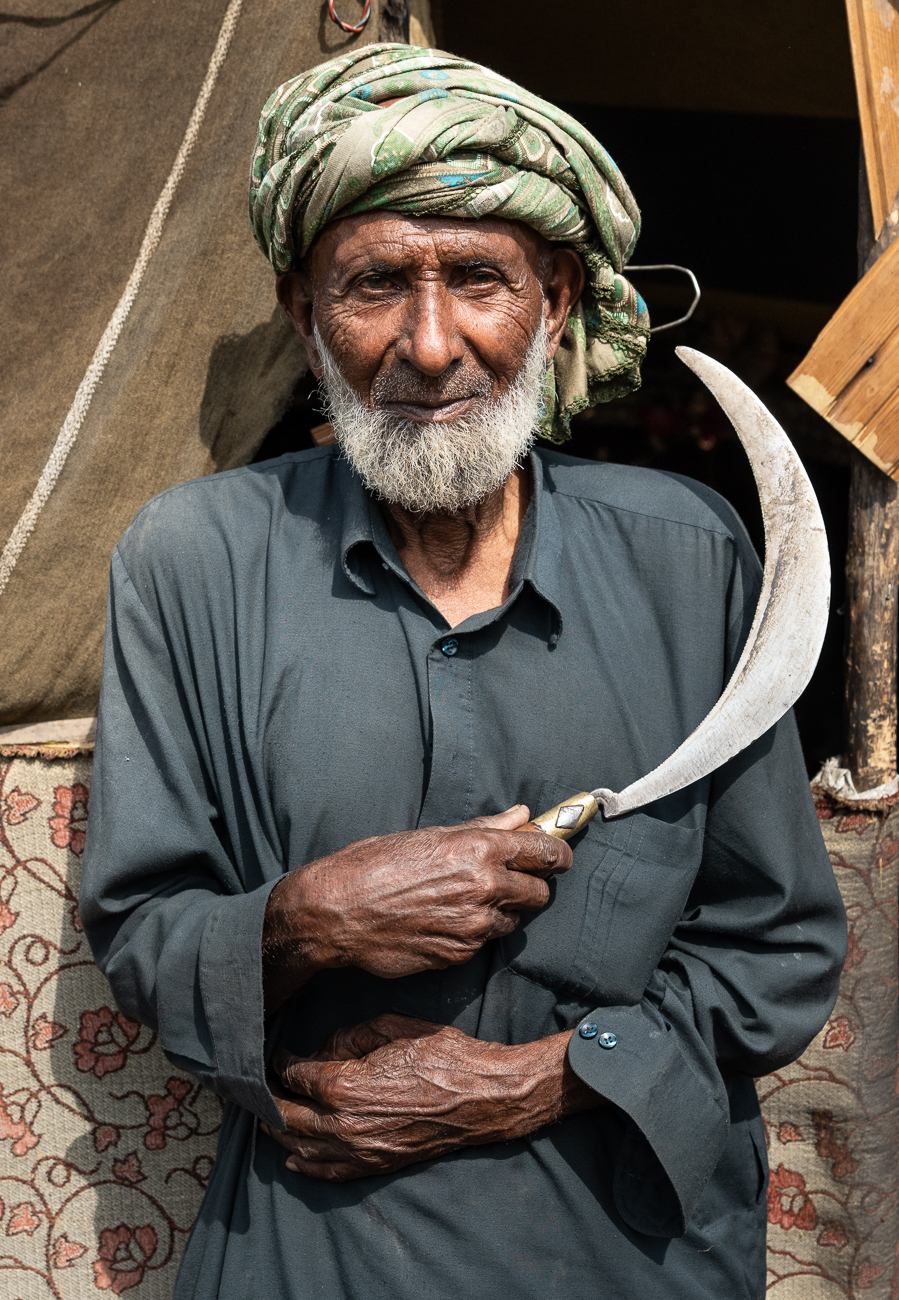
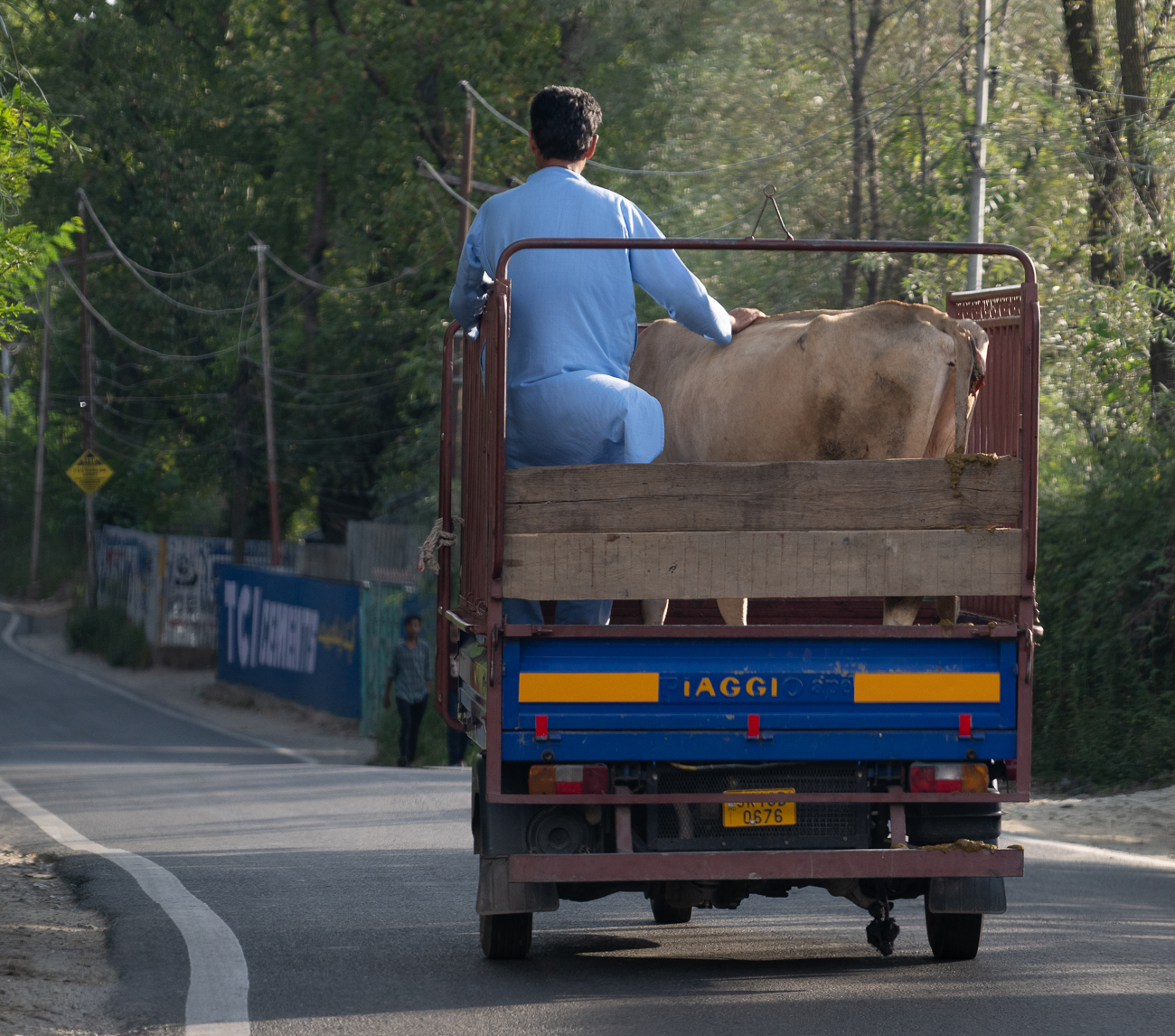
Kashmir is the summer home to an ethnic ‘tribe’ known as the the Bakarwals (which means “shepherds” in Gojari). They’re semi-nomadic herders of sheep and goats. In rural areas and around the edge of Srinigar, traffic stopped pretty regularly for a herd to come through.

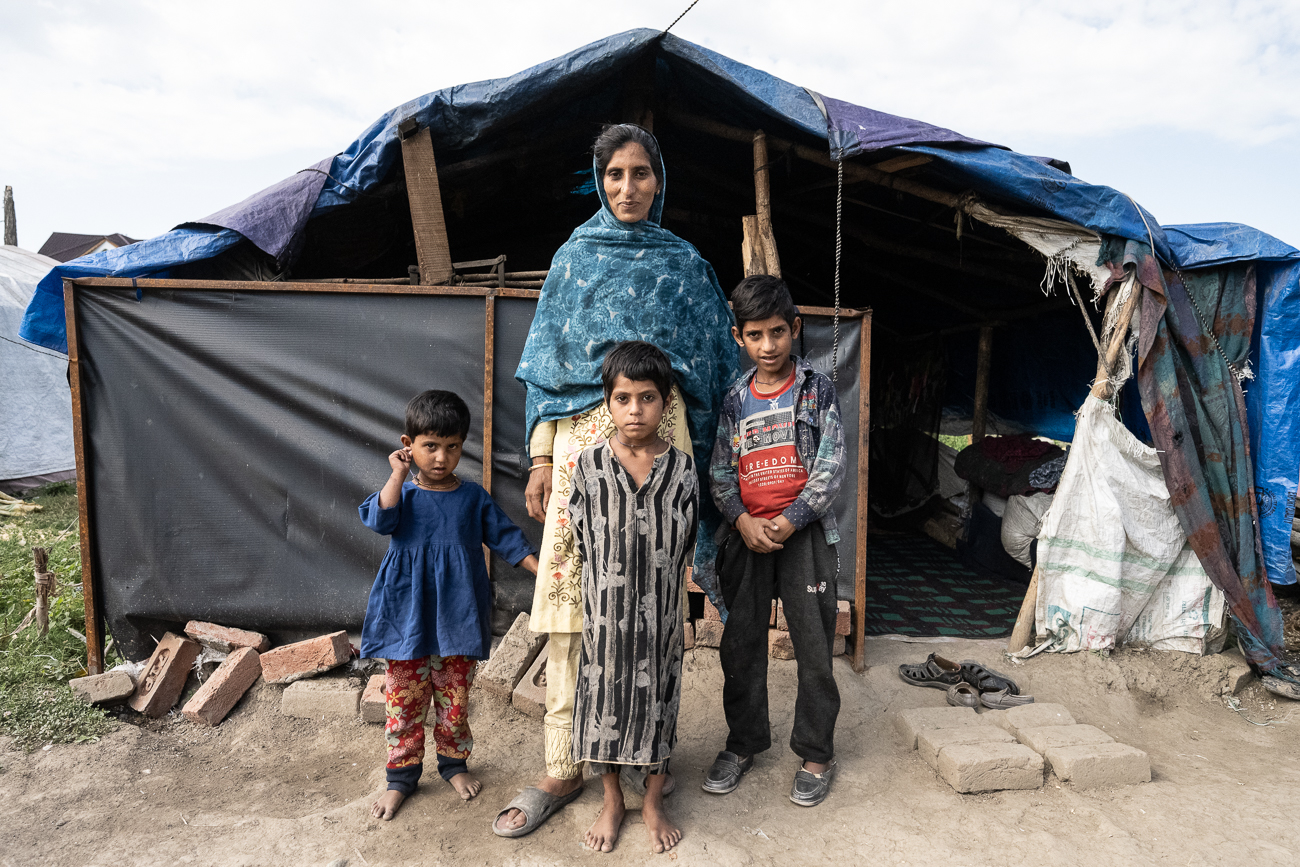
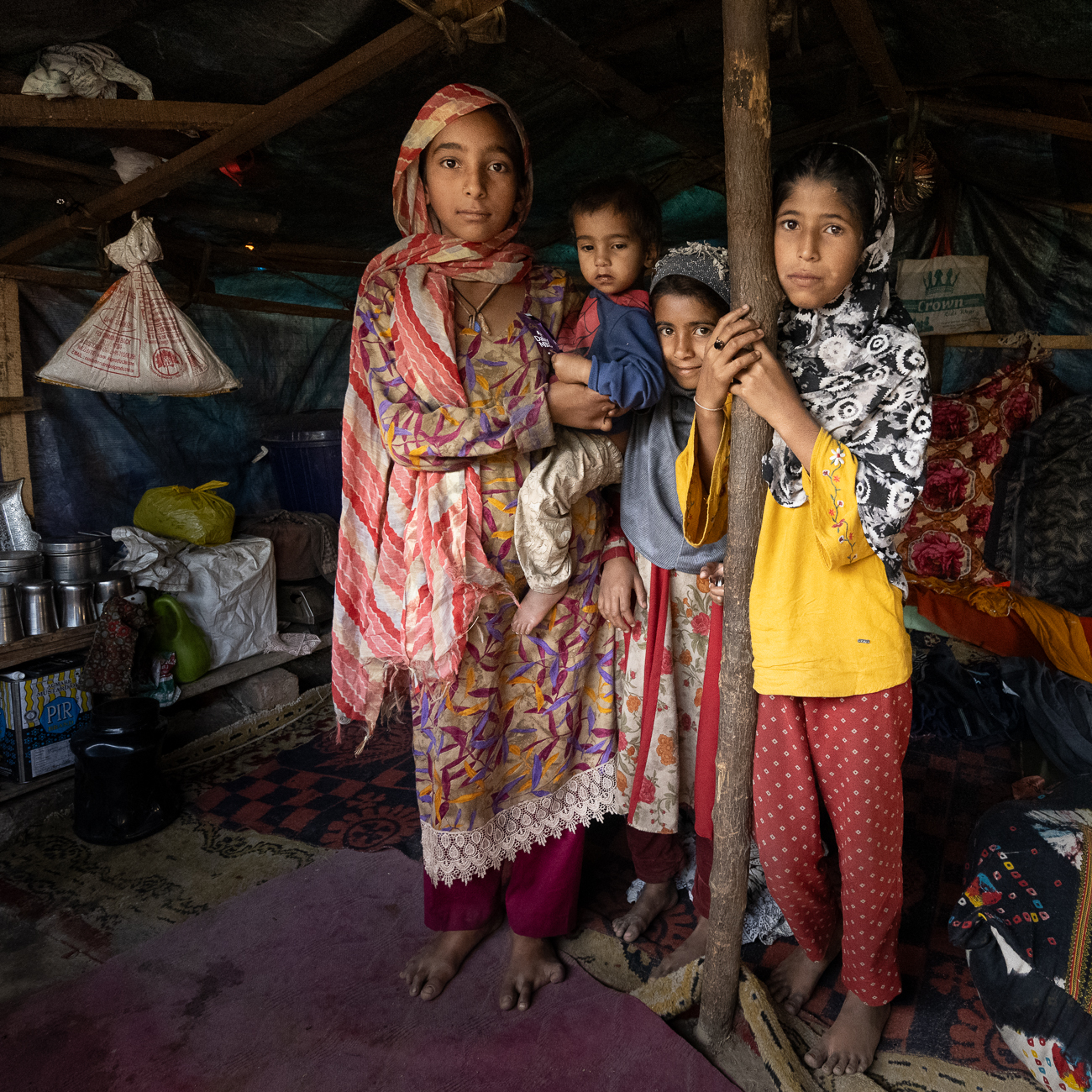
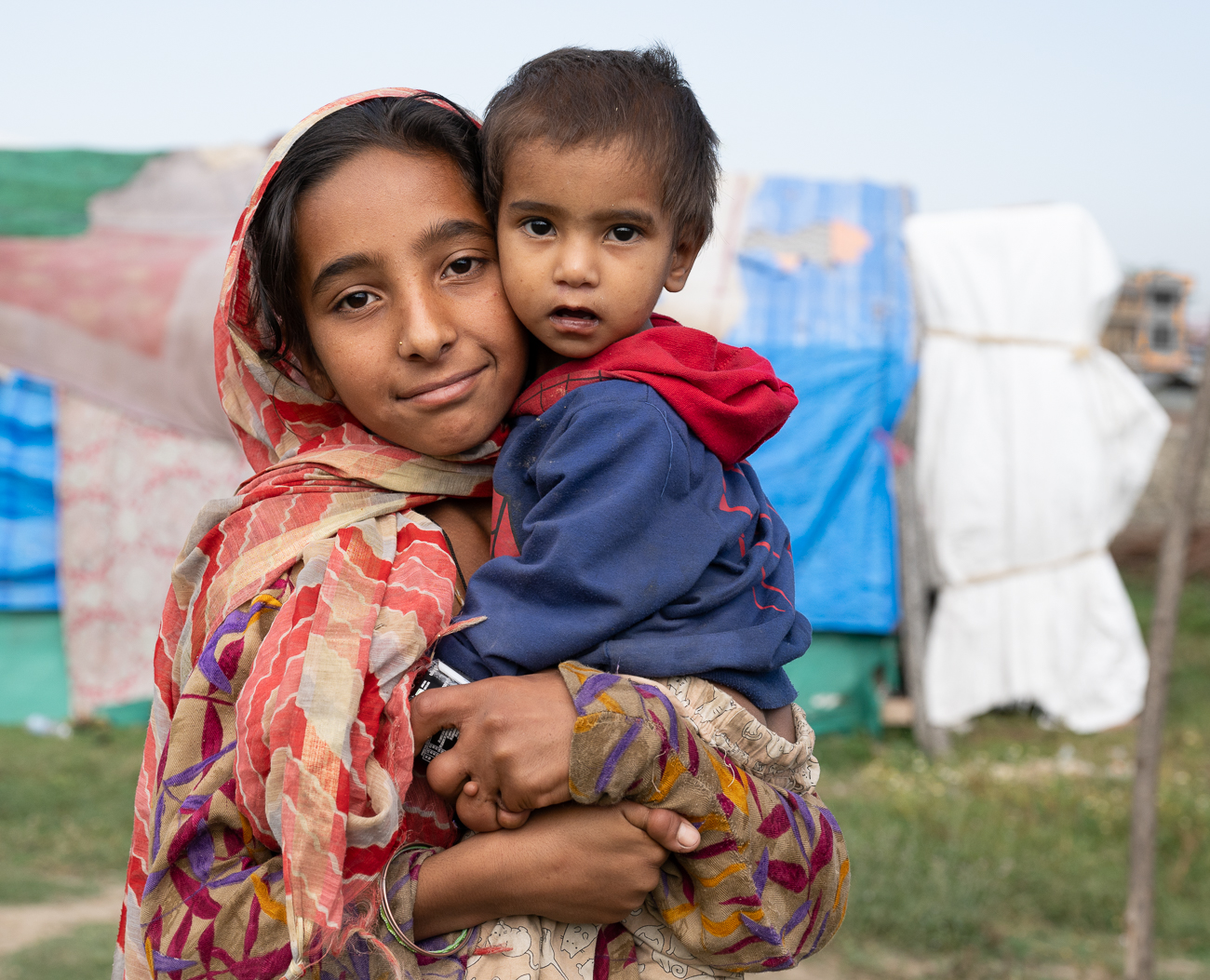
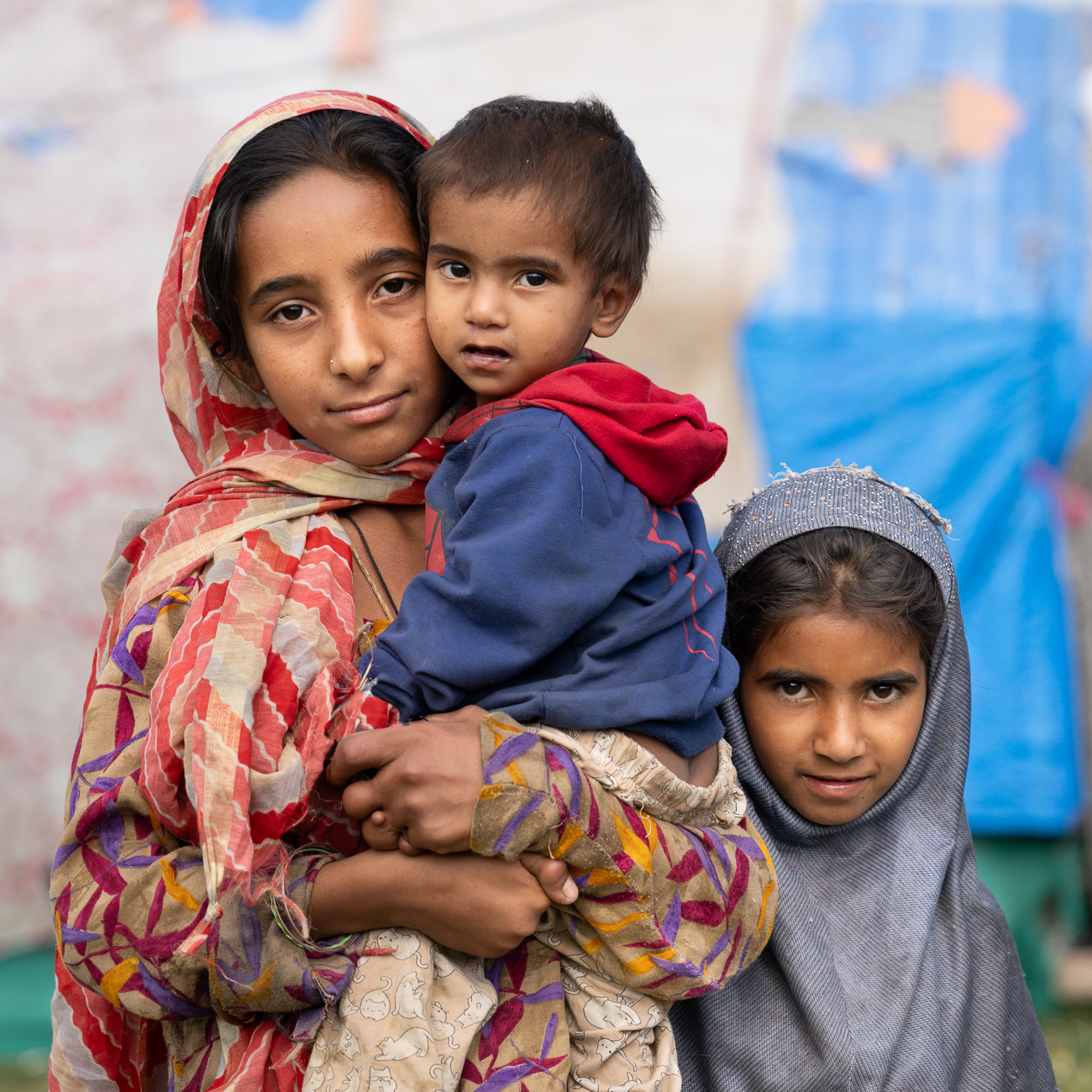
Small groups live in makeshift tents that look (to Americans) like homeless camps. But being homeless and being a nomad are two very different things. A group we visited (who seemed like one extended family) lived in tents made of tarps and sticks, but they owned and tended a pasture-full of healthy sheep.

Even so, since they’re always on the move, the kids don’t often go to school (or the doctor). It seems like a tough (and odd) life, but they’re living much as their ancestors did for centuries. And they were friendly and open to meeting curious Westerners with tons of cameras (especially after we handed out juice boxes to the kids).

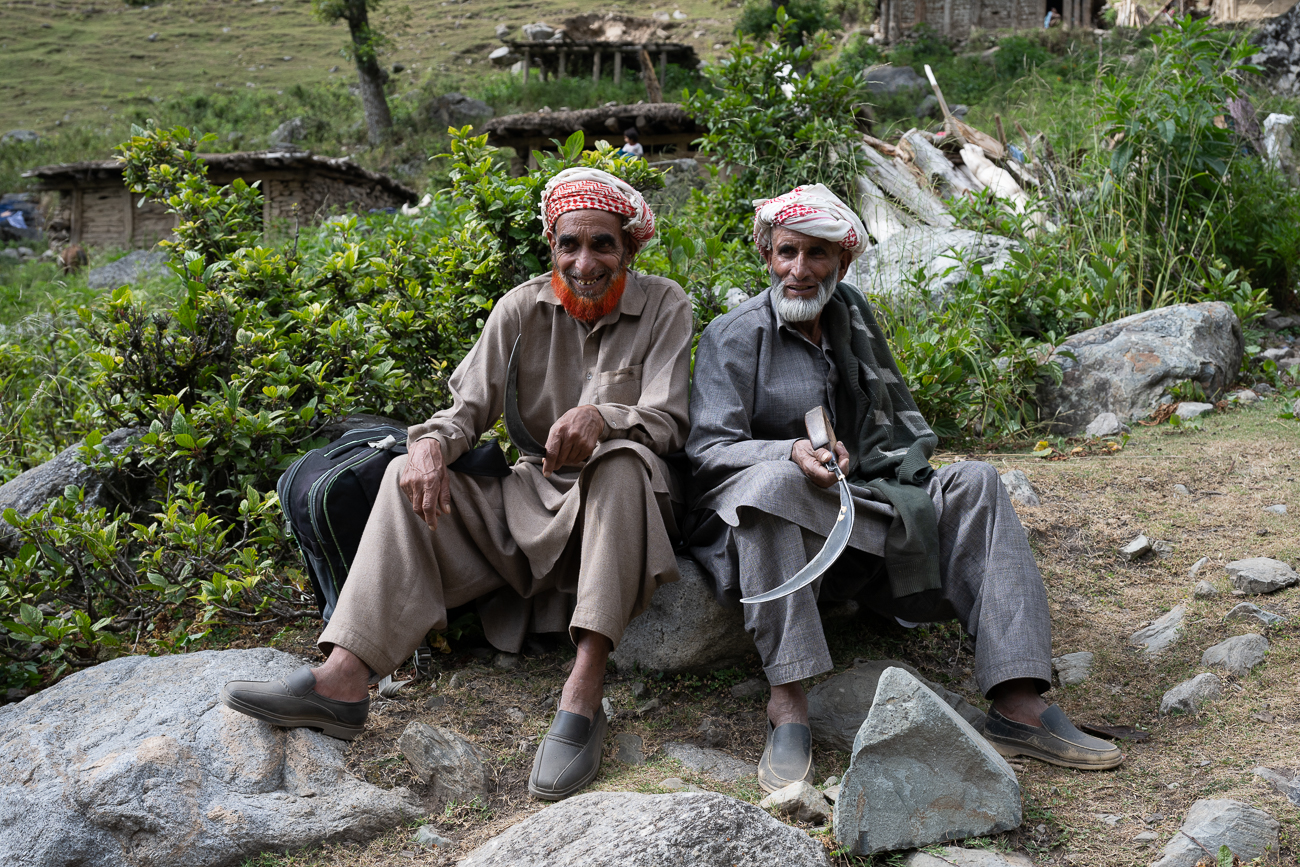
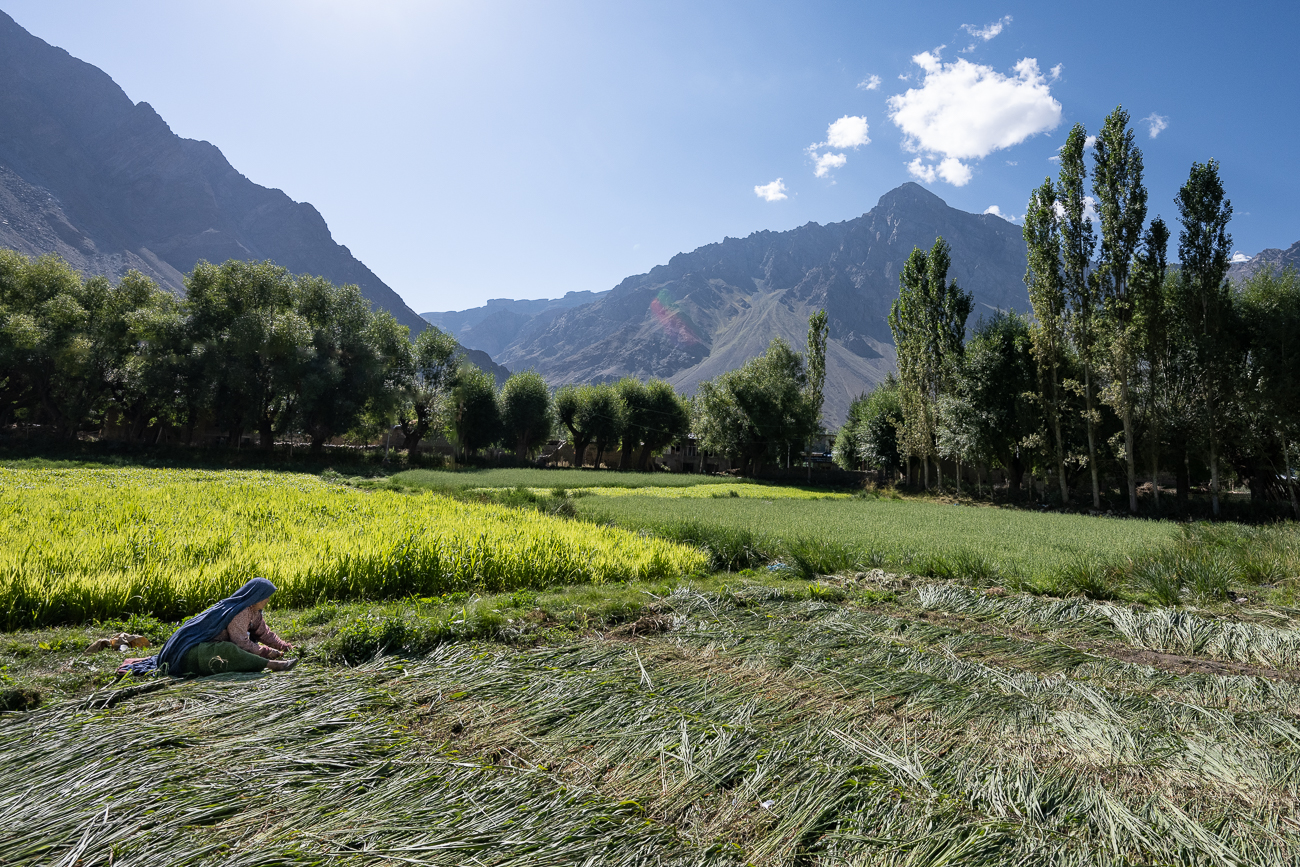
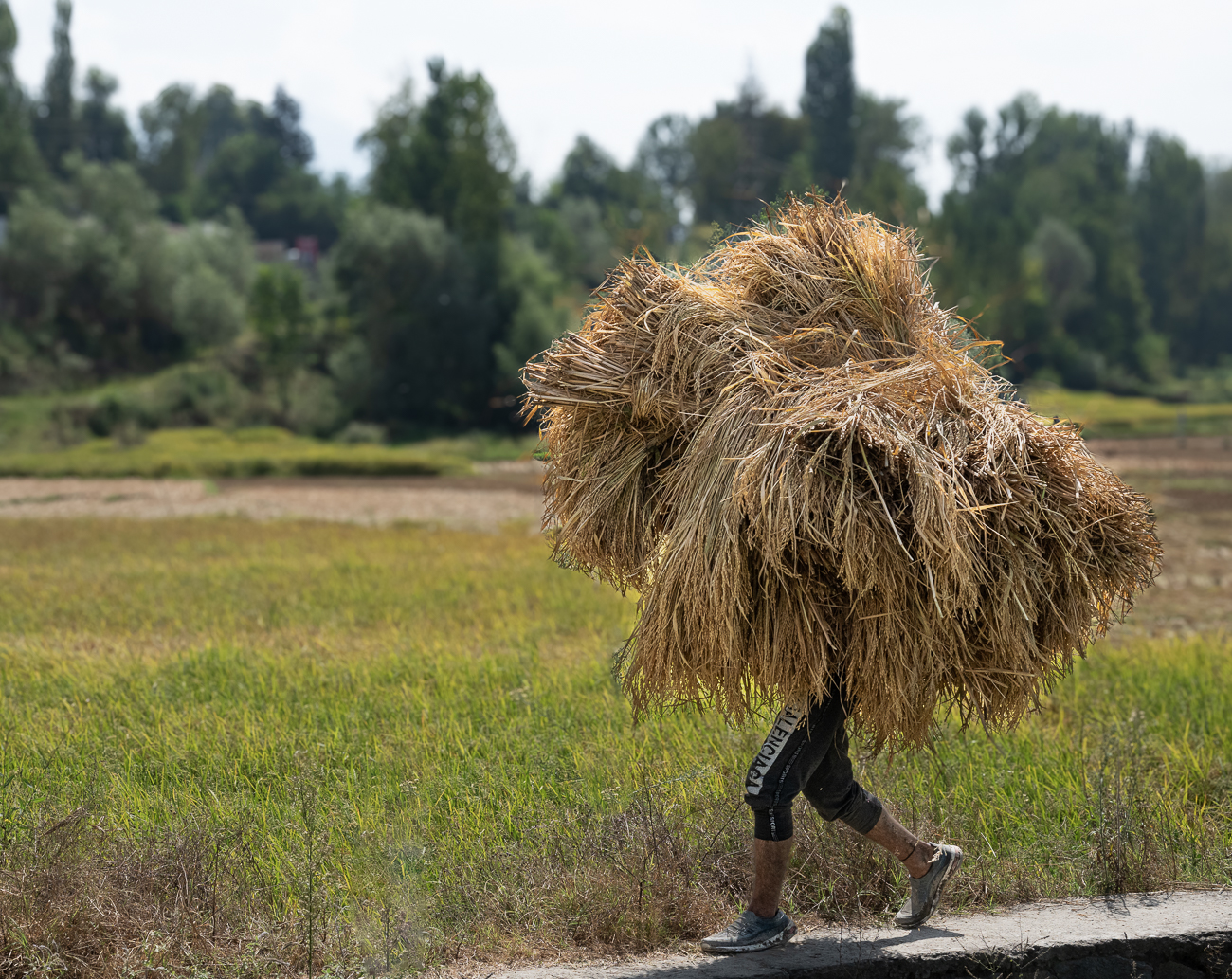
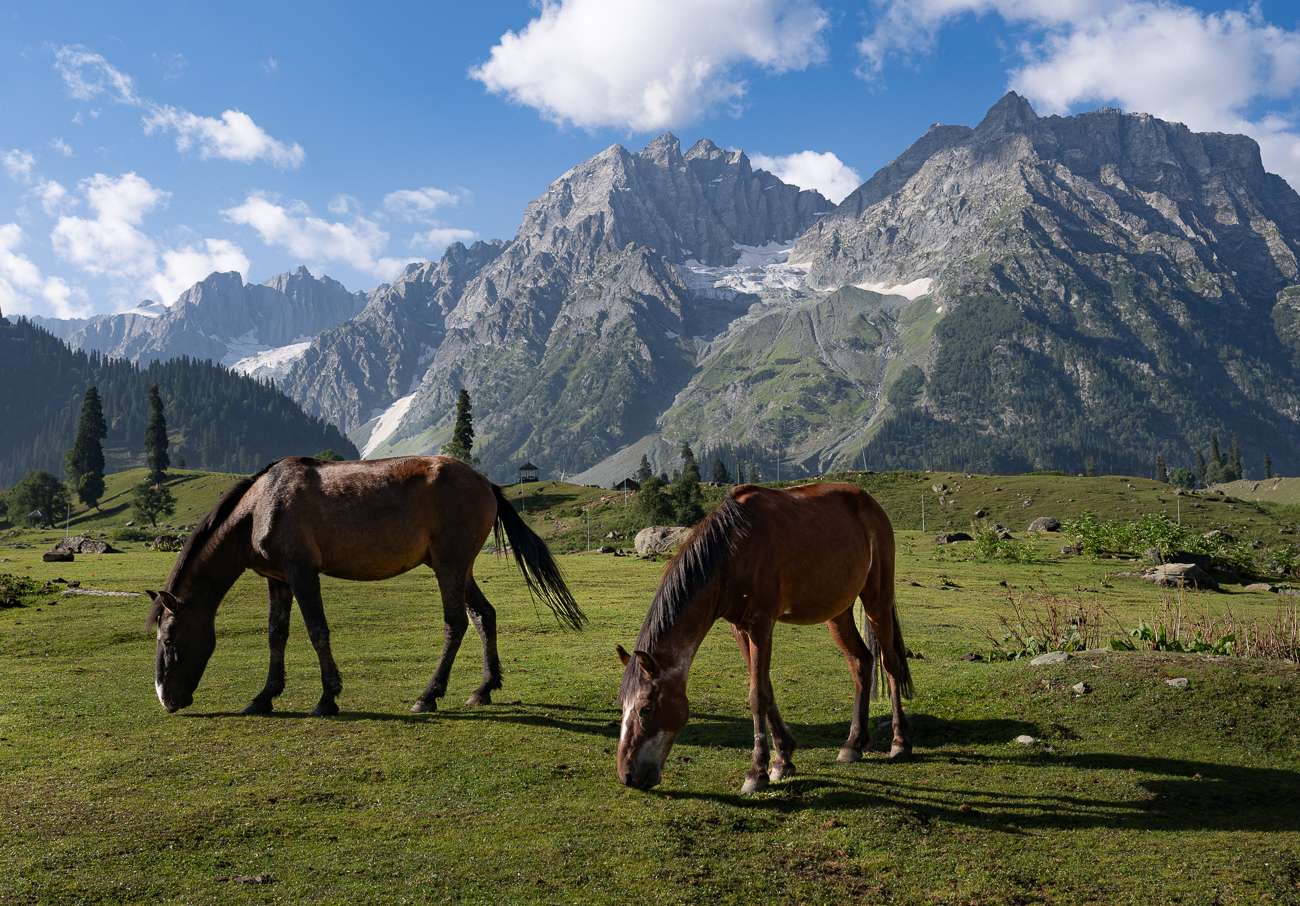
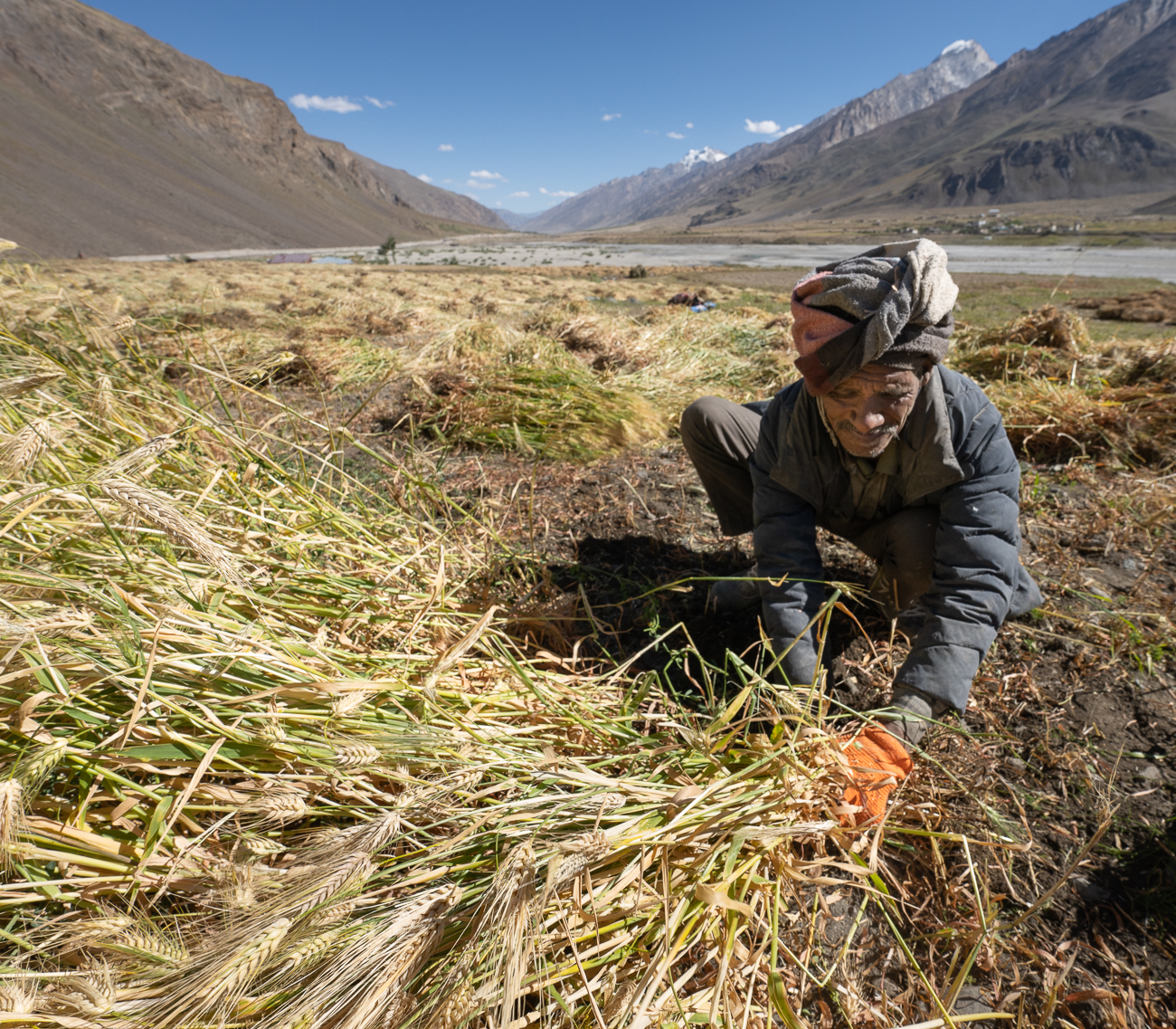
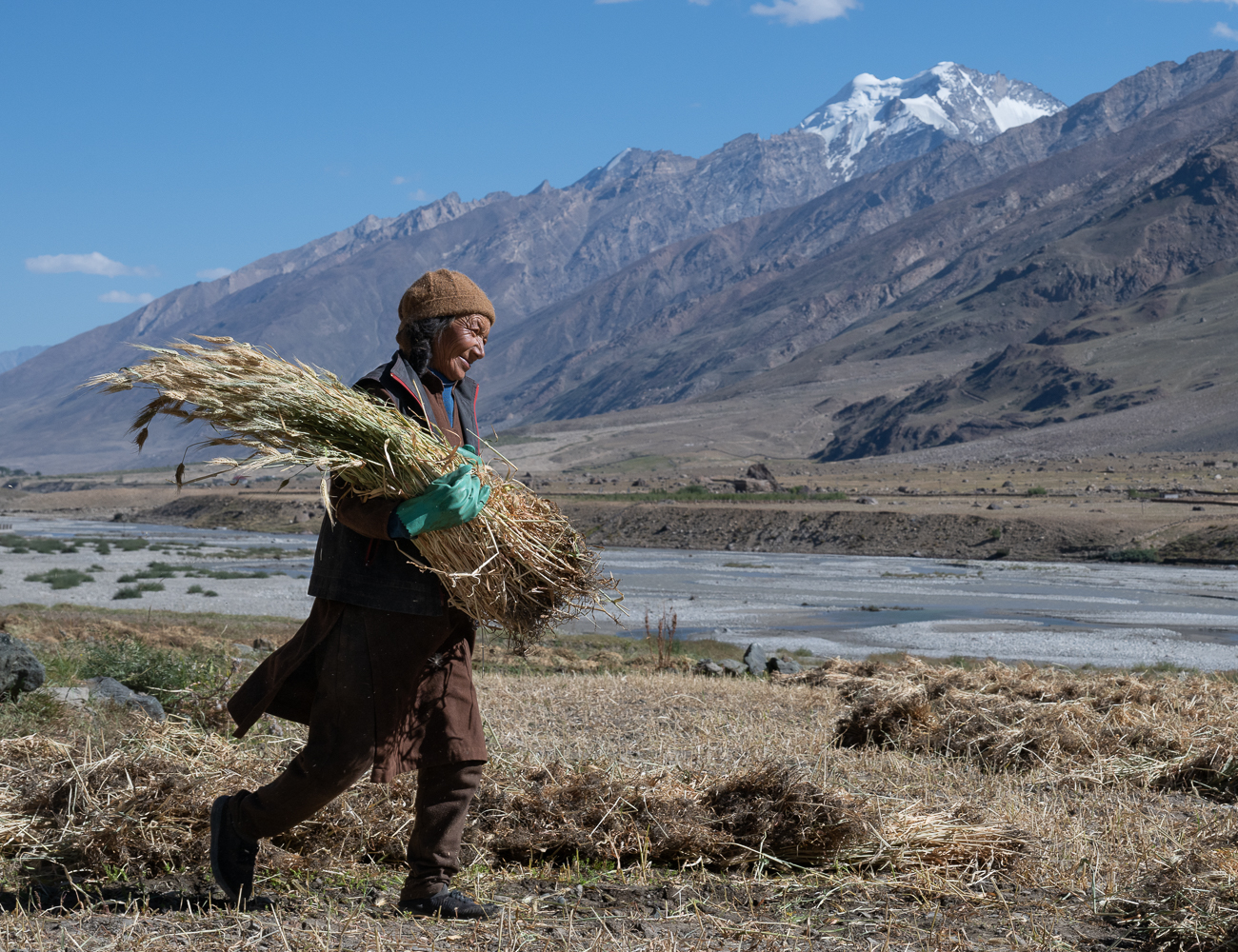
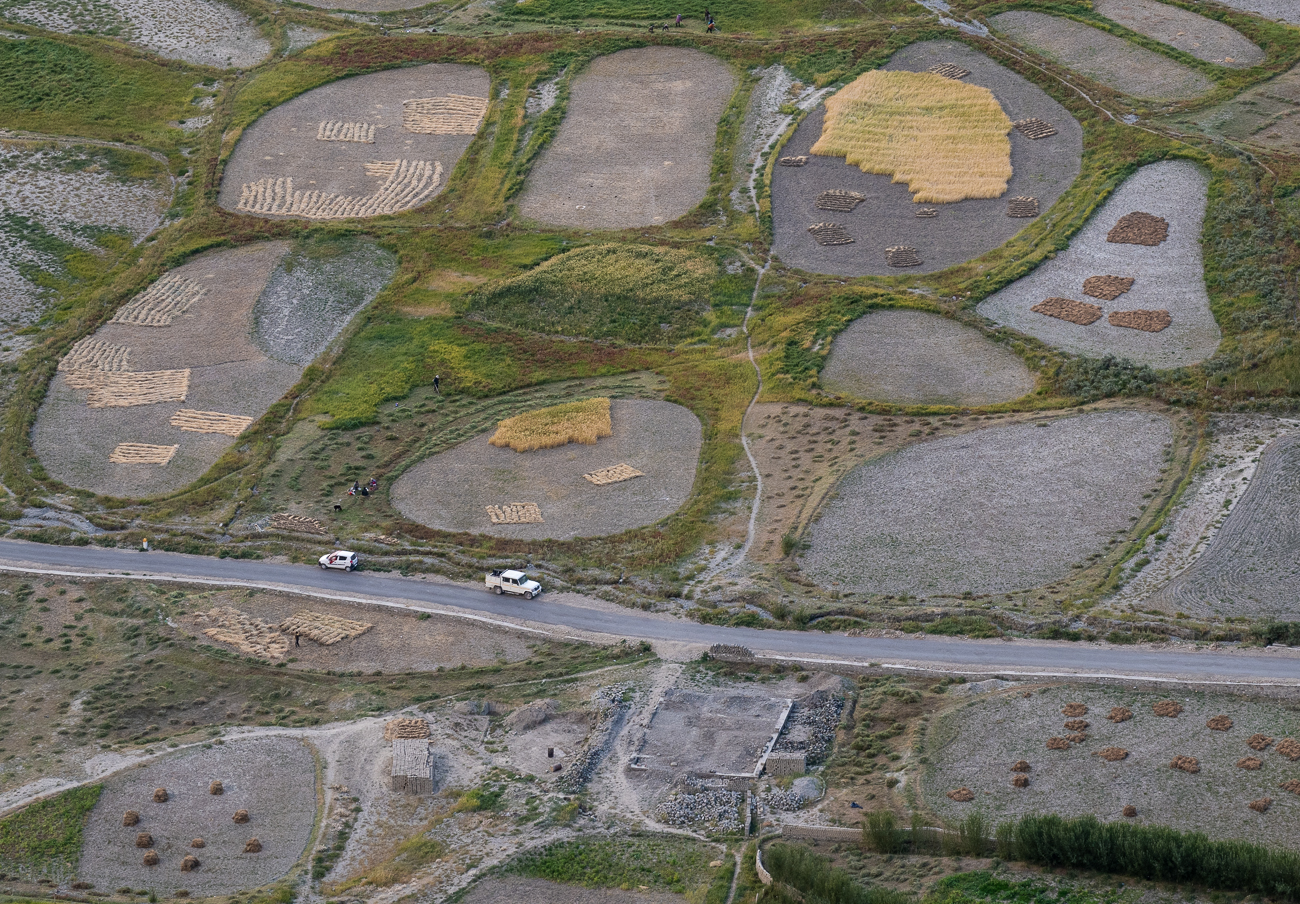
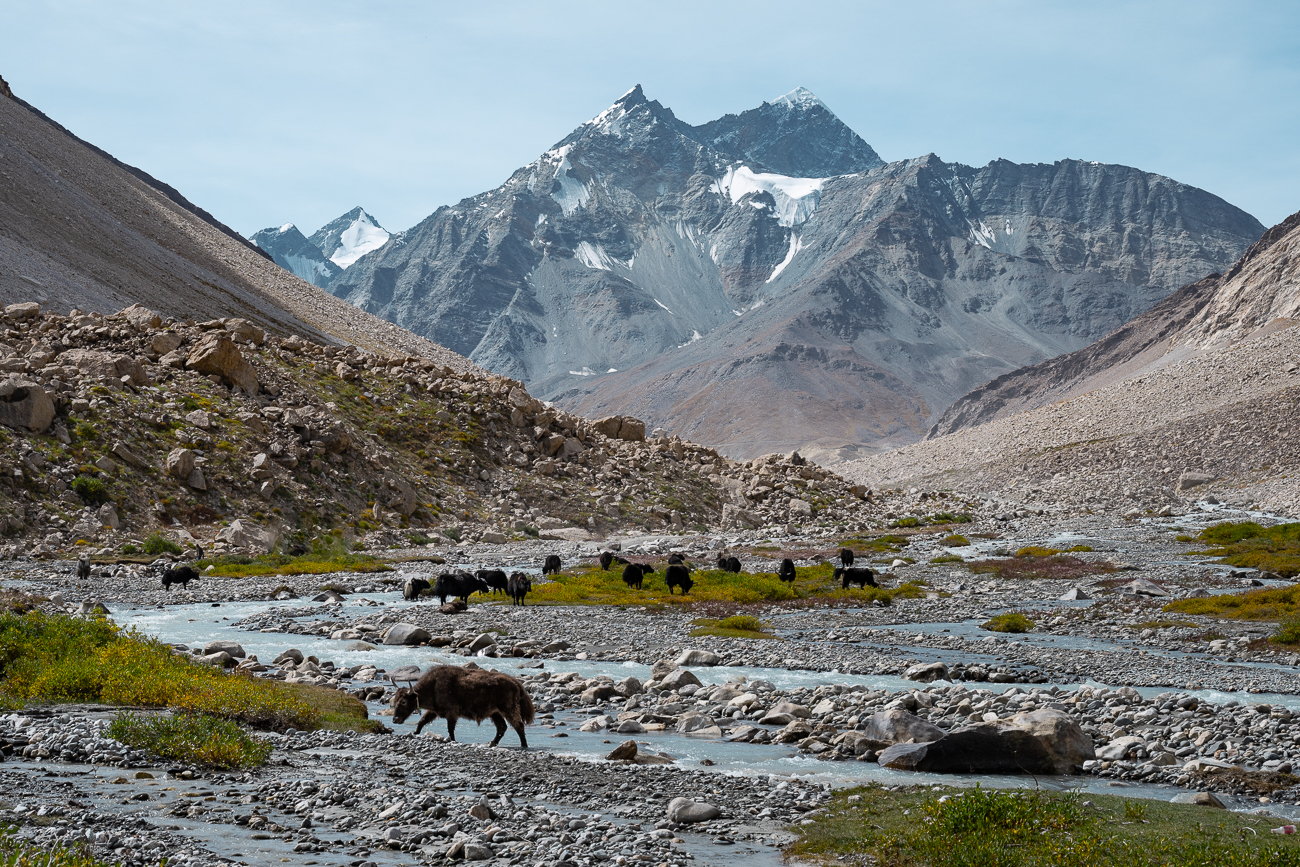
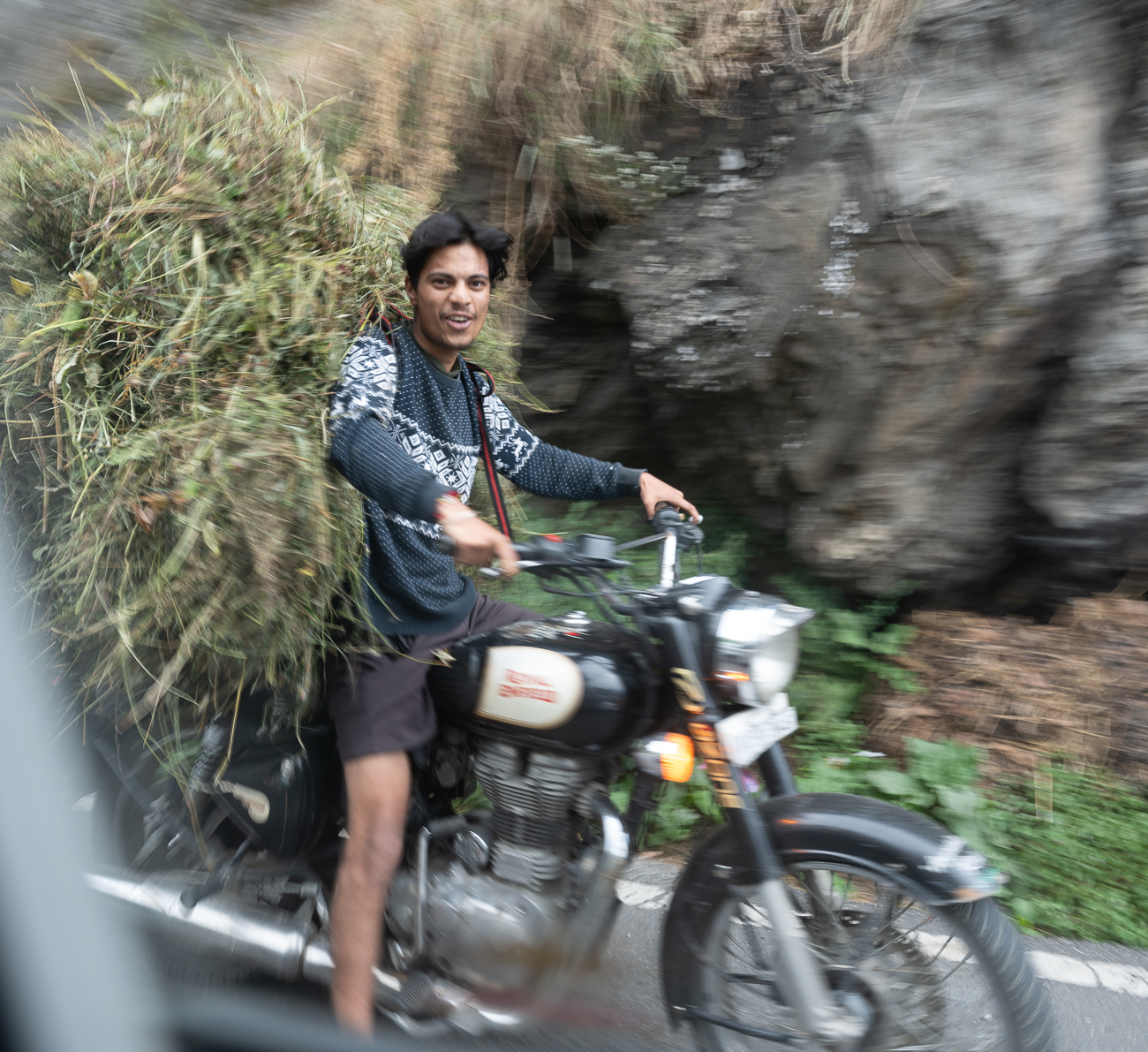
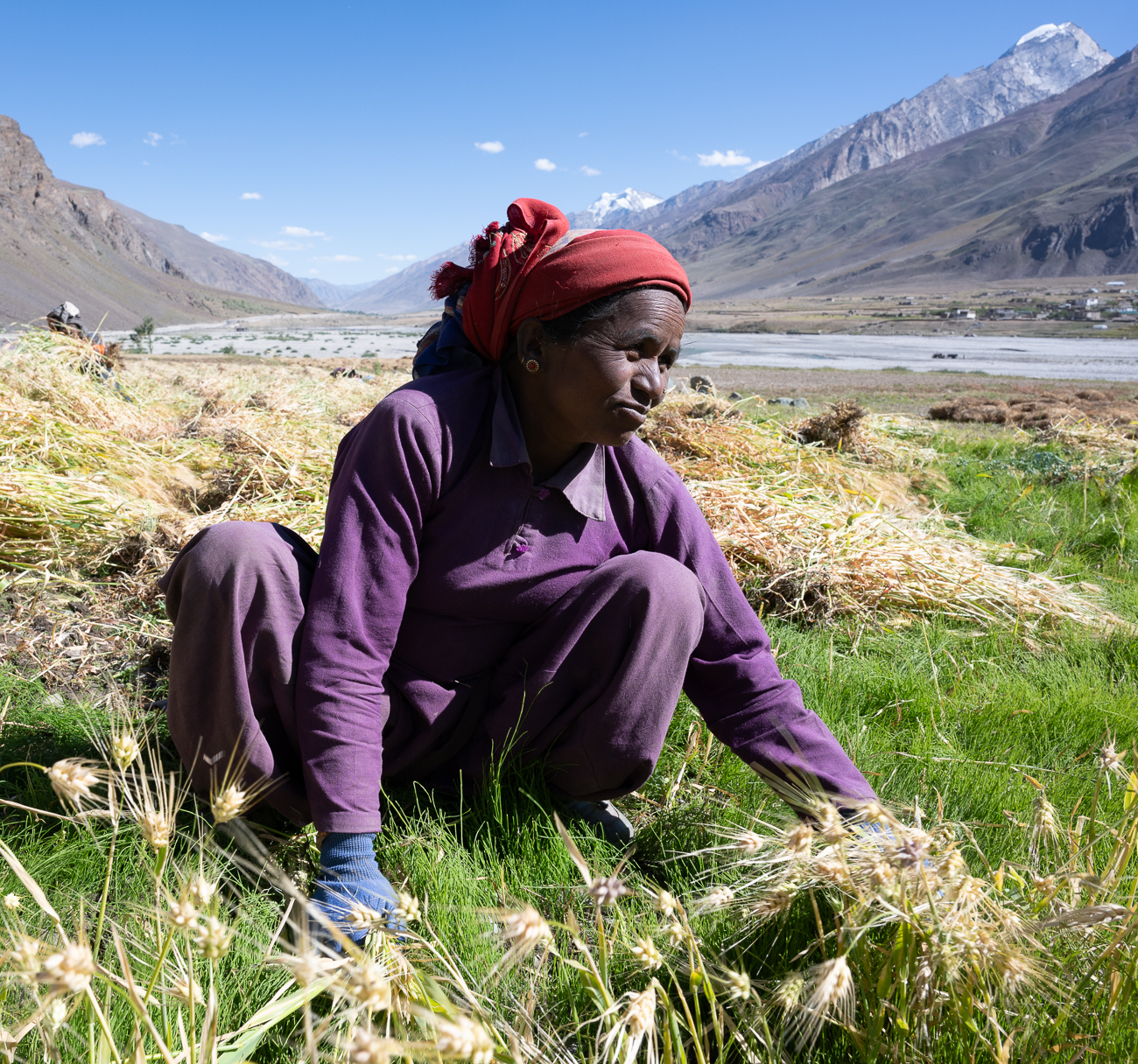
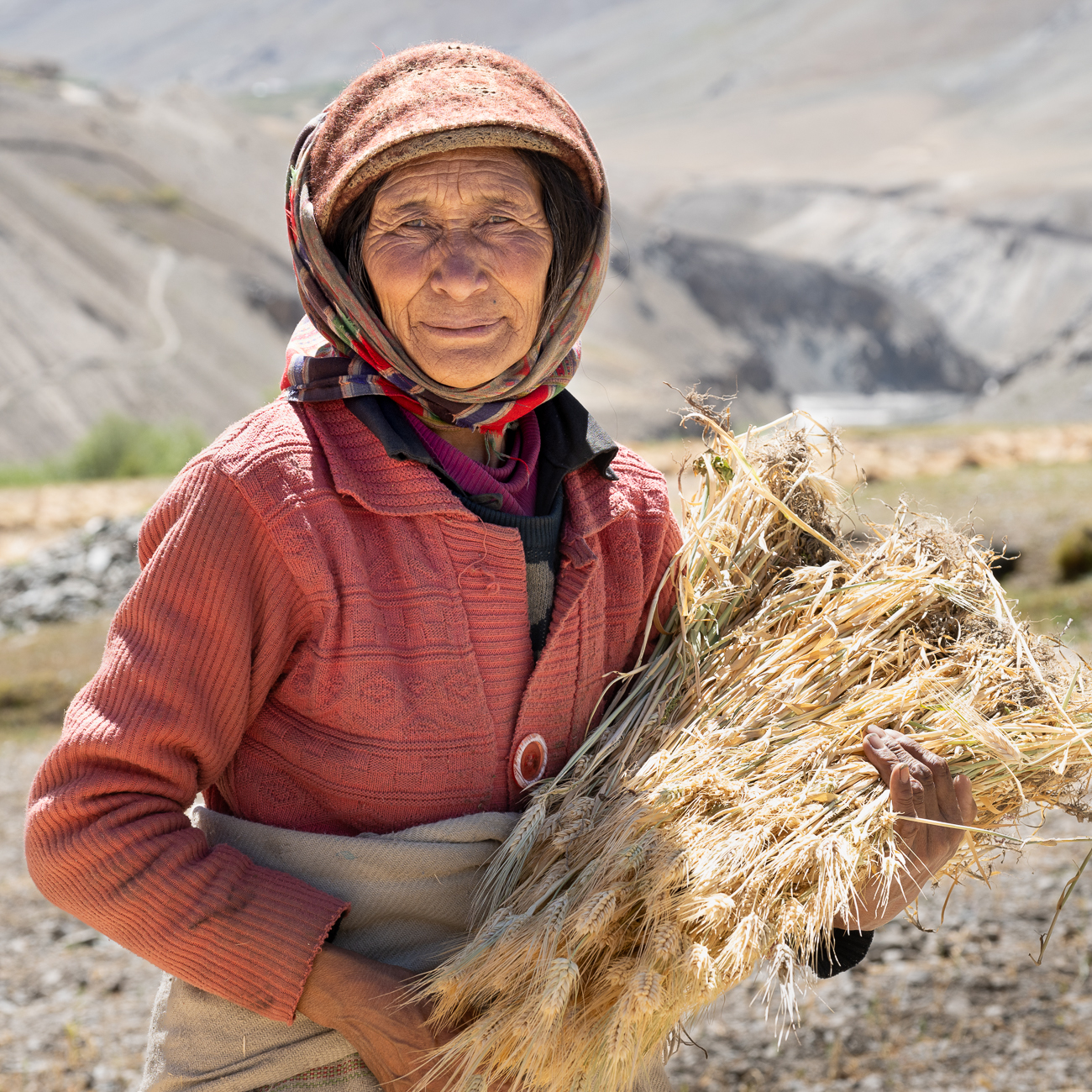
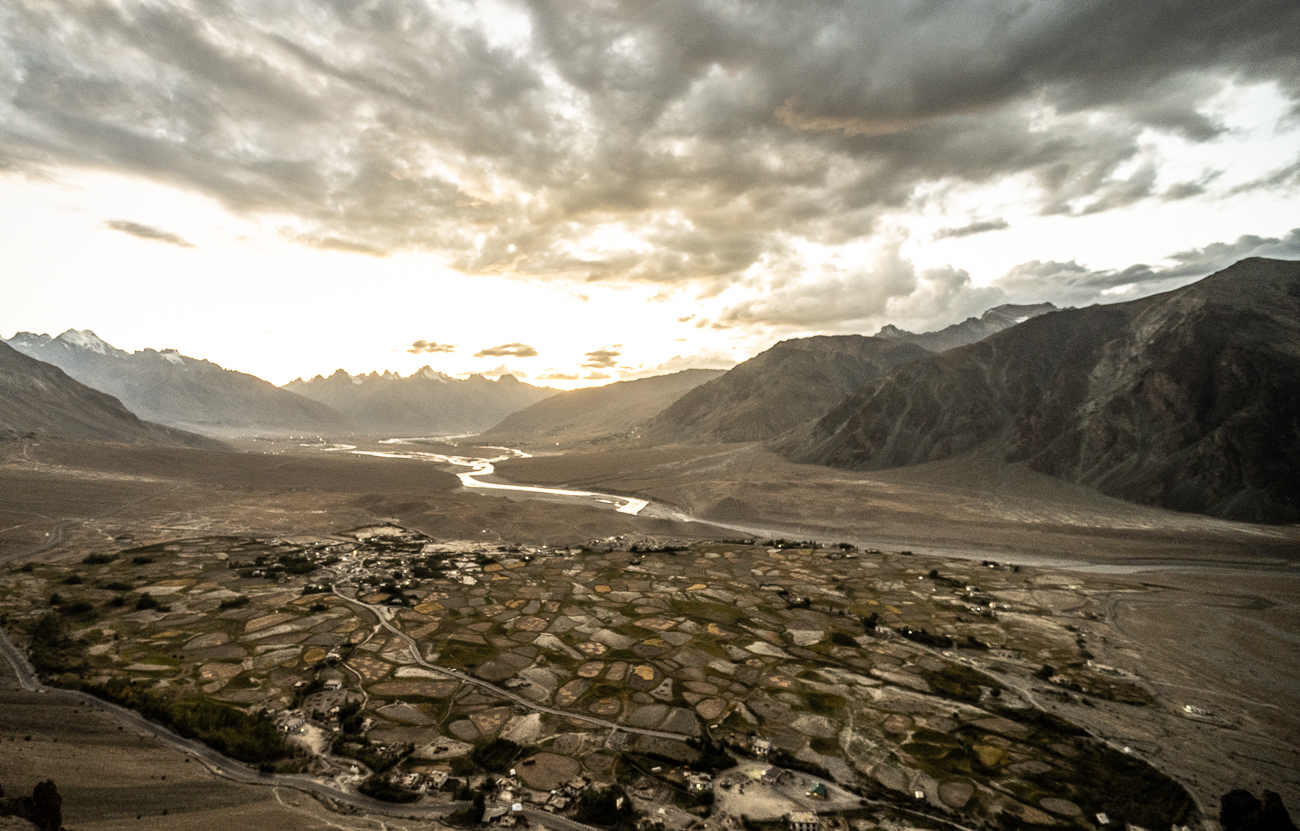
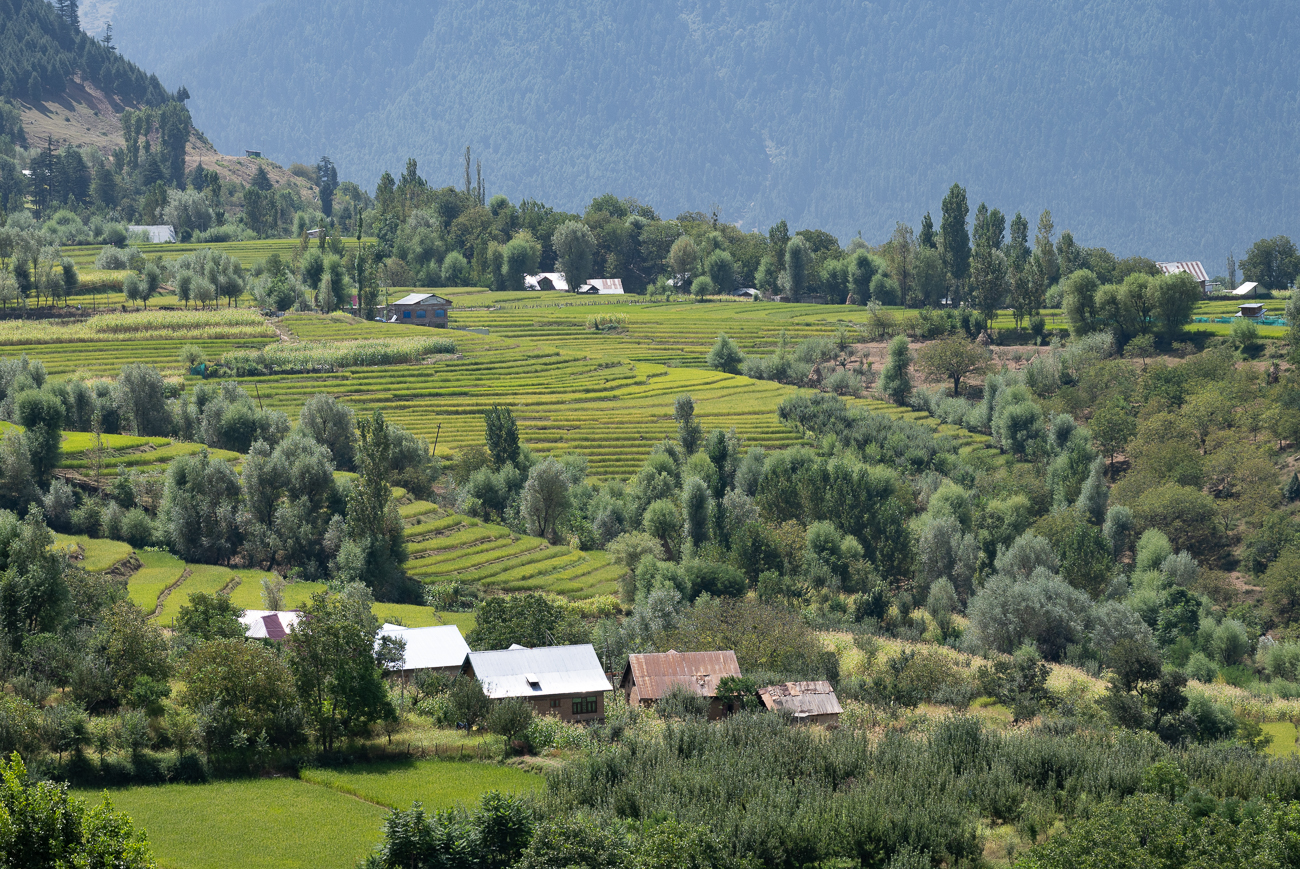
Also: Some images of what farms and ‘agriculture’ looked like in Jammu & Kashmir / Ladakh India, in the shadow of the northern Himalayas. This was September. Oklahoma friends: notice how these folks ‘haul hay’ (via motorcycle or hand-carried!). And imagine harvesting grains by hand.
Zanskar!

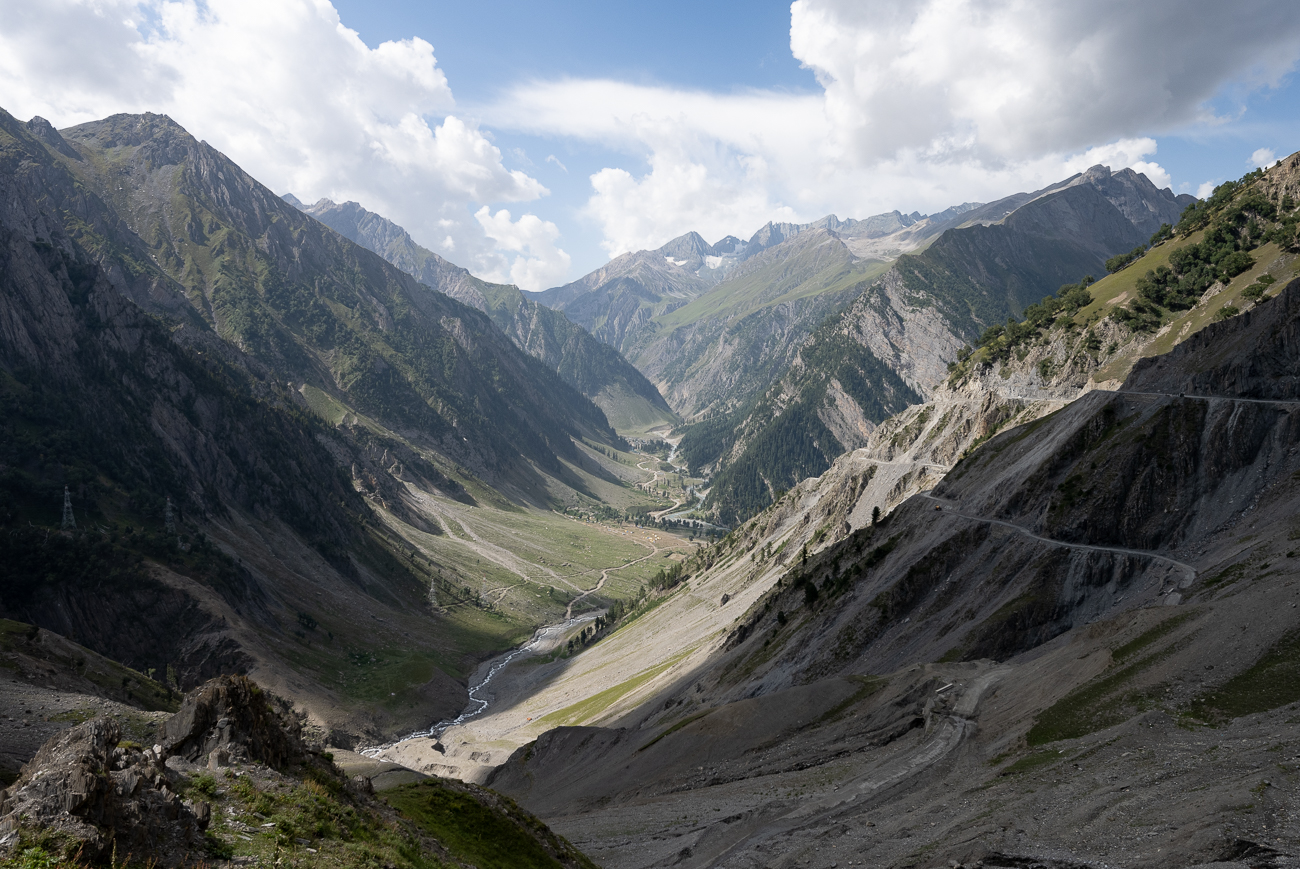
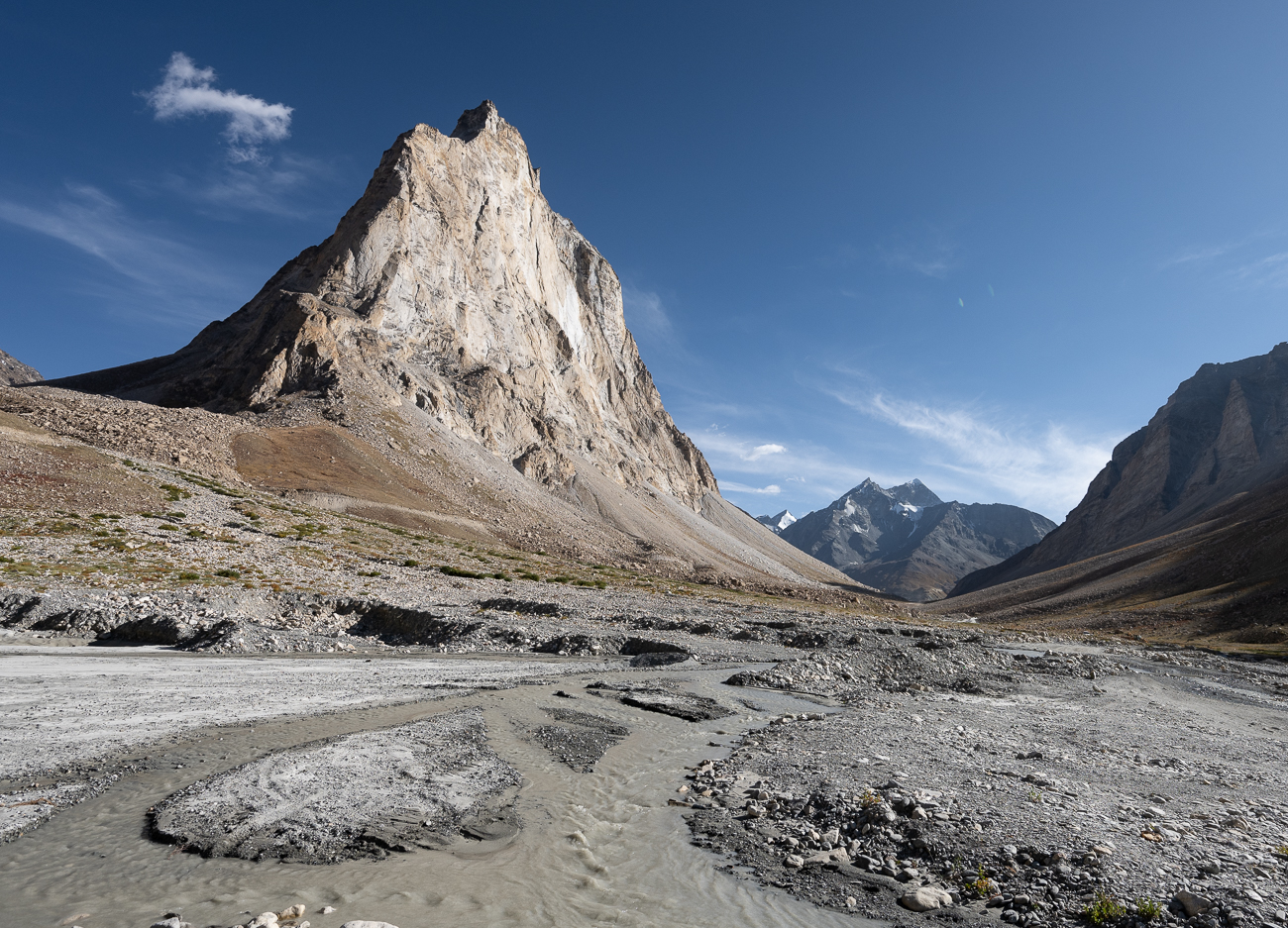
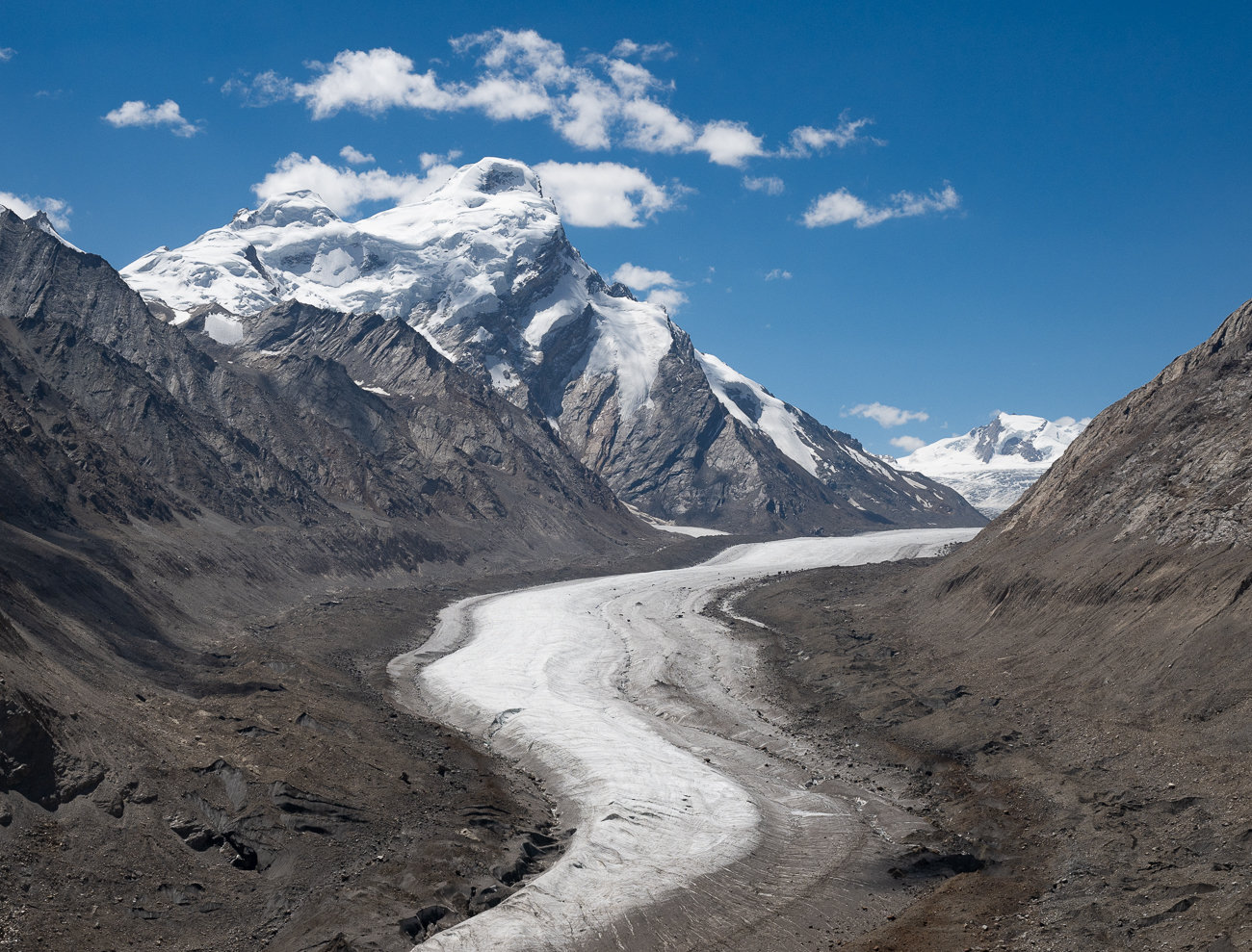
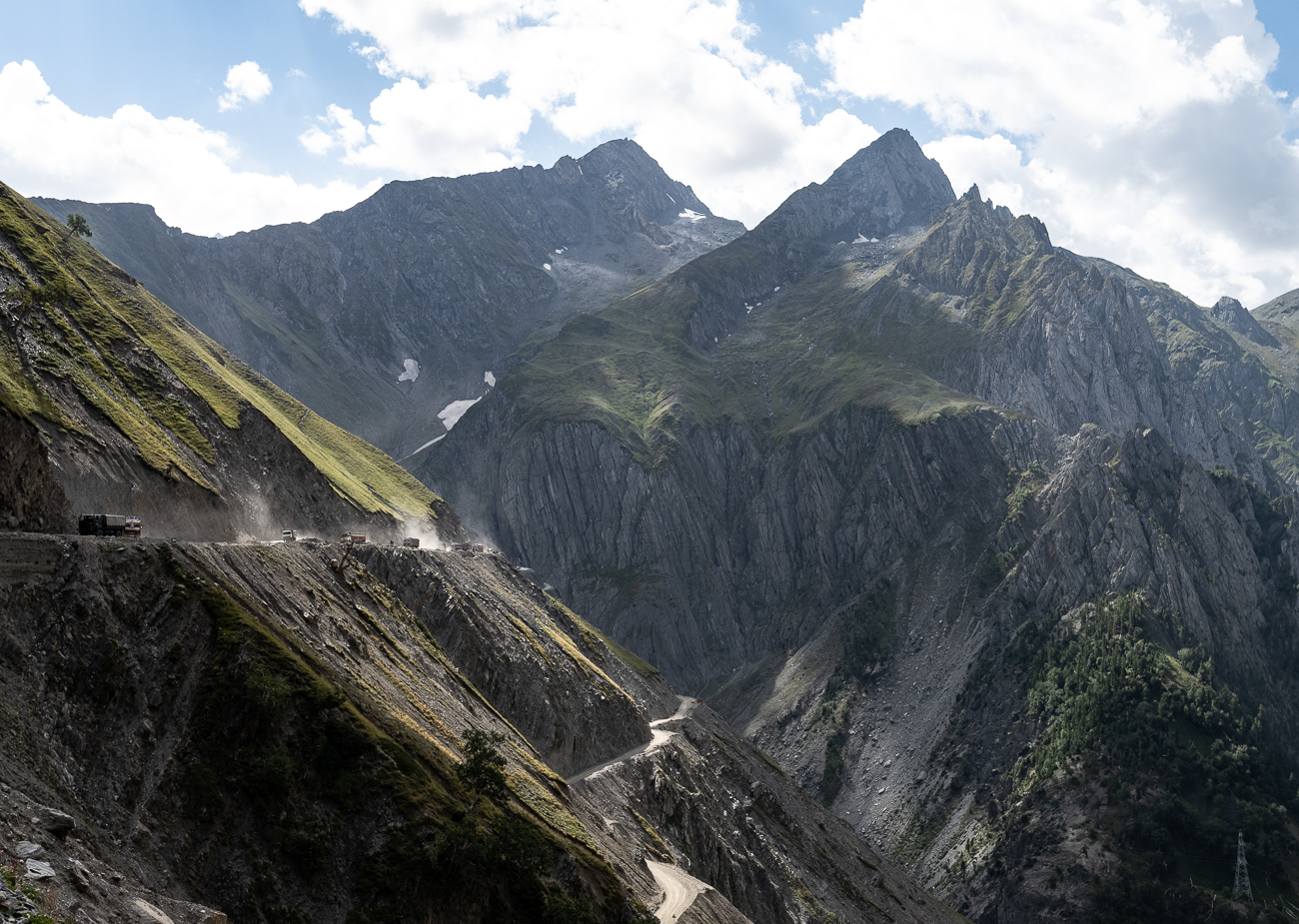
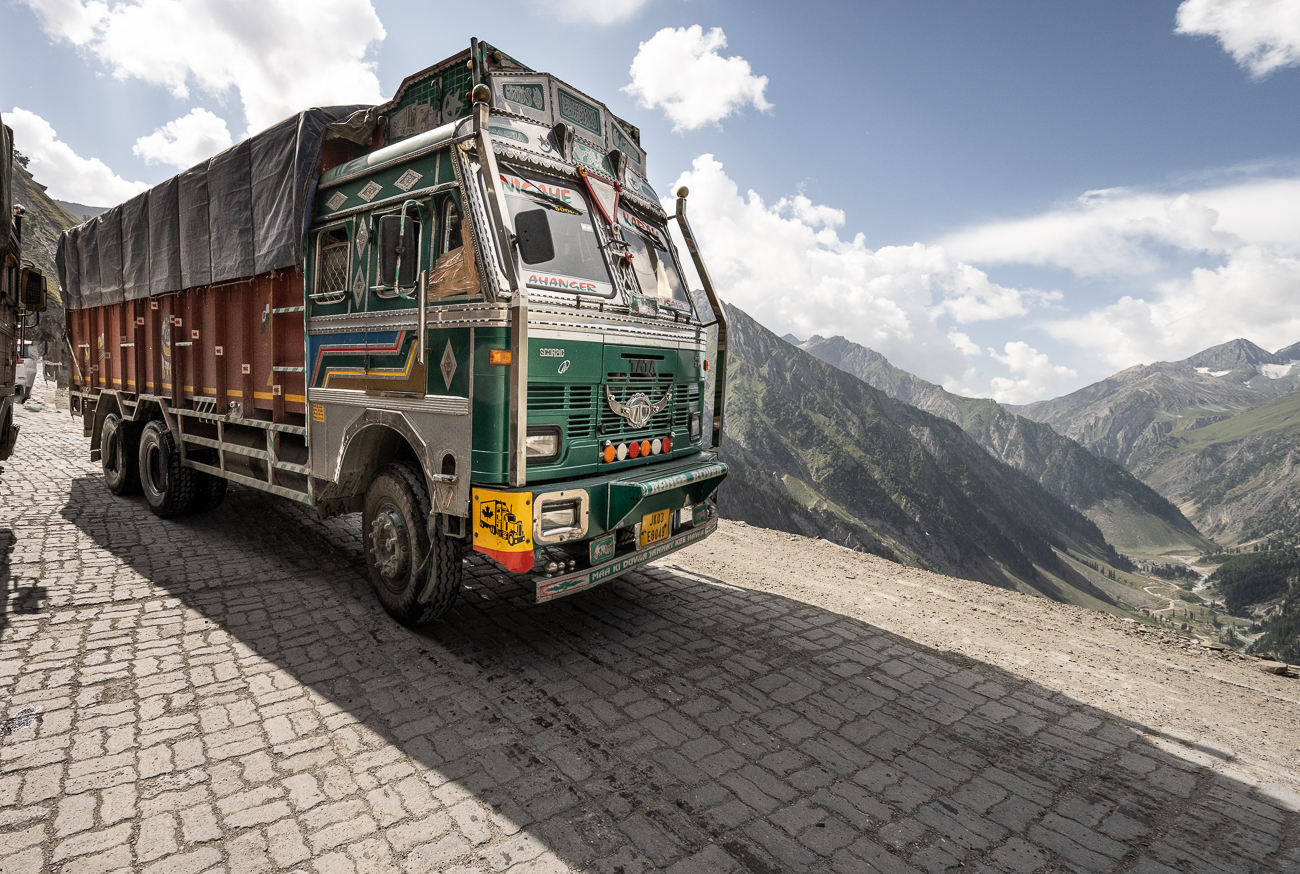
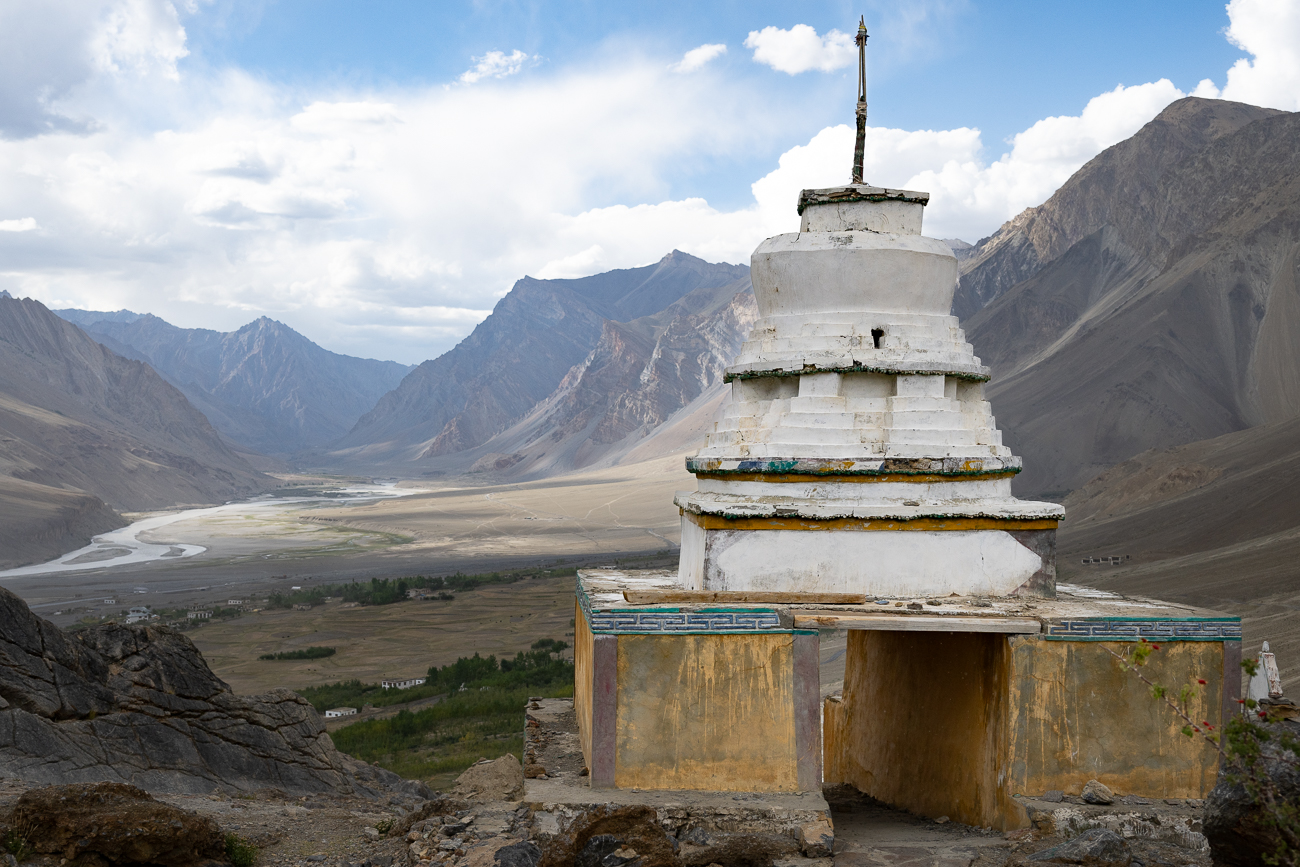
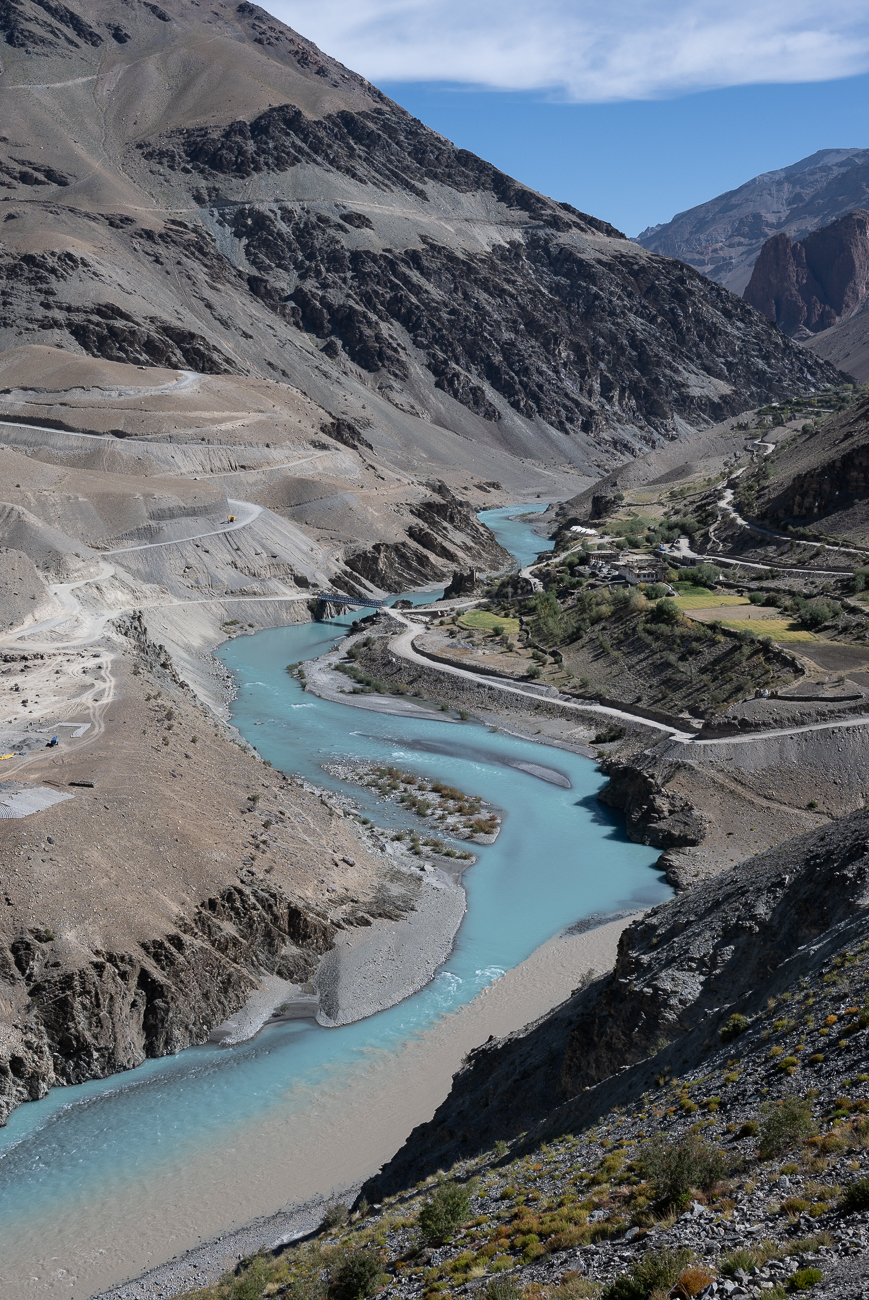
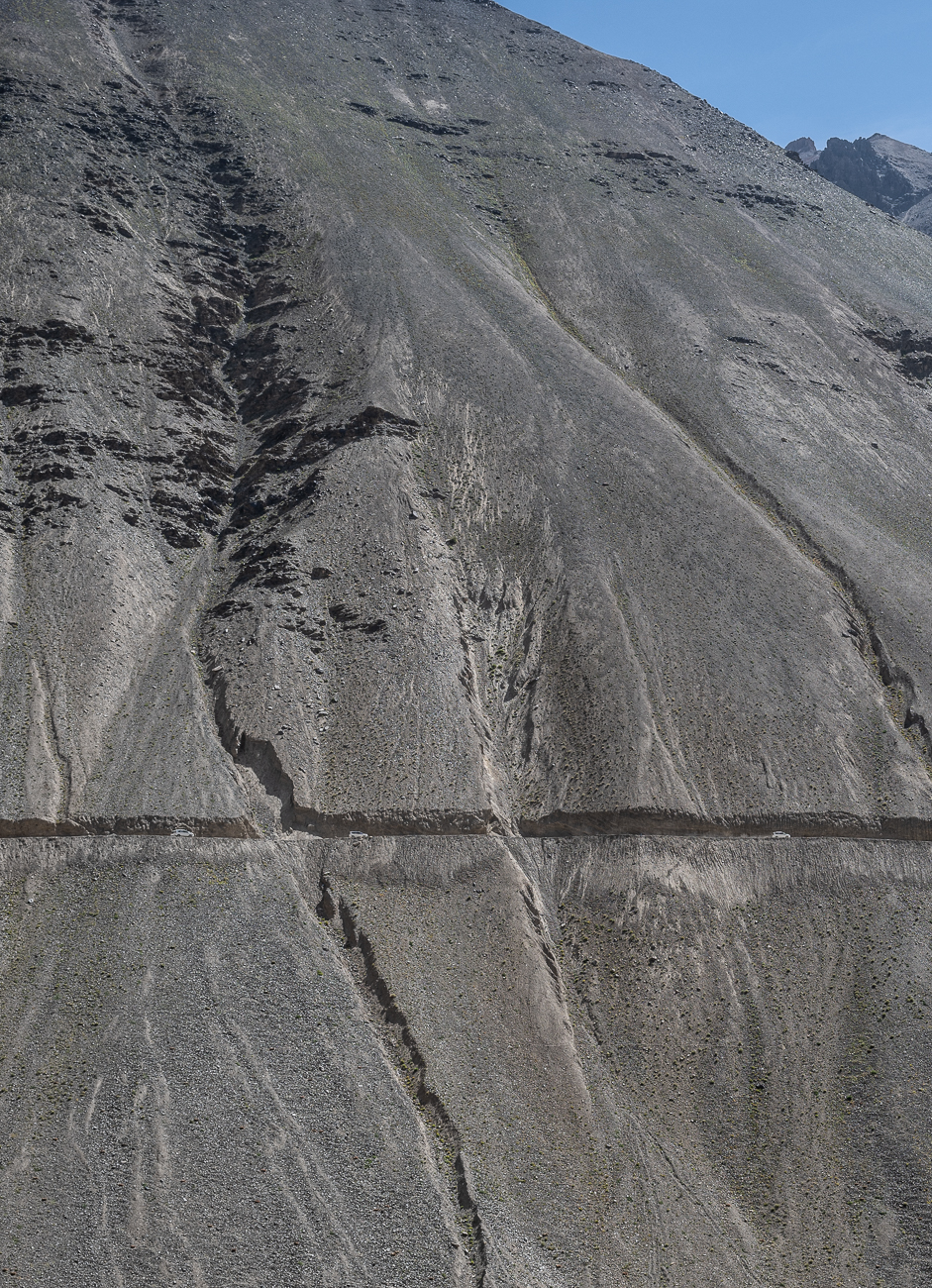
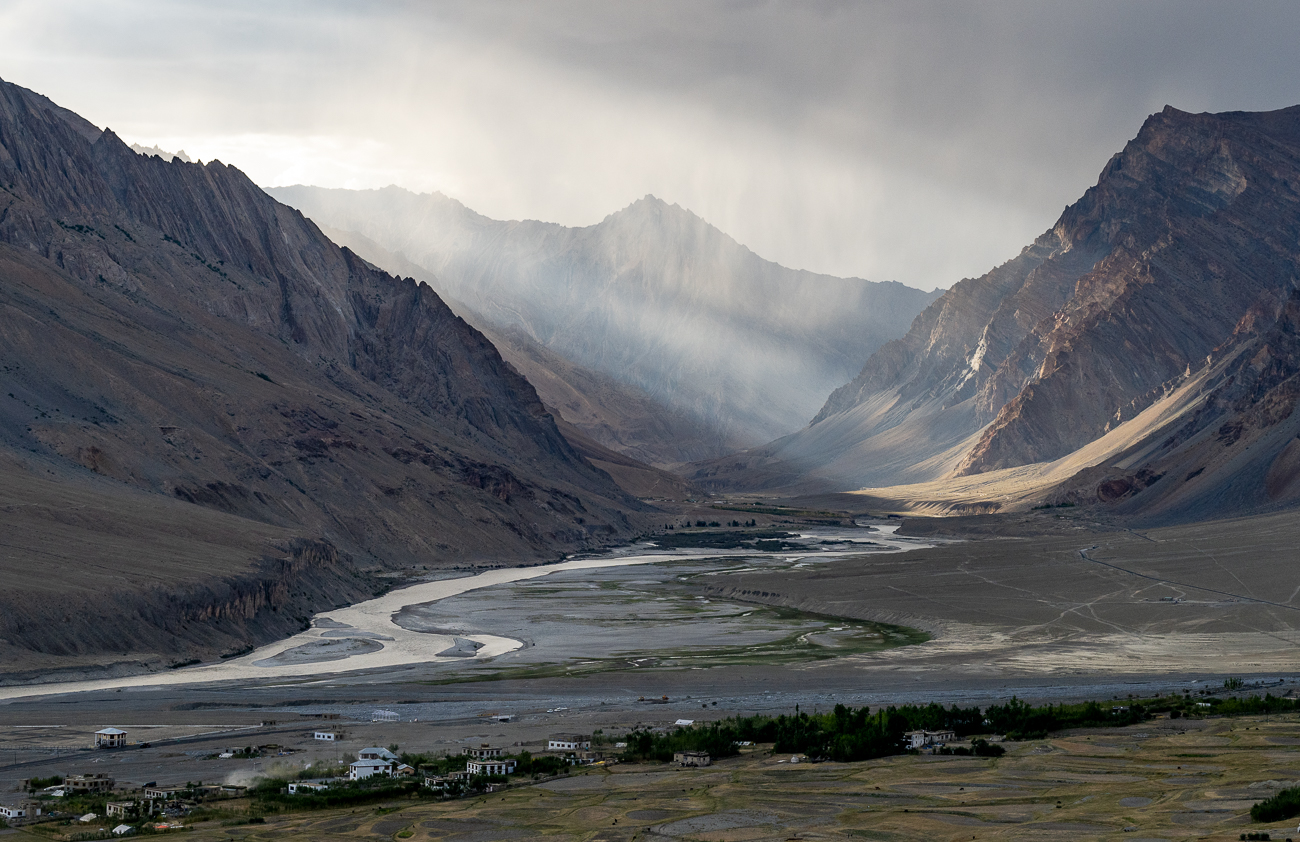
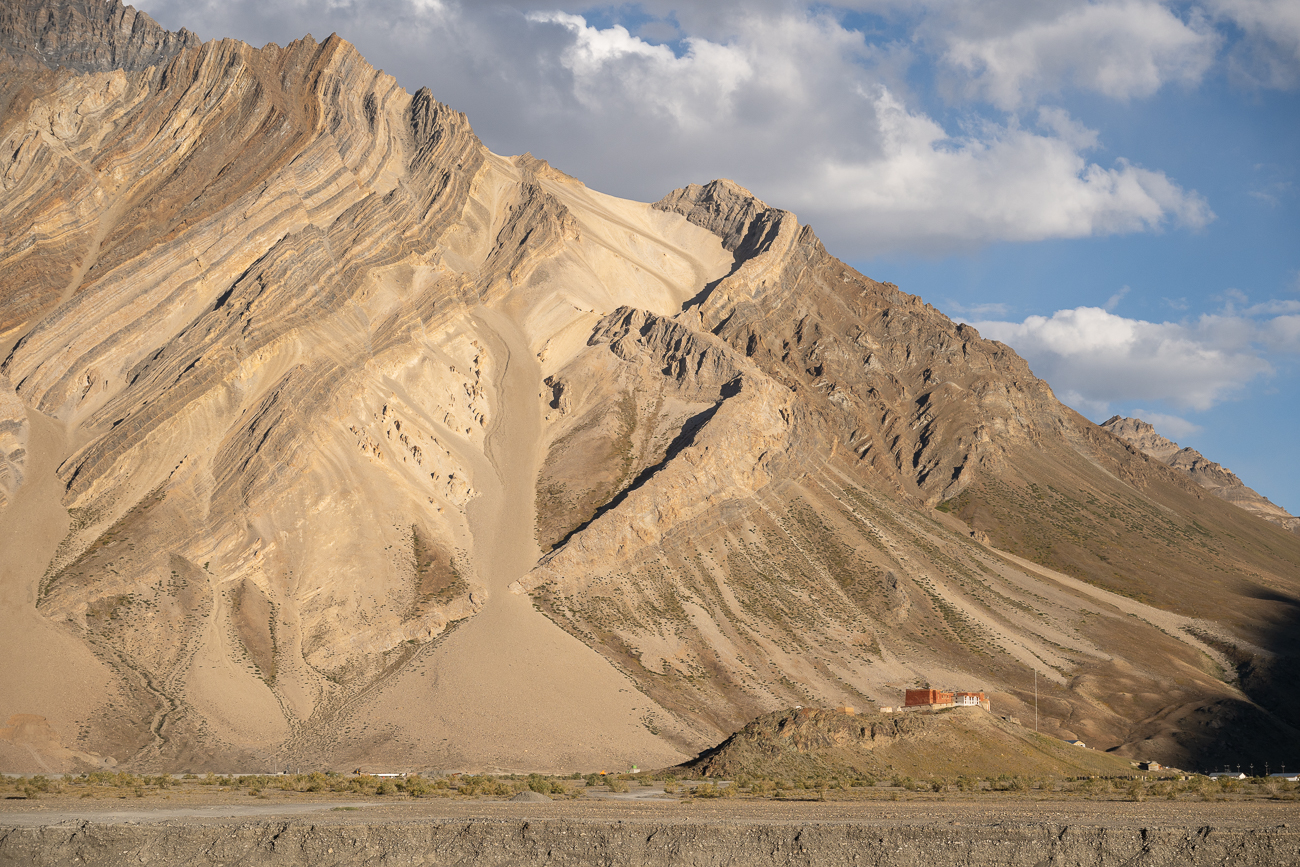
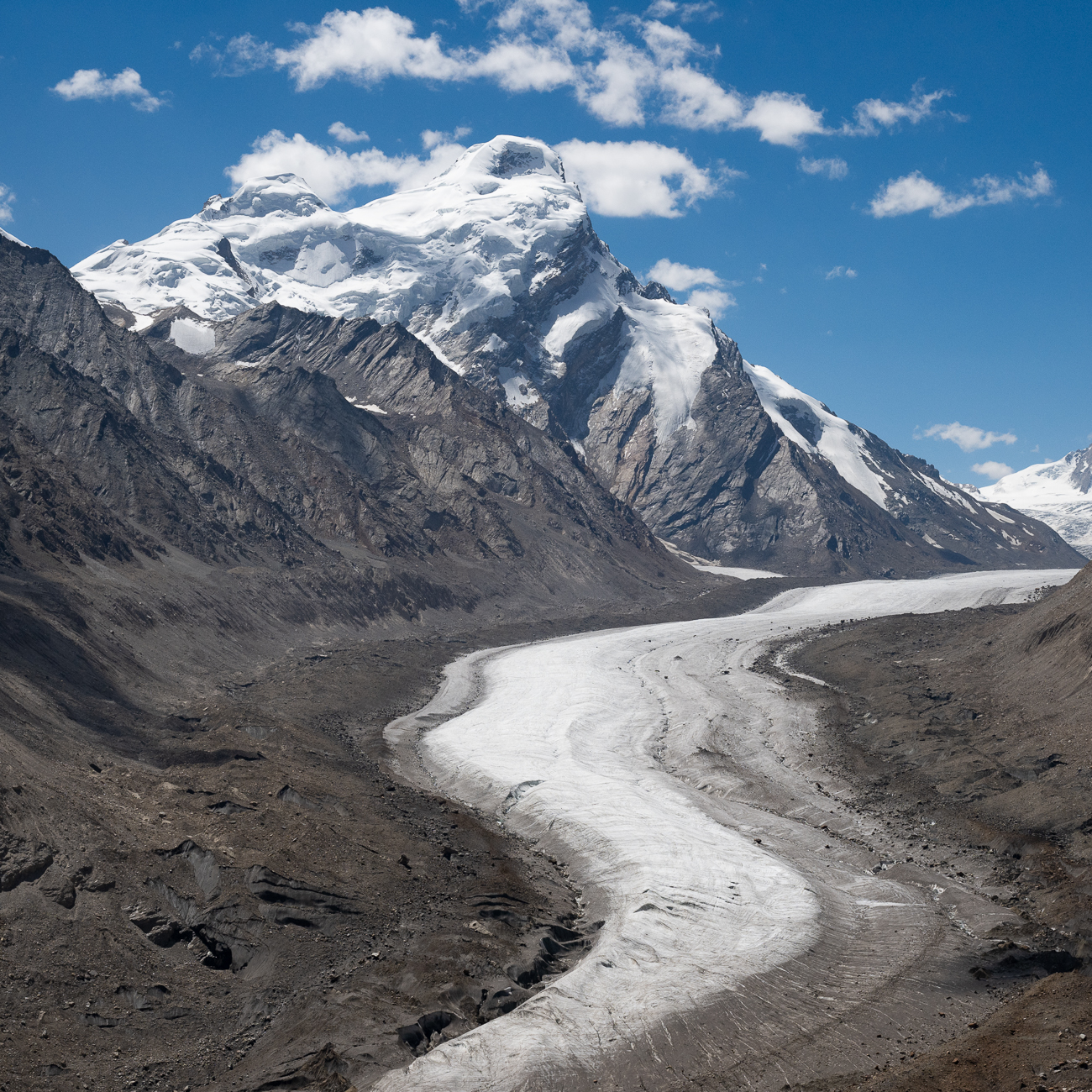
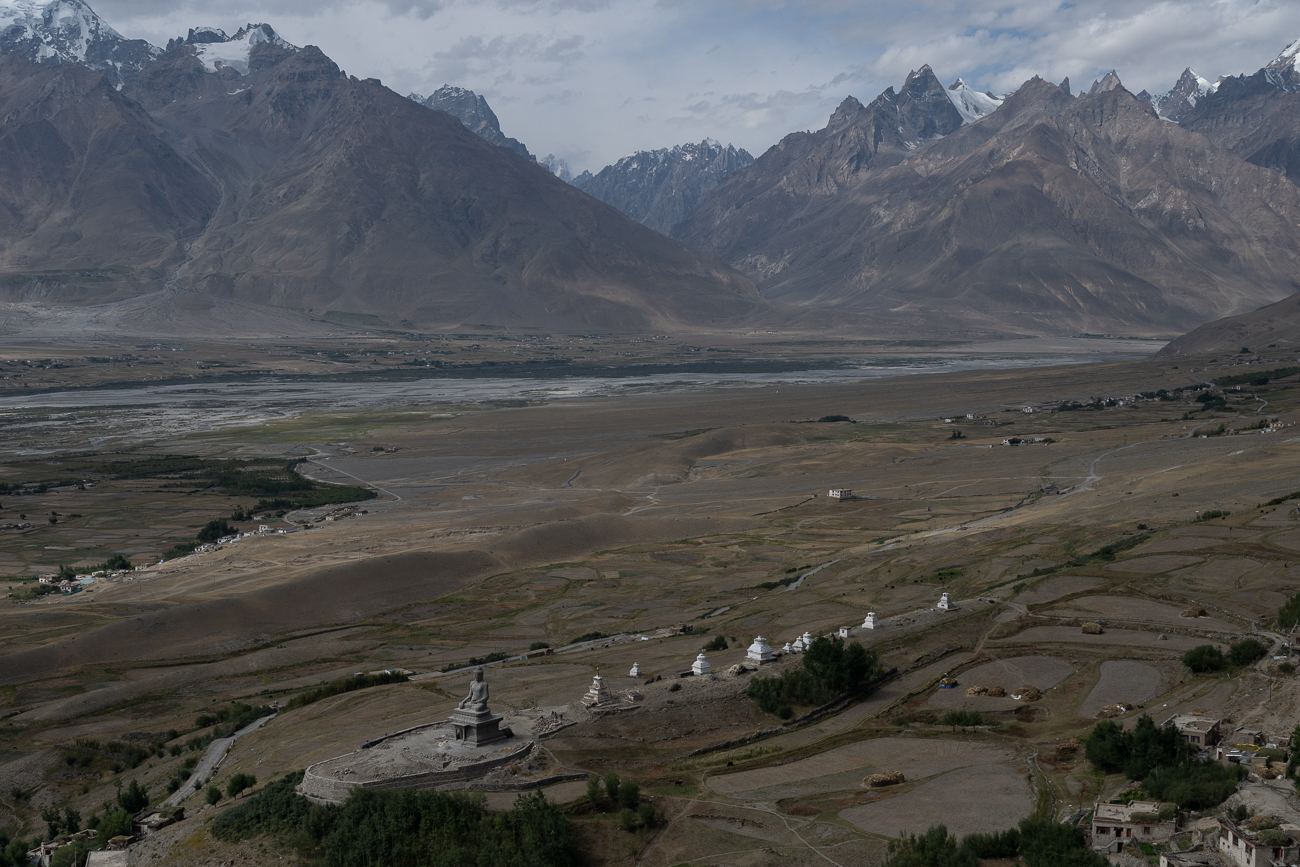
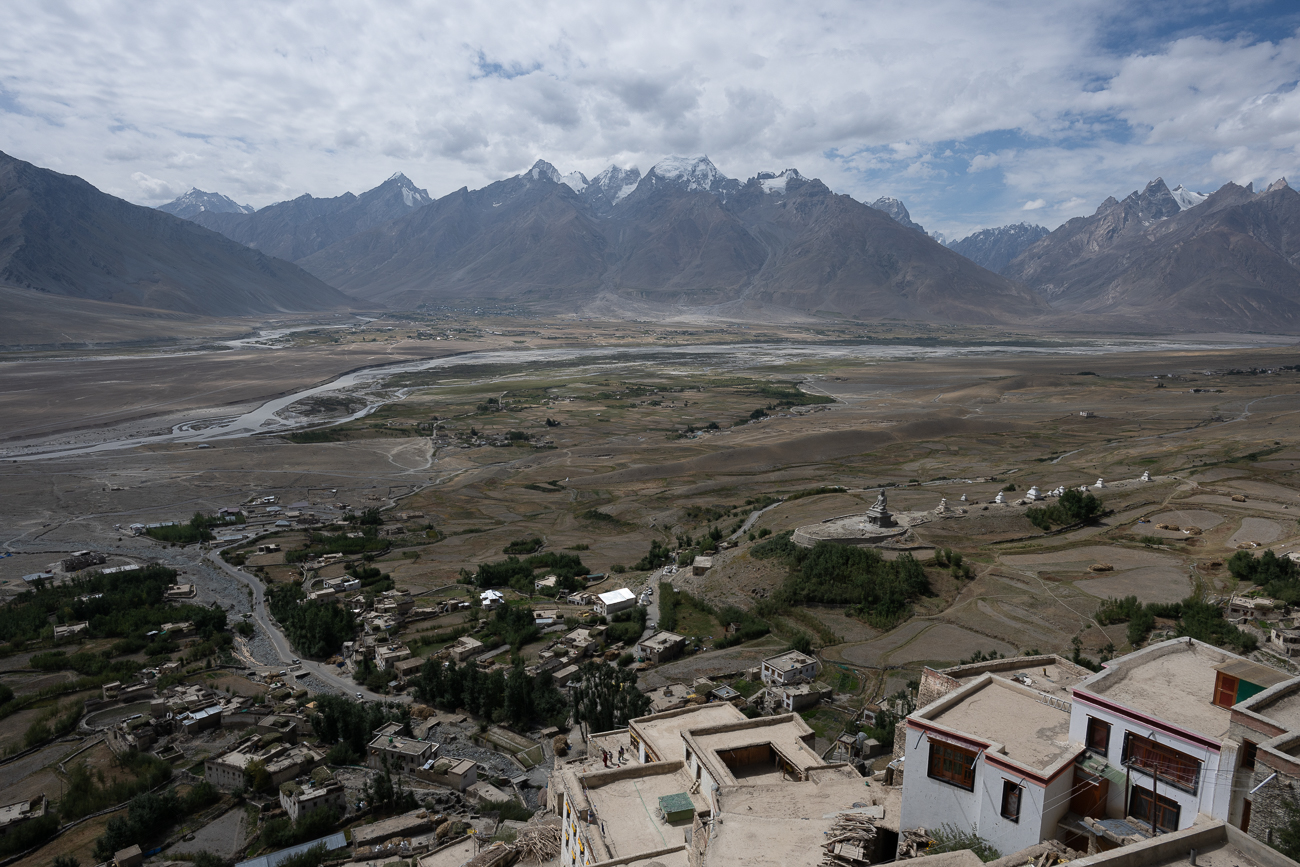
This year was a key window of opportunity to visit Zanskar. Until the last year or so, there was no road through the valley. So for 1000 years people have had to walk or ride animals for 2 weeks across paths built in the “Silk Road” era of ancient Asian history. Or wait for winter and walk down the surface of the frozen river itself. No thanks. But now there’s a road! The Indian government decided it needed the ability to move its troops through the area to defend against Pakistan and China, so the roadbuilding effort is sudden and massive. It’s not finished (or safe, honestly). Soon tourists (and more) will come down these almost-finished roads and the place will never be the same. Now was the time to visit.
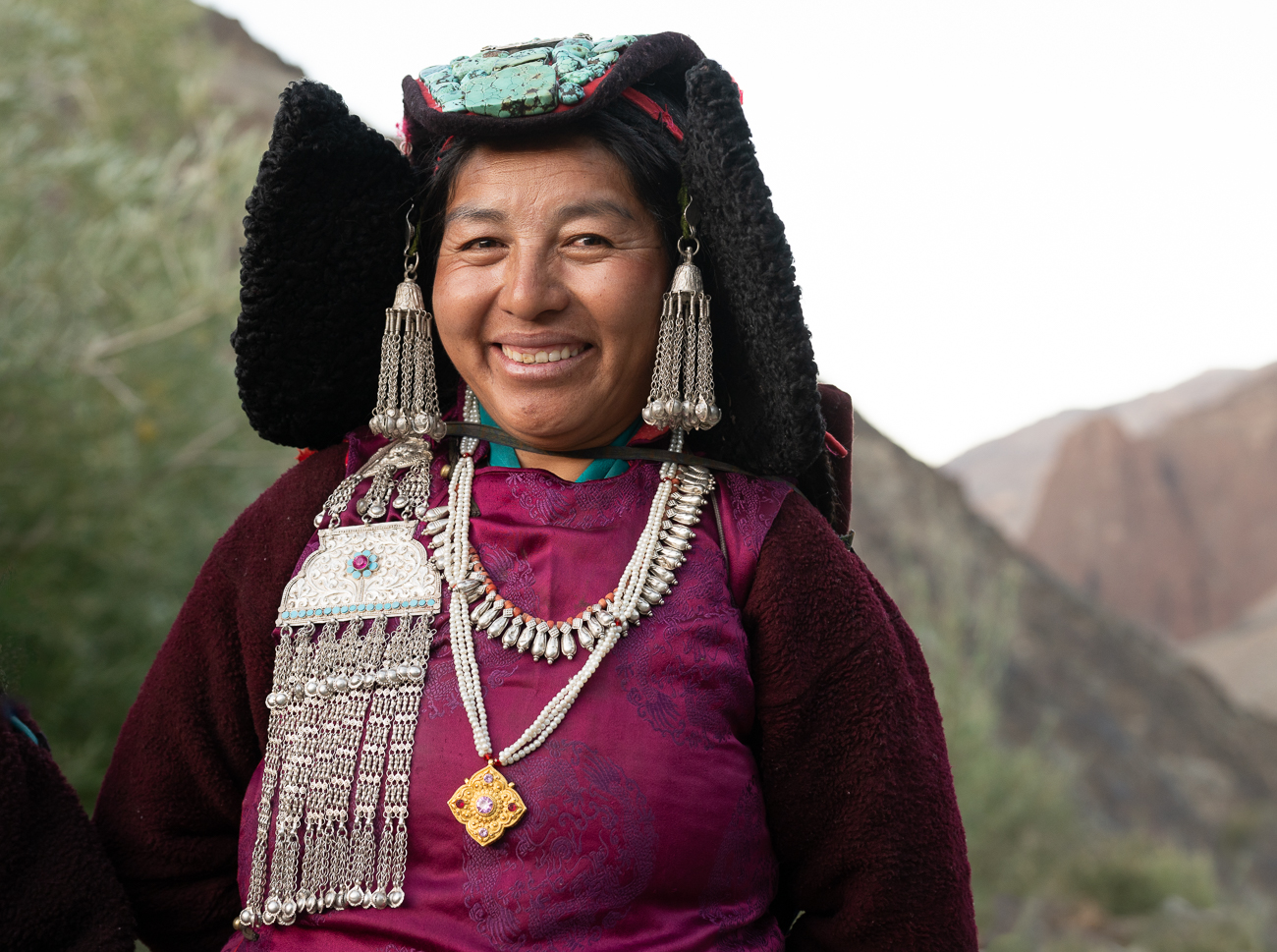
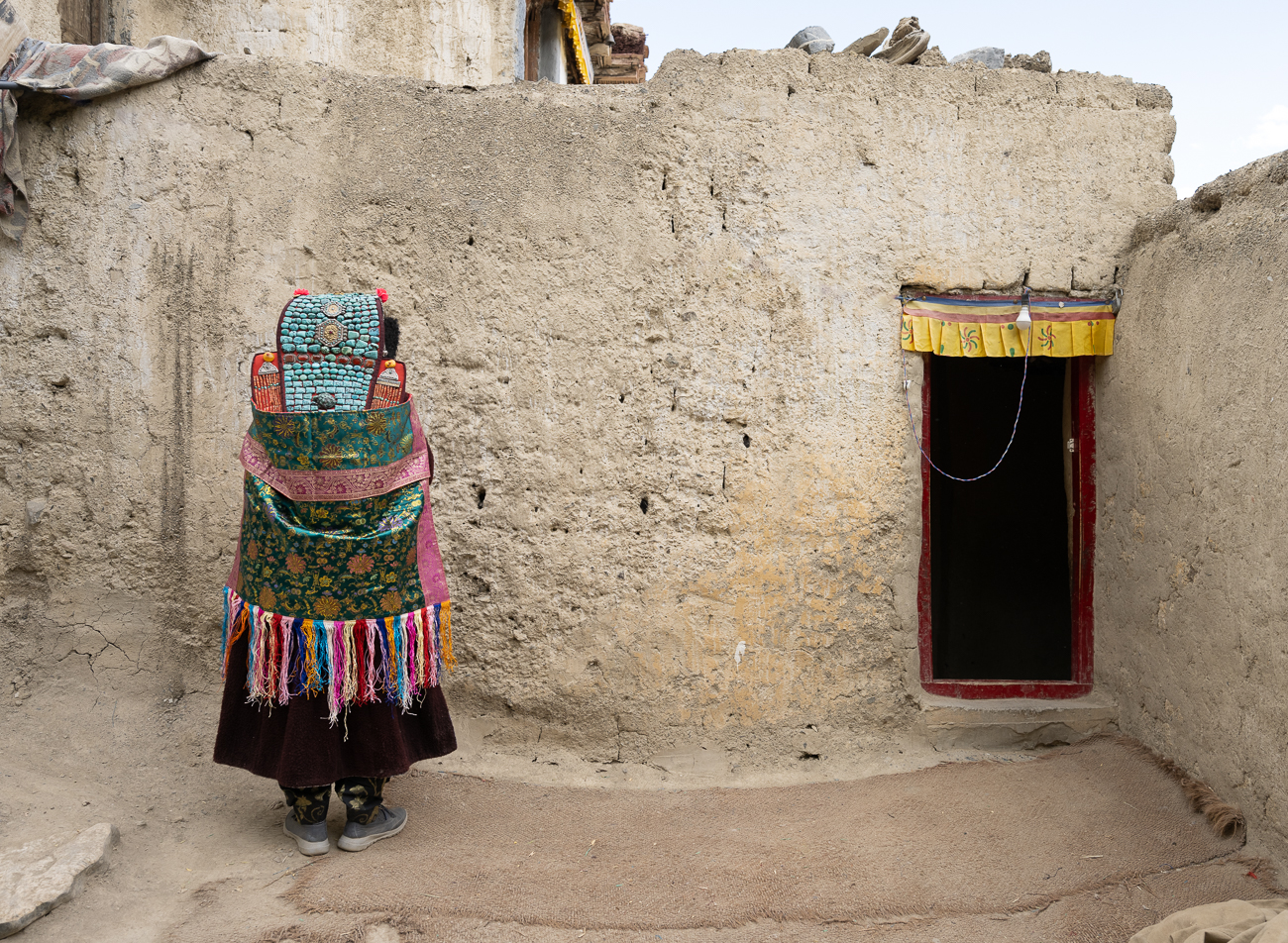
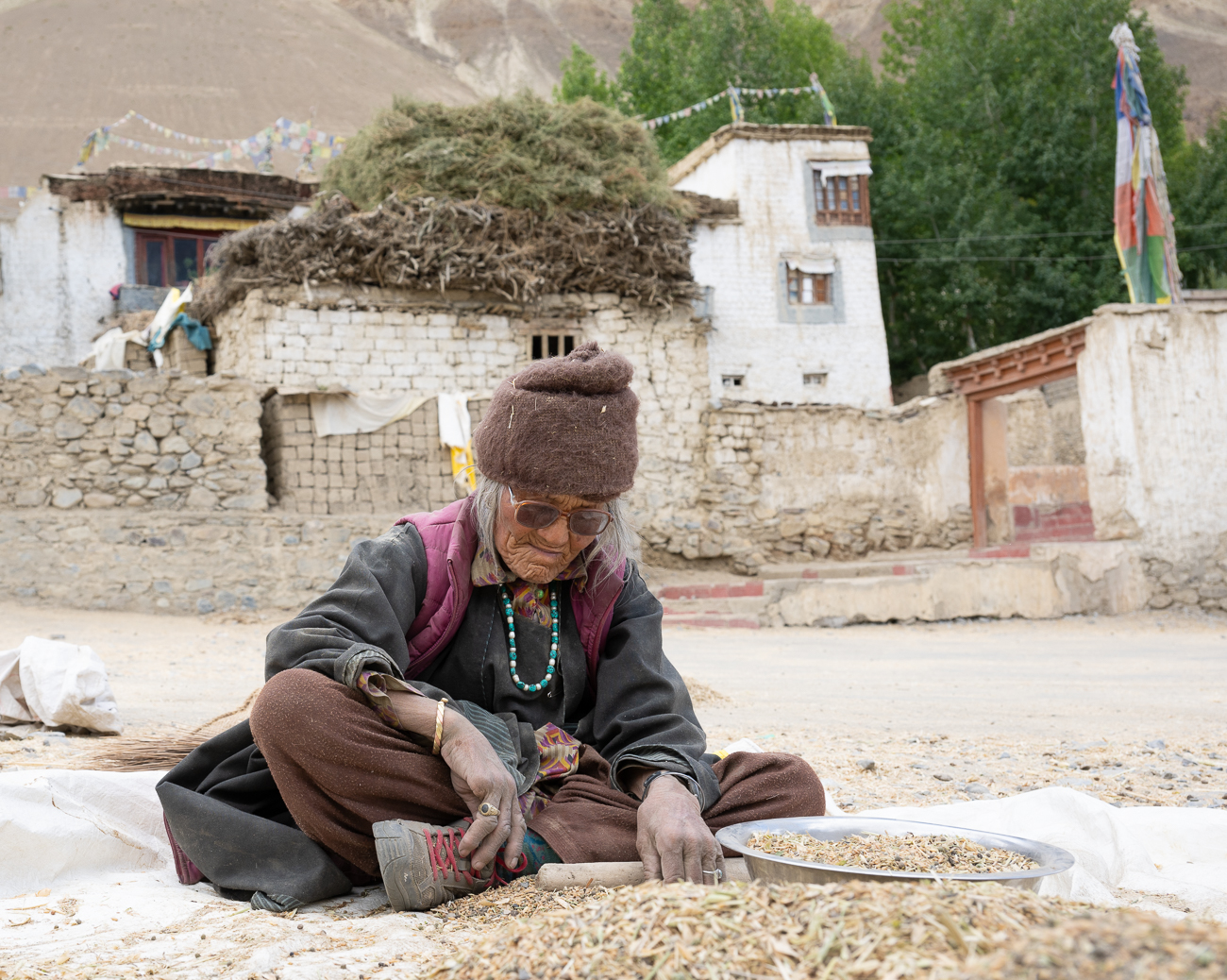
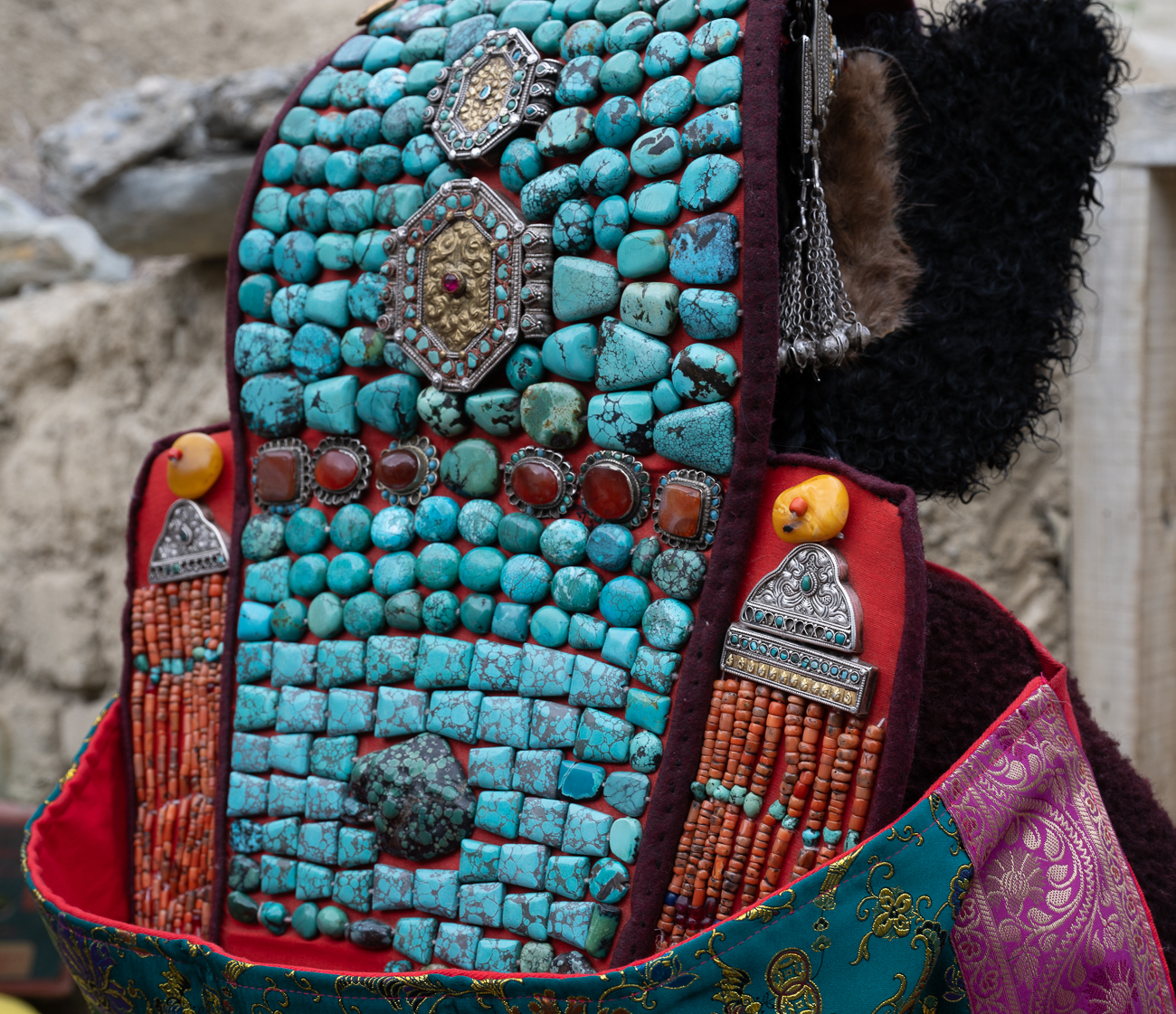
For a millennium or so before it became part of India in the 20th Century, Zanskar was a kingdom. We’d heard that there was still (technically) a Queen — living in Zagra. We joked whether she might be single and went looking. We found her — a 90ish year old lady sitting cross-legged in the middle of the road thrashing barley on a tarp. Not super-regal. Our guides talked her daughter-in-law into showing off a royal traditional headdress and answering a few questions.

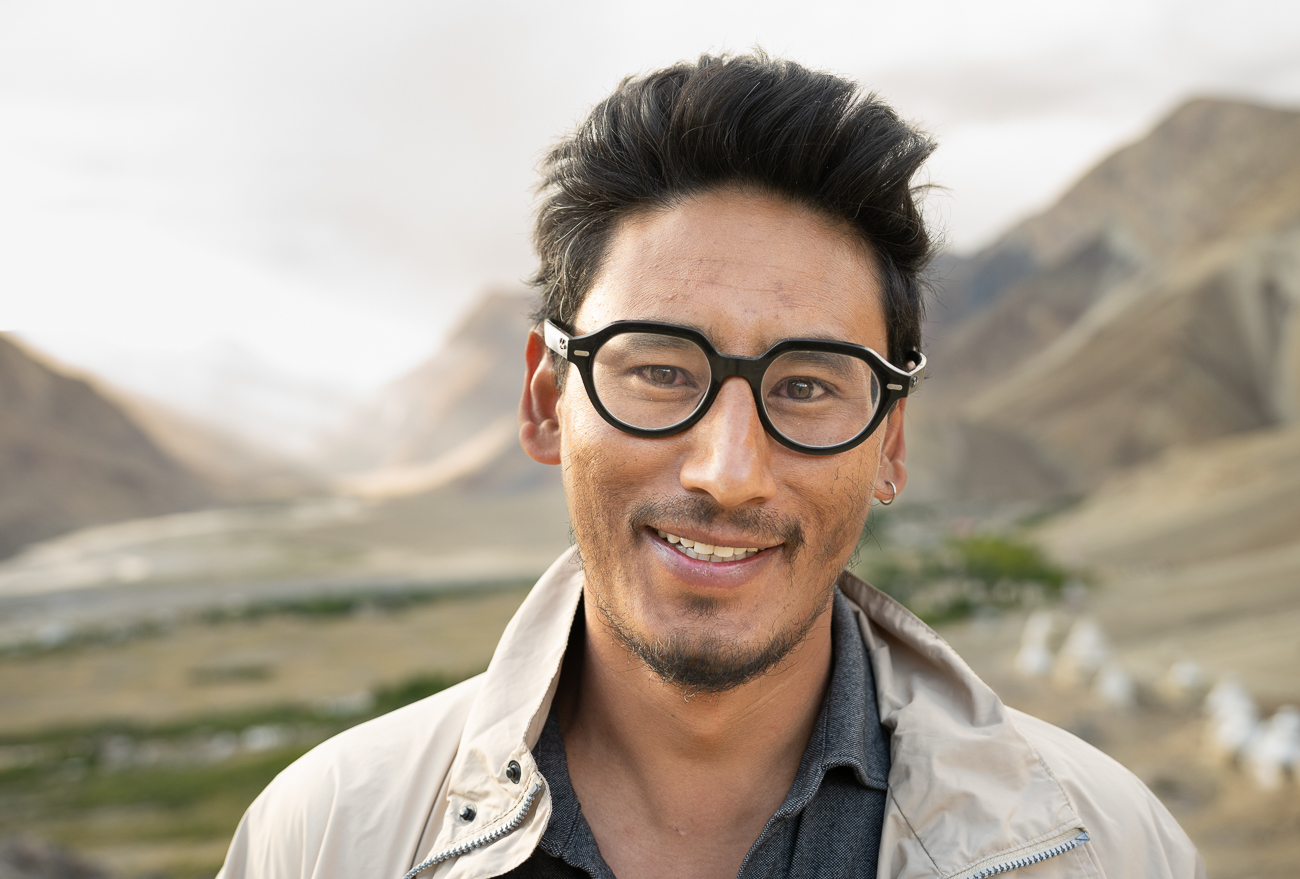
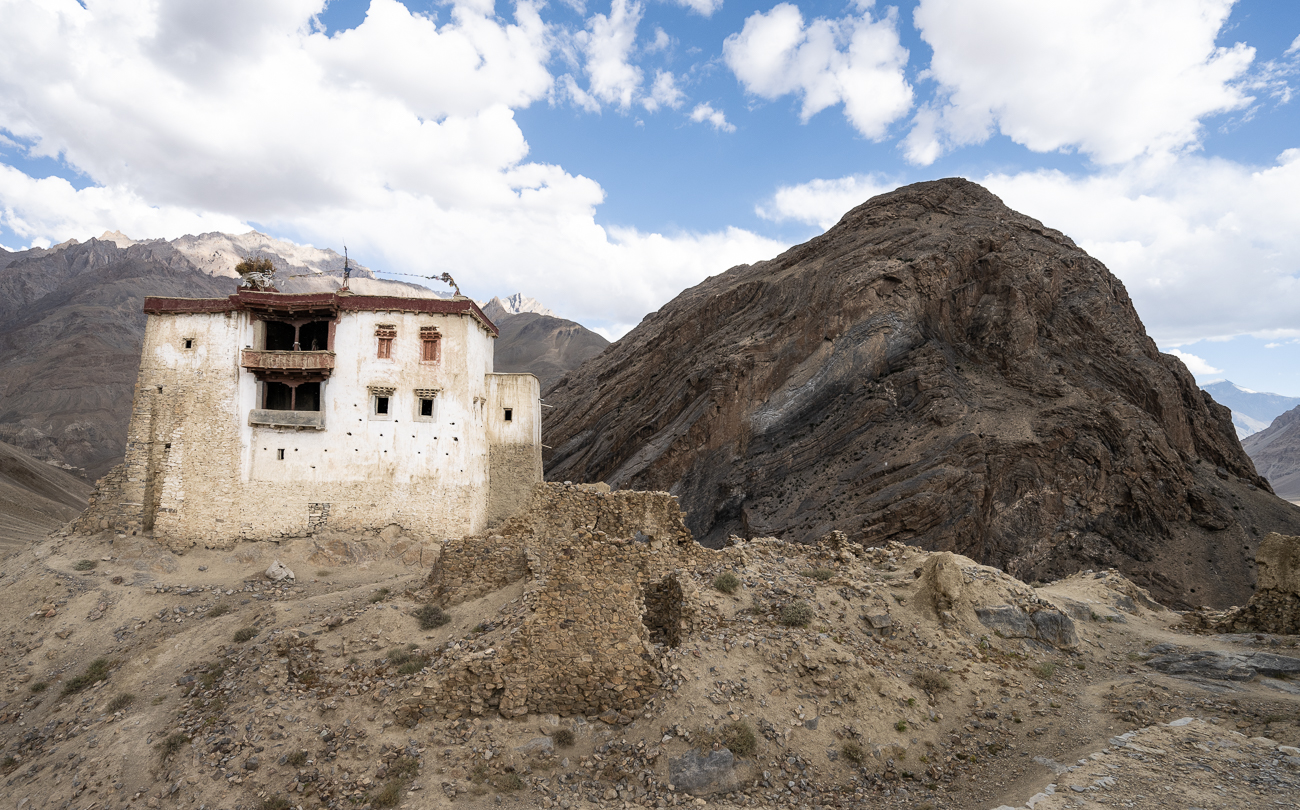
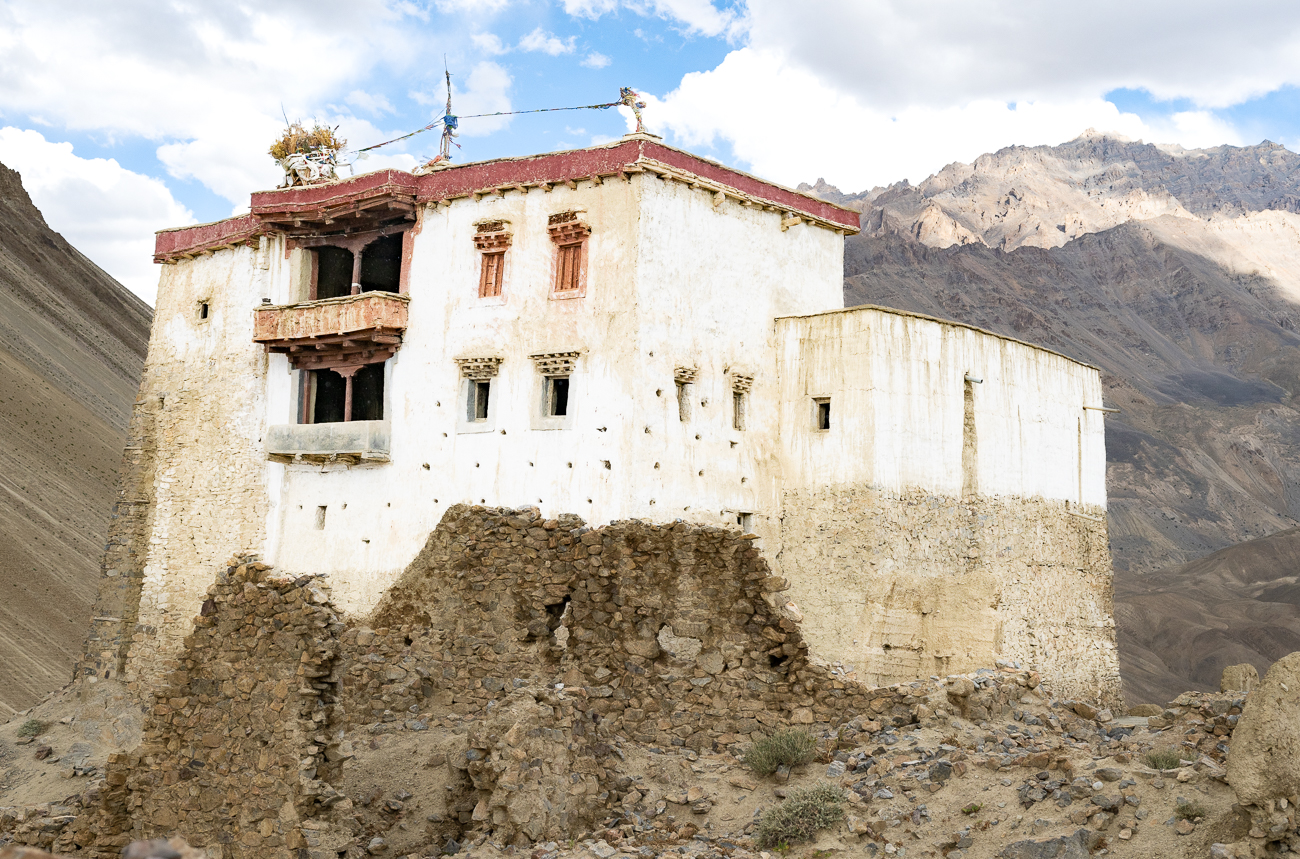
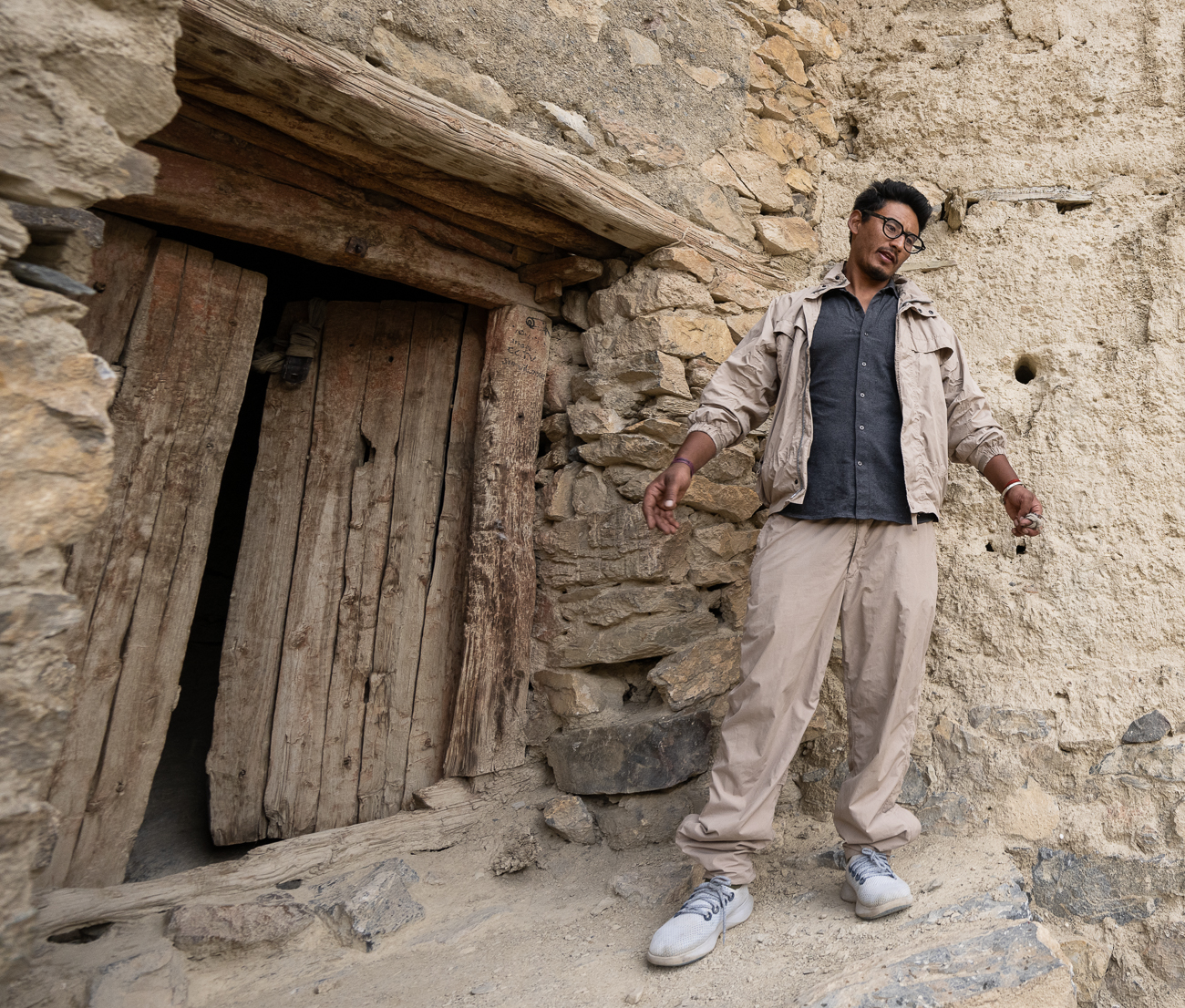
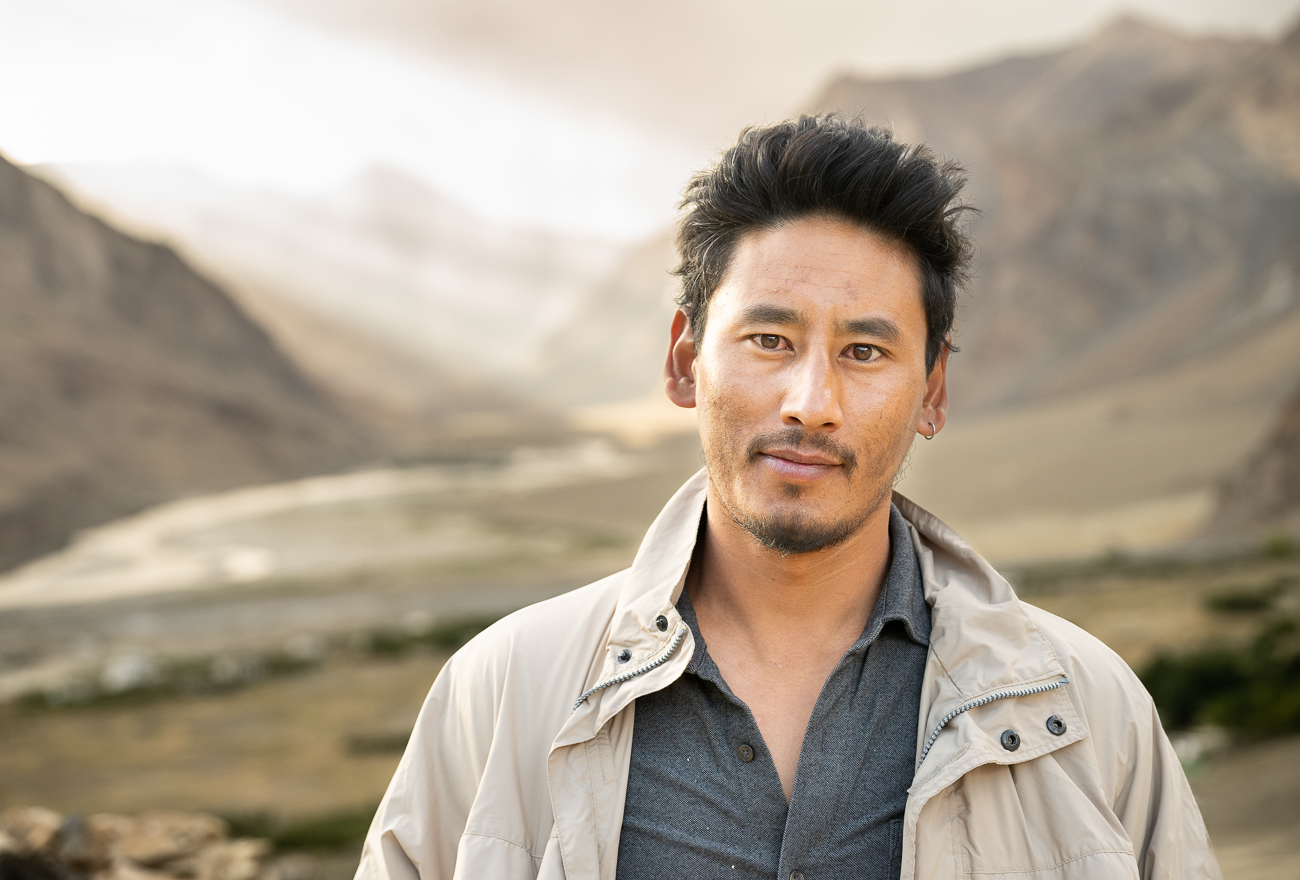
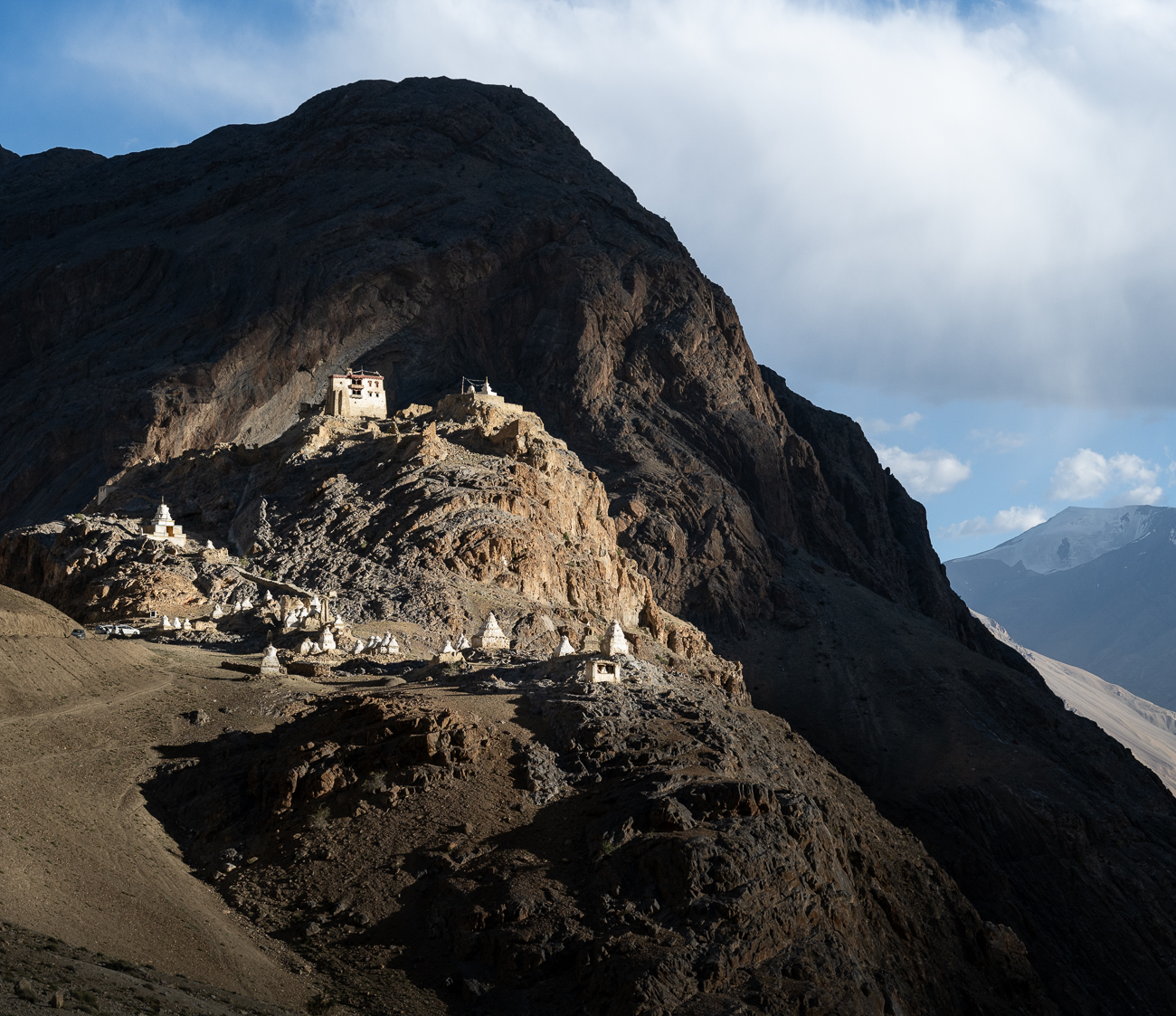
Soon up walked an young man (fluent in English) volunteering answers and information. It was the Prince of Zanskar — the queen’s grandson. After college in Hungary, he’s returned to Zanskar eager to preserve its culture and promote visitors once the new road gets done. He said he had the keys to let us look around the 10th Century palace on top of the mountain. We gave him a ride up the hill, hiked the path the last quarter mile or so, and got a tour.

Buddhist North India

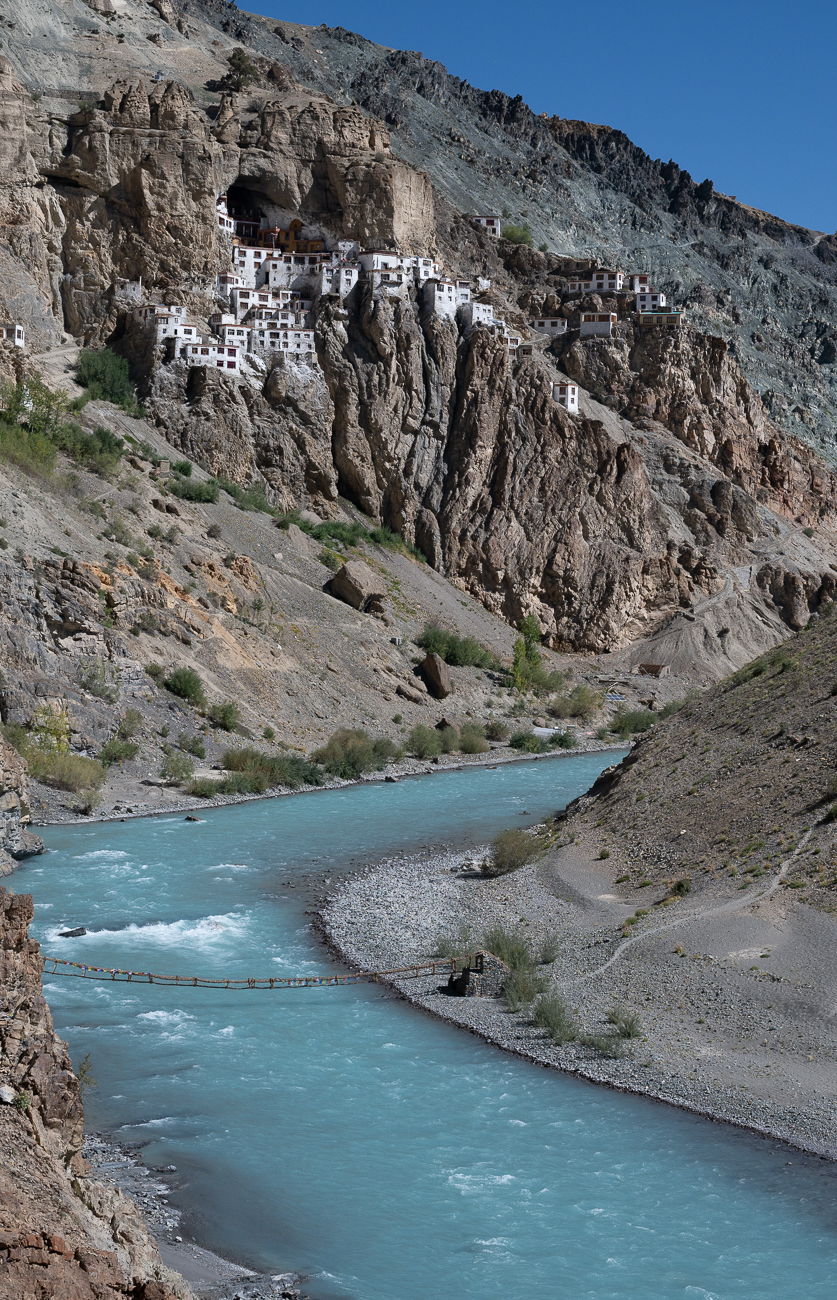
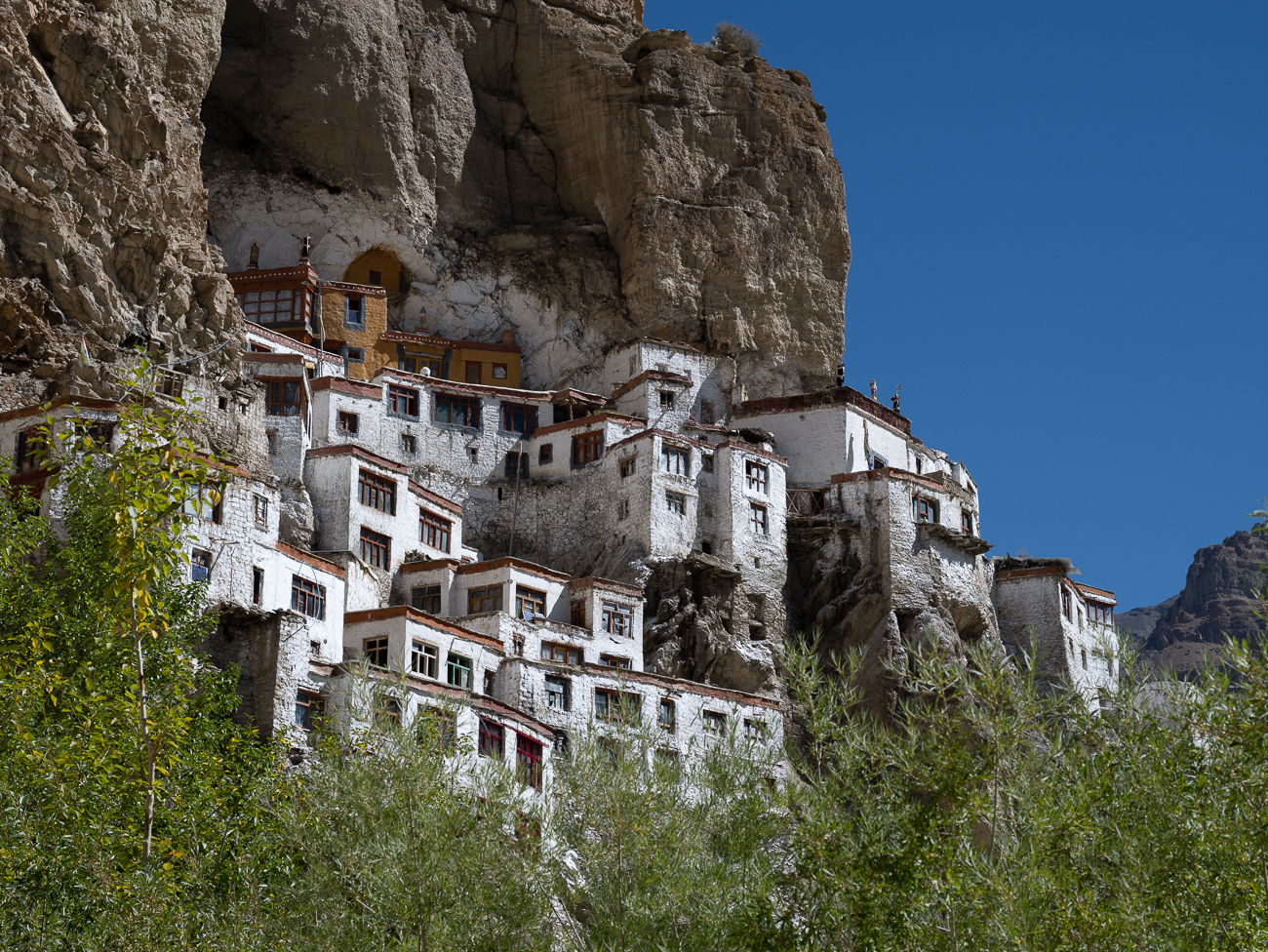
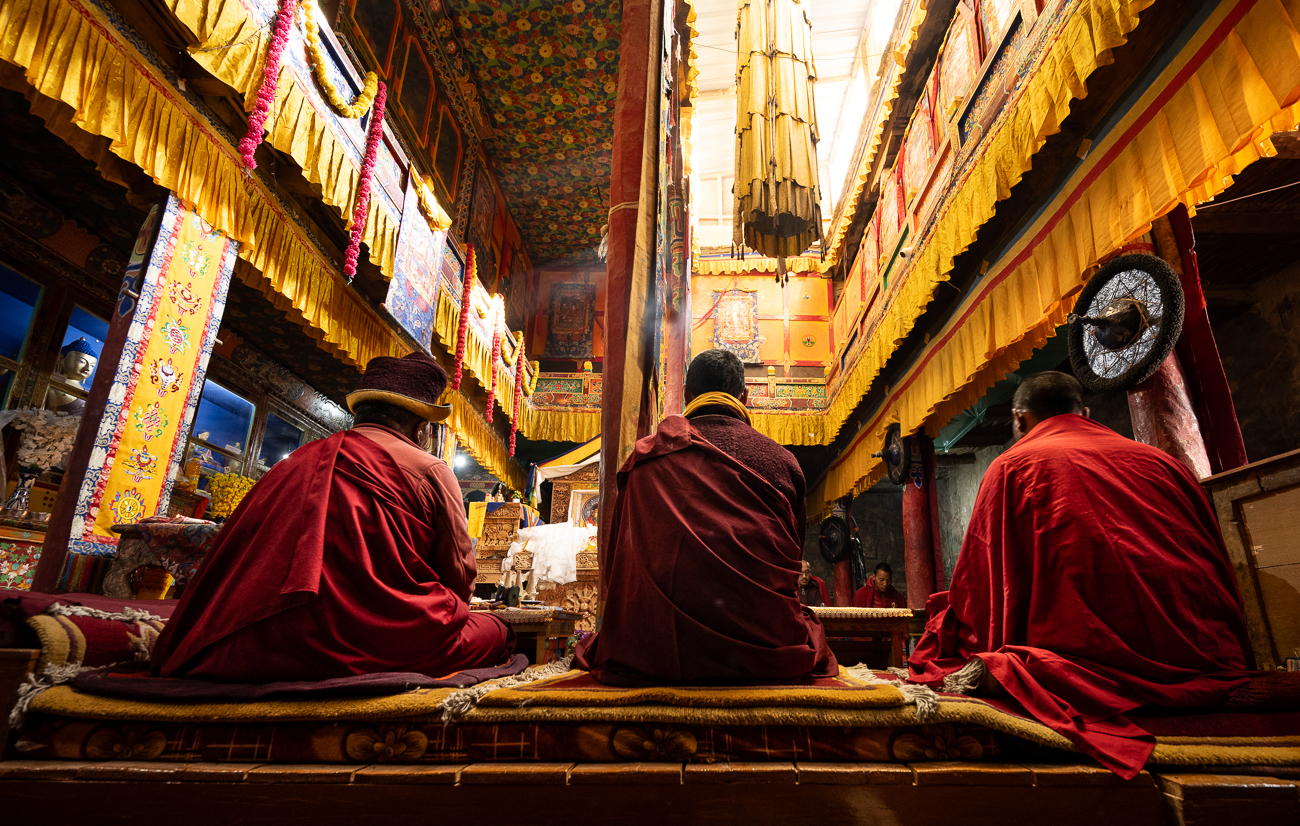
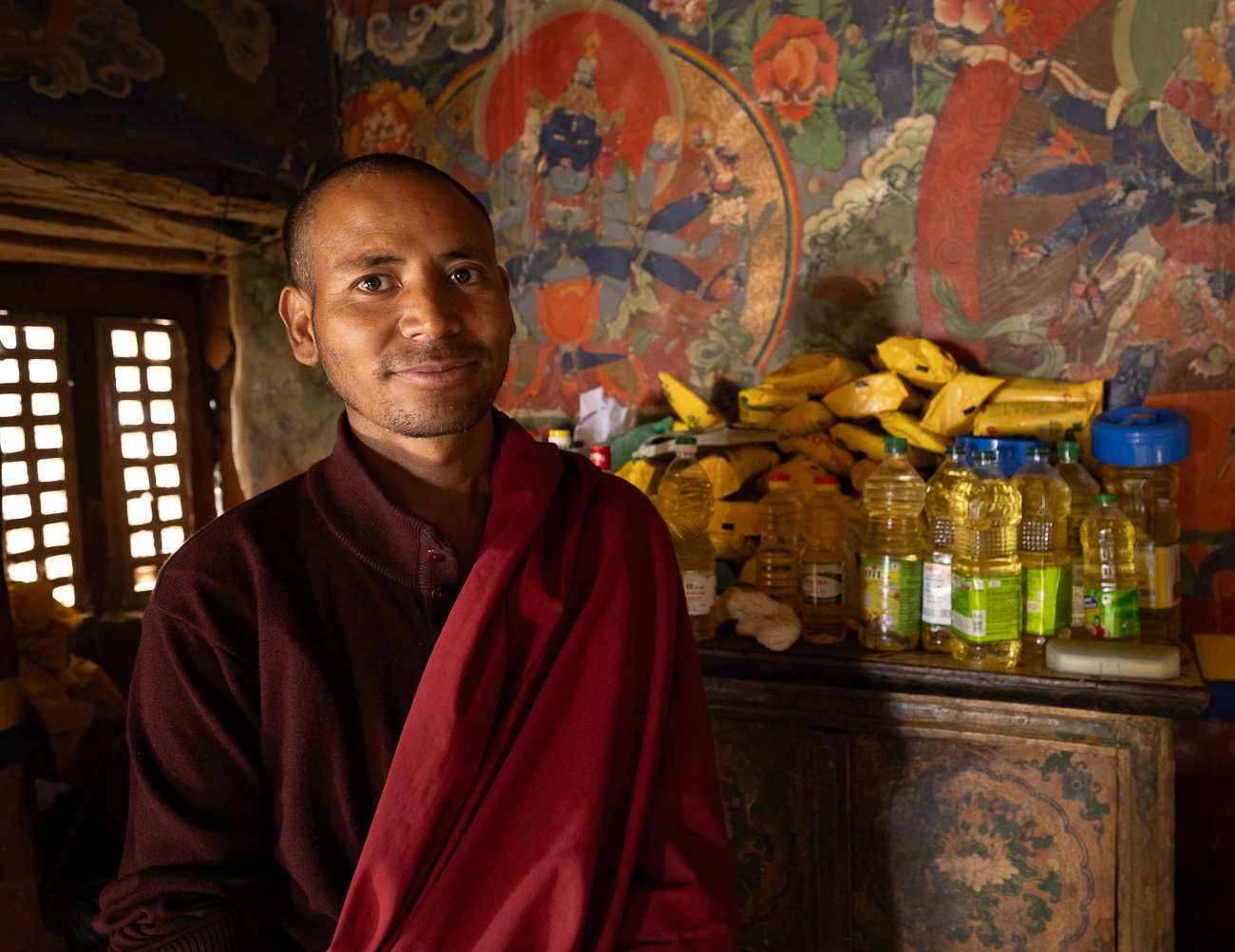
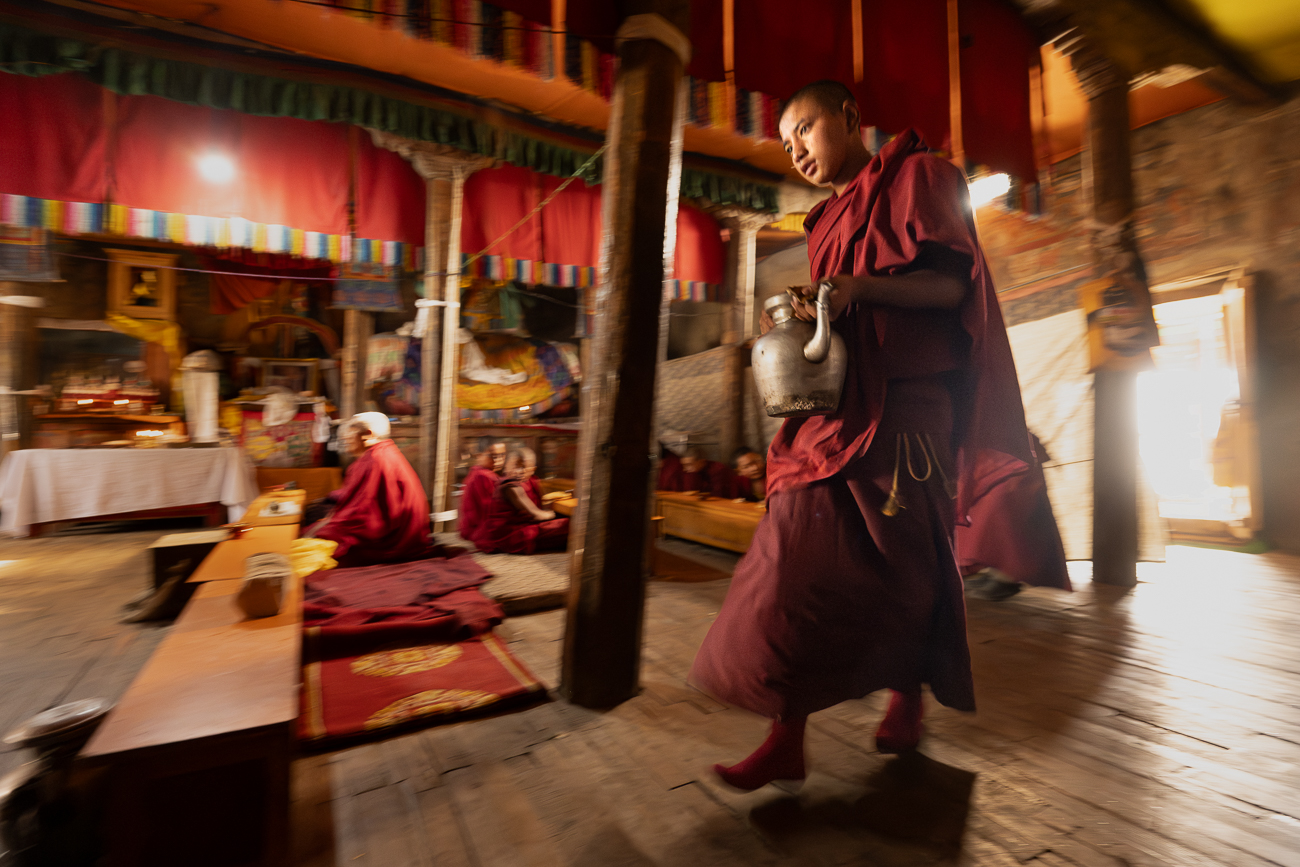
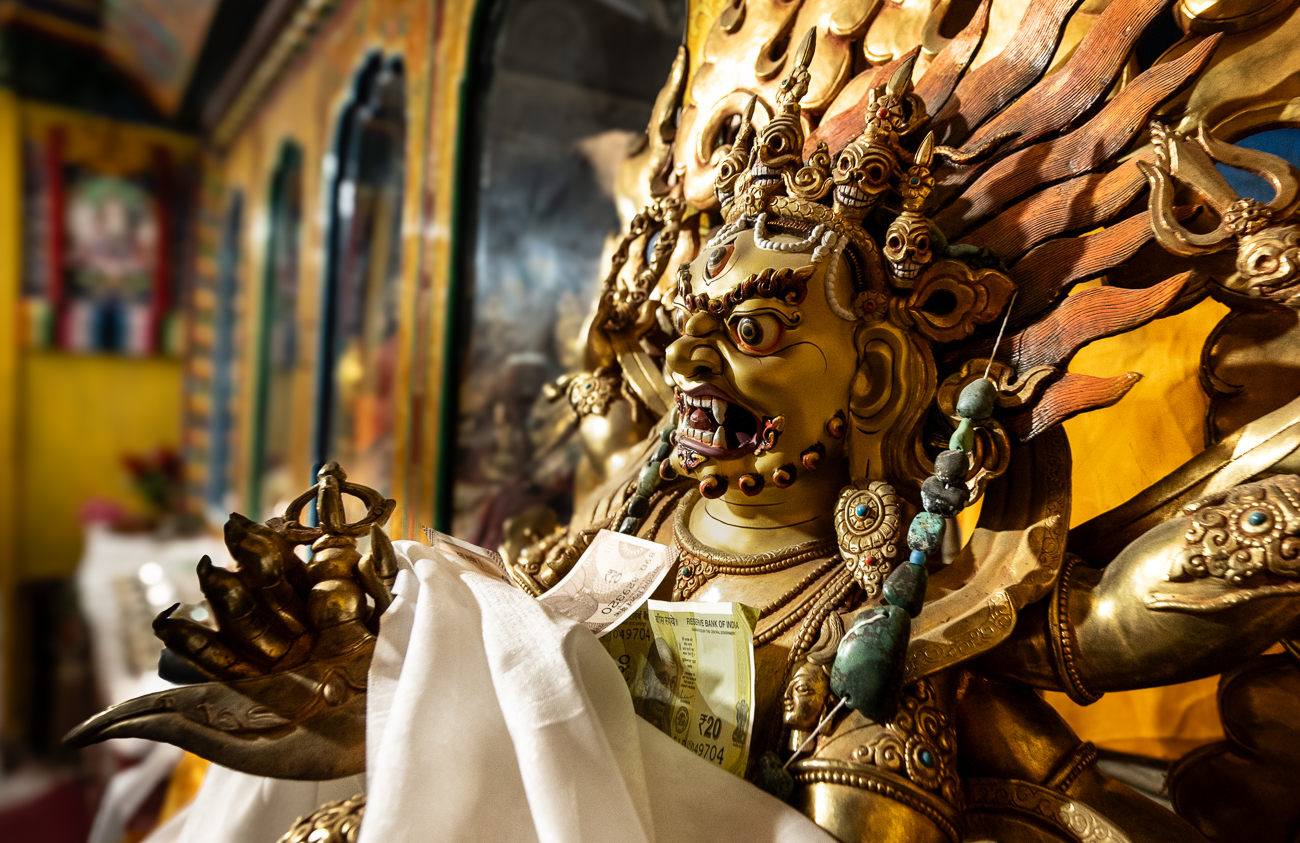
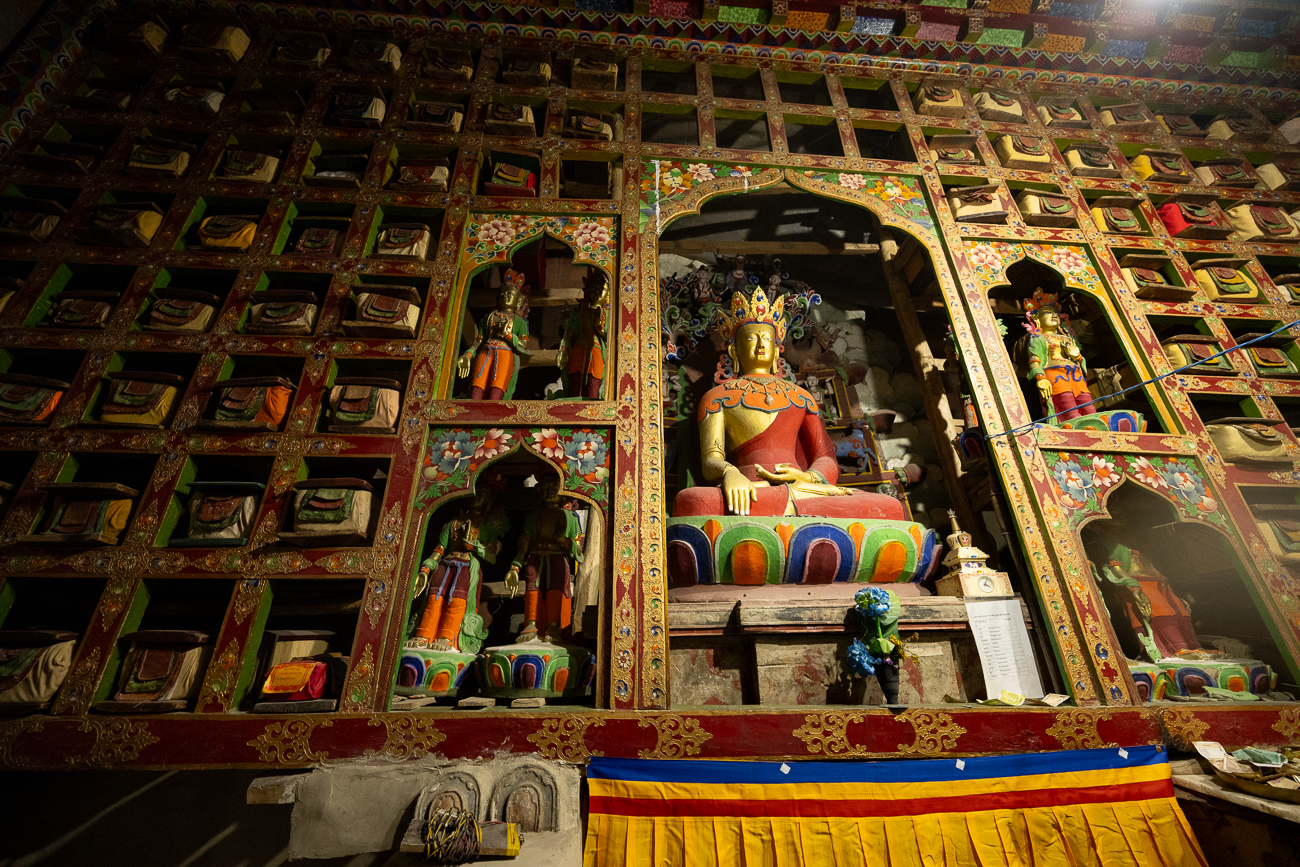
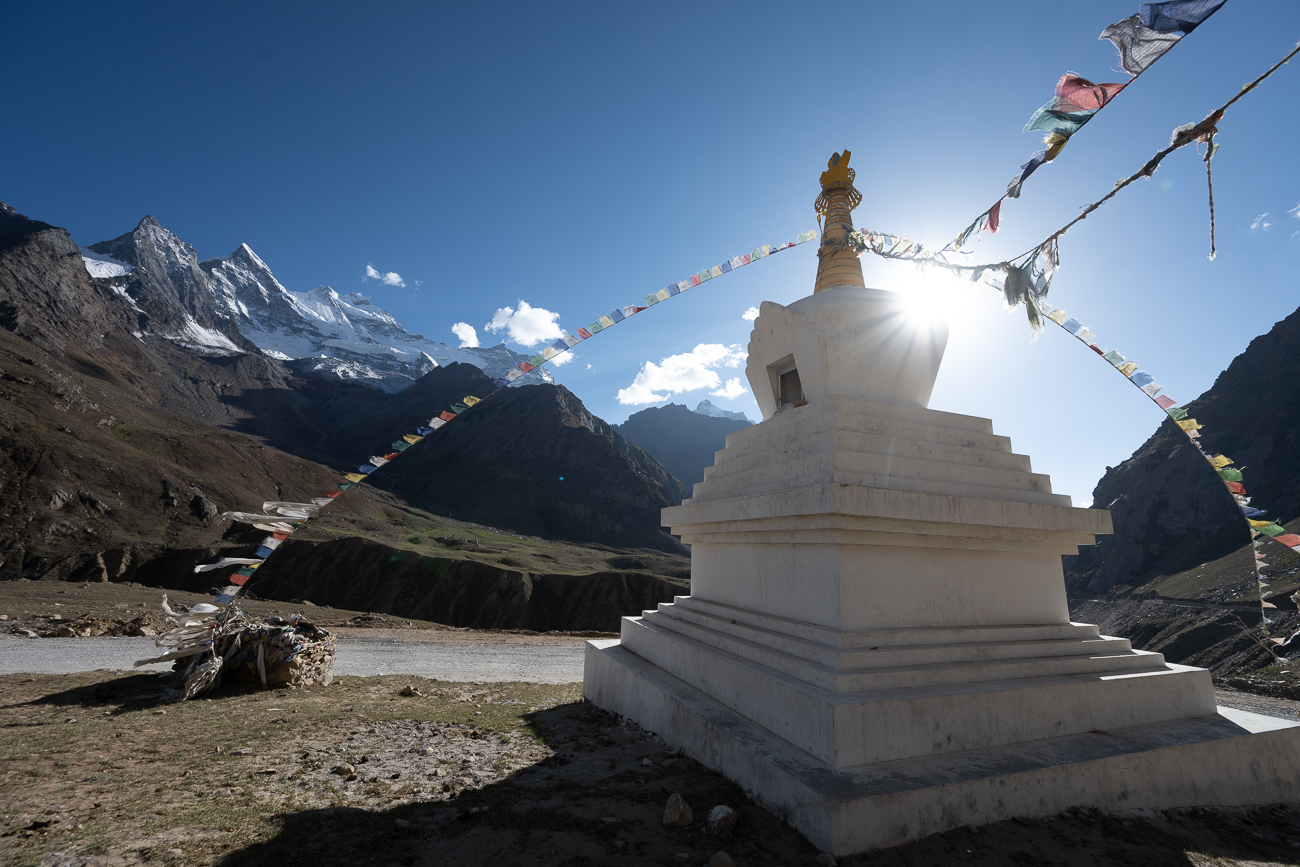
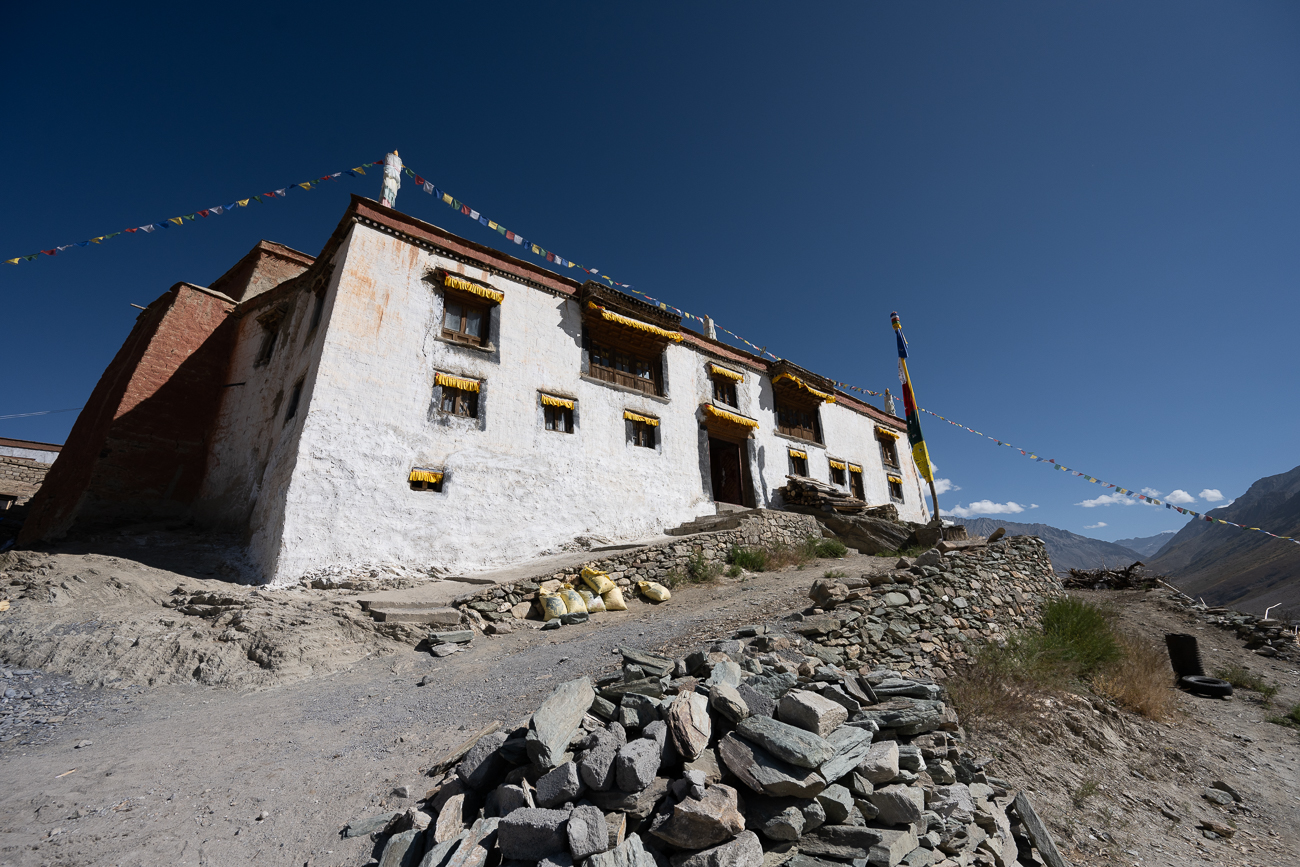
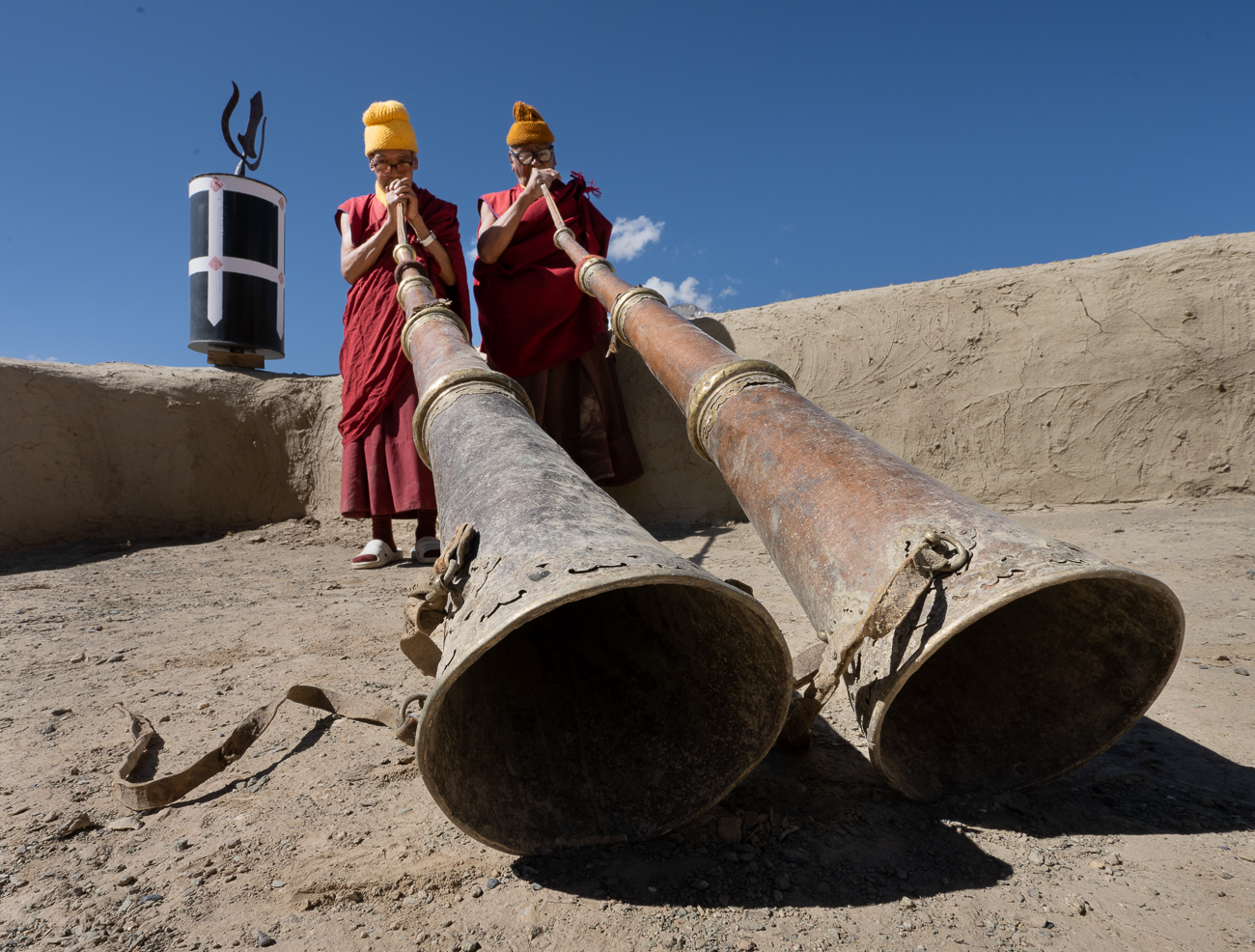
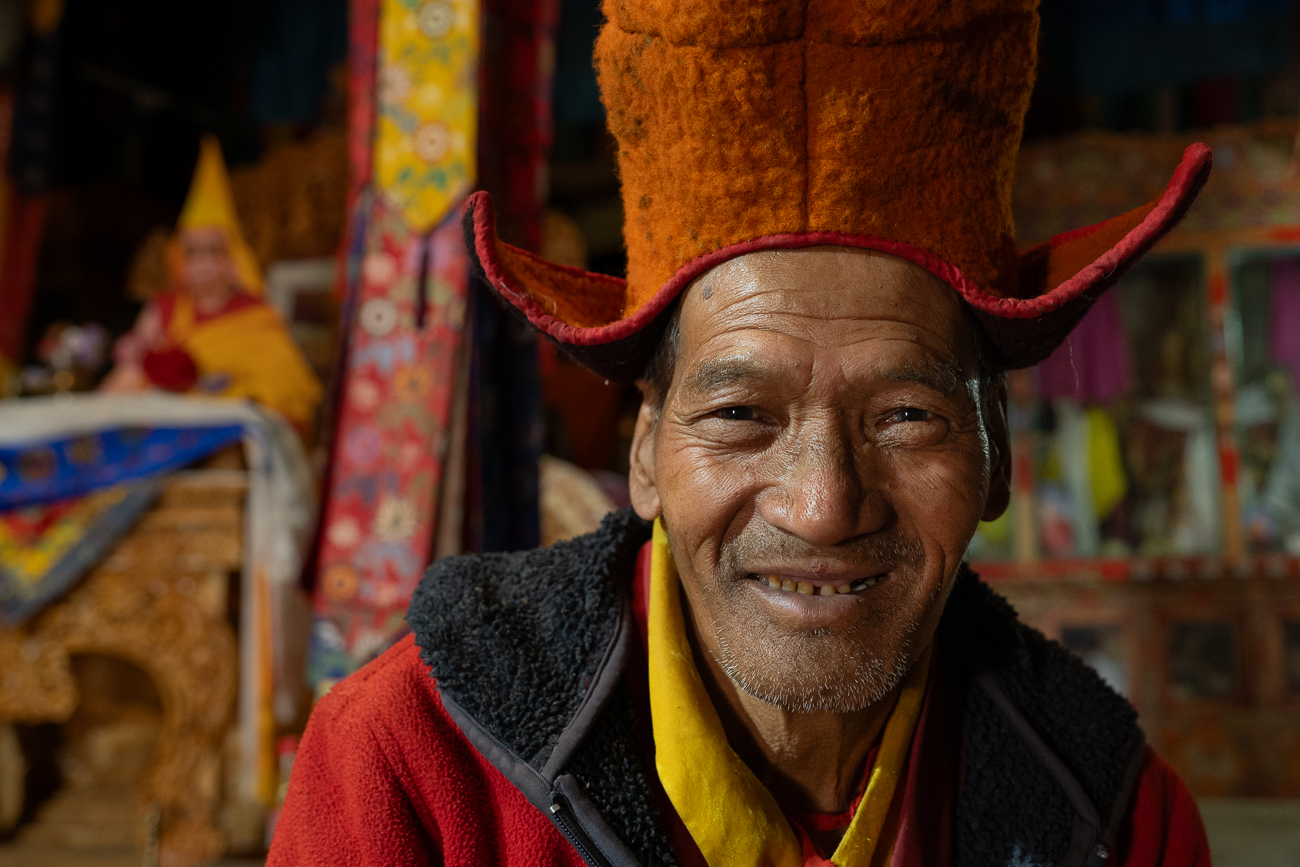
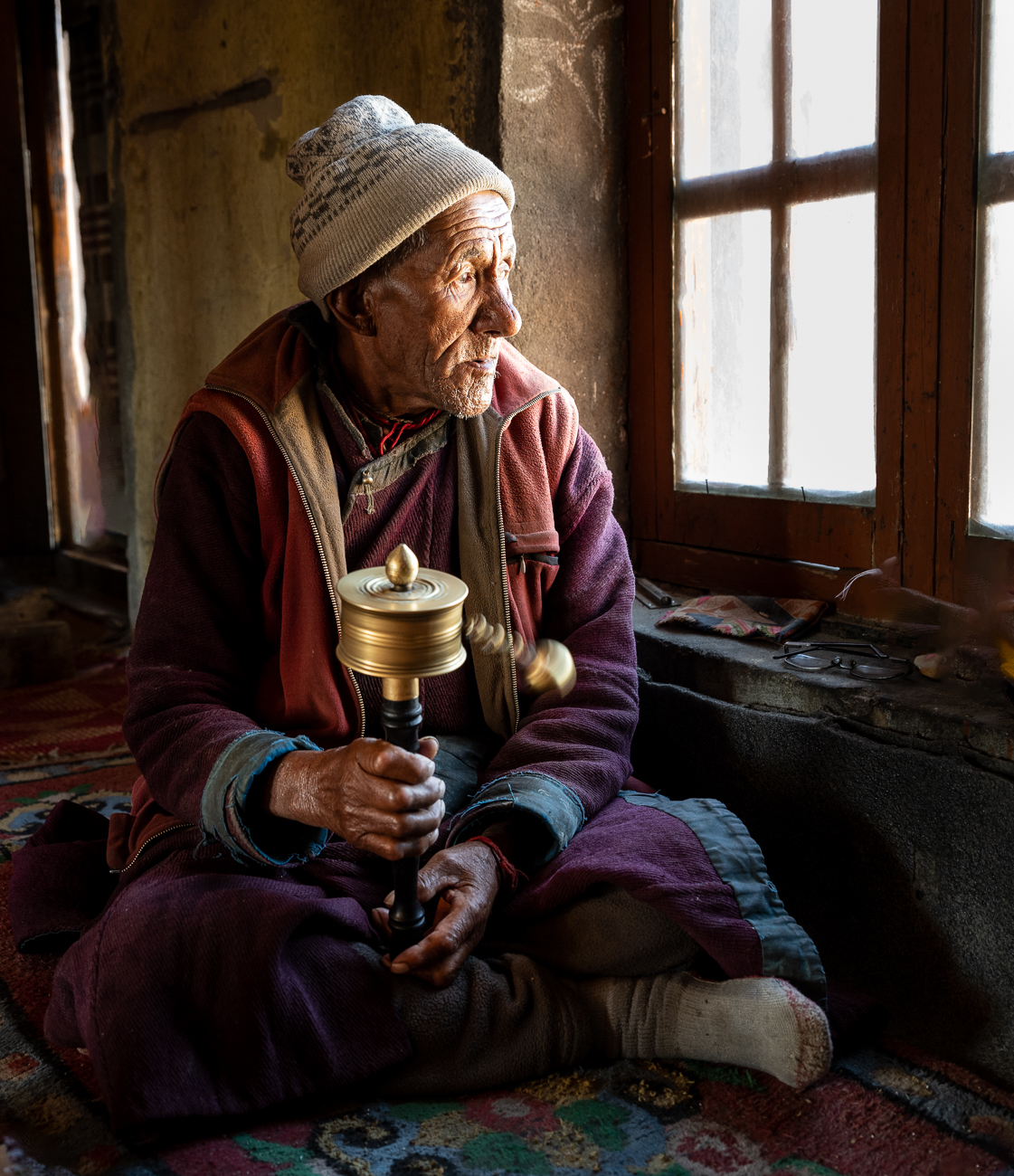
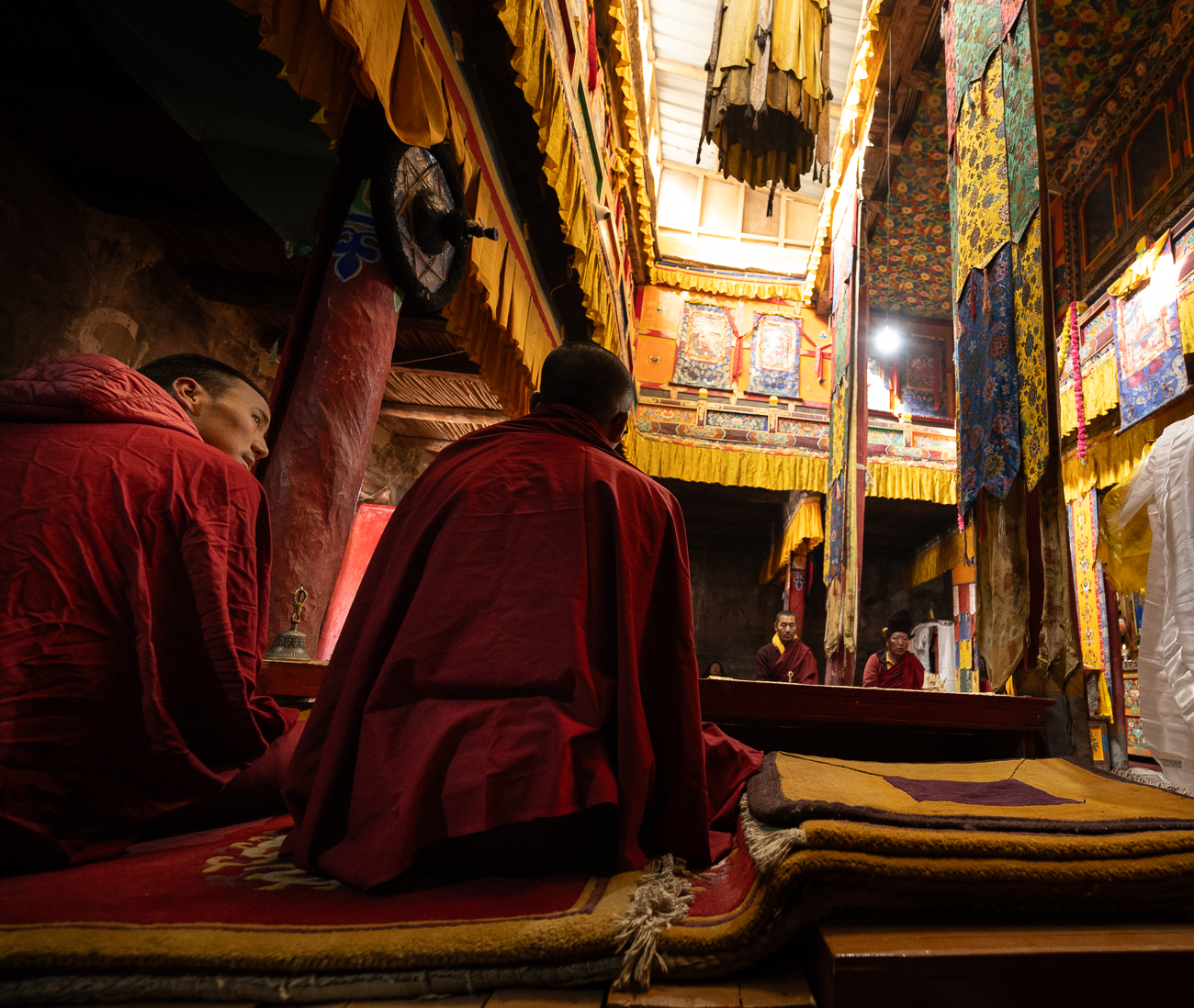
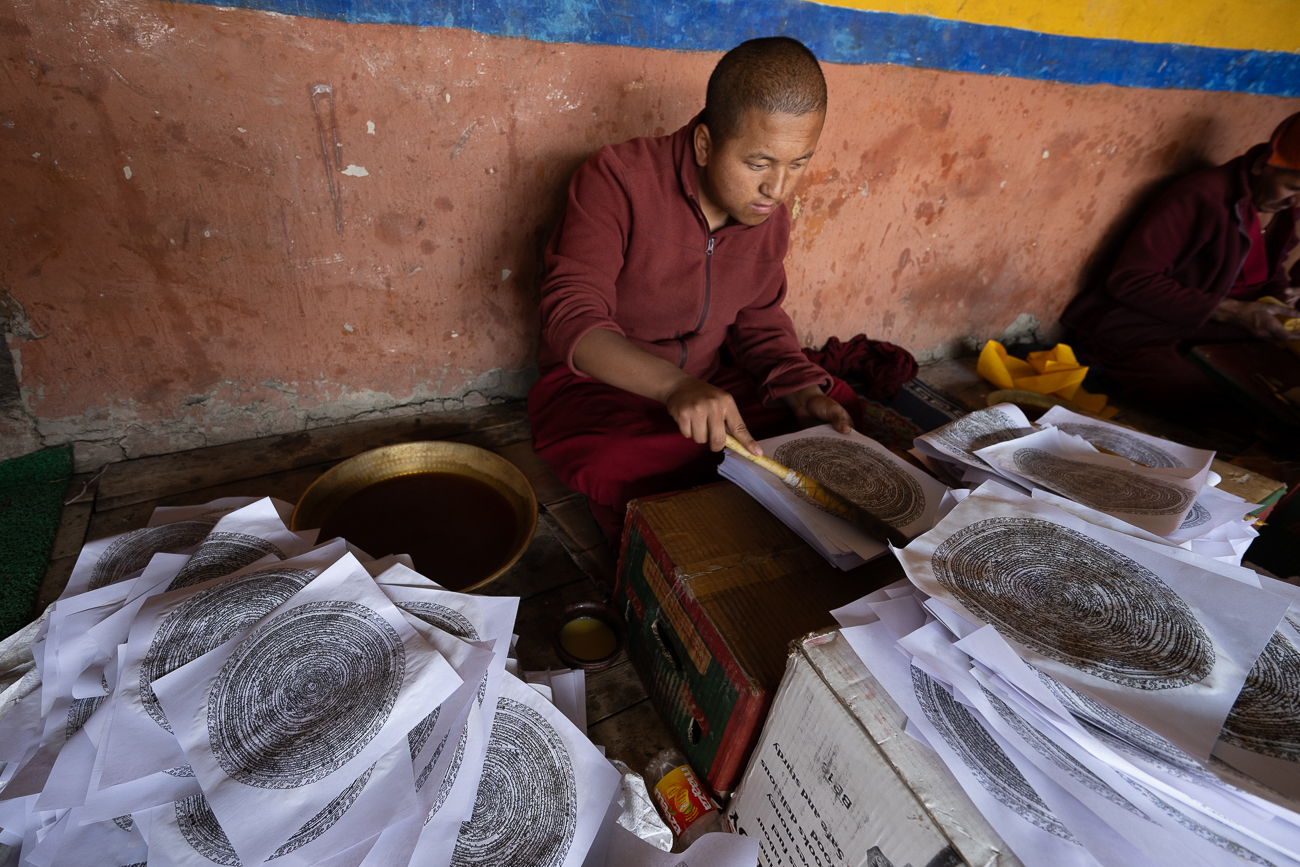
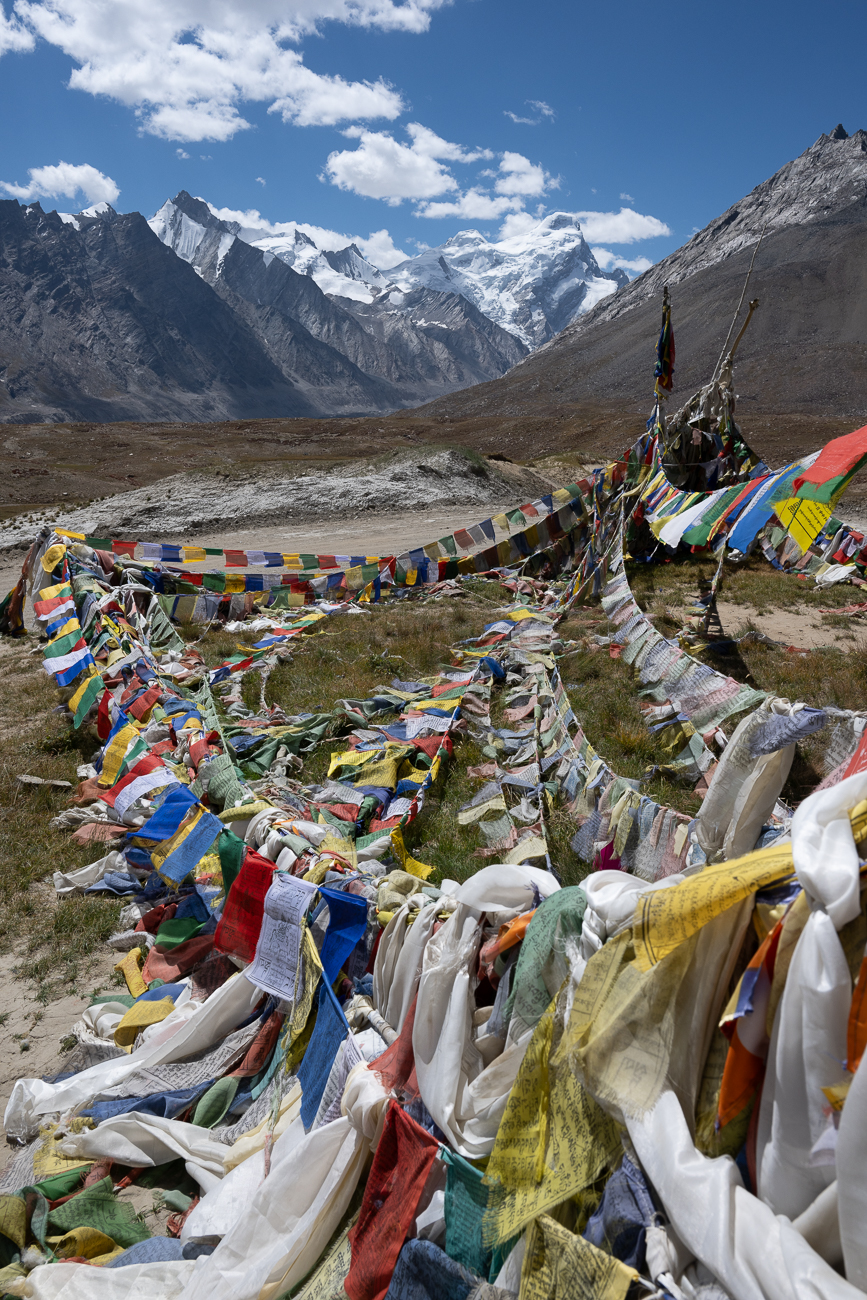
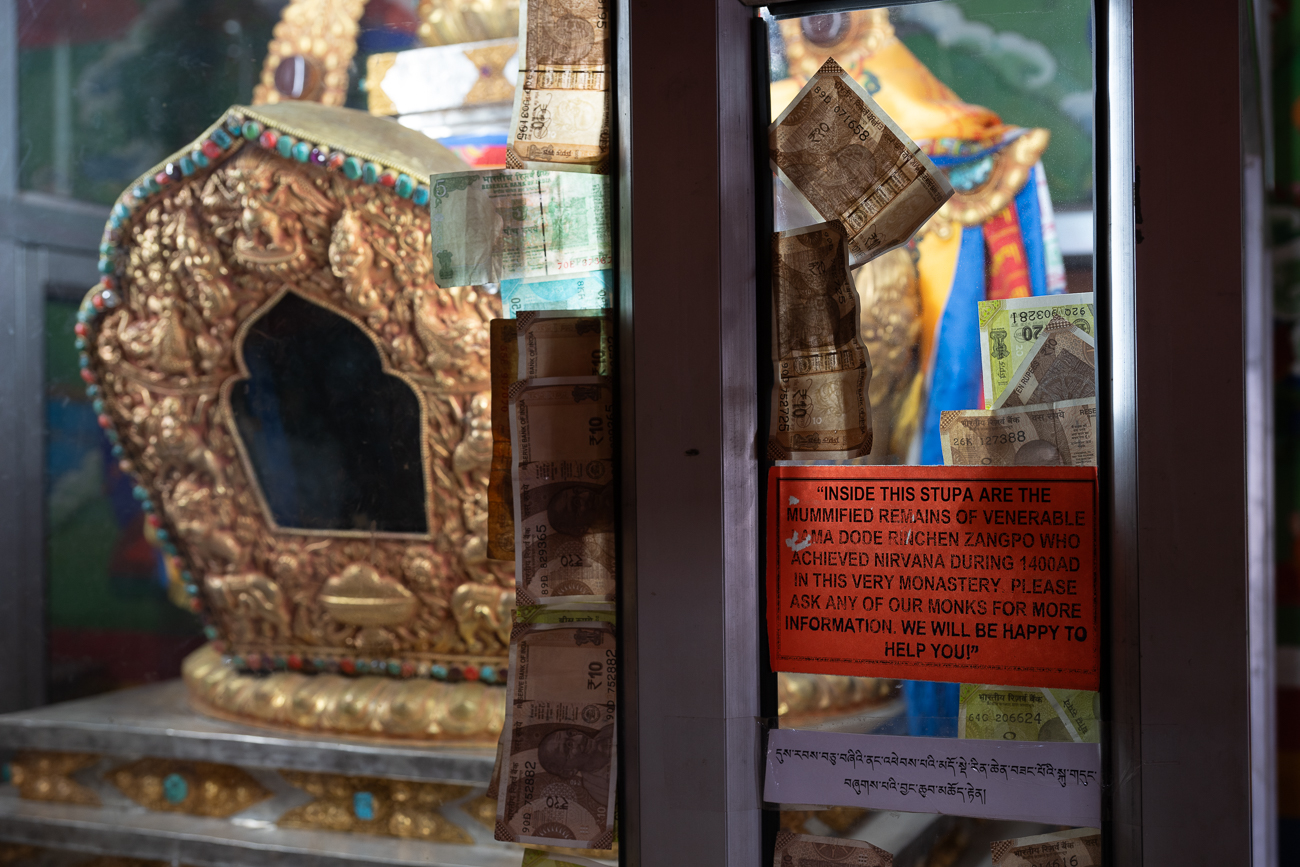
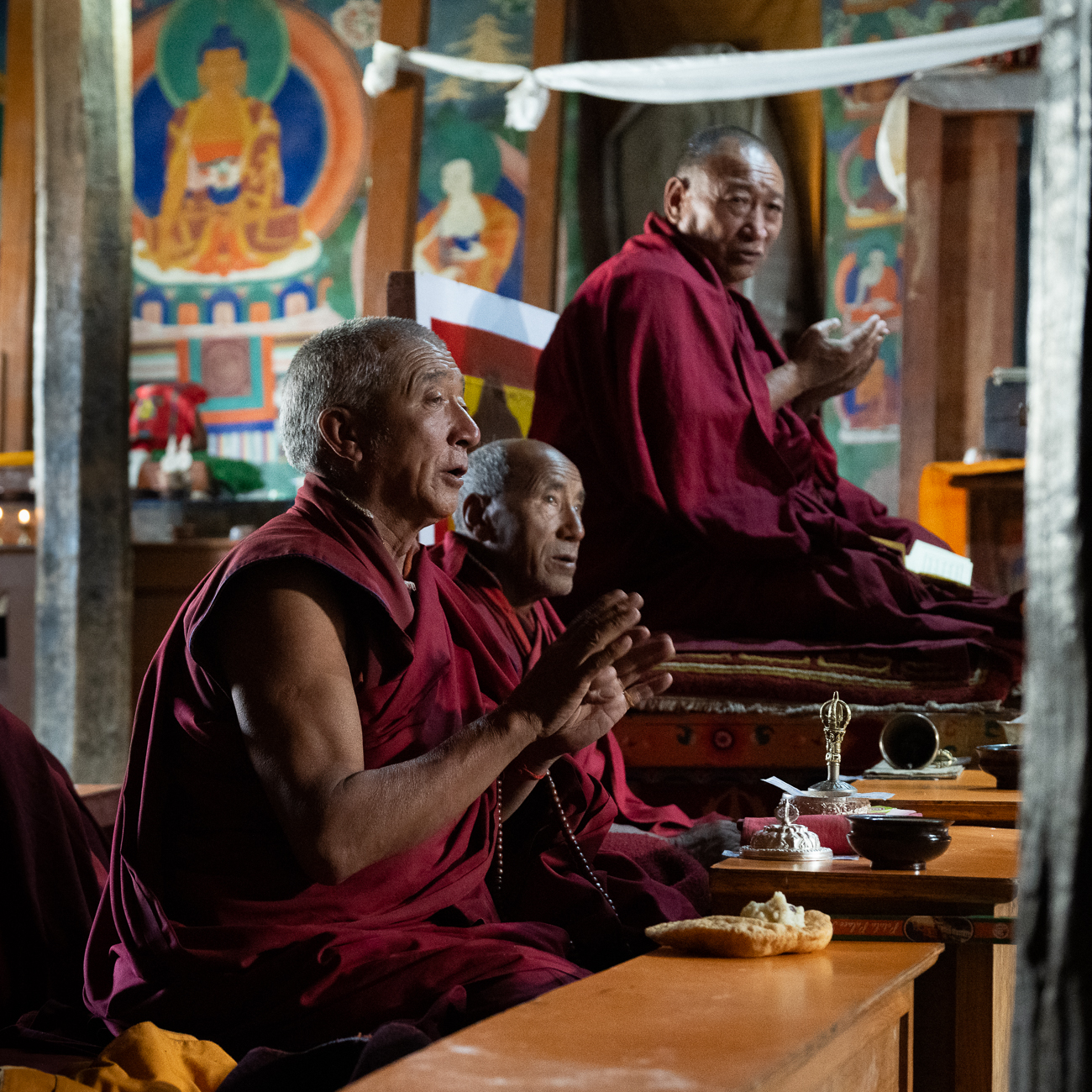
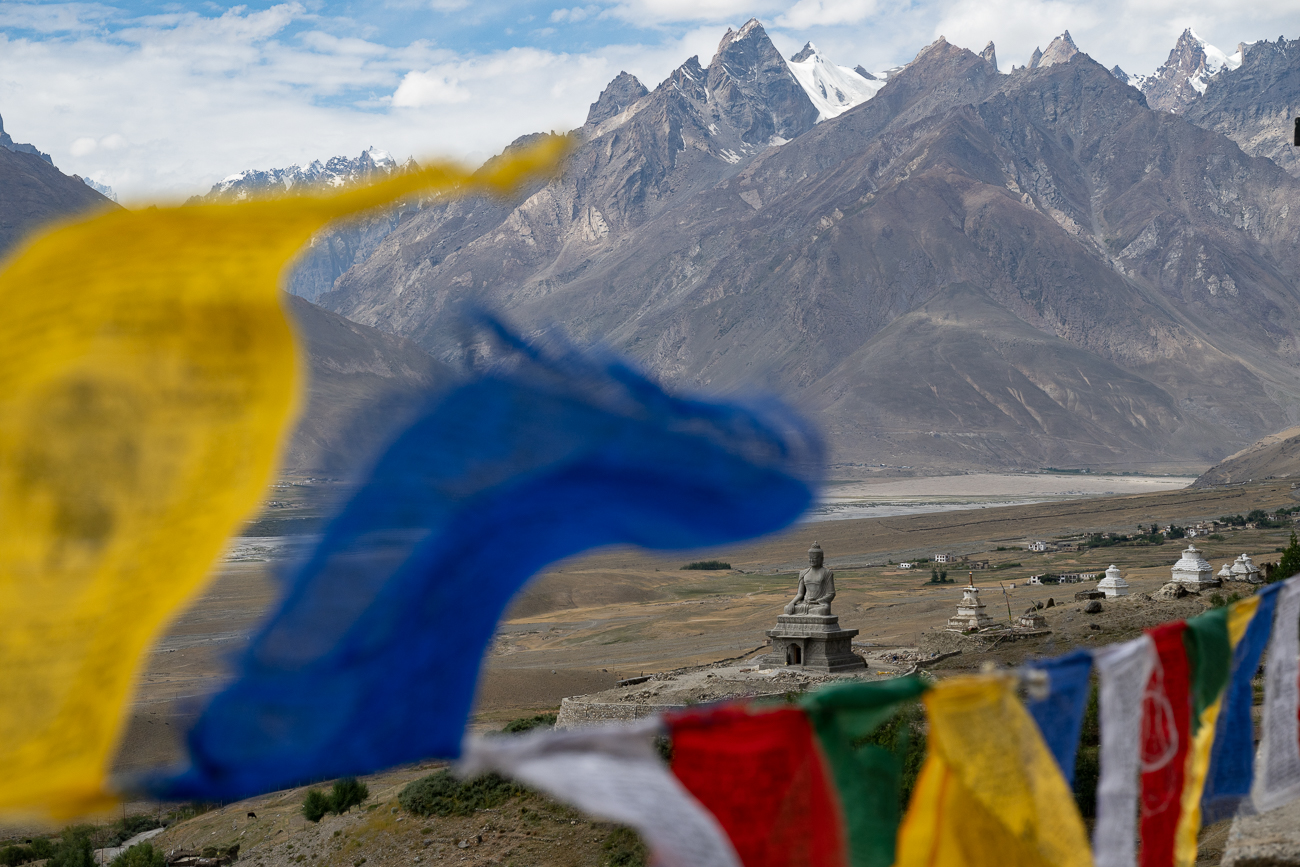
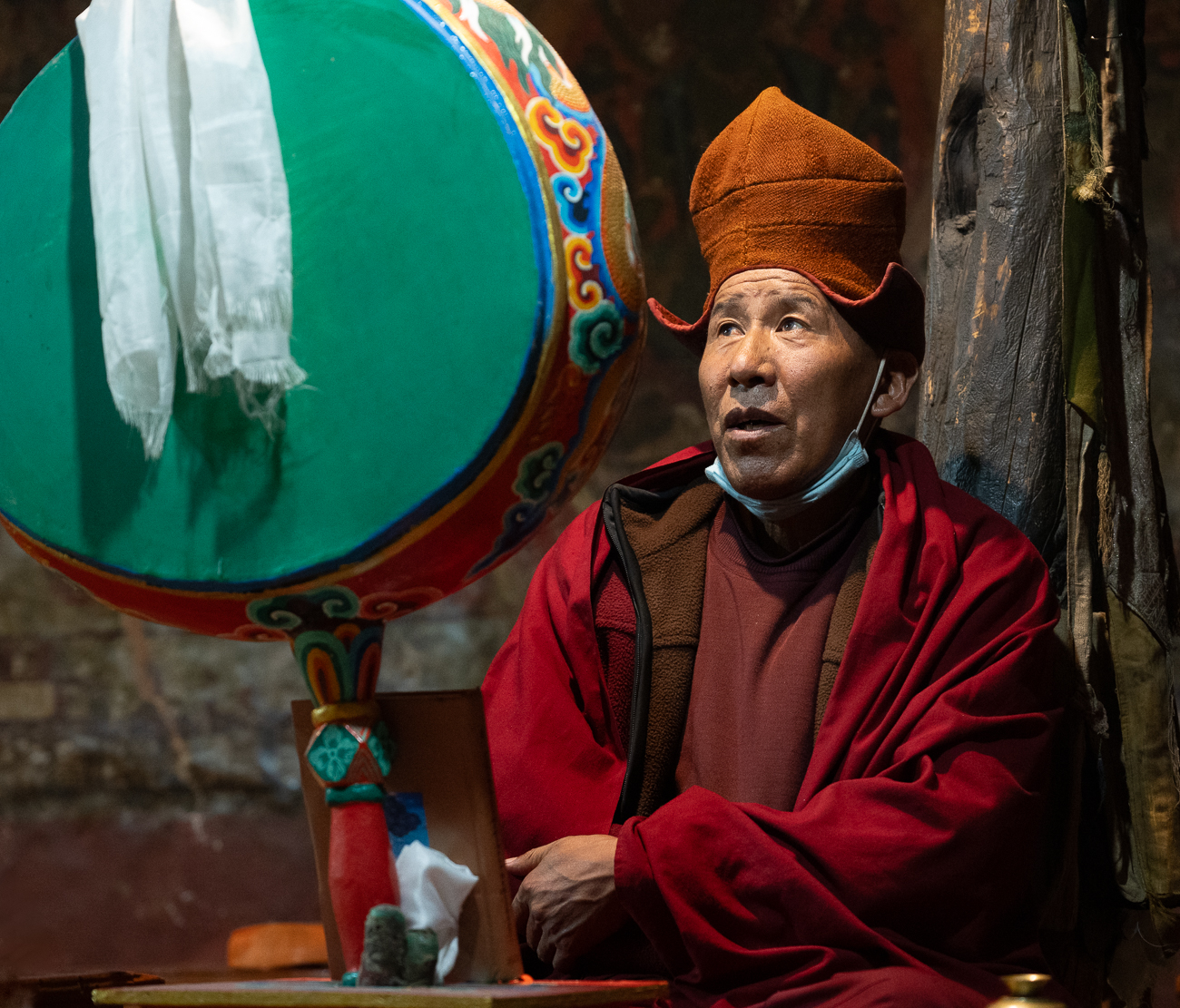
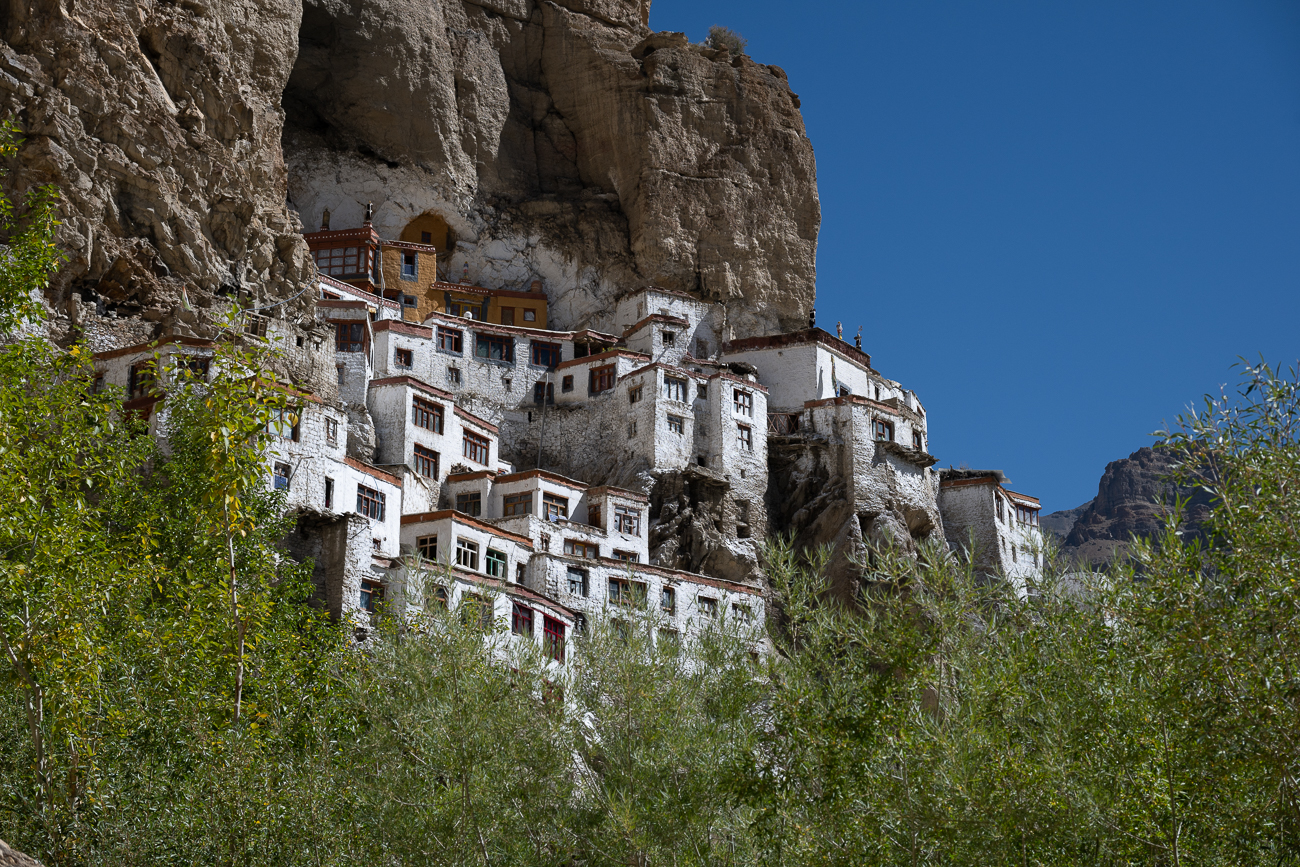
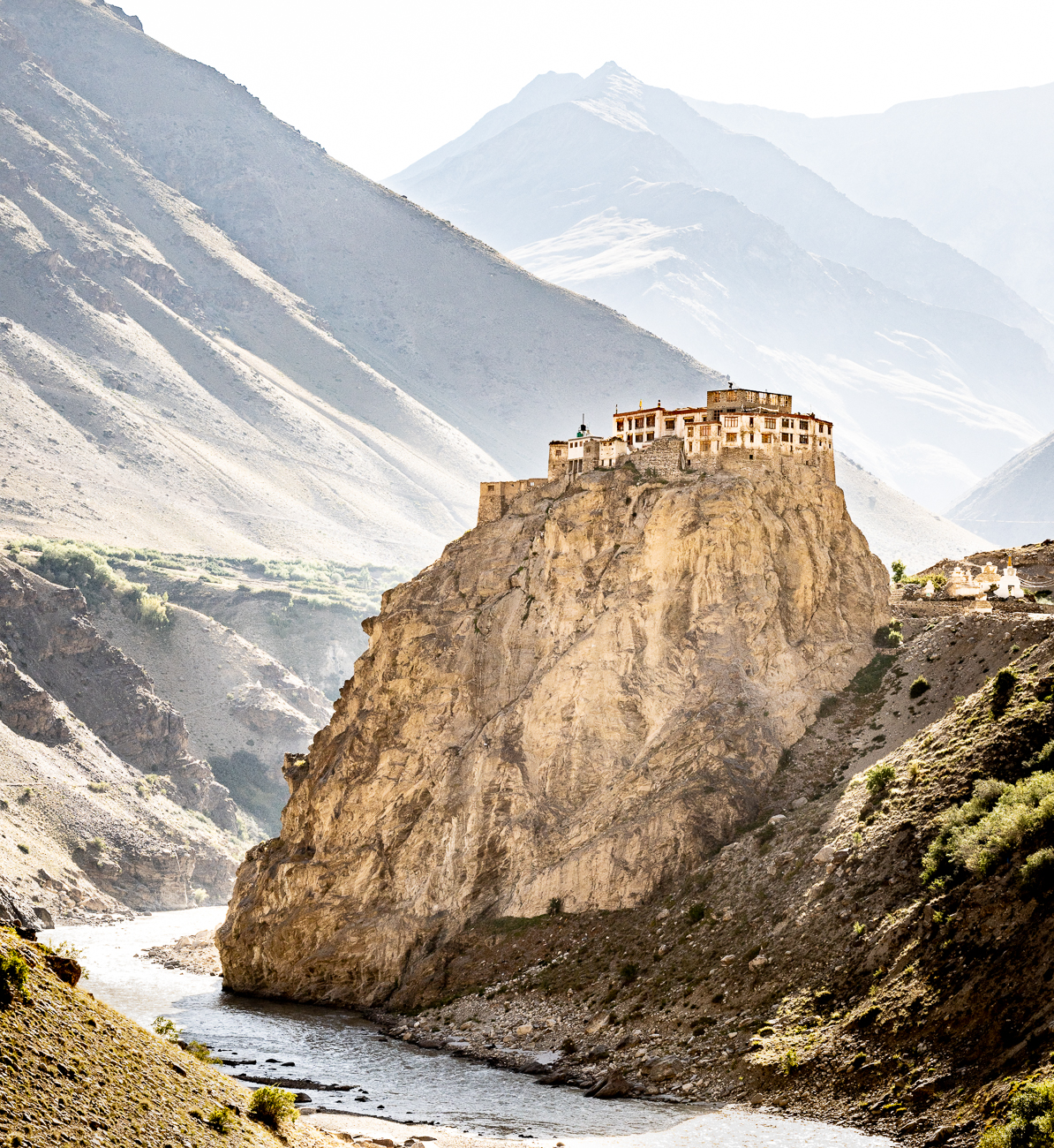
As you head east from India’s Kashmir Valley, across the mountains to Zanskar, the Muslim influence gives way to a Buddist world. There are lots of monasteries. Most have elaborate paintings and tapestries. Sometimes we were allowed to quietly sit and photograph even during prayers; sometimes we couldn’t photograph anything at all. The monasteries often seem like a combination church, old-folks home, and orphanage, as well as art museum and (run-down) palace.